
Math practice
Counting Nickels and Pennies Activity
Practice identifying and counting nickels and pennies, and matching coins to their cent values.




Classroom resources
Browse by lesson focus
Choose the topic or kind of practice you need.
Showing 2065–2088 of 4998 resources

 Show filters
 Practice identifying and counting nickels and pennies, and matching coins to their cent values.
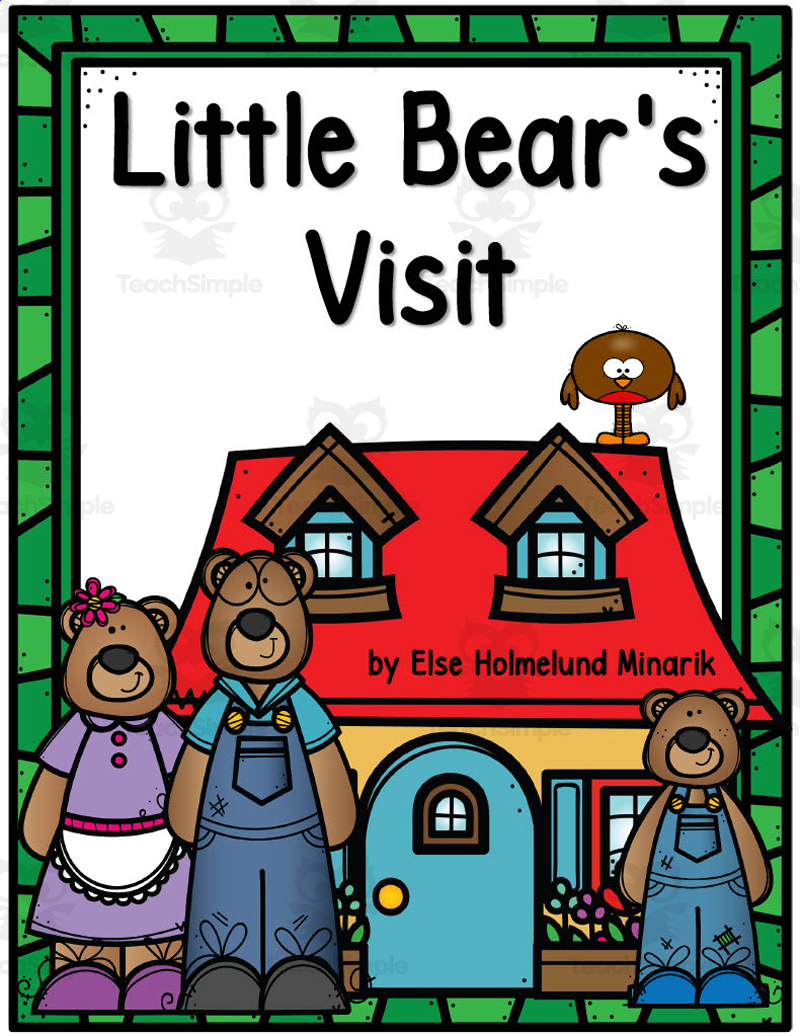
A novel/book companion for 'Little Bear's Visit' by Else Holmelund Minarik, with chapter comprehension questions, a creative writing extension, author's purpose and character traits activities, and a true/false quiz.
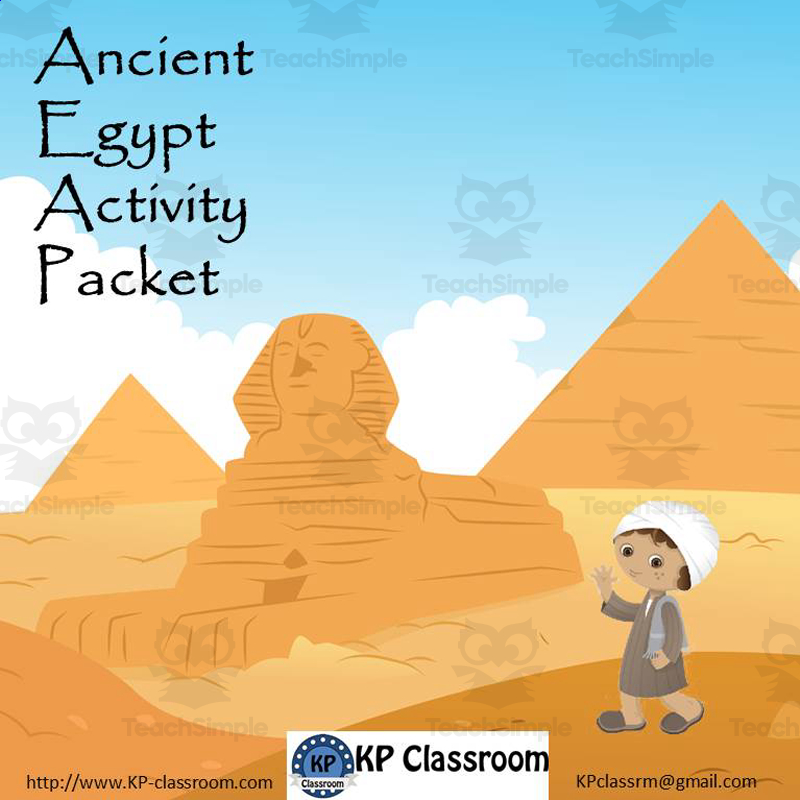
Teaches Ancient Egypt basics (geography, pharaohs, pyramids, hieroglyphics, Egyptologists) through reading passages, a fictional story, and follow-up activities.

A grade 3 activity pack of word problems, decomposing/composing area tasks, and area/perimeter practice aligned to CCSS 3rd grade measurement standards.
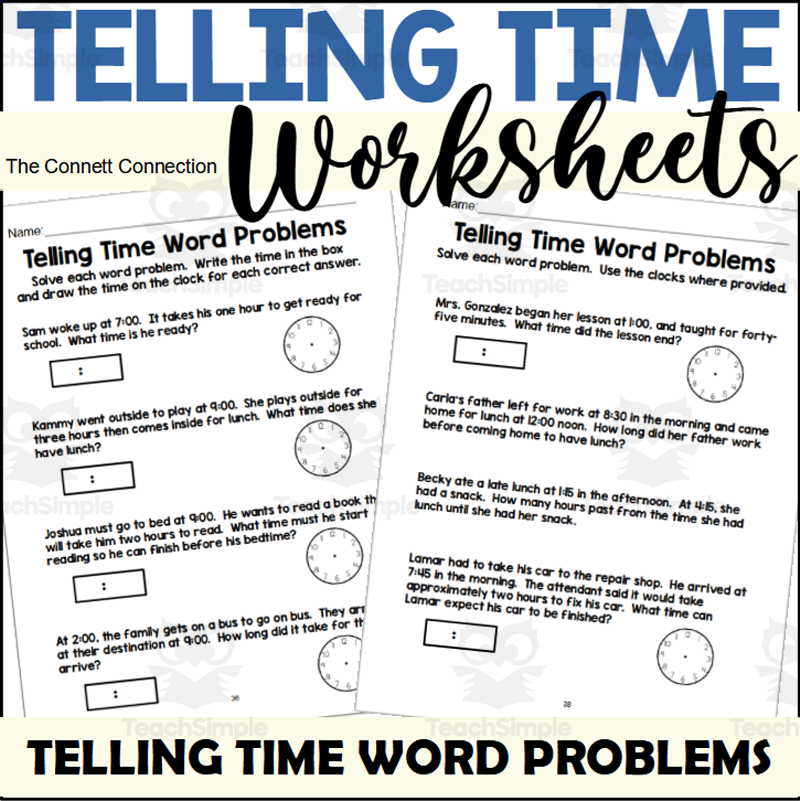
Analog time vocabulary opens the packet, defining o'clock, half past, quarter past, and quarter to with worked examples before moving into matching pages where students draw lines connecting spoken time phrases to analog clock faces and digital times. A dedicated page has students label seven daily activities, such as sunrise and lunchtime, with AM or PM based on the given time. The bulk of the resource is sixteen elapsed-time word problems spread across several pages, asking students to find a start time, end time, or duration from everyday scenarios like getting ready for school, running errands, and doctor's appointments, with a blank box provided to write each answer. Later problems increase in difficulty, moving from round numbers like nine o'clock plus three hours to less even calculations such as 8:28 versus a 9:00 arrival time or a 48-minute GPS estimate against a 10:15 appointment.

A STEAM activity combining art, science, and engineering: students build a coin-based spinner and collect/analyze data on how long it spins.
 Free download
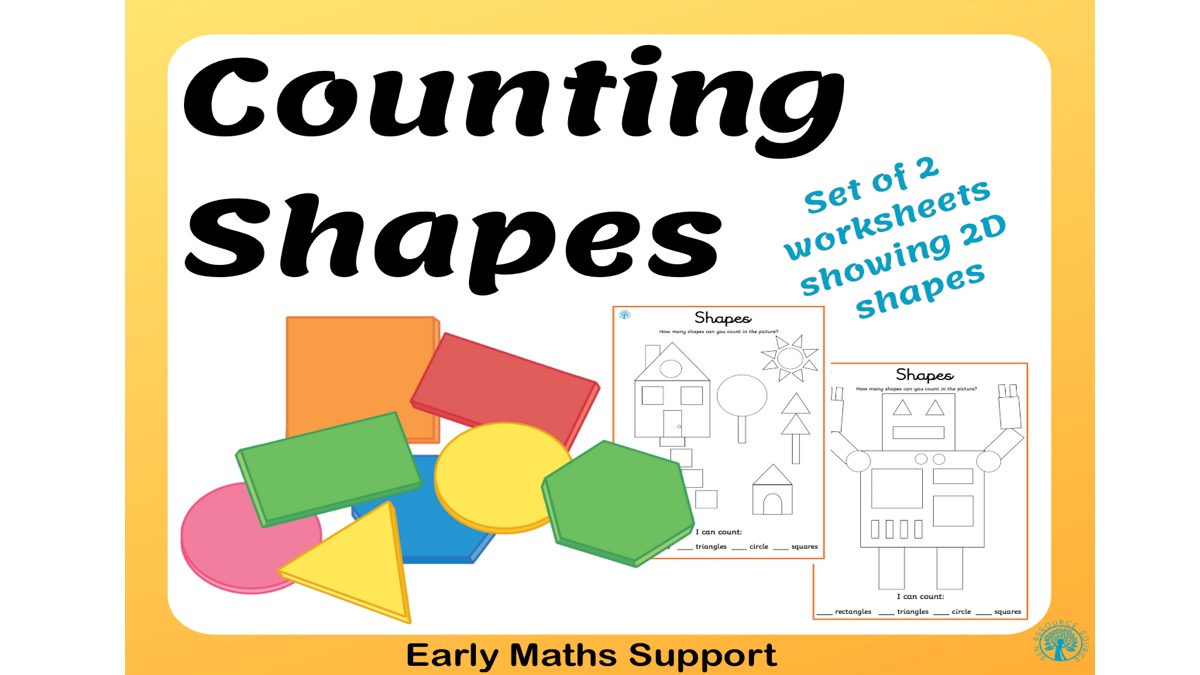
 Practice identifying and counting basic 2D shapes (circles, squares, rectangles, triangles) hidden within a picture.
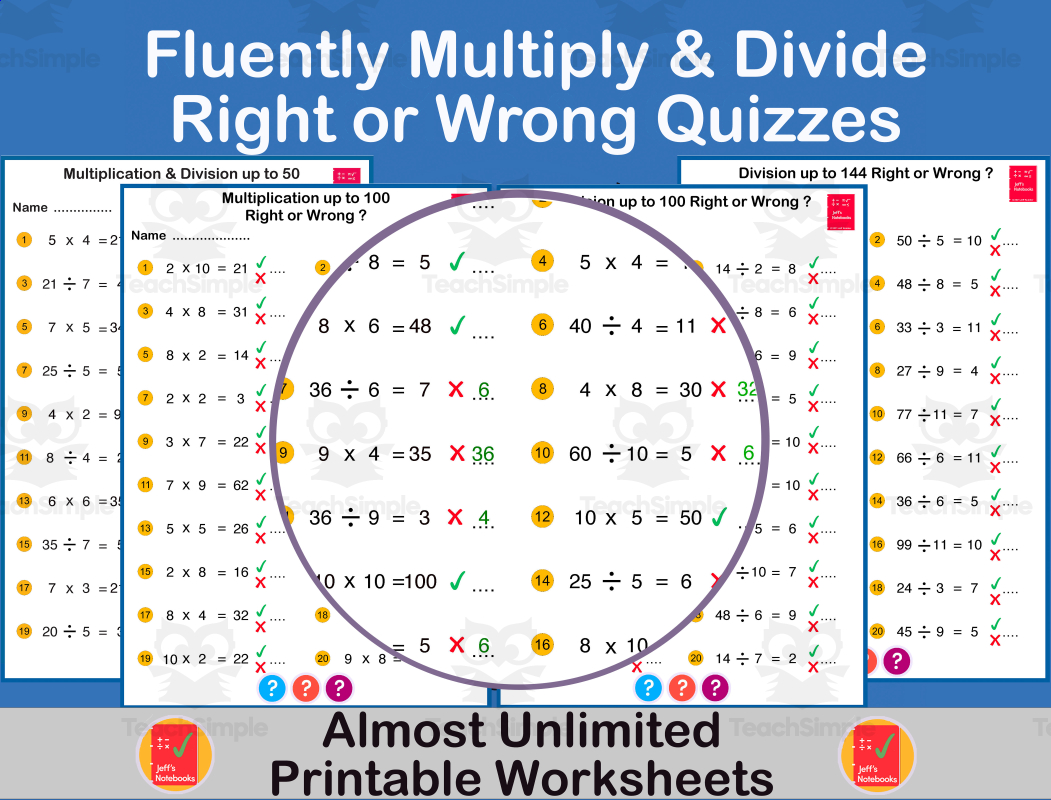
Provide leveled fluency practice for multiplication and division facts up to 144 in a right-or-wrong verification format.
A set of 100th-day-of-school printables combining math fact practice (addition/subtraction facts to 100) with reflective '100 Things I...' list-writing prompts and a cut-and-count activity.
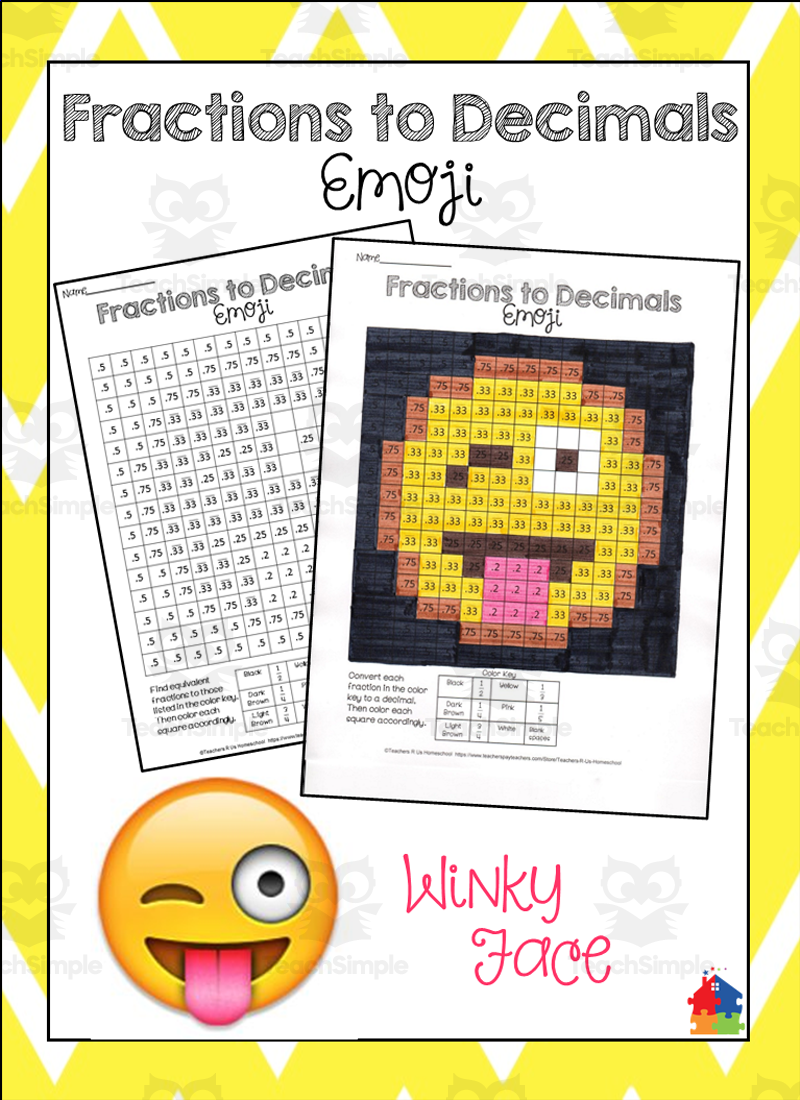
Convert fractions in a color key to their decimal equivalents, then use the fraction/decimal-to-color mapping to color a grid and reveal a winky-face emoji picture.
A ready-to-use, no-prep substitute-teacher packet that uses a nonfiction narrative about the sled dog Balto to build reading comprehension along with cross-curricular vocabulary and math skills.

Practice recognizing and adding number combinations that equal a specified target sum.
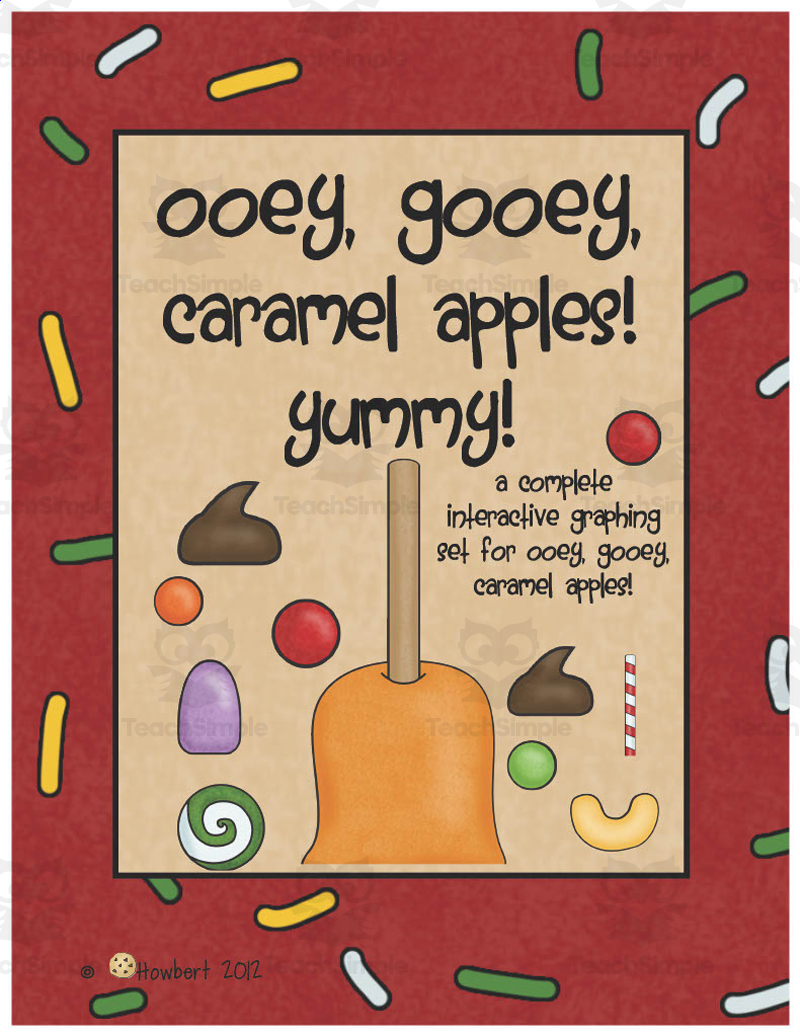
An interactive graphing activity using a class vote on caramel apple toppings to teach picture, tally, and bar graphing skills.

Practices identifying words containing a specific short vowel sound (a, e, i, o, u) in the middle of the word.
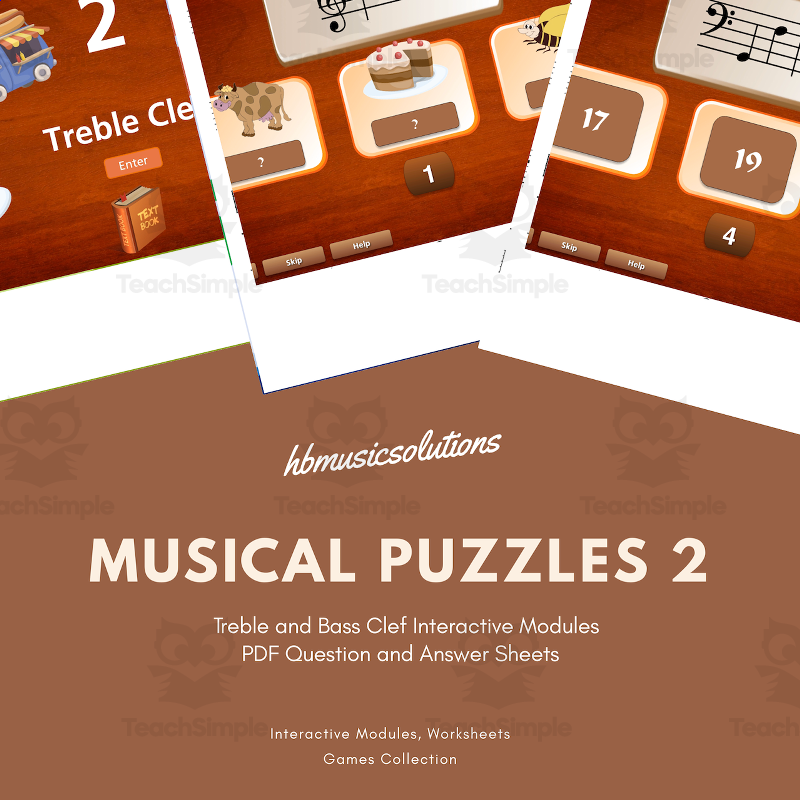
Practice reading and writing musical notes on the treble or bass clef staff by encoding/decoding words and solving short riddles/puzzles.

A phonics activity packet focused on short a and short e vowel sounds, using CVC words, aligned to Common Core RF.K.2 and RF.1.2 standards.
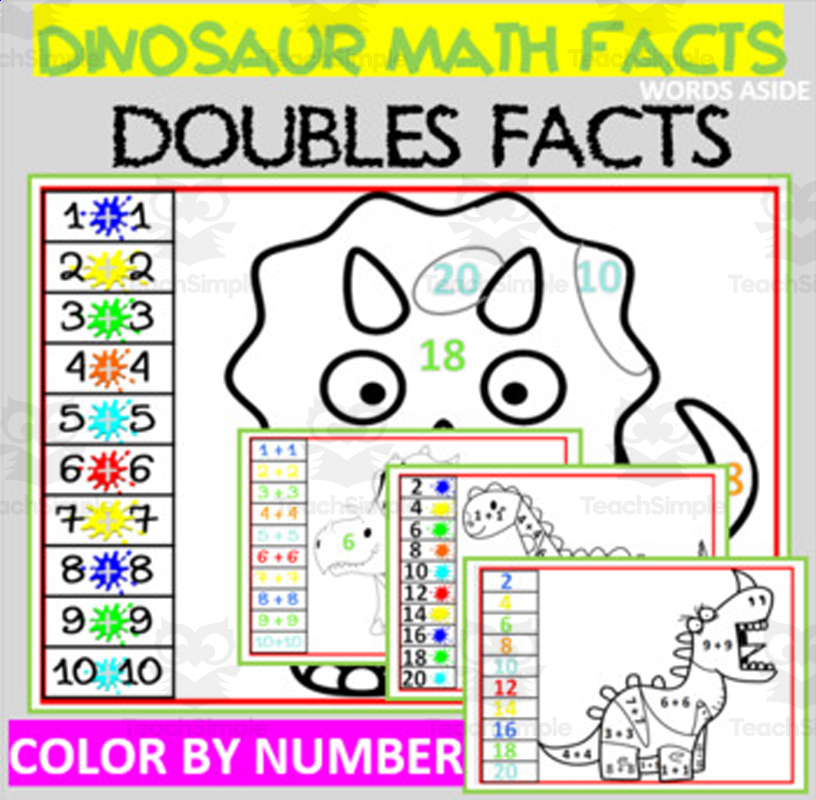
Practice addition doubles facts (e.g. 1+1 through 10+10) through a dinosaur-themed color-by-number activity to build mental math fluency.
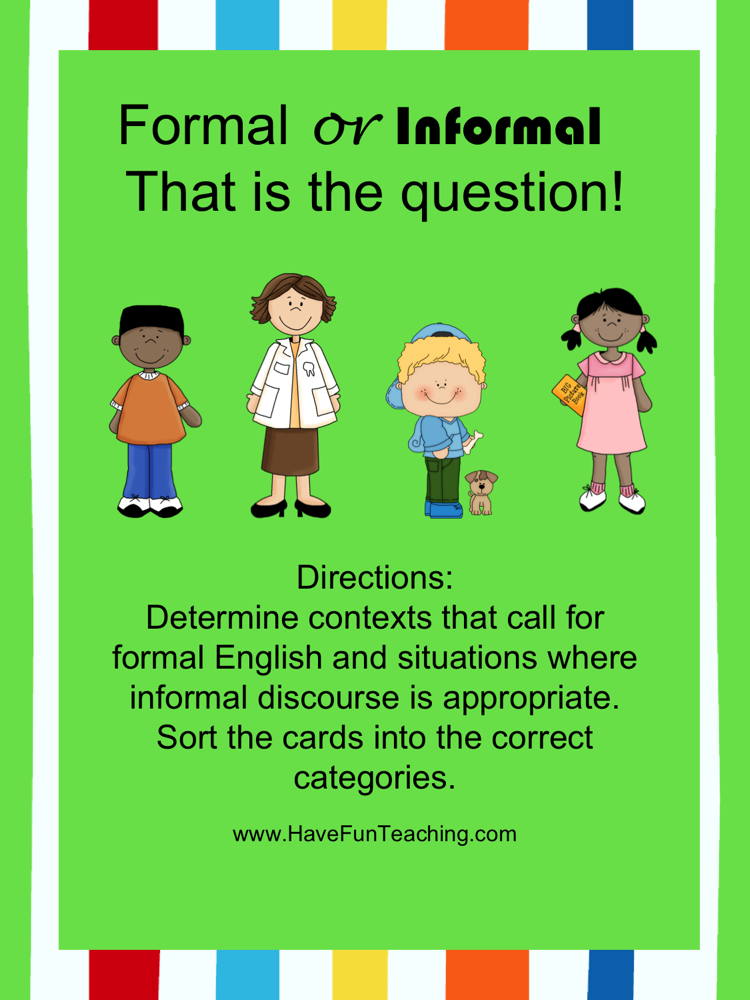
A card-sort activity helping students (especially ESL learners) determine whether given statements are formal or informal English, from HaveFunTeaching.com.
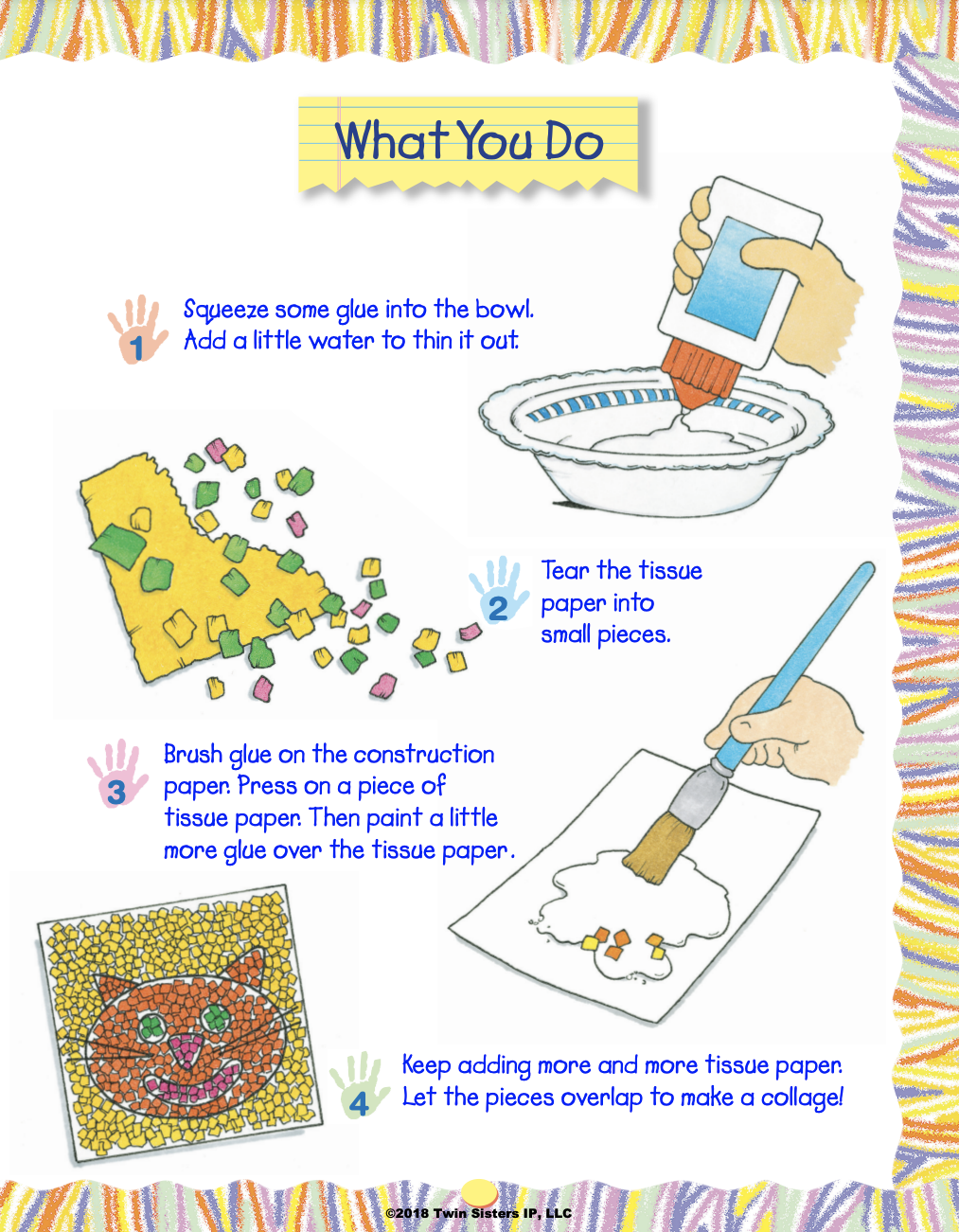
Guides young children through simple art and craft projects that build fine-motor and creative skills.
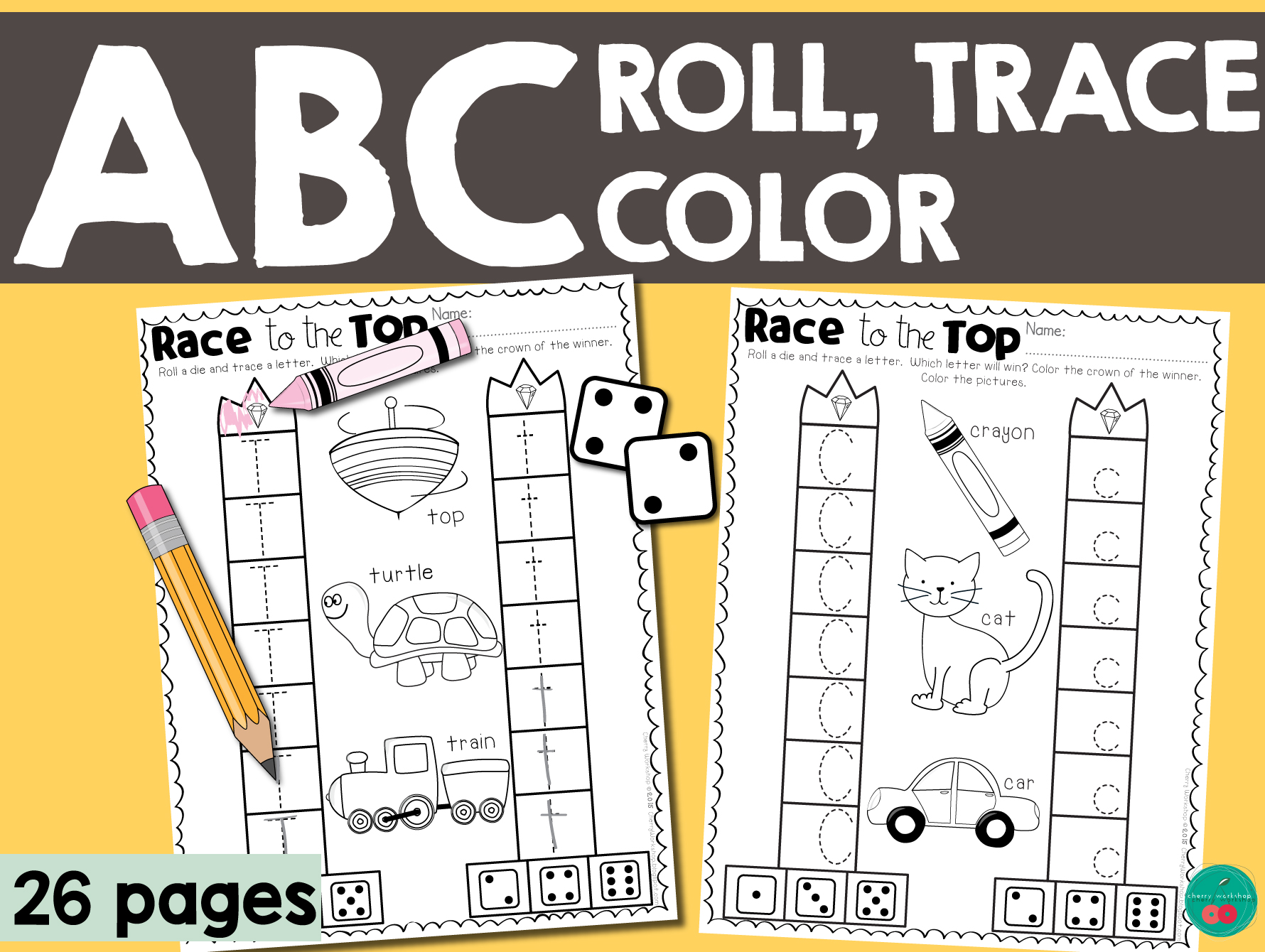
A dice-based letter-tracing race game where students trace letters and color related pictures.
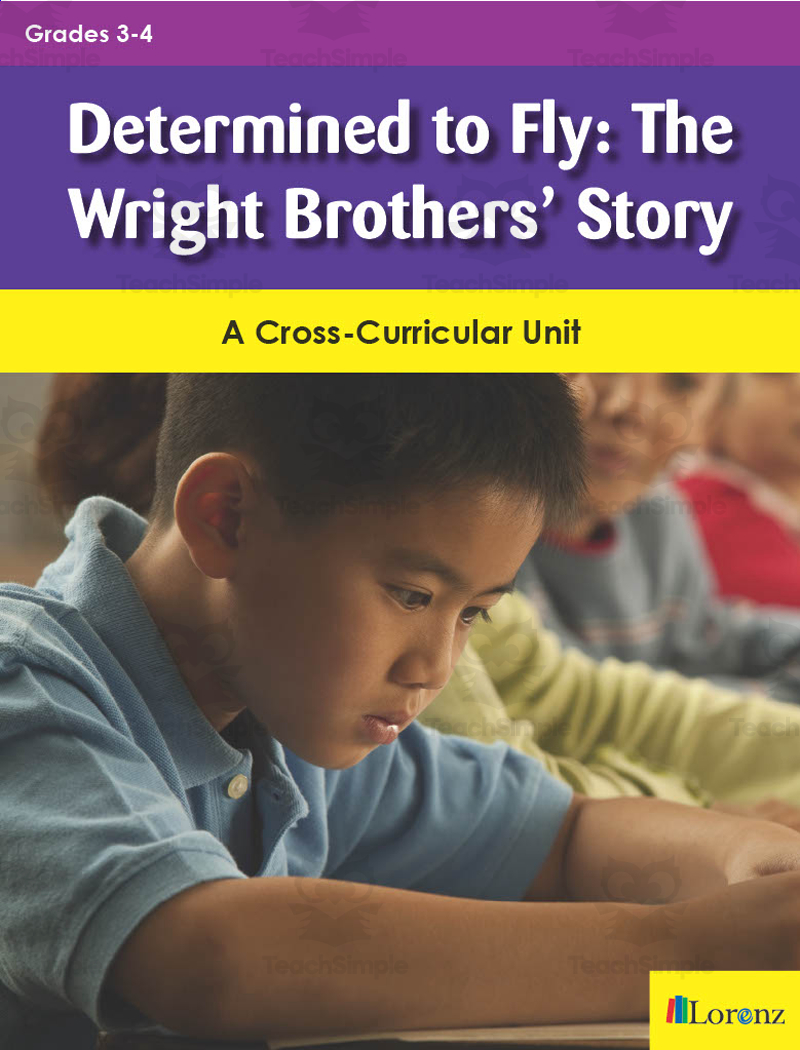
A cross-curricular (reading/history/math/vocabulary) unit teaching Grade 3-4 students about the Wright brothers and the invention of the airplane through a nonfiction narrative and follow-up activities.

A no-prep addition-facts practice craft where students solve sums, color-code a plant picture (flower/cactus) accordingly, then cut and fan-fold it into a two-image agamograph.
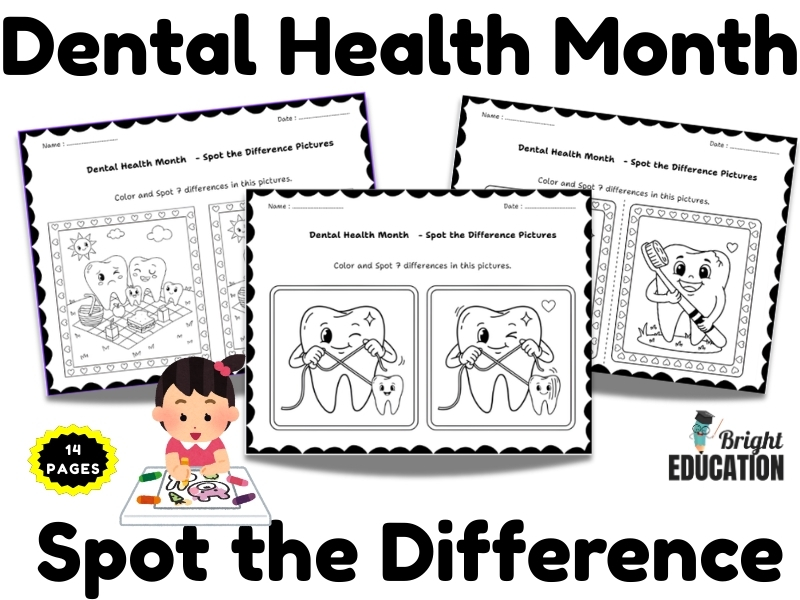
A visual discrimination activity where students compare two similar dental-health-themed pictures, spot differences, then color the pictures
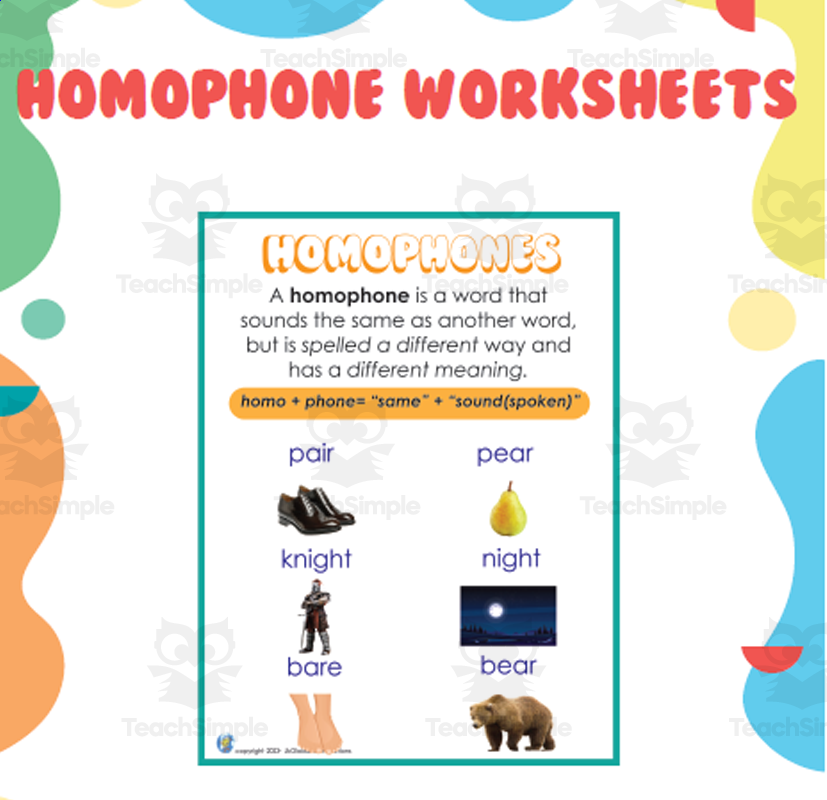
Vocabulary and spelling practice distinguishing 30 common English homophone pairs using picture-based identification.