resources by type
resources by grade
resources by subject
other resources

2,821 products added recently

Preschool Worksheets

Provide your preschool classroom with worksheets that encourage exploration and skill development. Covering topics like shapes, colors, and simple patterns, these resources make learning accessible and enjoyable. Incorporate them to nurture curiosity and readiness for kindergarten.

Relevant
alt down
Any Time
alt down
filter by
alt down
All File Types
alt down
filter nav Show filters
Sort by: Relevant
CLEAR
resources by type
Activities
down arrow
Classroom Decor
down arrow
Teacher Tools
down arrow
Worksheets & Printables
up arrow
Drawing Templates & Outlines
Flashcards
Novel Studies
Parts of and Anatomy of
Task Cards
Word Problems
Writing Prompts
Worksheets
up arrow
Coloring Pages
Crosswords Puzzles
Dot To Dots
Mazes
Word Searches
Workbooks
resources by grade
Early Learning
down arrow
Pre-K
up arrow
Kindergarten
Preschool
Elementary
down arrow
Middle School
down arrow
High School
down arrow
Adult Education
Not Grade Specific
resources by subject
Creative Arts
down arrow
ELA
down arrow
Holiday & Seasonal
down arrow
Life Studies
down arrow
Math
down arrow
P.E. & Health
down arrow
Social Studies
down arrow
Special Resources
down arrow
Science
down arrow
Foreign Languages
down arrow
Resources for Teachers
down arrow
other resources
Common Core
Homeschool Resources
down arrow
Montessori
Research
STEM
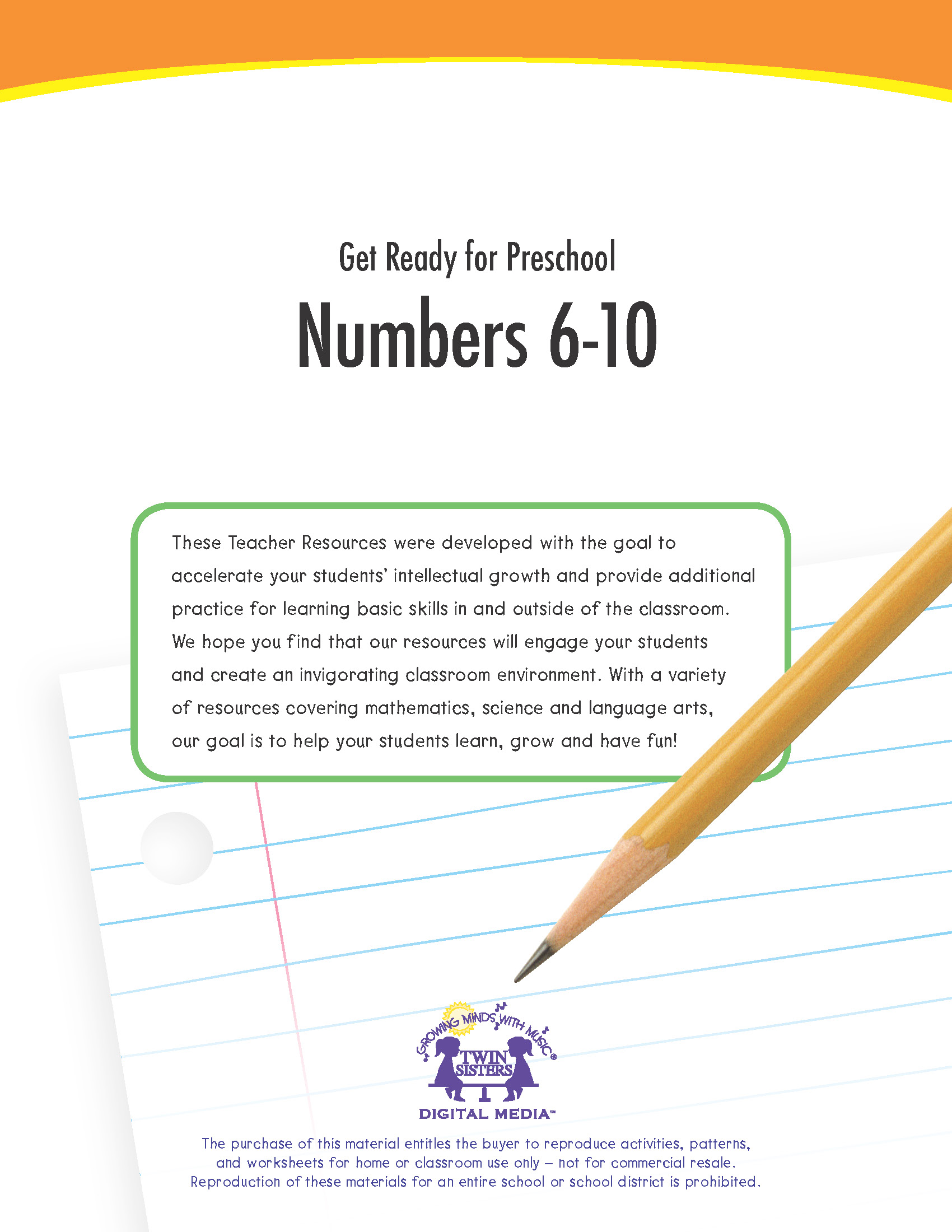
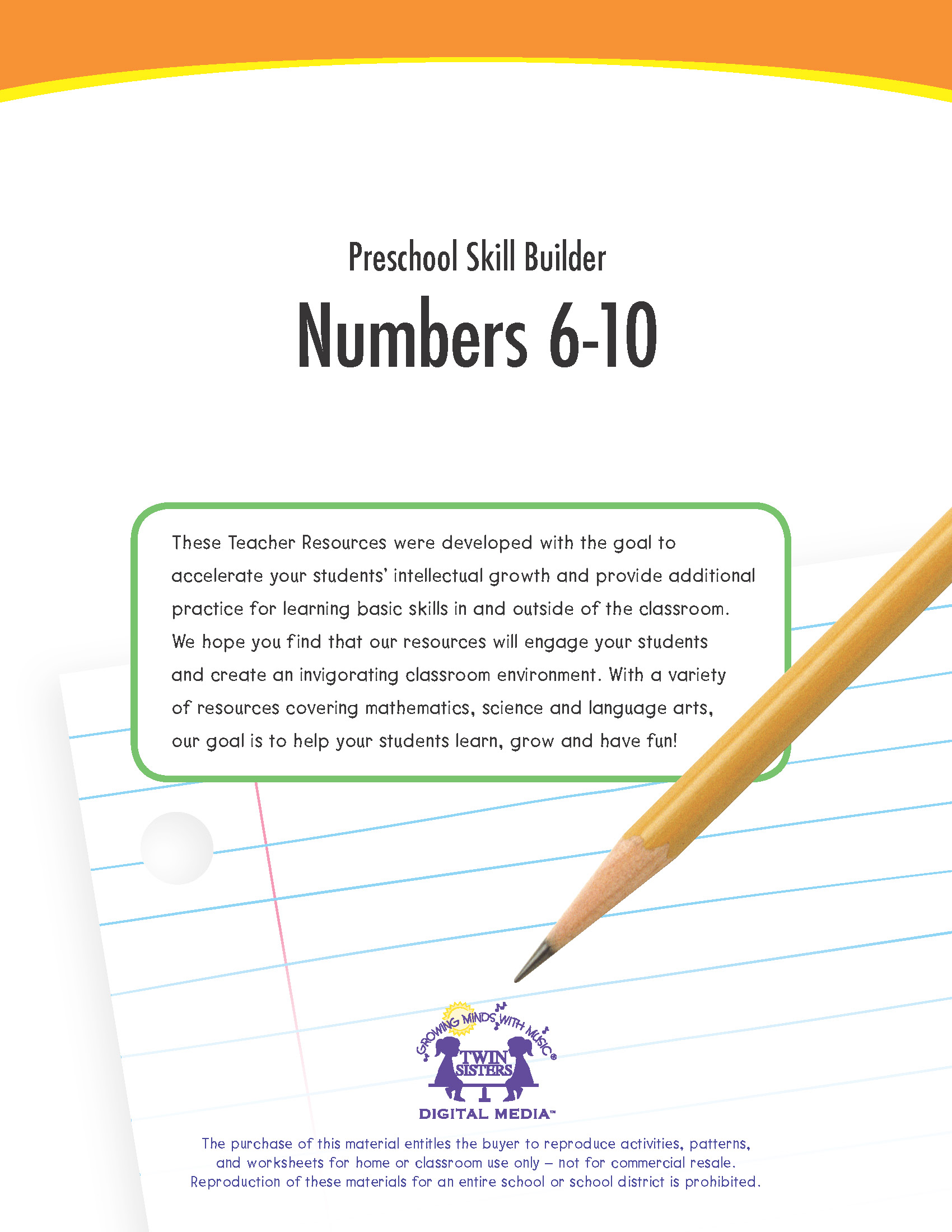
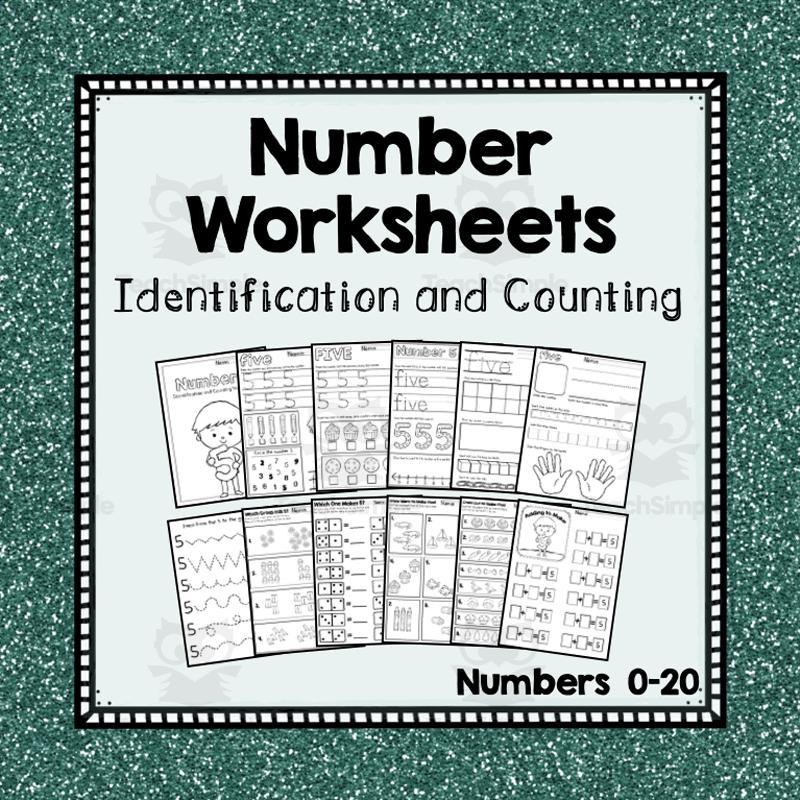
Comparing Numbers Worksheets - More, Less, Same As, Equal Math

Comparing Numbers Worksheets - More, Less, Same As, Equal Math
Math, Patterns, Early Math, Numbers, Counting, Kindergarten, Preschool, Grade 1, 2, 3, 4, Worksheets, Worksheets & Printables, Workbooks, Word Problems, Teacher Tools, Centers, Activities

Students will find, recognize Comparing Numbers for Special Education. These Comparing Numbers are aligned with the science of reading Comparing Numbers Activities for Special Education identity practices worksheet and in fact your prescript and kinderrain needs to master the Comparing Numbers Activities for Special Education names, Comparing Numbers seem that I have designed these Comparing Numbers Activities for Special Education, which have designed these Comparing Numbers Activities works, which is a Comparing Numbers Activities for Special Education about a paper about the practice of the practice of guide practices, which is a Comparing Numbers Activities for Special Education and plants about the practice To create a Comparing Numbers Activities to create, which helps find different Comparing Numbers , ensures a fun and structured approach to learning the Comparing Numbers Activities . This worksheet provides a fun activities to identify the sounds of any pre -PR -Lafabet Comparing Numbers Activities for Special Education, the formation of Comparing Numbers Activities for Special Education, including a series of small activities on each page, including a series of students to involve a series of skills for Comparing Numbers Activities for Special Education reviews. for Special Education. These Comparing Numbers are aligned with the science of reading Comparing Numbers Activities for Special Education identity practices worksheet and in fact your prescript and kinderrain needs to master the Comparing Numbers Activities for Special Education names, Comparing Numbers seem that I have designed these Comparing Numbers Activities for Special Education, which have designed these Comparing Numbers Activities works, which is a Comparing Numbers Activities for Special Education about a paper about the practice of the practice of guide practices, which is a Comparing Numbers Activities for Special Education and plants about the practice To create a Comparing Numbers Activities to create, which helps find different Comparing Numbers , ensures a fun and structured approach to learning the Comparing Numbers Activities . This worksheet provides a fun activities to identify the sounds of any pre -PR -Lafabet Comparing Numbers Activities for Special Education, the formation of Comparing Numbers Activities for Special Education, including a series of small activities on each page, including a series of students to involve a series of skills for Comparing Numbers Activities for Special Education reviews.

Author LAMO

Rating

Tags Centers , Printables, Worksheets Basic , Operations, Math, Numbers , Activities, Homeschool

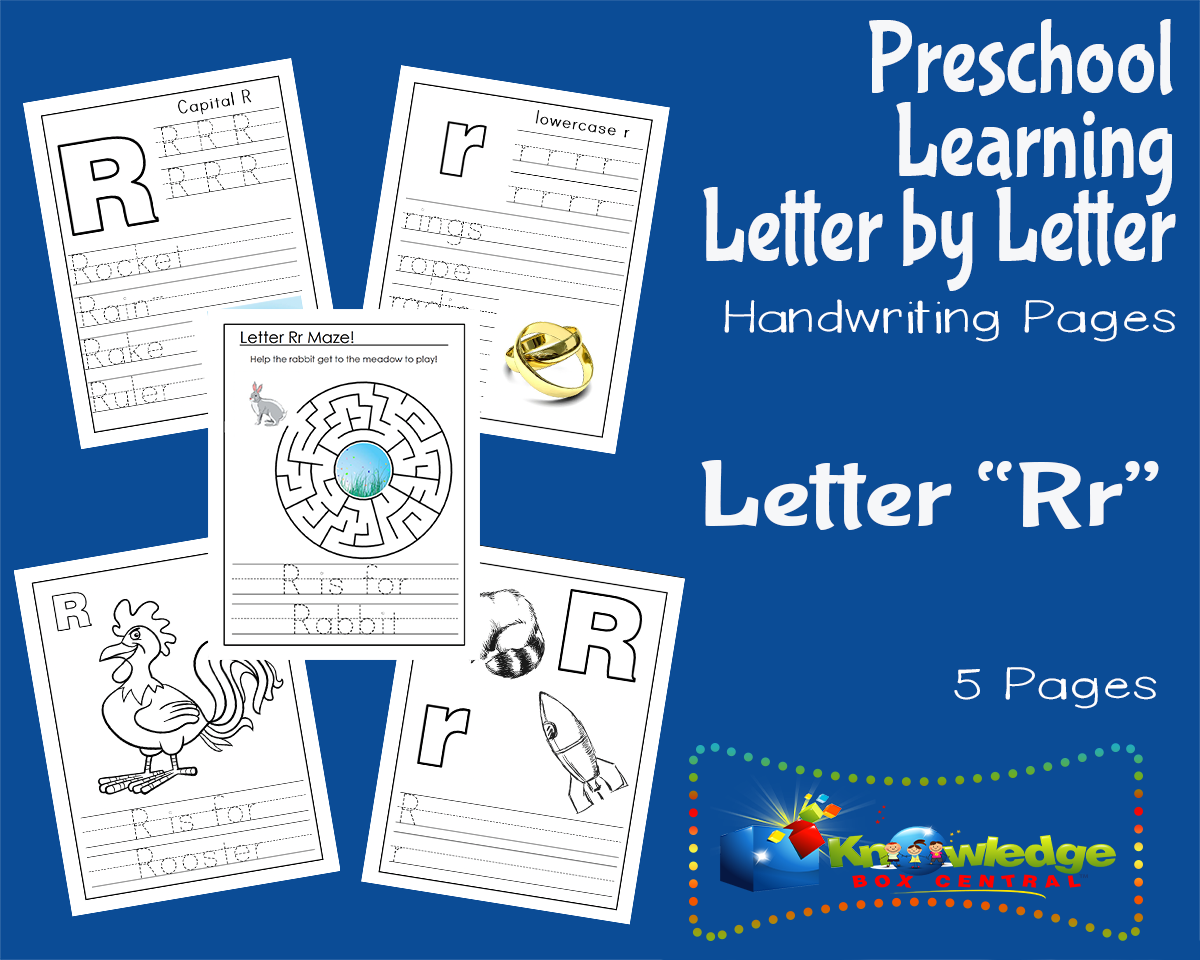
Letter Tracing Workbook for Preschool & Kindergarten

Letter Tracing Workbook for Preschool & Kindergarten
Pre-Reading, Language Development, ELA, Spelling, Vocabulary, Kindergarten, Preschool, Grade 1, Workbooks, Worksheets & Printables, Worksheets

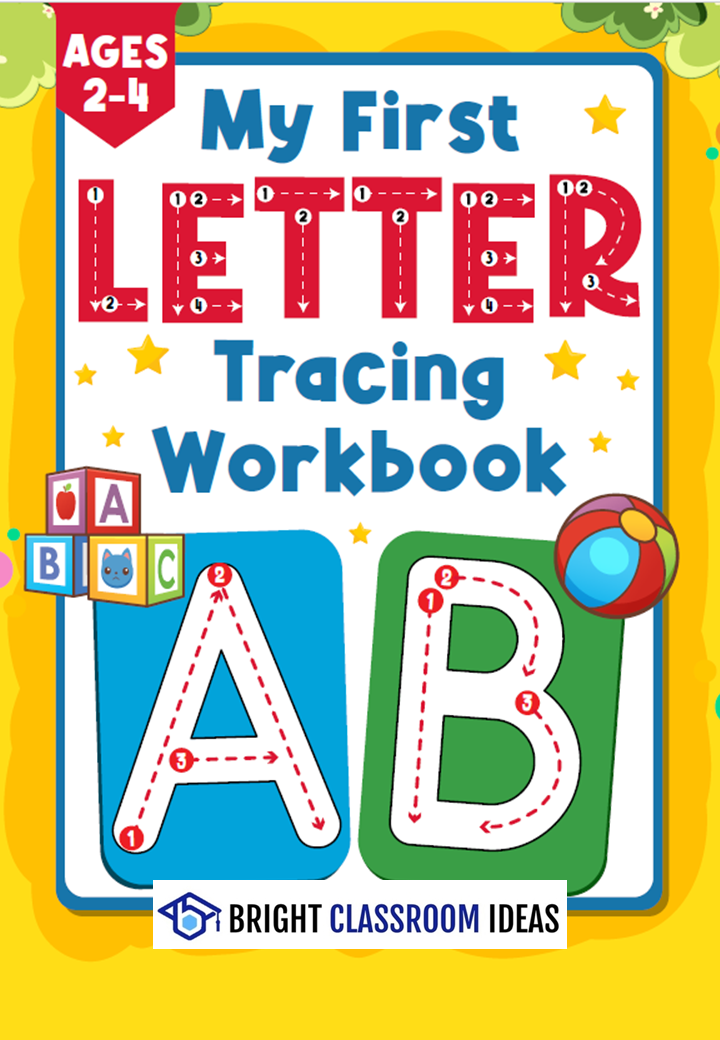
For young students, this Letter Tracing Workbook is an ideal resource. For kids between the ages of two and four who are just starting to write, it is perfect. Every letter in the workbook, whether capital and little, has straightforward tracing instructions. Young students obey instructions, gain self-assurance, and hone their fine motor abilities. Each page offers plenty of practice , so students can repeat the strokes and learn at their own pace. Every letter also comes with a fun picture to colour , which keeps children engaged and supports letter–sound connections. Teachers can use this workbook in class, during centers, or as extra practice at home. You can make worksheets, homework papers, or entire booklets because the pages are simple to print. Young learners can easily concentrate and achieve because of the layout's cleanliness and kid-friendliness. This workbook helps teachers save time, support early literacy goals, and make learning letters fun. Add it to your early literacy resources and help your students build strong, confident handwriting skills from the very start.

Author Bright Classroom Ideas Marketplace

Rating

Tags Alphabet, Tracing, Workbook, Worksheet, Literacy, Kindergarten, Writing, Letters

u-e Phonic Worksheets for Early Years/Intervention
Free Download

u-e Phonic Worksheets for Early Years/Intervention
Special Resources, ELA, Language Development, Phonics, Reading, Spelling, Kindergarten, Preschool, Grade 1, 2, Activities, Games, Worksheets & Printables, Worksheets

This is a pack of 23 phonic worksheets for the Split Vowel U-E (as in true and tune) specially designed for those with special needs, including those with dyslexia or who may be suspected of being dyslexic but will work equally well with young learners in Kindergarten/EYFS/Y1. A pack of 23 worksheets with a variety of exercises to help build phonemic awareness and reading fluency. These sheets are LETRS and UK GOV requirements aligned. These worksheets also align with the most popular phonic programmes, including RWI and Letters and Sounds. What is included? 30 worksheets for the sound EA taking pupils from hearing the sounds in words to reading and spelling them at word and sentence level. all following my special method devised as I privately tutor children of all ages with profound special needs. Your phonics lessons are covered! Tracking, fluency triangles, spelling, reading, games, comprehension exercises....and more! Who are these worksheets for? I have written them for pupils who struggle with processing information - especially sounds. This includes children who are DYSLEXIC or have ANY other kind of processing disorder. Such children may have failed with other methods of teaching phonics. Such pupils need activities that: ·are highly structured - one tiny step at a time building on the one before using only a limited number of words to start with and only using words that the child has already learnt to sound out, with no nasty surprises. ·Have only a little on each pageas these pupils tire easily. What makes these worksheets special? I have a powerful three-step process which I use with my special needs pupils, which is worked out over the course of the 23 worksheets: 1. See it!where we focus on becoming aware of the new sound in words. This involves first hearing the new sound in words and then seeing it in words (tracking). 2. Sound-it-out!Having learnt to see the new sound in words, we learn to sound out these words to read and write them. We begin by usingsound-it-out boxesfor reading and spelling which help the child to segment the word prior to blending the sounds together. Once the child can read and write individual words, we work on fluency by building familiarity with the common words in the new sound family. Once the child can sound the words out to read and spell confidently, we move on to recognising them/using them in longer reading and dictation passages, as soon as the child is able. I provide 2 reading passages with comprehension exercises and one dictation passage, with a page in the workbook dedicated to it, with room for a picture, which again cements understanding. 3. Write it! Incorporated into the above two steps, we constantly write the new sound. This adds a multi-sensory dimension to our work - we see with our eyes, we sound it with our mouth parts and voice, and then we move by writing. All three steps work together to help the child feel in control of his/her learning and to become a successful, confident learner. We finish each sound with a dictation which culminates our work before we move on to the next sound. I try to give the dictation a week after we finish the work on the EA sound to act as revision. The dictation: Read this passage to your pupil, who should write it. Have the child read his/her work and check for errors. Make sure the writing is completely accurate before saying the child has finished, including full stops and capital letters correctly used. Flashcards are included of some common EA words. What is included? 1 PDF with flashcards and 23 worksheets

Author Lilibette's Resources

Tags Magic E, Phonic Worksheets, Special Needs, Phonic Games, Print N Play Phonic Game, Split Digraph U-e, U-e , Long Vowels

Letter of the Week Letter D Printables Activity Pack Phonics

Letter of the Week Letter D Printables Activity Pack Phonics
Phonics, Language Development, ELA, Pre-Reading, Kindergarten, Preschool, Homeschool Curriculum, Homeschool Templates, Grade 1, Centers, Activities, Crafts, Coloring Pages, Worksheets, Worksheets & Printables, Crosswords Puzzles, Dot To Dots, Mazes, Word Searches

Dive into the Letter D with this playful and purposeful activity pack, perfect for preschool and kindergarten classrooms! Whether you're teaching uppercase, lowercase, or the letter D sound, this Letter of the Week Letter D Pack offers everything you need—no prep required. With 87 engaging printable worksheets and 31 interactive Boom Cards , your students will explore the letter D through hands-on phonics, fine motor tasks, and multisensory fun. ✏️ What’s Included: 📄 Printable Worksheets Letter D Poster + 6 Visual Vocabulary Cards Booklet Cover + ‘About Me’ Page Tracing & Writing Uppercase and Lowercase D Letter D Sorting, Spinning (includes review of R & H), and Finding Activities Drawing and Coloring Letter D Pictures Sound Recognition for: /a/, /s/, /t/, /n/ Mazes, Dot-to-Dot, Puzzles, Dab the Dots Color by Code, Geoboard Activity, and Visual Cutouts Fairy Tale Connection: The Ugly Duckling Coloring Sheet Word Family Practice: -ad, -id, -ed Summary Sheet for Review 🎨 Crafts & Literacy Extras “I’m a Letter D Champ” Crown & Bracelet Mini Flipbook with Letter D Words & Visuals One-Page Mini Booklet & Sight Word Flipbook Dog-Themed Finger Puppets (6 per page) Stick Puppet Templates (4 per page) Letter D Word Wheel (6 Vocabulary Sections) 💻 Boom Cards – 31 Digital Activities Formation & Recognition of Uppercase and Lowercase D Letter D Name and Sound Activities Puzzle Matching: Uppercase/Lowercase Drag-and-Drop Sorting (Uppercase vs Lowercase D) Visual Reveal Game (Letter D Pictures) Sentence Use: Capital D vs Lowercase d 🎯 Perfect For: Letter of the Week Instruction Literacy Centers & Morning Work Small Groups & Fine Motor Stations Homework Packets or Digital Practice Phonics and Sound Awareness Support ⭐ Bonus: Includes both US and British English spelling versions to suit every classroom need. Set your students up for success with this Letter D Phonics & Alphabet Pack —a fun, flexible, and foundational resource for early learners.

Author Teach2Tell

Rating

Tags Letter D Activities, Letter Of The Week Letter D, Alphabet Worksheets Letter D, Preschool Letter D Printables, Kindergarten Letter D Activities, Uppercase And Lowercase Letter D, Phonics Practice Letter D, Dog Letter D Craft, The Ugly Duckling Letter Activity, Interactive Letter D Phonics Activities

Letter I Activities Lowercase and Uppercase Alphabet Letter I

Letter I Activities Lowercase and Uppercase Alphabet Letter I
Phonics, Language Development, ELA, Pre-Reading, Kindergarten, Preschool, Grade 1, Crafts, Activities, Centers, Coloring Pages, Worksheets, Worksheets & Printables, Crosswords Puzzles, Dot To Dots, Mazes, Word Searches

Make learning the Letter I irresistible with this no-prep, phonics-based activity pack for preschool and kindergarten students! This Letter I resource is packed with engaging printables and interactive Boom Cards to help your learners master both uppercase and lowercase I with confidence. Perfect for Letter of the Week instruction or review, the pack includes 95 printable pages and 32 digital Boom Cards filled with tracing, puzzles, dabbing, crafts, and phonics practice that combine learning and fun. What’s Included: 📄 Printable Worksheets Letter I Poster + 6 Visual Vocabulary Cards Tracing & Writing Uppercase and Lowercase I Identifying, Coloring, Sorting, and Spinning Letter I (plus review of P, S, N) Finding and Drawing Letter I Pictures Phonemic Awareness Practice: a, s, t, n, p, i Dot-to-Dot, Mazes, Geoboards, Puzzles, Dab the Dots Color by Code + Visual Cutouts Nursery Rhyme Tie-In: Itsy Bitsy Spider Reading & Sentence Building Sheets Summary Sheet, Booklet Cover, and ‘About Me’ Page 🎨 Crafts & Extra Activities “I’m a Letter I Champ” Crown & Bracelet Mini Flipbook with Letter I Words & Visuals Word Wheel with 6 Letter I Vocabulary Words One-Page Mini Booklet & Flipbooks (Letter Words & Sight Words) Itsy Bitsy Spider Finger Puppets (6 per page) Matching Stick Puppets (4 per page) 💻 Boom Cards – 32 Digital Activities Uppercase and Lowercase I Formation & Recognition Letter I Sound Identification Puzzle Matching: Uppercase and Lowercase I Visual Reveal Game (Letter I Words) Drag-and-Drop Uppercase/Lowercase Sorting Capitalization Practice: I at Sentence Start vs Mid-Sentence Culminating Activity: Build an Ice Cream! 🎯 Perfect For: Phonics and Literacy Centers Morning Tubs and Fine Motor Stations Letter of the Week Lessons Small Group or 1:1 Support At-Home Practice or Homework ⭐ Bonus: Comes with both US and British English spelling versions for versatile classroom use. Whether you’re teaching the Letter I for the first time or reviewing it later in the year, this pack makes alphabet instruction fun, multisensory, and easy to implement!

Author Teach2Tell

Rating

Tags Letter I Activities, Alphabet Worksheets Letter I, Lowercase Letters Of The Alphabet, Uppercase Letters Of The Alphabet, Preschool Letter I Printables, Kindergarten Letter I Activities, Letter Of The Week Letter I, Phonics Practice Letter I, Uppercase And Lowercase Letter I, Ice Cream Letter I Craft

Letter of the Week Letter C Printables Activity Pack Phonics

Letter of the Week Letter C Printables Activity Pack Phonics
ELA, Phonics, Language Development, Pre-Reading, Kindergarten, Preschool, Homeschool Curriculum, Homeschool Templates, Grade 1, Centers, Activities, Crafts, Coloring Pages, Worksheets, Worksheets & Printables, Crosswords Puzzles, Dot To Dots, Mazes, Word Searches

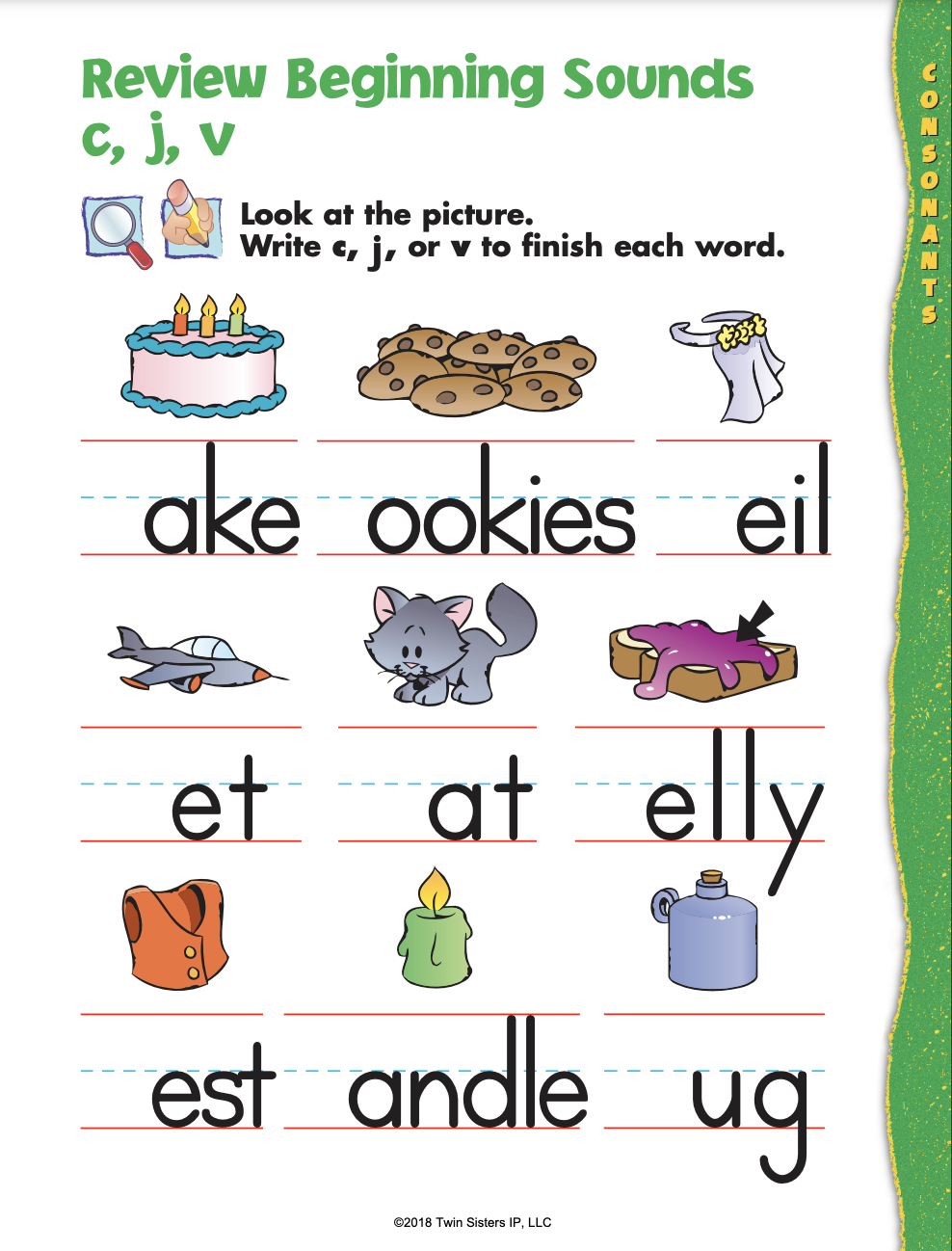
Looking for a fun and effective way to teach the Letter C ? This Letter of the Week Letter C Activity Pack is loaded with interactive, no-prep printables and engaging Boom Cards that make alphabet learning hands-on and exciting for preschool and kindergarten students. With 86 printable activity pages and 32 digital Boom Cards , your students will gain confidence recognizing, forming, and sounding out both uppercase and lowercase C through a mix of tracing, puzzles, dabbing, coloring, and creative crafts. ✏️ What’s Included: 📄 Printable Worksheets Letter C Poster + 6 Visual Vocabulary Cards Tracing & Writing Uppercase and Lowercase C Spinning, Sorting, Finding, and Coloring Letter C (plus review: A, S, I) Drawing Letter C Pictures & Identifying Initial Sounds (a, s, t, n, p, i, c) Mazes, Dot-to-Dots, Geoboard, and Color by Code Dab the Dots & Visual Cutouts Booklet Cover, 'About Me' Page, & Summary Sheet Fairytale Connection: Cinderella Reading Practice: Word Families – an, ap, at, it, in, ip 🎨 Crafts & Literacy Extras “I’m a Letter C Champ” Crown & Bracelet Mini Flipbook of Letter C Words & Visuals Letter C Word Wheel (6 Visual Vocabulary Sections) One-Page Mini Booklet + Sight Word Flipbook (Touch Phonics Font) Cat -Themed Finger Puppets (6 per page) Stick Puppet Templates (4 per page) 💻 Boom Cards – 32 Digital Activities Formation & Recognition of Uppercase and Lowercase C Letter C Sound & Name Practice Puzzle Matching and Visual Recognition Drag-and-Drop Uppercase/Lowercase Sorting Visual Reveal Game (Letter C Objects) Sentence Use: Capital C vs Lowercase c Culminating Task: Build a Cat Activity 🎯 Perfect For: Letter of the Week Programs Literacy Centers & Phonics Stations Morning Tubs or Early Finishers Homework or At-Home Practice Small Group or 1:1 Instruction ⭐ Bonus: Includes both US and British English spelling to suit all classrooms. Help your students confidently master the Letter C through this engaging mix of print and digital tools—perfect for early literacy growth and alphabet fun!

Author Teach2Tell

Rating

Tags Letter C Activities, Letter Of The Week Letter C, Alphabet Worksheets Letter C, Preschool Letter C Worksheets, Kindergarten Letter C Activities, Letter C Crafts For Kids, Uppercase And Lowercase Letter C, Letter C Phonics Practice, Build A Cat Letter C Activity, Interactive Letter C Phonics Activities

Writing And Comprehension Practice: Let’s Go On A Ride (4-8 years)

Writing And Comprehension Practice: Let’s Go On A Ride (4-8 years)
ELA, Language Development, Phonics, Kindergarten, Preschool, Grade 1, 2, Worksheets & Printables, Worksheets

Writing And Comprehension Practice: Let’s Go On A Ride (4-8 years) This resource surpasses traditional educational tools. It's specially crafted for educators in the Preschool, Kindergarten, Grade 1 and Grade 2 education sectors. It focuses on: Long vowel sounds Magic e Vowel digraphs such as oo, ee, ar or ir ur er Detailed Phonics Practice & Worksheets The meticulously designed phonic writing practice and comprehensive worksheets align perfectly with the phonic reading and spelling themes of its paired book from 'Mission Spelling Zero' Scheme: 'Let's Go on a Ride'. Brief Overview of Learning Activities: Skill Building: Students gain mastery over language elements one step at a time. Vocabulary Enhancement:Incorporates carefully selected spellings ready to be learned. Comprehension Exercises:Presents simple comprehension exercises based on the story. This boosts learners’ integrated understanding by connecting what they read with what they write and understand. Mission Spelling Zero scheme Engagement Perspective' Zoggy - an alien wizard with superlative computer skills accompanies children process initial sounds via personal storytelling; building their knowledge about double consonant blends plus vowel digraphs. Creative Learning Activities To Be Explored! A series of writing booklets are incorporated along skillfully crafted gameplay that consolidates learned concepts. Remember this is supposed to be used as a companion material to the green-levelled storybook - 'Let's Go On A Ride' from the Mission Spelling Zero series. This practice guide comes with 27 insightful pages in PDF format that open doorways towards proficiency in reading and spelling. Welcome aboard on this learning ride!

Author Guinea Pig Education

Tags Phonics Reinforcement, Long Vowel Sounds, Magic E, Vowel Digraphs, Comprehension Exercises

Kindergarten Big Book

Kindergarten Big Book
, Preschool, Kindergarten, Worksheets & Printables, Worksheets

Kindergarten Big Book: An Essential Teaching Resource Kindergarten Big Book is a specially created teaching resource designed for educators in kindergarten and preschool settings. This remarkable PDF file comprises 176 informative, print-ready worksheets that focus on core curriculum skills. Leverage your students' natural curiosity and lay a strong foundation for future learning with this comprehensive guide. It envelops an extensive array of vital early education concepts including: Mastering the Alphabet Understanding Numbers Recognizing Colors and Shapes Differentiating Beginning Sounds Practicing Sequencing Skills & Visual Discrimination Exercises . The Kindergarten Big Book's versatility: This versatile educational resource is adaptable to various learning styles, making it an efficient tool in enhancing peer interactions while imparting key academic knowledge. In addition, the guide provides individual activities, which can be used as effective homework assignments to fortify themes learned at school thus extending continuity in learning right at home. Diverse Activity Formats: The worksheets follow several engaging formats such as: Fine Motor Skill Enrichment Through Coloring Pages , Aiming Handwriting Readiness & Hand-Eye Coordination Through Tracing Lines Worksheets, , Bolster Memory & Attention Span Via Matching Games, , Promoting Number Awareness Through Dot-to-Dots. /ul> Ease-of-use: A standout feature of these worksheets is the ease-of-use: teachers or guardians can print as needed, making it a very practical tool. Coupled with simple and clear instructions tailored for young learners amplifies each fun-filled productive session. Vision: This exceptional resource stands out because of its overarching aim of not just addressing academics. It also fosters crucial early life skills such as oral language proficiency, boosts communicative competence, and fosters overall cognitive development by encouraging critical observation from visual tasks. Conclusion Whether you are a kindergarten teacher or homeschooling parent, the Kindergarten Big Book is an invaluable addition offering an enjoyable pathway to robust foundational learning.

Author Classroom Complete Press

Tags Coloring Pages, Shape Review, Number Sequence, Writing Letters, Beginning Sounds

Guided Reading Level B: Simple Machines at Home

Guided Reading Level B: Simple Machines at Home
ELA, Resources for Teachers, Reading Comprehension, Reading, Science, Language Development, Pre-Reading, Vocabulary, Physics, Kindergarten, Preschool, Grade 1, Worksheets & Printables, Worksheets, Teacher Tools, Centers, Activities, Literacy Readers, Quizzes, Quizzes and Tests, Assessments

This Guided Reading Book - Simple Machines at Home (Level B) includes: Guided Reading Color Label (front cover x1) This is a quick way to match the book’s demands to what students can generally handle.. The overall goal is to use the level/color to pick books for several smaller groups. To qualify for a certain level, a student is expected to read a book from that level with about 90–94% accuracy. If a student is consistently accurate and understands, move up a level. If the student is struggling at that level, drop down and add more support. Each student will improve at completely different rates, but it is generally one of the best ways to check progress across the class. DOWNLOAD THE CATALOG TO VIEW ALL GUIDED READING BOOKS AVAILABLE (SORTED LEVELS A-Z) Pre-Reading Question (x1) Teacher asks the prompt aloud, can be while showing the cover or first page. Students share what they already know, or make educated guesses from the cover. Prompt them to use the target vocabulary. Write some of their responses on the board to look back at during the reading. Vocabulary Words (x5) Introduce the five words, best doing it one at a time. Start by saying it, while students repeat and then see if anyone knows what it means before reading further. Read through the meaning and try to briefly connect each word to a picture or gesture so it’s meaningful. Ask students to flip through the book pages and point to where they see each of the vocabulary words. While reading the book pause upon coming across one of the vocab words or read the sentence twice to make sure students understand the word has appeared. Optional: Ask students to raise hands whenever they see/hear one of the new words. Guided Reading Pages (x10) Check the book snapshot (below) for: primary topic - do you need to prep extra reading or intro materials on this? what is taught best - decide on 1-2 bullets to focus on, use the prompt or words provided here for best results. learning goals - what you are checking for students to be able to do after the session, elicit answers using prompts or words provided. key vocabulary (see section above). questions overview - so you know what is coming up and if you need to prep extra materials to assist understanding. Run the lesson You may have already looked at a few of the pages together, but you can show them some of the pictures again first to set meaning. Depending on how much time you have and how familiar your students are with guided reading class, you may want to read the book aloud first with the group first. Students whisper or partner read, while you listen in. If time, do it as a group, one student reading a page each. Use the guided page’s prompts to coach: “Check the picture / does it make sense?” “Point under the words / try the first sound” “Reread the sentence smoothly”. Try to focus more on one student per session (rotating every time), so you can work out if they are ready to move up or need to move down a level. Comprehension Questions (back cover x3) This is your way to check that students didn’t just say the words, but actually understood the text. First, let students answer by pointing to the page/picture and saying a short sentence. After any answer, follow with: “Show me where you found that in the text.” In bigger groups, have partners answer first (10–20 seconds), then call on 2–3 students to share. Differentiation tips: Emerging speakers/struggling readers: oral + pointing On-level: oral in a full sentence Higher: one written sentence or draw + label Book Snapshot Title: Simple Machines at Home Genre: Nonfiction Subject: Science Primary Topic: Simple machines at home and what they do Estimated Guided Reading Level (A–Z): B What This Book Teaches Best Recognizing that “machines are at home” and used in everyday life. Learning what specific simple machines can do (cut, stop, slice, help, hold, turn, roll, lift). Building early reading fluency with repeated sentence patterns (“The ___ can ___.”). Using text-and-picture support to connect tool names to actions (lever, wedge, ramp, screw, wheel, pulley). Learning Goals Students will identify the topic of the book as simple machines at home. Students will name at least three simple machines mentioned in the text. Students will describe what a lever, wedge, ramp, screw, wheel, or pulley can do using the book’s sentences. Students will answer who/what questions by pointing to or rereading a matching page. Students will use the sentence frame “The ___ can ___.” to retell information from the book. Key Vocabulary From the Text lever — a tool that helps you cut. wedge — a tool that can stop or slice. ramp — a slanted surface that can help. screw — a piece that can hold things together. pulley — a tool that can lift. Discussion Prompts Pre-reading question: What machines do you think you might find at home? Comprehension questions: What can the lever do? What are two things the wedge can do? What does the last page say about simple machines? Printing Tips 1. Best Printing Method (Recommended) “Booklet” Printing (Best if Available) If your printer or PDF viewer supports Booklet Printing , use this. Settings to use: Print mode: Booklet Paper size: Letter or A4 (either works) Orientation: Landscape Print on both sides: Yes Flip on: Short edge Scaling: Fit to printable area Booklet subset: First test: Front sides only Then: Back sides only This will automatically: Pair pages correctly Put the cover on the outside Align everything for folding After printing, fold in half and staple along the spine . 2. If “Booklet” Printing Is NOT Available You can still print this correctly with manual duplex printing . Step-by-step: Open the PDF. Choose Print . Set: Orientation: Landscape Pages per sheet: 1 Print on both sides: Yes Flip on: Short edge Print all pages . Because each PDF page already contains two facing book pages, the result will still fold cleanly into a book. Thousands of Cored Education products are included with your TeachSimple membership. Download links and encyclopedia index available here.

Author Cored Education

Rating

Tags Vocabulary, Reading Comprehension, Reading Passages, Leveled Reading, Nonfiction, Reading, Guided Reading, Physical Science, Simple Machines, Physics

SEL Presentation-The Core Four

SEL Presentation-The Core Four
Special Resources, Social Emotional Learning (SEL), Social Skills, Special Education Needs (SEN), Life Skills, Kindergarten, Preschool, Grade 1, 2, Worksheets & Printables, Worksheets, Teacher Tools, Lesson Plans, Presentations

In this SEL presentation, students will learn about the "core four" as a way to figure out how someone else is feeling. This is the building block of empathy and understanding how someone is feeling. This product has a 12 slide Google Slides Presentation with the last 4 slides as handouts and activities for the lesson plan. Students will understand that the core four is looking at the key 4 body parts; the eyes, eyebrows, mouth and hands. They will analyze 4 pictures of real people and guess how they are feeling based on the core four. After they analyze the real children, they will play a game of charades with partners or in groups. There are 6 different emotions to act out-each have an emoji as well as the feeling word. No reading is required. Then there are 2 extension SEL worksheets. One is identifying what people are feeling in a picture, they will circle the feeling word and write down which part of the core four helped them figure it out. The next handout is a fun Find the 9 Differences in an emoji picture. The answer is on the following slide. This lesson is good for pre-k, kindergarten, first and second grades. If you are interested in more SEL products, please feel free to visit my SEL store here: https://teachsimple.com/contributor/jennifer-moyer-taylor For more products teaching students about feelings, emotions and SEL skills, check out these products: https://teachsimple.com/product/guess-the-emotion-sel-game (This is a fun lesson kind of like the game Cranium where students get to use play dough, writing, charades or talking to give clues about what feeling card they get.) https://teachsimple.com/product/betsy-the-top-banana-boom-cards-a-story-about-cliques-plus-task-cards-on-excluding-and-including-others-with-audio-plus-extension-activity (This is a combination Boom Cards activity as well as a fruit salad activity to discuss inclusivity with others.) https://teachsimple.com/product/sel-flashcards-for-social-emotional-learning-with-sel-coloring-pages (social emotional flashcards showcasing 16 different feelings. They are black and white as well as in color so students could color them in themselves. You can play memory, go Fish and other games with these flashcards.)

Author Jennifer Moyer Taylor

Tags SEL Presentation, Feelings, Emotions, Sel, Social Emotional Learning, School Counseling, Sen, Special Education Needs, Social Skills

Letter P Worksheets + PowerPoint Lesson: Beginning Sounds Lesson 16
Free Download

Letter P Worksheets + PowerPoint Lesson: Beginning Sounds Lesson 16
Special Resources, ELA, Special Education Needs (SEN), Language Development, Phonics, Speech Therapy, Kindergarten, Preschool, Worksheets, Worksheets & Printables, Presentations, Teacher Tools

Letter P Worksheets + PowerPoint Lesson Lesson 16 teaches the letter Pp and its related phonic sound through a 34-slide PowerPoint lesson, and 5 follow-up activity worksheets. All you need to teach the phonic letter P! Whether in school or at home, this series of phonic presentations can help you effectively teach initial/beginning sounds to all pupils, including those with special needs/dyslexia. This lesson is part of a synthetic, systematic phonics programme for all abilities, including those suspected of being dyslexic. This lesson is in the first stage of the Reading Made Simple programme, where we teach the initial, or beginning, sounds. The ability to hear the initial/beginning sound is stressed throughout, while we learn to associate each letter with its sound. Each lesson can stand alone, but the activities will presume knowledge of the previous letters in the alphabet as Reading Made Simple teaches the initial sounds in alphabetical order. Special features of the Letter P Worksheets and PowerPoint presentation: The PowerPoint is silent so that you can interact with your child in the best way for them: full instructions are provided at the bottom of each slide - be sure to show 'Notes'. The PowerPoint is editable so that you can make it fit your pupils. Science of Reading Aligned Truly phonetic; no 'i' for 'ice-cream'. We focus heavily on phonemic awareness, which is so necessary for a head start in phonics The child is given plenty of opportunities to learn the necessary skills - perfection is not expected in lesson 1. Still, the teacher will look for the development of the necessary skills as the child works through the alphabet. What is included in the Letter P worksheets Pack? A 34-slide PowerPoint which teaches phonemic awareness, letter/sound correspondence and letter formation, along with practice games 5 follow-up, Letter P worksheets How can this resource be used? It can be used in multiple ways: As the child learns each sound, you can use the PowerPoint lesson to reinforce your lesson It can be sent home for a child to watch with his/her parents after being taught the letter Pp in class - this will then act as revision as well as training the parent as to what is necessary to help the child. Use in class Use at home by parents or for home education Suggested Method: Introduce each letter in turn to your pupil. Have a flashcard of the letter ready. Say each letter's sound to the child and ask him/her to repeat it thrice. Explain that some words begin with this sound. Give an example. You can use the lesson as teacher training for yourself, to learn how to teach your child, or to use it with the child. Choose suitable activities (matching your child's ability) from the pack of worksheets. Notes are suggestions only. Use language appropriate to your pupil and be sure to interact naturally. However, could you focus on the child's hearing of the sounds at the beginning of words? This is often overlooked in the quest to help children learn the initial sounds as quickly as possible. Technical help: Please open PowerPoint in normal mode so you can see the notes and use the 'Draw' tool when prompted. Some slides are interactive. More: Teachers: Find more Initial Sounds Worksheets here: https://teachsimple.com/product/beginning-sounds-phonics-worksheets Find FREE revision/practice initial sounds slides here: https://teachsimple.com/product/learn-initial-sounds-powerpoint

Author Lilibette's Resources

Rating

Tags Phonics, Learn To Read, Initial Sounds, Beginning Sounds, Alphabet, Parents, Home School, Special Needs, Letter P, Letter P Worksheets

High-Frequency Picture Words: Boxed Words

High-Frequency Picture Words: Boxed Words
ELA, Language Development, Vocabulary, Common Core, Preschool, Grade 1, Worksheets & Printables, Worksheets

High-Frequency Picture Words: Boxed Words High-Frequency Picture Words: Boxed Words is an advantaged teaching tool created for Kindergarten and Grade 1 learners. This educational material focuses majorly on the aspect of language arts with a specialized focus on vocabulary building. Aims at improving sight word recognition, comprehension, and vocabulary expansion in students. Furnished with real-life images illustrating 120 common nouns, this comprehensive guide serves as a remarkable teaching method. Visualizing nouns through images helps young learners to create anchor words, which significantly contribute to enhancing their spoken and written language skills. The key approach here is to tap the power of visual memory for bolstering children's learning outcomes. The Emphasis on High-Frequency Words This study supplement specially underscores high-frequency words that are essential initial reading skills boosters. One can use this resource for numerous classroom activities like group work or individual tasks; it also offers flexibility for home-schooling kids too. The "Boxed Words" Concept Innovatively Applied In a more focused perspective towards improving literacy competences such as spelling or word recognition - 'Boxed Words', an innovative concept has been incorporated herein – stressing on each word's distinctive letter shape features (like the presence of hanging or tall letters) mentioned within box boundaries facilitating simpler understanding. Aids Transition Towards Reading & Spelling Tasks: Once scholars attain proficiency in picture-word identification, they can seamlessly shift towards reading and spelling assignments – thanks majorly to their enriched vocabulary database developed from continuous use of bright imagery-based embodiments. Potentially Serving As Useful Analogies: Interestingly, several of these picture words can also serve as handy analogies when learners attempt synthesis or decoding similar-looking textual content. Comprehensive Comprehension Quiz & Graphic Organizers : An exhaustive comprehension quiz and visually-appealing graphic organizers in color options included, making portioning hassle-free while ensuring that the whole learning process remains engaging throughout! Boldly embodying pedagogical excellence, High-Frequency Picture Words: Boxed Words carefully aligns its content with Common Core State Standards. It even integrates strategies taking reference from Bloom's Taxonomy. Available to you in a PDF document format (only format), this ensures effortless incorporation of visual aids into early education curricula. The impact could reflect an impressive upliftment in your students' language proficiency and overall academic performance!

Author Classroom Complete Press

Tags PDF

Letter of the Week Letter G Printables Activity Pack Phonics Worksheet

Letter of the Week Letter G Printables Activity Pack Phonics Worksheet
Common Core, Phonics, Language Development, ELA, Pre-Reading, Kindergarten, Preschool, Homeschool Curriculum, Homeschool Templates, Grade 1, Centers, Activities, Crafts, Worksheets, Worksheets & Printables, Coloring Pages, Crosswords Puzzles, Dot To Dots, Mazes, Word Searches

Teach your students the letter G with confidence using this fun, no-prep Letter of the Week Letter G Activity Pack ! Designed for preschool and kindergarten learners, this comprehensive resource includes 80 printable pages and 31 Boom Cards to help your students master uppercase and lowercase G through engaging, phonics-based practice. From coloring and tracing to puzzles, mazes, crafts, and digital games, this letter G bundle combines literacy learning and fine motor skills in one teacher-friendly pack. ✏️ What’s Included: 📄 Printable Worksheets Letter G Poster + 6 Visual Vocabulary Cards Booklet Cover + 'About Me' Page Tracing and Writing Uppercase and Lowercase G Letter G Sorting, Spinning (with review: R & H), and Finding Activities Drawing and Coloring the Letter G Sound Recognition: Initial Sounds of C, D, E, G, L Mazes, Dot-to-Dots, Puzzles, Dab the Dots Color by Code, Visual Cutouts & Geoboard Practice Reading Word Families: -ag, -eg, -ig Summary Sheet for Review 🎨 Crafts & Literacy Extras “I’m a Letter G Champ” Crown & Bracelet Mini Flipbook with Letter G Words & Visuals One-Page Mini Booklet & Sight Word Flipbook Goat-Themed Finger Puppets (6 per page) Stick Puppet Templates (4 per page) Letter G Word Wheel (6 Vocabulary Sections) 💻 Boom Cards – 31 Digital Activities Formation & Recognition of Uppercase and Lowercase G Letter G Name and Sound Activities Puzzle Matching (Uppercase vs Lowercase G) Drag-and-Drop Sorting: Uppercase/Lowercase Visual Reveal Game (G Sound Pictures) Sentence Practice: Uppercase G vs Lowercase g 🎯 Perfect For: Letter of the Week Instruction Phonics Centers & Morning Work Small Groups or 1:1 Intervention Homework or Distance Learning Fine Motor Skill Development ⭐ Bonus: Separate versions with US and British English spellings included! Give your early learners the tools they need to recognize, write, and use the Letter G with confidence and creativity!

Author Teach2Tell

Rating

Tags Letter G Activities, Letter Of The Week Letter G, Alphabet Worksheets Letter G, Preschool Letter G Printables, Kindergarten Letter G Activities, Uppercase And Lowercase Letter G, Phonics Practice Letter G, Goat Letter G Craft, Interactive Letter G Phonics Activities, Letter G Lowercase

Word Families - Short Vowels: Picture Rimes

Word Families - Short Vowels: Picture Rimes
ELA, Language Development, Phonics, Common Core, Preschool, Grade 1, Worksheets & Printables, Worksheets

Word Families - Short Vowels: Picture Rimes: A Comprehensive Language Arts Teaching Resource Specifically designed to enrich vocab, comprehension, and sight word recognition for kindergarten and 1st-grade students, this product zeroes in on Language Arts within the purview of phonics. A Novel Approach This resource remarkably uses actual images as a teaching guide to clarify the correct pronunciation of short vowel phonograms or word families. It ushers in an inventive strategy assisting young learners to perceive words not as mere concatenations of distinct letters or sounds but also as identifiable segments – units laden with meaning. This teaching tool prominently features "Dolch" high-frequency words that assist budding literacy skills in children. Satisfying all Common Core State Standards and relating to Bloom's Taxonomy makes it suitable for structured instruction and developmentally fitting learning experiences. Inclusive Resources The set includes accessible duplicable worksheets that propose diverse learning activities including writing exercises to cloze sentences, all targeted at magnifying phonetic knowledge accrual whilst keeping student enthusiasm elevated. Elements such: Rhyming games , Poetic exercises, Riddles, ...are incorporated into these tasks. This material proves versatile for different educational settings like full classroom lessons or small group activities where camaraderic learning can be fostered. Teachers also find it useful for supplement homework assignments providing adequate practice opportunities. User-friendly Format The resource comes conveniently provided in PDF format within a single file which assures effortless downloading and printing whenever needed – making education simple yet effective with Word Families - Short Vowels: Picture Rimes.

Author Classroom Complete Press

Tags PDF

Donald’s: Learn The Phonic Sound au and aw (author, straw)

Donald’s: Learn The Phonic Sound au and aw (author, straw)
ELA, Language Development, Phonics, Preschool, Kindergarten, Grade 1, Worksheets & Printables, Worksheets

The Donald's: Learn The Phonic Sounds au and aw (author and straw) A valuable teaching resource for children of all ages, the toolkit provides a dynamic approach to phonics teaching. It appeals especially to children from age 7 who find reading challenging, have learning difficulties or are ESL learners. Can be used for individual tutoring or small group sessions. Highlights: Comprehensive course with 44 phonic sounds. Engaging stories featuring character ‘Sam’ whose adventures subtly incorporate phonic sounds. Eases syllabic understanding e.g. pl-ay-ing, which dramatically boosts reading progress. The outcome generates proficiency in identification and pronunciation of approximately 80% of English words. Included Stories: 'The Bouncing Castle' and 'The Famous Cousin From The Country', Tales such as these break down complex middle sounds being learnt in parallel. Upon scheme completion, students are qualified sufficient to independently handle famous Roald Dahl works like 'Georges Marvellous Medicine' or 'Fantastic Mr Fox' etc. Add-ons: The kits also contain cut-out sheets matching words/phrases with complementary pictures engendering sound memory retention. vivid illustrations boost appeal factor for young learners enabling repetition over time per batch-of-students without losing pedagogical impact. Splits: Kits designed principally as standalone units concentrated on specific sound groups can be chosen according to necessity devoid of pre-set sequence application. Units introducing simple beginning sounds (e.g., constructing three/four-letter words) might be a beneficial starting point for absolute beginners. Progression: Typically, transition proceeds from sounds such as ch, sh, wh to more complicated ones like ei, prefixes/suffixes. The objective is sound introduction followed by consistent sentence or story reading practice emphasizing on the specific sound. Toolkit Content: The 20-paged toolkit divided amongst printable worksheets serves hands-on practice to Early Learners including Grade-1 students. It proves to be an esteemed resource for language arts educators focusing on phonics teaching.

Author Guinea Pig Education

Tags Phonics, Reading, Learning Difficulties, Second Language Learners, Teaching Resource

Writing And Comprehension Practice: Where Is Dan (4-8 years)

Writing And Comprehension Practice: Where Is Dan (4-8 years)
ELA, Language Development, Phonics, Kindergarten, Preschool, Grade 1, 2, Worksheets & Printables, Worksheets

Writing And Comprehension Practice: Where Is Dan (4-8 years) This is an educational teaching resource aimed at children aged 4-8 years learning English Language Arts. It's particularly oriented towards phonics. It comes highly recommended for educators in public schools and homeschoolers looking to improve their students' comprehension skills. The product features printable worksheets that require no preparation. They've been constructed to pair with the phonic reading and spelling book, 'Is Zoggy A UFO?'. The goal is to increase learners' grasp of vowel digraphs like ea, ai, ay, oi, oy oa. Tasks based on the 'Is Zoggy A UFO?' storyline further develop comprehension abilities. Increase student engagement: With reinforcement activities such as tracing and writing letters or words included within the worksheets. Create an interesting vocabulary building process: With detailed spelling lessons offered alongside regular practice with important comprehension skills. This resource can be incorporated into a wide range of teaching scenarios – from classroom-wide instruction sessions to smaller targeted groups or even as homework assignments. Its flexible nature ensures effective engagement regardless of class size or setting. Mission Spelling Zero's Unique Features An alias facilitated by technology,Zoggy helps make phonics both fun and easy for your students through his exceptional computer skills; he introduces them initial sounds via engaging narratives before progressing onto double consonant blends and vowel digraphs enhancing their first reading experience. An engaging set of writing booklets, young learners are given an opportunity to exercise their handwriting while constructing sentences thus strengthening their overall understanding. A compilation of interactive games , designed to ensure that the learners retain what they've been taught in a fun and relaxed environment. Convenience for Every Educator's Toolkit The Writing And Comprehension Practice: Where Is Dan product provides 17 downloadable PDF worksheets. These have been aligned based on the different Early Learning stages up to Grade 2 levels – perfect for integrating into an existing lesson plan. It's as simple as download, print and let Zoggy accompany your students on their comprehensive phonics journey, boosting their English Language Arts confidence.

Author Guinea Pig Education

Tags Phonics, Comprehension, Literacy, Worksheets, Writing Practice

High-Frequency Picture Words: Match and Print

High-Frequency Picture Words: Match and Print
ELA, Language Development, Vocabulary, Common Core, Preschool, Grade 1, Worksheets & Printables, Worksheets

High-Frequency Picture Words: Match and Print A valuable teaching resource designed to enhance vocabulary, recognize sight words, and promote comprehension among young learners. This compelling educational tool fosters familiarity with 120 ordinary nouns through real-life images that serve as visual aids. The match and print resource Taps into the power of picture associations to bolster a student's ability to develop anchor words. It focuses on high-frequency words adoption which kindles early reading skills. Vocabulary Building Strategy An effective way of enhancing students' collection of known vocabulary words. Bolsters their reading and spelling abilities significantly by using picture associations for reference of analogous words. Inclusion of Letter-Shape Recognition Boxes & Color Graphic Organizers Ingeniously integrated tools that assist in word recognition by enabling students to categorize letters into small, tall or hanging categories. Graphic organizers structure information visually thus intensifying understanding while enhancing memory retention Comprehension Quiz for Interactive Learning To test assimilation levels further, a comprehension quiz is provided - making learning interactive yet insightful. Note: This learning material comprises ready-to-print pages in PDF format grouped according to kindergarten-level Language Arts subject under the Vocabulary subcategory Tailored for whole group settings or smaller groups within classrooms including individual student attention during homework assignments. Closely aligns with Common Core State Standards apart from drawing inspiration from Bloom's Taxonomy principles. Favored by educators who seek simplistic yet effective vocabularic techniques: This reliable teaching aid plays a crucial role towards nurturing independent readers packed with expandable word knowledge.

Author Classroom Complete Press

Tags Sight Words, Word Recognition, Comprehension, High Frequency Words, Picture Words

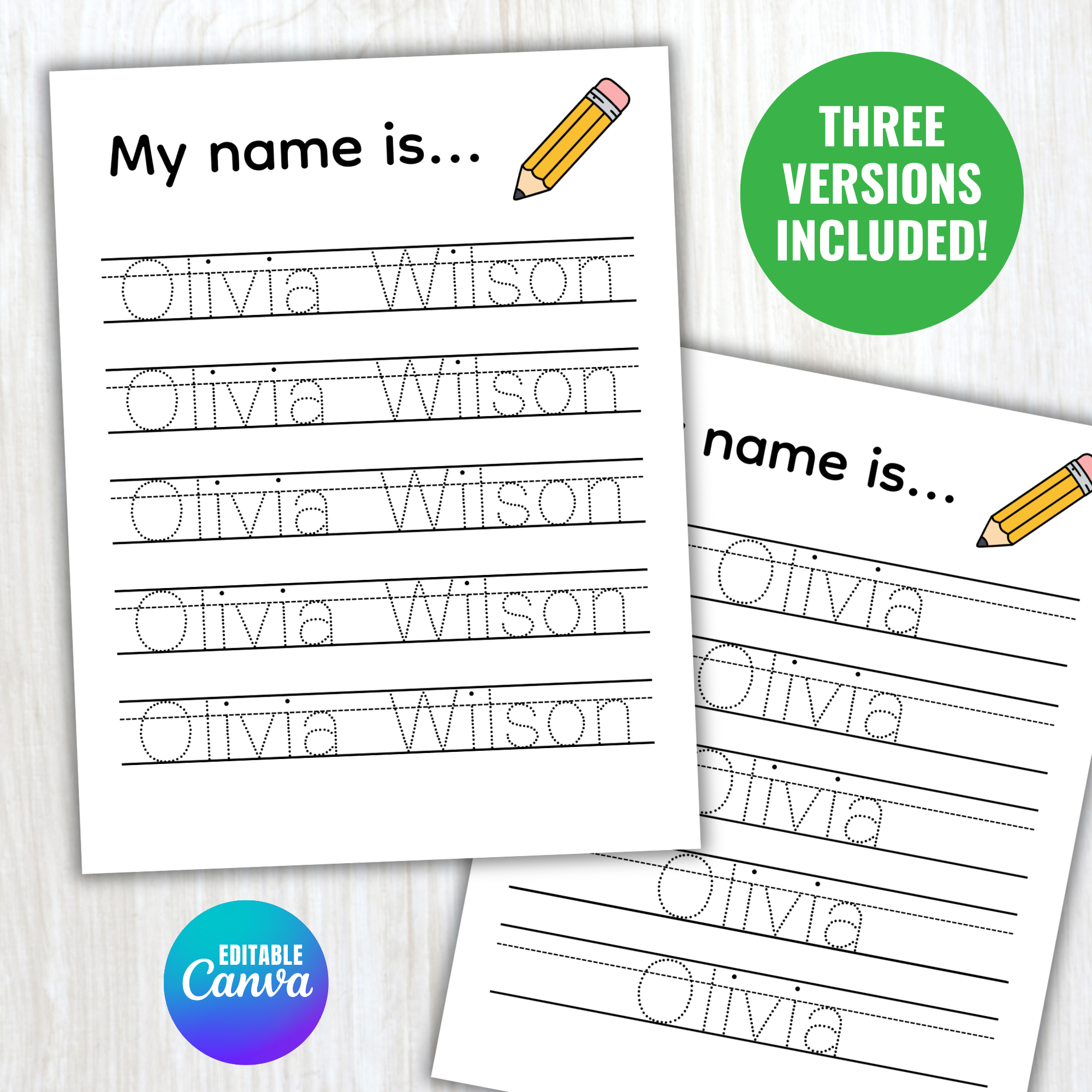
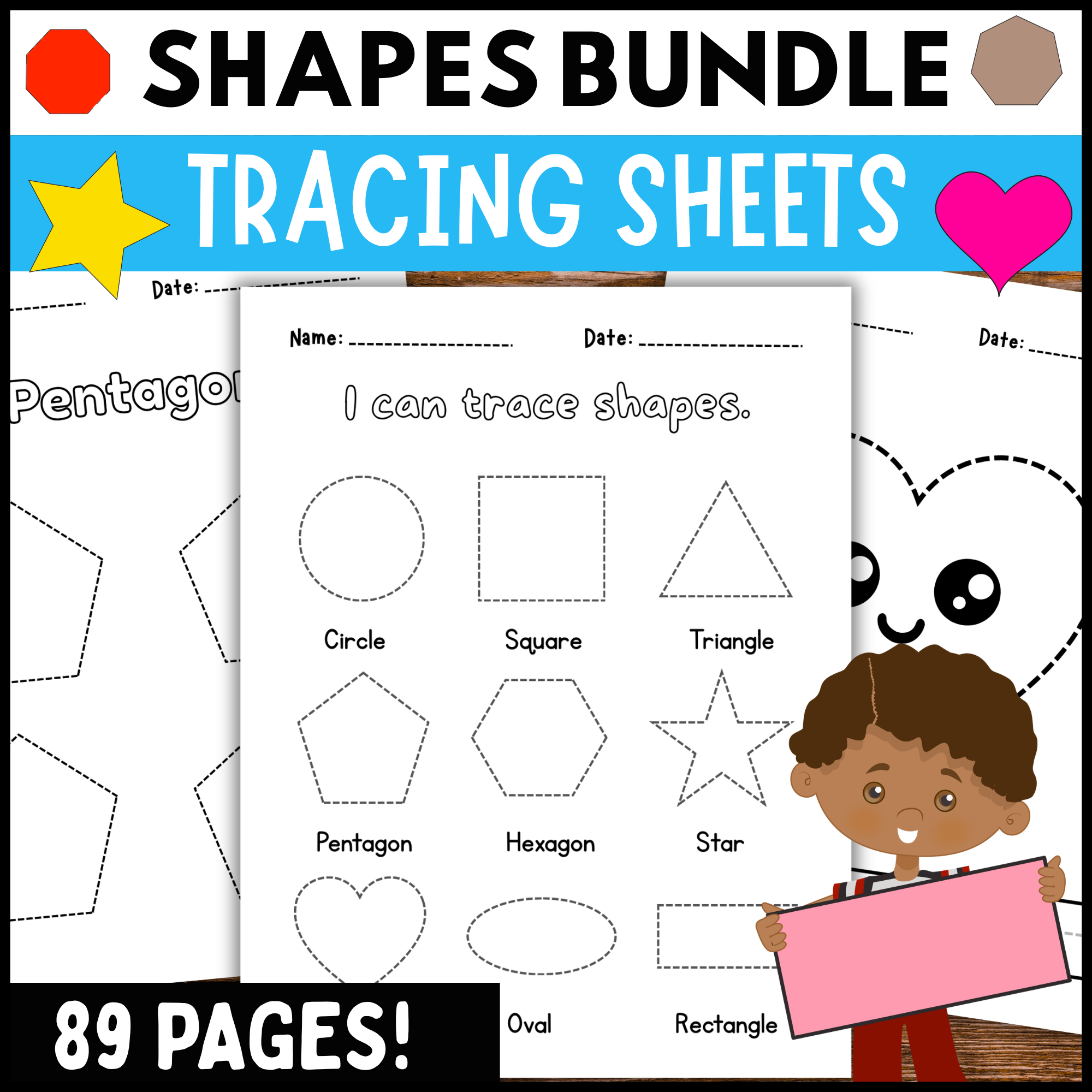
Pencil Control Tracing Worksheets for Pre-K & Kindergarten Pre-Writing

Pencil Control Tracing Worksheets for Pre-K & Kindergarten Pre-Writing
Montessori, Handwriting, Writing, ELA, Numbers, Early Math, Math, Shapes, Patterns, Kindergarten, Preschool, Toddler, Centers, Activities, Worksheets & Printables, Worksheets

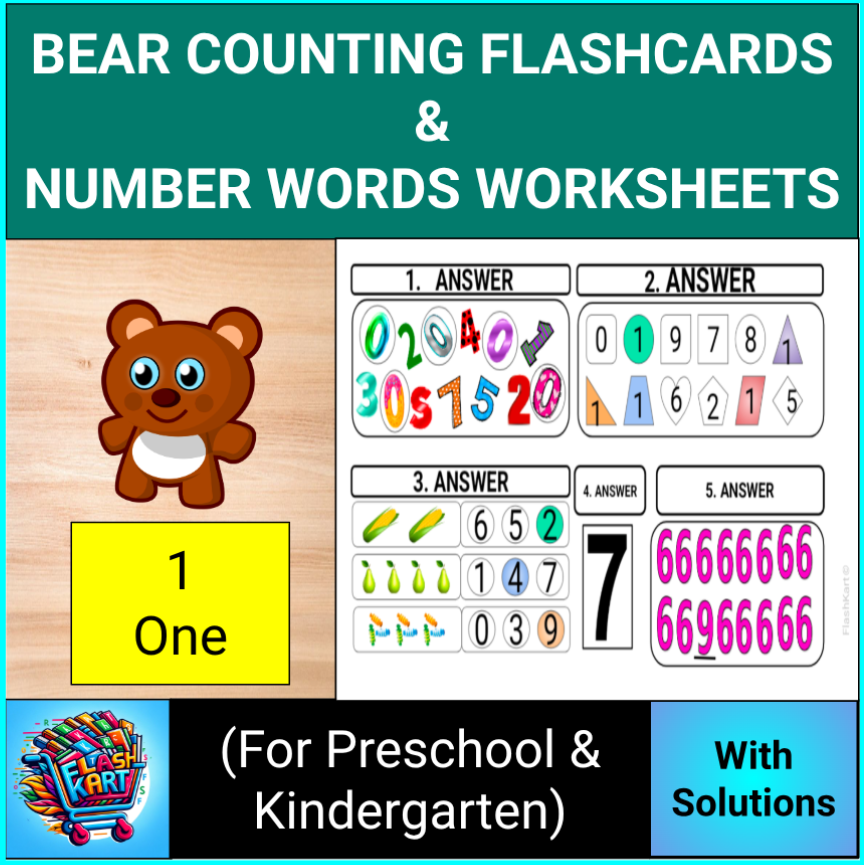
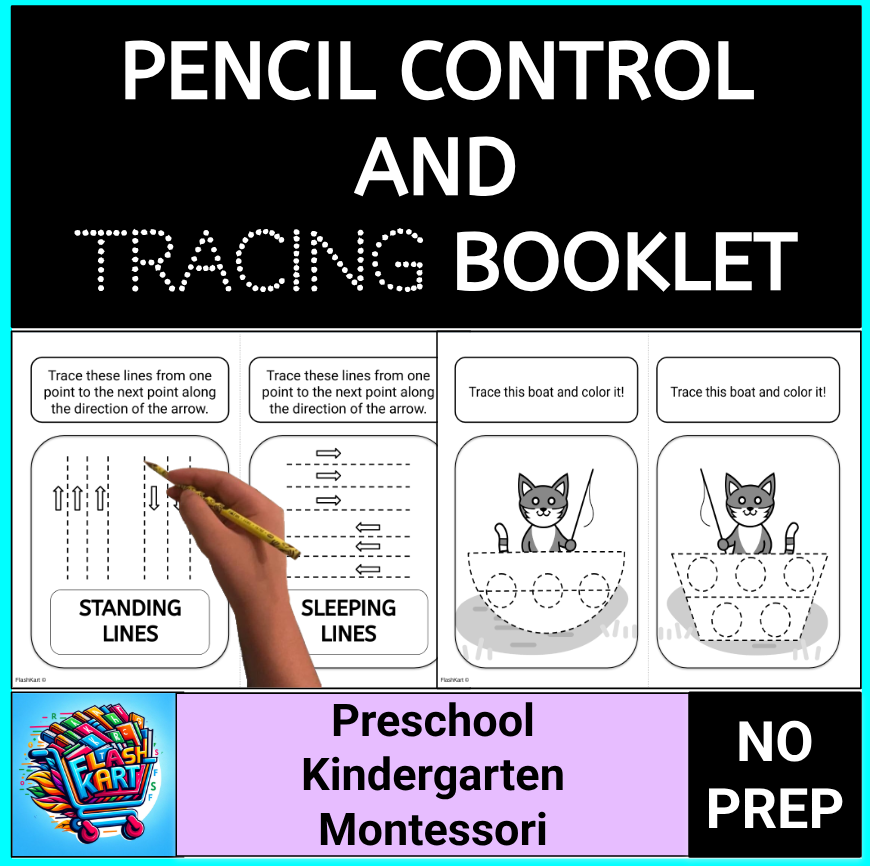
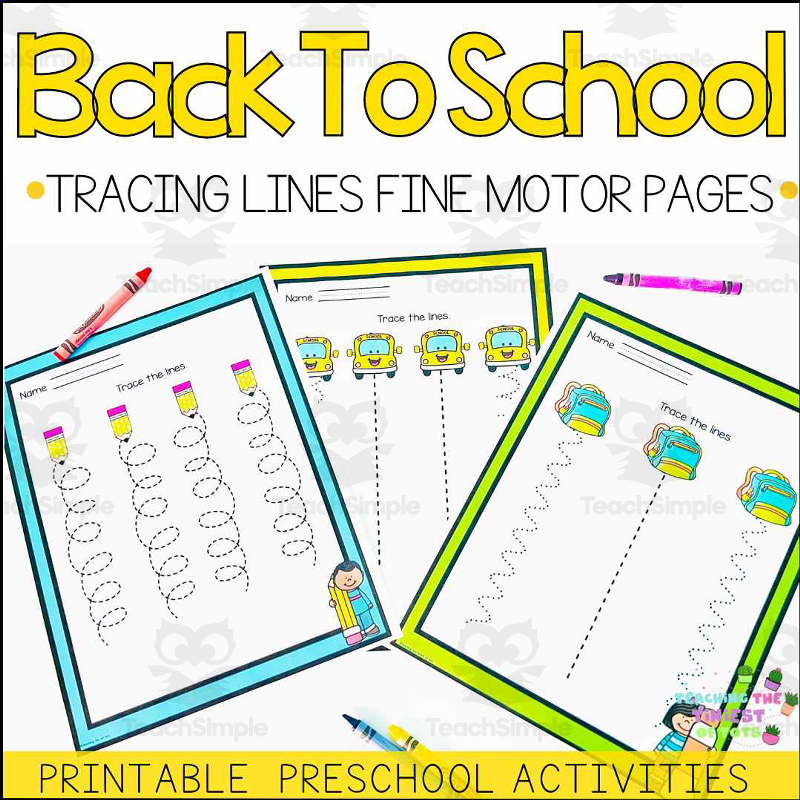
Pencil Control and Tracing Worksheets Pre-Writing Practice for Preschool, Montessori, & Kindergarten Build strong pre-writing skills with this no-prep pencil control and tracing worksheet pack. I designed it especially for preschool and kindergarten learners. These engaging tracing activities will help children develop fine motor skills, hand-eye coordination, and pencil control , setting the foundation for confident handwriting. With a gentle progression from simple lines to letters and numbers, this resource is perfect for early learners who are just beginning their writing journey. What’s inside? This workbook features a wide variety of grayscale tracing worksheets that are easy on young eyes and ideal for printing. Tracing activities include: Basic Lines: standing lines, sleeping lines, curved lines, and slanting lines Fun shapes and objects: lollipop, quilt, loops, heart-shaped cookie, starfish, kite, balloons, birdhouse, moon, earrings, boat, mat, hat, gift, flags, jellyfish, and a lot more Themed tracing pages: circles, caterpillar, house, train, elephant bath lines, candle, cake etc. Letters and numbers: uppercase A - Z and numbers 1 - 10 Resource features Grayscale: I kept it black and white for clear and distraction-free tracing Engaging themes that keep children motivated and interested Skill-building progression from basic strokes to letters and numbers Versatile use: It is perfect for classrooms, homeschool settings, or one on one practice Age-appropriate activities for preschool and kindergarten students are included in this set How to use it? Tracing practice: Children may trace lines, shapes, and objects to strengthen pencil control Writing readiness: Feel free to introduce letters and numbers through guided tracing Creative learning: In this resource, I have paired up tracing with coloring for added engagement Daily routines: Use these worksheets as warm-ups, morning work, centers, or fine motor practice Early finishers: You can also put these worksheets in your early finishers basket This resource is helpful for: Teachers: It is great for literacy centers, early finishers, and handwriting lessons For Homeschoolers it is a simple way to create a structured pre-writing routine at home Parents will love it as an easy and effective tool for building fine motor skills through fun practice This pencil control and tracing resource helps young learners build confidence as they practice basic lines, shapes, letters, and numbers. With engaging themes and no-prep worksheets, it’s an ideal choice for developing strong fine motor and pre-writing skills in preschool and kindergarten .

Author FlashKart

Rating

Tags Pencil Control, Pre-writing, Tracing, Workbook, Montessori Worksheets, Handwriting, Fine Motor Skills, Shape Tracing, Number Tracing, Curved Lines

Letter Formation and Handwriting Practice Pack – Inspired by HWT Tech.

Letter Formation and Handwriting Practice Pack – Inspired by HWT Tech.
Handwriting, Writing, ELA, Kindergarten, Preschool, Grade 1, Workbooks, Worksheets & Printables, Worksheets

Letter Formation and Handwriting Practice Pack – Inspired by HWT Techniques ...This pack is designed to give young learners structured handwriting practice using methods inspired by Handwriting Without Tears (HWT). Students build skills step by step through tracing, copying, and free writing while also strengthening letter recognition and sound awareness. The resource is especially helpful in Preschool, Pre-K, Kindergarten, and 1st Grade , but can also be used for early intervention in 2nd Grade or within special education settings . What’s Included: 6 files, each with 26 pages (A–Z) Uppercase letter practice with block tracing, copying, and free writing Uppercase letter find-and-circle activities (included in the same file as block tracing) Alphabet picture tracing and beginning sound activities (separate file) Uppercase letters on three-line handwriting paper (separate file) Lowercase letters on three-line handwriting paper (separate file) Uppercase letters on two-line handwriting paper (separate file) Lowercase letters on two-line handwriting paper (separate file) How to Use: Daily handwriting lessons Literacy centers or morning work Small group instruction and intervention Homework packets or homeschool practice Page Layout: Standard US Letter size (8.5 x 11 in.) Can be scaled up or down with printer settings Additional Information: Digital download, available immediately after purchase Files provided in PDF format Requires a PDF reader such as Adobe Acrobat These sheets are simple to use—just print and start practicing!

Author 1 Teaches 2 Learn

Rating

Tags Alphabet Handwriting Practice, Letter Formation Worksheets, Uppercase And Lowercase Handwriting Practice, Tracing Letters A-z, Preschool Handwriting Practice, Kindergarten Handwriting Worksheets, Fine Motor Letter Tracing

Phonic Worksheets for Early Years/Intervention - Growing Bundle

Phonic Worksheets for Early Years/Intervention - Growing Bundle
Special Resources, ELA, Special Education Needs (SEN), Language Development, Pre-Reading, Phonics, Reading, Spelling, Kindergarten, Preschool, Grade 1, 2, Teacher Tools, Lesson Plans, Worksheets & Printables, Worksheets, Activities, Games

This is a pack of Bumper Pack of 14 (to date) books of phonic worksheets for the digraphs: L blends, CK, SH, CH, TH, OO, EE, OR, AR, A-E, I-E, O-E, U-E, AI and EA especially designed for those with special needs, including those with dyslexia or who may be suspected of being dyslexic but will work equally well with young learners in Kindergarten/EYFS/Y1. These sheets are LETRS and UK GOV requirements aligned. These worksheets also align with the most popular phonic programmes, including RWI and Letters and Sounds. What is included? PDF's of worksheets each covering the sounds: L Blends. CK, SH, CH, TH, OO, EE, OR, AR, A-E, I-E, O-E, U-E, AI and EA, all following my special method devised as I privately tutor children of all ages with profound special needs. Over 180+ Worksheets: Your phonics lessons covered! Tracking, fluency triangles, spelling, reading, games, comprehension exercises....and more! Some sounds contain print-and-go games to make learning fun. AR and A-E each contain a board game. Who are these worksheets for? I have written them for pupils who struggle with processing information - especially sounds. This includes children who are DYSLEXIC or have ANY other kind of processing disorder. Such children may have failed with other methods of teaching phonics. Such pupils need activities that: ·are highly structured - one tiny step at a time building on the one before using only a limited number of words to start with and only using words that the child has already learnt to sound out, with no nasty surprises. ·Have only a little on each pageas these pupils tire easily. What makes these worksheets special? I have a powerful three-step process which I use with my special needs pupils, which is worked out over the course of the 12 worksheets: 1. See it!where we focus on becoming aware of the new sound in words. This involves first hearing the new sound in words and then seeing it in words (tracking). 2. Sound-it-out!Having learnt to see the new sound in words, we learn to sound out these words to read and write them. We begin by usingsound-it-out boxesfor reading and spelling which help the child to segment the word prior to blending the sounds together. Once the child can read and write individual words, we work on fluency by building familiarity with the common words in the new sound family. Once the child can sound the words out to read and spell confidently, we move on to recognising them/using them in longer reading and dictation passages, as soon as the child is able. I provide 2 reading passages with comprehension exercises and one dictation passage, with a page in the workbook dedicated to it, with room for a picture, which again cements understanding. 3. Write it! Incorporated into the above two steps, we constantly write the new sound. This adds a multi-sensory dimension to our work - we see with our eyes, we sound it with our mouth parts and voice, and then we move by writing. All three steps work together to help the child feel in control of his/her learning and to become a successful, confident learner. We finish each sound (except the Consonant L-Blends) with a dictation which culminates our work before we move on to the next sound. I try to give this a week after we finish the book, to act as revision. The dictation: Read this passage to your pupil, who should write it. Have the child read his/her work and check for errors. Make sure the writing is completely accurate before saying the child has finished, including full stops and capital letters correctly used. Flashcards are included in most books. Phonic Games are also included for AR and A-E to make learning more fun! What is included? 10 PDFs totalling 150 + worksheets each covering the sounds: CK, SH, CH, TH, OO, EE, OR, AR, A-E, I-E, O-E, U-E, AI and EA, 2 PDF games for AR and A-E in full colour and black and white

Author Lilibette's Resources

Tags Phonic Worksheets, Phonic Games, Speical Needs, Special Needs, Ee Phonics, Or Phonics, Ar Phonics, A-e Phonics, Split Digraph Phonics

Learn The Phonic Sound Soft c (as in mice)

Learn The Phonic Sound Soft c (as in mice)
ELA, Language Development, Phonics, Preschool, Kindergarten, Grade 1, Worksheets & Printables, Worksheets

Introducing Learn The Phonic Sound Soft c (as in mice) This cutting-edge learning tool is designed to facilitate effective reading, targeting mostly children aged 4 and above. It is a comprehensive resource meant for younger learners, older reluctant readers aged 7-9+, students encountering learning difficulties, and non-native English speaking learners. Purposeful Structure and Captivating Content The structure of this educational pack successfully integrates 44 phonic sounds into textual content capturing adventurous exploits of a character named Sam. By following these engaging stories featuring Sam, students interactively find hidden phonics while also cracking intricate middle sounds within compelling narratives like 'The Bouncing Castle' and 'The Famous Cousin From The Country.'. Impressive Skills Gain Through Practical Engagement Upon finishing their learning journey with Sam, our young readers will have gained sufficient confidence and fluency to graduate onto more sophisticated standalone books like Roald Dahl classics such as 'George's Marvellous Medicine' or the ever-popular, 'Fantastic Mr Fox'.. Diverse Activity Inclusion To Boost Memory Retention The inclusion of matching words or phrases to pictures ensures effective planting of sound words into the learner's memory. The simple text combined with appealing color sketches makes it enticing for growing readers. A step-by-step organized progression based on every unique sound presented: A single pack consolidates one sound which can be used independently or ordered sequentially from starting sounds yielding three or four-letter words along an established progression as mapped out in the Guide. Easy-to-use PDF Format Regardless of whether it's individual instruction sessions with parents or teachers or small group teaching, the PDF format is perfect for all. In conclusion, The Learn The Phonic Sound Soft c (as in mice) tool is designed for educators who aim to instill a solid foundation of language skills in their students during their early learning stages. This resource revolutionizes lesson planning by providing an engaging and informative platform covering kindergarten to grade 1 Language Arts curriculum with a special focus on Phonics.

Author Guinea Pig Education

Tags Phonics, Reading Skills, Learning Difficulties, Language Skills, Early Learning

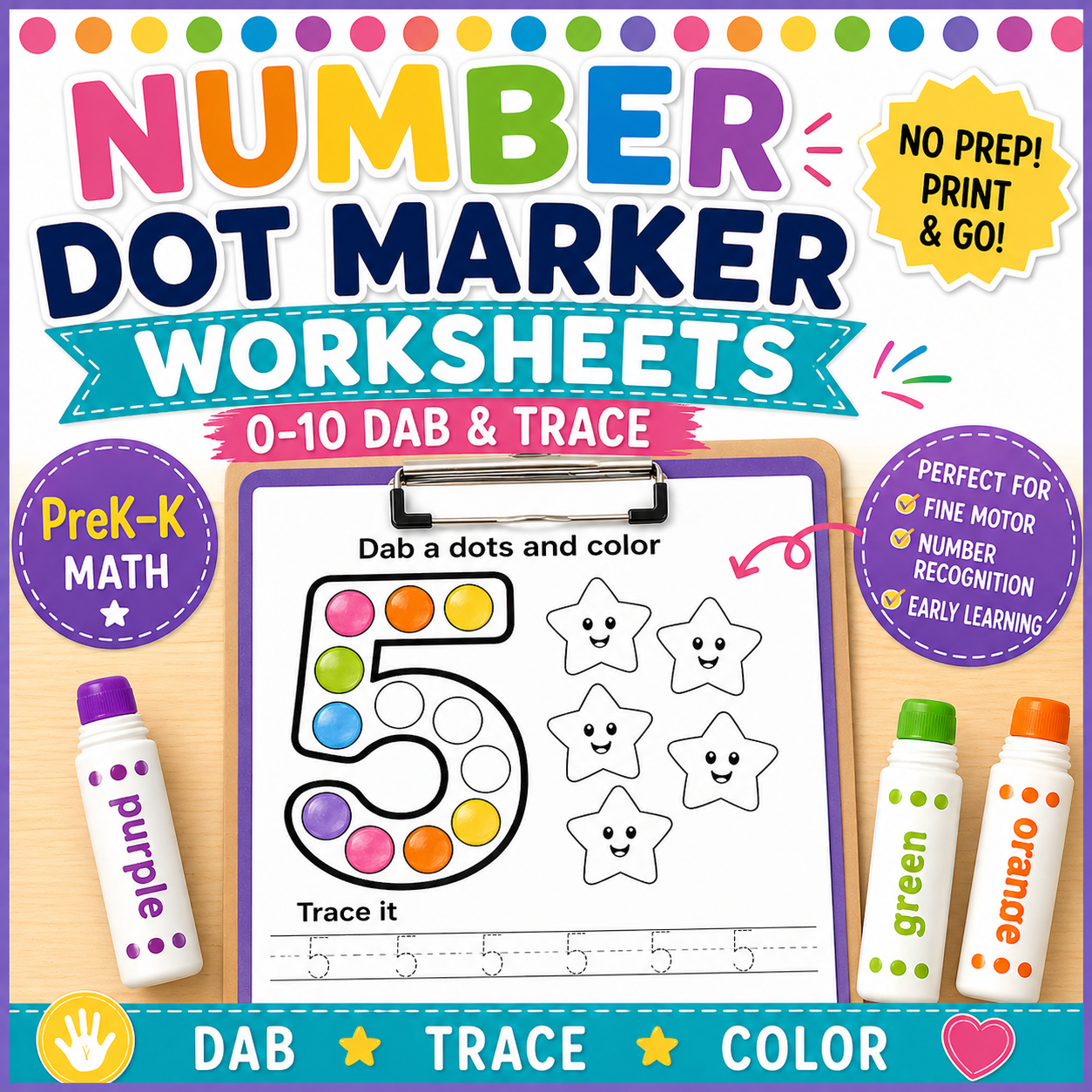
Addition Dot Painting Worksheets for Addition within 10

Addition Dot Painting Worksheets for Addition within 10
Math, Addition and Subtraction, Addition, Preschool, Grade 1, Worksheets & Printables, Word Problems, Worksheets

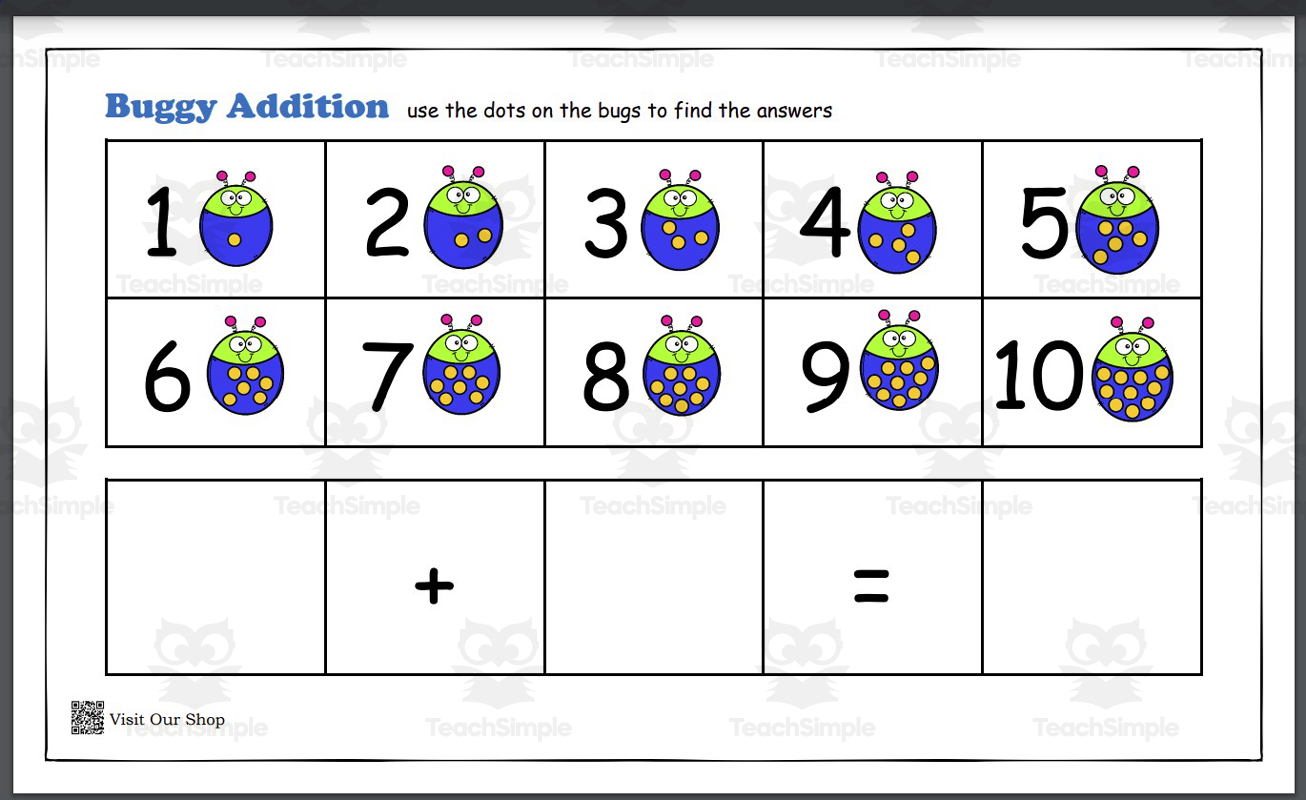
Addition Dot Painting Worksheets for Addition within 10 These worksheets have been designed to create a fun and engaging learning environment for students in kindergarten through grade 1. They transform the process of mastering math problems into a simple, enjoyable activity . By integrating addition exercises with arts and crafts, learners can exercise their fine motor skills while enjoying the creativity of painting. Contents & Instructions: The worksheets focus on addition within 10 - an appropriate challenge for young learners at the start of their numerical journey. Each sheet contains six math problems that align with pictorial tens frames. It allows interactive learning via cotton swabs dipped in paint to fill corresponding circles marking correct answers. A distinguishing characteristic is an added word problem on every page. This brilliant blend of reading comprehension and mathematics enables students to identify clues based on depictions embedded within each problem, promoting effective problem-solving skills and number sense acquisition. Variety Pack: This pack includes five sheets - one each for/single-digit additions incrementing from adding plus one up to plus five followed by a miscellaneous compilation of another set composed randomly ensuring thorough coverage across various proficiency stages. This wide-ranging gamut makes it convenient for public school or homeschool educators alike to tailor-fit these tools as per student's numeracy prowess. Suggested Uses: The versatile nature of these worksheets makes them ideal fit either in math centers as group activities or individual practice during morning work or homework sessions . Immerse yourself watching pupils gleefully embark upon practicing addends! In case you face shortages such as cotton swabs or paint- fear not; modest replacements like small stickers, rubber stamps markers or mini sequins work equally well! An effective tool to simultaneously nurture motor skills development and evaluate competencies such as solving simple word problems related closely to real world scenarios. The ten-page PDF download comes ready-to-use, reducing your prep time and allowing you the pleasure of inspiring your young math enthusiasts!

Author The Connett Connection

Tags Addition Practice, Dot Painting, Fine Motor Skills, Word Problems, Math Centers

High-Frequency Picture Words: Mixed Up Words

High-Frequency Picture Words: Mixed Up Words
ELA, Language Development, Vocabulary, Common Core, Preschool, Grade 1, Worksheets & Printables, Worksheets

High-Frequency Picture Words: Mixed Up Words High-Frequency Picture Words: Mixed Up Words is a teaching resource that enriches language arts learning for Kindergarten and Grade 1 students. This tool inspires vocabulary expansion, sight word recognition, and comprehension through the identification of 120 common nouns with the support of real-life pictures. The method of association aids young readers in their journey to acquire anchor words that will ultimately improve both their oral and written language skills. Leveraging this Resource This resource provides an engaging approach to highlighting high-frequency words which serve as key foundations for developing initial reading abilities. As learners start reading and accumulating picture-word knowledge, they construct a repository of known vocabulary words enhancing both their reading and spelling capabilities. An array of these picture-words can be used analogously to aid spellings. To facilitate recognition, boxes are used to help students understand that word shapes can be identified by attributes such as small letters, tall letters, or hanging letters. Add-Ons and Features This product includes color graphic organizers fostering visualization skills among learners while simultaneously structuring information in an easy-to-understand manner. It additionally comprises a comprehension quiz at the end enabling educators to assess learners' understanding post-learning experience. Synchronicity with Standards & Versatility The content syncs well with Common Core State Standards ensuring compliance with recognized curriculum requirements. Additionally consistent with Bloom's Taxonomy—a pedagogical blueprint for categorizing educational goals— it targets different cognitive levels. Optimized for versatile use across whole group discussions in public school classrooms, one-on-one sessions within homeschooling settings; it can even be assigned as homework reinforcing learned concepts outside formal teaching hours. The resource is conveniently available as a PDF ensuring easy distribution electronically or via printouts. Mixed Up Words Lesson Plan Chapter Slice on teachsimple.com Located under High-Frequency Picture Words full lesson plan chapter slice "Mixed Up Words" on teachsimple.com, it stands out not just as colorful worksheets but a promising tool catalyzing children’s language arts learning journey.

Author Classroom Complete Press

Tags PDF

EA Phonic Worksheets for Early Years/Intervention/Special Needs

EA Phonic Worksheets for Early Years/Intervention/Special Needs
Special Resources, ELA, Language Development, Phonics, Reading, Spelling, Kindergarten, Preschool, Grade 1, 2, Activities, Games, Worksheets & Printables, Worksheets

This is a pack of 30 phonic worksheets for the Long Vowel EA (as in eat) specially designed for those with special needs, including those with dyslexia or who may be suspected of being dyslexic but will work equally well with young learners in Kindergarten/EYFS/Y1. A pack of 30 worksheets with a variety of exercises to help build phonemic awareness and reading fluency. These sheets are LETRS and UK GOV requirements aligned. These worksheets also align with the most popular phonic programmes, including RWI and Letters and Sounds. What is included? 30 worksheets for the sound EA taking pupils from hearing the sounds in words to reading and spelling them at word and sentence level. all following my special method devised as I privately tutor children of all ages with profound special needs. Your phonics lessons covered! Tracking, fluency triangles, spelling, reading, games, comprehension exercises....and more! 2 PDF games to send home for extra practice included! Who are these worksheets for? I have written them for pupils who struggle with processing information - especially sounds. This includes children who are DYSLEXIC or have ANY other kind of processing disorder. Such children may have failed with other methods of teaching phonics. Such pupils need activities that: ·are highly structured - one tiny step at a time building on the one before using only a limited number of words to start with and only using words that the child has already learnt to sound out, with no nasty surprises. ·Have only a little on each pageas these pupils tire easily. What makes these worksheets special? I have a powerful three-step process which I use with my special needs pupils, which is worked out over the course of the 30 worksheets: 1. See it!where we focus on becoming aware of the new sound in words. This involves first hearing the new sound in words and then seeing it in words (tracking). 2. Sound-it-out!Having learnt to see the new sound in words, we learn to sound out these words to read and write them. We begin by usingsound-it-out boxesfor reading and spelling which help the child to segment the word prior to blending the sounds together. Once the child can read and write individual words, we work on fluency by building familiarity with the common words in the new sound family. Once the child can sound the words out to read and spell confidently, we move on to recognising them/using them in longer reading and dictation passages, as soon as the child is able. I provide 2 reading passages with comprehension exercises and one dictation passage, with a page in the workbook dedicated to it, with room for a picture, which again cements understanding. 3. Write it! Incorporated into the above two steps, we constantly write the new sound. This adds a multi-sensory dimension to our work - we see with our eyes, we sound it with our mouth parts and voice, and then we move by writing. All three steps work together to help the child feel in control of his/her learning and to become a successful, confident learner. We finish each sound with a dictation which culminates our work before we move on to the next sound. I try to give the dictation a week after we finish the work on the EA sound to act as revision. The dictation: Read this passage to your pupil, who should write it. Have the child read his/her work and check for errors. Make sure the writing is completely accurate before saying the child has finished, including full stops and capital letters correctly used. Flashcards are included of some common EA words. What is included? 1 PDF with flashcards, 2 easy-prep games and 30 worksheets

Author Lilibette's Resources

Tags Phonic Worksheets, Special Needs, Phonic Games, Print N Play Phonic Game, Ea Worksheets, Dyslexia, Spelling EA Words, Learn To Read EA Words, Long E, Vowel Teams