Striving to Improve: Angles, Shapes and Mensuration Workbook
Skill-gap intervention workbook covering angle and shape geometry plus measurement/mensuration for students needing remediation.
Answers included




684 resources
Dive into geometry concepts with engaging worksheets. Enhance spatial reasoning.
Explore sub-categories
7 sub-categories · 684 resources
Skill-gap intervention workbook covering angle and shape geometry plus measurement/mensuration for students needing remediation.
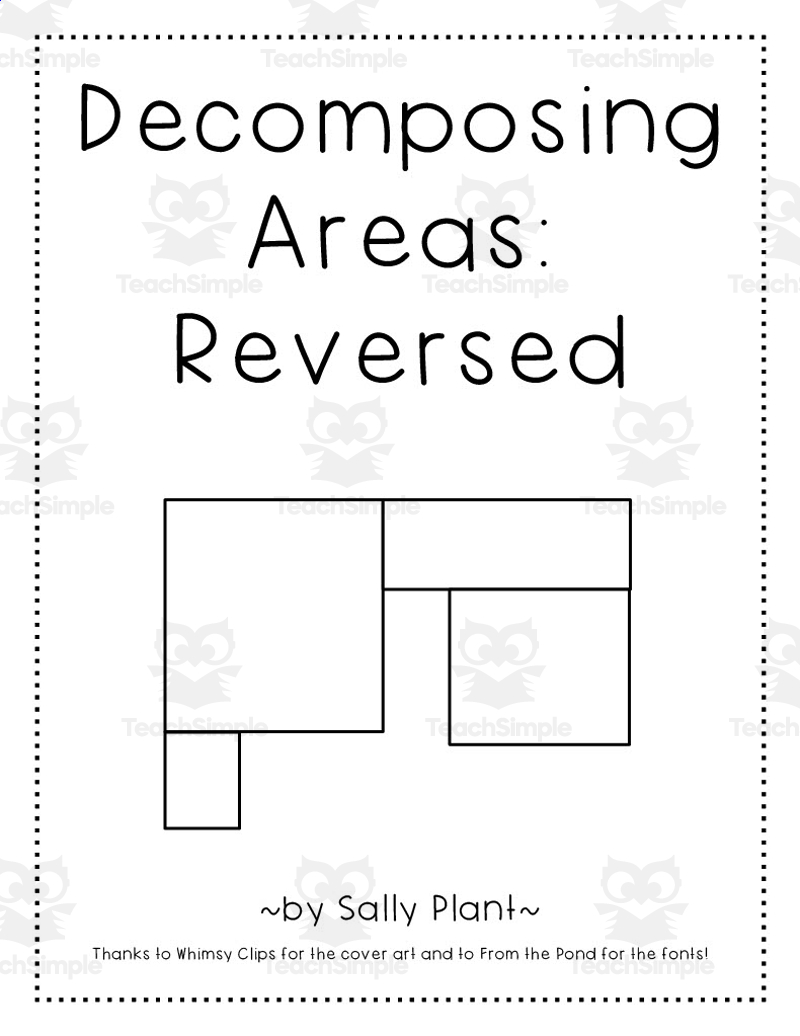
Practice finding and combining rectilinear-shape areas, including reversed area-composition problems.

Guided notes and practice worksheet teaching students to calculate the volume of composite 3D figures made of basic geometric solids, aligned to CCSS.7.G.B.6.
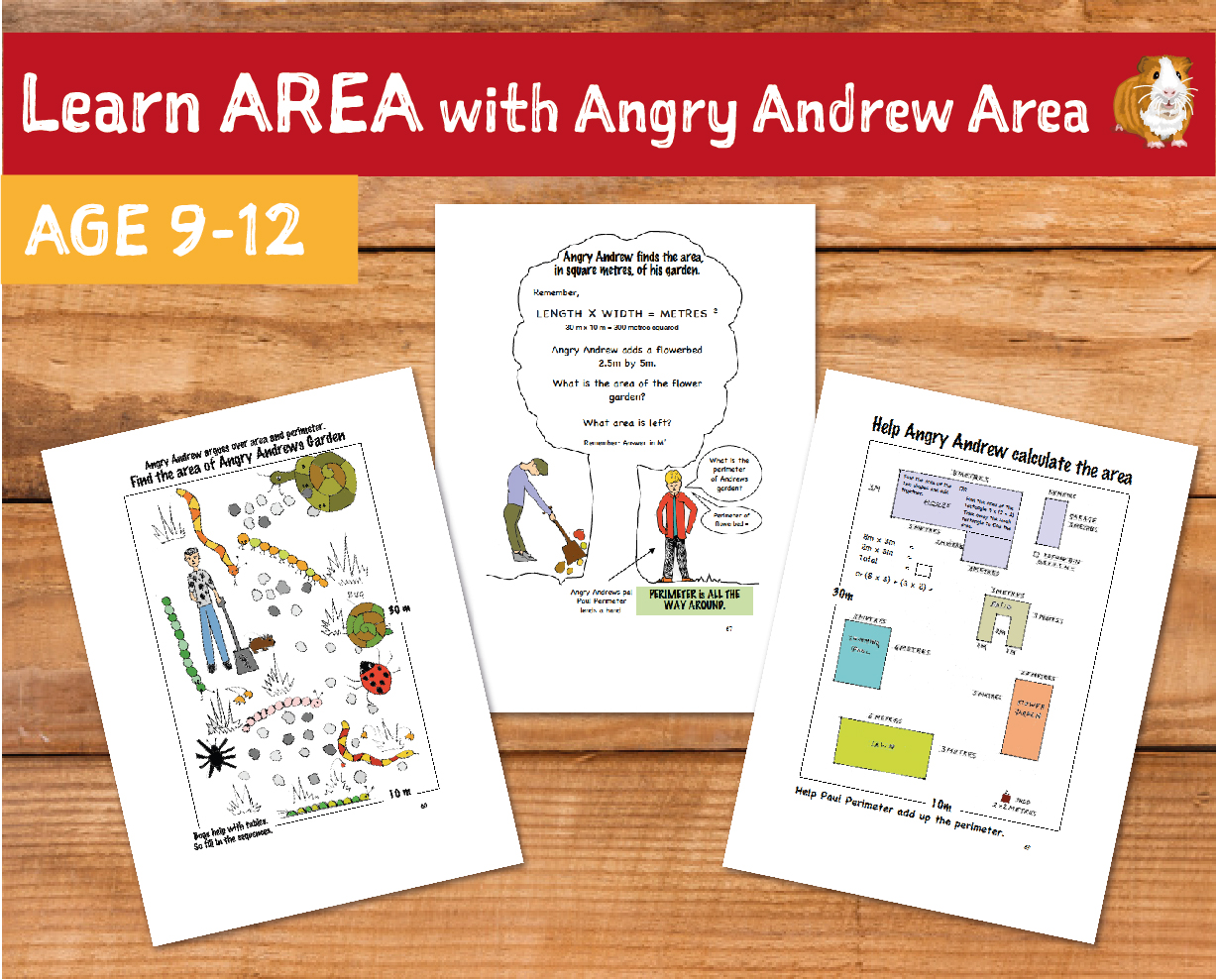
A metric measurement and geometry (area/perimeter) worksheet pack using cartoon 'Maths Land' characters to teach unit conversion (mm/cm/m/km, g/kg/tonne, ml/l) and area/perimeter calculation.
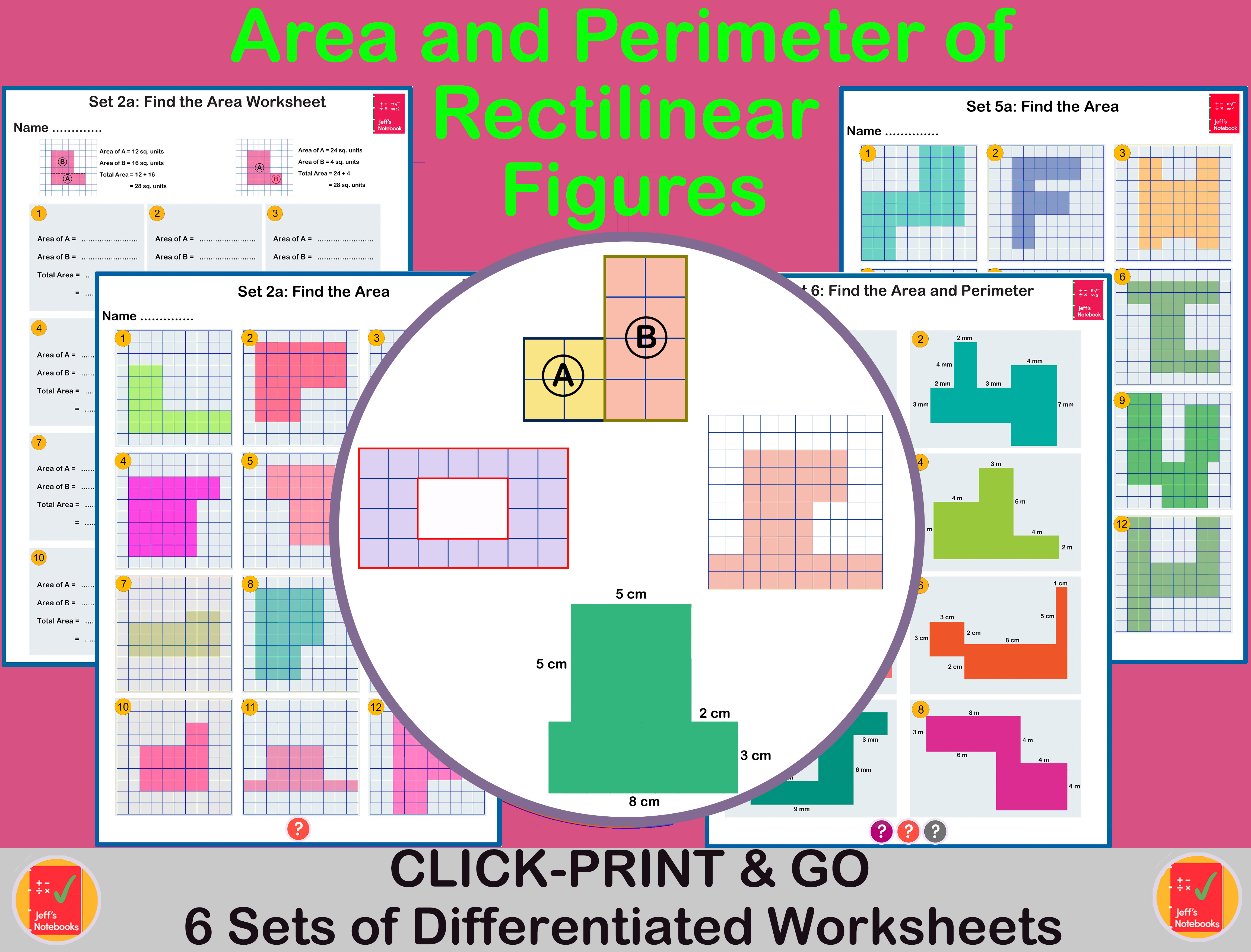
A guide plus a graded series of worksheet sets for finding the area and/or perimeter of rectilinear (composite) figures by decomposing them into 2 or 3 non-overlapping rectangles, building on prior work with rectangles alone.
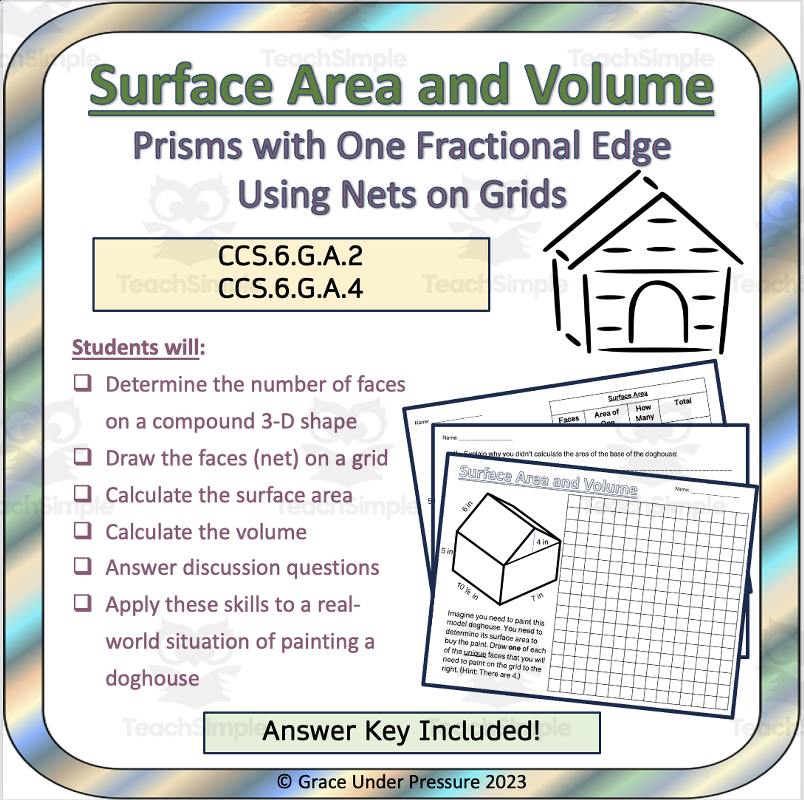
A model doghouse, drawn as a combined rectangular-and-triangular prism with labeled dimensions, gives students a real-world reason to calculate surface area (to determine how much paint to buy) and volume (to reason about what could fit inside). Students first sketch the shape's four unique faces on a grid, accounting for a length of ten and one-half inches, then use a table to calculate the area of each face type, multiply by how many of each face the doghouse has, and sum them for a grand total; a second table walks through the volume of the rectangular and triangular prism sections separately. Five closing discussion questions ask students to explain why the base isn't painted, calculate how many paint containers to buy given a coverage rate, and justify which formula they used for each volume calculation. A complete answer key follows with every calculated area, the total volume in cubic inches, and model responses to all five discussion questions.

Summer-themed math packet teaching liquid volume measurement and unit conversion (gallons, quarts, liters, pints, cups) through sorting cards, a conversion chart, task cards, and word problems.
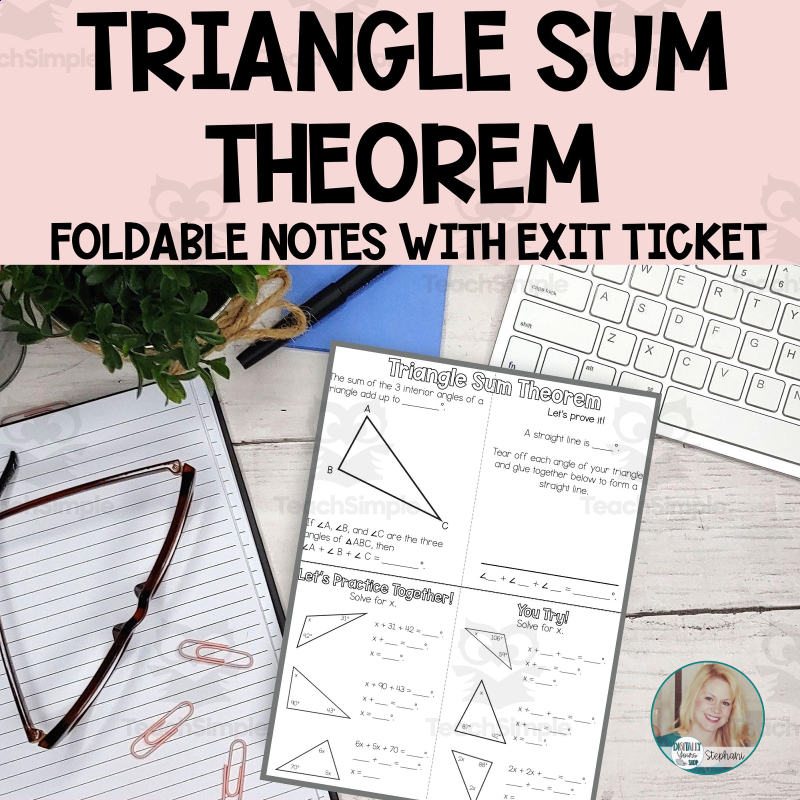
Teaches the Triangle Sum Theorem (the three interior angles of a triangle sum to 180 degrees) through a hands-on cut-and-glue proof, foldable guided notes, and an exit/entrance ticket assessment with an answer key.

Model a way to track counted squares before students begin. Compare counting by ones with grouping squares into sections when the shape allows it.

A worksheet for practicing finding the area of shapes in square centimeters by counting unit squares.
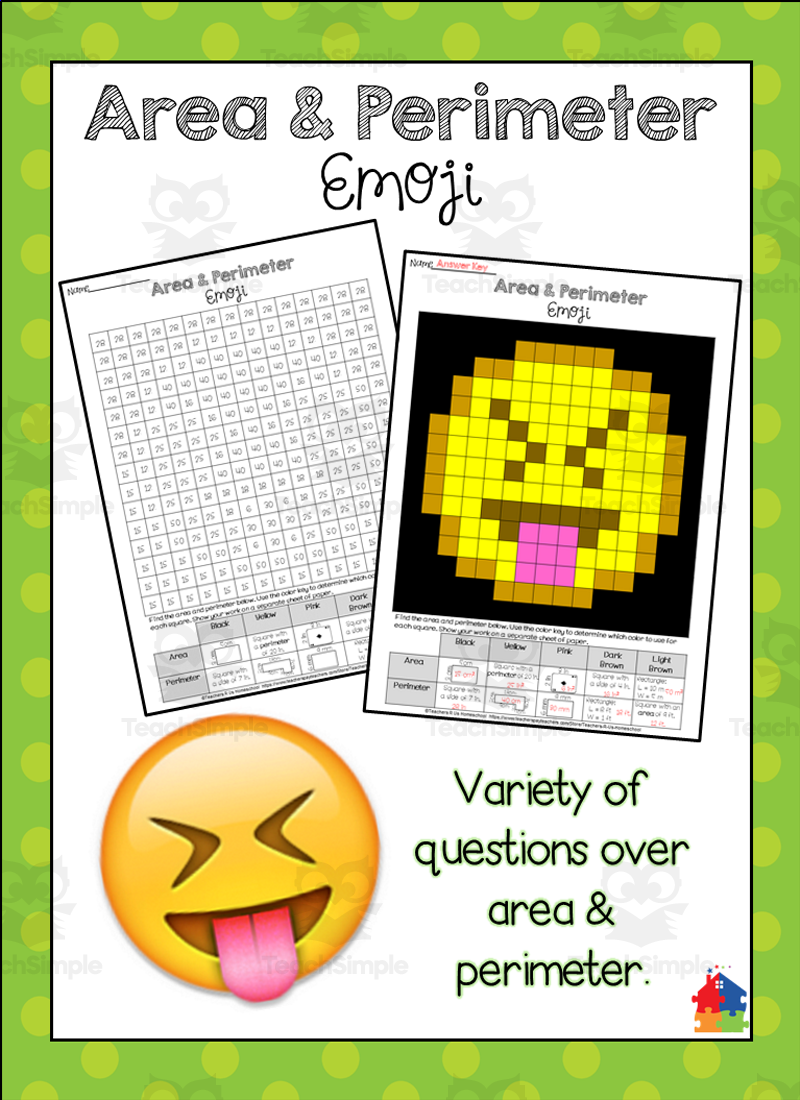
A color-by-number style worksheet where students calculate area and perimeter of given shapes and use their answers to color a grid, revealing an emoji picture.
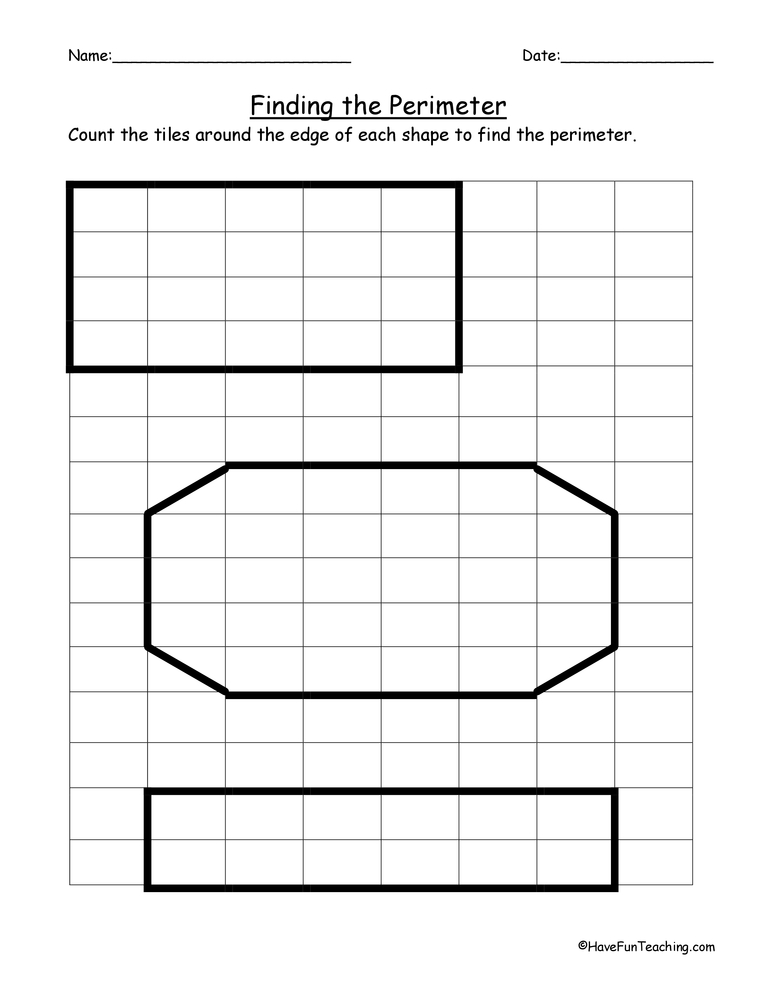
This printables/worksheets/worksheets-by-subject/math-worksheets/geometry-worksheets/perimeter-worksheets">Perimeter Worksheet is a great way for students to find the perimeter of two-dimensional shapes. By counting squares on a grid, they can easily see how the perimeter is calculated. This is a great resource for teachers who want to…

A grade 3 activity pack of word problems, decomposing/composing area tasks, and area/perimeter practice aligned to CCSS 3rd grade measurement standards.
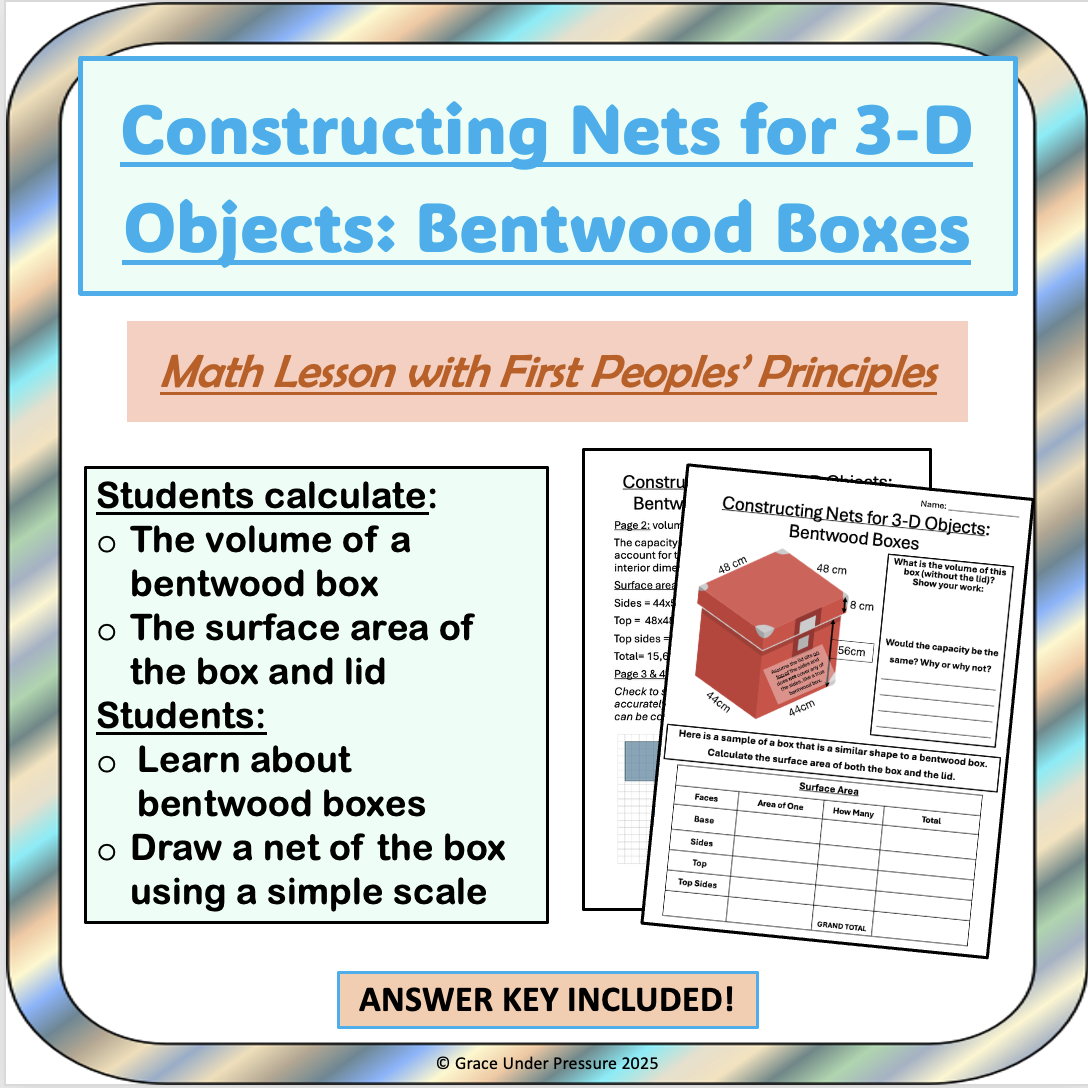
Grade 8 math lesson connecting Indigenous (First Peoples) cultural content to surface area, volume, and constructing nets of 3-D objects, using traditional Northwest Coast bentwood boxes as the real-world context.

A 2-page activity for practicing calculation of area and perimeter of compound shapes, framed as a farm fencing/pen word problem.
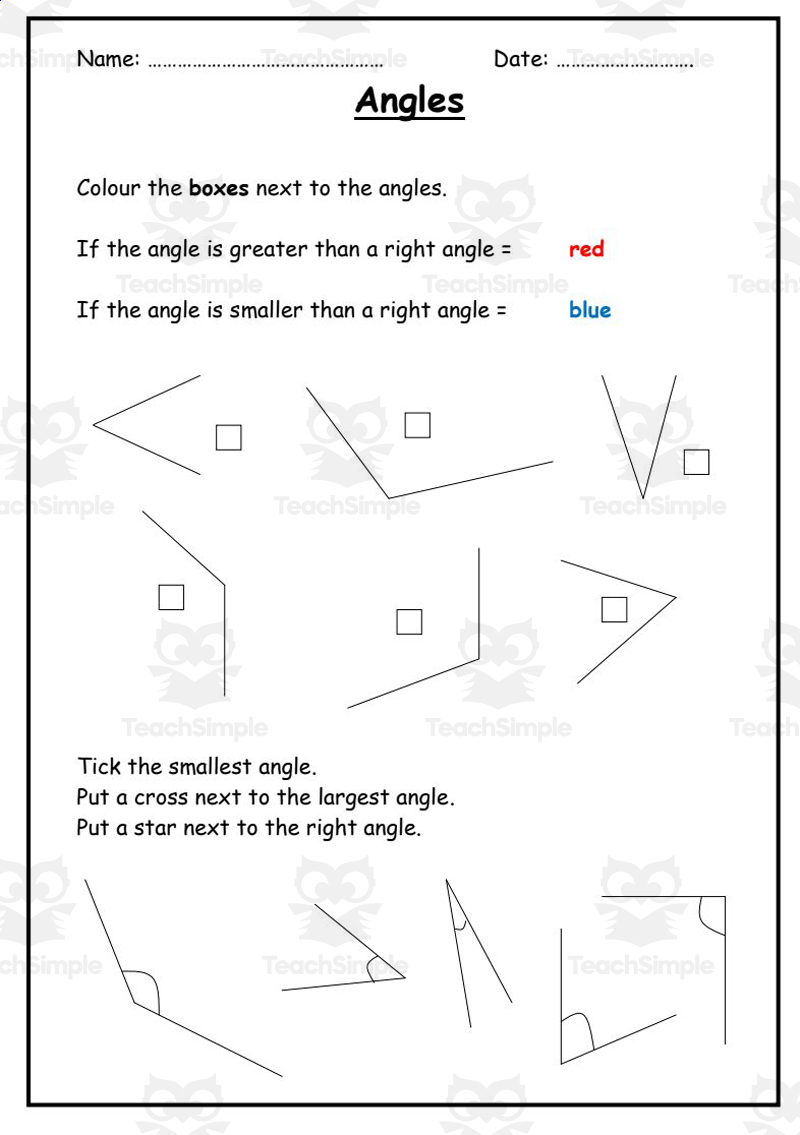
A set of worksheets teaching students to identify and classify right angles versus angles larger or smaller than a right angle, including classifying shapes by how many right angles they contain.
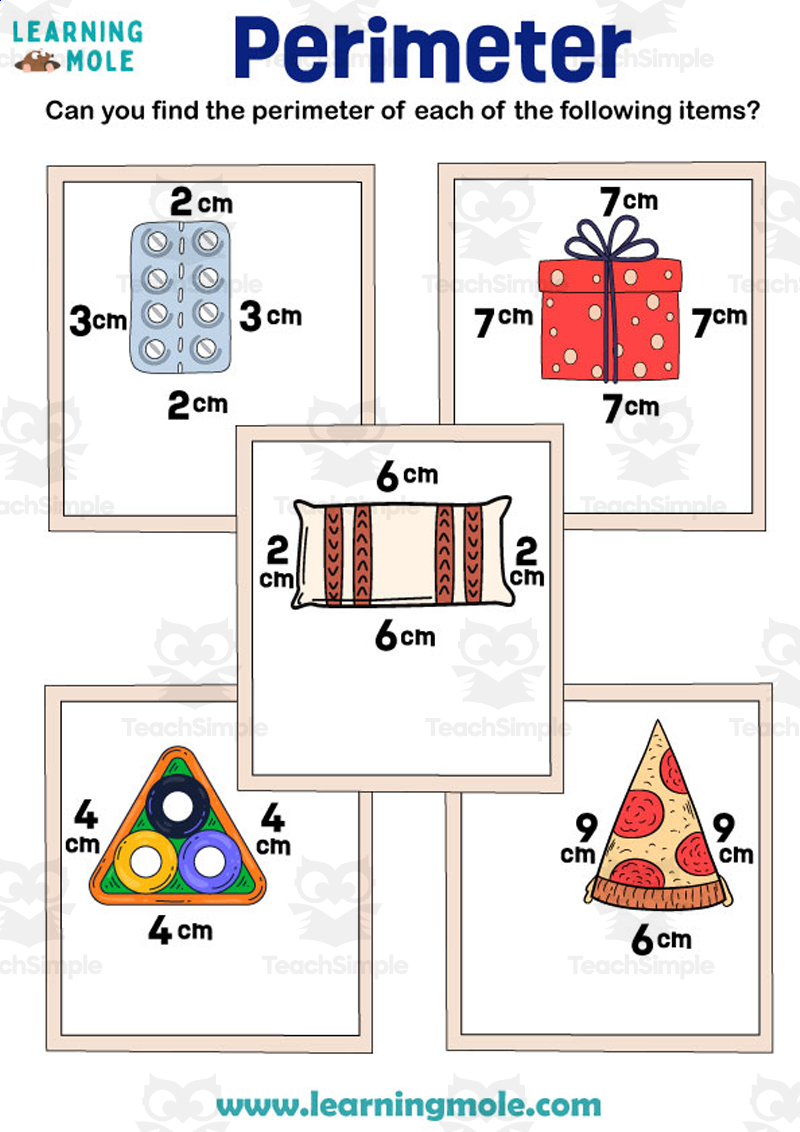
A 1-page perimeter practice worksheet where students calculate the perimeter of several labeled polygon shapes using given side lengths in centimeters.
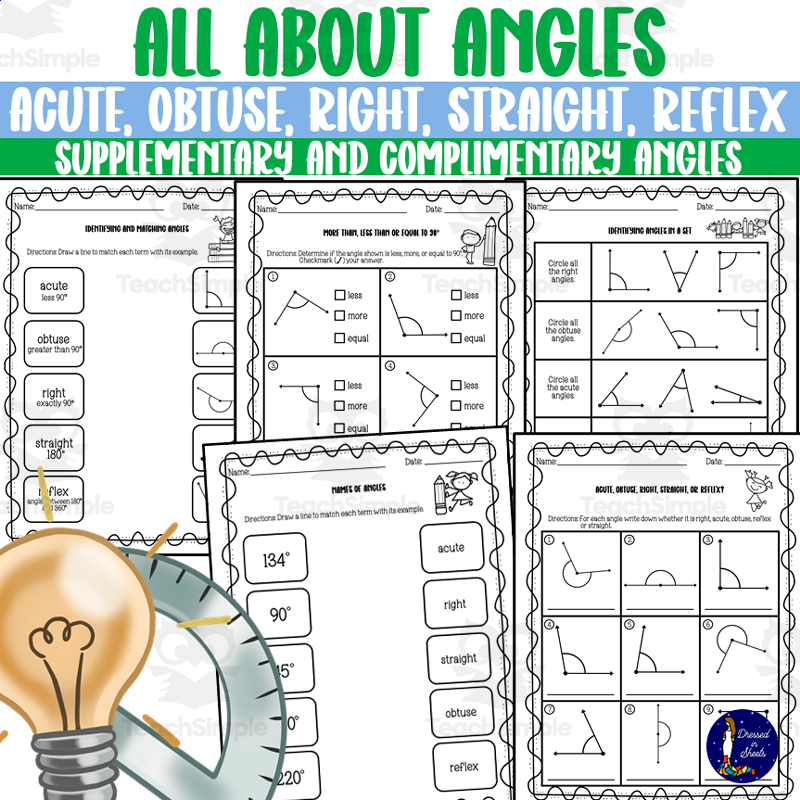
Worksheets introducing/reviewing angle types (acute, obtuse, right, straight, reflex), including a cut-and-glue foldable reference craft and practice classifying and comparing angle measures.
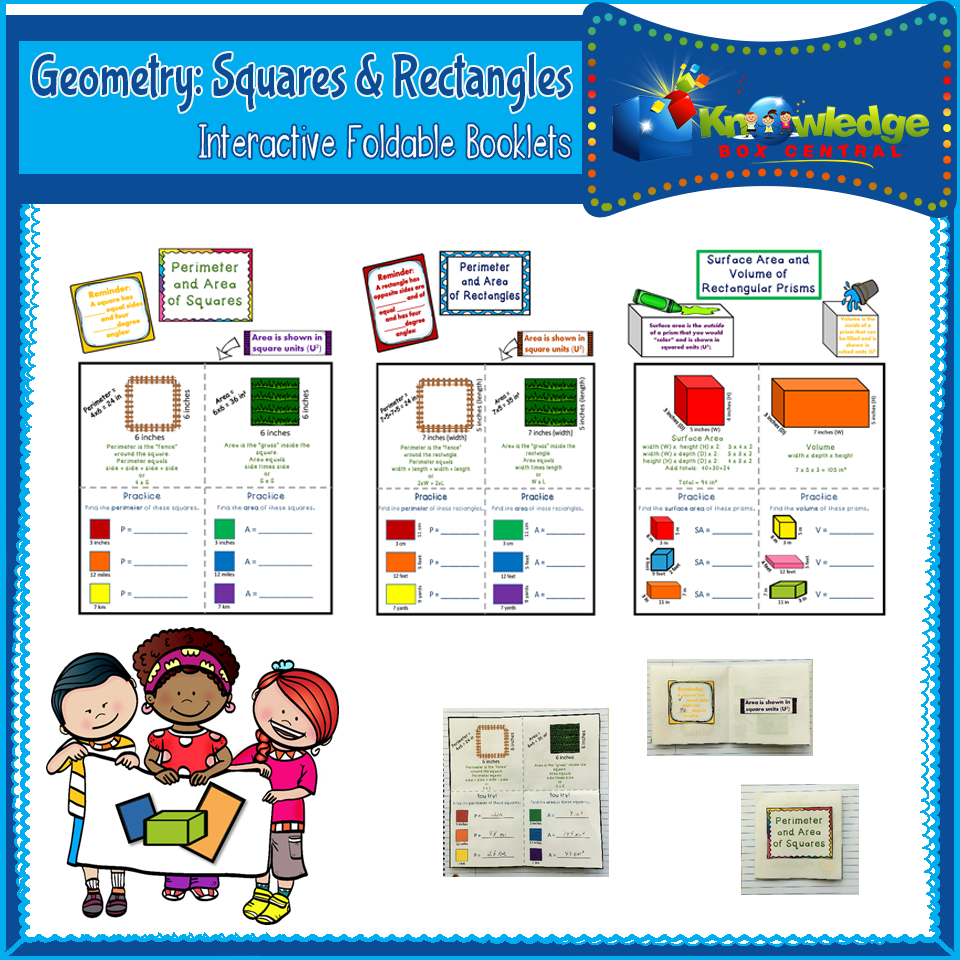
Teach students to calculate the perimeter and area of squares and rectangles, and the surface area and volume of rectangular prisms, using an interactive foldable-booklet format.
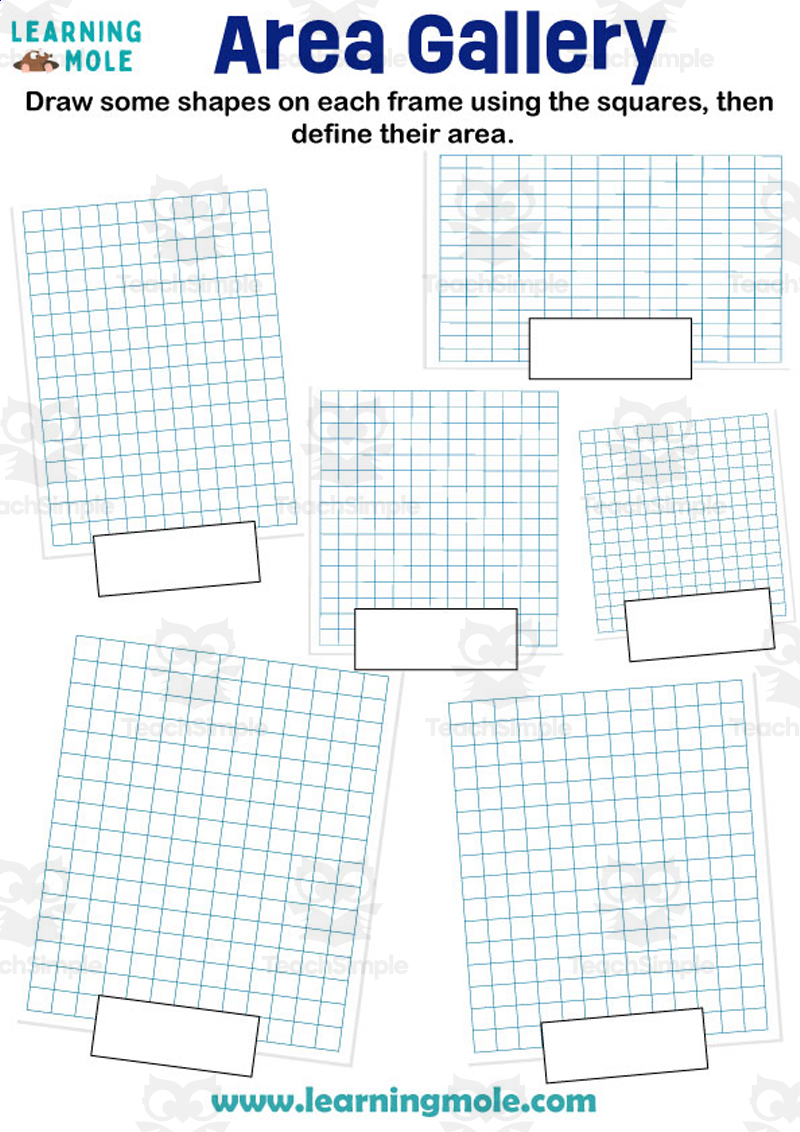
A simple one-page worksheet activity for practicing the concept of area by drawing shapes on a grid and stating their area.
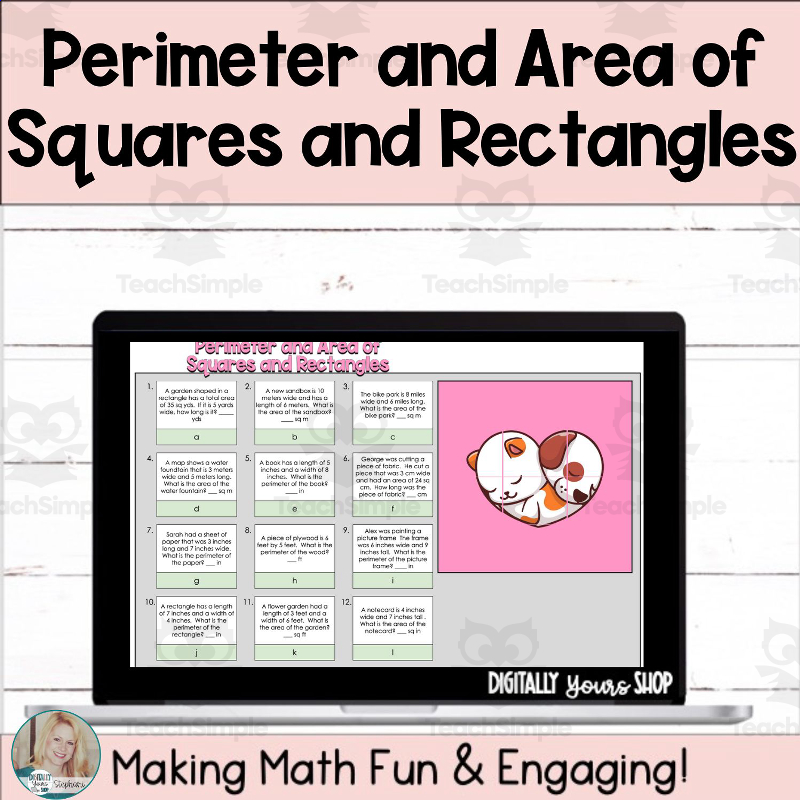
Perimeter and Area of Rectangles and Squares Word Problems Digital Self-Checking Bring a fresh approach to teaching perimeter and area with the Perimeter and Area of Rectangles and Squares Word Problems Digital Self-Checking activity . This resource provides an interactive way to engage students in calculating the area and perimeter of…
A set of open-ended problem-solving tasks where students design multiple shapes with a given fixed area and determine the resulting perimeter for each, aligned to CCSS 3.MD.C.5a/5b/6 and 4.MD.A.3.
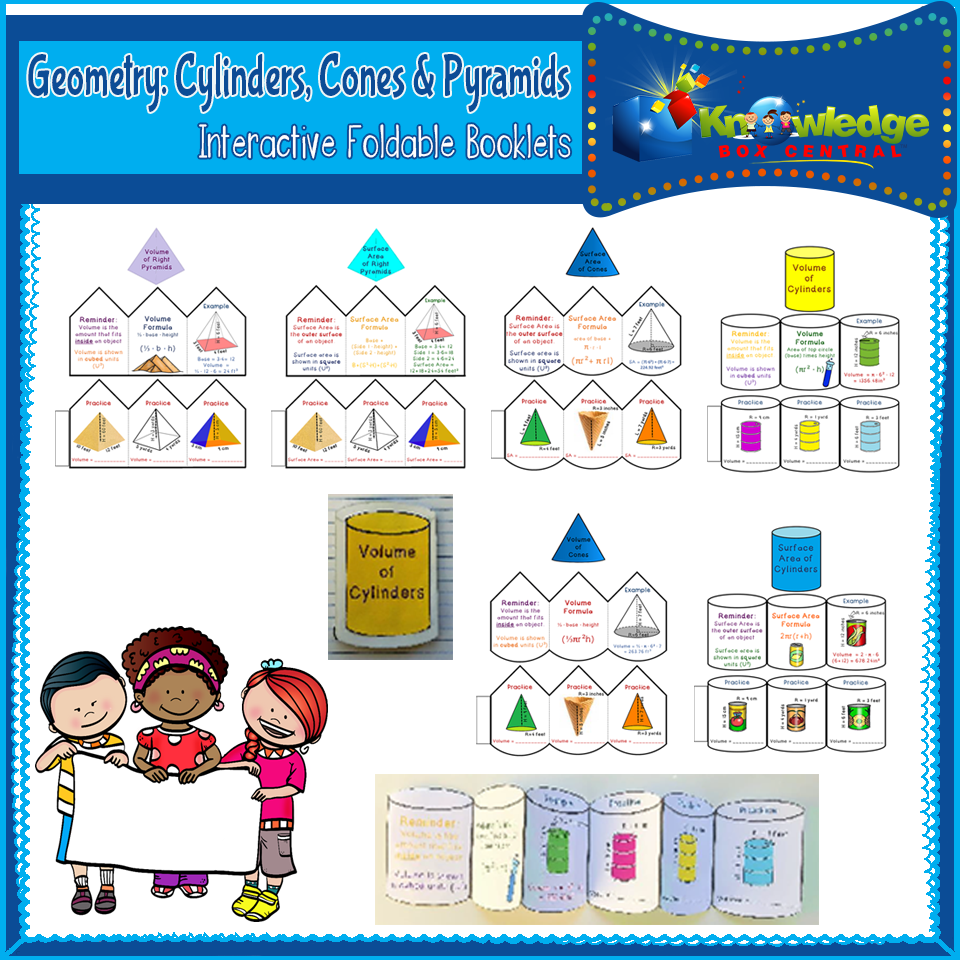
Teach students to find the volume and surface area of cylinders, right pyramids, and cones, using an interactive foldable-booklet format.
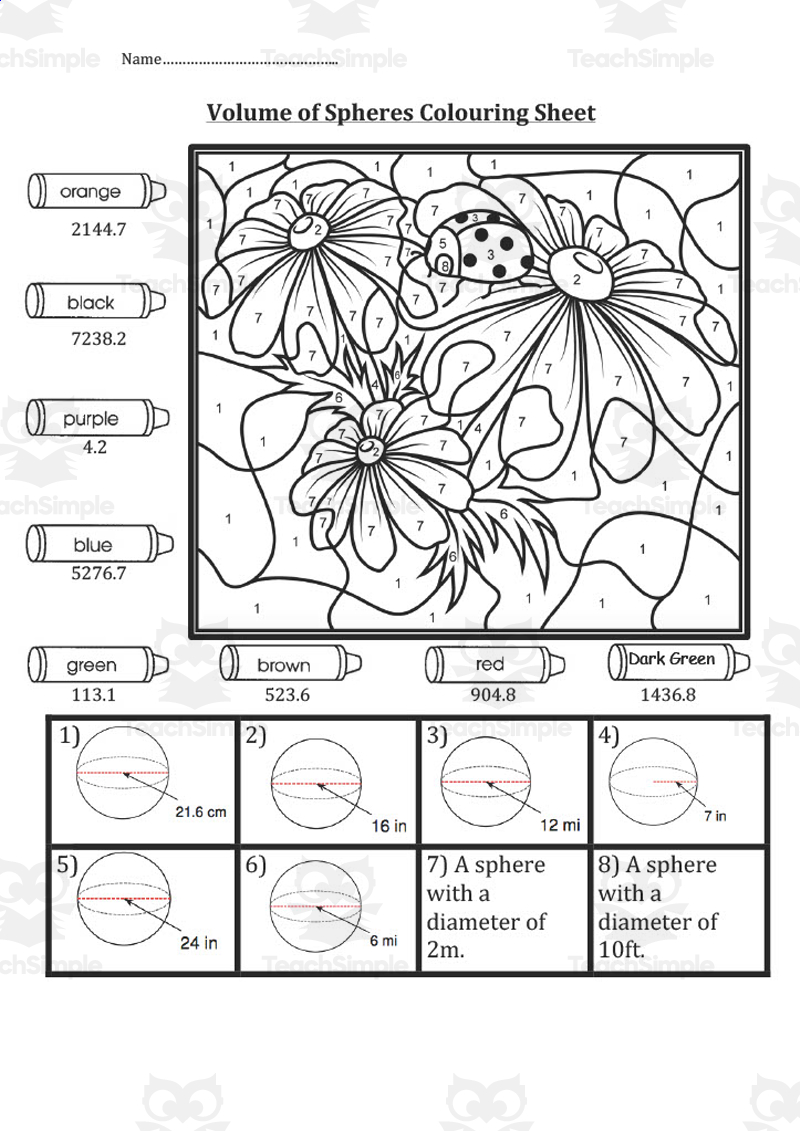
Practice calculating the volume of spheres, using color-by-number to self-check answers.