BENJAMIN FRANKLIN: Poor Richard's Almanac & Research Project

- Grades
- Grades 5–6
- Pages
- 13
- File type
- Answer key
- Included


- Subject
- Social Studies, Biographies, ELA
- Topic
- Benjamin Franklin, Poor Richard’s Almanac
- Resource types
- Worksheets
- Answer key
- Included
- Standards
- L.5.5
Product description
From the author
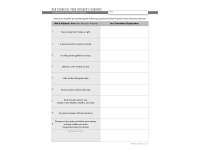
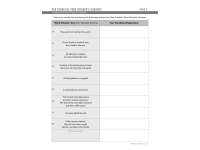
Ben Franklin had many pithy sayings and quotes in his publication entitled Poor Richard's Almanac. Analyze and explain eighteen sayings presented in this Franklin-themed worksheet. Students will learn more about Ben Franklin's life, and benefit their own lives as they apply these pithy life principles. Also included is a graphic organizer for students to research the personal life and historical events of Ben Franklin.
What's Included:
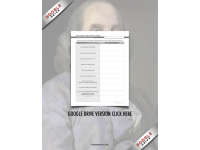
Eighteen supplied sayings with interpretation spaces and two prompts to write an original saying
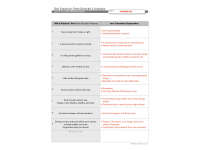
Answer keys to interpretations are included
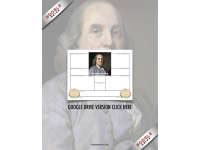
A historical biography summary template for students to fill out as a mini research project on Ben Franklin.
PDF activities and links to Google Drive versions are supplied.
Example sayings presented in the worksheet:
"Two wrongs don't make a right."
"A penny saved is a penny earned."
"Little strokes fell great oaks."
"If your head is made of wax, don't walk in the sun."
"By failing to prepare you are preparing to fail."
Students even have a chance to write their own bit of wit and wisdom. Enjoy learning and benefiting from the wit and wisdom of Ben Franklin! Answer key is included.
Related resources
More resources teachers may find useful
12 related resources were found using this product's title, contributor, categories and tags.




In the classroom
Teaching tips & learning objectives

Learning objectives
Students will interpret figurative and idiomatic proverbs in the worksheet and restate their meaning in modern language.
Students will compose an original pithy saying modeled on Franklin's proverb style and explain its meaning.

Teaching tips
Model a few interpretations before independent work.
Accept reasonable alternative explanations supported by the wording.
Use the entries as proverb-interpretation prompts. Verify a saying’s wording and provenance before presenting it as a quotation from Franklin or Poor Richard’s Almanac; the worksheet’s attribution alone does not establish that origin.

Skills covered
Figurative language interpretation — students translate proverbs like 'Little strokes fell great oaks' into modern equivalent meanings.
Idiom and aphorism composition — students write and explain an original pithy saying modeled on Franklin's style.
Good to know
Questions teachers ask about this resource
Is there one required wording for each interpretation?
The key gives sample explanations. Students can express a supported meaning in their own words.

No reviews yet
Downloaded this resource? Tell other teachers how it went.
Curriculum
Standards, concepts & topics
Standards
 Standards
- L.5.5
Core concepts
 Core concepts
Proverbs
Figurative language
Benjamin Franklin
 Topics
Explore related searches
More to explore
You may also like