


CVC Words Teaching Pack: Activities + 15 Decodable Stories | SOR



About This Product
CVC Words Teaching Pack: Activities + 15 Decodable Stories | Science of Reading
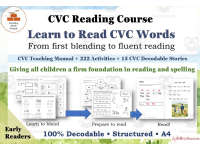
This CVC Words teaching pack forms part of a structured literacy programme for introducing young learners to reading and spelling. It aligns with the Science of Reading and includes a detailed teaching manual, 162 sound and blending activities, 84 story-preparation activities, picture and word cards, and 15 100% decodable stories, all designed to help children build strong foundational reading skills.
What is Included
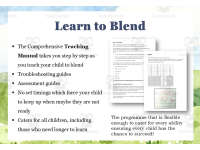
The teaching manual offers clear, step-by-step guidance on helping children master blending (reading) and segmenting (spelling) CVC words. The programme’s unique structure ensures that even students with processing difficulties can succeed by introducing concepts systematically and building on previous learning.
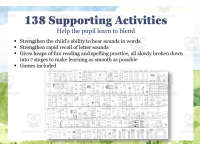
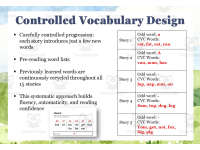
The 162 sound and blending activities are in six small steps. Children need to know the letter sounds and hear the initial sound in a word before they start, so every step includes sound recognition and instant-recall practice to keep the sounds fresh for as long as a child needs. Blending then begins with only a few letters at a time, and the range of words grows gradually. Every worksheet uses only the sounds the child has already been taught. These simple, engaging activities strengthen both reading and spelling.
Picture and word cards go with each step, so children can make the word from a picture, or read a word and find the picture. They are for matching, memory games, sorting and more, and ideas are included. Only use pictures and matching words that the child has already met.
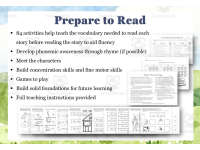
The 84 story-preparation activities practise the words and skills needed before each story.
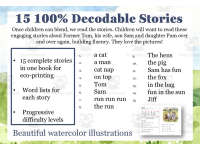
The 15 decodable stories feature Farmer Tom, his wife and children Sam and Pam, and their farm animals in adventures that young readers can actually decode independently. Each story includes word practice lists at the beginning, connecting new vocabulary to familiar rhyming patterns. The stories are in one convenient 72-page A4 book, with reader-friendly formatting, a large, clear font and generous spacing.
Why This Approach Works
Many programmes introduce the sounds and then move straight into blending. This course asks children to know the sounds first, then blends using just a small range of letters at a time. That gives them time to learn to blend and reduces the temptation to learn words by sight before blending is established.
Unlike many phonics programmes, these stories maintain strict decodability while telling genuinely engaging narratives, with no phonics drills!
Students read only CVC words they can sound out, plus four essential sight words (a, the, is, of). The books have no curveballs to knock the confidence of young readers. Children are always introduced to all the words they need to read each story before they read it, and then meet familiar words in the stories that follow.
This planned repetition builds fluency and confidence as readers recognise words they’ve successfully decoded before.
The beautiful watercolour illustrations make children want to read the stories again and again, without encouraging picture-guessing, an important element of Science of Reading instruction.
Best For
This programme suits young learners in kindergarten through early first grade (ages 4–6), including children starting from the very first sounds. It also helps older children who need a fresh start with CVC words. It works well for small group instruction, one-to-one tutoring or homeschool settings, and wherever structured, research-based materials are needed.
Who can use it?
This resource can be used by teachers, though it is especially written with parents in mind. Having the stories in one book means more affordable printing, and the non-technical vocabulary makes it easy to use even for the least confident parent. The manual helps with assessment and troubleshooting. The programme also suits children who need longer to learn to blend and segment CVC words, ensuring that they do not begin to rely on word recognition before they can truly sound out, a common trap of many programmes.
Resource Tags
0 Reviews
Check out these other great products


