search
user.png
vertical menu

Earth Science Geology Weathering Unit for Middle School Science

Earth Science Geology Weathering Unit for Middle School Science preview
Earth Science Geology Weathering Unit for Middle School Science preview 2
Earth Science Geology Weathering Unit for Middle School Science preview 3
Earth Science Geology Weathering Unit for Middle School Science preview 4

Look Inside · 10 pages · answer key included

Weathering unit introduction: objectives and an Old Man of the Mountain photo with a drawing prompt
Unit objectives and introductory drawing prompt
Weathering vocabulary and Reading 1 introduction explain sediment, soil texture, and changes to Earth's surface
Vocabulary and beginning of Reading 1
Reading 1 explains mechanical weathering through growing plant roots, burrowing animals, and ice wedging
Reading 1: mechanical weathering processes
Reading 1 continues ice wedging and explains surface area, chemical weathering, and acids dissolving limestone
Reading 1: surface area and chemical weathering
Reading 1 covers kaolinite clay formation, plant acids, and soil pH, with a question about how kaolinite forms
Reading 1: clay formation, plant acids, and pH
Reading 1 explains oxidation and climate's effects on weathering, then asks how oxygen causes weathering
Reading 1: oxygen and climate effects
Reading 1 compares marble and granite weathering, connects weathering to soil, and summarizes both types
Reading 1: rock type and concluding summary
Weathering diagram titled 'Rocks Under Attack' shows root action, rain dissolving stone, and freezing water
Illustrated explanation of weathering processes
Five weathering review questions precede Reading 2, which introduces geologists' use of uniformitarianism
Reading 1 review and opening of Reading 2

Answer key included

Answer key included
Attributes
Add To Collection
Add to collection Add to collection

About This Product

This lesson was written to give students a variety of means to learn understand the processes which shape our planet.  It can be also used as sub plans


Objective

 Students will gain an understanding into how wind, water, ice, and mass movement can change Earth's surface.


This unit contains

1.     Lab

2.    Math Graphing Lesson

3.    Two Readings

4.    Graphic organizer

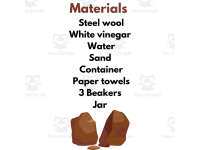
Materials for Lab

Vinegar

Steel Wool

Jars with locking lids

Sand

The Lab is written in clear language making it easy for you to follow'

The graphic organizer can be used for students to color in if they finish early or to take notes from their readings.

This is a great method to reteach the information and many of our students are visual leaners

I have created this lesson so if you need to leave it as a subplot there should not be a problem. Assign the directed readings.


Standards

NGSS MS-ESS2-2


The lesson is written for Middle School Scine

0 Reviews

Explore related searches
you may also like...

Check out these other great products