2,805 products added recently
Earth Science Lesson Plans
Take your students on a journey around the Earth with lesson plans that cover geology, oceanography, meteorology, and more. These resources include interactive activities that help students understand the processes shaping our planet. Implement these plans to encourage environmental stewardship and a deeper connection with the natural world.
Water Reading Comprehension Passage - Cored Ed Encyclopedia
ELA, Language Development, Reading Comprehension, Reading, Pre-Reading, Science, Technology, Physics, Earth and Environmental Sciences, Earth Sciences, Grade 2, 3, 4, 5, Worksheets & Printables, Worksheets, Teacher Tools, Centers, Activities, Writing Prompts, Assessments, Quizzes and Tests, Quizzes, Lesson Plans
This water reading comprehension with lesson plan includes: Visualization (on the front cover) Start your lesson by taking a minute to think and share something about the topic. Read the script aloud (slowly), perhaps prepare some music or sound effects. Student close their eyes and let their imaginations wander. Students open their eyes, read the question aloud and give them a few minutes to complete. Ask a few students to share or keep answers until the end to compare with what they learn in the passage. Quick pause—thousands of Cored Education products are included with your TeachSimple membership. Download links and encyclopedia index available here. Pre-Reading Trivia Students will write down one thing they already know about the subject and then read five more facts and discuss. These facts are fun, and the students will enjoy learning about the subject before reading more. Give 1 minute for students to write what they already know (no pressure—best guess is fine). Read the five facts together. After each fact, do ask a student for their opinion, was it surprising? Set a purpose by asking students to highlight/underline one fact they want to learn more about during the reading. Reading Passage The text is a high-interest reading passage with set paragraphs, roughly three to four paragraphs long. It contains a variety of themes about the topic, anywhere from history to technology. The passage is between 250 and 350 words in length. First, ask students to look at the headings and see what they’ll learn about today. What do they know about the topic/heading? First read options: Teacher read-aloud (best for support). Partner reading (paragraph by paragraph). While reading, students underline important details, and vocabulary words they think may come up in the questions section. Mixed Questions The first question page contains four multiple-choice questions, each with a choice of four answers, and three written response questions that require a sentence or two from the student. Students complete the mcqs first independently, then review quickly as a class. For the 3 written responses, try to get students giving the answer with some form of evidence: “I think ___ because the text says ___.” If students get stuck, send them back to check the passage. Vocabulary Questions Practice seven key words from the text in this section across two activities. First section is scrambled words where students will unscramble three words given a clue for each. The second section is a word to meaning matching activity. Before starting, have some students read out words they underlined in the passage. Ask students to say the word and read aloud the sentence(s) around each word. Ask students to do scrambled words and the matching exercise in pairs then go through answers as a class. For the scrambled spelling task, get four pairs to come up to the board and write the words for extra practice with the other student reading out the clue. For the matching task, prompt students to give full sentences: “I matched ___ with ___ because ___.” Creative Writing In this question, the student will be required to write a five to eight sentence paragraph on a question related to the topic. Before starting, ask students write down 3 key ideas they are going to include in their piece. Ask students for ideas to share around the class to help those struggling. Pro writing expectations: 5–8 sentences At least 2 facts or details from the passage At least 2 vocabulary words from the previous page Students read their paragraphs while classmates listen for facts and vocabulary words. Extension Activities This page is optional for fast finishers or to take home. There are several activities, each one requiring a different skill. Do some, do none, do all, completely optional - but you will feel reassured knowing every possibility is planned for. Includes summary writting question. Answer Key There are answers for the multiple-choice questions, written response questions have sample answers, vocabulary answers and if there is a summary question then a sample summary will be provided as well. Lesson Plan Included Customized lesson plan for this lesson is included. Lesson Snapshot Title: Water Genre: Nonfiction (informational text) Subject: Science (Earth & Physical Science) / Informational Reading Primary Topic: Water cycle, where water is found, and H₂O Estimated Guided Reading Level (A–Z): R What This Lesson Teaches Best Explains how water changes state and moves around Earth (puddle → vapor → clouds → rain/snow). Builds background knowledge about where Earth’s water is found (oceans, glaciers/ice caps, lakes/rivers, underground aquifers, air as vapor). Introduces key science ideas about what water is made of (hydrogen + oxygen; water as a compound; H₂O; molecule). Highlights an important property of water: when it freezes, it expands and floats , allowing fish to swim below lake ice. Connects science to real life by describing how people move and clean water (pipes, filters, treatment) and why keeping water clean matters. Learning Goals Students will explain what happens to some puddle water when it shrinks in the sun. Students will describe at least three places water is found on Earth or in living things, using details from the text. Students will identify what scientists learned in the late 1700s about what water is made from. Students will explain why ice can float on liquid water, based on the passage. Students will describe one way people make water safer to drink that is stated in the text. Key Vocabulary From the Text vapor — water as an invisible gas in the air. glaciers — large masses of ice that store fresh water. aquifers — underground places where water is stored. compound — something made from two different gases joined together. molecule — a tiny particle that makes up water (H₂O). FULL CATALOG OF DOWNLOAD LINKS AND ENCYCLOPEDIA INDEX HERE
Author Cored Education
Rating
Tags Vocabulary, Reading Comprehension, Reading Passages, Lesson Plans, Ela Lesson Plans, Reading Comprehension Lesson Plans, Pre-reading, Science Lesson Plans, Technology, Earth Science
Eco-Intelligence:The Science of Winter Survival & Climate Adaptation
Winter, Seasons, Holiday & Seasonal, Science, Earth and Environmental Sciences, Earth Sciences, Environmental Science, Geology, Space, STEM, Homeschool Curriculum, Homeschool Templates, Grade 2, 3, 4, 5, 6, Worksheets & Printables, Workbooks, Worksheets, Teacher Tools, Assessments, Lesson Plans, Outlines, Presentations, Rubrics, Literacy Readers
Discover the ultimate Groundhog Day reading comprehension activity with this engaging Eco-Intelligence Interactive Literacy Kit, which is perfect for blending science and literacy within the confines of your classroom or homeschool setup. The 40-page digital resource looks into winter survival, climate adaptation, and animal behavior as highly interesting topics: Groundhog Day, Valentine's Day main idea passages, and science regarding hibernation. Merging in some nature's seasonal cycles-phenology-with important reading skills for elementary students, such as determining main ideas versus supporting details, vocabulary building, structures of compare and contrast, and thematic synthesis. They will love the "Anchor & Abstract" methodology that anchors abstract concepts like photoperiodism, metabolism, and ethology to holidays they know well. This Kit is full of sample texts, cloze, sorting activities, visual literacy, paragraph shrinking techniques, and exercises on conservation tasks. It reworks folklore into rigorous STEM education. Ideal for 3rd grade reading comprehension worksheets, 4th grade science units, Valentine's Day classroom activities, and Groundhog Day crafts with a twist: increase the level of engagement for your students while aligning them to Common Core standards for non-fiction reading and biological sciences. Download immediately upon purchase of this printable PDF today for instant access to neuro-inclusive, multidisciplinary lessons. Why Parents/Schools Love It: Multidisciplinary Engagement: Blends science topics like hibernation, photoperiodism, animal adaptation with literacy skills like main idea, vocabulary, text evidence, translating holiday topics into meaningful STEM learning that holds kids’ interest without sacrificing academic content. Neuro-Inclusive Design: Follows principles of 'Anchor & Abstract' which utilizes visual aids to meet the needs of learners suffering from dyslexia or those facing difficulties in terms of Executive Functions. Holiday-Relevant Rigor: Reframes Groundhog Day and Valentine's Day in terms of biology and nature, skipping over "fluff" and still providing holiday-relevant learning objectives—great in an already existing unit of instruction in early February about predicting the weather, animal behaviors, and protecting nature. Ready to Use Activities - Several types of activities such as sorting strategies, a cloze activity with a passage, a paragraph shrinking activity, and a highlighting protocol are available in CTL. Proven Skill Building: Assists students in progressing from memorization to abstract thematic comprehension, nurturing neural pathways for ultimate comprehension, along with real-world practice for projects creating environments for wildlife. Target Classes/Students : From the analysis of the 40-page document, which is summarized in its introduction of various teaching methods, in-depth discussions of chronobiology, metabolic sciences, the science of biological courtship, and the teaching of literacy themes, followed by the various exercises, activities, and aids in the latter portion of the document, it is clear that the document is intended for elementary school-level students in Grades 2-5, particularly with the emphasis on Grades 3 and 4, as it addresses the transition from the "Learning to Read" to the "Reading to Learn" approach, which is in line with the cognitive developmental level of the subject matter, utilizing words of higher tiers, cause and effect, as well as cognitive elements of main idea determination, among others, which is intended for Grades 2 as a foundational introduction, intensive synthetic exercises in Grade 5, and can therefore find its place in a heterogeneous or special educational model that emphasizes neuro-accessibility. Copyright/Terms of Use : Book Copyright by Syed Hammad Rizvi. This resource is intended only for personal and single classroom use, and you may not alter, redistribute, or sell the resource in any form. In other words, you cannot put it on the Internet, where it can be found and downloaded by the public freely. If you need to share this file with your colleagues, please consider buying additional licenses from Teachsimple. Thanks for respecting the terms of use! This product is happily brought to you by Syed Hammad Rizvi
Author Creative Book Store
Rating
Tags GroundhogDayActivities, ValentinesDayWorksheets, WinterSurvivalScience, ElementaryLiteracyKit, HomeschoolResources, ReadingComprehension, MainIdeaPassages, AnimalAdaptation, HibernationScience, Photoperiodism
Drone Data Detectives:Mastering UAVs for Environmental Mapping
Research, Community Building, Resources for Teachers, Science, Earth and Environmental Sciences, Earth Sciences, Environmental Science, Geology, Space, Life Sciences, Grade 2, 3, 4, 5, 9, 10, 11, 12, Activities, Centers, Experiments, Labs, Assessments, Teacher Tools, Graphic Organizers, Lesson Plans, Outlines, Literacy Readers
Get ready for the ultimate in drones and environmental science with "Drone Data Detectives: Mastering UAVs for Environmental Mapping & Climate Monitoring." The comprehensive high school STEM book on drones deepens the knowledge of teens into the world of Unmanned Aerial Vehicles, making them drone pilots, data analysts, and environmental stewards. This key resource covers everything needed to take raw drone data and develop actional insights in support of climate change monitoring, conservation, agriculture, and disaster response-from the basics in drone piloting and safety regulations to planning flights, and from the advanced sensors that capture aerial data, such as thermal imaging and multispectral cameras, to LiDAR. Packed full of real-world missions, ethical considerations, GIS analysis techniques, machine learning applications, and project-based learning, it is a no-brainer for aspiring scientists interested in remote sensing, photogrammetry, vegetation health metrics, and sustainable technology. This is an ideal textbook for grades 9-12 classrooms, great for homeschooling, or self-study, this book aims to fire up the theoretical teaching with practical skills in order to inspire the next generation of eco-innovators. Keywords: drone education for teens, UAV environmental mapping, climate monitoring drones, STEM books high school, data analysis environmental science, drone piloting guide, remote sensing technology, Why Parents/Schools Love It: Hands-On STEM Activities: Blends theoretical concepts with hands-on drone operations, developing critical thinking and real-world problem-solving capabilities, especially in environmental sectors such as climate change and biodiversity. Future Ready Career Preparation: It delves into areas such as conservation using drones, data science, which matches global career requirements in the field of Green Technology, sustainable development, among others. Encourages Environmental Awareness: Emphasizes responsible use of drones and awareness of global issues that encourage teens to play a role in protecting the planet with technology. Thorough and Readily Available: This text consists of 100 chapters perfectly suited for a classroom setting as it covers topics ranging from fundamental to advanced levels. Safe & Responsible Focus: It is more bent on rules, safety, and risk management, offering reassurance for educational UAV operations. Target Audience : After analyzing the content of the book in entirety—right from the introduction about basic components of drones to aerodynamics, followed by intermediate levels of topics such as sensors and data acquisition, advanced topics of machine learning and analysis of space, to practical implementations in conservation and climate observation—the book has been written for students in grades 9-12 (14-18 years of age), aiming at students expressing interest in the science of tech but gradually increasing in content across: For grade 9 and 10 students, one may focus on the fundamental chapters related to the history of drones, its parts, and the basics of piloting a drone. Grade 11/12 students: Engage with advanced topics such as multi-spectral indices, GIS integration, and photogrammetry. Designed for students who are deeply interested in environment/earth science, technology, and data sciences, and for students of STEM streams such as those in robotics and science clubs. Not designed for middle-school students due to technical complexity such as operations in the electromagnetic spectrum and calculations for NDVI, and nor for college students who would be doing research and hence would require research detail. Copyright/Terms of Use : This book is copied and adapted from Syed Hammad Rizvi. This Work/Way is intended Solely for Private Use. Neither the text nor any part of this Work/Way shall be copied, distributed, or sold. This means that no part of this Work/Way shall be placed on the Internet where it could be publicly accessed. If you want to Share it with your fellow teachers, you can buy additional licenses from Teachsimple. Thank you for Using Responsibly. “This product is happily brought to you by Syed Hammad Rizvi”
Author Creative Book Store
Rating
Tags DroneDataDetectives, MasteringUAVs, EnvironmentalMapping, ClimateMonitoring, UAVTechnology, DroneEducation, STEMBooks, HighSchoolSTEM, EnvironmentalScience, DronePiloting
Sustainable Energy Projects Handbook - Environmental Science Book
Earth and Environmental Sciences, Science, Earth Sciences, Environmental Science, Geology, Space, Life Sciences, Human Body, Nature & Plants, Physics, Grade 6, 7, 8, 9, 10, 11, 12, Experiments, Activities, Projects, Lesson Plans, Teacher Tools, Workbooks, Worksheets & Printables
Explore the realm of environmental science and sustainable energies with the “Sustainable Energy Projects Handbook - Environmental Science” authored by Syed Hammad Rizvi - an essential handbook that must be present in every school library or educational institution offering environmental science courses for middle school and high school students interested in renewable energies and environmental conservation. This comprehensive 370-page handbook specifically written with grades 6-12 in mind addresses tough subject matters related to ecosystems, natural resources, water & carbon cycle processes, biodiversity conservation, fossil fuels effects, and developing contemporary renewable sources of solar photovoltaics, wind turbines, hydroelectricity, geothermal power, biomass biofuels, and ocean tidal power. Jam-packed with do-it-yourself projects (including solar oven designs & DIY models of wind turbines), case studies of successful community sustainable initiatives all over the world, as well as useful guides in project planning & budgeting analysis, risk assessment & management, product life cycle assessment & carbon footprint calculations, & methods of air & water pollutants control strategies included in this handbook encourage critical thinking & environmental education. It is STEM & SDGs compatible & suitable for teachers or parents looking for hands-on environmental science & sustainable education projects. Keywords: environmental science middle school textbook, sustainable energy projects for middle school students, renewable energy resource for teenagers, climate change lesson plans grades 6-12, environmental education book on STEM and environment, biodiversity and conservation guide, homemade solar wind hydro energy projects for kids, energy conservation education resource, eco-friendly ideas for a science project, environmental energy advocacy for a high school. Why Parents/Schools Love It : Comprehensive and Curriculum-Aligned: It encompasses a broad array of environmental science-related subjects from basic to advanced level projects, aligning perfectly and facilitating a complete understanding of sustainability and renewable energy. Hands-on Learning Activities: It includes various DIY and case studies that help students take part in hands-on learning by making difficult concepts such as solar and wind power more interesting and accessible to them. Fosters Environmental Responsibility: Equips young learners with knowledge about climate change, biodiversity, and values for preparing environmentally responsible global citizens for the future. Engaging and Accessible Language: Presented in clear, technical writing style that appeals to teens, with cross-discipline knowledge from biology, physics, as well as ethics. Adaptive to Various Settings: Designed to fit a multitude of settings, including educational use in the classroom, homeschooling, science fairs, or even clubs, offering tools for measuring the impact of the project. Target Students/Classes : On the basis of a comprehensive assessment of the material, structure, and language of the book, which varies from the basic notions of sustainability, ecosystems, energy fundamentals, renewables, and reaches its climax with the advanced notions of project development, assessment of the environmental implications of such projects (LCA, footprints, etc.), policies, to action, the intended recipients of the material’s scope and focus can be determined to be students between the ages of 11-18, i.e. from grades 6 to 12. Grades 6-8 (Middle School): Best for introductory classes for environmental science, basic cycles, human effects, biodiversity, and simple energy principles, with the goal of creating engagement through DIY projects. Grades 9-12 (High School): More suited for advanced classes in environmental science, earth science, or AP environmental science, focusing on renewable technologies, integration, feasibility analysis, risk analysis, and goals for sustainability in more real-world examples and discussions. Again, this would correlate with the intended audience of grades 6-12 and the progressive level of complexity from the book. Copyright/Terms of Use : This book has been copyrighted by Syed Hammad Rizvi. This educational resource may be used for personal and single class use. You may not, under any circumstances, reproduce, distribute, and sell any part of this resource. This means you may not post this resource on the Internet so it could be downloaded from anywhere. If you would like to share this resource with others, you can purchase more licenses through Teachsimple. Thank you for following the guidelines for use! It is all happily offered by Syed Hammad Rizvi
Author Creative Book Store
Rating
Tags SustainableEnergy, EnvironmentalScience, RenewableEnergy, SolarEnergy, WindEnergy, HydroPower, GeothermalEnergy, BiomassEnergy, OceanEnergy, ClimateChange
Unique Oceans | Animated Ocean Video Lesson
Science, Earth and Environmental Sciences, Earth Sciences, Not Grade Specific, Lesson Plans, Teacher Tools
Unique Oceans | Animated Ocean Video Lesson Transport students into an underwater world with this 14-minute animated video that explores the uniqueness of Earth's oceans. Through captivating visuals and informative narration, learners dive deep to discover how oceans differ in location, plant and animal life, weather, and more. Educators can utilize this engaging science lesson to introduce or review key ocean concepts with individuals, small groups, or the entire class. By sparking curiosity about the planet's watery realms, this video aims to inspire students' appreciation for the diversity and interconnectedness of ocean ecosystems across the globe. With vivid imagery and compelling storytelling, it promises to hold students' attention while building their knowledge about the precious resource oceans provide.
Author Educational Voice
Tags Arctic Oceans, Science Lesson, Earth, Science Video, Polar Bears
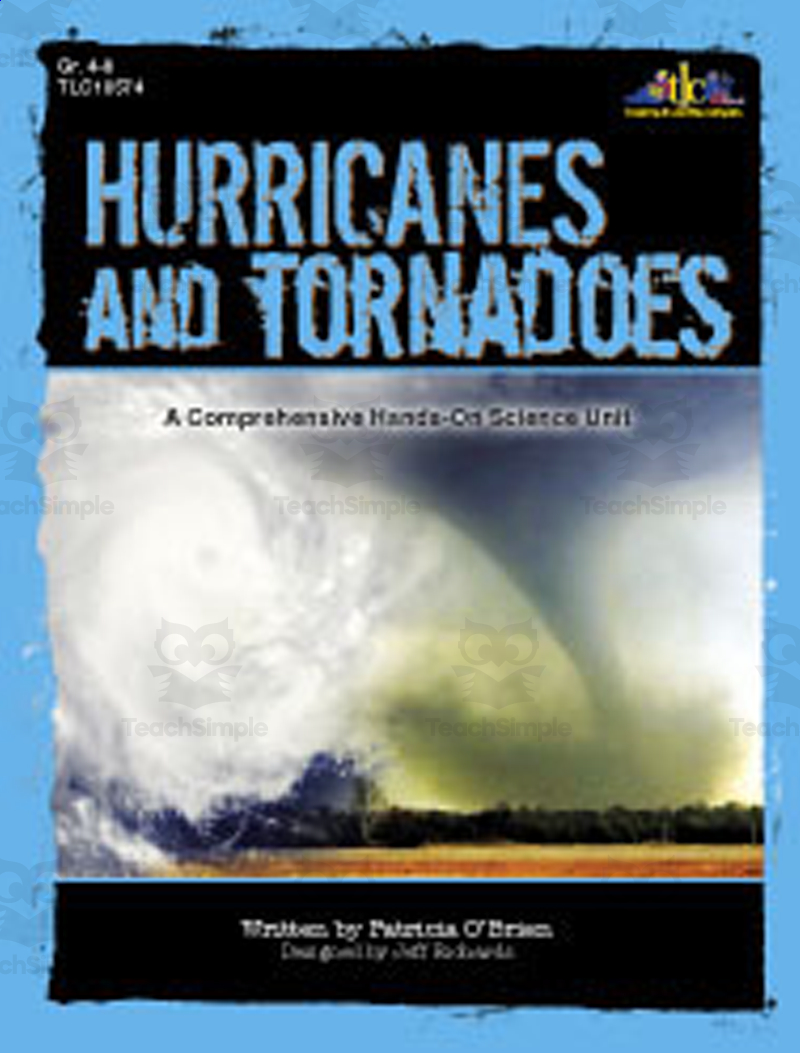
Hurricanes and Tornadoes: A Comprehensive Hands-On Science Unit
Science, Earth and Environmental Sciences, Earth Sciences, Grade 4, 5, 6, 7, 8, Teacher Tools, Lesson Plans
Hurricanes and Tornadoes: A Comprehensive Hands-On Science Unit An extremely valuable teaching resource tailored towards students in grades 4 through 8. This enriching unit offers a hands-on approach to study weather phenomena, building fundamental knowledge in Earth Sciences. Interactive Educational Tool This science unit makes weather-related topics come alive in classroom learning activities, fostering robust understanding of crucial scientific concepts related to hurricanes and tornadoes. Hands-On Experience for Students Create their barometer, Fabricate a cyclone from household items, Draft a newspaper article from the storm's eye. Engaging Learning Tools The product promises an immersive science journey unraveling nature's powerful storms through simple diagrams and charts . Reproducible experiments allow learners to interact directly with what they're studying. Data recording pages cater to those visual learners who thrive on tangible materials. Versatile Learning Pace Invest your time into comprehensive investigations provided within this unit, let students explore both hurricanes' and tornadoes' workings at their pace. It is versatile enough for whole classrooms or small groups; furthermore, teachers may assign individual sections for homework practice allowing reinforcing key principles beyond school hours . Linguistic Aptitude Development Research activities accompanied by writing projects encourage students to articulate about these extreme forces coherently while simultaneously reinforcing scientific understanding. Hassle-Free Ready-to-Print Format: An accessible PDF file consisting of 32 pages brimming over with knowledge about hurricanes and tornadoes vocabulary plus engaging exercises designed by educators just wait for you! Embrace Hurricanes And Tornadoes: A Comprehensive Hands-On Science Unit today to stimulate students' interest in Earth Sciences unmatched.
Author Classroom Complete Press
Tags Earth Sciences, Hurricanes, Tornadoes, Science Unit, Comprehensive Science
The Sun Reading Comprehension Passage - Cored Ed Encyclopedia
ELA, Language Development, Reading Comprehension, Reading, Pre-Reading, Writing, Science, Earth Sciences, Earth and Environmental Sciences, Space, Grade 2, 3, 4, 5, Worksheets & Printables, Worksheets, Teacher Tools, Centers, Activities, Writing Prompts, Assessments, Quizzes and Tests, Quizzes, Lesson Plans
This Sun reading comprehension includes: Visualization (on the front cover) Start your lesson by taking a minute to think and share something about the topic. Read the script aloud (slowly), perhaps prepare some music or sound effects. Student close their eyes and let their imaginations wander. Students open their eyes, read the question aloud and give them a few minutes to complete. Ask a few students to share or keep answers until the end to compare with what they learn in the passage. Quick pause—thousands of Cored Education products are included with your TeachSimple membership. Download links and encyclopedia index available here. Pre-Reading Trivia Students will write down one thing they already know about the subject and then read five more facts and discuss. These facts are fun, and the students will enjoy learning about the subject before reading more. Give 1 minute for students to write what they already know (no pressure—best guess is fine). Read the five facts together. After each fact, do ask a student for their opinion, was it surprising? Set a purpose by asking students to highlight/underline one fact they want to learn more about during the reading. Reading Passage The text is a high-interest reading passage with set paragraphs, roughly three to four paragraphs long. It contains a variety of themes about the topic, anywhere from history to technology. The passage is between 250 and 350 words in length. First, ask students to look at the headings and see what they’ll learn about today. What do they know about the topic/heading? First read options: Teacher read-aloud (best for support). Partner reading (paragraph by paragraph). While reading, students underline important details, and vocabulary words they think may come up in the questions section. Mixed Questions The first question page contains four multiple-choice questions, each with a choice of four answers, and three written response questions that require a sentence or two from the student. Students complete the mcqs first independently, then review quickly as a class. For the 3 written responses, try to get students giving the answer with some form of evidence: “I think ___ because the text says ___.” If students get stuck, send them back to check the passage. Vocabulary Questions Practice seven key words from the text in this section across two activities. First section is scrambled words where students will unscramble three words given a clue for each. The second section is a word to meaning matching activity. Before starting, have some students read out words they underlined in the passage. Ask students to say the word and read aloud the sentence(s) around each word. Ask students to do scrambled words and the matching exercise in pairs then go through answers as a class. For the scrambled spelling task, get four pairs to come up to the board and write the words for extra practice with the other student reading out the clue. For the matching task, prompt students to give full sentences: “I matched ___ with ___ because ___.” Creative Writing In this question, the student will be required to write a five to eight sentence paragraph on a question related to the topic. Before starting, ask students write down 3 key ideas they are going to include in their piece. Ask students for ideas to share around the class to help those struggling. Pro writing expectations: 5–8 sentences At least 2 facts or details from the passage At least 2 vocabulary words from the previous page Students read their paragraphs while classmates listen for facts and vocabulary words. Extension Activities This page is optional for fast finishers or to take home. There are several activities, each one requiring a different skill. Do some, do none, do all, completely optional - but you will feel reassured knowing every possibility is planned for. Includes summary writting question. Answer Key There are answers for the multiple-choice questions, written response questions have sample answers, vocabulary answers and if there is a summary question then a sample summary will be provided as well. Lesson Plan Included Customized lesson plan for this lesson is included. Lesson Snapshot Title: The Sun Genre: Nonfiction (informational text with support pages) Subject: Science (Space Science) Primary Topic: How the Sun affects Earth and works Estimated Guided Reading Level (A–Z): S What This Lesson Teaches Best How people used the Sun and changing shadows to notice time long before clocks, phones, and apps. How telescopes in the early 1600s revealed sunspots and helped people realize the Sun can change and even spin. How the Sun shines for so long because nuclear fusion joins hydrogen to make helium and releases energy as sunlight and heat. Key facts about the Sun’s size and importance in the solar system (about 1.39 million kilometres across; holds almost all the mass in the solar system). How the Sun can be active (solar wind, flares, storms) and how spacecraft like NASA’s Parker Solar Probe study the Sun’s outer atmosphere, the corona . Learning Goals Describe how changing shadows helped people notice time long ago. Explain what sunspots are and what they helped early observers realize about the Sun. Explain, using details from the text, how nuclear fusion makes energy inside the Sun. Identify what the corona is and why the Parker Solar Probe flew close to the Sun. Describe two ways the Sun is “not always calm,” based on the passage. Key Vocabulary From the Text telescopes — tools used to see faraway objects in the sky. sunspots — dark freckles seen on the Sun. hydrogen — a gas that joins together deep inside the Sun. helium — what hydrogen becomes when it joins together. corona — the Sun’s outer atmosphere. FULL CATALOG OF DOWNLOAD LINKS AND ENCYCLOPEDIA INDEX HERE
Author Cored Education
Rating
Tags Vocabulary, Reading Comprehension, Reading Passages, Lesson Plans, Ela Lesson Plans, Reading Comprehension Lesson Plans, Reading, Pre-reading, The Sun, Earth Science
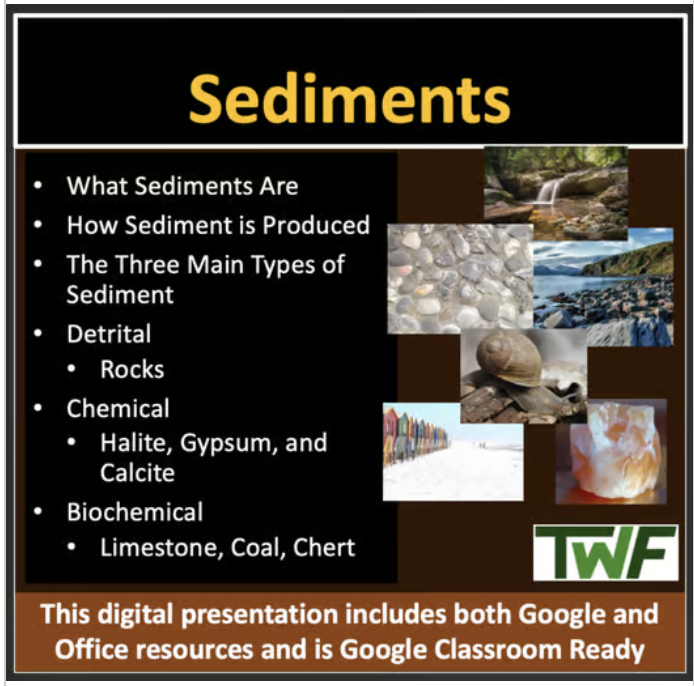
Free Science Rock Transformation Interactive Vocabulary Review
Science, Earth and Environmental Sciences, Basic Science, Earth Sciences, Grade 7, Teacher Tools, Lesson Plans
Free Science Rock Transformation Interactive Vocabulary Review Engage your 7th grade science students with this interactive PowerPoint to learn key vocabulary about rock transformations. Students will review 32 slides that define terms and concepts related to the rock cycle , along with visuals to aid understanding. Our resource can be used for whole-class instruction, small group review, or independent practice. To use: first, introduce the vocab words. Then, have students review and read words aloud. They select a multiple choice answer; correct choices reveal the definition, while incorrect answers are marked with a red X. Press the down arrow to advance slides. Check back for more 7th grade science vocabulary and concept review resources from ShapeUp-N-Matematicas y Lenguaje. We offer engaging activities like human microbiome and metabolism to support learning. Spanish language arts resources also available.
Author ShapeUp-N-Matematicas y Lenguaje
Tags Rock Transformation, Igneous Rock, Magma, Plate, Plate Boundary, Sediment, Sedimentary Rocks, Rocks, Small Or Whole Group, Game
Free Science Plates in Motion Interactive Vocabulary Review Activity
Science, Basic Science, Earth and Environmental Sciences, Earth Sciences, Environmental Science, Grade 7, Teacher Tools, Lesson Plans
Science 7th Grade Plates in Motion Vocabulary Review Reinforce plate tectonics concepts with this interactive 7th grade science vocabulary review! Students will learn key terms about plates in motion through definitions and characteristics. The engaging activity promotes collaboration and class discussion as students review terms like convergent boundary, transform boundary, and more. With multiple visuals and learning formats like multiple choice questions, this versatile resource can be used for whole group instruction, small group practice, or independent work. Check our shop for more 7th grade interactive science vocabulary reviews covering topics like human microbiome, metabolism, and more grade levels in science and Spanish language arts. This 1-page PowerPoint includes 41 slides.
Author ShapeUp-N-Matematicas y Lenguaje
Tags Plates In Motion, Earthquake, Eruption, Volcanic Activity, Geiser, Landform, Trench, Small Or Whole Group, Interactive Activity, Games
I WONDER - What Is A Dust Storm | Animated Video Lesson
Earth Sciences, Earth and Environmental Sciences, Science, Environmental Science, Geology, Grade 3, 4, 5, 6, 7, 8, 9, Lesson Plans, Teacher Tools
Video Introduction An amazing video designed for the students to learn more about natural disasters in different countries. I WONDER - What Is A Dust Storm | Animated Video Lesson Do you like summer days where the sun is shinning and you can see beautiful flowers everywhere or winter days where it is raining or snowing and where you can set by the fireplace and enjoy the scene from outside your windows? How to do you thing the blizzards and hurricanes or tornadoes got their names? Can you name a volcanic mountain? Have you ever read about earthquakes? Do you know why earthquakes happen? I WONDER - What Is A Dust Storm | Animated Video Lesson The video is perfect for encouraging the researching skills for the students, while learning more about this fantastic phenomenon. I WONDER - What Is A Dust Storm | Animated Video Lesson This friendly designed video is suitable for students at school, homeschooling, and as a group activity. Format Available in MP4 format.
Author Educational Voice
Rating
Tags What Is A Dust Storm, Dust Storm, Dust Storm Facts, Dust Storm Video, Dust Storm Facts For Kids, Dust Storm Video For Kids, Storm, Storms, Storm Facts, Storm Video
Water Cycle Earth Science Activity
Earth and Environmental Sciences, Science, Earth Sciences, Environmental Science, Grade 2, 3, 4, Experiments, Activities, Diagrams, Teacher Tools, Lesson Plans, Templates
I created this water cycle science activity for young students who are beginning to learn how water moves through Earth’s systems. Each page focuses on a simple part of the water cycle, including evaporation, condensation, precipitation, and collection. The worksheets include clear diagrams, short explanations, and guided activities so students can understand the concept without feeling overwhelmed. This type of activity works well during science lessons, especially when students are being introduced to Earth science topics. It can be used as a whole-class activity, a science center, morning work, or extra practice after a lesson. I’ve used similar worksheets before, and students enjoy labeling diagrams and following the steps of the water cycle from start to finish. The pack is easy to print and works well in both color and black-and-white. It fits nicely into classroom routines and can also be used at home for review or reinforcement. What’s included: 11 printable water cycle worksheets Clear and simple water cycle diagrams Activities covering evaporation, condensation, precipitation, and collection Kid-friendly science illustrations Suitable for grades 1–3 Great for individual, partner, or small-group work
Author Bright Education
Rating
Tags Science, Water Cycle, Earth Science
I WONDER - What Is The Impact Of Pollution | Animated Video Lesson
Earth Sciences, Earth and Environmental Sciences, Science, Environmental Science, Grade 4, 5, 6, 7, 8, 9, 10, Lesson Plans, Teacher Tools
Video Introduction An amazing video designed for the students to learn more about STEM. I WONDER - What Is The Impact Of Pollution | Animated Video Lesson Do you like STEM subjects? what is your favorite one? Have you ever tried to plant a seed? If yes, tell us more about it. Or have you ever tried to invent something? If yes, tell us more about it. And how do you think it will help us? Have you ever seen a microorganism under a microscope? What was it? And how it looked like? Mathematics is a marvelous subject. Let' sharpen our brains and solve some equations. Do you like timetable tricks? What is your favorite one? Do you know how to code? Have you ever created an app or a game before? If yes, how was it like? I WONDER - What Is The Impact Of Pollution | Animated Video Lesson The video is perfect for encouraging the researching skills for the students, while learning more about this fantastic topic. I WONDER - What Is The Impact Of Pollution | Animated Video Lesson This friendly designed video is suitable for students at school, homeschooling, and as a group activity. Format Available in MP4 format.
Author Educational Voice
Tags What Is The Impact Of Pollution, What Is The Impact Of Pollution Video, The Impact Of Pollution, The Impact Of Pollution Video, The Impact Of Pollution Facts, The Impact Of Pollution Video For Kids
Lesson Plan on Climate Change
Earth Sciences, Earth and Environmental Sciences, Science, Environmental Science, Grade 9, 10, 11, 12, Lesson Plans, Teacher Tools, Worksheets & Printables, Activities
Looking for a clear, engaging lesson on climate change? This 90-minute class is just what you need. It uses a short YouTube video to explain global warming and climate change in a simple way your students will understand. The lesson includes real facts and figures, group discussions, and a worksheet that helps learners stay focused. Students will learn the difference between global warming and climate change. They will see how rising temperatures, melting ice, and extreme weather affect people around the world. The worksheet includes vocabulary, video questions, and a reflection activity. The lesson ends with a short quiz or exit ticket. It also encourages students to think about real ways they can take action. This resource is great for Grades 9–12. It’s ready to use in class or online. No prep needed. Just print the worksheet or share it digitally. If you want to teach climate change with impact and clarity, this lesson will help you do it. Simple. Effective. Powerful.
Author Bright Classroom Ideas Marketplace
Rating
Tags Climate, Change, Environment, Earth, Lesson, Plan
I WONDER - How Common Are Fossils | Animated Video Lesson
Geology, Earth and Environmental Sciences, Science, Earth Sciences, Grade 4, 5, 6, 7, 8, 9, 10, Lesson Plans, Teacher Tools
Video Introduction An amazing activity designed for the students to learn more about STEM. I WONDER - How Common Are Fossils | Animated Video Lesson Do you like STEM subjects? what is your favorite one? Have you ever tried to plant a seed? If yes, tell us more about it. Or have you ever tried to invent something? If yes, tell us more about it. And how do you think it will help us? Have you ever seen a microorganism under a microscope? What was it? And how it looked like? Mathematics is a marvelous subject. Let' sharpen our brains and solve some equations. Do you like timetable tricks? What is your favorite one? Do you know how to code? Have you ever created an app or a game before? If yes, how was it like? I WONDER - How Common Are Fossils | Animated Video Lesson The video is perfect for encouraging the researching skills for the students, while learning more about this fantastic topic. I WONDER - How Common Are Fossils | Animated Video Lesson This friendly designed video is suitable for students at school, homeschooling, and as a group activity. Format Available in MP4 format.
Author Educational Voice
Tags How Common Are Fossils, How Common Are Fossils Video, Fossils, Fossils Facts, Fossils Facts For Kids, Fossils Video, Fossils Video For Kids, Fossils Facts Video For Kids, Stem Video For Kids
I WONDER - How Can The Polar Ice Caps Affect The Climate's Temperature
Geography, Social Studies, Environmental Science, Earth and Environmental Sciences, Science, Earth Sciences, Grade 6, 7, 8, 9, 10, 11, 12, Lesson Plans, Teacher Tools
Video Introduction An amazing video designed for the students to learn more about famous places in different countries. I WONDER - How Can The Polar Ice Caps Affect The Climate's Temperature | Animated Video Lesson What do you know about this place? Do you know in which part of the world it is? Have you ever visited this place? If yes, can you tell us more about your adventure, and what do you like the most about this place? Do you like reading about Geography? What is your favorite country in the whole world? If you are going on a trip where it will be? Which country? What you are going to see there? Does this country has a famous place to visit? I WONDER - How Can The Polar Ice Caps Affect The Climate's Temperature | Animated Video Lesson The activity is perfect for encouraging the researching skills for the students, while learning more about this fantastic place. I WONDER - How Can The Polar Ice Caps Affect The Climate's Temperature | Animated Video Lesson This friendly designed video is suitable for students at school, homeschooling, and as a group activity. Format Available in MP4 format.
Author Educational Voice
Tags How Can The Polar Ice Caps Affect The Climate's Temperature, How Can The Polar Ice Caps Affect The Climate's Temperature Video, The Polar Ice Caps, The Polar Ice Caps Video, The Polar Ice Caps Facts, Climate's Temperature
I WONDER - How Are Heat Waves Caused | Animated Video Lesson
Environmental Science, Earth and Environmental Sciences, Science, Earth Sciences, Grade 6, 7, 8, 9, 10, 11, 12, Lesson Plans, Teacher Tools
Video Introduction An amazing video designed for the students to learn more about STEM. I WONDER - How Are Heat Waves Caused | Animated Video Lesson Do you like STEM subjects? what is your favorite one? Have you ever tried to plant a seed? If yes, tell us more about it. Or have you ever tried to invent something? If yes, tell us more about it. And how do you think it will help us? Have you ever seen a microorganism under a microscope? What was it? And how it looked like? Mathematics is a marvelous subject. Let' sharpen our brains and solve some equations. Do you like timetable tricks? What is your favorite one? Do you know how to code? Have you ever created an app or a game before? If yes, how was it like? I WONDER - How Are Heat Waves Caused | Animated Video Lesson The video is perfect for encouraging the researching skills for the students, while learning more about this fantastic topic. I WONDER - How Are Heat Waves Caused | Animated Video Lesson This friendly designed video is suitable for students at school, homeschooling, and as a group activity. Format Available in MP4 format.
Author Educational Voice
Tags How Are Heat Waves Caused, How Are Heat Waves Caused Video, Heat Waves, Heat Waves Facts, Heat Waves Facts For Kids, Heat Waves Video, Heat Waves Video For Kids, Heat Wave, Environment
I WONDER - What Are Some Different Types Of Crystals | Animated Video
Earth Sciences, Earth and Environmental Sciences, Science, Grade 6, 7, 8, 9, 10, 11, 12, Lesson Plans, Teacher Tools
Video Introduction An amazing activity designed for the students to learn more about STEM. I WONDER - What Are Some Different Types Of Crystals | Animated Video Lesson Do you like STEM subjects? what is your favorite one? Have you ever tried to plant a seed? If yes, tell us more about it. Or have you ever tried to invent something? If yes, tell us more about it. And how do you think it will help us? Have you ever seen a microorganism under a microscope? What was it? And how it looked like? Mathematics is a marvelous subject. Let' sharpen our brains and solve some equations. Do you like timetable tricks? What is your favorite one? Do you know how to code? Have you ever created an app or a game before? If yes, how was it like? I WONDER - What Are Some Different Types Of Crystals | Animated Video Lesson The video is perfect for encouraging the researching skills for the students, while learning more about this fantastic topic. I WONDER - What Are Some Different Types Of Crystals | Animated Video Lesson This friendly designed video is suitable for students at school, homeschooling, and as a group activity. Format Available in MP4 format.
Author Educational Voice
Tags What Are Some Different Types Of Crystals, What Are Some Different Types Of Crystals Video, Types Of Crystals, Types Of Crystals Facts, Types Of Crystals Facts For Kids, Types Of Crystals Video, Types Of Crystals Video For Kids
I WONDER - How Do People Around The World Collect Water
Earth Sciences, Earth and Environmental Sciences, Science, Environmental Science, Geology, Grade 4, 5, 6, 7, 8, 9, 10, Lesson Plans, Teacher Tools
Video Introduction An amazing video designed for the students to learn more about STEM. I WONDER - How Do People Around The World Collect Water | Animated Video Lesson Our environment is so precious, can you name different ways to help our environment to be clean? Have you ever recycled a material? If yes, tell us what was the material was it paper, plastic, glass or aluminum? How did you recycled it? What are the types of clean energy? How do hydro power works? Where can we find wind turbines? What is climate change? And what we can do to stop it? What are the different types of ecosystems? I WONDER - How Do People Around The World Collect Water | Animated Video Lesson The video is perfect for encouraging the researching skills for the students, while learning more about this fantastic topic. I WONDER - How Do People Around The World Collect Water | Animated Video Lesson This friendly designed video is suitable for students at school, homeschooling, and as a group activity. Format Available in MP4 format.
Author Educational Voice
Rating
Tags How Do People Around The World Collect Water, Water, Water Facts, Water Video, Water Video For Kids, Water Facts For Kids, Collecting Water , Collecting Water Facts, Collecting Water Video
I WONDER - How Do Wetlands Help The Environment | Animated Video
Environmental Science, Earth and Environmental Sciences, Science, Earth Sciences, Grade 4, 5, 6, 7, 8, 9, 10, Lesson Plans, Teacher Tools
Video Introduction An amazing video designed for the students to learn more about STEM. I WONDER - How Do Wetlands Help The Environment | Animated Video Lesson Do you like STEM subjects? what is your favorite one? Have you ever tried to plant a seed? If yes, tell us more about it. Or have you ever tried to invent something? If yes, tell us more about it. And how do you think it will help us? Have you ever seen a microorganism under a microscope? What was it? And how it looked like? Mathematics is a marvelous subject. Let' sharpen our brains and solve some equations. Do you like timetable tricks? What is your favorite one? Do you know how to code? Have you ever created an app or a game before? If yes, how was it like? I WONDER - How Do Wetlands Help The Environment | Animated Video Lesson The video is perfect for encouraging the researching skills for the students, while learning more about this fantastic topic. I WONDER - How Do Wetlands Help The Environment | Animated Video Lesson This friendly designed video is suitable for students at school, homeschooling, and as a group activity. Format Available in MP4 format.
Author Educational Voice
Tags How Do Wetlands Help The Environment, How Do Wetlands Help The Environment Video, Wetlands Help The Environment, Wetlands Help The Environment Video, Wetlands Help The Environment Video For Kids
I WONDER - What Damage Can Hail Cause | Animated Video Lesson
Earth Sciences, Earth and Environmental Sciences, Science, Environmental Science, Grade 3, 4, 5, 6, 7, 8, 9, Lesson Plans, Teacher Tools
Video Introduction An amazing video designed for the students to learn more about famous phenomena in different countries. I WONDER - What Damage Can Hail Cause | Animated Video Lesson Weather phenomena can affect our lives, crops and even animals! Can you name any of the weather phenomena that happened in your country? Do you know when hailstorms happen? And what is the most country who has lots of hailstorms happening per year? Do you think the all countries have four seasons? If no, can you name any? Why do some animals sleep at winter? Can you name any of these animals? I WONDER - What Damage Can Hail Cause | Animated Video Lesson The video is perfect for encouraging the researching skills for the students, while learning more about this fantastic phenomenon. I WONDER - What Damage Can Hail Cause | Animated Video Lesson The video is perfect for encouraging the researching skills for the students, while learning more about this fantastic phenomenon. Format Available in a PDF format.
Author Educational Voice
Rating
Tags What Damage Can Hail Cause, Hail, Hail Facts, Hail Video, Hail Video For Kids, Hail Facts For Kids, Weather, Extreme Weather Phenomenon, Weather Facts, Weather Video For Kids
I WONDER - How Important Is Ice To Our Planet | Animated Video Lesson
Chemistry, Science, Geology, Earth and Environmental Sciences, Earth Sciences, Environmental Science, Grade 4, 5, 6, 7, 8, 9, 10, Lesson Plans, Teacher Tools
Video Introduction An amazing video designed for the students to learn more about STEM. I WONDER - How Important Is Ice To Our Planet | Animated Video Lesson Do you like STEM subjects? what is your favorite one? Have you ever tried to plant a seed? If yes, tell us more about it. Or have you ever tried to invent something? If yes, tell us more about it. And how do you think it will help us? Have you ever seen a microorganism under a microscope? What was it? And how it looked like? Mathematics is a marvelous subject. Let' sharpen our brains and solve some equations. Do you like timetable tricks? What is your favorite one? Do you know how to code? Have you ever created an app or a game before? If yes, how was it like? I WONDER - How Important Is Ice To Our Planet | Animated Video Lesson The video is perfect for encouraging the researching skills for the students, while learning more about this fantastic topic. I WONDER - How Important Is Ice To Our Planet | Animated Video Lesson This friendly designed video is suitable for students at school, homeschooling, and as a group activity. Format Available in MP4 format.
Author Educational Voice
Tags How Important Is Ice To Our Planet, How Important Is Ice To Our Planet Video, Ice, Ice Facts, Ice Facts For Kids, Ice Video, Ice Video Facts, Our Planet, Our Planet Facts, Our Planet Video For Kids
I WONDER - How Do Heat Waves Impact The Environment | Animated Video
Environmental Science, Earth and Environmental Sciences, Science, Earth Sciences, Grade 6, 7, 8, 9, 10, 11, 12, Lesson Plans, Teacher Tools
Video Introduction An amazing video designed for the students to learn more about STEM. I WONDER - How Do Heat Waves Impact The Environment | Animated Video Lesson Do you like STEM subjects? what is your favorite one? Have you ever tried to plant a seed? If yes, tell us more about it. Or have you ever tried to invent something? If yes, tell us more about it. And how do you think it will help us? Have you ever seen a microorganism under a microscope? What was it? And how it looked like? Mathematics is a marvelous subject. Let' sharpen our brains and solve some equations. Do you like timetable tricks? What is your favorite one? Do you know how to code? Have you ever created an app or a game before? If yes, how was it like? I WONDER - How Do Heat Waves Impact The Environment | Animated Video Lesson The video is perfect for encouraging the researching skills for the students, while learning more about this fantastic topic. I WONDER - How Do Heat Waves Impact The Environment | Animated Video Lesson This friendly designed video is suitable for students at school, homeschooling, and as a group activity. Format Available in MP4 format.
Author Educational Voice
Tags How Do Heat Waves Impact The Environment, How Do Heat Waves Impact The Environment Video, Heat Waves Impact The Environment, Heat Waves Impact The Environment Video, Heat Waves Impact The Environment Facts
I WONDER - What Causes The Aurora Borealis Effect | Animated Video
Geography, Social Studies, Earth Sciences, Earth and Environmental Sciences, Science, Grade 3, 4, 5, 6, 7, 8, 9, Lesson Plans, Teacher Tools
Video Introduction An amazing video designed for the students to learn more about famous places in different countries. I WONDER - What Causes The Aurora Borealis Effect | Animated Video Lesson What do you know about this place? Do you know in which part of the world it is? Have you ever visited this place? If yes, can you tell us more about your adventure, and what do you like the most about this place? Do you like reading about Geography? What is your favorite country in the whole world? If you are going on a trip where it will be? Which country? What you are going to see there? Does this country has a famous place to visit? I WONDER - What Causes The Aurora Borealis Effect | Animated Video Lesson The activity is perfect for encouraging the researching skills for the students, while learning more about this fantastic place. I WONDER - What Causes The Aurora Borealis Effect | Animated Video Lesson This friendly designed video is suitable for students at school, homeschooling, and as a group activity. Format Available in MP4 format.
Author Educational Voice
Tags What Causes The Aurora Borealis Effect, What Causes The Aurora Borealis Effect Video, The Aurora Borealis Effect, The Aurora Borealis Effect Video, The Aurora Borealis Effect Video For Kids, Aurora Borealis
I WONDER - How Many Monsoons Are There Each Year | Animated Video
Government, Social Studies, Earth Sciences, Earth and Environmental Sciences, Science, Environmental Science, Grade 4, 5, 6, 7, 8, 9, 10, Lesson Plans, Teacher Tools
Video Introduction An amazing video designed for the students to learn more about natural disasters in different countries. I WONDER - How Many Monsoons Are There Each Year | Animated Video Lesson What do you know about this natural disaster? Do you know in which part of the world this could happen? Have you ever read about the safety misusers that we could have to protect ourselves from this natural disaster? If yes, can you tell us more about them? Can you name other natural disasters? If yes, tell us more about where they are likely to happen? And how frequently? Do you like reading about Geography? What is your favorite country in the whole world? If you are going on a trip where it will be? Which country? What you are going to see there? Does this country has a famous place to visit? Do you like reading about Geology? If yes, what is your favourite topic? I WONDER - How Many Monsoons Are There Each Year | Animated Video Lesson The video is perfect for encouraging the researching skills for the students, while learning more about this fantastic phenomenon. I WONDER - How Many Monsoons Are There Each Year | Animated Video Lesson This friendly designed video is suitable for students at school, homeschooling, and as a group activity. Format Available in MP4 format.
Author Educational Voice
Tags How Many Monsoons Are There Each Year, How Many Monsoons Are There Each Year Video, Monsoons, Monsoon, Monsoons Facts, Monsoons Facts For Kids, Monsoons Video, Monsoons Video For Kids