Emergency No Prep Sub Plans for Middle School Science
- Grades
- Grades 6–8
- Pages
- 17
- File type
- Answer key
- Included


- Subject
- Science
- Topic
- Emergency sub plans, Middle school science
- Resource types
- Activities, Teacher Tools
- Answer key
- Included
Product description
From the author
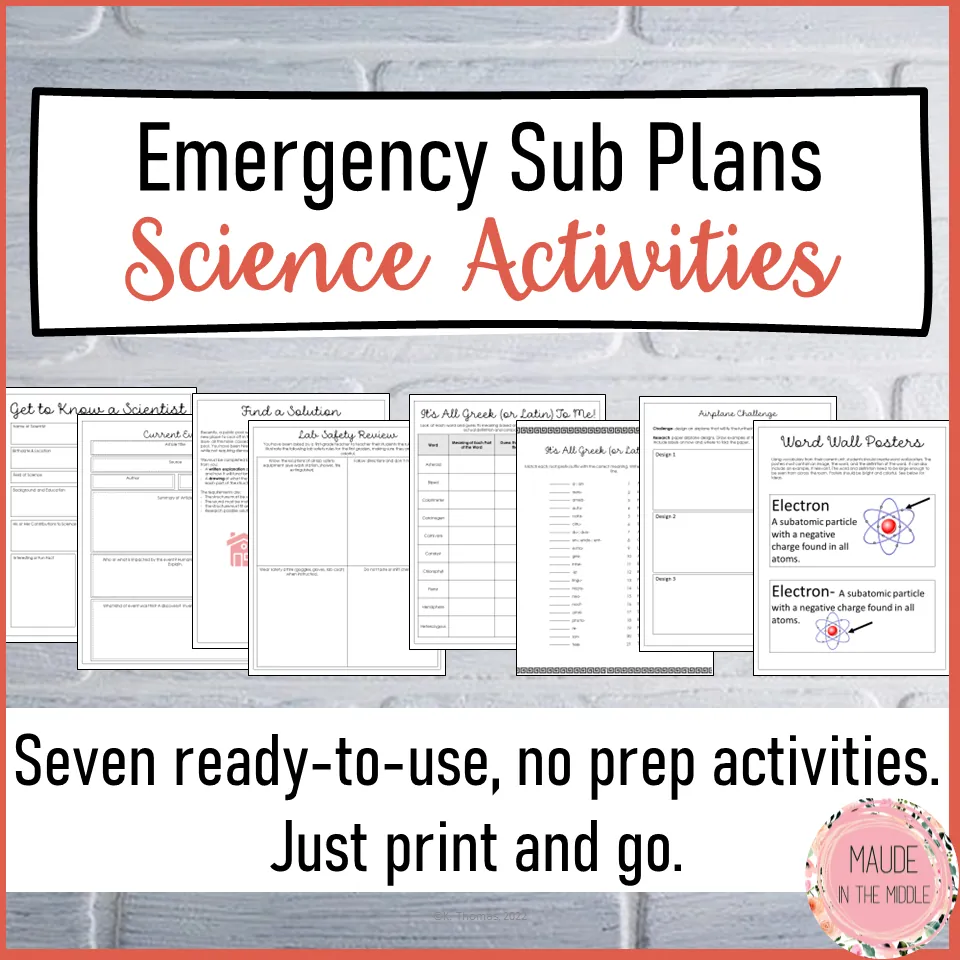
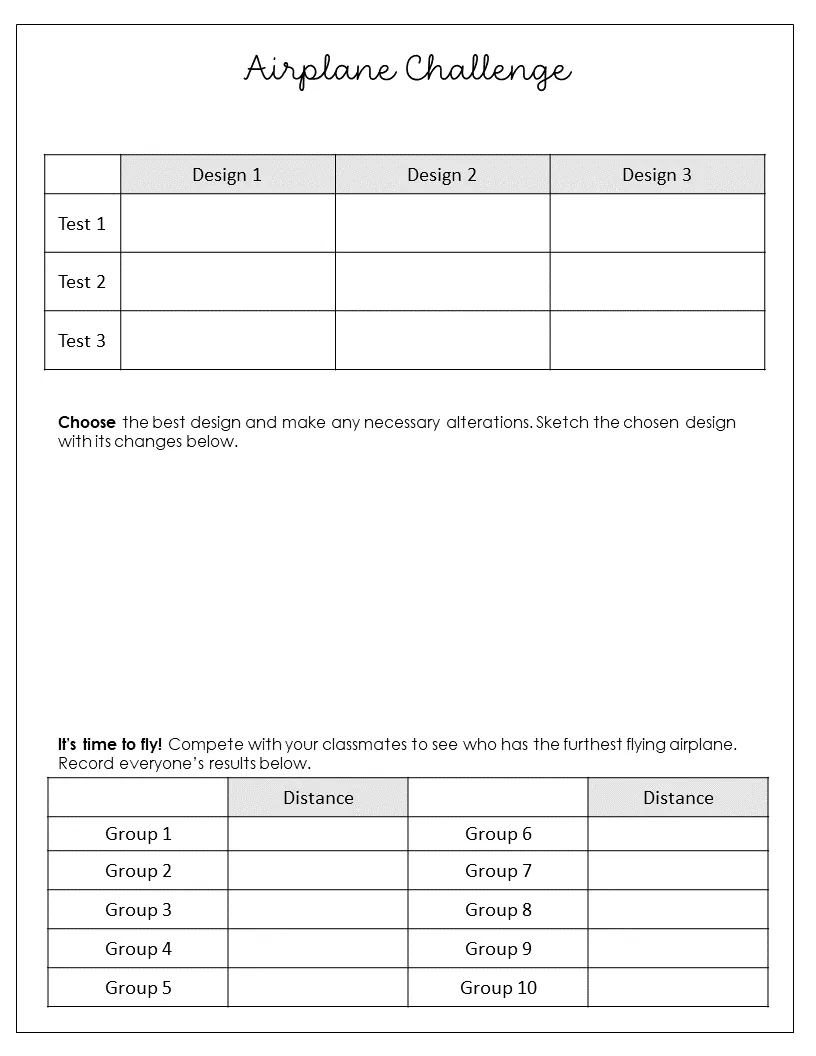
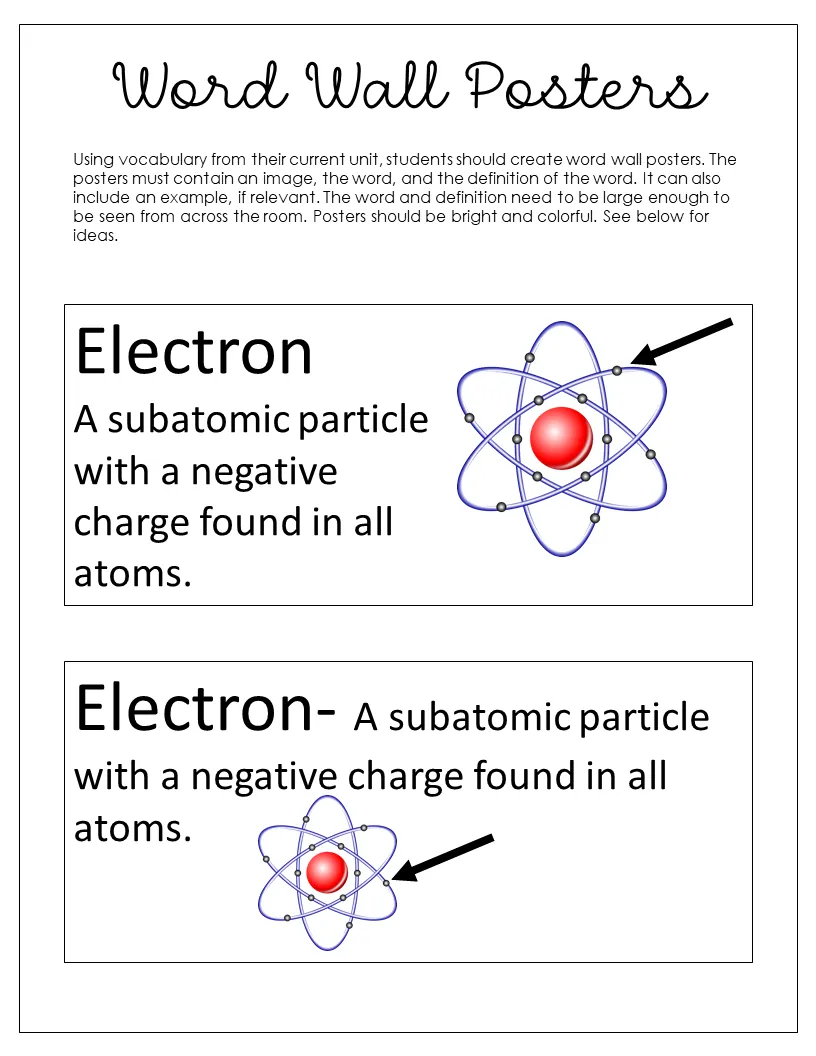
This 17-page packet offers seven middle-school science activities: scientist research, current-event analysis, a pool-noise design brief, lab-safety illustrations, Greek and Latin word parts, a paper-airplane challenge and word-wall posters.
A two-page teacher guide explains each option. Student pages include research organizers, design and testing records and vocabulary practice, with two answer pages for the vocabulary work. Choose an activity and arrange the references, paper and other supplies it needs before leaving it for a substitute.
Related resources
More resources teachers may find useful
24 related resources were found using this product's title, contributor, categories and tags.
In the classroom
Teaching tips & learning objectives

Learning objectives
Research a scientist and record their field, education, contributions and lasting effect on science in a structured profile
Summarise a science news article and judge who or what it affects, what kind of event it describes and why it matters
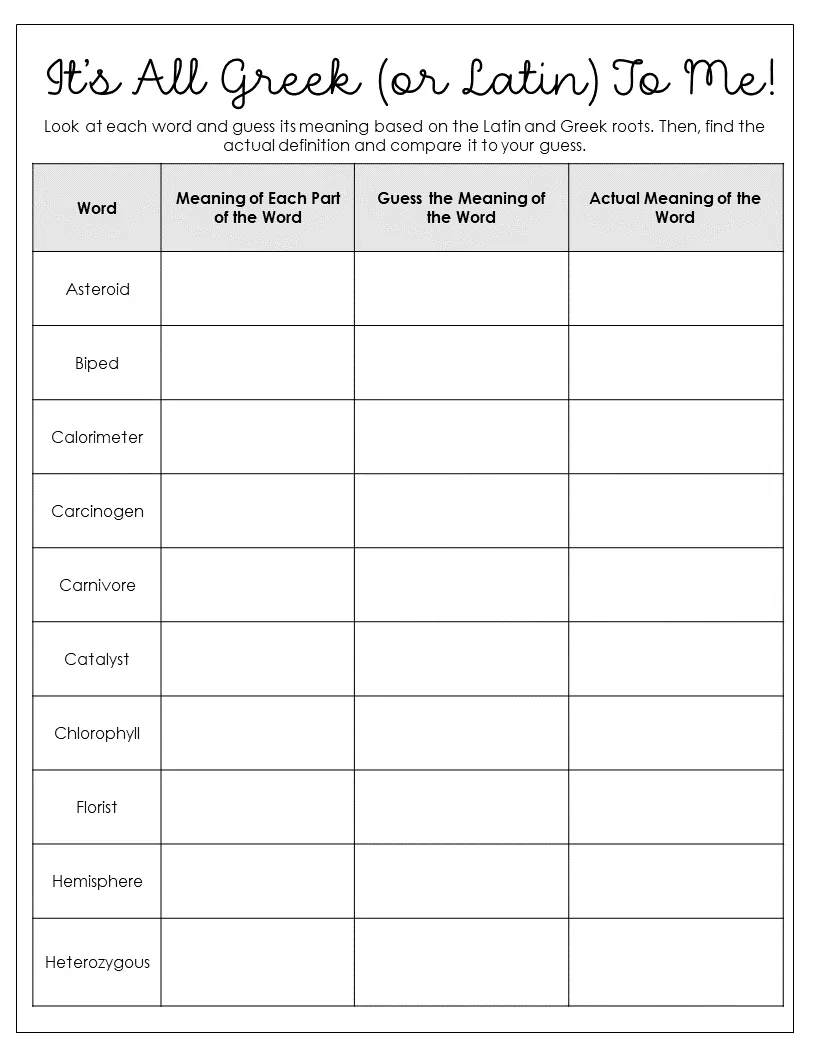
Break unfamiliar science words into Greek and Latin parts, predict a meaning from those parts, then look up the actual meaning and compare the two

Teaching tips
The Teacher's Guide lists choices to settle in advance — which scientists count, how recent "current" is, whether work is individual or paired — so settle them before the folder is left out
The lab-safety task assumes the rules are already known — it is a review and communication exercise rather than a first teaching of safety
The vocabulary sheets ask for an actual meaning in the third column, so leave dictionaries or devices reachable or that column cannot be finished

Skills covered
Scientific research and note-taking — students profile a chosen scientist across eight fields, from birthdate and location to how science changed because of that person.
Science news analysis — the current-event organiser asks for source, author and publication date, then a summary, an impact judgement and two questions the article leaves open.
Design communication — the pool noise brief requires a written explanation of materials and function plus a labelled drawing that satisfies four stated requirements.
Good to know
Questions teachers ask about this resource
How much does the packet depend on what the class is currently studying?
Only two of the seven activities attach to it. The scientist profile can be steered toward the unit's field if the teacher wants, and the word-wall posters use vocabulary from the current unit. The current-event analysis, lab-safety illustrations, Greek and Latin roots, airplane challenge and pool design brief all stand on their own.
What does the Airplane Challenge ask students to produce?
Four things across three pages: labelled sketches of the three best designs they researched, a table of three distance trials per design, a class record of every group's distance, and a bar graph plus two written reflections on how their plane compared and what they would change.
What sits behind the Greek and Latin section?
Three student pages and two answer pages. A two-sided sheet lists twenty science words for students to break into parts, predict, then verify; a separate page matches twenty-one roots, prefixes and suffixes to numbered meanings such as "Hairlike curls" for cirru- and "Far off; distant" for tele-.

No reviews yet
Downloaded this resource? Tell other teachers how it went.
Resource details
Concepts & topics
Core concepts
 Core concepts
Greek and Latin roots
Lab safety
Engineering design process
Scientific research
Science current events
 Topics
Explore more
Categories this resource belongs to
Explore related searches
More to explore
You may also like