Friendship Passport Booklet


- Grades
- Grades 2–5
- Pages
- 3
- File type
- Preparation
- Print ready


- Subject
- Social Emotional Learning (SEL), Community Building
- Topic
- Sel, Social emotional learning
- Resource types
- Activities
- Preparation
- Print ready
Product description
From the author
In this resource, students will create their own Friendship Passport Activity. This is a great activity as students take a journey to understanding how to make and keep friends. There are 2 full pages that you can copy as a 2-sided document. You can then either cut out each page (it will be double-sided with activities) or fold the 2-sided paper like a book. (There are directions on this resource.) There are 8 different pages for students to engage with. Here are the 8 pages of activities:
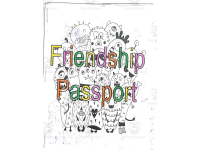
Front cover with coloring picture and title.
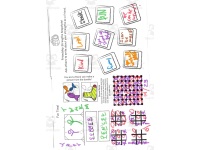
A "Fun Page" for kids to partner with someone and play tic, tac, toe, hangman, create an image from a doodle and the game of boxes.
Friendship Strengths Snapshots-A page with 9 images of polaroid like pictures where members of a small group can all compliment each other on a treasured friendship quality each student possesses.
Friendship Bingo Game-students will need to ask some questions about who also likes their favorite board game, candy, food, drink, animal, recess game, book, show, and color.
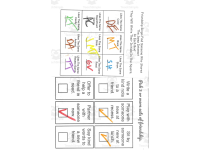
Pick 3 or more Acts of Friendship. Students are encouraged to do an act of friendship. Some of the examples are; play with someone new at recess, write a kind note to a friend, offer to help a friend in need, partner with someone new, say kind words to a new friend, and sit by someone new at lunch.
Cactus VS Flower Friendships-students will read a list of healthy versus unhealthy friendship qualities and can write in their own ideas as well.
What do I do now? Fork in the road. Students will learn about how to solve friendship conflicts and small problems. They can even add their own strategies.
Back page is for their name and listing their own friendship qualities on the back.
Related resources
More resources teachers may find useful
24 related resources were found using this product's title, contributor, categories and tags.



In the classroom
Teaching tips & learning objectives

Learning objectives
Identify shared interests with classmates through a structured, low-pressure interaction (the Friendship Bingo grid).
Choose and carry out a concrete act of friendship, such as offering help or including someone new.
Distinguish healthy ('Flower') friendship behaviors from unhealthy ('Cactus') ones, and generate personal examples of each.

Teaching tips
Assemble the booklet ahead of time using the printed directions on page 3 (cut into 4 pages or fold and staple into a book) so students receive a ready-to-use booklet rather than loose double-sided sheets.
Use the Friendship Bingo page as a low-pressure mixer at the start of a small group or class lesson, since it only requires students to find shared interests, not disclose anything personal.
Revisit the 'What do I do now?' conflict-resolution page later in the year as a quick-reference the moment an actual disagreement between students comes up, not only as a one-time lesson.

Skills covered
Peer interaction and interest-sharing — students circulate to find classmates who share a favorite color, book, game, or other interest for the Bingo grid.
Prosocial action-taking — students select and carry out a specific act of friendship from a provided list rather than only discussing friendship in the abstract.
Conflict-resolution strategy use — students apply structured options (an 'I feel' statement, compromising, asking for space, asking an adult) to a real or hypothetical friendship conflict.

No reviews yet
Downloaded this resource? Tell other teachers how it went.
Resource details
Concepts & topics
Core concepts
 Core concepts
Healthy vs. unhealthy friendship behaviors
Conflict-resolution strategies
Shared-interest peer interaction
 Topics
Explore more
Categories this resource belongs to
Explore related searches
More to explore
You may also like