Reading Comprehension Nonfiction Set 2 - Nutrition Presentable PDF




ELA, Reading, Reading Comprehension, Common Core, ESL, Language Development, Spelling, Vocabulary, Writing, Resources for Teachers
Worksheets & Printables, Worksheets, Assessments, Teacher Tools, Tests, Quizzes and Tests, Centers, Activities


About This Product
Reading Comprehension Passages Nonfiction Set 2
Snapshot
Genre: Nonfiction (informational articles + comprehension practice)
Subject: Reading (Informational Text) / Health
Primary Topic: What proteins are and why bodies need them
Estimated Guided Reading Level (A–Z): N
What This Teaches Best
Understanding what proteins do in the body (tissues, muscles, organs; blood, skin, nails, hair).
Learning how scientific terms connect (proteins → amino acids; essential amino acids; macronutrient).
Distinguishing categories using definitions and examples (complete vs. incomplete protein sources).
Reading for specific facts and quantities (e.g., “40 grams of protein,” “20 amino acids,” “nine essential”).
Learning Goals
Students will explain what proteins are and name body parts they support using the text.
Students will describe what amino acids are and how they relate to proteins.
Students will explain the difference between complete and incomplete proteins with examples from the text.
Students will identify key numbers and facts stated in the article.
Students will summarize the article using key ideas and vocabulary.
Key Vocabulary From the Text
proteins — nutrients that build and support body systems.
amino acids — small parts that make up proteins.
essential — needed and cannot be made by the body.
macronutrient — a food type needed in large amounts.
incomplete — missing some needed amino acids.
Passages Include
1.Proteins: After water, protein makes up most of the weight in our bodies.
2.Carbohydrates: Carbohydrates are the principal source of energy for the body.
3.Fats: What are trans fats? Learn all about them in this lesson.
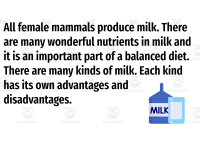
4.Milk: There are many kinds of milk, each has its own advantages.
5.Potatoes: Did you know potatoes originate from South America?
6.Composting: Read how to make your very own compost heap in this article.
Additional File:
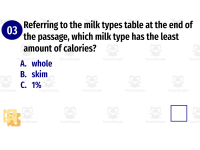
Milk: Nutritional Values Printable
PRESENTABLE PDF VERSION
Run it like a slide show straight from a PDF, with no PowerPoint or extra software needed, just open, project, and teach.
Other versions are available in the links list below or in the full catalog.
FULL CATALOG OF DOWNLOAD LINKS HERE
For similar downloads and other frees, do check out Cored Group on TeachSimple.
Resource Tags
0 Reviews
Check out these other great products