24 related resources

Reading Comprehension Passages Fiction Set 2 - Animals (PPT)

Ten fiction stories about animals — a fawn in the backyard, dolphin feeding at an aquarium, tadpoles raised in a bowl, pheasant chicks in a homemade pen — each become a slide lesson with five mixed questions, a spelling or vocabulary task, a writing prompt and a worked key.
Grades
Grades 2–3, Elementary, Homeschool Resources
Pages
199
File type
Microsoft PowerPoint
Answer key
Included

Updated Jul 20, 2025

Subject
ELA, Reading, Writing, Common Core, ESL, Language Development, Vocabulary, Spelling, Creative Writing
Topic
elementary, reading
Resource types
Teacher Tools, Presentations, Tests, Quizzes and Tests, Assessments, Activities
Answer key
Included

About this resource

What's inside this resource

Reading Comprehension Passages Fiction Set 2

Overview

Fascinating reading comprehension passages, each with an array of activities included.

Stories are written for the modern classroom and topics are designed to promote enthusiasm from each student.

Each lesson contains a mixed questions section to check understanding, a vocabulary or spelling activity to help remember key language introduced, and a writing exercise.

Full answer keys are provided. For a more detailed overview, check the section under the links at the bottom of this description.

Passages Include

1.Unexpected Visitors: Terra gets an unexpected visitor.

2.Feeding Time: Allan visits an aquarium and feeds the dolphins.

3.New Pup Next Door: The neighbor has a new dog and Benny wants to see.

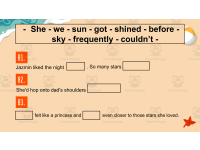
4.Stargazing: Jazmin loves looking at the stars. She visits the beach today.

5.On the Search: Abigail wants to find a shark tooth more than anything.

6.Tadpoles: Brittney & Stan take frogs eggs home & watch them hatch.

7.Lucky Caterpillar: Lily and Sadie watch a caterpillar crossing the road.

8.Karl the Photographer: Karl spends his summer taking photos of butterflies.

9.Chasing Pheasants: Tony and his father have a great idea...or so they think!

10.Part of the Family: Ava is nervous as her cat is about to have kittens.

Additional File: Tadpoles: Blank Life Cycle

PPT Version

This is the PPT editable and fillable (when not in presentation mode) version. This download is available in GOOGLE Docs, GOOGLE Forms, GOOGLE Slides. PDF, PPT, WORD.

FULL CATALOG OF DOWNLOAD LINKS HERE

Grade 2/3 Links

Fiction Set 1 - Nature

Google Docs

Google Forms

Google Slides

PDF

PPT

Word

Guided Reading Materials

Fiction Set 2 - Animals

Google Docs

Google Forms

Google Slides

PDF

PPT

Word

Guided Reading Materials

Fiction Set 3 - Food

Google Docs

Google Forms

Google Slides

PDF

PPT

Word

Guided Reading Materials

Fiction Set 4 - School

Google Docs

Google Forms

Google Slides

PDF

PPT

Word

Guided Reading Materials

Fiction Set 5 - Friends

Google Docs

Google Forms

Google Slides

PDF

PPT

Word

Guided Reading Materials

Fiction Set 6 - Family

Google Docs

Google Forms

Google Slides

PDF

PPT

Word

Guided Reading Materials

Fiction Set 7 - Sports

Google Docs

Google Forms

Google Slides

PDF

PPT

Word

Guided Reading Materials

Nonfiction Set 1 - Technology

Google Docs

Google Forms

Google Slides

PDF

PPT

Word

Guided Reading Materials

Nonfiction Set 2 - Nutrition

Google Docs

Google Forms

Google Slides

PDF

PPT

Word

Guided Reading Materials

Nonfiction Set 3 - Animals

Google Docs

Google Forms

Google Slides

PDF

PPT

Word

Guided Reading Materials

Reading Passages Overview

Each passage is especially written for Grade 2-3 students, including key vocabulary required for this age group.

Topics are varied and are accompanied by colorful graphics. Topics are meant to educate, yet entertain the modern student.

These passages are perfect for the modern classroom. Whereas textbooks can become outdated in no time, any changes to technology or the world will result in updates to this product.

Mixed Questions

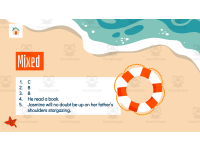
The mixed questions section of each lesson includes a variation of fivecomprehension, vocabulary and math questions. In addition, key reading strategies are frequently covered including cause & effect, summarizing, compare & contrast and making conclusions.

Three of the questions will be MCQs and two will require a written response of some kind.

Full answers and example responses appear at the end of the lesson.

Spelling & Vocab

Each reading passage contains a variety of words and phrases designed for Grade 2-3 students. Spelling and vocab activities provide the opportunity to build fluency with these words.

As it can become quite mundane doing the same activities over and over, each lesson in a set will contain a different spelling and vocab activity.

Writing Prompts

Writing prompts are designed to continue the theme or lessons learned in the story.

Students are persuaded to write in a variety of ways and each prompt includes several cues to help.

As with the spelling/vocab section, writing prompts will vary. This includes research pieces, reading responses, poetry and creative writing prompts.

Full Answer Keys

Full answer keys and sample responses are provided so no matter how busy you are, you know you're covered!

Mixed question answers provide evidence from the text, math questions contain the relevant workings.

Answers are designed for use by the teacher, but also suitable as a handout to the student.

Additional File

One lesson will have an additional file. This is something fun to extend the lesson with.

For similar downloads and other frees, do check out Cored Group on TeachSimple.

In the classroom

Teaching tips & learning objectives

Learning objectives

  • Answer literal questions about who, what, where and when from a short fiction passage, choosing from three options

  • Infer a character's feelings or a relationship from the text and quote the sentence that supports the inference

  • Put four events from a story back into the order in which they happened

  • Build fluency with the passage's vocabulary through a different spelling or word task in every lesson — candidate spellings, missing letters, spotting a misspelling, or joining word halves

  • Solve a multi-step word problem set inside the story and show the working

Teaching tips

  • Each story is a separate file, so the ten lessons can be spread across a term or picked individually by topic — deer, dolphins, dogs, starfish, sharks, frogs, caterpillars, butterflies, pheasants and cats.

  • The slides are fillable outside presentation mode, so students can type straight into the answer boxes; run them in presentation mode to project the story instead.

  • Question five is frequently the word problem, so keep the arithmetic in mind when timing a lesson — the keys show the full calculation, such as 25 fish x 12 buckets = 300 fish, then 300 divided among 15 dolphins.

  • The Chasing Pheasants read-aloud slide works as a one-to-one fluency check: the extract is a stated 150 words, and there is space to log seconds taken and the words that gave trouble.

  • Tadpoles is the fullest lesson — story, mixed questions, crossword, life-cycle captions and a blank cycle to draw — so allow more than a single session for it.

Skills covered

  • Literal and inferential comprehension — students answer multiple-choice items on key details, then written items asking them to infer a relationship, quote the evidence and predict what happens after the story ends.

  • Sequencing — New Pup Next Door and Chasing Pheasants each ask students to number four story events 1 to 4 in the order they occurred.

  • Spelling and word building — every lesson runs a different task, from choosing between HESITATED, HESSITATED and HESITTATED to restoring letters inside quoted extracts and joining halves such as clas + smate and gigg + ling.

  • Story-based arithmetic — one mixed question per lesson turns the narrative into a word problem, from dividing 300 fish among fifteen dolphins to multiplying 12 butterflies a day across 65 days.

  • Oral fluency and retelling — a 150-word extract is read aloud and timed, and a separate prompt asks students to retell a whole story in their own words for a friend who has not read it.

Good to know

Questions teachers ask about this resource

Does every lesson use the same kind of spelling or vocabulary task?

Each lesson uses a different one. Feeding Time offers three candidate spellings per clue; New Pup Next Door gives a clue and two or three letters; On the Search asks students to restore missing letters inside quoted story extracts; Karl the Photographer hides one misspelling in each line of the opening; Stargazing is a cloze with a word bank; Tadpoles uses a crossword; and Part of the Family has students build words from first and second halves before matching each to a meaning.

Is there maths inside these reading lessons?

Yes — one of the five mixed questions is often a word problem grown from the story. Feeding Time shares 12 buckets of 25 fish among 15 dolphins, Tadpoles multiplies the North American Bullfrog's average 15,000 eggs across 12 frogs, Lucky Caterpillar runs 15 inches an hour for 13 hours over 5 days, and Karl the Photographer counts 12 butterflies a day for 65 days. The keys set out the calculation.

What do the writing tasks ask students to do?

They follow the story they sit behind. Chasing Pheasants asks students to retell the whole story for a friend who has not read it and give it a mark out of ten; On the Search moves into acrostic beach poems built on HEAT, BALL, CRAB, SAND and SEA; Karl the Photographer asks students to describe a time they felt proud; and Part of the Family closes with a reading response — favourite part, a character, and something learned.

No reviews yet

Downloaded this resource? Tell other teachers how it went.

Resource details

Concepts & topics

Core concepts

  • Reading comprehension

  • Fiction passages

  • Vocabulary and spelling

  • Making inferences

  • Sequencing

Explore more

Categories this resource belongs to

Explore related searches

More to explore

You may also like