2,854 products added recently
Science Lesson Plan Template
Enhance your science instruction with a flexible lesson plan template designed for educators. This tool helps you structure objectives, materials, procedures, and assessments efficiently. Use it to create organized and impactful science lessons that cater to your students' needs.
Fierce Ocean Animals | Animated Ocean Video Lesson
Science, Earth and Environmental Sciences, Earth Sciences, Not Grade Specific, Lesson Plans, Teacher Tools
This animated science video lesson is all about fierce ocean animals. Students will love this engaging and interactive video as they learn more about and study oceans. This video serves as a great introduction or review video for your learners. This is a 12-minute science video lesson.
Author Educational Voice
Tags Ocean Animals, Animal Habitats, Science Lesson, Ocean Video, Ocean Lesson
Coral Reef | Animated Ocean Video Lesson
Science, Earth and Environmental Sciences, Earth Sciences, Not Grade Specific, Lesson Plans, Teacher Tools
This animated science video lesson is all about the coral reef. Students will love this engaging and interactive video as they learn more about and study oceans. This video serves as a great introduction or review video for your learners. This is a 13-minute science video lesson.
Author Educational Voice
Tags Coral Reef, Science Lesson, Science Video, Earth Sciences, Interactive Science, Simple Coral Reef Cartoon
All About Climate and Weather | Earth Science Unit
Science, Earth and Environmental Sciences, Earth Sciences, Grade 1, 2, 3, 4, Lesson Plans, Teacher Tools
Immerse your students in the world of science using these comprehensive climate and weather resources. This unit thoroughly explores the distinctions between climate and weather, covering topics such as wind, precipitation, clouds, lightning, weather fronts, forecasting, meteorology tools, and extreme weather events. How To Use This: Choose the components of this curriculum that suit the needs and interests of your students. Print, prepare, and teach! What You Get: Overview of Earth Science Lesson Plan Schedule Recommended Engaging Projects and Activities Suggested Video Links (Including QR Codes and URL Addresses) List of Thematic Vocabulary and Spelling Words 25 Vocabulary Word Strips: (Weather, Climate, Wind, Precipitation, Clouds, Fog, Weather Front, Meteorology, Warm Front, Cold Front, Stationary Front, Occluded Front, Coriolis Effect, Humidity, Isobar, Jet Stream, Anemometer, Barometer, Rain Gauge, Weather Vane, Hygrometer, Thermometer, Wind Sock, Arid, Atmosphere) Posters: "Climate Versus Weather," "Why Climate Is Important," "5 Main Categories of Climate," "Understanding Wind," "Deciphering Precipitation," "Exploring Clouds," "Identifying Types of Clouds," "Understanding Lightning and Thunder," "Weather Fronts Unveiled," "Insight into Meteorology and Weather Forecasting," "Tools Employed in Studying Weather," "Navigating Dangerous Weather" "What is a Weather Forecast?" 2-Page Article (Provided in Two Reading Levels) "How Weather Affects Us" Article (Provided in Two Reading Levels) Climate or Weather? Worksheet Types of Climate Worksheet Track the Weather Chart Meteorology Instruments Worksheet Identifying Fronts Worksheet Climate and Weather Word Search Weather Dot-to-Dot Weather Vane Craft Template (Requires a paper plate, paper cup, straw, and pin) Cloud Viewer Craft Weather Mobile Craft Template Weather Bear and Clothes Paper Doll (In B&W and color, ideal for preschool or early elementary discussions on dressing for different weather situations) Six Writing Templates Encompassing Various Genres on this Science Topic Three Early Writing Templates Three Beginning Writing Templates Review Game Rules, Setup, and Printable Questions
Author Simply Schoolgirl
Tags Weather, Earth Sciences, Science Crafts, Precipitation, Climate Unit, Learning About Weather, Weather Lessons, Weather Worksheets, Teaching Weather, Climates, Climate Vs Weather Anchor Chart
All About Earth's Layers and Spheres | Earth Science Unit
Science, Earth and Environmental Sciences, Earth Sciences, Grade 1, 2, 3, 4, Lesson Plans, Teacher Tools
Leverage these engaging tools to craft a comprehensive unit addressing the Earth's four layers (crust, mantle, outer core, and inner core) while also elucidating the concept of the four Earth spheres (lithosphere, hydrosphere, biosphere, and atmosphere). How To Use This: Dive into this collection of resources crafted just for your classroom. Choose the ones that fit perfectly with your Earth's layers unit. Whether you go for the whole package or mix and match, it's all about what works for you. I've made sure there's something for everyone, giving you the flexibility to teach in a way that feels right for you. Your classroom, your rules! What You Get: Earth Science Lesson Plan Schedule Overview Project and Activity Recommendations for the Study of Earth's Layers Video Links Suggestions for Exploring Earth's Layers (Includes QR codes and URL addresses) Vocabulary and Spelling Word List for Earth's Layers 8 Vocabulary Word Strips: (Lithosphere, Hydrosphere, Biosphere, Atmosphere, Outer Core, Inner Core, Mantle, Crust) Article on "The Layers of the Earth" (Available in Two Reading Levels) Article on "The Deepest Hole Ever Dug" (Available in Two Reading Levels) 2 Posters that Define and Illustrate the Four Spheres 2 Posters Labeling the Four Layers of the Earth 1 Poster Featuring an Egg Analogy (Comparing Earth's Layers to an Egg) Photo Depicting an Imagined View of Earth's Layers Coloring and Labeling Worksheet for Earth's 4 Spheres 2 Worksheets for Coloring and Labeling Earth's 4 Layers Word Search Featuring Vocabulary and Keywords Craft Project: Earth Layers Project Template Craft Project: Earth Spheres Project Template 4 Writing Templates Exploring Earth's Layers (Includes 3 Early Writing Templates and 2 Beginner Writing Templates) Rules, Setup Instructions, and Printable Questions for the Review Game *Make sure to check out all the other earth science units I have created to create a cohesive earth science approach!
Author Simply Schoolgirl
Tags Earth Science, Earth's Layers, Sphere, Layer, Earth's Spheres, Lithosphere, Hydrosphere, Atmosphere, Biosphere, Mantle, Project Earth's Layers, All The Spheres Of The Earth, Four Spheres Of The Earth Diagram, 4 Spheres Of Earth Project, Layers Of Earth Science Project, All 4 Layers Of The Earth, Spheres Of The Earth Diagram, All Of The Layers Of The Earth, Earths 4 Layers, Layers Of The Earth Craft, All Earth Spheres, All Of The Earth's Layers, Earth's Layers Project, Order Of Earth's Layers, 4 Spheres Of The Earth Diagram, Levels Of The Earth, Earth's Spheres Project, All Of The Spheres Of The Earth, All About The Earth's Layers, Spheres Of The Earth Worksheet, List Earth's Four Spheres, Layers Of The Earth Activities, Earth Science Spheres, Earth's Spheres Diagram, All Earth's Layers, All Spheres Of The Earth, Unit Layers, All Of Earth's Spheres
Reindeer Reading Comprehension Passage - Cored Ed Encyclopedia
ELA, Language Development, Reading Comprehension, Reading, Pre-Reading, Science, Writing, Strategies, Animals, Life Sciences, Grade 2, 3, 4, 5, Worksheets & Printables, Worksheets, Teacher Tools, Centers, Activities, Writing Prompts, Assessments, Quizzes and Tests, Quizzes, Lesson Plans
This reindeer reading comprehension includes: Visualization (on the front cover) Start your lesson by taking a minute to think and share something about the topic. Read the script aloud (slowly), perhaps prepare some music or sound effects. Student close their eyes and let their imaginations wander. Students open their eyes, read the question aloud and give them a few minutes to complete. Ask a few students to share or keep answers until the end to compare with what they learn in the passage. Quick pause—thousands of Cored Education products are included with your TeachSimple membership. Download links and encyclopedia index available here. Pre-Reading Trivia Students will write down one thing they already know about the subject and then read five more facts and discuss. These facts are fun, and the students will enjoy learning about the subject before reading more. Give 1 minute for students to write what they already know (no pressure—best guess is fine). Read the five facts together. After each fact, do ask a student for their opinion, was it surprising? Set a purpose by asking students to highlight/underline one fact they want to learn more about during the reading. Reading Passage The text is a high-interest reading passage with set paragraphs, roughly three to four paragraphs long. It contains a variety of themes about the topic, anywhere from history to technology. The passage is between 250 and 350 words in length. First, ask students to look at the headings and see what they’ll learn about today. What do they know about the topic/heading? First read options: Teacher read-aloud (best for support). Partner reading (paragraph by paragraph). While reading, students underline important details, and vocabulary words they think may come up in the questions section. Mixed Questions The first question page contains four multiple-choice questions, each with a choice of four answers, and three written response questions that require a sentence or two from the student. Students complete the mcqs first independently, then review quickly as a class. For the 3 written responses, try to get students giving the answer with some form of evidence: “I think ___ because the text says ___.” If students get stuck, send them back to check the passage. Vocabulary Questions Practice seven key words from the text in this section across two activities. First section is scrambled words where students will unscramble three words given a clue for each. The second section is a word to meaning matching activity. Before starting, have some students read out words they underlined in the passage. Ask students to say the word and read aloud the sentence(s) around each word. Ask students to do scrambled words and the matching exercise in pairs then go through answers as a class. For the scrambled spelling task, get four pairs to come up to the board and write the words for extra practice with the other student reading out the clue. For the matching task, prompt students to give full sentences: “I matched ___ with ___ because ___.” Creative Writing In this question, the student will be required to write a five to eight sentence paragraph on a question related to the topic. Before starting, ask students write down 3 key ideas they are going to include in their piece. Ask students for ideas to share around the class to help those struggling. Pro writing expectations: 5–8 sentences At least 2 facts or details from the passage At least 2 vocabulary words from the previous page Students read their paragraphs while classmates listen for facts and vocabulary words. Extension Activities This page is optional for fast finishers or to take home. There are several activities, each one requiring a different skill. Do some, do none, do all, completely optional - but you will feel reassured knowing every possibility is planned for. Includes summary writting question. Answer Key There are answers for the multiple-choice questions, written response questions have sample answers, vocabulary answers and if there is a summary question then a sample summary will be provided as well. Lesson Plan Included Customized lesson plan for this lesson is included. Lesson Snapshot Title: Reindeer Genre: Nonfiction (informational text) Subject: Life Science (Animals & Habitats) Primary Topic: Reindeer adaptations, migration, and human connections Estimated Guided Reading Level (A–Z): R What This Lesson Teaches Best How reindeer are adapted for cold places (thick coat; wide hooves for soft snow and soggy tundra). How reindeer find food when conditions are harsh (digging through snow to reach lichen). Migration and seasonal movement (some herds travel long journeys; more than 600 miles north in summer, then south again). How people and reindeer have influenced each other (communities watching hoofprints, herding partnerships, reindeer helping with travel and providing resources). A conservation-style question about changing winters (warming turning soft snow into hard ice that seals food away). Learning Goals Students will describe where reindeer live using details from the text (Arctic and subarctic lands). Students will explain two body features that help reindeer in winter conditions. Students will describe how reindeer get food when it is scarce, using the text’s example. Students will explain how long journeys relate to seasons and survival in the passage. Students will describe one way people have interacted with or depended on reindeer in the text. Key Vocabulary From the Text subarctic — very cold region just below the Arctic. tundra — open, cold land with few trees. hoofprints — marks left by hooves in the ground or snow. lichen — crusty plantlike growth on rocks and ground. Vulnerable — at risk of harm or shrinking in number. FULL CATALOG OF DOWNLOAD LINKS AND ENCYCLOPEDIA INDEX HERE
Author Cored Education
Rating
Tags Vocabulary, Reading Comprehension, Reading Passages, Reading, Creative Writing, Reading Strategies, Writing Prompts, Lesson Plans, Reindeer, Life Science
All About The Brain | Human Body Video Lesson
Science, Life Sciences, Human Body, Not Grade Specific, Lesson Plans, Teacher Tools
Discover the "All About The Brain" Human Body Video Lesson - an engaging and insightful educational tool specially designed for teachers seeking to deepen their students' knowledge of the most intricate organ in the human body, the brain. This 10-minute video lesson comes in a high-quality MP4 format, ensuring seamless integration into any modern classroom environment. Expertly developed with captivating visuals, easy-to-understand explanations, and interactive components, this video lesson is perfect for laying the foundations or reinforcing key concepts related to brain structure and functionality. Students will be immersed in learning as they explore this amazing organ from various angles. Ideal for use across different grade levels and subject areas such as science, biology or psychology where lessons on human anatomy or neuroscience are part of your curriculum. This flexible digital educational resource can be effortlessly adapted into your current lesson plans or used independently as a valuable supplementary tool to encourage further understanding. Elevate your students' comprehension of the human brain by incorporating TeachSimple.com's "All AboutThe Brain" Human Body Video Lesson into your repertoire of outstanding instructional materials!
Author Educational Voice
Tags The Brain, Human Body, Video, Science Lesson, Interactive
The Quantum Leap:Unlocking the Mysteries of Quantum Computing for Teen
Career, Life Studies, Research, Technology, Science, Computer Science, Life Skills, Special Resources, Social Skills, Special Education Needs (SEN), Grade 6, 7, 8, 9, 10, 11, 12, Lesson Plans, Teacher Tools, Worksheets & Printables, Workbooks, Parts of and Anatomy of, Presentations, Outlines, Centers, Activities
Explore the quantum revolution with The Quantum Leap: Unlocking the Mysteries of Quantum Computing for Teens, written by Syed Hammad Rizvi – a comprehensive resource for upfront and center students interested in innovative and advanced applications in computer science and related physics and technological domains. A thorough and correct resource on understanding complex ideas such as a bit compared to a qubit, quantum superpositions and entanglements, quantum gate and quantum circuit designs, Shor's algorithm and Grover's algorithm, and further applications in drug development simulation, economic modeling simulation, climate simulation modeling, and quantum cryptography beyond post-quantum cryptography. This 351-page book serves a thorough introduction to computer and physics students who are interested in understanding advanced computer applications and related physics. The Quantum Leap serves a detailed platform for students to learn about quantum paralleling, quantum correction, and quantum internet connectivity. Perfectly effective and aptly SEO-ed for educators on quantum mechanics resources and applications. A necessary read for students and professionals interested in quantum physics and computer applications. Why Parents/Schools Love It: Sparks STEM Passion: Makes the concept of quantum computing easy to understand for teens by comparing it to things they know and love, sparking their interest in the technological applications of the future such as artificial intelligence and cryptography. Teaches Future-Proof Skills: The course deals with applications, ethics, and future career options, providing students with knowledge required for in-demand jobs in quantum technology. Accessible and Engaging: Step-by-step analyses and context knowledge provided help make difficult subjects more accessible, overcoming intimidation factors and encouraging critical thinking. Comprehensive Curriculum Fit: It is compatible with the computer science and physics curriculum of high schools and is very suitable for being incorporated in the classroom or homeschooling settings. Encourages Ethical Awareness: It deals with the effects, limitations, and initiatives taken around the world, thus instilling ethical innovation in the minds. Target Student Classes: Having considered the entire contents and structure of this book and its intended audience from various perspectives such as its front cover and introduction chapters, it is intended for high school students from Grades 10 to 12 and aged 15 to 18 years. It commences from a level of basic discussion on classical and quantum fundamentals such as superpositions and entanglement concepts and then proceeds to more complex aspects of quantum studies such as algorithms and error correction strategies based on assumed foundational knowledge and interests but without rigorous prerequisite knowledge. Hence it is intended for high school seniors enrolled in introductory computer science studies at college or more in-depth math and physics studies at school levels above Grades 9; it may also serve Grade 9 students who take more challenging subjects at school and college-level new students at introductory stages as add-on reading contents, while its mainstream audience would be Grades 10 to 12 students in line with its teen-level comparison aids and refraining from more mature themes of mathematics chapters. Copyright/Terms of Use : This Book was copyrighted by Syed Hammad Rizvi. You may use this resource for personal and single class use. You are not authorized to modify, redistribute, and sell this resource or its part. That means you are not authorized to upload this resource to the Internet so people can freely access and download it. If you wish to share these resources with others in your workplace or with classmates at school, then go ahead and buy additional licenses from Teachsimple. "This product is happily brought to you by Syed Hammad Rizvi"
Author Creative Book Store
Rating
Tags QuantumComputingForTeens, QuantumLeapBook, UnlockQuantumMysteries, QubitsForBeginners, SuperpositionExplained, EntanglementForKids, QuantumAlgorithmsTeens, ShorsAlgorithmGuide, GroversSearchTeen, QuantumComputing2026
All About Invertebrates | Animated Animals Video Lesson
Science, Life Sciences, Animals, Grade 3, 4, 5, 6, 7, Lesson Plans, Teacher Tools
All About Invertebrates | Animated Animals Video Lesson This product is an engaging and educational tool suitable for students from grade 3 to grade 7 (ages 8-12). It focuses on the exciting domain of invertebrates, beautifully merging zoology and animal science. The package includes one MP4 video file. The video lesson aims at stimulating interest and creating understanding among students about animals without backbones. Its creative animations offer a captivating journey into the lives of these diverse organisms, providing both education and entertainment over a duration of six minutes. Application and Versatility A Solution for Various Learning Environments or Teaching Strategies: It can be integrated seamlessly into different teaching scenarios - whole-group instruction, independent study periods etc. An Aid for Homeschoolers or Remote Learners: Serves as a visual aid simplifying complex topics like animal classification at manageable lengths. A Tool for Small Group Sessions: Can be used by teachers focusing on proficiency areas with particular groups of pupils. Creative Homework Material Contribution: An effective resource to review learned materials outside the classroom setting. Beyond Ordinary Understanding This resource exceeds just a basic understanding, it stimulates real-world application thereby significantly increasing relevance. 'All About Invertebrates | Animated Animals Video Lesson' offers deep insight with special emphasis on keeping learning fun – an indispensable asset beyond standard textbooks but still within curriculum mandates! Whether you happen to be an educator or homeschooling parent aiming at creating engaging ways to teach scientific concepts then this lesson is perfect!
Author Educational Voice
Tags Invertebrates, Zoology, Animal Science, Animated Video Lesson, Engaging Content
Ocean Animal Research Writing Project on SEA TURTLES for K-2nd Grade
Life Studies, ELA, Writing, Creative Writing, Reading, Science, Life Sciences, Animals, Research, Kindergarten, Grade 1, 2, Lesson Plans, Teacher Tools, Presentations, Worksheets & Printables, Worksheets, Writing Prompts
Sea Turtle Animal Research Writing Project for K-2. Engage your K-2 students in learning about sea turtles with this 19-page animal research writing project. Students will read age-appropriate information about sea turtles, examine real-life photos, color pictures, draw a sea turtle habitat, organize facts using writing organizers, and write an informational report on sea turtles. This unit is differentiated for various abilities and for ages K-2nd grade. This project promotes reading, creativity, and early research and writing skills. Use it for whole-class instruction, small groups, or individual assignments. With fun borders and opportunities for students to be creative while building knowledge, this packet offers multi-day engagement to learn about the amazing sea turtle! Here are even more informational resources on report writing for OCEAN ANIMALS. Click on the links below: Animal Research Writing Project on WHALES for K-2nd Grade Animal Research Writing Project on the OCTOPUS for K-2nd Grade Animal Research Writing Project on SEA TURTLES for K-2nd Grade Animal Research Writing Project on ORCAS for K-2nd Grade Animal Research Writing Project on the SHELLFISH for K-2nd Grade Animal Research Writing Project on DOLPHINS for K-2nd Grade Animal Research Writing Project on SEALS for K-2nd Grade Want to teach your students all about Zoo Animals? Check out all these interesting facts about these favorite zoo animals. With the same great photos, facts, habitat drawings, and more. It is a great way to help students to get interested in writing. For Zoo Animal reports, click on the following links below: Animal Research Writing Project on TIGERS for K-2nd Grade Animal Research Writing Project on MONKEYS for K-2nd Grade Animal Research Writing Project on PANDAS for K-2nd Grade Animal Research Writing Project on HIPPOS for K-2nd Grade Animal Research Writing Project on ELEPHANTS for K-2nd Grade Animal Research Writing Project on GIRAFFES for K-2nd Grade
Author K-5 Treasures
Tags Animal Research, Informational Writing, Writing Report, Report On Animals, 1st Grade Writing, 2nd Grade Writing, Ocean Animals, Sea Turtles, Report Of Sea Turtles, Ocean Animal Report
Plants & Animals | Animated Plants Video Lesson
Science, Life Sciences, Nature & Plants, Not Grade Specific, Lesson Plans, Teacher Tools
Plants & Animals | Animated Plants Video Lesson This 11-minute animated video lesson engages students while teaching them about plants and animals. The video serves as an introduction or review of key concepts related to plants and how they interact with animals in an ecosystem. Students will love the engaging and interactive aspects of the video. Educators can use it in various ways - as a whole class lesson to introduce a new unit on habitats and ecosystems, in small groups for remediation, or even assign it as homework so students can learn at their own pace. The video is appropriate for a wide range of grade levels.
Author Educational Voice
Tags Plants, Animals, Video Lesson, Science Video, Interactive Science
Discolouration | Animated Kitchen Science Video Lesson
Science, Physics, Not Grade Specific, Lesson Plans, Teacher Tools
Discolouration: Animated Kitchen Science Video Lesson The Discolouration Animated Kitchen Science Video Lesson aims to provide educators with a dynamic and interactive teaching resource. It's an effective tool for public school teachers seeking to energize their classroom, and homeschoolers in need of engaging content. Adaptive Learning Content No specific grade level is required for this resource. It's perfect as a teaching aid for learners of all levels. The video focuses on Physical Science, specifically discolouration phenomena, all using familiar kitchen settings that students can relate to. Versatile Learning Tool The video lesson is designed at 12 minutes long—an optimal length for keeping students motivated. Being digital (in MP4 format), it offers flexible use: Whether virtually in online classes, face-to-face lessons or assigned independently as homework—it fits the bill. Bullet Point 1: Created as a recapitulation or introduction tool Bullet Point 2: Fits perfectly into conventional and digital classrooms Fostering Engagement through Interaction and Fun This Animated Kitchen Science Video wonderfully merges knowledge acquisition with fun and interactive graphics—amplifying student engagement. The primary objective here is not just factual understanding but also knowledge transfer in memorable ways—sparking student curiosity about everyday phenomena around them nestled in reflection. In Conclusion, The Discolouration | Animated Kitchen Science Video Lesson assists educators striving towards creating effective yet entertaining learning experiences by merging compelling visualization methods with rich scientific content. Aside from being enjoyable,the video simplifies complex ideas into easily digestible snippets while sustaining the students' attention throughout the course of the lesson. Remember, even though the video doesn't have ‘graded’ content, it makes a brilliant springboard for in-depth-discussion on the topic and could inspire related experiments!
Author Educational Voice
Tags Discolouration, Kitchen Science, Interactive Lesson, Physical Science, Animated Video
All About Oceanography | Earth Science Unit
Science, Earth and Environmental Sciences, Earth Sciences, Grade 1, 2, 3, 4, Lesson Plans, Teacher Tools
Dive into the mysteries of Earth's watery realms with this expansive oceanography teaching toolkit. Through vivid visuals, interactive worksheets and hands-on projects, core science concepts are broken down on topics like marine biology, seafloor topology and the physics of waves. Begin by charting the contours of tide pools, trenches and basins on illustrated ocean zone posters. Then trace the flow of energy up food chains while coloring mesmerizing sea creatures. Craft 3D models of whales navigating vertical layers harboring everything from tiny plankton to luminous deep-sea jellyfish. Discover how currents circulate heat and nutrients by analyzing articles written at two reading levels. Assess knowledge on branches of oceanography, tides and more using assembling activities, diagramming tasks and competitive memory games. Writing templates allow students to reflect on learnings through imaginative stories and expository passages on topics like tsunamis, pollution and conservation. This resource contains suggested teacher pacing, plus differentiation ideas for learners of all abilities. Easily incorporate modules into existing earth science, biology and physics units or facilitate an entire stand-alone oceanography study. Through activities tapping interdisciplinary skills, unlock the code to reading the blue planet! I hope you love how well-rounded and fun this unit is! Dive in and enjoy!
Author Simply Schoolgirl
Tags Earth Science Lesson, Marine Life, Oceanography Unit, Ocean, Oceans, Sea, Marine, Tides, Waves, Currents, Oceanography Earth Science
Strange Birds | Animated Birds Video Lesson
Science, Life Sciences, Animals, Not Grade Specific, Lesson Plans, Teacher Tools
Discover the wonders of rare and intriguing birds with our Animated Birds Video Lesson! This unique 14-minute educational video dives into the stories and biology behind some of the most fascinating feathered creatures on our planet. With its vibrant animations and engaging narratives, this lesson promises an unforgettable learning experience that caters to various learning styles. Perfect for educators who want to enrich their curriculum with captivating content, this educational resource sparks lively discussions on topics such as biology, ecology, evolution, and cultural connections to these remarkable birds. Featuring a variety of lesser-known species from around the world, students will be amazed by how much they can learn from these curious avian creatures. As a teacher-friendly resource, our Strange Birds Animated Video Lesson comes in a compact 1 MP4 file format for easy accessibility and seamless integration into your lessons. Enjoy unlimited lifetime access to this valuable teaching tool after making a one-time purchase. Transform your science lessons with Teach Simple's engaging Animated Birds Video Lesson. By fostering curiosity about nature's wonders in your classroom setting, you'll be making lasting impacts on young minds hungry for knowledge. Don't miss out on this opportunity - embrace the adventure of discovering unique bird species today!
Author Educational Voice
Tags Science Video, Birds Video, Rare Species, Animal Habitats, Birds
All About The Immune System | Human Body Video Lesson
Science, Life Sciences, Human Body, Not Grade Specific, Lesson Plans, Teacher Tools
All About The Immune System | Human Body Video Lesson A specialized teaching resource designed to captivate, engage and educate students of all grade levels about the fascinating world within themselves - the immune system. This scientific video lesson is not only factual and concise in nature but also finely balanced with interactivity, making it an enjoyable educational tool for both teachers and students alike. About The Video This 12-minute MP4 video expounds on one of the most vital systems in our bodies: the immune system. It serves as an ideal conceptual building block for lessons about human anatomy or health sciences. Crafted by education professionals, this engaging visual guide contributes to enhancing comprehension of complex biological concepts with its riveting audio-visual content. Versatility & Suitability In Learning Settings Suitable for various learning settings, this flexible teaching resource can be efficiently employed in different classroom environments: Introductory Tool: It can set the stage at the start of a lesson plan related to human biology to pique learners' interests. In Whole-group Instruction: Teachers could utilize it where active discussions can be encouraged after viewing, fostering a cooperative learning atmosphere. In Small Group Activities or Individual Assignments: This resource can bridge knowledge gaps by reinforcing previously taught materials or serve as enhanced study aid for learners who prefer visual pedagogical approaches. This valuable addition fits seamlessly into science and particularly human body sub-subject curricula irrespective of your students' academic standing or age group. The Experiential Learning Advantage , In essence, this video lesson creates experiential learning opportunities that feed curiosity while supporting comprehensive understanding about our immune system - ushering every student towards becoming informed future global health citizens through memorable audio-visual educational experiences.
Author Educational Voice
Tags Immune System, Human Body, Biology Lesson, Health Sciences, Interactive Learning
High School The Living Cell: Energy, Structure, and Function Bundle
ELA, Reading, Writing, Research, Resources for Teachers, Science, Biology, Life Sciences, Homeschool Resources, High School, Teacher Tools, Assessments, Lesson Plans, Quizzes and Tests, Worksheets & Printables, Writing Prompts
This comprehensive High School The Living Cell: Energy, Structure, and Function Bundle is more than just a collection of readings; it is a meticulously curated learning experience designed to empower your high school student/homeschooler. By integrating these interconnected topics—cellular structure, photosynthesis, and cellular respiration—students/homeschoolers will develop a holistic understanding of how life functions at its most fundamental level. This deep dive into core biological processes not only fosters a genuine appreciation for the complexity of living systems but also provides an invaluable academic advantage for college prep, laying a robust groundwork for! future science courses and assessments. It is my hope that these resources will inspire curiosity and cultivate a lifelong love for science in your student/homeschooler, preparing them for academic excellence. INCLUDED IN THIS RESOURCE: Three comprehensive reading passages covering key biological topics. Engaging Question & Answer sections to reinforce understanding. Five note-taking sheets per resource, designed for active learning. A complete bundle of essential high school biology concepts. TOPICS COVERED: The intricate chemistry of photosynthesis and its vital role in life. Cellular respiration, detailing how cells extract energy for survival. An in-depth exploration of cell structure and the functions of organelles. Fundamental processes that define life at the cellular level. What sets this High School The Living Cell: Energy, Structure, and Function Bundle apart is how thoughtfully everything connects together. Rather than teaching these topics in isolation, I have woven cellular structure, photosynthesis, and cellular respiration into a cohesive learning experience that shows students/homeschoolers how life actually works at the cellular level. Through my own journey homeschooling, I have learned that when students see these connections, biology suddenly makes sense in a way it never did before. This is not just about passing tests—though it certainly prepares students/homeschoolers well for assessments and future science courses. It is about building that genuine curiosity and understanding that will serve your student/homeschooler throughout their academic journey and beyond. I truly believe these resources can spark a love for science that lasts a lifetime. If you and your students/homeschoolers, enjoyed this resource, please leave a review. Thank you for your support! Tina - Big Easy Homeschooling Mom
Author Homeschool with Big Easy Homeschooling Mom
Rating
Tags High School Biology Curriculum For Homeschool, Understanding Photosynthesis And Cellular Respiration, Detailed Guide To Cell Structure And Function, Teaching Cellular Processes To High Schoolers/homeschoolers, Explore The Building Blocks Of Life High School, Essential Biology Concepts For Advanced Study, Photosynthesis Steps And Importance, Homeschool Science Curriculum High School, Foundational Biology For Future Studies, High School Science Curriculum Suppor
Ocean Animal Research Writing Project on WHALES for K-2nd Grade
Life Studies, ELA, Writing, Creative Writing, Reading, Science, Life Sciences, Animals, Research, Kindergarten, Grade 1, 2, Teacher Tools, Worksheets & Printables, Lesson Plans, Worksheets, Writing Prompts, Coloring Pages
Whales Animal Research Writing Project for K-2nd Grade. This 19-page informational writing unit on whales is perfect for kindergarten, 1st grade, and 2nd grade students. It includes differentiated reading passages, data collection organizers, and writing pages about whales so all students can successfully complete the project. Students will read illustrated information about whale appearances, habitats, eating habits, and more. Then they will organize the facts using color-coding and graphic organizers. Finally, students will draw, color, and write their own informative paragraphs about these amazing ocean mammals. The whale unit can be used for whole-class, small-group, or individual assignments. It promotes reading comprehension, creative writing, and drawing skills. Display the finished whale books in your classroom or compile them into a classroom book for all to view. For more animal research projects, see our units on dolphins, seals, sea turtles, and other ocean creatures. Visit my store: -K-5 Treasures to discover more engaging resources for K-2 students. Here are even more informational resources on report writing for OCEAN ANIMALS. Click on the links below: Animal Research Writing Project on WHALES for K-2nd Grade Animal Research Writing Project on the OCTOPUS for K-2nd Grade Animal Research Writing Project on SEA TURTLES for K-2nd Grade Animal Research Writing Project on ORCAS for K-2nd Grade Animal Research Writing Project on the SHELLFISH for K-2nd Grade Animal Research Writing Project on DOLPHINS for K-2nd Grade Animal Research Writing Project on SEALS for K-2nd Grade Want to teach your students all about Zoo Animals? Check out all these interesting facts about these favorite zoo animals. With the same great photos, facts, habitat drawings, and more. It is a great way to help students to get interested in writing. For Zoo Animal reports, click on the following links below: Animal Research Writing Project on TIGERS for K-2nd Grade Animal Research Writing Project on MONKEYS for K-2nd Grade Animal Research Writing Project on PANDAS for K-2nd Grade Animal Research Writing Project on HIPPOS for K-2nd Grade Animal Research Writing Project on ELEPHANTS for K-2nd Grade Animal Research Writing Project on GIRAFFES for K-2nd Grade
Author K-5 Treasures
Tags Informational Writing, Writing Report, 1st Grade Writing, 2nd Grade Writing, Ocean Animals, Ocean Animal Research, Whales, Report On Whales, Learn About Whales, Ocean Animal Report
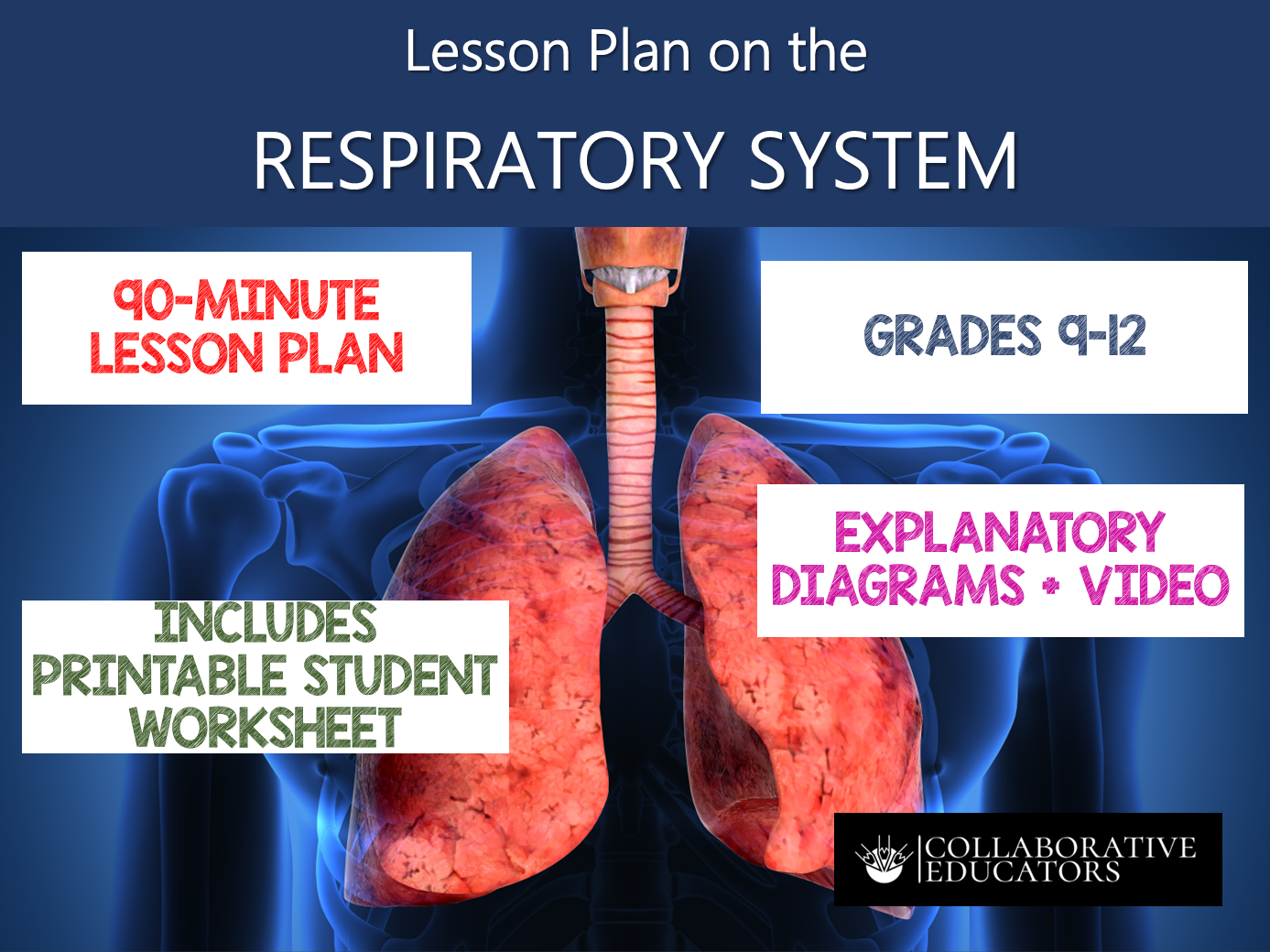
Lesson Plan on the Respiratory System - Grades 9-12
Biology, Life Sciences, Science, Human Body, Grade 9, 10, 11, 12, Activities, Worksheets & Printables, Lesson Plans, Teacher Tools
Bring the human respiratory system to life in your classroom with this dynamic 90-minute lesson designed for Grades 9–12. Centered around the engaging video “Respiratory System of the Human Body – How the Lungs Work!” , this lesson transforms complex anatomy and physiology into an accessible, student-friendly experience. The lesson kicks off with a fun and interactive mind map activity to activate prior knowledge, then guides students through video-based learning with pause points for discussion and clarification. A comprehensive student worksheet reinforces key concepts with multiple-choice questions, labeling diagrams, vocabulary matching, short-answer responses, and even a creative writing task. You'll love how the material appeals to visual, auditory, and kinesthetic learners, while also promoting scientific literacy and critical thinking. Best of all, everything you need is ready to go—perfect for busy teachers who want a rich, standards-aligned lesson without the prep work. Whether you're covering body systems or just need an engaging sub plan, this resource will help your students breathe easy while mastering essential biology content. Plug it in today and watch your class come alive with curiosity and understanding!
Author Bright Classroom Ideas Marketplace
Rating
Tags Respiratory, System, Human, Body, Biology, Lesson, Plan
Illuminating Life: The Chemistry of Photosynthesis Reading Passage
ELA, Reading, Writing, Research, Resources for Teachers, Science, Nature & Plants, Life Sciences, High School, Homeschool Resources, Teacher Tools, Assessments, Quizzes and Tests, Lesson Plans, Worksheets & Printables, Writing Prompts
:Photosynthesis is one of those magical processes that truly brings science to life, and as a homeschool mom of a 9th grader, I know how important it is to have resources that make complex topics accessible and engaging. That is exactly why I created Illuminating Life: The Chemistry of Photosynthesis Reading Passage and Q & A . This Illuminating Life: The Chemistry of Photosynthesis Reading Passage and Q & A resource is designed to help students/homeschoolers grasp the essential role photosynthesis plays in sustaining life on Earth, while also building their reading comprehension and note-taking skills. Whether you are teaching in a classroom or around your kitchen table, this set will make tackling biology’s “big ideas” a whole lot easier. INCLUDED IN THIS RESOURCE: Engaging, student-friendly reading passage on photosynthesis 20 thought-provoking Q & A comprehension and critical thinking questions Complete answer key for all questions 5 versatile note-taking sheets to suit different learning styles TOPICS COVERED: The process and importance of photosynthesis Light-dependent reactions and the Calvin Cycle The role of chlorophyll and energy transformation Photosynthesis’ impact on ecosystems and the carbon cycle Illuminating Life: The Chemistry of Photosynthesis Reading Passage and Q & A is more than just a worksheet—it is a complete mini-unit designed to foster curiosity, critical thinking, and a deeper appreciation for the wonders of biology. As a homeschool mom, I know how precious your time is and how important it is to have resources you can trust. With this set, you will be able to guide your students/homeschoolers through one of science’s most essential topics with confidence and ease. Happy learning! If you and your students/homeschoolers enjoyed this resource, please leave a review. Thank you for your support! Tina - Big Easy Homeschooling Mom
Author Homeschool with Big Easy Homeschooling Mom
Rating
Tags Photosynthesis Reading Passage For High School, Biology Q&A Worksheet, Homeschool Photosynthesis Resource, Energy Transformation In Biology, Understanding The Calvin Cycle, Chlorophyll And Photosynthesis Explained, Cycle Activities For Students, Light-dependent Reactions, Homeschool Science, Energy Transformation
All About Dinosaurs | Animated Animals Video Lesson
Science, Life Sciences, Animals, Grade 3, 4, 5, 6, Lesson Plans, Teacher Tools
All About Dinosaurs | Animated Animals Video Lesson: A Must-Have Teaching Resource The product being discussed is 'All About Dinosaurs | Animated Animals Video Lesson', a teaching resource tailored for passionate educators in the pursuit of enlightening young minds. This fantastic tool leaps off traditional educational methods into innovative learning, utilizing animation to pique students’ curiosity and make the lesson more captivating. Challenges In Teaching Science Teaching Science often poses challenges in explaining complex concepts, but this is where our video lesson shines. Constructed on animated content about dinosaurs, it takes learners on an exciting journey of discovery across 11 minutes of rich knowledge nuggets. The video format doesn't just provide visual stimulus but also auditory learning opportunities - an ideal combination for modern students' varied learning styles. Purposeful Content Arrangement Each segment within the video has been methodically arranged to deliver information about dinosaurs in a way that isn't overwhelming. Instead, it's structured thoughtfully so that youngsters from Grade 3 through Grade 6 can easily digest each fact shared about these ancient creatures' intriguing existence. Versatile Use Cases This innovative teaching resource in MP4 format offers flexibility depending on your unique classroom or homeschooling environment's needs. Possible operations include: Whole group instruction session: As part of science topics introduction or zoology subtopics related to animals and their evolution over time. Disscusion Groups: Educators could compose smaller post-viewing discussion groups where pupils can share their impressions and learnings from the video. Homeschoolers or distance learners: Using this resource as an assignment will help deepen understanding when complemented with additional readings or exercises. Conclusion The 'All About Dinosaurs | Animated Animals Video Lesson' signifies not just another addition to your educational arsenal but a valuable ally towards making science lessons enjoyable yet profound experiences for grade school learners under your wing.
Author Educational Voice
Tags Dinosaurs, Animation, Science Education, Zoology, Interactive Learning
All About Coding Courses | Animated Coding Video Lesson
Science, Technology, Computer Science, Grade 9, 10, 11, 12, Lesson Plans, Teacher Tools
All About Coding Courses: An Engaging Animated Video Lesson This 3-minute animated video serves as an interactive and engaging introduction to coding courses for high school computer science students. Students will enjoy learning more about the world of coding through this entertaining video format that brings the topic to life. Educators can utilize this resource in a variety of settings - play it for the whole class to spur discussion, assign it to small groups for collaborative learning, or provide it as supplemental material for students to watch independently. The video explores what coding entails in an accessible way that resonates with teens. By sparking students' curiosity, this resource can motivate them to further pursue computer science education and careers. Its lively tone and brisk pace keep viewers interested as they pick up foundational knowledge about the coding field.
Author Educational Voice
Tags Coding, Science Course, Science Lesson, Computer Science, Coding Videos
Snails Reading Comprehension Passage - Cored Ed Encyclopedia
ELA, Language Development, Reading Comprehension, Reading, Pre-Reading, Writing, Science, Animals, Life Sciences, Strategies, Grade 2, 3, 4, 5, Worksheets & Printables, Worksheets, Teacher Tools, Centers, Activities, Writing Prompts, Assessments, Quizzes and Tests, Quizzes, Lesson Plans
This snails reading comprehension includes: Visualization (on the front cover) Start your lesson by taking a minute to think and share something about the topic. Read the script aloud (slowly), perhaps prepare some music or sound effects. Student close their eyes and let their imaginations wander. Students open their eyes, read the question aloud and give them a few minutes to complete. Ask a few students to share or keep answers until the end to compare with what they learn in the passage. Quick pause—thousands of Cored Education products are included with your TeachSimple membership. Download links and encyclopedia index available here. Pre-Reading Trivia Students will write down one thing they already know about the subject and then read five more facts and discuss. These facts are fun, and the students will enjoy learning about the subject before reading more. Give 1 minute for students to write what they already know (no pressure—best guess is fine). Read the five facts together. After each fact, do ask a student for their opinion, was it surprising? Set a purpose by asking students to highlight/underline one fact they want to learn more about during the reading. Reading Passage The text is a high-interest reading passage with set paragraphs, roughly three to four paragraphs long. It contains a variety of themes about the topic, anywhere from history to technology. The passage is between 250 and 350 words in length. First, ask students to look at the headings and see what they’ll learn about today. What do they know about the topic/heading? First read options: Teacher read-aloud (best for support). Partner reading (paragraph by paragraph). While reading, students underline important details, and vocabulary words they think may come up in the questions section. Mixed Questions The first question page contains four multiple-choice questions, each with a choice of four answers, and three written response questions that require a sentence or two from the student. Students complete the mcqs first independently, then review quickly as a class. For the 3 written responses, try to get students giving the answer with some form of evidence: “I think ___ because the text says ___.” If students get stuck, send them back to check the passage. Vocabulary Questions Practice seven key words from the text in this section across two activities. First section is scrambled words where students will unscramble three words given a clue for each. The second section is a word to meaning matching activity. Before starting, have some students read out words they underlined in the passage. Ask students to say the word and read aloud the sentence(s) around each word. Ask students to do scrambled words and the matching exercise in pairs then go through answers as a class. For the scrambled spelling task, get four pairs to come up to the board and write the words for extra practice with the other student reading out the clue. For the matching task, prompt students to give full sentences: “I matched ___ with ___ because ___.” Creative Writing In this question, the student will be required to write a five to eight sentence paragraph on a question related to the topic. Before starting, ask students write down 3 key ideas they are going to include in their piece. Ask students for ideas to share around the class to help those struggling. Pro writing expectations: 5–8 sentences At least 2 facts or details from the passage At least 2 vocabulary words from the previous page Students read their paragraphs while classmates listen for facts and vocabulary words. Extension Activities This page is optional for fast finishers or to take home. There are several activities, each one requiring a different skill. Do some, do none, do all, completely optional - but you will feel reassured knowing every possibility is planned for. Includes summary writting question. Answer Key There are answers for the multiple-choice questions, written response questions have sample answers, vocabulary answers and if there is a summary question then a sample summary will be provided as well. Lesson Plan Included Customized lesson plan for this lesson is included. Lesson Snapshot Title: Snails Genre: Nonfiction (informational text with support pages) Subject: Science (Life Science) Primary Topic: Snail traits, habitats, and how they survive Estimated Guided Reading Level (A–Z): S What This Lesson Teaches Best What snails are (gastropods, “belly-footed” mollusks) and how they move using a strong foot on the bottom of their bodies. How snail body parts work, including the mantle making the shell, tentacles with tiny eyes, and a radula that scrapes food with many tiny teeth. How snails live in many habitats (mostly ocean; also land and freshwater), including near shore, on reefs, and in deep, dark water. How snails stay safe and survive tough conditions by pulling into their shell, becoming dormant, and sometimes sealing the opening with mucus or an operculum. How scientists use evidence (shell growth spirals and silvery trails) to study snails and understand how they live in so many places. Learning Goals Explain what “gastropods” means and how snails move using a strong foot. Describe how a snail’s mantle helps make and grow its shell. Identify what a radula is and how it helps a snail eat. Describe how land and freshwater snails avoid drying out and handle hot or cold weather. Use details from the passage to describe where snails live (near shore, reefs, deep water, and moist land places). Key Vocabulary From the Text gastropods — “belly-footed” animals that move using a strong foot. mantle — a flap of skin that makes the shell. radula — a scraper with many tiny teeth for eating. dormant — resting and not active for a while. operculum — a little door that can seal a shell opening. FULL CATALOG OF DOWNLOAD LINKS AND ENCYCLOPEDIA INDEX HERE
Author Cored Education
Rating
Tags Vocabulary, Reading Comprehension, Reading Passages, Reading, Creative Writing, Reading Strategies, Writing Prompts, Lesson Plans, Snails, Life Science
Rare Ocean Animals | Animated Ocean Video Lesson
Science, Life Sciences, Animals, Not Grade Specific, Lesson Plans, Teacher Tools
This animated science video lesson is all about rare ocean animals. Students will love this engaging and interactive video as they learn more about and study oceans. This video serves as a great introduction or review video for your learners. This is a 13-minute science video lesson.
Author Educational Voice
Tags Ocean Animals, Rare Animals, Rare Species, Science Lesson, Ocean Video, Rare Cute Sea Animals
All About Snakes | Five Facts Video Lesson
Science, Life Sciences, Animals, Not Grade Specific, Lesson Plans, Teacher Tools
This animated video lesson will give you five facts all about snakes. Students will love this engaging and interactive video. This video serves as a great introduction or review video for your learners. This is a 3-minute video lesson.
Author Educational Voice
Tags Science Lesson, Animal Facts, Snakes, Animal Video, Body Parts
Ocean Animal Research Writing Project on the SHELLFISH for K-2nd Grade
Life Studies, ELA, Writing, Creative Writing, Reading, Science, Life Sciences, Animals, Research, Preschool, Grade 1, 2, Lesson Plans, Teacher Tools, Coloring Pages, Worksheets, Worksheets & Printables, Writing Prompts
Animal Research Writing Project on Shellfish for K-2nd Grade. Students will learn about shellfish through reading, writing, coloring, and drawing activities in this 19-page packet. After examining photos of real shellfish, students will read factual information presented in a color-coded key for easy comprehension. Next, they will color their own shellfish drawings and create habitat scenes. Two differentiated writing organizers help students take notes and sort information. The writing portion includes leveled writing pages so students of all abilities can succeed composing paragraphs on shellfish. A self-checking writing page assists developing writers. This engaging project promotes creativity, reading, writing, and science skills. Use it for whole-group, small-group, independent, or homework assignments. Click the author links above for other animal research units spanning land and sea creatures. Here are even more informational resources on report writing for OCEAN ANIMALS. Click on the links below: Animal Research Writing Project on WHALES for K-2nd Grade Animal Research Writing Project on the OCTOPUS for K-2nd Grade Animal Research Writing Project on SEA TURTLES for K-2nd Grade Animal Research Writing Project on ORCAS for K-2nd Grade Animal Research Writing Project on the SHELLFISH for K-2nd Grade Animal Research Writing Project on DOLPHINS for K-2nd Grade Animal Research Writing Project on SEALS for K-2nd Grade Want to teach your students all about Zoo Animals? Check out all these interesting facts about these favorite zoo animals. With the same great photos, facts, habitat drawings, and more. It is a great way to help students to get interested in writing. For Zoo Animal reports, click on the following links below: Animal Research Writing Project on TIGERS for K-2nd Grade Animal Research Writing Project on MONKEYS for K-2nd Grade Animal Research Writing Project on PANDAS for K-2nd Grade Animal Research Writing Project on HIPPOS for K-2nd Grade Animal Research Writing Project on ELEPHANTS for K-2nd Grade Animal Research Writing Project on GIRAFFES for K-2nd Grade
Author K-5 Treasures
Tags Informational Writing, Writing Report, 1st Grade Writing, 2nd Grade Writing, Ocean Animals, Ocean Animal Research, Shellfish, Report On Shellfish, Report On Lobsters, Report On Crabs