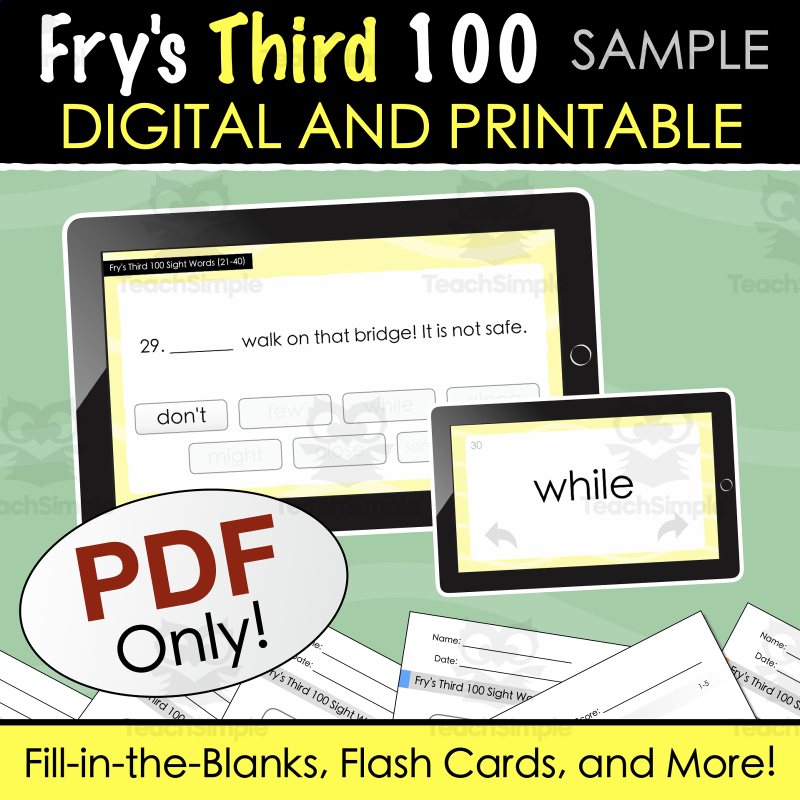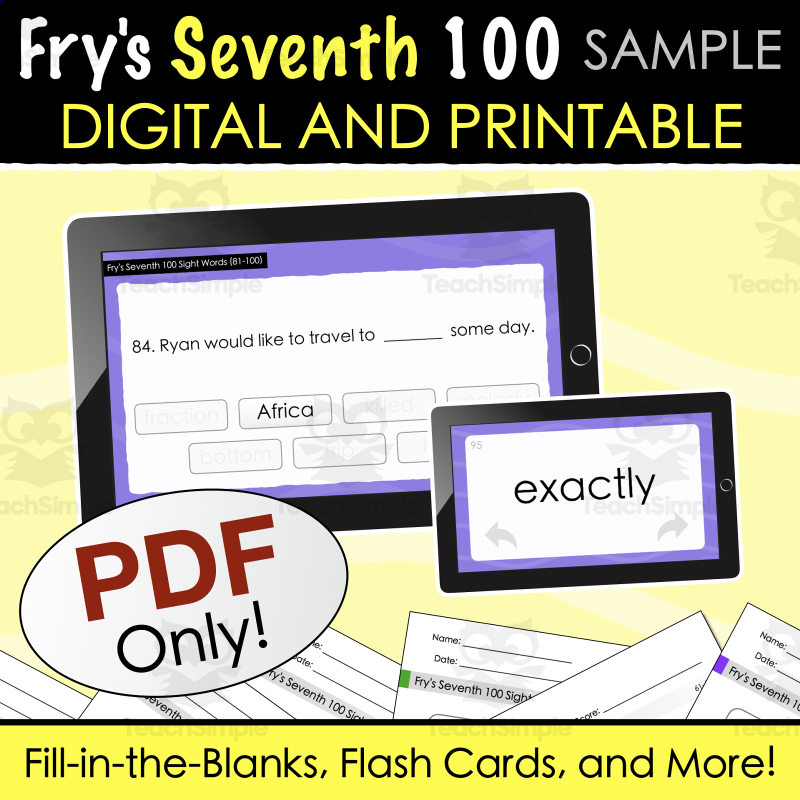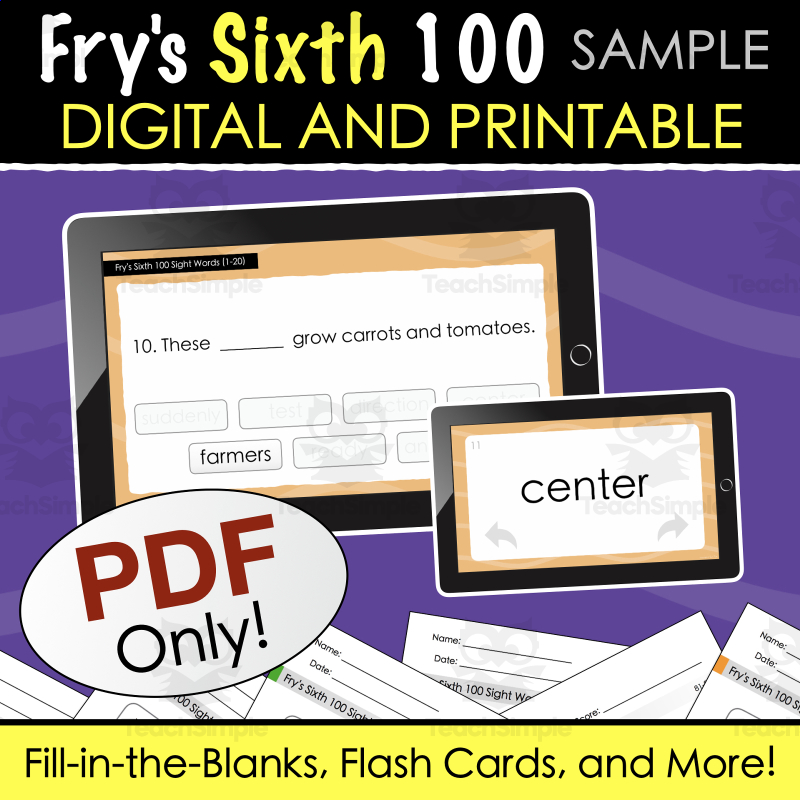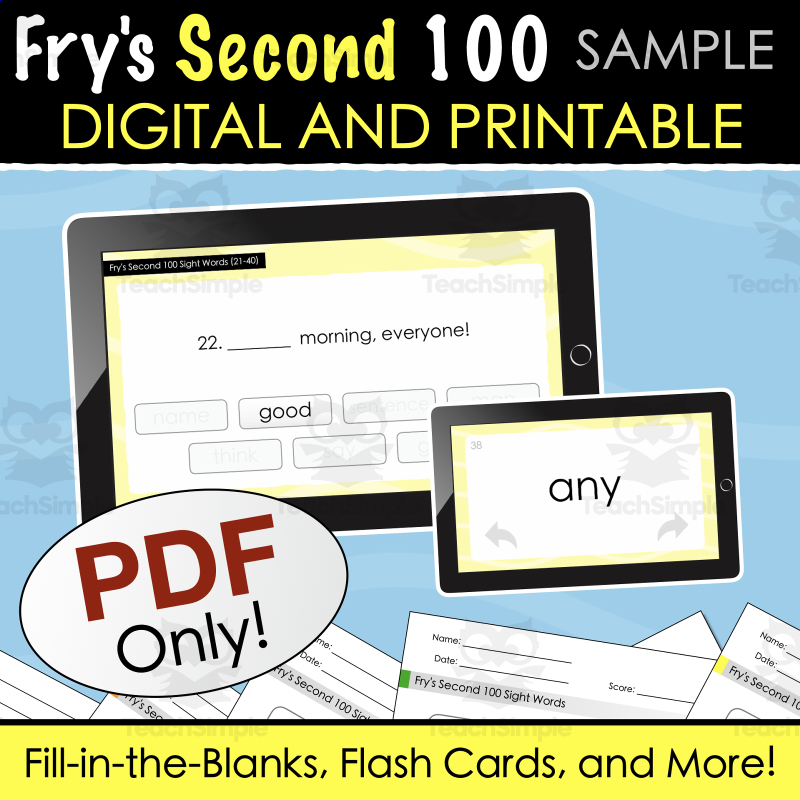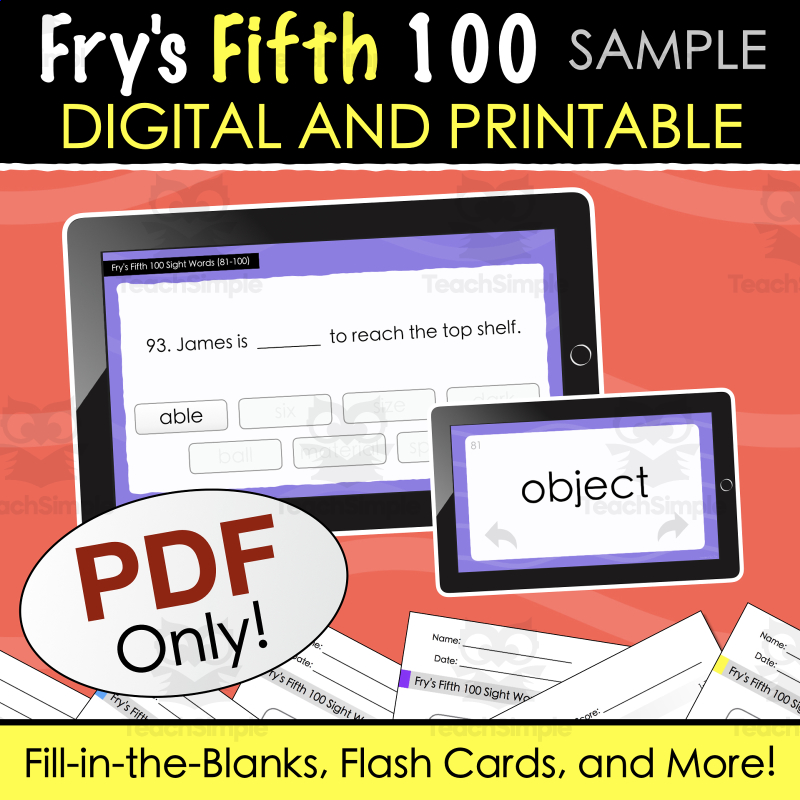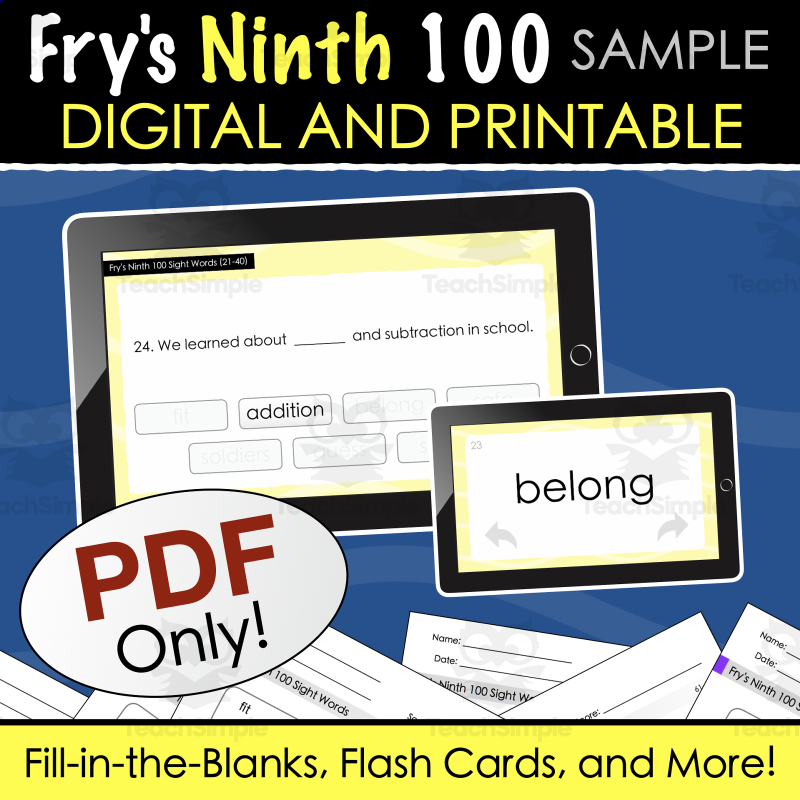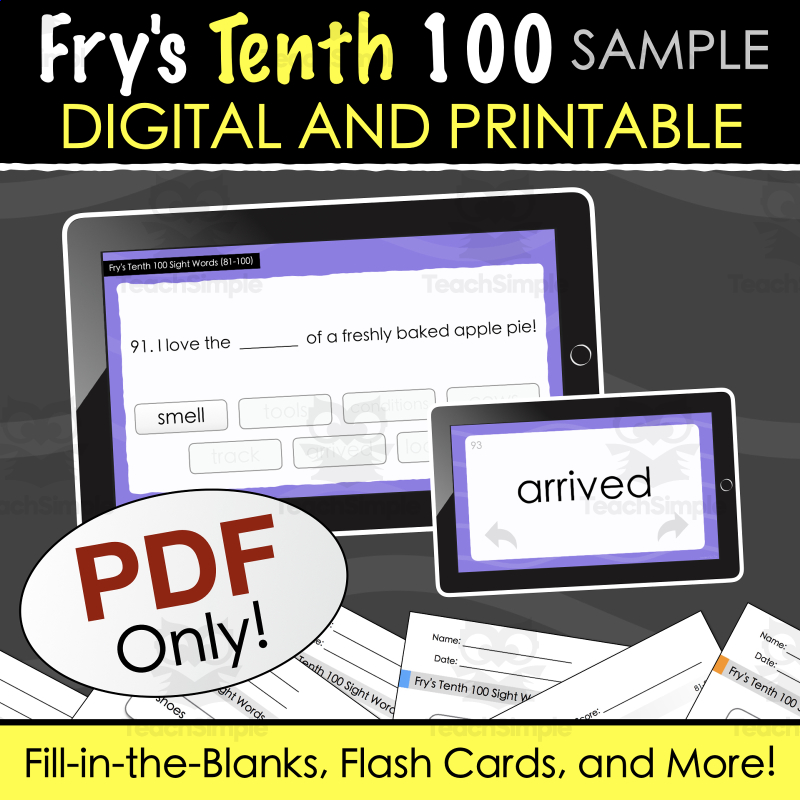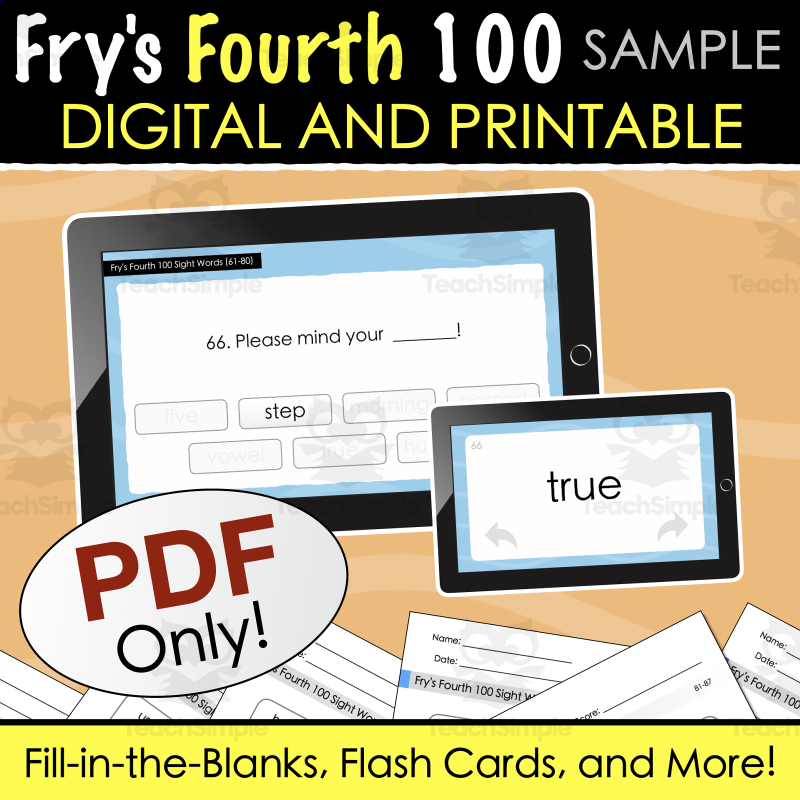
SAMPLE Fry's Fourth 100 Sight Words - Digital and Printable Quiz
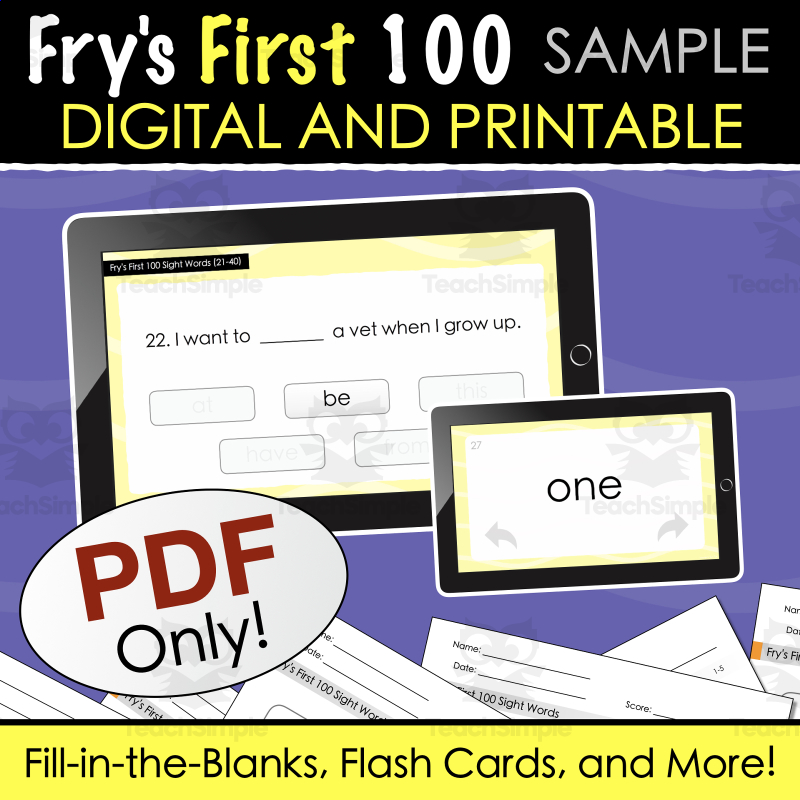
Read each sentence, choose/write the missing sight word from the word bank provided, and check the answer by clicking through the digital slide deck.
Classroom resources
Find spelling slide lessons for sight words, phonics patterns and word-building practice with the whole class.
Browse by lesson focus
Choose the topic or kind of practice you need.
Read each sentence, choose/write the missing sight word from the word bank provided, and check the answer by clicking through the digital slide deck.
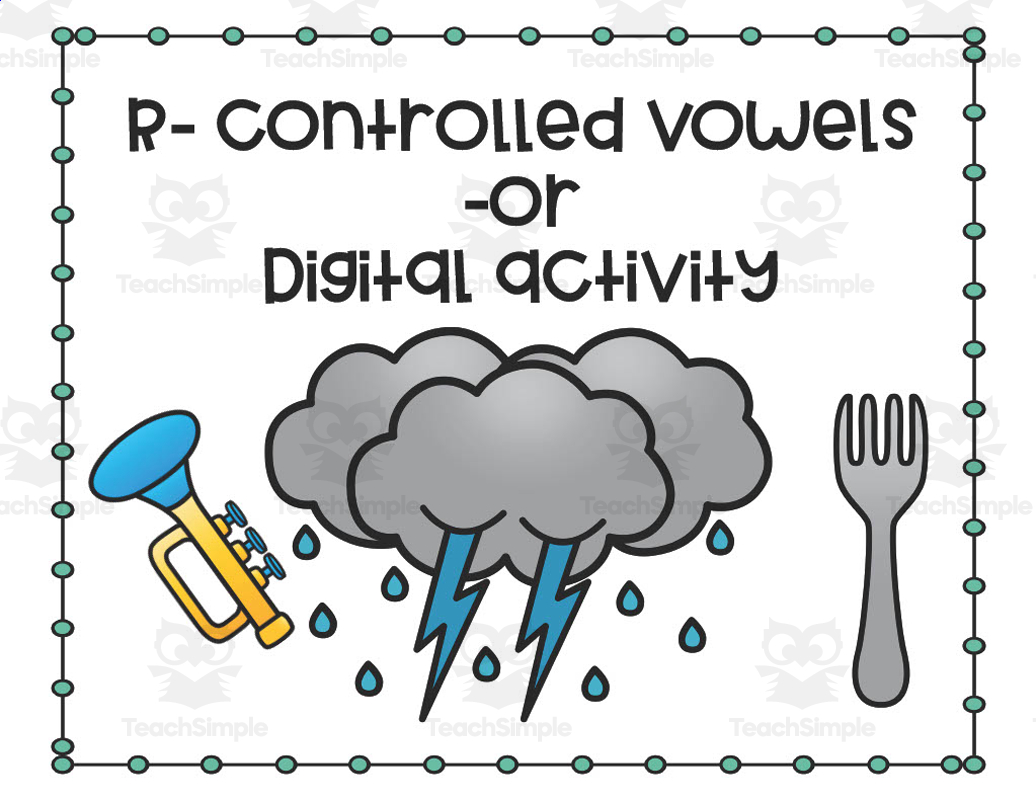
On each slide, choose the correctly spelled r-controlled vowel word from three options by clicking; get instant 'Good job!' or 'Oops, try again!' feedback and navigate with Next Question/Go Back buttons.
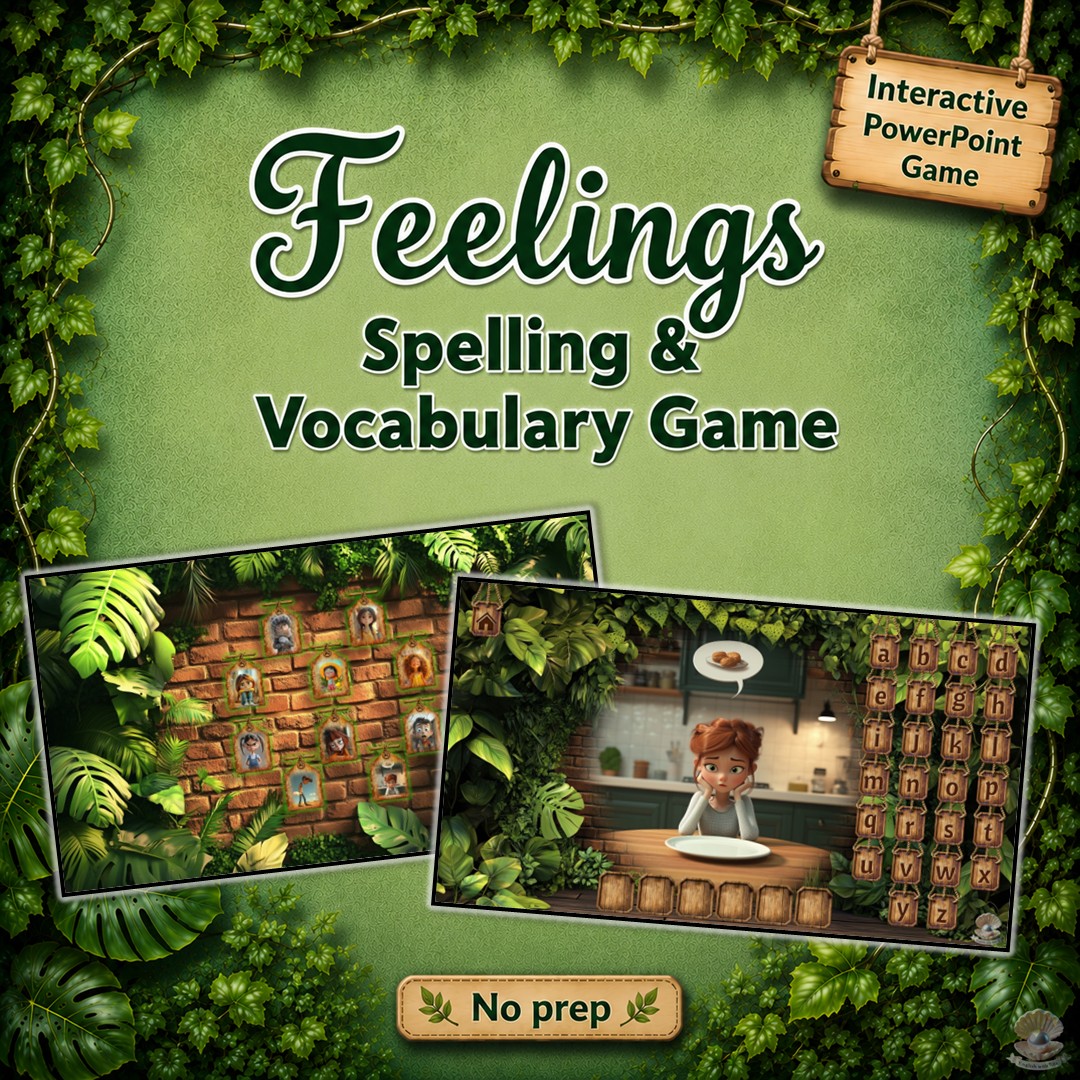
This Feelings Spelling game gives students a chance to practice feelings vocabulary and spelling at the same time. How to play: Students start by choosing a picture. They then look at the feeling shown, work out the word, and complete it by clicking on the correct letters. Once the word is finished, they can return to the main page and…
Read each prompt and select the letter (A/B/C) of the correctly formed word or its correct meaning. Answered by clicking/viewing one question per slide rather than writing on paper.
Read each sentence, choose/write the missing sight word from the word bank provided, and check the answer by clicking through the digital slide deck.
Provide word recognition and spelling practice for early readers, complementing the Edmark Level 1 reading program, using a set of sight/vocabulary words presented repeatedly across slides.
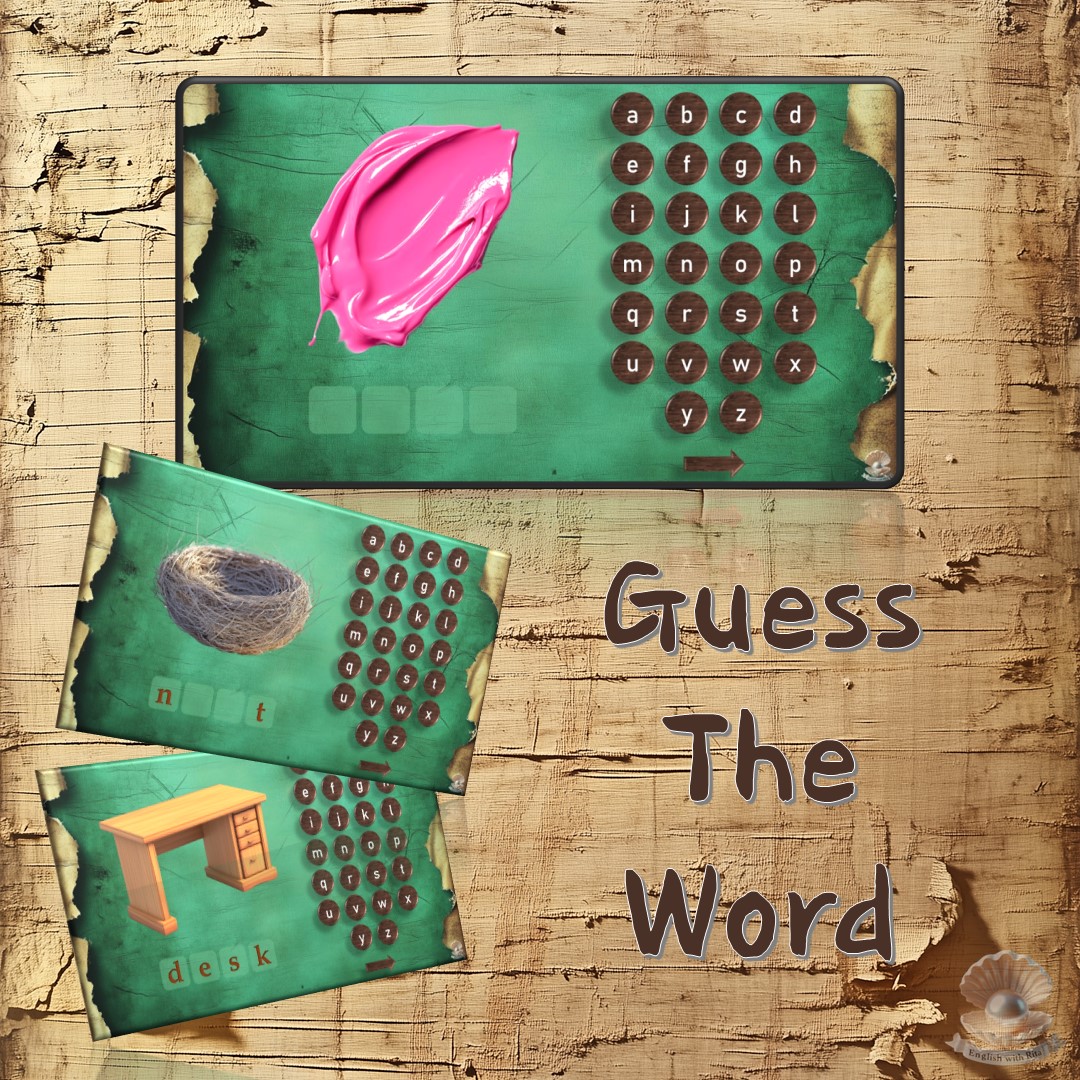
Practice spelling four-letter words in an interactive PowerPoint guessing game.
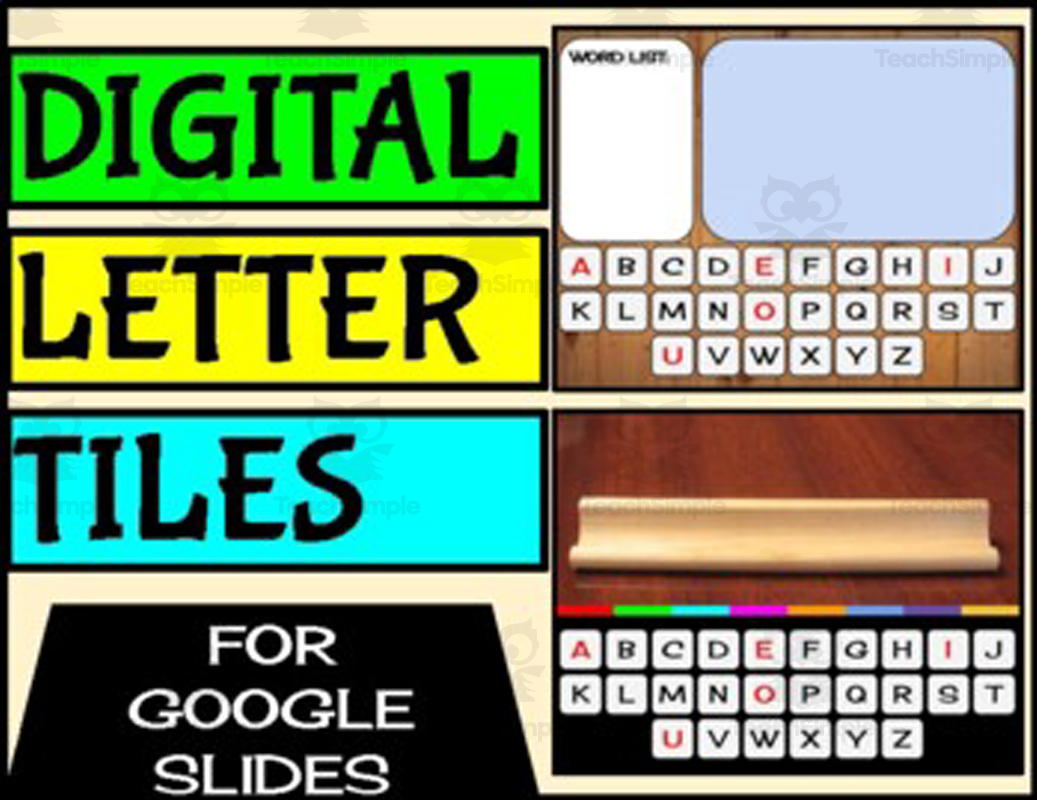
Drag and drop letter tiles (including digraph/diphthong tiles) to spell words from a provided or teacher-added word list.
Read each sentence, choose/write the missing sight word from the word bank provided, and check the answer by clicking through the digital slide deck.
Begin with the letter-name review, then have students spell familiar words and names aloud. The presentation includes radio-alphabet examples and guided dialogues for asking someone’s name and checking its spelling. A section on personal titles adds another element to introductions and conversation practice.
Read a one-line definition, reveal letters one at a time by clicking squares, and guess the short-A word or its letters.
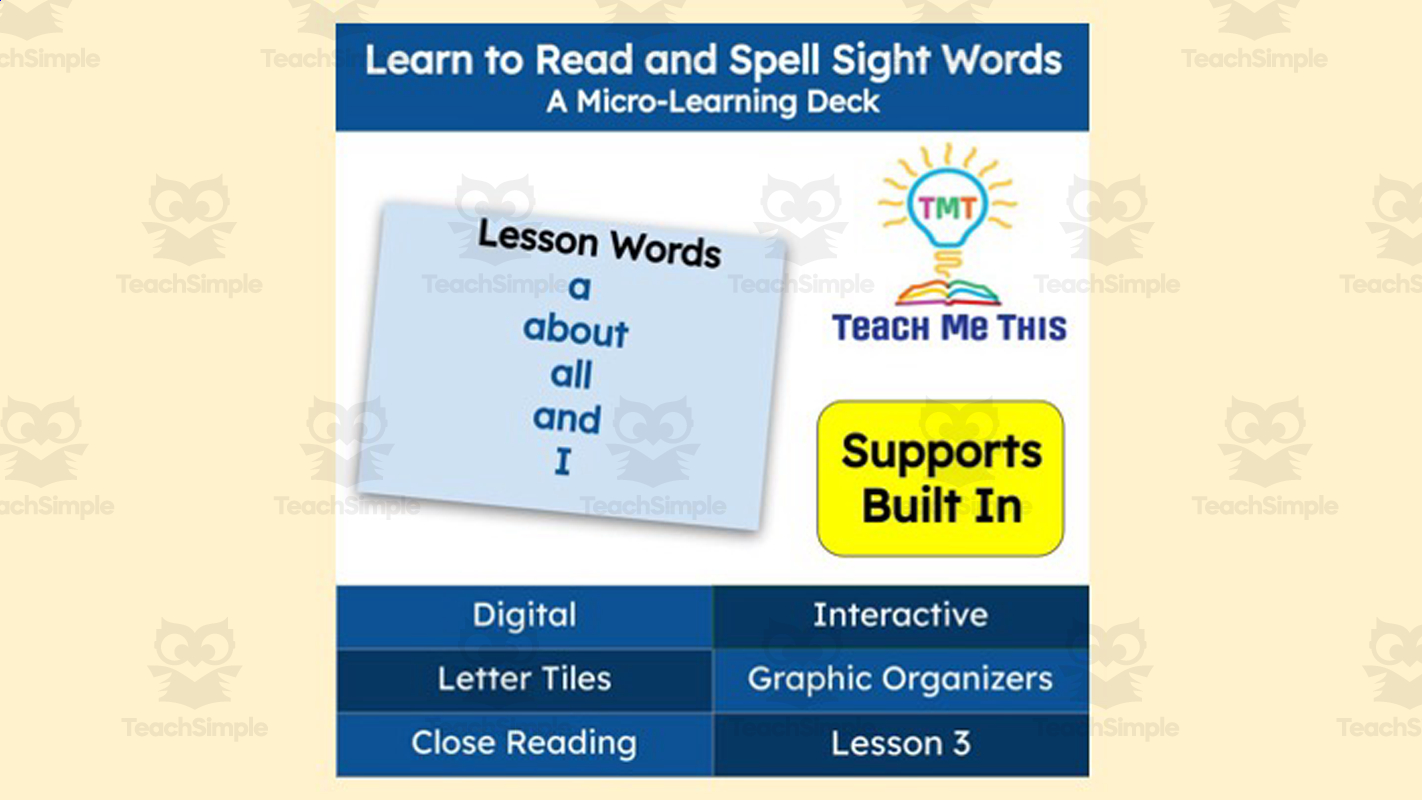
For each target word (a, about, all, and, I), the learner writes the word in the air and on a whiteboard, spells it with letter tiles, types or writes it, reads it in a short sentence, plays a memory-match game with word pairs, and fills in missing words in sentences from a word bank.
Read each sentence, choose/write the missing sight word from the word bank provided, and check the answer by clicking through the digital slide deck.
Students click a link to open and copy a Google Slides deck, then read, type, and drag answers into slides; the answer key indicates two sequencing exercises, a proofreading passage titled 'A Day at the Beach' containing a spelling error ('wenrt') for students to correct, a homophone/commonly-confused-word activity (it's/its,…
Students work through one-question-per-slide multiple-choice items (each answer choice on its own line) across multiple PowerPoint lesson files, choosing the correct meaning of a prefixed/suffixed word, forming a new word from a root plus affix, or selecting the correct plural/inflected/agent-noun spelling; each lesson's ~15 questions…
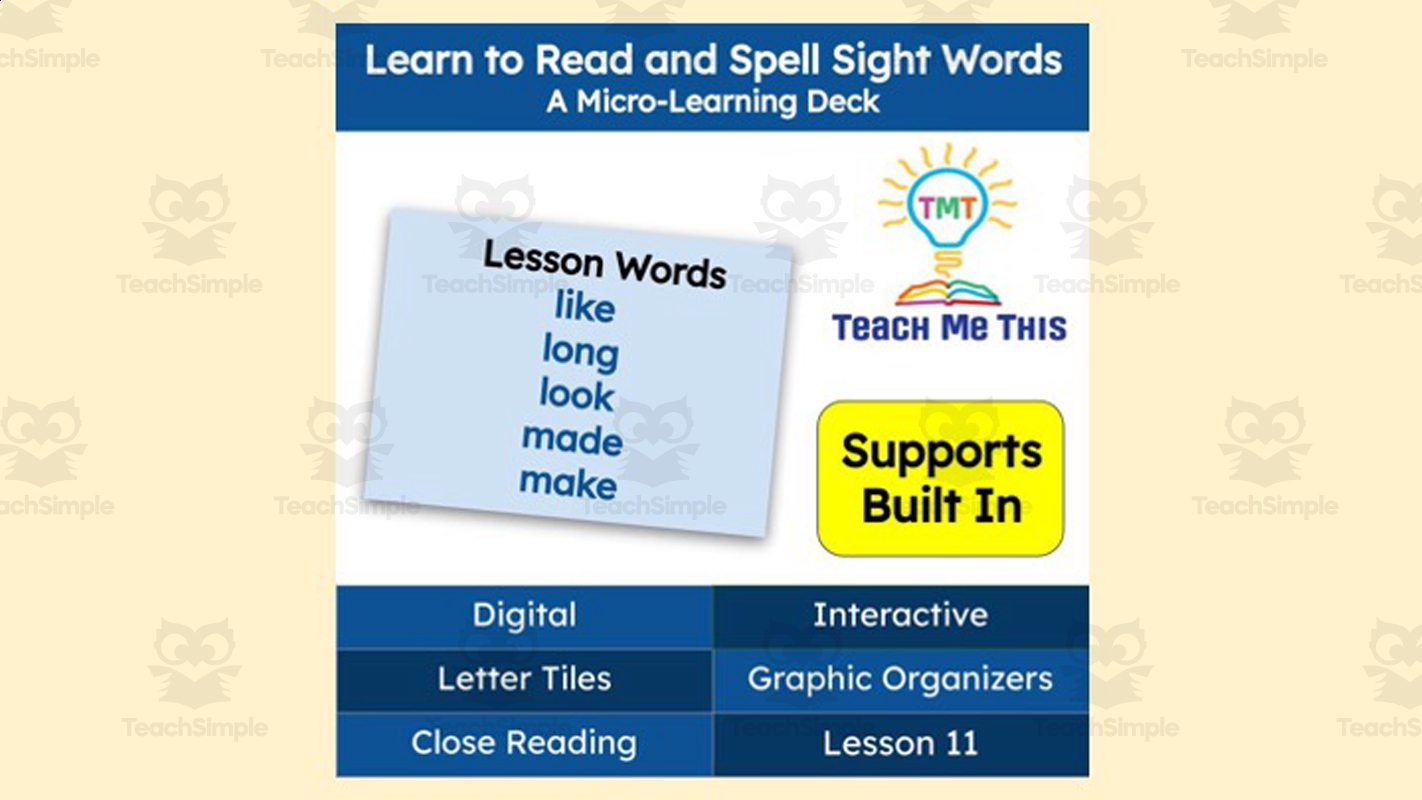
For each target word (like, long, look, made, make), the learner writes the word in the air and on a whiteboard, spells it with letter tiles, types or writes it, reads it in a short sentence, plays a memory-match game with word pairs, and fills in missing words in sentences from a word bank.
Read each sentence, choose/write the missing sight word from the word bank provided, and check the answer by clicking through the digital slide deck.
Students work through one-question-per-page multiple-choice items (each answer choice on its own line, formatted for presentation/slide display) across 8 lesson files, choosing the correct meaning of a prefixed/suffixed word, forming a new word from a root plus affix, or selecting the correct plural/inflected spelling; each lesson…
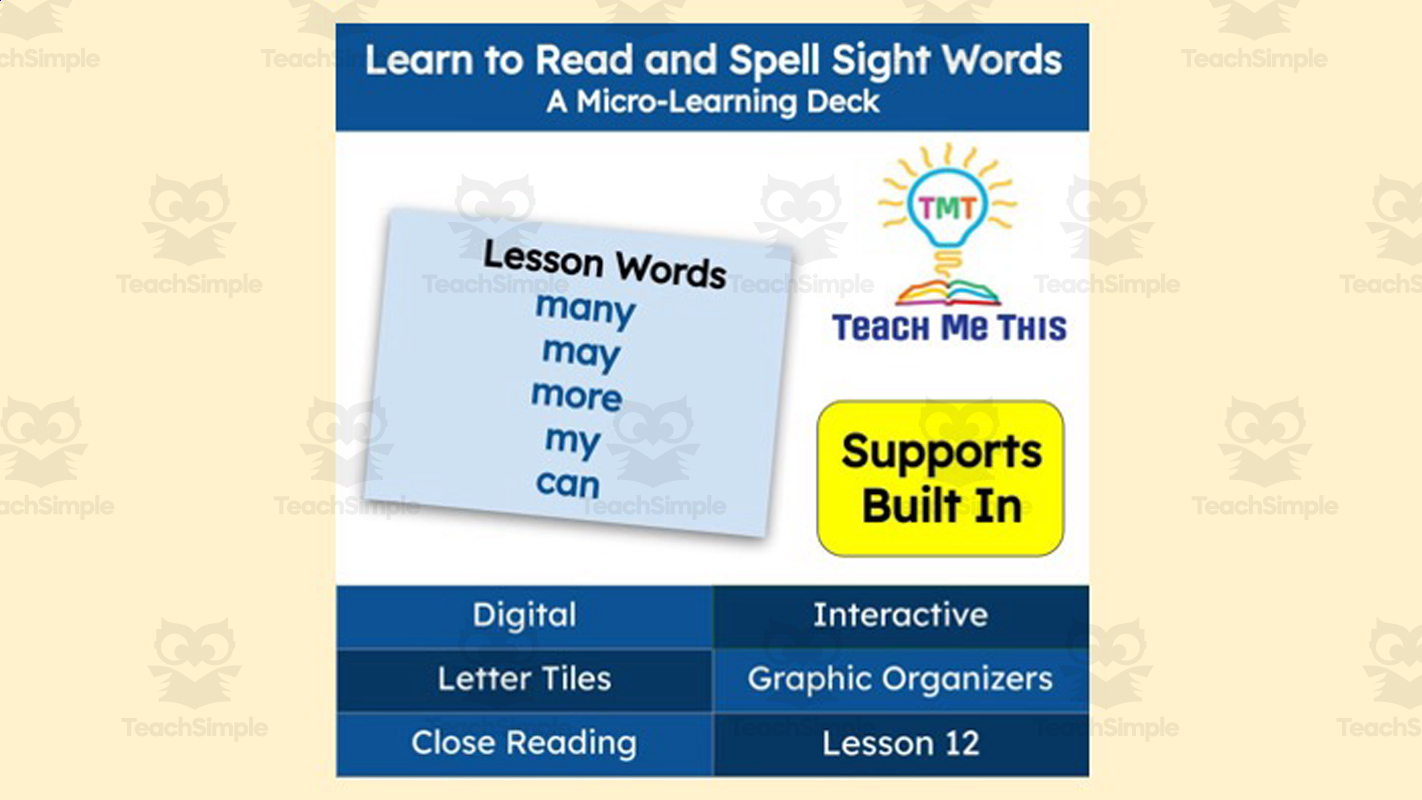
For each target word (many, may, more, my, can), the learner writes the word in the air and on a whiteboard, spells it with letter tiles, types or writes it, reads it in a short sentence, plays a memory-match game with word pairs, and fills in missing words in sentences from a word bank.
Read each sentence, choose/write the missing sight word from the word bank provided, and check the answer by clicking through the digital slide deck.
Students read a sentence with a missing or ambiguous word and choose the correct letter (A/B/C) homophone to complete it, checking their work against a provided answer key.
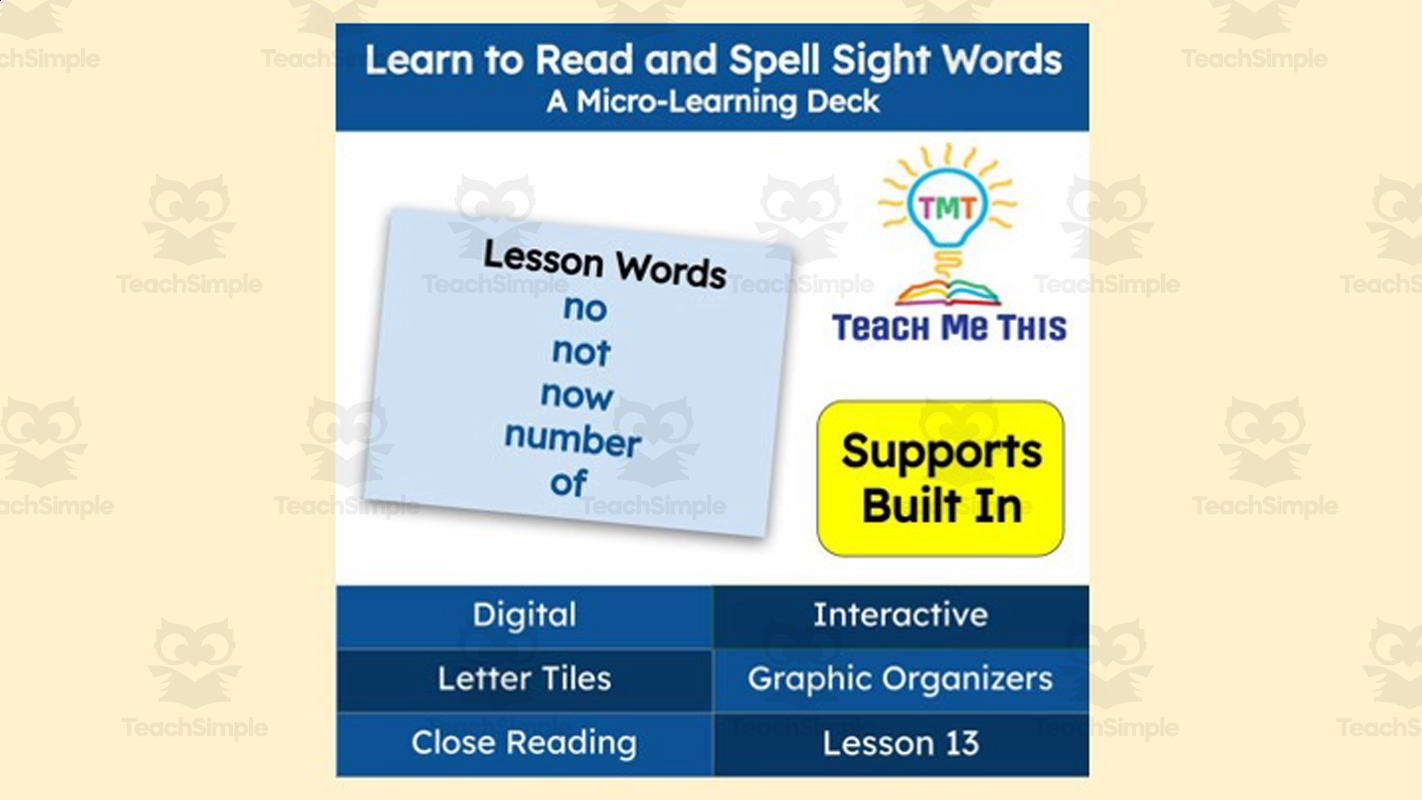
For each target word (no, not, now, number, of), the learner writes the word in the air and on a whiteboard, spells it with letter tiles, types or writes it, reads it in a short sentence, plays a memory-match game with word pairs, and fills in missing words in sentences from a word bank.