



3,952 products added recently
Engineering Presentations
Engineering Presentations are designed to introduce students to the world of engineering and technology. These resources can cover fundamental principles, showcase groundbreaking projects, and highlight various engineering fields. By presenting real-world applications, you inspire students to pursue STEM careers and think innovatively. Include interactive elements or hands-on activities to enhance engagement. Foster problem-solving skills and curiosity with these informative presentations.

 Show filters

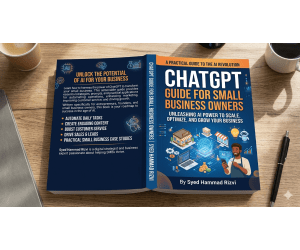
Chat.G.p.T. Guide for Small Business Owners Book
Technology, Science, Computer Science, Engineering, Special Education Needs (SEN), Special Resources, Resources for Teachers, Career, Life Studies, Business, Grade 6, 7, 8, 9, 10, 11, 12, Teacher Tools, Lesson Plans, Assessments, Presentations, Worksheets & Printables, Workbooks, Worksheets, Word Searches, Activities, Projects
The ultimate playbook for unlocking explosive growth; the Chat.G.P.T Playbook for Small Business Owners from Syed Hammad Rizvi, is the most comprehensive & practical AI resource available to entrepreneurs, solopreneurs, and gig economy founders. This 419-page behemoth includes 136 step-by-step chapters with concrete strategies for mastering prompt engineering (and creating prompt templates) content marketing, SEO-Optimized blogs, social media captions on Instagram, LinkedIn, Facebook, TikTok, email sequences, sales funnels, customer service automation, Google Ads copy & Social campaign ads, website copy, product descriptions, competitor analysis, lead generation, upselling & much more. No matter if you're an entrepreneur managing every role yourself or are a small business owner that needs to scale without a team; this book will show you how to incorporate Chat.G.P.T into every workflow you'll go through from brainstorming and drafting proposals to creating loyalty programs, SOPs, and investor summaries. Tips include information related to keyboard shortcuts, custom instructions, awareness of Chat.G.P.T.'s limitations, ethical uses of AI, and real case studies from early users who were able to save hours while generating additional revenue. Great for small business entrepreneurs, freelancers, eCommerce sellers, and service providers that want to work smart, not hard; you won't need a tech background to use this book; it gives you practical examples of prompts and templates you can use immediately to generate results. Reasons why parents and schools like this program. It Provides Future Entrepreneurs With Innovative .A.I. Skills They Will Need for Career Success And The Ability To Transform Their Skills To Become Successful. It Provides Teachers With Ready-To-Use, Current Examples And Templates That Can Help Improve The Learning Experience For Their Students And Make Entrepreneurship And Digital Marketing Classes More Relevant. Parents Can Provide Their College-Bound Or Business-Minded Teenagers With A Professional Development Resource That Will Help Build Their Teenager’s Confidence And Actual Revenue-Generating Skills. Schools Will Appreciate The Ethical Guidance In The Ethical .A.I. Section And Brand Consistency In The Brand Consistency Section That Are Aligned With The Principles Of Digital Citizenship And Responsible Technology Education. Provides Quantifiable Outcomes - Students Are Able To Apply The Information They Learned About “P.rompt.s” To Their Class Project, Internship Or Side Hustle, And Turn Theories Into Tangible Results. Audience (Target) / Classifications: This is a higher-level book that is a very suitable fit for higher-education and vocational business courses and programs. The groups you are targeting are: College and Universitystudents who are taking any of the following courses:entrepreneurship 101 or 201, small business management, digital marketing, business administration, ecommerce, or marketing strategy. Graduate students (MBA or postgraduate) who are takinga course that focuses on artifici.a.l intelligence in the business setting, operations, or sales. High school students taking advanced business classes and coursework in entrepreneurship, career and technical education, or who are members of DECA or FBLA.Platform:For High School; community college vocational tracks; online business boot camps; continuing education programs; and others. Teachers and Professors seeking real-life case studies of artific.i.a.l intelligence in businesses and prom.p.t templates to use in the class (ideal for as Prepared to Use Business Lessons Resources). Copyright/Terms of Use: Syed Hammad Rizvi created this Book. The Book is for personal use and for single classroom use. You cannot modify, redistribute, or sell this Book in any form or way. That is to say, you cannot share this Book with anyone else via the Internet and allow them access to it. If you would like to share this resource with teachers or colleagues, you can purchase additional licenses from Teachsimple. Thank you for adhering to these copyright/terms of use. This product is proudly provided Syed Hammad Rizvi
Author Creative Book Store
Rating
Tags ChatGPT, ChatGPTTips, AIForBusiness, SmallBusinessAI, EntrepreneurAI, SolopreneurTools, AIPromptEngineering, ChatGPTMarketing, AIContentCreation, SEOWithAI
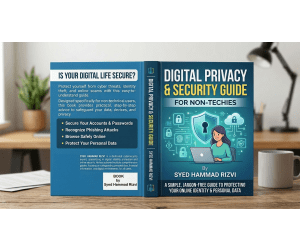
Digital Privacy & Security Guide for Non-Techies Book
Science, Technology, Computer Science, Engineering, Research, Social Emotional Learning (SEL), Special Resources, Career, Life Studies, Leadership, Grade 6, 7, 8, 9, 10, 11, 12, Teacher Tools, Assessments, Lesson Plans, Presentations, Workbooks, Worksheets & Printables, Writing Prompts, Word Problems, Activities, Projects
It is an unfortunate reality that one single leak of your passwords can lead to the theft of thousands of dollars from your savings account. It is also a frightening truth that your Smart TV can watch everything you do, and that Deepfake technology exists that is able to imitate your voice with ease. The above facts alone leave an overwhelming amount of people in a vulnerable position in relation to their personal digital security. This is the purpose of the 278-page "Digital Fear is Real" guide. This guide was created with the sole purpose of providing an in-depth, complete, and easy-to-understand reference tool for every aspect of your digital life. This tool covers everything, from passwords and mobile devices to social media, smart home technology, child safety issues, financial fraud, AI-driven threats, and estate planning. This guide goes beyond the typical frightening articles that do not provide real answers or to the overly technical books that require a computer science degree to understand. This book provides you with a complete step-by-step system that will allow you to protect yourself without having to spend a lot of time to achieve this goal. You'll Learn: * How to use password managers and passkeys * How to set up two-factor authentication to effectively stop hackers * How to secure your router and home network with six easy steps * How to protect your children from predators, cyber-bullying, and "sharing" * What you need to do to recover from identity theft and create an actionable recovery plan * How to install and use safe communication channels such as Signal, VPNs, Tor, and encrypted email * A 30-day privacy transformation plan to secure your digital world In addition to all the information contained in the guide, there are also many charts comparing different items, checklists, infographics, and a comprehensive appendix that contains a list of tools that every computer user needs to have. Why Parents (And Schools) are all in: Chapters Addressing the Child Safety Issues that Affect Parents and Adults in General, Including… Cyberbullying, online predators, sharenting, and children's digital footprint – all described in clear, no-nonsense, actionable terms. No Technical Experience Needed – These Chapters are written specifically for non-technical readers, with plenty of "common" language used in both chapters to facilitate understanding by teachers and parents who want to better protect their children from online dangers. Classroom and Family Resources Ready for Use – Each chapter is filled with checklists, comparison charts, infographics, and an overall 30 Day Action Plan that is great for either teaching curriculum or having family discussions at home. The Chapters Address Many of the Most Urgent Problems Facing Today's Children Including AI Voice Cloning, Deep Fakes, and TikTok Data Collection... so that they are prepared for whatever potential risk they may encounter this year. Create Lifelong Digital Citizens: Instead of merely providing a list of rules to abide by; through an ongoing mindset established throughout the children in their formative years/education process, parents will help their children learn to make thoughtful and responsible decisions independently of parents or other adults. Target Groups of Students: The book coversmost of the standard, foundational content and structure with both foundationaland advanced information. Therefore, the intendedaudiences will include the following: - High School Students (Grades 9-12)- A focus on Digital Literacy, Computer Science, and LifeSkills Classes contains usefulinformation forstudents; Chapters dedicated to the Social Media, Cyberbullying, A.I. Pitfalls and Financial Scams can addressthe high schoolage range. - CollegeUndergraduates- College Freshman OrientationStudents; Classes focused on Information Security awareness; College Campus Safety Programs.PopularContentforthisdemographic of student wouldinclude the Privacy by Designconceptplus Information relatedtoIdentity Theft recovery. - Parents &Caregivers- Adult Education (e.g., at PTA and/or Parent Group meetings) can provide parents/caregiverwith educational information pertaining tochildren's Online Safety; Managingtheir Online Content within Social Media Channels, S.K. Componentsand/orParental ControlSoftwarePrograms. - Educators and/or School Staff- Digital Citizenship Professionaldevelopment related to Student Data Privacy, Recognizingthe Threat of anA.I. CreatedInformationProduct. - Senior Citizens- Community Center courses for adults that educate subjects such as: fraud prevention,howto avoidTech Support Scams and howto BankOnlineSafely. TheAuthorhas specifically made this bookaccessibleandwrittenso that AllAge Groups canreceive this book as an option from Middle SchooltoAdultEducation students. Copyright/Terms of Use: This book and resource are copyrighted by Syed Hammad Rizvi. This is for your own personal use; you may only use it in one classroom. You cannot change, give away, or sell any part of this resource—you cannot place any of it on the Internet where someone can be able to locate and access (download) the resource. If you want to give to or share with others, you will need to purchase more than one for them from Teachsimple. Thank you for honoring the copyright! Syed Hammad Rizvi has produced this resource.
Author Creative Book Store
Rating
Tags DigitalPrivacy, CyberSecurity, OnlineSafety, DataProtection, InternetSafety, PrivacyMatters, StaySafeOnline, DigitalSecurity, DigitalLiteracy, FamilySafety

PPT QUIZ INTERACTIVE | INTERNET SAFETY
Technology, Science, Computer Science, Engineering, Early Learning, Elementary, High School, Homeschool Resources, Middle School, Not Grade Specific, Quizzes and Tests, Teacher Tools, Presentations
PPT QUIZ INTERACTIVE | INTERNET SAFETY ABOUT THE RESOURCE: Grade Level: Grade 4 Subject Category: 📚 Current / Trending Topics Topic: Internet Safety Difficulty: Medium ABOUT THE AUTHOR: At EDITORIAL LAURA EDUCA, we believe that learning should be as fun as playing. That’s why we create educational materials that spark children’s curiosity and creativity. I invite you to check out my educational store and discover the wide range of resources that can transform your classes. PLEASE DOWNLOAD TOO THESE RESOURCES I HAVE FOR YOU: -FACT FLASHCARDS OF 10: https://teachsimple.com/product/fact-flashcards-of-10-20-free-multiplication-cards -MULTIPLICATION CARDS: https://teachsimple.com/product/18-free-flashcards-of-multiplication-animals-themed -SPANISH TEST OF VOCABULARY: https://teachsimple.com/product/free-spanish-test-basic-vocabulary-4-pages -SPANISH TEST OF THE VERB: https://teachsimple.com/product/free-spanish-test-of-the-verb-el-verbo MAIN SUMMARY OF THIS PRODUCT: What is the name of your product and what makes it special? This beautiful product is called “ ”, and it is very special because it was carefully designed or compiled. With this educational resource, we want students to learn with enthusiasm and fun, because we believe learning is fun. How many pages are included in this resource? This fabulous document contains the following number of pages: What size is it designed in (A4, letter, etc.)? This resource is designed in A4 format and compiled as a PDF. This makes downloading and printing simple and convenient, and PDFs are also easy to store and carry anywhere. Is the material in color or black and white? This pedagogical document comes in both black and white and color. This makes it more attractive for your learning sessions, but you have the freedom to choose how to print it. SECONDARY AND COMPLEMENTARY DESCRIPTION OF THIS QUIZ: What skills or competencies does it develop? Thanks to this fabulous resource, students will first be able to develop their knowledge, attention, and concentration. Who can use it (teachers, parents, therapists, students)? This document can be adapted according to the person using it. If you’re a teacher, you can use it; if you do homeschooling, you can also use it. Therapists can use it for students with learning difficulties, and even self-learners will find it very useful. What materials are needed to make the most of it (pencils, scissors, printer, etc.)? To make the most of this fabulous document, you can start with pencils. But, since it’s adaptable by the teacher, you may also encourage your students to use markers, scissors, and other creative materials.
Author EDITORIAL LAURA EDUCA
Rating
Tags FREE, FREE RESOURCES, INTERNET SAFETY, SAFETY, TECHNOLOGY, COMPUTER SCIENCE, PPT, PPT QUIZ., QUIZ

Beginner AI Chatbot Safety & Prompt Practice Worksheets
Resources for Teachers, Classroom Management, Community Building, Technology, Science, Computer Science, Engineering, Research, Special Resources, Social Emotional Learning (SEL), Preschool, Grade 1, 2, 3, 4, 5, 6, Teacher Tools, Lesson Plans, Presentations, Assessments, Worksheets & Printables, Flashcards, Worksheets, Word Searches, Writing Prompts, Workbooks
This professionally designed 36-page AI Chatbot Safety and Prompt Practice Workbook provides educators and parents with the comprehensive guidance needed to help their 6–9 year-old students develop literacy skills while learning how to safely work with AI chatbots as powerful tools rather than friends, maintain safe digital boundaries, protect their personal identifiable information (PII), create clear and effective prompts using the “Three-Part Recipe”, practice digital kindness, verify the accuracy of AI-generated content, and develop strong literacy skills through the use of iterative questioning. This resource can be used in any learning environment including traditional classrooms, homeschooling, after-school programs, or family time on electronics. Key features include: - Aligned with the Piaget and Vygotsky constructivist theory and early literacy standards - Ten printable worksheets (e.g. fill-in-the-blank, matching, true/false, scenario) - Teacher/parent guide with theory, case studies, and strategies for implementation - Visual aids (e.g. mind maps, flowcharts), and the "Digital Safety Ecosystem" infographic - Complete answer key for easy assessment - No-prep, print-and-go format (PDF) - Ideal for introducing safe use of ChatGPT/AI tools, prompt engineering, and digital citizenship prior to students' access to full AI tools. Why Parents and Schools Are Interested To Use It : -Creates a lifetime of Real World safety habits around Digital use by teaching children to never share names, addresses, schools or emotions with AI preventing privacy issues before they happen. -Allows for Literacy development through AI use. Making writing Prompts fun iterative writing exercises will enhance vocabulary, specificity, sentence structure and critical thinking. -Cost effective for busy parents and teachers who can print everything out with a simple to follow directions, pictures and answer key - great for morning work, tech centers S.E.L. lessons or home school tech units. -Removes worries about AI in the classroom by providing a structured researched based blueprint for educators and families to use to introduce chat-bots without the fear of misuse or becoming overly reliant upon. -Fun and easy for children to learn about safety through stories, fun Prompts and activities, "Digital Detective" activity, so they will actually look forward to learning and following safe and responsible use of digital technology. Target Audience / Students Grades : Kindergarten & 4th/5th Grades are not targeted (English). The curriculum is developed with 1st through 3rd grade (ages 6-9) only - early elementary children who are in the concrete operational cognitive development stage; therefore, the curriculum utilizes concrete metaphors (e.g.; recipe, blueprint, vault, shield), large print for worksheets, and has scenarios appropriate for a given age, such as bats/frogs/knights/dinosaurs. This is not appropriate for kindergarten or 4th grade and beyond as the language and activity levels are too elementary for 4th and older students, and also too advanced for pre-k. Copyright/Terms and Use : The content of these pages is under copyright by Syed Hammad Rizvi, and it is for your personal use or classroom use only (meaning only one person will use it) You may not change or share any portion of these pages with anyone else or post them online for others to find and download. If you would like to share this resource with someone else or would like to share it with your colleagues, please purchase an additional license from Teachsimple. Your compliance with this Copyright/Terms of Use will greatly help us in continuing to provide content/resources. Syed Hammad Rizvi would like to express his thanks for purchasing these products.
Author Creative Book Store
Rating
Tags Ages6to9, Grades1to3, AISafetyForKids, ChatGPTForKids, AIForElementary, PromptEngineeringForKids, KidsAged6to9, AIForAges6to9, EarlyElementaryAI, DigitalLiteracyWorksheets

AI Tools for Research – Fact-Checking & Bias Detection Worksheets
Science, Technology, Computer Science, Engineering, Special Resources, Social Emotional Learning (SEL), Social Skills, Life Skills, STEM, Research, Grade 6, 7, 8, 9, 10, 11, 12, Worksheets & Printables, Workbooks, Worksheets, Word Searches, Writing Prompts, Teacher Tools, Lesson Plans, Assessments, Diagrams, Presentations
This 41-page PDF is a fully prepared to print middle school Digital Literacy Curriculum called "Advanced Digital Tools for Research: Fact-Checking and Detecting Bias Worksheets" designed for students in grades 6-8 to be able to use the V.E.R.I.F.Y. Framework (Validate, Extract, Read Lateral, Interrogate Bias, Find Primary Evidence, Yield Conclusion) to critically evaluate content generated by AI, identify hallucinatory or fabricated information, detect algorithmic bias, and utilize lateral reading skills. This resource is ideal for the AI era and includes: - Four theoretical chapters with practical real-world examples (e.g., Titanic, Great Wall of China, Space Race, Paleo-Diet). - Ten hands-on student worksheets (e.g., Anatomy of a Digital Claim, Spotting Plausible Falsities, Lateral Reading Protocol, Unmasking Structural Bias, The Phantom Citation Mystery, Chronological Confusion, etc.). - Three full-color visual frameworks/diagrams (Fact-Checking Workflow, Algorithmic Bias Triad, Source Credibility Spectrum). - A complete answer key with rubrics and high proficiency examples. - A complete Teacher Implementation Guide including pacing (4-6 class periods), differentiation for ELLs/developing readers and gifted students, formative assessment examples, and examples of exit tickets. - A ready-to-teach PDF requiring no preparation that increases research skills, media literacy, and critical thinking through an alignment to both the CCSS, ISTE, and Digital Citizenship Standards, making it appropriate for use in English Language Arts, Social Studies, Science, and Technology classes. Why Schools/Parents Find It To Be Effective: Develops Real World Skills that Kids Need to Survive in an AI World. Kids will learn how to identify when they are being deceived by hallucinations, bias, and fake citations before they copy and paste into their papers or projects. No Preparation or Planning Time Required - Teachers get full theory, worksheets, visuals, answers and pacing guide when using this product. Parents appreciate the independent critical thinking experience provided to their children. Fun Way to Increase Student Engagement - Kids enjoy using the detective-style worksheets (Tree Octopus Hoax, Phantom Biologist, Brooklyn Bridge Hoax, etc.) to develop critical thinking skills through the use of skepticism as a game. Differentiated, Inclusive, and Fully Accessible - Students are able to access the materials because of the built in supports provided for ELL/Developing Readers, and extension challenges for Gifted Students. Ensures Academic Integrity Now and in the Future - Aligns well with the local school districts expanding policies regarding the appropriate use of AI, as well as standards for digital citizenship. Intended Audience of Book (As per complete PDF analysis): This resource is specifically created for students in Grades 6 to 8 (Middle School). There are examples throughout the resource, as can be seen in the seven (7) and eight (8) examples referenced. Answer keys and teacher guides both have "Grade 6 to 8 Student Workbook" clearly labeled on them. Best Fit: ELA, Social Studies/History, Research projects in Science, Digital Literacy/Media Literacy, or Technology courses Excellent for Homeschoolers, Gifted Programs, or Educators Teaching AI Ethics and Responsible Research. Copyright & Terms of Use This Book is copyrighted by Syed Hammad Rizvi. This resource is solely for personal and individual classroom use. You may not modify, redistribute or sell any part of this resource (including putting it online for others to back or download). In order to share this resource with your coworkers please buy more licenses from Teachsimple. Thank you for following these terms of use. -------------------------------------------------------------------* This product was created by Syed Hammad Rizvi to be enjoyed!
Author Creative Book Store
Rating
Tags AIFactChecking, BiasDetection, DigitalLiteracy, MiddleSchoolWorksheets, AIFactCheck, VERIFyFramework, CriticalThinking, MediaLiteracy, AIforTeachers, DigitalLiteracyWorksheets
AI-Ready Skills for Creatives (writers, designers, artists) Book
Science, Technology, Computer Science, Engineering, Life Skills, Special Resources, Resources for Teachers, Classroom Management, Community Building, Research, Homeschool Curriculum, Grade 8, 9, 10, 11, 12, Teacher Tools, Assessments, Lesson Plans, Presentations, Workbooks, Worksheets & Printables, Writing Prompts, Diagrams, Projects, Activities
Explore the future of creativity with "AI Ready Skills for Creatives: Building Portfolios Using AI Tools" - the essential resource for new writers, graphic designers, visual artists, and all types of multimedia creators. Authored by Syed Hammad Rizvi, this 204-page PDF contains everything you need to know about working with AI through your projects, along with strategies, workflows, and ethical considerations to use AI as a collaborator rather than a replacement. Regardless of whether you're a freelancer, student, educator, or working professional in industry, you'll learn how to turn the overwhelming media coverage associated with emerging technologies into an easy-to-follow guide. You will learn how to use popular AI technologies such as ChatGPT, Midjourney, Adobe Firefly, DALL-E, Claude and Runway in each stage of the creative process, including idea generation, writing, and the final presentation of your portfolio. You will learn: Foundations of AI: The inner workings of large language models, diffusion models and generative applications. Workflow Instructional Materials by Discipline: Each discipline has designated chapters created specifically for writers (fiction/nonfiction/copywriters), graphic designers (logo creation, branding and photo enhancement), graphics artists (stylized transfer/generative graphics) and video/audio producers derive workflow materials designed specifically for their industry. Prompt Development: Understanding what it is to develop effective prompts; thus providing you with appropriate high end results that are based on consistency will help you gain the confidence and knowledge about the tools themselves. Portfolios and Personal Brand Development/Building your Brand/Developing Your Skills as a Creator who creates image/content based on capabilities/Abilities that Share Your Expertise with Your Clients. Monetization Strategies with AI-Enhanced Work: Value-based pricing, retaining services, productizing services, and selling subscriptions to AI as a work enhancement tool. Ethics and Copyright by Navigating the Legal Gray Area/Creatively Authentic/Building a Future Supported by Enduirng Creative Human-based Skills. Hands-On Exercises and Case Studies by Implementing Real-World Examples With More Than 15 Practical Hands-On Exercises That Allow You to Develop Your Color Compiling & Style Compiling Skills. Who is This for? Creatives seeking to increase their output by 10 times while maintaining high-quality. Educators & schools with students preparing for creative industries using AI. Freelancers & agencies looking at AI as a way to grow their businesses. Beginners going from an AI novice to an AI-confidence practitioner. Don't just adapt to the AI revolution; lead it! Your most significant asset as a creator is your unique point of view, your taste, and your judgment. This book will demonstrate how to take your creative vision beyond its boundaries through limitless capabilities afforded by artificial intelligence! PDF (Digital Download) 204 pages Professional edition Categories: Professional Development / Creative Technology / Portfolio Development / Artificial Intelligence (A.I.) in Education Reasons Parents/Teachers Appreciate It : Preparing for Future Careers: Helping Young Adults Get Ready for the Presence of AI / Artificial Intelligence (AI) in Every Creative Industry has helped students prepare for college admissions and job opportunities by creating a comprehensive portfolio of both the technical skills required and the ethical use of AI technology they will need to have after graduating from high school. Integrating Technology with Values: The book includes entire chapters on topics that relate to Creative Authenticity, Copyright and Ethical Concerns, and then teaches students how to use AI as a tool or amplifier of their individual voices and not just "stuff” that just takes the place of their own creativity, which adheres completely to the Academic Integrity policies of Schools/Colleges. Providing Ready-to-Use Curriculum: The curriculum and textbook (complete with planned out projects, case studies, and step-by-step instructional pacing) may be utilized to develop and teach an AI course over the course of a school year or through workshops, or can also be used for self-learning and independent study. Saving Time for Teachers: It saves teachers time by providing them with a single source of all the information to use when teaching their students how to effectively utilize AI tools for writing, design, visual art, video production and audio production. This includes instruction about the development of the process of creating an effective prompt, the processes associated with creating successful workflow designs, and the steps needed to build a professional digital portfolio. Intended Classes & Level of Education: Professional level (High School & College): Grades 9-12 - Graphic Design & Digital Media - Creative Writing/Journalism - Media Arts/Film & Video Production - Computer Science (Artificial Intelligence & Society Course) - Career and Technical Education (CTE) Pathway in Art, Media, & Entertainment - Yearbook/School Publication Staff College/University - Introduction to Digital Art, Interaction Design, Visual Communication - Professional Writing, Content Strategy, Technical Writing - Marketing & Advertising (Copywriting & Managing Social Media) - Closing Portfolio Development Class - Fine Art majors using technology & new media Adult Education/Professional Development: - Teacher Professional Development workshops (Integrating AI Technology Classroom) - Continuing Education for Freelance Professionals - Home School Co-Ops (Grades 8+) with a focus on Emerging Occupations Why These Classes? This book has no prerequisites for AI knowledge, but will teach all levels of professional workflow application (for career preparation and portfolio development). As such, it is very applicable for advanced high school students and for anyone pursuing any form of creative discipline in the college/university setting. Disclaimer: You can expect this book by Syed Hammad Rizvi to be under copyright. It is a single-use only resource and cannot be modified, sold, or passed on to anyone other than the purchaser without written consent. You are welcome to share your use of this resource with other teachers; please purchase additional licenses from Teachsimple so that they can also have access to it. Thank you for complying with our terms and conditions. Syed Hammad Rizvi would like you to use this product to enrich the lives of young children everywhere.
Author Creative Book Store
Rating
Tags AICreatives, AIPortfolio, CreativeAI, AIToolsForCreatives, AIReadySkills, GenerativeAI, PromptEngineering, AIWorkflow, CreativeTechnology, PortfolioBuilding
Biomimetic Engineering &Regenerative Design:A K-12 Vertical Curriculum
Science, Basic Science, Life Sciences, Animals, Biology, Human Body, Nature & Plants, Physics, Technology, Engineering, Grade 2, 3, 4, 5, 9, 10, 11, 12, Worksheets & Printables, Worksheets, Workbooks, Word Searches, Dot To Dots, Teacher Tools, Assessments, Lesson Plans, Presentations, Quizzes and Tests
With this K-12 Biomimetic Engineering & Regenerative Design Curriculum Framework, show the student the future of STEM education through a complete, ready-to-use, vertically scaffolded transition from traditional ‘take/make/dispose’ mindsets to innovation inspired by nature! This digital PDF is composed of 35 pages full of professionally-designed and thoroughly researched and organized resources to develop your students’ biomimetic engineering and regenerative design skills: Phase 1: Core Theory includes a comprehensive introduction to the subject with four chapters of in-depth theory, and real-world case studies (The Shinkansen bullet train, Namib Desert beetle, Eastgate Centre’s termite mounds, Lloyd Crossing); Phase 2: Student Workbook contains 10 well-developed, engaging, standards-aligned worksheets for student to use to complete Morphological Mapping, Fluid Dynamics, Structural Integrity, Thermoregulation, Water Harvesting, Structural Color, Kinetic Plant Mechanism, Ecosystem Emulation, and Capstone Regenerative Design Project; Phase 3: Visuals & Teacher Resources provides all of the tools needed for the teacher to use the above materials (printable posters, K-12 Vertical Articulation Map, Biomimetic Design Spiral visual, and Paradigm Shift graph) This curriculum framework is a perfect fit for use in biomimicry, regenerative design, environmental engineering and next-generation STEM/STEAM classrooms. Vertical scaffolding is included (i.e., K-5: Observation & Empathy → 6-8: Mechanism & Translation → 9-12: Chemistry, Thermodynamics & Systems), thus allowing all students to develop their understanding of ecological literacy at an intuitive level from kindergarten through graduation! This framework provides fill-in-the-blank theory prompts, hands-on sketching and calculating, design challenge, and “Function First” taxonomy training on all projects using databases. The materials in this framework require no preparation on the part of the teacher as all links may be instantly downloaded from your computer, printed and used in Google Classroom! What Parents/Schools Appreciate: Preparation for Success in the Looking Future: The curriculum helps develop important skills for the 21st Century such as systems thinking, creating circular designed systems and creating regenerative innovations through hands-on projects and real-world examples that teach STEM concepts and Next Generation Science Standards (NGSS). It also develops the skills students will need to pursue green careers. Zero Preparation Time with Immediate Engagement : Teachers can drum up hours of quality instructional time, as the curriculum has ready-to-print theory chapters, 10 scaffolded worksheets, beautiful visual examples, case studies and lots of real-world examples of biomimicry hands-on projects. This makes for very engaged students in the classroom. Eco-Positive Effect: The curriculum helps provide a paradigm shift from the phrase "sustainable" to helping to regenerate the Earth's environment and teach both parents and administrators about ecological literacy and a higher sustainable carbon footprint. Aligned Across Multiple Grade Levels and All Have Inclusive Loosely Related Activities from Pre K to 12 All Have Common Curriculum- The curriculum support teachers in changing their instruction to a more differentiated style across multiple grade levels, providing differentiated instruction and methods to support students demonstrating gifted abilities! Quality and Professionally-Low Cost: Because of the high quality of the product (design, scientific accuracy, posters, and capstone project), it should cost much more than its price tag indicates. Target Students/Classes : The intended audience for this curriculum is K-12, and if you are looking for a curriculum for K-12, you will find that this is an appropriate curriculum to teach students/ classes; It includes and has built-in differentiation, making it easy to teach every student/ class at any level ( K-12). Elementary (K-5) – emphasis on observing and being empathetic towards others. Teachers can use this curriculum with elementary school Science, Nature Studies, and early STEM Clubs. Middle School (grades 6-8) – Using Mechanisms to Translate- Teachers can use this curriculum to teach their students about how mechanisms work and how they relate to life science, physical science, engineering electives, and project-based learning. High School- (grades 9-12): Chemistry, Thermodynamics & Systems- Teachers can use this curriculum with their high school biology, physics, environmental science, engineering, architecture, and AP/IB STEM classes. The curriculum will be great for educators who work in the public/ private K-12 systems, homeschoolers ( families), STEM coaches, after-school programs, and makerspace facilitators. It can be used throughout a district or school. Copyright and Terms of Use This book was written by Syed Hammad Rizvi and all rights are reserved to him. This book is for the purpose of personal use, or single class use only. You may NOT modify, reproduce, or distribute this book in any way. In other words, do not place this on the internet where it is available for anyone to download. If you wish to share this product with colleagues, please purchase additional licenses at Teachsimple. We appreciate your support in following this agreement. This product was happily created for you by Syed Hammad Rizvi.
Author Creative Book Store
Rating
Tags K12Curriculum, STEMEducation, STEAMEducation, ScienceTeachers, ElementarySTEM, MiddleSchoolSTEM, HighSchoolSTEM, HomeschoolCurriculum, ProjectBasedLearning, NGSS

Misinformation Literacy & News Verification Worksheets
Science, Technology, Computer Science, Engineering, Resources for Teachers, Classroom Management, STEM, Special Resources, Social Emotional Learning (SEL), Social Skills, Grade 6, 7, 8, 9, 10, 11, 12, Worksheets & Printables, Writing Prompts, Worksheets, Word Searches, Workbooks, Teacher Tools, Lesson Plans, Assessments, Presentations, Diagrams
This curriculum provides a complete and easy-to-use, 38-page Information Literacy and News Validation Curriculum written specifically for the students in Middle School. It includes both Theory Chapters with real-world Case Studies (ex. “The Giant Blue Scorpion”, “Riverton Water Crisis”) to support development of the proprietary C.L.E.A.R. Protocol (Cross-check, Locate, Evaluate, Analyze, Read beyond the Headline), 10 interactive Student Worksheets, Answer Keys with Answer Key Samples and all pedagogical tools needed to utilize each resource (i.e. Information Disorder Spectrum, Cognitive Bias Feedback Loop, Lateral Reading Protocol). It is the best curriculum to teach how to identify Fake News,how to differentiate between Disinformation, Misinformation and Malinformation; how to identify ways to manipulate Emotionally; Visual Forensics; Statistical Literacy; building Echo Chambers; the creation of Synthetic media (Deepfakes); and Digital Citizenship. It contains Teacher Implementation Notes, Assessment Protocols and Printable Resources making it ideal for use with students in Grade levels 6-8 within Language Arts, Social Studies or Digital Citizenship classes, for use at home, or in After School Programs. Why Do Parents & Schools Like It? Develops 21st-century skills for protecting students from online scams, viral hoaxes, and manipulation through social media; however, these critical thinking skills are often missing from many of today's school curriculums. Lowers teacher's prep time by providing worksheets/answer keys / visual aids / assessment tools to meet digital citizenship/media literacy standards already established. Provides students with practical examples of how to understand and use abstract concepts (confirmation bias, lateral reading, false context) through relatable case studies & hands-on activities that middle schoolers often find enjoyable. Encourages responsible use of the Internet by teaching students proper online behavior, developing civic responsibility, and facilitating better dialogue about the news as well as social media between parents and children. Cost-effective, high-quality digital resource that can be used in a traditional classroom, cooperative homeschooling, or a remote-learning setting with one print that can be reused over and over again! The target audience for this PDF will be students in the sixth through eighth-grade range (Grades 6-8 / Middle School). The introduction, case studies, and worksheets all have content that references "middle school peer groups," "Sixth through Eighth Grades," and age-appropriate examples (such as school rumors, playground fears, TikTok fears) throughout the PDFs. This PDF is not appropriate for elementary school students (too advanced) or for high school students (too basic). Copyright/Use Guidelines : Copyrighted by Syed Hammad Rizvi. This resource is for a single classroom or personal use only. No modifications or redistribution, for resale, to be made to the resource. For example, uploading to the internet where it will be publicly available for downloading is not allowed. If you wish to share with colleagues, please obtain additional licenses from Teachsimple. Thank you for honoring these guidelines. Syed Hammad Rizvi was happy to provide this product.
Author Creative Book Store
Rating
Tags MediaLiteracy, MisinformationLiteracy, FakeNewsDetection, NewsVerification, DigitalCitizenship, CriticalThinkingSkills, MiddleSchoolCurriculum, Grades68, 6thGradeResources, 7thGradeResources
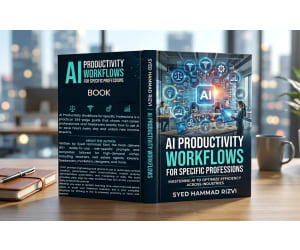
AI Productivity Workflows for Specific Professions Book
Science, Technology, Computer Science, Engineering, Research, Resources for Teachers, Classroom Management, Community Building, Life Studies, Business, Grade 6, 7, 8, 9, 10, 11, 12, Activities, Projects, Teacher Tools, Assessments, Lesson Plans, Outlines, Literacy Readers, Presentations, Workbooks, Worksheets & Printables
The Complete Guide To Using AI In Your Job AI Productivity Workflows for Specific Professions is a more than 394-page, professional resource that includes 90-plus role-specific prompts, templates and step-by-step workflows – all designed to give you the tools needed as a mid-career professional/freelancer working in a high-opportunity, low-competition niche to unlock the potential of AI in your career. AI Productivity Workflows provides practical and professional AI solutions for you in the following professions: - For Teachers: Use AI to create efficiently designed curriculum and personalize instruction. - For Real Estate Agents: Use AI to create search-engine-optimized property listing descriptions and develop virtual tours of properties, helping speed up property sales. - For Freelancers: Use AI to dramatically accelerate the pace at which you can create content and acquire new clients. - For Lawyers: Use AI to virtually automate the majority of your contract drafting and compliance process. - For Creative Professionals: Use generative AI to create amazing designs and branding for your products. Written by Syed Hammad Rizvi (AI Application Architect and AI Product Management Expert at Microsoft), this practical resource contains a wealth of information on key topics, including: - Basics of AI prompt engineering - Ethical use of AI in business - Advanced applications of AI in marketing, finance, HR, project management, data analysis and - Monetizing your AI expertise. This resource is ideal for gig economy and creative professionals who are ready to gain a competitive advantage in their professions starting in and beyond. Reasons Why Parents/Schools Appreciate It: 1) It gives teachers the ability to create adaptive lessons and resources for each individual child by personalizing their education at an increased rate with scalability. 2) It allows teachers to focus on building meaningful relationships with their students and being highly effective teachers by utilizing AI for administrative tasks creating more time in their day. 3) It prepares students for an automated future by providing teachers with tools to assist in classroom instruction as well as provide them with prompt guidance based on student need. 4) It provides measurable school-wide efficiency gains while upholding ethics in artificial intelligence, ensuring the protection of student data, and maintaining academic integrity. 5) It provides schools with affordable and immediately available professional development that enables school personnel to remain competitive without incurring significant costs for outside training. Intended Audience (Level and Age of Students/Class) : This book is geared more towards professional development for teachers than basic beginner students. It has been written as a resource for: Teachers in grades 6-12 who teach Computer Science, Business, Career and Technical Education (CTE), English/Language Arts and more; or any other subject area that includes Artificial Intelligence/digital literacy Higher Education Instructors/ADE Facilitators who teach AI skills, digital entrepreneurship or professional growth and development courses School Administrators & Instructional Coaches - to assist with a school-wide plan for implementing Artificial Intelligence Each chapter that discusses how to use Artificial Intelligence in Education such as curriculum design, personalized learning, assessment and feedback, creating educational content, administrative automation and engaging students has been included to provide teachers with ideas on how they can help their students become proficient as well as knowledgeable about using Artificial Intelligence so they can spend less time teaching and more time helping students achieve success in the classroom. Terms of Use/Copyright: This book is under copyright and ownership of Syed Hammad Rizvi. This resource can only be used in its entirety or in part for a single personal class, including no alterations, redistributing, or selling any part of this resource. This means that you cannot place this resource on the internet where it can be searched/pulled and downloaded by the public. You may wish to share this resource with your colleagues; however, you will need to obtain additional Teachsimple licenses to do so. Thank you for respecting the copyright and terms of use. Syed Hammad Rizvi presents this product with joy.
Author Creative Book Store
Rating
Tags AIForTeachers, AIForRealEstate, AIForFreelancers, AIForLawyers, AIForEducators, AIForMarketers, AIForDesigners, AIForRealEstateAgents, AIForContentCreators, TeacherAI

How Planes and Other Aircraft Fly - Google Slides and PowerPoint Lesson
Science, Technology, Engineering, Grade 6, 7, Presentations, Teacher Tools
This 2-DAY lesson and lab package on How Planes and Other Aircraft Fly begins with a look at the aerodynamic forces which affect flight - Thrust, Drag, Lift and Weight. It then looks at takeoffs, level flight, banking, and landings. It ends with a look at hot Hot Air Balloons and Helicopters fly. The package contains diagrams , examples, and explanations. It includes the lesson (student and teacher versions of the presentation), a Bill Nye the Science Guy Worksheet with Video Link and Answer Key, an inquiry Lab, 8 embedded videos and a student lesson handout as a word document that follows the presentation. Additionally, each resource comes as a Google document or slide which has already been formatted and is ready to upload to your Drive with a single click. In order, the lesson covers: Thrust Propellers Turbo/Jet Engines Rocket Engines Drag Lift Weight Flight Taking Off Flying Banking Landing Hot Air Balloons Helicopters Included in the lesson package is: Google and Office versions of each resource The teacher version of the presentation The student version of the presentation Inquiry Lab on airplane design Bill Nye Worksheet with video link and answer key 8 videos embedded into the presentation The package also contains an inquiry lab on paper airplane design which allows your students to connect what they've learned in class to a real-life application. This lesson includes both Office and Google formats for ALL resources. The presentation is in PowerPoint and Google Slides while all documents contain Word and Google Doc versions. Your resource is perfect for distance learning and integrates seamlessly with Google Classroom as I've included a link that will automatically create a copy of the resources and put them directly into your Google Drive with one click. Purchase --> Open --> Click --> Assign to your students Having both options allows you to use either without worrying about formatting issues as all the work has already been done for you. It safeguards you in case your department or school decides to go Google 100% and allows you as well as your students to access everything no matter where you are or what kind of equipment is being used. -------------------------------------------- The student version of the presentation contains multiple blanks that need to be filled in throughout the lesson. These blanks are conveniently underlined and bolded on the teacher copy. I have found this to be the most effective means of keeping my students engaged and active without having them write everything out. This also leaves more time for discussion and activities. Within my complete Flight Unit you can find the following lesson packages: Lesson 1 - The History and Future of Flight Lesson 2 - How Planes and Other Aircraft Fly Lesson 3 - Improving Flight Lesson 4 - How Living Things Fly Lesson 5 - The Properties of Air Lesson 6 - The Environmental and Social Effects of Airlines I also have a range of assignments and lessons/units from other grade levels at my store. Please CLICK HERE to have a look around and don’t forget to follow if you like what you see.
Author Teach With Fergy
Tags Planes, Aircraft, How Objects Fly, Flight, Aircraft Slides, Paper Airplane Lesson Plan Middle School

How Flight Can Be Improved - Google Slides and PowerPoint Lesson
Science, Technology, Engineering, Grade 7, 8, 9, 10, Presentations, Teacher Tools
How Flight Can Be Improved - Google Slides and PowerPoint Lesson An informative teaching resource designed specifically for grades 7 through 10. The lesson outlines ways to improve upon current flight methods by utilizing diverse aircraft types or refining existing models. Lesson Details Begins with a comparison between helicopters and airplanes. Covers techniques for reducing drag, losing weight, and increasing thrust. Gives an insightful look into the future of aviation with stealth planes, drones, and spacecrafts. Included Resources The lesson comes complete with: Graphic diagrams : These enhance understanding (teacher versions). Vivid examples: Illustrate points made in the content (student versions). Videos: Seven videos that provide comprehensive explanations to supplement learning material. . A student-focused handout: A word document aiming to closely follow the lesson content. Digital Integration & Student Engagement This resource is compatible with Google Drive – featuring well-formatted documents ready for one-click upload. It supports both Office & Google formats eliminating format compatibility issues while allowing access anytime on any device- a perfect tool for distance learning. Beyond presenting information passively, this lesson integrates active learning by getting students engaged in filling out targeted blanks within the presentation slides. These gaps are clearly marked on teacher copies ensuring easy instruction. The Bigger Picture: Flight Unit This rich package forms part of a broader Flight Unit which offers additional lessons on various topics such as: An overview of flight history & future Exploring principles of various aircraft flights Wildlife adaptations for flight Air properties study Deliberations on environmental and social impacts related to airlines. The Takeaway This product is more than a mere 'lesson plan'. With its combination of stimulating ideas, encouraging group participation exercises and fostering independent homework assignments, it aims to broaden students understanding specifically in the realm of science- dealing with the engineering facet of flight.
Author Teach With Fergy
Tags Flight Improvement, Aircraft Types, Reducing Drag, Shedding Weight, Augmenting Thrust

AI for Kids: Understanding Artificial Intelligence Book
Science, Technology, Computer Science, Engineering, Special Resources, Life Skills, Special Education Needs (SEN), STEM, Research, Resources for Teachers, Grade 6, 7, 8, 9, 10, 11, 12, Projects, Activities, Teacher Tools, Assessments, Lesson Plans, Presentations, Literacy Readers, Quizzes and Tests, Quizzes, Tests
Uncover the amazing world of Artificial Intelligence with AI for Kids by Syed Hammad Rizvi – the best easy to read and conceptual book about what AI is for kids! This 315 page long book has no coding requirement; instead, it presents many complicated ideas such as; machine learning, algorithms, deep learning, data patterns, ethical AI & bias, quantum computing, autonomous vehicles, robotics, and The Future of AI (including the singularity and AGI) in an interesting and fun way by using many familiar analogies that can be easily understood (i.e. Lego sorting, riding a bike, master cooks). AI for Kids is perfect for kids who want to learn how Siri, Netflix recommendations, facial recognition, and ChatGPT actually work without any programming or technical knowledge! There are 151 short chapters filled with real-life examples appropriate for children, and the information in these chapters empowers children. The book can be used as a tool to create interest in STEM subjects, or as an educational resource to be used at home, school, in after-school STEM clubs, or at night before bed to build AI literacy and inspire future generations of innovators, ethicists, and thinkers! Keywords: AI, kids, artificial intelligence, machine learning simply explained, neural networks beginners, ethical AI & the future of AI, no coding AI, STEM children 8-14. Here's what Parents & Schools find appealing about this Read: - No technical overwhelm – just follow AI concepts with relatable analogies to make it easy to understand & fun for kids. - Covers every aspect of AI within 151 bite-sized chapters (history, how AI learns, applications in health care, gaming & robotics, ethics, bias, jobs of the future) – this one book replaces the need for many resources. - Build early critical thinking skills and digital citizenship skills by getting children thinking critically about AI choices, identifying biased information, and preparing children for careers related to AI. - Very versatile for classroom/homeschooling use – short chapters, discussion prompts, & real-life examples are well-suited to be used as part of lessons/projects or for independent reading. - Future-proof & aspirational – encourages children to believe they can influence AI positively, while dreaming of careers such as “AI Ethicist" or "Human-AI Team Coordinator." Target Audience (Based on Complete Analysis of Book): The title and content are explicitly created for kids, with simple formats (analogies, short chapters), questions and real-life examples being used throughout all 151 chapters (from basics at Chapter 1 to complex concepts such as singularity, quantum AI, bias, ethics and future impact in the other chapters). The content continually uses easy-to-understand language to help engage kids, even through some of the most trying sections (example of AGI: like a true thinker who could write novels and create music; bias, using the analogy of a warped photograph; and food science using the analogy of a digital chef). While the book does not provide any required ages/grades, the depth of material (differentiating between narrow/general AI, explaining XAI, discussing the predictive policing debate, interdisciplinary teams, and impact on society) and no requirement of coding make it appropriate for children age 8-14 (grades 3-8 / upper elementary and middle school). Younger children (grades 3-5) will enjoy the fun stories and introduction of subject matter, while older children (grades 6-8) will understand the ethical aspects of these technologies and their potential future career opportunities as well as understand how these technologies apply to the real world and benefit society through further learning. This book would be a good resource for homeschoolers, teachers, gifted programs and any student who has an interest in technology. It will be too basic for high school students but will provide a solid foundation and valuable supplemental material. Copyright Terms: This book is protected by copyright as established by Syed Hammad Rizvi. This material is intended for individual use and for use in a single classroom. You cannot modify, distribute, or sell this material. In other words, you can’t post this material online where it has the potential of being found & downloaded by others. If you would like to share this material with teachers, please purchase an additional license from Teachsimple. Thank you for your cooperation with these copyright terms! This product is gratefully provided by Syed Hammad Rizvi.
Author Creative Book Store
Rating
Tags ArtificialIntelligence, STEM, STEMeducation, KidsSTEM, HomeschoolSTEM, TeacherResources, NeuralNetworksForKids, ChatGPTforKids, AIethicsForKids, FutureOfAI

Comparative Fluid Mechanics – PowerPoint Lesson and Student Notes
Science, Technology, Engineering, Grade 8, 9, 10, Presentations, Teacher Tools
Comparative Fluid Mechanics – PowerPoint Lesson and Student Notes An exemplary teaching resource intended for grade 8, 9, and 10 educators specifying in Science or Engineering subjects. Offering a stimulating fusion of visual tools, interactive videos, and textual notes. Program Highlights: A structured PowerPoint presentation composed of illustrative diagrams and real-world examples sprawled over 55 slides. Detailed exploration of fluid dynamics with an introduction to fluid systems. The use of video-based learning. Twelve interactive videos embedded within the PPT itself provide supplementary material for deeper understanding. Inclusion of fill-in-the-blank sections throughout some slides to keep students engaged during lessons. Lesson Materials: An additional student handout mirroring the slide's information- can be used as classwork or homework activities for reinforcement. Presentation Versions: A teacher's version complete with all essential information provided in a visually attractive manner. A student-focused version containing blanks which can be filled out during class discussions. This Comparative Fluid Mechanics teaching resource package comes neatly zipped up ready to download—compatible whether using Mac or PC, no additional software required. A full purchase price refund is assured via PayPal if the product does not meet your expectations. Accessing the embedded videos takes just a simple click on each video player displayed within the slideshow. Multiplicity educational resources available aside from Science and Engineering! The store boasts audiovisual resources tailored to different grade levels with flexibility bearing different teaching styles in mind. Explore creative methods to incite intellectual curiosity and cultivate a conducive learning environment.
Author Teach With Fergy
Tags Fluid Mechanics, Comparative Study, Interactive Learning, PowerPoint Presentation, Student Notes
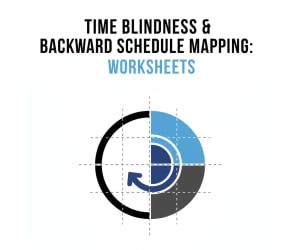
Time Blindness & Backward Schedule Mapping
STEM, Special Resources, Social Skills, Special Education Needs (SEN), Social Emotional Learning (SEL), Life Skills, Science, Technology, Computer Science, Engineering, Grade 6, 7, 8, 9, 10, 11, 12, Worksheets & Printables, Workbooks, Worksheets, Word Searches, Teacher Tools, Lesson Plans, Presentations, Quizzes and Tests, Quizzes, Tests
Does your student/child frequently struggle with procrastination, missing due dates and managing their time? Does it seem that one instant they are sharp/intelligent and then the next it appears they cannot initiate a simple task? These behaviours are not caused by a lack of desire, defiance, or a personality issue. They are often a product of Time Blindness, a legitimate neurological issue in which the brain has difficulty perceiving time passing, especially for adolescents and students with ADHD, autism and other executive function issues. Time Blindness & Backward Schedule Mapping: A Cognitive Intervention Guide is a complete evidence-based, 40-page curriculum designed to give students the expertise required to dominate their time, alleviate anxiety, and recover their academic self-confidence. This product is more than a planner; it is a system that redefines the student’s perception of time. Through the revolutionary technique of Backward Schedule Mapping (BSM), Time Blindness provides a means of making time a definable, visually perceptible, and manageable resource rather than an abstract and anxiety-producing adversarial force. The resource is a comprehensive toolkit that spans three phases made for school personnel, family members, and people who coach children on improving executive functions. PHASE 1: CORE PARTS AND THEORIES OF INDEPENDENTLY FUNCTIONING FOR YOUR STUDENT OR CHILD. The neuroscience of "time blindness" - why does this happen to adolescents? Explains how adolescent brains are wired, how dopamine impacts the brain, and why regular planning does not work for this age group (or any). The anatomy of backward schedule mapping - explains what backward schedule mapping is and goes through the 4-phase process, including anchor points, sub-task deconstruction, and the "Pessimism Multiplier." How to use backward mapping in real-life examples or case studies (i.e., 7th-grade terrarium project, 9th-grade morning routine, and 10th-grade perfectionist's study schedule). PHASE 2: FILLABLE WORKBOOK FOR THE STUDENT (10 Physical Worksheets to Use with Your Student or Child). Students will go from the theory of backward mapping to the practical application of backward mapping by completing worksheets for each of the following: Time Perception Audit; Calibration of Estimations; Deconstructing Deadlines; Identifying "Time Thieves"; Engineering Buffer Zones; and Backward Mapping for Daily Routines, Extracurricular Activities, and Long-Term Projects. Finally, students will take what was learned in each of the previous worksheets and will develop a plan for contingency planning and how to self-advocate when things do not go as planned in their lives. Section 3: Resources and Change Agents for Teachers Visual Frameworks for Teachers: 3 powerful visuals to utilize as cognitive anchorage for: The Temporal Distortion Cycle, Backward Schedule Mapping Protocol, and Temporal Horizon Discrepancy Comprehensive Answer Key: Detailed answers and pedagogical insights to aid in instruction and locate specific areas of difficulty for a student Teacher Implementation Guide: Step-by-step guide with facilitation scripts, differentiation strategies for students who may feel overloaded and practical tools for success (e.g. Sticky Note Timelines) Define: Who Is This For? - Middle & High School Students (Grades 6-10+) - Students With ADHD, Autism, and/or Executive Function Challenges - Chronic Procrastinators & Perfectionists - Special Education Teachers, School Counselors, and Psychologists - Coaches, Tutors, and Parents Who Homeschool Their Own Child, and any Parent Who Wants to Empower Their Child With Lifelong Skills End the cycle of late-night panic and academic shame - Transform Your Students From Passive Spectators to Active Creators of Their Own Success by Downloading This Entire Product and Building a New Way to Achieve Successful Outcomes Today! Search Terms: Executive Functioning Skills, Time Management Resources for Teens, ADHD Strategies, Study Skills, Backward Planning, Procrastination, Middle School, High School, Special Education, Neurodivergent, Student Workbooks, Teacher Guides, Social-Emotional Learning (SEL), Time Blindness. What Makes Parents & Schools Like It: Promotes Empathy - Decreases Conflict: "Laziness" is redefined by the lens of brain-based neuroscience (due to "Time Blindness") which provides educators and parents a fresh and compassionate perspective while alleviating the amount of friction they may have with students. Practical Application - Concrete Tools - This is not a theoretical-based item, but rather provides students with a step-by-step and hands-on plan they could implement immediately using the 10 worksheets included in the student workbook, for both academic and personal tasks. Authentic Independence - Rather than managing schedules, the curriculum will teach students how to use metacognitive skills to manage their own time - a critical life skill necessary for high school, college and adulthood! Cognitive Science Based - Through the use of brain-based neuroscience and psychology concepts (i.e., temporal discounting, planning fallacy), the curriculum has an established track record and the strategies provided are designed to work as how your adolescent brain functions. Simple to Implement - With a complete answer key, visual supports, and a comprehensive Teacher Implementation Guide (including differentiation strategies/implementation scripts), educators will have the tools they need to successfully implement the curriculum with confidence and effectiveness. Audience Target Analysis: From my short description above on the Audience of this document, as well as from the content itself, your primary target audience is as follows: Students in Grade 6 through Grade 10. Contained within this graphic is the window of time where the academic scaffolding has been removed and executive functions begin to be called on by students. The examples and case studies provided can easily be related to both the age group of the target audience and in this age group with respect to specific challenges (long term projects, morning routines and balancing academics and sports). Also among your target audience will be everyone who helps work with students in this grade level including: • Special Education Teachers & Intervention Specialists • School Counselors/Therapists/Psychologists • Executive Functioning Coaches and Tutors • General Education Teachers (English, History, Science - anyone assigning assignments/projects which require multiple steps). • Parents (especially those who are homeschooling children, or parents of children diagnosed with ADHD or Autism). Copyright/Terms of Use: Copyright of this book is Syed Hammad Rizvi. This work is for personal use and for use in individual classrooms only. You may not make changes, resell or redistribute this work. To put it simply, you may not post it online for anyone else to find and download. If you would like to share this work with your coworkers, please purchase additional licenses through Teachsimple. Thank you for adhering to these terms. Syed Hammad Rizvi brings you this product with joy!
Author Creative Book Store
Rating
Tags TimeManagement, ExecutiveFunction, Procrastination, StudySkills, ADHD, Neurodivergent, SpecialEducation, Education, Learning, StudentSuccess

Generative AI Ethics, Deepfakes & Responsible Use Case Studies
Science, Technology, Computer Science, Engineering, Research, Resources for Teachers, Classroom Management, STEM, ELA, Language Development, Grade 6, 7, 8, 9, 10, 11, 12, Worksheets & Printables, Workbooks, Worksheets, Word Searches, Writing Prompts, Teacher Tools, Lesson Plans, Presentations, Outlines, Quizzes and Tests
The complete high school curriculum is prepared and provides an interactive exploration of the topic of ethics in generative AI; deepfakes; responsible use of synthetic media; and provides a thorough introduction to how synthetic media works (to be used by all of our student participants in grades 9-12). The curriculum includes an academic overview of Synthetic Media architecture; multiple chapters for deepfake discussion/analysis; Copyright/Author status; algorithmic bias and epistemic security/provability protocols regarding the use of synthetic media. In addition, there are ten practical, complete, and interactive worksheets for active, individual student participation that have real examples, such as "the Synthesized Senator," "Med-Synthetica Diagnostic Bias," "Voice Cloning," "Influencer Avatars," etc. The students have to complete fill-in-the-blank terminology exercises, scenario analyses, and ethical synthesis prompts that promote critical thinking, media literacy, and digital citizenship skill acquisition. There is also the following in the resource book: (conceptual visual diagrams [mind maps, escalation matrices, process flows], a comprehensive answer key with notes for teachers and benchmarks for mastery) and a detailed teacher guide with pedagogical strategies, assessment tools (rubrics) and teaching protocols. This curriculum is also perfect for English/Language Arts, Social Studies, Computer Science, Digital Literacy, or elective Technology & Ethics classes. This resource is an instant digital download and requires no prep time. Give your students the information they need to be responsible in their use of AI and the topics related to ethics regarding the generative technology called "deepfake." Parents/Schools Appreciate It Because: Essential 21st century skills are being taught through critical thinking, verifying media sources & making ethical choices in dealing with misinformation & threats from deep-fakes and counterfeit media, thereby counteracting those very problems. Students remain engaged while staying motivated to learn by using real-world examples of ethical & responsible use of technology through use of case studies/workheets. The format requires zero preparation & can be easily implemented by teachers; includes lesson plans, case studies, worksheets, visuals, answer keys, teacher’s implementation guide (in pdf format). Responsible use of artificial intelligence & digital stewardship is promoted through use of technology in an aligned manner with modern school standards regarding digital citizenship/social-emotional learning. Materials are flexible in nature so can be used across multiple curriculum areas & for hybrid & remote learning situations. Based on a complete analysis of the submitted PDF, the target audience for this document are Students in grades 9-12 (age 14-18). This project is most suited for high school students enrolled in the following classes: - English/Language Arts or Media Literacy - Social Studies/Civics/Government - Computer Science/Digital Citizenship/Technology and Society - Ethics/Philosophy/STEM/STEAM The majority of the content is age appropriate for students and offers academically challenging material using fictional case studies that are relatable to a student's experience (there are no graphic illustrations or inappropriate material) on real-world current events such as misinformation, bias, copyright, and consent regarding the use of generative AI technology. "Terms & Copyright of Use": This resource has been copyrighted by Syed Hammad Rizvi. Personal use/Single-use in a classroom only. You may NOT change, share or sell this resource. i.e You may NOT post this on the Internet for others to search for/download. If you want to share this resource with other people in your school or district purchase additional copies through Teachsimple. Thank you for your cooperation. This product is provided to you by Syed Hammad Rizvi
Author Creative Book Store
Rating
Tags AIEthics, Deepfakes, GenerativeAI, SyntheticMedia, AI Ethics, DeepfakeAwareness, AIEthicsCurriculum, DeepfakesLessonPlans, GenerativeAIEthics, SyntheticMediaEthics
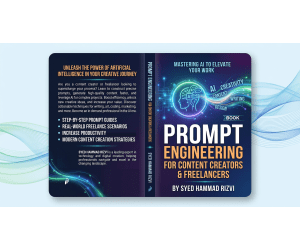
Prompt Engineering for Content Creators & Freelancers Book
Science, Technology, Computer Science, Engineering, Resources for Teachers, Classroom Management, Research, Basic Science, Special Resources, Special Education Needs (SEN), Homeschool Curriculum, Homeschool Templates, Grade 9, 10, 11, 12, Projects, Activities, Experiments, Labs, Teacher Tools, Lesson Plans, Presentations, Assessments, Workbooks, Worksheets & Printables
Utilize AI to its largest extent while becoming a successful content creation business with the Ultimate Guide to Prompt Engineering. This book has been designed specifically for freelancers, digital entrepreneurs, and business service providers aged from twenty-two up through forty. By leveraging AI tools such as ChatGPT, Claude, and Gemini, you will learn how to increase your output by ten times; decrease content creation time by as much as sixty percent; and establish a sustainable, scalable income by creating engaging, informative content that drives traffic to your site. You will learn how to apply the Six-Component Framework for developing flawless prompts, as well as several advanced techniques (attributed to Steve Bidstrup) that allow a creator to express their brand's voice (Chain of Thought and Few-Shot) to produce business-specific content (Twitter/X, YouTube Channel, LinkedIn Page, Instagram Account, Email Newsletter) using case study examples illustrating how content creators such as Sarah and Marcus accomplished their respective businesses by utilizing the techniques contained within this book, while also reducing the total amount of hours worked per week by three. In addition, you will receive a complete thirty-day implementation guide; prompt templates that can be reused; and an ethics guide that will assist in the preservation of your current skill set. If your business model includes selling content services, a newsletter, and managing multiple social channels, then this guide will provide you with an unfair advantage in the modern AI-powered creation economy. You will no longer be required to wrestle with one-size-fits-all AI-generated materials; rather, you will engineer materials that drive commitment, conversion, and cash. Noteworthy Characteristics: The Reliable Six-Component Prompting System To Create Professional Grade AI Results. Site-Specific Prompting Formats and Guidelines for Most Major Platforms such as Twitter, Linked_in, Youtube, Instagram, And Email. Chain Of Thought And Few Shot Methods To Match Your “Real Voice” Exactly. A Full 30 Day Plan For Implementing Once You Have Laid Your Foundations -- To Finally Become Masterful At Using AI. Turnkey Productivity Systems that Will Give You Back 15-20 Hours A Week To Do Core Tasks. Monetization Strategies For Freelancers to Help Scale Their Service Offerings And Prevent From Getting Burned Out. An Ethics System Which Includes A Checklist For Quality Gatekeeping, So You Can Maintain Trust And Credibility As An AI User. Parents/Schools Appreciate It Because: Future-Proofed Career Skills. Students get hands-on experience communicating using AI, an in-demand skill regardless of career path, with a 30-day strategy to turn theoretical knowledge into applicable real-world knowledge through practical experience. Promoting the Ethical Use of AI. This book teaches the ethical and transparent use of AI via its dedicated chapter to ethics and quality gate systems, which enable students to avoid absences and misinformation, eliminate diluted voices, and understand how to leverage AI responsibly. Saving Time for Educators. This book contains pre-prompted library & system tools for educational institutions to utilize as time-savings in lesson plan creation while also modeling how to use AI to create an efficient workflow. Supporting Multidisciplinary & Cross-Curricular Learning. The content relates to English, business, technology, and media classes, representing an adaptable resource to support project-based learning and cross-curricular integration opportunities. Enhancing School Program Engagement and Revenue. It includes a strong emphasis on monetization and scaling of freelance businesses, resulting in veritable economic impact on career-tech programs, providing attractiveness for parents and school districts concerned with job placement readiness. Determine Which Students/Classrooms Are Targeted : This book is written with a professional audience in mind (22-40 yrs old), so your focus should be on post-secondary and professional development settings. Ideal audiences would be: Corporations and Universities Offering Courses in Digital Marketing, Media Creation, Journalism, Communications, Entrepreneurship and Business– Can be Contributed To As Either Textbook Or Suggested Reading For Any Course Of Study Related to Digital Strategy, Applications of AI in Business and/or Online Monetization Of Content. Vocational Training Certificates in Freelance Writing, Social Media Management, Digital Entrepreneurship and AI Literacy. Professional Development Workshops For Freelancers, Marketing Teams, Business Owners Who Want To Improve Their Skill Sets. High School Electives (Grades 11-12) Involved with Media Studies, Tech, Business or Career Readiness –Content Is Constructed Accessible With An Older Teenager Mindset(Preparing For The Digital Workforce). Use This Resource As An Add-On To Your Career Readiness Curriculums Provided By Business/Tech Teachers To High Schools Or As A PD Tool To Educators Who Want To Leverage AI In Their Content Creation. This book is written and published by Syed Hammad Rizvi, with exclusive copyright. This book can only be used individually (by one person) and in a class (by one class), and you cannot make any changes or distribute this book; that is, you cannot put the book on the internet or make it accessible. In order for you to share this book with your coworkers means you need to buy additional licenses to be able to share or give your coworkers. I want to express my sincere thanks to you for adhering to these guidelines of use as I truly appreciate you doing so. This product is made available to you through Syed Hammad Rizvi.
Author Creative Book Store
Rating
Tags PromptEngineering, AIContentCreation, ContentCreator, FreelancerLife, AItools, ChatGPT, ClaudeAI, DigitalProduct, CreatorEconomy, ContentMarketing

INTERACTIVE PPT QUIZ | CODING VOCABULARY
STEM, Vocabulary, Language Development, ELA, Technology, Science, Computer Science, Engineering, Adult Education, Early Learning, Elementary, High School, Homeschool Resources, Middle School, Not Grade Specific, Presentations, Teacher Tools, Quizzes and Tests
INTERACTIVE PPT QUIZ | CODING VOCABULARY Grade Level: Grade 3 Subject Category: 🧠 STEM Topic: Coding Vocabulary (Beginner) Difficulty: Easy MAIN INFORMATION: What is the full title of the product? This fabulous educational resource is titled: How many pages or items does it include in total? This educational compilation contains the following number of pages: What format is it in (digital, printable, PDF, A4, letter)? This fun and engaging resource is designed in A4 format and has been converted to PDF, making it easy to use and carry anywhere. Is the design in full color, black and white, or mixed? This document includes both black and white and color versions, making it more creative and appealing. You also have the freedom to print it in whichever style you prefer. What type of material is it (book, workbook, activity pack, posters, flashcards)? EDITORIAL LAURA EDUCA creates a variety of materials such as packs, worksheets, games, and assessments. This resource belongs to one of those categories. DOWNLOAD TOO THESE RESOURCES: SPANISH TEST: https://teachsimple.com/product/free-spanish-test-of-spanish-level-3-free-pages SPANISH TEST "EL ARTICULO": https://teachsimple.com/product/free-spanish-test-el-articulo-3-pages SPANISH TEST "EL VERBO": https://teachsimple.com/product/free-spanish-test-el-verbo-10-questions SECONDARY AND EXTRA INFORMATION: What subject or area does it cover? This educational document covers basic knowledge areas all students should have, such as math and literacy. What skills or competencies does it develop? Thanks to this fabulous resource, students will first be able to develop their knowledge, attention, and concentration. Who can use it (teachers, parents, therapists, students)? This document can be adapted according to the person using it. If you’re a teacher, you can use it; if you do homeschooling, you can also use it. Therapists can use it for students with learning difficulties, and even self-learners will find it very useful. ABOUT THE AUTHOR: At EDITORIAL LAURA EDUCA, we work every day to create educational materials that turn learning into a fun game. Our mission is for every child to enjoy the process of learning. Visit my educational store and discover all the resources we have ready for you.
Author EDITORIAL LAURA EDUCA
Rating
Tags FREE, FREE RESOURCES, INTERACTIVE QUIZ, PPT, PPT QUIZ, CODING, VOCABULARY, TECHNOLOGY, CODE
What is Electricity Presentation
Science, Technology, Engineering, Grade 4, 5, 6, 7, 8, 9, 10, 11, Presentations, Teacher Tools
What is Electricity Presentation: An Educational Resource The What is Electricity Presentation is an all-encompassing teaching resource devised for educators at different stages of instruction, inclusive of public school teachers and home educators. The presentation offers a profound exploration of electricity dynamics, elucidating the complex mechanisms behind how electricity travels through a circuit. The presentation aims to demystify electrical concepts for students from upper-elementary up until high-school (Grade 4 - Grade 11), vividly depicting electron movement within circuits and the resultant generation of electricity. This extensive explanation goes beyond fundamental concepts by introducing subjects like Energy, Law of Conservation energy, Electrical Energy, as well parsing down atomic constituents into Electrons, Protons, and Neutrons. Closed Circuits vs Open Circuits The understanding of closed circuits compared to open circuits forms a crucial aspect woven into this comprehensive narrative presented in our 21-slide PowerPoint lesson resource. Crafted thoughtfully to simplify subjects like Science and Engineering into easily digestible chunks thereby significantly aiding student comprehension. Presentation Advantages & Adaptability Versatile:This tool's design combined with Google Slide format's flexibility allows it to be adapted across various education applications in your classroom or homeschool setup. All-Inclusive: This versatile tool can also be effectively utilized for group instruction providing essential foundations on electricity principles. Dedicated Learning:This presentation can also be efficiently leveraged in smaller focus groups directed towards learners needing additional assistance understanding these unique electrical concepts. Educator Preparation: In allowing teachers to use this tool independently to prepare materials or simply assign the content directly to students for self-guided learning or homework requirements, our tool significantly amplifies educational productivity. Inspiration via Information! Our ultimate objective with the 'What is Electricity Presentation' is not only to inform students but spark their innate curiosity about the electrifying world they are part of!
Author WhyMaker
Tags Electricity Dynamics, Circuit Process, Energy Conservation, Atom Components, Closed And Open Circuits