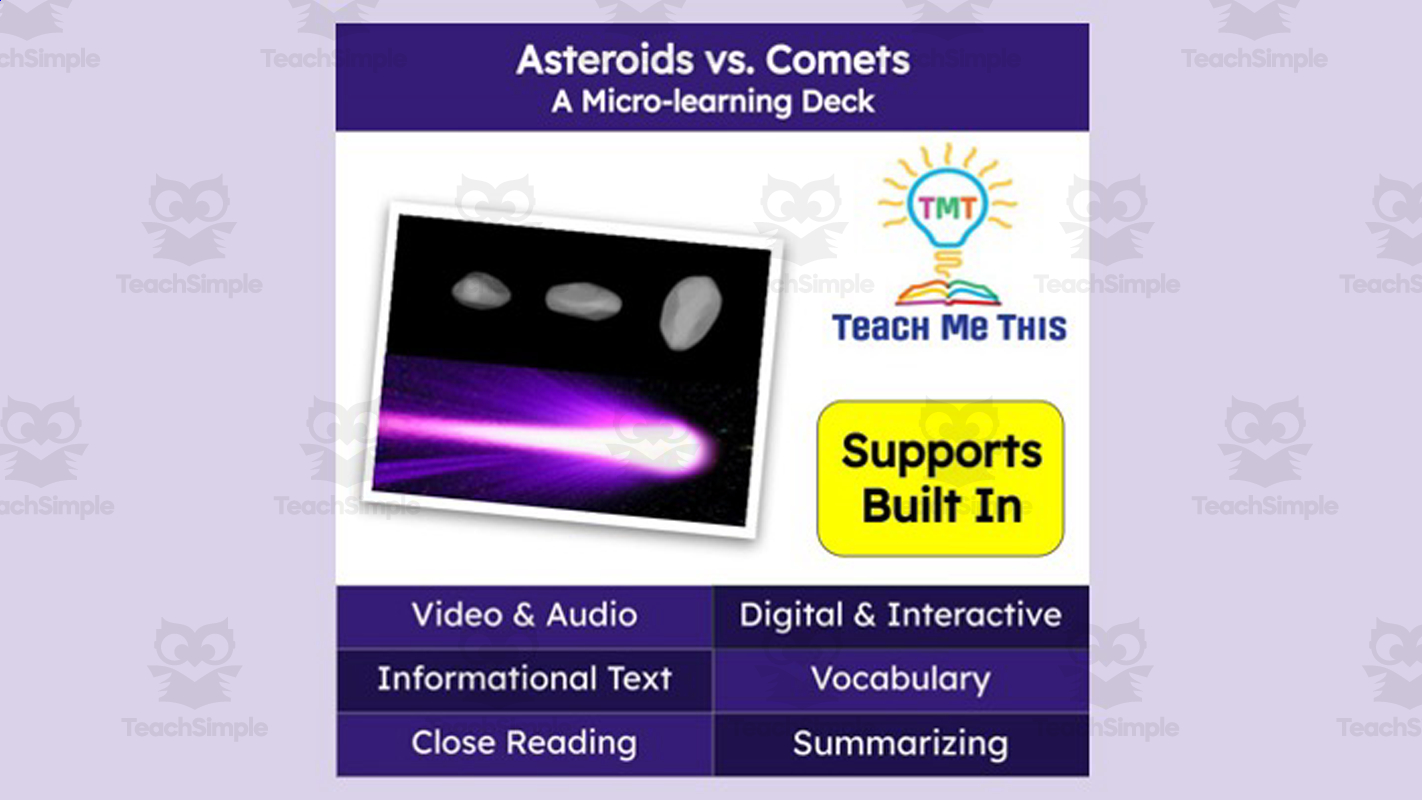
Asteroids and Comets | Interactive Science Lesson | Micro-Learning Deck
Interactive slide-deck science lesson teaching the differences between asteroids and comets through a reading passage, vocabulary, and comprehension activities.
Classroom resources
Space Presentations bring the wonders of the universe into your classroom. These resources can cover topics like the solar system, galaxies, black holes, and human space exploration. By using vivid imagery and up-to-date information, you captivate students' imaginations. Space Presentations are perfect for science lessons and can be integrated with subjects like math and history. Ignite a passion for astronomy and discovery with these stellar presentations.
Browse by lesson focus
Choose the topic or kind of practice you need.
Interactive slide-deck science lesson teaching the differences between asteroids and comets through a reading passage, vocabulary, and comprehension activities.
A multi-day Earth and Space Science lesson package on celestial objects (the sun and other stars, planets, moons, asteroids/comets, meteoroids/meteors/meteorites, the Milky Way and other galaxies, interstellar medium), delivered as a fill-in-the-blank guided-notes presentation for secondary students.
The lesson places Kepler’s laws alongside earlier models of planetary motion and introduces the vocabulary used to describe an orbit. Teacher and student versions support a fill-in lesson routine, with a matching outline for note-taking. Use the supplied resource-link page to plan video pauses and return to the orbit diagrams when students explain each law.
A slide-based lesson that builds students' understanding of how astronomers measure vast distances in space, introducing kilometers, astronomical units, light years, and parsecs.
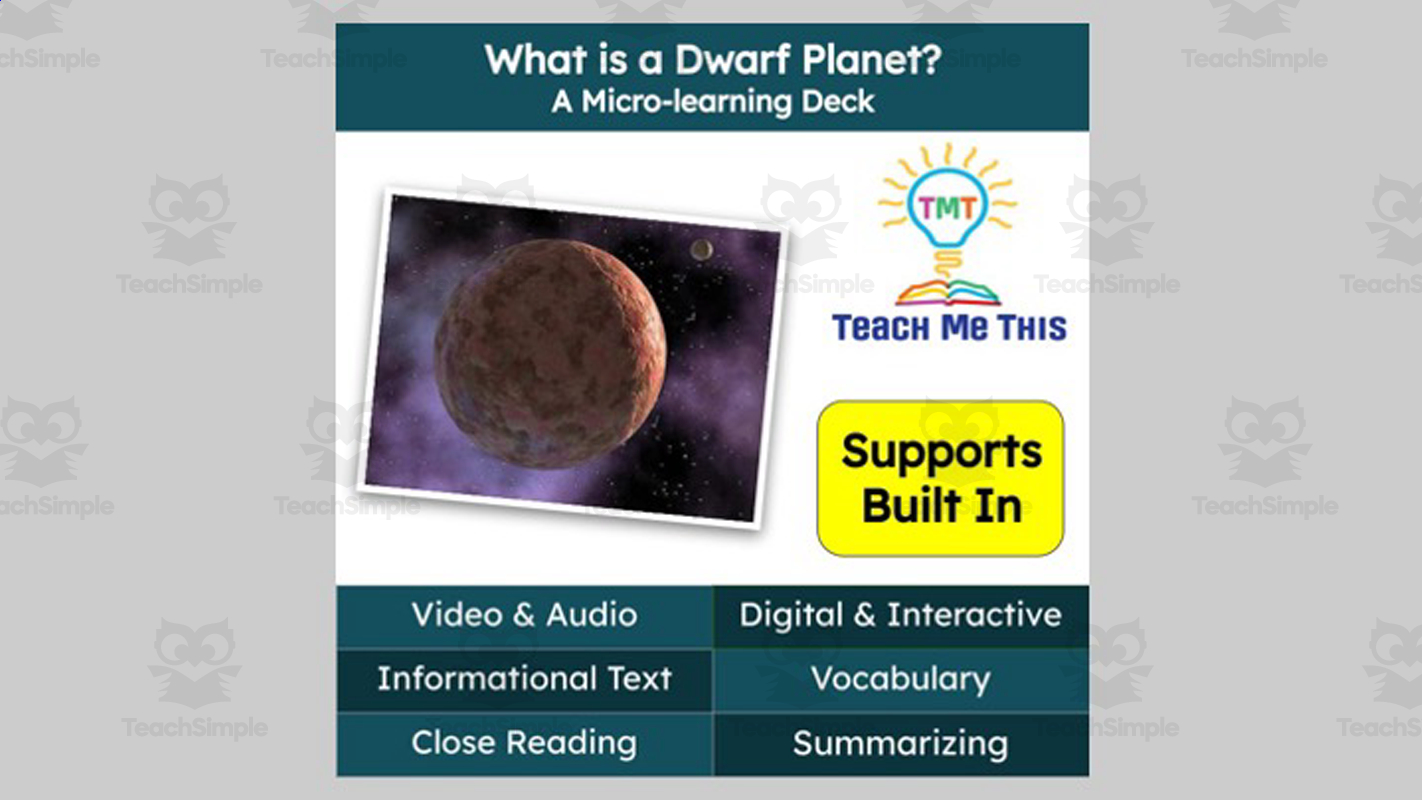
Teach informational science content about dwarf planets (definition, characteristics, and the Dawn Mission) through a reading passage, vocabulary matching, fill-in-the-blank comprehension, and a summary-writing activity.
Force: Gravity and our Solar System- FLASH-MAC FLASH-MAC is an interactive teaching resource that conveys the principles of gravity with particular attention to its effect on our solar system.
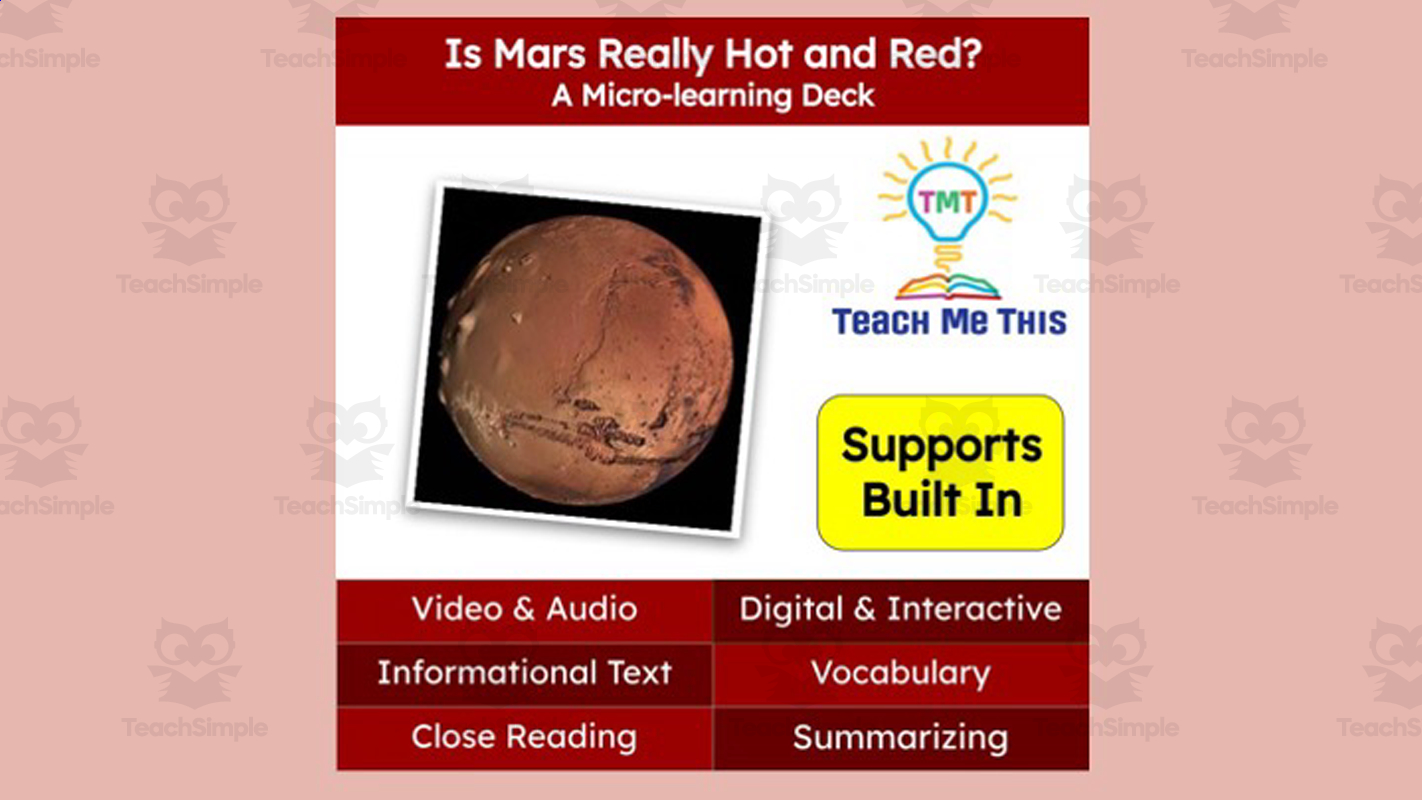
A micro-learning digital slideshow lesson teaching whether Mars is really hot and red, covering Mars' temperature, atmosphere, and surface color/composition, while building close reading, vocabulary, and summarizing skills.
``` Solar System: Asteroids, Meteors & Comets - FLASH-PC This is a comprehensive teaching resource designed to help students understand the intricate parts of our solar system including asteroids, meteors, and comets.
Solar System: Constellations & Legends - FLASH-MAC An integral resource for educators interested in broadening their students’ understanding of astronomy, this tool aligns with both Common Core State Standards and Bloom's Taxonomy…
A brief informative slide presentation on the universe, galaxies, stars, and constellations for upper-elementary science instruction on outer space.
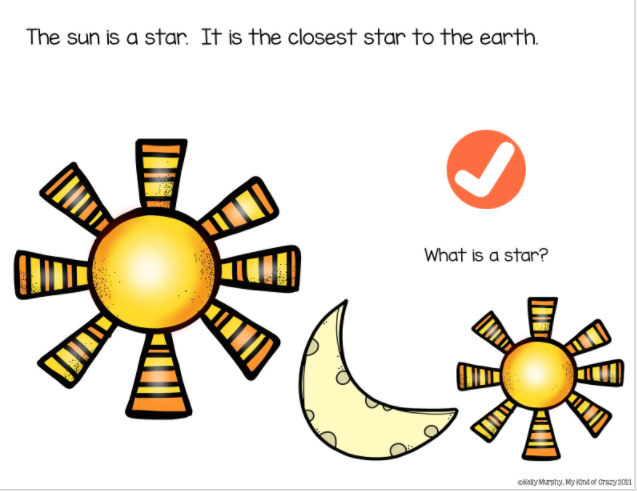
The Sun Adapted Book - Google Slide The Sun Adapted Book - Google Slide is an expertly designed online workbook that serves as a supplementary resource for Educators, Pre-K Teachers, Kindergarten Teachers, First Grade Teachers and Special…
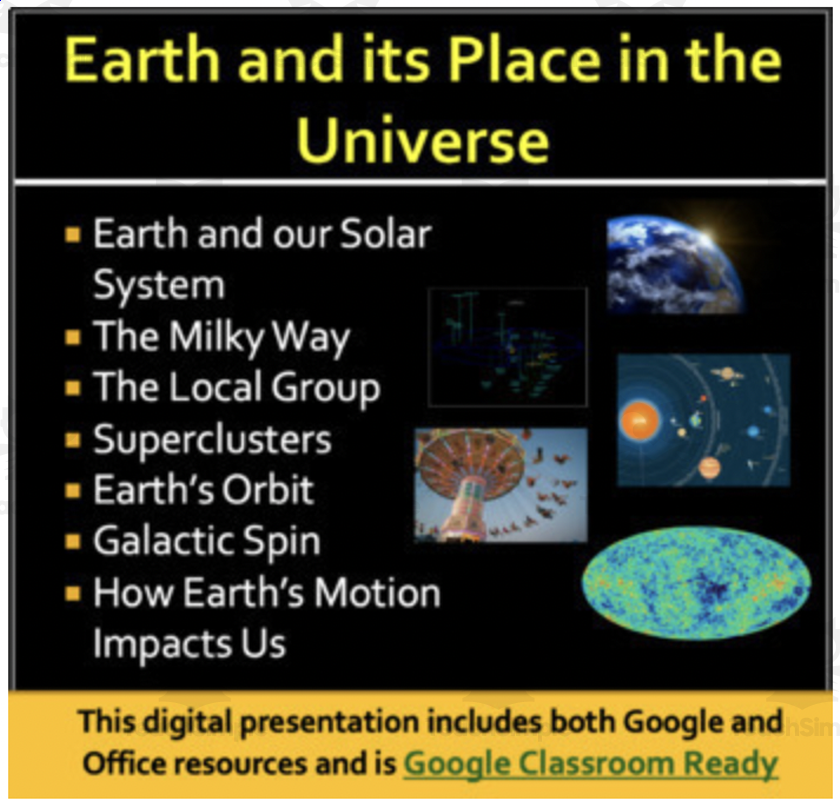
A one-to-two-day senior Earth and Space Science lesson explaining Earth's place in the universe: the solar system, the Milky Way, the Local Group, superclusters, galactic motion, and dark matter.
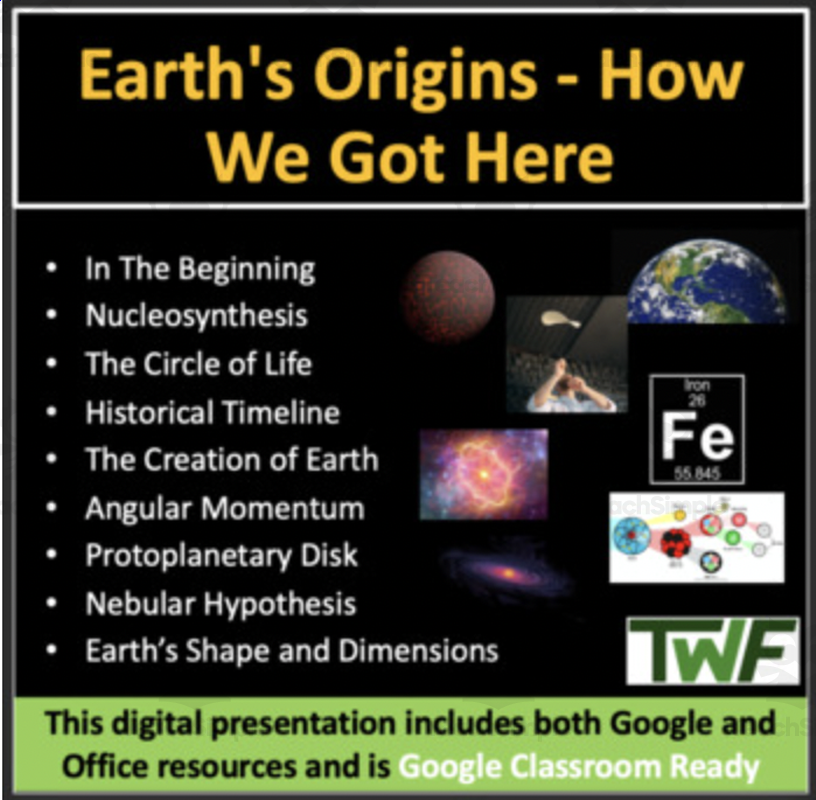
A slide-based lesson explaining the scientific origin of the elements, the solar system, and Earth (nucleosynthesis, angular momentum, protoplanetary disk, and the nebular hypothesis) for secondary science students.
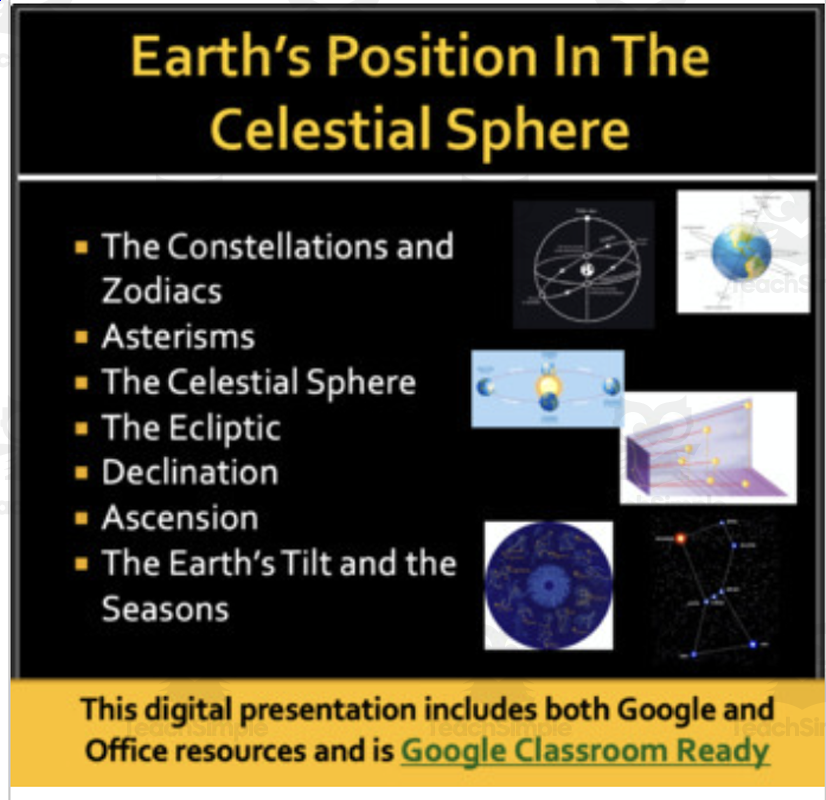
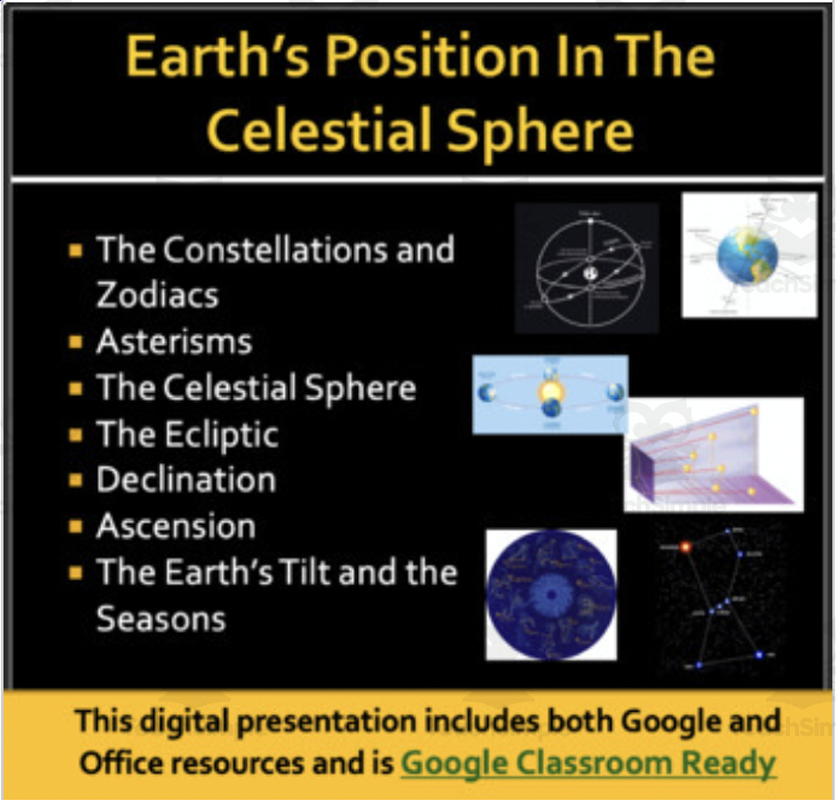
A high-school Earth and Space Science presentation lesson on the celestial sphere: constellations, asterisms, the ecliptic, declination, right ascension, and how Earth's tilt causes the seasons.
A high-school Earth and Space Science lesson package on the celestial sphere: constellations, asterisms, the ecliptic, declination, right ascension, and how Earth's tilt causes the seasons.
A high-school astronomy lesson package on galaxies, asteroids, meteors/meteorites, comets, and the expansion of the universe, combining a slide presentation with video-based inquiry activities.
Teaches Kepler's three laws of planetary motion and the historical progression from geocentric to heliocentric models, for high school earth/space science.
A 14-slide interactive micro-learning deck (informational text, close reading, reading level 6.1) teaching about moons in our solar system, including Saturn's moon Titan.
Teach high school (grade 9-12) astronomy students the structure of the solar system from the Sun through the Oort Cloud, for use across a multi-day lesson.
An interactive digital micro-learning slide deck that teaches what a solar eclipse is through an informational reading passage, vocabulary, close reading, and a summary writing activity.
Solar System: Constellations - FLASH-PC A comprehensive digital teaching resource for Grades 5 to 8 Science educators focusing on Astronomy. This tool allows an engaging exploration of the Solar System and Constellations.
Solar System: Introduction to the Solar System - FLASH-PC An exciting educational resource for educators looking to introduce their students to our remarkable solar system.
Solar System: The Inner Planets - FLASH-PC An invaluable resource tailored to facilitate a deeper understanding of the inner planets in our awe-inspiring solar system.
Solar System: The Moon - FLASH-PC Solar System: The Moon - FLASH-PC is a teaching resource designed to make solar system education accessible for students, focussing specifically on 'The Moon'.