Inventions of the Industrial Revolution Guide and Worksheet




About This Product
The Industrial Revolution, often categorized into the First Industrial Revolution and Second Industrial Revolution, marked a transitional phase in the global economy towards more extensive, efficient, and consistent manufacturing methods, following the Second Agricultural Revolution. Initiating in Great Britain circa 1760, the Industrial Revolution extended to continental Europe and the United States by approximately 1840. This shift involved moving from manual production techniques to machinery; novel chemical manufacturing and iron production methods; a greater reliance on water and steam power; the creation of machine tools; and the emergence of the mechanized factory system. Production significantly surged, leading to an unparalleled increase in both population and the pace of population growth. The textile sector was the pioneer in adopting modern manufacturing techniques, making textiles the leading industry regarding employment, output value, and capital investment.
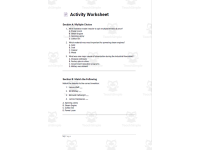
This handy ebook will help you teach your students about the Industrial Revolution. It contains facts, plenty of activities, the students' printable worksheet, and the relevant answer key at the end.
Resource Tags
0 Reviews
Check out these other great products