Types of movement a skeleton can produce


About This Product
Discovering the Wonders of Human Body Movement with "Types of Movement a Skeleton Can Produce"
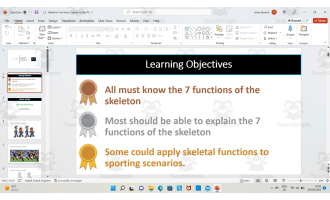
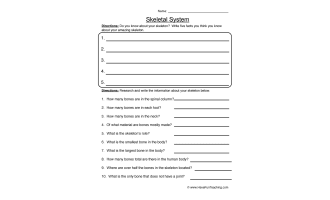
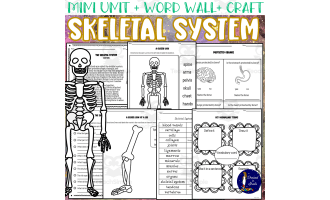
Immerse in a comprehensive exploration into human body movement with our teaching resource, "Types of Movement a Skeleton Can Produce". Crafted meticulously to elucidate the fascinating process behind skeletal articulations and their implications in sports, this resource provides a full-fledged 26 slide Microsoft PowerPoint lesson plan.
This lesson plan pivots around discerning movements that major joints in our body can perform. Packed with scientific depth yet cloaked in simplicity, it unveils the complex mechanics of our body's movements such as:
- Flexion
- Extension
- Abduction
- Adduction
- Rotation
Aimed at Students from Grades 8-11
The key learning objectives presented are designated for students between Grade 8-11. From this meticulous assignment on joint actions at major junctions within our bodies, students will secure firm foundation that smoothens their journey into deeper realms of not just human anatomy but various other sub-fields within science. Moreover, it doesn't stop here! A majority will learn how to associate these joint actions with sports activities. Armed with better comprehension about their physical abilities might help future athletes enhance their performance. As for its integration into your curriculum: flexibility is king! Be it whole group instruction during classroom time aiming to unsnarl intricate concepts or small group engagement nurturing collaborative learning opportunities. Or assign it as homework for self-paced study or even distribute as review material preceding exams!
Let’s unravel the magic under our skin using “Types Of Movement A Skeleton Can Produce”, because understanding how we move is indeed an imperative step towards grasping what makes us truly human!What's Included
26 Slide PowerPoint Lesson Presentation
0 Reviews
Check out these other great products