4th Grade Writing Rubric Bundle – With Checklists
- Grades
- Grade 4
- Pages
- 24
- File type
- Microsoft PowerPoint
- Editable
- Yes


- Subject
- ELA, Writing
- Topic
- Grade 4 writing rubric, Narrative rubric
- Resource types
- Rubrics, Assessments
- Editable
- Yes
- Standards
- CCSS.W.4.5
Product description
From the author
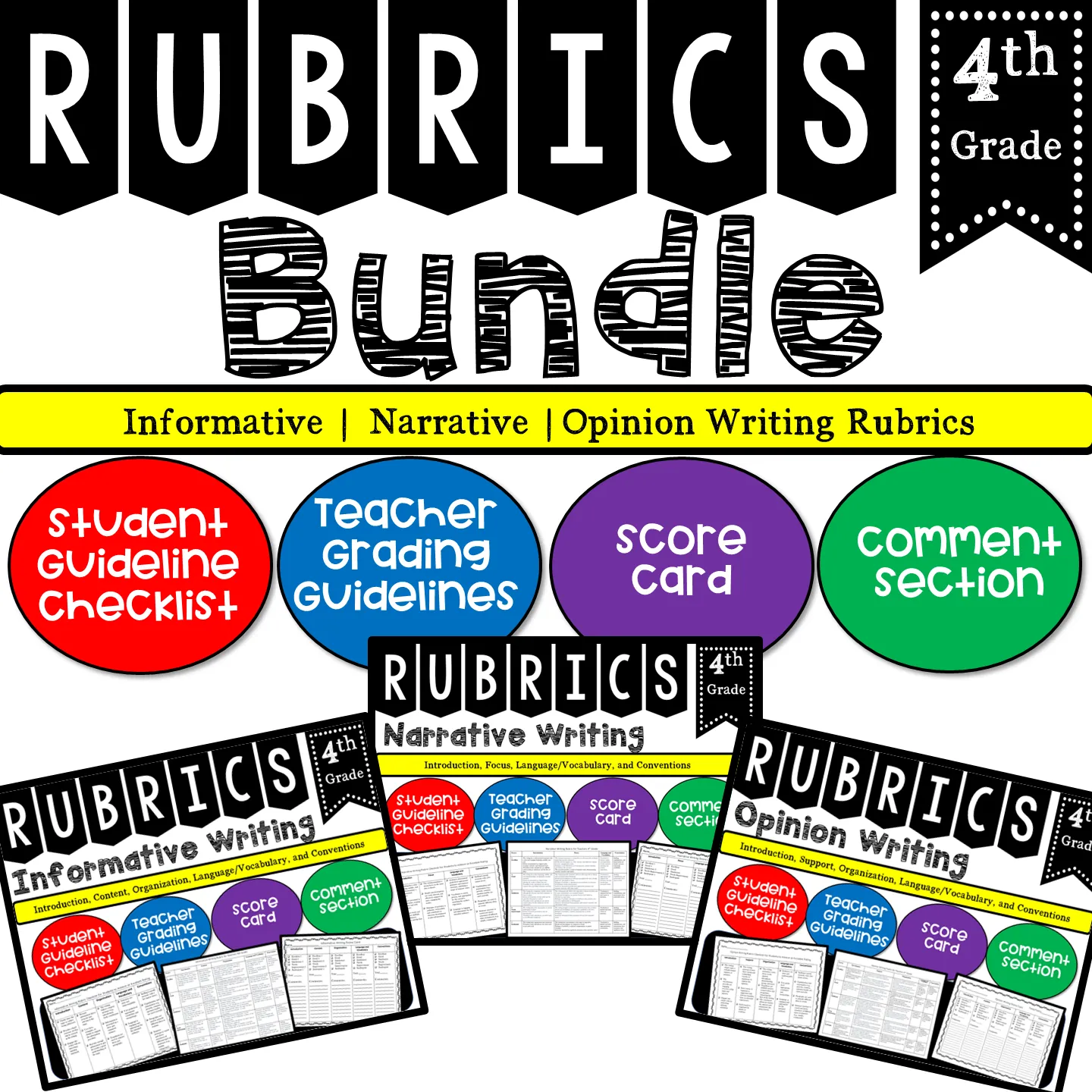
Writing Rubrics and Checklists for 4th Grade.
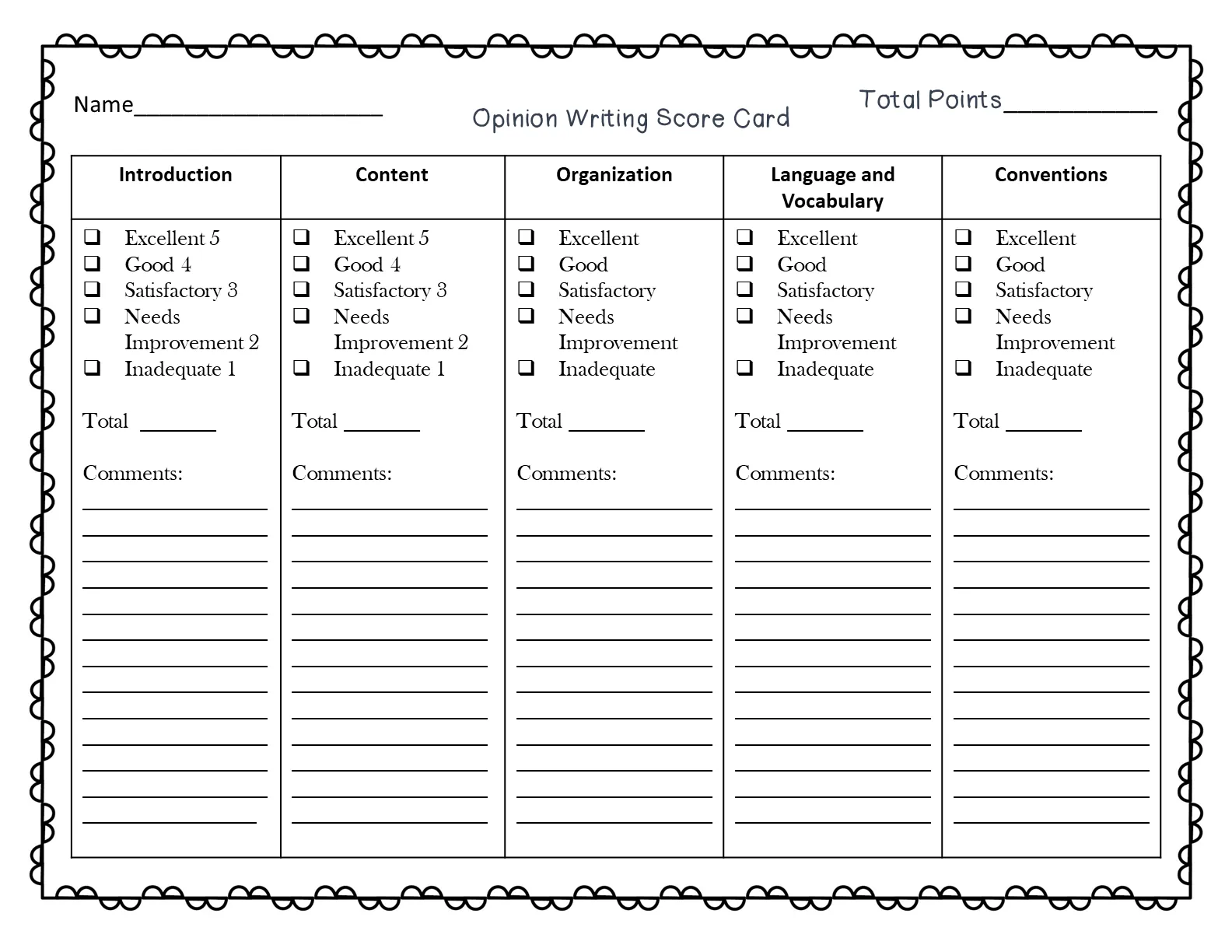
This 24-page writing rubric bundle assists 4th grade students and teachers during informative, narrative, and opinion writing assignments.
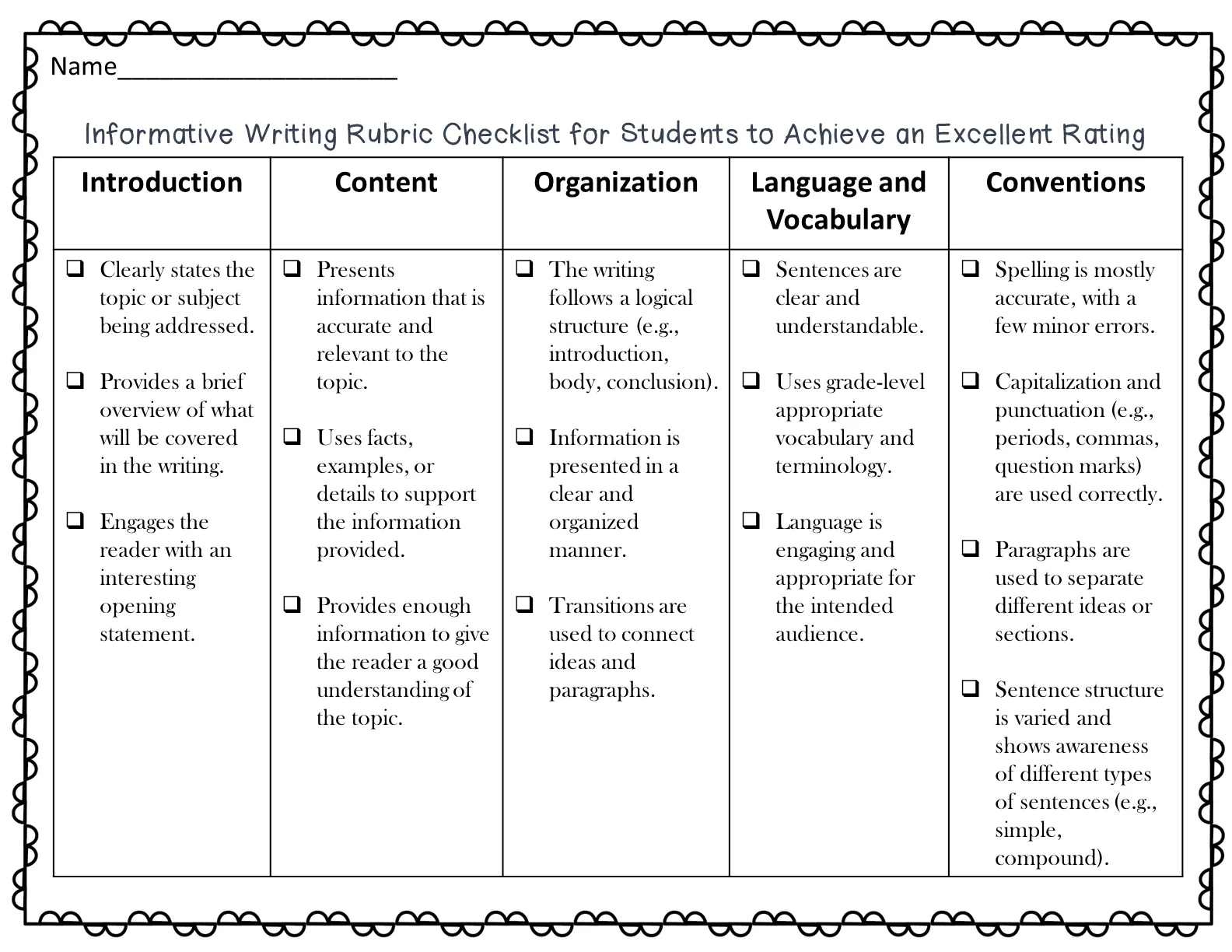
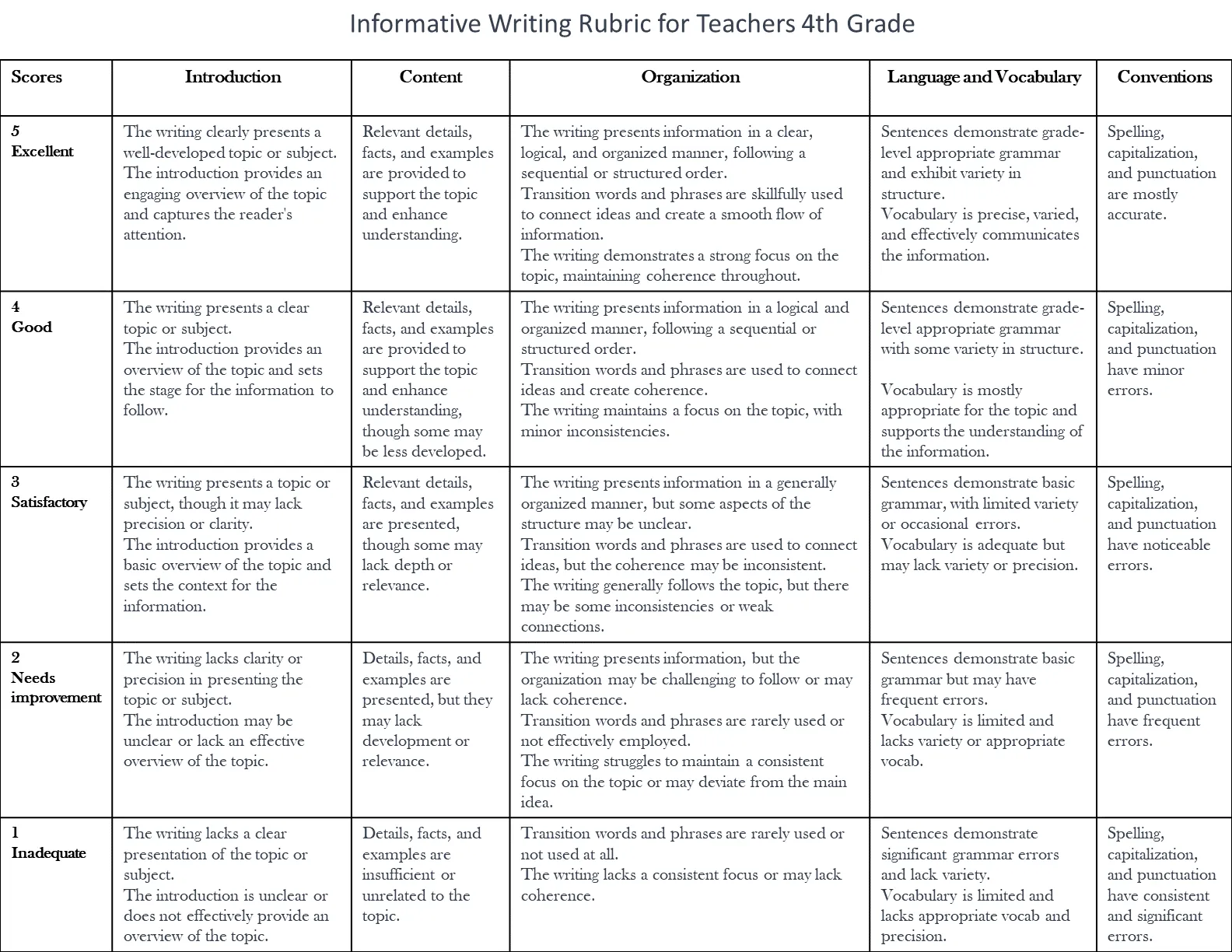
Students utilize the included checklists to ensure their writing meets requirements to achieve high scores. Teachers benefit from detailed 1-5 scoring rubrics covering introduction, content, organization, language, conventions, focus, and more.
The bundle promotes student writing success through targeted checklists aligned with teacher scoring guidelines. Implement during whole-group writing instruction, small writing groups, or individual writing conferences.
Appropriate for remote and in-person learning. Editable scorecards allow personalized student feedback. Compatible with various 4th grade narratives, informational texts, and opinion pieces.
For many writing units for 3rd - 5th grade students and K-2nd grade that are specifically from the K-5 Treasures author of these products that are perfect to use with this rubric, click on the links below:
K-2nd Grade Writing Units
Spring Narrative Writing, Spring Opinion Writing, and Spring Informative Writing Prompts with Vocabulary Words for K-2nd Grade
For other rubrics for more grades, click on the links below:
Writing Rubric BUNDLE for 3rd Grade with Checklist
Writing Rubric BUNDLE for 4th Grade with Checklist
Writing Rubric BUNDLE for 5th Grade with Checklist
Related resources
More resources teachers may find useful
24 related resources were found using this product's title, contributor, categories and tags.


In the classroom
Teaching tips & learning objectives

Learning objectives
Student can self-check a narrative, informative, or opinion draft against a checklist before submitting it.
Student can identify which trait (e.g., organization, conventions) a piece of feedback refers to using the shared rubric structure.

Teaching tips
Hand out the student checklist before drafting begins, not only at grading time, so students write toward the criteria rather than revise against them afterward.
Track progress within the same genre and criteria. Adapt the narrative and opinion scorecard headings to match their rubrics before scoring.
Reference the specific trait differences between the three rubrics (Support vs. Content vs. Focus) when transitioning students from one genre to the next.

Skills covered
Narrative-writing self-assessment — students use the checklist to review introduction, focus, language and conventions
Genre-specific revision — students use the relevant checklist and feedback to identify a next change in their writing
Good to know
Questions teachers ask about this resource
How do the narrative, informative, and opinion rubrics differ in the traits they score?
Narrative scores Introduction, Focus, Language/Vocabulary, and Conventions; Informative adds Content and Organization traits in place of Focus; Opinion replaces Focus with Support, since it requires students to back their position with reasons and evidence rather than narrative detail.

No reviews yet
Downloaded this resource? Tell other teachers how it went.
Curriculum
Standards, concepts & topics
Standards
 Standards
- CCSS.W.4.5 — With guidance and support from peers and adults, develop and strengthen writing as needed by planning, revising, and editing. (Editing for conventions should demonstrate command of Language standards 1–3 up to and including grade 4 on page 29.)
Core concepts
 Core concepts
Writing rubrics
Narrative writing
Informative writing
Opinion writing
 Topics
More to explore
You may also like