2,658 products added recently
Page 21 - 2nd Grade Worksheets
Provide your second graders with worksheets that promote growth in literacy, numeracy, and critical thinking. These resources align with curriculum standards and offer engaging activities. Incorporate them to strengthen understanding and encourage enthusiasm for learning.
History Word Search - Set 1: 1 Page Sample (PDF)
ELA, Language Development, Vocabulary, Spelling, ESL, Resources for Teachers, Social Studies, History, History: USA, History: World, Grade 2, 3, 4, 5, Worksheets & Printables, Worksheets, Teacher Tools, Centers, Activities, Word Searches
THIS IS A ONE PAGE SAMPLE OF A SIX PAGE WORD SEARCH DOWNLOAD FULL SIX PAGE WORD SEARCH DOWNLOAD INFORMATION This wordsearch series is designed for students in grades 2–5. Each set of wordsearches is built around a clear vocabulary theme, helping students develop word recognition, improve spelling, and boost topic-related understanding through engaging visual puzzles. Every wordsearch also includes a fun hidden shape for students to guess—adding an interactive twist to traditional vocabulary practice. These wordsearches are student-friendly, classroom-ready, and perfect for integrating into literacy warmups, seasonal units, fast-finisher tasks, or home learning extensions. Each puzzle reinforces themed vocabulary in a playful, structured format that keeps learners motivated. History Word Search Set 1 Word List 1. Early Civilizations Pyramid, Pharaoh, Hieroglyph, Empire, Gladiator, Colosseum, Trade, River 2. The American Revolution Colony, Tax, Tea, Declaration, Freedom, Patriot, Battle, Victory 3. Famous Explorers Compass, Ship, Ocean, Discover, Map, Journey, Trade, Adventure 4. Native American Cultures Tribe, Hunt, Buffalo, Tipi, Corn, Drum, Canoe, Tradition 5. The Civil War Union, Confederacy, Abolish, Battlefield, Soldier, Flag, Lincoln, Peace 6. The Industrial Revolution Factory, Machine, Steam, Train, Inventor, Electricity, Labor, City PDF Version Other versions will appear here when available. Follow the store for the lastest on new products. How to Use These Wordsearches These wordsearches are ideal for: Morning work or early finisher bins Vocabulary centers or anchor activities Holiday or seasonal review lessons Independent literacy stations or take-home enrichment Each puzzle includes a themed word list and a shaped grid for students to complete. Word directions may vary (horizontal, vertical, diagonal), and answer keys are included for easy checking. Optional vocabulary challenges or writing tasks can be added to extend the learning experience. Whether you're reviewing key vocabulary, exploring a seasonal topic, or offering fun literacy practice, these wordsearches provide a flexible and engaging tool to support vocabulary growth in grades 2–5. More History Themed Products History Crosswords (Set 1) PDF History Crosswords (Set 2) PDF History Crosswords (Set 3) PDF History (Set 2) PDF History (Set 3) PDF FULL CATALOG OF DOWNLOAD LINKS HERE Themed Word Search Links Addition PDF Animals PDF Around the Home PDF Birthday PDF Candy PDF Christmas PDF Cinco de Mayo PDF Clothes PDF Colors PDF Days and Months PDF Division PDF Earth Day PDF Easter PDF Easy Word Searches PDF Fall PDF Father's Day PDF Food PDF Geography (Set 1) PDF Geography (Set 2) PDF Geography (Set 3) PDF Graduation PDF Health PDF History (Set 1) PDF History (Set 2) PDF History (Set 3) PDF Human Body PDF Kindness PDF Life Skills PDF Mother's Day PDF Multiplication PDF Science Word Searches (Set 1) PDF Science Word Searches (Set 2) PDF Science Word Searches (Set 3) PDF Shapes PDF Social Skills PDF Spring PDF Sports PDF St. Patrick's Day PDF Subtraction PDF Summer PDF Thanksgiving PDF Transport PDF Valentine's Day PDF Winter PDF Wordsearches in Depth Structure Each wordsearch is crafted around a focused sub-theme and includes a visual puzzle shaped like a related object (e.g., balloon, gift, snowman). Students complete each puzzle using the provided themed word list, strengthening both content knowledge and spelling skills in a highly engaging format. Each completed set includes: A shaped wordsearch puzzle with 10 vocabulary words A student instruction guide with search directions (horizontal, vertical, diagonal) An answer key for teacher support or student self-checking A Did You Know? fact connected to the theme for enrichment or discussion Themes Included The wordsearches cover a wide range of fun, age-appropriate themes, including: Seasons & Holidays (e.g., Halloween, Easter, Valentine’s Day) Math Concepts (e.g., Addition, Number Words) Everyday Topics (e.g., Animals, Weather, School) Special Units (e.g., Health, Earth Day, Sports, Kindness) Each topic is selected to reflect students’ real-life experiences and interests while reinforcing literacy skills and content understanding in a playful, visual way. For similar downloads and other frees, do check out Cored Group on TeachSimple.
Author Cored Education
Rating
Tags Vocabulary, Spelling, History, Early Civilizations, The American Revolution, Native American Cultures, The Civil War, The Industrial Revolution, Word Searches, History Word Searches
Guided Reading Level H - Snow, Sleet, and Hail
ELA, Resources for Teachers, Reading Comprehension, Reading, Science, Pre-Reading, Language Development, Earth and Environmental Sciences, Earth Sciences, Physics, Kindergarten, Grade 1, 2, Worksheets & Printables, Worksheets, Teacher Tools, Centers, Activities, Literacy Readers, Quizzes, Quizzes and Tests, Assessments
This Guided Reading Book - Snow, Sleet, and Hail (Level H) includes: Guided Reading Color Label (front cover x1) This is a quick way to match the book’s demands to what students can generally handle.. The overall goal is to use the level/color to pick books for several smaller groups. To qualify for a certain level, a student is expected to read a book from that level with about 90–94% accuracy. If a student is consistently accurate and understands, move up a level. If the student is struggling at that level, drop down and add more support. Each student will improve at completely different rates, but it is generally one of the best ways to check progress across the class. DOWNLOAD THE CATALOG TO VIEW ALL GUIDED READING BOOKS AVAILABLE (SORTED LEVELS A-Z) Pre-Reading Question (x1) Teacher asks the prompt aloud, can be while showing the cover or first page. Students share what they already know, or make educated guesses from the cover. Prompt them to use the target vocabulary. Write some of their responses on the board to look back at during the reading. Vocabulary Words (x5) Introduce the five words, best doing it one at a time. Start by saying it, while students repeat and then see if anyone knows what it means before reading further. Read through the meaning and try to briefly connect each word to a picture or gesture so it’s meaningful. Ask students to flip through the book pages and point to where they see each of the vocabulary words. While reading the book pause upon coming across one of the vocab words or read the sentence twice to make sure students understand the word has appeared. Optional: Ask students to raise hands whenever they see/hear one of the new words. Guided Reading Pages (x10) Check the book snapshot (below) for: primary topic - do you need to prep extra reading or intro materials on this? what is taught best - decide on 1-2 bullets to focus on, use the prompt or words provided here for best results. learning goals - what you are checking for students to be able to do after the session, elicit answers using prompts or words provided. key vocabulary (see section above). questions overview - so you know what is coming up and if you need to prep extra materials to assist understanding. Run the lesson You may have already looked at a few of the pages together, but you can show them some of the pictures again first to set meaning. Depending on how much time you have and how familiar your students are with guided reading class, you may want to read the book aloud first with the group first. Students whisper or partner read, while you listen in. If time, do it as a group, one student reading a page each. Use the guided page’s prompts to coach: “Check the picture / does it make sense?” “Point under the words / try the first sound” “Reread the sentence smoothly”. Try to focus more on one student per session (rotating every time), so you can work out if they are ready to move up or need to move down a level. Comprehension Questions (back cover x3) This is your way to check that students didn’t just say the words, but actually understood the text. First, let students answer by pointing to the page/picture and saying a short sentence. After any answer, follow with: “Show me where you found that in the text.” In bigger groups, have partners answer first (10–20 seconds), then call on 2–3 students to share. Differentiation tips: Emerging speakers/struggling readers: oral + pointing On-level: oral in a full sentence Higher: one written sentence or draw + label Book Snapshot Title: Snow, Sleet, and Hail Genre: Nonfiction (informational) Subject: Life Science / Earth Science Primary Topic: Types of frozen water from the sky Estimated Guided Reading Level (A–Z): H What This Book Teaches Best Introduces three kinds of frozen water that fall from the sky: snow, sleet, and hail. Explains simple conditions and traits: snow falls when air is cold and feels “soft and light.” Builds science vocabulary using clear examples (snowflakes as “tiny crystal,” sleet as rain that “freezes as it falls”). Describes how hail forms and changes size (“grows inside a tall cloud” and “gets bigger and bigger”). Learning Goals Identify snow, sleet, and hail as kinds of frozen water. Describe what the text says snow is like and when it falls. Explain what a snowflake is, using the book’s words. Explain how the book says sleet forms as it falls. Describe how the book says hail forms and grows before it falls. Tell how frozen water affects Earth in the book (it “covers the earth,” and cold weather “changes the land”). Key Vocabulary From the Text crystal — a hard, shiny shape. sleet — rain that freezes as it falls. freezes — turns from water into ice when very cold. bounces — jumps back up after it hits something. hail — hard ice that falls during a big storm. Discussion Prompts Pre-reading question: What kinds of frozen water have you seen fall from the sky? Comprehension questions: What does the book say snow is like when it falls? Comprehension questions: What does the book say sleet is made from as it falls? Comprehension questions: Where does the book say hail grows before it falls? Printing Tips 1. Best Printing Method (Recommended) “Booklet” Printing (Best if Available) If your printer or PDF viewer supports Booklet Printing , use this. Settings to use: Print mode: Booklet Paper size: Letter or A4 (either works) Orientation: Landscape Print on both sides: Yes Flip on: Short edge Scaling: Fit to printable area Booklet subset: First test: Front sides only Then: Back sides only This will automatically: Pair pages correctly Put the cover on the outside Align everything for folding After printing, fold in half and staple along the spine . 2. If “Booklet” Printing Is NOT Available You can still print this correctly with manual duplex printing . Step-by-step: Open the PDF. Choose Print . Set: Orientation: Landscape Pages per sheet: 1 Print on both sides: Yes Flip on: Short edge Print all pages . Because each PDF page already contains two facing book pages, the result will still fold cleanly into a book. Thousands of Cored Education products are included with your TeachSimple membership. Download links and encyclopedia index available here.
Author Cored Education
Rating
Tags Vocabulary, Reading Comprehension, Reading Passages, Leveled Reading, Nonfiction, Reading, Guided Reading, Earth Science, Weather, Physics
Child Health Day Word Search 2rd 3th 4th 5th Grade worksheet activity
Vocabulary, Language Development, ELA, Spelling, Health, P.E. & Health, Grade 2, 3, 4, 5, Games, Activities, Word Searches, Worksheets, Worksheets & Printables
Support health and wellness with this Child Health Day Word Search! 🥗🏃 Students will search for health-related words, such as nutrition, exercise, hygiene, safety, and vitamins, and work on spelling, scanning, and word recognition skills while learning all about health-related vocabulary. This no-prep printable worksheet opportunity gives your students meaningful and engaging work around the topic of health. Purpose: This activity is meant to help students: Learn and reinforce child health and wellness vocabulary 🧴🍎 Increase spelling, literacy, and focus skills ✏️ Build awareness of healthy habits and self-care routines 🏃♂️🏃♀️ Encourage discussion on nutrition, exercise, and personal safety 🌟 Order of Events / Steps: 1️⃣ Distribute the Child Health Day Word Search worksheet. 2️⃣ Review the word list and introduce the key concepts of health. 3️⃣ Allow children to search for the words and circle or highlight them as they find them. 4️⃣ Have students discuss how each word relates to a healthy lifestyle. 5️⃣ Quickly review with the answer key provided ✅ Grades or Age: Suggested for 2nd–5th grade students 🌟 Way of Implementation: Great for independent practice, health or science centers, early finishers, partner work, or substitute plans 🤝. Answer Keys: ✅ Included to make all your lives easier for the teacher and for students to check answers. Using the Word Search & Fun Variations: Timed challenge ⏳—who can find all the words first? Partner puzzle 🤝—work together to solve it. Vocabulary Extension ✏️—student write sentences about healthy habits using the words in the puzzle. Make-it-your-own 🧩—students make their own health themed word search. Standards: Supports the CCSS/ELA vocabulary development, and meets health education standards in the area of nutrition, fitness, hygiene, and wellness. 🧒📘 File Types & Pages: PDF file. 🖨️ Color + Black & White versions Print-able version for ink-friendliness Answer Key Teacher's note of encouragement: Make wellness fun with this Child Health Day Word Search. An easy prep-free activity that supports literacy and health habits in your classroom! 💚🧒✨
Author Classsimple
Rating
Tags Child , Health, Day , Word Search, 2rd 3th 4th 5th Grade , Worksheet , Activity, Child Health Day , Child Health Day Word Search , Child Health Day Word Search 2rd 3th 4th 5th Grade Worksheet Activity
Color By Number - Abacus Challenge - 20 Pages
Math, Early Math, Numbers, Counting, Basic Operations, Place Value, Graphic Arts, Creative Arts, Kindergarten, Preschool, Grade 1, 2, 3, 4, 5, Worksheets & Printables, Worksheets, Coloring Pages, Centers, Activities, Games, Assessments, Teacher Tools, Lesson Plans
Need a genius way to sneak in some number recognition, fine motor practice, and peace and quiet? Enter the Color By Number – Abacus Challenge —20 pages of math-meets-art magic where kids match numbers to colors and end up with a masterpiece (or at least something proudly fridge-worthy). This isn’t your average color-by-number. These pages are inspired by the mighty abacus, giving students a fun visual connection to early math skills while keeping their hands and eyes busy, because if their hands are coloring, they’re not poking their neighbor or spinning in their chair. #Winning What’s Included: 20 Color-by-Number pages with an abacus theme Numbers, patterns, and colors galore Ways to Use It: ✔️ Morning Work – Start the day without a chorus of “What do I do now?” ✔️ Math Center – A sneaky way to reinforce number recognition ✔️ Early Finishers – Keep the fast finishers from redecorating your whiteboard ✔️ Sub Plans – Low prep, high engagement, instant hero status ✔️ Rainy Day Fun – Calm chaos with crayons Enjoy!
Author Ponder Palette Plazza
Rating
Tags Numbers, Math, Color By Number, Coloring, Coloring Numbers, Math Activities, Games, Math Games, Counting, Math Worksheets
Sight Word Fluency Packet - things
ELA, Reading, Grade 1, 2, Worksheets & Printables, Worksheets
These sight word worksheets encourage all students to practice sight word reading fluency for the target sight word. There are three different fluency practice pages that all focus on learning to recognize, spell, and read the target sight word in context. Allowing students to practice the sight word in context gives students the ability to connect the sight word's meaning and grammatical usage to help gain a greater understanding of the target word. Each passage repeats the target word multiple times for extra practice with the word. Students will practice reading, writing, reading comprehension, and spelling high frequency words with these fluency pages. Included in this sight word fluency packet: * One reading fluency page that contains a single passage for students to read and find the sight word. * One write and read fluency page where students will write the target sight word and then read the passage. * One read, write, and draw fluency page where students will read a sentence, copy the sentence then draw a picture to illustrate the sentence. When can these be used? * Literacy activities * Independent Reading Practice * Small group activities * Shared or Partner reading activities * Homework * Morning Work * Emergency sub plans * Extra reading practice The reading fluency page and the write and read page include the same passage and is the perfect way to differentiate between students who need to focus on just recognizing the word while reading and those who need more practice with writing and spelling the sight word in the correct context. These sight word pages are no prep. Teachers only need to print the pages and hand them to the students to read and complete. This packet focuses on the sight word: things
Author The Connett Connection
Tags Sight Words, Sight Word Fluency, Reading Fluency, Sight Word Things, Things, High Frequency Words, Sight Word Worksheets, Reading Sight Words, Writing Sight Words
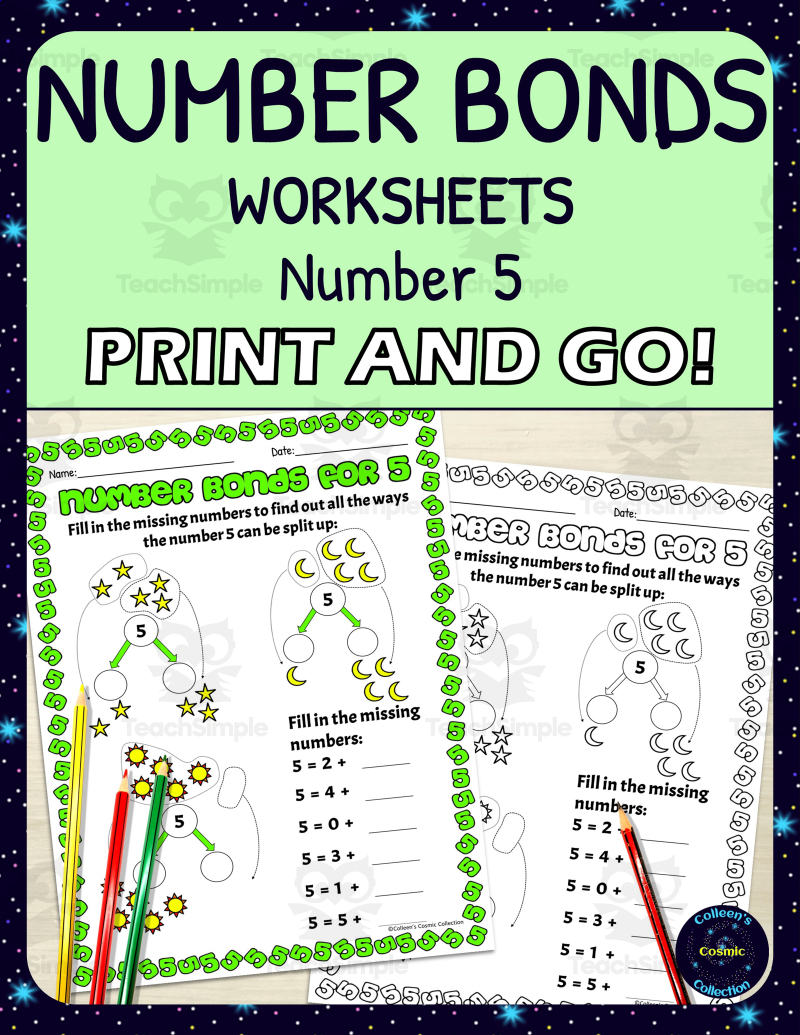
Summer Count By 10
Math, Numbers, Preschool, Grade 1, 2, Worksheets & Printables, Worksheets
Summer Count By 10 Product Overview Summer Count By 10 is an educator resource made specifically for early learners, kindergarteners, and grade 1-2 students. With a unique summer-themed twist, this product serves as a delightful source of learning no matter what the season is. The Contents: Worksheet One: The first worksheet encourages the young minds to count by tens while tracing numbers on octopus illustrations. This worksheet combines visual stimulation with fine motor skill practice. Worksheet Two: The second worksheet , along with counting and tracing numbers on octopi as in Worksheet One, asks students to identify missing numbers significantly strengthening their numerical recognition skills. This well-crafted resource can serve various teaching environments ranging from group class activities to small study groups or even one-to-one teaching platforms like homeschooling where fostering basic Math skills becomes essential. Simplicity of Access: The exclusive PDF file format of these worksheets ensures an easy transition across devices; there’s absolutely no need for special software! Packed with content that aids in expanding mathematical comprehension and number familiarity among younger learners – the 'Summer Count By 10' exudes functionality flexibility making it an essential addition to any educator’s toolkit.
Author Cherry Workshop
Tags Summer Math, Counting By Tens, Early Learners, Visual Learning, Ocean Theme
Algebra - Drill Sheets Vol. 5 Gr. PK-2
Math, Algebra, Common Core, Grade 1, 2, Worksheets & Printables, Worksheets
Algebra - Drill Sheets Vol. 5 Gr. PK-2 Algebra - Drill Sheets Vol. 5 Gr. PK-2 is an interactive teaching resource designed to facilitate comprehension of algebraic concepts in grades PK-2, ensuring conformity with NCTM standards. This user-friendly resource includes a mix of engaging activities and exercises for young learners offering extensive practice and review of fundamental math concepts. Included Features: Diverse warm-up tasks and timed drill exercises that boost algebraic skills in areas such as patterning, evaluating algebraic expressions, working with number lines and graphs, understanding mathematical sentences, and mastering different properties of algebra. Differentiated learning opportunities suiting each student's individual needs. Versatility allowing integration into various teaching routines including whole group instruction or tailored small group activities. These sheets also make excellent homework assignments or supplementary work to reinforce previously taught lessons. A definitive aspect within Algebra - Drill Sheets Vol. 5 Gr.PK-2 is its self-assessment component that encourages students to check their progress while seamlessly incorporating technology use into the learning process. Additions: Vibrantly formatted standards rubrics plus revision sheets aimed at captured learner's attention throughout their educational journey! Including Activity posters plus additional worksheets which bring variation to daily lessons keeping students concentrated on enhancing their math knowledge! To ensure curriculum compliance; this digital tool aligns perfectly with Common Core State Standards in addition to Bloom's Taxonomy STEM fundamentals conforming with NCTM guidelines resulting in a dependable pedagogical method for achieving educational targets. Algebra - Drill Sheets Vol. 5 Gr. PK-2 aids in the development of a practical and grade-specific algebra curriculum with activities ranging from straightforward visual prompts promoting numeracy skills to complex problem-solving questions fostering cognitive growth - showcasing a perfect harmony of engagement and enlightenment for your young learners.
Author Classroom Complete Press
Tags PDF
Farms and Food: Guided Reading Level N with Lesson Plan
ELA, Resources for Teachers, Reading Comprehension, Reading, Science, Language Development, Geography, Social Studies, Life Sciences, Technology, Grade 2, 3, 4, Worksheets & Printables, Worksheets, Teacher Tools, Centers, Activities, Literacy Readers, Quizzes, Quizzes and Tests, Assessments, Lesson Plans
This Farms and Food (level n) guided reading book with lesson plan includes: Guided Reading Color Label (front cover x1) This is a quick way to match the book’s demands to what students can generally handle.. The overall goal is to use the level/color to pick books for several smaller groups. To qualify for a certain level, a student is expected to read a book from that level with about 90–94% accuracy. If a student is consistently accurate and understands, move up a level. If the student is struggling at that level, drop down and add more support. Each student will improve at completely different rates, but it is generally one of the best ways to check progress across the class. DOWNLOAD THE CATALOG TO VIEW ALL GUIDED READING BOOKS AVAILABLE (SORTED LEVELS A-Z) Pre-Reading Question (x1) Teacher asks the prompt aloud, can be while showing the cover or first page. Students share what they already know, or make educated guesses from the cover. Prompt them to use the target vocabulary. Write some of their responses on the board to look back at during the reading. Vocabulary Words (x5) Introduce the five words, best doing it one at a time. Start by saying it, while students repeat and then see if anyone knows what it means before reading further. Read through the meaning and try to briefly connect each word to a picture or gesture so it’s meaningful. Ask students to flip through the book pages and point to where they see each of the vocabulary words. While reading the book pause upon coming across one of the vocab words or read the sentence twice to make sure students understand the word has appeared. Optional: Ask students to raise hands whenever they see/hear one of the new words. Guided Reading Pages (x10) Check the book snapshot (below) for: primary topic - do you need to prep extra reading or intro materials on this? what is taught best - decide on 1-2 bullets to focus on, use the prompt or words provided here for best results. learning goals - what you are checking for students to be able to do after the session, elicit answers using prompts or words provided. key vocabulary (see section above). questions overview - so you know what is coming up and if you need to prep extra materials to assist understanding. Run the lesson You may have already looked at a few of the pages together, but you can show them some of the pictures again first to set meaning. Depending on how much time you have and how familiar your students are with guided reading class, you may want to read the book aloud first with the group first. Students whisper or partner read, while you listen in. If time, do it as a group, one student reading a page each. Use the guided page’s prompts to coach: “Check the picture / does it make sense?” “Point under the words / try the first sound” “Reread the sentence smoothly”. Try to focus more on one student per session (rotating every time), so you can work out if they are ready to move up or need to move down a level. Comprehension Questions (back cover x3) This is your way to check that students didn’t just say the words, but actually understood the text. First, let students answer by pointing to the page/picture and saying a short sentence. After any answer, follow with: “Show me where you found that in the text.” In bigger groups, have partners answer first (10–20 seconds), then call on 2–3 students to share. Differentiation tips: Emerging speakers/struggling readers: oral + pointing On-level: oral in a full sentence Higher: one written sentence or draw + label Book Snapshot Title: Farms and Food Genre: Nonfiction (informational) Subject: Life Science / Agriculture Primary Topic: How food is grown and gets to consumers Estimated Guided Reading Level (A–Z): N What This Book Teaches Best Explains how healthy soil supports plant growth and why the earth is tested before planting begins. Describes how farms use sunlight, water, and irrigation systems to give crops the moisture they need. Shows how machinery (like tractors and plows) helps farmers prepare land and work large areas efficiently. Introduces major farm products (grains, root vegetables, fruit from orchards, milk, eggs, chicken) and how they are produced or collected. Traces the farm-to-table pathway through harvest (including a combine harvester for grains) and transport , including keeping food at the correct temperature to stay fresh and safe. Learning Goals Students can describe how the book says soil helps plants grow and why soil is tested before planting. Students can explain how irrigation helps crops get the correct amount of moisture. Students can identify ways farm machinery is used during the growing season, including pulling a plow to prepare ground for seeds. Students can describe at least three kinds of foods the book names and how each comes from farms. Students can explain what a combine harvester does during harvest, based on the text. Students can describe why the text says food is kept at the correct temperature during travel. Key Vocabulary From the Text consumed — eaten by people. irrigation — bringing water to crops using systems. machinery — large machines used to do farm work. orchards — places where fruit trees are grown. distribution — delivering goods to different places. Discussion Prompts Pre-reading question: What steps do you think food goes through before it reaches your dinner table? Comprehension questions: Why does the book say the earth is tested before planting begins? Comprehension questions: What does the text say a combine harvester does during harvest? Comprehension questions: According to the text, why is food kept at the correct temperature during travel? Printing Tips 1. Best Printing Method (Recommended) “Booklet” Printing (Best if Available) If your printer or PDF viewer supports Booklet Printing , use this. Settings to use: Print mode: Booklet Paper size: Letter or A4 (either works) Orientation: Landscape Print on both sides: Yes Flip on: Short edge Scaling: Fit to printable area Booklet subset: First test: Front sides only Then: Back sides only This will automatically: Pair pages correctly Put the cover on the outside Align everything for folding After printing, fold in half and staple along the spine . 2. If “Booklet” Printing Is NOT Available You can still print this correctly with manual duplex printing . Step-by-step: Open the PDF. Choose Print . Set: Orientation: Landscape Pages per sheet: 1 Print on both sides: Yes Flip on: Short edge Print all pages . Because each PDF page already contains two facing book pages, the result will still fold cleanly into a book. Thousands of Cored Education products are included with your TeachSimple membership. Download links and encyclopedia index available here.
Author Cored Education
Rating
Tags Reading Comprehension, Reading Passages, Reading, Guided Reading, Guided Reading Lesson Plan, Guided Reading Activity, Pre-reading, Science Lesson Plans, Geography, Life Science
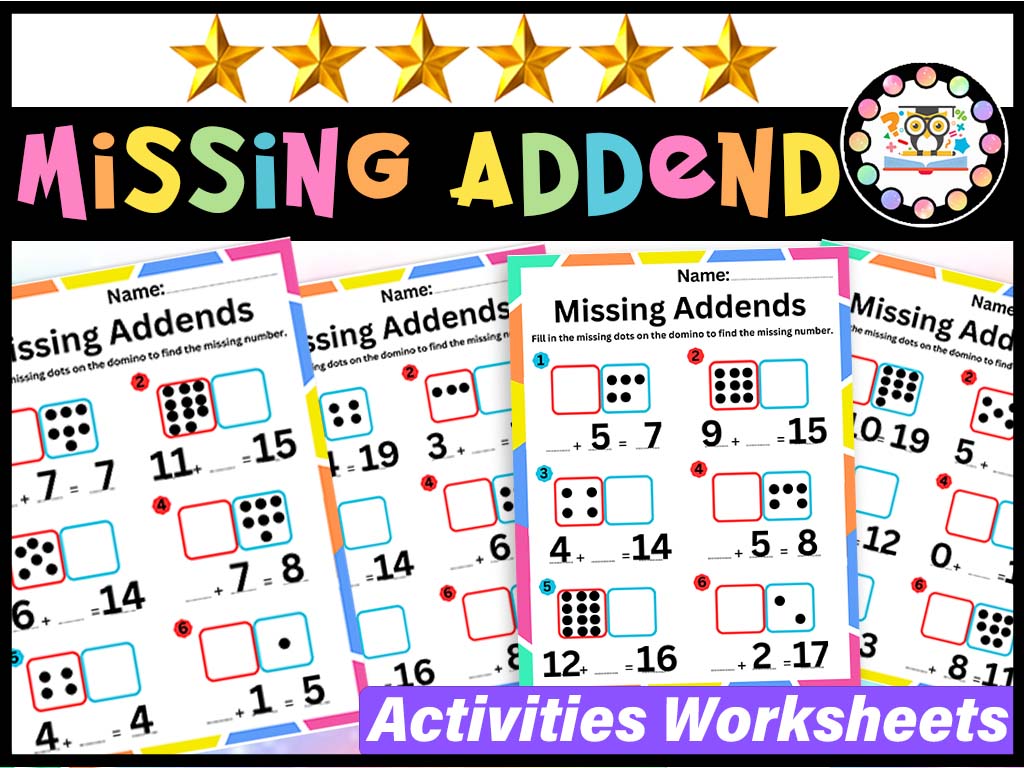
Addition Within 20 - Color by Code Worksheets-Christmas
Common Core, Math, Addition and Subtraction, Addition, Grade 1, 2, Worksheets & Printables, Worksheets, Coloring Pages
Looking for an engaging way for your students to practice adding within 20? This Christmas-themed color-by-code set of six worksheets is a great way for your students to reinforce and gain fluency in this skill as defined in the common core standards. There are six charming worksheets for your students to color as they practice adding within 20. The students can check their work as they see the picture emerge when they match their answers to the number in the image. I've included the key for each picture. The key pictures can be displayed to make it a self-checking activity. Your students will find this resource fun for morning work, math centers and homework! Supports CCSS.1.OA.C.6 and CCSS.2.OA.B.2 This resource can be used in several ways including: Morning Work Math Stations or Centers Morning Tubs Math Groups Independent Work Packets Partner Work Early or Fast Finishers Time Fillers Homework Sub Plans or Sub Tub Tutoring Homeschool
Author Reading and Math Activities For The Primary
Tags Color By Code, Christmas, Addition Within 20, First Grade Math, Second Grade Math
Spring Reading Tic Tac Toe
ELA, Reading, Preschool, Grade 1, 2, Worksheets & Printables, Worksheets
A fun Spring-themed reading game of tic tac toe to help your students have fun practicing reading and writing. Play with a partner. Use 2 colors. Take turns to trace the dashed letters and read the word you choose. The first one to make 3 in a row wins. Play the 4 games one by one or play on all the boards at the same time for more challenge.
Author Cherry Workshop
Tags Reading, Spring, Tic Tac Toe, Writing, Game, Toe Reading
Gliders Reading Comprehension Passage - Cored Ed Encyclopedia
ELA, Reading Comprehension, Reading, Science, Technology, Pre-Reading, Language Development, Physics, History, Social Studies, Grade 2, 3, 4, 5, Worksheets & Printables, Worksheets, Teacher Tools, Centers, Activities, Writing Prompts, Assessments, Quizzes and Tests, Quizzes, Lesson Plans
This gliders reading comprehension with lesson plan includes: Visualization (on the front cover) Start your lesson by taking a minute to think and share something about the topic. Read the script aloud (slowly), perhaps prepare some music or sound effects. Student close their eyes and let their imaginations wander. Students open their eyes, read the question aloud and give them a few minutes to complete. Ask a few students to share or keep answers until the end to compare with what they learn in the passage. Quick pause—thousands of Cored Education products are included with your TeachSimple membership. Download links and encyclopedia index available here. Pre-Reading Trivia Students will write down one thing they already know about the subject and then read five more facts and discuss. These facts are fun, and the students will enjoy learning about the subject before reading more. Give 1 minute for students to write what they already know (no pressure—best guess is fine). Read the five facts together. After each fact, do ask a student for their opinion, was it surprising? Set a purpose by asking students to highlight/underline one fact they want to learn more about during the reading. Reading Passage The text is a high-interest reading passage with set paragraphs, roughly three to four paragraphs long. It contains a variety of themes about the topic, anywhere from history to technology. The passage is between 250 and 350 words in length. First, ask students to look at the headings and see what they’ll learn about today. What do they know about the topic/heading? First read options: Teacher read-aloud (best for support). Partner reading (paragraph by paragraph). While reading, students underline important details, and vocabulary words they think may come up in the questions section. Mixed Questions The first question page contains four multiple-choice questions, each with a choice of four answers, and three written response questions that require a sentence or two from the student. Students complete the mcqs first independently, then review quickly as a class. For the 3 written responses, try to get students giving the answer with some form of evidence: “I think ___ because the text says ___.” If students get stuck, send them back to check the passage. Vocabulary Questions Practice seven key words from the text in this section across two activities. First section is scrambled words where students will unscramble three words given a clue for each. The second section is a word to meaning matching activity. Before starting, have some students read out words they underlined in the passage. Ask students to say the word and read aloud the sentence(s) around each word. Ask students to do scrambled words and the matching exercise in pairs then go through answers as a class. For the scrambled spelling task, get four pairs to come up to the board and write the words for extra practice with the other student reading out the clue. For the matching task, prompt students to give full sentences: “I matched ___ with ___ because ___.” Creative Writing In this question, the student will be required to write a five to eight sentence paragraph on a question related to the topic. Before starting, ask students write down 3 key ideas they are going to include in their piece. Ask students for ideas to share around the class to help those struggling. Pro writing expectations: 5–8 sentences At least 2 facts or details from the passage At least 2 vocabulary words from the previous page Students read their paragraphs while classmates listen for facts and vocabulary words. Extension Activities This page is optional for fast finishers or to take home. There are several activities, each one requiring a different skill. Do some, do none, do all, completely optional - but you will feel reassured knowing every possibility is planned for. Includes summary writting question and additional facts. Answer Key There are answers for the multiple-choice questions, written response questions have sample answers, vocabulary answers and if there is a summary question then a sample summary will be provided as well. Lesson Plan Included Customized lesson plan for this lesson is included. Lesson Snapshot Title: Gliders Genre: Nonfiction (informational text) Subject: Science (flight/engineering) Primary Topic: How gliders fly using lift and launch methods Estimated Guided Reading Level (A–Z): Q What This Lesson Teaches Best Explains what makes a glider different from a small airplane (no motor; quiet flight; “trade height for distance”). Describes how gliders get into the sky (help at the start, including being towed; later mentions aerotows and winches). Teaches how moving air helps a glider climb—especially rising warm air (“thermals”) and wind pushed upward at a ridge or hill. Shows how design features support gliding (long, narrow wings; smooth body; low drag to lose little energy). Connects gliders to early flight experiments through Otto Lilienthal’s repeated testing and “fly hill.” Learning Goals Students will describe how a glider is similar to and different from a small airplane. Students will explain how a glider usually starts flying using details from the text. Students will identify two kinds of lift described in the passage and tell how each helps a glider climb. Students will explain why long, narrow wings and low drag help a glider glide efficiently. Students will describe how gliders and launch methods changed over time, using examples from the text. Students will explain how spoilers or airbrakes help with landing safely. Key Vocabulary From the Text cockpit — where the pilot sits and reads instruments. thermals — rising columns of warm air. drag — air resistance that slows motion. aerotows — launches where an airplane tows the glider. spoilers — panels that help a glider slow down and descend. FULL CATALOG OF DOWNLOAD LINKS AND ENCYCLOPEDIA INDEX HERE
Author Cored Education
Rating
Tags Vocabulary, Reading Comprehension, Reading Passages, Lesson Plans, Ela Lesson Plans, Reading Comprehension Lesson Plans, Pre-reading, Science Lesson Plans, Physics, History
World Prematurity Day Word Search 2rd 3th 4th 5th Grade worksheet
Vocabulary, Language Development, ELA, Spelling, Health, P.E. & Health, Grade 2, 3, 4, 5, Games, Activities, Word Searches, Worksheets, Worksheets & Printables
Make learning fun with a no-prep, printable vocabulary word search that builds vocabulary, reinforces literacy, and sparks curiosity! Students can explore the new vocabulary words while practicing spelling, scanning for letters, and identifying keywords. A word search can be a perfect and easy-to-use activity to liven up a lesson by combining learning with fun! It is an excellent way to reinforce concepts within a lesson and engage students' hands-on learning. Purpose: This activity allows students to learn new vocabulary words and contextualized vocabulary related to a topic ✏️, improve spelling, reading, and attention to detail 📚, increase awareness of concepts and knowledge about the world at large 🌍, and encourage curiosity and engagement about the topic 🐾. Word searches are a hands-on way to make learning memorable and fun for students - it engages them at all vocabulary levels! How to Do It: 1️⃣ Hand out the word search worksheet. 2️⃣ Introduce any important vocabulary or concepts that fit with the topic. 3️⃣ The students search for the words and circle or highlight each one. 4️⃣ Discuss the importance of the topic or the words that the student found. 5️⃣ Review the answers using the answer key that is included for each product ✅ Perfect For: Grades 2-5 🌟, independent practice, partner work, students who finish early, science or social studies centers, or for substitute plans 🤝 Way of Implementation: Great for independent practice early finishers, partner work, or substitute plans 🤝. Answer Keys: (these will be pencils under your three files: Given for simple checking and self-assessing. Fun Variations: Timed Challenge ⏳ - record how many words students can find in a set time. Partner Puzzle 🤝 - work together to find all of the words. Vocabulary Extension ✏️ - write sentences or a few short paragraphs using the words. Create-Your-Own Word Search 🧩 - have students make their own word search puzzles using the vocabulary. Standards Alignment: Supports CCSS/ELA vocabulary development, and can also connect to NGSS or other relevant standards, depending on the topic. File & Print Info: PDF includes both a color and black and white version, and is ink-friendly to make printing easy. Teacher Tip! Have students learn by being hands-on, engaged, and active while helping them build awareness, vocabulary, and literacy skills around any topic! 🌟
Author Classsimple
Rating
Tags World, Prematurity , Day, Word Search , 2rd 3th 4th 5th Grade, Worksheet , Activity, World Prematurity Day , World Prematurity Day Word Search , World Prematurity Day Word Search 2rd 3th 4th 5th Grade Worksheet Activity
Colors Word List Posters (PDF)
ELA, Language Development, Resources for Teachers, Vocabulary, Spelling, ESL, Grade 2, 3, 4, 5, Worksheets & Printables, Worksheets, Teacher Tools, Centers, Activities, Posters, Classroom Decor
Word List Poster Series This word list poster series is designed for students in grades 2–5. Each printable focuses on a clear, kid-friendly theme and features 8 target vocabulary words with short, student-friendly meanings or fun facts. The clean layout works as both an anchor chart and a write-in sheet, giving students a quick, visual reference they can revisit during centers and independent work. These posters are student-friendly, classroom-ready, and perfect for warmups, vocabulary walls, sub plans, or take-home reference. Display a single poster to support the day’s lesson, or group several to build a themed wall across your unit. Note: Each poster is a companion piece to its matching themed product in the series—pair it with the corresponding maze, wordsearch, or activity pack for a consistent set of 8 focus words. Colors Word List 1. Basic Colors Red, Blue, Yellow, Green, Orange, Purple, Pink, Brown 2. Light and Dark Colors White, Black, Gray, Light blue, Dark green, Tan, Silver, Gold 3. Colors in Nature Sky blue, Leaf green, Sunset orange, Rose red, Ocean blue, Snow white, Sunflower yellow, Earth brown 4. Fun & Creative Colors Rainbow, Neon, Pastel, Metallic, Glow-in-the-dark, Transparent, Shimmering, Multicolor 5. Colors in Things We Use Paint, Crayon, Marker, Ink, Fabric, Paper, Lights, Dye 6. Feelings & Colors Happy yellow, Sad blue, Angry red, Calm green, Excited orange, Loving pink, Brave purple, Mysterious black PDF Version Other versions will appear here when available. Follow the store for the lastest on new products. How to Use These Word List Posters Perfect for: Morning work or early-finisher bins Vocabulary centers or anchor walls Holiday/seasonal review lessons Independent stations, sub plans, or take-home reference More Colors Themed Products CROSSWORDS WORD SEARCHES MAZES FULL CATALOG OF DOWNLOAD LINKS HERE Themed Word List Posters Links Addition PDF Animals PDF Around the Home PDF Birthday PDF Candy PDF Christmas PDF Cinco de Mayo PDF Clothes PDF Colors PDF Days and Months PDF Division PDF Earth Day PDF Easter PDF Easy Word List Posters PDF Fall PDF Father's Day PDF Food PDF Geography (Set 1) PDF Geography (Set 2) PDF Geography (Set 3) PDF Graduation PDF Health PDF History (Set 1) PDF History (Set 2) PDF History (Set 3) PDF Human Body PDF Kindness PDF Life Skills PDF Mother's Day PDF Multiplication PDF Science (Set 1) PDF Science (Set 2) PDF Science (Set 3) PDF Shapes PDF Social Skills PDF Spring PDF Sports PDF St. Patrick's Day PDF Subtraction PDF Summer PDF Thanksgiving PDF Transport PDF Valentine's Day PDF Winter PDF Word List Posters in Depth Structure Each poster is built around a focused sub-theme and presents 8 target words with short, student-friendly meanings or fun facts. The clean A4 portrait layout works as an anchor chart on your board or as a student reference at desks. These posters are designed as companion pieces to the matching themed products (mazes, wordsearches, activity packs), so the same vocabulary stays visible across your unit. Each poster set includes: A themed word list poster with 8 words + brief meanings/facts A clean, high-contrast layout for easy printing and display Space that can double as write-in/draw-to-show-meaning during centers Themes Included Seasons & Holidays (e.g., Halloween, Easter, Valentine’s Day) Everyday Topics (e.g., Animals, Weather, School) Math & Science Connections (e.g., Number Words, Simple Machines) Special Units (e.g., Health, Earth Day, Sports, Kindness) Each topic reflects real-life experiences and interests while strengthening vocabulary recognition and content understanding in a clear, visual way. Easy extensions (optional) Sketch it: students draw a quick icon for each word Sort it: group words by category (e.g., actions, objects) Star it: highlight “I already know” vs. “I’m learning” words Match it: point to examples in a reading, video, or picture set Say it: brief oral definition or example sentence during share-out Differentiation tips Pre-teach 2–3 anchor words; add the rest later in the week Offer picture cues or gestures for emerging readers/ELLs Let students choose 4 of 8 to focus on first, then build up Color-code by part of speech or concept family for quick scanning For similar downloads and other frees, do check out Cored Group on TeachSimple.
Author Cored Education
Rating
Tags Vocabulary, Spelling, Colors, Basic Colors, Light And Dark Colors, Colors Activities, Ela Posters, Color Posters, Colors Word Lists, Ela Word Lists
Hamburgers Reading Comprehension Passage - Cored Ed Encyclopedia
ELA, Language Development, Resources for Teachers, Reading Comprehension, Reading, Pre-Reading, Writing, Strategies, History, Social Studies, Grade 2, 3, 4, 5, Worksheets & Printables, Worksheets, Teacher Tools, Centers, Activities, Writing Prompts, Assessments, Tests, Quizzes and Tests, Quizzes
This hamburgers reading comprehension contains the following: Pre-Reading Trivia Students will write down one thing they already know about the subject and then read five more facts and discuss. These facts are fun, and the students will enjoy learning about the subject before reading more. COMPANION VIDEO NOW AVAILABLE (EMBEDDED AFTER PREVIEW PICTURES IN PRODUCT DESCRIPTION) Reading Passage The text is a high-interest reading passage with set paragraphs, roughly three to four paragraphs long. It contains a variety of themes about the topic, anywhere from history to technology. The passage is between 250 and 350 words in length. Mixed Questions The first question page contains four multiple-choice questions, each with a choice of four answers, and three written response questions that require a sentence or two from the student. Creative Writing In this question, the student will be required to write a five to eight sentence paragraph on a question related to the topic. Extension Activities This page is optional for fast finishers. If there are five to ten minutes left at the end of the lesson, the student can choose one of three activities, each one requiring a different skill. Answer Key There are answers for the multiple-choice questions and three written response questions have sample answers. FULL CATALOG OF DOWNLOAD LINKS AND ENCYCLOPEDIA INDEX HERE Lesson Snapshot Title: Hamburgers Genre: Nonfiction (informational passage) Subject: Reading (Informational Text) Primary Topic: What hamburgers are and where they came from Estimated Guided Reading Level (A–Z): M Support pages included: Pre-reading trivia; mixed questions + short responses; creative writing prompt; extension activities; answer key; QR/index page. QA notes on support pages: Some support content adds details not stated in the passage (e.g., “kill harmful germs” explanation for 160°F; “food trucks/home kitchens/cookouts” as burger locations). What This Lesson Teaches Best Defines what a hamburger is by describing key parts (bun/roll, patty, toppings like lettuce, tomato, onion, sauces). Explains why fully cooking ground beef matters and names a specific safe temperature (160°F) and a tool cooks use (food thermometer). Uses text features (section headings) to organize information into categories (what it is, what makes it a burger, where it came from). Introduces variation within a category by listing different patty types (chicken, turkey, fish, bean, veggie) and different buns/toppings. Gives a brief origin/history explanation (Hamburg connection, 1890s newspaper ads, early 1900s popularity, 1904 St. Louis World’s Fair). Learning Goals Students can describe the basic parts of a hamburger using details from the text. Students can explain why the patty is the “star” of a burger according to the passage. Students can identify the temperature the USDA says ground beef should reach (160°F). Students can give examples of different kinds of burgers and buns named in the text. Students can describe where the name “hamburger” connects to and summarize key history details (1890s, early 1900s, 1904 fair). Key Vocabulary From the Text sizzling — making a hot cooking sound. patty — a shaped, cooked piece of ground meat (or other foods). thermometer — a tool that measures temperature. historians — people who study and write about the past. advertised — shown to people to promote something for sale. Cored Ed Encyclopedia Overview The Cored Ed Encyclopedia is a weekly series of lessons that you can pick up and use right away. These short readings fit into whatever time you have available. Each one includes a warm-up, a reading, and a set of questions, but it’s flexible — you can do just the reading, the full lesson, or skip the writing section if you need to. Each lesson focuses on a single topic so students don’t get lost. The writing is clear but never childish, making it perfect for grades two through five. Topics range from animals and science to history, inventions, and everyday things. No matter the level of the student, everyone should take away at least one new idea or fact from each lesson. The materials are easy to print, easy to explain, and require no setup. They work well for whole-class teaching, partner work, or independent study.
Author Cored Education
Rating
Tags Vocabulary, Spelling, Reading Comprehension, Reading Passages, Reading, Creative Writing, Reading Strategies, Writing Prompts, History, Hamburgers
Writing And Comprehension Practice: Zoggy At The Party (4-8 years)
ELA, Language Development, Phonics, Preschool, Grade 1, 2, Worksheets & Printables, Worksheets
Writing and Comprehension Practice: Zoggy At The Party The Writing and Comprehension Practice: Zoggy At The Party resource is specifically designed for young learners aged 4-8. These no-prep, printable worksheets are a fantastic tool within the greater Mission Spelling Zero multipurpose learning scheme. Applying Vowel Digraphs Knowledge In this particular resource, children apply their knowledge of vowel digraphs (ea, ai, ay, oi, oy, oa) acquired from the accompanying storybook 'Zoggy At The Party.' It offers an age-appropriate and engaging way to fortify comprehension skills essential at such a developmental stage. Necessary Accompaniment: Zoggy At The Party Book It is important to note that these worksheets are made most effective when employed in concurrence with the 'Zoggy At The Party' book found in the yellow level of Mission Spelling Zero scheme. By making use of both elements simultaneously parents or educators can secure a comprehensive approach towards nurturing reading and spelling abilities. List of exercises include: Presentation on phonic sound work introduced in 'Zoggy At The Party.' Letter sound reinforcement drills; . Letter tracing tasks; . Writing letters and words practices; . Intriguing spellings enhancement modules; . Easily comprehensible challenges based on Zoggy's narrative. . About Mission Spelling Zero Scheme: Mission Spelling Zero offers more than just phonics advancement opportunities. Its driving force exists as Zoggy – an alien computer whiz hailing from another realm – pledges firm fundamentals assisting young students traverse through colors of his reading rainbow thus constructing valued skills favorable for future educational success. Interactive Activities Moreover during your encounters with enthusiastic extraterrestrial guide among other potentials you will discover how captivatingly interactive handwriting practices sentence formations more energetic games inhibit learner's growth rendering them truly ready to embark on literate life. The zest of Mission Spelling Zero lies in its innovative alignment between imaginative story-based learning and practical skill-building. Hence, begin your reading and spelling venture with Zoggy at the party.
Author Guinea Pig Education
Tags Phonics Reinforcement, Comprehension Skills, Vowel Digraphs, Writing Practice, Language Arts
Learn The Phonic Sound 'ine' (as in trampoline).
ELA, Language Development, Phonics, Preschool, Grade 1, 2, 3, Worksheets & Printables, Worksheets
Learn The Phonic Sound 'ine' (as in trampoline): A Comprehensive Reading Tool Learn The Phonic Sound 'ine' (as in trampoline) is a unique resource designed to aid children in refining reading proficiency. Specialised in phonics, it introduces 44 distinct sound types throughout the text - teaching kids to segment words into sounds or syllables for effective learning. This all-inclusive pack centres around Sam's enchanting escapades, inviting kids aged 4+ on an exciting journey of discovering various sounds as they read along. It's a valuable tool for different types of learners - young novices, older reluctant readers, learners facing difficulties & ESL students. Enriched Learning With Structured Stories and Activities: Educators can engage students individually or in small groups through each pack series that unveils more complex mid-sounds while solidifying previously learned concepts via stories like 'The Bouncing Castle', and 'The Famous Cousin From The Country'. Also included are cutout pages that encourage practice of new vocabulary by matching words with pictures/ phrases with pictures. Vivid Illustrations Enhance Memory Recall: The attractive color sketches throughout the text make it easier for children to remember sound words . By leveraging this tool ,reading becomes effortless,and lays the foundation for solo reading books like Roald Dahl's popular titles such as 'Georges Marvellous Medicine'&'Fantastic Mr Fox.' Suggested Implementation: The packs can be used independently based on particular sound needs. Tailor instruction based on individual learning paths - begining with packs focusing on initial word-building skills before moving onto other phonic associations extending towards more complex sound sequences. Prompt each sound, guide the children to learn it, read related sentences or stories while conversing about images and use the given words or phrases to coordinate with pictures as reinforcement. Reiterate each sound multiple times at a comfortable pace till its familarity for the child/children is assured. In summary, Learn The Phonic Sound 'ine' (as in trampoline) seamlessly fuses fun and reading targets for kids regardless of whether they're part of a kindergarten class or homeschooled 2nd graders. This versatile PDF worksheet style teaching aid aims to gently but efficiently address reading challenges.
Author Guinea Pig Education
Tags Phonics, Reading Proficiency, Sound Recognition, Vocabulary Development, Learning Difficulties
Addition and Subtraction Roll & Solve -Autumn Themed
Math, Early Math, Preschool, Grade 1, 2, Worksheets & Printables, Worksheets
Autumn-themed worksheet to practice addition and subtraction to 10. Spin and solve one math problem in that column and continue until all of the problems are solved.
Author Cherry Workshop
Tags Addition, Subtraction, Math, Autumn
Food Day word search 2rd 3th 4th 5th Grade worksheet activity
Vocabulary, Language Development, ELA, Spelling, Science, Health, P.E. & Health, Grade 2, 3, 4, 5, Games, Activities, Word Searches, Worksheets, Worksheets & Printables
Celebrate nutrition and healthy eating with this Food Day Word Search! 🥕🍎 Your students will search for food vocabulary, practice spelling and scanning, and increase awareness about healthy choices. Did I mention NO PREP? This download is a fun, meaningful, and interactive activity for Food Day in the classroom! Purpose: This activity will help students: - Acquire and remember nutrition and food vocabulary 🥦 - Build spelling and word identification skills ✏️ - Develop concentration and attention to detail 👀 - Initiate healthy habits and understanding of balanced eating 🥗 Order of Events/Steps: 1️⃣ Hand out the Food Day Word Search printable worksheet. 2️⃣ Review the word list, talking about each food group or item. 3️⃣ Students find the words and either circle them or highlight them. 4️⃣ Connect the vocabulary to healthy eating habits and Food Day focus. 5️⃣ Use the answer key I provided for easy checking/checking to writing/correcting ✔️ Grades or Ages : This activity was created for 2nd-5th graders. 🌟 Way of Implementation: It is appropriate for independent practice, centers, early finishers, sub plans and partner activities 🤝. It is also appropriate for science, health and other themed celebrations Answer Keys: ✅ Answer keys are provided for ease of checking and students’ self-assessment. How to Use and Variations: Timed challenge ⏳ – see who can do it the fastest Partner puzzle 🤝 – work in pairs Vocabulary extension ✏️ – students categorize foods (fruits, vegetables, grains, etc.) Create-your-own 🧩 – students create their own food-themed word search Standards: Support CCSS/ELA vocabulary practice & health education standards promoting awareness of nutrition 📝🥕 File Types & Pages: PDF format, ink-friendly Colored + black & white versions Answer keys are provided Teacher Encouragement: Make Food Day fun and educational; this Food Day Word Search helps your students practice literacy.
Author Classsimple
Rating
Tags Food , Day , Word Search, 2rd 3th 4th 5th Grade , Worksheet , Activity, Food Day , Food Day Word Search , Food Day Word Search 2rd 3th 4th 5th Grade
Newspapers Reading Comprehension Passage - Cored Ed Encyclopedia
ELA, Language Development, Resources for Teachers, Reading Comprehension, Reading, Pre-Reading, Writing, History, Social Studies, Strategies, Grade 2, 3, 4, 5, Worksheets & Printables, Worksheets, Teacher Tools, Centers, Activities, Writing Prompts, Assessments, Tests, Quizzes and Tests, Quizzes
This newspapers reading comprehension contains the following: COMPANION VIDEO NOW AVAILABLE (EMBEDDED AFTER PREVIEW PICTURES IN PRODUCT DESCRIPTION) Visualize on the Cover (Teacher Read Aloud Script) Start your lesson by taking a few moments to visualize the topic and share thoughts or feelings about it. Pre-Reading Trivia Students will write down one thing they already know about the subject and then read five more facts and discuss. These facts are fun, and the students will enjoy learning about the subject before reading more. Reading Passage The text is a high-interest reading passage with set paragraphs, roughly three to four paragraphs long. It contains a variety of themes about the topic, anywhere from history to technology. The passage is between 250 and 350 words in length. Mixed Questions The first question page contains four multiple-choice questions, each with a choice of four answers, and three written response questions that require a sentence or two from the student. Vocabulary Questions Practice seven key words from the text in this section across two activities. First section is scrambled words where students will unscramble three words given a clue for each. The second section is a word to meaning matching activity. Creative Writing In this question, the student will be required to write a five to eight sentence paragraph on a question related to the topic. Extension Activities This page is optional for fast finishers or to take home. There are several activities, each one requiring a different skill. Do some, do none, do all, completely optional - but you will feel reassured knowing every possibility is planned for. Includes summary writting question. Answer Key There are answers for the multiple-choice questions, written response questions have sample answers, vocabulary answers and if there is a summary question then a sample summary will be provided as well. FULL CATALOG OF DOWNLOAD LINKS AND ENCYCLOPEDIA INDEX HERE Lesson Snapshot Title: Newspapers Genre: Nonfiction Subject: Reading (Informational Text / Media Literacy) Primary Topic: What newspapers are, how they work, and why they matter Estimated Guided Reading Level (A–Z): N What This Lesson Teaches Best Explains what a newspaper is (a bundle of pages on a schedule) and what it contains (stories, photos, advertisements, and sometimes opinions). Teaches how newspapers are organized, including narrow columns, headlines, sections, and an editorial page with editorials and op-eds (opinions, not straight news). Builds understanding of how newspapers developed over time, including printing presses spreading and a 1605 paper from Strasbourg that is often recognized as the first newspaper. Describes how newspapers are made: reporting, interviewing, checking records, editors looking for mistakes, and printing a correction if an error slips through. Reinforces the passage with support pages (trivia, mixed questions, vocabulary, writing, and extensions) that match the same ideas and terms (headline, editorial/op-ed, correction, newsstands, online editions). Learning Goals Define a newspaper using details from the passage. Identify features of a newspaper mentioned in the text, such as columns, headlines, photographs, and advertisements. Explain how sections and the editorial page help separate topics and opinions from straight news. Describe how printing presses helped printed news reach many readers. Describe what journalists and editors do to make a newspaper accurate and clear. Explain what stays the same when newspapers publish online for screens. Key Vocabulary From the Text Schedule — a planned time pattern (every day or every week). Columns — narrow vertical parts that words stand in. Editorial — an opinion piece in a newspaper. Op-eds — opinion writing, not straight news. Correction — a note printed to fix a mistake. Cored Ed Encyclopedia Overview The Cored Ed Encyclopedia is a weekly series of lessons that you can pick up and use right away. These short readings fit into whatever time you have available. Each one includes a warm-up, a reading, and a set of questions, but it’s flexible — you can do just the reading, the full lesson, or skip the writing section if you need to. Each lesson focuses on a single topic so students don’t get lost. The writing is clear but never childish, making it perfect for grades two through five. Topics range from animals and science to history, inventions, and everyday things. No matter the level of the student, everyone should take away at least one new idea or fact from each lesson. The materials are easy to print, easy to explain, and require no setup. They work well for whole-class teaching, partner work, or independent study.
Author Cored Education
Rating
Tags Vocabulary, Spelling, Reading Comprehension, Reading Passages, Reading, Creative Writing, Reading Strategies, Writing Prompts, Newspapers, History
Reading Comprehension Passages Fiction Set 2 - Animals Presentable PDF
ELA, Reading, Reading Comprehension, Common Core, ESL, Language Development, Spelling, Vocabulary, Creative Writing, Writing, Grade 2, 3, Worksheets & Printables, Worksheets, Assessments, Teacher Tools, Tests, Quizzes and Tests, Writing Prompts
Reading Comprehension Passages Fiction Set 2 Snapshot Genre: Fiction (animal-themed short stories with skill pages) Subject: Reading Primary Topic: Animal stories for comprehension and literacy practice Estimated Guided Reading Level (A–Z): O What This Teaches Best Reading comprehension with short, engaging animal stories: Each passage centers on an animal-related situation and is followed by questions that point students back to key details. Responsible choices around animals: Characters learn boundaries and care (e.g., not feeding/petting a wild fawn; returning tadpoles to the pond; releasing butterflies after photographing them). Character feelings and motivations: Students can track how characters feel and why (excited, uneasy, frustrated, worried) and connect those feelings to actions and outcomes. Cause and effect + problem/solution: Stories show clear outcomes from decisions (escaped pheasants lead to chasing; fog blocks stargazing; feeding helps Allan pet a dolphin). Integrated skill practice (vocab, spelling, writing): Support pages include vocabulary matching, spelling tasks, short responses, and retelling. Note: one question page uses the name “Zelda” where the story uses “Zelma.” Learning Goals Students will recount the beginning, middle, and end of a selected story using details from the text. Students will describe characters’ feelings and motivations and cite what in the story shows them. Students will identify a problem and solution in a story and explain how the solution affects the ending. Students will explain cause-and-effect relationships (what happened, why it happened, and what changed). Students will use context clues to determine the meaning of challenging words in the passages. Students will make a reasonable prediction based on story events and character actions. Passages Include 1.Unexpected Visitors: Terra gets an unexpected visitor. 2.Feeding Time: Allan visits an aquarium and feeds the dolphins. 3.New Pup Next Door: The neighbor has a new dog and Benny wants to see. 4.Stargazing: Jazmin loves looking at the stars. She visits the beach today. 5.On the Search: Abigail wants to find a shark tooth more than anything. 6.Tadpoles: Brittney & Stan take frogs eggs home & watch them hatch. 7.Lucky Caterpillar: Lily and Sadie watch a caterpillar crossing the road. 8.Karl the Photographer: Karl spends his summer taking photos of butterflies. 9.Chasing Pheasants: Tony and his father have a great idea...or so they think! 10.Part of the Family: Ava is nervous as her cat is about to have kittens. Additional File: Tadpoles: Blank Life Cycle PRESENTABLE PDF VERSION Run it like a slide show straight from a PDF, with no PowerPoint or extra software needed, just open, project, and teach. Other versions are available in the links list below or in the full catalog. FULL CATALOG OF DOWNLOAD LINKS HERE For similar downloads and other frees, do check out Cored Group on TeachSimple.
Author Cored Education
Rating
Tags Elementary, Reading, Comprehension, Vocabulary, Answers, Common Core, Spelling, Writing, Passages, Reading Comprehension Assessments
Reading Comprehension: Properties of Earth Materials (Presentable PDF)
Science, Earth and Environmental Sciences, Earth Sciences, Common Core, ESL, Language Development, ELA, Vocabulary, Reading Comprehension, Reading, Grade 2, 3, 4, Worksheets & Printables, Worksheets, Assessments, Teacher Tools, Tests, Quizzes and Tests, Diagrams
Reading Comprehension: Properties of Earth Materials for Earth Science Snapshot Genre: Nonfiction Subject: Science (Earth Science) Primary Topic: Earth materials, rocks, soils, and fossils Estimated Guided Reading Level (A–Z): Q What This Teaches Best It introduces the broad field of Earth science by showing that scientists study rocks, minerals, oceans, weather, and objects in the sky. It teaches how Earth materials are used by people, including rocks, minerals, metals, and energy resources from Earth and water. It explains how geologists identify minerals using luster, hardness, color, and streak. It clearly shows how rocks form and change through the rock cycle, including igneous, sedimentary, and metamorphic rocks. It builds understanding of soil composition and fossil formation through weathering, sediment, layers, molds, imprints, and petrified remains. Learning Goals Students will identify several areas of Earth science and the kinds of things each scientist studies. Students will describe how rocks, minerals, and elements are related. Students will explain how geologists use physical properties to identify a mineral. Students will describe how rocks can change from one type to another in the rock cycle. Students will explain how soil forms and why different soil mixtures feel different. Students will describe several ways fossils can form in sedimentary rock. Part 1 - Properties of Earth Materials Reading Passage 1: Earth Science and Earth Materials Reading Passage 2: Earth Materials and Their Uses Reading Passage 3: Minerals Reading Passage 4: Rocks and the Rock Cycle Reading Passage 5: Soils Reading Passage 6: Fossils PRESENTABLE PDF VERSION Run it like a slide show straight from a PDF, with no PowerPoint or extra software needed, just open, project, and teach. Other versions are available in the links list below or in the full catalog. FULL CATALOG OF DOWNLOAD LINKS HERE Grade 3/4 Links: Physical Science Part 1 - Properties of Objects and Materials Google Docs/Slides/Forms PDF PPT Word Free Supplementary Pack Accompanying Videos Physical Science Part 2 - Position and Motion of Objects Google Docs/Slides/Forms PDF PPT Word Free Supplementary Pack Accompanying Videos Physical Science Part 3 - Light, Heat, Electricity, Magnetism Google Docs/Slides/Forms PDF PPT Word Free Supplementary Pack Accompanying Videos Life Science Part 1 - Characteristics of Organisms Google Docs/Slides/Forms PDF PPT Word Free Supplementary Pack Accompanying Videos Life Science Part 2 - Life Cycles of Organisms Google Docs/Slides/Forms PDF PPT Word Free Supplementary Pack Accompanying Videos Life Science Part 3 - Organisms and Environments Google Docs/Slides/Forms PDF PPT Word Free Supplementary Pack Accompanying Videos Earth Science Part 1 - Properties of Earth Materials Google Docs/Slides/Forms PDF PPT Word Free Supplementary Pack Accompanying Videos Earth Science Part 2 - Changes in the Earth and Sky Google Docs/Slides/Forms PDF PPT Word Free Supplementary Pack Accompanying Videos Earth Science Part 3 - Objects in the Sky Google Docs/Slides/Forms PDF PPT Word Free Supplementary Pack Accompanying Videos For similar products and other frees, do check out Cored Group on TeachSimple .
Author Cored Education
Rating
Tags Science, Elementary, Reading, Comprehension, Vocabulary, Science Assessments, Reading Comprehension Assessments, Vocabulary Assessments, Earth Science
Guided Reading Level N - The Power of the Team (with Lesson Plan)
ELA, Resources for Teachers, Reading Comprehension, Reading, Language Development, P.E. & Health, Sports, Social Emotional Learning (SEL), Special Resources, Physical Education, Grade 2, 3, 4, Worksheets & Printables, Worksheets, Teacher Tools, Centers, Activities, Literacy Readers, Quizzes, Quizzes and Tests, Assessments
This Guided Reading Book - The Power of the Team (Level N) with lesson plan includes: Guided Reading Color Label (front cover x1) This is a quick way to match the book’s demands to what students can generally handle.. The overall goal is to use the level/color to pick books for several smaller groups. To qualify for a certain level, a student is expected to read a book from that level with about 90–94% accuracy. If a student is consistently accurate and understands, move up a level. If the student is struggling at that level, drop down and add more support. Each student will improve at completely different rates, but it is generally one of the best ways to check progress across the class. DOWNLOAD THE CATALOG TO VIEW ALL GUIDED READING BOOKS AVAILABLE (SORTED LEVELS A-Z) Pre-Reading Question (x1) Teacher asks the prompt aloud, can be while showing the cover or first page. Students share what they already know, or make educated guesses from the cover. Prompt them to use the target vocabulary. Write some of their responses on the board to look back at during the reading. Vocabulary Words (x5) Introduce the five words, best doing it one at a time. Start by saying it, while students repeat and then see if anyone knows what it means before reading further. Read through the meaning and try to briefly connect each word to a picture or gesture so it’s meaningful. Ask students to flip through the book pages and point to where they see each of the vocabulary words. While reading the book pause upon coming across one of the vocab words or read the sentence twice to make sure students understand the word has appeared. Optional: Ask students to raise hands whenever they see/hear one of the new words. Guided Reading Pages (x10) Check the book snapshot (below) for: primary topic - do you need to prep extra reading or intro materials on this? what is taught best - decide on 1-2 bullets to focus on, use the prompt or words provided here for best results. learning goals - what you are checking for students to be able to do after the session, elicit answers using prompts or words provided. key vocabulary (see section above). questions overview - so you know what is coming up and if you need to prep extra materials to assist understanding. Run the lesson You may have already looked at a few of the pages together, but you can show them some of the pictures again first to set meaning. Depending on how much time you have and how familiar your students are with guided reading class, you may want to read the book aloud first with the group first. Students whisper or partner read, while you listen in. If time, do it as a group, one student reading a page each. Use the guided page’s prompts to coach: “Check the picture / does it make sense?” “Point under the words / try the first sound” “Reread the sentence smoothly”. Try to focus more on one student per session (rotating every time), so you can work out if they are ready to move up or need to move down a level. Comprehension Questions (back cover x3) This is your way to check that students didn’t just say the words, but actually understood the text. First, let students answer by pointing to the page/picture and saying a short sentence. After any answer, follow with: “Show me where you found that in the text.” In bigger groups, have partners answer first (10–20 seconds), then call on 2–3 students to share. Differentiation tips: Emerging speakers/struggling readers: oral + pointing On-level: oral in a full sentence Higher: one written sentence or draw + label Book Snapshot Title: The Power of the Team Genre: Nonfiction (informational) Subject: SEL / Physical Education / Reading Primary Topic: Teamwork skills that help teams succeed Estimated Guided Reading Level (A–Z): N What This Book Teaches Best Teamwork and shared goals: Teamwork happens when people work together to reach a common goal and play “for the whole group.” Communication in fast-paced play: Players use loud voices or hand signals to share information so everyone knows what to do next. Trust and cooperation through passing: Passing the ball (or puck) makes it harder for the other team to take it and shows teammates trust each other. Support and encouragement: Teammates help each other after mistakes and keep spirits high when things get difficult. Planning, practice, and coordination: Teams use strategy, practice together, and coordinate timing (like passing a relay baton) to perform smoothly. Learning Goals Students will explain what teamwork is and what it helps a team reach, using details from the text. Students will describe how communication helps a team during a fast-paced game. Students will explain why passing is important and what it shows about trust on a team. Students will describe ways teammates support one another with encouragement when someone struggles or makes a mistake. Students will explain how strategy and practice help a team work “like a single machine.” Students will describe how coordination and shared defense help teams succeed. Key Vocabulary From the Text cooperation — working together to reach a goal. vital — very important. encouragement — kind support that helps someone keep trying. strategy — a plan for the best way to play. coordination — moving and working together at the right time. Discussion Prompts Pre-reading question: How can working together help a team do better in a sport? Comprehension questions: What does the text say teamwork helps a group of people reach? According to the text, what do players use to share information during a fast-paced game? What does the text say teamwork teaches people how to be in every game they play? Printing Tips 1. Best Printing Method (Recommended) “Booklet” Printing (Best if Available) If your printer or PDF viewer supports Booklet Printing , use this. Settings to use: Print mode: Booklet Paper size: Letter or A4 (either works) Orientation: Landscape Print on both sides: Yes Flip on: Short edge Scaling: Fit to printable area Booklet subset: First test: Front sides only Then: Back sides only This will automatically: Pair pages correctly Put the cover on the outside Align everything for folding After printing, fold in half and staple along the spine . 2. If “Booklet” Printing Is NOT Available You can still print this correctly with manual duplex printing . Step-by-step: Open the PDF. Choose Print . Set: Orientation: Landscape Pages per sheet: 1 Print on both sides: Yes Flip on: Short edge Print all pages . Because each PDF page already contains two facing book pages, the result will still fold cleanly into a book. Thousands of Cored Education products are included with your TeachSimple membership. Download links and encyclopedia index available here.
Author Cored Education
Rating
Tags Reading Comprehension, Reading Passages, Reading, Guided Reading, Guided Reading Lesson Plan, Guided Reading Activity, Pre-reading, Vocabulary, Sports, P.e. Lesson Plans
Free Reading Passage: Plant Structure, Function, and Survival PDF
ELA, Reading, Reading Comprehension, Science, Life Sciences, Biology, Common Core, ESL, Language Development, Vocabulary, Grade 2, 3, 4, Worksheets & Printables, Worksheets, Assessments, Teacher Tools, Tests, Quizzes and Tests
Free Reading Passage on Plant Structure, Function, and Survival for Life Science What's inside this free product? Science Reading Comprehension Passage19 : Plant Structure, Function, and Survival Independent PDF Version: This is the independent PDF version containingone lesson with full answer keys. Product Info: 6 PAGES (US English with Answers) PDF Version Teaching Duration: 90 Minutes Science Reading Comprehension Outline: Targeted for students in 3rd and 4th grades, these reading passages are enhanced with illustrations and graphs to elucidate critical points. Each lesson aligns with the Common Core State Standards, allowing you to integrate science reading practice effortlessly, knowing that minimal preparation is needed on your part. Each passage comes with a variety of questions in different formats, including multiple-choice formats, data analysis, and fill-in-the-blanks. The topics covered strike a balance between engaging content and core curriculum-based science subjects. Versatile in application, these lessons are suitable for a variety of settings such as whole-class instruction, morning activities, independent desk work, small group discussions, contingency plans for substitute teachers, homework assignments, or even special holiday-themed tasks. FULL CATALOG OF DOWNLOAD LINKS HERE Grade 3/4 Links: Physical Science Part 1 - Properties of Objects and Materials Google Docs/Slides/Forms PDF PPT Word Free Supplementary Pack Accompanying Videos Physical Science Part 2 - Position and Motion of Objects Google Docs/Slides/Forms PDF PPT Word Free Supplementary Pack Accompanying Videos Physical Science Part 3 - Light, Heat, Electricity, Magnetism Google Docs/Slides/Forms PDF PPT Word Free Supplementary Pack Accompanying Videos Life Science Part 1 - Characteristics of Organisms Google Docs/Slides/Forms PDF PPT Word Free Supplementary Pack Accompanying Videos Life Science Part 2 - Life Cycles of Organisms Google Docs/Slides/Forms PDF PPT Word Free Supplementary Pack Accompanying Videos Life Science Part 3 - Organisms and Environments Google Docs/Slides/Forms PDF PPT Word Free Supplementary Pack Accompanying Videos Earth Science Part 1 - Properties of Earth Materials Google Docs/Slides/Forms PDF PPT Word Free Supplementary Pack Accompanying Videos Earth Science Part 2 - Changes in the Earth and Sky Google Docs/Slides/Forms PDF PPT Word Free Supplementary Pack Accompanying Videos Earth Science Part 3 - Objects in the Sky Google Docs/Slides/Forms PDF PPT Word Free Supplementary Pack Accompanying Videos For similar products and other frees, do check out Cored Group on TeachSimple .
Author Cored Education
Tags Science, Elementary, Reading, Comprehension, Vocabulary, Answers, Physics, Physical Science, Ccss, Common Core
Guided Reading Level M - All About Sand (with Lesson Plan)
ELA, Resources for Teachers, Reading Comprehension, Reading, Science, Earth and Environmental Sciences, Life Sciences, Technology, Geography, Social Studies, Grade 1, 2, 3, Worksheets & Printables, Worksheets, Teacher Tools, Centers, Activities, Literacy Readers, Quizzes, Quizzes and Tests, Assessments
This Guided Reading Book - All About Sand (Level M) with lesson plan includes: Guided Reading Color Label (front cover x1) This is a quick way to match the book’s demands to what students can generally handle.. The overall goal is to use the level/color to pick books for several smaller groups. To qualify for a certain level, a student is expected to read a book from that level with about 90–94% accuracy. If a student is consistently accurate and understands, move up a level. If the student is struggling at that level, drop down and add more support. Each student will improve at completely different rates, but it is generally one of the best ways to check progress across the class. DOWNLOAD THE CATALOG TO VIEW ALL GUIDED READING BOOKS AVAILABLE (SORTED LEVELS A-Z) Pre-Reading Question (x1) Teacher asks the prompt aloud, can be while showing the cover or first page. Students share what they already know, or make educated guesses from the cover. Prompt them to use the target vocabulary. Write some of their responses on the board to look back at during the reading. Vocabulary Words (x5) Introduce the five words, best doing it one at a time. Start by saying it, while students repeat and then see if anyone knows what it means before reading further. Read through the meaning and try to briefly connect each word to a picture or gesture so it’s meaningful. Ask students to flip through the book pages and point to where they see each of the vocabulary words. While reading the book pause upon coming across one of the vocab words or read the sentence twice to make sure students understand the word has appeared. Optional: Ask students to raise hands whenever they see/hear one of the new words. Guided Reading Pages (x10) Check the book snapshot (below) for: primary topic - do you need to prep extra reading or intro materials on this? what is taught best - decide on 1-2 bullets to focus on, use the prompt or words provided here for best results. learning goals - what you are checking for students to be able to do after the session, elicit answers using prompts or words provided. key vocabulary (see section above). questions overview - so you know what is coming up and if you need to prep extra materials to assist understanding. Run the lesson You may have already looked at a few of the pages together, but you can show them some of the pictures again first to set meaning. Depending on how much time you have and how familiar your students are with guided reading class, you may want to read the book aloud first with the group first. Students whisper or partner read, while you listen in. If time, do it as a group, one student reading a page each. Use the guided page’s prompts to coach: “Check the picture / does it make sense?” “Point under the words / try the first sound” “Reread the sentence smoothly”. Try to focus more on one student per session (rotating every time), so you can work out if they are ready to move up or need to move down a level. Comprehension Questions (back cover x3) This is your way to check that students didn’t just say the words, but actually understood the text. First, let students answer by pointing to the page/picture and saying a short sentence. After any answer, follow with: “Show me where you found that in the text.” In bigger groups, have partners answer first (10–20 seconds), then call on 2–3 students to share. Differentiation tips: Emerging speakers/struggling readers: oral + pointing On-level: oral in a full sentence Higher: one written sentence or draw + label Book Snapshot Title: All About Sand Genre: Nonfiction (informational text) Subject: Science (Earth science) Primary Topic: How sand forms and why it matters Estimated Guided Reading Level (A–Z): M What This Book Teaches Best How sand forms over millions of years through weathering (rain, wind, and ice breaking rocks into smaller pieces). How rivers move rock pieces and help make them “smooth and round,” and how ocean waves help build beaches. How sand can be different colors and how those colors can come from different materials (like volcanic lava, coral, and seashells). How sand can look different under a microscope and what sand’s colors can reveal about minerals inside it. Why sand is important to people and nature (uses in products and roles like protecting coastlines and providing habitat). Learning Goals Students will describe where sand is found and what it can cover in the world. Students will explain how weathering breaks rocks into smaller and smaller pieces over time. Students will describe how rivers carry rock fragments and how moving water changes the rocks’ edges. Students will explain what happens when a river reaches the ocean and how waves help create a beach. Students will identify different kinds/colors of sand described in the text and what they come from. Students will describe at least one way sand helps humans and one way it helps Earth’s surface. Key Vocabulary From the Text weathering — breaking rocks into smaller pieces over time. fragments — small broken pieces. volcanic — related to volcanoes and lava. microscope — tool that helps you see tiny things. habitat — place where a plant or animal lives. Discussion Prompts Pre-reading question: What are some natural forces that might change big rocks over a long time? Comprehension questions: What does the text say weathering does to rocks over millions of years? Comprehension questions: According to the text, what happens when a river reaches the ocean that helps create a beach? Comprehension questions: What are two things the text says humans use sand to make? Printing Tips 1. Best Printing Method (Recommended) “Booklet” Printing (Best if Available) If your printer or PDF viewer supports Booklet Printing , use this. Settings to use: Print mode: Booklet Paper size: Letter or A4 (either works) Orientation: Landscape Print on both sides: Yes Flip on: Short edge Scaling: Fit to printable area Booklet subset: First test: Front sides only Then: Back sides only This will automatically: Pair pages correctly Put the cover on the outside Align everything for folding After printing, fold in half and staple along the spine . 2. If “Booklet” Printing Is NOT Available You can still print this correctly with manual duplex printing . Step-by-step: Open the PDF. Choose Print . Set: Orientation: Landscape Pages per sheet: 1 Print on both sides: Yes Flip on: Short edge Print all pages . Because each PDF page already contains two facing book pages, the result will still fold cleanly into a book. Thousands of Cored Education products are included with your TeachSimple membership. Download links and encyclopedia index available here.
Author Cored Education
Rating
Tags Reading Comprehension, Reading Passages, Reading, Guided Reading, Guided Reading Lesson Plan, Guided Reading Activity, Pre-reading, Vocabulary, Science Lesson Plans, Earth Science