resources by type
resources by grade
resources by subject
other resources

2,756 products added recently

Biology Lesson Plans

Delve into the study of life with lesson plans that bring biology to life in your classroom. From cell structures to ecosystems, these resources offer hands-on activities and discussions that deepen students' understanding of biological concepts. Incorporate these plans to promote critical thinking and appreciation for the diversity of living organisms.

Relevant
alt down
Any Time
alt down
filter by
alt down
All File Types
alt down
filter nav Show filters
Sort by: Relevant
CLEAR
resources by type
Activities
down arrow
Classroom Decor
down arrow
Teacher Tools
up arrow
Anchor Charts
Assessments
Charts
DBQ's
Diagrams
Graphic Organizers
Lesson Plans
Literacy Readers
Outlines
Presentations
Quizzes and Tests
down arrow
Rubrics
Templates
Worksheets & Printables
down arrow
resources by grade
Early Learning
down arrow
Pre-K
down arrow
Elementary
down arrow
Middle School
down arrow
High School
down arrow
Adult Education
Not Grade Specific
resources by subject
Creative Arts
down arrow
ELA
down arrow
Holiday & Seasonal
down arrow
Life Studies
down arrow
Math
down arrow
P.E. & Health
down arrow
Social Studies
down arrow
Special Resources
down arrow
Science
up arrow
Basic Science
down arrow
Chemistry
Earth and Environmental Sciences
down arrow
Life Sciences
up arrow
Biology
Human Body
Animals
Insects
Nature & Plants
Physics
Technology
down arrow
Foreign Languages
down arrow
Resources for Teachers
down arrow
other resources
Common Core
Homeschool Resources
down arrow
Montessori
Research
STEM
High School The Living Cell:  Energy, Structure, and Function Bundle

High School The Living Cell: Energy, Structure, and Function Bundle
ELA, Reading, Writing, Research, Resources for Teachers, Science, Biology, Life Sciences, Homeschool Resources, High School, Teacher Tools, Assessments, Lesson Plans, Quizzes and Tests, Worksheets & Printables, Writing Prompts

This comprehensive High School The Living Cell: Energy, Structure, and Function Bundle is more than just a collection of readings; it is a meticulously curated learning experience designed to empower your high school student/homeschooler. By integrating these interconnected topics—cellular structure, photosynthesis, and cellular respiration—students/homeschoolers will develop a holistic understanding of how life functions at its most fundamental level. This deep dive into core biological processes not only fosters a genuine appreciation for the complexity of living systems but also provides an invaluable academic advantage for college prep, laying a robust groundwork for! future science courses and assessments. It is my hope that these resources will inspire curiosity and cultivate a lifelong love for science in your student/homeschooler, preparing them for academic excellence. INCLUDED IN THIS RESOURCE: Three comprehensive reading passages covering key biological topics. Engaging Question & Answer sections to reinforce understanding. Five note-taking sheets per resource, designed for active learning. A complete bundle of essential high school biology concepts. TOPICS COVERED: The intricate chemistry of photosynthesis and its vital role in life. Cellular respiration, detailing how cells extract energy for survival. An in-depth exploration of cell structure and the functions of organelles. Fundamental processes that define life at the cellular level. What sets this High School The Living Cell: Energy, Structure, and Function Bundle apart is how thoughtfully everything connects together. Rather than teaching these topics in isolation, I have woven cellular structure, photosynthesis, and cellular respiration into a cohesive learning experience that shows students/homeschoolers how life actually works at the cellular level. Through my own journey homeschooling, I have learned that when students see these connections, biology suddenly makes sense in a way it never did before. This is not just about passing tests—though it certainly prepares students/homeschoolers well for assessments and future science courses. It is about building that genuine curiosity and understanding that will serve your student/homeschooler throughout their academic journey and beyond. I truly believe these resources can spark a love for science that lasts a lifetime. If you and your students/homeschoolers, enjoyed this resource, please leave a review. Thank you for your support! Tina - Big Easy Homeschooling Mom

Author Homeschool with Big Easy Homeschooling Mom

Rating

Tags High School Biology Curriculum For Homeschool, Understanding Photosynthesis And Cellular Respiration, Detailed Guide To Cell Structure And Function, Teaching Cellular Processes To High Schoolers/homeschoolers, Explore The Building Blocks Of Life High School, Essential Biology Concepts For Advanced Study, Photosynthesis Steps And Importance, Homeschool Science Curriculum High School, Foundational Biology For Future Studies, High School Science Curriculum Suppor

Free Science Chemical Reaction Interactive Vocabulary Review Activity
Free Download

Free Science Chemical Reaction Interactive Vocabulary Review Activity
Science, Basic Science, Life Sciences, Biology, Chemistry, Grade 7, Activities, Experiments, Teacher Tools, Lesson Plans

Free Science Chemical Reaction Vocabulary Review for Grade 7 This interactive PowerPoint teaches and reviews key vocabulary words related to chemical reactions in grade 7 science. It covers concepts like characteristics and the importance of chemical reactions. The presentation features a multiple choice review activity to assess understanding. Students select a letter and the answer is revealed. If incorrect, the answer is marked with an X until the right selection is made. The activity is visual, interactive, and engaging for whole group or independent practice. It's perfect for remote learning. After reviewing the 29 slides, students will have learned and reinforced seventh grade science vocabulary on chemical reactions. The activity is part of a series from ShapeUp-N-Matematicas y Lenguaje focused on middle grades science and Spanish language arts.

Author ShapeUp-N-Matematicas y Lenguaje

Tags Chemical Reaction, Periodic Table, Chemical Structure, Boiling Point, Freezing Point, Endothermic Reaction, Exothermic Reaction, Small Or Whole Group, Interactive Activity, Games

Cellular Respiration:  Energy Extraction in Cells Reading Passage

Cellular Respiration: Energy Extraction in Cells Reading Passage
ELA, Reading, Writing, Research, Resources for Teachers, Science, Biology, Life Sciences, High School, Homeschool Resources, Teacher Tools, Assessments, Quizzes and Tests, Lesson Plans, Worksheets & Printables, Writing Prompts

Teaching cellular respiration can feel overwhelming, especially when you want your students/homeschoolers to truly understand how cells create energy, not just memorize steps. As a homeschool mom guiding my own ninth grader, I know how important it is to have resources that break down complex topics into manageable, engaging pieces. That is why I created this Cellular Respiration: Energy Extraction in Cells Reading Passage, Q & A, and Note-Taking Sheets resource, complete with a detailed and complex reading passage, thought-provoking questions, and five versatile note-taking sheets. Designed for high school/homeschool biology, this resource helps students/homeschoolers grasp the big picture of cellular respiration while also encouraging critical thinking and independent learning. Whether you are teaching at home or in a classroom, you will find this resource to be a practical and effective addition to your curriculum. INCLUDED IN THIS RESOURCE: Multi-page, detailed Cellular Respiration Reading Passage 20 critical thinking passage questions A comprehensive answer key 5 flexible note-taking sheets for guided or independent study TOPICS COVERED: The three main stages: glycolysis, Krebs cycle, and electron transport chain Differences between aerobic respiration and fermentation The role of ATP, NADH, FADH₂, and key enzymes Real-world applications and connections to health and biotechnology This Cellular Respiration: Energy Extraction in Cells Reading Passage, Q & A, and Note-Taking Sheets resource is a practical, engaging, and flexible tool for teaching one of biology’s most essential processes. Whether you are a homeschool parent like me or a classroom teacher, you will appreciate how this resource brings clarity and confidence to your lessons. It is designed to help students/homeschoolers not just learn, but truly understand how cells power life. If you and your students/homeschoolers enjoyed this resource, please leave a review. Thank you for your support! Tina - Big Easy Homeschooling Mo

Author Homeschool with Big Easy Homeschooling Mom

Rating

Tags Cellular Respiration Reading Passage For High School, Homeschool Biology Cellular Respiration Resource, Glycolysis Krebs Cycle Electron Transport Chain Explained, Critical Thinking Questions For Cellular Respiration, Electron Transport Chain, Advanced Biology Cellular Respiration Activities, Krebs Cycle, Glycolysis, AP Biology Resource, Homeschool Biology Resource

Classification & Adaptation: Invertebrates Gr. 5-8

Classification & Adaptation: Invertebrates Gr. 5-8
Science, Life Sciences, Biology, Grade 5, 6, 7, 8, Teacher Tools, Lesson Plans

Classification & Adaptation: Invertebrates Gr. 5-8 A comprehensive teaching resource adopting an innovative approach to learning about animal classification and adaptation that effectively simplifies complex scientific concepts for students in grades 5-8. Main Features: Provides clear instruction on how to classify animals into two primary groups: vertebrates and invertebrates. Differentiates between endothermic (warm-blooded) and ectothermic (cold-blooded) animals. Captivating case study on Koala adaptations, providing real-world context for theoretical knowledge. Covers evolution topics with a focus on fossil records, offering insights into historical evolutionary changes within species. Included Activities: 'How Important Are Thumbs?' A hands-on activity enhancing learning retention of the classification topic while fostering curiosity about biology's wonders! 'The Lake Habitat Thermometer' An interactive experimental methodology for better understanding of animal adaptations in different environments! 'A Day in the Life of a Paleontologist' An engaging simulation game illustrating practicality of the information on fossils studied during the lessons! The resource is designed with flexibility in mind - it is perfect for either whole-class instruction or small group intervention sessions. It can also be assigned as independent work or homework. The downloadable PDF file format offers unparalleled convenience – simply download once and reuse countless times without hassle or worry about physical storage constraints or degradation over time. Incorporated in the lesson content is test preparation material – enhancing academic performance by equipping students with necessary skills for excelling during assessment periods. Also included are vibrant colored mini posters that further supplement visual learning while making lessons engagingly interactive for students. Conclusion: Classification & Adaptation: Invertebrates Gr. 5-8 is a valuable addition to any educator's toolkit, designed to promote more tangible and engaging learning experiences in biological sciences for middle school students.

Author Classroom Complete Press

Tags PDF

Atoms, Molecules & Elements: What Are Compounds? Gr. 5-8

Atoms, Molecules & Elements: What Are Compounds? Gr. 5-8
Science, Life Sciences, Biology, Grade 5, 6, 7, 8, Teacher Tools, Lesson Plans

Atoms, Molecules & Elements: What Are Compounds? Gr. 5 - 8 is a standalone chapter from the comprehensive lesson plan Atoms, Molecules & Elements. Aimed at fueling the excitement level of young scientists about the microscopic world of atoms and molecules, this resource delves into details about constructs like compounds. This tool has been designed to simplify complex concepts using language that makes sense to remedial students. Students will be led to understand: - The various parts of an atom - What makes up compounds. The platform provides engaging hands-on activities and guides students through periodic tables patterns seeking elements including Calcium (Ca), Chlorine (Cl), and Helium (He): A fun introduction to fundamental science paradigms . This teaching aid comes equipped with: Reading passages for curious learners interested in Biology; a sub-subject within Science focusing on Atoms and Molecules Interactive student activities facilitating practical comprehension of theoretical concepts Crossword puzzles making learning fun while ensuring cognitive understanding Word searches keeping monotony away from routine study patterns providing an innovative approach towards teaching A vital part is also played by a comprehensive quiz enabling educators in evaluating knowledge removal among learners after topic completion. This can aid in identifying any gaps in learning, which can then be addressed promptly thereby improving the overall learning experience. "Designed with color mini posters providing visual aids supporting textual content making pedagogy more interesting." In sync with specific State Standards for Grades 5-8 along with Blooms Taxonomy and STEM initiatives make it a versatile resource meeting different teaching requirements effectively. Offered in an easily downloadable PDF format, it ensures ease-of-use during lessons whether they be group study sessions, individual assignments or homework tasks in a digital form. In Synopsis Atoms, Molecules & Elements: What Are Compounds? Gr. 5-8 offers an integrated approach to science learning that breaks down complex concepts into simple language with the right tools facilitating quality education!

Author Classroom Complete Press

Tags PDF

High School Science and Symbolism of Apples Reading Passage and Q & A

High School Science and Symbolism of Apples Reading Passage and Q & A
ELA, Reading, Reading Comprehension, Writing, Resources for Teachers, Research, Science, Biology, Life Sciences, High School, Homeschool Resources, Teacher Tools, Assessments, Lesson Plans, Literacy Readers, Worksheets & Printables, Writing Prompts

As a homeschool mom with a 9th grade daughter, I have learned that the best lessons come from resources that challenge students/homeschoolers both academically and personally. The Science and Symbolism of Apples Reading Passage, Q & A, and Note-Taking Sheets does exactly that. This unique resource explores the apple not just as a fruit, but as a symbol woven throughout history, literature, science, and culture. With rich reading material, 20 higher-level thinking questions with a guided answer key, and structured note-taking sheets, this set is designed to spark deep discussions and strengthen critical thinking. It is the kind of resource that invites your teen to look beyond the obvious and see how one simple fruit connects to science, history, mythology, and even technology. INCLUDED IN THIS RESOURCE: A detailed, multi-paragraph reading passage on the science and symbolism of apples 20 thought-provoking, higher-order questions A guided answer key with in-depth explanations 5 structured note-taking sheets for active reading TOPICS COVERED: The biology and genetics of apples The apple in mythology, literature, and religion The role of apples in ecology, trade, and global connections Nutrition, health, and ethical debates around biotechnology The Science and Symbolism of Apples Reading Passage, Q & A, and Note-Taking Sheets is more than just a one-time lesson. It is a springboard for critical conversations about science, history, and culture. If you are looking for something that goes beyond worksheets and helps your teen think in layered, meaningful ways, this resource will be a wonderful addition to your homeschool. If you and your students/homeschoolers enjoyed this resource, please leave a review. Thank you for your support! Tina – Big Easy Homeschooling Mom

Author Homeschool with Big Easy Homeschooling Mom

Rating

Tags Apple Lesson Plan, Symbolism Of Apples In Literature And Science Homeschool, Science And Literature Resource, , Apples Reading Passage, Apple Nutrition And Science, Homeschool Literature And Science Crossover Resource, Reading Comprehension With Symbolism Analysis Homeschool, , Teaching Symbolism Through Science In Homeschool, Homeschool Curriculum, Cultural And Scientific Symbolism Of Apples Homeschool

Atoms, Molecules & Elements: What Are Atoms? Gr. 5-8

Atoms, Molecules & Elements: What Are Atoms? Gr. 5-8
Science, Life Sciences, Biology, Grade 5, 6, 7, 8, Teacher Tools, Lesson Plans

Atoms, Molecules & Elements: What Are Atoms? Gr. 5-8 Engage young science enthusiasts with this detailed exploration of atoms, molecules, and elements, specifically tailored for learners in grades 5 to 8. This teaching resource specializes in unveiling the hidden world of atomic structures through easy-to-understand language and vocabulary. About This Material This learning material focuses on 'What Are Atoms?'—a chapter slice from the full lesson plan titled "Atoms, Molecules & Elements". It introduces students to the fascinating journey where they investigate each part of an atom. In addition to understanding what an atom is comprised of , learners will also discover what compounds are. Making use of the periodic table as a handy tool to comprehend how components like calcium (Ca), chlorine (Cl), and helium (He) fit into larger structures is another integral facet embedded within this resource. Engaging activities exploit these practical applications further promoting scientific comprehension among learners. A Comprehensive Approach The resource doesn't just target cognition but also makes provision for comprehensive practice. From reading passages that diving deep into core material,(b) student activities that bolster hands-on learning experiences to crosswords and word searches that challenge them - students interact with various facets that facilitate whole-class engagement or assist in targeted small group work or even serve as interesting homework assignments .(b) A comprehension quiz serves two purposes – one is assessing knowledge assimilation while other being preparation for future tests on analogous topics – thus setting learners on a path gently leading towards grade advancement via skill enhancement. Inclusive within this product file are color mini posters which effectively synchronize with State Standards aligned content written following Bloom's Taxonomy norms plus STEM initiatives - aiming at making science both clear-cut as well as engrossing. Product Details This product comes packaged as a PDF simplifying digital access anywhere, anytime thus facilitating learning both within traditional class room settings as well evolving homeschooling scenarios if any . Bear in mind though , despite covering essential biology subtopics , it is essentially a chapter slice and not the full lesson plan. However, this comprehensive package equips you with pivotal tools that contribute to making learning both interesting as well easy-to-understand for your grade 5-8 learners.

Author Classroom Complete Press

Tags PDF

Classification & Adaptation: What Do We Classify? Gr. 5-8

Classification & Adaptation: What Do We Classify? Gr. 5-8
Science, Life Sciences, Biology, Grade 5, 6, 7, 8, Teacher Tools, Lesson Plans

Classification & Adaptation: What Do We Classify? Gr. 5-8 Classification & Adaptation: What Do We Classify? Gr. 5-8 is a comprehensive teaching resource, specifically designed to assist educators in numerous settings, including public schools and homeschools. This resource, primarily focused on students from grades 5-8, provides informative content that deepens understanding of biology topics such as classification and adaptation in animals. Detailed Description of the Resource This is not just another science lesson plan; it brings together an array of activities that engage students actively as they explore concepts like vertebrates vs invertebrates and warm-blooded vs cold-blooded animals. The program dives deeper into animal adaptation through a captivating case study of the 'Koala and Its Adaptations'. Fascinates with hands-on exercises about evolution and fossil records. Incorporates activities like 'How Important Are Thumbs?', 'The Lake Habitat Thermometer' and 'A Day in the Life of a Paleontologist!' to incite curiosity while reinforcing learning. Teaching Made Easy for Educators! The material within this teaching resource is exceptionally teacher-friendly. Inside are reading passages, student activities, test preparation tools plus colorful mini posters to enhance visual comprehension. The content uses simplified language with emphasis on accessible vocabulary – making science concepts easier for students to grasp. This product can be used effectively for whole-class instruction or can be adapted for small group sessions or individual work assignments which cater better to students’ individual learning styles; thereby enhancing understanding. Ease-of-use All information found in Classification & Adaptation: What Do We Classify? Gr. 5-8 is practically packaged as one PDF file for your convenience. Alignment with State Standards The resource aligns with your state standards, ensuring seamless integration into existing lesson plans without compromising curriculum compliance. Every component has been carefully crafted according to Bloom's Taxonomy principles and aims towards STEM initiatives.

Author Classroom Complete Press

Tags PDF

Cells Gr. 5-8

Cells Gr. 5-8
Science, Life Sciences, Biology, Grade 5, 6, 7, 8, Teacher Tools, Lesson Plans

Cells Gr. 5-8 A comprehensive teaching resource designed for educators navigating the complexities of elementary to middle-school cell biology, expanding knowledge on why cells comprise the basic unit of life. Fundamental Topic Begins with understanding - what is a cell? Makes comparison between single-celled and multicellular organisms Briefs on how this differentiation affects various forms of life on earth. DNA Concepts Introduction This stage lays the foundation for advanced biological studies, highlighting distinct parts of a cell and their roles/functions within an organism's system. Cellular Reproduction Exploration The resource explores mitosis and meiosis procedures—two ways cells divide in nature. Fosters knowledge about growth patterns, genetic stability/variation dynamics, and maintenance across generations. Fascinating Comparison Between Plant And Animal Cells This tool elucidates structural similarities alongside attributes unique to each type of cell through vibrant diagrams that unarguably enhance students' learning in an interactive way. In-depth Insight into The Process Of Cells Culminating Into Larger Organisms: A topic instrumental in starting thought-provoking classroom discussions about evolution and biodiversity. A Close-Up On Diffusion/Osmosis Processes: Vital explanation about movement across membranes – offering understanding towards survival/growth dynamics. The material aligns with 'Next Generation Science Standards' & follows principles per Bloom's Taxonomy initiatives. Beyond this: Incorporates hands-on experiments increasing student engagement via active-teaching methods Includes crossword puzzles facilitating vocabulary retention Useful for different settings, like a whole-group lesson, small-group session or enriching homework assignment.

Author Classroom Complete Press

Tags PDF

I WONDER - How Have Humans Influenced Zebras | Animated Video Lesson

I WONDER - How Have Humans Influenced Zebras | Animated Video Lesson
STEM, Animals, Life Sciences, Science, Biology, Grade 1, 2, 3, 4, 5, 6, 7, 8, Lesson Plans, Teacher Tools

Video Introduction Animal kingdoms are full of fascinating wonders to learn. This video is designed for the students to learn more about animals in different countries. I WONDER - How Have Humans Influenced Zebras | Animated Video Lesson Do you like animals? what is your favorite one? Do you own a pet? If yes, tell us more about it, like what its name? And what do you like most about it? What are the animal kingdoms? Can you write down the characteristics of each animal class like mammals, birds, reptiles, amphibian, fish and mollusks. Do you know that some animals can sing, can you name any of them? What is the largest and the smallest mammal in the world? What is the largest and the smallest bird in the world? What is the largest and the smallest fish in the world? I WONDER - How Have Humans Influenced Zebras | Animated Video Lesson The video is perfect for encouraging the researching skills for the students, while learning more about these fantastic animals. I WONDER - How Have Humans Influenced Zebras | Animated Video Lesson This friendly designed video is suitable for students at school, homeschooling, and as a group activity. Format Available in MP4 format.

Author Educational Voice

Tags How Have Humans Influenced Zebras, How Have Humans Influenced Zebras Video, Zebras, Zebra, Zebras Facts, Zebras Facts For Kids, Zebras Video, Zebras Video For Kids, Zebra Facts

I WONDER - How Quickly Does Blood Flow | Animated Video Lesson

I WONDER - How Quickly Does Blood Flow | Animated Video Lesson
Human Body, Life Sciences, Science, Biology, STEM, Grade 4, 5, 6, 7, 8, 9, 10, Lesson Plans, Teacher Tools

Video Overview The human body is full of fascinating wonders to learn. This video is created to help the students recognize the anatomy and the job of the human body. I WONDER - How Quickly Does Blood Flow | Animated Video Lesson Every part and organ in our human body is vital so let's see how important they are. Have you ever imagined how we look like if we didn't have a skeleton? Did you know that because we have our amazing muscles we can stand! Do you know how many teeth do we have? Have you ever wondered about the food journey inside our body? Can you name all the glands in our body? Why do we have skin? Our nervous system is really good at sending signals. Can you tell us more about it? Are you really good at Mathematics, painting, or any other thing? You should really thank your brain about it! The famous five senses are really doing a great work? Can you explain how every sense works? I WONDER - How Quickly Does Blood Flow | Animated Video Lesson The video is perfect for encouraging the researching skills for the students, while learning more about our fantastic human body. I WONDER - How Quickly Does Blood Flow | Animated Video Lesson This friendly designed video is suitable for students at school, homeschooling, and as a group activity. Format Available in MP4 format.

Author Educational Voice

Tags How Quickly Does Blood Flow, How Quickly Does Blood Flow Video, Blood, Blood Facts, Blood Facts For Kids, Blood Video, Blood Video For Kids, Science, Science Video For Kids, Human Body

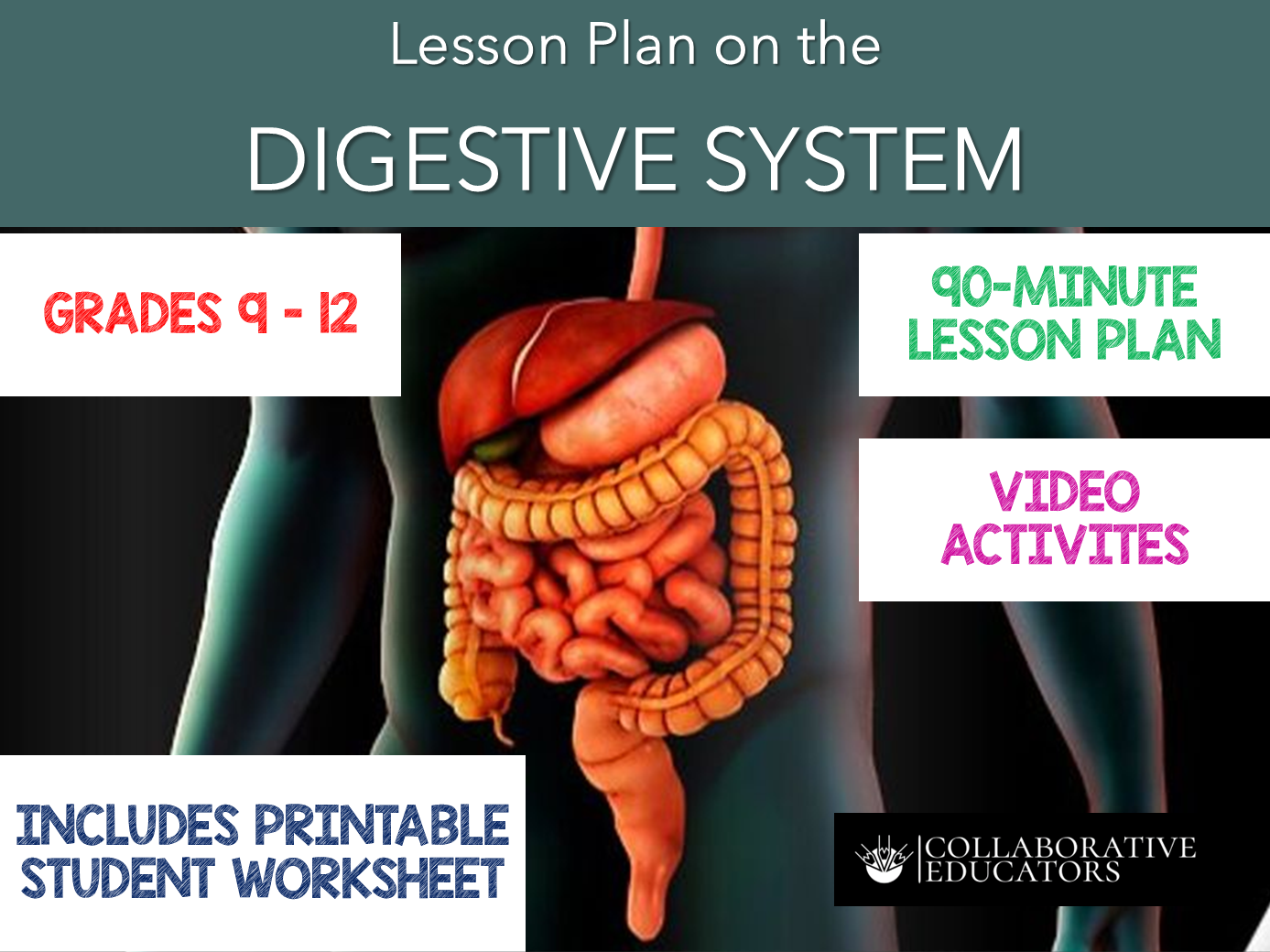
I WONDER - Can Your Stomach Influence How You Feel | Animated Video

I WONDER - Can Your Stomach Influence How You Feel | Animated Video
STEM, Biology, Life Sciences, Science, Human Body, Grade 2, 3, 4, 5, 6, 7, 8, Lesson Plans, Teacher Tools

Video Overview The human body is full of fascinating wonders to learn. This video is created to help the students recognize the anatomy and the job of the human body. I WONDER - Can Your Stomach Influence How You Feel | Animated Video Lesson Every part and organ in our human body is vital so let's see how important they are. Have you ever imagined how we look like if we didn't have a skeleton? Did you know that because we have our amazing muscles we can stand! Do you know how many teeth do we have? Have you ever wondered about the food journey inside our body? Can you name all the glands in our body? Why do we have skin? Our nervous system is really good at sending signals. Can you tell us more about it? Are you really good at Mathematics, painting, or any other thing? You should really thank your brain about it! The famous five senses are really doing a great work? Can you explain how every sense works? I WONDER - Can Your Stomach Influence How You Feel | Animated Video Lesson The video is perfect for encouraging the researching skills for the students, while learning more about our fantastic human body. I WONDER - Can Your Stomach Influence How You Feel | Animated Video Lesson This friendly designed video is suitable for students at school, homeschooling, and as a group activity. Format Available in MP4 format.

Author Educational Voice

Tags Can Your Stomach Influence How You Feel, Can Your Stomach Influence How You Feel Video, Stomach, Stomach Facts, Stomach Facts For Kids, Stomach Video, Stomach Video For Kids, How You Feel

I WONDER - How Did Grizzly Bears Get Their Name | Animated Video

I WONDER - How Did Grizzly Bears Get Their Name | Animated Video
STEM, Biology, Life Sciences, Science, Animals, Grade 1, 2, 3, 4, 5, 6, 7, 8, Lesson Plans, Teacher Tools

Video Introduction Animal kingdoms are full of fascinating wonders to learn. This video is designed for the students to learn more about animals in different countries. I WONDER - How Did Grizzly Bears Get Their Name | Animated Video Lesson Do you like animals? what is your favorite one? Do you own a pet? If yes, tell us more about it, like what its name? And what do you like most about it? What are the animal kingdoms? Can you write down the characteristics of each animal class like mammals, birds, reptiles, amphibian, fish and mollusks. Do you know that some animals can sing, can you name any of them? What is the largest and the smallest mammal in the world? What is the largest and the smallest bird in the world? What is the largest and the smallest fish in the world? I WONDER - How Did Grizzly Bears Get Their Name | Animated Video Lesson The video is perfect for encouraging the researching skills for the students, while learning more about these fantastic animals. I WONDER - How Did Grizzly Bears Get Their Name | Animated Video Lesson This friendly designed video is suitable for students at school, homeschooling, and as a group activity. Format Available in MP4 format.

Author Educational Voice

Tags How Did Grizzly Bears Get Their Name, How Did Grizzly Bears Get Their Name Video, Grizzly Bears, Grizzly Bears Facts, Grizzly Bears Facts For Kids, Grizzly Bears Video, Grizzly Bears Video For Kids, Grizzly Bear

I WONDER - How Do Our Ears Keep Clean | Animated Video Lesson

I WONDER - How Do Our Ears Keep Clean | Animated Video Lesson
Human Body, Life Sciences, Science, Biology, STEM, Grade 1, 2, 3, 4, 5, 6, 7, 8, Lesson Plans, Teacher Tools

Video Overview The human body is full of fascinating wonders to learn. This video is created to help the students recognize the anatomy and the job of the human body. I WONDER - How Do Our Ears Keep Clean | Animated Video Lesson Every part and organ in our human body is vital so let's see how important they are. Have you ever imagined how we look like if we didn't have a skeleton? Did you know that because we have our amazing muscles we can stand! Do you know how many teeth do we have? Have you ever wondered about the food journey inside our body? Can you name all the glands in our body? Why do we have skin? Our nervous system is really good at sending signals. Can you tell us more about it? Are you really good at Mathematics, painting, or any other thing? You should really thank your brain about it! The famous five senses are really doing a great work? Can you explain how every sense works? I WONDER - How Do Our Ears Keep Clean | Animated Video Lesson The video is perfect for encouraging the researching skills for the students, while learning more about our fantastic human body. I WONDER - How Do Our Ears Keep Clean | Animated Video Lesson This friendly designed video is suitable for students at school, homeschooling, and as a group activity. Format Available in MP4 format.

Author Educational Voice

Tags How Do Our Ears Keep Clean, How Do Our Ears Keep Clean Video, Ears, Ears Facts, Ears Facts For Kids, Ears Video, Ears Video For Kids, Human Body, Human Body Facts, Human Body Facts For Kids

I WONDER - How Are Peacock Feather So Colourful | Animated Video

I WONDER - How Are Peacock Feather So Colourful | Animated Video
STEM, Animals, Life Sciences, Science, Biology, Grade 1, 2, 3, 4, 5, 6, 7, 8, Lesson Plans, Teacher Tools

Video Introduction Animal kingdoms are full of fascinating wonders to learn. This video is designed for the students to learn more about animals in different countries. I WONDER - How Are Peacock Feather So Colourful | Animated Video Lesson Do you like animals? what is your favorite one? Do you own a pet? If yes, tell us more about it, like what its name? And what do you like most about it? What are the animal kingdoms? Can you write down the characteristics of each animal class like mammals, birds, reptiles, amphibian, fish and mollusks. Do you know that some animals can sing, can you name any of them? What is the largest and the smallest mammal in the world? What is the largest and the smallest bird in the world? What is the largest and the smallest fish in the world? I WONDER - How Are Peacock Feather So Colourful | Animated Video Lesson The video is perfect for encouraging the researching skills for the students, while learning more about these fantastic animals. I WONDER - How Are Peacock Feather So Colourful | Animated Video Lesson This friendly designed video is suitable for students at school, homeschooling, and as a group activity. Format Available in MP4 format.

Author Educational Voice

Tags How Are Peacock Feather So Colourful, How Are Peacock Feather So Colourful Video, Peacock Feather, Peacock Feather Facts, Peacock Feather Facts For Kids, Peacock Feather Video, Peacock Feather Video For Kids

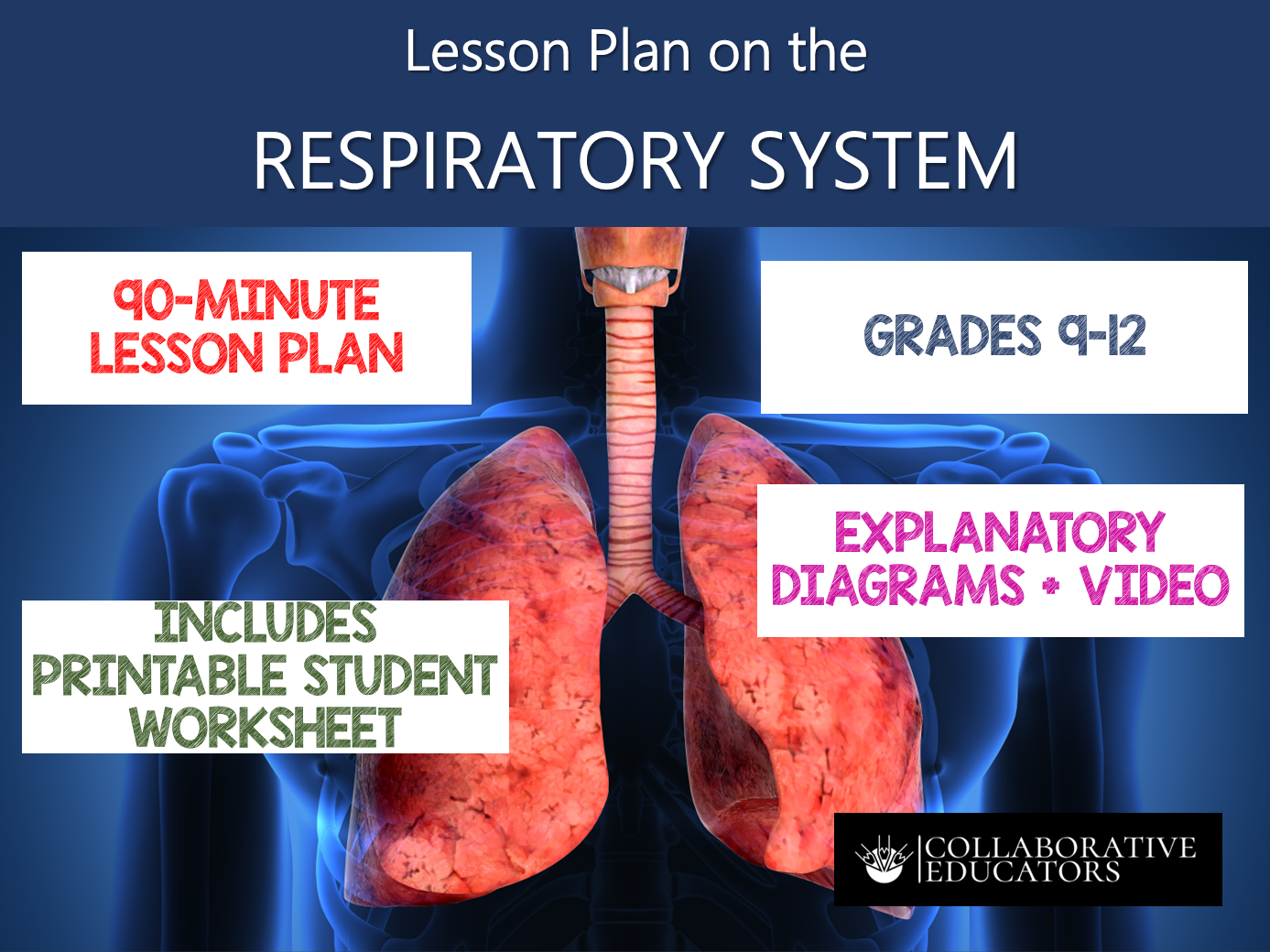
I WONDER - How Do Humans Breathe | Animated Video Lesson

I WONDER - How Do Humans Breathe | Animated Video Lesson
Human Body, Life Sciences, Science, Biology, STEM, Grade 3, 4, 5, 6, 7, 8, 9, Lesson Plans, Teacher Tools

Video Overview The human body is full of fascinating wonders to learn. This video is created to help the students recognize the anatomy and the job of the human body. I WONDER - How Do Humans Breathe | Animated Video Lesson Every part and organ in our human body is vital so let's see how important they are. Have you ever imagined how we look like if we didn't have a skeleton? Did you know that because we have our amazing muscles we can stand! Do you know how many teeth do we have? Have you ever wondered about the food journey inside our body? Can you name all the glands in our body? Why do we have skin? Our nervous system is really good at sending signals. Can you tell us more about it? Are you really good at Mathematics, painting, or any other thing? You should really thank your brain about it! The famous five senses are really doing a great work? Can you explain how every sense works? I WONDER - How Do Humans Breathe | Animated Video Lesson The video is perfect for encouraging the researching skills for the students, while learning more about our fantastic human body. I WONDER - How Do Humans Breathe | Animated Video Lesson This friendly designed video is suitable for students at school, homeschooling, and as a group activity. Format Available in MP4 format.

Author Educational Voice

Tags How Do Humans Breathe, How Do Humans Breathe Video, Breathing, Breathing Facts, Breathing Facts For Kids, Breathing Video, Breathing Video For Kids, Human Body, Human Body Facts

I WONDER - What Job Do Veins Do | Animated Video Lesson

I WONDER - What Job Do Veins Do | Animated Video Lesson
Human Body, Life Sciences, Science, Biology, STEM, Grade 6, 7, 8, 9, 10, 11, 12, Lesson Plans, Teacher Tools

Video Overview The human body is full of fascinating wonders to learn. This video is created to help the students recognize the anatomy and the job of the human body. I WONDER - What Job Do Veins Do | Animated Video Lesson Every part and organ in our human body is vital so let's see how important they are. Have you ever imagined how we look like if we didn't have a skeleton? Did you know that because we have our amazing muscles we can stand! Do you know how many teeth do we have? Have you ever wondered about the food journey inside our body? Can you name all the glands in our body? Why do we have skin? Our nervous system is really good at sending signals. Can you tell us more about it? Are you really good at Mathematics, painting, or any other thing? You should really thank your brain about it! The famous five senses are really doing a great work? Can you explain how every sense works? I WONDER - What Job Do Veins Do | Animated Video Lesson The video is perfect for encouraging the researching skills for the students, while learning more about our fantastic human body. I WONDER - What Job Do Veins Do | Animated Video Lesson This friendly designed video is suitable for students at school, homeschooling, and as a group activity. Format Available in MP4 format.

Author Educational Voice

Tags What Job Do Veins Do, What Job Do Veins Do Video, Veins, Vein, Veins Facts, Veins Facts For Kids, Veins Video, Veins Video For Kids, Arteries, Arteries Facts

I WONDER - What Do Pigs Eat | Animated Video Lesson

I WONDER - What Do Pigs Eat | Animated Video Lesson
STEM, Animals, Life Sciences, Science, Biology, Grade 1, 2, 3, 4, 5, 6, 7, 8, Lesson Plans, Teacher Tools

Video Introduction Animal kingdoms are full of fascinating wonders to learn. This video is designed for the students to learn more about animals in different countries. I WONDER - What Do Pigs Eat | Animated Video Lesson Do you like animals? what is your favorite one? Do you own a pet? If yes, tell us more about it, like what its name? And what do you like most about it? What are the animal kingdoms? Can you write down the characteristics of each animal class like mammals, birds, reptiles, amphibian, fish and mollusks. Do you know that some animals can sing, can you name any of them? What is the largest and the smallest mammal in the world? What is the largest and the smallest bird in the world? What is the largest and the smallest fish in the world? I WONDER - What Do Pigs Eat | Animated Video Lesson The video is perfect for encouraging the researching skills for the students, while learning more about these fantastic animals. I WONDER - What Do Pigs Eat | Animated Video Lesson This friendly designed video is suitable for students at school, homeschooling, and as a group activity. Format Available in MP4 format.

Author Educational Voice

Tags What Do Pigs Eat, What Do Pigs Eat Video, Pigs, Pigs Facts, Pig, Pigs Facts For Kids, Pigs Video, Pigs Video For Kids, Pig Facts, Pig Video

I WONDER - What Is A Bone Fracture | Animated Video Lesson

I WONDER - What Is A Bone Fracture | Animated Video Lesson
Human Body, Life Sciences, Science, Biology, STEM, Grade 3, 4, 5, 6, 7, 8, Lesson Plans, Teacher Tools

Video Overview The human body is full of fascinating wonders to learn. This video is created to help the students recognize the anatomy and the job of the human body. I WONDER - What Is A Bone Fracture | Animated Video Lesson Every part and organ in our human body is vital so let's see how important they are. Have you ever imagined how we look like if we didn't have a skeleton? Did you know that because we have our amazing muscles we can stand! Do you know how many teeth do we have? Have you ever wondered about the food journey inside our body? Can you name all the glands in our body? Why do we have skin? Our nervous system is really good at sending signals. Can you tell us more about it? Are you really good at Mathematics, painting, or any other thing? You should really thank your brain about it! The famous five senses are really doing a great work? Can you explain how every sense works? I WONDER - What Is A Bone Fracture | Animated Video Lesson The video is perfect for encouraging the researching skills for the students, while learning more about our fantastic human body. I WONDER - What Is A Bone Fracture | Animated Video Lesson This friendly designed video is suitable for students at school, homeschooling, and as a group activity. Format Available in MP4 format.

Author Educational Voice

Tags What Is A Bone Fracture, What Is A Bone Fracture Video, Bone Fracture, Bone Fracture Facts, Bone Fracture Facts For Kids, Bone Fracture Video, Bone Fracture Video For Kids, Bone Fractures

I WONDER - What Is The Largest Gland In The Body | Animated Video

I WONDER - What Is The Largest Gland In The Body | Animated Video
Biology, Life Sciences, Science, Human Body, STEM, Grade 6, 7, 8, 9, 10, 11, 12, Lesson Plans, Teacher Tools

Video Overview The human body is full of fascinating wonders to learn. This video is created to help the students recognize the anatomy and the job of the human body. I WONDER - What Is The Largest Gland In The Body | Animated Video Lesson Every part and organ in our human body is vital so let's see how important they are. Have you ever imagined how we look like if we didn't have a skeleton? Did you know that because we have our amazing muscles we can stand! Do you know how many teeth do we have? Have you ever wondered about the food journey inside our body? Can you name all the glands in our body? Why do we have skin? Our nervous system is really good at sending signals. Can you tell us more about it? Are you really good at Mathematics, painting, or any other thing? You should really thank your brain about it! The famous five senses are really doing a great work? Can you explain how every sense works? I WONDER - What Is The Largest Gland In The Body | Animated Video Lesson The video is perfect for encouraging the researching skills for the students, while learning more about our fantastic human body. I WONDER - What Is The Largest Gland In The Body | Animated Video Lesson This friendly designed video is suitable for students at school, homeschooling, and as a group activity. Format Available in MP4 format.

Author Educational Voice

Tags What Is The Largest Gland In The Body, What Is The Largest Gland In The Body Video, Largest Gland, Largest Gland Facts, Largest Gland Facts For Kids, Largest Gland Video, Largest Gland Video For Kids

I WONDER - Where Did Hamsters Get Their Name | Animated Video Lesson

I WONDER - Where Did Hamsters Get Their Name | Animated Video Lesson
STEM, Biology, Life Sciences, Science, Animals, Grade 1, 2, 3, 4, 5, 6, 7, 8, Lesson Plans, Teacher Tools

Video Introduction Animal kingdoms are full of fascinating wonders to learn. This video is designed for the students to learn more about animals in different countries. I WONDER - Where Did Hamsters Get Their Name | Animated Video Lesson Do you like animals? what is your favorite one? Do you own a pet? If yes, tell us more about it, like what its name? And what do you like most about it? What are the animal kingdoms? Can you write down the characteristics of each animal class like mammals, birds, reptiles, amphibian, fish and mollusks. Do you know that some animals can sing, can you name any of them? What is the largest and the smallest mammal in the world? What is the largest and the smallest bird in the world? What is the largest and the smallest fish in the world? I WONDER - Where Did Hamsters Get Their Name | Animated Video Lesson The video is perfect for encouraging the researching skills for the students, while learning more about these fantastic animals. I WONDER - Where Did Hamsters Get Their Name | Animated Video Lesson This friendly designed video is suitable for students at school, homeschooling, and as a group activity. Format Available in MP4 format.

Author Educational Voice

Tags Where Did Hamsters Get Their Name, Where Did Hamsters Get Their Name Video, Hamsters, Hamster, Hamsters Facts, Hamsters Facts For Kids, Hamsters Video, Hamsters Video For Kids

I WONDER - Are Sugars Carbohydrates | Animated Video Lesson

I WONDER - Are Sugars Carbohydrates | Animated Video Lesson
Biology, Life Sciences, Science, Human Body, STEM, Grade 2, 3, 4, 5, 6, 7, 8, Lesson Plans, Teacher Tools

Video Overview The human body is full of fascinating wonders to learn. This video is created to help the students recognize the anatomy and the job of the human body. I WONDER - Are Sugars Carbohydrates | Animated Video Lesson Every part and organ in our human body is vital so let's see how important they are. Have you ever imagined how we look like if we didn't have a skeleton? Did you know that because we have our amazing muscles we can stand! Do you know how many teeth do we have? Have you ever wondered about the food journey inside our body? Can you name all the glands in our body? Why do we have skin? Our nervous system is really good at sending signals. Can you tell us more about it? Are you really good at Mathematics, painting, or any other thing? You should really thank your brain about it! The famous five senses are really doing a great work? Can you explain how every sense works? I WONDER - Are Sugars Carbohydrates | Animated Video Lesson The video is perfect for encouraging the researching skills for the students, while learning more about our fantastic human body. I WONDER - Are Sugars Carbohydrates | Animated Video Lesson This friendly designed video is suitable for students at school, homeschooling, and as a group activity. Format Available in MP4 format.

Author Educational Voice

Tags Are Sugars Carbohydrates, Are Sugars Carbohydrates Video, Sugars, Sugar, Sugars Facts, Sugars Facts For Kids, Sugars Video, Sugars Video For Kids, Carbohydrates, Carbohydrates Facts

I WONDER - Do Animals See Differently From Humans | Animated Video

I WONDER - Do Animals See Differently From Humans | Animated Video
STEM, Animals, Life Sciences, Science, Biology, Human Body, Grade 1, 2, 3, 4, 5, 6, 7, 8, Lesson Plans, Teacher Tools

Video Introduction Animal kingdoms are full of fascinating wonders to learn. This video is designed for the students to learn more about animals in different countries. I WONDER - Do Animals See Differently From Humans | Animated Video Lesson Do you like animals? what is your favorite one? Do you own a pet? If yes, tell us more about it, like what its name? And what do you like most about it? What are the animal kingdoms? Can you write down the characteristics of each animal class like mammals, birds, reptiles, amphibian, fish and mollusks. Do you know that some animals can sing, can you name any of them? What is the largest and the smallest mammal in the world? What is the largest and the smallest bird in the world? What is the largest and the smallest fish in the world? I WONDER - Do Animals See Differently From Humans | Animated Video Lesson The video is perfect for encouraging the researching skills for the students, while learning more about these fantastic animals. I WONDER - Do Animals See Differently From Humans | Animated Video Lesson This friendly designed video is suitable for students at school, homeschooling, and as a group activity. Format Available in MP4 format.

Author Educational Voice

Tags Do Animals See Differently From Humans, Do Animals See Differently From Humans Video, Animals, Animal, Animals Facts, Animals Facts For Kids, Animals Video, Animals Video For Kids

I WONDER - How Long Have Bacteria Been On Earth | Animated Video

I WONDER - How Long Have Bacteria Been On Earth | Animated Video
Biology, Life Sciences, Science, Earth Sciences, Earth and Environmental Sciences, Grade 4, 5, 6, 7, 8, 9, 10, Lesson Plans, Teacher Tools

Video Introduction An amazing activity designed for the students to learn more about STEM. I WONDER - How Long Have Bacteria Been On Earth | Animated Video Lesson Do you like STEM subjects? what is your favorite one? Have you ever tried to plant a seed? If yes, tell us more about it. Or have you ever tried to invent something? If yes, tell us more about it. And how do you think it will help us? Have you ever seen a microorganism under a microscope? What was it? And how it looked like? Mathematics is a marvelous subject. Let' sharpen our brains and solve some equations. Do you like timetable tricks? What is your favorite one? Do you know how to code? Have you ever created an app or a game before? If yes, how was it like? I WONDER - How Long Have Bacteria Been On Earth | Animated Video Lesson The video is perfect for encouraging the researching skills for the students, while learning more about this fantastic topic. I WONDER - How Long Have Bacteria Been On Earth | Animated Video Lesson This friendly designed video is suitable for students at school, homeschooling, and as a group activity. Format Available in MP4 format.

Author Educational Voice

Tags How Long Have Bacteria Been On Earth, How Long Have Bacteria Been On Earth Video, Bacteria, Bacteria Facts, Bacteria Facts For Kids, Bacteria Video, Bacteria Video For Kids, Earth Facts, Earth Video For Kids