Character Analysis Graphic Organizers – STEAL Method
- Grades
- Grades 5–8
- File type
- Preparation
- Print ready


- Subject
- ELA, Literature
- Topic
- STEAL method, Character analysis
- Resource types
- Graphic Organizers
- Preparation
- Print ready
- Standards
- RL.6.1
Product description
From the author
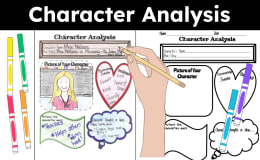
This resource is a set of Character Analysis Graphic Organizers.
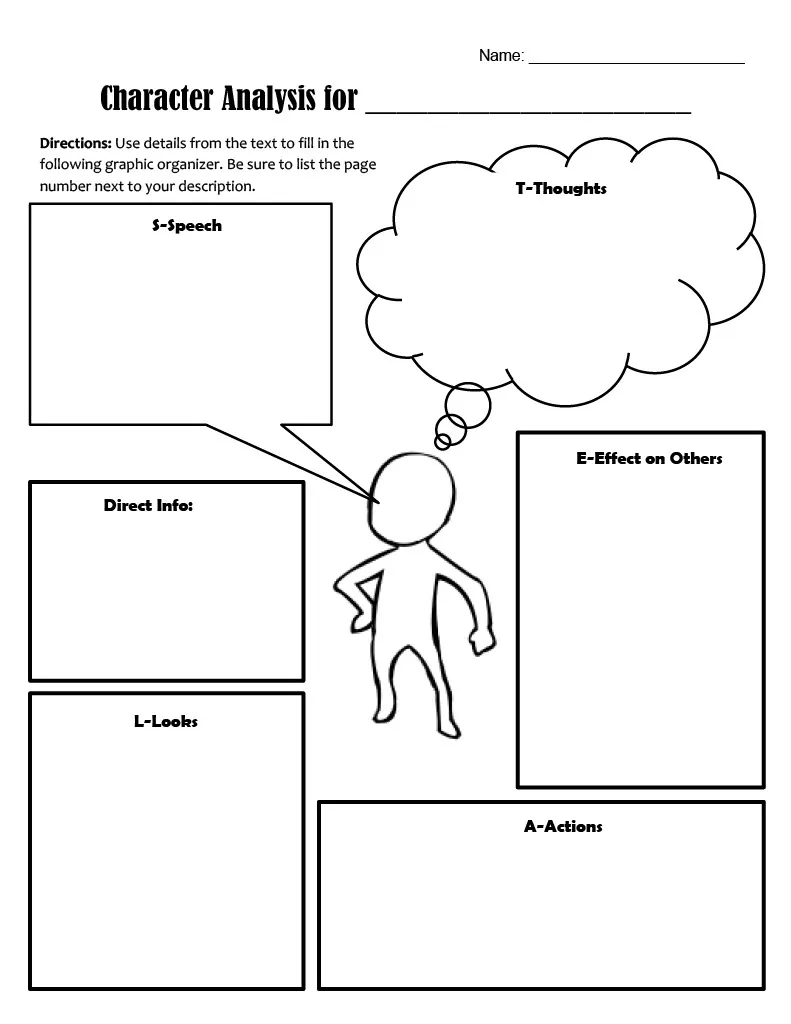
On the first worksheet, students will use the acronym STEAL to complete their graphic organizer.
S- speech
T- thoughts
E- effect on others
A- actions
L- looks
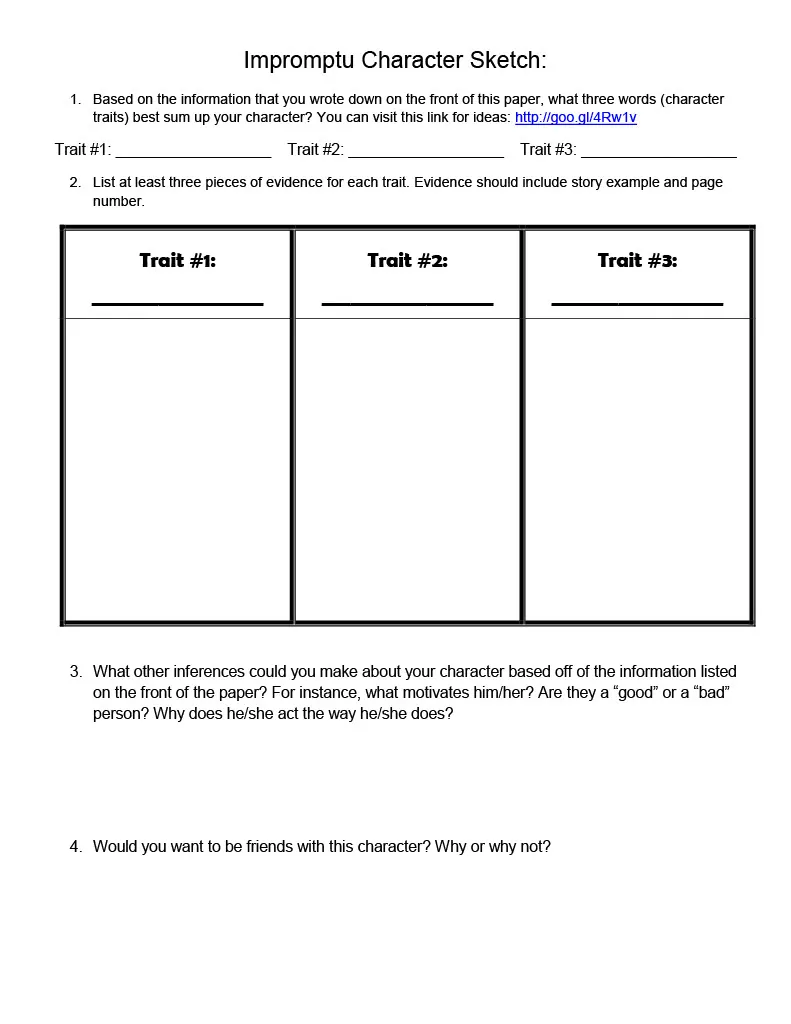
On the second worksheet, students will develop an impromptu character sketch.
These graphic organizers can be used alongside any text any time you are wanting students to dive deeper into the characters.
Related resources
More resources teachers may find useful
24 related resources were found using this product's title, contributor, categories and tags.

In the classroom
Teaching tips & learning objectives

Learning objectives
Students identify and record textual evidence of a character's speech, thoughts, actions, looks and effect on others, citing page numbers.
Students name three character traits supported by the evidence they gathered.
Students draw and justify further inferences about a character's motivation and behavior.

Teaching tips
Assign the STEAL organizer while students are reading a chapter or scene so they can record page numbers as they encounter each detail, rather than after finishing the whole text.
Have students complete page one for a shared class text before asking them to apply page two's trait-and-evidence process independently.
Use the final question — whether students would want to be friends with the character — as a discussion starter to surface differing interpretations of the same evidence.

Skills covered
Textual evidence gathering — students record specific page-cited details of a character's speech, thoughts, actions and looks.
Character trait identification — students name three traits and support each with story evidence.
Inferential reasoning — students go beyond stated facts to infer a character's motivation and judge their behavior.
Good to know
Questions teachers ask about this resource
Can I use the organizers with the book my class is already reading?
Yes. The pages leave the character and text open, so you can pair them with your current story or novel. Students collect details and page references before developing their character sketch.

No reviews yet
Downloaded this resource? Tell other teachers how it went.
Curriculum
Standards, concepts & topics
Standards
 Standards
- RL.6.1
Core concepts
 Core concepts
Character analysis
Textual evidence
Character traits
Inference
 Topics
Explore more
Categories this resource belongs to
Explore related searches
More to explore
You may also like