resources by type
resources by grade
resources by subject
other resources

2,825 products added recently

Sports Activities

Introduce your students to a variety of sports through activities that develop skills and foster a love for physical activity. This collection includes drills, games, and modified sports suitable for different age groups and abilities. By incorporating these sports activities into your PE classes, you can enhance coordination, teach rules and strategies, and promote a positive attitude toward sports.

Relevant
alt down
Any Time
alt down
filter by
alt down
All File Types
alt down
filter nav Show filters
Sort by: Relevant
CLEAR
resources by type
Activities
up arrow
Centers
Crafts
Escape Room
Experiments
down arrow
Games
Projects
Read Alouds
Songs
Classroom Decor
down arrow
Teacher Tools
down arrow
Worksheets & Printables
down arrow
resources by grade
Early Learning
down arrow
Pre-K
down arrow
Elementary
down arrow
Middle School
down arrow
High School
down arrow
Adult Education
Not Grade Specific
resources by subject
Creative Arts
down arrow
ELA
down arrow
Holiday & Seasonal
down arrow
Life Studies
down arrow
Math
down arrow
P.E. & Health
up arrow
Health
Mental Health
down arrow
Physical Education
Sports
Yoga
Social Studies
down arrow
Special Resources
down arrow
Science
down arrow
Foreign Languages
down arrow
Resources for Teachers
down arrow
other resources
Common Core
Homeschool Resources
down arrow
Montessori
Research
STEM
Hiking Reading Comprehension Passage - Cored Ed Encyclopedia

Hiking Reading Comprehension Passage - Cored Ed Encyclopedia
ELA, Reading Comprehension, Reading, Pre-Reading, Language Development, History, Social Studies, Geography, P.E. & Health, Physical Education, Grade 2, 3, 4, 5, Worksheets & Printables, Worksheets, Teacher Tools, Centers, Activities, Writing Prompts, Assessments, Quizzes and Tests, Quizzes, Lesson Plans

This hiking reading comprehension with lesson plan includes: Visualization (on the front cover) Start your lesson by taking a minute to think and share something about the topic. Read the script aloud (slowly), perhaps prepare some music or sound effects. Student close their eyes and let their imaginations wander. Students open their eyes, read the question aloud and give them a few minutes to complete. Ask a few students to share or keep answers until the end to compare with what they learn in the passage. Quick pause—thousands of Cored Education products are included with your TeachSimple membership. Download links and encyclopedia index available here. Pre-Reading Trivia Students will write down one thing they already know about the subject and then read five more facts and discuss. These facts are fun, and the students will enjoy learning about the subject before reading more. Give 1 minute for students to write what they already know (no pressure—best guess is fine). Read the five facts together. After each fact, do ask a student for their opinion, was it surprising? Set a purpose by asking students to highlight/underline one fact they want to learn more about during the reading. Reading Passage The text is a high-interest reading passage with set paragraphs, roughly three to four paragraphs long. It contains a variety of themes about the topic, anywhere from history to technology. The passage is between 250 and 350 words in length. First, ask students to look at the headings and see what they’ll learn about today. What do they know about the topic/heading? First read options: Teacher read-aloud (best for support). Partner reading (paragraph by paragraph). While reading, students underline important details, and vocabulary words they think may come up in the questions section. Mixed Questions The first question page contains four multiple-choice questions, each with a choice of four answers, and three written response questions that require a sentence or two from the student. Students complete the mcqs first independently, then review quickly as a class. For the 3 written responses, try to get students giving the answer with some form of evidence: “I think ___ because the text says ___.” If students get stuck, send them back to check the passage. Vocabulary Questions Practice seven key words from the text in this section across two activities. First section is scrambled words where students will unscramble three words given a clue for each. The second section is a word to meaning matching activity. Before starting, have some students read out words they underlined in the passage. Ask students to say the word and read aloud the sentence(s) around each word. Ask students to do scrambled words and the matching exercise in pairs then go through answers as a class. For the scrambled spelling task, get four pairs to come up to the board and write the words for extra practice with the other student reading out the clue. For the matching task, prompt students to give full sentences: “I matched ___ with ___ because ___.” Creative Writing In this question, the student will be required to write a five to eight sentence paragraph on a question related to the topic. Before starting, ask students write down 3 key ideas they are going to include in their piece. Ask students for ideas to share around the class to help those struggling. Pro writing expectations: 5–8 sentences At least 2 facts or details from the passage At least 2 vocabulary words from the previous page Students read their paragraphs while classmates listen for facts and vocabulary words. Extension Activities This page is optional for fast finishers or to take home. There are several activities, each one requiring a different skill. Do some, do none, do all, completely optional - but you will feel reassured knowing every possibility is planned for. Includes summary writting question and additional facts. Answer Key There are answers for the multiple-choice questions, written response questions have sample answers, vocabulary answers and if there is a summary question then a sample summary will be provided as well. Lesson Plan Included Customized lesson plan for this lesson is included. Lesson Snapshot Title: Hiking Genre: Nonfiction (informational text) Subject: Health / Physical Education Primary Topic: What hiking is, its history, and staying safe Estimated Guided Reading Level (A–Z): Q What This Lesson Teaches Best Defines hiking as “more than a stroll” and describes what hiking feels like on a trail or footpath. Explains how walking shifted from serious reasons (like religious pilgrimages) to walking for pleasure and adventure. Describes how trails needed signs, maps, and protection as hiking grew, including work to build and maintain the Appalachian Trail. Teaches basic hiking safety and preparedness (boots/shoes, backpack supplies, and the “Ten Essentials” such as a compass and first-aid kit). Names risks hikers can face when weather shifts or routes disappear, including dehydration and hypothermia. Learning Goals Students will describe what hiking is using details from the passage. Students will explain why people walked long ago and how walking for pleasure grew later. Students will identify why trails needed signs, maps, and protection as more people hiked. Students will describe what the passage says about the Appalachian Trail (where it stretches and how long it is). Students will list items hikers pack to “stay alert” and connect them to safety. Students will name risks mentioned in the text that can affect hikers’ bodies. Key Vocabulary From the Text pilgrimages — long journeys taken for religious reasons. destinations — places people want to go or visit. organizations — groups that work together for a purpose. dehydration — not enough water in the body. hypothermia — when the body gets too cold. FULL CATALOG OF DOWNLOAD LINKS AND ENCYCLOPEDIA INDEX HERE

Author Cored Education

Rating

Tags Vocabulary, Reading Comprehension, Reading Passages, Lesson Plans, Ela Lesson Plans, Reading Comprehension Lesson Plans, Pre-reading, Health Lesson Plans, Social Studies Lesson Plans, P.e.

Guided Reading Level M - The Sport of Fencing (with Lesson Plan)
Free Download

Guided Reading Level M - The Sport of Fencing (with Lesson Plan)
ELA, Resources for Teachers, Reading Comprehension, Reading, Science, Engineering, Technology, Sports, P.E. & Health, Physical Education, Grade 2, 3, 4, Worksheets & Printables, Worksheets, Teacher Tools, Centers, Activities, Literacy Readers, Quizzes, Quizzes and Tests, Assessments, Lesson Plans

This Guided Reading Book - The Sport of Fencing (Level M) with lesson plan includes: Guided Reading Color Label (front cover x1) This is a quick way to match the book’s demands to what students can generally handle.. The overall goal is to use the level/color to pick books for several smaller groups. To qualify for a certain level, a student is expected to read a book from that level with about 90–94% accuracy. If a student is consistently accurate and understands, move up a level. If the student is struggling at that level, drop down and add more support. Each student will improve at completely different rates, but it is generally one of the best ways to check progress across the class. DOWNLOAD THE CATALOG TO VIEW ALL GUIDED READING BOOKS AVAILABLE (SORTED LEVELS A-Z) Pre-Reading Question (x1) Teacher asks the prompt aloud, can be while showing the cover or first page. Students share what they already know, or make educated guesses from the cover. Prompt them to use the target vocabulary. Write some of their responses on the board to look back at during the reading. Vocabulary Words (x5) Introduce the five words, best doing it one at a time. Start by saying it, while students repeat and then see if anyone knows what it means before reading further. Read through the meaning and try to briefly connect each word to a picture or gesture so it’s meaningful. Ask students to flip through the book pages and point to where they see each of the vocabulary words. While reading the book pause upon coming across one of the vocab words or read the sentence twice to make sure students understand the word has appeared. Optional: Ask students to raise hands whenever they see/hear one of the new words. Guided Reading Pages (x10) Check the book snapshot (below) for: primary topic - do you need to prep extra reading or intro materials on this? what is taught best - decide on 1-2 bullets to focus on, use the prompt or words provided here for best results. learning goals - what you are checking for students to be able to do after the session, elicit answers using prompts or words provided. key vocabulary (see section above). questions overview - so you know what is coming up and if you need to prep extra materials to assist understanding. Run the lesson You may have already looked at a few of the pages together, but you can show them some of the pictures again first to set meaning. Depending on how much time you have and how familiar your students are with guided reading class, you may want to read the book aloud first with the group first. Students whisper or partner read, while you listen in. If time, do it as a group, one student reading a page each. Use the guided page’s prompts to coach: “Check the picture / does it make sense?” “Point under the words / try the first sound” “Reread the sentence smoothly”. Try to focus more on one student per session (rotating every time), so you can work out if they are ready to move up or need to move down a level. Comprehension Questions (back cover x3) This is your way to check that students didn’t just say the words, but actually understood the text. First, let students answer by pointing to the page/picture and saying a short sentence. After any answer, follow with: “Show me where you found that in the text.” In bigger groups, have partners answer first (10–20 seconds), then call on 2–3 students to share. Differentiation tips: Emerging speakers/struggling readers: oral + pointing On-level: oral in a full sentence Higher: one written sentence or draw + label Book Snapshot Title: The Sport of Fencing Genre: Nonfiction (informational) Subject: Physical Education / Reading (Informational Text) Primary Topic: Fencing gear, swords, and how matches work Estimated Guided Reading Level (A–Z): M What This Book Teaches Best Basic overview of fencing as a sport, including where it takes place (a long, narrow mat called a “strip”). Safety equipment and how it protects fencers (mask, jacket, glove, cuff). Differences among the three fencing swords and how points are scored with each (foil, épée, sabre). Key fencing moves and positions used in a match (“En Garde” stance, lunge). How modern fencing tracks points and how respect is shown before and after matches. Learning Goals Students will describe what fencing looks like and where it takes place using details from the text. Students will explain how fencing safety gear protects a fencer during a match. Students will compare foil, épée, and sabre by describing how targets and scoring work. Students will identify and describe the “En Garde” stance and why it helps movement. Students will explain how a lunge helps a fencer reach an opponent to score a point. Students will describe how fencing shows respect before and after a match. Key Vocabulary From the Text strip — the long, narrow mat where fencers move. foil — a light, flexible sword used in fencing. épée — the heaviest fencing sword with the whole body as target. sabre — a fast sword that can score with tip or edge. lunge — a move stepping forward to reach an opponent. Discussion Prompts Pre-reading question: What safety gear do you think someone would need to fence safely? Comprehension questions: Why do fencers wear a fencing mask? In a foil match, what part of the opponent is the target for scoring points? What do fencers do before and after a match to show respect? Printing Tips 1. Best Printing Method (Recommended) “Booklet” Printing (Best if Available) If your printer or PDF viewer supports Booklet Printing , use this. Settings to use: Print mode: Booklet Paper size: Letter or A4 (either works) Orientation: Landscape Print on both sides: Yes Flip on: Short edge Scaling: Fit to printable area Booklet subset: First test: Front sides only Then: Back sides only This will automatically: Pair pages correctly Put the cover on the outside Align everything for folding After printing, fold in half and staple along the spine . 2. If “Booklet” Printing Is NOT Available You can still print this correctly with manual duplex printing . Step-by-step: Open the PDF. Choose Print . Set: Orientation: Landscape Pages per sheet: 1 Print on both sides: Yes Flip on: Short edge Print all pages . Because each PDF page already contains two facing book pages, the result will still fold cleanly into a book. Thousands of Cored Education products are included with your TeachSimple membership. Download links and encyclopedia index available here.

Author Cored Education

Rating

Tags Reading Comprehension, Reading Passages, Reading, Guided Reading, Guided Reading Lesson Plan, Guided Reading Activity, Pre-reading, Health Lesson Plans, P.e., Sports

Teen Mental Resilience Strategies - Psychology Book

Teen Mental Resilience Strategies - Psychology Book
P.E. & Health, Health, Mental Health, Mindfulness, Physical Education, Sports, Yoga, Life Skills, Special Resources, Social Emotional Learning (SEL), Grade 6, 7, 8, 9, 10, 11, 12, Workbooks, Worksheets & Printables, Projects, Activities, Assessments, Teacher Tools, Lesson Plans, Literacy Readers, Outlines, Presentations

Find the best psychology book for teenager mental resilience in today's fast-paced world. "Teen Mental Resilience Strategies - Psychology" is an in-depth, entertainingly written book tailored specifically to help teenagers in high school overcome challenges of academic and social pressures, and changes in their emotions. Booked and penned by Syed Hammad Rizvi, this 382-page-long book incorporates the most crucial concepts of psychology, such as Growth Mindset, Neuroplasticity, and Emotional Intelligence (EQ), Stress management, Mindfulness, and Setting Goals. Consisting of 128 in-depth chapters, this book provides straightforward science-qualified advice on How to Decode Emotions, Break Self-Doubt, Build Healthy Relationships, Manage and Reduce Anxiety, and Achieve Sustainable Well-being in Life. Perfectly useful as a teenager mental health book, this book helps young readers to Switch Gears from Failures to Growth, Build Self-Compassion, and Stay Resilient under all circumstances. Search Keywords: Teen Mental Health Book, Resilience Strategies For Teens, Psychology For Teenagers, Emotional Intelligence Resource, Stress Relief For Teenagers, Mindfulness For Teens, Self-Esteem Building Workbook. Why Parents/Schools Love It: Empowers Teens with Skills for a Lifetime: Gives practical, psychology-based strategies to effectively deal with stress, emotions, and relations, enabling students to become independent and resilient. Comprehensive and Age-Appropriate: The book spans 128 chapters, starting with simple mind and body associations and progressing to more complex aspects such as grit and mindfulness, targeting students in grades 8 through 12. Encourages Positive Mental Health: Emphasizes self-awareness, thankfulness, and emotional resilience to avoid issues related to anxiety and depression and align with school counseling and wellness initiatives. Science-Backed and Engaging: Builds on established ideas from psychology such as EQ and neuroplasticity, making it a great resource to accompany a high school psychology curriculum. Fosters Family/School Discussions. Provides ways of communicating, limiting, and support networks, leading to discussions among teens, parents, and school personnel. Target Student Classes : After analyzing the book thoroughly, based on its content, its design, and the targeted group, it appears that it has been penned for students belonging to grades 8 through 12, roughly aged between 13 and 18 years. Starting off with middle-school education (grade 8) concepts such as understanding the teenage brain and mind, emotions, advancing through challenging ideas suited for high school students (grades 9 through 12) such as cognitive restructuring, post-traumatic growth, imposter syndrome, and self-determination theory, it appears that the language used has been advanced, targeting high school education related to science or general psychology, hence suited for students moving on from middle school or high school students undergoing pressures of college prep. Copyright/Terms of Use This book has been copyrighted by Syed Hammad Rizvi. This resource may only be used on an individual and personal level. For instance, you may not give it out to other classrooms. This also includes posting it on any website where it may be downloaded freely. If you like this resource, you can share it with other teachers by purchasing licenses to use it on Teachsimple. Thank you. This product is proud to be brought to you by Syed Hammad Rizvi

Author Creative Book Store

Rating

Tags TeenMentalHealth, ResilienceStrategies, PsychologyForTeens, HighSchoolWellBeing, EmotionalIntelligenceGuide, MentalHealthMatters, MentalHealthAwareness, MentalHealthRecovery, MentalHealthSupport, MentalHealthAdvocate

Guided Reading Level N - Swimming (with Lesson Plan)

Guided Reading Level N - Swimming (with Lesson Plan)
ELA, Resources for Teachers, Reading Comprehension, Reading, Health, P.E. & Health, Pre-Reading, Language Development, Sports, Physical Education, Grade 2, 3, 4, Worksheets & Printables, Worksheets, Teacher Tools, Centers, Activities, Literacy Readers, Quizzes, Quizzes and Tests, Assessments

This Guided Reading Book - Swimming (Level N) with lesson plan includes: Guided Reading Color Label (front cover x1) This is a quick way to match the book’s demands to what students can generally handle.. The overall goal is to use the level/color to pick books for several smaller groups. To qualify for a certain level, a student is expected to read a book from that level with about 90–94% accuracy. If a student is consistently accurate and understands, move up a level. If the student is struggling at that level, drop down and add more support. Each student will improve at completely different rates, but it is generally one of the best ways to check progress across the class. DOWNLOAD THE CATALOG TO VIEW ALL GUIDED READING BOOKS AVAILABLE (SORTED LEVELS A-Z) Pre-Reading Question (x1) Teacher asks the prompt aloud, can be while showing the cover or first page. Students share what they already know, or make educated guesses from the cover. Prompt them to use the target vocabulary. Write some of their responses on the board to look back at during the reading. Vocabulary Words (x5) Introduce the five words, best doing it one at a time. Start by saying it, while students repeat and then see if anyone knows what it means before reading further. Read through the meaning and try to briefly connect each word to a picture or gesture so it’s meaningful. Ask students to flip through the book pages and point to where they see each of the vocabulary words. While reading the book pause upon coming across one of the vocab words or read the sentence twice to make sure students understand the word has appeared. Optional: Ask students to raise hands whenever they see/hear one of the new words. Guided Reading Pages (x10) Check the book snapshot (below) for: primary topic - do you need to prep extra reading or intro materials on this? what is taught best - decide on 1-2 bullets to focus on, use the prompt or words provided here for best results. learning goals - what you are checking for students to be able to do after the session, elicit answers using prompts or words provided. key vocabulary (see section above). questions overview - so you know what is coming up and if you need to prep extra materials to assist understanding. Run the lesson You may have already looked at a few of the pages together, but you can show them some of the pictures again first to set meaning. Depending on how much time you have and how familiar your students are with guided reading class, you may want to read the book aloud first with the group first. Students whisper or partner read, while you listen in. If time, do it as a group, one student reading a page each. Use the guided page’s prompts to coach: “Check the picture / does it make sense?” “Point under the words / try the first sound” “Reread the sentence smoothly”. Try to focus more on one student per session (rotating every time), so you can work out if they are ready to move up or need to move down a level. Comprehension Questions (back cover x3) This is your way to check that students didn’t just say the words, but actually understood the text. First, let students answer by pointing to the page/picture and saying a short sentence. After any answer, follow with: “Show me where you found that in the text.” In bigger groups, have partners answer first (10–20 seconds), then call on 2–3 students to share. Differentiation tips: Emerging speakers/struggling readers: oral + pointing On-level: oral in a full sentence Higher: one written sentence or draw + label Book Snapshot Title: Swimming Genre: Nonfiction (informational) Subject: Physical Education / Health Primary Topic: Swimming safety, gear, strokes, and racing Estimated Guided Reading Level (A–Z): N What This Book Teaches Best How swimming uses arms and legs as a full-body exercise that builds strength and endurance. How competitive swimming pools are organized with lanes and lane lines to help swimmers stay in their own path. Why safety matters in swimming and what lifeguards do to keep swimmers safe. How gear (goggles and swim caps) helps swimmers see clearly and reduce drag/resistance in the water. Key features of the four competitive strokes (freestyle, backstroke, breaststroke, butterfly) and how races begin. Learning Goals Students will describe where people can swim and why people swim (fun, health, competition). Students will explain how lane lines help swimmers during a race. Students will describe how lifeguards help keep swimmers safe and support swimmers who have trouble. Students will explain how goggles and swim caps help swimmers in the water. Students will describe what “floating” is and why it is an essential beginner skill. Students will compare the four competitive strokes by identifying a key movement for each. Key Vocabulary From the Text endurance — being able to keep going for a long time. competitive — about contests where people try to win. priority — something that is most important. efficiently — using less time or effort to do something. horizontal — flat and level, not standing upright. Discussion Prompts Pre-reading question: What do you think swimmers must do to stay safe in the water? Comprehension questions: How do lane lines help swimmers during a race in a pool? Comprehension questions: What two jobs does the text say lifeguards do at the pool? Comprehension questions: Why is floating an essential skill for swimmers, according to the text? Printing Tips 1. Best Printing Method (Recommended) “Booklet” Printing (Best if Available) If your printer or PDF viewer supports Booklet Printing , use this. Settings to use: Print mode: Booklet Paper size: Letter or A4 (either works) Orientation: Landscape Print on both sides: Yes Flip on: Short edge Scaling: Fit to printable area Booklet subset: First test: Front sides only Then: Back sides only This will automatically: Pair pages correctly Put the cover on the outside Align everything for folding After printing, fold in half and staple along the spine . 2. If “Booklet” Printing Is NOT Available You can still print this correctly with manual duplex printing . Step-by-step: Open the PDF. Choose Print . Set: Orientation: Landscape Pages per sheet: 1 Print on both sides: Yes Flip on: Short edge Print all pages . Because each PDF page already contains two facing book pages, the result will still fold cleanly into a book. Thousands of Cored Education products are included with your TeachSimple membership. Download links and encyclopedia index available here.

Author Cored Education

Rating

Tags Reading Comprehension, Reading Passages, Reading, Guided Reading, Guided Reading Lesson Plan, Guided Reading Activity, Pre-reading, Health Lesson Plans, Sports, P.e.

Winter Olympic Games Gr. 4-6

Winter Olympic Games Gr. 4-6
P.E. & Health, Physical Education, Grade 4, 5, Games, Activities

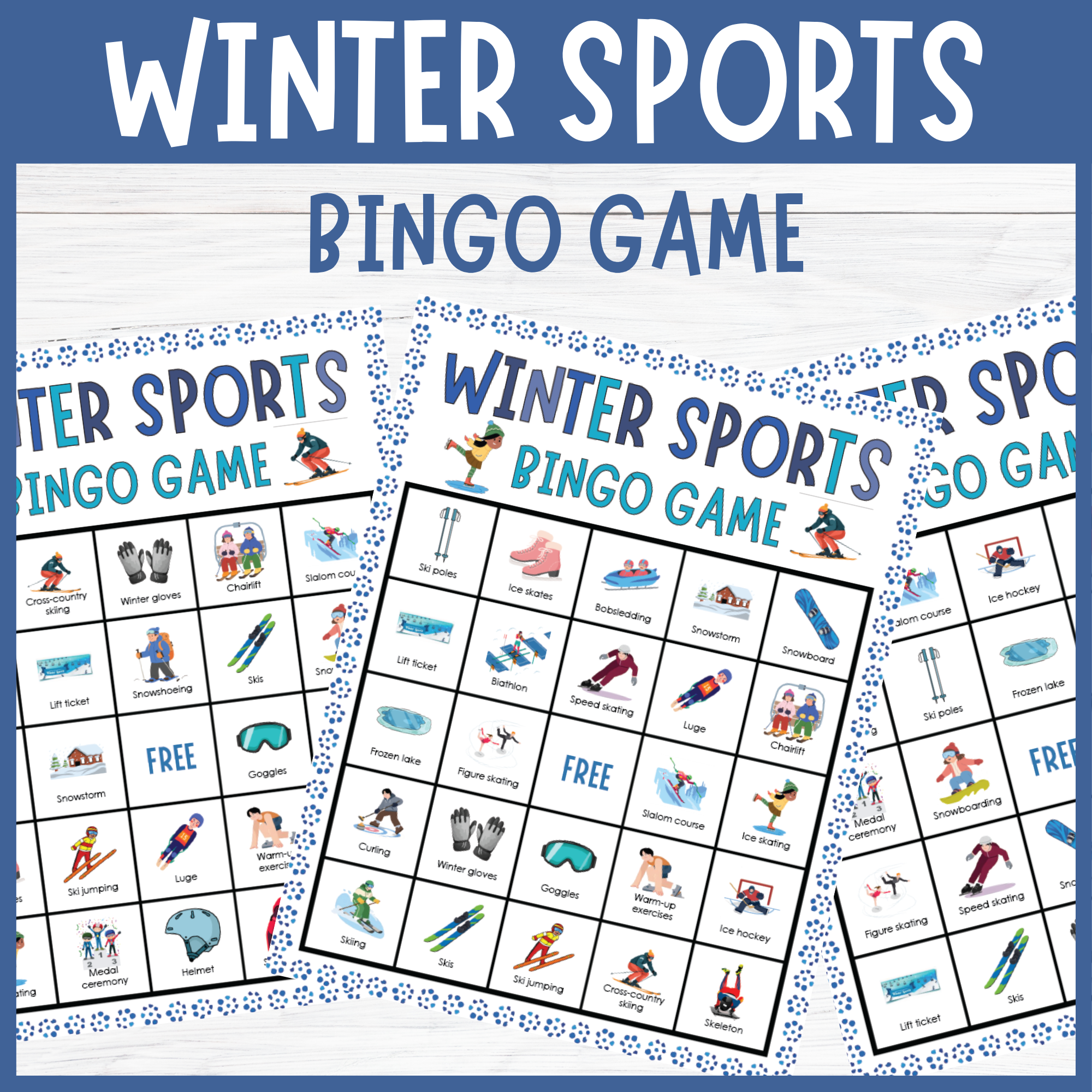
Winter Olympic Games Gr. 4-6 Winter Olympic Games Gr. 4-6 is a comprehensive teaching resource designed to bring the excitement of the Olympic games into the classroom. This material primarily targets grades 4 to 6 and is inclusive of various subjects within Physical Education (P.E.) & Health instruction. The thrill of the Olympics captures students' imaginations, and this resource fully leverages that enthusiasm for educational purposes - focusing on sports including: Alpine Skiing Biathlon Curling Figure Skating Hockey Luge, Bobsled, Nordic Combined, Snowboarding and Speed Skating. This unit comes packed as lesson plans in a convenient PDF format featuring newspaper-style articles complete with web links for augmented sources of learning. The immersive activities enable students to delve deeper into different facets of winter sports coverage during every Winter Olympics event throughout history. The syllabus encourages creative thinking through optional assignments like researching an Olympic sport or creating a travel brochure. Activities such as the Winter Olympics Trivia Game or persuasive debates develop strategic thinking skills while adopting empathetic perspectives through envisioning Athlete Diaries prompts student empathy skills. Included are engaging puzzles such as word searches and crosswords combining cognitive development with fun learning experiences. A sample exam included enables efficient evaluation linked with an answer key ensuring swift correction processes. Main Projects: "Winter Olympic Games Research Scavenger Hunt" , "School Winter Olympics". These projects conclude this unit, with multi-step assignments that challenge pupils to apply everything they've learned while encouraging teamwork among classmates. Educators can adjust this resourceful material quickly depending on their style or the needs of their classroom. It can be used for whole-group instructions or in smaller group settings—even individual assignments for homework are feasible. In conclusion, Winter Olympic Games Gr. 4-6 offers educators a novel way of incorporating real-world events directly into their classrooms while fostering learners' engagement within the P.E. & Health curriculum .

Author Classroom Complete Press

Tags PDF

Guided Reading Level K - All About Wrestling (with Lesson Plan)

Guided Reading Level K - All About Wrestling (with Lesson Plan)
ELA, Resources for Teachers, Reading Comprehension, Reading, Health, P.E. & Health, Pre-Reading, Language Development, Sports, Physical Education, Grade 1, 2, 3, Worksheets & Printables, Worksheets, Teacher Tools, Centers, Activities, Literacy Readers, Quizzes, Quizzes and Tests, Assessments

This Guided Reading Book - All About Wrestling (Level K) with lesson plan includes: Guided Reading Color Label (front cover x1) This is a quick way to match the book’s demands to what students can generally handle.. The overall goal is to use the level/color to pick books for several smaller groups. To qualify for a certain level, a student is expected to read a book from that level with about 90–94% accuracy. If a student is consistently accurate and understands, move up a level. If the student is struggling at that level, drop down and add more support. Each student will improve at completely different rates, but it is generally one of the best ways to check progress across the class. DOWNLOAD THE CATALOG TO VIEW ALL GUIDED READING BOOKS AVAILABLE (SORTED LEVELS A-Z) Pre-Reading Question (x1) Teacher asks the prompt aloud, can be while showing the cover or first page. Students share what they already know, or make educated guesses from the cover. Prompt them to use the target vocabulary. Write some of their responses on the board to look back at during the reading. Vocabulary Words (x5) Introduce the five words, best doing it one at a time. Start by saying it, while students repeat and then see if anyone knows what it means before reading further. Read through the meaning and try to briefly connect each word to a picture or gesture so it’s meaningful. Ask students to flip through the book pages and point to where they see each of the vocabulary words. While reading the book pause upon coming across one of the vocab words or read the sentence twice to make sure students understand the word has appeared. Optional: Ask students to raise hands whenever they see/hear one of the new words. Guided Reading Pages (x10) Check the book snapshot (below) for: primary topic - do you need to prep extra reading or intro materials on this? what is taught best - decide on 1-2 bullets to focus on, use the prompt or words provided here for best results. learning goals - what you are checking for students to be able to do after the session, elicit answers using prompts or words provided. key vocabulary (see section above). questions overview - so you know what is coming up and if you need to prep extra materials to assist understanding. Run the lesson You may have already looked at a few of the pages together, but you can show them some of the pictures again first to set meaning. Depending on how much time you have and how familiar your students are with guided reading class, you may want to read the book aloud first with the group first. Students whisper or partner read, while you listen in. If time, do it as a group, one student reading a page each. Use the guided page’s prompts to coach: “Check the picture / does it make sense?” “Point under the words / try the first sound” “Reread the sentence smoothly”. Try to focus more on one student per session (rotating every time), so you can work out if they are ready to move up or need to move down a level. Comprehension Questions (back cover x3) This is your way to check that students didn’t just say the words, but actually understood the text. First, let students answer by pointing to the page/picture and saying a short sentence. After any answer, follow with: “Show me where you found that in the text.” In bigger groups, have partners answer first (10–20 seconds), then call on 2–3 students to share. Differentiation tips: Emerging speakers/struggling readers: oral + pointing On-level: oral in a full sentence Higher: one written sentence or draw + label Book Snapshot Title: All About Wrestling Genre: Nonfiction (informational) Subject: Physical Education / Health Primary Topic: Wrestling basics: gear, moves, rules, sportsmanship Estimated Guided Reading Level (A–Z): K What This Book Teaches Best Introduces where wrestling happens and how the mat is marked with a large circle. Explains what wrestlers wear for the sport (a singlet, padded headgear, wrestling shoes). Describes how points are earned and names key actions in a match (takedown, escape, pin). Highlights sportsmanship routines and expectations (handshake, respect and fairness, good sportsmanship). Shows the referee’s role in counting points and making sure rules are followed. Learning Goals Students can describe what the wrestling mat is like and what the large circle shows. Students can identify key wrestling gear from the text and explain its purpose. Students can explain how points are earned in wrestling using details from the book. Students can describe what an escape is and what it means to get back to a standing position. Students can explain what a pin is and what it does to the match. Students can describe how wrestlers show respect and fairness during a match. Key Vocabulary From the Text singlet — a one-piece outfit a wrestler wears. headgear — padded gear worn to protect the ears. opponent — the person you are competing against. takedown — a move that brings an opponent down to the mat. sportsmanship — behaving kindly and fairly during a match. Discussion Prompts Pre-reading question: What rules or routines help athletes compete safely and fairly in sports? Comprehension questions: What does the book say the large circle on the mat shows? Why do wrestlers begin each match with a handshake? What move ends the wrestling match immediately? Printing Tips 1. Best Printing Method (Recommended) “Booklet” Printing (Best if Available) If your printer or PDF viewer supports Booklet Printing , use this. Settings to use: Print mode: Booklet Paper size: Letter or A4 (either works) Orientation: Landscape Print on both sides: Yes Flip on: Short edge Scaling: Fit to printable area Booklet subset: First test: Front sides only Then: Back sides only This will automatically: Pair pages correctly Put the cover on the outside Align everything for folding After printing, fold in half and staple along the spine . 2. If “Booklet” Printing Is NOT Available You can still print this correctly with manual duplex printing . Step-by-step: Open the PDF. Choose Print . Set: Orientation: Landscape Pages per sheet: 1 Print on both sides: Yes Flip on: Short edge Print all pages . Because each PDF page already contains two facing book pages, the result will still fold cleanly into a book. Thousands of Cored Education products are included with your TeachSimple membership. Download links and encyclopedia index available here.

Author Cored Education

Rating

Tags Reading Comprehension, Reading Passages, Reading, Guided Reading, Guided Reading Lesson Plan, Guided Reading Activity, Pre-reading, Vocabulary, Health Lesson Plans, P.e. Lesson Plans

Hopping Skipping Song (Original Music Video)

Hopping Skipping Song (Original Music Video)
P.E. & Health, Physical Education, Health, Preschool, Kindergarten, Grade 1, 2, Songs, Activities

This Hopping Skipping Song is a great way to get your students moving and exercising. The catchy music and easy to follow movements make it a great choice for any classroom.

Author Have Fun Teaching

Tags Health And Nutrition, Skipping Song

Field Day Event Cards: Water Events

Field Day Event Cards: Water Events
P.E. & Health, Physical Education, Not Grade Specific, Activities, Games

Field Day Event Cards: Water Events Field Day Event Cards: Water Events is a teaching resource designed to enhance the experience of large group field events. This product features an array of visual signs related to 20 different water events. List of Features: Cards crafted with detailed instructions and engaging graphics. Eradicates the necessity for excessive verbal explanation. Serves as a user-friendly guide for volunteers, teachers, leaders, and students. A single PDF featuring 30 ready-to-print pages in addition to 30 printable JPG files. Fosters Inclusivity: This invaluable educational tool is not grade-specific, catering not just to specific age brackets but offering an educational advantage throughout various levels. It has been especially advantageous to public school teachers and homeschoolers alike who seek novel teaching methods. Versatility: This product can be put into use effectively across varied settings bolstering student experiential learning going beyond traditional classroom norms. Whether it’s whole classroom instruction or small study groups – this is your go-to resource! In Conclusion: The Field Day Event Cards: Water Events supports an immersive learning experience; combining practical instruction with stimulating visuals offering useful guidance during large group water-based activities while fostering healthier communication between all event participants.

Author Cap'n Pete's Power PE

Tags Water Events, Field Day, Teaching Resource, Visual Signs, Engaging Graphics

Field Day Event Cards: Gym Events

Field Day Event Cards: Gym Events
P.E. & Health, Physical Education, Not Grade Specific, Activities, Games

Field Day Event Cards: Gym Events An exceptionally effective teaching resource, Field Day Event Cards: Gym Events is designed with the busy educator or homeschooler in mind. This resource includes a comprehensive set of 30 visually appealing and informative event cards about gym activities that can easily and efficaciously be implemented during large group Field Day events. Product Features: Detailed instructions along with engaging graphics illustrating each individual event - not grade-specific making it adaptable for various age groups A great utility for subjects related to Physical Education & Health) Minimizes the need for extensive verbal explanations from leaders, teachers, or volunteers on Field Days, enabling efficiency Diverse implementation opportunities - excellent for facilitating large scale field day activities as well as instructional aids during physical education classes Package Inclusions: A PDF featuring 30 ready-to-print pages Access to 30 printable JPG files giving you versatility based on your needs In essence, Field Day Event Cards: Gym Events is a careful blend of functionality and simplicity. It serves as an effortless source of instruction tailored to meet the needs of modern educators ranging from public school teachers to homeschooling parents who aim at achieving quality education in an efficient manner.</p

Author Cap'n Pete's Power PE

Tags Event Cards, Gym Activities, Field Day, Physical Education, Teaching Resource

Jumping Jacks Song (Original Music Video)

Jumping Jacks Song (Original Music Video)
P.E. & Health, Physical Education, Health, Preschool, Kindergarten, Grade 1, 2, Songs, Activities

This song is a great way to get your students up and moving while they learn. The Jumping Jacks Song is a fun and catchy way to get your students to do jumping jacks while they learn.

Author Have Fun Teaching

Tags Health And Nutrition

Walking Song (Original Music Video)

Walking Song (Original Music Video)
P.E. & Health, Physical Education, Health, Preschool, Kindergarten, Grade 1, 2, Songs, Activities

This song is a great way to get your students up and moving while they learn. The catchy beat and easy-to-follow lyrics make it a favorite among teachers and students alike.

Author Have Fun Teaching

Tags Health And Nutrition

Guided Reading Level N - The Power of the Team (with Lesson Plan)

Guided Reading Level N - The Power of the Team (with Lesson Plan)
ELA, Resources for Teachers, Reading Comprehension, Reading, Language Development, P.E. & Health, Sports, Social Emotional Learning (SEL), Special Resources, Physical Education, Grade 2, 3, 4, Worksheets & Printables, Worksheets, Teacher Tools, Centers, Activities, Literacy Readers, Quizzes, Quizzes and Tests, Assessments

This Guided Reading Book - The Power of the Team (Level N) with lesson plan includes: Guided Reading Color Label (front cover x1) This is a quick way to match the book’s demands to what students can generally handle.. The overall goal is to use the level/color to pick books for several smaller groups. To qualify for a certain level, a student is expected to read a book from that level with about 90–94% accuracy. If a student is consistently accurate and understands, move up a level. If the student is struggling at that level, drop down and add more support. Each student will improve at completely different rates, but it is generally one of the best ways to check progress across the class. DOWNLOAD THE CATALOG TO VIEW ALL GUIDED READING BOOKS AVAILABLE (SORTED LEVELS A-Z) Pre-Reading Question (x1) Teacher asks the prompt aloud, can be while showing the cover or first page. Students share what they already know, or make educated guesses from the cover. Prompt them to use the target vocabulary. Write some of their responses on the board to look back at during the reading. Vocabulary Words (x5) Introduce the five words, best doing it one at a time. Start by saying it, while students repeat and then see if anyone knows what it means before reading further. Read through the meaning and try to briefly connect each word to a picture or gesture so it’s meaningful. Ask students to flip through the book pages and point to where they see each of the vocabulary words. While reading the book pause upon coming across one of the vocab words or read the sentence twice to make sure students understand the word has appeared. Optional: Ask students to raise hands whenever they see/hear one of the new words. Guided Reading Pages (x10) Check the book snapshot (below) for: primary topic - do you need to prep extra reading or intro materials on this? what is taught best - decide on 1-2 bullets to focus on, use the prompt or words provided here for best results. learning goals - what you are checking for students to be able to do after the session, elicit answers using prompts or words provided. key vocabulary (see section above). questions overview - so you know what is coming up and if you need to prep extra materials to assist understanding. Run the lesson You may have already looked at a few of the pages together, but you can show them some of the pictures again first to set meaning. Depending on how much time you have and how familiar your students are with guided reading class, you may want to read the book aloud first with the group first. Students whisper or partner read, while you listen in. If time, do it as a group, one student reading a page each. Use the guided page’s prompts to coach: “Check the picture / does it make sense?” “Point under the words / try the first sound” “Reread the sentence smoothly”. Try to focus more on one student per session (rotating every time), so you can work out if they are ready to move up or need to move down a level. Comprehension Questions (back cover x3) This is your way to check that students didn’t just say the words, but actually understood the text. First, let students answer by pointing to the page/picture and saying a short sentence. After any answer, follow with: “Show me where you found that in the text.” In bigger groups, have partners answer first (10–20 seconds), then call on 2–3 students to share. Differentiation tips: Emerging speakers/struggling readers: oral + pointing On-level: oral in a full sentence Higher: one written sentence or draw + label Book Snapshot Title: The Power of the Team Genre: Nonfiction (informational) Subject: SEL / Physical Education / Reading Primary Topic: Teamwork skills that help teams succeed Estimated Guided Reading Level (A–Z): N What This Book Teaches Best Teamwork and shared goals: Teamwork happens when people work together to reach a common goal and play “for the whole group.” Communication in fast-paced play: Players use loud voices or hand signals to share information so everyone knows what to do next. Trust and cooperation through passing: Passing the ball (or puck) makes it harder for the other team to take it and shows teammates trust each other. Support and encouragement: Teammates help each other after mistakes and keep spirits high when things get difficult. Planning, practice, and coordination: Teams use strategy, practice together, and coordinate timing (like passing a relay baton) to perform smoothly. Learning Goals Students will explain what teamwork is and what it helps a team reach, using details from the text. Students will describe how communication helps a team during a fast-paced game. Students will explain why passing is important and what it shows about trust on a team. Students will describe ways teammates support one another with encouragement when someone struggles or makes a mistake. Students will explain how strategy and practice help a team work “like a single machine.” Students will describe how coordination and shared defense help teams succeed. Key Vocabulary From the Text cooperation — working together to reach a goal. vital — very important. encouragement — kind support that helps someone keep trying. strategy — a plan for the best way to play. coordination — moving and working together at the right time. Discussion Prompts Pre-reading question: How can working together help a team do better in a sport? Comprehension questions: What does the text say teamwork helps a group of people reach? According to the text, what do players use to share information during a fast-paced game? What does the text say teamwork teaches people how to be in every game they play? Printing Tips 1. Best Printing Method (Recommended) “Booklet” Printing (Best if Available) If your printer or PDF viewer supports Booklet Printing , use this. Settings to use: Print mode: Booklet Paper size: Letter or A4 (either works) Orientation: Landscape Print on both sides: Yes Flip on: Short edge Scaling: Fit to printable area Booklet subset: First test: Front sides only Then: Back sides only This will automatically: Pair pages correctly Put the cover on the outside Align everything for folding After printing, fold in half and staple along the spine . 2. If “Booklet” Printing Is NOT Available You can still print this correctly with manual duplex printing . Step-by-step: Open the PDF. Choose Print . Set: Orientation: Landscape Pages per sheet: 1 Print on both sides: Yes Flip on: Short edge Print all pages . Because each PDF page already contains two facing book pages, the result will still fold cleanly into a book. Thousands of Cored Education products are included with your TeachSimple membership. Download links and encyclopedia index available here.

Author Cored Education

Rating

Tags Reading Comprehension, Reading Passages, Reading, Guided Reading, Guided Reading Lesson Plan, Guided Reading Activity, Pre-reading, Vocabulary, Sports, P.e. Lesson Plans

Healthy Habits Bingo Game, wellness & self care classroom game

Healthy Habits Bingo Game, wellness & self care classroom game
STEM, Physical Education, P.E. & Health, Health, Kindergarten, Preschool, Grade 1, 2, 3, Games, Activities

Make learning about health and wellness fun with this engaging Healthy Habits Bingo Game ! Perfect for classrooms, homeschool, health units, or kids’ wellness parties, this no-prep printable game helps teach children the importance of self-care, hygiene, nutrition, and staying active—all in a playful and memorable way. With colorful, kid-friendly visuals and everyday wellness themes like brushing teeth, drinking water, washing hands, exercising, and eating fruits and veggies, this bingo game encourages positive daily routines while keeping kids excited and involved. What’s Included In this Bingo Game File? 40 unique Healthy Habits Bingo cards Calling cards featuring health and self-care images Easy-to-follow instructions – just print and play Suitable for group games, centers, or individual review This Game Pack Is Perfect For: Health &amp; hygiene units Social-emotional learning (SEL) activities Wellness week or school health fair Morning meetings or classroom brain breaks This Healthy Habits Bingo is a fun and interactive way to support children's well-being, build life skills, and start important conversations about self-care in the classroom or at home!

Author Perfect_Printables

Rating

Tags Healthy Habits Bingo, Health Bingo For Kids, Wellness Classroom Game, Hygiene Bingo Game, Nutrition Bingo Printable, Self Care Bingo For Kids, Healthy Habits Activity, Wellness Worksheet For Students, Printable Health Game, Hygiene Classroom Activity

Summer Olympic Games Gr. 4-6

Summer Olympic Games Gr. 4-6
P.E. & Health, Physical Education, Grade 4, 5, Games, Activities

Introducing Summer Olympic Games Gr. 4-6 A comprehensive teaching resource specifically crafted for educators who want to introduce students of Grade 4 through Grade 6 (9-11 years) to the fervor of the Summer Olympic Games . This module is designed around eight distinct Olympic sports: Artistic Gymnastics Baseball Boxing Cycling Diving Sailing Swimming Triathlon The content for each sport is uniquely formatted in a 'newspaper column' style, deliberately aimed at enhancing the reading experience by seamlessly combining education with exploration. Multifaceted Learning Approach This resource does not limit itself to merely imparting sports knowledge but emphasizes reinforcement of vital Language Arts and research skills as well--an approach facilitated by an array of delightful activities such as: Crosswords, Word searches,. . .Pupils are thus given additional practice in comprehension and recall strategies. Versatile In-Class Applications . The manual includes optional tasks that can be adaptively used in various teaching scenarios--whole group sessions or smaller group discussions. TWO major projects include: - The "Summer Olympic Games Research Scavenger Hunt". - The "Promote an Olympic Sport" challenge.. Both these integrated projects aim at solidifying understanding while stimulating investigative skills - aligning perfectly with research-oriented educational goals. Who can make good use of this resource? If you’re involved in P.E., Health classes or simply inclined towards a cross-curricular teaching module combining physical education concepts and literacy skills, then the Summer Olympic Games Gr. 4-6 pack is a definite asset to your teaching aids. What else does it offer? This product also entails an answer key for easy reference during review sessions or grading assignments. Taking convenience another notch higher we have ensured this superb material is easily accessible as a PDF file under the 'Lesson Plans' category on Teachsimple’s webpage. To sum it up, whether you're operating within the confines of public school education or are engaged in homeschooling, bring home a whole summer of Olympic-sized learning with our Summer Olympic Games Gr. 4-6 kit!

Author Classroom Complete Press

Tags PDF

PE Fitness Stations

PE Fitness Stations
P.E. & Health, Physical Education, Not Grade Specific, Activities

These are PE Fitness Stations that come with 44 printable cards to display as maximum movement zones. These stations cover 5 different components of physical fitness. Directions are included for prep and implementation.

Author Cap'n Pete's Power PE

Tags Physical Education, Fitness Stations, Movement Zones, Exercise, Back To School

PE Super Friends Fitness Blasts

PE Super Friends Fitness Blasts
P.E. & Health, Physical Education, Not Grade Specific, Activities

These are PE Super Friends Fitness Blasts. Included are 27 mini-blast workouts that are great for warm-ups or intertwined in your PE lesson. Within each Fitness Blast, there are 6 different exercises that students will perform for a set amount of time. Directions are included for prep and implementation.

Author Cap'n Pete's Power PE

Tags Super Friends, Fitness Blasts, Physical Education, Brain Breaks, Task Cards

PE Equipment Challenge Cards: Hula Hoop Tasks

PE Equipment Challenge Cards: Hula Hoop Tasks
P.E. & Health, Physical Education, Not Grade Specific, Activities

These are PE Equipment Challenge Cards: Hula Hoop Tasks. There are a set of 24 task cards that can be printed full page or 2 per page. These can be open and printed in PDF, PowerPoint or as JPG files.

Author Cap'n Pete's Power PE

Tags Gym Activities, Physical Education, Challenge Cards, Whole Group, September

PE Equipment Challenge Cards: Cone + Polyspot Tasks

PE Equipment Challenge Cards: Cone + Polyspot Tasks
P.E. & Health, Physical Education, Not Grade Specific, Activities

These are PE Equipment Challenge Cards: Cone + Polyspot Tasks. There are a set of 24 task cards that can be printed full page or 2 per page. These can be open and printed in PDF, PowerPoint or as JPG files.

Author Cap'n Pete's Power PE

Tags September, Gym Activities, Task Cards, Physical Education, Challenges, Polyspot

Yoga Instructional Cards

Yoga Instructional Cards
P.E. & Health, Physical Education, Yoga, Not Grade Specific, Activities

These are Yoga Instructional Cards. There are a set of 24 task cards that can be printed full page making them perfect to display around your gym class. These can be open and printed in PDF or as JPG files.

Author Cap'n Pete's Power PE

Tags Fitness, Task Cards, Yoga, September, Physical Education

PE Radical Relays

PE Radical Relays
P.E. & Health, Physical Education, Not Grade Specific, Activities

PE Radical Relays Engaging and dynamic, the PE Radical Relays are an ideal resource for educators implementing active learning principles in their curriculum. Adaptable for different age groups and learning needs, these 25 activities promote physical movement and meaningful play. Packed with a variety of relays accompanied by detailed one-page lesson plans, this product truly stands out. Each plan discusses: Required Equipment Game Setup Instructions Description of Activity along with possible modifications. Diagrams to facilitate setup. The PDF contains 25 ready-to-print pages which provide flexible tasks suited to varying student abilities and fitness levels. The focus is on Physical Education within P.E & Health subjects area, ensuring students learn about health awareness through application-based learning via relay activities. Potential Applications: In-class Group Exercises Tools for Team-building Events Homework Assignments With Family Participation Concludingly, &amp;increase fun in fitness education today with our carefully curated collection of unique PE Radical Relay activities. }p.

Author Cap'n Pete's Power PE

Tags Active Learning, Physical Movement, Lesson Plans, Customization, Health Awareness

AMRAP PE Activity: As Many Rounds As Possible

AMRAP PE Activity: As Many Rounds As Possible
P.E. & Health, Physical Education, Not Grade Specific, Activities

This AMRAP PE Activity : As Many Rounds As Possible will get students moving! There are 12 workout visuals and incentive tickets to engage students in this fitness routine. Each resource is color-coded and comes with 6 different fitness-based exercises/movements that students will complete for a set amount of time. Resources are offered in PDF, PPT and JPG.

Author Cap'n Pete's Power PE

Tags Instant Workouts, Physical Education, Back To School, PE Lesson Plan, AMRAP

PE Equipment Challenge Cards: Scooter Board Tasks

PE Equipment Challenge Cards: Scooter Board Tasks
P.E. & Health, Physical Education, Not Grade Specific, Activities

These are PE Equipment Challenge Cards: Scooter Board Tasks. There are a set of 24 task cards that can be printed full page or 2 per page. These can be open and printed in PDF, PowerPoint or as JPG files.

Author Cap'n Pete's Power PE

Tags Exercise, Task Cards, Scooter Boards, PE Tasks, Whole Group, Elementary School Scooter Boards

Oceans of Fun Game - The Pearl Party

Oceans of Fun Game - The Pearl Party
P.E. & Health, Physical Education, Not Grade Specific, Games, Activities

Oceans of Fun Game - The Pearl Party Dive into a sea of learning with the Oceans of Fun Game - The Pearl Party! This unique teaching resource encourages students to learn while actively participating in engaging and energetic activities. By seamlessly blending education and recreation, this tool enhances the learning experience for students at all levels of elementary and middle school. Product Overview: Includes a detailed lesson plan designed for physical education classes, summer camps, youth group programs or even for recess activities Visual gym layouts for easy setup for educators Versatility that allows you to implement it with one class or multiple at the same time. Promoting essential skills: This resource doesn't only feature dynamic workouts enhancing cardiovascular fitness but also targets developing various essential PE skills such as throwing, catching, kicking and running among others. Further fostering team work abilities, hand-eye coordination and agility also becomes convenient with this comprehensive teaching solution. Inclusive Access: This game is not grade-specific. Therefore learners from diverse age-groups can participate in these high energy level games wrapped within engaging visuals aids. Catering to not only students but PE teachers alike by offering an extensive full unit covering following abilities: Tracking Dodging tagging, Sportsmanship et cetera.\nw Worldwide Features:\n The product equips teachers with elaborate instructions spun in easy-to-understand language accompanied by graphics films which can be used year after year effectively , thereby turning them into endearing resources for the school community at large enabling open to creative interpretation living every day. Unique implementation. \ Purpose Beyond Just PE: The Oceans Of Fun game presents itself as multifaceted resource viable both within classroom settings during recess focused play-time or beyond it integrating relevant events like Field Days seasonal reward days within its organic ambit providing inclusive developmental gaming experiences tailored towards every individual child's competencies maintaining safety equity and protection for all involved participants Closure, The Ultimate Teaching Resource: This teaching resource encapsulates modern pedagogical insights finely alongside tried-tested traditional methods remaining eminently adaptable fitting for diverse educational necessity-based modifications that users may prefer upholding its commitment towards being a genuinely enjoyable comprehensive educational utility. Your digital copy awaits with three print-ready pages embodied in an easy access PDF format. Time to set sail on this ocean of learning!</h4

Author Gems from the Gym

Tags Ocean Adventure, Physical Education, Interactive Learning, Team Building, Teaching Resource

PE Puzzle Palooza Activity: Agility

PE Puzzle Palooza Activity: Agility
P.E. & Health, Physical Education, Not Grade Specific, Activities

PE Puzzle Palooza Activity : Agility PE Puzzle Palooza Activity : Agility features an impressive collection of over 25 stimulating games carefully designed to engage students' creative minds. This educational toolkit fills each classroom with life and creates a vigorous learning environment, making it a must-have for all educators. This product offers many exercises designed to stimulate students' curiosity and physical energy. Its unique focus on cardiovascular fitness through Maximum Volume of Physical Activity (MVPA), blends education with activity seamlessly. Ideal for Multi-level Learning The product caters to elementary, middle school, and high school students. The flexible content allows educators the freedom to alter activities based on skill levels and available space—providing several alternative suggestions with equipment used in these plans. Noteworthy Features The PE Puzzle Palooza Activity : Agility hosts a range of important features like clear graphics, comprehensive instructions, organized materials for simplicity &amp; convenience contributing towards an interactive learning environment. Educators have full autonomy—with the option to use this as an independent unit or merge it within their subject-matter units—offering diverse application possibilities such as organizing engaging recess activities or constructive small-group discussions... Suitable not only for routine class sessions but also special occasions like field days or rewards celebration—optimized for mass participation games. An Asset For Physical Education Teachers Incorporating effective structuring—with relevant headers &amp; sub-headers compliant with standard PE planning protocols—this tool is indeed beneficial when coordinating large group games effectively. The focused aim towards developing fundamental skills by creating safe &amp; favorable environments guarantees fair play among all skill ranges—an important element for global PE teachers. Various integral skills like catching, throwing, kicking, tracking are woven within the lesson plan components boosting students' cardiovascular endurance, hand-eye coordination and overall fitness. The PE Puzzle Palooza Activity : Agility package is a concise PDF with user-friendly instructions bundled with setup diagrams—a perfect companion for every teacher aiming to provide an exciting, safe and highly instructional environment in their classrooms. Be it infrequent fun sessions or daily agility-enhancing routines—this offering will undoubtedly be a valuable addition to any educators' equipment arsenal.

Author Gems from the Gym

Tags PE Activity, Agility Games, Cardiovascular Fitness, Skill Development, Physical Education