Fauvism Guide and Project
A guide and project introducing the Fauvism art movement; students read about its history and characteristics, answer comprehension questions, then create original art projects and research reports.
Classroom resources
Develop high-school art projects through color, composition, design and artist study. Browse guided making tasks and more open-ended drawing or visual-design starting points.
Browse by lesson focus
Choose the topic or kind of practice you need.
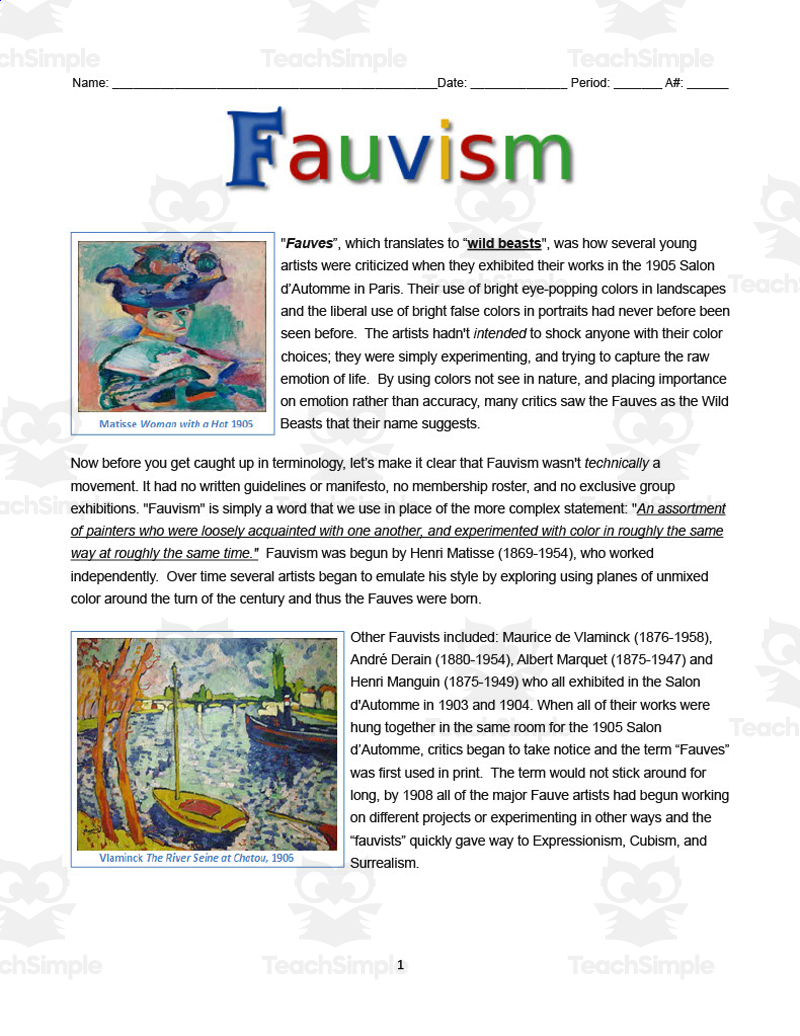
A guide and project introducing the Fauvism art movement; students read about its history and characteristics, answer comprehension questions, then create original art projects and research reports.
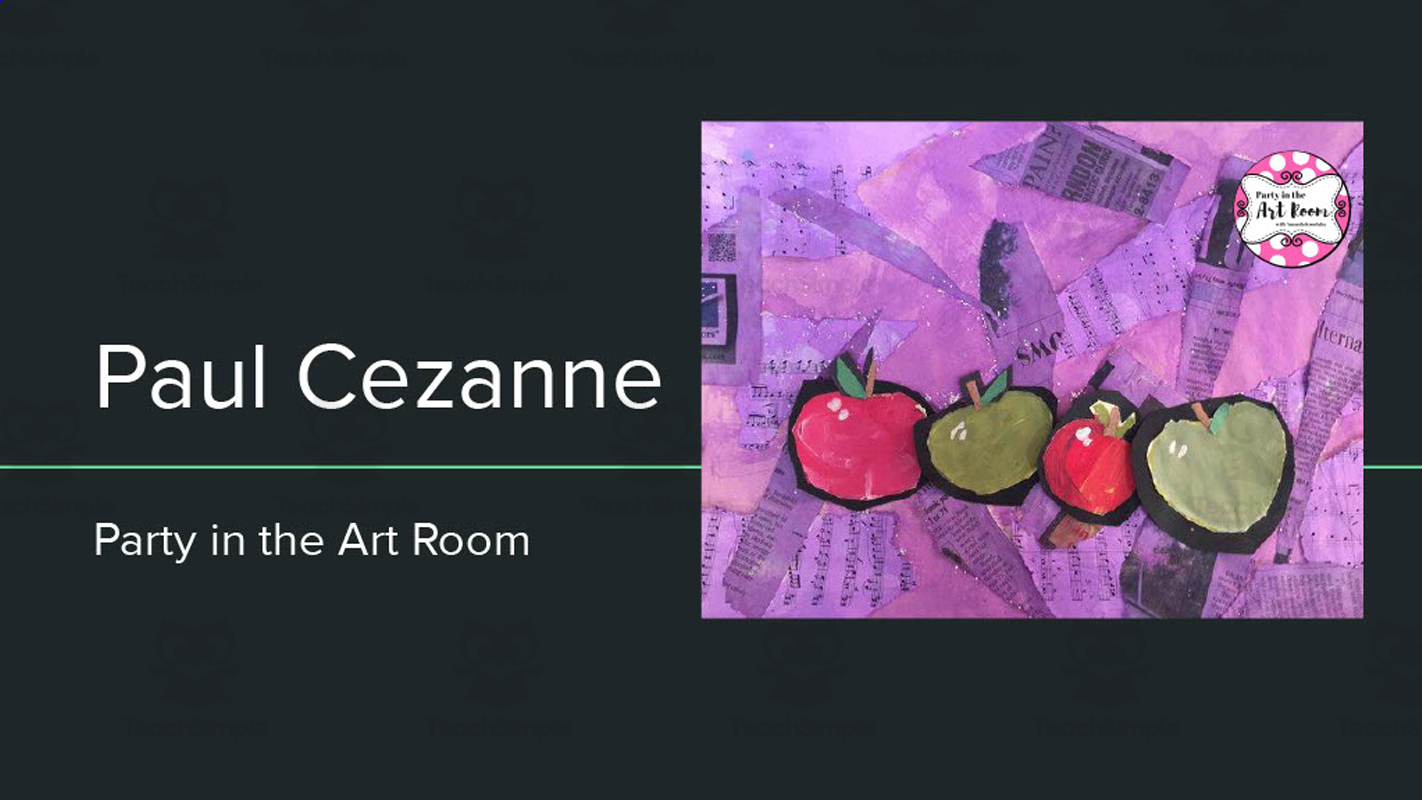
An art project guide teaching students about painter Paul Cezanne's still-life work and having them practice painting an apple with an abstract background, using video and peer discussion plus a scored work-quality rubric with examples.
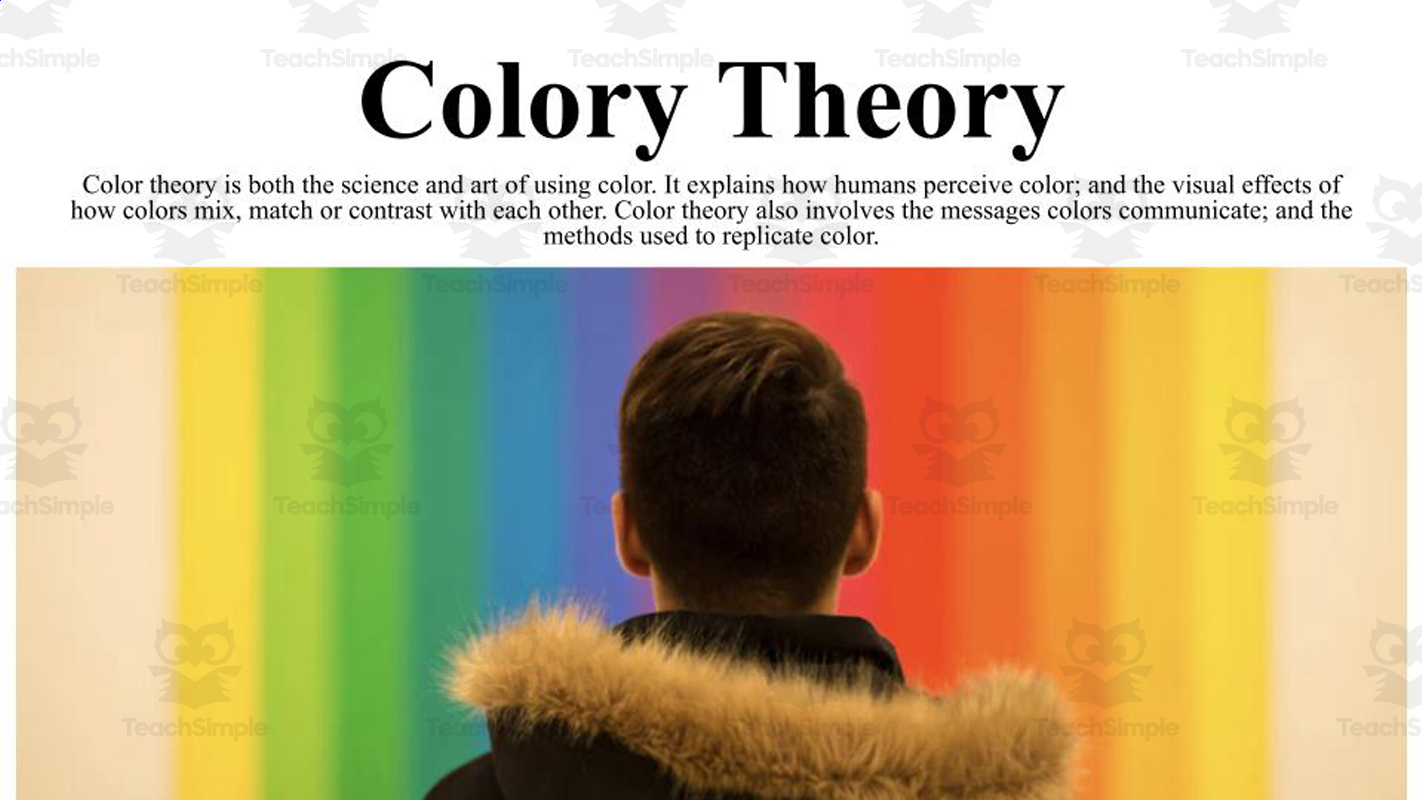
An art project teaching color theory and color schemes, in which students design a mock Instagram feed using cut-out magazine images.
Guides middle and high school art students through a self-directed research project on a chosen art history period or movement, culminating in a slide-deck presentation.
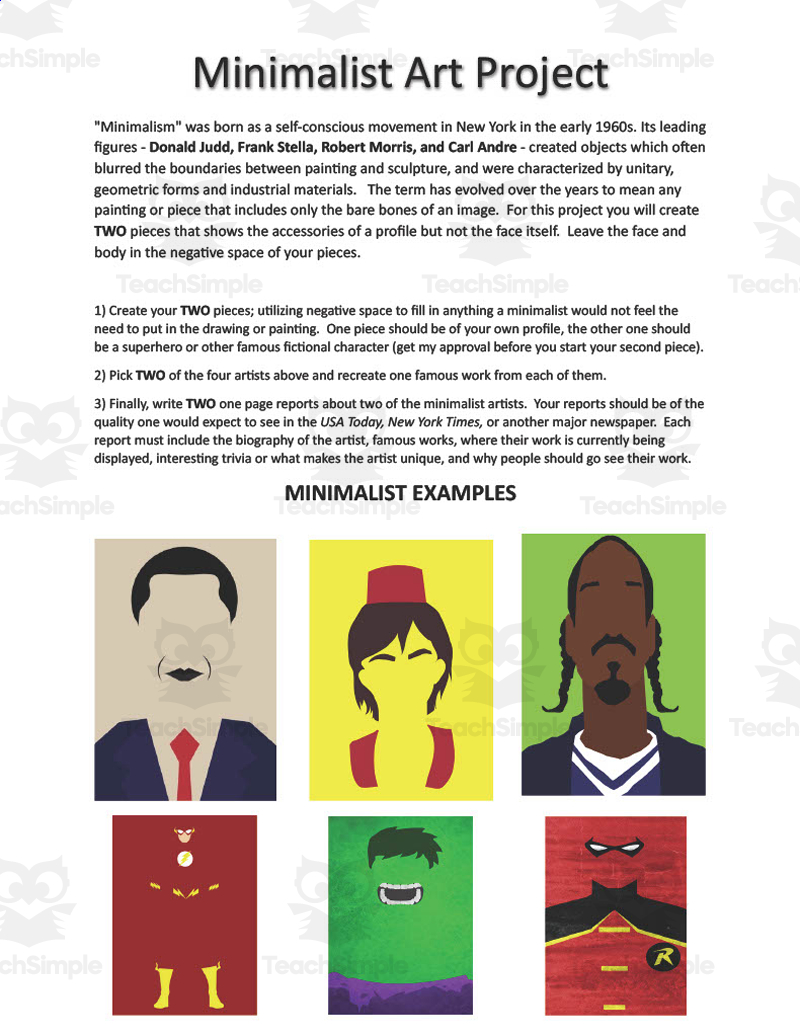
A multi-part art history and studio art project teaching students about the Minimalist art movement (Donald Judd, Frank Stella, Robert Morris, Carl Andre) through creating original minimalist artwork, recreating a famous work, and researching/writing biographical reports on two minimalist artists.
The same desert illustrations are supplied in two outline treatments. Use the darker line art for coloring, or choose the lightened version when students will build on the drawing with added detail or other art materials. This lets a class use a shared subject while varying how much of the finished artwork students create themselves.
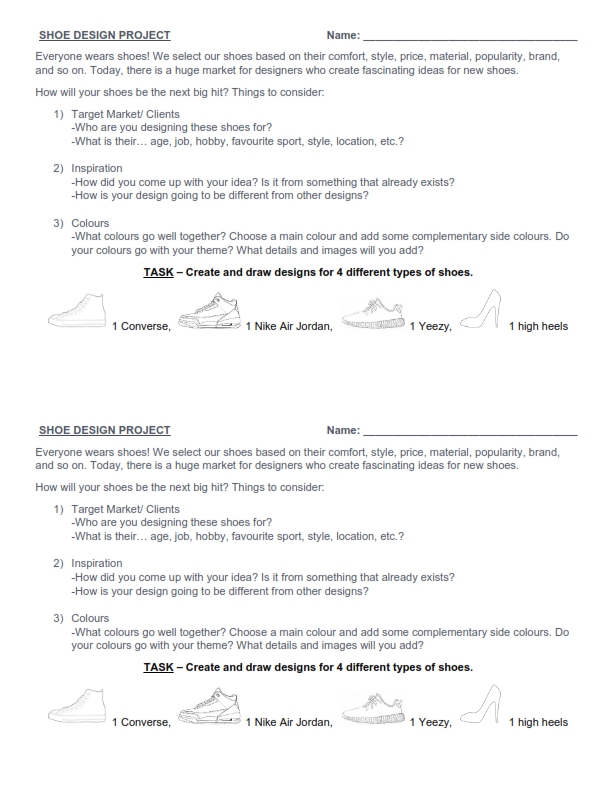
An art/design project where students design and illustrate four types of shoes (Converse, Nike Air Jordan, Yeezy, and high heels) for a specific target market, developing skills in design thinking, target-audience consideration, and visual composition.
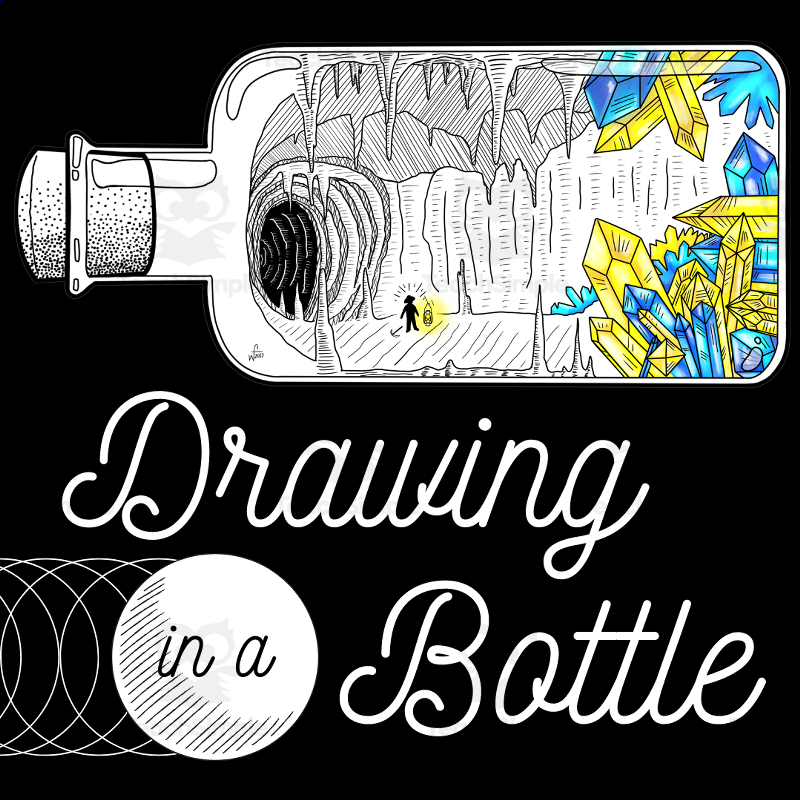
An art project and presentation teaching shading techniques (hatching, cross-hatching, stippling) through drawing an imaginative scene inside a bottle outline.
Use wetland scenes for coloring or as a starting point for a larger art project. Twelve illustrations appear as standard line art and again as lighter outlines. Choose the version that suits the materials students will use, and connect the scene with a discussion of habitats. The two treatments offer different levels of visual guidance while keeping the subject familiar.
An editable art lesson and project teaching the history, principles, and design process of logos, culminating in students designing a logo that represents their class, assessed with a rubric and self-reflection.
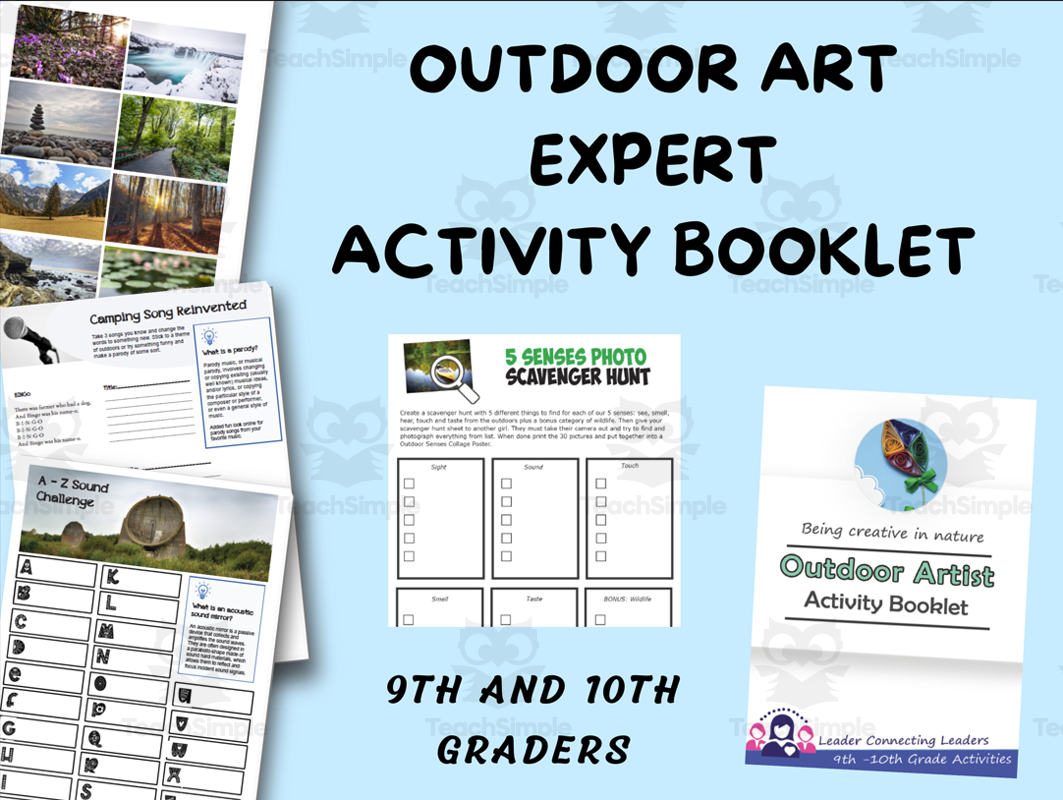
Provide a series of outdoor/nature-based art activities for high school students.
The same ten rainforest illustrations appear in two forms. Use the darker line art for coloring, or choose the lighter outlines when students will develop the image with their own drawing, painting, or mixed-media details. Comparing the two versions can help students decide how much of the printed outline they want to show.
A multi-file resource package teaching the mathematical/historical concept of the Golden Ratio and Fibonacci numbers, connecting math to art, nature, and architecture, via a slideshow, student guide, and project materials.
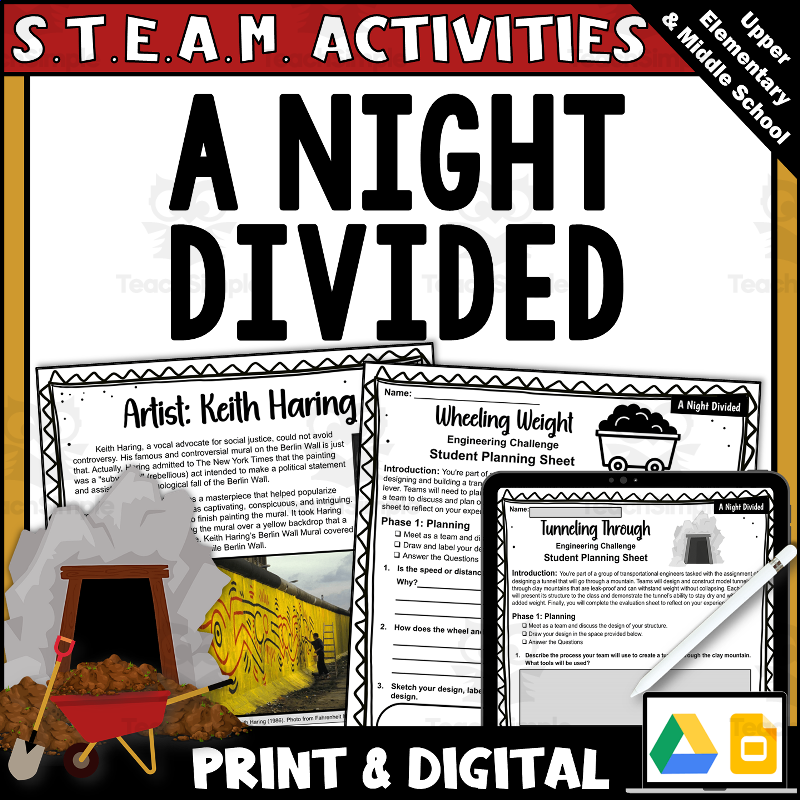
A cross-curricular S.T.E.A.M. activity packet inspired by the novel 'A Night Divided', pairing hands-on science/engineering/art projects (mural art, structural design, tunneling, simple machines, rocket building) with the book's historical themes (Berlin Wall, Cold War, Space Race, Keith Haring's art).
A set of realistic-style forest and boreal habitat coloring pages / line-art templates for a biome art project, pairing colored illustrations with lightened outline versions for further art projects.