



2,792 products added recently
Page 640 - Newest Teaching Resources

 Show filters

Animal Art Journal: Explore the Elements of Art through Animals
Creative Arts, Art, Science, Life Sciences, Animals, Grade 3, 4, 5, 6, 7, Teacher Tools, Lesson Plans
Discover the 7 elements of art through the 7 continents...and some of the amazing animals that live there! 🎨 This Animal Art Journal is a unique way to teach art elements to older kids (3rd-7th grade). The workbook-style adds a level of independent learning and ownership. Kids will love traveling to each continent, drawing animals from each, and journaling about their research. 🗺️ If you need an engaging, print-and-go way to teach the elements of art, THIS IS FOR YOU! 🐅 Use as a framework for your art curriculum, as supplemental worksheets, or as an independent workbook for your kids to draw through! 🎨 WHAT'S INCLUDED - 7 Units teaching the elements of art (line, texture, shape, color, value, space, form) - Exploration of 7 continents through 7 animals from around the world - In-depth explanation and practice of the 7 elements of art - Directed drawing guides of each highlighted animal (+ others!) - Hands-on activities - Journal pages filled with research-driven questions - Imagine it! Pages where kids create their own habitats - Instructions at the top of each worksheet - Example Pages with colored images for EVERY activity 🗺️ HOW TO USE -Full year art curriculum: This journal covers all elements of art with 7 activities per unit. -Supplemental Worksheets: If you're confident in teaching the elements of art but want to give some fun practice worksheets, you need to download this journal! -Independent Workbook: Need something your art students can work on when there's 5 minutes left of class? Print these journals for your students at the beginning of the year and have them ready to go whenever! -Field Trip Buddies: Heading to the zoo? This journal (especially the journal pages!) are perfect to throw onto a clipboard and explore different animals around the world with. 🐅 MY FAVORITE PART I absolutely love all the Imagine It! pages. Each page has an empty jar on it and is found at the end of the unit. Kids "fill" the jar with items that they liked learning to draw from that continent, the animal they learned to sketch, and some skills from the element of art. Check it out in the 3rd thumbnail! 🎨 Happy adventuring! -Abbey Allen ARTventurous Animals
Author ARTventurousanimals
Tags Animal Art Journal, Animal Art, Art Journal, Animal Journal

Animal Science Unit | All About Polar Bears | Learning about Animals
Science, Life Sciences, Animals, Kindergarten, Preschool, Grade 1, 2, Lesson Plans, Teacher Tools
This resource teaches students everything they need to know about polar bears while strengthening kindergarten through second grade literacy skills ranging from science to reading fluency. Strategically designed for differentiated implementation, the materials transform a spotlight on beloved polar bears into applied opportunities to advance academic abilities across ability levels. Over 200 pages of vibrant printables, activities, games and leveled articles break down complex zoological concepts into engaging sequences suited for emerging learners. Teachers may present the full comprehensive unit or customize preferred components matching specific learning objectives. Robust optionality empowers educators to adapt materials for whole group instruction, literacy circles or independent exploration. While vibrant images and maps ignite initial interest, leveled nonfiction passages, customized writing templates and sorting/matching games systematically cement knowledge on evolution, habitats, life cycles and conservation issues. ELA skills strengthen through accountable talk discussion cards, reading comprehension booklets and journaling templates embracing multiple perspectives from field scientists to the bears themselves. Beyond building academic competencies, the heartwarming narratives and activities nurture empathy and environmental stewardship. Students gain confidence in their growing expertise by curating imaginary museums showcasing original plushie designs, sculptures, dioramas and informational brochures about threats facing polar bear populations in increasingly fragile Arctic terrain. This versatile cross-disciplinary resource reflects best practices from project-based learning to social emotional development. Students across learning styles will thrive while collaborating, creating and reflecting around the beloved frigid dwelling bears through authentic, empowering tasks mimicking real world scientific exploration.
Author Simply Schoolgirl
Tags Zoology, Arctic Animals, Blubber, Animal Adaptations, Marine Mammal, Ocean Predator, Winter , Polar Bear Crafts, Polar Bear Activities, Polar Bear Worksheets

Sight Word Cookie Jar
ELA, Language Development, Phonics, Spelling, Kindergarten, Preschool, Grade 1, 2, 3, Activities
This interactive literacy resource leverages a beloved dessert theme to creatively strengthen sight word recognition using hands-on matching games and customizable storage centered around a vibrant printable cookie jar. The materials transform solitary flashcard drills into engaging opportunities to showcase growing fluency. Over 200 Dolch sight words are featured, strategically organized by difficulty level for optimal sequencing. To utilize, educators print jar and cookie templates then guide students matching terms to corresponding sweet treat illustrations. This scaffolds mastery through multimodal appeal, allowing young learners to trace vocabulary visually and physically before verbally reading items aloud. The durable, foldable jar functions as personalized storage allowing progress visibility over time as the container fills. Teachers might permit students to “buy” letter cookies after demonstrating automaticity reading target words. This incentivizes effort while transforming instruction into festive “cookie baking” for added engagement. Extensions allow advanced groups to sort cookies by syllables or manipulate terms into alphabetical order to link literacy with phonics or organization. Rather than rote flashcard drills, this vocabulary matching system spurs participation through playful analogies and vibrant visual cues designed to resonate with children. Phenomena like selective attention, encoding variability, context dependence and multi-sensory immersion catalyze efficient mastery. Students gain confidence recognizing essential lexical building blocks through repetitive exchanges in compelling format. This teacher-friendly resource has flexibility for collaborative group games at literacy centers or independent matching tasks at student desks. Young learners across ability levels will relish polishing sight word fluency while developing mastery at their own pace by “feasting” on engaging cookie templates pairing oral, visual and kinetic memory strategies. Take a Look At Some Of My Best Sellers: “The Big Hungry Bear” Picture Book Study All About Green Preschool Color Unit All About Elephants Spiders Nonfiction Early Reader Grade 1 Dolch Sight Words Bundle Cut and Glue Number Sort Check out other resources from my store: Simply Schoolgirl! I can be contacted for questions and concerns at simplyschoolgirl1@gmail.com
Author Simply Schoolgirl
Tags Sight Word Activity, Cookie Jar, Sight Word Game, Letter Cards, Phonics Game, Spelling Activity, Word Cards, Phonics, Fry, Emergent

My Bug Jar Writing & Art Activity
ELA, Writing, Handwriting, Science, Life Sciences, Insects, Kindergarten, Activities
This engaging resource leverages students’ natural curiosity about insects to creatively strengthen academic skills ranging from science to literacy to art. Centered around an interactive “bug catching” jar, the materials transform an imaginary entomology expedition into applied opportunities to practice identification, sorting, fine motor control, and descriptive writing about beloved creepy crawlies. Ten vivid insect illustrations spanning ants to butterflies allow teachers to incorporate either the full set or customized selection matching current science topics or student interests. After introducing vocabulary terms, students trace then carefully cut out their favorites to create an individualized bug repository showcasing beloved insects. Templates support differentiation with labeled versus unlabeled variations to trace based on age or ability. Once illustrations are cut out, children glue chosen creepy crawlies to their personalized jar which has space to add their name and color. The hands-on process strengthens dexterity while allowing teachers to check comprehension through observing if students successfully matched labels to corresponding bugs. Discussion questions, learning extensions and writing prompts stimulate deeper reflection about facts or traits that distinguish assorted insects. Upon filling their jar, early finishers are challenged to rearrange specimens in alphabetical order or partner to share fun entomology facts. This transforms solitary art time into opportunities to showcase sorting abilities or emerging background knowledge. The take-home project sparks pride in academic skills while spotlighting each child’s one-of-a-kind bug preferences. This versatile cross-disciplinary resource allows flexible implementation for whole groups, stations or independent exploration. Students of all ability levels will thrive while creating unique bug jars brimming with beloved insects to launch content learning in memorably hands-on style. Take a Look At Some Of My Best Sellers: Letter of the Week – All About P Number Play Dough Mats All About Green – Color of the Week Unit How to Mail A Letter Writing Activity Summer Bingo Game Parts of Speech Anchor Charts Check out other resources from my store: Simply Schoolgirl! I can be contacted for questions and concerns at simplyschoolgirl1@gmail.com
Author Simply Schoolgirl
Tags Handwriting Practice, Insects, Bugs, Writing Activity, Art Activity, Coloring Page, Cut And Glue, Fine Motor Activity, Bug Jar Clipart, Bug Jar Printable

Write a Friendly Letter
ELA, Writing, Grade 2, 3, 4, Worksheets & Printables, Worksheets
This versatile resource equips students to master friendly letter writing using engaging models, visual supports, and hands-on templates that bring the process to life. Targeted for early elementary grades, the materials are designed to break down letter creation into clear, manageable steps that appeal to developing writers. The packet includes two anchor charts explaining the integral parts of a friendly letter and how to properly address an envelope. Vividly illustrated samples demonstrate informal letters tailored for peers. Primary lined paper prompts writers to compose greetings while regular ruled templates scaffold older students constructing longer correspondences. Customizable envelope templates reinforce comprehension through applied practice addressing packages to recipients. Supplementary stamps allow further creativity in preparing letters for symbolic mailing. With vivid visual aids modeling format, structure, and sequencing, students gain confidence assimilating the fundamental framework of friendly letter writing. A spectrum of scaffolding caters to diverse needs and learning styles. While some may require tracing guides to orient parts of a letter, others will thrive drafting original narratives across blank templates. All learners can actively personalize creations by selecting their own pretend sender/recipient details and stamp artwork representing unique interests or personality. The hands-on activities not only cement understanding of written communication fundamentals, but spur imagination as students role play mailing friendly letters to beloved storybook characters, historical figures, or community members. Extension ideas inspire cross-curricular connections tying writing skills to current events, holidays, or content area learning. This comprehensive kit fuels engagement while systematically building letter writing skills. Take a Look At Some Of My Best Sellers: - All About Sea Lions: Sea Lion Animal Science Unit - Write a Friendly Letter: Writing Life Skills - How To Fill Out Forms: Writing Life Skills - Feelings and Emotions Photo Cards: Visual Practice - Alphabet Dot Painting: Preschool Letter of the Week - Early Reader Nonfiction Animal Articles: Animal Research - All About Letter B: Preschool Letter of the Week Check out other resources from my store: Simply Schoolgirl! I can be contacted for questions and concerns at simplyschoolgirl1@gmail.com
Author Simply Schoolgirl
Tags Friendly Letter, Letter Writing, Writing Worksheets, Templates, Anchor Charts, Vocabulary, Formatting, Posters, Stamps, Friendly Letter Games, Friendly Collection Letters, Part Of A Friendly Letter, Friendly Letters Lesson Plans, Type Friendly Letter

Rounding Decimals
Math, Decimals, Grade 5, 6, Worksheets & Printables, Worksheets
Rounding Decimals Give your students the extra practice they need rounding decimals to the nearest whole number, tenth, hundredth, and thousandth. Students will: round to the nearest tenth round to the nearest hundredth round to the nearest thousandth round to the nearest whole number 10 worksheets and answer key included. Perfect for extra practice, homework, and/or review! Thank you! Rounding Decimals | Rounding Decimals | Rounding Decimals | Rounding Decimals | Rounding Decimals | Rounding Decimals | Rounding Decimals | Rounding Decimals | Rounding Decimals | Rounding Decimals | Rounding Decimals | Rounding Decimals | Rounding Decimals | Rounding Decimals | Rounding Decimals | Rounding Decimals | Rounding Decimals | Rounding Decimals | Rounding Decimals | Rounding Decimals | Rounding Decimals | Rounding Decimals | Rounding Decimals | Rounding Decimals | Rounding Decimals | Rounding Decimals | Rounding Decimals | Rounding Decimals | Rounding Decimals | Rounding Decimals | Rounding Decimals | Rounding Decimals | Rounding Decimals | Rounding Decimals | Rounding Decimals | Rounding Decimals | Rounding Decimals | Rounding Decimals | Rounding Decimals | Rounding Decimals | Rounding Decimals | Rounding Decimals | Rounding Decimals | Rounding Decimals | Rounding Decimals | Rounding Decimals | Rounding Decimals |
Author Soumara Siddiqui
Tags Rounding Decimals, Decimals, Decimal

Reading and Writing Decimals
Math, Decimals, Grade 5, 6, Worksheets & Printables, Worksheets
Reading and Writing Decimals Let's round decimals! With this set of worksheets students will be able to practice writing decimal values in standard and word form. Students will: write decimals in word form write decimals in order from least to greatest be able to read decimals in word form to write in standard form 8 worksheets and answer key is included. Perfect for extra practice, homework, and review! Thank you! Reading and Writing Decimals | Reading and Writing Decimals | Reading and Writing Decimals | Reading and Writing Decimals | Reading and Writing Decimals | Reading and Writing Decimals | Reading and Writing Decimals | Reading and Writing Decimals | Reading and Writing Decimals | Reading and Writing Decimals | Reading and Writing Decimals | Reading and Writing Decimals | Reading and Writing Decimals | Reading and Writing Decimals | Reading and Writing Decimals | Reading and Writing Decimals | Reading and Writing Decimals | Reading and Writing Decimals | Reading and Writing Decimals | Reading and Writing Decimals | Reading and Writing Decimals | Reading and Writing Decimals | Reading and Writing Decimals | Reading and Writing Decimals | Reading and Writing Decimals | Reading and Writing Decimals | Reading and Writing Decimals |
Author Soumara Siddiqui
Tags Reading And Writing Decimals, Writing Decimals, Reading Decimals
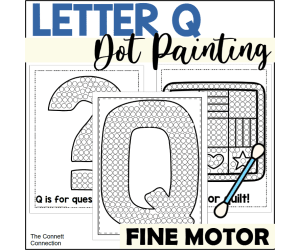
Letter Q Dot Painting
Creative Arts, Art, ELA, Language Development, Phonics, Kindergarten, Preschool, Activities, Crafts
Letter Q Dot Painting is a 9-page comprehensive letter Q dot painting resource for preschool and kindergarten. This art and literacy activity builds letter recognition, letter sounds, creativity, fine motor skills, and hand-eye coordination. The PDF includes dot painting worksheets for Q words like "quilt" and "quail", uppercase and lowercase letter Q pages, and blank Q templates for students to design independently. Implement it through art/literacy centers, morning work, sub plans, nap time activities, and more. Simply print the no-prep PDF pages. Provide paint and cotton swabs for tracing and dotting the letter Q and images. As students master letter Q arts and crafts, watch imagination and early literacy bloom! This low-mess activity brings joy and learning to classrooms through personalized letter Q artwork.
Author The Connett Connection
Tags Dot Painting, Fine Motor Skills, Creativity, Early Literacy, Q-tip Painting, Alphabet Worksheets, Letter Q, Letter Q Worksheets, Letter Q Art, Letter Q Activities
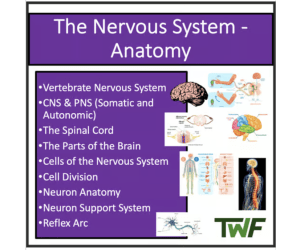
The Nervous System - Anatomy - Senior Biology lesson
Science, Life Sciences, Biology, Grade 11, 12, Teacher Tools, Lesson Plans
The Nervous System - Anatomy - Senior High School Biology lesson Your lesson covers the anatomy and structure of the nervous system. In order, the lesson teaches; CNS & PNS (Somatic and Autonomic), the Spinal Cord, the Parts of the Brain, Cells of the Nervous System, Neuron Cell Division, Neuron Anatomy, the Neuron Support System, and the Reflex Arc. Your lesson includes the teacher and student version of the presentation, FOUR embedded videos, an auto-graded exit ticket, and a student lesson handout so the students can record the notes on a more condensed medium. This lesson is designed to be your go-to resource, whether you're in a traditional classroom or a virtual one. With both a teacher version and a student version, it seamlessly fits into your lesson plans, making learning engaging and adaptable. Assessment made easy We've included an auto-graded Exit Ticket and a quiz with an answer key because I know you don't have an excess of time. I know you don't, because I don't and I know I'll do whatever I can to reduce my grading time. Whether you use PowerPoint or Google Slides, prefer Word or Google Docs, this lesson has you covered. This lesson comes in both Office and Google formats for your convenience. The student version of the presentation has strategically placed blanks for them to fill in as you're teaching. It keeps them active and engaged, encourages discussion, and leaves more time for those "aha" moments.
Author Teach With Fergy
Tags Senior Biology, Biology Lesson, CNS And PNS, Spinal Cord, Brain, Nervous System, Neuron Anatomy, Neuron Support System, Reflex Arc

Positive Self-Talk Poster and Worksheet
Special Resources, Social Emotional Learning (SEL), Social Skills, Special Education Needs (SEN), Not Grade Specific, Activities
Cultivating an inner voice of kindness is essential for mental health. This social-emotional learning toolkit features a colorful poster showing the benefits of positive self-talk, plus a worksheet for students to create uplifting personal affirmations. Together, the resources build confidence and resilience through the simple yet profound practice of self-encouragement. The vibrant poster offers children reasons why self-talk is important for example 'reduces negative emotions', 'improves motivation' and 'develops resilience'. The worksheet then prompts students to write their own positive self-talk statements. Teachers can display the poster on classroom walls then distribute worksheets for personalization during SEL lessons on growth mindset or self-esteem. Counselors may explore negative thought patterns and then use the affirmation activity to shift perspectives. Parents can model and create encouraging phrases at home to reinforce children’s self-worth. This versatile two-part toolkit makes reframing self-criticism into compassion achievable for young students through to teens. By visualizing and voicing positivity, kids forge healthier neural pathways. The poster serves as a daily reminder that our inner voice shapes social, emotional, and academic outcomes - while the worksheet enables students to put this wisdom into action with a resource they can then regularly refer back to. This resource includes a PDF poster , a color version of the worksheet and a black and white version and worksheet with self-talk examples pre-filled in.
Author SEN Resource Source
Tags CBT, Positive Self Talk, Affirmations, Confidence Building, Self-esteem, Self-encouragement, Motivation, Social-emotional Learning, Growth Mindset, Resilience
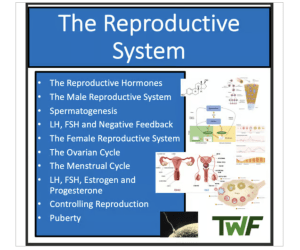
Male and Female Reproductive Systems - Senior Biology lesson
Science, Life Sciences, Biology, Grade 11, 12, Teacher Tools, Lesson Plans
The Reproductive Systems -Male & Female - Senior High School Biology lesson Your lesson covers the male and female reproductive systems. In order, the lesson teaches; the Reproductive Hormones, the Male Reproductive System, Spermatogenesis, LH, FSH, and Negative Feedback, the Female Reproductive System, the Ovarian Cycle, the Menstrual Cycle, LH, FSH, Estrogen, and Progesterone, Controlling Reproduction, and Puberty. Your lesson includes the teacher and student version of the presentation, FOUR embedded videos, an auto-graded exit ticket, and a student lesson handout so the students can record the notes on a more condensed medium. This lesson is designed to be your go-to resource, whether you're in a traditional classroom or a virtual one. With both a teacher version and a student version, it seamlessly fits into your lesson plans, making learning engaging and adaptable. Assessment made easy We've included an auto-graded Exit Ticket and a quiz with an answer key because I know you don't have an excess of time. I know you don't, because I don't and I know I'll do whatever I can to reduce my grading time. Whether you use PowerPoint or Google Slides, prefer Word or Google Docs, this lesson has you covered. This lesson comes in both Office and Google formats for your convenience. The student version of the presentation has strategically placed blanks for them to fill in as you're teaching. It keeps them active and engaged, encourages discussion, and leaves more time for those "aha" moments.
Author Teach With Fergy
Tags Senior Biology, Biology Lesson, Reproduction, Hormones, Spermatogenesis, Ovarian Cycle, Menstrual Cycle, Estrogen, Progesterone, Puberty

Scientific Method – M&M’s Activity – Graphing Experiment and Lesson
Science, Basic Science, Grade 6, 7, 8, 9, Lesson Plans, Teacher Tools
Scientific Method – M&M’s Activity – Graphing Experiment and Lesson This colorful activity introduces students to both the scientific method and data analysis through hands-on exploration of M&M distributions. Using a familiar snack, students will form a hypothesis about which candy colors occur most frequently. Clear procedures guide your students to sort, count, and record M&M colors from multiple sample packs. Their results tables lead to graphing skills as data is compiled and percentages calculated. Students learn by doing as they test hypotheses, control variables, and analyze trends. Post-lab reflection questions help internalize the purpose and cognitive skills nurtured. The thorough companion lesson defines each component of the method. Examples illustrate how curiosity and evidence-based thinking benefit discovery. This multi-sensory lab motivates learners across disciplines through discovery fueled by their own observations. After participating, students emerge with a strengthened understanding of systematic investigation and interpretation of quantitative results. Additionally, this resource includes my complete lesson on the scientific method. The lesson will teach your students what the scientific method is as well as how it can be carried out to solve problems and get answers to questions. You, as their teacher, will appreciate how the included lesson reinforces each stage of the scientific process, from questioning to discussing conclusions.
Author Teach With Fergy
Tags Scientific Method, Graphing, Start Of Year, M&m Lab, M And M Graphing Worksheets, Scientific Method Classroom Activities, M&m Fractions Activity, M&m Math Worksheet, M&m Scientific Method Experiment, M&m Science Projects, M And M Science Experiment, Middle School Scientific Method Lab, M&m Science Fair Project, Scientific Method Labs Middle School, M And M Graphing Worksheet, M&m Science Project, M&m Graphs, M&m Science Experiment, M&m Science Fair Projects, M&m Fraction Activities

My Happy Place Worksheet
Special Resources, Social Emotional Learning (SEL), Special Education Needs (SEN), Not Grade Specific, Worksheets, Worksheets & Printables
Finding inner calm amid anxiety is a pivotal emotional skill. This creative worksheet guides children to illustrate places that make them feel happy and calm that can soothe a worried mind. The resource teaches visualization techniques for centering yourself when tensions escalate. The printable page features a blank photo along with the prompt: “Draw your happy place here.” Children can then depict rich scenes like cozy reading nooks, spaces with beloved pets, favorite nature spots, or engaging in a peaceful hobby. When emotions later feel out-of-control, students can reference these places that make them feel calm prompting feelings of safety and reassurance. Teachers may incorporate the worksheet alongside social-emotional learning lessons on relaxation strategies. Therapists might employ guided imagery exercises having clients explore illustrated landscapes for insight. Parents can practice together with children before anxiety-inducing events. The versatile format makes examining anxiety feel constructive. Instead of suppressed strife, kids gain skills to shift distressed states of mind. Over time, visualizing these inner sanctuaries strengthens abilities to self-soothe when external situations resist change. Simple yet profoundly grounding, this worksheet leverages the imagination’s power to cultivate resilience. Children emerge better able to tap into inner resources offering solace inside even life’s biggest storms. This resource includes 1 PDF worksheet
Author SEN Resource Source
Tags Emotions, Feelings, Social-emotional Learning, SEL, Emotional Intelligence, Emotional Management, Calming Strategies, Coping Skills, Self-regulation, Behavior Management
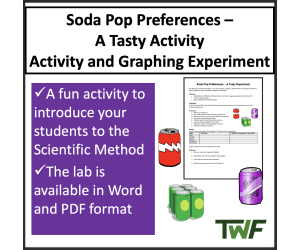
Soda Pop Preferences - Scientific Method Lesson Included
Science, Basic Science, Grade 6, 7, 8, 9, Lesson Plans, Teacher Tools
Soda Pop Preferences - Scientific Method Lesson Included This engaging activity introduces students to the scientific method through an experiment involving their favorite soda pops. Students will form a hypothesis about which soda flavor they think will be most popular among their classmates. They will then collect data by sorting and counting soda pieces from multiple sample packages. Your students are provided with clear procedures that will guide them to record their results in a well-organized data table and graph. As a class, data can be compiled and percentages calculated to identify trends. Students learn important data analysis skills as they create graphs to visually represent the results. Educators will appreciate the post- experiment reflection questions that reinforce the purpose and process of the scientific method. This hands-on lab nurtures students' natural curiosity while teaching fundamental experimental design. With its real-world topic and tactile investigation, it motivates learners across various grades and learning styles. After completing the activity, students will better understand how to use observation, critical thinking, and representation of evidence to answer a testable question. Additionally, this resource includes my lesson on the Scientific Method. The lesson includes a detailed overview of what the scientific method is as well as how to implement it.
Author Teach With Fergy
Tags Scientific Method, Graphing, Start Of Year

Social Anxiety Worksheet
Special Resources, Social Emotional Learning (SEL), Social Skills, Special Education Needs (SEN), Not Grade Specific, Worksheets & Printables, Worksheets
Social interactions can stir unease for sensitive students. This therapeutic worksheet helps kids unpack personal social anxiety triggers and equip themselves with coping strategies to navigate stressful situations with more ease. Managing social anxiety is an pivotal skill for wellbeing. This insightful worksheet helps children identify personalized triggers and emotions surrounding social situations that feel uncomfortable. By recognizing their unique social stressors, kids can discover helpful confidence-building strategies. The worksheet first has a section for children to color which situations give them social anxiety, then they can think about what other emotions they experience when feeling anxious and finally they can think about what calming down strategies help them. The emotions and coping sections allow students to dig deeper to identify emotions like fear, sadness or embarrassment and helpful self-soothing techniques such as positive self-talk or focused breathing. Teachers can use it alongside social-emotional learning lessons on self-esteem. Counselors may incorporate it into sessions exploring social skills or anxiety management. Caregivers can complete it at home with children feeling isolated from peers. The flexible format makes examining social anxiety feel safe and constructive rather than shaming. Instead of criticism for shyness, kids gain tools to rediscover inner assurance and manage difficult interactions. This simple yet insightful worksheet transforms reflection into action plans for social success. This resource includes a pdf worksheet
Author SEN Resource Source
Tags CBT, Social Anxiety, Anxious, Emotions, SEL, Feelings
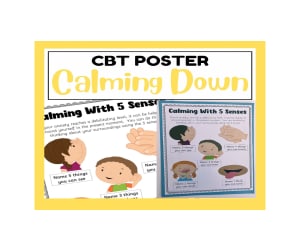
Calming Down with the 5 Senses Poster
Special Resources, Social Emotional Learning (SEL), Special Education Needs (SEN), Not Grade Specific, Posters, Classroom Decor
Finding calm when anxious is a pivotal skill for wellbeing. This mindfulness poster anchors kids in the present moment using the five senses. Featuring vibrant graphics of eyes, hands, ears, nose and mouth, it guides simple yet effective emotional regulation strategies accessible anywhere. If children are anxious or even experiencing a panic attack this technique can help ground them and calm them back down. Engaging your senses in this way helps anchor you in the present, diverting your attention from anxious thoughts. Placing this poster in classrooms, counseling offices, or bedrooms reinforces centering habits through the senses versus spiraling worries. Teachers can reference it during social-emotional lessons when tensions run high. Therapists might walk clients through it when dredging up painful memories. Caregivers can practice along with children before anxiety-inducing events. The versatile format makes regulating emotions approachable and encouraging for all ages. Instead of harshly suppressed feelings, students learn healthy outlets and that all states pass. Return breathing becomes a portable toolbox for relief. Simple yet profoundly grounding, this 5 senses calming poster transforms any space into a mindfulness reminder. By tuning into sensory experiences surrounding us, children discover emotional peace is available here and now. This resource includes a color pdf poster
Author SEN Resource Source
Tags CBT, Anxiety, Calming Strategies, Emotions, Counselling
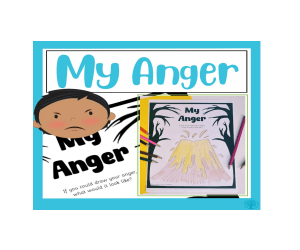
What My Anger Looks Like Worksheet
Special Resources, Social Emotional Learning (SEL), Social Skills, Not Grade Specific, Worksheets & Printables, Worksheets
Anger is a complex emotion that can be challenging for kids to verbalize, especially when intense. This creative worksheet provides a constructive outlet for children to visualize and process angry feelings through art and self-expression. The resource features a blank body outline ready for students to illustrate what their anger looks like if it took on a symbolic physical form. Prompting questions like “What color is my anger?” “Does it have a texture or shape?” “Where does it live inside me?” guide reflection for kids to unleash their interpretations on paper. Young students may sketch angry monsters or dark storm clouds brewing. Older children can depict more abstract manifestations with flames or jagged lines. Teachers can incorporate the worksheet alongside social-emotional lessons on emotions regulation. Counselors may provide it during anger management sessions exploring emotional landscapes. Parents can try it at home to better understand meltdown dynamics. The engaging format makes unpacking an intimidating feeling safer through artistic representation. Instead of dismissing or judging anger, the worksheet promotes creatively embracing all emotions. Increased self-awareness of one’s unique anger style and patterns empowers kids to eventually tame the beast. Visualizing anger fosters emotional intelligence for constructively processing this complex feeling. This resource includes 1 pdf worksheet
Author SEN Resource Source
Tags Anger, Anger Management, Frustration, Emotional Intelligence, Social-emotional Learning, Mindfulness, Counseling Worksheets
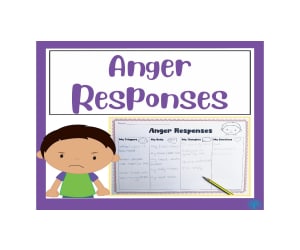
Responses to Anger Worksheet
Special Resources, Social Skills, Social Emotional Learning (SEL), Special Education Needs (SEN), Not Grade Specific, Worksheets, Worksheets & Printables
Handling anger constructively is an essential emotional intelligence skill. This insightful worksheet strengthens abilities to manage frustration by analyzing personalized anger triggers and typical reactions when seeing red. Featuring sections on triggers, physical cues, thought patterns, accompanying emotions beyond mad, and common rage responses and calming strategies, it cultivates self-awareness around outbursts. The worksheet prompts children to engage in a reflective process, encouraging them to identify their unique anger triggers. By recognizing these triggers, children gain insight into the specific situations or circumstances that evoke their emotional responses, paving the way for a more informed understanding of their own emotional landscape. In addition to pinpointing triggers, the worksheet invites children to consider the physical manifestations of anger. This aspect promotes a mind-body connection, helping children become attuned to the bodily sensations associated with their emotions. Through this awareness, they can develop strategies for managing and coping with the physical aspects of anger. Assessment tools aid in discerning destructive versus healthy outlets when emotions boil over. Teachers can incorporate it alongside lessons on empathy, respect or conflict resolution. Counselors may utilize it in sessions exploring temper issues. Parents can discuss it at home when tensions escalate. In essence, the Responses to Anger Worksheet serves as a valuable companion for educators, parents, or caregivers seeking to nurture emotional intelligence in children. By fostering self-awareness and providing a structured framework for reflection, this resource empowers children to navigate and understand their responses to anger in a constructive and informed manner.
Author SEN Resource Source
Tags Anger, Anger Management, Behavior Support, Aggression, Self-regulation, Impulse Control, Coping Skills, Social-emotional Learning, Counseling Worksheets
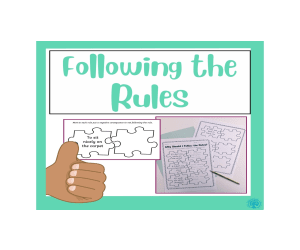
Following the Rules Worksheet
Special Resources, Social Skills, Special Education Needs (SEN), Not Grade Specific, Worksheets & Printables, Worksheets
Following rules facilitates learning and safety in the classroom. This thought-provoking worksheet helps children understand why rules exist and reflect on the impacts of breaking them. With prompts structured around key concepts like respect, responsibility, and consequences, students gain appreciation for protocols designed to help everyone thrive. The worksheet shows a variety of classroom rules and children are to think of what the consequence would be if that rule was not followed. Children can consider outcomes like distracted classmates, overwhelmed teachers, and disrupted learning. This worksheet can start a discussion that encourages chidlren to recognize how by following the rules we create environments where all feel valued. The worksheet aims to build intrinsic motivation for following protocols by making consequences tangible. Rather than mandating rigid compliance, it spurs self-direction through logical outcomes. Teachers can use it to introduce expectations or respond to misbehaviors. Counselors may incorporate it into problem-solving training or sessions about responsibility. Asking children to assess rules cultivates maturity beyond blind compliance. This reflective critical thinking activity positions protocols not as punishments limiting freedom, but as tools empowering students for success. Examining the rationale behind rules inspires intrinsic motivation and principled perspectives in kids. This quick yet insightful writing task helps kids gain deeper respect for classroom rules meant to benefit everyone. This resource includes 2 pdf worksheets
Author SEN Resource Source
Tags Following Rules, Classroom Rules, School Rules, Appropriate Behavior, Good Behavior, Social Skills, Responsibility
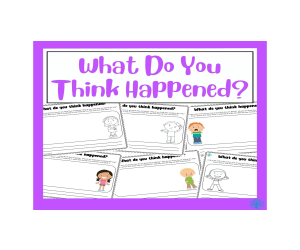
What Do You Think Happened Emotions Worksheets
Special Resources, Social Emotional Learning (SEL), Social Skills, Not Grade Specific, Worksheets, Worksheets & Printables
Understanding emotions is an integral part of social-emotional intelligence. This unique worksheet set helps children read facial expressions and situational cues to infer feelings. Featuring 18 worksheets showing children with varied happy, sad, angry, fearful, disgusted, surprised, embarrassed, proud, and calm moods, the sheets prompt creative empathy and emotional literacy. Each page displays a child reacting to an event with an emotion. Children need to look at the emotion and decide what may have led to someone feeling this way for example reacting to a spilled ice cream cone, hiding a broken vase, receiving an award or struggling with schoolwork, etc. Children are to draw in the box what they think may have led to someone feeling this way. These engaging worksheets build skills in emotions identification, perspective-taking, and situational analysis. Counselors can incorporate them into social skills training or self-awareness lessons. Teachers may use them for class discussions during social-emotional learning. Parents can try them at home to nurture empathy about life’s ups and downs. This worksheet set offers diverse starting points to explore the richness behind emotions and cultivate compassion. Included in this resource are 9 color versions and 9 black and white versions that allow children to color in their own interpretations.
Author SEN Resource Source
Tags Emotions, Feelings, Social-emotional Learning, Emotional Intelligence, Social Skills, Special Education, Mental Health, Reflection

How Smiling Makes You Happy Worksheet
Special Resources, Social Emotional Learning (SEL), Special Education Needs (SEN), Not Grade Specific, Worksheets & Printables, Worksheets
Cultivating positivity is a valuable skill for wellbeing. This unique social-emotional learning worksheet explores the science behind how our expressions impact emotions. With engaging activities, kids discover how the simple act of smiling releases feel-good chemicals to boost happiness. The resource explains how stretching facial muscles triggers biochemical reactions that lighten moods. Uplifting prompts then encourage students to brainstorm silly or amusing things that make them grin. The simple versatile nature of this worksheet means it can be appropriate for children of most ages. Younger children can draw funny or silly made up scenarios. Older kids may list comedy shows, jokes, or memories that never fail to tickle their funny bone. Besides a fascinating science lesson, the worksheet strengthens emotional regulation habits. Teachers can use it for lessons on resilience during stressful times. Counselors may incorporate it into sessions on releasing tension or anxiety. Parents can try it at home on grumpy mornings to turn frowns upside down. The versatile format makes practicing positivity and understanding mind-body connections approachable for children of all ages. Instead of remaining trapped in negative thought cycles, kids gain skills to shift perspectives. Children can discover some simple, healthy coping strategies just by tweaking their expressions. This resource includes 1 PDF worksheet
Author SEN Resource Source
Tags Happiness, Positivity, Improving Mood, Emotional Health, Mental Health, SEL, Emotional Regulation, Mindfulness, Counseling
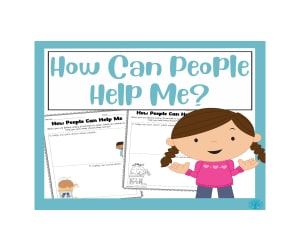
How People Can help Me Calm Down Worksheet
Special Resources, Social Emotional Learning (SEL), Social Skills, Special Education Needs (SEN), Not Grade Specific, Activities
Learning to manage big feelings is an essential skill for life. This unique worksheet helps identify what children need from others when emotions feel out-of-control. Featuring two columns - “Things That Help Me” and “Things That Make It Worse” - children reflect on positive and negative support strategies. Childdren can write or draw their preferred calming techniques like deep breathing together, having time to cry or listening without judgment. The second column is for inputting well-intended but ineffective tactics that inadvertently escalate situations, this will be very personal to an individual child and it will be give them the chance to reflect on what really works for them in times of heightened emotions. The worksheet builds self-awareness around triggers and fosters communication skills to ask for specific help. Teachers can incorporate it into social-emotional learning. Counselors may use it for sessions on anger management. Parents can fill it out with children to be ready for when tensions run high. Instead of shame for losing control, kids gain agency over outbursts, try out new coping strategies, and rebuild strained relationships. Completed worksheets will then become handy guides for peers and adults on compassionate responses. Simple yet incredibly impactful for mental health, this worksheet transforms insight into action plans for remaining calm. Students of all ages become empowered asking for the precise support they require when distressed. This resource includes 2 version of the same PDF worksheet - one in color and one in black and white
Author SEN Resource Source
Tags Calming Strategies, Soothing Techniques, Anger Management, Emotion Regulation, Social-emotional Learning, Mental Health, Calm Down Strategies, Self Awareness, Self Regulation, Behavior Support

Weekly Emotions Tracker
Special Resources, Social Emotional Learning (SEL), Not Grade Specific, Activities
Developing emotional awareness is a pivotal skill for mental and social wellbeing. This useful printable facilitates daily check-ins for kids to document feelings in a simple, visual way. Using color-coded emoji faces, students draw and color the face that represents their predominant emotions each day for the morning, afternoon and evening. The tracker includes 5 options of emotions to choose from; yellow face for happy, green face for calm, orange face for worried, blue face for sad and red face for angry. Each day children draw the appropriate color face for how they were feeling during in each section of the day. Not only does the act of checking in cultivate self-awareness, but the tracker sheets become personalized records of emotional patterns, triggers, and growth over time. Teachers, counselors and parents may use it to spot difficult days needing extra support. The simple format makes reflecting on feelings an approachable, consistent ritual for children and teens. Instead of bottling up big emotions, chidren have an outlet and vocabulary for inner experiences. Plus, noting trends helps anticipate and mitigate future triggers proactively. Simple yet powerful, this weekly emotions tracker worksheet promotes emotional intelligence. By dedicating time for feeling identification, students gain essential skills for self-care and relationship building. Included in this resource is 1 page of PDF
Author SEN Resource Source
Tags Emotions Tracker, Emotions, Feelings , Social-emotional Learning, SEL, Emotional Intelligence, Self-awareness, Mental Health, Mindfulness, Self-reflection

My Week's Peaks and Troughs
Special Resources, Social Emotional Learning (SEL), Social Skills, Special Education Needs (SEN), Not Grade Specific, Worksheets & Printables, Worksheets
Reflecting on one’s ups and downs is an integral part of building emotional intelligence. This worksheet provides a framework for children to highlight their weekly wins and challenges in a structured, visual way. With opportunities for self-expression, it facilitates personal growth through reflection. The resource features two sections titled “My Peaks” and “My Troughs” each with plenty of space for writing or drawing about their experiences through the week. Children can capture their broad experiences, both highs like accomplishing a goal or enjoying time with friends and lows like struggling with schoolwork or having an argument. The Peaks and Troughs worksheet helps children process situations constructively without judgment by focusing on learnings. Teachers can incorporate it into Friday wrap-ups to foster class community and resilience. Counsellors may utilize it to identify mood patterns and tools for self-care. Parents can try it at home to nurture meaningful conversations around growth. The flexible format makes check-ins feel safe for children of all ages, children gain skills in self-awareness and reflection. Plus, the worksheet becomes a personal journal showing emotional progress. This simple yet versatile tool turns reflection into routine for mental wellbeing. Children emerge better equipped to ride out life’s crests and swells.
Author SEN Resource Source
Tags Self-awareness, Mindfulness, Reflection, Emotions, Feelings, Social-emotional Learning, SEL, Emotional Intelligence, Emotional Regulation, Coping Skills