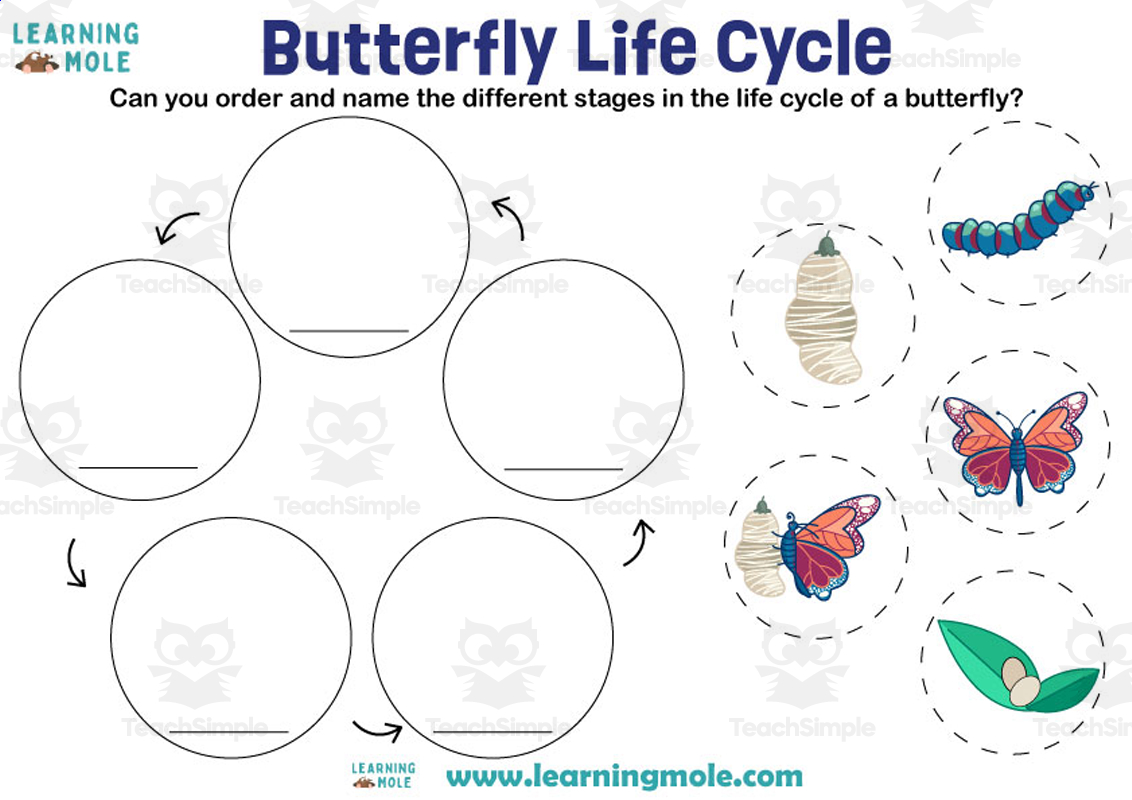
Butterfly Life Cycle – Hands-On Activity Pack
A single-page activity asking students to sequence and label the stages of the butterfly life cycle.


236 resources
Explore sub-categories
3 sub-categories · 236 resources
A single-page activity asking students to sequence and label the stages of the butterfly life cycle.

Provides a reading comprehension and activity set on the excretory system, focused specifically on the kidneys and large intestine.
Provides a reading comprehension and activity set on the digestive system, focused specifically on the mouth through stomach portion.
Provides a reading comprehension and activity set on the excretory system, focused specifically on the skin, liver, and lungs.

Provides a reading comprehension and activity set on the human reproductive system, including fertilization and development.

Teach primary students (grades K-3) to use graphic organizers (Venn diagrams, sequencing diagrams, web diagrams) for higher-order thinking, using imaginative short stories, comprehension questions, and diagram activities aligned to national reading, social studies, math, and science standards.

Reinforce elementary science concepts about animals (classification, vertebrates/invertebrates, skeletons, habitats, life cycles, behavior, migration, hibernation, senses, defenses, and diets) through background readings and worksheet activities.

A reading comprehension resource teaching grade 8+ students about fossil fuel electricity production, using an academic-style essay with citations.
Interactive micro-learning book companion deck for the book 'How to be a Hero' by Florence Parry Heide, building reading comprehension skills (sequencing, story elements, comprehension, summarizing) around a read-aloud.

Lesson 3.2 - Force Diagrams : A significant teaching resource, primarily useful for grade 6 through grade 12 students who want to understand the foundations of net forces and balanced/unbalanced forces, targeted at Integrated Chemistry &…

A tape-diagram ratio word-problem worksheet (CCSS 6.RP.3) for review, assessment, or small-group intervention, using fairy-tale/nursery-rhyme characters.

Students will learn about the parts of a bat with these bat labeling activities. This activity is perfect to use during a Halloween theme.
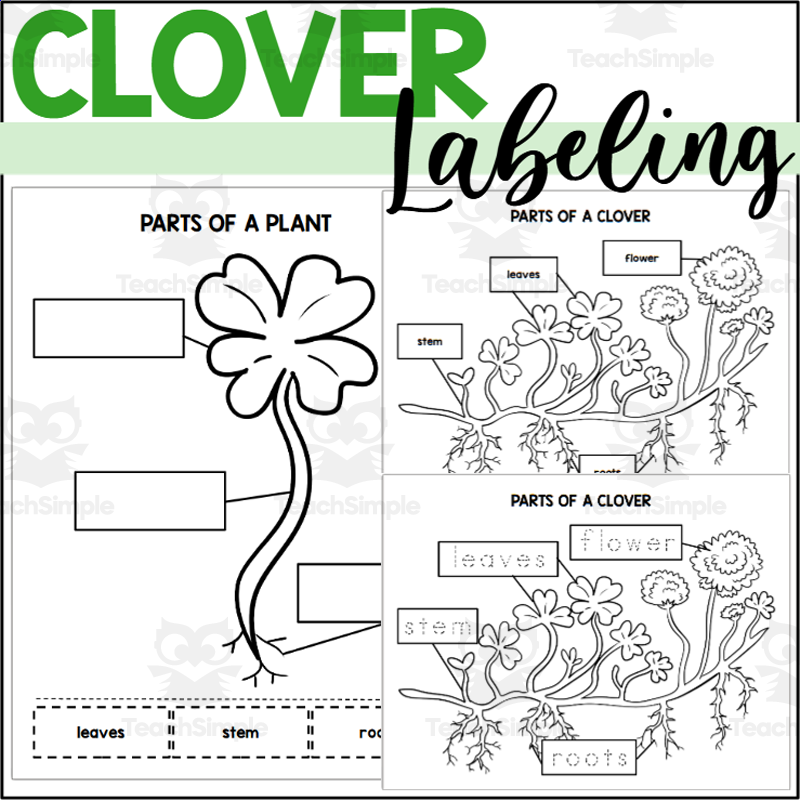
Introduce the parts using a completed clover diagram, then choose a blank or word-bank page for students. Ask them to trace each label to the correct plant structure.

Grades 4-6 math workbook covering a sequence of problem-solving strategies and number-sense topics through short lessons, guided practice, and quizzes.

This interactive and hands-on teaching resource is designed to help students explore the life cycle of a pumpkin through a creative craft activity. The Pumpkin Life Cycle Craft Foldable provides an engaging way for students to learn about the stages of a pumpkin's growth, from seed to fruit, while reinforcing key science and plant…

This worksheet is a great way for students to learn the printables/parts-of-and-anatomy-of">parts of a plant! It includes an apple blossom picture with a word bank and arrows.

A beautiful hand-illustrated watercolor print featuring the life cycle of a shark from egg through to adult including labels of the different stages. Also included is a poster without labels if you prefer to display just the art or for your children to label themselves. Great for learning more about these fascinating creatures, using in…

Reading comprehension practice using a passage about tooth decay, paired with a labeled diagram.

A nonfiction science reading article that explains the physics of why the sky is blue (light scattering, electromagnetic spectrum) and gives students comprehension and extension questions.

A nonfiction biology reading article explaining why leaves change color in autumn (chlorophyll, carotenoids, anthocyanin, photosynthesis, tree species differences), with comprehension and extension questions.