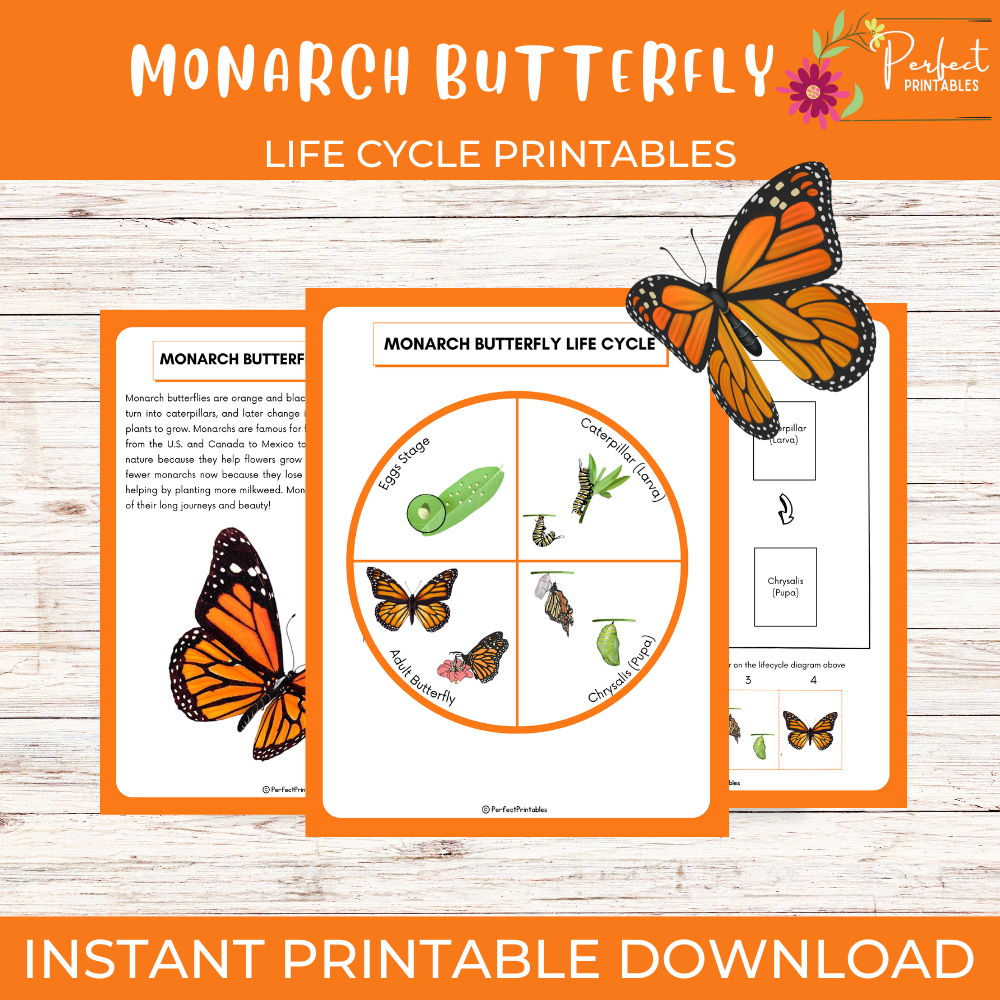
Monarch Butterfly Life Cycle – Diagram Unit Study
Introduce students to the four-stage metamorphosis of a monarch butterfly and its migration.




236 resources
Find teaching diagrams by subject to help students explore ideas visually.
Explore sub-categories
3 sub-categories · 236 resources
Introduce students to the four-stage metamorphosis of a monarch butterfly and its migration.
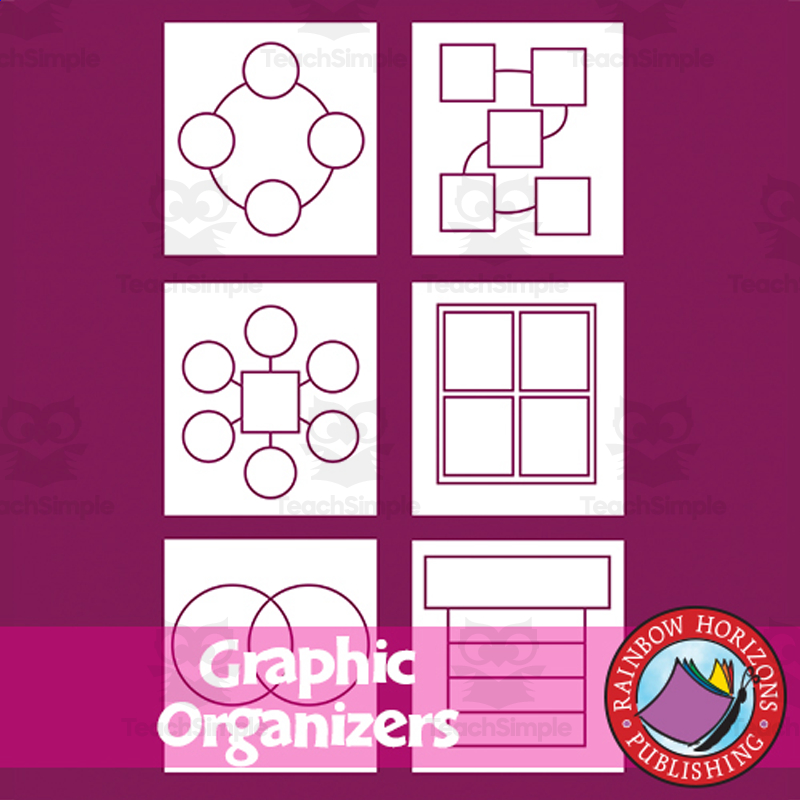
A reading comprehension resource built around graphic organizers that teach story structure, character analysis, setting, plot, nonfiction text features, and comprehension skills such as analyzing, comparing, contrasting, sequencing, questioning, cause and effect, and summarizing.
 Free download
 Teach the life cycle of a duck (egg, hatchling, duckling, adult) through a diagram and differentiated hands-on worksheets.
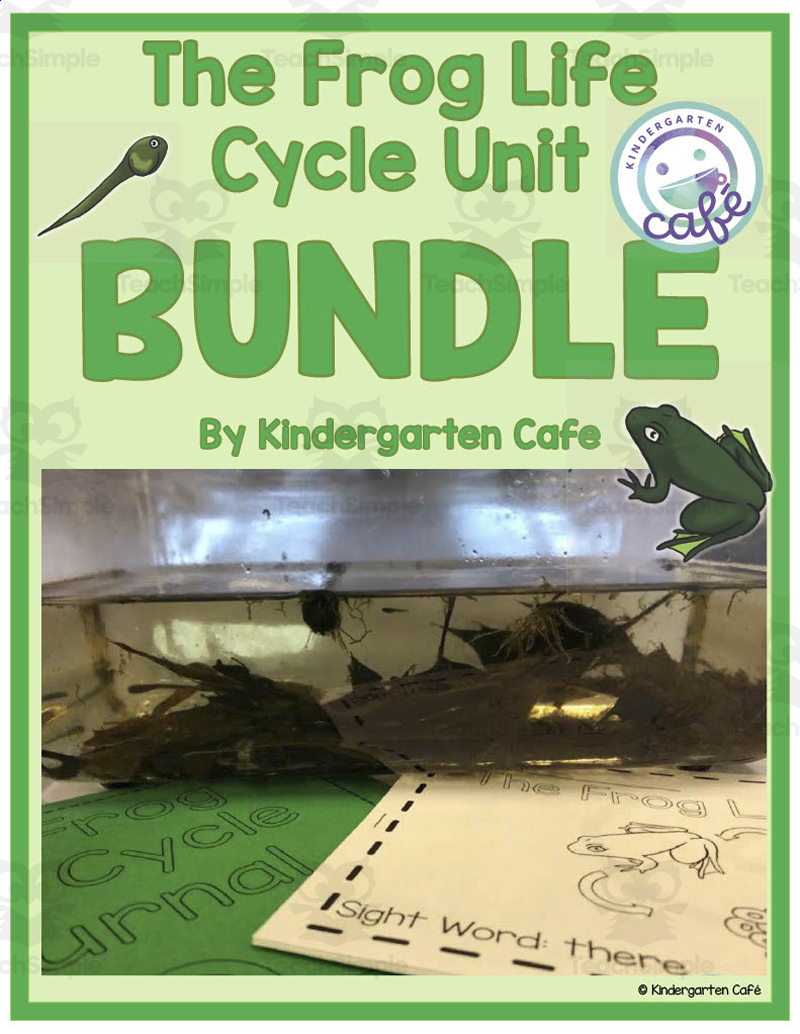
A bundle combining a frog life cycle science journal with an emergent reader booklet, teaching the stages of frog development (egg, tadpole, back legs, front legs, froglet, frog) through both open-ended journaling/observation and guided early reading.
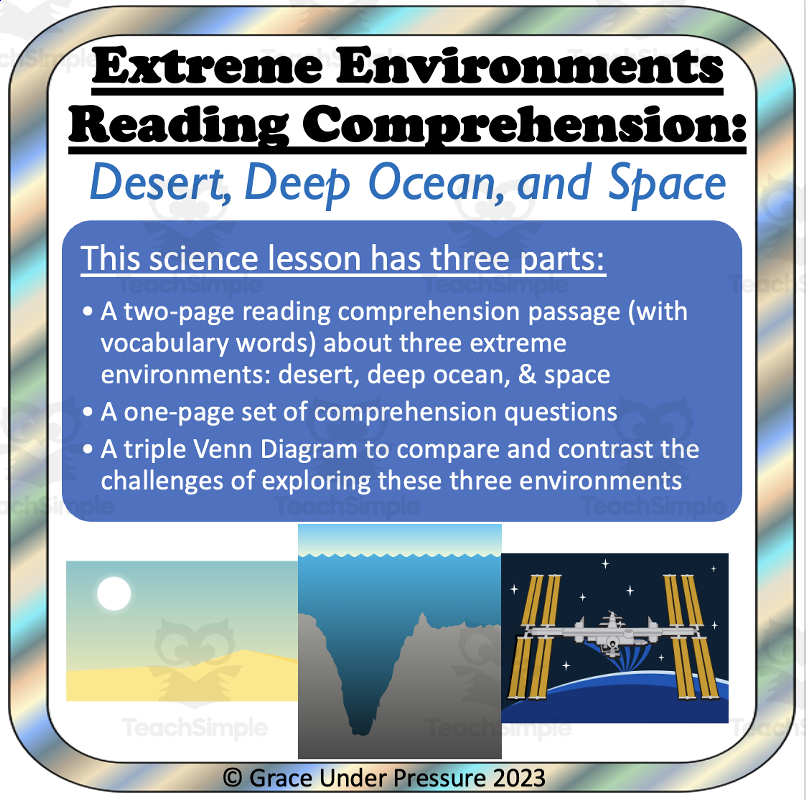
Combine science content about extreme environments (desert, deep ocean, space) with reading comprehension and compare/contrast skills.
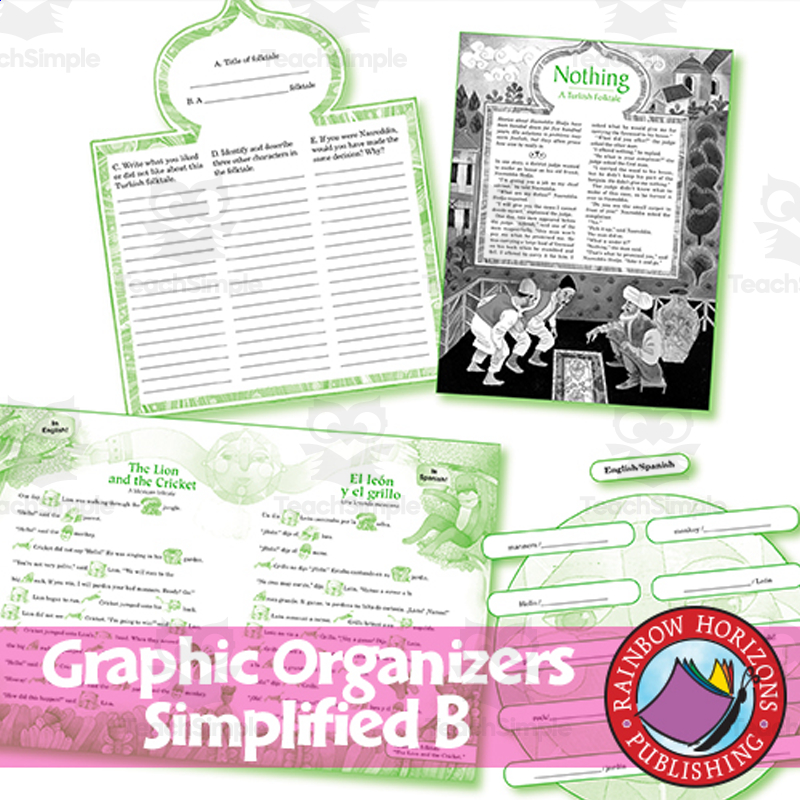
Book B of a 4-book reading-comprehension series pairing short reading selections (from past issues of Highlights for Children) with a matched graphic organizer and a 3-part worksheet (comprehension questions, Analyze and Write, Think and Write) to teach systematic thinking and reading strategies for grades 3-4.
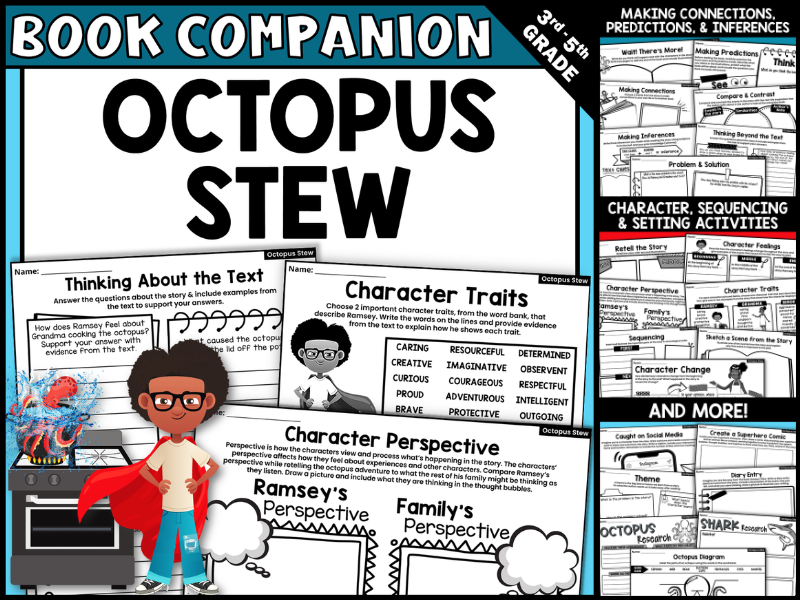
A print-and-go reading companion of activities to accompany the picture book "Octopus Stew" by Eric Velasquez, covering comprehension, story elements, character analysis, and extension writing/research tasks.

A compare-and-contrast worksheet set on the life cycles and distinguishing features of butterflies versus moths.
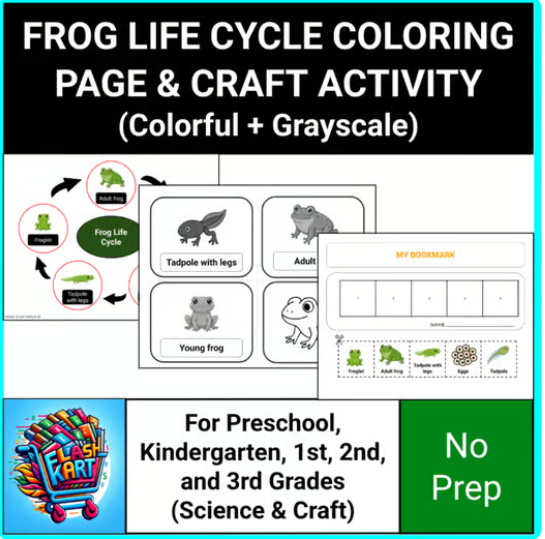
Activity pack teaching the life cycle of a frog through coloring pages, a cut-and-assemble bookmark, flash cards, and a craft, differentiated for two grade bands.
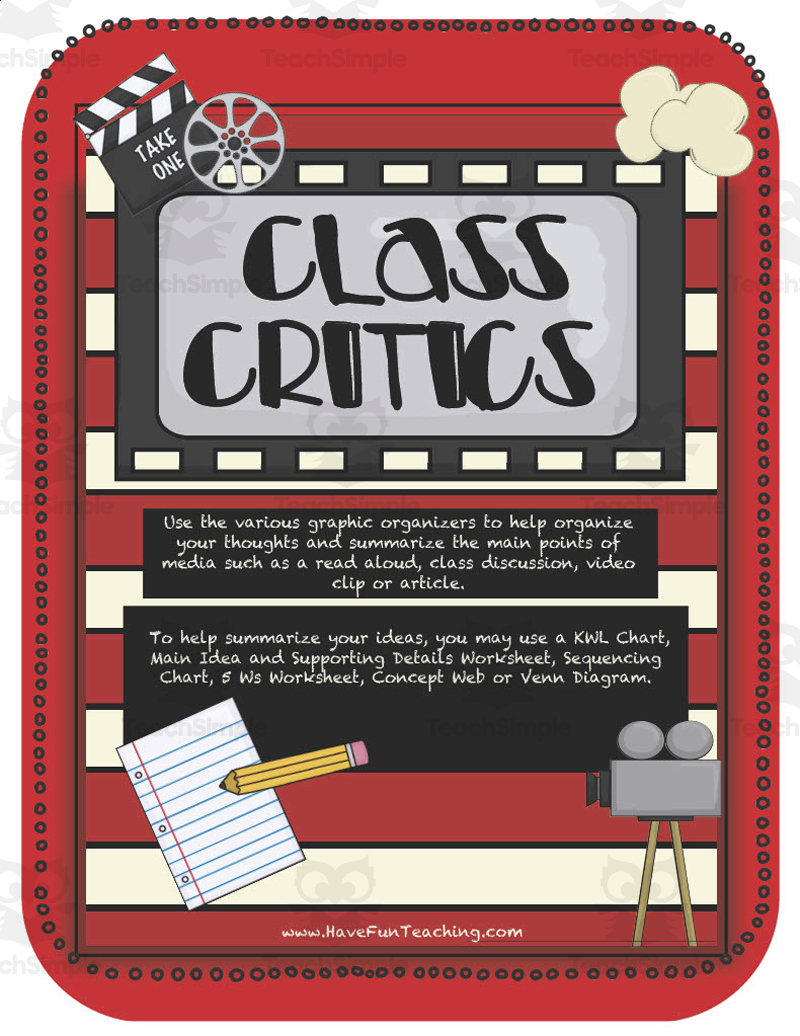
A set of 6 generic graphic organizers giving upper elementary students extra practice with comprehension and summarizing skills after any read-aloud, class discussion, video clip, or article.
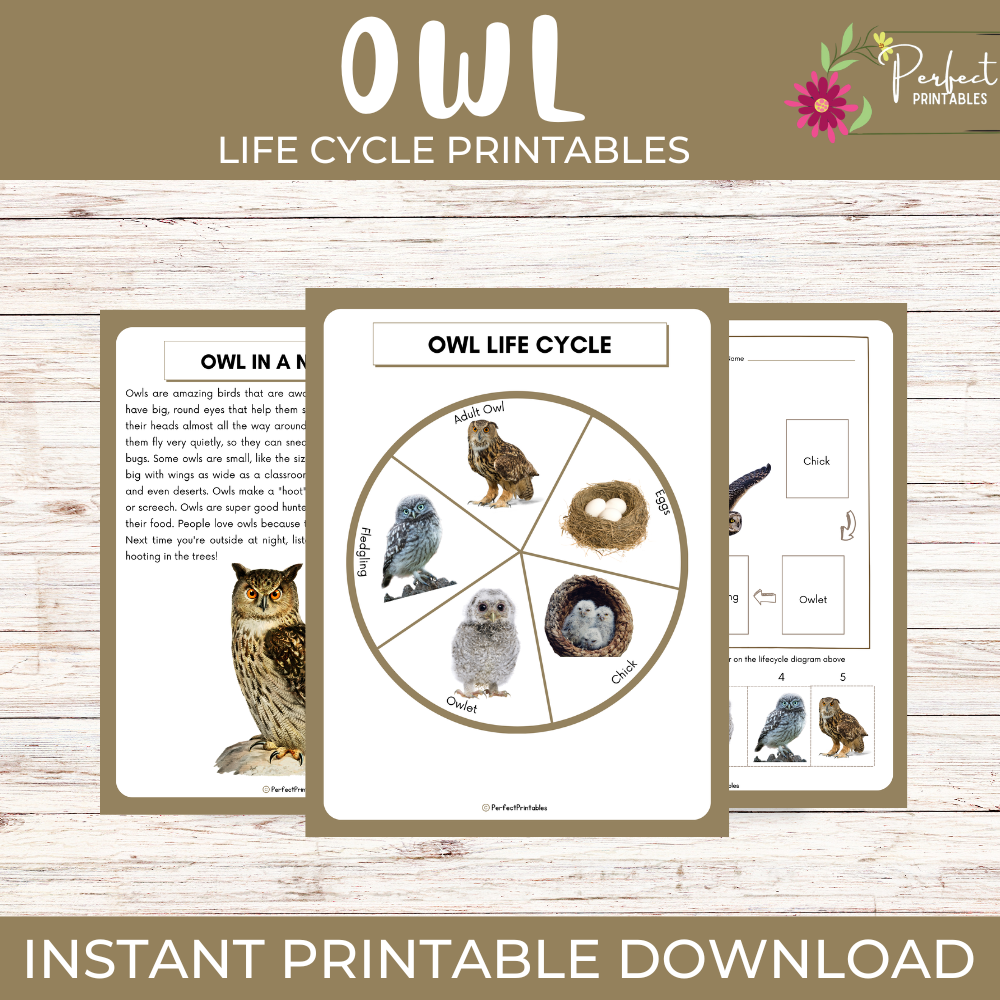
Unit study introducing owls and the owl life cycle through an informational passage, a life-cycle diagram, a cut-and-order sequencing activity, and a fun-facts page.
A set of reusable reading-strategy anchor posters paired with blank graphic-organizer response sheets (two ruled-line versions of each: with and without pre-drawn lines) that students use with any book they are independently reading, covering the 'Five Finger Rule' for choosing a just-right book plus cause and effect, compare and…

A picture-book companion providing print-and-go comprehension and response activities for the story For You Are a Kenyan Child by Kelly Cunnane.

Reading passage explaining water-cycle processes, with comprehension and extension questions, designed for distance learning / Google Classroom use.

A multi-activity unit journal for young students to explore, write about, and illustrate their learning about the ladybug life cycle.
Scribble Notes - Interactive Notebook - Plants and Animals This resource is designed to increase students' focus, concept retention, and creativity. With scribbles notes fun and engaging visual aid, students will love to create their connections in their notes and practice to synthesize information.

A large science packet teaching the butterfly life cycle (egg, caterpillar, chrysalis/pupa, butterfly), butterfly anatomy, and butterfly vs. moth differences, through posters, an interactive handbook, and a wide variety of printable practice activities.

This download is a MEGA bundle of 5 different science units! These units are full of journals for students to show what they know, emergent readers to explore life cycles and even more activities!
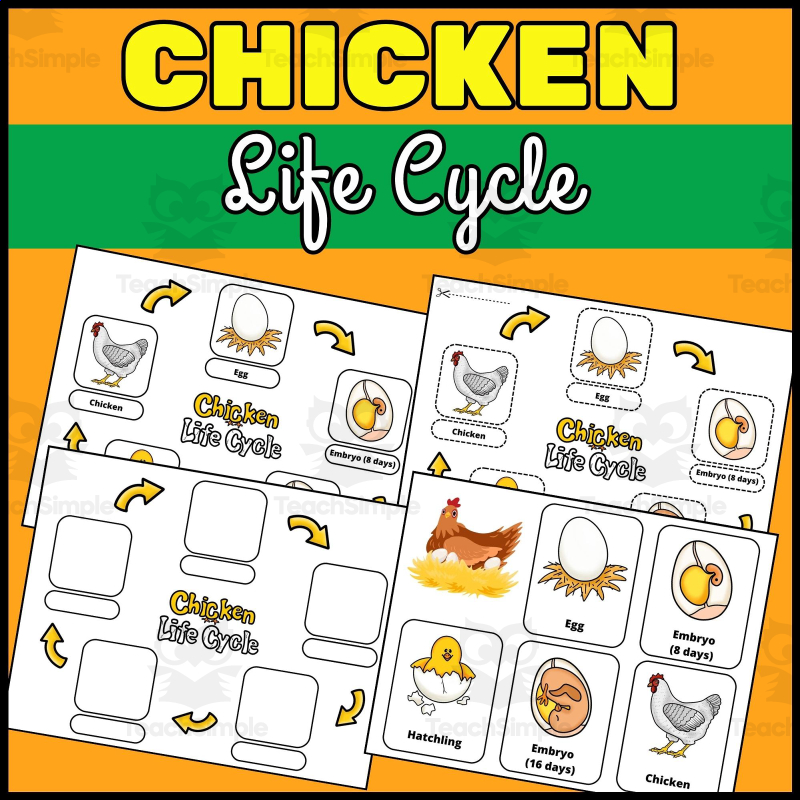
Teach the stages of a chicken's life cycle (egg, embryo, hatchling, chicken).
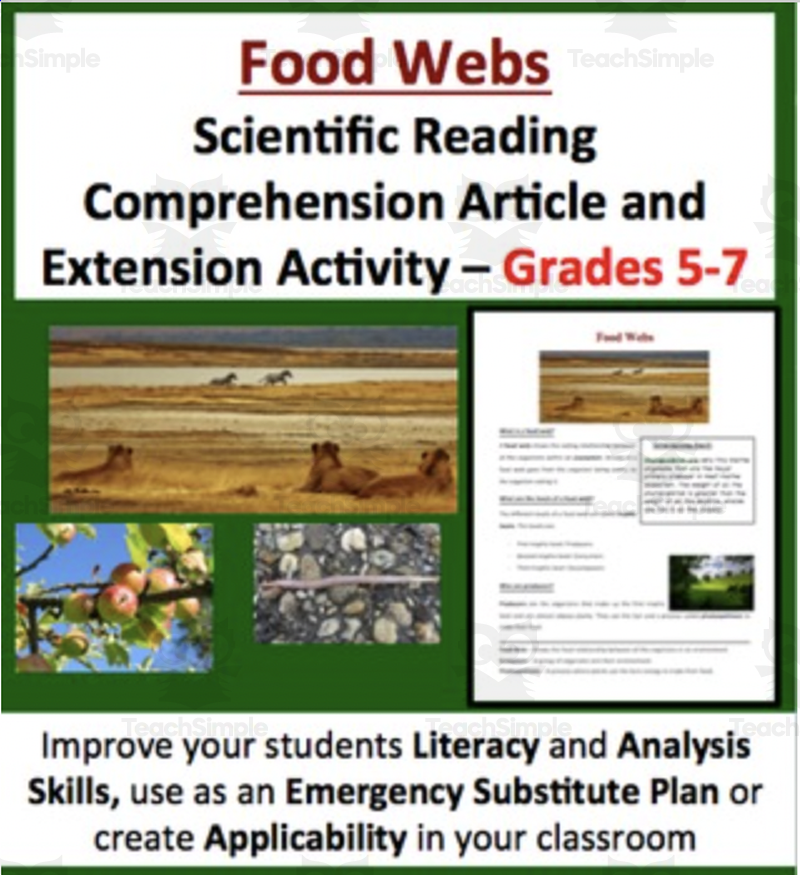
A reading comprehension article and activity teaching how food webs work, including trophic levels, producers, consumers, and decomposers
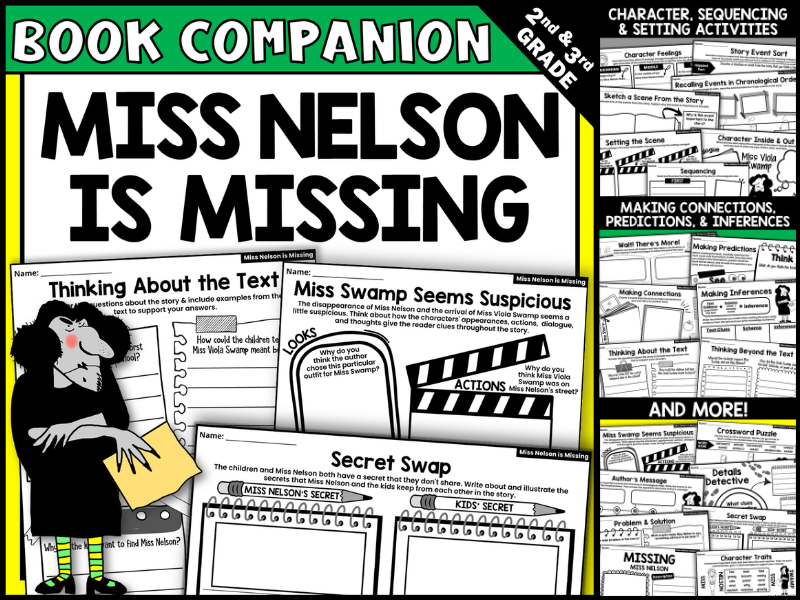
A book companion of print-and-go reading comprehension activities for the picture book "Miss Nelson is Missing" by James Marshall.

A 15-page worksheet of Technology-Enhanced Item (TEI)-style interactive review questions for World History II, covering the Reformation, global trade, the Cold War, and independence movements.

A 'scoot' classroom movement activity in which students rotate around posted question cards about a frog life-cycle text to identify non-fiction text features.
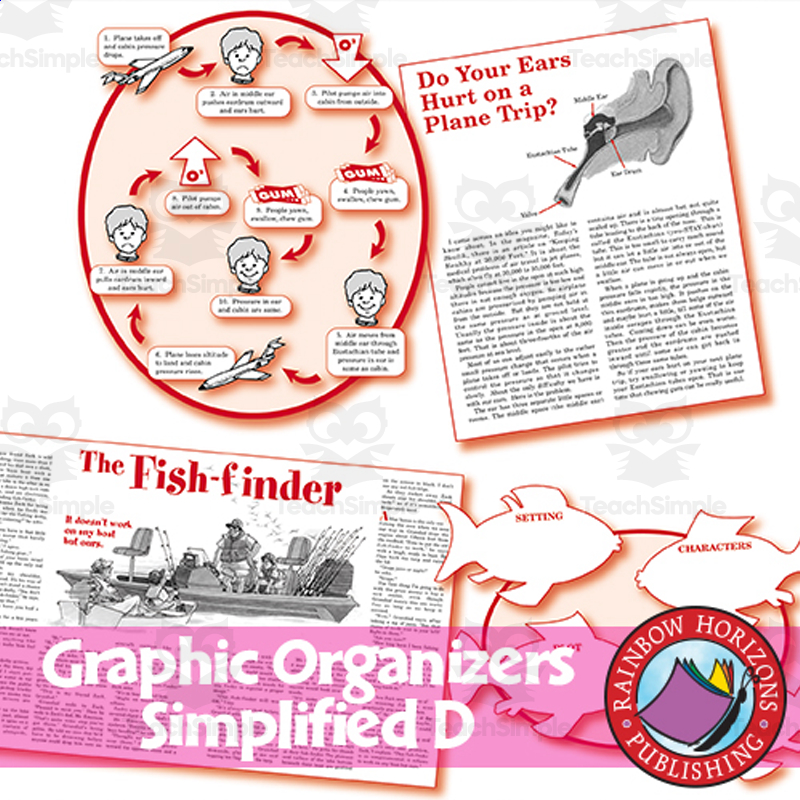
Book D of a 4-book reading-comprehension series pairing short reading selections (from past issues of Highlights for Children) with a matched graphic organizer and a 3-part worksheet (comprehension questions, Analyze and Write, Think and Write) to teach systematic thinking and reading strategies for grades 5-6.