resources by type
resources by grade
resources by subject
other resources
Relevant
alt down
Any Time
alt down
filter by
alt down
All File Types
alt down
filter nav Show filters
Sort by: Relevant
CLEAR
resources by type
Activities
down arrow
Classroom Decor
down arrow
Teacher Tools
down arrow
Worksheets & Printables
up arrow
Drawing Templates & Outlines
Flashcards
Novel Studies
Parts of and Anatomy of
Task Cards
Word Problems
Writing Prompts
Worksheets
down arrow
Workbooks
resources by grade
Early Learning
down arrow
Pre-K
down arrow
Elementary
down arrow
Middle School
down arrow
High School
down arrow
Adult Education
Not Grade Specific
resources by subject
Creative Arts
down arrow
ELA
down arrow
Holiday & Seasonal
down arrow
Life Studies
down arrow
Math
down arrow
P.E. & Health
down arrow
Social Studies
down arrow
Special Resources
down arrow
Science
down arrow
Foreign Languages
down arrow
Resources for Teachers
down arrow
other resources
Common Core
Homeschool Resources
down arrow
Montessori
Research
STEM
Atomic Shell Model Domino – Learning Electron Configurations Play

Atomic Shell Model Domino – Learning Electron Configurations Play
STEM, Science, Chemistry, Physics, Life Sciences, Montessori, Basic Science, Grade 7, 8, 9, 10, 11, 12, Activities, Games, Worksheets & Printables, Task Cards, Quizzes and Tests, Teacher Tools, Word Problems, Flashcards, Escape Room, Experiments

Atomic Shell Model Domino – Learning Electron Configurations Through Play 118 cards for learning the periodic table A classroom game to practice atomic structure and element knowledge 🧪🎲 This printable domino game helps students explore the shell model of the atom while getting to know the periodic table in a more hands-on and interactive way. Each card connects an element name to a visual of its electron shell configuration, offering a playful way to reinforce key chemistry concepts. The set includes 119 domino-style cards – covering all 118 known elements. On each card, the element name is on the left and the corresponding shell diagram with its symbol is on the right. Students link them by matching the shell model of one element to the name of the next. It’s a surprisingly effective way to help them recognize patterns in atomic structure, get familiar with chemical symbols, and connect abstract content to something more tangible. What’s included: 119 printable domino cards (PDF) Each card shows: element name → electron shell model with element symbol Print-ready format; laminating optional but recommended Classroom ideas: Use as a full-class activity or in small groups Introduce the game before formal work with the periodic table to build foundational understanding Great for movement-based tasks: spread the cards across tables or even down a hallway Set time challenges: Who can build the longest correct domino chain? For easier levels, use a reduced set (e.g., first 20 elements or just the main groups) In my chemistry classes, students enjoy the game format – especially those who don’t usually connect with abstract models. Working together to build the correct sequence gives them a chance to talk through the structure of atoms and test their understanding in a low-pressure setting. The domino format encourages active learning, peer interaction, and multiple ways to differentiate by level. Whether you use the full set or simplify it for younger learners, it’s a great way to bring more movement and discussion into your science lessons. Just print, cut, and you’re ready to play. 📍 Best wishes, Heike from @Lernfitness Did You Know? I teach with a certified therapy dog, and together we create a positive and welcoming learning environment. 🐶

Author Lernfitness

Rating

Tags Educational Card Games, Chemistry, Physics, STEM Science Matching Game, Chemical Elements, Periodic Table Matching Game, Shell Model, Game, Domino

XL Domino – Chemical Elements 1–118 | exploring element names + symbol

XL Domino – Chemical Elements 1–118 | exploring element names + symbol
STEM, Science, Chemistry, Physics, Life Sciences, Montessori, Basic Science, Grade 7, 8, 9, 10, 11, 12, Activities, Games, Worksheets & Printables, Task Cards, Quizzes and Tests, Teacher Tools, Word Problems, Flashcards, Escape Room, Experiments

XL Domino – Chemical Elements 1–118 An interactive domino game for exploring element names and symbols 🧪🎲 This printable XL domino game offers a fun and flexible way for students to practice the names and symbols of all 118 chemical elements. Designed for use in grades 7–10, this resource supports both introductory lessons and ongoing review in chemistry class. Whether used in small groups, as a full-class activity, or even spread out along the hallway floor, it encourages active learning and collaboration. Each card features either the name or the symbol of a chemical element. By matching these correctly, students build a long domino chain – all while reinforcing their knowledge of atomic numbers, symbols, and the layout of the periodic table. What’s included: 238 printable domino cards (PDF format) Two complete versions of the game (119 cards each): – Beginner version: element names on both sides – Advanced version: name on one side, symbol on the other Covers all elements from hydrogen (1) to oganesson (118) Tips for setup and gameplay included How I’ve used it: This game works well before introducing the periodic table in depth. It gives students time to get comfortable with element names and symbols in a low-pressure setting. The larger card format makes it ideal for group work or movement-based activities, such as arranging the cards on the floor or in the hallway. Why it works: The visual repetition and active gameplay help students internalize key facts more effectively than passive memorization. Group dynamics also support peer learning – students naturally help each other recall unfamiliar elements. And because it feels like a game, students stay engaged longer and show more willingness to participate. The material is easy to prepare: print, laminate if you like, and cut out the cards. From there, you can adapt it for differentiated learning levels or turn it into a competitive classroom challenge. This is not just a game – it’s a versatile teaching tool that brings the periodic table to life. 📍 Best wishes, Heike from @Lernfitness Did You Know? I teach with a certified therapy dog, and together we create a positive and welcoming learning environment. 🐶

Author Lernfitness

Rating

Tags Educational Card Games, Chemistry, Physics, STEM Science Matching Game, Chemical Elements, Periodic Table Matching Game, Game, Domino, Differentiation

Line Plot Graphing Activity Math Centers Line Plots Graphs

Line Plot Graphing Activity Math Centers Line Plots Graphs
Math, Graphing, Numbers, Homeschool Templates, Homeschool Curriculum, Grade 1, 2, 3, Centers, Activities, Task Cards, Worksheets & Printables, Templates, Teacher Tools

Need a practical, engaging way to teach line plots? This Line Plot Graphing Activity is a classroom-tested favorite that helps students make sense of data—by collecting it themselves. With just a six-sided dice and a pencil, your students will build a simple line plot from real results, interpret what they see, and walk away with a solid foundation in graphing skills. Designed for Grades 1–3 , this resource is perfect for introducing line plots or reinforcing graphing concepts through a hands-on math center. Why This Activity Works Instead of analyzing someone else’s data, students get to roll a dice 15 times, record their own results, and use tally marks and Xs to build a line plot. Then, they answer scaffolded questions to reflect on what their data shows. This simple shift—from passive to active learning—helps students understand what a line plot actually represents. It’s no longer abstract. It’s their data, their graph, their conclusions. What’s Included: Task cards with clear step-by-step instructions (color + blackline) Line plot templates (single and 2-per-page formats) Response sheets with easy-to-follow reflection questions Sample answer key Optional file folder cover to set up as a grab-and-go math center Classroom Uses: Independent math centers Partner work Whole-group practice Sub plans Fast-finisher activity Whether you’re introducing line plots for the first time or circling back for a review, this resource keeps the process simple, visual, and meaningful. It’s low-prep, high-impact, and easy to reuse. If you're ready to make line plots click for your students, this is the activity to start with.

Author Teach2Tell

Rating

Tags Line Plots, Graphing, Data Analysis, Line Plot Activity, Line Plots Graphs, Line Plot Worksheets, Grade 2 Math Center, Grade 3 Math Center, Line Plots And Data, Math Graphing Activity

Word Problems to Algebraic Expressions Pixel Art

Word Problems to Algebraic Expressions Pixel Art
Math, Algebra, Grade 6, 7, 8, Activities, Games, Worksheets & Printables, Task Cards

Tired of boring worksheets where kids are uninterested? Bring algebraic expressions to life in this Word Problems Algebraic Expressions Pixel Art Activity! This no-prep, self-checking, digital resource will make math practice the most engaging and interactive activity. Students solve 20 real-world algebraic expression word problems, revealing the pieces of a mystery pixel art image while they work. This will keep them engaged and wanting to finish the work. Moreover, through instant feedback, students know if the answer is right or not right away, eliminating frustration and prompting self-correction. Designed for middle school math, this activity allows students to practice writing algebraic expressions from word problems while giving the teacher a stress-free, engaging, and low-prep lesson. This resource includes printable worksheets, task cards, and answer keys to make it flexible and perfect for any classroom setting! What's Included? ✔️ Digital Pixel Art Activity – A fully self-checking, interactive, and engaging math practice 20 Algebraic Expression Word Problems Real-world situations in which students can apply what they are learning Printable Worksheets Easy to use for in-class practice, homework, and test prep Task Cards Perfect for small group collaborations, centers, or classroom games Answer Key & Solutions Saves the teacher time grading; provides student with clear explanation of how to solve Why This Activity? No teacher prep: Just assign and go. Students work at their own pace. Self-checking: Through immediate feedback, students will know if they got it right, minimizing teacher intervention. Engaging and interactive: The pixel art feature will keep students focused and excited to complete the challenge. Works for Digital & Print Learning: A mix of Google Sheets along with printable options makes it easy to fit any teaching style. Perfect for Differentiation: send the digital version for independent, use task card versions for collaborative activities, and use worksheets as extra practice. Perfect for: ⭐ 6th-8th Grade Math & Algebra ⭐ Bell Work, Centers, Stations, Early Finishers ⭐ Homework, Test Prep & Review ⭐ Engaging Digital Learning using Google Sheets + Algebraic expression transformations can be made into something fun without much stress. This is perfect independent practice, review, or a math station activity. Indeed, it promotes engagement in learning, while saving the algebra teacher's time. Download now and make ALGEBRA PRACTICE FUN and MEANINGFUL!

Author Matemaths

Tags Pixel Art, Interactive Activity, Digital Learning, Matemaths, Winter , Task Cards, Printable, Digital, Lines, Equations

Homologous Series of Alcohols – Word Search Activity (Differentiated)

Homologous Series of Alcohols – Word Search Activity (Differentiated)
Life Sciences, Science, STEM, Basic Science, Physics, Chemistry, Biology, Earth and Environmental Sciences, Environmental Science, Grade 6, 7, 8, 9, 10, 11, Worksheets, Worksheets & Printables, Quizzes, Quizzes and Tests, Teacher Tools, Activities, Games, Task Cards, Crosswords Puzzles, Word Searches

Homologous Series of Alcohols – Word Search Activity (Differentiated) A flexible review task for organic chemistry lessons (Grades 8–11) 🧪🔍 Alkanols Alcanoles This set of word search puzzles offers a quiet but focused way for students to review the homologous series of alcohols in organic chemistry. Instead of asking for definitions or formulae, students engage with key terms through active searching – which can be a surprisingly effective way to reinforce terminology. The material includes 10 word search puzzles , each in two variants (A/B), with five levels of difficulty . These levels are marked with stars (1 to 5), so you can easily differentiate within your classroom. Puzzles vary by grid size and by the direction in which words are hidden – from simple (only forward) to more challenging (also backward and diagonal). The content covers terminology related to the alcohol functional group and homologous series, making it a suitable supplement to introductory or review units in organic chemistry. What’s included: 10 unique puzzles × 2 variants (A and B) 5 differentiation levels based on grid size and word direction Answer keys for all puzzles Color and black-and-white versions for easy printing Chemistry-themed clipart to add visual appeal Ideas for classroom use: I’ve used these word searches both as a quiet review tool and as a warm-up or cool-down at the beginning or end of a lesson. The A/B version is especially useful for classroom management – students working side by side aren’t tempted to copy but still complete equivalent tasks. Students often appreciate the variety, especially when switching between more structured exercises and creative, self-paced activities. Whether as an individual task, a group competition, or a calming option during busy weeks – this resource supports technical vocabulary in a format that feels low-pressure and accessible. A simple and effective addition to your chemistry toolkit. Have fun exploring the world of science with your students! Warmly, Lernfitness Did You Know? I teach with a certified therapy dog, and together we focus on creating a positive and inspiring learning environment.

Author Lernfitness

Rating

Tags Science, STEM, Chemistry, Homologous Series, Alcohols, Word Search Activity, Differentiated, Organic Chemistry, Alkanols, Alcanoles

Recipe Book and Cookbook - Life Skills Template - Valentines Day

Recipe Book and Cookbook - Life Skills Template - Valentines Day
Life Skills, Special Resources, Writing, ELA, Language Development, Strategies, Reading, Technology, Science, Resources for Teachers, Middle School, High School, Homeschool Resources, Elementary, Templates, Teacher Tools, Centers, Activities, Crafts, Projects, Task Cards, Worksheets & Printables

Editable Recipe Templates - Create a Recipe Book or a Cookbook - 10 Unique Love-Themed Template Designs for Valentines Day (or any other time of year as is appropriate). Each recipe template: Can be printed with the chosen recipes handwritten onto the cards Can be edited using Google Slides or PowerPoint - Font styles can be changed and more. Links to recipe ideas are included as well. This is a project that can be worked on individually or as a team. Students will practice using Google Slides or PowerPoint software which will increase their knowledge of creating products in these creative software programs. Students will practice typing and/or handwriting. Students can give the finished products to a special friend or family member. Students can try out the recipes in the school kitchen as is possible. A lovely home economics and family consumer sciences project. Students will be developing research skills when they utilize the included links to find recipes and choose ones that they think sound yummy. Finding, choosing, and trying out new recipes are all life skills that will be helpful into adulthood, especially if students are given the opportunity to try out any of the recipes. Students will have fun doing this crafty, unique activity, and they will be learning at the same time. Recipes contain ingredients in specific amounts (math), and have to be followed like a lab experiment to complete and end up with a successful finished product. Two zipped files are included: one non-editable pdf file and one editable PowerPoint file that can be used with Google slides which is a free program.

Author Homeschooling Dietitian Mom

Tags Life Skills Template, Templates, Teacher Helps, Valentine, Health Templates, Home Economics, Family And Consumer Science, Food And Nutrition, Writing Prompts, Research Projects

Shell Model – Chemical Elements Flashcards - Element names

Shell Model – Chemical Elements Flashcards - Element names
STEM, Science, Chemistry, Physics, Life Sciences, Grade 7, 8, 9, 10, 11, 12, Activities, Games, Worksheets & Printables, Task Cards, Quizzes and Tests, Teacher Tools, Word Problems, Word Searches, Worksheets, Flashcards

Shell Model – Chemical Elements Flashcards 118 cards for learning the periodic table Learn atomic structure and the periodic table through play and visual learning 🧪🧠 These flashcards are designed to help students explore the structure of atoms using the shell model. Covering all 118 elements of the periodic table, each card includes the atomic number, element name, symbol, and a visual representation of the electron arrangement in shells. It’s a simple but effective tool for bringing abstract chemistry content into a more visual and interactive format. I’ve used this set in grades 7–10, both in introductory lessons and for revision. What worked especially well was printing the cards twice and using them as a memory game (“Find the Pairs”). Students match element names with their shell models or symbols – and along the way, they start to notice patterns: which elements belong to the same group, how many electrons fit in each shell, and what the outer shells can tell us about chemical reactivity. What’s included: 118 printable flashcards (PDF) – one for each element Each card features: atomic number, element name, chemical symbol, and shell model Suggestions for classroom use (games, sorting tasks, self-study) The cards can be used in a variety of ways: – As a memory game (matching name and shell model) – For group sorting activities (by group, period, metal/non-metal, etc.) – As quick quizzes in pair work – Or as visual aids when introducing atomic theory They’re suitable for different levels of difficulty. Beginners can focus on names and symbols, while more advanced students work with the shell diagrams and explain electron configurations. It’s also a helpful tool for differentiation – everyone works at their own pace, but with the same visual material. This resource comes as a PDF and is easy to print and prepare. Laminating the cards is a good idea if you plan to use them more than once. 📍 Best wishes, Heike from @Lernfitness Did You Know? I teach with a certified therapy dog, and together we create a positive and welcoming learning environment. 🐶

Author Lernfitness

Rating

Tags Educational Card Games, Chemistry, Physics, STEM Science Matching Game, Chemical Elements, Periodic Table Matching Game, Flashcards Chemical Elements, Element Names, Shell Model, Game

Halloween Order of Operations with Integers Pixel Art and Task Cards

Halloween Order of Operations with Integers Pixel Art and Task Cards
Math, Addition and Subtraction, Addition, Subtraction, Order Of Operations, Grade 6, 7, 8, Worksheets & Printables, Activities, Task Cards

Need a fun way to teach order of operations with integers? Look no further! This Halloween-themed pixel art activity is your answer. With 20 thoughtfully designed problems, students will work through expressions containing both positive and negative numbers while revealing a captivating Halloween image with each correct answer. Why You'll Love This Product: No Prep Required: Save your time with this ready-to-go, hassle-free activity that requires minimum setup. Just share the link with your students, and they can go on the process. Self-Checking: The activity makes it perfect for immediate feedback, hence for independent work. You get your results right away with it to help boost their confidence as they go. Fun and Engaging: A Halloween theme in the pixel art adds an element of excitement to make students want to stay focused and solve all problems in order to see what picture is hidden. Pace Yourself: This allows the student to go at their own pace. They may go through the problems themselves and ask for help when they need it. Perfect for 7th Grade Math: The following activity has 20 expressions using the order of operations with integers. It only includes addition, subtraction, and multiplication; no exponents or parentheses are included. What's Included: Digital Pixel Art Activity: A set of 20 problems on integer operations all created to make learning fun and interesting for the students. Handouts and Task Cards for Printing: Reinforcer sheets to let them have a more profound knowledge of the concept at hand. Easy Grading and Review Answers Provided: Grade in a snap and with the provided answers, give effective feedback. Get into the 'spirit' of Halloween and some seasonal fun in your math classes! Highlighting Features: Multi-Use Type: No-prep, self-checking resource can be utilized in the classroom, assigned for homework, or integrated into math center activities. Focus on Positive and Negative Numbers: Students will be able to practice operating both positive and negative integers within the context of order of operations. Engaging and Educational: Your students will have fun while they solve the problems to uncover the pixel art, making learning fun. Perfect For: Classwork or Independent Learning: Use this resource for a variety of teaching environments and learning styles. Homework Assignments: A nice way to extend the learning beyond the classroom. Math Centers: Encourages peer learning in a collaborative setting. Distance Learning: Seamlessly blends into online teaching environments. Since it is all an online activity with interactive pages, prep work is minimal: just provide the link and they are off. No locks to really configure, no clues to hide. Seamlessly integrated for a fun and engaging experience, no Google Classroom or Microsoft Teams logins. Turn math into a spooktacularly good time this year!

Author Matemaths

Tags Matemaths, Pixel Art, Math, Integer, Fall, Order Of Operations

Therapy Dog - Helping Students Reflect with Therapy Dogs 🐶💭

Therapy Dog - Helping Students Reflect with Therapy Dogs 🐶💭
Social Emotional Learning (SEL), Special Resources, Social Skills, Special Education Needs (SEN), Life Skills, Animals, Life Sciences, Science, Classroom Management, Resources for Teachers, High School, Middle School, Elementary, Early Learning, Pre-K, Homeschool Resources, Classroom Decor, Bulletin Boards, Projects, Activities, Drawing Templates & Outlines, Worksheets & Printables, Worksheets, Posters, Door Decor, Task Cards

Helping Students Reflect with Therapy Dogs 🐶💭 There’s something special about the presence of a therapy dog in the classroom. Even the most restless students seem to relax. Some kids who rarely speak up suddenly open up. And for many, it’s the first time they’ve had a chance to experience the unconditional support that a dog offers. But what if we took that experience and turned it into a learning moment? That’s exactly what this reflection activity does. It helps students think about what kindness means, why responsibility matters, and how their actions affect others—whether those others have two legs or four. Why This Activity Feels Different ✔ It gets students thinking, not just answering. It’s not about memorizing facts. It’s about pausing for a moment and reflecting on simple but meaningful questions. ✔ It connects emotions with actions. Why do therapy dogs have rules? Why does kindness matter? These questions lead to unexpectedly deep discussions. ✔ It’s easy for any grade level. Younger kids can draw their answers, while older students might write or discuss. No one feels left out. ✔ It works with or without a therapy dog. Even if your school doesn’t have one, this still sparks conversations about empathy and responsibility. ✔ No prep required. Just print it out, hand it to students, and let them think. How I Use It in My Classroom 📌 First, we talk. I ask, “How do animals teach us about kindness?” or “What do therapy dogs need from us?” The answers are never what I expect—and that’s the best part. 📌 Then, students reflect. They complete a few simple but thoughtful prompts about their own behavior, their emotions, and what they’ve learned. 📌 Next, we share (if they want to). I never make sharing mandatory. But I’m always surprised by how many students want to. 📌 Finally, we put up the poster. It’s a small reminder that kindness and responsibility go beyond the classroom. 🐶 One more idea: If you have a therapy dog visit your class, have students read their reflections to the dog. You’d be amazed at how much more open and engaged they become! What Other Teachers Have Said ✔ “I used this before our first therapy dog visit, and it made a huge difference in how students behaved around the dog.” ✔ “It’s simple but powerful. The class discussions that came from this were amazing.” ✔ “Perfect for social-emotional learning, even without a therapy dog!” Why This Activity Sticks with Students At the end of the day, this isn’t just another worksheet. It’s a way to help students slow down, think about their actions, and reflect on what really matters—whether that’s how they interact with a therapy dog, a classmate, or the world around them. 📥 Give it a try—you might be surprised by what your students come up with. 🐶✨ 📍 Warmly, Heike from Lernfitness Did You Know? I teach with a certified therapy dog, and together we create a positive and inspiring learning environment. 🐶✨

Author Lernfitness

Tags Therapy Dog, Animal-assisted Learning, Inclusive Education Tools, Therapy Dog Rules, Classroom Pet Guidelines, Therapy Dog In School, Social-emotional Learning, SEL, Dog, Reflection Activity

Distance Between Two Points on the Coordinate Plane Pixel Art

Distance Between Two Points on the Coordinate Plane Pixel Art
Math, Graphing, Geometry, Grade 8, 9, 10, Worksheets & Printables, Activities, Task Cards

Improve Your 8th Grade Math with Distance Between Two Points on the Coordinate Plane Pixel Art Activity Need a fun and engaging activity to reinforce distance calculation on the coordinate plane for 8th graders? This no-prep digital pixel art activity will be an excellent resource through which students will calculate the distance between two points on the coordinate plane using the Pythagorean Theorem. Self-checking in format, students receive instant feedback and may work at their own pace, reducing teacher involvement. Key Features: Grade Level: 8th Grade Digital & Printable: It includes a casual digital activity, and a printable handout and task card to meet various classroom needs. Self-Checking for Immediate Feedback: Self-checking in format allows students to immediately check each answer themselves for greater insight into where mistakes have been made and give confidence in math capabilities. 20 Practice Problems: Strong problems to help students develop good reading capabilities of the coordinates and application of the Pythagorean Theorem to determine the exact distances on the coordinate plane. No-Prep Design for Teachers: Assign and have students work. This resource is ready to go; hence, saving time on prep work for teachers. Student-Paced with Autosave: If students use the same device and browser, they will be able to pick up exactly where they left off. In other words, by clicking "Continue" on the first page, they will seamlessly continue right from where they left off, which makes it suitable for use in multiple sessions. What's Included: Digital Pixel Art Activity: This adds motivation because the artwork is revealed with each correct answer, making the distance calculation more enjoyable for students. Printable Handouts & Task Cards: In-class and remote learning options can be provided by giving flexible choices to students in any location to practice distance calculation skills. Full Answer Key Provided: Solutions make it easy on the teacher to review; thus, grading can be efficient and straightforward. Benefits for Students: Concept Reinforcement: Reading of coordinates, Pythagorean Theorem, among others, are the ways one can easily reinforce the essential mathematic abilities in students. While working out each problem, the student will build a picture in pixel art form, motivating them through the completion of all the problems they are going to work on. Independence in learning: With the self-paced design in conjunction with immediate feedback, the students will be able to work in an independent manner and only go to the instructor when absolutely necessary. Make Coordinate Plane Practice Easy and Entertaining! Now change how students practice the distance between coordinates in the coordinate plane with this self-checking, digital pixel art activity. Perfect for 8th graders, this resource is designed to make math practice engaging, effective, and completely hassle-free for teachers. Assign it today and watch students enjoy every problem!

Author Matemaths

Tags Matemaths, Pixel Art, Task Cards, Coordinate Plane, Distance Between Two Points, Cartesian Plane, Pythagorean Theorem

Which Problem Is Bigger Task Cards -- Size Of The Problem Task Box
Free Download

Which Problem Is Bigger Task Cards -- Size Of The Problem Task Box
Social Emotional Learning (SEL), Special Resources, Life Skills, Social Skills, Special Education Needs (SEN), Grade 1, 2, 3, Centers, Activities, Task Cards, Worksheets & Printables

Are you looking for a way to help teach your students the size of the problem? These task cards are the perfect thing for you! These "Which is bigger" task cards give the students different problem scenarios. Students then have to decide between the 2 scenarios, which problem is bigger. You then can encourage discussion with your students by asking why the problem seemed the biggest. Your students will love this activity as the scenarios vary between common problems they may experience and silly problems as well (i.e. which is bigger: a dragon losing his fire or a unicorn losing it's sparkle). Spark discussion and growth with these task cards! These cards also include an assessment page that correspond with each task card so that way you can help assess progress and know specifically which scenarios the students are getting wrong. Includes: ⭐ 32 Task Cards ⭐ Assessment Page ⭐ Task Box Label ⭐ Task Box direction label ⭐ Ink Friendly and Color Printing Options To help your students understand the size of their reaction, they need to understand the size of the problem. These task cards are a great first step!

Author The Feelings and Friends Teacher

Rating

Tags Size Of The Problem, Size Of The Problem Activities, Task Boxes, Task Box Activities, Social Problem Solving, Problem Solving Scenarios, Which Is Largest, Task Cards, School Counseling

Chemical Elements – Matching Pairs Game & Flashcards (1–118)

Chemical Elements – Matching Pairs Game & Flashcards (1–118)
STEM, Science, Chemistry, Physics, Life Sciences, Montessori, Basic Science, Grade 7, 8, 9, 10, 11, 12, Activities, Games, Worksheets & Printables, Task Cards, Teacher Tools, Flashcards, Classroom Decor, Door Decor, Bulletin Boards, Posters

Chemical Elements – Matching Pairs Game & Flashcards (1–118) 118 cards for learning the periodic table A visual and interactive way to explore the periodic table 🧪🧠 This printable card set includes all 118 chemical elements and can be used either as a classic memory game or as flashcards for independent practice. Each card features the element’s symbol, atomic number, and name – providing a clear and accessible entry point into the world of chemistry. The cards are designed to be used flexibly. You can print them twice to play Matching Pairs (also known as Memory®), where students turn over cards and try to find identical pairs. This helps improve concentration and recall while reinforcing students’ familiarity with element symbols and atomic numbers. What’s included: 118 cards (PDF format) – one for each chemical element Each card includes: element symbol, name, and atomic number Use them as a memory game (print twice) or flashcards for review Black-and-white format allows for optional color coding (e.g. element groups or states of matter) In my classroom: I’ve used this resource with grades 7–10, both during our unit on the periodic table and as a review activity. Some groups like to sort the cards by group or period before playing. Others enjoy using them competitively, seeing who can name the most elements based on symbol alone. There’s also room for differentiation: stronger students can work without a periodic table for support, while others use it alongside. The black-and-white version is copy-friendly and works well if you want students to color-code elements (e.g. metals vs. non-metals). You can also adapt the game for faster learners by having them group elements or research additional properties. This is a low-prep activity you can use again and again – whether as a center activity, partner task, or quick review before a test. Just print, cut, and play. 📍 Best wishes, Heike from @Lernfitness Did You Know? I teach with a certified therapy dog, and together we create a positive and welcoming learning environment. 🐶

Author Lernfitness

Rating

Tags Educational Card Games, Chemistry, Physics, STEM Science Matching Game, Chemical Elements, Periodic Table Matching Game, Game, Memory, Matching Pairs, Flashcards

Exponent Rules - Laws of Exponents Pixel Art

Exponent Rules - Laws of Exponents Pixel Art
Math, Geometry, Algebra, Grade 7, 8, 9, Activities, Games, Worksheets & Printables, Task Cards

Need a brief and interactive method to reinforce the exponent laws? This self-assessment digital pixel art activity and printable worksheet turn exponent practice into an interactive, low-prep, and fun experience! With only 10 clearly written questions, this resource is mapped to guide students to become proficient with exponent rules without getting overwhelmed. It's an ideal warm-up, exit ticket, or fast review task—maintaining meaningfulness and efficiency in learning while guaranteeing that students receive the practice they require. What's Included? ✔️ Self-Checking Digital Pixel Art Activity (Google Sheets) Students input their answers, and the correct ones uncover a surprise pixel art image. Instant feedback keeps students engaged and encourages independent learning. ✔️ Printable Worksheet (PDF) Same 10 exponent rules questions, but printable—ideal for classwork, homework, or added practice. Ideal for math stations, spiral review, or quick assessments. ✔️ Answer Key Saves your time grading! Exponent Rules Addressed Product of Powers Quotient of Powers Power of a Power Why You'll Love This Resource No-Prep & Time-Saving Just distribute the digital version or print the worksheet—no extra prep required! The digital pixel art activity is self-grading, so students get immediate feedback, and you don't have to manually grade every response. Engaging & Motivating Children love watching the pixel image come alive as they solve each problem correctly. The gamification built in makes practice a game, not tedium! Adjustable & Adaptable Use this resource for: ✅ Warm-ups – A quick, engaging means of starting class. ✅ Exit tickets – Assure understanding within minutes. ✅ Spiral review – Brush up on exponent rules without overwhelming students. ✅ Independent practice – Perfect for independent learning. ✅ Home practice or extra credit – Give students a fun way to practice at home. Perfect For: ✔️ 8th Grade Math, Pre-Algebra, & Algebra 1 ✔️ Teachers of interesting, no-prep resources ✔️ Students who need more practice with exponent rules ✔️ Math centers, stations, or quick assessments Make Exponents Fun & Easy! With this downloadable worksheet and fun pixel art activity, students can easily learn exponent rules while experiencing a stress-free learning process. For a fast review, independent practice, or math warm-up fun, this content is designed to save you time and build student confidence.

Author Matemaths

Tags Pixel Art, Interactive Activity, Digital Learning, Matemaths, Task Cards, Printable, Digital, Algebra, Geometry, Pythagorean Theorem

Halloween Order of Operations with Integers with Parentheses Pixel Art

Halloween Order of Operations with Integers with Parentheses Pixel Art
Math, Addition and Subtraction, Addition, Subtraction, Order Of Operations, Grade 6, 7, 8, Worksheets & Printables, Activities, Task Cards

Get ready for a spook-tacular math adventure with our Halloween-Themed Digital Pixel Art Activity! An engaging resource appropriate for 6th through 8th-grade students, all about order of operations with integers—involving positive and negative numbers. This is a no-prep digital activity with self-checking features that allows students to work at their own pace in a fun environment as they solve problems involving parentheses that are also free of exponents. As they progress through the Halloween-themed pixel art, each solved problem unfolds a mysterious image that keeps them excited and motivated throughout the learning process! Key Features: Digital Format: The activity is ready to be used in both the classic classroom and remote learning setups. Self-Checking: Immediate feedback allows the students to learn on their own, making them realize even the most difficult concepts without needing constant supervision. No Prep Needed: Save those valuable minutes with ready-to-go materials that require minimal setup, saving you more time for teaching. Engaging and Fun: The Halloween theme makes learning a bit more interesting for your students as they practice these important math skills. Order of Operations Focus: This activity will reinforce important math skills involving integers and expressions. Students will build problem-solving skills in this activity. Printable Versions Included: For extra flexibility, this activity includes printable versions of the questions and solutions, and the task cards for extra practice to cater for different learning styles. Standards Alignment: CCSS 6th-8th Grade: Get your students into the holiday spirit with this engaging math activity that will have them practicing their math skills in a fun, spooky way. You can use this resource in your classroom for instruction, test review, or math centers. Help your students get excited about math this holiday season with this unique digital pixel art activity! Uses in the Classroom: Classwork or Independent Learning: Great to reinforce skills during lessons or for self-study. Homework Assignments: Students can practice at home what they have learned within the classroom. Math Centers: It's easy to incorporate this activity into your rotations for math centers, allowing you to offer different types of learning opportunities for students. Distance Learning: Make learning from home interactive to keep students engaged with the classroom. Since this is an all-online activity, with interactive pages, there really is little prep that needs to be done; just give them the link, and off they go. You won't need to configure any locks or hide clues. It's all online access, with no need to log in via Google Classroom or Microsoft Teams. Be prepared for a mathy Halloween your students will never forget!

Author Matemaths

Tags Matemaths, Pixel Art, Math, Integer, Fall, Order Of Operations

Archaeology Anthropology Terms Info Flashcards Catalog

Archaeology Anthropology Terms Info Flashcards Catalog
Basic Science, Science, History, Social Studies, Sociology, Geography, Grade 9, 10, 11, 12, Bulletin Boards, Classroom Decor, Flashcards, Worksheets & Printables, Task Cards

Archaeology & Anthropology Flashcards | Basics Visual Lexicon ( 218 Cards ) Make archaeology and anthropology come alive with this comprehensive set of 2 1 8 printable flashcards ! Perfect for world history, social studies, and anthropology classes , these study cards help students master key vocabulary, essential concepts, methods, and cultural terms in a way that’s both interactive and accessible . What’s Included : 2 1 8 printable flashcards covering foundational terms from archaeology and anthropology . 6 cards per A 4 page for easy printing, cutting, and organizing . Student-friendly visuals . How to Use : - Review sessions before quizzes and exams . - Vocabulary-building activities . - Bell-ringers, stations, or classroom centers . - Small- group competitions and games . - Digital or print study guides . Why Teachers Love It : Saves hours of prep time . Encourages active learning and retention . Versatile for multiple grade levels and settings . Engages visual and kinesthetic learners . This ready-to-use resource is the perfect addition to any unit on archaeology or anthropology . With 2 1 8 cards , your students will build a strong foundation in understanding humanity’s past, cultural diversity, and the methods scholars use to study them . 4 0 P D F pages with flash/ info/ task cards . For more pdf materials on foreign language, special education, numeracy, basic math and pictorial / manipulative approach to learning, and if you are interested in incorporating Visual Perception elements in your teaching, please visityou can click WORDS ASIDE . For A A C pdf educational resources, you can check the following work : AAC Reading and Writing Development Task Cards 1 READING and WRITING | 2 | : Sentence to Paragraph A A C Reading and Writing Development Task Cards 2 Greek A A C Sentence to Paragraph READING and WRITING | 1 |

Author WORDS ASIDE

Rating

Tags Anthropology, Archaeology, Forensics, Terms, Terminology, Social Studies, History, Flashcards, Taskcards, Words Aside

Winter One Step Equations Word Problems Pixel Art and Task Cards

Winter One Step Equations Word Problems Pixel Art and Task Cards
Math, Algebra, Grade 6, 7, 8, Activities, Games, Worksheets & Printables, Task Cards

This no-prep, self-checking digital resource combines the challenge of solving equations with the thrill of pixel art and will keep your students engaged and wanting more. Perfect for the winter season, this interactive activity helps students practice writing equations from word problems and solving them while building essential math skills. Why You'll Love This Resource Designed with both teachers and students in mind, this resource offers: Digital Pixel Art Fun: Students will solve 20 winter-themed one-step equation word problems that unlock vibrant pixel art designs. Self-Checking Features: Accuracy features allow students to work independently with confidence. No Prep for Teachers: Save time! This activity can be assigned in minutes without hassle over lesson planning. Winter-Themed Engagement: Graphics related to the season are sure to keep students on task. Autosave Feature: Students can work on this activity over several days and on the same device and browser. The "Continue" feature allows them to never lose any work. Differentiated Options: Includes printable worksheets and task cards, which makes this activity perfect for classwork, homework, or math centers. What's Included 20 winter-themed one-step equation word problems Digital pixel art activity Printable worksheet Task cards and answer keys Who Is This For? This resource is perfect for middle school math teachers looking for: A fun, seasonal activity to reinforce one-step equations. A low-prep option that saves time without sacrificing quality. Versatile materials to suit both digital and printable formats. How It Works Students read the word problems and practice writing one-step equations. They solve each equation to reveal a colorful winter-themed pixel art design. Watch your students stay focused, motivated, and eager to solve every problem! This resource is perfect for engaging learners, reinforcing key math skills, and adding a touch of winter magic to your classroom. Make math practice exciting this winter-get your One-Step Equations Word Problems Pixel Art and Task Cards today!

Author Matemaths

Tags Pixel Art, Interactive Activity, Digital Learning, Matemaths, Winter , Equations, Task Cards, Printable, Digital

Forensics Criminal Law Terms Info Text Flashcards Catalog

Forensics Criminal Law Terms Info Text Flashcards Catalog
Basic Science, Science, Social Studies, Sociology, Law, Psychology, Grade 9, 10, 11, 12, Bulletin Boards, Classroom Decor, Flashcards, Worksheets & Printables, Task Cards

Forensics Flashcards | Basics Visual Lexicon ( 136 Cards ) Make Forensics come alive with this comprehensive set of 1 3 6 + 1 3 6 printable flashcards ! Perfect for social studies, criminal and psychology classes , these info cards help students master key vocabulary, essential concepts, methods, and terms in a way that’s both interactive and accessible . What’s Included : 1 3 6 printable flashcards covering foundational terms from forensics . 1 3 6 printable text cards (one for each flashcard) 6 cards per A 4 page for easy printing, cutting, and organizing . Student- friendly visuals . How to Use : - Review sessions before quizzes and exams . - Vocabulary-building activities . - Bell-ringers, stations, or classroom centers . - Small- group competitions and games . - Digital or print study guides . Why Teachers Love It : Saves hours of prep time . Encourages active learning and retention . Versatile for multiple grade levels and settings . Engages visual and kinesthetic learners . This ready- to- use resource is the perfect addition to any unit on forensics . With 1 3 6 cards + 1 3 6 , your students will build a strong foundation in understanding forensics terms and the methods scholars use to study them . 4 9 P D F pages with + 1 3 6 + 1 3 6 flash/ info/ task cards . For more pdf materials on foreign language, special education, numeracy, basic math and pictorial / manipulative approach to learning, and if you are interested in incorporating Visual Perception elements in your teaching, please visityou can click WORDS ASIDE . For A A C pdf educational resources, you can check the following work : AAC Reading and Writing Development Task Cards 1 READING and WRITING | 2 | : Sentence to Paragraph A A C Reading and Writing Development Task Cards 2 Greek A A C Sentence to Paragraph READING and WRITING | 1 |

Author WORDS ASIDE

Rating

Tags Forensics, Terms, Terminology, Social Studies, History, Flashcards, Taskcards, Words Aside, Law, Psychology

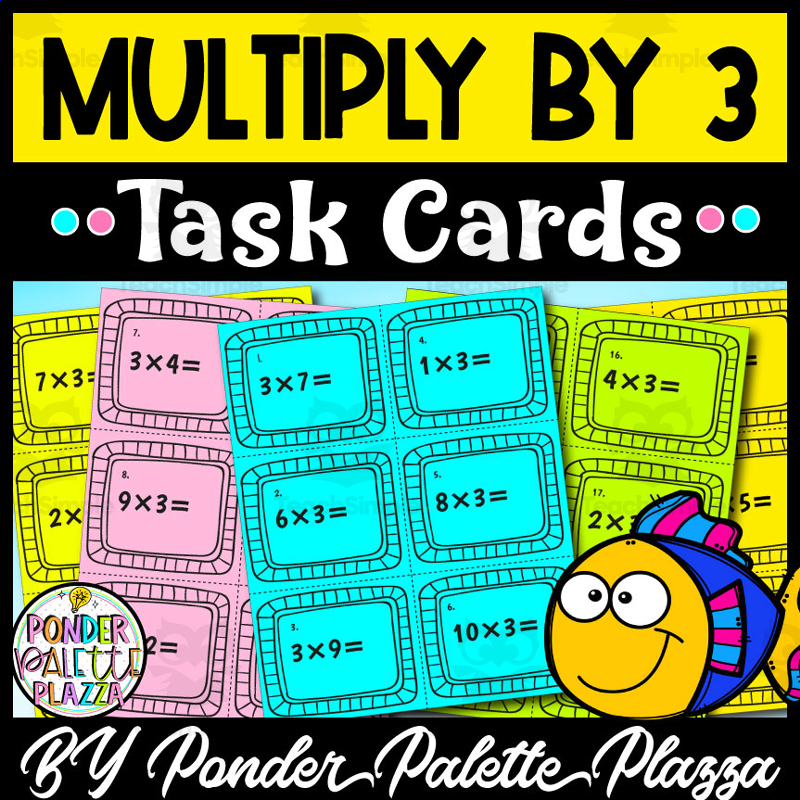
Multiply by "Three" Task Cards - Multiplication Facts 3

Multiply by "Three" Task Cards - Multiplication Facts 3
Math, Early Math, Basic Operations, Numbers, Multiplication and Division, Multiplication, Grade 1, 2, 3, 4, 5, Teacher Tools, Assessments, Lesson Plans, Quizzes and Tests, Centers, Activities, Task Cards, Worksheets & Printables

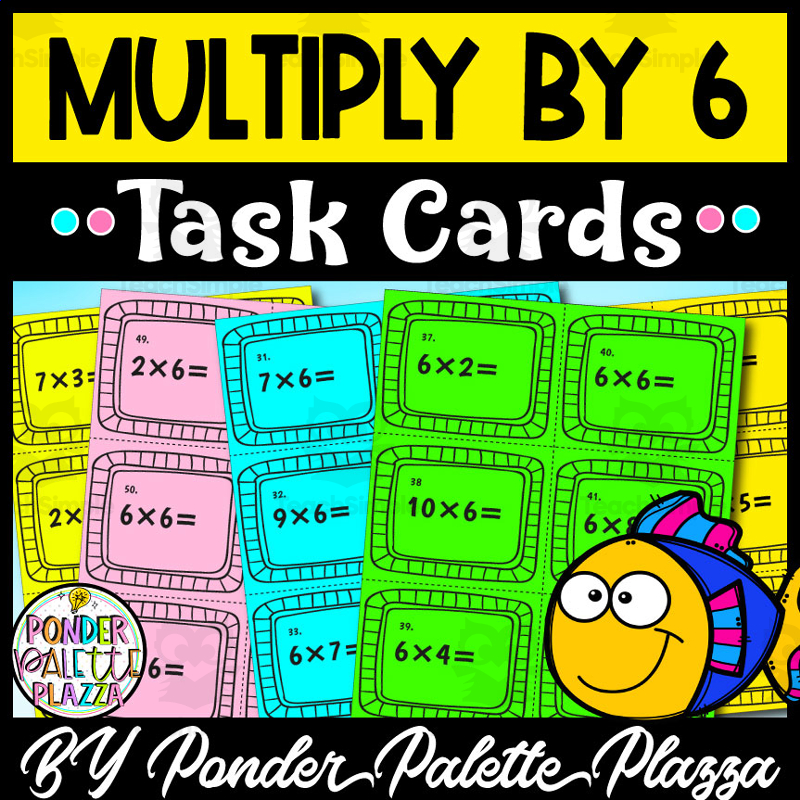
Multiplying by 3 just got way more exciting! This set of 60 task cards and 10 worksheets is here to make sure your students master their multiplication facts from 1 to 10 without the eye-rolls. Packed with engaging activities and variety, this resource turns the dreaded “times tables” into a fun, interactive experience. Ways to Use: Warm-Up Winner: Start your math lessons with quick practice using the task cards. Partner Quizzes: Students pair up and challenge each other to solve the cards—it’s math and teamwork combined! Independent Practice: The worksheets are perfect for focused, quiet practice. Class Games: Use the task cards in math relay races or scavenger hunts. Homework Hero: Assign worksheets for at-home reinforcement without complaints (hopefully). Advantages: Targeted Learning: Focuses solely on multiplying by 3—one step at a time! Time-Saving: Ready-to-use materials mean less prep time for you. Engaging: Keeps students entertained while they learn (because boring math is the worst). Easy Progress Tracking: Worksheets help you identify strengths and areas needing improvement. Versatile & Fun: Works for individuals, pairs, or the whole class! Grab this resource and watch your students multiply their confidence—by 3, of course!

Author Ponder Palette Plazza

Tags Multiplication, Multiplication Task Cards, Multiplication Worksheets, Multiply By 3, Multiply By, Math Task Cards, Numbers, Multiply By Three

Spot It! – Laboratory Equipment 3 Fun & Engaging Game for Science Lab

Spot It! – Laboratory Equipment 3 Fun & Engaging Game for Science Lab
STEM, Science, Chemistry, Physics, Life Sciences, Special Education Needs (SEN), Special Resources, Research, Biology, Homeschool Templates, Grade 6, 7, 8, 9, 10, Activities, Games, Worksheets & Printables, Task Cards, Quizzes and Tests, Teacher Tools, Quizzes, Word Problems, Word Searches, Worksheets

Spot It! Laboratory Equipment 3 A Fun & Engaging Game for Science Classrooms 🔬 Make Learning Lab Equipment Fun and Interactive! Teaching students about laboratory equipment doesn’t have to be dull or overwhelming. With Spot It! – Laboratory Equipment, you can turn learning into a fun and engaging experience! This fast-paced matching game is perfect for chemistry, physics, and biology teachers who want to reinforce lab tool recognition in a way that students will love. 🎲 Why This Game Works for Science Teachers ✅ Boosts Visual Memory – Matching images of lab equipment helps students quickly recognize and remember key tools used in science labs. ✅ Encourages Active Participation – Gets students involved instead of passively memorizing lists. ✅ Improves Classroom Engagement – The fast-paced nature of the game keeps students motivated and focused. ✅ Perfect for Any Science Class – Whether you're teaching chemistry, physics, or biology, this game makes learning lab equipment easy and fun. ✅ Promotes Social Interaction – Encourages teamwork, communication, and collaborative learning. 🧪 What’s Included? 🃏 93 Total Cards – You’ll receive three different versions of the game, each with 31 cards: ✔ Round cards – Traditional Spot It! design. ✔ Square cards – Easy to cut and prepare. ✔ Hexagonal cards – Unique design for an extra challenge. 📖 Game Instructions: 1️⃣ Print the cards. 2️⃣ Laminate them for durability (optional). 3️⃣ Cut out the cards in your preferred shape: round, square, or hexagonal. 🎯 How to Play 🃏 Each player receives one card. 🔬 Turn over a card from the stack in the middle. 👀 Find a matching image between your card and the revealed card as quickly as possible. 🏆 If you find a match first, you win the revealed card. 🎉 The player with the most cards at the end wins! This game turns science learning into a competitive, fast-paced, and enjoyable classroom activity that will keep students engaged while reinforcing important lab vocabulary. 📌 Why Teachers Love It ✔ Saves Prep Time – Ready-to-print, simple setup, and no extra materials required. ✔ Great for Small Groups & Whole Class – Use it in science centers, team challenges, or as a warm-up activity. ✔ Adaptable for Different Learning Levels – Suitable for middle school, high school, and even introductory university-level science classes. 🔬 Make Science Learning More Engaging! If you’re looking for a fun, effective, and interactive way to help students learn and remember laboratory equipment, this Spot It! game is the perfect addition to your science classroom. 🚀 Download now and bring hands-on science learning into your classroom today! 📍 Best wishes, Heike from Lernfitness Did You Know? I teach with a certified therapy dog, and together we focus on creating a positive and inspiring learning environment. 🐶✨

Author Lernfitness

Tags Game, Spot It, Educational Card Games, Picture Match, Chemistry, Lab, Biology, Laboratory Equipment, Lab Tools, Physics

Who Has It? – Chemical Elements Game (1–118) – 3 Levels of Differentia

Who Has It? – Chemical Elements Game (1–118) – 3 Levels of Differentia
STEM, Science, Chemistry, Physics, Life Sciences, Earth and Environmental Sciences, Basic Science, Special Resources, Social Emotional Learning (SEL), Special Education Needs (SEN), Homeschool Templates, Grade 6, 7, 8, 9, 10, 11, Activities, Games, Worksheets & Printables, Task Cards, Quizzes and Tests, Teacher Tools, Quizzes, Worksheets, Projects, Flashcards

Who Has It? – Chemical Elements Game (1–118) – 3 Levels of Differentiation A cooperative chemistry card game for grades 7–10 to review atomic numbers, element names, and symbols 🧪🎯 This resource is a classroom game that helps students become more confident with the chemical elements – from hydrogen to oganesson. The game follows the well-known “I have… who has?” format and is designed to reinforce students’ understanding of element names, symbols, and atomic numbers in a playful and interactive way. To support different learning levels, the material includes three differentiated versions of the full game, each with 118 element cards: With element names for both question and answer (beginner level) Only the “I have…” part includes the name , the question uses the symbol/number (intermediate level) Without element names – players must match based on symbol and atomic number alone (advanced level) Each version builds on the last and can be used flexibly depending on students' prior knowledge. The game works best with medium to large groups and encourages students to listen carefully, stay engaged, and support one another. What’s included: 3 full card sets (118 cards per set = 354 total) Differentiated by content and level of language support Clear instructions for printing, laminating, and use Ideal for individual, pair, or group work How I use it in class: I’ve played this game both at the end of a chemistry unit and as a fun opener when starting the periodic table. It’s also perfect for substitute lessons or for classes with mixed ability levels. Since each student needs to be ready when their card comes up, it fosters attention and collaboration. This is one of those games where learning happens almost by accident – students are so focused on playing that they internalize atomic numbers and symbols without even noticing. A simple, engaging way to bring structure, repetition, and movement into chemistry class – no extra prep needed. If you're looking for an easy way to help students become more confident with the periodic table, this might be worth trying in your classroom. Best, Heike from Lernfitness Did You Know? I teach with a certified therapy dog, and together we create a positive and welcoming learning environment. 🐶

Author Lernfitness

Rating

Tags Game, Educational Card Games, Chemistry, Physics, STEM Science Matching Game, Chemical Elements, Periodic Table Matching Game, Who Has It, STEM, Who Has It?

Who Has the Lab Equipment? – Interactive Science + Chemistry Game

Who Has the Lab Equipment? – Interactive Science + Chemistry Game
STEM, Science, Chemistry, Physics, Life Sciences, Special Education Needs (SEN), Special Resources, Research, Biology, Homeschool Templates, Grade 6, 7, 8, 9, 10, 11, Activities, Games, Worksheets & Printables, Task Cards, Quizzes and Tests, Teacher Tools, Quizzes, Word Problems, Word Searches, Worksheets

Who Has the Lab Equipment? – A Fun & Engaging Science Game for the Classroom 🔬 Turn Science Learning into an Interactive Adventure! Helping students learn laboratory equipment doesn’t have to be tedious. With "Who Has the Lab Equipment?", you can bring hands-on engagement and excitement into your chemistry, physics, or biology classroom! This fast-paced call-and-response game is perfect for reinforcing lab tools and key scientific terminology while encouraging active participation and teamwork. 🎯 Why Teachers Love This Game ✅ Boosts Student Engagement – Keeps students actively involved instead of passively memorizing vocabulary. ✅ Encourages Collaboration – Supports teamwork, communication, and critical thinking. ✅ Differentiated Learning – Includes three levels to accommodate students of all abilities. ✅ Perfect for Science Lessons – A great addition to chemistry, physics, and biology classes. ✅ Low-Prep & Classroom-Friendly – Just print, cut, and play! 🧪 What’s Included? 🃏 90 Total Cards – 3 differentiated sets of 30 cards each: ✔ Level 1: Terms with visual aids – perfect for beginners. ✔ Level 2: A mix of terms and images – great for building recognition. ✔ Level 3: Visuals only – students must recall and name the equipment independently. 📌 How to Play 1️⃣ Distribute the Cards – Each student gets one or more cards. 2️⃣ Start the Game – The student with the first card reads aloud: "I have the test tube. Who has the test tube rack?" 3️⃣ Find the Answer – The student with the correct response answers and then reads the next prompt. 4️⃣ Keep Going! – Play continues until all cards have been matched. 💡 Bonus Challenge: Encourage students to use complete sentences when responding to reinforce scientific communication skills. 🌟 Why This Game is a Must-Have for Science Teachers ✔ Versatile Use – Works as a lesson starter, review activity, or quick filler for substitute plans. ✔ Supports Multiple Learning Styles – Helps visual, auditory, and kinesthetic learners grasp key concepts. ✔ Perfect for Science Centers – Ideal for small groups or whole-class activities. ✔ Durable & Reusable – Laminate the cards for long-lasting classroom use. 🔬 Make Science Learning Engaging and Memorable! If you're looking for a fun, effective, and interactive way to teach students about laboratory equipment, this game is the perfect resource for your science classroom. 🚀 Download now and bring interactive learning into your chemistry, physics, or biology lessons! 📍 Best wishes, Heike from Lernfitness Did You Know? I teach with a certified therapy dog, and together we create a positive and inspiring learning environment. 🐶✨

Author Lernfitness

Tags Game, Educational Card Games, Chemistry, Lab, Biology, Laboratory Equipment, Lab Tools, Physics, STEM Science Matching Game, Who Has It?

GCF and LCM Digital Escape Room

GCF and LCM Digital Escape Room
Math, Early Math, Grade 6, 7, 8, Worksheets & Printables, Activities, Task Cards, Escape Room

Need an interactive and fun way to get your middle school students drilling Greatest Common Factor (GCF) and Least Common Multiple (LCM)? This interactive math escape room is perfect for keeping your students engaged while reviewing these vital skills! No prep time required—just download, share, and sit back and relax as your students drill math skills while "travelling around the world." How It Works Students embark on an international adventure by traveling to four of the globe's most famous cities. To "get on the plane" to where they're heading, they must answer a set of correctly GCF or LCM problems. The city problem keeps them continuously working and getting immediate feedback and interactive math problem-solving. Cities Traveled to: ✈ Sydney ✈ St. Petersburg ✈ London ✈ San Francisco What's Included: 40 Total Problems 20 GCF problems 20 LCM problems All multiple choice for easy student access Digital Escape Room Adventure Interactive links open up each new city when students finish the challenges. Printable Version Task cards and worksheets included for extra practice, differentiation, or device-free children. Complete Answer Key Grade and review saving is easy. Why Students Love It: Game-based and interactive format is engaging Real-world "travel" theme is enjoyable and pertinent Instant feedback encourages persistence and achievement Why Teachers Love It: ✅ No Prep Needed – Ready to distribute in under one minute ✅ Multi-Purpose – Ideal for homework, classwork, math centers, sub days, or review days ✅ Device Friendly – Compatible with laptops, tablets, or smartphones ✅ Differentiation Built-In – Print it out as a supplement or practice Concepts Covered: Determining the Greatest Common Factor (GCF) Determining the Least Common Multiple (LCM) Applying factors and multiples to real-world problems Becoming fluent with challenging, game-like practice It's ideal for middle school mathematics teachers who want review time to be fun, enjoyable, and relaxing. In the classroom, at home, or in a virtual learning environment, your students will be drilling math happily while discovering the world! ??? Download now and put GCF and LCM review at the top of your math class!

Author Matemaths

Rating

Tags Matemaths, Escape Room, Printable, Worksheets, Task Cards, Digital, Gcf, Lacm

Multiplication 0-12 Task Cards & Power Point Slides | Math Detectives

Multiplication 0-12 Task Cards & Power Point Slides | Math Detectives
Math, Multiplication and Division, Multiplication, Grade 3, 4, Activities, Worksheets & Printables, Task Cards

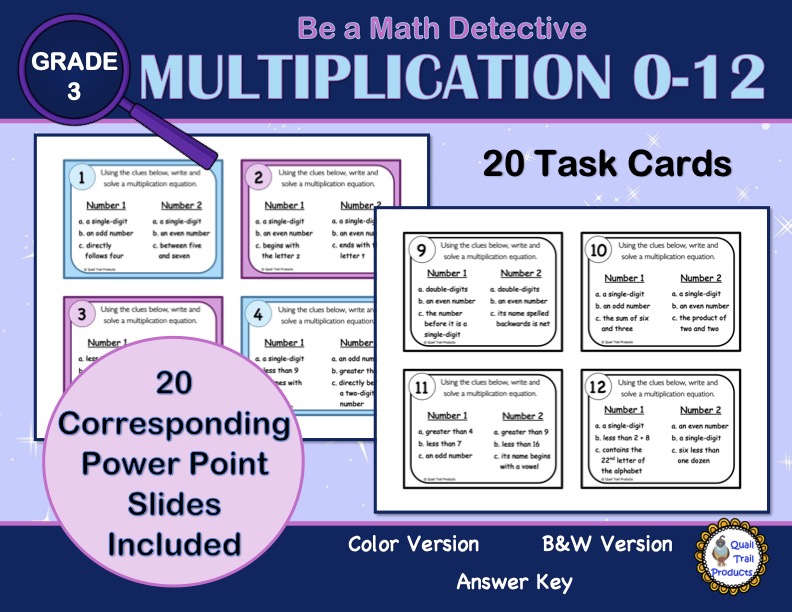
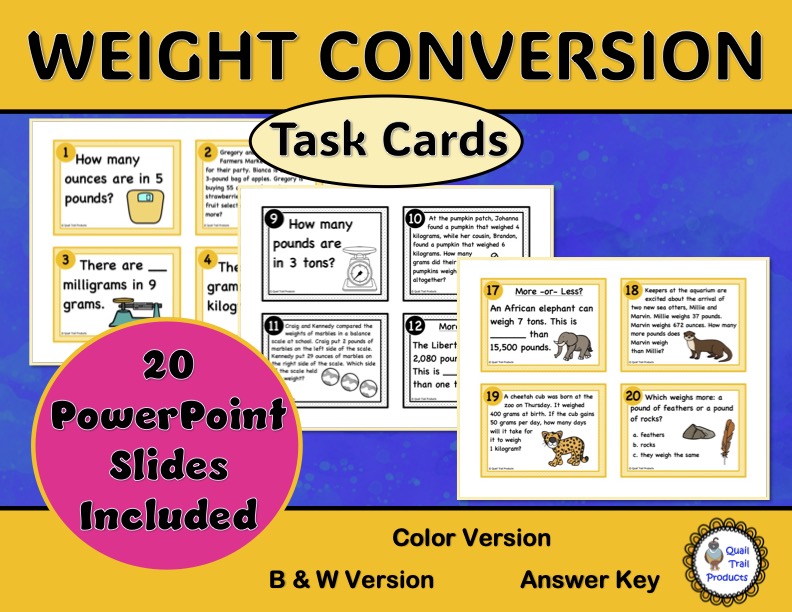
Do your grade 3 or grade 4 learners need a break from traditional math worksheets? Are you looking for a way to supplement workbook assignments? If so, this is the perfect product to add to your teaching toolbox. This set of task cards gives your 3rd graders and 4th graders 20 opportunities to strengthen their multiplication skills. Each card contains six clues that will lead learners to identify two factors to multiply. On their answer recording sheet, they will write and solve a multiplication equation using said factors. Not only will learners strengthen their skills in multiplication facts 0-12, but they will also review skills the following areas: odd and even numbers, greater than/less than, single-digit vs. double-digit numbers, months of the year, number of letters in the alphabet, addition, and subtraction. Fun facts about animals, the solar system, and baking are also included. These task cards are beneficial for not only your learners, but you as well. If printed on cardstock and laminated, you can use these cards year over year, saving you time and money. The versatility of the cards allows you to expand your educational environment to include indoor and outdoor areas. Use them in the school gymnasium or outdoor quad area. Back in the classroom they can be used in learning centers. Task cards work well for small group learning or a whole class activity. This particular product includes a set of 20 Power Point slides that mirror each task card. Simply display them for each learner to see and you have yourself a fun activity or quick quiz for assessment purposes. Each task card is available in both color and black & white. The two versions are identical. The answer recording sheet comes two to a page. An answer key is also included. Take a look at the details of the task cards below. TASK CARDS #1-4: Learners will identify and solve equations 5x6, 0x8, 3x7, and 2x9. TASK CARDS #5-8: Learners will identify and solve equations 11x1, 4x10, 8x8, and 12x3. TASK CARDS #9-12: Learners will identify and solve equations 10x10, 9x4, 5x11, and 7x6. TASK CARDS #13-16: Learners will identify and solve equations 2x12, 9x3, 7x4, and 6x8. TASK CARDS #17-20: Learners will identify and solve equations 12x7, 8x5, 11x3, and 9x9. ANSWER RECORDING SHEETS ANSWER KEY POWER POINT SLIDES:20 slides with one task card per slide

Author Quail Trail Products

Tags Multiplication Facts 0-12, Grade 3 Math, Grade 4 Math, Task Cards, Power Point Slides, Single-digit Multiplication, Double-digit Multiplication, Clues, Detectives

Who Has It? – Main Group Elements Game - 6 Levels of Differentiation

Who Has It? – Main Group Elements Game - 6 Levels of Differentiation
STEM, Science, Chemistry, Physics, Life Sciences, Earth and Environmental Sciences, Basic Science, Special Resources, Social Emotional Learning (SEL), Special Education Needs (SEN), Homeschool Templates, Grade 6, 7, 8, 9, 10, 11, Activities, Games, Worksheets & Printables, Task Cards, Quizzes and Tests, Teacher Tools, Quizzes, Worksheets, Projects, Flashcards

Who Has It? – Main Group Elements Game (6 Levels of Differentiation) A chemistry card game to review the main group elements in a structured and playful way (Grades 7–10) 🧪🎯 This classroom game is based on the “I have… who has?” format and helps students review the main group elements of the periodic table. It focuses on atomic numbers, element symbols, and – depending on the level – the correct element names. The game format encourages full-class participation, supports recall through repetition, and helps even quieter students get involved in a low-pressure way. The special feature: six levels of differentiation , so you can tailor the material to your students’ abilities. Whether you teach a mixed-level group or want to build in progression over time, these sets offer plenty of flexibility. What’s included: 3 card sets × 2 difficulty paths = 6 levels total Each set contains 52 cards (156 cards total) Elements included: all main group elements up to element 118 Levels range from fully labeled to no element names at all Clear instructions for printing, cutting, and gameplay Differentiation overview: Levels 1 & 2: All names included Levels 3 & 4: Only “I have” part includes names Levels 5 & 6: No names – only symbols and atomic numbers How to use in class: In my own lessons, I’ve used this as a review after teaching atomic structure or periodic trends. It works well as a class opener, during stations, or even in a substitute lesson. The A/B sets are helpful when students sit close together – it prevents copying but keeps everyone working on the same task. Students enjoy the rhythm of the game, and because every card depends on the one before, they naturally stay attentive. It’s a great way to combine repetition with interaction. Low-prep, flexible, and genuinely useful for learning chemical elements in a collaborative setting. Best, Heike from Lernfitness Did You Know? I teach with a certified therapy dog, and together we create a positive and welcoming learning environment. 🐶

Author Lernfitness

Rating

Tags Game, Educational Card Games, Chemistry, Physics, STEM Science Matching Game, Chemical Elements, Periodic Table Matching Game, Who Has It, STEM, Main Groups