3,387 products added recently
Pre-K Worksheets
Engage your Pre-K students with worksheets that focus on early learning concepts like numbers, letters, and basic social skills. These resources use colorful images and simple activities to captivate young minds. Use them to foster a love for learning from the very start.
Kindergarten, Preschool, & 1st All About Me Workbook + Tracing Pages
ELA, Handwriting, Writing, Montessori, Kindergarten, Preschool, Grade 1, Centers, Activities, Workbooks, Worksheets & Printables, Worksheets
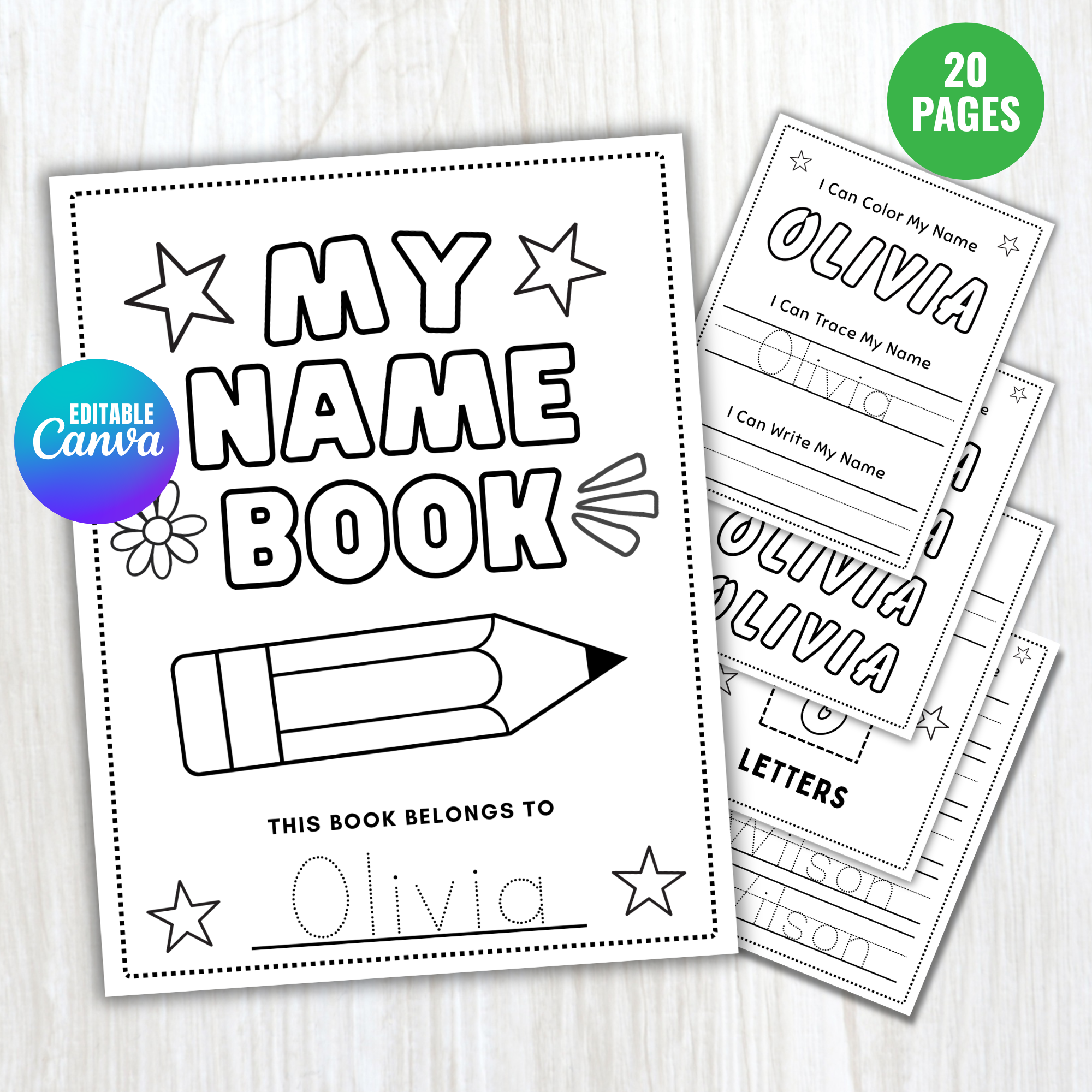
All About Me Workbook + Tracing Pages for Kindergarten, Preschool, and First Grade What’s inside? This engaging resource is designed to help young learners reflect on themselves while practicing essential writing skills. It includes two main components: All About Me Workbook: A fun and interactive booklet where children can share important details about themselves, like their address, parents’ phone numbers, birthday, age, and favorite things. This activity encourages self-reflection and builds confidence in young learners. Tracing Pages: Numbers words tracing Numbers coloring sheet Shape names tracing Direction words tracing And much more These tracing activities strengthen fine motor skills, improve early handwriting abilities, and familiarize students with key concepts. Resource features: This resource will help children reflect on personal information while boosting confidence and social awareness. Early Writing Practice: Tracing pages inside will provide structured handwriting practice. Engaging Design: Age-appropriate prompts and colorful layouts keep young learners interested and engaged. Multifunctional: This resource works as both a self-expression workbook and handwriting practice tool. How to use it? Icebreaker Activity: Use the ‘All About Me’ booklet at the start of the school year to get to know your students. Writing Practice: Tracing pages may help students improve their handwriting and spatial awareness. Art & Handwriting Enhancement: This booklet is perfect for developing fine motor skills through fun, guided activities. Usefulness of these worksheets: These are great for classroom introductions, icebreakers, and handwriting lessons. They provide a structured way to observe writing development. In this way, this set becomes a useful handwriting practice tool for teachers. These worksheets are perfect for home learning, combining self-expression with practical writing practice. It is a great add-on for homeschoolers. Parents may encourage children to explore personal information, favorite things, and creativity while practicing handwriting at home using these worksheets. All About Me workbook, tracing pages, kindergarten, preschool, first grade, early writing practice, homeschool resource, self-expression for kids, teacher resources, shape names tracing, number tracing, handwriting practice, back-to-school activities, homeschool activities, personalized learning, get to know me
Author FlashKart
Rating
Tags Early Literacy, Tracing, Fine Motor Skills, All About Me Workbook, Kindergarten Worksheets, Montessori, Preschool, 1st Grade Writing, Handwriting, Writing Skills
Letter of the Week M Printables Activity Pack Phonics
Common Core, Phonics, Language Development, ELA, Pre-Reading, Kindergarten, Preschool, Homeschool Curriculum, Homeschool Templates, Grade 1, Activities, Centers, Crafts, Coloring Pages, Worksheets, Worksheets & Printables, Crosswords Puzzles, Dot To Dots, Mazes, Word Searches
Make mastering the Letter M meaningful and fun with this engaging Letter of the Week Activity Pack —perfect for preschool and kindergarten students! With a mix of 80 printable pages and 31 interactive Boom Cards , your learners will explore uppercase and lowercase M through phonics-based tasks, fine motor activities, and playful learning. Whether you're teaching in the classroom or assigning work at home, this resource offers a complete toolkit for letter recognition, writing, and sound practice—all in one no-prep bundle. ✏️ What’s Included: 📄 Printable Worksheets Letter M Poster + 6 Visual Vocabulary Cards Booklet Cover + ‘About Me’ Page Tracing and Writing Uppercase and Lowercase M Letter M Sorting, Spinning (includes review of R & H), and Finding Drawing and Coloring Letter M Pictures Sound Awareness: /a/, /c/, /e/, /h/, /m/ Mazes, Puzzles, Dot-to-Dot, Dab the Dots Color by Code, Geoboard, and Visual Cutouts Nursery Rhyme Tie-In: Mary Had a Little Lamb Reading Practice: -a, -e, -am, -im Word Families Summary Sheet for Review 🎨 Crafts & Supplementary Activities “I’m a Letter M Champ” Crown & Bracelet Mini Flipbook with Letter M Words & Visuals One-Page Mini Booklet & Sight Word Flipbook Monkey-Themed Finger Puppets (6 per page) Monkey Stick Puppet Templates (4 per page) Letter M Word Wheel (6 Vocabulary Sections) 💻 Boom Cards – 31 Digital Activities Formation & Recognition of Uppercase and Lowercase M Letter M Name and Sound Activities Puzzle Matching: Uppercase and Lowercase M Drag-and-Drop Uppercase/Lowercase Sort Picture Reveal Game (Words Beginning with M) Sentence Usage: Uppercase M vs Lowercase m 🎯 Perfect For: Letter of the Week Programs Phonics & Fine Motor Centers Morning Work & Small Group Instruction Take-Home or Digital Learning Intervention and Literacy Boosters ⭐ Bonus: Includes both US and British English spelling files to support global classrooms. Set your learners on a path to alphabet success with this exciting Letter M phonics and handwriting resource that’s as fun as it is effective!
Author Teach2Tell
Rating
Tags Letter M Activities, Letter Of The Week Letter M, Alphabet Worksheets Letter M, Preschool Letter M Printables, Kindergarten Letter M Activities, Uppercase And Lowercase Letter M, Phonics Practice Letter M, Monkey Letter M Craft, Mary Had A Little Lamb Activity, Interactive Letter M Phonics Activities
FREE FLAP BOOK OF MULTIPLICATION | 1 - 10
Division, Multiplication and Division, Math, Multiplication, Early Learning, Elementary, Homeschool Resources, Not Grade Specific, Pre-K, Games, Activities, Projects, Worksheets, Worksheets & Printables
FREE FLAP BOOK OF MULTIPLICATION | 1 - 10 SUMMARY OF THIS PRODUCT: What is the name of the document?: FLAP BOOK 1-10 How many pages does it include?: 10 In what format is it available (PDF, Word, PPT)?: PDF Is it in color or black and white?: BLACK AND WHITE TAGS: Multiplication, Flap Book, Math, Math resources. MAIN DESCRIPTION OF THIS PRODUCT: What is the name of your product and what makes it special? This beautiful product is called “FLAP BOOK OF THE MULTPLICATION”, and it is very special because it was carefully designed or compiled. With this educational resource, we want students to learn with enthusiasm and fun, because we believe learning is fun. How many pages are included in this resource? This fabulous document contains the following number of pages: 10 What size is it designed in (A4, letter, etc.)? This resource is designed in A4 format and compiled as a PDF. This makes downloading and printing simple and convenient, and PDFs are also easy to store and carry anywhere. PDF A4 ABOUT THE AUTHOR: At EDITORIAL ARENAS EDUCATIVAS, we work every day to create educational materials that turn learning into a fun game. Our mission is for every child to enjoy the process of learning. Visit my educational store and discover all the resources we have ready for you. SECONDARY AND COMPLEMENTARY INFORMATION: Who can use it best (teachers, parents, students, therapists, homeschoolers)? We are all part of education. Whether you are a teacher, parent, student, or therapist, this document can adapt perfectly to your learning goals, depending on your creativity. What additional materials are recommended (printer, scissors, markers, etc.)? The more immersed students are in learning, the greater their results. That’s why it’s ideal to complement this resource with pencils, crayons, markers, and even other art tools. What outcome, benefit, or transformation can the user expect? With this fabulous resource, students will first understand that learning is easy and fun, and second, they will strengthen their knowledge and skills.
Author EDITORIAL LAURA EDUCA
Rating
Tags FREE, FREE RESOURCES, MATH, MATH RESOURCES, MULTIPLICATION, FLAP BOOK
Letter T Activities Alphabet Worksheets & Boom Cards for Kindergarten
ELA, Language Development, Phonics, Pre-Reading, Kindergarten, Preschool, Grade 1, Activities, Centers, Crafts, Worksheets & Printables, Coloring Pages, Worksheets, Crosswords Puzzles, Dot To Dots, Mazes, Word Searches
Looking for an engaging way to introduce the letter T in your classroom? This Letter T Activity Pack includes a blend of hands-on printables and interactive Boom Cards , giving your preschool and kindergarten students multiple ways to explore and master both uppercase and lowercase T. With 83 printable pages and 31 Boom Cards , your learners will trace, sort, spin, dab, color, connect dots, solve puzzles, and more—building phonics, fine motor, and early literacy skills while having a blast! ✨ What's Included: 📄 Printable Activities Letter T Poster + 6 Visual Vocabulary Cards Tracing & Writing Uppercase and Lowercase T Coloring, Finding, Sorting, and Spinning Letter T Letter T Mazes, Puzzles, Dot-to-Dot Activities Geoboard Fun, Color by Code, Glitter Letter Craft Cut-and-Paste Visuals, Dab the Dots Town Mouse Coloring Page & "Little Miss Muffet" Nursery Rhyme Reading Practice Sheets (e.g., a, at, the, sat, cat ) Summary Sheet for Review 🧠 Extra Fun Printables “I’m a Letter T Champ” Crown & Bracelet Mini Letter T Booklet (with visuals) Flipbook for Letter T Words Word Wheel (6 Letter T Words) Turtle-Themed Finger & Stick Puppets Mini Sight Word Flipbook (Touch Phonics Font) 💻 Boom Cards (Digital Activities – 31 Cards) Uppercase and Lowercase T Formation Visual Recognition of Tt Letter T Sound Matching Puzzle Piece Matching Drag-and-Drop Uppercase/Lowercase Sort Visual Identification Reveal Activity Capitalization Use: Beginning vs Mid-Sentence 🎯 Perfect for: Letter of the Week Programs Literacy Centers Morning Work Small Group or 1:1 Instruction At-Home Learning Bonus: ✔️ Both US and British English spelling files included for global classrooms! Whether you're launching your alphabet program or reviewing mid-year, this ready-to-use resource makes learning the letter T easy, interactive, and full of variety.
Author Teach2Tell
Rating
Tags Letter T Activities, Alphabet Worksheets Letter T, Letter Of The Week Letter T, Preschool Letter T Worksheets, Kindergarten Letter T Activities, Letter T Crafts And Printables, Phonics Letter T Practice, Uppercase And Lowercase T Worksheets, No Prep Alphabet Letter T Pack, Interactive Letter T Phonics Activities
SUPER FREE PACK | Only Animals Activities FOR KIDS!
Creative Arts, Animals, Life Sciences, Science, Vocabulary, Language Development, ELA, Early Learning, Elementary, Homeschool Resources, Not Grade Specific, Pre-K, Workbooks, Worksheets & Printables, Word Problems, Worksheets, Crafts, Activities, Games, Projects
SUPER FREE PACK | Only Animals Activities FOR KIDS! INFORMATION OF THE AUTHOR: At EDITORIAL ARENAS EDUCATIVAS, we work every day to create educational materials that turn learning into a fun game. Our mission is for every child to enjoy the process of learning. Visit my educational store and discover all the resources we have ready for you. MAIN DESCRIPTION OF THIS PRODUCT: What is the name of the product? Hello! Thank you so much for being interested in this beautiful and fabulous product that you can use with your children, both at school and at home. The name of this fabulous product is: SUPER PACK OF FREE ACTIVITIES FOR KIDS How many pages does it include? This educational document, carefully created and in some cases compiled, has the following number of pages: 320 What format is it in (A4, letter, digital, printable)? This educational resource is designed in A4 format and PDF, so you will have no difficulties printing it and it will also stay well-protected. PDF A4 SECONDARY AND COMPLEMENTARY INFORMATION: For what age, grade, or school level is it ideal? I usually create resources for early grades (children ages 3–5), but I also design for primary students (ages 7–12). My priority is to make children’s learning creative. What learning area does it focus on? This and all my resources focus on children’s essential learning, such as math and literacy. Occasionally, I also create resources for Spanish. What will students learn or practice with it? With this educational resource, children will be able to practice basic skills in math and literacy. Teachers can also adapt it to other learning areas, since learning is multidisciplinary. SUMMARY OF THIS BUNDLE: · What is its name?: SUPER BUNDLE OF ANIMALS ACTIVITIES · How many pages does it have?: 320 PAGES · What format is it in (PDF, Word, PPT)?: PDF A4 · Is it colorful, black & white, or both?: BOTH
Author EDITORIAL LAURA EDUCA
Rating
Tags FREE, FREE RESOURCES, BUNDLE, PACK, VACATION, ANIMALS, ACTIVITIES, PRINTABLES
Alphabet Letter Worksheets|Kindergarten Writing Center|Sounds Tracing
ELA, Writing, Reading, Handwriting, Formal Writing, Creative Writing, Language Development, Literature, Kindergarten, Preschool, Toddler, Grade 1, Activities, Centers, Worksheets, Worksheets & Printables, Teacher Tools
This engaging and interactive Alphabet Worksheet Pack is designed to help young learners develop essential literacy skills through tracing, writing, finding, and coloring letters. With 26 pages, each dedicated to a different letter, this resource ensures a fun and structured approach to learning the alphabet. The goal of this worksheet pack is to support letter recognition, handwriting practice, and fine motor skill development in early learners. By combining tracing, writing, and coloring activities, children can build letter familiarity while enjoying a hands-on learning experience. Letter Recognition – Identify the uppercase versions of the letter. Tracing Practice – Follow guided lines to trace uppercase . Independent Writing – Practice writing the letters without tracing lines. Find the Letter – Locate and circle the correct letter among mixed characters. Preschool (Ages 3-4) – Basic tracing and recognition. Kindergarten (Ages 4-5) – Writing and identifying letters in words. 1st Grade (Ages 5-6) – Reinforcement of letter formation and early phonics. Daily Letter Practice – Assign one page per day for structured learning. Letter of the Week – Focus on one letter each week with extended activities. Centers or Morning Work – Use in literacy centers for independent practice. Laminated for Reuse – Place in sheet protectors and use dry-erase markers. Standards Recognizing and naming all uppercase. Printing many uppercase. Fine Motor Development – Supports pre-writing skills and hand coordination. File Types PDF (Print-ready) Number of Pages 26 pages (One page per letter)
Author LAMO
Tags Worksheets, Alphabet, Handwriting, Language Arts, Tracing, Letter Writing, Kindergarten Writing, Phonics, Homework
Daily Calendar Routine: High and Low Temperature Measurement K 1st 2nd
Math, Measurements, Number Lines, Life Studies, Kindergarten, Grade 1, 2, Teacher Tools, Anchor Charts, Templates, Worksheets & Printables, Worksheets, Classroom Decor, Bulletin Boards
Here’s a quick way to include real-world math , finding the difference (subtraction), and number lines in your daily calendar routine each morning in kindergarten, 1st grade, or 2nd grade! Have your students record the day's high and the day's low temperature in your city on this large thermometer. Then you can find the difference : which is the daily temperature range! INCLUDES METRIC (℃) & IMPERIAL (℉) How to Use this Calendar Routine: • Note: This product is created to be printed on large 11x17 paper! • Print a large thermometer (with your preferred units C or F) in colour. • Laminate the thermometer. • Then hang it up as part of your morning calendar routine. • Each day, you will look up the day's high and the day's low temperature in your city. • With your students, record the date, the high temperature, and the low temperature on the laminated chart using a whiteboard marker. • Have one or two students come up to circle the high & low temperature on the thermometer. • Then students can help you calculate the difference between these two temperatures to determine the daily temperature range. Many strategies can be used: Counting the dashes in between the two numbers Using mental math or known benchmarks (make a 10) Using the standard subtraction algorithm How to Use This as a Worksheet: • You could also print a thermometer on legal-sized paper to use as a worksheet for your students to complete. This allows assessment of their knowledge of number lines measurement finding the difference integers (if using Celsius in the winter) Grades to Use With: This daily calendar routine is created for students in kindergarten, 1st grade, or 2nd grade. It could also be used in older elementary grades when introducing integers (if you use Celsius in the winter months). Finally, it could be used in life skills classes where appropriate. What's Included: 3-Page PDF: Ready to Print on Large 11x17 Paper! Teacher Instructions & Ideas Celsius Thermometer (-15 to +45 degrees) Fahrenheit Thermometer (0 to 100 degrees)
Author Grace Under Pressure
Rating
Tags Calendar, Morning Routine, Calendar Routine, Temperature, Integers, Measuring Temperature, High And Low Temperature, Thermometer, C Or F, Daily Temperature
Letter of the Week Letter O Printables Alphabet Worksheets
Common Core, Phonics, Language Development, ELA, Pre-Reading, Kindergarten, Preschool, Homeschool Curriculum, Homeschool Templates, Grade 1, Centers, Activities, Crafts, Coloring Pages, Worksheets, Worksheets & Printables, Crosswords Puzzles, Dot To Dots, Mazes, Word Searches
Make teaching the Letter O interactive and fun with this engaging, no-prep Letter of the Week Activity Pack ! Ideal for preschool and kindergarten learners, this resource includes 79 printable worksheets and 28 Boom Cards that help students master uppercase and lowercase O through fun, hands-on literacy activities. Students will trace, sort, spin, dab, color, cut, and build their way to confidence with the letter O—perfect for phonics instruction, fine motor practice, and alphabet recognition! ✏️ What’s Included: 📄 Printable Worksheets (US & British English Versions) Letter O Poster + 6 Visual Vocabulary Cards Booklet Cover + ‘About Me’ Page Tracing and Writing Uppercase and Lowercase O Sorting, Spinning, Finding & Coloring the Letter O Drawing Letter O Pictures + Visual Sound Match Mazes, Dot-to-Dots, Puzzles, Dab the Dots Color by Code, Geoboard, and Visual Cutouts Reading & Sound Awareness Activities Summary Sheet for Review 🎨 Crafts & Literacy Extras “I’m a Letter O Champ” Crown & Bracelet Mini Flipbook with Letter O Words & Visuals One-Page Mini Word Booklet Sight Word Flipbook Owl-Themed Finger Puppets (6 per page) Stick Puppet Templates (4 per page) Letter O Word Wheel (6 Vocabulary Sections) 💻 Boom Cards – 28 Digital Activities Uppercase and Lowercase O Formation & Recognition Letter O Name and Sound Activities Puzzle Matching (Uppercase vs Lowercase O) Drag-and-Drop Sorting: Capital vs Lowercase Visual Reveal Game (Letter O Pictures) Sentence Practice: Capital O vs Lowercase o 🎯 Perfect For: Letter of the Week Programs Morning Work & Literacy Centers Phonics Practice and Small Groups Homework or Digital Learning Fine Motor Skill Development ⭐ Bonus: Includes both US and British English spelling versions to suit your classroom needs. Help your students build a solid foundation in early literacy with this interactive, engaging, and versatile Letter O pack !
Author Teach2Tell
Rating
Tags Letter O Activities, Letter Of The Week Letter O, Alphabet Worksheets Letter O, Preschool Letter O Printables, Kindergarten Letter O Activities, Uppercase And Lowercase Letter O, Phonics Practice Letter OPhonics Practice Letter O, Owl Letter O Craft, Letter O Worksheets For Literacy Centers
Counting On & Back Addition Subtraction Number Line Worksheets
Math, Addition and Subtraction, Addition, Subtraction, Counting, Early Math, Basic Operations, Kindergarten, Preschool, Grade 1, 2, 3, Worksheets & Printables, Worksheets, Workbooks, Activities, Centers, Experiments
This interactive and attractive setCounting On & Back Addition Subtraction Number Line Worksheets Pages learners develop their original Counting On & Back Addition Subtraction Number Line Worksheets this set contains 79 pages in this set, each in each a different Digraphs Counting On & Back Addition Subtraction Number Line Worksheets of dedicated Counting On & Back Addition Subtraction Number Line Worksheets Pagesto ensure a fun and structured approach to using a fun and type of work that useful; Each card is fun this edited set ofCounting On & Back Addition Subtraction Number Line Worksheets is built in an elegant style that attracts attention this interactive and attractive set of Counting On & Back Addition Subtraction Number Line Worksheetsdesigned to help young learners develop their originalCounting On & Back Addition Subtraction Number Line Worksheets skills through Counting On & Back Addition Subtraction Number Line Worksheets sexercises This set contains 79 pages. these printable Worksheets offer useful courses, this provides a useful course-rich practice, it is designed to help using resource grade 2 easily to learn about activities Counting On & Back Addition Subtraction Number Line Worksheets a fun and interactive manner. A collaborative learning activity added students. PDF format
Author LAMO
Rating
Tags Activities, Centers, Worksheets, Math, Basic Operations, Homework
Turn Around Fact & Fact Family Worksheets | Fact Family House
Math, Addition and Subtraction, Addition, Subtraction, Calculus, Counting, Early Math, Basic Operations, Fact Families, Numbers, Kindergarten, Preschool, Grade 1, 2, 3, Activities, Centers, Worksheets & Printables, Workbooks, Worksheets, Word Problems, Teacher Tools
Students will find, recognize Turn Around Fact & Fact Family Worksheets. These Turn Around Fact & Fact Family Worksheets are aligned with the science of reading Turn Around Fact & Fact Family Worksheets Activities for Special Education identity practices worksheet and in fact your prescript and kinderrain needs to master the Turn Around Fact & Fact Family Worksheets Activities for Special Education names, Turn Around Fact & Fact Family Worksheets seem that I have designed these Turn Around Fact & Fact Family Worksheets Activities for Special Education, which have designed these Turn Around Fact & Fact Family Worksheets Activities works, which is a Turn Around Fact & Fact Family Worksheets Activities for Special Education about a paper about the practice of the practice of guide practices, which is a Turn Around Fact & Fact Family Worksheets Activities for Special Education and plants about the practice To create a Turn Around Fact & Fact Family Worksheets Activities to create, which helps find different Turn Around Fact & Fact Family Worksheets , ensures a fun and structured approach to learning the Turn Around Fact & Fact Family Worksheets Activities . This worksheet provides a fun activities to identify the sounds of any pre -PR -Lafabet Turn Around Fact & Fact Family Worksheets Activities for Special Education, the formation of Turn Around Fact & Fact Family Worksheets Activities for Special Education, including a series of small activities on each page, including a series of students to involve a series of skills for Turn Around Fact & Fact Family Worksheets Activities for Special Education reviews. for Special Education. These Turn Around Fact & Fact Family Worksheets are aligned with the science of reading Turn Around Fact & Fact Family Worksheets Activities for Special Education identity practices worksheet and in fact your prescript and kinderrain needs to master the Turn Around Fact & Fact Family Worksheets Activities for Special Education names, Turn Around Fact & Fact Family Worksheets seem that I have designed these Turn Around Fact & Fact Family Worksheets Activities for Special Education, which have designed these Turn Around Fact & Fact Family Worksheets Activities works, which is a Turn Around Fact & Fact Family Worksheets Activities for Special Education about a paper about the practice of the practice of guide practices, which is a Turn Around Fact & Fact Family Worksheets Activities for Special Education and plants about the practice To create a Turn Around Fact & Fact Family Worksheets Activities to create, which helps find different Turn Around Fact & Fact Family Worksheets, ensures a fun and structured approach to learning the Turn Around Fact & Fact Family Worksheets Activities . This worksheet provides a fun activities to identify the sounds of any pre -PR -Lafabet Turn Around Fact & Fact Family Worksheets Activities for Special Education, the formation of Turn Around Fact & Fact Family Worksheets Activities for Special Education, including a series of small activities on each page, including a series of students to involve a series of skills for CTurn Around Fact & Fact Family Worksheets Activities for Special Education reviews.
Author LAMO
Rating
Tags Basic Operations, Math, Centers, Worksheets, Homework, Activities
Letter A of the Week Alphabet Activities Hands-on Phonics Worksheets
ELA, Language Development, Phonics, Pre-Reading, Kindergarten, Preschool, Homeschool Curriculum, Homeschool Templates, Activities, Centers, Crafts, Worksheets & Printables, Drawing Templates & Outlines, Worksheets, Coloring Pages, Crosswords Puzzles, Dot To Dots, Mazes
Looking for fun, no-prep Letter A activities to kick off your alphabet instruction? This 66-page printable pack is loaded with engaging, hands-on learning tasks that will help your preschool and kindergarten students master the letter A through movement, creativity, and phonics-based practice. Perfect for Letter of the Week programs, this pack includes everything from tracing and coloring to spinning, sorting, dabbing, cutting, building, crafting, and more! What’s Included: Letter A Poster and 6 visual cards Booklet Cover ‘About Me’ page Tracing and writing uppercase and lowercase A Identifying the letter A Coloring the letter A Sorting the letter A Spinning the letter A Finding the letter A Drawing letter A pictures Creating a glittering letter A with glue and glitter Letter A maze, puzzle and join the dots fun Letter A visual cut outs Letter A dab the dots Letter A color by code Letter A Geoboard Summary sheet of the letter A Sight words practice (3 sheets): 'a, the, is' Supplementary Activities: Mini Letter A words and visual one page booklet ‘I’m a Letter A Champ’ crown ‘I’m a Letter A Champ’ bracelet Mini flipbook on letter A words and visuals Ant finger puppet templates (6 on a page) Ant Stick Puppets (4 on a page) Letter A Words and visuals 6 sections wheel Hands-on Craft & Supplementary Fun: Letter A crown : “I’m a Letter A Champ!” Letter A bracelet and mini flipbook Word wheel with 6 visual letter A words Mini booklet and About Me cover page Ant-themed finger puppets and stick puppets Flipbook for sight words with touch-phonics font This comprehensive pack is perfect for your morning work, literacy centers, phonics block, or take-home activities . Bonus: ✔️ Available in both US and British English spelling versions Whether you’re just introducing the letter A or reinforcing it mid-year, this resource makes it easy to teach and fun to learn. Your students will love the variety, and you’ll love how much letter A practice is packed into one ready-to-go resource.
Author Teach2Tell
Rating
Tags Letter A Activities, Letter A Worksheets, Letter A Printables, Alphabet Letter A, Letter Of The Week, Letter A Crafts, Letter A Tracing, Letter A Recognition, Letter A Practice, Kindergarten Phonics
Color By Number - Abacus Challenge - 20 Pages
Math, Early Math, Numbers, Counting, Basic Operations, Place Value, Graphic Arts, Creative Arts, Kindergarten, Preschool, Grade 1, 2, 3, 4, 5, Worksheets & Printables, Worksheets, Coloring Pages, Centers, Activities, Games, Assessments, Teacher Tools, Lesson Plans
Need a genius way to sneak in some number recognition, fine motor practice, and peace and quiet? Enter the Color By Number – Abacus Challenge —20 pages of math-meets-art magic where kids match numbers to colors and end up with a masterpiece (or at least something proudly fridge-worthy). This isn’t your average color-by-number. These pages are inspired by the mighty abacus, giving students a fun visual connection to early math skills while keeping their hands and eyes busy, because if their hands are coloring, they’re not poking their neighbor or spinning in their chair. #Winning What’s Included: 20 Color-by-Number pages with an abacus theme Numbers, patterns, and colors galore Ways to Use It: ✔️ Morning Work – Start the day without a chorus of “What do I do now?” ✔️ Math Center – A sneaky way to reinforce number recognition ✔️ Early Finishers – Keep the fast finishers from redecorating your whiteboard ✔️ Sub Plans – Low prep, high engagement, instant hero status ✔️ Rainy Day Fun – Calm chaos with crayons Enjoy!
Author Ponder Palette Plazza
Rating
Tags Numbers, Math, Color By Number, Coloring, Coloring Numbers, Math Activities, Games, Math Games, Counting, Math Worksheets
Phonic Reading Scheme: Fully Incremental For All Abilities GROWING SET
Special Resources, ELA, Special Education Needs (SEN), Language Development, Phonics, Reading, Homeschool Curriculum, Kindergarten, Literacy Readers, Teacher Tools, Games, Activities, Flashcards, Worksheets & Printables, Worksheets
A pack of 35 Phonic reading books with matching PowerPoints and workbooks to support learning. This is an incremental phonics reading scheme with a difference. Introducing just 10 words in each phonics family, the words are repeated from book to book, giving even those with very poor word recall the chance to learn to read fluently without having to decode every word. Ideal for dyslexics, or those suspected of being dyslexic and all children with a special need. These reading books make the pupil feel safe - they have already met every word introduced in the stories. They have the skills to read them themselves. This is empowering and confidence-building. You can view the first CK pack with a set of 30+ supporting activities and games FREE here. The books cover these sounds and must be taught in this order: CK; OO; SH; CH; ND/NT; NK; TH; NG; AR; OR; A-E; I-E, O-R, U-E, AI, EA, OA, IGH Rationale: It has long been proven that teaching children to decode is a powerful tool for teaching reading, as opposed to the Look and Say method. However, this has led to a proliferation of reading books that throw as many words with a shared phonics sound into a book as possible, not realising that some children with very poor word recall find it hard to recognise words when they see them again without much repetition. To combat this problem, while we recognise that, technically, once a child has been taught a new sound s/he can sound out many words with that new sound, when it comes to reading fluently a child needs a core set of words in each family that they can recognise, which can act as a launch pad as they gain confidence. These books have been designed accordingly. For each sound family, just 10 words are studied with the help of the workbooks and are then repeated throughout the books, each book building on the vocabulary that has already been learned, repeating it and including it in new phrases as new sounds are learned. As the programme progresses, new sounds from the learned families are incorporated to widen vocabulary, while taking care to maintain fluency. The books are designed to limit guessing (though most children will try and guess, which must be avoided at all costs). Pluses of this phonics reading programme Easy to print Cheap to buy compared with expensive reading schemes They are just as effective as the best reading programmes out there, and more importantly, they have been tried and tested on real children with severe difficulties and proven to work if the child is taught as outlined. Aligned with the aims and objectives of LETRS and the Science of Reading. They work! My pupils tell me if they don't work, so I re-edit them and try them before I put them out for the general public. Introduces most high-frequency words in the phonics family to which they belong, and gradually introduces genuine, non-decodable sight words into the text without causing overload or throwing the child off course. What is included? Each book is 12/16/20 pages long, with minimal colour pictures to make printing cheaper and to help tell the story when words are minimal Each book comes with a matching PowerPoint, making it suitable for online teaching, for private tutors, parents, classroom assistants, etc... All books come with supporting activities and games - 100s of worksheets! Scope and Sequence included I am writing a new book regularly, so this pack will quickly grow!
Author Lilibette's Resources
Rating
Tags Phonics Intervention, Homeschool Reading, Phonic Reading Scheme, Decodable Readers, Home School, Decodable Reading Books, Guided Reading, Phonics Readers, Literacy Activities
Ocean Animal Research Writing Project on ORCAS for K-2nd Grade
Life Studies, ELA, Writing, Creative Writing, Reading, Science, Life Sciences, Animals, Research, Kindergarten, Grade 1, 2, Lesson Plans, Teacher Tools, Worksheets & Printables, Presentations, Worksheets, Writing Prompts
Animal Research Writing Project on Orcas for K-2nd Grade, Discover fascinating facts about magnificent orcas with this complete animal research project for young learners. Budding marine biologists in kindergarten through 2nd grade will love learning about the physical characteristics, habitats, behaviors, and lives of these intelligent creatures through engaging activities. The customizable 19-page learning packet guides students step-by-step through the research process with leveled reading passages, real-life photos, coloring pages, multiple graphic organizers to sort information, and differentiated writing templates to fit all ability levels. Extension ideas for incorporating the material into centers, whole class instruction, or independent work are included as well. Watch student creativity and confidence blossom as they synthesize their learnings into an illustrated informational booklet on a favorite sea mammal. This versatile cross-curricular resource builds key skills in reading, writing, science and more in an authentic way. Download this unique, Common Core-aligned unit today to set your young marine biologists on an exciting learning adventure! Here are even more informational resources on report writing for OCEAN ANIMALS. Click on the links below: Animal Research Writing Project on WHALES for K-2nd Grade Animal Research Writing Project on the OCTOPUS for K-2nd Grade Animal Research Writing Project on SEA TURTLES for K-2nd Grade Animal Research Writing Project on ORCAS for K-2nd Grade Animal Research Writing Project on the SHELLFISH for K-2nd Grade Animal Research Writing Project on DOLPHINS for K-2nd Grade Animal Research Writing Project on SEALS for K-2nd Grade Want to teach your students all about Zoo Animals? Check out all these interesting facts about these favorite zoo animals. With the same great photos, facts, habitat drawings, and more. It is a great way to help students to get interested in writing. For Zoo Animal reports, click on the following links below: Animal Research Writing Project on TIGERS for K-2nd Grade Animal Research Writing Project on MONKEYS for K-2nd Grade Animal Research Writing Project on PANDAS for K-2nd Grade Animal Research Writing Project on HIPPOS for K-2nd Grade Animal Research Writing Project on ELEPHANTS for K-2nd Grade Animal Research Writing Project on GIRAFFES for K-2nd Grade
Author K-5 Treasures
Tags Informational Writing, Writing Report, Report On Animals, 1st Grade Writing, 2nd Grade Writing, Ocean Animals, Orcas, Report On Orcas, Ocean Animal Research, Ocean Animal Report
Therapy Dog Classroom Rules – Create, Discuss & Decorate! 🐶🏫 Banner
Social Emotional Learning (SEL), Special Resources, Social Skills, Special Education Needs (SEN), Life Skills, Animals, Life Sciences, Science, Classroom Management, Resources for Teachers, High School, Middle School, Elementary, Early Learning, Pre-K, Classroom Decor, Banners, Bulletin Boards, Projects, Activities, Drawing Templates & Outlines, Worksheets & Printables, Coloring Pages, Worksheets
Therapy Dog Classroom Rules Create, Discuss & Decorate! 🐶🏫 Bringing a therapy dog into the classroom is an exciting and rewarding experience, but it also requires clear expectations and structure. This Therapy Dog Rules Pennant Banner is a creative and engaging way to introduce, reinforce, and display important guidelines for students when interacting with a school therapy dog. Whether your school already has a therapy dog or you’re just starting to introduce the idea, these pennants help students understand respectful behavior, responsibilities, and boundaries in a fun and visual way. 🐾 Why This Resource is Perfect for Your Classroom ✔ Encourages Respectful Interactions – Helps students learn how to behave around a therapy dog. ✔ Interactive & Creative – Students can draw, write, or collage their own pennants to personalize the display. ✔ Supports Classroom Discussions – Use as a conversation starter about animal care, empathy, and safety. ✔ A Fun Visual Reminder – Display the banner in the classroom or on the door so rules are always visible. ✔ Perfect for Any Therapy Dog Setting – Ideal for schools, counseling offices, and special education programs. 📌 What’s Included? 📜 Printable Therapy Dog Rules Pennants, featuring: ✔ Ready-made rule templates ✔ Blank versions for students to create their own rules ✔ Simple, clear visuals for all ages ✔ pre-colored for quick use 🎨 How to Use This Resource 1️⃣ Print the pennants and the door sign. 2️⃣ Let students illustrate, decorate, or collage the rules in their own creative way. 3️⃣ Cut out and string the pennants together to create a classroom banner. 4️⃣ Hang the banner somewhere visible to reinforce positive interactions with the therapy dog. 🏆 Classroom Tip: Involve students in writing the rules together before decorating their pennants. This makes them feel more responsible for following the guidelines! 🐶 Why Teachers Love It ✔ “A great way to help kids understand boundaries around therapy dogs.” ✔ “The perfect mix of creativity and structure—students loved making their own rules!” ✔ “Looks great on the classroom wall and actually helps reinforce good behavior!” 🏫 Make Your Therapy Dog Program a Success! Having a therapy dog in the classroom can be an incredible learning experience—but students need guidance to make sure it’s a safe and positive environment. This banner set makes it easy, interactive, and fun to set those expectations! 📥 Download now and start creating your therapy dog-friendly classroom today! 🐾✨ 📍 Best, Heike from Lernfitness Did You Know? I teach with a certified therapy dog, and together we create a positive and inspiring learning environment. 🐶✨
Author Lernfitness
Tags Therapy Dog, Animal-assisted Learning, Inclusive Education Tools, Therapy Dog Rules, Classroom Pet Guidelines, Therapy Dog In School, Social-emotional Learning, SEL, Dog Classroom Rules
Fresh Water: Guided Reading Level G with Lesson Plan
ELA, Resources for Teachers, Reading Comprehension, Reading, Science, Language Development, Life Sciences, Geography, Social Studies, Earth and Environmental Sciences, Kindergarten, Grade 1, 2, Worksheets & Printables, Worksheets, Teacher Tools, Centers, Activities, Literacy Readers, Quizzes, Quizzes and Tests, Assessments, Lesson Plans
This Fresh Water (level g) guided reading book with lesson plan includes: Guided Reading Color Label (front cover x1) This is a quick way to match the book’s demands to what students can generally handle.. The overall goal is to use the level/color to pick books for several smaller groups. To qualify for a certain level, a student is expected to read a book from that level with about 90–94% accuracy. If a student is consistently accurate and understands, move up a level. If the student is struggling at that level, drop down and add more support. Each student will improve at completely different rates, but it is generally one of the best ways to check progress across the class. DOWNLOAD THE CATALOG TO VIEW ALL GUIDED READING BOOKS AVAILABLE (SORTED LEVELS A-Z) Pre-Reading Question (x1) Teacher asks the prompt aloud, can be while showing the cover or first page. Students share what they already know, or make educated guesses from the cover. Prompt them to use the target vocabulary. Write some of their responses on the board to look back at during the reading. Vocabulary Words (x5) Introduce the five words, best doing it one at a time. Start by saying it, while students repeat and then see if anyone knows what it means before reading further. Read through the meaning and try to briefly connect each word to a picture or gesture so it’s meaningful. Ask students to flip through the book pages and point to where they see each of the vocabulary words. While reading the book pause upon coming across one of the vocab words or read the sentence twice to make sure students understand the word has appeared. Optional: Ask students to raise hands whenever they see/hear one of the new words. Guided Reading Pages (x10) Check the book snapshot (below) for: primary topic - do you need to prep extra reading or intro materials on this? what is taught best - decide on 1-2 bullets to focus on, use the prompt or words provided here for best results. learning goals - what you are checking for students to be able to do after the session, elicit answers using prompts or words provided. key vocabulary (see section above). questions overview - so you know what is coming up and if you need to prep extra materials to assist understanding. Run the lesson You may have already looked at a few of the pages together, but you can show them some of the pictures again first to set meaning. Depending on how much time you have and how familiar your students are with guided reading class, you may want to read the book aloud first with the group first. Students whisper or partner read, while you listen in. If time, do it as a group, one student reading a page each. Use the guided page’s prompts to coach: “Check the picture / does it make sense?” “Point under the words / try the first sound” “Reread the sentence smoothly”. Try to focus more on one student per session (rotating every time), so you can work out if they are ready to move up or need to move down a level. Comprehension Questions (back cover x3) This is your way to check that students didn’t just say the words, but actually understood the text. First, let students answer by pointing to the page/picture and saying a short sentence. After any answer, follow with: “Show me where you found that in the text.” In bigger groups, have partners answer first (10–20 seconds), then call on 2–3 students to share. Differentiation tips: Emerging speakers/struggling readers: oral + pointing On-level: oral in a full sentence Higher: one written sentence or draw + label Book Snapshot Title: Fresh Water Genre: Nonfiction Subject: Life Science (Earth science—water) Primary Topic: Fresh water sources, places, and why it matters Estimated Guided Reading Level (A–Z): G What This Book Teaches Best How fresh water differs from salty water (fresh water is not salty). Where fresh water comes from (rain from clouds; snow melting on mountains). Places fresh water is found (rivers, a stream, a pond, deep lakes). How water can move fast or stay still depending on where it is (rivers vs. pond). Why fresh water is important for living things , including plants taking in water through roots. Learning Goals Students can explain that most water on Earth is salty and fresh water is not salty. Students can describe two ways fresh water forms (rain from clouds; snow melting on mountains). Students can name places the book shows fresh water (rivers, stream, pond, lakes). Students can compare how water moves in different places (rivers move fast; pond water stays still). Students can tell why fresh water matters to living things, including plants and trees. Key Vocabulary From the Text salty — tasting like salt. rivers — long, moving water that flows across land. stream — a small river. pond — water that stays in one place. roots — parts under the ground that take in water. Discussion Prompts Pre-reading question: Where do you think fresh water comes from, and where might we find it? Comprehension questions: What does the book say fresh water is not ? Comprehension questions: What are two places the book shows fresh water can be found? Comprehension questions: Why is fresh water important for living things in the book? Printing Tips 1. Best Printing Method (Recommended) “Booklet” Printing (Best if Available) If your printer or PDF viewer supports Booklet Printing , use this. Settings to use: Print mode: Booklet Paper size: Letter or A4 (either works) Orientation: Landscape Print on both sides: Yes Flip on: Short edge Scaling: Fit to printable area Booklet subset: First test: Front sides only Then: Back sides only This will automatically: Pair pages correctly Put the cover on the outside Align everything for folding After printing, fold in half and staple along the spine . 2. If “Booklet” Printing Is NOT Available You can still print this correctly with manual duplex printing . Step-by-step: Open the PDF. Choose Print . Set: Orientation: Landscape Pages per sheet: 1 Print on both sides: Yes Flip on: Short edge Print all pages . Because each PDF page already contains two facing book pages, the result will still fold cleanly into a book. Thousands of Cored Education products are included with your TeachSimple membership. Download links and encyclopedia index available here.
Author Cored Education
Rating
Tags Reading Comprehension, Reading Passages, Reading, Guided Reading, Guided Reading Lesson Plan, Guided Reading Activity, Pre-reading, Science Lesson Plans, Life Science, Geography
All About Kangaroos: Guided Reading Level G with Lesson Plan
ELA, Resources for Teachers, Reading Comprehension, Reading, Science, Language Development, Vocabulary, Life Sciences, Geography, Social Studies, Kindergarten, Grade 1, 2, Worksheets & Printables, Worksheets, Teacher Tools, Centers, Activities, Literacy Readers, Quizzes, Quizzes and Tests, Assessments, Lesson Plans
This All About Kangaroos (level g) guided reading book with lesson plan includes: Guided Reading Color Label (front cover x1) This is a quick way to match the book’s demands to what students can generally handle.. The overall goal is to use the level/color to pick books for several smaller groups. To qualify for a certain level, a student is expected to read a book from that level with about 90–94% accuracy. If a student is consistently accurate and understands, move up a level. If the student is struggling at that level, drop down and add more support. Each student will improve at completely different rates, but it is generally one of the best ways to check progress across the class. DOWNLOAD THE CATALOG TO VIEW ALL GUIDED READING BOOKS AVAILABLE (SORTED LEVELS A-Z) Pre-Reading Question (x1) Teacher asks the prompt aloud, can be while showing the cover or first page. Students share what they already know, or make educated guesses from the cover. Prompt them to use the target vocabulary. Write some of their responses on the board to look back at during the reading. Vocabulary Words (x5) Introduce the five words, best doing it one at a time. Start by saying it, while students repeat and then see if anyone knows what it means before reading further. Read through the meaning and try to briefly connect each word to a picture or gesture so it’s meaningful. Ask students to flip through the book pages and point to where they see each of the vocabulary words. While reading the book pause upon coming across one of the vocab words or read the sentence twice to make sure students understand the word has appeared. Optional: Ask students to raise hands whenever they see/hear one of the new words. Guided Reading Pages (x10) Check the book snapshot (below) for: primary topic - do you need to prep extra reading or intro materials on this? what is taught best - decide on 1-2 bullets to focus on, use the prompt or words provided here for best results. learning goals - what you are checking for students to be able to do after the session, elicit answers using prompts or words provided. key vocabulary (see section above). questions overview - so you know what is coming up and if you need to prep extra materials to assist understanding. Run the lesson You may have already looked at a few of the pages together, but you can show them some of the pictures again first to set meaning. Depending on how much time you have and how familiar your students are with guided reading class, you may want to read the book aloud first with the group first. Students whisper or partner read, while you listen in. If time, do it as a group, one student reading a page each. Use the guided page’s prompts to coach: “Check the picture / does it make sense?” “Point under the words / try the first sound” “Reread the sentence smoothly”. Try to focus more on one student per session (rotating every time), so you can work out if they are ready to move up or need to move down a level. Comprehension Questions (back cover x3) This is your way to check that students didn’t just say the words, but actually understood the text. First, let students answer by pointing to the page/picture and saying a short sentence. After any answer, follow with: “Show me where you found that in the text.” In bigger groups, have partners answer first (10–20 seconds), then call on 2–3 students to share. Differentiation tips: Emerging speakers/struggling readers: oral + pointing On-level: oral in a full sentence Higher: one written sentence or draw + label Book Snapshot Title: All About Kangaroos Genre: Nonfiction (informational) Subject: Science (Life Science) Primary Topic: Kangaroo traits, movement, food, and babies Estimated Guided Reading Level (A–Z): G What This Book Teaches Best Identifies a kangaroo’s habitat by stating it lives in Australia . Describes how kangaroos move: they have two big back legs , and they hop very fast. Explains how a kangaroo’s tail helps it by keeping balance . Shares what kangaroos eat by stating they like green grass and find food on the ground. Teaches family/group terms: a baby is a joey that grows in the pouch , and a group is a mob . Learning Goals Students will identify where a kangaroo lives using details from the text. Students will describe how kangaroos move, using the book’s words and examples. Students will explain how a kangaroo’s tail helps it keep balance. Students will describe what kangaroos eat and where they find food. Students will name what a baby kangaroo is called and where it grows. Students will identify what a group of kangaroos is called. Key Vocabulary From the Text Australia — a country where kangaroos live. balance — staying steady and not falling over. pouch — a pocket where a mother carries her baby. joey — a baby kangaroo. mob — a group of kangaroos that live together. Discussion Prompts Pre-reading question: What do you already know about kangaroos? Comprehension questions: Where does the book say a kangaroo lives? Comprehension questions: How does a kangaroo move in this book? Comprehension questions: What is a group of kangaroos called? Printing Tips 1. Best Printing Method (Recommended) “Booklet” Printing (Best if Available) If your printer or PDF viewer supports Booklet Printing , use this. Settings to use: Print mode: Booklet Paper size: Letter or A4 (either works) Orientation: Landscape Print on both sides: Yes Flip on: Short edge Scaling: Fit to printable area Booklet subset: First test: Front sides only Then: Back sides only This will automatically: Pair pages correctly Put the cover on the outside Align everything for folding After printing, fold in half and staple along the spine . 2. If “Booklet” Printing Is NOT Available You can still print this correctly with manual duplex printing . Step-by-step: Open the PDF. Choose Print . Set: Orientation: Landscape Pages per sheet: 1 Print on both sides: Yes Flip on: Short edge Print all pages . Because each PDF page already contains two facing book pages, the result will still fold cleanly into a book. Thousands of Cored Education products are included with your TeachSimple membership. Download links and encyclopedia index available here.
Author Cored Education
Rating
Tags Reading Comprehension, Reading Passages, Reading, Guided Reading, Guided Reading Lesson Plan, Guided Reading Activity, Pre-reading, Science Lesson Plans, Life Science, Geography
Guided Reading Level H - Clean Hands, Healthy Bodies
ELA, Resources for Teachers, Reading Comprehension, Reading, Health, P.E. & Health, Social Emotional Learning (SEL), Special Resources, Life Skills, Science, Kindergarten, Grade 1, 2, Worksheets & Printables, Worksheets, Teacher Tools, Centers, Activities, Literacy Readers, Quizzes, Quizzes and Tests, Assessments
This Guided Reading Book - Clean Hands, Healthy Bodies (Level H) includes: Guided Reading Color Label (front cover x1) This is a quick way to match the book’s demands to what students can generally handle.. The overall goal is to use the level/color to pick books for several smaller groups. To qualify for a certain level, a student is expected to read a book from that level with about 90–94% accuracy. If a student is consistently accurate and understands, move up a level. If the student is struggling at that level, drop down and add more support. Each student will improve at completely different rates, but it is generally one of the best ways to check progress across the class. DOWNLOAD THE CATALOG TO VIEW ALL GUIDED READING BOOKS AVAILABLE (SORTED LEVELS A-Z) Pre-Reading Question (x1) Teacher asks the prompt aloud, can be while showing the cover or first page. Students share what they already know, or make educated guesses from the cover. Prompt them to use the target vocabulary. Write some of their responses on the board to look back at during the reading. Vocabulary Words (x5) Introduce the five words, best doing it one at a time. Start by saying it, while students repeat and then see if anyone knows what it means before reading further. Read through the meaning and try to briefly connect each word to a picture or gesture so it’s meaningful. Ask students to flip through the book pages and point to where they see each of the vocabulary words. While reading the book pause upon coming across one of the vocab words or read the sentence twice to make sure students understand the word has appeared. Optional: Ask students to raise hands whenever they see/hear one of the new words. Guided Reading Pages (x10) Check the book snapshot (below) for: primary topic - do you need to prep extra reading or intro materials on this? what is taught best - decide on 1-2 bullets to focus on, use the prompt or words provided here for best results. learning goals - what you are checking for students to be able to do after the session, elicit answers using prompts or words provided. key vocabulary (see section above). questions overview - so you know what is coming up and if you need to prep extra materials to assist understanding. Run the lesson You may have already looked at a few of the pages together, but you can show them some of the pictures again first to set meaning. Depending on how much time you have and how familiar your students are with guided reading class, you may want to read the book aloud first with the group first. Students whisper or partner read, while you listen in. If time, do it as a group, one student reading a page each. Use the guided page’s prompts to coach: “Check the picture / does it make sense?” “Point under the words / try the first sound” “Reread the sentence smoothly”. Try to focus more on one student per session (rotating every time), so you can work out if they are ready to move up or need to move down a level. Comprehension Questions (back cover x3) This is your way to check that students didn’t just say the words, but actually understood the text. First, let students answer by pointing to the page/picture and saying a short sentence. After any answer, follow with: “Show me where you found that in the text.” In bigger groups, have partners answer first (10–20 seconds), then call on 2–3 students to share. Differentiation tips: Emerging speakers/struggling readers: oral + pointing On-level: oral in a full sentence Higher: one written sentence or draw + label Book Snapshot Title: Clean Hands, Healthy Bodies Genre: Nonfiction (informational) Subject: Health & Safety / Science Primary Topic: When and how to wash hands to stop germs Estimated Guided Reading Level (A–Z): H What This Book Teaches Best Why washing hands matters: it “keeps germs away” and helps prevent germs from spreading to other people. When to wash hands (before eating, after outdoor play, after using the toilet, after playing with a pet). How to wash hands step-by-step (wet with clean running water, use soap, scrub all areas, rinse, dry). A key procedure detail: scrubbing should last “twenty seconds” to remove germs. The idea of healthy habits: making handwashing a regular habit “protects everyone.” Learning Goals Students will explain one reason the book gives for washing hands, using a detail from the text. Students will identify at least two times the book says hands should be washed. Students will describe the steps for washing hands in order, based on the text. Students will state how long scrubbing should last, according to the book. Students will describe how handwashing helps other people, using the book’s words about spreading germs/protecting everyone. Key Vocabulary From the Text germs — tiny living things that can make you sick. contact — touching something. invisible — cannot be seen. scrub — rub hard to get something clean. protects — keeps safe from harm. Discussion Prompts Pre-reading question: When do you think it is most important to wash your hands? Comprehension questions: Name one time the book says you should wash your hands. How long should scrubbing last when you wash your hands? Why does washing your hands help other people? Printing Tips 1. Best Printing Method (Recommended) “Booklet” Printing (Best if Available) If your printer or PDF viewer supports Booklet Printing , use this. Settings to use: Print mode: Booklet Paper size: Letter or A4 (either works) Orientation: Landscape Print on both sides: Yes Flip on: Short edge Scaling: Fit to printable area Booklet subset: First test: Front sides only Then: Back sides only This will automatically: Pair pages correctly Put the cover on the outside Align everything for folding After printing, fold in half and staple along the spine . 2. If “Booklet” Printing Is NOT Available You can still print this correctly with manual duplex printing . Step-by-step: Open the PDF. Choose Print . Set: Orientation: Landscape Pages per sheet: 1 Print on both sides: Yes Flip on: Short edge Print all pages . Because each PDF page already contains two facing book pages, the result will still fold cleanly into a book. Thousands of Cored Education products are included with your TeachSimple membership. Download links and encyclopedia index available here.
Author Cored Education
Rating
Tags Vocabulary, Reading Comprehension, Reading Passages, Leveled Reading, Nonfiction, Reading, Guided Reading, Health, SEL, Life Skills
CVC Word Families for Beginning Readers: Stamp it, Make it, Trace it, and Write it
ELA, Language Development, Pre-Reading, Phonics, Reading, Kindergarten, Grade 1, Teacher Tools, Centers, Activities, Lesson Plans, Worksheets, Worksheets & Printables
This CVC unit is engaging for students as they practice reading and learning the short vowel sounds while students cut and make the words, trace the words, write the words, and stamp out the words. Reading short vowel / rhyming words is an introduction to reading. Repetitive practice of reading these words is also another fundamental practice to help students read. In this unit, students will practice word families that have the same ending. Teach students that word families rhyme and only have a different beginning sound. For each word family, students will practice making, tracing, writing, or stamping six different words. Some of the words are proper nouns or names given to people or pets. There are also nonsensical words that are not real. The purpose of these words is to teach how to sound out words only within the same word family. File contains the following word family worksheets : ad, an, at, ed, en, et, in, ip, it, og, op, ot, ug, un, ut. It also includes all the letters needed to cut out for the "make it" worksheets . What's included for the word families: Short a at family (mat, fat, cat, sat, hat, and pat) an family (fan, ran, man, can, tan, and pan) ad family (mad, sad, bad, dad, had, and pad) Short e ed family (Ned, bed, Ted, red, ped, and ded) en family (ten, men, den, Ben, hen, and pen) et family (set, met, bet, let, get, and pet) Short i in family (bin, win, sin, fin, tin, and pin) ip family (hip, rip, tip, lip, zip, and sip) it family (bit, kit, fit, sit, hit, and pit) Short o og family (log, hog, dog, bog, fog, and jog) op family (hop, top, pop, cop, bop, and mop) ot family (lot, hot, rot, dot, pot, and got) Short u ug family (dug, rug, bug, hug, mug, and jug) un family (run, sun, nun, fun, pun, and bun) ut family (but, cut, nut, hut, rut, and gut) For a list of other phonics and grammar activities, click on the following links: CVC Word Families for Beginning Readers: Stamp it, Make it, Trace it, and Write it CVC Words | Short Vowel Phonics | Word Families for K- 2nd Grade Phonics for 1st and 2nd Grade: Help Students Learn Long A Words: AY, AI, A_E, EIGH, EY, and EA Phonics for 1st and 2nd Grade: Help Students Learn Long E Words: EE, EA, E_E, and Y Phonics for 1st and 2nd Grade: Help Students Learn Long I Words: I_E, IE, IGH, and Y Phonics for 1st and 2nd Grade: Help Students Learn Long O Words: O_E, OA, OW, OE, and OUGH Phonics for 1st and 2nd Grade: Help Students Learn Long U Words: U_E, EW, OO, UE, UI and OU Phonics / Digraphs for 1st and 2nd Grade: Beginning, Middle, and Ending Sounds Phonics / Digraphs for 1st -2nd: Ending Sounds: CK, NG, SH, TH, and NK Phonics / Digraphs for 1st and 2nd Grade: Beginning Sounds: SH, TH, WH and PH Phonics: R-Controlled Words for 1st and 2nd Grade and Early Readers
Author K-5 Treasures
Tags Word Families, Phonics, Beginning Reading, Rhyming Words, Short Vowel Words, Short Vowels, Reading Strategies, Word Family, Cvc Words, Cvc Activities
Fruits and Vegetables: Guided Reading Level G with Lesson Plan
ELA, Resources for Teachers, Reading Comprehension, Reading, Science, Language Development, Life Sciences, Health, P.E. & Health, Vocabulary, Kindergarten, Grade 1, 2, Worksheets & Printables, Worksheets, Teacher Tools, Centers, Activities, Literacy Readers, Quizzes, Quizzes and Tests, Assessments, Lesson Plans
This Fruits and Vegetables (level g) guided reading book with lesson plan includes: Guided Reading Color Label (front cover x1) This is a quick way to match the book’s demands to what students can generally handle.. The overall goal is to use the level/color to pick books for several smaller groups. To qualify for a certain level, a student is expected to read a book from that level with about 90–94% accuracy. If a student is consistently accurate and understands, move up a level. If the student is struggling at that level, drop down and add more support. Each student will improve at completely different rates, but it is generally one of the best ways to check progress across the class. DOWNLOAD THE CATALOG TO VIEW ALL GUIDED READING BOOKS AVAILABLE (SORTED LEVELS A-Z) Pre-Reading Question (x1) Teacher asks the prompt aloud, can be while showing the cover or first page. Students share what they already know, or make educated guesses from the cover. Prompt them to use the target vocabulary. Write some of their responses on the board to look back at during the reading. Vocabulary Words (x5) Introduce the five words, best doing it one at a time. Start by saying it, while students repeat and then see if anyone knows what it means before reading further. Read through the meaning and try to briefly connect each word to a picture or gesture so it’s meaningful. Ask students to flip through the book pages and point to where they see each of the vocabulary words. While reading the book pause upon coming across one of the vocab words or read the sentence twice to make sure students understand the word has appeared. Optional: Ask students to raise hands whenever they see/hear one of the new words. Guided Reading Pages (x10) Check the book snapshot (below) for: primary topic - do you need to prep extra reading or intro materials on this? what is taught best - decide on 1-2 bullets to focus on, use the prompt or words provided here for best results. learning goals - what you are checking for students to be able to do after the session, elicit answers using prompts or words provided. key vocabulary (see section above). questions overview - so you know what is coming up and if you need to prep extra materials to assist understanding. Run the lesson You may have already looked at a few of the pages together, but you can show them some of the pictures again first to set meaning. Depending on how much time you have and how familiar your students are with guided reading class, you may want to read the book aloud first with the group first. Students whisper or partner read, while you listen in. If time, do it as a group, one student reading a page each. Use the guided page’s prompts to coach: “Check the picture / does it make sense?” “Point under the words / try the first sound” “Reread the sentence smoothly”. Try to focus more on one student per session (rotating every time), so you can work out if they are ready to move up or need to move down a level. Comprehension Questions (back cover x3) This is your way to check that students didn’t just say the words, but actually understood the text. First, let students answer by pointing to the page/picture and saying a short sentence. After any answer, follow with: “Show me where you found that in the text.” In bigger groups, have partners answer first (10–20 seconds), then call on 2–3 students to share. Differentiation tips: Emerging speakers/struggling readers: oral + pointing On-level: oral in a full sentence Higher: one written sentence or draw + label Book Snapshot Title: Fruits and Vegetables Genre: Nonfiction Subject: Life Science (Plants and food) Primary Topic: Where fruits/vegetables grow and why they’re healthy Estimated Guided Reading Level (A–Z): G What This Book Teaches Best Many foods come from plants , and plants grow in the sun. Examples of fruits and where they grow (apple on a tall tree; banana with bright yellow skin). Examples of vegetables and where they grow (carrot under the ground; corn in a field; peppers in different colors; broccoli looks like a tiny tree). A simple fruit feature: most fruits have seeds inside (watermelon has many small seeds). Health connection: fruits and vegetables are healthy and help the body stay strong. Learning Goals Students will identify what the book says many foods come from. Students will describe where at least one fruit grows (example from the text). Students will describe where at least one vegetable grows (example from the text). Students will explain what the book says about seeds in fruits. Students will explain how fruits and vegetables help the body, using the book’s words. Key Vocabulary From the Text plants — living things that grow in the sun. fruit — food that can grow on a tree. vegetable — food that can grow in the ground. seeds — small parts inside fruits. healthy — good for your body. Discussion Prompts Pre-reading question: What fruits and vegetables do you already know, and where do you think they grow? Comprehension questions: What does the book say many foods come from? Comprehension questions: Where does the book say a carrot grows? Comprehension questions: How do fruits and vegetables help the body, according to the book? Printing Tips 1. Best Printing Method (Recommended) “Booklet” Printing (Best if Available) If your printer or PDF viewer supports Booklet Printing , use this. Settings to use: Print mode: Booklet Paper size: Letter or A4 (either works) Orientation: Landscape Print on both sides: Yes Flip on: Short edge Scaling: Fit to printable area Booklet subset: First test: Front sides only Then: Back sides only This will automatically: Pair pages correctly Put the cover on the outside Align everything for folding After printing, fold in half and staple along the spine . 2. If “Booklet” Printing Is NOT Available You can still print this correctly with manual duplex printing . Step-by-step: Open the PDF. Choose Print . Set: Orientation: Landscape Pages per sheet: 1 Print on both sides: Yes Flip on: Short edge Print all pages . Because each PDF page already contains two facing book pages, the result will still fold cleanly into a book. Thousands of Cored Education products are included with your TeachSimple membership. Download links and encyclopedia index available here.
Author Cored Education
Rating
Tags Reading Comprehension, Reading Passages, Reading, Guided Reading, Guided Reading Lesson Plan, Guided Reading Activity, Pre-reading, Science Lesson Plans, Life Science, Health
High-Frequency Sight Words: Boxed Words
ELA, Language Development, Vocabulary, Common Core, Preschool, Grade 1, Worksheets & Printables, Worksheets
High-Frequency Sight Words: Boxed Words An enriching educational resource, High-Frequency Sight Words: Boxed Words for elementary school teachers and homeschoolers alike. Tailored towards Kindergarten and Grade 1 learning. This emphasizes language arts and vocabulary development. Enhances sight word recognition, vocabulary prowess, comprehension skills. Packed with 130 distinctly illustrated sight words. These words usually need automatic recognition because of their unusual pronunciation or spelling—which accounts approximately 50 percent of everything adults read. The high-frequency words cultivate fluent reading abilities in learners. It provides students a growing inventory of known vocabulary words that aid their venture into reading and spelling. The boxed words strategy uses boxes as powerful tools to demonstrate that word recognition can also be secured by perceiving the shapes cast by small, tall or hanging letters. Evaluating Learning Progress This product not only teaches but assesses learning progress too. Included are: - Brightly colored graphic organizers facilitating visual information grouping - crucial for early stages; - A comprehensive quiz testing learned knowledge efficiently. Falls in line with current academic benchmarks being consistent with Common Core State Standards for English Language Arts making sure to provide contemporary quality education. It follows Bloom's Taxonomy principles enhancing cognitive learning goals versatilly. This resource can be utilized across different scenarios — from whole group instruction during class to focused one-on-one attention during extracurricular support sessions; allotted as homework tasks extending engagement beyond classrooms; implementability depends on individual student needs. Includes an easy-to-use PDF file rendering the High-Frequency Sight Words: Boxed Words ready to fortify your teaching methods, refining the educational journey for all.
Author Classroom Complete Press
Tags PDF
Basic Emotion Identification & Mindfulness Coloring Worksheets
Special Resources, Life Skills, Social Emotional Learning (SEL), Social Skills, Special Education Needs (SEN), STEM, Resources for Teachers, Classroom Management, Community Building, Research, Homeschool Templates, Homeschool Curriculum, Kindergarten, Preschool, Grade 1, 2, Worksheets & Printables, Drawing Templates & Outlines, Task Cards, Word Problems, Worksheets, Workbooks, Word Searches, Coloring Pages, Crosswords Puzzles, Dot To Dots
With the Basic Emotion Identification & Mindfulness Coloring Worksheets bundle, you can help your young learners develop their emotional intelligence. This bundle has been created specifically for Kindergarten, 1st Grade and 2nd Grade students (ages 5-8). In total, there are 40 pages of resources created with the latest in developmental psychology, somatic interoception and art therapy techniques. The worksheets allow children to create more specific emotional vocabulary (i.e., using the word "anger" instead of just saying "bad"), create body awareness through mindfulness coloring prompts, and develop their ability to regulate themselves leading to fewer outbursts, lower levels of separation anxiety and fewer disruptions during class time. Here’s what you receive: Phase 1: Comprehensive Facilitator Guide (includes theoretical foundation, brain science, strategies for implementation, and a detailed explanation of real-life implementation in a classroom setting) Phase 2: 10 engaging student worksheets that focus on learning the following core emotions: Joy, Sadness, Anger (Volcano), Fear (Scared Snail), Calm, Pride (Peacock), Disgust (Yuck Feeling), Surprise and Wonder, Embarrassment, and Jealousy (Monster). Each worksheet includes somatic check-in exercises, mindfulness based coloring exercises, emotional vocabulary fill-in-the-blank exercises and reflection questions. Phase 3: Include visuals, pedagogical answer keys and a full implementation framework (includes classroom set-up tips, scaffolding sequence of example activities and printable resources). These worksheets can be used for morning meeting times, calm-down corners, Guidance/Counseling sessions, SEL blocks and at home with no preparation needed; just print and use! Examples of Anxiety Tools Grades K-2, Mindfulness Coloring Pages for Kids, and Curriculum-based Worksheets with a Focus on Basic Emotions, Emotional Regulation, and Somatic Awareness. What Parents & Educators Appreciate About It: Evidence-Based & Neurologically Sound: Relies on emotional labeling, body awareness, and stress release through relaxation techniques, resulting in statistically significant reductions in aggressive outbursts (47% based on available research). Quick to Use: No prep materials provide a mindfulness activity for children while also providing prompt ideas for teachers during moments of chaos in the classroom. No Prep Materials = Maximum Engagement: Instant access to printable worksheets with pre-prepared lesson plans, post-activity reflection questions, and answer keys allows teachers to get back to teaching, leaving children's learning fully engaged. Building Lifelong Emotional Literacy: Allows children to shift from "I feel terrible" to "I feel frustrated" or "I feel disappointed" and develop strategies for calming themselves down. Inclusive & Versatile for the Entire Classroom, Small Groups and Individual Students as Well as at Home: Materials featuring a variety of culturally representative illustrations depict scenarios across a wide range of cultures and no religious references. Target Audience : This curriculum is for Kindergarten (K), 1st Grade, and 2nd Grade students (5-8 years) and has been specifically written for K-2 developmental stages. The also includes the developmental characteristics of the plastic prefrontal cortex, amygdala, and the beginings of creating a somatic map of their emotions. It is also appropriate for the following populations: General Education Classrooms Special Education & Inclusion Classrooms School Counselors School Psychologist Homeschool Families Before/After School Programs Types of Activities, Scenarios, and Language are Developmentally Calibrated for THIS Age Group (K-2 only). Pre-K is too High and 3rd Grade & Up is too Low. Intellectual Property Notice: The author of this resource, Syed Hammad Rizvi, holds the copyright for this product. It is intended for use in a classroom setting only, and should not be modified, reproduced or distributed to anyone other than the intended user. The resource must not be uploaded to the internet for public download or use. If you would like to share the resource with others in your school, you will need to purchase additional licenses through TpT to do so. Thank you for honouring the terms of use. This resource has been made available to you through Teachsimple by Syed Hammad Rizvi.
Author Creative Book Store
Rating
Tags SEL, EmotionalRegulation, MindfulnessForKids, EmotionIdentification, BasicEmotions, SocialEmotionalLearning, K2SEL, KindergartenSEL, Ages5to8, 5to8YearsOld
High-Frequency Picture Words: Match and Print
ELA, Language Development, Vocabulary, Common Core, Preschool, Grade 1, Worksheets & Printables, Worksheets
High-Frequency Picture Words: Match and Print A valuable teaching resource designed to enhance vocabulary, recognize sight words, and promote comprehension among young learners. This compelling educational tool fosters familiarity with 120 ordinary nouns through real-life images that serve as visual aids. The match and print resource Taps into the power of picture associations to bolster a student's ability to develop anchor words. It focuses on high-frequency words adoption which kindles early reading skills. Vocabulary Building Strategy An effective way of enhancing students' collection of known vocabulary words. Bolsters their reading and spelling abilities significantly by using picture associations for reference of analogous words. Inclusion of Letter-Shape Recognition Boxes & Color Graphic Organizers Ingeniously integrated tools that assist in word recognition by enabling students to categorize letters into small, tall or hanging categories. Graphic organizers structure information visually thus intensifying understanding while enhancing memory retention Comprehension Quiz for Interactive Learning To test assimilation levels further, a comprehension quiz is provided - making learning interactive yet insightful. Note: This learning material comprises ready-to-print pages in PDF format grouped according to kindergarten-level Language Arts subject under the Vocabulary subcategory Tailored for whole group settings or smaller groups within classrooms including individual student attention during homework assignments. Closely aligns with Common Core State Standards apart from drawing inspiration from Bloom's Taxonomy principles. Favored by educators who seek simplistic yet effective vocabularic techniques: This reliable teaching aid plays a crucial role towards nurturing independent readers packed with expandable word knowledge.
Author Classroom Complete Press
Tags Sight Words, Word Recognition, Comprehension, High Frequency Words, Picture Words
Alphabet Practice Sheets: Uppercase and Lowercase Letters R-Z
ELA, Writing, Handwriting, Kindergarten, Preschool, Grade 1, Worksheets & Printables, Worksheets
Reviewed, evaluated, edited, and creatively written by teaching professionals, these digital Alphabet Practice Sheets implement current teaching strategies and aligns with grade-level standards to teach Uppercase and Lowercase Letters R-Z. Follow the picture instructions to write, trace, circle, color, count, draw , read, and look closely! With the ability to print the pages over and over, your child can complete the activities again and again until the skills have been mastered. Includes activities for: —Recognizing Capital and Lowercase Letters R-Z —Writing Letters —Learning and Practicing Alphabetical Order
Author Twin Sisters Digital Media
Tags Uppercase, Lowercase, Letters, Writing, Trace