Let's Investigate! Hands-On Science - Grades 3-4
Provide hands-on science experiments and activities across physical, earth, and life science topics for grades 3-4, supplementing the (U.S.) National Science Education Standards.
Classroom resources
Explore fourth grade science experiments with investigations in forces, matter, living things and scientific reasoning. Choose activities where students observe, test and record results.
Browse by lesson focus
Choose the topic or kind of practice you need.
Provide hands-on science experiments and activities across physical, earth, and life science topics for grades 3-4, supplementing the (U.S.) National Science Education Standards.
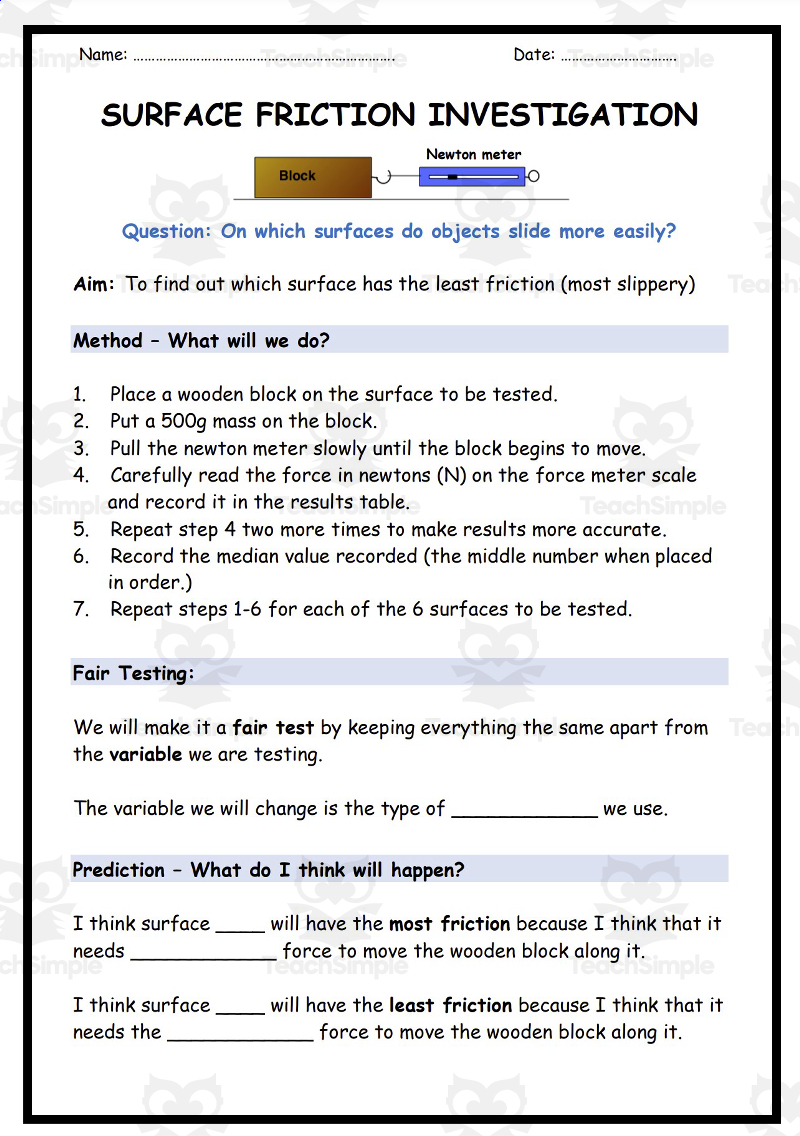
A blank student investigation worksheet guiding a hands-on experiment testing how the surface a toy car rolls onto affects the distance it travels, to teach the concept of friction.
A 90-minute biology lesson package guiding students through 10 hands-on plant experiments exploring how light, water, and soil affect plant growth.
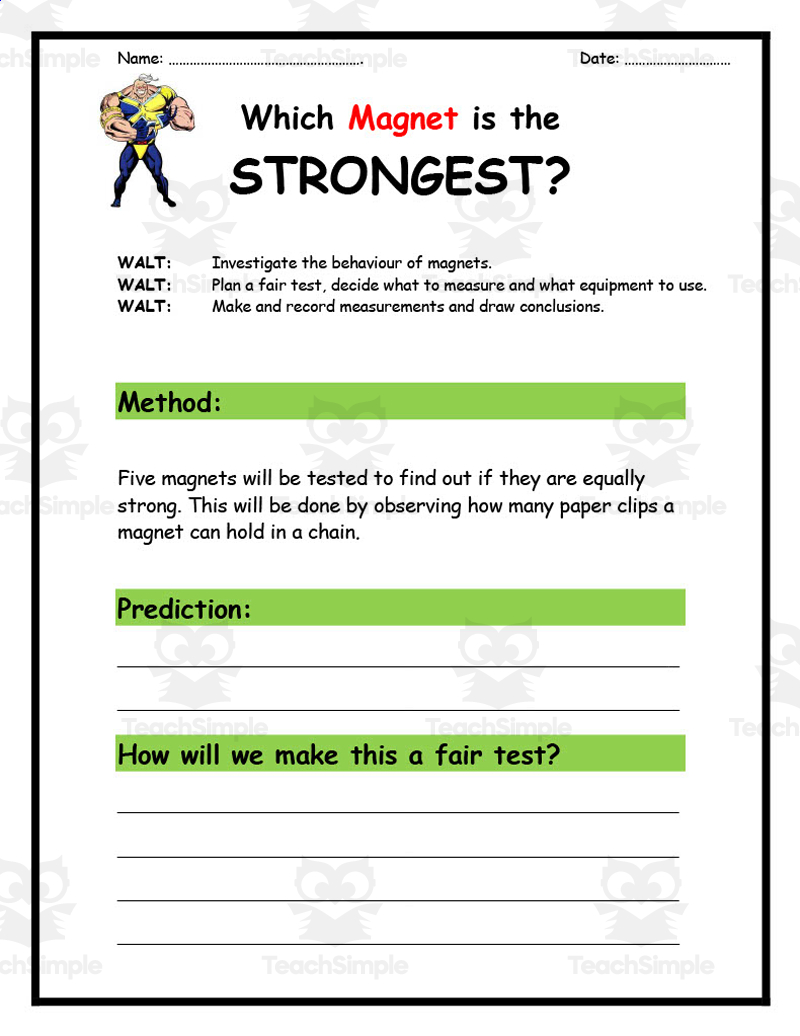
Simple science investigation worksheet where students test and compare the strength of five types of magnets.
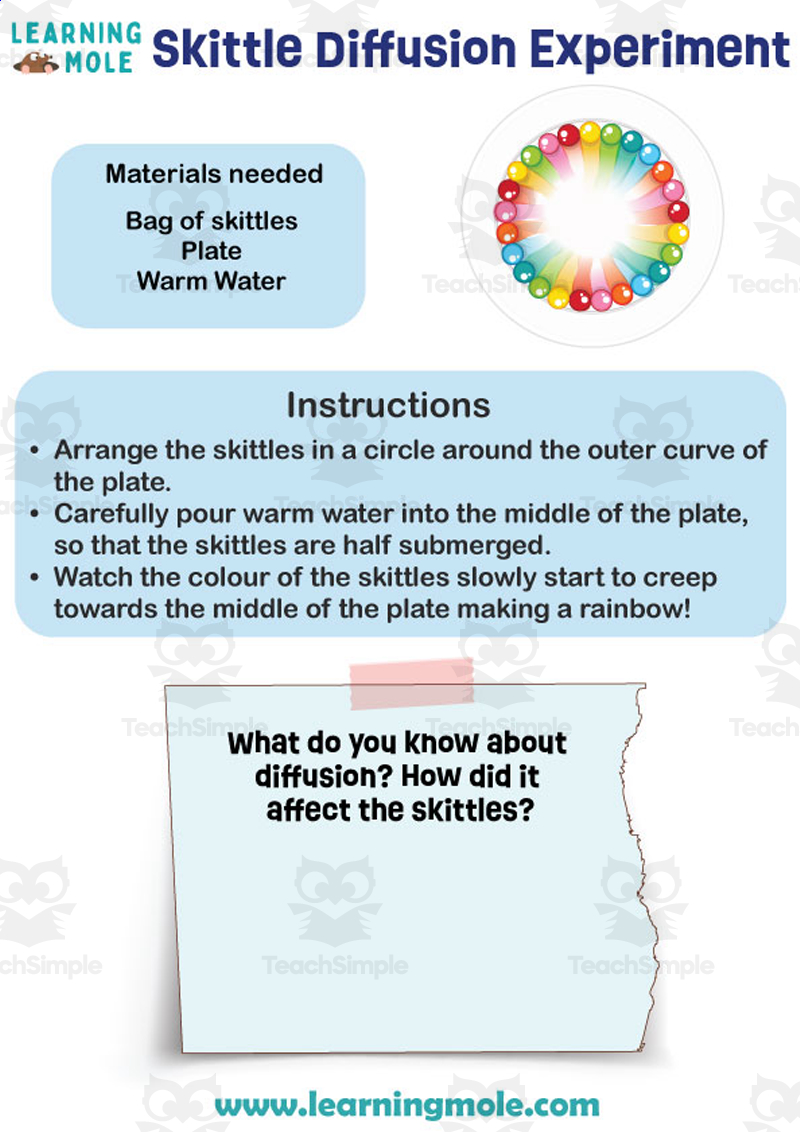
Demonstrate diffusion through a simple STEM experiment using Skittles candy, warm water, and a plate.
Teach elementary students the basics of static electricity through a set of simple, safe hands-on experiments.
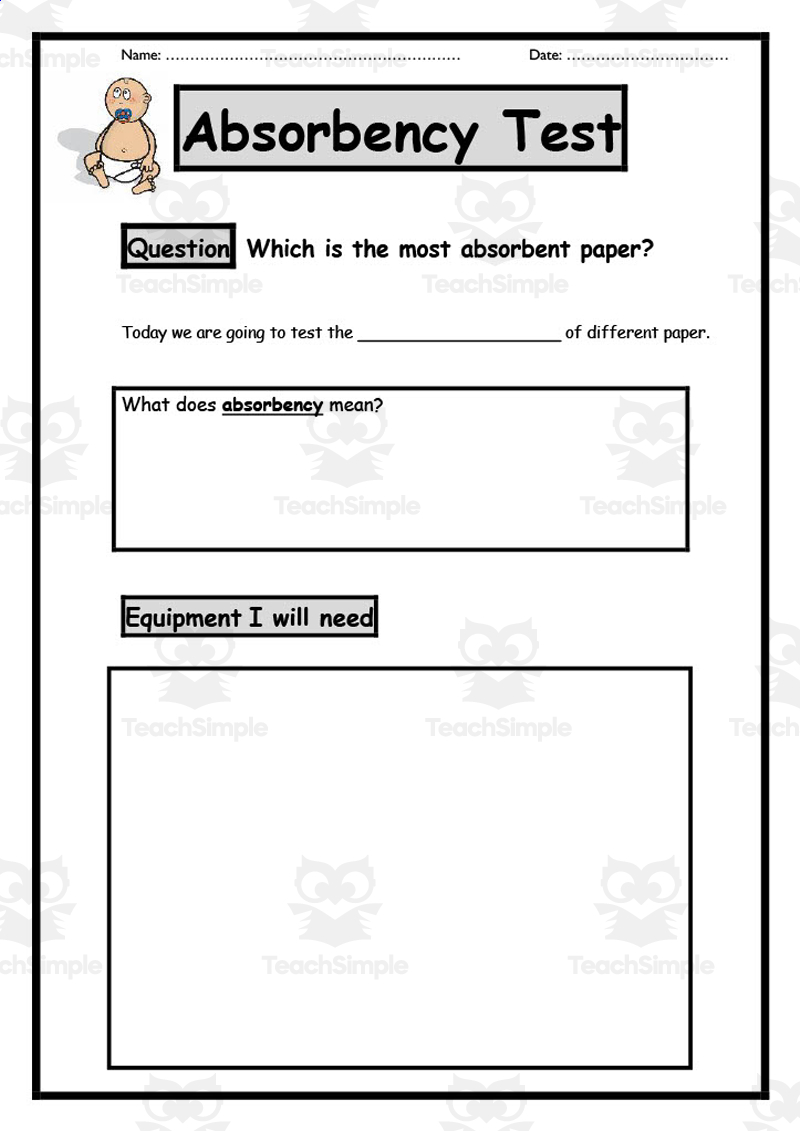
Guide students through a hands-on science experiment testing the absorbency of different types of paper, recording predictions, method, results, and a conclusion.
This Water Cycle Experiment Worksheet is a great resource for students to use to conduct their own experiment on the water cycle. By doing this experiment, students will have a better understanding of how the water cycle works. This worksheet is a great tool for teachers to use in their classrooms.
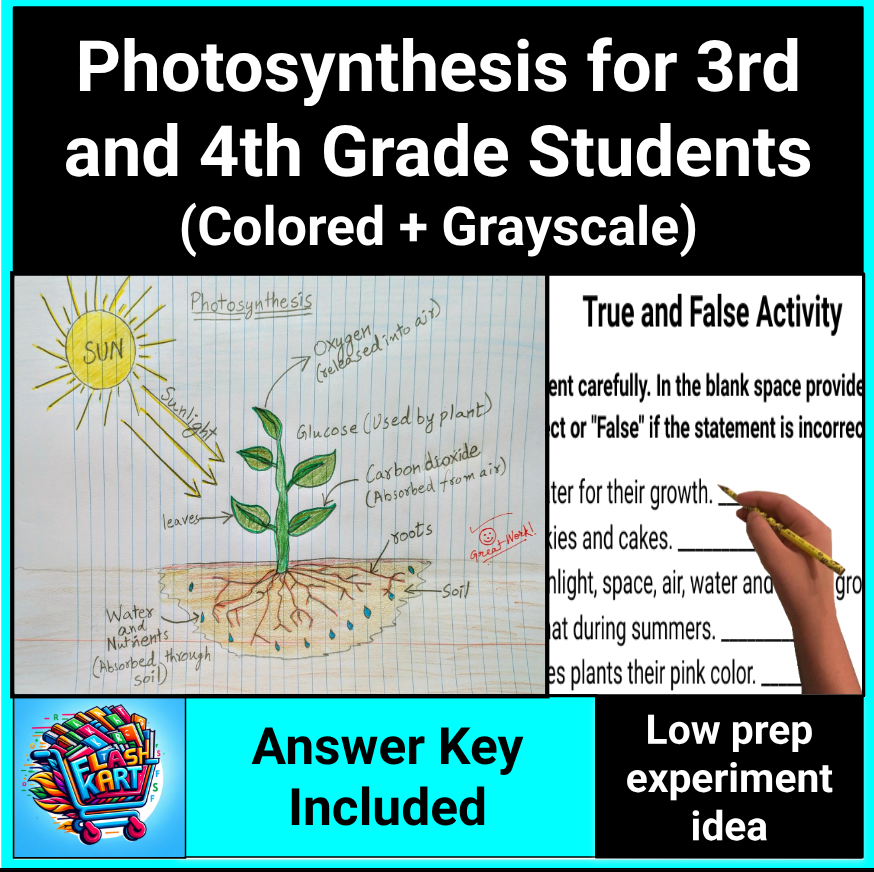
An introductory photosynthesis lesson for elementary science, teaching how plants make food using sunlight, water, and carbon dioxide, paired with a hands-on seed-germination experiment comparing plant growth in light vs. dark.
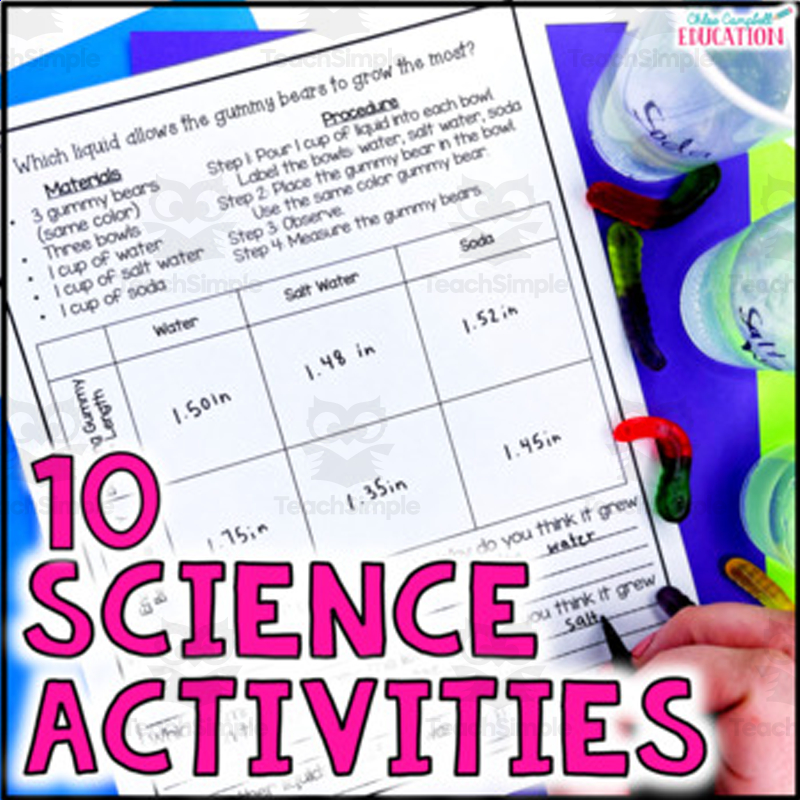
Teach scientific-method thinking through 10 hands-on science experiments using common household materials.
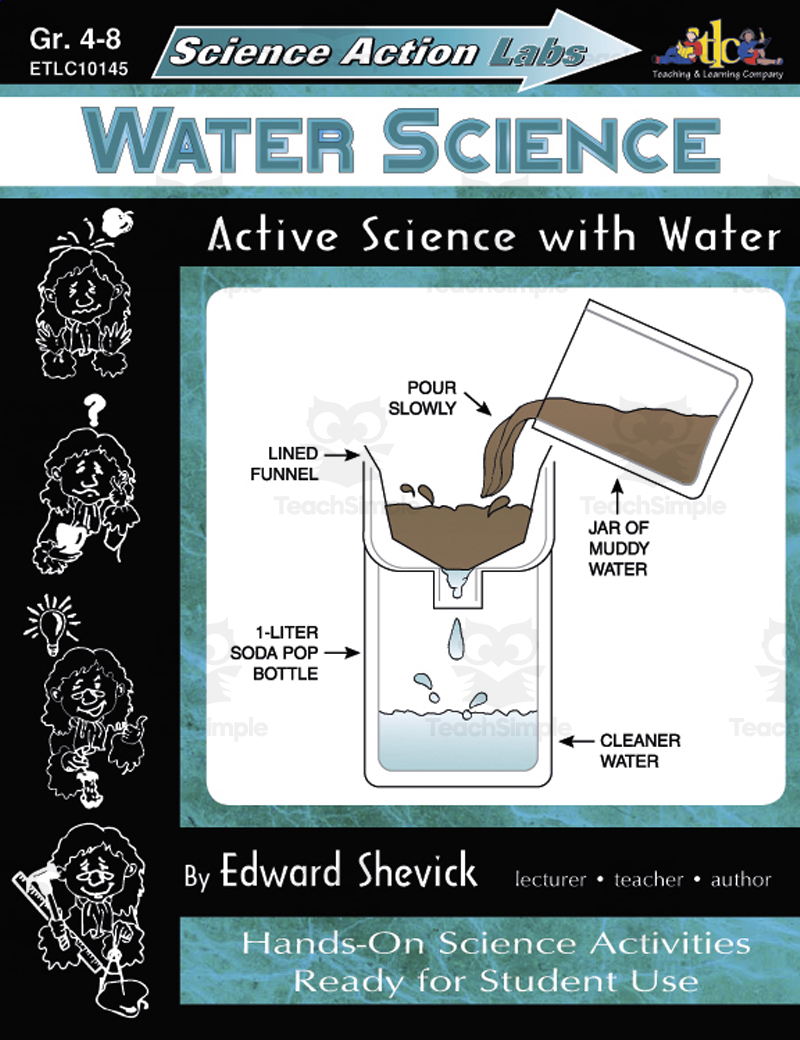
A 23-chapter set of hands-on science labs and activities exploring water science topics for upper elementary/middle school students: water pressure, buoyancy, chemistry, surface tension, ice, purification, conservation, weather, and water's role in life.
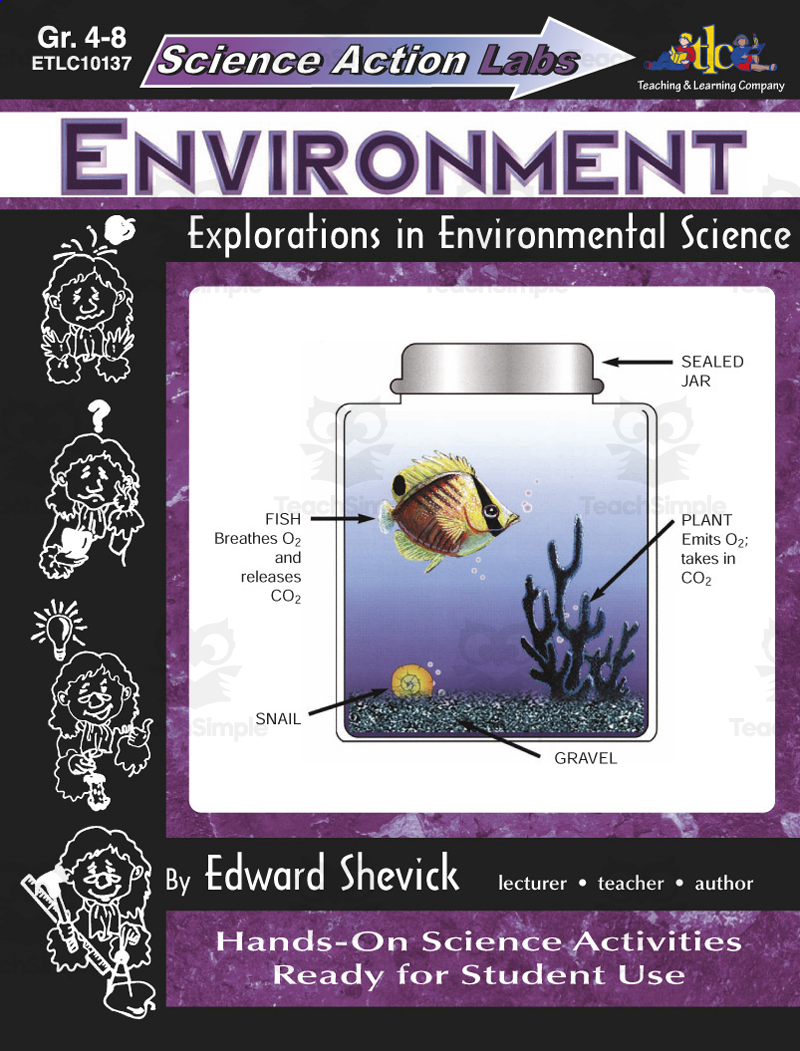
Teach environmental science concepts (pollution, water quality, ecosystems, recycling, population, energy conservation) through hands-on labs framed as 'lab team' investigations.
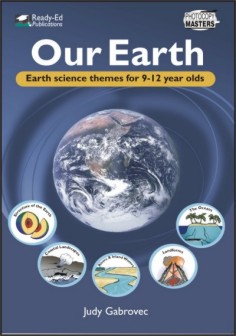
Teach 9-12 year old students earth science concepts (earth structure, landforms, rivers, coastal landscapes, oceans) through a photocopiable activity and experiment booklet.
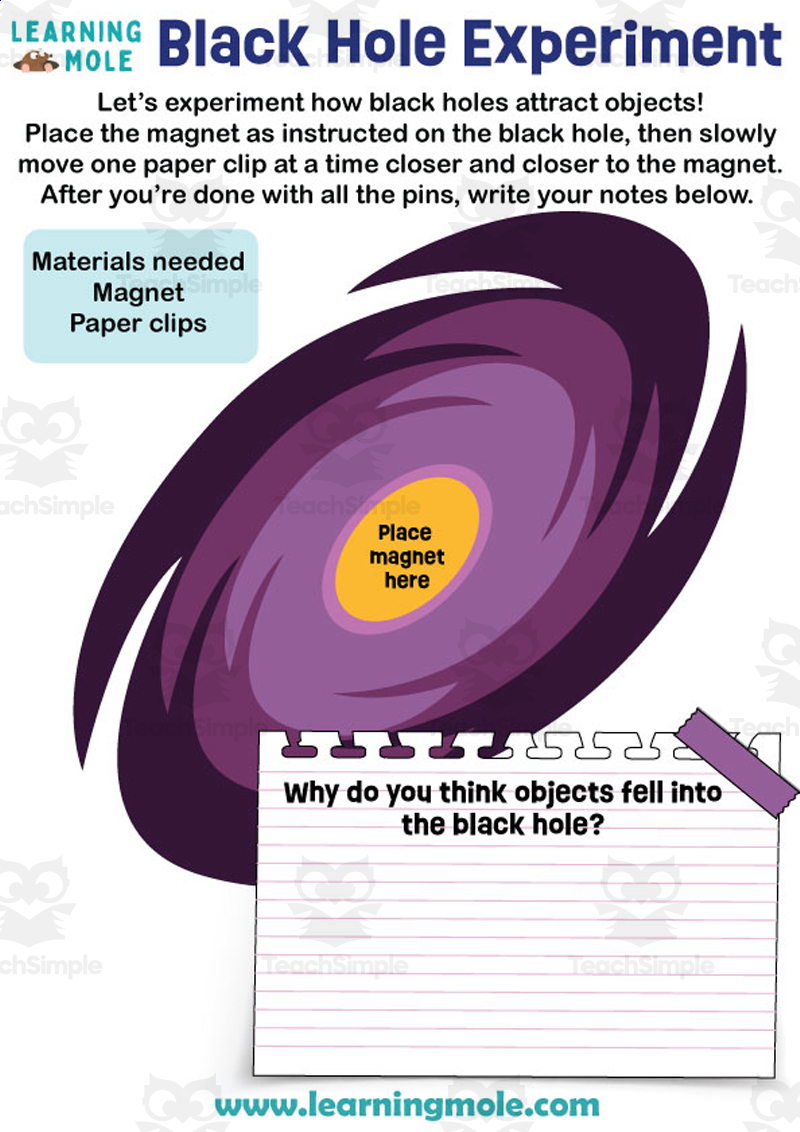
A single-page hands-on activity using a magnet and paper clips as a physical analogy to demonstrate how black holes attract objects.
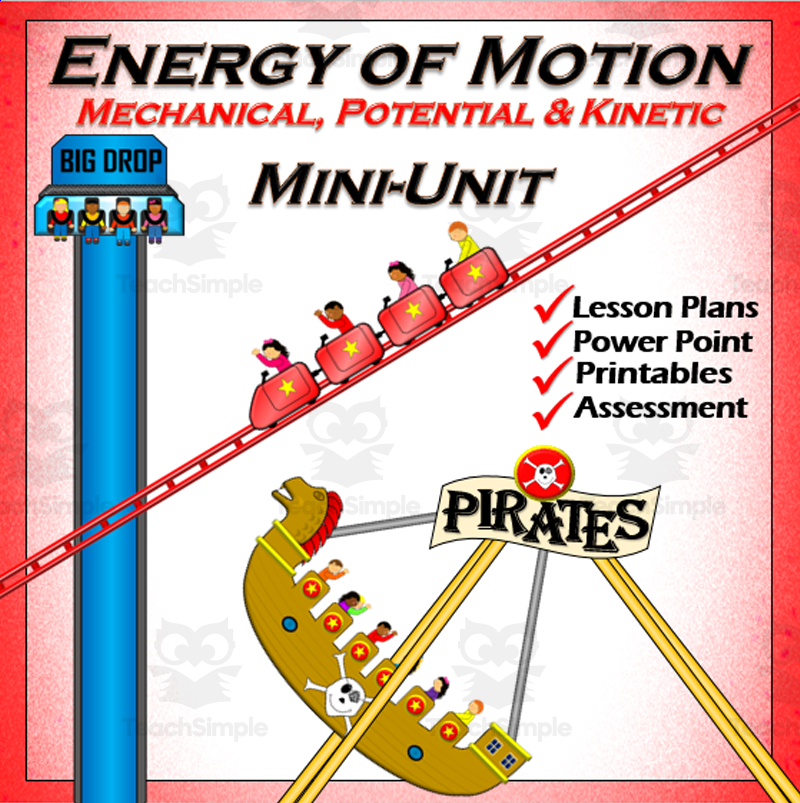
Multi-file science mini-unit teaching mechanical, potential, and kinetic energy through direct-instruction and hands-on lesson plans, a slideshow presentation, and a model-building lab activity.
A 9-day cross-curricular (science-based) crime-scene-investigation unit in which students act as detectives to solve a staged classroom 'crime' using forensic-style experiments.
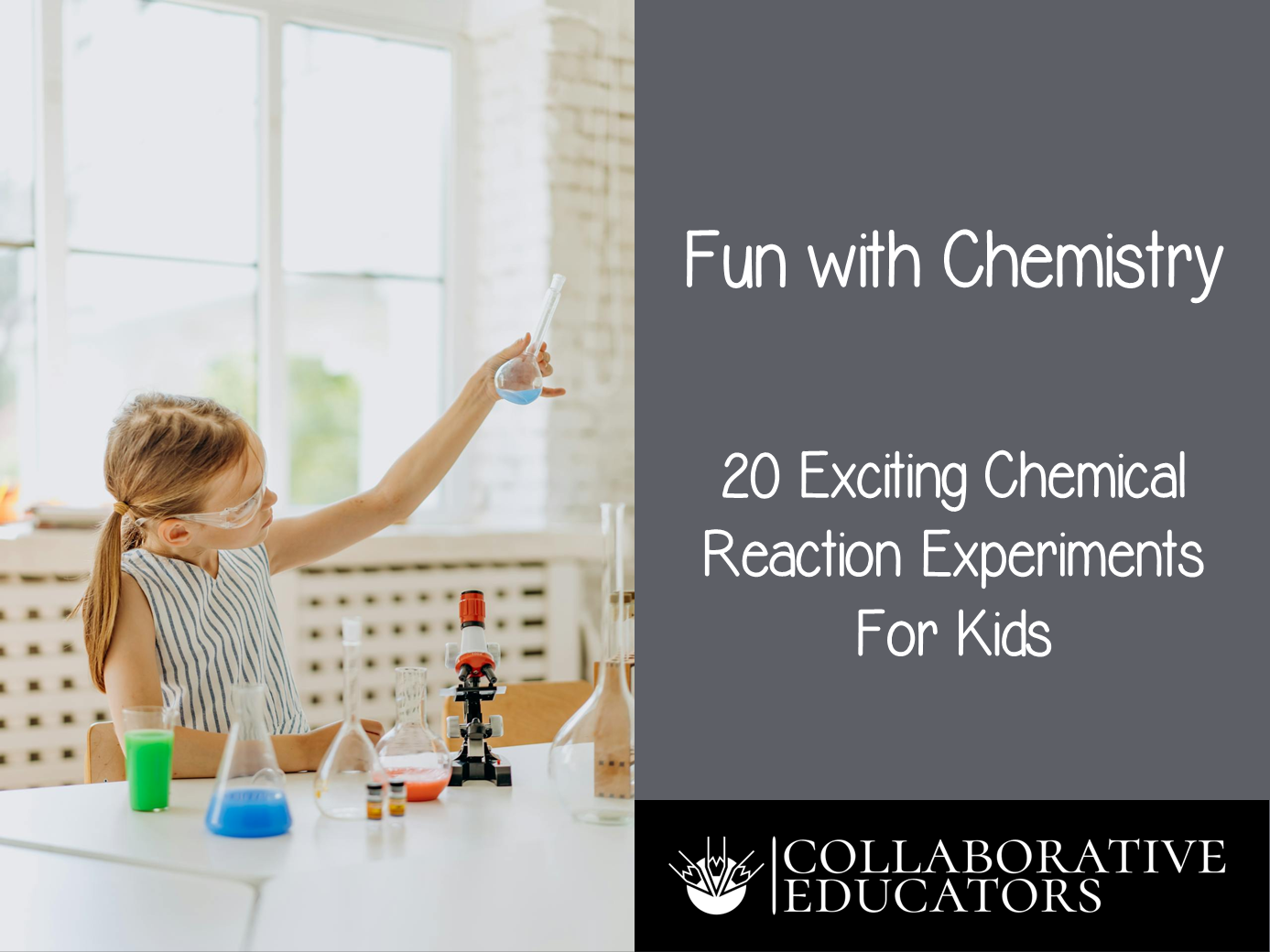
Introduce elementary students to basic chemistry concepts through 20 hands-on chemical-reaction experiments with explanations of the underlying science.
In-depth teacher background/theory guide on plant biology (seed anatomy, germination, root systems, photosynthesis) paired with embedded fill-in-the-blank student journal prompts and classroom experiment suggestions, intended to support a plant life-cycle observation unit.
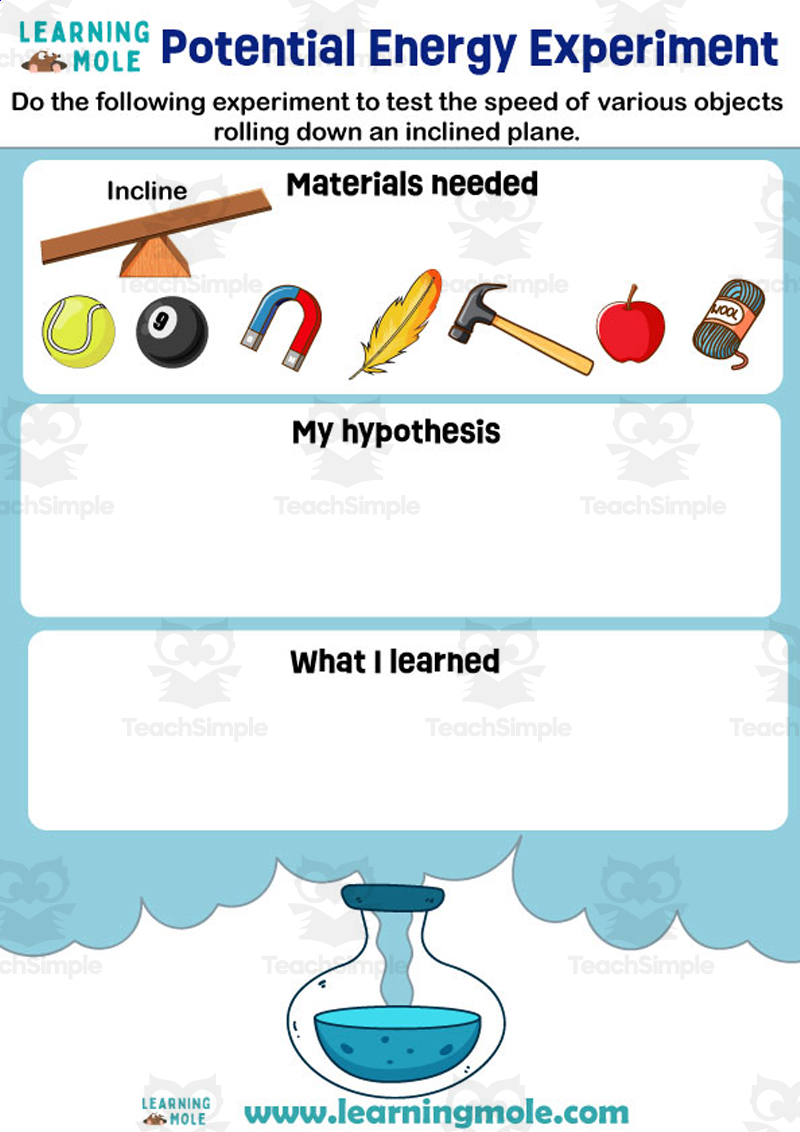
Guide students through a hands-on physics experiment testing how the speed of objects rolling down an inclined plane relates to potential energy.
Provide a collection of hands-on science experiments/demonstrations (chemical reactions, physical science, sensory play) for elementary students to try with adult-supplied household materials.
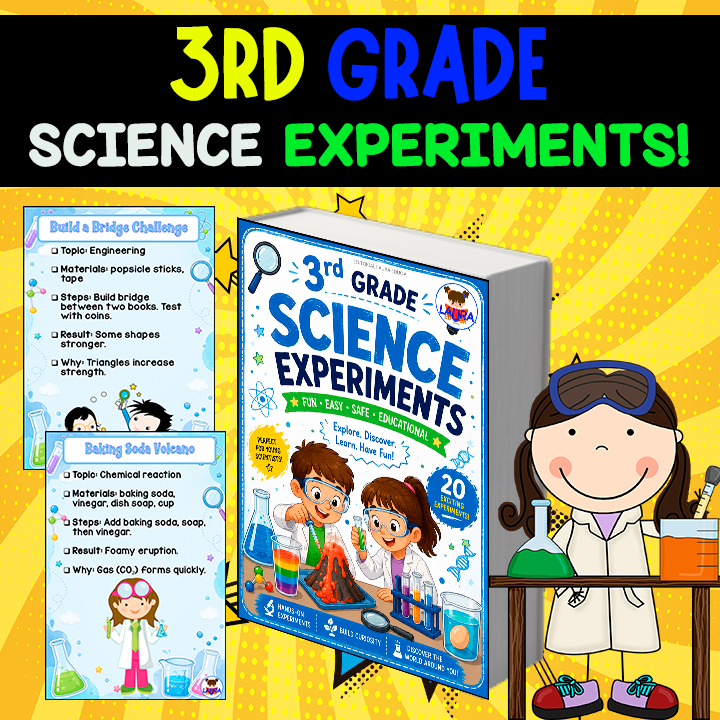
A collection of simple hands-on science experiments (e.g., mini tornado in a bottle, balloon rocket, bridge building challenge, mini parachute), each paired with a student scientific-method worksheet template.
The lesson begins with two tomato plants treated differently in more than one way, prompting students to discuss why the conclusion is unreliable. Fill-in notes introduce independent, dependent, and controlled variables before students apply the terms to basketball, studying, and a derby-car scenario. A short review and model answers support the follow-up discussion.
Students predict which balls will need the most and least blowing to begin rolling, then record observations for up to six balls on soft-to-vigorous scales. Two recording pages provide hypothesis, experiment, outcome and conclusion sections. Compare results with predictions and discuss the limits of the test: different balls vary in several properties, so these qualitative observations do not isolate the effect of weight, size or texture alone.
Provide a hands-on home/troop science activity booklet (aimed partly at Girl Scout leaders) teaching kitchen-based science concepts such as density through experiments.