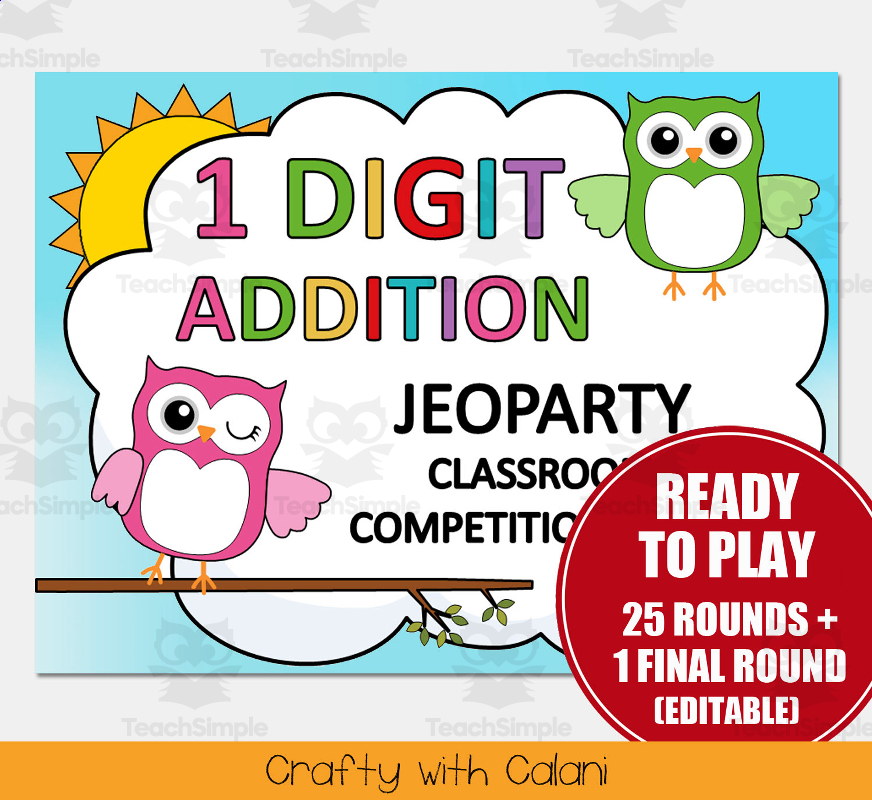
1 Digit Addition Jeoparty Math Classroom Game in Owl Theme
An editable PowerPoint classroom competition game (Jeopardy-style, 'Jeoparty') providing addition practice across 5 categories, owl themed, for up to 8 teams.
Editable




282 resources
Find games that enhance addition and subtraction skills. Engage students with interactive activities.
Explore sub-categories
2 sub-categories · 282 resources
An editable PowerPoint classroom competition game (Jeopardy-style, 'Jeoparty') providing addition practice across 5 categories, owl themed, for up to 8 teams.
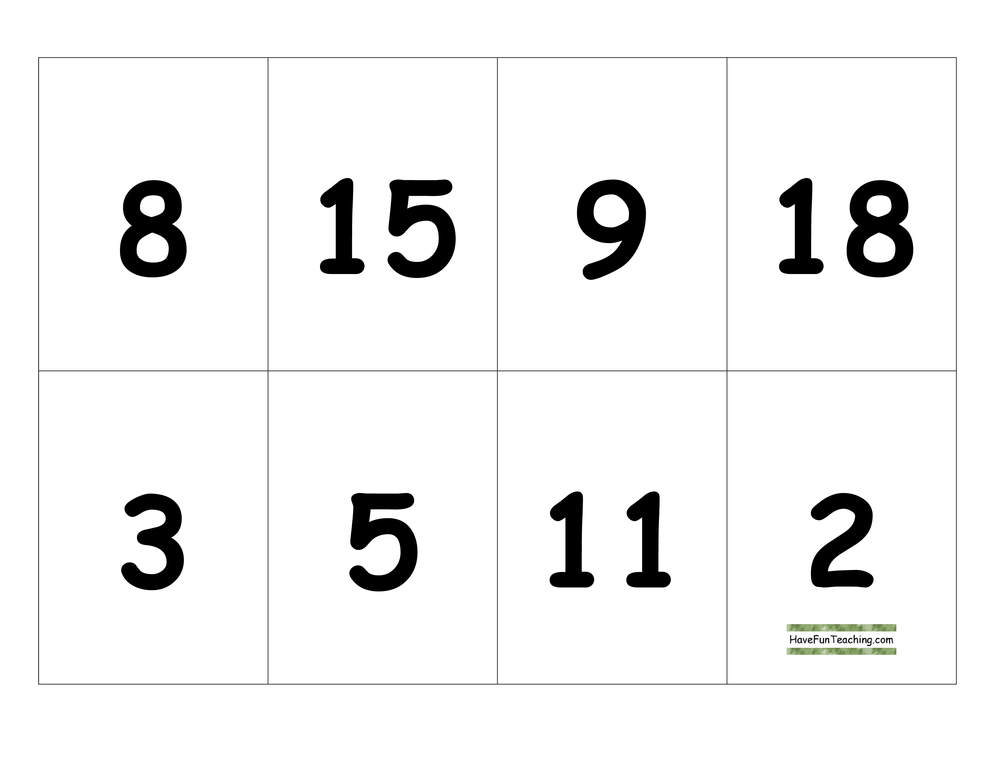
This product, Subtraction BINGO, can help students build fact fluency by playing BINGO to solve subtraction problems to 20.

Reinforce basic addition facts through a tic-tac-toe style game/center activity for elementary students.
 Free download
 A bingo-style game resource for practicing addition and subtraction facts using dice.
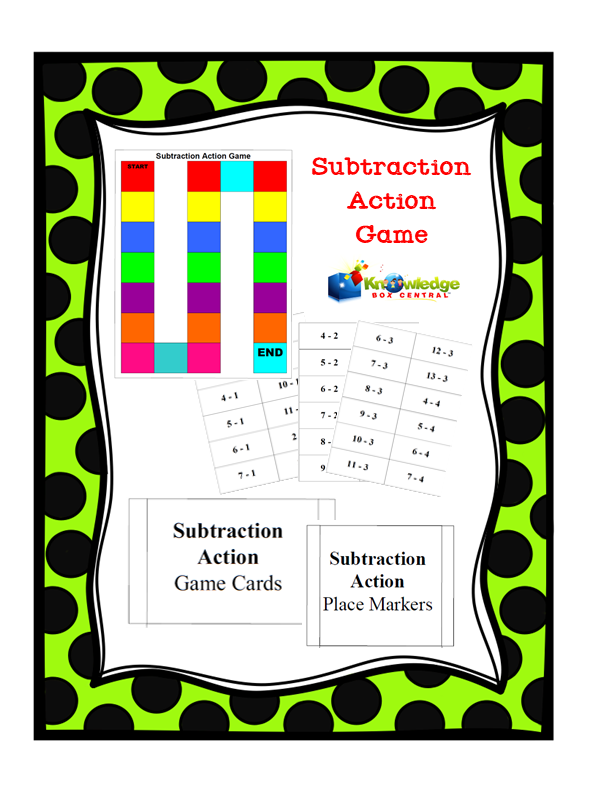
A board game for practicing basic subtraction facts (differences 0-9 within numbers up to 19).
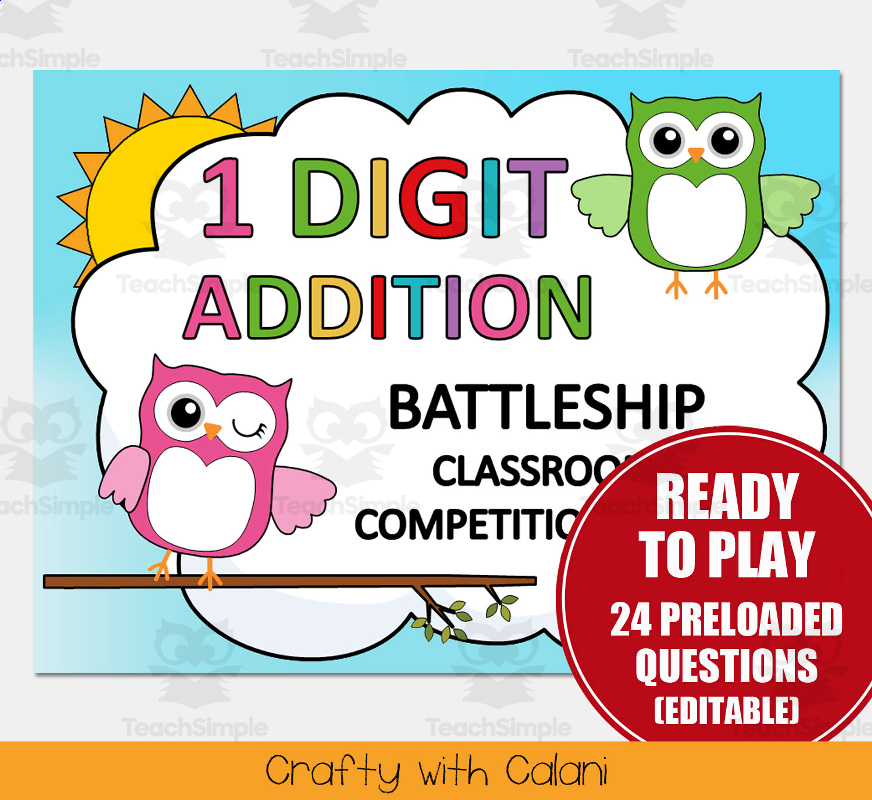
An editable PowerPoint classroom competition game (Battleship format) providing addition practice, owl themed, for two teams.
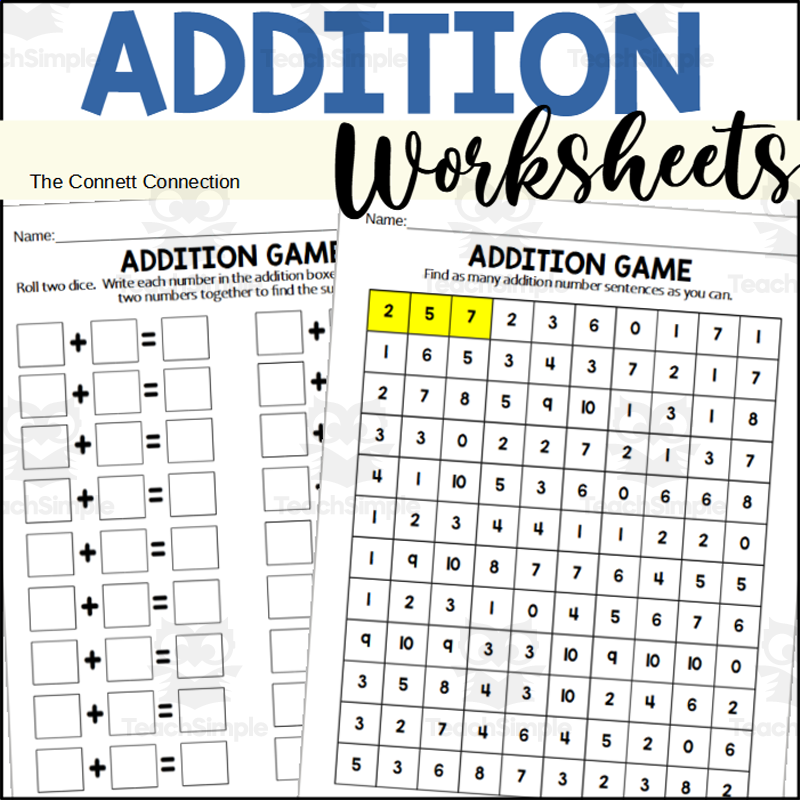
Provide printable addition games for practicing addition facts through a dice-roll activity and a number-search activity.
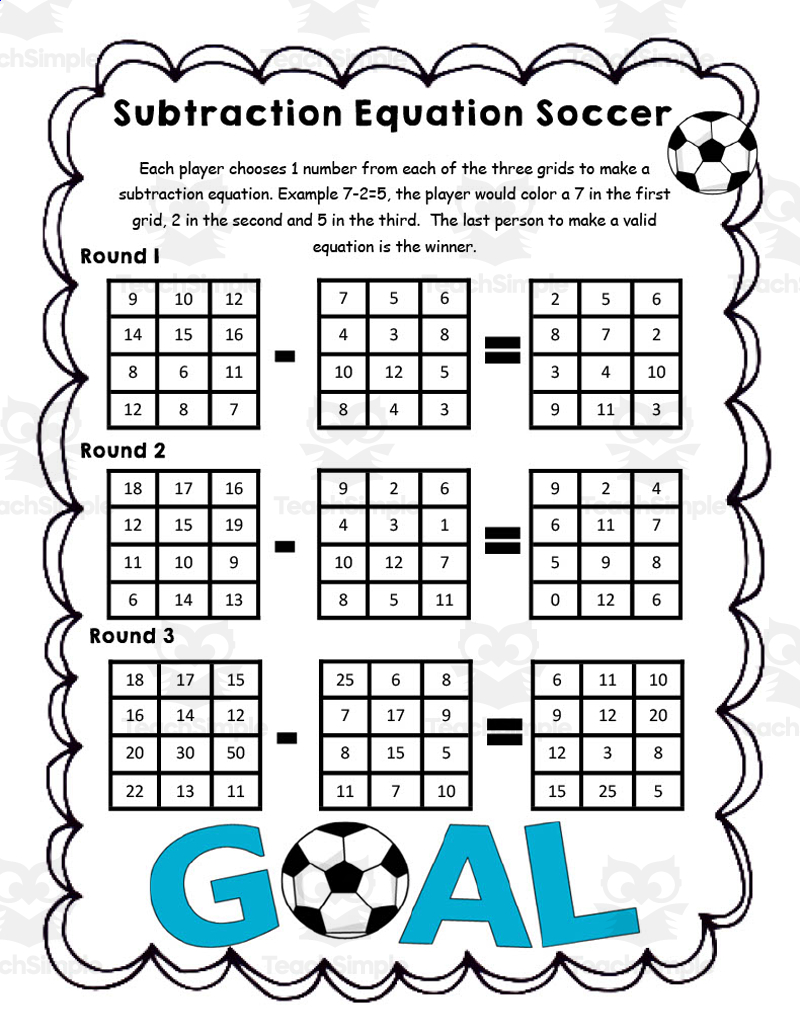
Two dice-based math games: one practicing subtraction equation-building, the other practicing arrays as a precursor to multiplication.
Two bingo games providing practice adding and subtracting whole numbers with regrouping, aligned to CCSS 4.NBT.4.
A digital (Google Slides) checkers-style game for practicing 1-digit addition facts.

Gives students practice subtracting from 18 through a two-player dice game board with an animal-capture theme.
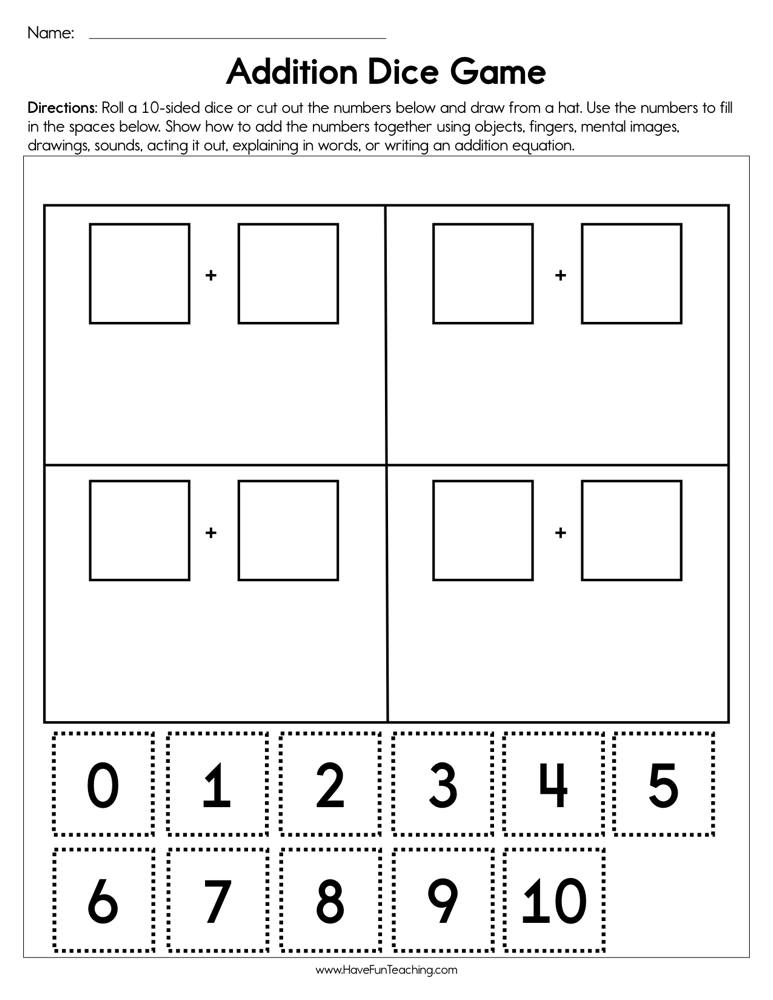
Give students a hands-on game for representing and solving addition using randomly generated numbers.
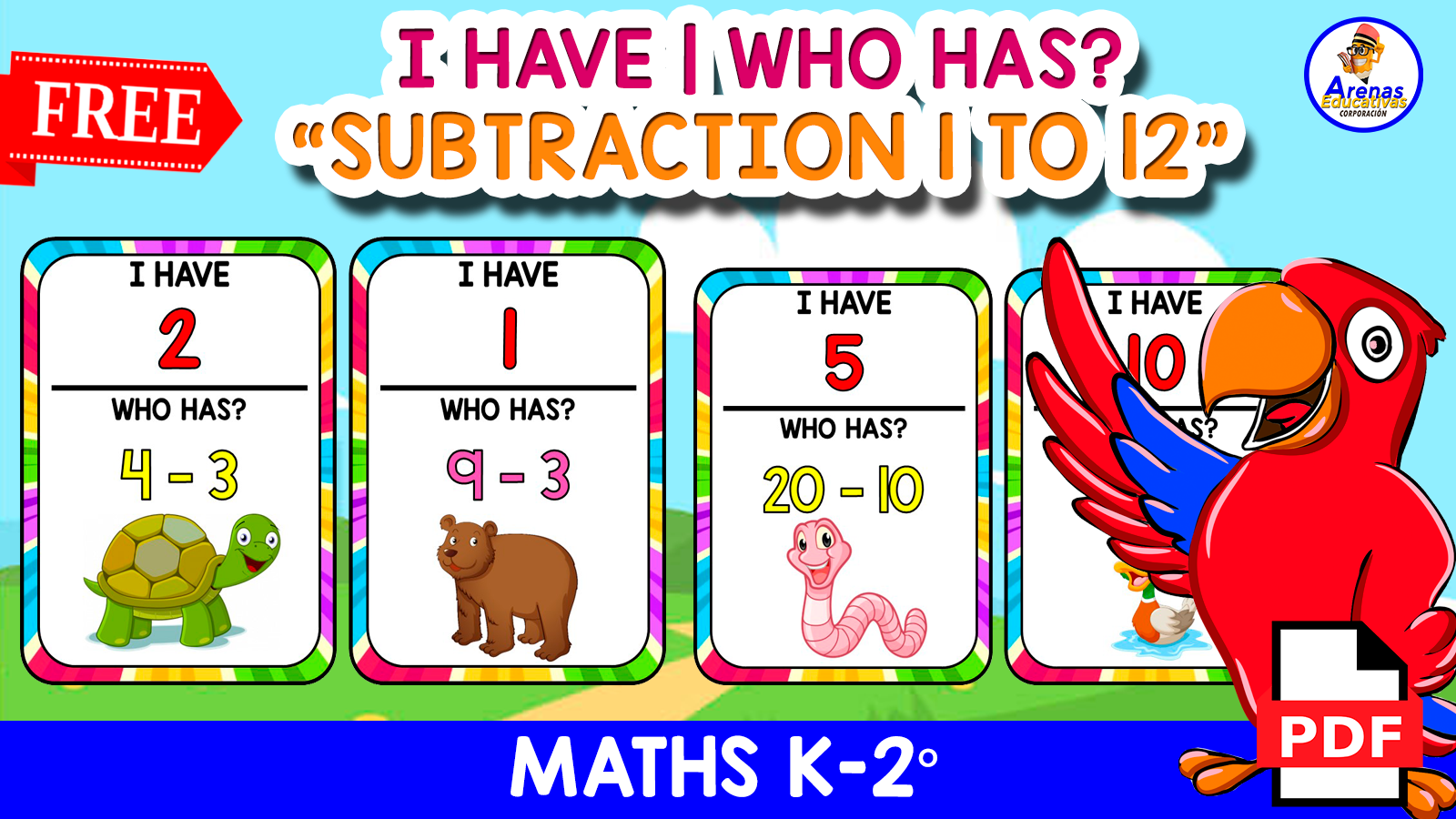 Free download
 WELCOME TO THE ARENAS EDUCATIVAS PUBLISHING RESOURCE STORE! We are a publisher dedicated to creating fabulous and incredible resources for children.
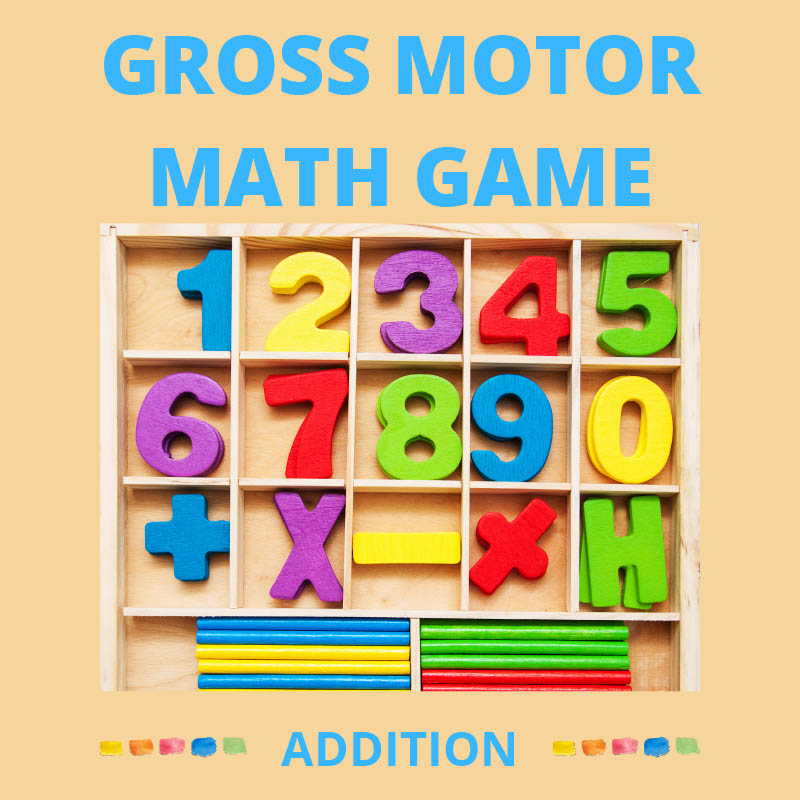
A gross motor math game pairing addition problem-solving with a physical movement task tied to the answer.

Printable playing-card set for practicing equivalence of addition/subtraction integer expressions through card games.
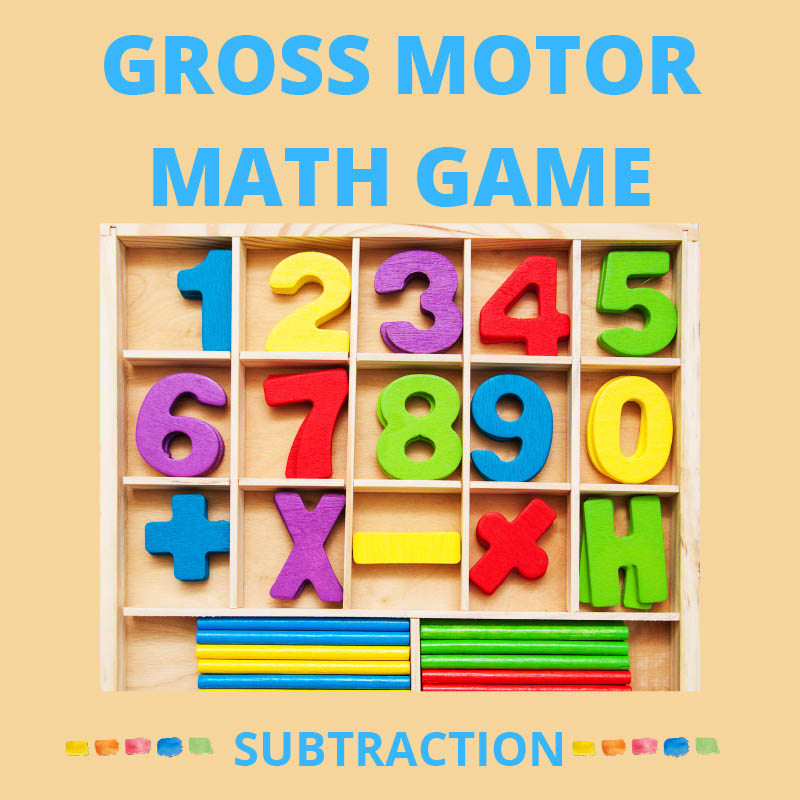
A gross motor math game pairing subtraction problem-solving with a physical movement task tied to the answer.
 Free download
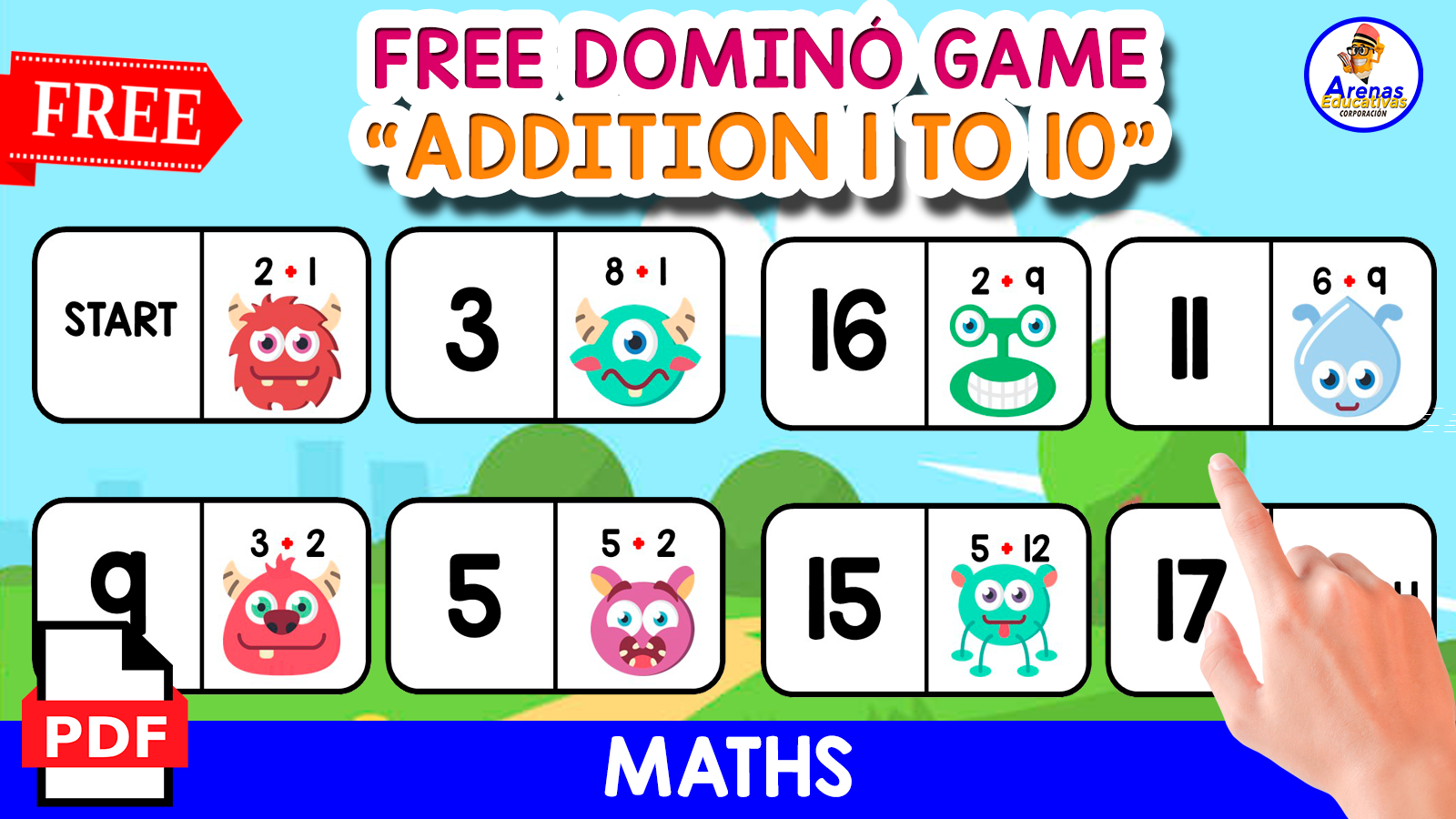
 Practice addition facts (sums to 17) through a printable domino-style matching game.
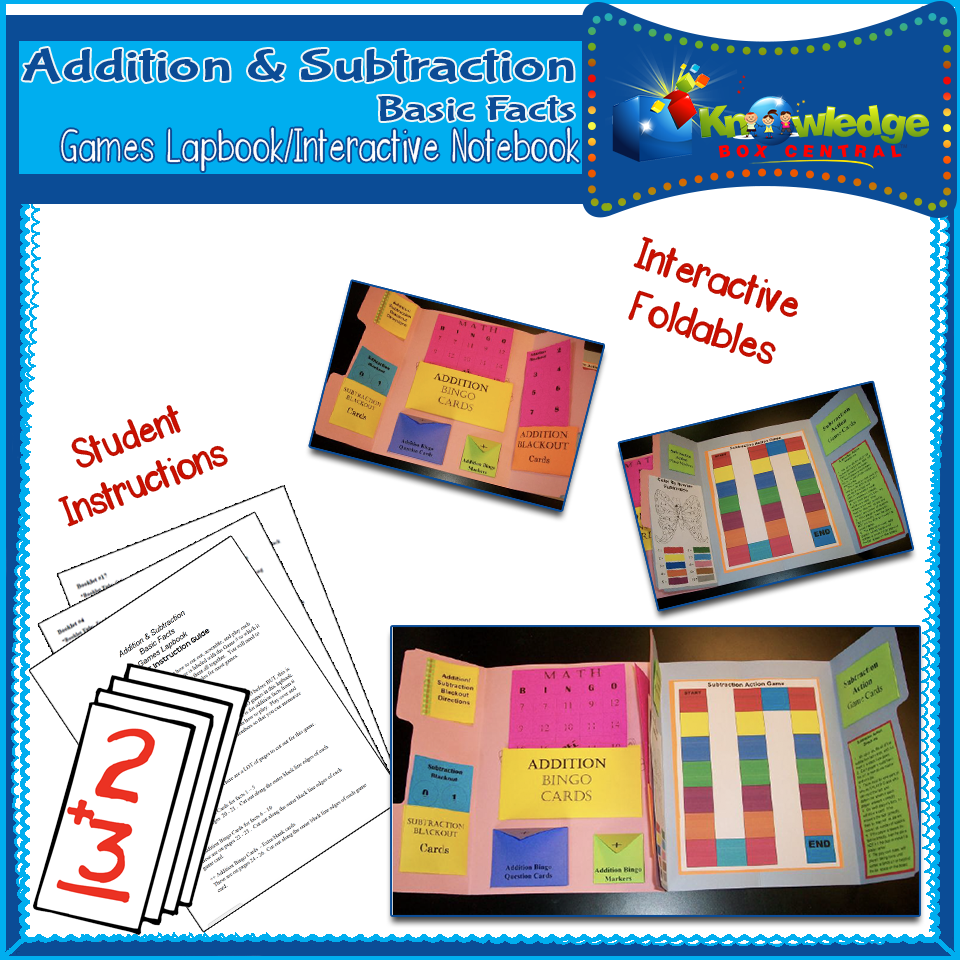
A lapbook/interactive-notebook kit of hands-on games and booklets for drilling and memorizing addition and subtraction facts 0-10 through repeated play.

A digital (Google Slides) Connect-4-style game for practicing 1-digit addition facts.
A slideshow-based bingo game giving students practice adding and subtracting fractions, including mixed numbers, aligned to CCSS 5.NF.
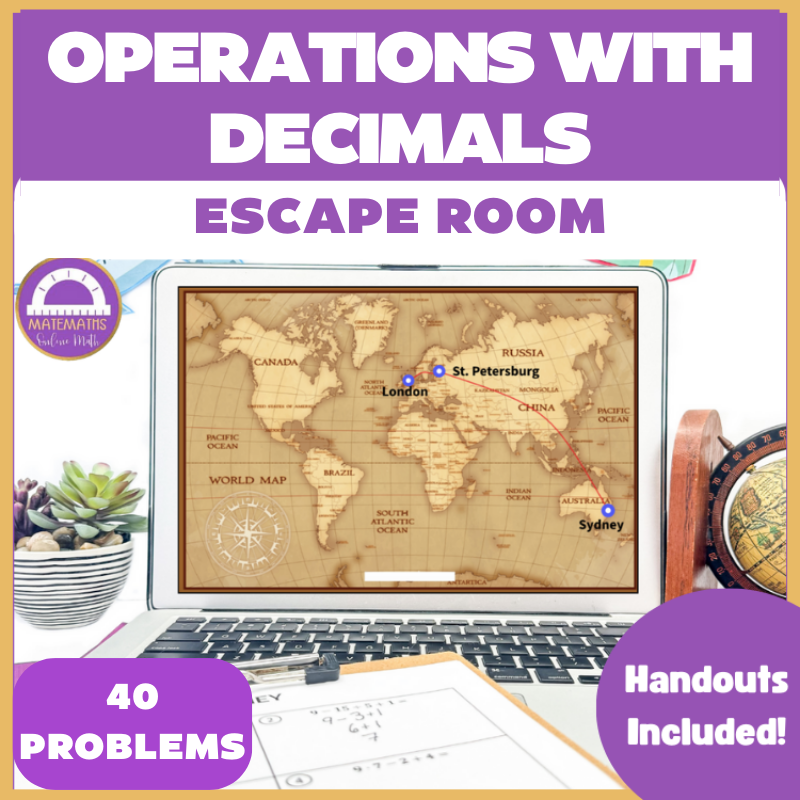
A 'travel around the world' themed digital/printable escape room reviewing decimal operations (addition, subtraction, multiplication, division, and mixed order-of-operations expressions).
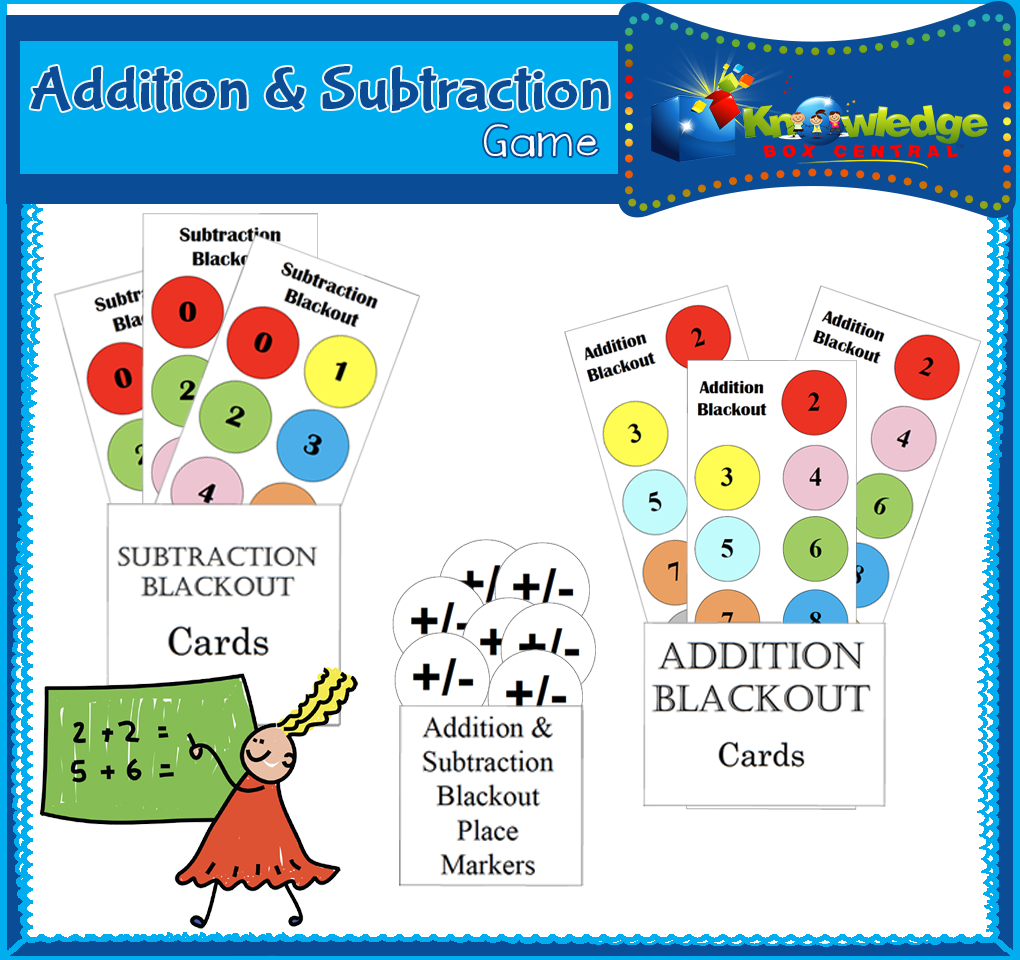
A printable 'Games Notebook' style resource providing a blackout-board game for practicing addition and subtraction facts.
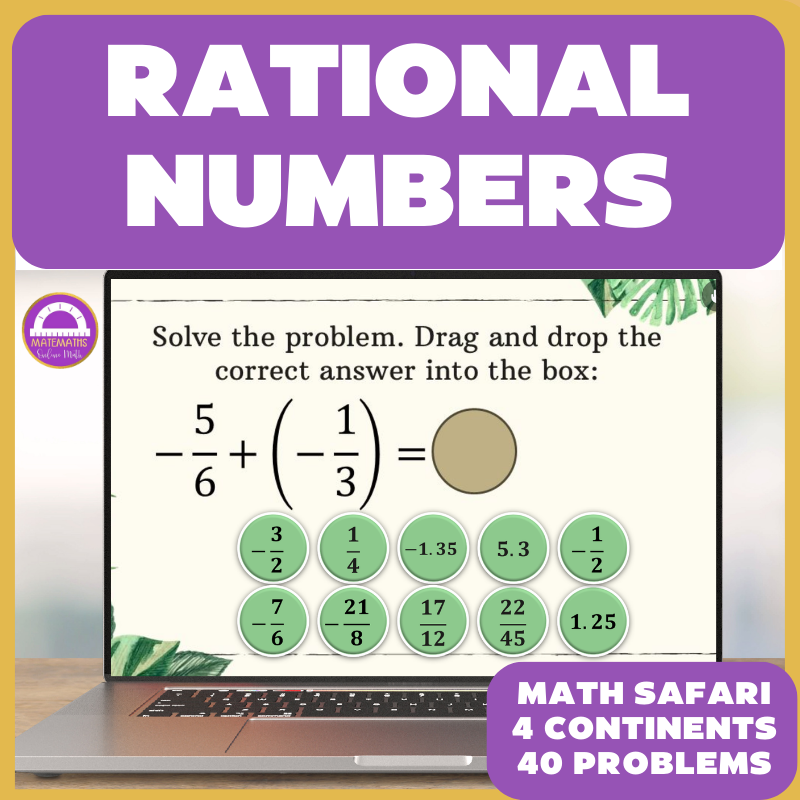
A self-checking digital escape-room activity giving practice on rational-number operations (fractions, decimals, negatives, mixed operations) framed as a 'safari' theme.
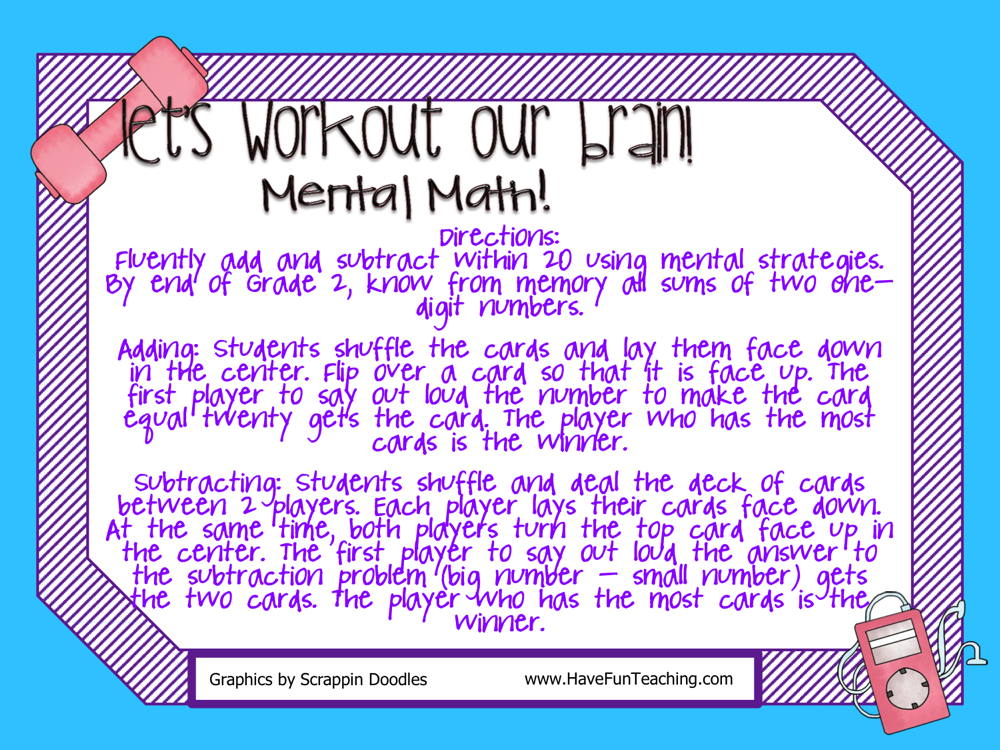
Build fluency adding and subtracting within 20 using mental math strategies, via a card game.