2,829 products added recently
Spelling Lesson Plans
Improve your students' spelling abilities with lesson plans that make learning words enjoyable. These activities include games, word sorts, and practice exercises. Implement these resources to enhance writing accuracy and boost confidence in spelling.
Jugglers Reading Comprehension Passage - Cored Ed Encyclopedia
ELA, Reading Comprehension, Reading, Language Development, History, Social Studies, Geography, Pre-Reading, Vocabulary, Spelling, Grade 2, 3, 4, 5, Worksheets & Printables, Worksheets, Teacher Tools, Centers, Activities, Writing Prompts, Assessments, Quizzes and Tests, Quizzes, Lesson Plans
This Jugglers reading comprehension with lesson plan includes: Visualization (on the front cover) Start your lesson by taking a minute to think and share something about the topic. Read the script aloud (slowly), perhaps prepare some music or sound effects. Student close their eyes and let their imaginations wander. Students open their eyes, read the question aloud and give them a few minutes to complete. Ask a few students to share or keep answers until the end to compare with what they learn in the passage. Quick pause—thousands of Cored Education products are included with your TeachSimple membership. Download links and encyclopedia index available here. Pre-Reading Trivia Students will write down one thing they already know about the subject and then read five more facts and discuss. These facts are fun, and the students will enjoy learning about the subject before reading more. Give 1 minute for students to write what they already know (no pressure—best guess is fine). Read the five facts together. After each fact, do ask a student for their opinion, was it surprising? Set a purpose by asking students to highlight/underline one fact they want to learn more about during the reading. Reading Passage The text is a high-interest reading passage with set paragraphs, roughly three to four paragraphs long. It contains a variety of themes about the topic, anywhere from history to technology. The passage is between 250 and 350 words in length. First, ask students to look at the headings and see what they’ll learn about today. What do they know about the topic/heading? First read options: Teacher read-aloud (best for support). Partner reading (paragraph by paragraph). While reading, students underline important details, and vocabulary words they think may come up in the questions section. Mixed Questions The first question page contains four multiple-choice questions, each with a choice of four answers, and three written response questions that require a sentence or two from the student. Students complete the mcqs first independently, then review quickly as a class. For the 3 written responses, try to get students giving the answer with some form of evidence: “I think ___ because the text says ___.” If students get stuck, send them back to check the passage. Vocabulary Questions Practice seven key words from the text in this section across two activities. First section is scrambled words where students will unscramble three words given a clue for each. The second section is a word to meaning matching activity. Before starting, have some students read out words they underlined in the passage. Ask students to say the word and read aloud the sentence(s) around each word. Ask students to do scrambled words and the matching exercise in pairs then go through answers as a class. For the scrambled spelling task, get four pairs to come up to the board and write the words for extra practice with the other student reading out the clue. For the matching task, prompt students to give full sentences: “I matched ___ with ___ because ___.” Creative Writing In this question, the student will be required to write a five to eight sentence paragraph on a question related to the topic. Before starting, ask students write down 3 key ideas they are going to include in their piece. Ask students for ideas to share around the class to help those struggling. Pro writing expectations: 5–8 sentences At least 2 facts or details from the passage At least 2 vocabulary words from the previous page Students read their paragraphs while classmates listen for facts and vocabulary words. Extension Activities This page is optional for fast finishers or to take home. There are several activities, each one requiring a different skill. Do some, do none, do all, completely optional - but you will feel reassured knowing every possibility is planned for. Includes summary writting question and additional facts. Answer Key There are answers for the multiple-choice questions, written response questions have sample answers, vocabulary answers and if there is a summary question then a sample summary will be provided as well. Lesson Plan Included Customized lesson plan for this lesson is included. Lesson Snapshot Title: Jugglers Genre: Nonfiction (informational text) Subject: Reading (Informational Text) / Social Studies / Arts Primary Topic: Juggling across history and repeating patterns Estimated Guided Reading Level (A–Z): S What This Lesson Teaches Best Traces juggling through time and places (ancient Egypt, China, Greece/Rome, Europe, and today). Uses a historical example (an Egyptian tomb painting) to explain evidence of early juggling and what it suggests about audiences. Highlights performance skills jugglers show—control, timing, courage—and how crowds can understand the act “without any words.” Explains change over time: juggling’s reputation in Europe after the Roman Empire weakened, and how modern circuses brought it into the spotlight. Emphasizes the repeating pattern at the heart of juggling (throw, wait, catch, repeat) and connects it to learning rhythm with patience. Learning Goals Describe what the Egyptian tomb painting shows and why the passage calls it an early picture of toss juggling. Explain how juggling was used to impress or amaze people in different cultures mentioned in the text. Describe how some people in Europe viewed jugglers later and explain what the skill did instead of disappearing. Identify the basic juggling pattern named in the passage and explain why it matters. Compare where a juggler might perform today (stage, circus ring, sidewalk) and explain what stays the same. Key Vocabulary From the Text tomb — a place where someone is buried. audiences — groups of people watching a performance. festivals — celebrations with events and crowds. rhythm — a steady beat or timing pattern. wrongdoing — doing something people believe is wrong. FULL CATALOG OF DOWNLOAD LINKS AND ENCYCLOPEDIA INDEX HERE
Author Cored Education
Rating
Tags Vocabulary, Reading Comprehension, Reading Passages, Lesson Plans, Ela Lesson Plans, Reading Comprehension Lesson Plans, Pre-reading, Social Studies Lesson Plans, History, Geography
1st Grade Spelling Unit | Spelling Curriculum | Spelling Lists
ELA, Language Development, Spelling, Grade 1, Lesson Plans, Teacher Tools
Attention First Grade Teachers! These spelling units are for you! With 30 weeks of lists organized by spelling rule and pattern, you’ll find everything you need at your fingertips. Each teacher packet features a cover page with spelling words and their corresponding rules or patterns, plus a call-out page with engaging example sentences. Your weekly student packets come complete with a cover sheet, a pretest, five interactive activity pages, and a final test —ready to print and use! Dive in and make spelling fun and effective! Spelling Rules and Patterns Covered In Order: Beginning letter blends like "bl-", "gl-", and "sl-" Beginning letter blends such as "cr-" and "ph-" Beginning letter blends including "sp-" and "sk-" Beginning letter blends like "ch-" and "kn-" Common irregular words Beginning digraph "sh-" Beginning digraphs "wh-" and "wr-" Beginning digraph "th-" Ending letter blends "-nt" and "-nd" Ending letter blends "-lk" and "-lp" Ending letter blends "-ft" and "-lt" Ending letter blend "-nk" Ending letter blends "-st" and "-sp" Ending letter blends "-mp" and "-sk" Common irregular words Ending digraph "-ch" Ending digraph "-ck" Ending digraph "-ng" Ending digraphs "-sh" and "-th" Ending trigraph "-tch" Ending trigraph "-dge" Beginning trigraphs "thr-" and "str-" Beginning trigraphs "spr-", "shr-", and "spl-" "Long A" CVCE words Common irregular words "Long I" CVCE words "Long O" CVCE words "Long U" CVCE words Double vowel team "oo" Double vowel team "ee"
Author Simply Schoolgirl
Tags Spelling Unit, Spelling Curriculum, First Grade Spelling List, Spelling Rules, Printable Spelling, No Prep Spelling, Easy Spelling, First Grade, Spelling Worksheets, Spelling Practice
Jails Reading Comprehension Passage - Cored Ed Encyclopedia
ELA, Reading Comprehension, Reading, Pre-Reading, Language Development, Vocabulary, History, Social Studies, Law, Spelling, Grade 2, 3, 4, 5, Worksheets & Printables, Worksheets, Teacher Tools, Centers, Activities, Writing Prompts, Assessments, Quizzes and Tests, Quizzes, Lesson Plans
This Jails reading comprehension with lesson plan includes: Visualization (on the front cover) Start your lesson by taking a minute to think and share something about the topic. Read the script aloud (slowly), perhaps prepare some music or sound effects. Student close their eyes and let their imaginations wander. Students open their eyes, read the question aloud and give them a few minutes to complete. Ask a few students to share or keep answers until the end to compare with what they learn in the passage. Quick pause—thousands of Cored Education products are included with your TeachSimple membership. Download links and encyclopedia index available here. Pre-Reading Trivia Students will write down one thing they already know about the subject and then read five more facts and discuss. These facts are fun, and the students will enjoy learning about the subject before reading more. Give 1 minute for students to write what they already know (no pressure—best guess is fine). Read the five facts together. After each fact, do ask a student for their opinion, was it surprising? Set a purpose by asking students to highlight/underline one fact they want to learn more about during the reading. Reading Passage The text is a high-interest reading passage with set paragraphs, roughly three to four paragraphs long. It contains a variety of themes about the topic, anywhere from history to technology. The passage is between 250 and 350 words in length. First, ask students to look at the headings and see what they’ll learn about today. What do they know about the topic/heading? First read options: Teacher read-aloud (best for support). Partner reading (paragraph by paragraph). While reading, students underline important details, and vocabulary words they think may come up in the questions section. Mixed Questions The first question page contains four multiple-choice questions, each with a choice of four answers, and three written response questions that require a sentence or two from the student. Students complete the mcqs first independently, then review quickly as a class. For the 3 written responses, try to get students giving the answer with some form of evidence: “I think ___ because the text says ___.” If students get stuck, send them back to check the passage. Vocabulary Questions Practice seven key words from the text in this section across two activities. First section is scrambled words where students will unscramble three words given a clue for each. The second section is a word to meaning matching activity. Before starting, have some students read out words they underlined in the passage. Ask students to say the word and read aloud the sentence(s) around each word. Ask students to do scrambled words and the matching exercise in pairs then go through answers as a class. For the scrambled spelling task, get four pairs to come up to the board and write the words for extra practice with the other student reading out the clue. For the matching task, prompt students to give full sentences: “I matched ___ with ___ because ___.” Creative Writing In this question, the student will be required to write a five to eight sentence paragraph on a question related to the topic. Before starting, ask students write down 3 key ideas they are going to include in their piece. Ask students for ideas to share around the class to help those struggling. Pro writing expectations: 5–8 sentences At least 2 facts or details from the passage At least 2 vocabulary words from the previous page Students read their paragraphs while classmates listen for facts and vocabulary words. Extension Activities This page is optional for fast finishers or to take home. There are several activities, each one requiring a different skill. Do some, do none, do all, completely optional - but you will feel reassured knowing every possibility is planned for. Includes summary writting question and additional facts. Answer Key There are answers for the multiple-choice questions, written response questions have sample answers, vocabulary answers and if there is a summary question then a sample summary will be provided as well. Lesson Plan Included Customized lesson plan for this lesson is included. Lesson Snapshot Title: Jails Genre: Nonfiction (informational text) Subject: Social Studies (Civics) / Reading (Informational Text) Primary Topic: What jails are and how they differ from prisons Estimated Guided Reading Level (A–Z): S What This Lesson Teaches Best Explains what a jail is and why people may be there for a short time (waiting for a court date or serving short sentences). Uses history to show how jails were used long ago (England, 1166) and why the spelling “gaol” appeared. Clarifies the difference between “jail” and “prison” in formal American and Canadian English (pretrial custody/shorter sentences vs. longer sentences). Connects jails to community routines and civic values (rules, safety checks, fairness, harm prevention, justice). Builds understanding of how word choice and definitions matter when discussing systems and government roles (counties vs. state/federal). Learning Goals Describe what a jail is and give two reasons people may be held there. Explain how early jails in England were used and what “gaol” means in the passage. Explain what changed in the 1790s in the United States, according to the text. Compare a jail and a prison using details from the passage. Identify examples of routines and rules in jails and explain why they matter. Key Vocabulary From the Text booking — recording a new person in jail. cells — small rooms where people are held. trial — a court process to decide a case. convicted — found guilty of a crime. reform — help someone change for the better. FULL CATALOG OF DOWNLOAD LINKS AND ENCYCLOPEDIA INDEX HERE
Author Cored Education
Rating
Tags Vocabulary, Reading Comprehension, Reading Passages, Lesson Plans, Ela Lesson Plans, Reading Comprehension Lesson Plans, Pre-reading, Social Studies Lesson Plans, History, Jails
Alphabet Cursive Tracing - Alphabet Tracing Activity
ELA, Writing, Handwriting, Language Development, Spelling, ESL, Kindergarten, Preschool, Infant, Toddler, Grade 1, Activities, Centers, Assessments, Teacher Tools, Lesson Plans, Worksheets & Printables
Help your students master the art of elegant writing with these Alphabet Cursive Tracing Worksheets! Featuring 26 engaging pages (one for each letter, of course), this resource is the ultimate handwriting bootcamp. From practicing swooping uppercase letters to those dainty lowercase curls, your students will feel like cursive royalty in no time. Ways to Use Daily Handwriting Practice: Perfect for a structured lesson or quick practice session. Morning Work: An excellent way to settle students into a focused mindset. Homework Assignment: Send home the swirls and curls for extra reinforcement. Fine Motor Fun: Great for improving hand-eye coordination and pencil control. Letter-of-the-Week Activities: Pair each worksheet with themed activities to dive deeper into each letter. Advantages Boosts Confidence: Watch students beam with pride as their cursive improves day by day. Skill-Building: Develops fine motor skills, penmanship, and concentration. No Prep Needed: Print and go—it’s teacher (and time) friendly! Elegant Foundation: Sets students up for beautiful handwriting and a timeless life skill. These worksheets turn cursive into a creative and satisfying journey for young learners—because who doesn’t want to write their name like it belongs on a fancy invitation?
Author Ponder Palette Plazza
Tags Alphabet, Alphabet Tracing, Tracing, Tracing Activity, Cursive Alphabet, Cursive Tracing, Tracing Worksheets, Alphabet Tracing Worksheets, Letters Tracing
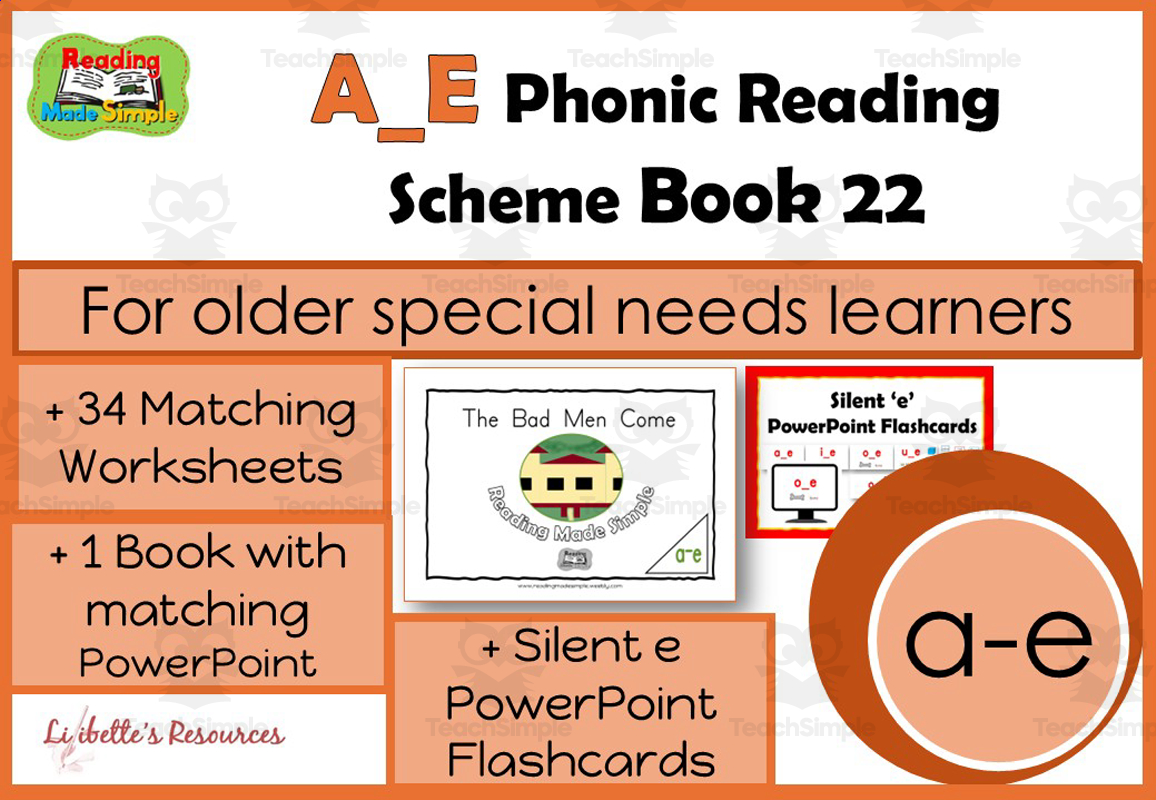
Phonic Worksheets for Early Years/Intervention - Growing Bundle
Special Resources, ELA, Special Education Needs (SEN), Language Development, Pre-Reading, Phonics, Reading, Spelling, Kindergarten, Preschool, Grade 1, 2, Teacher Tools, Lesson Plans, Worksheets & Printables, Worksheets, Activities, Games
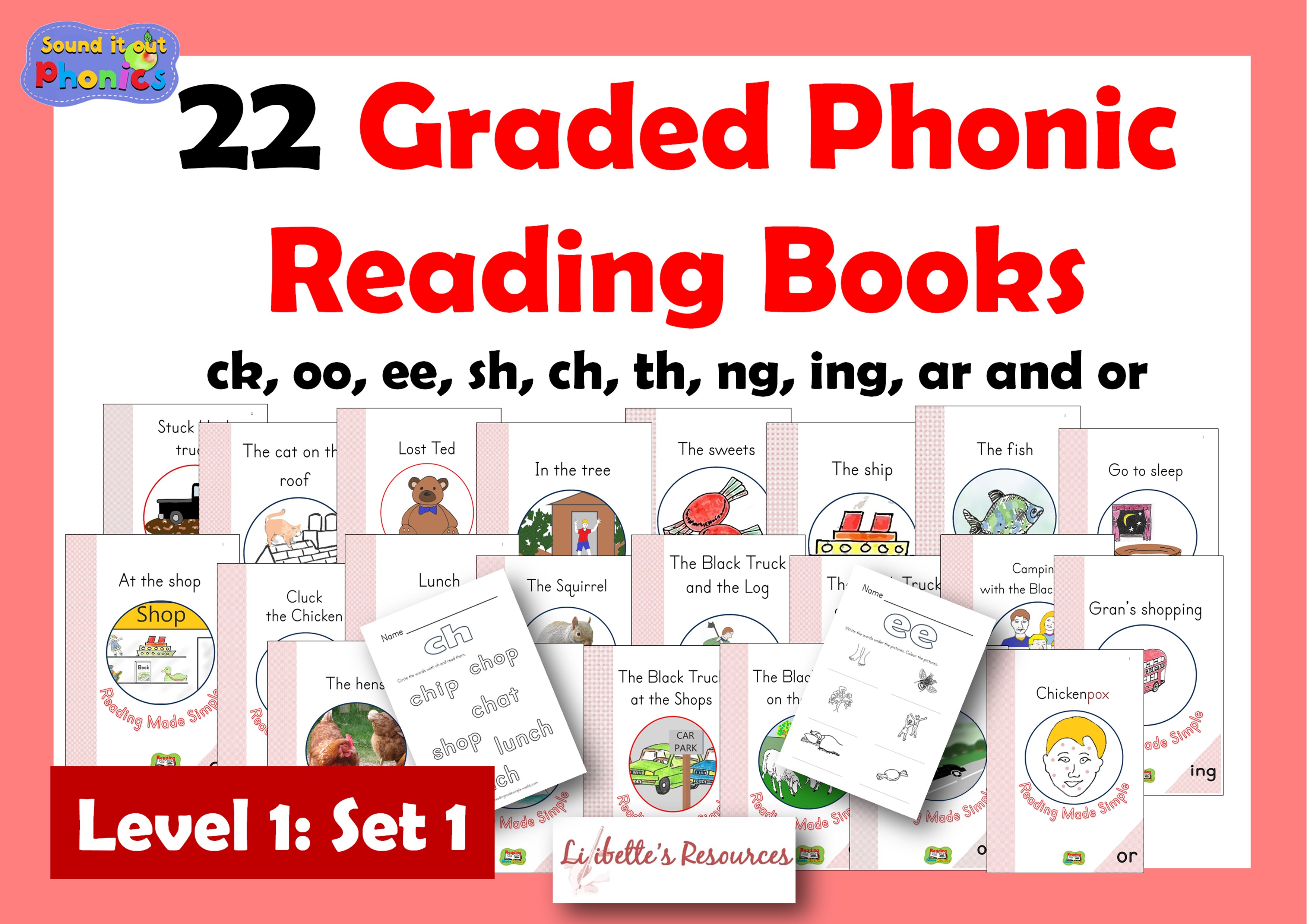
This is a pack of Bumper Pack of 14 (to date) books of phonic worksheets for the digraphs: L blends, CK, SH, CH, TH, OO, EE, OR, AR, A-E, I-E, O-E, U-E, AI and EA especially designed for those with special needs, including those with dyslexia or who may be suspected of being dyslexic but will work equally well with young learners in Kindergarten/EYFS/Y1. These sheets are LETRS and UK GOV requirements aligned. These worksheets also align with the most popular phonic programmes, including RWI and Letters and Sounds. What is included? PDF's of worksheets each covering the sounds: L Blends. CK, SH, CH, TH, OO, EE, OR, AR, A-E, I-E, O-E, U-E, AI and EA, all following my special method devised as I privately tutor children of all ages with profound special needs. Over 180+ Worksheets: Your phonics lessons covered! Tracking, fluency triangles, spelling, reading, games, comprehension exercises....and more! Some sounds contain print-and-go games to make learning fun. AR and A-E each contain a board game. Who are these worksheets for? I have written them for pupils who struggle with processing information - especially sounds. This includes children who are DYSLEXIC or have ANY other kind of processing disorder. Such children may have failed with other methods of teaching phonics. Such pupils need activities that: ·are highly structured - one tiny step at a time building on the one before using only a limited number of words to start with and only using words that the child has already learnt to sound out, with no nasty surprises. ·Have only a little on each pageas these pupils tire easily. What makes these worksheets special? I have a powerful three-step process which I use with my special needs pupils, which is worked out over the course of the 12 worksheets: 1. See it!where we focus on becoming aware of the new sound in words. This involves first hearing the new sound in words and then seeing it in words (tracking). 2. Sound-it-out!Having learnt to see the new sound in words, we learn to sound out these words to read and write them. We begin by usingsound-it-out boxesfor reading and spelling which help the child to segment the word prior to blending the sounds together. Once the child can read and write individual words, we work on fluency by building familiarity with the common words in the new sound family. Once the child can sound the words out to read and spell confidently, we move on to recognising them/using them in longer reading and dictation passages, as soon as the child is able. I provide 2 reading passages with comprehension exercises and one dictation passage, with a page in the workbook dedicated to it, with room for a picture, which again cements understanding. 3. Write it! Incorporated into the above two steps, we constantly write the new sound. This adds a multi-sensory dimension to our work - we see with our eyes, we sound it with our mouth parts and voice, and then we move by writing. All three steps work together to help the child feel in control of his/her learning and to become a successful, confident learner. We finish each sound (except the Consonant L-Blends) with a dictation which culminates our work before we move on to the next sound. I try to give this a week after we finish the book, to act as revision. The dictation: Read this passage to your pupil, who should write it. Have the child read his/her work and check for errors. Make sure the writing is completely accurate before saying the child has finished, including full stops and capital letters correctly used. Flashcards are included in most books. Phonic Games are also included for AR and A-E to make learning more fun! What is included? 10 PDFs totalling 150 + worksheets each covering the sounds: CK, SH, CH, TH, OO, EE, OR, AR, A-E, I-E, O-E, U-E, AI and EA, 2 PDF games for AR and A-E in full colour and black and white
Author Lilibette's Resources
Tags Phonic Worksheets, Phonic Games, Speical Needs, Special Needs, Ee Phonics, Or Phonics, Ar Phonics, A-e Phonics, Split Digraph Phonics
7th Grade Spelling Unit | Spelling Curriculum | Spelling Lists
ELA, Language Development, Spelling, Grade 7, Lesson Plans, Teacher Tools
You will love this comprehensive year-long spelling curriculum for your seventh graders! These spelling lists are organized and determined by spelling rule and pattern. Read below to find out which patterns and rules are covered. These words weren't just chosen randomly! We spent lots of time researching educational standards and recommendations as we carefully selected the patterns or rules for each week and then as we chose which words to include on each list. Each week has 10 assigned words and also provides space for 5 of your own words of your own choice. This resource includes 30 spelling lists- enough to cover your whole school year! Each Week Includes: - Teacher poster with spelling words and spelling rule/pattern (in color) - Teacher call out page with sentences to read out during the test - Weekly spelling list cover sheet - Pretest - Practice sheet to trace each word twice and write each word twice. - Practice sheet to trace each word once and write each word three times. - Practice sheet to read a sentence and circle the correctly spelled word. - Practice sheet to identify the correctly spelled words. - Spelling test Also Provided: Overall 7th Grade Spelling Word List Spelling Test 2 to a Page Spelling Test 1 to a Page Personal Spelling List Practice Printable Extra Spelling Practice Printable Year At A Glance: Week 1- Compound words Week 2- Homophones Week 3- Words that use an "en-" prefix Week 4- Words that use an "ex-" prefix Week 5- Words that use an "de-" prefix Week 6- Words that use an "dis-" prefix Week 7- Names of people and places (ex: China and Chinese) Week 8- Names of people and places (ex: Algeria and Algerian) Week 9- Names of people and places (ex: Israel and Israeli) Week 10- Commonly misspelled words Week 11- Words that use an "ac-" prefix Week 12- Words that use an "ap-" prefix Week 13- Spanish loanwords Week 14- French loanwords Week 15- German loanwords Week 16- Related words (morphological derivation ex: circles and circular) Week 17- Related words (morphological derivation ex: company and companion) Week 18- Related words (morphological derivation ex: strategy and strategic) Week 19- Words that use an "-ful" suffix Week 20- Commonly misspelled words Week 21- Words that use an "-less" suffix Week 22- Words that use an "-able" suffix Week 23- Words that use an "-ible" suffix Week 24- Words that use the Greek root "auto" Week 25- Words that use the Greek root "chron" Week 26- Words that use the Greek root "geo" Week 27- Words that use the Latin root "aqua" or Greek root "hydr" Week 28- Words that use the Latin root "bon" or "ben" Week 29- Words that use the Latin root "port" Week 30- Commonly misspelled words Need Other Levels of Spelling? Check these out: - Kindergarten Spelling Year-Long Curriculum - 1st Grade Spelling Year-Long Curriculum - 2nd Grade Spelling Year-Long Curriculum - 3rd Grade Spelling Year-Long Curriculum - 4th Grade Spelling Year-Long Curriculum - 5th Grade Spelling Year-Long Curriculum - 6th Grade Spelling Year-Long Curriculum - 7th Grade Spelling Year-Long Curriculum - 8th Grade Spelling Year-Long Curriculum Check out other resources from my store: Simply Schoolgirl! I can be contacted for questions and concerns at simplyschoolgirl1@gmail.com
Author Simply Schoolgirl
Tags Compound Words, Commonly Misspelled Words, Spelling List, Spelling Worksheets, Printable Spelling, Spelling Test Templates, Handwriting, Vocabulary, Spelling Quiz
Short Vowels Decodable Books + Video Lessons + Activity Packs
Special Resources, ELA, Special Education Needs (SEN), Language Development, Pre-Reading, Phonics, Spelling, Kindergarten, Preschool, Grade 1, 2, Literacy Readers, Teacher Tools, Presentations, Lesson Plans
This is a set of ten lessons for struggling readers to help them develop reading fluency. The lessons cover short vowel words with and without a consonant blend. It includes 10 lessons, 10 decodable Reading Books, 10 matching PowerPoint presentations of the books + 10 packs of worksheets - a pack to support each book. This 10-week curriculum focuses on short vowel sounds and is designed for struggling readers. It includes 10 decodable reading books, each with only 10 new words per book to prevent cognitive overload. This pack is designed for children who have already learned to blend words with a short vowel sound, with both three and four sounds, but have not yet attained reading fluency. We study the ten words in each vowel sound, five each week, and then practice by using the activity pack. The child becomes very familiar with these five words. The child can then be given the next reading book and, to his/her great surprise, can read the book quite fluently without having to decode nearly every word. This gives the child an enormous boost. The process seems, in my experience, to help the child learn what is needed, once they can sound out words _ it helps them to learn how to store the words in the long-term memory, and I find it gets easier and easier as we go through the programme. The worksheets provide multi-sensory activities to help the child develop: Flashcards of the relevant words for each sound Phonemic awareness Strengthen consonant blends, which these children often find hard Tracking skills, which are again poor for many of these children Word differentiation - we tackle confusion words head-on (e.g. big/pig) Comprehension - as reading becomes more fluent, we can now build comprehension Fun print and go games And much, much more! The systematic, repetitive nature of this program makes it suitable for students with special needs, including those with dyslexia, cerebral palsy, or general learning disabilities. Ideal for small groups or one-on-one instruction, it helps develop reading fluency, phonetic awareness, and early writing skills. Teachers praise the simple download-and-print format that allows students worldwide to benefit. After completing this introductory short vowels pack, students can progress to more advanced phonics. This pack is followed by our decodable readers and PowerPoints, which continue in the same way: https://teachsimple.com/product/phonic-readers-matching-worksheets-and-powerpoint-pack-1-ck
Author Lilibette's Resources
Rating
Tags Learn To Read Programme, Fluency, Struggling Readers, Dyslexia, Special Needs, Phonics, Decodable Reading Books, Reading Fluency, Short Vowels
Phonic Spelling Programme Level 1 Ages 7+
Special Resources, ELA, Special Education Needs (SEN), Language Development, Phonics, Reading, Spelling, Preschool, Grade 1, 2, 3, Lesson Plans, Teacher Tools, Outlines, Worksheets & Printables, Flashcards, Workbooks
This is a Phonic spelling programme. Not only will it teach a child to spell, but also to write. Just add a good handwriting programme. The spelling programme can be used with all ages from 5 to 99, however, if used with a young learner I strongly advise using the programme to teach both reading and spelling at the same time. See the website for more information and resources to teach young children. The spelling programme can be used: with children who have learnt to read, but need a spelling/writing programme with children who have tried another phonic programme and not made much progress with reading and/or spelling/writing with a special needs child who needs a very structured approach to learning by home educators by parents wishing to help their child at home About the programme The programme is very flexible and can be made to fit the child, rather than the child to fit the programme. Being highly structured, each new lesson builds on the one before, constantly revising the previously taught material The spelling programme will take 41 weeks to teach. One new sound is taught each week. What is included? The teacher's manual with full lesson plans and helpful teaching tips A list of the keywords for each lesson with the phonic sound highlighted - for practice and revision 39 spelling worksheets The Reading Made Simple Phonic flashcards The Odd Word flashcards About the worksheets The worksheets use time-honoured exercises to help pupils to become familiar with the new sound and revise previously taught ones. They include such exercises as tracking the new sound in words, proofreading as well as comprehension questions. Children generally find them fun because they are so easy due to the way learning is structured throughout the programme. More information If you would like more information about the spelling programme, then please visit the Reading Made Simple website. The same programme and set of worksheets can also be used to help an older child read, one who has some phonic knowledge but needs the gaps filled in a systematic manner.
Author Lilibette's Resources
Rating
Tags Phonics, Spelling, Phonic Intervention, Reading Made Simple, Reading, Special Needs, Worksheets, Learning To Spell, Learning To Write
5th Grade Spelling Unit | Spelling Curriculum | Spelling Lists
ELA, Language Development, Spelling, Grade 5, Lesson Plans, Teacher Tools
Get your 5th graders ready for spelling success! This curriculum focuses on understanding patterns and rules that fifth graders need to know. Each week, students have a list of 10 carefully selected words, plus space to add 5 personalized words. The curriculum covers important spelling patterns like prefixes, suffixes, vowel variations, and syllable breaks. Students will start to understand why words are spelled the way they are. Each week has a colorful poster that highlights the week’s words and spelling pattern, a test sentence call-out sheet, pretest and test templates, and a variety of fun worksheets. The best part? All you need to do is print and go! Spelling Rules and Patterns Included By Week: Week 1- Words that use the suffix -ant Week 2- Words that use the suffix -ent Week 3- Words that use the suffix -able Week 4- Words that use the suffix -ible Week 5- Commonly misspelled words Week 6- Words that have a /shun/ sound spelled with "tion" Week 7- Words that have a /shun/ sound spelled with "tion" Week 8- Homographs Week 9- Homographs Week 10- Commonly misspelled words Week 11- Unusual Plurals Week 12- Unusual Plurals Week 13- Words with double consonants and an -ed ending Week 14- Words with double consonants and an -ing ending Week 15- Commonly misspelled words Week 16- Polysyllabic words ending with -ing Week 17- Polysyllabic words ending with -ing Week 18- Polysyllabic words ending with a suffix ending Week 19- Polysyllabic words ending with a suffix ending Week 20- Commonly misspelled words Week 21- Words with an ad- prefix Week 22- Words with a com- prefix Week 23- Words with a coll- prefix Week 24- Words with a dis- prefix Week 25- Commonly misspelled words Week 26- Words with an in- prefix Week 27- Words with an ob- prefix Week 28- Words with a sub- prefix Week 29- Words with an -ology suffix Week 30- Commonly misspelled words Need Other Levels of Spelling? Check these out: - Kindergarten Spelling Year-Long Curriculum - 1st Grade Spelling Year-Long Curriculum - 2nd Grade Spelling Year-Long Curriculum - 3rd Grade Spelling Year-Long Curriculum - 4th Grade Spelling Year-Long Curriculum - 5th Grade Spelling Year-Long Curriculum - 6th Grade Spelling Year-Long Curriculum - 7th Grade Spelling Year-Long Curriculum - 8th Grade Spelling Year-Long Curriculum Check out other resources from my store: Simply Schoolgirl! I can be contacted for questions and concerns at simplyschoolgirl1@gmail.com
Author Simply Schoolgirl
Tags Spelling Bundle, Spelling Curriculum, Pretest Templates, Spelling Rules, Spelling List, Practice Spelling, Fifth , Spelling Worksheets, Spelling Activities, Printable Spelling
High Frequency Sight Words - Digital Lesson Plan Gr. PK-2 | MAC Software
ELA, Language Development, Spelling, Kindergarten, Preschool, Grade 1, 2, Teacher Tools, Lesson Plans
High Frequency Sight Words - Digital Lesson Plan Gr. PK-2 | MAC Software The High Frequency Sight Words - Digital Lesson Plan Gr. PK-2 is an immersive and interactive MAC software designed to strengthen students' skill sets in all essential areas of Language Arts, specializing in Spelling. It is ideally crafted for educators teaching preschool, kindergarten, Grade 1 and Grade 2. Dolch Sight Words List Inclusion This innovative digital lesson plan is built around the recognized Dolch Sight Words list. The product includes an impressive range of 178 sight words paired with real-life pictures. The generous array competent to help students build a solid vocabulary bank as they progress through early learning stages. Fully Interactive Activities for Engagement and Learning Enhancement Sessions for test prep containing word-related activities: Puzzling memory match games centered around sight words: Crossword tasks aiming at vocabulary assessment : Word-search challenges offering a fun way to reinforce learning. The comprehensive platform aids both student and teacher with knowledge imparting via these engaging methods. In-Built Comprehension Quiz For Assessment : The course also offers an integral Comprehension Quiz at each stage coupled with understanding Bloom's Taxonomy fitting neatly into the State Standards. Navigating becomes easier as this educational asset comes as a single zip file displaying a format that serves very conveniently especially those utilizing Apple computers in classrooms or homes. It can be utilized flexibly in various scenarios: Group learning sessions conducted in classrooms, Large-scale homework assignments managed by homeschoolers, Or even personalized student interactions. The digital teaching resource allocates itself as a viable solution converting early foundational years impediments into real-world connections with words, thought-provoking processes and effective reading motives. Truly an all-encompassing platform for your teaching needs.
Author Classroom Complete Press
Tags Sight Words, Digital Lesson Plan, High Frequency, Spelling Lesson, MAC Software
VOCABULARY BOOK FOR KIDS | 25 FREE BASIC TOPICS
Vocabulary, Language Development, ELA, Phonics, Spelling, Pre-Reading, Early Learning, Elementary, Homeschool Resources, Not Grade Specific, Pre-K, Activities, Worksheets & Printables, Teacher Tools, Lesson Plans, Quizzes and Tests
VOCABULARY BOOK FOR KIDS | 25 FREE BASIC TOPICS INTRODUCTION: At EDITORIAL ARENAS EDUCATIVAS our goal is to create engaging and effective educational resources that help children learn and grow. We invite you to explore our full store and discover a wide range of materials. You'll find resources for reading, writing, math, and Spanish language development! MAIN DESCRIPTION: 1) What is the recommended printing method for this resource? I recommend printing this document in PDF format so you won't experience any errors when printing. 2) What educational standards were used as the basis for creating this material? This document was not developed based on any specific standard. 3) Who is the creator of this resource and how should it be cited? The creator of this document is EDITORIAL ARENAS EDUCATIVAS. 4) Is this resource available for free or does it require a purchase? Because we vocationally work for the education of thousands of students, we are offering this document for free. 5) This resource is for individual use only; what restrictions apply to its redistribution or sale? We ask that you share our link so more people can download our resource or recommend our store. It would help us greatly. SECONDARY AND COMPLEMENTARY INFORMATION: 1) Does this material allow for custom editing? This educational document is available in PDF format, so you cannot edit it. You simply need to download and then print it. 2) What main topic does the resource cover? This document has been developed to address a basic topic that children in kindergarten through elementary school should master. This document will also be helpful to the general public who want to learn. 3) What version does this document correspond to? This educational resource is designed in PDF format, which will make your download experience much simpler and easier to use. 4) Is the material designed in color or black and white? This document has been designed in color (if required) or is sometimes created in black and white to make your learning experience easier.
Author EDITORIAL LAURA EDUCA
Rating
Tags FREE, FREE RESOURCES, LEARNING BINDER, VOCABULARY, BASIC VOCABULARY, SPELLING, VOCABULARY FOR KIDS
8th Grade Spelling Unit | Spelling Curriculum | Spelling Lists
ELA, Language Development, Spelling, Grade 8, Lesson Plans, Teacher Tools
This amazing spelling curriculum has been designed to provide everything you need for your eighth graders as they study spelling. These lists are organized by by spelling rule and pattern. Common core and other educational standards and recommendations were consulted and used as these lists and activities were compiled. Read below to find out which patterns and rules are studied each week. Each week has 10 words assigned but also provides space for 5 personal words. You can choose whether to add thematic words or review spelling words. This resource includes enough spelling lists to cover 30 school weeks. Each Week Includes: - Teacher poster with spelling list and spelling rule or pattern (in color) - Teacher call out page with example sentences to read out during the test (in color) - Weekly cover sheet - Pretest printout - Spelling worksheet to trace each word twice and write each word twice. - Spelling worksheet to trace each word once and write each word three times. - Spelling worksheet to read a sentence and circle the correctly spelled word. - Spelling worksheet to identify the correctly spelled words. - Spelling test printout Also Provided: 8th Grade Spelling Word List Showing all the words for the year Spelling Test Template 2 to a Page Spelling Test Template 1 to a Page Personal Spelling List Practice Sheet Extra Spelling Practice Sheet Spelling Rules and Patterns By Week: Week 1- Words that end with -ent/-ant Week 2- Vowel -i words Week 3- Double consonants Week 4- Homophones Week 5- Adding an -s to the end of a word Week 6- Vowel -o words Week 7- Double consonants Week 8- Adding a prefix Week 9- Tricky endings including -ent/-ant, -ence/-ance, and -ery/-ary. Week 10- Vowel -a words Week 11- Suffix -ous Week 12- Homophones Week 13- Double consonants Week 14- Double the ending consonant when adding an -ed or -ing Week 15- Vowel digraphs that get mixed up such as -au/-ua, and -ia /-ai. Week 16- Words that end with -ar/-or/-er Week 17- Words with an -ai vowel digraph Week 18- Verbs in an -ing form Week 19- Confusing consonants Week 20- Adding a suffix Week 21- Words with an -ee or -ea that often get confused Week 22- Homophones Week 23- Words that have an -ly ending Week 24- Silent letters Week 25- Combing two words to make one, some require changes Week 26- Words with the vowel combinations -ei and -ie Week 27- Confusing ends including -le/-el and -age/-ege Week 28- Consonant blends including -sc and -gh Week 29- Words that have an -ly ending Week 30- Commonly misspelled words I can be contacted for questions and concerns at simplyschoolgirl1@gmail.com
Author Simply Schoolgirl
Tags Spelling Patterns, Spelling Rules, Spelling Worksheets, Spelling Activities, Spelling Tests, Vocabulary, Spelling Printables, Printable Spelling, Spelling List, Quiz
1st Grade Spelling Curriculum
ELA, Language Development, Spelling, Grade 1, Lesson Plans, Teacher Tools
This is a 1st Grade Spelling Curriculum with 600+ pages of worksheets to be used yearlong in your 1st grade classroom. There are 42 weeks worth of spelling lists, tests, activity pages and so much more. All you have to do is print and go.
Author DK's Creations
Tags Spelling Lists, Curriculum, Tracing, Spelling Tests, Reading
Reading Made Simple Reading and Spelling Programme Level 1
Special Resources, ELA, Language Development, Phonics, Reading, Vocabulary, Spelling, Kindergarten, Preschool, Grade 1, 2, Teacher Tools, Outlines, Lesson Plans
Reading Made Simple is a programme of phonic instruction that aims to make reading easier for everyone. This programme will give you all the tools you need to help a child gain confidence as a reader and/or writer, using phonics instruction. It is popular amongst home-schooling families, but can equally be used by private tutors and is simple enough to be used supplementary to school work by parents. About Reading Made Simple The programme is Very simple to teach: One basic lesson format and no complicated phonic language to learn Flexible - no one size fits all. You can choose the path that is right for your child. Systematic: Each lesson builds on the one before, creating a seamless learning experience. Many pupils do not even realise how much they have learnt, as it seems so easy! Who is this reading and writing programme for? Children who are just starting to read and write Older children who can already read but need help with spelling and writing Children with special needs who have failed with other phonic programmes Anyone of any age and ability who needs to learn to read and/or write! What is included in the pack? The complete teaching programme for Level 1, with full instructions for teaching the lessons The Word Lists needed for practice and review Flashcards for the phonic sounds and sight words Which phonic sounds are taught? The lessons cover 41 of the most common phonic patterns: ck, oo, ee, sh, ch, nd/nt ending, nk endings, th, ng, ing, ar, or, a-e, i-e, o-e, u-e, ai, ea, oa, high, it, ay, ou, aw, oi, ur, al, er, y ending both ee and eye, ea saying/e/, ow as in cow, a saying /ar/, long vowels with no 'e', ow saying oe, ew, oy and rules concerning 'wa' words. About the lessons: Pupils study a set of around ten words per week, all with a common sound. There is an extension list of words for reading to help reading move faster than spelling. This list is optional as it contains words from Level 2, which can also be studied for reading and/ or spelling as needed by the child. The lessons are simple, following a set format and taking one week each to give sufficient practice. Weekly dictations help the child to apply new knowledge while revising previously taught sounds. Word lists Accompanying word lists are provided. These can be used in multiple ways: Pinned up to allow daily revision of the current sound being taught Put in a folder for review work To have on hand to remind a pupil of a sound family and the words within it Supporting resources: Reading books The first set of reading books for the younger child can be found here: https://teachsimple.com/dashboard/admin/my-products/644f7f2e7593a1001985bc3f The rest can be downloaded individually for FREE from the website. Worksheets Worksheets for older pupils 7+ can be found in the Level 1 spelling pack here: https://teachsimple.com/product/phonic-spelling-programme-level-1-ages-7 Worksheets for younger children/special needs can be found in the reading book packs: Reading Books can be found separately: Set 1: https://teachsimple.com/product/graded-decodable-phonic-reading-books-workbooks-for-common-digraphs Set 2: https://teachsimple.com/product/decodable-phonic-reading-books-long-vowelsilent-e-cvce Set 3: https://teachsimple.com/product/decodable-phonic-reading-books-ai-ea-oa-igh-ir-ay-ou
Author Lilibette's Resources
Rating
Tags Reading Intervention, Remedial Spelling, Phonics, Speling, Writing, Spelling Curriculum, Phonic Reading Program, Reading Curriculum, Year-long Spelling, Easy Spelling
Reading Made Simple Reading and Spelling Programme Level 2
Special Resources, ELA, Language Development, Phonics, Reading, Vocabulary, Spelling, Kindergarten, Preschool, Grade 1, 2, Teacher Tools, Outlines, Lesson Plans
A spelling programme suitable for dyslexics and those needing a slower, more systematic approach. This is the second book in the Reading Made Simple programme of phonics instruction . The first level can be found here: https://teachsimple.com/product/phonic-spelling-programme-level-1-ages-7 It mainly teaches reading, but while doing so can help to strengthen a weak reader. Reading Made Simple is a programme of phonics instruction that aims to make reading easier for everyone. This programme will give you all the tools you need to help a child gain confidence as a reader and/or writer, using phonics instruction. It is popular amongst homeschooling families, but can equally be used by private tutors and is simple enough to be used to supplement school work by parents. About Reading Made Simple The programme is Very simple to teach: One basic lesson format and no complicated phonics language to learn Flexible - no one-size-fits-all all. You can choose the path that is right for your child. Systematic: Each lesson builds on the one before, creating a seamless learning experience. Many pupils do not even realise how much they have learnt, as it seems so easy! Who is this reading and writing programme for? Children who are just starting to read and write Older children who can already read but need help with spelling and writing Children with special needs who have failed with other phonics programmes Anyone of any age and ability who needs to learn to read and/or write! What is included in the pack? The complete teaching programme for Level 2, 54 lessons and full instructions for teaching the lessons Word lists for each of the 54 phonics families taught in Level 2. 54 Matching worksheets teaching spelling, reading comprehension, editing/proofreading skills, grammar and punctuation relevant to this level of instruction. Which phonics sounds are taught? The lessons cover 54 of the most common phonics patterns: ck, oo, ee, sh, ch, nd/nt ending, nk endings, th, ng, ing, ar, or, a-e, i-e, o-e, u-e, ai, ea, oa, high, it, ay, ou, aw, oi, ur, al, er, y ending both ee and eye, ea saying/e/, ow as in cow, a saying /ar/, long vowels with no 'e', ow saying oe, ew, oy and rules concerning 'wa' words, air, au, ou (u), tion, ph, are (care), ear (earth/bear), ough, war. About the lessons: Pupils study a set of around ten to fifteen words per week, all with a common sound. The lessons are simple, following a set format and taking one week each to give sufficient practice. Weekly dictations help the child to apply new knowledge while revising previously taught sounds. Word lists Accompanying word lists are provided. These can be used in multiple ways: Pinned up to allow daily revision of the current sound being taught Put in a folder for review work To have on hand to remind a pupil of a sound family and the words within it Who is this spelling programme for: Any child or adult Those with a processing difficulty Which grade: It is not grade-specific but can be used by any pupil once they have completed Level 1. Who can use it? Parents Teachers Homeeducators Private tutors
Author Lilibette's Resources
Rating
Tags Remedial Spelling, Phonics, Speling, Writing, Spelling Curriculum, Spelling Programme, Spelling Intervention, Spelling Course, Dyslexia, Special Needs
Macaw Unit Study (Rainforest Animals Lesson Plan, Videos, Activities)
Social Studies, ELA, Geography, Reading, Reading Comprehension, Grammar, Language Development, Spelling, Writing, Science, Life Sciences, Animals, Research, Grade 2, 3, 4, Lesson Plans, Teacher Tools
Introducing the Macaw Unit Study (Rainforest Animals Lesson Plan, Videos, Activities) A rich, informative resource for educators in both home and traditional school environments. This 5-day No Prep unit study provides all the necessary materials to guide your students into becoming pronoun experts about macaws. The resources are highly versatile - they can be used in group sessions, small circles or even as homework assignments. Engaging Set This engaging set covers five aspects: Description Diet Habitat Life cycle Predators through cross-curricular activities like videos; reading passages; interactive notebooks that stimulate kinetic learning process; research report pages enhancing writing skills and more. The entire package aims to create a multi-dimensional learning experience that appeals to different types of learners. Ideal Addition & Comprehensive Learning Experience; The Macaw Unit Study is an ideal addition if you're navigating through a rainforest creature unit study or seeking resources for English language arts lessons focusing on comprehension skills. It's also perfect if you want extra material for science class sessions relating to zoology or looking out for ways to boost creativity through subject-specific arts & crafts activities. To foster deeper understanding of the topics covered within each lesson plan this product offers optional nonfiction supplements along with suggested project-based activity ideas ensuring comprehensive learning experience.
Author Heather Huhman
Tags Macaws, Rainforest Animals, Unit Study, Lesson Plan, Educational Resources, Rainforest Units, Macaw Crafts, Rainforest Lesson Plans
Late Lunch with Llamas (Magic Tree House #34 Lesson Plan)
ELA, Social Studies, Reading, Reading Comprehension, Grammar, Literature, Language Development, Spelling, Vocabulary, Writing, History, History: Ancient, Geography, Grade 1, 2, 3, Lesson Plans, Teacher Tools
Title: Late Lunch with Llamas (Magic Tree House #34 Lesson Plan) This resource provides a comprehensive 5-day lesson plan for Grades 1 to 3, structured around the enchanting story of Late Lunch with Llamas. Blending Language Arts and Social Studies, this educational tool also sparks students' curiosity and encourages active learning through related activities. An easy-to-use teaching aid, it aligns teaching objectives with chapter comprehension questions, vocabulary practice and includes links to relevant video materials. Group discussions can be tailored according to each day's tasks, accommodating diverse learner interests and styles due to its customizable nature depending on student age or reading level. Multidisciplinary Learning Objectives: Arts: Engage students through drawing and coloring exercises. Comprehension Skills & English Language Arts: Enhance grammar, spelling and writing abilities Social Studies & History: Integration of geography lessons inspires holistic understanding. The material places an emphasis on developing research skills for a strong foundation in critical thinking. Make use of pre-reading activities to prepare young learners; try our comprehensive chapter quizzes for reinforcement; assign worksheets based on story elements that focus on literature-driven vocabulary expansion. Fostering Deep Analysis: Carefully curated character analysis materials guide students throughout their discovery journey. Post-reading project-based tasks boost experiential learning—an integral element in modern education practices. Sustainable Teaching Methods: The worksheets provided are versatile— they can be used traditionally or transformed into interactive digital exercises reducing print usage—a sustainable teaching practice we all aim for today. Use this brilliant tool crafted meticulously intertwining fun elements practical along with pedagogic methodology into learning— there's no better way to deepen students' love for the Magic Tree House collection. Nurture inquiring minds through a journey that not only transforms them into confident readers but also critical thinkers and enthusiastic learners.
Author Heather Huhman
Tags Lesson Plan, Magic Tree House, Comprehension, Vocabulary, Geography
Tigers at Twilight (Magic Tree House #19 Lesson Plan, Videos, Activities)
Social Studies, ELA, Reading, Reading Comprehension, Grammar, Literature, Language Development, Vocabulary, Spelling, Writing, Grade 1, 2, 3, Lesson Plans, Teacher Tools
The Tigers at Twilight (Magic Tree House #19 Lesson Plan, Videos, Activities) Resource This teaching resource is a comprehensive five-day lesson plan for teachers and homeschool educators who want to bring the incredible world of Magic Tree House: Tigers at Twilight to their classrooms. It caters to students from first to third grade and can be tailored according to individual reading comprehension abilities, learning styles, interests and ages. Included in this Book Companion : Chapter Comprehension Questions:A thought-provoking set for each chapter. Vocabulary Exercises:Catering to both beginner and advanced readers these will add value by enriching students' vocabulary. Creative Activities: Includes Art lessons such as drawing sessions & crafts making study more interactive & fun! You can choose various ways of utilizing the content including whole group discussions, smaller breakout groups or one-on-one focus tasks. Your mode may also vary depending on the proficiency level of your pupils with options ranging from regular classroom lessons or assigning homework tasks using this resourceful guide. Additional Benefits Curated videos :We’ve packed our teaching resources with engaging visual media designed to captivate young learners. In-depth Quizzes :We offer challenging comprehension quizzes that are graded according to varying capabilities among students fledging in interactive enjoyment. Vocabulary Exercises :A comprehensive vocabulary workout focused on key words found within each chapter suitable for beginners up towards advanced readers. Nurturing Curiosity :Fueling inherent enthusiasm amongst pupils via introduction such exciting literature series as Magic Tree House aimed towards growing love for reading while making the learning process a whole lot fun!. Use this resource alongside our specially designed worksheets which can be transformed into interactive notebook entries or used as discussion points. This dramatically reduces paper wastage without compromising on the overall quality of teaching and learning experience for both educators and learners. In summary, educators get more than just academic tools but an effective means to spark curiosity amongst children, cultivating a love for reading through exploration of interesting literature like 'Tigers at Twilight', thus fortifying them against scholastic challenges!
Author Heather Huhman
Tags Lesson Plan, Comprehension Questions, Vocabulary Exercises, Activities, Teaching Resource
To the Future, Ben Franklin (Magic Tree House #32 Lesson Plan, Activities)
Social Studies, ELA, Government, History, History: USA, Reading, Reading Comprehension, Grammar, Literature, Language Development, Vocabulary, Spelling, Writing, Grade 1, 2, 3, Lesson Plans, Teacher Tools
To the Future, Ben Franklin (Magic Tree House #32 Lesson Plan, Activities) This all-inclusive teaching resource is designed to enhance students' learning experience in first to third-grade classrooms. It operates as a 'No Prep' routine for five days and caters to various teaching environments like public schools, homeschooling families, and cooperative learning groups. Versatility: The crux of this resource is its adaptability - lessons can be modified according to students' age groups, comprehension levels and unique learning styles. Subject Areas Covered: Art: Drawing and crafts activities. Geography & History: Interactive explorations of subjects. English Language Arts:Focused on grammar, spelling and reading skills enhancement Main Components include: - Daily Chapter Comprehension Quizzes : Tailored specifically for each day's lesson. - Vocabulary Exercises : Two different versions promoting flexibility. - Diverse Task Types : Pre-& during –Reading tasks prime learners for new topics while post–reading activities consolidate concepts learned. This guide simplifies the planning process by providing: A thorough 5-day lesson plan with an easy-to-follow format. A detailed list of required materials for each day's sessions. Carefully curated videos for maintaining student interest and reinforcing lessons learnt. For teachers opting less paper dependency: - The package includes interactive notebook components. - Verbal discussions are encouraged instead of printed questions. - Book review reports help children verbalize about readings. - Creative assignments enhance students' writing skills. This resource comes as a downloadable PDF file of 112 pages, packed for maximum usage over five days. This product provides teaching-learning material that bridges the gap between educators and students, fostering diverse study areas from Social Studies to Language Arts. Subtopics essential for grasping core subjects include USA History under Social Studies and Literature under Language Arts. This dynamic package is offered as a ready-to-use PDF file.
Author Heather Huhman
Tags Teaching Resource, Lesson Plan, Activities, Interdisciplinary Learning, Book Companion
Arkansas State Unit Study (Capital, Bird, Flower, Flag, Animal)
ELA, Social Studies, Reading, Reading Comprehension, Grammar, Language Development, Spelling, Writing, History, History: USA, Geography, Grade 2, 3, 4, Lesson Plans, Teacher Tools
Introduce students to the Natural State through this 5-day cross-curricular unit on Arkansas's symbols. Perfect for grades 2-4, this engaging resource covers the state capital, bird, flower, flag, and animal. Appeals to various learners with short informational passages, interactive activities like mapping and drawing, and a mini research project. Makes learning memorable! Integrate into your language arts, social studies, or geography curriculum as an introductory or assessment lesson on Arkansas. Or use components for centers or morning work. The unit's self-guided nature and inclusion of various learning modalities make it easy to differentiate. Let your students become Arkansas experts through reading, writing, creating, discussing, and more using this versatile resource.
Author Heather Huhman
Tags Arkansas, Little Rock, Arkansas State Bird, Arkansas State Flower, Arkansas State Flag, Arkansas State Animal, Unit Study
Learn to Read: Lesson 7: OO
Special Resources, ELA, Special Education Needs (SEN), Language Development, Phonics, Reading, Spelling, Vocabulary, Writing, Grade 1, 2, 3, Lesson Plans, Teacher Tools
About This Product This is a pack of 49 Phonic OO worksheets to teach the OO, specially designed for those with special needs, including those with dyslexia or who may be suspected of being dyslexic, but will work equally well with young learners in Kindergarten/EYFS/Y1. These sheets are LETRS/Science of Reading and UK GOV requirements aligned. These worksheets also align with the most popular phonic programmes, including RWI and Letters and Sounds. Who are these worksheets for? I have written them for pupils who struggle with processing information - especially sounds. This includes children who are DYSLEXIC or have ANY other kind of processing disorder. Such children may have failed with other methods of teaching phonics. Such pupils need activities that: ·are highly structured - one tiny step at a time building on the one before using only a limited number of words to start with and only using words that the child has already learnt to sound out, with no nasty surprises. ·Have only a little on each pageas these pupils tire easily. What makes these worksheets special? I have a powerful three-step process which I use with my special needs pupils, which is worked out throughout the worksheets: 1. See it!where we focus on becoming aware of the new sound in words. This involves first hearing the new sound in words and then seeing it in words (tracking). 2. Sound-it-out!Having learnt to see the new sound in words, we learn to sound out these words to read and write them. We begin by usingsound-it-out boxesfor reading and spelling which help the child to segment the word before blending the sounds. Once the child can read and write individual words, we work on fluency by building familiarity with the common words in the new sound family. Once the child can sound the words out to read and spell confidently, we move on to recognising them/using them in longer reading and dictation passages, as soon as the child is able. I provide 2 reading passages with comprehension exercises and one dictation passage, with a page in the workbook dedicated to it, with room for a picture, which again cements understanding. 3. Write it! Incorporated into the above two steps, we constantly write the new sound. This adds a multi-sensory dimension to our work - we see with our eyes, we sound it with our mouth parts and voice, and then we move by writing. All three steps work together to help the child feel in control of his/her learning and to become a successful, confident learner. We finish each sound with a dictation which culminates our work before we move on to the next sound. I try to give this a week after we finish the book, to act as revision. The dictation: Read this passage to your pupil, who should write it. Have the child read his/her work and check for errors. Make sure the writing is completely accurate before saying the child has finished, including full stops and capital letters correctly used. Flashcards are included. What is included in the pack: 46 Activities 2 Games Flashcards Please note: This pack is in a series: Find the bundle here: https://teachsimple.com/product/phonic-worksheets-for-special-needs-bundle-highly-structured I do hope others find these Special Needs Phonic worksheets helpful for their pupils with ordering and processing difficulties!
Author Lilibette's Resources
Tags Special Needs Phonics, Dyslexia Phonic Worksheets, Phonic Worksheets For Dyslexics, Home Education, Reading Intervention, OO WORKSHEETS, OO Phonic Worksheets, Home-school
Tiger Unit Study (Rainforest Animals Lesson Plan, Videos, Activities)
ELA, Reading, Reading Comprehension, Grammar, Language Development, Spelling, Writing, Science, Life Sciences, Animals, Grade 2, 3, 4, Lesson Plans, Teacher Tools
The Tiger Unit Study An innovative teaching resource for both traditional and homeschool settings that provides five days of comprehensive learning about tigers. Suitable for group sessions or small collaboration activities. Curriculum Content This curated resource covers: Tiger Description Diet Habitat Life Cycle, and; Predators of Tigers. Types of Learners Catered For: Daily Lesson Plans: * Cater to visual learners via video content. * Literature lovers will appreciate reading passages. * Budding writers can engage with research report pages. Homeschoolers can also incorporate interactive notebooks and art activities to foster hands-on kinesthetic learners. No Prep Required & Ink Cartridge-Friendly! Tiger Unit Study includes a whopping total of 53 PDF pages making it a cost-effective option for educators while delivering impactful lessons without the additional hassle. For even more fun-filled lessons and learning opportunities, purchase this unit's sister resources like the Capybara or Tree Boa studies as well. The Tiger Unit Study is suitable for students in grades two through four, covering compelling topics such as Language Arts & Science with subsidiary subjects including Comprehension, Grammar, Reading, Spelling Writing and Zoology. A sure-fire way to inspire young minds while remaining within budget!
Author Heather Huhman
Tags Tiger, Unit Study, Cross-curricular, Interactive, Rainforest
2nd Grade CKLA Color by Code Unit 5 Pack
ELA, Language Development, Spelling, Grade 2, Lesson Plans, Teacher Tools
This is a 2nd Grade CKLA Color by Code Unit 5 Pack. This resource was designed for 2nd grade students who are using the Core Knowledge Language Arts Skill Strand Curriculum . What You Get: This Color by Code Unit 5 Pack includes 25 printable pages for you to use. There are 5 spelling lists (Lessons 1-5, 6-10, 11-15, 16-20, and 21-25) and 10 coloring pages. There are 2 coloring pages per list. Answer keys are included. How To Use the Color by Code Unit 5 Pack: This resource is great for practicing the spelling words on a weekly basis. These worksheets can be used in a variety of ways. Here are a few suggestions for how you may choose to utilize them. -- Print a class set for each of the worksheets and place them in your emergency substitute -- These worksheets will also be great for a fun homework assignment. -- These coloring pages are great for early finisher tasks or morning work. Here Are More of My Resources for You to Enjoy: Simone Biles No Prep Printable “Jabari Jumps” Book Companion “A New Kind of Wild” Book Companion ABC Countdown Calendar & Reflection Book LeBron James No Prep Printable For similar resources and other engaging resources, visit my store: Learn Teach Create
Author Learn Teach Create
Tags Color By Code Worksheet, Spelling Color By Code, Spelling Homework, CKLA Worksheet, Spelling Curriculum, Morning Work, Independent Work
Alaska State Unit Study (Capital, Bird, Flower, Flag, Animal)
ELA, Social Studies, Reading, Reading Comprehension, Language Development, Spelling, Writing, History, History: USA, Geography, Research, Grade 2, 3, 4, Lesson Plans, Teacher Tools
Alaska State Unit Study (Capital, Bird, Flower ,Flag ,Animal) An interactive teaching tool designed for educators who wish to enlighten their students about the State of Alaska. This low-prep 5-day unit study covers five significant emblems—capital city, bird species, indigenous flower type, official flag design and native fauna. It ensures easy facilitation with a comprehensively planned lesson plan format. This resource is adaptable for homework assignments, large group or small group sessions across multiple grade levels such as Grade 2-4. Broadly subtended subjects include Language Arts and Social Studies. Daily Activities and Learning Tools Curated videos that enhance visual learning Literature passages for reading enthusiasts A combination of research tasks with interactive notebook activities that make learning immersive Kinesthetic-friendly resources to encourage experiential learning among students by facilitating a practice-led approach If you are exploring topics on USA History or Geography then don't miss out on this tool as it provides in-depth knowledge of iconic Alaska symbols which will add value to your lessons. Additive Benefits: Serves great during writing lessons or social studies period due its compelling mix-and-match research report pages catering student's interest. Inclusion of teacher instructions along with student discussions guide makes teaching less complicated offering seamless experience. So go ahead confidently use this one-stop solution that caters not only informative content but doubles-up as exciting hands-on projects posing indispensable values throughout learner's journey into the state of Alaska's rich history and geography. its resources promises to keep learners engaged, foster academic growth and kindle an enduring love for learning! File Format: The Alaska State Unit Study resource comes in a PDF format, promising excellent functionality. The content lays emphasis on providing a color-filled educational experience through enjoyable coloring pages and other engaging activities.
Author Heather Huhman
Tags Alaska, State Unit Study, Capital City, Bird Species, Flower Type