



Page 59 - Reading Activities
Discover a variety of reading activities designed to inspire and engage your students. From guided reading sessions to interactive reading journals, these resources support the development of comprehension and critical thinking skills. Tailored for different grade levels, these activities can help you create a dynamic literacy environment that fosters a lifelong love of reading.

 Show filters


Main Idea and Details Activities: History of Hip Hop Dance | Passage with Questions
ELA, Reading, Grade 5, 6, 7, Activities
Hip Hop Dance History Passage and Main Idea Activities Engage students with the history of hip hop dance told through rap lyrics. This resource uses the story of hip hop's origins as a reading passage to teach main idea and supporting details. Students will stay engaged analyzing song lyrics and identifying the key ideas. With multiple choice questions, beast mode organizers, and answer keys, these versatile activities work for whole group lessons, small groups, or independent practice. Go beyond worksheets and allow students to learn comprehension skills through content they enjoy. The passage covers vocabulary and events that shaped hip hop history. Whether you teach middle school reading or elementary reading skills, using music as a passage will capture attention. Try this creative way to reinforce finding main ideas and text evidence with a fun, relatable topic.
Author Rap Opera for Kids!
Tags Hip Hop Dance History Passage, Nonfiction Main Idea Activities, Nonfiction Supporting Details, History Of Hip Hop Dance
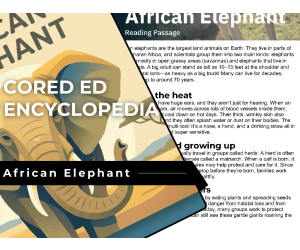
African Elephant Reading Comprehension - Cored Ed Encyclopedia
ELA, Language Development, Resources for Teachers, Reading Comprehension, Reading, Pre-Reading, Animals, Life Sciences, Science, Strategies, Grade 2, 3, 4, 5, Worksheets & Printables, Worksheets, Teacher Tools, Centers, Activities, Writing Prompts, Assessments, Tests, Quizzes and Tests, Quizzes
This African Elephant reading comprehension contains the following: Pre-Reading Trivia Students will write down one thing they already know about the subject and then read five more facts and discuss. These facts are fun, and the students will enjoy learning about the subject before reading more. COMPANION VIDEO NOW AVAILABLE (EMBEDDED AFTER PREVIEW PICTURES IN PRODUCT DESCRIPTION) Reading Passage The text is a high-interest reading passage with set paragraphs, roughly three to four paragraphs long. It contains a variety of themes about the topic, anywhere from history to technology. The passage is between 250 and 350 words in length. Mixed Questions The first question page contains four multiple-choice questions, each with a choice of four answers, and three written response questions that require a sentence or two from the student. Creative Writing In this question, the student will be required to write a five to eight sentence paragraph on a question related to the topic. Extension Activities This page is optional for fast finishers. If there are five to ten minutes left at the end of the lesson, the student can choose one of three activities, each one requiring a different skill. Answer Key There are answers for the multiple-choice questions and three written response questions have sample answers. FULL CATALOG OF DOWNLOAD LINKS AND ENCYCLOPEDIA INDEX HERE Cored Ed Encyclopedia Overview The Cored Ed Encyclopedia is a weekly series of lessons that you can pick up and use right away. These short readings fit into whatever time you have available. Each one includes a warm-up, a reading, and a set of questions, but it’s flexible — you can do just the reading, the full lesson, or skip the writing section if you need to. Each lesson focuses on a single topic so students don’t get lost. The writing is clear but never childish, making it perfect for grades two through five. Topics range from animals and science to history, inventions, and everyday things. No matter the level of the student, everyone should take away at least one new idea or fact from each lesson. The materials are easy to print, easy to explain, and require no setup. They work well for whole-class teaching, partner work, or independent study.
Author Cored Education
Rating
Tags Vocabulary, Spelling, Reading Comprehension, Reading Passages, Cored Encyclopedia, Facts, Reading, Elephants, Animals, Life Science

Poppin' Fact or Opinion Game
ELA, Reading, Grade 2, 3, 4, Activities, Games
This resource is a Poppin' Fact or Opinion Game. Students will: - Read the card - Decide if it is a fact or opinion about popcorn - Roll the number cube, then pick up a card and read it - If they are correct, they can move forward the number of spaces on the game board. Full directions are included for playing this game. This is a great way to introduce and review this skill.
Author Literacy Life
Tags Reading Games, Board Game, Fact, Opinion, Literacy Center, Facts And Opinions Game, Facts And Opinions Games
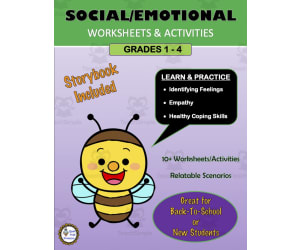
School Anxiety: Social/Emotional Learning Activities
Special Resources, ELA, Social Emotional Learning (SEL), Special Education Needs (SEN), Social Skills, Writing, Creative Writing, Reading, Language Development, Vocabulary, Preschool, Grade 1, 2, 3, 4, Activities, Worksheets & Printables, Worksheets
School Anxiety: Social/Emotional Learning Activities School Anxiety: Social/Emotional Learning Activities is an excellent tool for educators. It presents a vast collection of appealing, informative, and efficient learning materials to assist students in mastering their social/emotional skills. The flexibility of this resource makes it useful in either entire class or small study group scenarios, and it's equally suitable for homeschooled children who need help managing anxieties. This toolkit is tailored towards learners from Kindergarten through Grade 4. It spans diverse educational areas including Language Arts, Social Emotional Learning (SEL), Social Skills, Creative Writing, and Vocabulary. Bee Brave Betty Narrative & the Worksheets A standout feature is Bee Brave Betty. This captivating story revolves around Betty the bee with school anxiety. Alongside are real-life scenarios mirroring everyday situations encountered by children - an effective method to teach lessons on recognizing emotions and appropriate responses. Facial Expression Cards: Seven different facial expression cards aid learners in identifying various emotions within themselves and others. Matching Exercises: In these exercises students link matching facial expressions with emotion words based on relatable scenarios experienced by bees. Written Responses: Students get opportunities to express their personal experiences regarding specific emotions. Multifaceted Incorporation of Activities Different activities woven into this resource further enrich its value. For example: Learners acquire strategies on how young ones can deal with nervousness or any other negative sentiments via cut-and-paste activities associating these feelings with healthy coping mechanisms. Creative writing prompts explore one’s emotional journey while constructing narratives about bees’ feelings using the Wheel Of Emotions. There are exercises for letter writing towards a bee-friend expressing sentiments anonymously, promoting empathy and honing formal communication styles. Bee Brave Badges and Certificates The toolkit highlights the importance of self-paced learning in managing emotions but also commemorates victories along these journeys through 'Bee Brave' badges and certificates. These are given out when brave responses are demonstrated by learners in real situations causing significant emotional reactions. All content is available in both color and monochrome, providing educators flexibility based on their printing needs. With such diverse materials supporting differentiated instruction for better reach among your students, this resource could prove to be an essential addition to your teaching arsenal.</p
Author Quail Trail Products
Tags School Anxiety, Social Emotional Learning, Empathy, Coping Skills, Creative Writing
Reading Comprehension Passages Nonfiction Set 2 (PPT)
ELA, Reading, Writing, Common Core, Language Development, Spelling, Vocabulary, Resources for Teachers, Creative Writing, Grade 6, 7, Teacher Tools, Presentations, Assessments, Tests, Quizzes and Tests, Activities
Reading Comprehension Passages Nonfiction Set 2 Overview Reading comprehension lessons, especially written for Grade 6-7, providing the chance to read interesting and engaging passages. Each lesson has a mix of questions to check understanding, a vocabulary or spelling activity to help remember key language introduced, and a writing exercise. Full answer keys are provided. Passages Include 1.Red Pandas: Red Pandas eat nearly 9,000 pounds of food during their lifetime. 2.Hoatzin: This loud creature has roots stretching back 36 billion years! 3.Moose: These huge creatures are built for the coldest climates in America. 4.Vancouver: Fact: Vancouver was once known as Gastown! 5.Recycling: Reduce, Reuse and Recycle? Read more about that, and more! 6.Atlantic Ocean: Just how important is the Atlantic to countries that border it? PPT Version This is the PPT editable and fillable (when not in presentation mode) version. This download is available in GOOGLE Docs, GOOGLE Forms, GOOGLE Slides. PDF, PPT, WORD. FULL CATALOG OF DOWNLOAD LINKS HERE Grade 6/7 Links Fiction Set 1 Google Docs Google Forms Google Slides PDF PPT Word Guided Reading Materials Fiction Set 2 Google Docs Google Forms Google Slides PDF PPT Word Guided Reading Materials Nonfiction Set 1 Google Docs Google Forms Google Slides PDF PPT Word Guided Reading Materials Nonfiction Set 2 Google Docs Google Forms Google Slides PDF PPT Word Guided Reading Materials Reading Passages Overview Each passage is especially written for Grade 6/7 students, including key vocabulary required for this age group. Topics are varied and are accompanied by colorful graphics. Topics are meant to educate, yet entertain the modern student. The majority of these short stories contain an important message - a way of developing these young learners further. Mixed Questions The mixed questions section of each lesson includes a variation of five to six comprehension, vocabulary and Math questions. In addition, key reading strategies are frequently covered including cause & effect, summarizing, compare & contrast and making conclusions. Mixed questions require a written response (no MCQ's), full answers and example responses appear at the end of the lesson. Spelling & Vocab Each reading passage contains a variety of words and phrases designed for Grade 6/7 students. Spelling and vocab activities provide the opportunity to build fluency with these words. Activities provide clues to help assist students. Vocabulary activities include extra questions where students must write a synonym, an antonym or a sentence using a certain word. Writing Prompts Writing prompts are designed to continue the theme or lessons learned in the story. Students are persuaded to write in a variety of ways and each prompt includes several cues to help. The main focus in this product, is the student. Prompts will require the student to relate to past experiences and encourage them to discuss feelings and ways to improve. Full Answer Keys Full answer keys and sample responses are provided so no matter how busy you are, you know you're covered! Mixed question answers provide evidence from the text, Math questions contain the relevant workings. Answers are designed for use by the teacher, but also suitable as a handout to the student. For similar downloads and other frees, do check out Cored Group on TeachSimple.
Author Cored Education
Rating
Tags Elementary, Reading, Comprehension, Vocabulary, Answers, Common Core, Spelling, Writing, Passages, Reading Comprehension Presentations

Moana Reading Comprehension Activities Bundle
ELA, Reading, Grade 2, 3, 4, Activities
Moana Reading Comprehension Activities Bundle is a 27-page download full of worksheets to pair with the Disney movie Moana. From reading to comprehension to grammar skills, your students will enjoy these activities based on the popular movie. Worksheets included: 1. Reading Comprehension Questions x2 2. Lyrics Review 3. Maui Graphic Organizer 4. Compare and Contrast Questions x2 5. Compare and Contrast Paragraph Writing 6. Find the Root Words 7. Find the Prefixes 8. Find the Suffixes 9. Moana and Context Clues x2 10. Synonyms 11. Antonyms Answer keys are included.
Author Rap Opera for Kids!
Tags Disney Movie, Reading Comprehension, Compare And Contrast, Moana, Graphic Organizers, Moana Activities
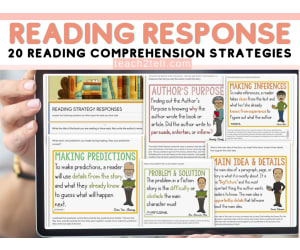
Reading Response Activities for Fiction Books | Digital Google Forms
Common Core, ELA, Reading, Reading Comprehension, Strategies, Grade 4, 5, 6, 7, 8, Activities
Reading Response Activities don’t have to be a struggle! If you’re tired of students giving one-word answers like “It was good” or “I liked it” , this Google Forms resource is the perfect solution. With 20 editable response questions , students will think critically about their fiction books , analyzing characters, themes, story elements and more—all in an interactive, digital format that’s easy to assign and track. What’s Inside? 20 Editable Reading Response Questions Each question guides students through 20 reading strategies , such as: Author’s Purpose Asking Questions Cause and Effect Characterization Compare and Contrast Context Clues Determining Importance Drawing Conclusions Fact and Opinion Main Idea and Details Making Connections Making Inferences Making Predictions Problem and Solution Setting Sequencing Story Elements Summarizing Synthesizing Visualizing Digital Google Forms Format – No Printing, No Prep! Students type their responses directly into Google Forms , making it easy to: ✔ Assign in Google Classroom with one click ✔ Track and review responses in real-time ✔ Provide feedback quickly—without stacks of paper! Perfect For… 📖 Book Clubs & Literature Circles – Use the questions to spark thoughtful discussions . 📚 Independent Reading – A structured way to assess comprehension . 👩🏫 Whole-Class Novels – Keep students engaged in meaningful analysis and reflection . 📝 Alternative to Book Reports – Encourage detailed responses instead of surface-level summaries. Why Teachers Love It! ✔ No More Vague Responses – Students have structured prompts to think deeper about their books. ✔ Saves Time on Grading – Responses are neatly organized in Google Forms for easy review. ✔ Engages Students in a Digital Format – Works with any fiction book and eliminates paper clutter! How To Access Your download is a PDF file that has the link to the 20 Reading Response Questions in a Google Form.
Author Teach2Tell
Tags Reading Responses, Reading Responses Activities, Reading Strategies, Reading Comprehension Strategies, Book Week Activities, Book Review Activities, Book Club Activities, Literature Circle Activities, Reading Response Journals, Reading Response Questions
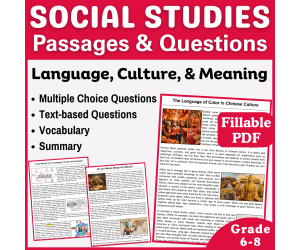
Social Studies Passages: Language, Culture, Meaning (Fillable PDF)
ELA, Reading, Reading Comprehension, Strategies, Resources for Teachers, Social Studies, Geography, Sociology, Grade 6, 7, 8, 9, Writing Prompts, Worksheets & Printables, Centers, Activities, Teacher Tools, Assessments, Quizzes and Tests, Quizzes, Tests
Social Studies Reading Comprehension Passages: Language, Culture, Meaning (Fillable PDF) This resource introduces a collection of Social Studies reading comprehension passages about Language, Culture, and Meaning. The passages are carefully designed to bridge the gap between social studies and literacy through strengthening reading comprehension and sparking knowledge curiosity in middle school students. Each passage blends English Language Arts skills with accurate social studies content. Ideal for interdisciplinary learning in ELA and Social Studies. Suitable for Grade 9 review, too! What Is Included in this Collection? There are three informational passages (with full answer keys): Living Words: How Languages Change and Disappear The Language of Color in Chinese Culture Do Our Words Shape Our Minds For Each Passage, students will have multiple tasks to complete as follow: 5 multiple-choice questions targeting main idea, key details, inference, vocabulary in context, and use of evidence 5 vocabulary matching items with clear, student-friendly definitions 5 text-based questions that require citing specific lines or facts 1 summary prompt that asks students to condense central ideas accurately Available Formats for this Resource Fillable PDF Word Docs Google Docs FULL CATALOG OF DOWNLOADING LINKS HERE For more Social Studies Reading Passages, check the following Links: Ancient Civilizations PDF Fillable PDF Word Docs Google Docs Early Empires and Trade Networks PDF Fillable PDF Word Docs Google Docs The Founding of the United States PDF Fillable PDF Word Docs Google Docs Language, Culture, and Meaning PDF Fillable PDF Word Docs Google Docs Psychology and Society PDF Fillable PDF Word Docs Google Docs Global Festivals and Traditions PDF Fillable PDF Word Docs Google Docs Extreme Environments and People PDF Fillable PDF Word Docs Google Docs Food, Culture, and Preservation PDF Fillable PDF Word Docs Google Docs Global Food Customs PDF Fillable PDF Word Docs Google Docs Media, Communication, and Popular Culture PDF Fillable PDF Word Docs Google Docs Human Impact on the Environment PDF Fillable PDF Word Docs Google Docs Civic Action and Social Change PDF Fillable PDF Word Docs Google Docs Fashion, Society, and Power PDF Fillable PDF Word Docs Google Docs People, Places, and Unusual Histories PDF Fillable PDF Word Docs Google Docs Product Details Length: 13 pages total Grades: 6–8, also suitable for Grade 9 review Use cases: close reading, stations, homework, intervention, test prep, and sub plans Why Teachers Choose This Set Authentic social studies content paired with rigorous literacy practice Consistent task structure across all passages for easier planning and smoother student routines Clear, age-appropriate writing that builds confidence without oversimplifying Use this set to reinforce ELA skills in social studies, to add literacy to your lessons, and to support independent work. The passages strengthen main idea, evidence use, vocabulary in context, inference, cause and effect, and summary writing. With ready-to-use assessments and complete answer keys, you can provide focused practice that is simple to run and fast to review.
Author CORED Education - Middle & High School
Rating
Tags Middle School, Reading Comprehension, Reading Strategies, ELA, Centers, Reading Passage, Assessments, Vocabulary, Social Studies
Reading Comprehension Passages Fiction Set 1 - Animals (PPT)
ELA, Reading, Writing, Common Core, ESL, Language Development, Spelling, Vocabulary, Reading Comprehension, Creative Writing, Grade 4, 5, Teacher Tools, Presentations, Assessments, Activities, Tests, Quizzes and Tests
Reading Comprehension Passages Fiction Set 1 Overview No prep reading comprehension lessons, with enjoyable stories and topics. Each lesson has a blend of post-reading activities. Mixed questions to check overall understanding. Vocabulary activities, plus a writing section. Lessons also contain a bonus extension exercise at the end. Some you may like, some you may not, either way they are there if you wish to use them. Full answer keys are provided. Passages Include 1.Donny's Glasses: Donny is being chased by a monster. Or so he thinks! 2.Hare & Bear: Hare & Bear have a cup of tea together in the warmth. 3.Maggie's Turtle: Maggie is desperate to win the fishing competition. 4.New Pup: Hugh finds out a new puppy isn't as fun as he hoped. 5.Naughty Cat: Lizzie can't find any of her stuff. Read this story to find outwhere it is. 6.Ella's Baseball Bat: Ella's dad is scared of bats, and now there is one in the house! 7.Ola the Rabbit: Read about Darla's newest pet in this lesson. 8.Ethan and the Puppies: Ethan gets ready for the puppies to arrive. 9.Endangered Animals: Sam learns all about endangered animals in this passage. 10.Chinese New Year: Jessie and Sally talk about the upcoming Chinese New Year. PPT Version This is the PPT editable and fillable (when not in presentation mode) version. This download is available in GOOGLE Docs, GOOGLE Forms, GOOGLE Slides. PDF, PPT, WORD. FULL CATALOG OF DOWNLOAD LINKS HERE Grade 4/5 Links Fiction Set 1 - Animals Google Docs Google Forms Google Slides PDF PPT Word Guided Reading Materials Fiction Set 2 - Family Google Docs Google Forms Google Slides PDF PPT Word Guided Reading Materials Fiction Set 3 - Friends Google Docs Google Forms Google Slides PDF PPT Word Guided Reading Materials Fiction Set 4 - School Google Docs Google Forms Google Slides PDF PPT Word Guided Reading Materials Fiction Set 5 - Sports Google Docs Google Forms Google Slides PDF PPT Word Guided Reading Materials Nonfiction Set 1 - Birds Google Docs Google Forms Google Slides PDF PPT Word Guided Reading Materials Nonfiction Set 2 - Insects Google Docs Google Forms Google Slides PDF PPT Word Guided Reading Materials Nonfiction Set 3 - Mammals Google Docs Google Forms Google Slides PDF PPT Word Guided Reading Materials Nonfiction Set 4 - Nature Google Docs Google Forms Google Slides PDF PPT Word Guided Reading Materials Nonfiction Set 5 - Sea Animals Google Docs Google Forms Google Slides PDF PPT Word Guided Reading Materials Reading Passages Overview Each passage is especially written for Grade 4-5 students, including key vocabulary required for this age group. Topics are varied and are accompanied by colorful graphics. Topics are meant to educate, yet entertain the modern student. These passages are perfect for the modern classroom. Whereas textbooks can become outdated in no time, any changes to technology or the world will result in updates to this product. Mixed Questions The mixed questions section of each lesson includes a variation of five comprehension, vocabulary and math questions. In addition, key reading strategies are frequently covered including cause & effect, summarizing, compare & contrast and making conclusions. Two or three of the questions will be MCQs and other questions will require a written response of some kind. Full answers and example responses appear at the end of the lesson. Spelling & Vocab Each reading passage contains a variety of words and phrases designed for Grade 4-5 students. Spelling and vocab activities provide the opportunity to build fluency with these words. As it can become quite mundane doing the same activities over and over, each lesson in a set will contain a different spelling and vocab activity . Activities include: spelling games, sentence match-ups, mixed-up text and decoding words from the lesson. Writing Prompts Writing prompts are designed to continue the theme or lessons learned in the story. Students are persuaded to write in a variety of ways and each prompt includes several cues to help. As with the spelling/vocab section, writing prompts will vary. This includes research pieces, reading responses, poetry and creative writing prompts. Full Answer Keys Full answer keys and sample responses are provided so no matter how busy you are, you know you're covered! Mixed question answers provide evidence from the text, math questions contain the relevant workings. Answers are designed for use by the teacher, but also suitable as a handout to the student. Just for Fun Each lesson will have a bonus extension exercise. This is something fun to extend the lesson with. You can find these at the end of each lesson, titled Just for Fun. Just for Funs are optional. Some you may like, some you may not. Either way, they are there to do with as you wish. For similar downloads and other frees, do check out Cored Group on TeachSimple.
Author Cored Education
Rating
Tags Elementary, Reading, Comprehension, Vocabulary, Answers, Ccss, Spelling, Writing, Passages, Reading Comprehension Presentations
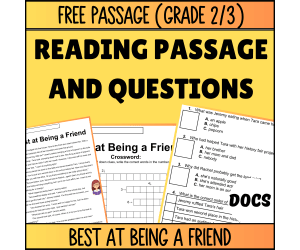
Reading Comprehension Fiction Set 5 Sample Best at Being a Friend Docs
ELA, Reading, Common Core, Reading Comprehension, ESL, Language Development, Vocabulary, Children’s Literature, Literature, Writing, Grade 2, 3, Worksheets & Printables, Worksheets, Writing Prompts, Centers, Activities, Assessments, Teacher Tools, Tests, Quizzes and Tests
Reading Comprehension Passages Fiction Set 5 Sample Overview Fascinating reading comprehension passages, each with an array of activities included. Stories are written for the modern classroom and topics are designed to promote enthusiasm from each student. Each lesson contains a mixed questions section to check understanding, a vocabulary or spelling activity to help remember key language introduced, and a writing exercise. Full answer keys are provided. For a more detailed overview, check the section under the links at the bottom of this description. Passage Included 5.Best at Being a Friend: Second place again, but there is one thing Tara is best at. Docs Version This is the Docs editable and fillable version. This download is available in GOOGLE Docs, GOOGLE Forms, GOOGLE Slides. PDF, PPT, WORD. FULL CATALOG OF DOWNLOAD LINKS HERE Grade 2/3 Links Fiction Set 1 - Nature Google Docs Google Forms Google Slides PDF PPT Word Guided Reading Materials Fiction Set 2 - Animals Google Docs Google Forms Google Slides PDF PPT Word Guided Reading Materials Fiction Set 3 - Food Google Docs Google Forms Google Slides PDF PPT Word Guided Reading Materials Fiction Set 4 - School Google Docs Google Forms Google Slides PDF PPT Word Guided Reading Materials Fiction Set 5 - Friends Google Docs Google Forms Google Slides PDF PPT Word Guided Reading Materials Fiction Set 6 - Family Google Docs Google Forms Google Slides PDF PPT Word Guided Reading Materials Fiction Set 7 - Sports Google Docs Google Forms Google Slides PDF PPT Word Guided Reading Materials Nonfiction Set 1 - Technology Google Docs Google Forms Google Slides PDF PPT Word Guided Reading Materials Nonfiction Set 2 - Nutrition Google Docs Google Forms Google Slides PDF PPT Word Guided Reading Materials Nonfiction Set 3 - Animals Google Docs Google Forms Google Slides PDF PPT Word Guided Reading Materials Reading Passages Overview Each passage is especially written for Grade 2-3 students, including key vocabulary required for this age group. Topics are varied and are accompanied by colorful graphics. Topics are meant to educate, yet entertain the modern student. These passages are perfect for the modern classroom. Whereas textbooks can become outdated in no time, any changes to technology or the world will result in updates to this product. Mixed Questions The mixed questions section of each lesson includes a variation of fivecomprehension, vocabulary and math questions. In addition, key reading strategies are frequently covered including cause & effect, summarizing, compare & contrast and making conclusions. Three of the questions will be MCQs and two will require a written response of some kind. Full answers and example responses appear at the end of the lesson. Spelling & Vocab Each reading passage contains a variety of words and phrases designed for Grade 2-3 students. Spelling and vocab activities provide the opportunity to build fluency with these words. As it can become quite mundane doing the same activities over and over, each lesson in a set will contain a different spelling and vocab activity . Writing Prompts Writing prompts are designed to continue the theme or lessons learned in the story. Students are persuaded to write in a variety of ways and each prompt includes several cues to help. As with the spelling/vocab section, writing prompts will vary. This includes research pieces, reading responses, poetry and creative writing prompts. Full Answer Keys Full answer keys and sample responses are provided so no matter how busy you are, you know you're covered! Mixed question answers provide evidence from the text, math questions contain the relevant workings. Answers are designed for use by the teacher, but also suitable as a handout to the student. Additional File One lesson will have an additional file. This is something fun to extend the lesson with. For similar downloads and other frees, do check out Cored Group on TeachSimple.
Author Cored Education
Tags Elementary, Reading, Comprehension, Vocabulary, Answers, Ccss, Common Core, Spelling, Writing, Digital Centers
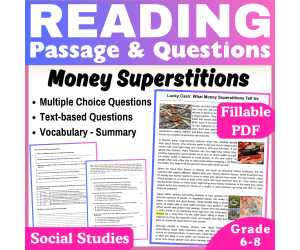
Money Superstitions: Social Studies Reading Passage. (Fillable PDF)
ELA, Reading, Reading Comprehension, Strategies, Resources for Teachers, Social Studies, Sociology, Grade 6, 7, 8, 9, Writing Prompts, Worksheets & Printables, Centers, Activities, Teacher Tools, Assessments, Quizzes and Tests, Quizzes, Tests
Money Superstitions : Social Studies Reading Comprehension Passage (Fillable PDF) This resource introduces a unique Social Studies reading comprehension passage with questions about Lucky Cash: What Money Superstitions Tell Us. The passage is carefully designed to bridge the gap between social studies and literacy through strengthening reading comprehension and sparking knowledge curiosity in middle school students. Each passage blends English Language Arts skills with accurate social studies content . Ideal for interdisciplinary learning in ELA and Social Studies. Suitable for Grade 9 review, too! This resource is designed as a fillable PDF , which means students can type their answers directly into the document on any computer or tablet . Each page includes highlighted text fields that show them exactly where to type! Student Tasks throughout the passage: 5 multiple-choice questions targeting the following skills: main idea, key details, inference, vocabulary in context, and use of evidence 5 vocabulary matching items with clear, student-friendly definitions 5 text-based questions that require citing specific lines or facts 1 summary prompt that asks students to condense central ideas accurately Full answer key for every section Available Formats for this Resource: PDF Word Docs Google Docs FULL CATALOG OF DOWNLOADING LINKS HERE Social Studies Reading Comprehension Collection Links: 1. Ancient Civilizations PDF Fillable PDF Word Docs Google Docs 2. Early Empires and Trade Networks PDF Fillable PDF Word Docs Google Docs 3. The Founding of the United States PDF Fillable PDF Word Docs Google Docs 4. Language, Culture, and Meaning PDF Fillable PDF Word Docs Google Docs 5. Psychology and Society PDF Fillable PDF Word Docs Google Docs 6. Global Festivals and Traditions PDF Fillable PDF Word Docs Google Docs 7. Extreme Environments and People PDF Fillable PDF Word Docs Google Docs 8. Food, Culture, and Preservation PDF Fillable PDF Word Docs Google Docs 9. Global Food Customs PDF Fillable PDF Word Docs Google Docs 10. Media, Communication, and Popular Culture PDF Fillable PDF Word Docs Google Docs 11. Human Impact on the Environment PDF Fillable PDF Word Docs Google Docs 12. Civic Action and Social Change PDF Fillable PDF Word Docs Google Docs 13. Fashion, Society, and Power PDF Fillable PDF Word Docs Google Docs 14. People, Places, and Unusual Histories PDF Fillable PDF Word Docs Google Docs Product Details: Length: 4 pages Grades: 6–8, also suitable for Grade 9 review Use cases: close reading, stations, homework, intervention, test prep, and sub plans Why Teachers Choose This Passage: Authentic social studies content paired with rigorous literacy practice Consistent task structure for easier planning and smoother student routines Clear, age-appropriate writing that builds confidence without oversimplifying Use this passage to reinforce ELA skills in social studies, to add literacy to your lessons, and to support independent work. The passage strengthens main idea, evidence use, vocabulary in context, inference, cause and effect, and summary writing. With ready-to-use assessments and complete answer keys, you can provide focused practice that is simple to run and fast to review.
Author CORED Education - Middle & High School
Rating
Tags Middle School, Reading Comprehension, Reading Strategies, ELA, Centers, Reading Passage, Assessments, Vocabulary, Social Studies, Sociology
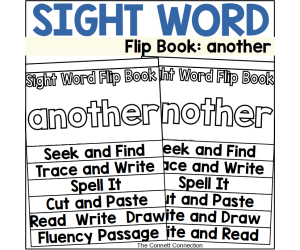
Sight Word Flip Book: another
ELA, Reading, Kindergarten, Grade 1, Activities
Practice sight word recognition. reading, and writing with this sight word flip book. This book contains a flip book for the sight word: another. The pages included in this product are: There is one cover page for students to color any way they want. Find and Color – Color or use a dot marker to mark each time the sight word appears. Trace and Write – The student will trace and write the sight word on the provided lines. Spell It – The student can use a variety of methods to spell the sight word. You can use the letters provided, use stamps, letter stickers, or you can cut out letters from a magazine. Cut and Paste – The student can use the provided word cards or look for the target word in magazines or other printed material to cut out and glue to this page. Read Write Draw – Students will read the sentence, copy the sentence, and then, illustrate the sentence. Fluency Reading – Students will read the passages that contain the sight word in context of a paragraph. Write and Draw – This page can be subbed for the Read Write Draw page and can be used for students who are ready to create their own sentences. Write and Read – This page can be subbed for the Fluency Reading page and can be used for students who need practice writing the sight word before reading the sentences. This flip book can be differentiated for multiple student levels. When to Use: Literacy Center - These flip books can be used in literacy center for students to practice these sight words. Homework - These flip books can be sent home from homework so parents can assist students in learning their sight words. Independent Practice - These flip books make great independent practice for students learning sight words. Sub Plans - Since these flip books have easy to follow directions, they make great activities to leave with substitutes.
Author The Connett Connection
Rating
Tags Sight Words, Sight Word Flip Book, Sight Word Recognition

ABC MINIBOOK FOR PAINTING | 26 FREE PAGES
Language Development, ELA, Writing, Reading, Creative Arts, Special Resources, STEM, Montessori, Early Learning, Elementary, Homeschool Resources, Not Grade Specific, Pre-K, Activities, Classroom Decor, Worksheets & Printables, Teacher Tools
ABC MINIBOOK FOR PAINTING | 26 FREE PAGES WITH THIS MINIBOOK YOUR STUDENTS WILL BE ABLE TO LEARN THE ALPHABET THOUGHT IMAGES. PLEASE VISIT MY STORE, BECAUSE I HAVE A LOT OF FREE RESOURCES FOR YOU, FOR EXAMPLE: PAINTING SHAPES: https://teachsimple.com/product/painting-shapes-4-free-worksheets IDENTIFY THE BALLOON: https://teachsimple.com/product/identify-the-balloon-visual-exercises IDENTIFY THE FRUIT: https://teachsimple.com/product/identify-the-fruit-4-free-flashcards COMPLETE THE NUMBERS: https://teachsimple.com/product/complete-the-sequence-numbers-1-to-100 DESCRIPTION OF THIS PRODUCT: 1) What is the main objective of this resource? As is known, the development of these resources primarily seeks to help our students around the world learn a variety of topics better and in a much more fun way. 2) What types of activities or content does this document include? This type of document contains educational activities, all specially designed to be developed and understood in an easy and educational way. 3) How can this material support children's learning or development? This material will help our students learn in an educational way. It will support your students by guiding them in a much more playful way to achieve easy and rapid learning. 4) What specific skills are developed using this resource? Students will be able to develop their attention, concentration, creativity, and imagination skills. It will also allow students to develop their cognitive skills such as comprehension, analysis, and others. SECONDARY AND COMPLEMENTARY INFORMATION: 1) Does this material allow for custom editing? This educational document is available in PDF format, so you cannot edit it. You simply need to download and then print it. 2) What main topic does the resource cover? This document has been developed to address a basic topic that children in kindergarten through elementary school should master. This document will also be helpful to the general public who want to learn. 3) What version does this document correspond to? This educational resource is designed in PDF format, which will make your download experience much simpler and easier to use. 4) Is the material designed in color or black and white? This document has been designed in color (if required) or is sometimes created in black and white to make your learning experience easier.
Author EDITORIAL LAURA EDUCA
Rating
Tags ABC, ALPHABET, ALPHABET MINIBOOK, PAINTING, TRACING, TRACING LETTERS, HANDWRITING

Winter Where's the Penguin Sight Word Game for Fry 201-300
ELA, Holiday & Seasonal, Reading, Seasons, Winter, Preschool, Grade 1, Activities, Games
Winter Where's the Penguin Sight Word Game for Fry 201-300 This winter-themed sight word game helps students practice recognizing Fry's 201-300 high-frequency words. It includes printable sight word cards and penguin cards in two sizes to accommodate different pocket charts. Students say a simple poem to guess which sight word card is hiding a penguin. Teachers can differentiate instruction by choosing specific words students need to practice. Use it in small groups, whole class instruction, student-led literacy centers , or one-on-one. Struggling readers gain repeated exposure to tricky sight words while other students strengthen sight word recognition through this engaging game. The winter theme and hands-on format make learning sight words fun. Watch students gain confidence recognizing words as they search for the hidden penguins behind the snowball sight word cards! This versatile resource helps assess and improve essential kindergarten and first grade reading skills.
Author The Connett Connection
Tags Winter Sight Words, Fry Sight Words, Sight Word Game, Where's The Penguin?, Winter Hide And Seek, Winter Seek And Find, Pocket Chart Games, Whole Group Game, Fry 201-300
Vikings Reading Comprehension Passage - Cored Ed Encyclopedia
ELA, Language Development, Reading Comprehension, Reading, Pre-Reading, History, Social Studies, History: Europe, History: British, Vocabulary, Grade 2, 3, 4, 5, Worksheets & Printables, Worksheets, Teacher Tools, Centers, Activities, Writing Prompts, Assessments, Quizzes and Tests, Quizzes, Lesson Plans
This Vikings reading comprehension with lesson plan includes: Visualization (on the front cover) Start your lesson by taking a minute to think and share something about the topic. Read the script aloud (slowly), perhaps prepare some music or sound effects. Student close their eyes and let their imaginations wander. Students open their eyes, read the question aloud and give them a few minutes to complete. Ask a few students to share or keep answers until the end to compare with what they learn in the passage. Quick pause—thousands of Cored Education products are included with your TeachSimple membership. Download links and encyclopedia index available here. Pre-Reading Trivia Students will write down one thing they already know about the subject and then read five more facts and discuss. These facts are fun, and the students will enjoy learning about the subject before reading more. Give 1 minute for students to write what they already know (no pressure—best guess is fine). Read the five facts together. After each fact, do ask a student for their opinion, was it surprising? Set a purpose by asking students to highlight/underline one fact they want to learn more about during the reading. Reading Passage The text is a high-interest reading passage with set paragraphs, roughly three to four paragraphs long. It contains a variety of themes about the topic, anywhere from history to technology. The passage is between 250 and 350 words in length. First, ask students to look at the headings and see what they’ll learn about today. What do they know about the topic/heading? First read options: Teacher read-aloud (best for support). Partner reading (paragraph by paragraph). While reading, students underline important details, and vocabulary words they think may come up in the questions section. Mixed Questions The first question page contains four multiple-choice questions, each with a choice of four answers, and three written response questions that require a sentence or two from the student. Students complete the mcqs first independently, then review quickly as a class. For the 3 written responses, try to get students giving the answer with some form of evidence: “I think ___ because the text says ___.” If students get stuck, send them back to check the passage. Vocabulary Questions Practice seven key words from the text in this section across two activities. First section is scrambled words where students will unscramble three words given a clue for each. The second section is a word to meaning matching activity. Before starting, have some students read out words they underlined in the passage. Ask students to say the word and read aloud the sentence(s) around each word. Ask students to do scrambled words and the matching exercise in pairs then go through answers as a class. For the scrambled spelling task, get four pairs to come up to the board and write the words for extra practice with the other student reading out the clue. For the matching task, prompt students to give full sentences: “I matched ___ with ___ because ___.” Creative Writing In this question, the student will be required to write a five to eight sentence paragraph on a question related to the topic. Before starting, ask students write down 3 key ideas they are going to include in their piece. Ask students for ideas to share around the class to help those struggling. Pro writing expectations: 5–8 sentences At least 2 facts or details from the passage At least 2 vocabulary words from the previous page Students read their paragraphs while classmates listen for facts and vocabulary words. Extension Activities This page is optional for fast finishers or to take home. There are several activities, each one requiring a different skill. Do some, do none, do all, completely optional - but you will feel reassured knowing every possibility is planned for. Includes summary writting question. Answer Key There are answers for the multiple-choice questions, written response questions have sample answers, vocabulary answers and if there is a summary question then a sample summary will be provided as well. Lesson Plan Included Customized lesson plan for this lesson is included. Lesson Snapshot Title: Vikings Genre: Nonfiction (Informational text) Subject: Social Studies (History/Culture) Primary Topic: Viking travel, daily life, and lasting clues Estimated Guided Reading Level (A–Z): Q Support pages included: Visualization prompt, pre-reading trivia, mixed questions, vocabulary activities, creative writing, extension activities, and an answer key. QA check on support pages: The questions/vocabulary generally match the passage; the visualization prompt includes extra sensory details (e.g., “carved dragons,” a “small market”) that are not stated in the reading passage. What This Lesson Teaches Best Geography and origins of Viking-age people: Describes rocky coasts of Scandinavia and connects Vikings to places now Denmark, Norway, and Sweden. Why longships mattered for travel: Explains how longships used oars and a sail, crossed open seas, and moved up shallow rivers. Navigation using nature: States that sailors watched the Sun and stars to keep direction. A fuller view of Viking life: Notes that Vikings farmed, crafted, and traded goods (furs, metalwork, silver), and some blended with local people and helped shape communities. How history leaves evidence: Identifies lasting clues such as ship burials, graves, rune stones, and written sagas. Learning Goals Students will describe where Vikings lived and what the passage says the coasts were like. Students will explain how the longship’s design helped Vikings travel to many places. Students will identify how Viking sailors kept direction while traveling. Students will summarize everyday Viking jobs and trade goods named in the text. Students will list evidence the passage says still helps us learn about Vikings today. Key Vocabulary From the Text Scandinavia — a northern European region where many Vikings lived. Norse — people from Scandinavia in the passage. longship — a Viking boat with oars and a sail. Christianity — a religion that spread as times changed. sagas — stories written down from spoken memories. Discussion Prompts Pre-reading question: What details in the passage describe the coasts of Scandinavia? Comprehension questions: When did some Norse people begin traveling farther than neighbors expected? Comprehension questions: How did the longship help Vikings cross seas and travel up rivers? Comprehension questions: What clues does the passage say still remain today to help us learn about Vikings? FULL CATALOG OF DOWNLOAD LINKS AND ENCYCLOPEDIA INDEX HERE
Author Cored Education
Rating
Tags Vocabulary, Reading Comprehension, Reading Passages, Lesson Plans, Ela Lesson Plans, Reading Comprehension Lesson Plans, Pre-reading, History Lesson Plans, European History, British History

The Little Half-Chick (Medio Pollito) Worksheets for Grade 1
Reading Comprehension, Reading, ELA, Phonics, Language Development, Vocabulary, ESL, Grade 1, Worksheets & Printables, Centers, Activities
This worksheet pack goes with the story The Little Half-Chick (Medio Pollito) . The story is about a little chick who learns to be kind and help others. This resource is in a PDF format. There are 26 pages in total. Answer keys are not included. The pack has many activities for Grade 1 students and young readers. Students will trace words, match words to pictures, and fill in the blanks. They will answer questions about the story and put events in order. There are also phonics activities for sounds, rhyming, and syllables. Some activities ask students to draw a picture or think about the lesson of the story. Teachers can use these worksheets for morning work, homework, or reading groups. They work well for ESL and EFL learners too because many activities use pictures to help students understand. Skills covered include reading, vocabulary, phonics, and thinking skills. The worksheets are ready to print and use.
Author Cutie worksheets986
Rating
Tags The Little Half Chick, Medio Pollito, Story Worksheets, Grade 1 Reading, ESL Worksheets, Phonics Activities, Story Comprehension, Reading Centers, Beginning Readers, Moral Lesson
Tennis Reading Comprehension Passage - Cored Ed Encyclopedia
ELA, Language Development, Reading Comprehension, Reading, Pre-Reading, Science, Technology, Engineering, History, Social Studies, Grade 2, 3, 4, 5, Worksheets & Printables, Worksheets, Teacher Tools, Centers, Activities, Writing Prompts, Assessments, Quizzes and Tests, Quizzes, Lesson Plans
This tennis reading comprehension includes: Visualization (on the front cover) Start your lesson by taking a minute to think and share something about the topic. Read the script aloud (slowly), perhaps prepare some music or sound effects. Student close their eyes and let their imaginations wander. Students open their eyes, read the question aloud and give them a few minutes to complete. Ask a few students to share or keep answers until the end to compare with what they learn in the passage. Quick pause—thousands of Cored Education products are included with your TeachSimple membership. Download links and encyclopedia index available here. Pre-Reading Trivia Students will write down one thing they already know about the subject and then read five more facts and discuss. These facts are fun, and the students will enjoy learning about the subject before reading more. Give 1 minute for students to write what they already know (no pressure—best guess is fine). Read the five facts together. After each fact, do ask a student for their opinion, was it surprising? Set a purpose by asking students to highlight/underline one fact they want to learn more about during the reading. Reading Passage The text is a high-interest reading passage with set paragraphs, roughly three to four paragraphs long. It contains a variety of themes about the topic, anywhere from history to technology. The passage is between 250 and 350 words in length. First, ask students to look at the headings and see what they’ll learn about today. What do they know about the topic/heading? First read options: Teacher read-aloud (best for support). Partner reading (paragraph by paragraph). While reading, students underline important details, and vocabulary words they think may come up in the questions section. Mixed Questions The first question page contains four multiple-choice questions, each with a choice of four answers, and three written response questions that require a sentence or two from the student. Students complete the mcqs first independently, then review quickly as a class. For the 3 written responses, try to get students giving the answer with some form of evidence: “I think ___ because the text says ___.” If students get stuck, send them back to check the passage. Vocabulary Questions Practice seven key words from the text in this section across two activities. First section is scrambled words where students will unscramble three words given a clue for each. The second section is a word to meaning matching activity. Before starting, have some students read out words they underlined in the passage. Ask students to say the word and read aloud the sentence(s) around each word. Ask students to do scrambled words and the matching exercise in pairs then go through answers as a class. For the scrambled spelling task, get four pairs to come up to the board and write the words for extra practice with the other student reading out the clue. For the matching task, prompt students to give full sentences: “I matched ___ with ___ because ___.” Creative Writing In this question, the student will be required to write a five to eight sentence paragraph on a question related to the topic. Before starting, ask students write down 3 key ideas they are going to include in their piece. Ask students for ideas to share around the class to help those struggling. Pro writing expectations: 5–8 sentences At least 2 facts or details from the passage At least 2 vocabulary words from the previous page Students read their paragraphs while classmates listen for facts and vocabulary words. Extension Activities This page is optional for fast finishers or to take home. There are several activities, each one requiring a different skill. Do some, do none, do all, completely optional - but you will feel reassured knowing every possibility is planned for. Includes summary writting question. Answer Key There are answers for the multiple-choice questions, written response questions have sample answers, vocabulary answers and if there is a summary question then a sample summary will be provided as well. Lesson Plan Included Customized lesson plan for this lesson is included. Lesson Snapshot Title: Tennis Genre: Nonfiction (informational text) Subject: Social Studies (History of Sports) Primary Topic: How tennis changed over time Estimated Guided Reading Level (A–Z): Q What This Lesson Teaches Best How tennis began as jeu de paume (“game of the palm”) and shifted from hands to gloves and then rackets. How indoor courts with hard walls and slanted roofs changed play by creating surprising angles. How tennis moved outdoors in the 1800s when rubber balls bounced well outside and lawns made smooth courts. Key moments that helped standardize and spread the sport (1873 rules book, 1877 Wimbledon). How tournaments changed when the Open Era began in 1968, allowing professionals and amateurs to compete together. Learning Goals Students will explain why the early game was called jeu de paume using details from the text. Students will describe how playing spaces changed from courtyards to enclosed indoor courts. Students will identify how walls and slanted roofs affected play in real tennis. Students will summarize two changes in the 1800s that helped tennis move outdoors. Students will describe why the 1873 rulebook and the 1877 Wimbledon championship mattered for tennis. Students will explain what changed in 1968 when the Open Era began. Key Vocabulary From the Text monastery — a place where monks live and work. cloisters — covered walkways around a courtyard. boundary — a line that shows where play must stay. enclosed — closed in by walls; not open outside. amateurs — people who play for fun, not as paid work. FULL CATALOG OF DOWNLOAD LINKS AND ENCYCLOPEDIA INDEX HERE
Author Cored Education
Rating
Tags Vocabulary, Reading Comprehension, Reading Passages, Lesson Plans, Ela Lesson Plans, Reading Comprehension Lesson Plans, Pre-reading, History, History Lesson Plans, Sports

Reading Comprehension Passages Nonfiction Set 2 - Nutrition (PDF)
ELA, Reading, Reading Comprehension, Common Core, ESL, Language Development, Spelling, Vocabulary, Writing, Resources for Teachers, Grade 2, 3, Worksheets & Printables, Worksheets, Assessments, Teacher Tools, Tests, Quizzes and Tests, Centers, Activities
Reading Comprehension Passages Nonfiction Set 2 Overview Engaging nonfiction articles, each with a collection of different activities included. Articles are written for the modern classroom and topics are designed to promote enthusiasm from each student. Each lesson contains a mixed questions section to check understanding, a vocabulary or spelling activity to help remember key language introduced, and a writing exercise. Full answer keys are provided. Passages Include 1.Proteins: After water, protein makes up most of the weight in our bodies. 2.Carbohydrates: Carbohydrates are the principal source of energy for the body. 3.Fats: What are trans fats? Learn all about them in this lesson. 4.Milk: There are many kinds of milk, each has its own advantages. 5.Potatoes: Did you know potatoes originate from South America? 6.Composting: Read how to make your very own compost heap in this article. Additional File: Milk: Nutritional Values Printable PDF Version This is the PDF uneditable version. This download is available in GOOGLE Docs, GOOGLE Forms, GOOGLE Slides. PDF, PPT, WORD. FULL CATALOG OF DOWNLOAD LINKS HERE Grade 2/3 Links Fiction Set 1 - Nature Google Docs Google Forms Google Slides PDF PPT Word Guided Reading Materials Fiction Set 2 - Animals Google Docs Google Forms Google Slides PDF PPT Word Guided Reading Materials Fiction Set 3 - Food Google Docs Google Forms Google Slides PDF PPT Word Guided Reading Materials Fiction Set 4 - School Google Docs Google Forms Google Slides PDF PPT Word Guided Reading Materials Fiction Set 5 - Friends Google Docs Google Forms Google Slides PDF PPT Word Guided Reading Materials Fiction Set 6 - Family Google Docs Google Forms Google Slides PDF PPT Word Guided Reading Materials Fiction Set 7 - Sports Google Docs Google Forms Google Slides PDF PPT Word Guided Reading Materials Nonfiction Set 1 - Technology Google Docs Google Forms Google Slides PDF PPT Word Guided Reading Materials Nonfiction Set 2 - Nutrition Google Docs Google Forms Google Slides PDF PPT Word Guided Reading Materials Nonfiction Set 3 - Animals Google Docs Google Forms Google Slides PDF PPT Word Guided Reading Materials Reading Passages Overview Each passage is especially written for Grade 2-3 students, including key vocabulary required for this age group. Topics are varied and are accompanied by colorful graphics. Topics are meant to educate, yet entertain the modern student. These passages are perfect for the modern classroom. Whereas textbooks can become outdated in no time, any changes to technology or the world will result in updates to this product. Mixed Questions The mixed questions section of each lesson includes a variation of fivecomprehension, vocabulary and math questions. In addition, key reading strategies are frequently covered including cause & effect, summarizing, compare & contrast and making conclusions. Three of the questions will be MCQs and two will require a written response of some kind. Full answers and example responses appear at the end of the lesson. Spelling & Vocab Each reading passage contains a variety of words and phrases designed for Grade 2-3 students. Spelling and vocab activities provide the opportunity to build fluency with these words. As it can become quite mundane doing the same activities over and over, each lesson in a set will contain a different spelling and vocab activity . Writing Prompts Writing prompts are designed to continue the theme or lessons learned in the story. Students are persuaded to write in a variety of ways and each prompt includes several cues to help. As with the spelling/vocab section, writing prompts will vary. This includes research pieces, reading responses, poetry and creative writing prompts. Full Answer Keys Full answer keys and sample responses are provided so no matter how busy you are, you know you're covered! Mixed question answers provide evidence from the text, math questions contain the relevant workings. Answers are designed for use by the teacher, but also suitable as a handout to the student. Additional File One lesson will have an additional file. This is something fun to extend the lesson with. For similar downloads and other frees, do check out Cored Group on TeachSimple.
Author Cored Education
Rating
Tags Elementary, Reading, Comprehension, Vocabulary, Answers, Spelling, Writing, Passages, Reading Centers, Reading Comprehension Assessment
Novel Study Packet: LYDDIE
ELA, Reading, Reading Comprehension, Language Development, Vocabulary, Writing, Grade 5, 6, 7, 8, Worksheets & Printables, Novel Studies, Teacher Tools, Assessments, Activities, Worksheets
Novel Study Unit: LYDDIE Embarking on the journey through the novel "Lyddie"? Here's a resource tailored to ensure a comprehensive understanding of the story for middle school students. Features at a Glance: Chapter Breakdown: Lessons are structured chapter-by-chapter, creating a clear roadmap for students. It makes understanding the storyline easier, ensuring students grasp one part before moving to the next. Grade Level Flexibility: Primarily designed for 6th and 7th graders, it's adaptable for 5th graders too. Answer Keys: Every section of this unit comes with answer keys, saving you the hassle of searching for answers elsewhere. Thorough Assessments : Beyond the regular, this unit offers formative and summative assessments . Each is crafted to deeply gauge student understanding. Engaging Writing Prompts: Unlike regular prompts, these inspire students to think, reflect, and connect deeply with the story's essence. Original Content: This isn't just another teaching aid. Its fresh content brings a new lens to the novel, making the learning experience richer for both you and the students. Details: This unit spans 152 pages. It covers all 23 chapters with 17 detailed lessons. The unit contains comprehension worksheets, figurative language exercises, and vocabulary sheets. Vocabulary learning is made fun with mystery pages and context clue activities. Track student progress with a score sheet for each lesson. Check understanding with 17 multiple-choice exit quizzes and a final test. For English language support, a reference page is included. Vocabulary learning is further enhanced with context clue quizzes and practice cards. Key areas covered include themes, point of view, vocabulary, comprehension, figurative meanings, inference, and much more. A unique WordArt template allows students to learn vocabulary in a fun manner. There are 4 diverse writing prompts with a provided rubric. A glossary for each lesson aids in understanding historical plot nuances. In summary, this unit is a comprehensive tool for educators aiming for a holistic approach to the novel "Lyddie". It balances structured learning with engaging activities, ensuring students not only understand but also connect deeply with the text.
Author TrilogyTeacher
Tags Novel Unit, Reading Unit, Comprehension, Worksheets, Vocabulary, Writing, Formative Assessments, Summative Assessments
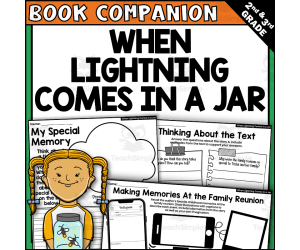
When Lightning Comes in a Jar Book Companion
ELA, Reading, Reading Comprehension, Literature, Science, Life Sciences, Insects, Grade 2, 3, 4, Teacher Tools, Graphic Organizers, Worksheets & Printables, Novel Studies, Activities, Games, Worksheets
This picture book companion is a complete supplemental resource for the book When Lightning Comes in a Jar by Patricia Polacco. It includes 28 print-and-go reading activities to choose from, making this resource ideal for customizing learning to your student's specific needs and academic abilities. Students will investigate characters, identify story elements, determine the theme, practice plotting story events, compare & contrast, make predictions, inferences, & connections, answer questions that require them to think beyond the text, and much more! Students will thoroughly enjoy the captivating activities, and you'll value the time saved from scouring for advanced resources to address challenging reading concepts. The offered activities are crafted to foster higher-order thinking, prompt students to present textual proof for their reasoning, and inspire them to share their personal insights and viewpoints. ⭐️This Resource Includes:⭐️ ◾ Making Predictions: Before reading the book, students make predictions about the text. ◾ Story Elements: Students fill in the boxes with words & pictures to represent the story elements. ◾ Sequencing: Students will retell & illustrate the important parts of the story. ◾ Recalling Events in Chronological Order: Students will describe and illustrate four events in the story in chronological order. ◾ Summary: Students complete the Somebody, Wanted, Because, But, So graphic organizer and write a summary of the story. ◾ Story Event Sort: Students will describe a scene or event from the story that fits into each of the categories & explain how the event made them feel & how it relates to the category. ◾ Making Inferences: Students use clues & schema to make inferences while reading the story. ◾ Making Connections: Students make connections to an event from the story. ◾ Character Inside & Out: Students include details from the story to describe what the characters say, think, do, and feel. ◾ Character Feelings: Students describe how the characters' feelings change throughout the story & give examples of the events that cause them to feel the way they do. ◾ Character Development: Students select the character traits that best describe Trisha at different times throughout the story and provide examples from the book to support each character trait. ◾ Character Change: Students will explain how the character changed from the beginning to the end of the story and describe the events that caused the change to happen. ◾ Character Summary: Students summarize the main character of the story. ◾ Sketch a Scene From the Story: Students will draw a scene from the story and explain why it's important to the plot. ◾ Setting Influences the Plot: Students will draw a scene from the story that takes place in one of the settings, write about what happened there, & explain why it is important to the plot. ◾ Setting the Scene: Students identify three different settings in the story and explain how they know that the setting changed. ◾ 3-2-1: Students will list three of Trisha's favorite things about her family reunion, 2 activities from the story they would like to try, and one word that describes Trisha's family reunion. ◾ Author's Message: Students describe four important events from the story and put them in chronological order. Then, answer the questions about the author's message. ◾ Theme: Students answer the questions to determine which theme best fits the story and provide text evidence to support their choice. ◾ Thinking About the Text: Students will answer the questions about the story & include examples from the text to support their answers. ◾ Then & Now: Students will describe something the author, Patricia Polacco, did as a young girl at her family reunions, write about something she might do at her family reunions now that she is older, and draw illustrations to go with their writing. ◾ Wait... There's More!: Students will write about what happens next in the story. ◾ My Special Memory: Students write about a special day or moment in their lives. ◾ Making Memories at the Family Reunion: Students recall the author's favorite childhood memories at the family reunion and draw illustrations with captions to describe each event. ◾ Families are Special: Students will brainstorm their family's traditions, things that make their family unique, and special things they do with their family. Then, they will compare and contrast their family with a classmate's family using a Venn diagram. ◾ Dear Patricia Polacco: Students write a letter to Patricia Polacco, the author and illustrator, sharing their reactions to the story, and asking her at least one question. ◾ Book Review: Students will color in the stars to rate how much they enjoyed the book and draw a new cover & their favorite character from the story. Then, they will explain why other kids should or should not read it. ◾ Family Traditions Survey: Students will answer questions about their own family traditions. This resource is for extension read-aloud activities only. The book is not included. ⭐️You may also like: ⭐ TEXT SET #1: "The Importance of Friendship" ◾ A Weekend With Wendell Read Aloud Book Companion Activities for IRA ◾ First Come the Zebra Read Aloud Book Companion Activities for IRA ◾ This is Our House Read Aloud Book Companion Activities for IRA ◾ Horace and Morris But Mostly Dolores Read Aloud Book Companion Activities for IRA ◾ The Old Woman Who Named Things Read Aloud Book Companion Activities for IRA TEXT SET #3: "Finding Your Way in a New Place" ◾ Grandfather Counts Read Aloud Book Companion Activities for IRA ◾ The Have a Good Day Cafe, Read Aloud Book Companion Activities for IRA ◾ Roses for Gita Read Aloud Book Companion Activities for IRA ◾ Mango, Abuela, and Me, Read Aloud Book Companion Activities for IRA ◾ Home at Last Read Aloud Book Companion Activities for IRA TEXT SET #7: "Exploring Narrative Nonfiction" ◾ Cactus Hotel Read Aloud Book Companion Activities for IRA ◾ A Log's Life Read Aloud Book Companion Activities for IRA ◾ Salmon Stream Read Aloud Book Companion Activities for IRA ◾ Think of an Eel Read Aloud Book Companion Activities for IRA ✨Be sure to check out my storefront here: https://teachsimple.com/contributor/creatively-gifted
Author Creatively Gifted
Tags IRA, Picture Book Activities, Read Aloud Lessons, Interactive Read Aloud Activities, Elementary Reading, Reading Comprehension, Fountas And Pinnell IRA, Family, Second Grade, Memory Stories

Winter Where's the Penguin Preprimer Sight Word Game
ELA, Holiday & Seasonal, Reading, Seasons, Winter, Preschool, Grade 1, Activities, Games
Winter Where's the Penguin Preprimer Sight Word Game This winter-themed sight word game helps students in kindergarten and first grade practice recognizing common preprimer Dolch sight words. The game includes sight word cards, three penguin cards to hide behind the words, and a short poem. Teachers can play this engaging game in small groups, whole class settings, student-led literacy centers , or one-on-one to target specific sight words. The two card size options accommodate different pocket charts. Teachers can easily differentiate by choosing particular sight words each student needs to practice. The game develops early literacy skills like sight word recognition. To play, a penguin card is hidden behind a sight word. Students guess the word they think hides a penguin. If correct, the word is removed and play continues. If not, another guess is made. This interactive game brings sight word practice to life!
Author The Connett Connection
Tags Winter Sight Words, Sight Word Game, Where's The Penguin?, Winter Hide And Seek, Winter Seek And Find, Pocket Chart Games, Whole Group Game, Preprimer Sight Words, Pre-k Sight Words
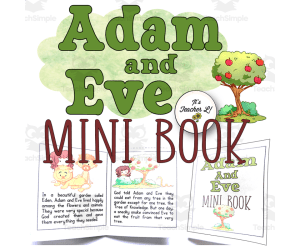
Adam and Eve Bible Story Foldable Mini Book Grade 1 2 3 ELA READING
ELA, Reading, Reading Comprehension, Grade 1, 2, 3, Activities, Projects
Create an imaginative and meaningful lesson with your young learners with the classic Bible story of Adam and Eve in this “Adam and Eve" Foldable Mini Book Set! Made for 1st, 2nd, and 3rd Grade students, homeschoolers, and EFL / ESL learners, this enchanting story of love and obedience is a sure hit to your reading class and Bible lessons. This resource contains the following: 1. Colored mini-book 2. Black and white mini-book with story tracing activities 3. Picture-fill mini-book for sequencing test or exercise 4. Black and white mini-book for story re-tell and writing exercise 5. Blank mini-book pages for story re-tell, writing and drawing exercises 6. Sample lesson plan Additionally, this set is created in 3 paper sizes to give more freedom to choose what suites your needs. With five different mini-books to choose from, the possibilities for learning and exploration is endless! This activity can be used to supplement reading lessons, writing exercises, and a perfect assessment tool that can easily be a perfect addition to your students’ portfolio. Make learning about this Bible story more memorable and creative with this “Adam and Eve" Foldable Mini Book Set!
Author It's Teacher L
Tags Bible Story, Bible Lessons, Reading Comprehension, Adam And Eve, Garden Of Eden
Icebergs Reading Comprehension Passage - Cored Ed Encyclopedia
ELA, Reading Comprehension, Reading, Language Development, History, Social Studies, Science, Physics, Earth and Environmental Sciences, Pre-Reading, Grade 2, 3, 4, 5, Worksheets & Printables, Worksheets, Teacher Tools, Centers, Activities, Writing Prompts, Assessments, Quizzes and Tests, Quizzes, Lesson Plans
This Icebergs reading comprehension with lesson plan includes: Visualization (on the front cover) Start your lesson by taking a minute to think and share something about the topic. Read the script aloud (slowly), perhaps prepare some music or sound effects. Student close their eyes and let their imaginations wander. Students open their eyes, read the question aloud and give them a few minutes to complete. Ask a few students to share or keep answers until the end to compare with what they learn in the passage. Quick pause—thousands of Cored Education products are included with your TeachSimple membership. Download links and encyclopedia index available here. Pre-Reading Trivia Students will write down one thing they already know about the subject and then read five more facts and discuss. These facts are fun, and the students will enjoy learning about the subject before reading more. Give 1 minute for students to write what they already know (no pressure—best guess is fine). Read the five facts together. After each fact, do ask a student for their opinion, was it surprising? Set a purpose by asking students to highlight/underline one fact they want to learn more about during the reading. Reading Passage The text is a high-interest reading passage with set paragraphs, roughly three to four paragraphs long. It contains a variety of themes about the topic, anywhere from history to technology. The passage is between 250 and 350 words in length. First, ask students to look at the headings and see what they’ll learn about today. What do they know about the topic/heading? First read options: Teacher read-aloud (best for support). Partner reading (paragraph by paragraph). While reading, students underline important details, and vocabulary words they think may come up in the questions section. Mixed Questions The first question page contains four multiple-choice questions, each with a choice of four answers, and three written response questions that require a sentence or two from the student. Students complete the mcqs first independently, then review quickly as a class. For the 3 written responses, try to get students giving the answer with some form of evidence: “I think ___ because the text says ___.” If students get stuck, send them back to check the passage. Vocabulary Questions Practice seven key words from the text in this section across two activities. First section is scrambled words where students will unscramble three words given a clue for each. The second section is a word to meaning matching activity. Before starting, have some students read out words they underlined in the passage. Ask students to say the word and read aloud the sentence(s) around each word. Ask students to do scrambled words and the matching exercise in pairs then go through answers as a class. For the scrambled spelling task, get four pairs to come up to the board and write the words for extra practice with the other student reading out the clue. For the matching task, prompt students to give full sentences: “I matched ___ with ___ because ___.” Creative Writing In this question, the student will be required to write a five to eight sentence paragraph on a question related to the topic. Before starting, ask students write down 3 key ideas they are going to include in their piece. Ask students for ideas to share around the class to help those struggling. Pro writing expectations: 5–8 sentences At least 2 facts or details from the passage At least 2 vocabulary words from the previous page Students read their paragraphs while classmates listen for facts and vocabulary words. Extension Activities This page is optional for fast finishers or to take home. There are several activities, each one requiring a different skill. Do some, do none, do all, completely optional - but you will feel reassured knowing every possibility is planned for. Includes summary writting question and additional facts. Answer Key There are answers for the multiple-choice questions, written response questions have sample answers, vocabulary answers and if there is a summary question then a sample summary will be provided as well. Lesson Plan Included Customized lesson plan for this lesson is included. Lesson Snapshot Title: Icebergs Genre: Nonfiction (informational passage) Subject: Reading (Informational Text) / Earth Science Primary Topic: How icebergs form, drift, and change Estimated Guided Reading Level (A–Z): R What This Lesson Teaches Best Key facts about iceberg floating: ice is lighter than seawater and most of an iceberg is below the surface (about 90% underwater). How icebergs form from glaciers on land, including the process called calving when a piece breaks away at the sea. Human safety and history connections: the Titanic tragedy and how the International Ice Patrol began sending warnings to ships. How icebergs change shape over time (waves at the waterline, meltwater weakening from above) and why scientists track them (ocean currents, changing polar ice). Using headings to organize information into focused sections (formation, safety/history, observation/science clues). Learning Goals Explain why most of an iceberg is hidden under the ocean’s surface. Describe how snow becomes hard glacier ice and how a new iceberg forms. Define calving using details from the passage. Identify what happened in 1912 and how it led to safer travel for ships. Describe two ways an iceberg can change shape and one reason scientists watch iceberg paths. Key Vocabulary From the Text seawater — ocean water with salt in it. surface — the top layer of something. glacier — a huge, slow-moving river of ice. calving — when a piece breaks off a glacier. currents — moving flows of ocean water. FULL CATALOG OF DOWNLOAD LINKS AND ENCYCLOPEDIA INDEX HERE
Author Cored Education
Rating
Tags Vocabulary, Reading Comprehension, Reading Passages, Lesson Plans, Ela Lesson Plans, Reading Comprehension Lesson Plans, Pre-reading, History, Science Lesson Plans, Earth Science
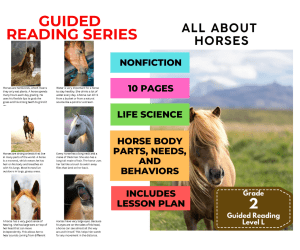
Guided Reading Level L - All About Horses (with Lesson Plan)
ELA, Resources for Teachers, Reading Comprehension, Reading, Science, Language Development, Life Sciences, Animals, Pre-Reading, Vocabulary, Grade 2, 3, 4, Worksheets & Printables, Worksheets, Teacher Tools, Centers, Activities, Literacy Readers, Quizzes, Quizzes and Tests, Assessments, Lesson Plans
This Guided Reading Book - All About Horses (Level L) with lesson plan includes: Guided Reading Color Label (front cover x1) This is a quick way to match the book’s demands to what students can generally handle.. The overall goal is to use the level/color to pick books for several smaller groups. To qualify for a certain level, a student is expected to read a book from that level with about 90–94% accuracy. If a student is consistently accurate and understands, move up a level. If the student is struggling at that level, drop down and add more support. Each student will improve at completely different rates, but it is generally one of the best ways to check progress across the class. DOWNLOAD THE CATALOG TO VIEW ALL GUIDED READING BOOKS AVAILABLE (SORTED LEVELS A-Z) Pre-Reading Question (x1) Teacher asks the prompt aloud, can be while showing the cover or first page. Students share what they already know, or make educated guesses from the cover. Prompt them to use the target vocabulary. Write some of their responses on the board to look back at during the reading. Vocabulary Words (x5) Introduce the five words, best doing it one at a time. Start by saying it, while students repeat and then see if anyone knows what it means before reading further. Read through the meaning and try to briefly connect each word to a picture or gesture so it’s meaningful. Ask students to flip through the book pages and point to where they see each of the vocabulary words. While reading the book pause upon coming across one of the vocab words or read the sentence twice to make sure students understand the word has appeared. Optional: Ask students to raise hands whenever they see/hear one of the new words. Guided Reading Pages (x10) Check the book snapshot (below) for: primary topic - do you need to prep extra reading or intro materials on this? what is taught best - decide on 1-2 bullets to focus on, use the prompt or words provided here for best results. learning goals - what you are checking for students to be able to do after the session, elicit answers using prompts or words provided. key vocabulary (see section above). questions overview - so you know what is coming up and if you need to prep extra materials to assist understanding. Run the lesson You may have already looked at a few of the pages together, but you can show them some of the pictures again first to set meaning. Depending on how much time you have and how familiar your students are with guided reading class, you may want to read the book aloud first with the group first. Students whisper or partner read, while you listen in. If time, do it as a group, one student reading a page each. Use the guided page’s prompts to coach: “Check the picture / does it make sense?” “Point under the words / try the first sound” “Reread the sentence smoothly”. Try to focus more on one student per session (rotating every time), so you can work out if they are ready to move up or need to move down a level. Comprehension Questions (back cover x3) This is your way to check that students didn’t just say the words, but actually understood the text. First, let students answer by pointing to the page/picture and saying a short sentence. After any answer, follow with: “Show me where you found that in the text.” In bigger groups, have partners answer first (10–20 seconds), then call on 2–3 students to share. Differentiation tips: Emerging speakers/struggling readers: oral + pointing On-level: oral in a full sentence Higher: one written sentence or draw + label Book Snapshot Title: All About Horses Genre: Nonfiction (informational) Subject: Life Science / Reading (Informational Text) Primary Topic: Horse body parts, needs, and behaviors Estimated Guided Reading Level (A–Z): L What This Book Teaches Best Key animal facts about horses (they are strong animals, mammals, and live outdoors in grassy areas). How horse body parts help them (mane and tail; tail swishes away flies). What horses need to stay healthy (they eat plants and drink a lot of water). How horses move (trot with “diagonal pairs,” and gallop as the fastest way to move with hooves off the ground). Special horse behaviors and life stages (sleeping while standing; a baby horse is a foal). Learning Goals Students will identify key facts about horses (habitat, body traits, and needs) from the text. Students will explain how a horse uses its tail based on details in the book. Students will describe what horses eat and how they graze using evidence from the text. Students will compare two horse movements (trot and gallop) using information from the book. Students will explain how a horse can sleep while standing without falling over. Students will describe what a foal is and what it can do soon after being born. Key Vocabulary From the Text mammal — an animal that breathes air with lungs. herbivores — animals that eat only plants. grazing — eating grass little by little over time. diagonal — slanted, from one corner to the opposite corner. hooves — the hard feet of a horse. Discussion Prompts Pre-reading question: What do you think a horse needs to stay healthy outdoors? Comprehension questions: What does the text say a horse uses its tail for? How does the text describe a trot? What is a foal, and what can it do within an hour of being born? Printing Tips 1. Best Printing Method (Recommended) “Booklet” Printing (Best if Available) If your printer or PDF viewer supports Booklet Printing , use this. Settings to use: Print mode: Booklet Paper size: Letter or A4 (either works) Orientation: Landscape Print on both sides: Yes Flip on: Short edge Scaling: Fit to printable area Booklet subset: First test: Front sides only Then: Back sides only This will automatically: Pair pages correctly Put the cover on the outside Align everything for folding After printing, fold in half and staple along the spine . 2. If “Booklet” Printing Is NOT Available You can still print this correctly with manual duplex printing . Step-by-step: Open the PDF. Choose Print . Set: Orientation: Landscape Pages per sheet: 1 Print on both sides: Yes Flip on: Short edge Print all pages . Because each PDF page already contains two facing book pages, the result will still fold cleanly into a book. Thousands of Cored Education products are included with your TeachSimple membership. Download links and encyclopedia index available here.
Author Cored Education
Rating
Tags Reading Comprehension, Reading Passages, Reading, Guided Reading, Guided Reading Lesson Plan, Guided Reading Activity, Pre-reading, Science Lesson Plans, Life Science, Animals