2,883 products added recently
Biology Projects
Enhance your biology curriculum with projects that delve into the wonders of life. This collection includes cell modeling, ecosystem studies, genetics experiments, and dissections. By integrating these biology projects into your lessons, you can deepen students' knowledge of the living world.
Konrad Lorenz – Fact Sheet, Quiz & Interactive PDF incl. H5P
Life Sciences, Science, STEM, History, Social Studies, Biographies, Inventors, Basic Science, Physics, Biology, Grade 6, 7, 8, 9, 10, 11, 12, Worksheets, Worksheets & Printables, Quizzes, Quizzes and Tests, Teacher Tools, Projects, Activities
Scientist Konrad Lorenz - Fact Sheet, Quiz & Interactive Version (PDF & H5P) Konrad Lorenz – Animal Behavior and the Roots of Ethology Fact Sheet, Quiz & Interactive Exercises (PDF + H5P) 🦢🧠 This 45-minute resource introduces students in grades 7–10 to Konrad Lorenz – a key figure in the development of modern ethology, the study of animal behavior. Many students enjoy learning about animals, but the scientific side of behavior research ist oft weniger bekannt. Lorenz is especially known for his work on imprinting in geese – observing how young animals form strong attachments during a critical period after birth. His careful observations helped shape the way we think about instinct, learning, and behavior in both animals and humans. To make this topic approachable, I’ve put together a compact, ready-to-use lesson. It includes a short informational text, a fact sheet, quiz questions with answers, and a creative partner task. The materials are available in both color and black-and-white versions, plus there’s an H5P version for digital use. What’s included: A short, student-friendly text about Konrad Lorenz and his contributions to behavioral science A fact sheet to help students organize key ideas Quiz questions (with answer key) for review or self-check A partner task where students come up with their own questions and exchange them Formats: Printable/digital PDF and interactive H5P 💻 Answer key included ✅ I’ve used this material when introducing the basics of behavior in biology – especially to discuss how scientific observation works in practice. It also fits nicely into lessons on instinct vs. learning or historical perspectives on animal research. The flexible format works well for independent study, pair work, or short projects. 🚀 Download now and bring the legacy of Konrad Lorenz into your biology lessons today! 📍 Best wishes, Heike from Lernfitness Did You Know? I teach with a certified therapy dog, and together we create a positive and inspiring learning environment. 🐶✨
Author Lernfitness
Tags Science, Biology, Famous Scientists Lesson, H5P, Interactive Science Exercises, STEM, History, Scientists, Konrad Lorenz, Animal Behavior
Scientist Ernst Haeckel Fact Sheet, Quiz + Exercises | PDF + H5P
Life Sciences, Science, Biology, STEM, History: World, History, Social Studies, Animals, Biographies, Grade 6, 7, 8, 9, Worksheets, Worksheets & Printables, Quizzes, Quizzes and Tests, Teacher Tools, Projects, Activities
Discover Ernst Haeckel – The Scientist Who Made Nature a Work of Art Have you ever tried to explain to students how scientists organize and classify life? It can be tricky, but Ernst Haeckelmade it easier—not just through words, but through breathtaking illustrations. He was more than just a scientist; he was also an artist who brought the beauty of biology to life. His work helped shape modern science, and he even gave us the word "ecology", which we still use today! This ready-to-go lesson introduces your students to Haeckel’s fascinating discoveries, his role in expanding Darwin’s ideas, and how his scientific drawings helped people understand the natural world in a whole new way. What’s Inside? 📚 Engaging Reading Text – A simple, student-friendly introduction to Haeckel’s life and work. 📝 Creative Fact Sheet Activity – Encourages students to process and organize information in their own way. ❓ Quiz with Answers – A fun way to check understanding while keeping students engaged. 🎯 Discussion & Thinking Tasks – Students create their own questions and work in pairs or small groups. 🖥️ Print & Digital Formats – Includes a printable PDF and H5P interactive exercises for flexible use. Why Teachers Love This Lesson ✔ Zero Prep Needed – Just print (or assign digitally) and go! ✔ Perfect for Multiple Subjects – Great for biology, environmental science, and history of science. ✔ Encourages Student Independence – Students can check their own answers and explore further. ✔ More Than Just Facts – Thought-provoking tasks keep students actively involved. Why Your Students Will Love It Unlike a typical textbook lesson, this resource makes science feel alive. Instead of memorizing dry facts, students will discover how Haeckel shaped how we see the natural world—and how his love for both art and science continues to inspire us today. No complicated explanations. No boring worksheets. Just an engaging, eye-opening lesson that makes science unforgettable! 🌍 Introduce your students to the scientist who turned biology into art! Download now and bring the wonder of nature into your classroom. Wishing you and your students a great time exploring science together! Best, Lernfitness Did You Know? I teach with a certified therapy dog, and together we focus on creating a positive and inspiring learning environment.
Author Lernfitness
Tags Science, Biology, Famous Scientists Lesson, H5P, Interactive Science Exercises, STEM, History, Scientists, Evolution, Ernst Haeckel
Scientist Thomas Henry Huxley Fact Sheet, Quiz + Exercises | PDF + H5P
Life Sciences, Science, Biology, STEM, History: World, History, Social Studies, Animals, Biographies, Grade 6, 7, 8, 9, Worksheets, Worksheets & Printables, Quizzes, Quizzes and Tests, Teacher Tools, Projects, Activities
Discover Thomas Henry Huxley – The Scientist Who Defended Evolution Did you know that Thomas Henry Huxley was one of the strongest supporters of Charles Darwin’s theory of evolution? Often called "Darwin’s Bulldog," he passionately defended the idea of natural selection and helped shape the way we understand science today. Huxley was not only a brilliant biologist but also a dedicated educator who believed that science should be accessible to everyone. This teaching resource introduces your grades 7–10 students to Huxley’s fascinating life and contributions. Designed for a 45-minute lesson, it includes engaging explanations, interactive exercises, and creative tasks to help students explore his impact on biology and science communication. What’s Included: Concise Informational Text: A clear and engaging overview of Thomas Henry Huxley’s role in science. Fact Sheet Activity: Encourages students to organize knowledge and work creatively. Quiz with Solutions: Promotes fun, interactive learning and self-assessment. Additional Exercises: Students can create their own questions and collaborate in pairs to deepen their understanding. Flexible Formats: Includes a color and black-and-white printable PDF, as well as interactive H5P tasks for digital learning. Why You’ll Love This Resource: Time-Saving: Perfect for teachers who need a ready-to-go, well-structured lesson. Versatile Use: Ideal for biology, history of science, or cross-curricular lessons in English and science classes. Promotes Independence: Solutions are included, allowing students to check their work and explore the topic at their own pace. Interactive and Engaging: Tasks are designed to keep students actively involved while learning about Thomas Henry Huxley’s legacy. Whether you use it for a regular lesson, substitute teaching, or as part of a digital learning activity, this resource will make Thomas Henry Huxley’s contributions come alive for your students. Bring Thomas Henry Huxley’s fascinating world of science into your classroom and inspire your students to see history and science in a whole new light! Have fun exploring the world of science with your students! Warmly, Lernfitness Did You Know? I teach with a certified therapy dog, and together we focus on creating a positive and inspiring learning environment.
Author Lernfitness
Tags Science, Biology, Famous Scientists Lesson, H5P, Interactive Science Exercises, STEM, History, Scientists, Evolution, Thomas Henry Huxley
Scientist: Vesalius – Fact Sheet, Quiz, and Interactive Exercises
Life Sciences, Science, Biology, Physics, STEM, Human Body, Grade 9, 10, 11, Worksheets, Worksheets & Printables, Quizzes, Quizzes and Tests, Teacher Tools, Projects, Activities
Discover Andreas Vesalius – The Pioneer of Modern Anatomy Andreas Vesalius may be widely known as a groundbreaking anatomist, but did you know he revolutionized the study of the human body and laid the foundation for modern medical science? This comprehensive teaching resource introduces your students in grades 7–10 to Vesalius’s remarkable contributions to anatomy and medicine. Designed for a 45-minute lesson, it combines engaging informational content with interactive and creative tasks to ensure a memorable learning experience. What’s Included: Concise Informational Text: A clear and engaging overview of Vesalius’ role in science. Fact Sheet Activity: Encourages students to organize knowledge and work creatively. Quiz with Solutions: Promotes fun, interactive learning and self-assessment. Additional Exercises: Students can create their own questions and collaborate in pairs to deepen their understanding. Flexible Formats: Includes a color and black-and-white printable PDF, as well as interactive H5P tasks for digital learning. Why You’ll Love This Resource: Time-Saving: Perfect for teachers who need a ready-to-go, well-structured lesson. Versatile Use: Ideal for biology, history of science, or cross-curricular lessons in English and science classes. Promotes Independence: Solutions are included, allowing students to check their work and explore the topic at their own pace. Interactive and Engaging: Tasks are designed to keep students actively involved while learning about Vesalius’ legacy. Whether you use it for a regular lesson, substitute teaching, or as part of a digital learning activity, this resource will make Vesalius’ contributions come alive for your students. Bring Vesalius’ fascinating world of science and philosophy into your classroom and inspire your students to see history and science in a whole new light! Have fun exploring the world of science with your students! Warmly, Lernfitness Did You Know? I teach with a certified therapy dog, and together we focus on creating a positive and inspiring learning environment.
Author Lernfitness
Tags Science, Biology, Famous Scientists Lesson, H5P, Interactive Science Exercises, STEM, Human Body, Vesalius, Andreas Vesalius, History Of Science
Plant Adaptations Interactive Google Slides Unit
Science, Earth and Environmental Sciences, Earth Sciences, Environmental Science, Geology, Space, Life Sciences, Animals, Nature & Plants, Biology, Grade 3, 4, 5, 9, 10, 11, 12, Experiments, Activities, Labs, Projects, Assessments, Teacher Tools, Diagrams, Lesson Plans, Outlines, Presentations
Find the best 4th Grade Plant Adaptations Interactive Google Slides Unit – a complete no-prep digital science resource that is perfectly correlated to NGSS 4-LS1-1! This teacher edition is a game-changer for teaching plant biology as an interactive adventure for students! With this resource, students will enjoy a hands-on approach to learning about plant adaptations as they explore interactive slides featuring desert succulents/cacti, rainforest drip tips/epiphytes, water plants floating leaves/stretching stems, structural vs. behavioral adaptations, roots, stem/leaf adaptations, defense structures, carnivorous plants Venus flytrap/pitcher plant, seed dispersal, mystery plant analysis, and a final knowledge check with answer keys! Students will actively engage in classifying adaptations, creating their own extremophiles, analyzing scenarios using Claim Evidence Reasoning, and connecting science to ELA, math, engineering, and technology using cross-curricular activities. It includes a teacher guide, standard alignment, steps to integrate into Google Classroom, instructional tips, interactive slide ideas, image credits, and ideas for self-grading. It can be used in a variety of learning environments, such as in-class learning, distance learning, homeschooling, etc. It saves automatically in Google Slides. Keywords: plant adaptation 4th grade, NGSS 4-LS1-1, Google Slides, interactive science unit, desert rainforest aquatic plants, carnivorous plants, seed dispersal activities, digital science resource, structure and function NGSS, no prep plant biology. Why Parents/Schools Love It : NGSS-Aligned & Standards-Ready: No planning required – lesson plans, objectives, and assessments are provided and align perfectly with 4th grade requirements. Truly Interactive & Engaging: Drag and drop sorting, CER plant mysteries, and biome builders ensure all students (including reluctant ones) are actively engaged and motivated to learn for hours. Cross-Curricular Powerhouse: Perfectly blends ELA (informative writing, vocabulary), math (data analysis, volume calculation), and engineering (biomimicry design challenges). Google Classroom Perfection: One-click “make a copy for each student,” auto-saving, and self-grading features save teachers 10+ hours per unit. Differentiation Built-In: Visual aids, scaffolding, and differentiation in activity levels and types meet the needs of diverse learners and challenge advanced students. Target Student Classes : This lesson is designed for 4th grade science (ages 9-10), specifically targeting the 4-LS1-1 standard for Structure and Function in plants/animals, as well as the cross cutting concepts of Systems and System Models + the Science and Engineering Practices of Engaging in Argument from Evidence. This lesson is suitable as the main resource for: Standard 4th grade life science curriculum for 4th grade students in public/private schools Homeschool 4th grade science curriculum (allows for fast or slow pacing for gifted or remedial students) Advanced 3rd grade science for 3rd grade students or 5th grade review for 5th grade students Special education or ESL students (visual learning tool of drag and drop CERs) Not recommended as the main resource for middle school students (6th+). Copyright/Terms of Use: This Book is copyrighted by Syed Hammad Rizvi. This is for your personal and single classroom use only. You may not change, reproduce, redistribute, or sell this in any way. This means you may not put it on the Internet in a way that it can be located and downloaded by others. If you wish to share this resource with others, please consider purchasing additional licenses from Teachsimple. Thank you for respecting these copyright laws! This product is happily brought to you by Syed Hammad Rizvi
Author Creative Book Store
Rating
Tags PlantAdaptations, 4thGradeScience, NGSS4LS11, GoogleSlidesScience, InteractiveScience, ScienceTeachers, ElementaryScience, NGSSScience, PlantAdaptationsUnit, DigitalScienceResource
Local Climate Action: Data-Driven Solutions for Teen Environmentalists
Earth and Environmental Sciences, Science, Earth Sciences, Environmental Science, Geology, Space, Life Sciences, Biology, Human Body, Nature & Plants, Homeschool Curriculum, Homeschool Templates, Grade 6, 9, 10, 11, 12, Lesson Plans, Teacher Tools, Workbooks, Worksheets & Printables, Centers, Activities, Experiments, Labs, Projects, Presentations
Equip and empower the next generation of climate leaders to act through data, tools, and projects that can be immediately applied in their own backyard. "Local Climate Action: Data-Driven Solutions for Teen Environmentalists" is a game-changing book that will empower high school students from climate observers to data-informed climate activists. This textbook written by Syed Hammad Rizvi connects climate knowledge around the world to practical solutions on a local level. By means of 45 chapters, teens are taught how to: Obtain and interpret local environment data with the help of easily accessible tools and sensors Integrate climate change impacts like urban heat islands, flood zones, or pollution hotspots Learn how to effectively disseminate your findings through the use of graphics, such as charts and Create and deliver youth-led projects on climate change that have tangible implications in the real world. Packed with practical examples, protocols, and ethics for a responsible climate response, this book turns classrooms and communities into living laboratories for climate resilience. It is a textbook and a toolkit that reaches beyond education by providing a means for empowerment and increasing awareness and knowledge for a climate-conscious population. Why Parents & Schools Love It: Practical and application-based: Goes beyond theory and projects that students can implement and have the potential for making a difference in the neighborhood community. This inculcates critical skills in data literacy, scientific inquiry, mapping, presentation, and project management skills which will benefit them in both school as well as in their future lives. Aligns with Curriculum: This can be easily incorporated into the curriculum of environmental science, geography, STEM education, and social studies. Youth Agency Enthusiast: This helps youth exercise leadership, representation, and partnership with the community for their benefit, enhancing their self-confidence. Engaging Youth Publication Lowdown Ethical & Inclusive: Emphasizes responsible data use, community science, & justice for our planet & our communities. Target Audience & Grade Level: Primary Audience: Grades: 9-12 Subjects: Environmental Science, Geography, STEM Education, Civics Education, Data Liter Target group: High school students, Eco-clubs, Project based learning initiatives, Homeschoolers, Climate advocacy groups for youths. Secondary Audience: Educators, Science Teachers, People involved in developing Curriculums. Those interested in Activity-based, ‘ Youth groups, libraries, and community centers running climate action projects. Copyright/Terms of Use This Book is copyrighted by Syed Hammad Rizvi. This material is intended only for personal and single-classroom use. This means you do not have the right to copy, distribute, and sell any part of this material. That is, you cannot place the material on the Internet where it could be downloaded by the public. If you want to share this resource among colleagues in your institution, you would need to purchase additional copies of this product through Teachsimple. Thank you for respecting this usage policy. This product has been shared among you happily by Syed Hammad Rizvi
Author Creative Book Store
Rating
Tags TeenEnvironmentalists, ClimateAction, DataLiteracy, STEMeducation, HighSchoolScience, ProjectBasedLearning, ClimateChangeEducation, YouthLeadership, EnvironmentalScience, TeacherResources
Scientist Francis Crick – Fact Sheet, Quiz & Interactive PDF incl. H5P
Life Sciences, Science, STEM, History, Social Studies, Biographies, Inventors, Basic Science, Physics, Biology, Grade 6, 7, 8, 9, 10, 11, 12, Worksheets, Worksheets & Printables, Quizzes, Quizzes and Tests, Teacher Tools, Projects, Activities
Scientist Francis Crick - Fact Sheet, Quiz & Interactive Version (PDF & H5P) Francis Crick – The DNA Double Helix and the Origins of Modern Genetics Fact Sheet, Quiz & Interactive Exercises (PDF + H5P) 🧬 This 45-minute resource introduces students in grades 7–10 to Francis Crick and his role in uncovering the structure of DNA – one of the most influential discoveries in modern biology. Many students are familiar with the term DNA, but only a few know the story behind how scientists first identified its double helix shape. Together with James Watson, and building on the work of Rosalind Franklin, Crick helped explain how genetic information is stored and passed on – a breakthrough that still shapes biology and medicine today. To make this complex topic easier to teach, I’ve put together a concise and structured lesson. It includes a short informational text, a fact sheet, quiz questions with answers, and a creative task where students come up with their own questions. All versions are included – both in color and black-and-white – and there’s also an interactive H5P version for digital use 💻. What’s included: A short, accessible text on Francis Crick and the discovery of DNA A fact sheet to help students sort and reflect on the key points Quiz questions (with solutions) to check understanding A creative task where students write and exchange their own questions Formats: Printable/digital PDF and interactive H5P version Answer key included ✅ I’ve used this during our genetics unit, but it also fits well in lessons on the history of science or how discoveries are made. It’s easy to integrate and works well for partner work, independent tasks, or short science projects. 🚀 Download now and bring the legacy of Francis Crick into your biology lessons today! 📍 Best wishes, Heike from Lernfitness Did You Know? I teach with a certified therapy dog, and together we create a positive and inspiring learning environment. 🐶✨
Author Lernfitness
Tags Science, Biology, Famous Scientists Lesson, H5P, Interactive Science Exercises, STEM, History, Scientists, Francis Crick, DNA
Hans Krebs – Fact Sheet, Quiz & Interactive PDF incl. H5P
Life Sciences, Science, STEM, History, Social Studies, Biographies, Inventors, Basic Science, Biology, Chemistry, Grade 6, 7, 8, 9, 10, 11, 12, Worksheets, Worksheets & Printables, Quizzes, Quizzes and Tests, Teacher Tools, Projects, Activities
Scientist Hans Krebs - Fact Sheet, Quiz & Interactive Version (PDF & H5P) Hans Krebs – Cellular Respiration and the Discovery of the Krebs Cycle Fact Sheet, Quiz & Interactive Exercises (PDF + H5P) 🔁🧬 This 45-minute resource introduces students in grades 10–12 to Hans Krebs – the scientist who uncovered one of the most important metabolic pathways in our cells: the citric acid cycle, also known as the Krebs cycle. When teaching cellular respiration, many students can follow the basics of glucose breakdown and ATP production – but the details of what happens in the mitochondria often feel abstract. Krebs' discovery in the 1930s helped explain how cells extract energy efficiently from food molecules through a cycle of chemical reactions. It’s a key part of understanding aerobic respiration and metabolism. To make this complex process more accessible, I’ve created a structured lesson that includes a short informational text, a fact sheet, quiz questions with answers, and a creative partner task. All materials are available in color and black-and-white, plus there’s a digital H5P version for interactive learning. What’s included: A student-friendly text about Hans Krebs and the citric acid cycle A fact sheet to help visualize and summarize the steps of the cycle Quiz questions (with answer key) for quick review or comprehension checks A creative task where students develop and exchange their own questions in pairs Formats: Printable PDF and interactive H5P 💻 Answer key included ✅ I’ve used this resource during our unit on cellular respiration, often right after glycolysis and before moving on to the electron transport chain. It’s especially helpful for students who benefit from breaking down complex processes into steps. The partner activity works well for revision or as preparation for assessments. 🚀 Download now and bring the legacy of Hans Krebs into your biology lessons today! 📍 Best wishes, Heike from Lernfitness Did You Know? I teach with a certified therapy dog, and together we create a positive and inspiring learning environment. 🐶✨
Author Lernfitness
Tags Science, Biology, Famous Scientists Lesson, H5P, Interactive Science Exercises, STEM, History, Scientists, Hans Krebs, Citric Acid Cycle
Theodor Schwann – Fact Sheet, Quiz & Interactive PDF (incl. H5P)
Life Sciences, Science, Biology, STEM, History, Social Studies, Biographies, Inventors, Basic Science, Nature & Plants, Grade 6, 7, 8, 9, Worksheets, Worksheets & Printables, Quizzes, Quizzes and Tests, Teacher Tools, Projects, Activities
Theodor Schwann – Fact Sheet, Quiz & Interactive Version (PDF & H5P) This lesson-ready material introduces students to Theodor Schwann 🧪 and his contribution to one of the most important concepts in biology: the cell theory 🔬. While many students in grades 7 to 10 already know that all living things are made of cells, they often don’t know where this insight comes from – or who helped uncover it. In this lesson, students explore the work of Theodor Schwann, who, together with Matthias Schleiden, laid the foundation for modern cell biology. The materials are designed to fit into a 45-minute session ⏱️ and work well in both print and digital formats. I’ve used them in regular biology lessons as well as for independent learning phases or when a quick but meaningful sub plan was needed. The resource includes a short, accessible reading passage about Schwann’s scientific discoveries. After reading, students fill in a fact sheet 📝 to summarize key information, and then answer quiz questions to check their understanding. What worked really well in my class was the final task: students created their own questions based on the material and exchanged them with a partner. It led to some thoughtful discussions and helped them reflect on what they had actually learned 💬. You’ll find two versions of the printable PDFs – one in color 🎨 and one in black and white. The included H5P version offers a digital alternative for interactive use, especially useful on learning platforms or digital boards (note: the H5P version contains no design elements, just the interactive tasks). Included: Informational text about Theodor Schwann Fact sheet task Quiz questions with answer key Creative student task (write your own questions) Printable PDFs (color & B/W) H5P interactive version The materials are self-explanatory and suitable for classroom use, homework, or digital learning 💻. 🚀 Download now and bring the legacy of Theodor Schwann into your biology lessons today! 📍 Best wishes, Heike from Lernfitness Did You Know? I teach with a certified therapy dog, and together we create a positive and inspiring learning environment. 🐶✨
Author Lernfitness
Tags Science, Biology, Famous Scientists Lesson, H5P, Interactive Science Exercises, STEM, History, Scientists, Cytology, Theodor Schwann
Scientist Charles Darwin Fact Sheet, Quiz + Exercises | PDF + H5P
Life Sciences, Science, Biology, STEM, History: World, History, Social Studies, Animals, Biographies, Grade 6, 7, 8, 9, Worksheets, Worksheets & Printables, Quizzes, Quizzes and Tests, Teacher Tools, Projects, Activities
Discover Charles Darwin – The Scientist Who Changed How We See Life Did you know that Charles Darwin’s ideas about evolution completely transformed the way we understand the natural world? His theory of natural selection explained how species change over time and adapt to their environments. Though controversial in his time, Darwin’s work laid the foundation for modern biology and continues to shape scientific thinking today. This teaching resource is designed to introduce your grades 7–10 students to Darwin’s revolutionary ideas in a way that’s engaging and easy to understand. Perfect for a 45-minute lesson, it combines clear explanations with interactive and creative activities to bring Darwin’s discoveries to life in the classroom. What’s Included: Concise Informational Text: A clear and engaging overview of Charles Darwin’s role in science. Fact Sheet Activity: Encourages students to organize knowledge and work creatively. Quiz with Solutions: Promotes fun, interactive learning and self-assessment. Additional Exercises: Students can create their own questions and collaborate in pairs to deepen their understanding. Flexible Formats: Includes a color and black-and-white printable PDF, as well as interactive H5P tasks for digital learning. Why You’ll Love This Resource: Time-Saving: Perfect for teachers who need a ready-to-go, well-structured lesson. Versatile Use: Ideal for biology, history of science, or cross-curricular lessons in English and science classes. Promotes Independence: Solutions are included, allowing students to check their work and explore the topic at their own pace. Interactive and Engaging: Tasks are designed to keep students actively involved while learning about Charles Darwin’s legacy. Whether you use it for a regular lesson, substitute teaching, or as part of a digital learning activity, this resource will make Charles Darwin’s contributions come alive for your students. Bring Charles Darwin’s fascinating world of science into your classroom and inspire your students to see history and science in a whole new light! Have fun exploring the world of science with your students! Warmly, Lernfitness Did You Know? I teach with a certified therapy dog, and together we focus on creating a positive and inspiring learning environment.
Author Lernfitness
Tags Science, Biology, Famous Scientists Lesson, H5P, Interactive Science Exercises, STEM, History, Scientists, Evolution, Darwin
Animal Research Project: Jaguars
Science, Life Sciences, Biology, Animals, Grade 1, 2, 3, Activities, Assessments, Teacher Tools, Projects, Templates
Get students excited learning about jaguars with this animal research project. Students will use the materials located inside this packet to learn basic facts about jaguars and then they will choose a report type to write a report about jaguars. What is Included: Jaguar informational poster - This poster includes basic facts about the animal that students will need to know to complete their report. What I know, want to know and learned page - This page allows students and teachers to understand what students already know about the animal, what students want to learn about the animal, and after completing the project, students can record what they learned about the animal. Jaguars can, are, have page - This page can be competed as a class or by each individual student. Students come up with basic nouns and adjectives to complete the simple sentences to give students basic sentences to form their report around. Jaguar important fact cards - These cards are miniature forms of the informational poster that students can use as reference for their report. Jaguar informational reading - This is a short reading passage that students can read to learn more about their animal. Comprehension questions for the comprehension passage - These are questions to check for understanding of the informational passage. Special Adaptation Cards - These cards highlight special adaptations and traits that this animal has that help it live and thrive in its environment. Animal Research Recording Page - This is a single page report recording page that students can use to create their animal report. Animal Research Flip Book Template - This flip book is a great place for students to record their research on their animal, or this can be used as the report itself. Research Paper Writing Pages - Students can use these pages to write a paragraph (or 2) about the animal they researched. Research Poster Board Templates - These templates allow students to create a visual report about their animal.
Author The Connett Connection
Rating
Tags Animal Research, Research Project, Animal Research Project, Jaguars
Scientist: William Harvey Fact Sheet, Quiz, and Interactive Exercises
Life Sciences, Science, Biology, Physics, STEM, Human Body, History, Social Studies, Grade 7, 8, 9, Worksheets, Worksheets & Printables, Quizzes, Quizzes and Tests, Teacher Tools, Projects, Activities
Discover William Harvey – The Scientist Who Unveiled the Circulatory System William Harvey is best known as the physician who discovered the circulation of blood, revolutionizing our understanding of the human body and laying the groundwork for modern physiology. This comprehensive teaching resource introduces your students in grades 6–8 to Harvey’s groundbreaking contributions to biology and medicine. Designed for a 45-minute lesson, it combines engaging informational content with interactive and creative tasks to ensure a memorable and educational experience. What’s Included: Concise Informational Text: A clear and engaging overview of William Harvey’s role in science. Fact Sheet Activity: Encourages students to organize knowledge and work creatively. Quiz with Solutions: Promotes fun, interactive learning and self-assessment. Additional Exercises: Students can create their own questions and collaborate in pairs to deepen their understanding. Flexible Formats: Includes a color and black-and-white printable PDF, as well as interactive H5P tasks for digital learning. Why You’ll Love This Resource: Time-Saving: Perfect for teachers who need a ready-to-go, well-structured lesson. Versatile Use: Ideal for biology, history of science, or cross-curricular lessons in English and science classes. Promotes Independence: Solutions are included, allowing students to check their work and explore the topic at their own pace. Interactive and Engaging: Tasks are designed to keep students actively involved while learning about William Harvey’s legacy. Whether you use it for a regular lesson, substitute teaching, or as part of a digital learning activity, this resource will make William Harvey’s contributions come alive for your students. Bring William Harvey’s fascinating world of science and medicine into your classroom and inspire your students to see history and science in a whole new light! Have fun exploring the world of science with your students! Warmly, Lernfitness Did You Know? I teach with a certified therapy dog, and together we focus on creating a positive and inspiring learning environment.
Author Lernfitness
Tags Science, Biology, Famous Scientists Lesson, H5P, Interactive Science Exercises, STEM, William Harvey, Circulatory System, Medicine, Physician
Craig Venter – Fact Sheet, Quiz & Interactive PDF incl. H5P
Life Sciences, Science, STEM, History, Social Studies, Biographies, Inventors, Basic Science, Biology, Human Body, Grade 6, 7, 8, 9, 10, 11, 12, Worksheets, Worksheets & Printables, Quizzes, Quizzes and Tests, Teacher Tools, Projects, Activities
Scientist Craig Venter - Fact Sheet, Quiz & Interactive Version (PDF & H5P) Craig Venter – Sequencing the Human Genome and the Future of Synthetic Biology Fact Sheet, Quiz & Interactive Exercises (PDF + H5P) 🧬🧪 This 45-minute resource introduces students in grades 9–12 to Craig Venter – a biologist and geneticist who played a major role in decoding the human genome and pushing the boundaries of synthetic biology. Most students know that DNA holds our genetic information, but they’re often surprised to learn how recently the full human genome was sequenced – and how intense the race to do so actually was. Venter took a different approach from public research teams and became one of the first to publish a full genome sequence. Later, he even worked on building synthetic cells – raising big questions about what defines life. To explore this complex but highly relevant topic, I’ve put together a compact and structured lesson. It includes an informational text, a fact sheet, quiz questions with answers, and a creative task for pairs. All materials are available in color and black-and-white, plus there’s an H5P version for digital classrooms. What’s included: A student-friendly overview of Craig Venter and the Human Genome Project A fact sheet to help students sort key information Quiz questions with answer key for review or independent work A creative task where students come up with their own questions and exchange them in pairs Available as printable PDF and interactive H5P 💻 Answer key included ✅ I’ve used this material in lessons on genetics, biotechnology, and current developments in biology. It also works well when discussing how science and society interact – for example, when ethical questions arise from new technologies. The flexible format fits both group work and individual tasks. 🚀 Download now and bring the legacy of Craig Venter into your biology lessons today! 📍 Best wishes, Heike from Lernfitness Did You Know? I teach with a certified therapy dog, and together we create a positive and inspiring learning environment. 🐶✨
Author Lernfitness
Tags Science, Biology, Famous Scientists Lesson, H5P, Interactive Science Exercises, STEM, History, Scientists, Craig Venter, Human Genome Project
Dog Breeds Coloring Domino – Fun and Educational Game
ELA, Language Development, ESL, Special Resources, Science, Basic Science, Life Sciences, Animals, Biology, STEM, Grade 6, Projects, Activities, Classroom Decor, Drawing Templates & Outlines, Worksheets & Printables, Coloring Pages, Worksheets, Word Walls, Games
Dog Breeds Domino – A Calm Coloring & Matching Game for Elementary Students This printable domino game is a quiet and creative way for students to explore different dog breeds while practicing matching skills and early reading. The cards are all black and white, so students can color them themselves – something my third graders always look forward to. It gives them a sense of ownership over the material and creates a nice break from more structured tasks. The idea is simple: each domino shows either a dog breed name or a drawing, and students have to find the correct pairs. The illustrations are clear and recognizable, even without color, so they work well for younger learners or students still developing their vocabulary. The breed names are printed in an easy-to-read font, which helps build confidence in early readers. I’ve used this activity in a few different contexts: – as a quiet task for early finishers – in small group centers – during indoor recess on rainy days – or as part of a broader unit on animals and pets It also opens up room for short, low-pressure conversations – for example, “Which one do you think is the fastest?” or “Would you want a dog like that at home?” If you work with a therapy or school dog, like I do, it’s a great way to bring that connection into the classroom without needing a full lesson plan. The file includes 20 domino cards that you can print and cut out. I recommend using heavier paper or laminating the cards if you plan to reuse them. Depending on the group, you can let students color all the cards first or wait until they’ve completed a match. This is one of those activities that feels more like a calm puzzle than a “game” – which is exactly what some students need in a busy school day. 💛 Warmest wishes, Heike from Lernfitness & Happy Joe 🐶✨ Did You Know? I teach with my certified therapy dog Happy Joe, and together we focus on creating a positive and inspiring learning environment.
Author Lernfitness
Tags Dog, Therapy Dog, Coloring Cards, School Dog, Biology, Dog Breeds, Animal Domino Game, Dog Breeds Activity, Animal Vocabulary Game, Coloring And Learning Game
Giraffe Unit Study
Creative Arts, Art, ELA, Reading, Reading Comprehension, Grammar, Language Development, Vocabulary, Spelling, Writing, Science, Life Sciences, Animals, Human Body, Biology, Grade 3, 4, 5, Activities, Crafts, Teacher Tools, Lesson Plans, Presentations, Graphic Organizers, Projects, Assessments, Worksheets & Printables, Worksheets
Giraffe Unit Study The Giraffe Unit Study presents a captivating method to both introduce and expand students' understanding about giraffes. This ready-to-go unit study is structured primarily for elementary teachers and homeschooling parents, enhancing students' knowledge of giraffes through interactive activities. Targeted Learning Styles & Diverse Topics The unit throws light on varied topics such as interactions between giraffes and other species, human impact on their population, scientific research etc which in turn nurtures curiosity in kids. Online presentations with pre-recorded voiceovers for visual and auditory learners Reading passages for bookworms Note-taking pages integrated with graphic organizers for the writers at heart are some of the formats used. Crafting sessions encourage creativity while learning about these fascinating creatures. Inclusive Lessons & Additional Resources All lessons are shaped keeping differential learning styles in mind therefore increasing inclusivity among all students irrespective of their cognitive abilities. The curriculum is further enriched with: Vocabulary word cards paired with dictionary work, Comprehension worksheets from various reading passages, Discussion questions following each lesson as well as regular assessments to keep track of student's comprehension skills. Cross-Curricular Subjects & Scientific Insights Included! The hands-on activities like crafting not only demand active participation but also creatively connect Art (drawing), English language arts along with geography - all seamlessly woven together! It also introduces key scientific topics such as anatomy & physiology providing valuable insights into giraffe adaptations because every learner deserves to know how unique these grassland inhabitants are! The exploration into conservation and scientific research is a cherry on top! Fuel for Imagination & Independent Thinking The avenues of usage include group exploration outdoors, small group discussions, individual homework assignments or even co-reading sessions. The possibilities are limitless! With the Giraffe Unit Study, every aspect has been carefully planned out with each young learner's academic journey at the heart because education should never be mundane and it won't be, thanks to this unit.
Author Heather Huhman
Tags Giraffes, Unit Study, Interactive Activities, Science Education, Conservation Efforts
Richard Dawkins – Fact Sheet, Quiz & Interactive PDF incl. H5P
Life Sciences, Science, STEM, History, Social Studies, Biographies, Inventors, Basic Science, Physics, Biology, Grade 6, 7, 8, 9, 10, 11, 12, Worksheets, Worksheets & Printables, Quizzes, Quizzes and Tests, Teacher Tools, Projects, Activities
Scientist Richard Dawkins - Fact Sheet, Quiz & Interactive Version (PDF & H5P) Richard Dawkins – Genes, Evolution, and the “Selfish Gene” Fact Sheet, Quiz & Interactive Exercises (PDF + H5P) 🧬🐒 This 45-minute resource introduces students in grades 9–12 to Richard Dawkins – an evolutionary biologist best known for popularizing the idea of the “selfish gene.” By the time students reach upper secondary levels, they usually have a solid understanding of natural selection. Dawkins' perspective invites them to look one level deeper: not just at organisms competing for survival, but at genes as the driving force behind evolution . His work sparked a lot of discussion – not only in science, but also in philosophy and ethics. To help students engage with these more abstract ideas, I’ve put together a structured and accessible lesson. It includes a short informational text, a fact sheet, quiz questions with answers, and a creative partner task. The materials are available in color and black-and-white versions, plus there’s a digital H5P version for interactive use. What’s included: A student-friendly overview of Richard Dawkins and the core ideas of The Selfish Gene A fact sheet to help students organize key concepts Quiz questions with solutions for quick comprehension checks A partner task where students create and exchange questions Available as printable PDF and interactive H5P version 💻 Answer key included ✅ I’ve used this resource in upper-level biology and ethics courses – especially when discussing how scientific ideas evolve and how they influence thinking beyond the lab. The material also opens up interesting conversations about the role of science communication. Works well for individual tasks, pair work, or short discussion-based projects. 🚀 Download now and bring the legacy of Richard Dawkins into your biology lessons today! 📍 Best wishes, Heike from Lernfitness Did You Know? I teach with a certified therapy dog, and together we create a positive and inspiring learning environment. 🐶✨
Author Lernfitness
Tags Science, Biology, Famous Scientists Lesson, H5P, Interactive Science Exercises, STEM, History, Scientists, Richard Dawkins, The Selfish Gene
Life Cycle of a Pea Plant Worksheet - Plant Science Unit Study Pack
Montessori, Nature & Plants, Life Sciences, Science, Biology, STEM, Kindergarten, Preschool, Grade 1, 2, 3, Projects, Activities, Posters, Classroom Decor, Flashcards, Worksheets & Printables, Parts of and Anatomy of
Let’s learn more about amazing life of a pea plant with our worksheet! This fun and easy-to-use worksheet pack is perfect for introducing students to the stages of a plant’s growth. From tiny seed to blooming plant, kids will explore how pea plants grow, develop, and produce food. What’s You Will Get with This Study Pack? Plant Overview: A short and clear introduction to pea plants, including where they grow and why they’re important. Life Cycle Diagram: A colorful and labeled chart that shows the full journey—from seed, sprout, and seedling to mature plant. Cut-and-Paste Activity: An interactive way for students to practice sequencing the life stages. Flashcards: Helpful visual aids for remembering each part of the plant life cycle. Bonus Coloring Page: A relaxing, creative activity to reinforce learning. This Worksheet Is Ideal For: Plant science and biology units Spring-themed classroom lessons Homeschool gardening studies Hands-on centers and quiet learning activities Your Learning Goals: Identify each stage of the pea plant’s life cycle Understand how seeds grow into food-producing plants Build sequencing and observation skills through fun and interactive tasks This resource brings plant science to life and helps kids see how amazing and important plants really are!
Author Perfect_Printables
Rating
Tags Pea Plant , Life Cycle, Plant Science Unit, Life Cycle Printables, Nature Study For Kids, Botany Unit, Legume Plant Growth, Seed To Plant Stages, Science Printables, Classroom Plant Unit
Scientist Carl von Linné – Fact Sheet, Quiz, and Interactive Exercises
Life Sciences, Science, Biology, STEM, History: World, History, Social Studies, Nature & Plants, Animals, Grade 7, 8, 9, 10, Worksheets, Worksheets & Printables, Quizzes, Quizzes and Tests, Teacher Tools, Projects, Activities
Discover Carl von Linné – The Father of Modern Taxonomy Carl von Linné, also known as Carolus Linnaeus, revolutionized the classification of living organisms and is widely regarded as the "Father of Modern Taxonomy". But did you know his work also laid the foundation for modern biology? This comprehensive teaching resource introduces your students in grades 7–10 to Linné’s groundbreaking contributions to the natural sciences. Designed for a 45-minute lesson, it combines engaging informational content with interactive and creative tasks to provide an inspiring and memorable learning experience. What’s Included: Concise Informational Text: A clear and engaging overview of Carl von Linné’s role in science. Fact Sheet Activity: Encourages students to organize knowledge and work creatively. Quiz with Solutions: Promotes fun, interactive learning and self-assessment. Additional Exercises: Students can create their own questions and collaborate in pairs to deepen their understanding. Flexible Formats: Includes a color and black-and-white printable PDF, as well as interactive H5P tasks for digital learning. Why You’ll Love This Resource: Time-Saving: Perfect for teachers who need a ready-to-go, well-structured lesson. Versatile Use: Ideal for biology, history of science, or cross-curricular lessons in English and science classes. Promotes Independence: Solutions are included, allowing students to check their work and explore the topic at their own pace. Interactive and Engaging: Tasks are designed to keep students actively involved while learning about Carl von Linné’s legacy. Whether you use it for a regular lesson, substitute teaching, or as part of a digital learning activity, this resource will make Carl von Linné’s contributions come alive for your students. Bring Carl von Linné’s fascinating world of science into your classroom and inspire your students to see history and science in a whole new light! Have fun exploring the world of science with your students! Warmly, Lernfitness Did You Know? I teach with a certified therapy dog, and together we focus on creating a positive and inspiring learning environment.
Author Lernfitness
Tags Science, Biology, Famous Scientists Lesson, H5P, Interactive Science Exercises, STEM, History, Scientists, Carl Von Linné, Taxonomy
Scientist James Watson – Fact Sheet, Quiz & Interactive PDF incl. H5P
Life Sciences, Science, STEM, History, Social Studies, Biographies, Inventors, Basic Science, Physics, Biology, Grade 6, 7, 8, 9, 10, 11, Worksheets, Worksheets & Printables, Quizzes, Quizzes and Tests, Teacher Tools, Projects, Activities
Scientist James Watson - Fact Sheet, Quiz & Interactive Version (PDF & H5P) James Watson – Discovering the DNA Double Helix Fact Sheet, Quiz & Interactive Exercises (PDF + H5P) This 45-minute resource introduces students in grades 7–10 to James Watson and his role in one of the most important scientific discoveries of the 20th century: the structure of DNA. Most students have heard of DNA, but they often don’t know much about how its double helix structure was uncovered – or who was involved in the process. Together with Francis Crick, and building on key work by Rosalind Franklin, Watson helped lay the groundwork for modern genetics. To make this big topic more manageable in class, I’ve put together a short, ready-to-use lesson. It includes an informational text, a fact sheet, quiz questions with answers, and a few creative tasks that get students thinking and engaging with the content. All materials are included in both color and black-and-white versions for flexible use – whether printed or on-screen. What’s included: A short, accessible text on James Watson and the discovery of DNA A fact sheet to help students organize and reflect on the key ideas Quiz questions (with solutions) to check understanding A creative task where students come up with their own questions and discuss them in pairs Formats: PDF for printing or digital use, plus an H5P version for interactive learning Answer key included I’ve used this in biology lessons as part of a genetics unit, but it also works well when exploring the history of science or how scientific discoveries are made. It’s especially helpful when time is short and you want something that’s both informative and easy to implement – no extra prep needed. 🚀 Download now and bring the legacy of James Watson into your biology lessons today! 📍 Best wishes, Heike from Lernfitness Did You Know? I teach with a certified therapy dog, and together we create a positive and inspiring learning environment. 🐶✨
Author Lernfitness
Tags Science, Biology, Famous Scientists Lesson, H5P, Interactive Science Exercises, STEM, History, Scientists, Physiology, James Watson
Alexander Fleming– Fact Sheet, Quiz & Interactive PDF incl. H5P
Life Sciences, Science, STEM, History, Social Studies, Biographies, Inventors, Basic Science, Physics, Biology, Grade 6, 7, 8, 9, 10, 11, 12, Worksheets, Worksheets & Printables, Quizzes, Quizzes and Tests, Teacher Tools, Projects, Activities
Scientist Alexander Fleming - Fact Sheet, Quiz & Interactive Version (PDF & H5P) Alexander Fleming – The Accidental Discovery of Penicillin Fact Sheet, Quiz & Interactive Exercises (PDF + H5P) 💊🦠 This 45-minute resource introduces students in grades 7–10 to Alexander Fleming and his groundbreaking contribution to modern medicine: the discovery of penicillin. Many students have heard of antibiotics, but they often don’t know the story behind how the first one was found – or why it was such a turning point in medical history. Fleming’s observation of mold killing bacteria in 1928 led to one of the most important medical advances of the 20th century. To make this topic accessible in the classroom, I’ve put together a short and structured lesson. It includes a clear informational text, a fact sheet, quiz questions with answers, and a creative pair activity. The material is provided in both color and black-and-white versions – ready to print or use digitally – plus an interactive H5P version for digital learning 💻. What’s included: A student-friendly text on Alexander Fleming and the discovery of penicillin A fact sheet to help students identify and organize key information Quiz questions (with solutions) for quick review A creative task where students write their own questions and exchange them with a partner Formats: Printable/digital PDF and interactive H5P version Answer key included ✅ I’ve used this as part of a biology unit on the immune system or microbes, but it also works well in cross-curricular lessons on scientific discovery or health. It’s easy to use, whether for regular lessons, partner work, or independent tasks. 🚀 Download now and bring the legacy of Alexander Fleming into your biology lessons today! 📍 Best wishes, Heike from Lernfitness Did You Know? I teach with a certified therapy dog, and together we create a positive and inspiring learning environment. 🐶✨
Author Lernfitness
Tags Science, Biology, Famous Scientists Lesson, H5P, Interactive Science Exercises, STEM, History, Scientists, DNA, Barbara McClintock
Scientist Erasmus Darwin Fact Sheet, Quiz + Exercises | PDF + H5P
Life Sciences, Science, Biology, STEM, History: World, History, Social Studies, Nature & Plants, Animals, Biographies, Grade 7, 8, 9, 10, Worksheets, Worksheets & Printables, Quizzes, Quizzes and Tests, Teacher Tools, Projects, Activities
Discover Erasmus Darwin – The Thinker Who Inspired Evolutionary Ideas Did you know that Erasmus Darwin, the grandfather of Charles Darwin, was a brilliant scientist, physician, and poet? He was one of the first to suggest that living things change and adapt over time – ideas that later influenced the theory of evolution. Erasmus Darwin’s work combined science and imagination, making him a true pioneer of his time. This teaching resource introduces your grades 7–10 students to the fascinating life and contributions of Erasmus Darwin. Designed for a 45-minute lesson, it includes engaging content and creative tasks to make his revolutionary ideas come alive in the classroom. What’s Included: Concise Informational Text: A clear and engaging overview of Erasmus Darwin’s role in science. Fact Sheet Activity: Encourages students to organize knowledge and work creatively. Quiz with Solutions: Promotes fun, interactive learning and self-assessment. Additional Exercises: Students can create their own questions and collaborate in pairs to deepen their understanding. Flexible Formats: Includes a color and black-and-white printable PDF, as well as interactive H5P tasks for digital learning. Why You’ll Love This Resource: Time-Saving: Perfect for teachers who need a ready-to-go, well-structured lesson. Versatile Use: Ideal for biology, history of science, or cross-curricular lessons in English and science classes. Promotes Independence: Solutions are included, allowing students to check their work and explore the topic at their own pace. Interactive and Engaging: Tasks are designed to keep students actively involved while learning about Erasmus Darwin’s legacy. Whether you use it for a regular lesson, substitute teaching, or as part of a digital learning activity, this resource will make Erasmus Darwin’s contributions come alive for your students. Bring Erasmus Darwin’s fascinating world of science into your classroom and inspire your students to see history and science in a whole new light! Have fun exploring the world of science with your students! Warmly, Lernfitness Did You Know? I teach with a certified therapy dog, and together we focus on creating a positive and inspiring learning environment.
Author Lernfitness
Tags Science, Biology, Famous Scientists Lesson, H5P, Interactive Science Exercises, STEM, History, Scientists, Evolution, Darwin
Henry Louis Le Chatelier – Understanding Chemical Equilibrium
Life Sciences, Science, STEM, Social Studies, Biographies, Inventors, Basic Science, Physics, Chemistry, Biology, Grade 6, 7, 8, 9, 10, 11, Worksheets, Worksheets & Printables, Quizzes, Quizzes and Tests, Teacher Tools, Projects, Activities
Henry Louis Le Chatelier – Understanding Chemical Equilibrium A short reading and worksheet resource for grades 8–10 science classes (PDF + H5P) ⚖️🧪 A printable and digital resource for grades 8–10 science and cross-curricular teaching 🧪🧠 This resource introduces students to Henry Louis Le Chatelier, the French chemist best known for his work on chemical equilibrium. His principle – describing how systems respond to changes in concentration, temperature, or pressure – is a key concept in chemistry classrooms around the world. With this material, students not only learn about Le Chatelier’s scientific contribution but also get a glimpse of the person behind the theory. The tasks are structured clearly and can be used in regular chemistry lessons or as part of a non-specialist substitute plan. No prior knowledge is required to get started, and the layout supports both independent and pair work. Included in this resource: Informational text about Henry Le Chatelier’s life and research A worksheet for creating a scientist profile based on the reading Quiz questions with solutions for quick review Two optional follow-up tasks: – Students create their own questions about the text – Exchange and answer questions in pairs File formats: – PDF (printable and digital) – Editable DOCX (text only) – H5P version (interactive and image-free, suitable for LMS use) How to use it in class: I’ve used this material as part of an introduction to equilibrium in chemistry or to wrap up a unit on reaction rates and reversible processes. The reading offers students some historical context, which helps them see that the science they’re learning is connected to real people and ideas. The H5P format supports digital work and allows for self-checking. It’s also helpful for remote learning or homework. With little to no prep required, this resource makes it easy to enrich your science curriculum. Have fun exploring the world of science with your students! Warmly, Lernfitness Did You Know? I teach with a certified therapy dog, and together we focus on creating a positive and inspiring learning environment.
Author Lernfitness
Rating
Tags Science, Famous Scientists Lesson, H5P, Interactive Science Exercises, STEM, Scientists, Chemistry, Henry Louis Le Chatelier, Chemical Equilibrium, Le Chatelier
Scientist Jean-Baptiste Lamarck Fact Sheet, Quiz + more | PDF + H5P
Life Sciences, Science, Biology, STEM, History: World, History, Social Studies, Nature & Plants, Animals, Biographies, Grade 7, 8, 9, 10, Worksheets, Worksheets & Printables, Quizzes, Quizzes and Tests, Teacher Tools, Projects, Activities
Discover Jean-Baptiste Lamarck – The Scientist Who Shaped the Theory of Evolution Did you know that Jean-Baptiste Lamarck was one of the first scientists to propose a theory of evolution? Long before Darwin, Lamarck suggested that living organisms change over time to adapt to their environment. He even introduced the term "biology" to describe the study of life. His work laid the groundwork for evolutionary science and sparked ideas that continue to influence biology today. This teaching resource is designed for grades 7–10 and introduces your students to Lamarck’s revolutionary ideas in a way that’s easy to understand and engaging. Perfect for a 45-minute lesson, it combines interesting facts with creative and interactive tasks that will bring Lamarck’s story and contributions to life in your classroom. What’s Included: Concise Informational Text: A clear and engaging overview of Jean-Baptiste Lamarck’s role in science. Fact Sheet Activity: Encourages students to organize knowledge and work creatively. Quiz with Solutions: Promotes fun, interactive learning and self-assessment. Additional Exercises: Students can create their own questions and collaborate in pairs to deepen their understanding. Flexible Formats: Includes a color and black-and-white printable PDF, as well as interactive H5P tasks for digital learning. Why You’ll Love This Resource: Time-Saving: Perfect for teachers who need a ready-to-go, well-structured lesson. Versatile Use: Ideal for biology, history of science, or cross-curricular lessons in English and science classes. Promotes Independence: Solutions are included, allowing students to check their work and explore the topic at their own pace. Interactive and Engaging: Tasks are designed to keep students actively involved while learning about Jean-Baptiste Lamarck’s legacy. Whether you use it for a regular lesson, substitute teaching, or as part of a digital learning activity, this resource will make Jean-Baptiste Lamarck’s contributions come alive for your students. Bring Jean-Baptiste Lamarck’s fascinating world of science into your classroom and inspire your students to see history and science in a whole new light! Have fun exploring the world of science with your students! Warmly, Lernfitness Did You Know? I teach with a certified therapy dog, and together we focus on creating a positive and inspiring learning environment.
Author Lernfitness
Tags Science, Biology, Famous Scientists Lesson, H5P, Interactive Science Exercises, STEM, History, Scientists, Jean-Baptiste Lamarck, Evolution
Dinosaur Activities - Are Dinosaurs and Birds Related?
Research, Science, Life Sciences, Animals, Biology, Elementary, High School, Homeschool Resources, Middle School, Centers, Activities, Projects, Lesson Plans, Teacher Tools
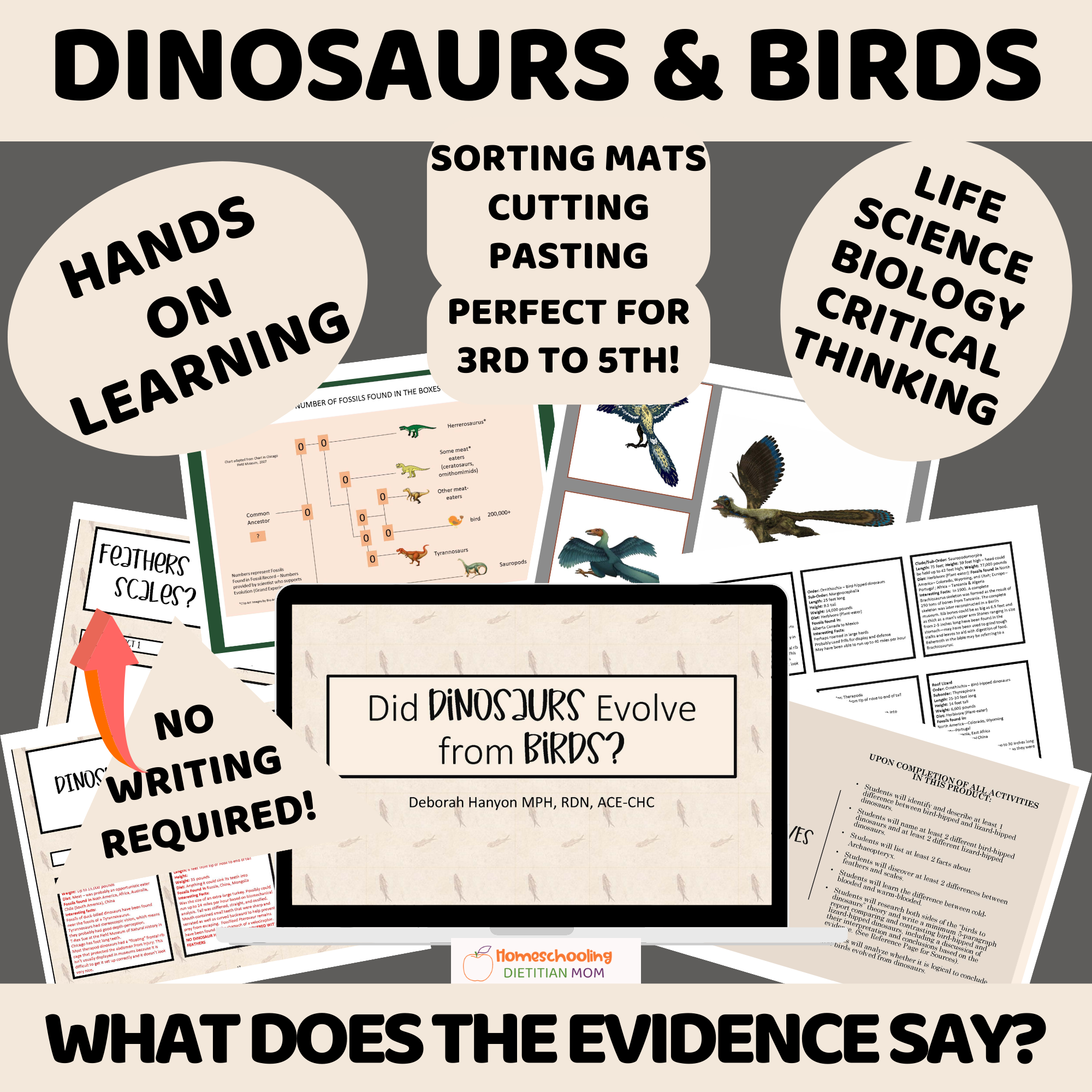
Are Birds and Dinosaurs Related? This activity pack helps students explore the scientific evidence behind the connection between birds and dinosaurs. Instead of simply presenting one viewpoint, this resource encourages students to analyze the evidence and form their own conclusions. I developed this project with my son, who has Autism, in mind. He struggles with writing and organizing his thoughts on paper. Using sorting mat activities reduced frustration and made learning more engaging. As a result, I began creating similar resources to help other teachers and parents make learning more interactive and enjoyable. What’s Included in This Activity Pack? Sorting Activities – Helps students categorize and compare information. Research and Writing Assignments – Encourages deeper exploration and evidence-based conclusions. Critical Thinking Development – Supports analytical thinking skills. Dinosaur Recognition Practice – Reinforces knowledge of different dinosaur types. Comparison of Bird-Hipped vs. Lizard-Hipped Dinosaurs – Explores their significance in relation to evolutionary theory. Bonus Activities: Realistic Dinosaur Coloring Pages Dinosaur Information Sheets for guided research Total: 41 Pages Learning Objectives By completing all activities, students will: Identify and describe at least one difference between bird-hipped and lizard-hipped dinosaurs. Name at least two bird-hipped and two lizard-hipped dinosaurs. List at least two facts about Archaeopteryx. Compare feathers and scales by identifying at least two key differences. Explain the difference between cold-blooded and warm-blooded animals. Research both sides of the "birds from dinosaurs" debate and write a five-paragraph report comparing bird-hipped and lizard-hipped dinosaurs. Analyze whether the evidence logically supports the idea that birds evolved from dinosaurs. This resource provides structured, hands-on learning that supports student inquiry and engagement.
Author Homeschooling Dietitian Mom
Tags Dinosaurs, Evolution, Birds, Hands-on Activities, Critical Thinking, Creation, Dinosaur, Dinosaur Activities, Dinosaur To Bird Evolution