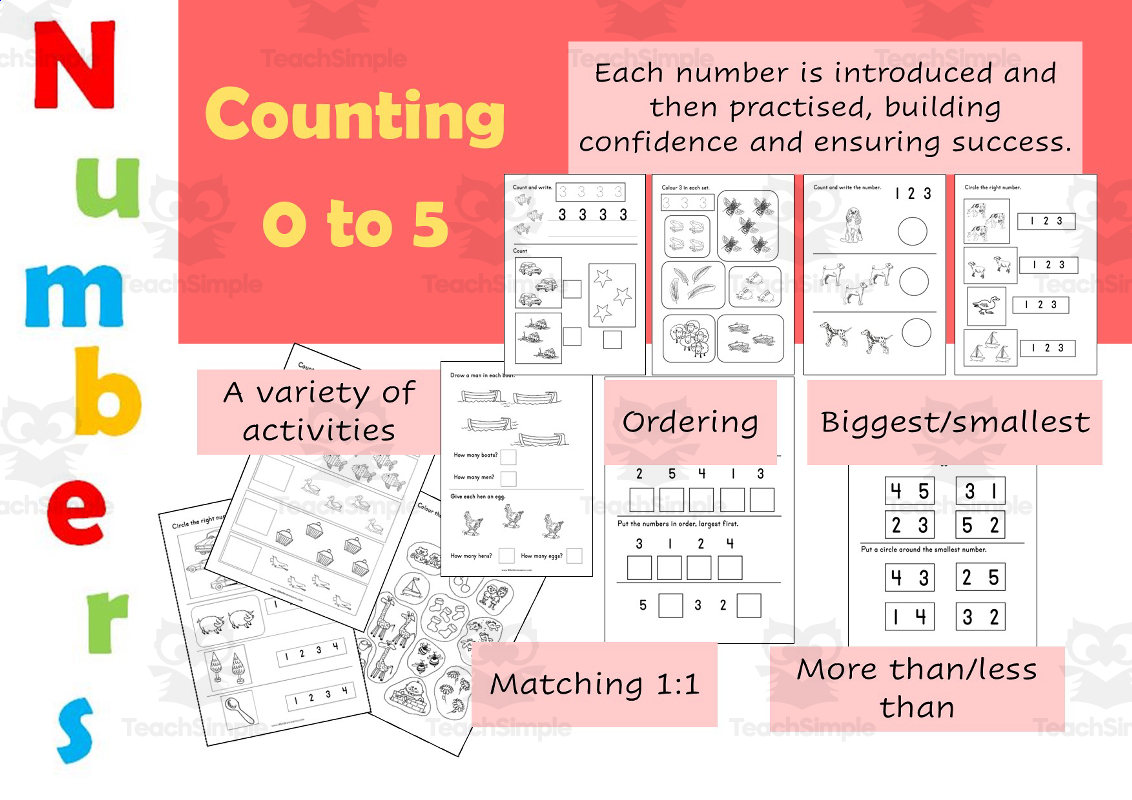
Math Book: Counting 0-5
A printable early-counting workbook teaching students to count, write, and recognize the numbers 0 through 5.




2,337 resources
Introduce foundational math concepts. Make learning fun and engaging.
Explore sub-categories
7 sub-categories · 2,337 resources
A printable early-counting workbook teaching students to count, write, and recognize the numbers 0 through 5.
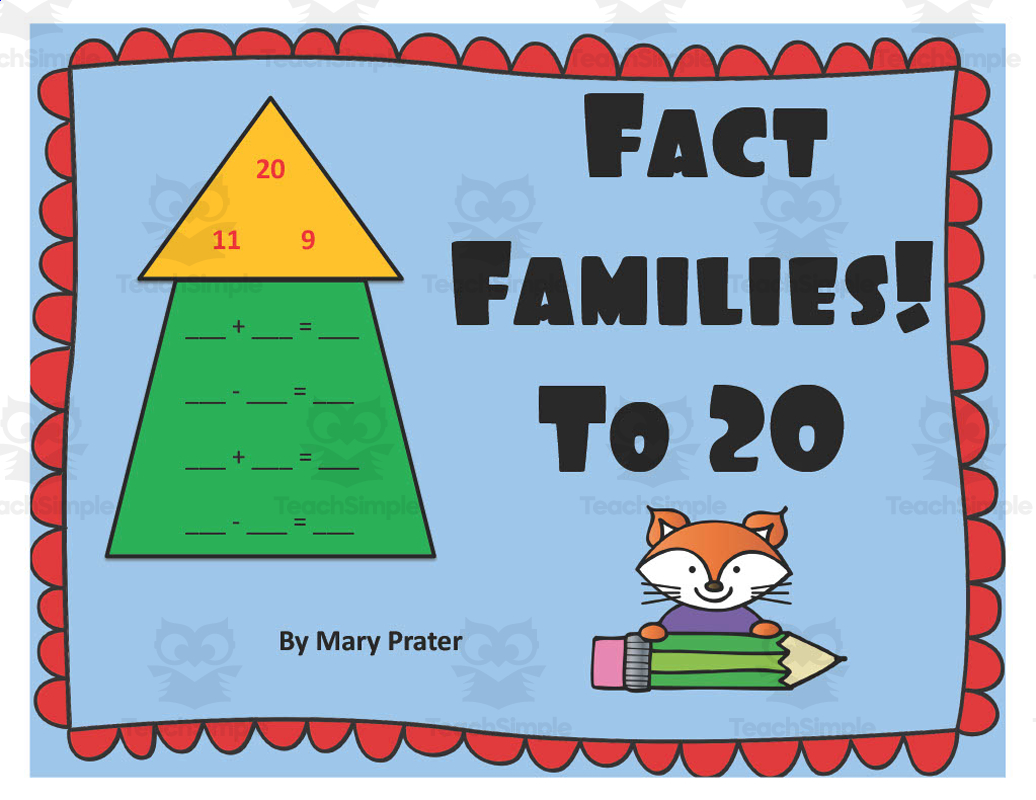
A set of blank fact-family practice worksheets for addition and subtraction, intended to pair with linking cubes or counters to build part-part-whole understanding.
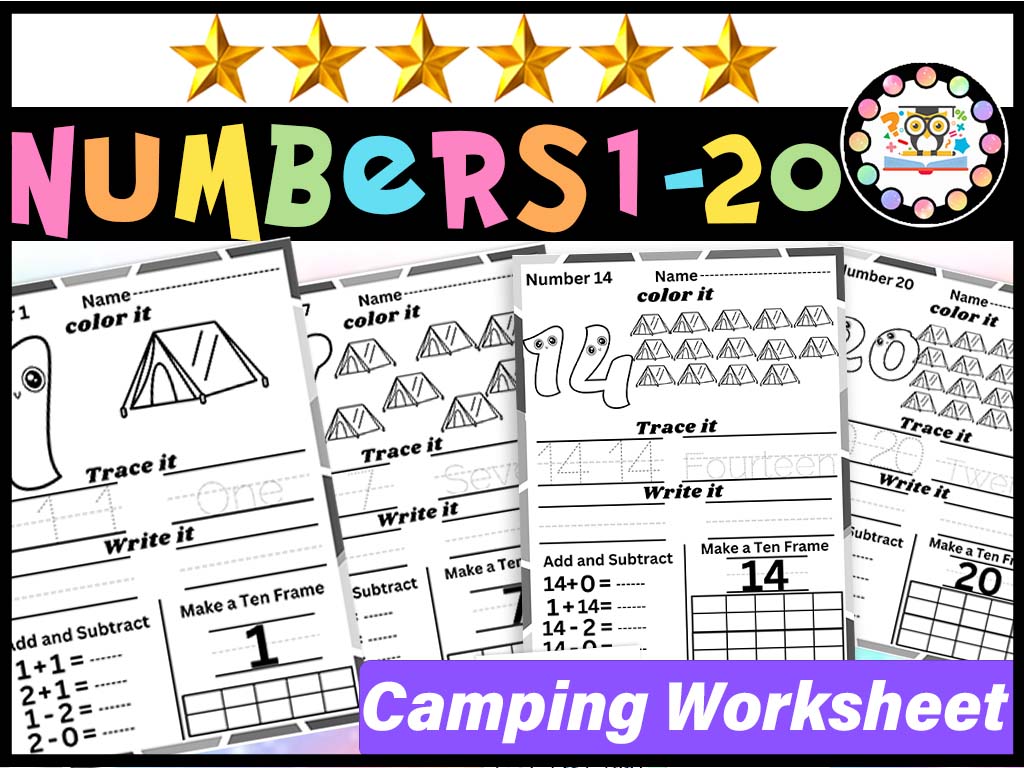
Give each number from one through twenty a focused practice page combining numeral coloring, tracing and number-word writing. Addition and subtraction tasks add another way to work with the quantities. Select the number currently being taught, pair it with a concrete counting model and review its word spelling before students copy independently.
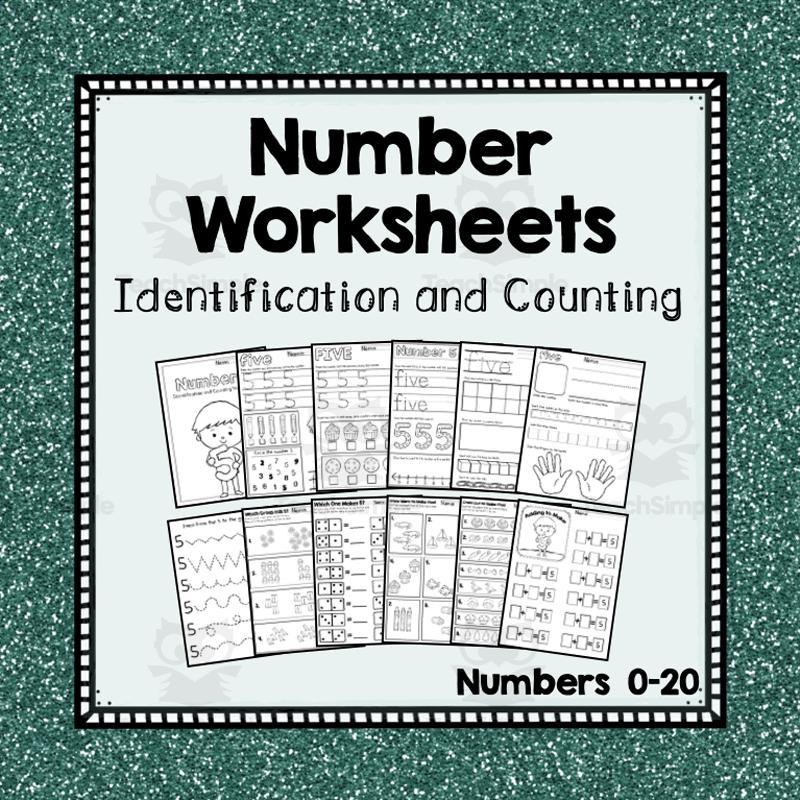
Provide a large set of worksheets for identifying, tracing, writing, and counting numbers.
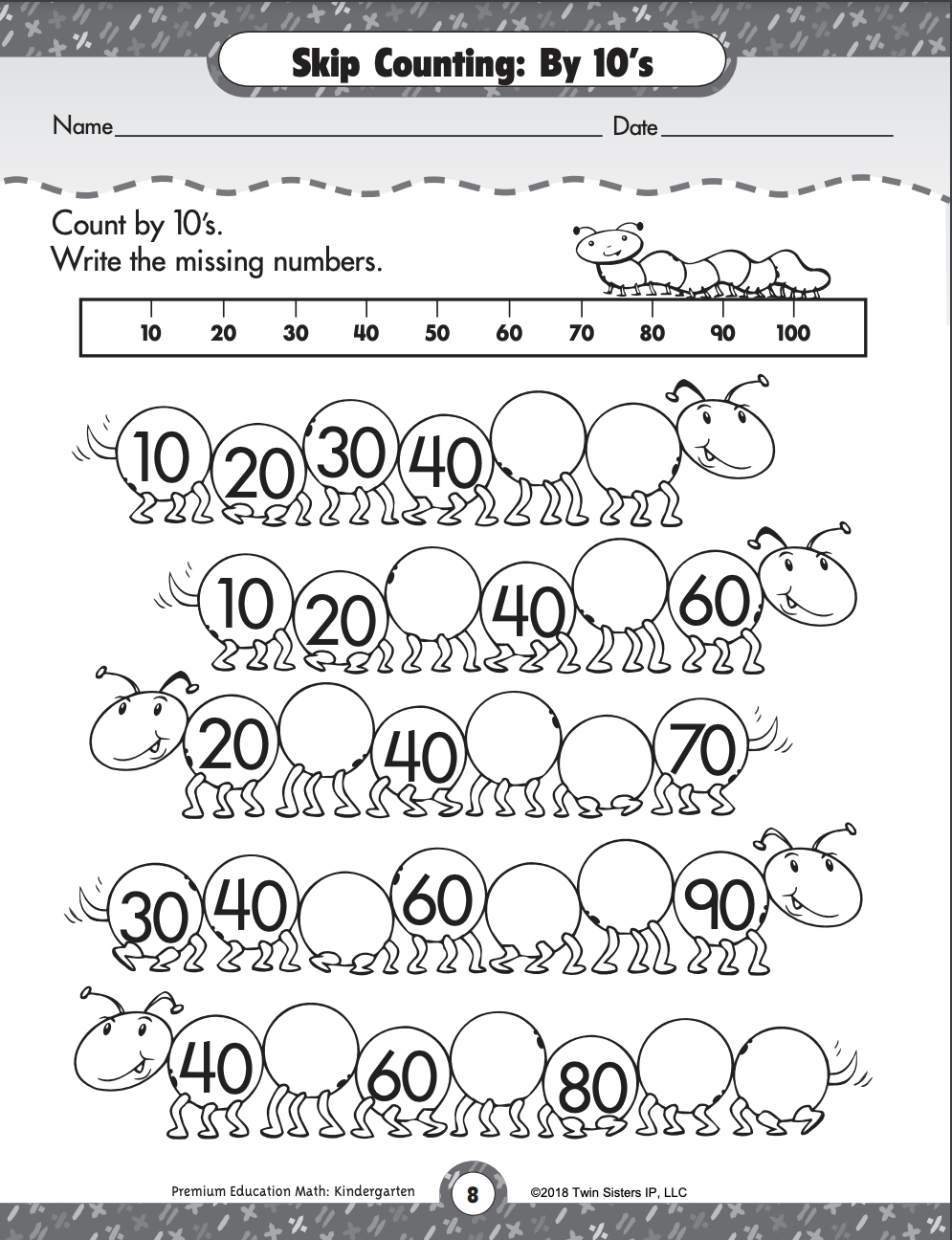
Kindergarten math workbook practicing visual patterns (circle/draw what comes next), skip counting by 2s/5s/10s, and ordinal numbers (1st-10th), part of the 'Premium Education Math: Kindergarten' series
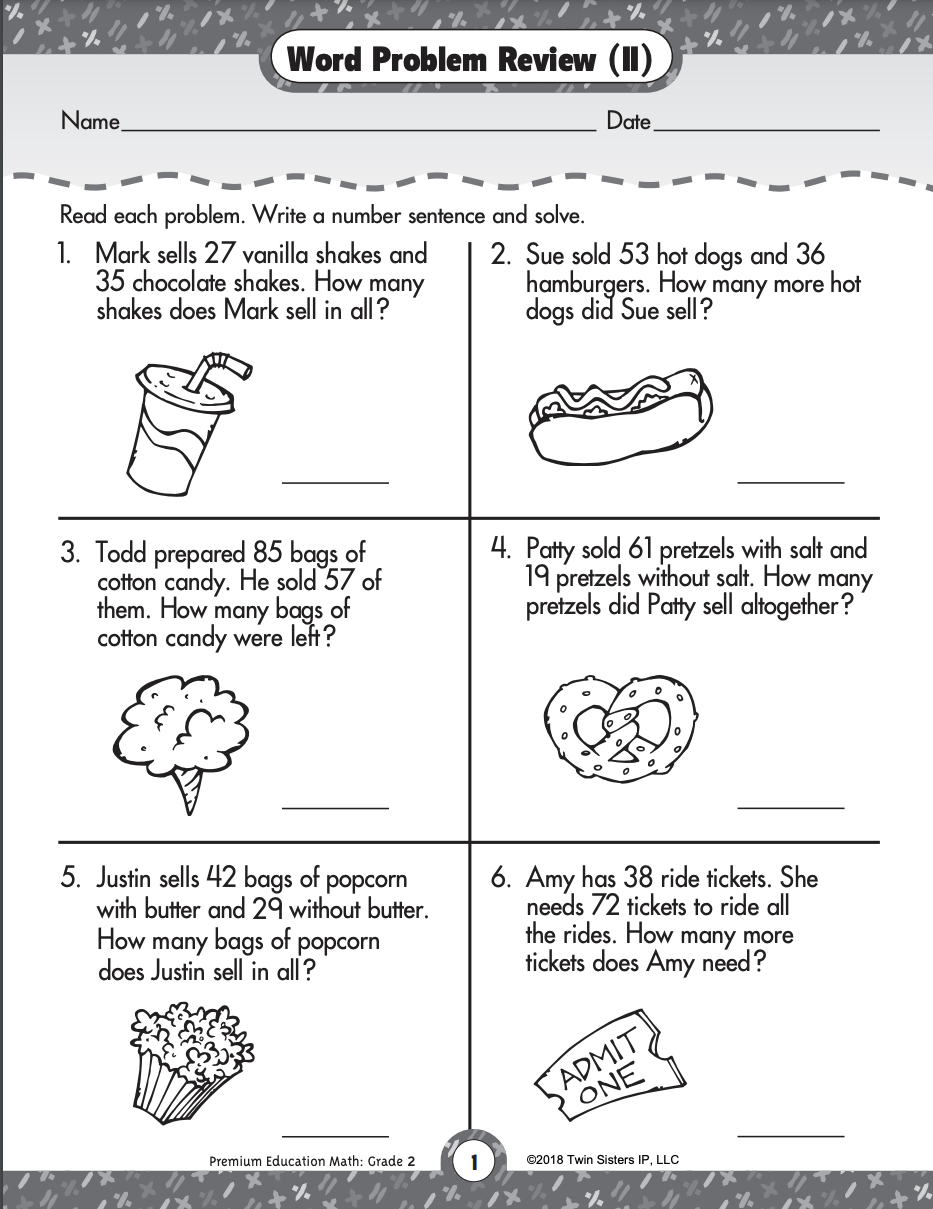
Provide Grade 2 practice worksheets on place value (hundreds, tens, ones) and 3-digit addition/subtraction, including word problems.
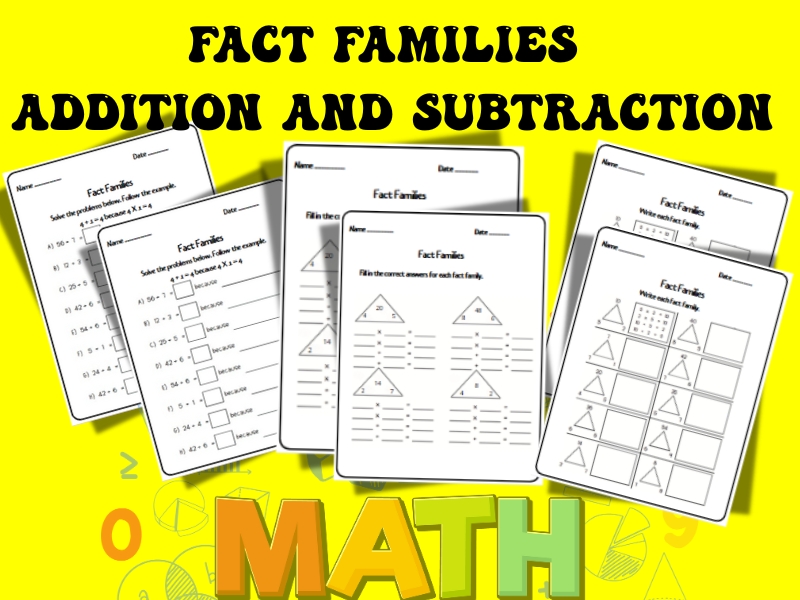
A multiplication/division fact-families worksheet packet for elementary students, using visual fact-family triangles/houses to practice the relationship between multiplication and division.
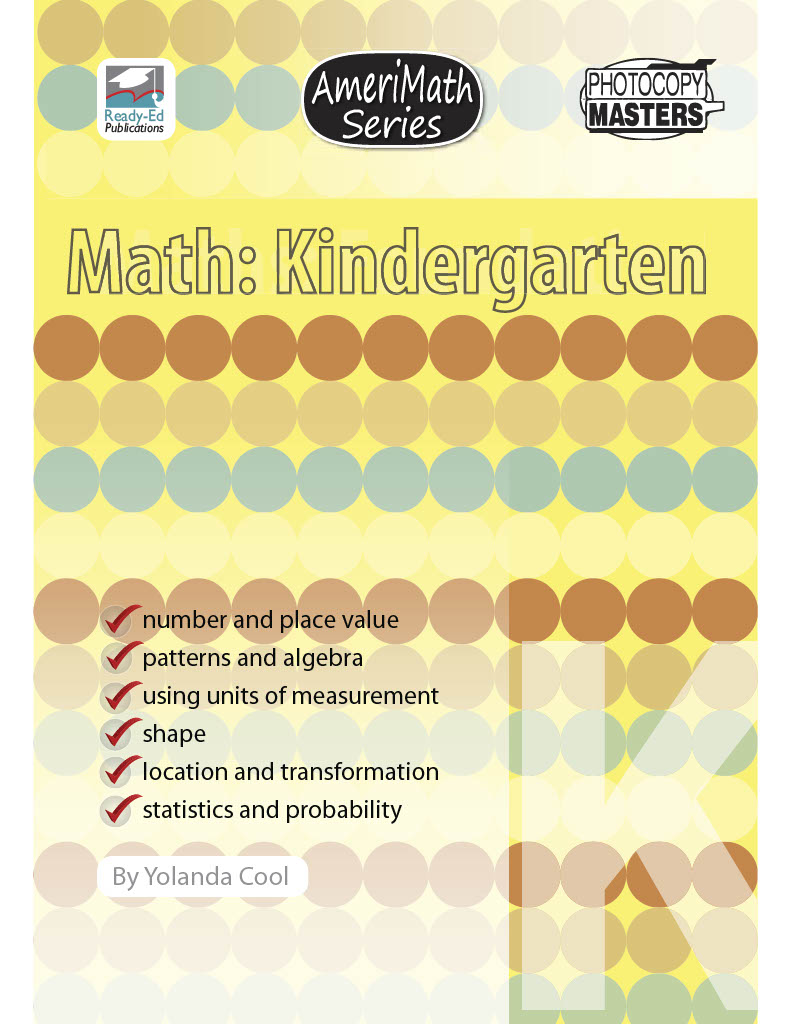
A 60-page Kindergarten math activity workbook (part of the AmeriMath Series, originally published by Ready-Ed Publications as an Australian blackline-master series under the title 'Maths: Foundation') covering number and place value, patterns and algebra, units of measurement, shape, location and transformation, and statistics and…

A reusable, laminate-friendly fact-family house template for addition and subtraction practice, with two blank houses (one yellow-framed, one purple-framed) per page.
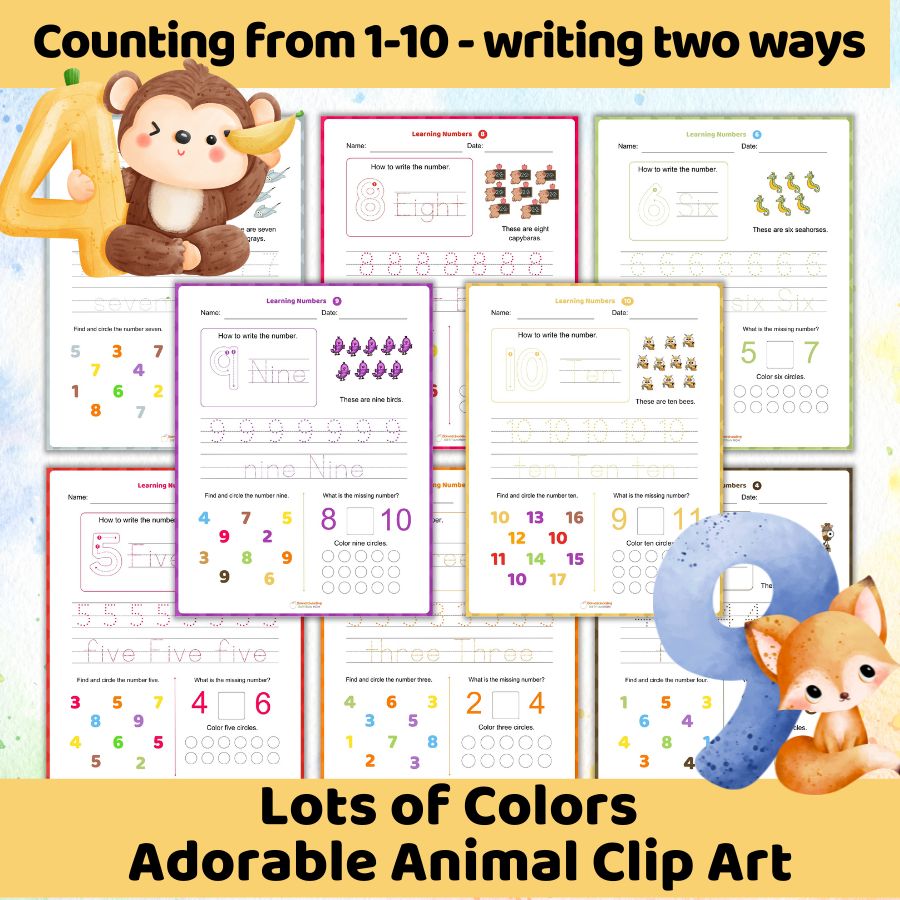
Number-writing and counting practice worksheets for the numbers 1-10, using a wild-animal theme, first in a two-part counting series.
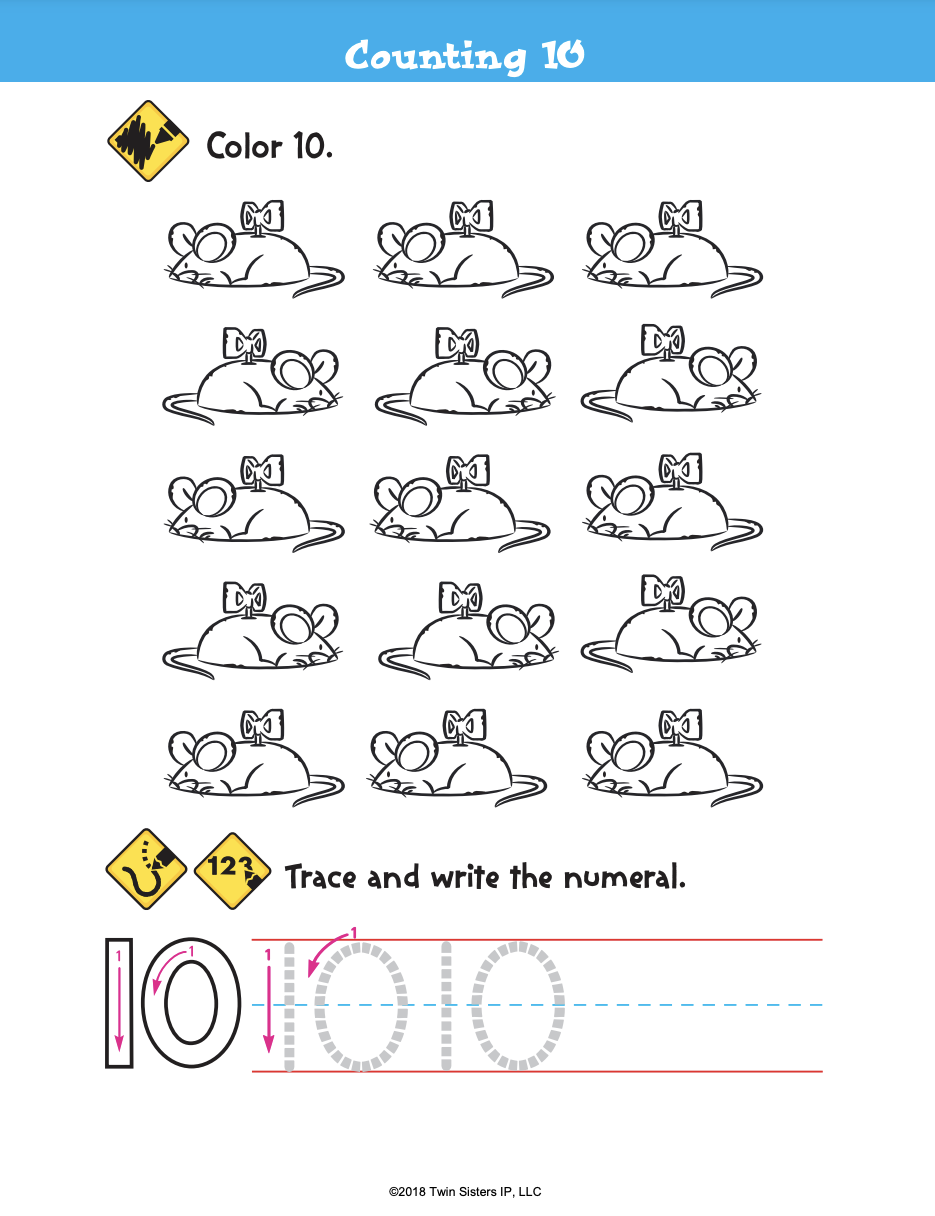
An early-math printable workbook teaching number recognition, counting, and numeral writing for numbers 1 to 20.
Practice using number lines to build counting, addition, and subtraction fluency at the start of the school year.
Teach and build number sense around the number 19 ('Nineteen') through a mix of hands-on manipulatives and printable practice pages covering recognition, formation, and counting.
Provide extensive practice worksheets on place value concepts - reading, writing, comparing, and manipulating numbers.
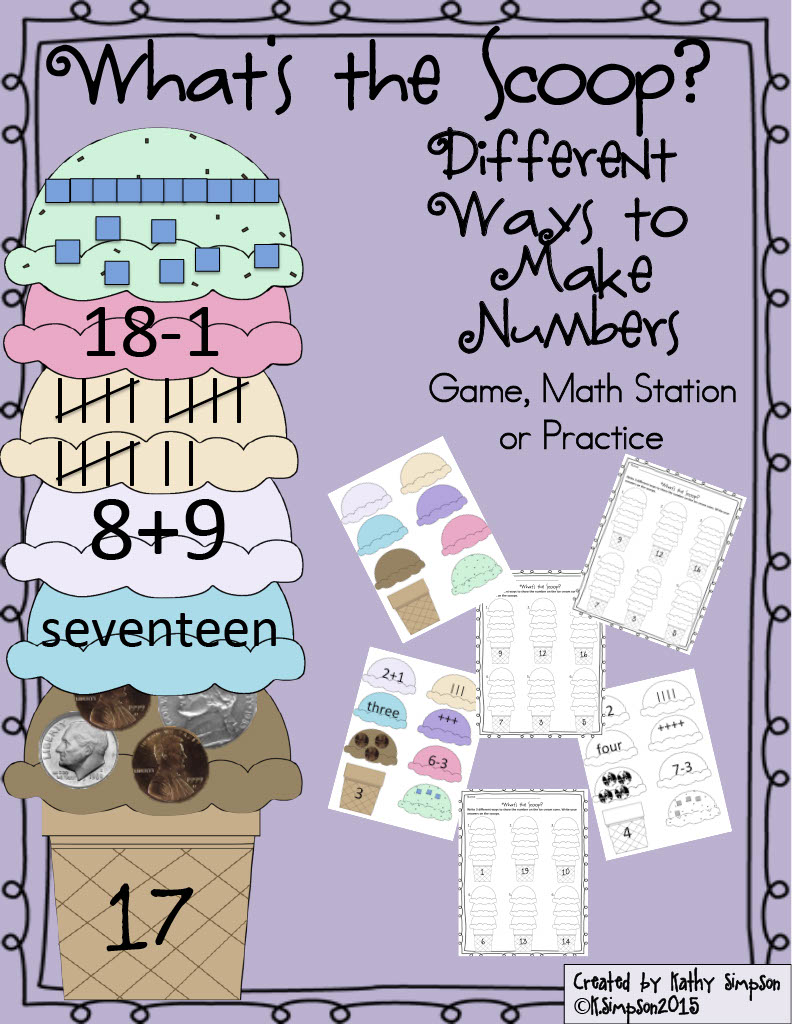
A hands-on math game and worksheet set ('What's the Scoop?') for practicing multiple ways to represent numbers 1-20 (numeral, tally marks, addition/subtraction equations, and word form) using an ice-cream-scoop matching game plus companion worksheets.

A no-prep first-grade math review workbook covering foundational skills for back-to-school practice.
Teach and build number sense around the number 2 ('Two') through a mix of hands-on manipulatives and printable practice pages covering recognition, formation, and counting.
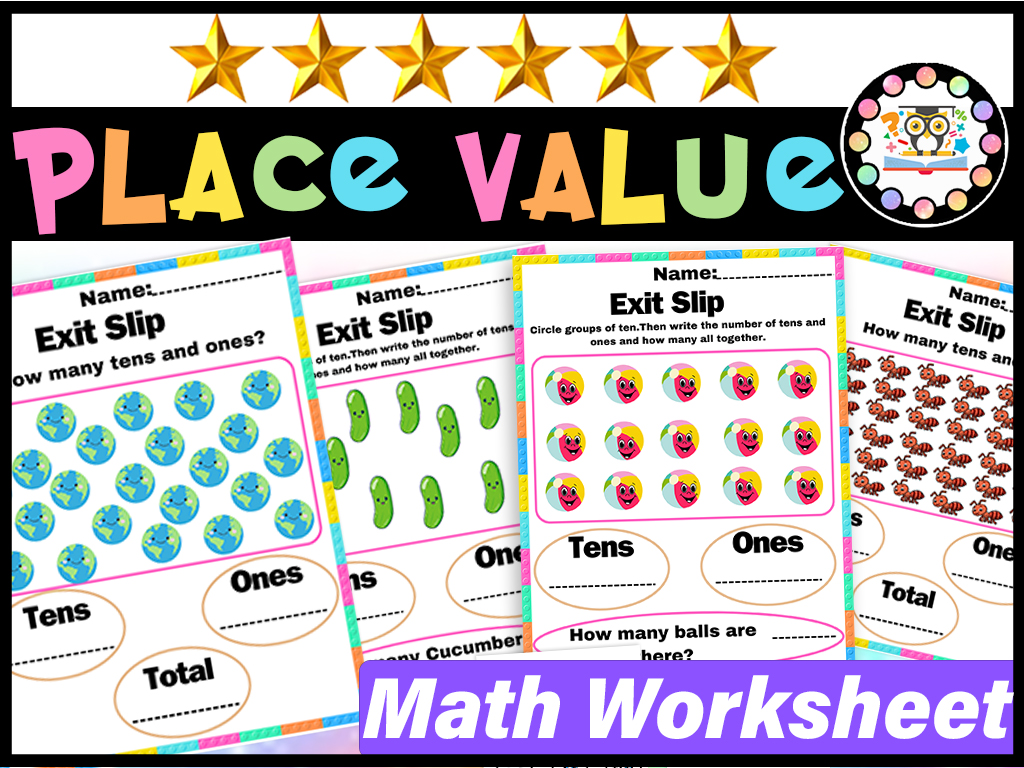
Twenty illustrated exit slips provide repeated practice grouping quantities into tens and ones. Students count pictured objects, identify groups of ten and record tens, leftover ones and the total. The later pages still use pictures, including globes and pandas, with a shorter “How many tens and ones?” heading. No answer key is supplied.
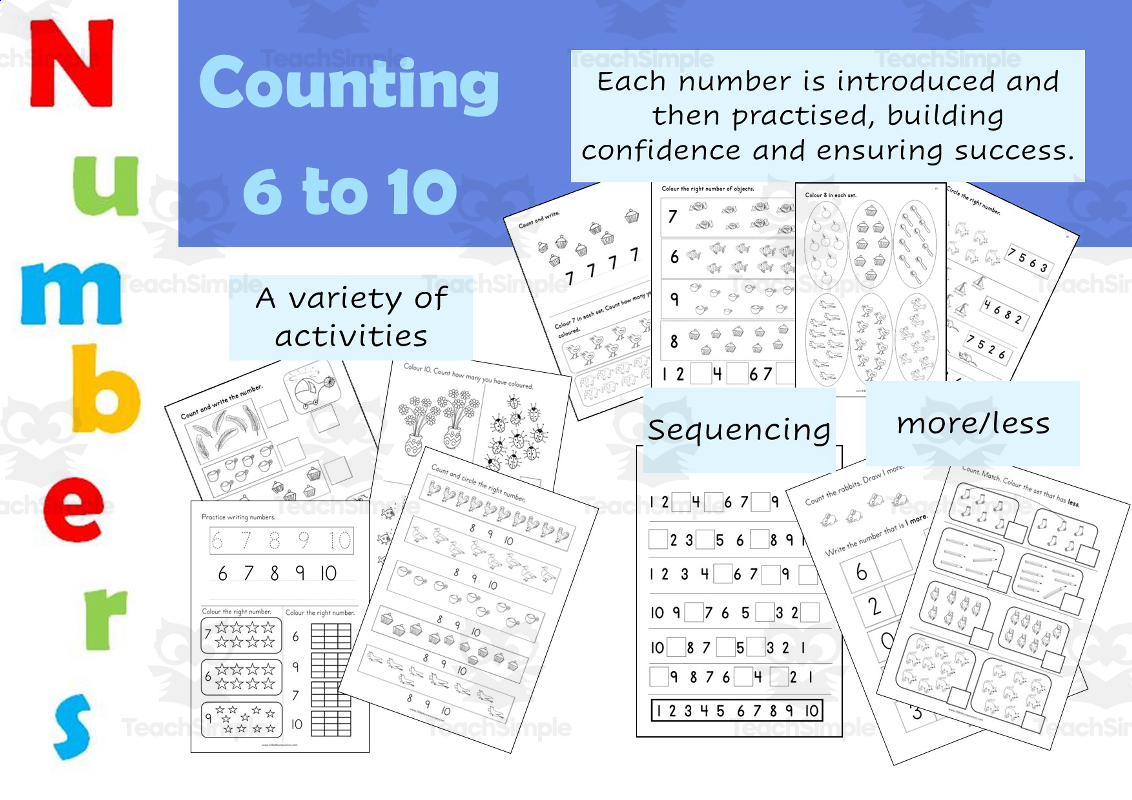
A printable early-counting workbook teaching students to count, write, and recognize the numbers 6 through 10, following on from the 0-5 counting book in the same series.

Help early elementary students strengthen the connection between number bonds and fact families (addition/subtraction relationships within a set of three related numbers).
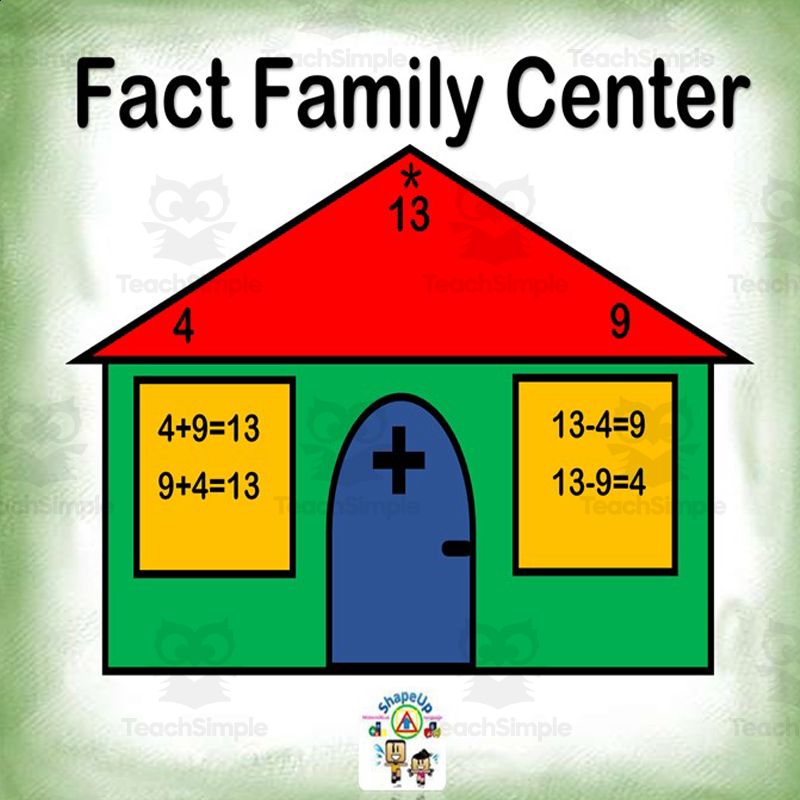 Free download
 An interactive math center activity for practicing addition and subtraction fact families.

A 58-page Grade 4 math activity workbook (part of the AmeriMath Series, originally published by Ready-Ed Publications as an Australian blackline-master series) covering three sections: Number and Algebra, Measurement and Geometry, and Statistics and Probability, with an included answer section.
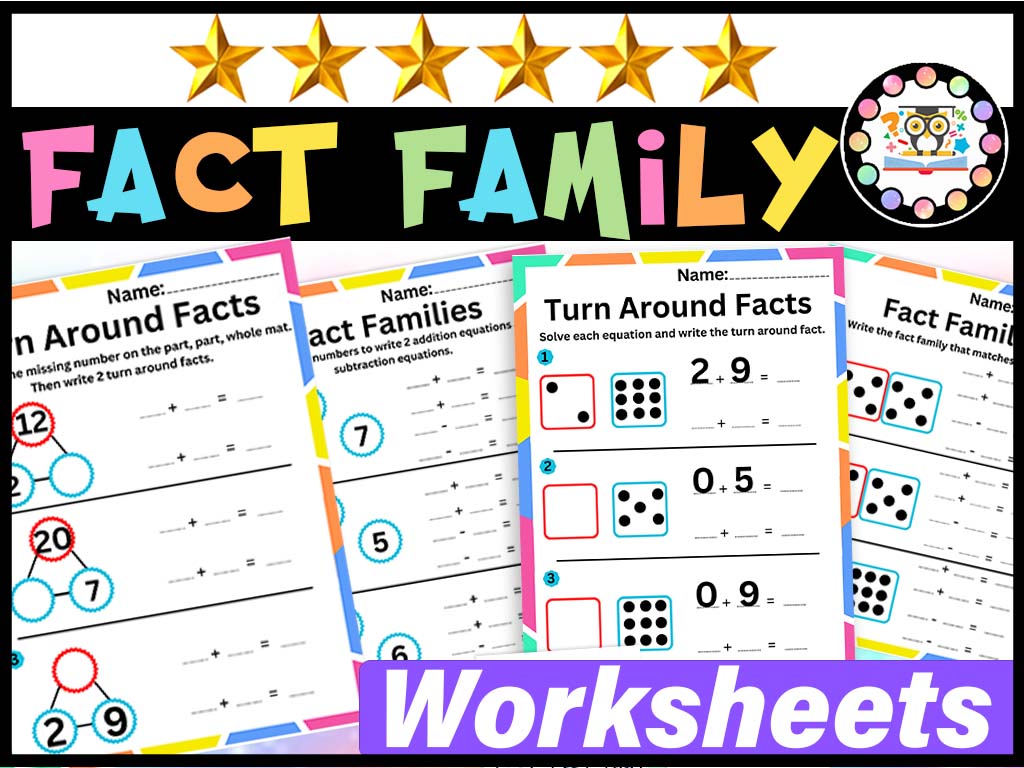
Practice the commutative property of addition ('turn around facts') and fact-family relationships through solve-and-write and part-part-whole exercises.
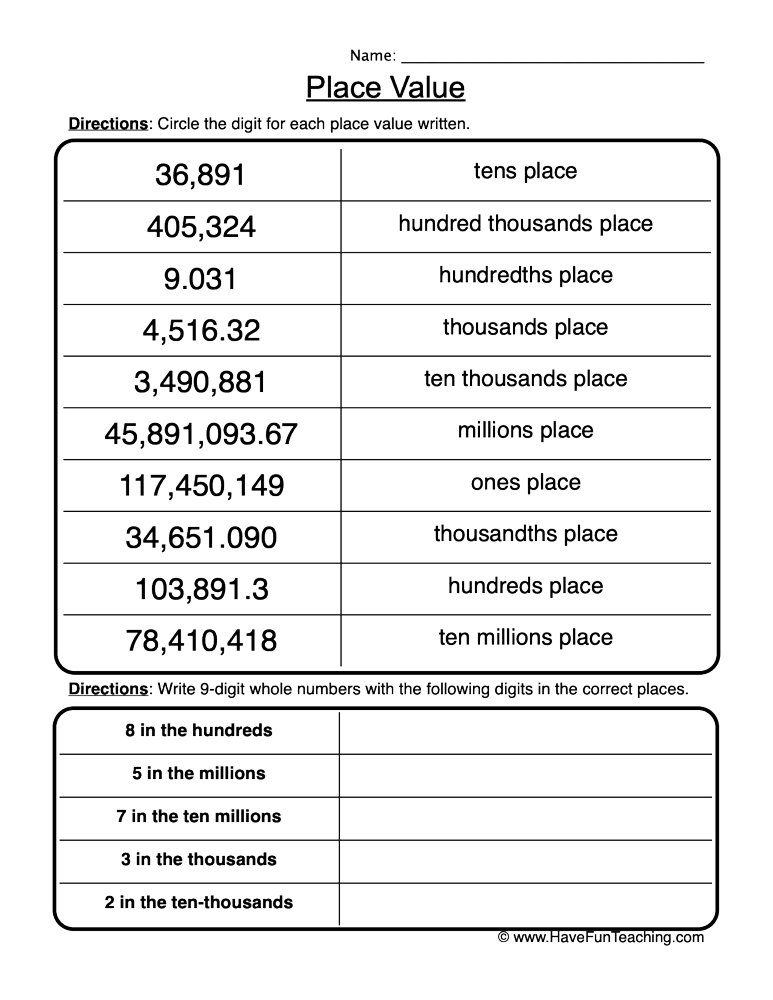
This Place Value Review Worksheet is a great resource for teachers who want to help their students review and practice place value. This worksheet will help students understand place value concepts by having them circle the place value digits and then create their own numbers with specific numbers in a place value.