Math & problem solving
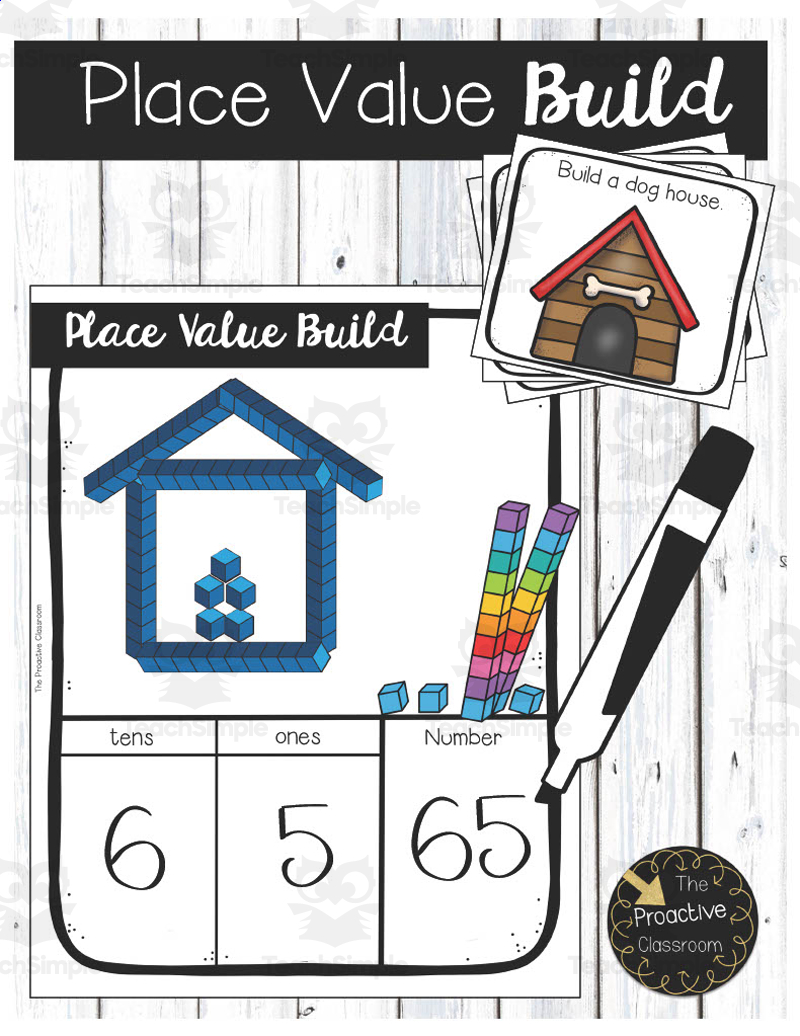
Place Value Build
A hands-on small-group/center STEM activity combining base-ten block building with place value practice up to 99 or 999.




Classroom resources
Get students learning by making, building, sorting, and investigating. Find practical activities for hands-on math, literacy, science, and creative classroom work.
Browse by lesson focus
Choose the topic or kind of practice you need.
Showing 1–24 of 156 resources

 Show filters
 A hands-on small-group/center STEM activity combining base-ten block building with place value practice up to 99 or 999.

Provide a multi-resource bundle teaching the scientific method (the eight steps: questioning, controlling variables, hypothesis, planning, performing, observing, analyzing, discussing) through slide-based lessons and hands-on lab/project activities.
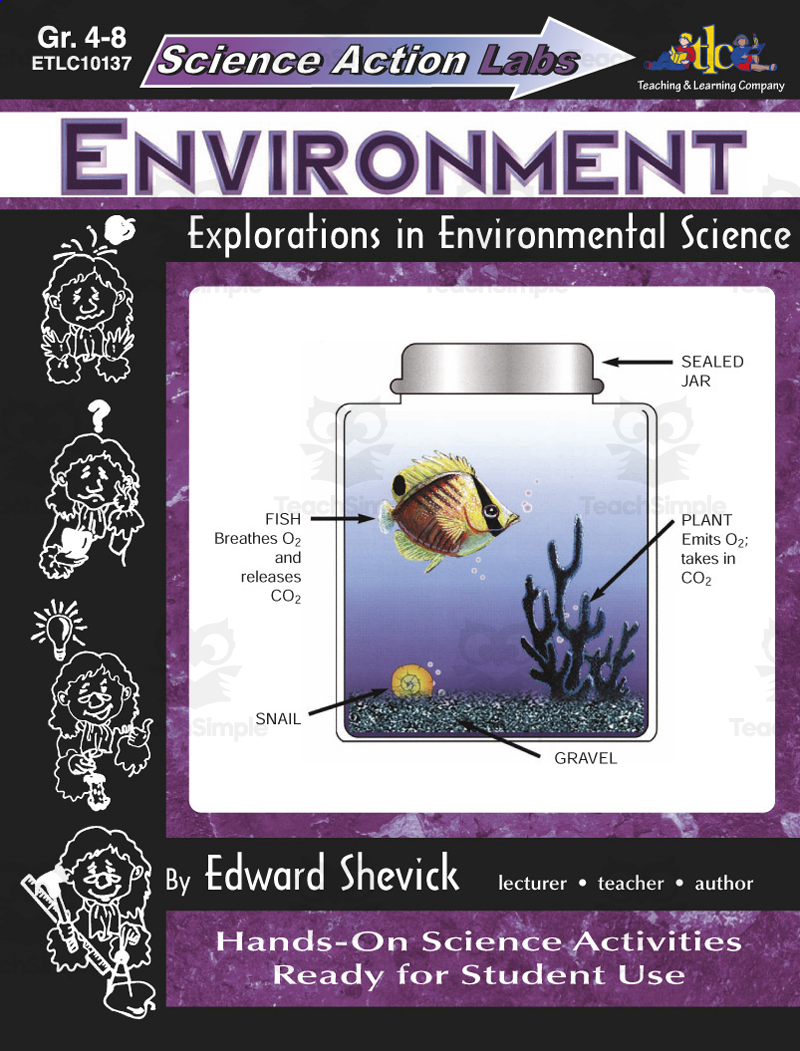
Teach environmental science concepts (pollution, water quality, ecosystems, recycling, population, energy conservation) through hands-on labs framed as 'lab team' investigations.
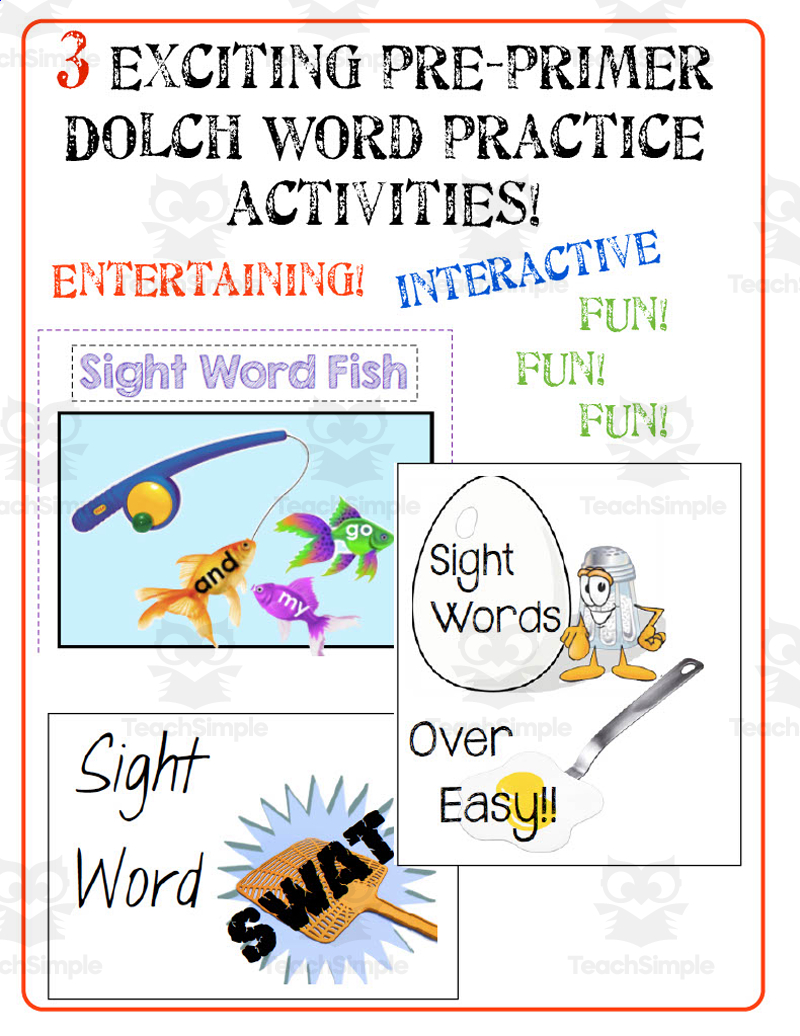
Three hands-on literacy-center activities for practicing the 40 Pre-Primer Dolch sight words: a magnetic 'sight word fishing' game confirmed in detail, plus a spatula-flip activity and a flyswatter-swat activity described in the catalog.
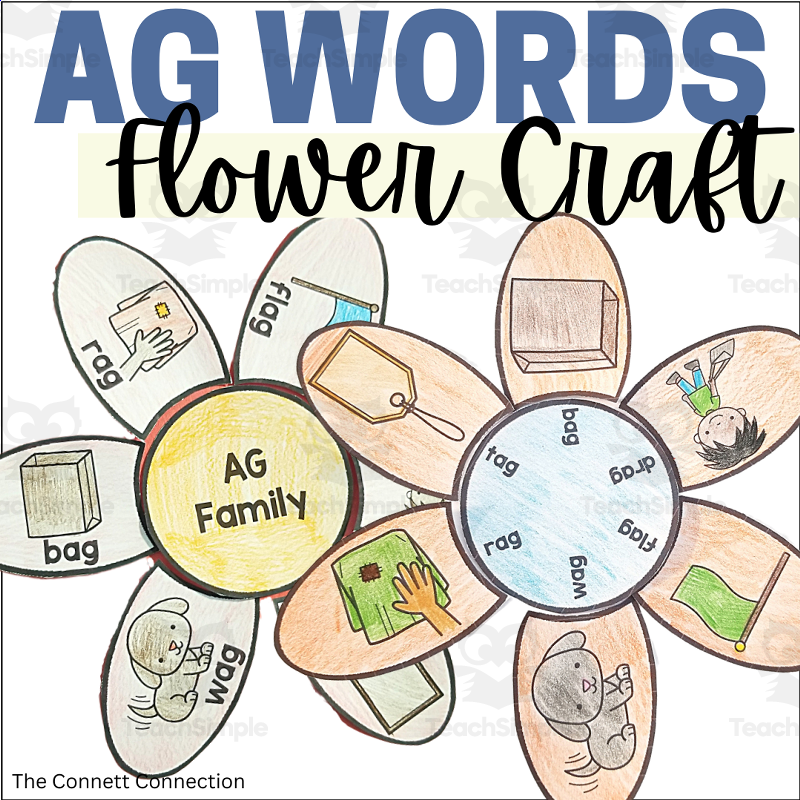
A spring-themed flower craft template used to reinforce recognition of AG-family CVC words through a cut-and-assemble hands-on activity.
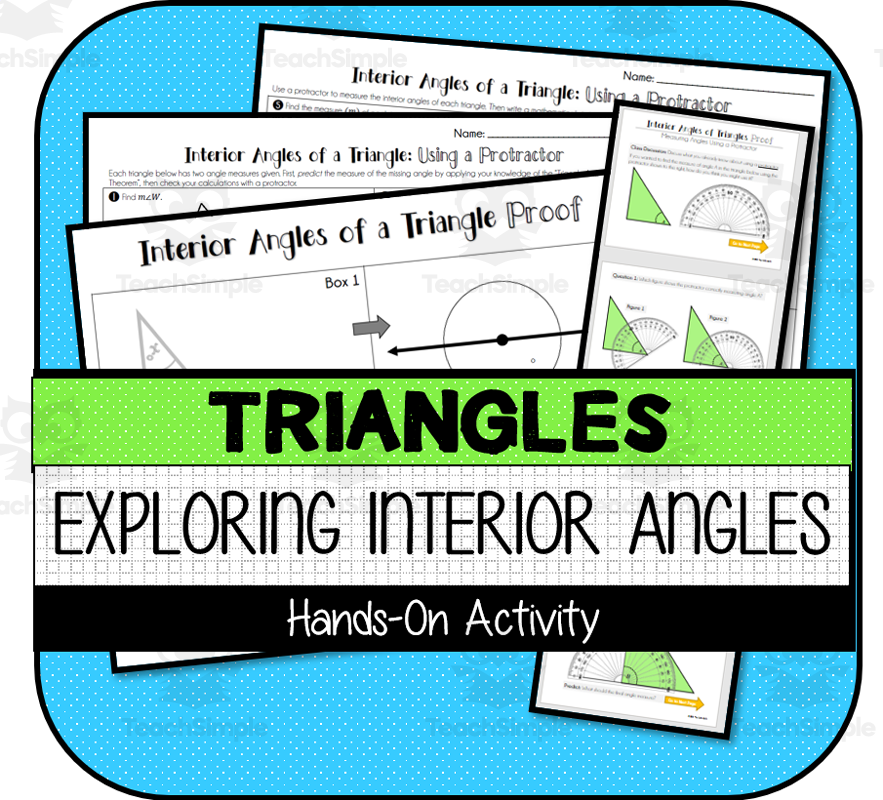
Provide a hands-on, cut-and-paste discovery activity proving the Triangle Angle Sum Theorem (that a triangle's interior angles sum to 180 degrees), partially addressing CCSS.MATH.CONTENT.7.G.A.2, followed by protractor-based angle measurement practice.
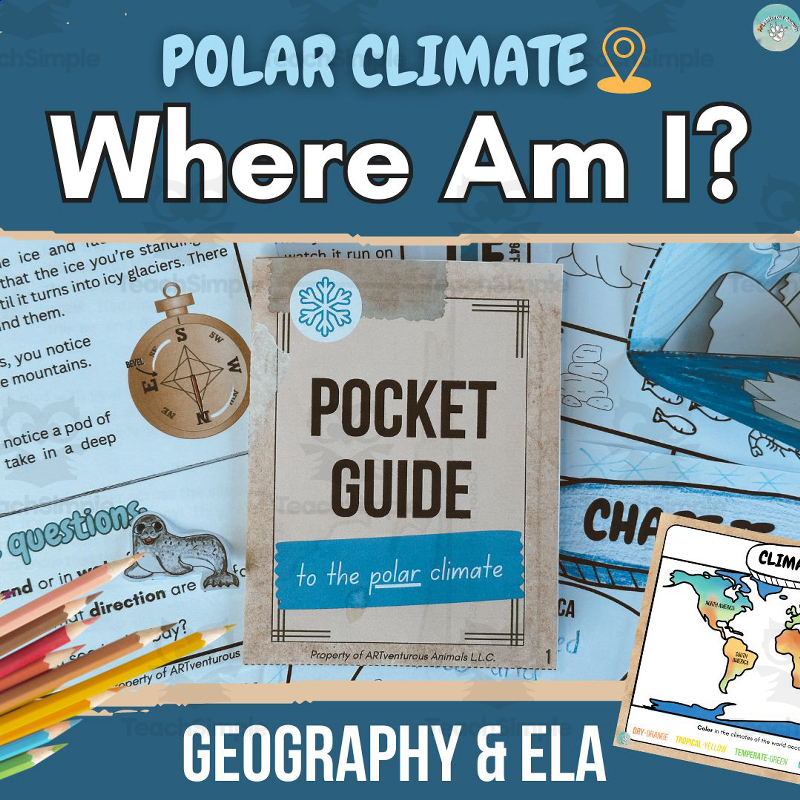
A geography mystery/detective activity where students use clues (compass readings, wildlife observations, temperature) from three reading passages to deduce they are in Antarctica/the Polar Climate zone, then complete a hands-on ELA and art project representing that location.

Give middle school students hands-on practice with grammar conventions (complete sentences, capitalization, punctuation) through three interactive, hands-on learning centers.
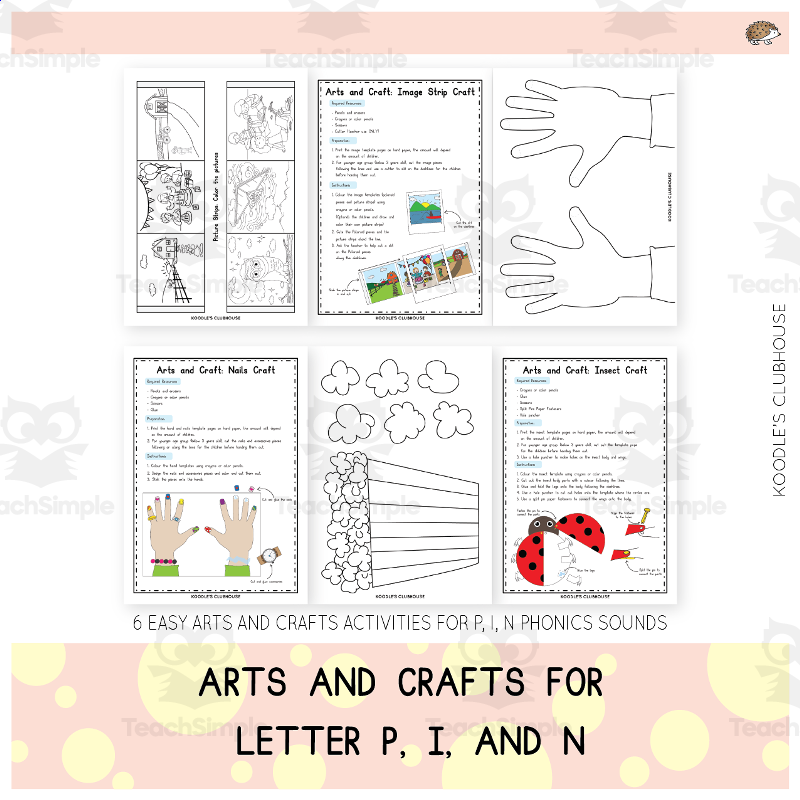
Six printable craft templates (two per letter) that reinforce phonics/letter recognition for the letters P, I, and N through hands-on making of a popcorn spring pop-up, parrot, image-strip viewer, insect with movable wings, narwhal, and decorated hand/nails.

Teach elementary astronomy concepts (the universe, astronauts, Earth, the sun, the moon, the solar system, planets, stars, astrology, sunlight, gravity) through a hands-on lab/activity book with discussion questions and experiments.
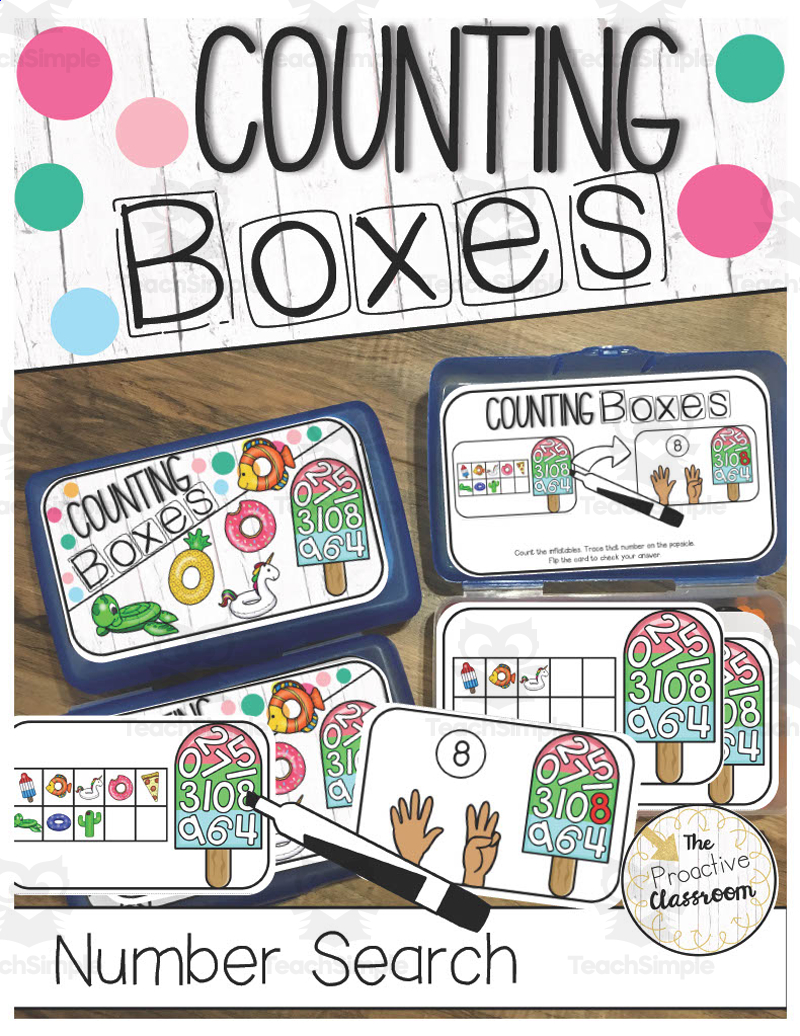
Practice counting and number identification to 20 using a popsicle number search-themed hands-on math center.

Nine pumpkin life-cycle vocabulary words — seeds, seedling, sprout, plant, vine, flower, green pumpkin, ripen, and pumpkin — appear across a set of hands-on crafts, with shorter sequences used in some components. Students build a wearable pumpkin-themed crown and a necklace made from printed paper bead pieces, spin a spinner and lift paper flaps to review the sequence, and build the printed vocabulary words with separately supplied Bananagrams or Scrabble tiles. A sliding pumpkin-stage viewer (offered in both color and black-and-white) and a staple-bound lift-a-page booklet give students two more formats for reviewing selected parts of the growth sequence. Two instruction pages explain printing, coloring, cutting and assembly for eight activity formats. The flower stage in this sequence can be explored in more depth with a labeling parts of a flower diagram activity that names the flower's own structures.

Teach middle school students to keep writing focused on purpose, audience, and task through a narrative-anchored mini-lesson and four hands-on interactive centers.
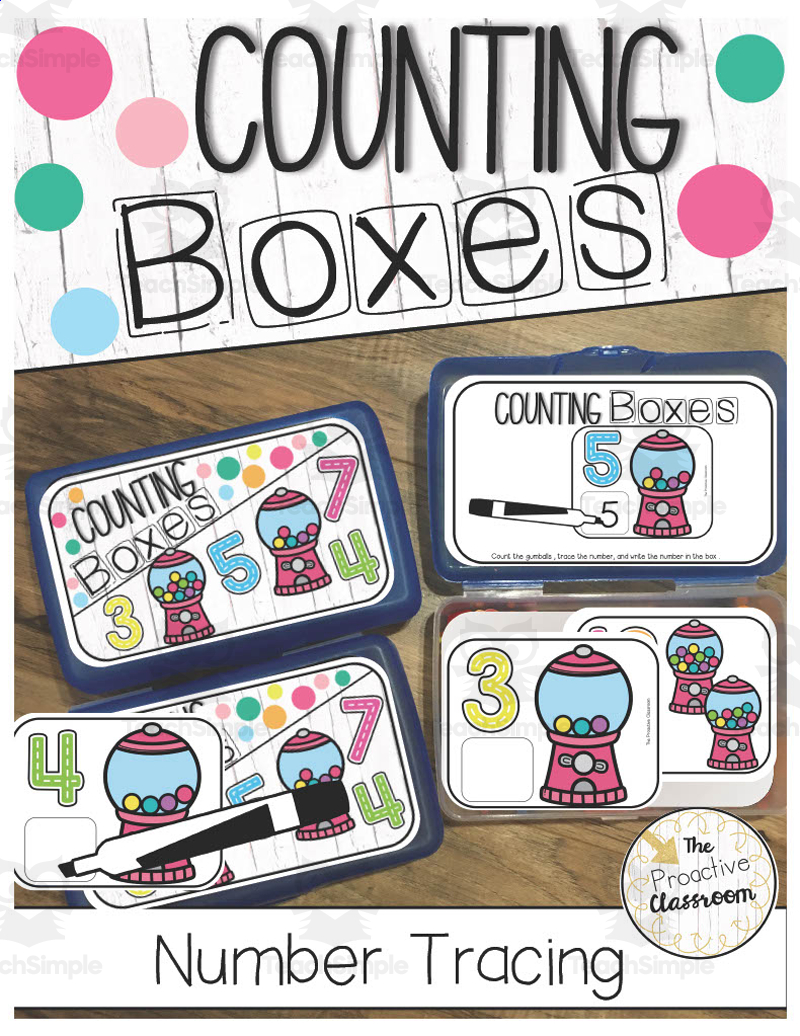
Practice counting and number identification to 20 using a gumball/number tracing-themed hands-on math center.
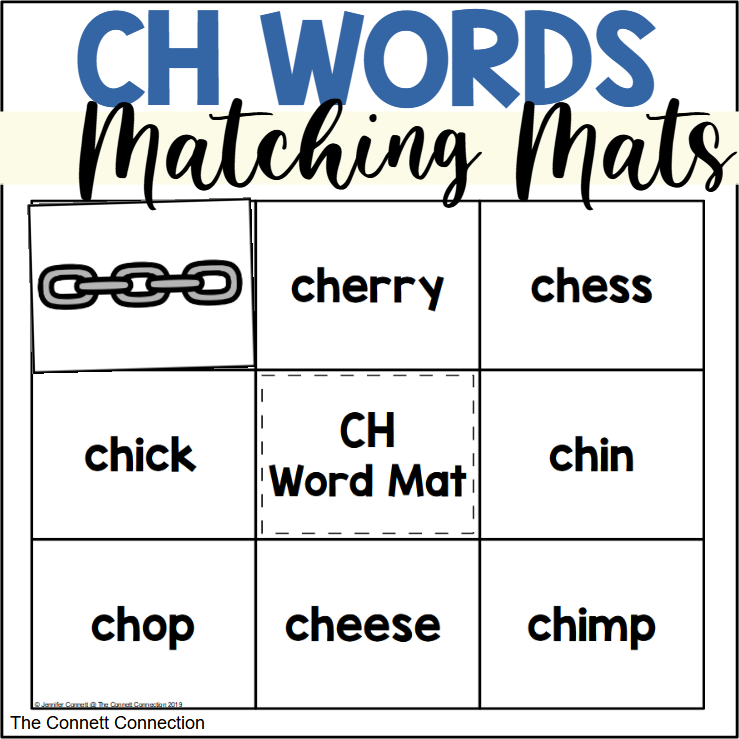
A hands-on literacy center matching activity that has students match CH-word and CH-sentence picture cards to two corresponding mats, building word and simple-sentence reading practice.

Teach foundational air-science concepts (air is transparent, takes up space, has weight/pressure/resistance, is a mixture of gases, the oxygen-carbon dioxide cycle, smog/pollution) through hands-on experiments and activities.
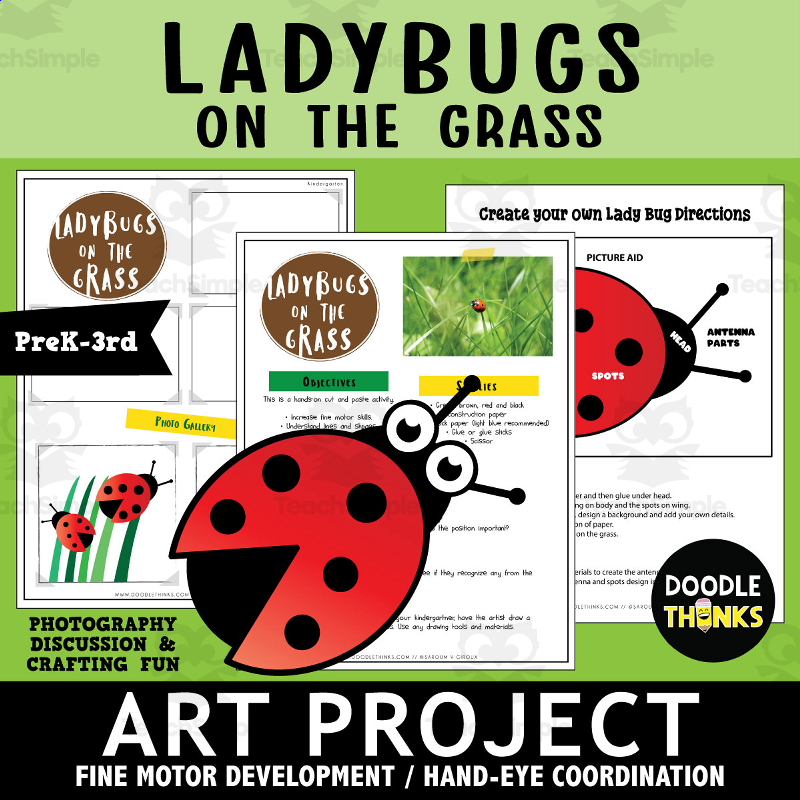
A hands-on cut-and-paste art project where students create a ladybugs-on-the-grass landscape scene using construction paper, building fine motor skills and self-expression.
A multi-station high-school/middle-school physics activity that teaches uniform acceleration through hands-on experimentation, research, reading, video, and multiple-choice assessment.
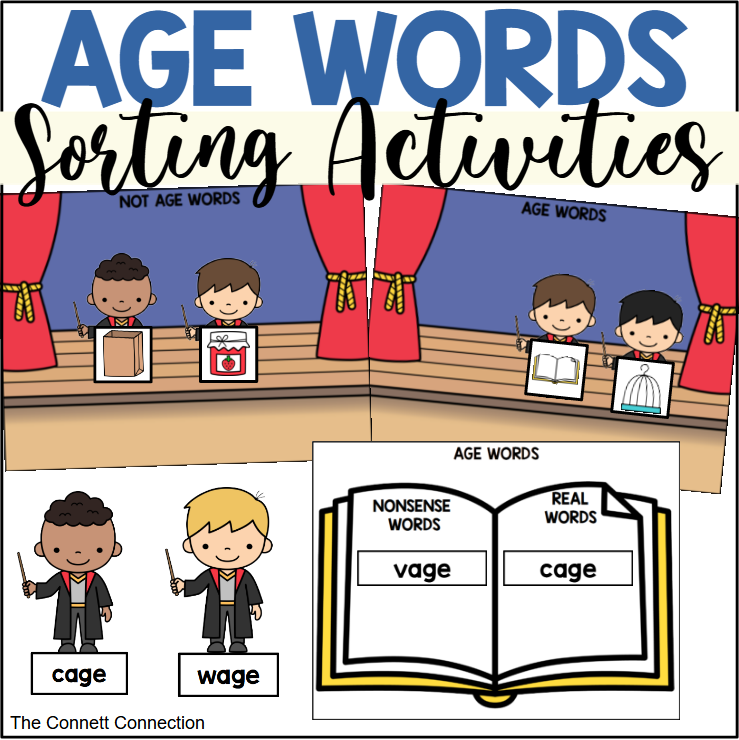
Practice recognizing AGE-family words versus other words/nonsense words in a hands-on sorting literacy center.
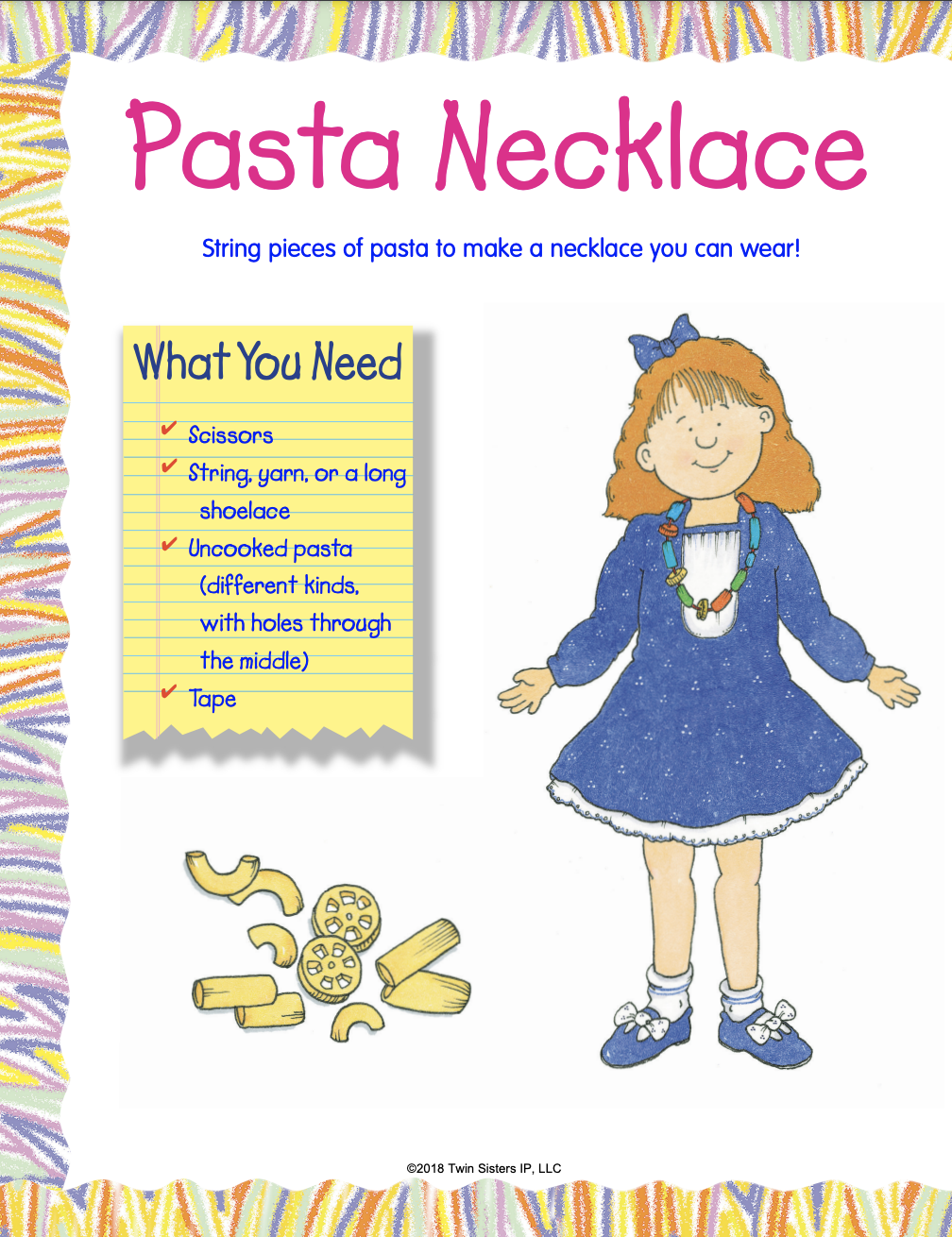
A hands-on arts and crafts activity book of step-by-step craft projects for young children, plus related art/counting extension ideas.

Provide a hands-on home/troop science activity booklet (aimed partly at Girl Scout leaders) teaching kitchen-based science concepts such as density through experiments.

A multi-station physics lab activity teaching projectile motion (initial velocity, launch angle) through hands-on measurement, research, reading, and knowledge-check stations built around a catapult/paper-football theme.
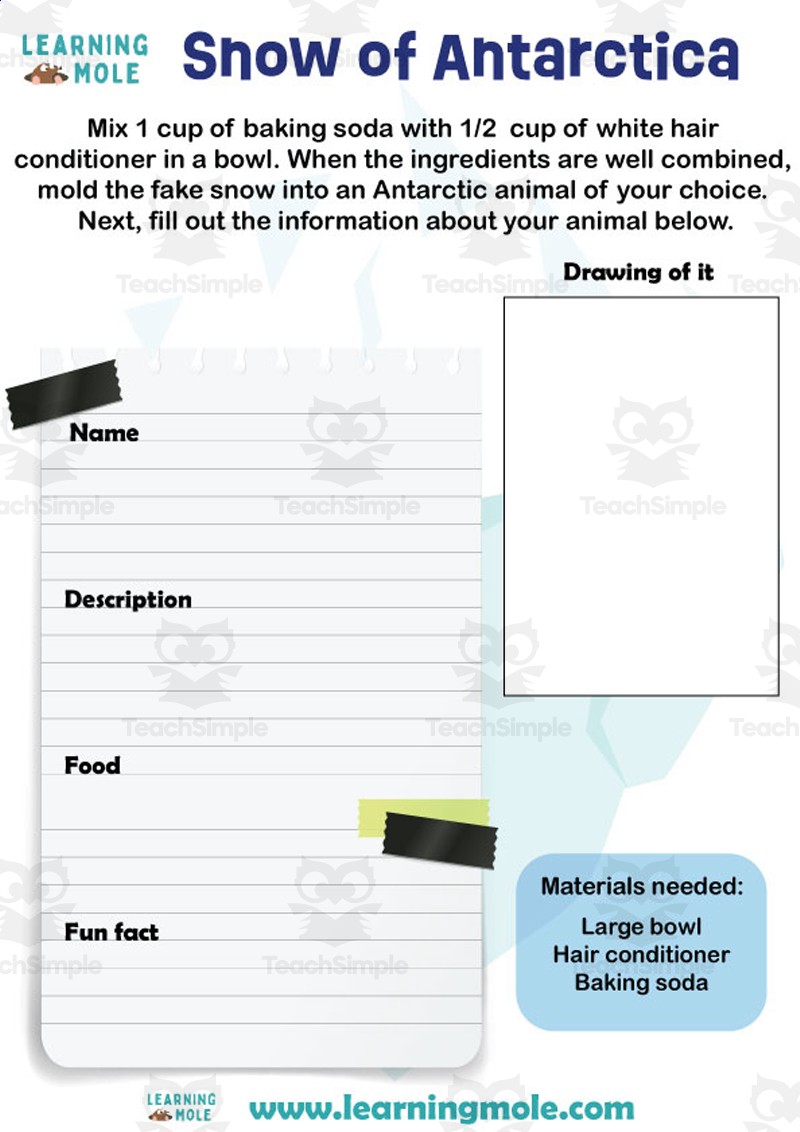
A hands-on craft/science activity where students make fake 'Antarctic snow' and mold it into an Antarctic animal, then research and record facts about that animal.
Teach and assess the Exterior Angle Theorem for triangles (that an exterior angle equals the sum of the two remote interior angles), partially addressing CCSS.MATH.CONTENT.8.G.A.5.