



3,494 products added recently
Health Lesson Plans
Educate your students on vital health topics with lesson plans covering nutrition, hygiene, mental health, and more. These activities encourage informed decision-making and self-care. Use these resources to support your students' overall well-being and healthy lifestyles.

 Show filters


Growth and Development Health: 4th and 5th Grade Unit 2
P.E. & Health, Life Studies, Physical Education, Health, Special Resources, Life Skills, Social Emotional Learning (SEL), Social Skills, Grade 4, 5, Teacher Tools, Lesson Plans, Worksheets & Printables, Worksheets
Growth and Development Health: 4th and 5th Grade Unit 2 For 4th and 5th Grade Health, there are seven standards that students will practice and learn. This unit is all about Growth and Development. Through using this Growth and Development Health: 4th and 5th Grade Unit 2 students will explore and learn to identify daily healthy habits. This unit is the perfect way to help 4th and 5th grade students learn and develop healthy habits. In this unit, students will understand and explain the six major body systems including the cardiovascular system, the digestive system, muscular system, the respiratory system, the nervous and skeletal systems, along and more. Also included in this unit, students will compare their emotional, physical, and academic differences with other classmates as they do activities with each other to build friendships and classroom unity with each other. Furthermore, students will have the opportunity to practice scenarios using different healthy methods. At the end of this unit, there is an assessment to check for understanding with answer keys included. This 24-page unit meets Common Core Standards and is filled with engaging activities that will help any student build a healthy foundation! Included in this 4th and 5th Grade Health Unit are the following: There are six major body systems that students will learn and be able to explain how they work and function together. The 6 major systems listed in this unit and include the following systems: Cardiovascular, Respiratory, Digestive, Skeletal, Nervous, and Muscular. Students will also compare their emotional, physical, and academic differences. There is an opportunity for students to healthy methods using different scenarios. Lastly, included there is an assessment to check for understanding with answers. There are 24 pages included! This 4th and 5th Grade Unit 2: Growth and Development meets the Common Core Standards. There are seven units that cover all the health requirements for 4th and 5th grade. Here are the links to other health units: Health | 4th and 5th Grade Unit 1: Personal Health Health | 4th and 5th Grade Unit 2: Growth and Development Health | 4th and 5th Grade Unit 3: Nutrition and Physical Activity Health | 4th and 5th Grade Unit 4: Substance Use and Abuse Health |4th and 5th Grade Unit 5: Injury and Violence Prevention Health | 4th and 5th Grade Unit 6: Prevention and Control of Disease Health |4th and 5th Grade Unit 7: Environmental Consumer Health
Author K-5 Treasures
Tags Health Unit, Personal Health, Healthy Goals, Health Activities, Physical Goals, Health Goals, Health And Wellness, 4th Grade Health, 5th Grade Heath, Heath Units
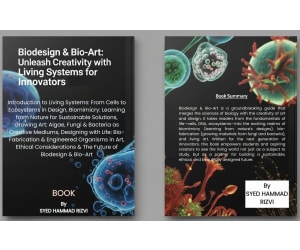
Biodesign & Bio-Art Unleash Creativity with Living Systems for Innovat
Health, P.E. & Health, Mental Health, Physical Education, Basic Science, Science, Biology, Life Sciences, Human Body, Physics, Homeschool Curriculum, Grade 9, 10, 11, 12, Lesson Plans, Teacher Tools, Assessments, Workbooks, Worksheets & Printables, Presentations
Unlock the creative power of biology! “Biodesign & Bio-Art: Unleash Creativity with Living Systems for Innovators” is the ultimate resource for the next generation of biological and creative minds. With this book, students will no longer be passive recipients of knowledge; they will instead take an active part in the process of innovation. Paddle into the world of 80 fascinating chapters where the basics of life, such as cells, DNA, and biotic systems, are first introduced, followed by the fascinating applications of such knowledge through biomimetics, biomaterials, or living art. The students will be able to learn design concepts from nature, materials developed out of fungus or bacteria, genetics, and ethics. Chock-full of smart insights, practical case studies, and visionary project ideas, this volume is more than an educational textbook - it is a springboard that launches young scholars into their future careers in biodesign, synthetic biology, and more. This textbook is suitable and ideal for STEM and STEAM education as it encourages critical thinking, practical application, and an deep appreciation and respect for natural intelligence. Empower young minds with all the knowledge and inspiration needed to create their beautiful and sustainable world. Technical Features: 80 Chapters of core biology and innovative applications. Interdisciplinary Fusion: It seamlessly integrates biology, art, design, and engineering. Future-Focused Skills Biomimicry/Biofabrication/ Genetic Engineering/ Project-Based Learning It encourages project-based learning with algae, fungi, and bacteria, among many others. Appropriate for STEM/STEAM: Aligns with current learning outcomes for critical thinking and creativity. Why Parents & Schools Will Love It: Prepares for the Future: Beyond book memorization, the university will provide knowledge of applicable, interdisciplinary skills essential for the job market in areas such as biotechnology, sustainable design, and ecological engineering. Fosters Critical & Ethical Thinking: It not only describes how to manipulate life, but also goes in-depth on why and whether they should, as it strives to promote ethical thinking. Interests Varied Students: Exquisitely designed for both scientifically inclined and creatively inclined students, highlighting the need for both qualities in order to truly innovate. This is perfect for getting students who would otherwise be uninterested in a systemized subject. Aligned with Modern STEM/STEAM Objectives: It wholly supports education schemes combined with Science, Technology, Engineering, Art, and Mathematics learning and applications. Comprehensive & All-in-One Resource: touches on a vast range of topics—from cell biology to bio-art, making it a helpful textbook or supplement for a variety of lessons and pursuits. Student Audience Primary: High School Students, Grades 10-12 (ages 15-18). The sophistication of material, chapter organization, and conceptual difficulty (such as central dogma, ethics of genetic engineering) are precisely suited to highly advanced high school programs for biology and art. Secondary Level: Honors/AP level grade 9 students and first year college or university-level introductory courses for biology, bio-design, or Arts courses. Audience Niche: Targeting aspiring scientists, artists, designers, and any student looking at STEM/STEAM, environmental science, sustainable designs, biotechnology, conceptual art, and more. Copyright/Terms of Use "This Book is copyrighted by Syed Hammad Rizvi." "You may only use this resource personally, and within one classroom." "You are not permitted to change, distribute, or sell copies of parts or whole of this resource." In other words, "You are not permitted to put it on the internet where it can be downloaded." If you would like to share the resource within your school, you can purchase additional licenses from Teachers Pay Teachers. I appreciate you following these terms of use. This product is proudly brought to you by Syed Hammad Rizvi
Author Creative Book Store
Rating
Tags Biodesign, BioArt, STEMeducation, STEAMlearning, BiologyBook, ScienceArt, Biomimicry, BioFabrication, HomeschoolScience, HighSchoolBiology

Daily Health & Hygiene Skills Gr. 6-12
P.E. & Health, Health, Grade 6, 7, 8, 9, 10, 11, 12, Teacher Tools, Lesson Plans
Daily Health & Hygiene Skills Gr. 6-12 This comprehensive teaching resource is incredibly beneficial in educating students about the significance of daily health and hygiene skills. Specifically curated for learners from grades 6 to 12, it focuses on establishing an understanding of a healthy lifestyle by breaking down this broad idea into comprehensible subtopics. Nutrition The educational journey starts with an immersive look at healthy nutrition and meal planning concepts. It helps students identify the value of balanced dietary choices and encourages them to engage in thoughtful meal preparation practices. Fitness Routines The resource then transitions to exercise and fitness routines, emphasizing their importance alongside proper nutrition for maintaining physical health. Personal Care Next, the curriculum dives into personal care; it explores aspects such as grooming, personal hygiene, and dental care that contribute significantly towards overall wellbeing. Introducing these topics at this stage instills fundamental personal care habits which will serve the students well beyond their school years. Household Upkeep Puts emphasis on household upkeep as a part of essential life skills Briefs students about different facets of home management – another important aspect often overlooked in traditional curriculums but paramount for independent living. Safety Measures Covers personal safety protocols, Goes over community guidelines, \ Mentions travel safety measures, \ Includes insightful discussions around prescription drugs misuse risks \ Adds considerations surrounding non-prescription drug usage.- The end goal is safe living principles installation . This valuable learning tool also offers a selection of engaging materials including Reading Passages: These are attention-captivating yet not overly demanding linguistically - catering primarily to learners with various proficiency levels. Graphic Organizers: These aids are particularly helpful for visual learners, facilitating better comprehension. Real-World Activities: : They provide practical applications of learned concepts, making the sessions more interactive and effective. Evaluation & Reinforcement\ To ensure knowledge assimilation and recall aligned optimally with Bloom's Taxonomy principles: Crossword puzzles designed for logical thinkers, Word searches cater towards detail-oriented minds fostering effective reinforcement mechanism The learning process culminates with comprehension quizzes specifically curated for accuracy evaluations conforming adeptly within your state’s academic standards framework. P.E. & Health \ This PDF resource complete with lesson plans under the umbrella of P.E. & Health lends itself well to different implementations. Incorporating it into a group instruction ensures everybody benefits from shared knowledge and group discussions whilst providing real-time application during small groups sessions effectively. The tool can be additionally utilized outside school hours, thus making it a great extra support assignment for extended independent studying opportunities stimulating curiosity and self paced learning abilities in students.
Author Classroom Complete Press
Tags PDF

Kindergarten Health: Unit 2
P.E. & Health, Life Studies, Health, Physical Education, Special Resources, Life Skills, Social Emotional Learning (SEL), Social Skills, Kindergarten, Lesson Plans, Teacher Tools, Worksheets & Printables, Worksheets
For Kindergarten Health there are seven standards that need to be taught to achieve healthy habits! Unit 1 Personal Health Unit 2 Growth and Development Unit 3 Nutrition and Physical Activity Unit 4 Substance Use and Abuse Unit 5 Injury/ Violence Prevention Control and Safety Unit 6 Prevention/Control of Disease Unit 7 Environmental Consumer Health These units can be taught out of order. They are only numbered for your convenience. Through using this Kindergarten Health: Unit 2, students will explore and learn to identify daily healthy habits. Included in this unit: * Students will be able to understand their five senses. * Students will be able to match their senses to their body parts. * Students will sort out the five senses by cutting, matching, and pasting pictures to the correct sense. * As a group, students will be able to identify different characteristics that make them different from their classmates. Students will learn about the five senses and understand the parts of their body that help identify those five senses. They will also learn about the different characteristics they have compared to their classmates. There is a total of 8 pages included in this Unit 1 for Kindergarten Health. There are seven units that cover all the health requirements for Kindergarten. Here are the links to other health units: Kindergarten Health: Unit 1 Personal Health Kindergarten Health: Unit 2 Growth and Development Kindergarten Health: Unit 3 Nutrition and Physical Activity Kindergarten Health: Unit 4 Substance Use and Abuse Kindergarten Health: Unit 5 Injury / Violence Prevention Control and Safety Kindergarten Health: Unit 6 Prevention / Control of Disease Kindergarten Health: Unit 7 Enviromental Consumer Health You can also teach your students about keeping yourself safe by studying about the Coronavirus, where and when it started and facts that plagued our world with this virus. Kindergarten Health: Covid 19 / Coronavirus Facts This unit meets Common Core Standards.
Author K-5 Treasures
Tags Kindergarten Health, Health, Health Units, Health For Kindergarten, Healthy Foods, Healthy Habits, Healthy Kids, Elementary Health, Physical Activity, Kindergarten Resources

Kindergarten Health: Unit 6
P.E. & Health, Life Studies, Health, Physical Education, Special Resources, Life Skills, Social Emotional Learning (SEL), Social Skills, Kindergarten, Lesson Plans, Teacher Tools, Worksheets & Printables, Worksheets
For Kindergarten Health there are seven standards that need to be taught to achieve healthy habits! Unit 1 Personal Health Unit 2 Growth and Development Unit 3 Nutrition and Physical Activity Unit 4 Substance Use and Abuse Unit 5 Injury/ Violence Prevention Control and Safety Unit 6 Prevention/Control of Disease Unit 7 Environmental Consumer Health These units can be taught out of order. They are only numbered for your convenience. Through using this Kindergarten Health: Unit 6, students will learn about disease prevention and how to control disease. Included in this unit : * Students will learn what germs are and how to prevent the spread of germs. * Students will learn how to wash their hands to prevent the spread of germs. They will do an activity of cut and paste for hand washing. * Students will understand the role of doctors and identify the role of some of the instruments that they use to care for your health needs. * Also included is information on the coronavirus and how to prevent the spread of this disease and how to stay healthy. Students will learn about disease prevention and how to stay healthy by controlling diseases. There are a total of 20 pages included in this unit for Kindergarten Health. There are seven units that cover all the health requirements for Kindergarten. Here are the links to other health units: Kindergarten Health: Unit 1 Personal Health Kindergarten Health: Unit 2 Growth and Development Kindergarten Health: Unit 3 Nutrition and Physical Activity Kindergarten Health: Unit 4 Substance Use and Abuse Kindergarten Health: Unit 5 Injury / Violence Prevention Control and Safety Kindergarten Health: Unit 6 Prevention / Control of Disease Kindergarten Health: Unit 7 Enviromental Consumer Health You can also teach your students about keeping yourself safe by studying about the Coronavirus, where and when it started and facts that plagued our world with this virus. Kindergarten Health: Covid 19 / Coronavirus Facts This unit meets Common Core Standards.
Author K-5 Treasures
Tags Kindergarten Health, Health Units, Healthy Habits, Healthy Food, Health Worksheets, Worksheets On Health, Kids Health, Personal Health, Health, Health For Kindergarten
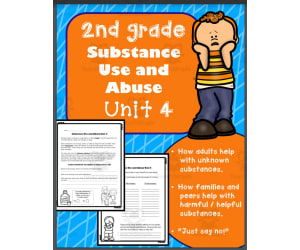
Health 2nd Grade Unit 4: Substance Use and Abuse
P.E. & Health, Health, Physical Education, Special Resources, Life Skills, Social Emotional Learning (SEL), Social Skills, Grade 2, Lesson Plans, Teacher Tools, Worksheets & Printables, Worksheets
For 2nd Grade Health there are seven standards that need to be taught. Unit 1 Personal Health Unit 2 Growth and Development Unit 3 Nutrition and Physical Activity Unit 4 Substance Use and Abuse Unit 5 Injury/ Violence Prevention Control and Safety Unit 6 Prevention/Control of Disease Unit 7 Environmental Consumer Health These units can be taught out of order. They are only numbered for your convenience. At the end of each unit, there is an assessment to test students’ understanding. Through using this Health 2nd Grade Unit 4: Substance Use and Abuse students will learn to identify how adults can help with unknown substances and understand what is a safe and what is not safe or otherwise what is known as an unsafe substance. Students will also learn the following concepts: * How adults help students to understand what is an unknown substance. * Students will learn to “Just say no” to many harmful substances that are not healthy and habit forming. * How families and peers help with harmful / helpful substances. At the end of the unit, there is an assessment to check for understanding. A total of 10 pages for this 2nd Grade Health Unit 4 on Substance Use and Abuse. There are seven units that cover all the health requirements for second grade. Here are the links to other health units: Health 2nd Grade Unit 1: Personal Health Health 2nd Grade Unit 2: Growth and Development Health 1st Grade Unit 3: Nutrition and Physical Activity Health 2nd Grade Unit 4: Substance Use and Abuse Health 2nd Grade Unit 5: Injury / Violence Prevention and Safety Health 2nd Grade Unit 6: Prevention / Control of Disease Health 2nd Grade Unit 7: Environmental / Consumer Health 2nd grade Coronavirus / Covid-19 Facts This unit meets Common Core Standards.
Author K-5 Treasures
Tags Health Unit, Substance Use, Substance Abuse, Safe And Unsafe Substances, 2nd Grade Health, Second Grade Health, Health, Elementary Health, Health Resources, Health For 2nd Grade

Daily Health & Hygiene Skills: Personal, Community and Travel Safety Gr. 6-12
P.E. & Health, Health, Grade 6, 7, 8, 9, 10, 11, 12, Teacher Tools, Lesson Plans
Daily Health & Hygiene Skills: Personal, Community and Travel Safety Gr. 6-12 The Daily Health & Hygiene Skills: Personal, Community and Travel Safety Gr. 6-12 resource is an educational tool designed for students from Grade 6 to Grade 12. The aim of this material is to cover a range of key topics on health, nutrition as well as community and travel safety. Key Features: Nutritional Guidance: The resource offers teaching materials on meal planning and healthy nutrition, imparting crucial knowledge about maintaining a balanced lifestyle. Fitness Planning: This goes hand-in-hand with the nutritional information by providing plans of exercises routines that learners can adopt for good health. Promotion of Personal Grooming Practices: The focus shifts onto personal aspects like grooming practices, dental care management along with other hygiene-related routines necessary in daily life. A Touch on Housekeeping Measures: Vital in terms of learning about the hygienic upkeep at home environments. The safety education provided by this teaching aid expansively covers areas relating to both local community or travel-related personal security issues. It pays special attention towards educating learners about potential risks attached to misuse prescription or non-prescription drugs - an essential subject matter for Grades 6-12 audience demographic. Learner Engagement through Interactive Elements: This resource goes beyond being a reading passage source by integrating real-world activities for practical application enhancing comprehension skills via crossword puzzles or word searches amongst others ensuring diversity in intra-class or individual utilization example scenarios. Our comprehensive guideline leverages elements based off Bloom's Taxonomy , harmonizing teaching requirements across various academic frameworks while also attending strictly towards your state-based educational standards making it a beneficial aid for teachers, homeschoolers alike. Accessibility and Use: The teaching material is amalgamated into a single, versatile Pdf file that can be easily shared among different student groups to fit their specific methodological needs – whole class teaching, subdivided small groups or homework assignments as examples.
Author Classroom Complete Press
Tags PDF

Daily Health & Hygiene Skills: Household Care: Cooking, Laundry and Cleaning - Canadian Content Gr. 6-12
P.E. & Health, Health, Grade 6, 7, 8, 9, 10, 11, 12, Teacher Tools, Lesson Plans
Daily Health & Hygiene Skills: Household Care: Cooking, Laundry and Cleaning - Canadian Content Gr. 6-12 Existing in a world that demands practical life skills alongside academic expertise, sweeping knowledge of health and hygiene activities becomes incredibly vital for individuals. The product placed under discussion falls right into this necessary realm offering an in-depth learning module coupled with versatile engagement sources designed for grades 6 through 12. A comprehensive exploration unfolds as you buoyantly wade through the fundamentals of apt nutritional habits leading to balanced meal-planning techniques. Healthy Lifestyle & Fitness Keeping in sync with a healthy lifestyle, this teaching resource recognizes the sheer importance physical fitness holds within an accomplished being's life. It provides guidance on drafting an effective workout routine benefitting all learners - irrespective of varying abilities or strengths. Detailed Personal Grooming Protocols This goes beyond mere nutritional intake and exercise routines, it dives deeper into personal grooming protocols including detailed practices related to: Personal hygiene Dental care These sessions keenly aim at underscoring self-care essentials molding responsible individuals ready to meet day-to-day hygiene challenges gracefully. Value-added Household Care Skills Training The teaching instrument transitions smoothly into imparting household care skills – namely: Cooking, Laundry, Cleaning; , Indispensable qualities required for successfully managing everyday chores. Safety Norms & Regulations?: The tool continues by focusing on safety norms across three crucial areas: Personal safety, Community safety, Travel safety measures essential for learner growth. Candid & Sensitive Topics Discussion The framework addresses delicate concerns such as drug use (both prescription-based along with non-prescription drugs), allowing educators to handle these complex subjects confidently in the classroom. Interactive Learning Avenues: Reading passages, crossword puzzles are efficiently interlaced within its design helping students pick up valuable nuances while they remain absorbed within real-world activities fulfilling curriculum standards diligently written according to Bloom's Taxonomy. This product offers a single PDF file packed with health, hygiene information, and more making it an excellent resource for lesson planning in P.E. and Health curriculum. It is suitable for both group discussions or individual assignments - an invaluable tool supporting holistic learner growth.
Author Classroom Complete Press
Tags PDF

FRUIT AND VEGGIES Gr. 1-3
P.E. & Health, Health, Grade 1, 2, Teacher Tools, Lesson Plans
FRUIT AND VEGGIES Gr. 1-3: A Multi-Disciplinary Teaching Resource The FRUIT AND VEGGIES Gr. 1-3 teaching resource offers an array of engaging activities to effectively teach students in grades 1 through 3 about fruits and vegetables. This tool allows educators to seamlessly blend P.E. & Health subject matter into their regular curricula. The uniqueness of this product is its multidisciplinary approach which supports various learning styles, hence providing inclusive education for all students in the classroom. A Focus on Diverse Learning Areas: Creative writing Matching exercises Brainstorming sessions Word study activities (Plus art projects and cooking lessons!) Picturize a class day filled with learners enthusiastically writing about their favorite fruit or painting images of colorful vegetables! Even better - Think how cooking lessons can be leveraged to impart practical life skills along with awareness about healthy eating habits! This tool's adaptability allows teachers to facilitate intuitive learning experiences for both whole group instruction or small groups for more focused attention. Leveraging Research for Skill Development: An added bonus feature is the research element which contributes towards developing vital cognitive skills like critical thinking and problem solving among youngsters while they discover interesting facts related the fruits and veggies world! A Single Downloadable PDF Format: The entire material is provided in an easy-to-download format letting you instantaneously access the content while planning classes at school or home, paving way for applications ranging from classroom instruction to homework assignments or even homeschooling programs. Choosing FRUIT AND VEGGIES Gr. 1-3 as your go-to educational resource will enable you to incorporate creativity into health education, making learning an exciting journey for children. What's more, it will simplify the preparation process for educators too - thereby meeting curriculum goals in an efficient and effective manner!
Author Classroom Complete Press
Tags PDF

VEGETABLES Gr. 3-4
P.E. & Health, Health, Grade 3, 4, Teacher Tools, Lesson Plans
VEGETABLES Gr. 3-4 Teaching Resource The VEGETABLES Gr. 3-4 resource is a comprehensive teaching packet designed for educators in Grade 3 and Grade 4 classrooms, as well as homeschooling parents. It provides engaging and relevant teaching materials centered on a vegetable theme for your students to enjoy. The packet is conveniently available as one printable PDF file. Main Focus Areas Brainstorming and Word Study: These activities are designed to help students expand their vocabulary while stimulating creative thinking skills. Phonics: Introducing sound patterns and pronunciation nuances associated with various vegetables aids language learning progression. P.E & Health - Research Activities: introduces basic research techniques related to health topics, fostering the development of critical research skills. Versatile Application The VEGETABLES Gr.3-4 resource pack can be easily adapted for different educational settings. Whether it's a group classroom lesson, homeschooling sessions or smaller after-school clubs—the lesson plans are flexible enough to fit your needs perfectly. Making Healthy Discussions Enjoyable! Incorporating a fun theme around vegetables makes discussions on healthy eating enjoyable! Who said broccoli couldn't be enthralling? In Summary, The VEGETABLES Gr 3-4 package stands out as it not only focuses on essential verbal skills but also emphasizes health-related knowledge within an approachable context—vegetables! Easy-to-print PDFs make preparation quick so that you spend less time planning lessons and more time actually teaching them—an ideal resource that makes learning about vegetables both entertaining and valuable.
Author Classroom Complete Press
Tags Chart Activity, Creative Writing, Book Creation, Cut And Paste, Vegetables

Daily Health & Hygiene Skills: Exercise and Fitness - Canadian Content Gr. 6-12
P.E. & Health, Health, Grade 6, 7, 8, 9, 10, 11, 12, Teacher Tools, Lesson Plans
Daily Health & Hygiene Skills: Exercise and Fitness - Canadian Content Gr. 6-12 This invaluable teaching resource is designed to promote healthy habits among students from grade 6 to grade 12. It provides educators with a comprehensive toolkit for instilling health, hygiene, and fitness consciousness at the formative stage. Key Topics Included: Nutrition and Meal Planning: Integral aspects contributing to overall well-being. Personal Grooming and Dental Care: Preparing learners for independent living situations involving regular personal care practices. Household care: Explores home-related topics which enhance family participation through tasks or group projects. Safety Measures: Emphasizes on personal safety within community spaces educating precautionary measures optimal for security. A Distinctive Feature: The program uniquely addresses the topic of prescription/non-prescription drug use - sensitizing students about potential dangers associated with misuse promoting drug-free lifestyle choices emphasizing awareness through scenario-based learning. Holistic Educational Design: The content aligns well with Provincial Standards encapsulating key themes complimented by fun-filled interactive sessions made available via activities like graphic organizers, crossword puzzles, word searches etc. This approach facilitates understanding even among learners having low vocabulary apprehensions yet maintaining high-interest concepts ensuring comprehension of learned lessons extend beyond classrooms establishing routine health-focused practices influencing everyday life decisions pivotal for their holistic growth. Digital Format & Versatility: The materials, presented in PDF file format are shareable across digital platforms catering to various academic environments be it virtual classes or homeschooling setups. Educational professionals can utilize these resources during whole classroom instruction as well individual study assignments blending seamlessly into different teaching styles without compromising engagement levels thereby making this offering a versatile solution mapping rich educational journey combined with the essence of good health practices.
Author Classroom Complete Press
Tags PDF

Health | 3rd Grade Unit 3: Nutrition and Physical Activity
P.E. & Health, Life Studies, Physical Education, Health, Special Resources, Life Skills, Social Emotional Learning (SEL), Social Skills, Grade 3, Teacher Tools, Lesson Plans, Worksheets & Printables, Worksheets
This 3rd Grade Health Unit focuses on Nutrition and Physical Activity and is essential to help students with their health and wellness. There are seven units in all taught in 3rd grade that focus on health. These units include: Unit 1 that focuses on Personal Health and Wellness Unit 2 that focuses on Growth and Development Unit 3 teaches students about Nutrition and Physical Activity and how to eat right and stay active Unit 4 that helps students with Substance Use and Abuse and how to avoid bad substances Unit 5 that will teach students about Injury/ Violence Prevention Control and Safety Unit 6 that covers what happened during Covid and how to protect themselves while learning about Prevention/Control of Disease Unit 7 discusses our environment and how to help save our planet with Environmental Consumer Health In this unit, students will learn about the six basic nutrients that the body needs to be healthy. These nutrients include: water, protein, carbohydrates, fat, vitamins, and minerals. Students will learn the function of each of these nutrients and how they help our bodies as well. There is a matching activity to test their knowledge on each of these six basic nutrients. Students will also learn about how much of these nutrients we need to eat daily. Examples of what to eat and how much is provided in this unit that is similar to the food pyramid. Based on what they should eat, students will draw a healthy meal. There is also a lesson on physical activity and different physical activities they can do to stay healthy. This unit meets Common Core Standards. It is 11 pages of fun engaging activities! At the end of the unit, there is an assessment to check for understanding. There are seven units that cover all the health requirements for 3rd grade. Go to K-5 Treasures to check out the other 3rd Grade Health Units to help students complete the entire Health Standards for the year!
Author K-5 Treasures
Rating
Tags Health Unit, Personal Health, Healthy Goals, Unhealthy Choices, Health Activities, Physical Goals, Health Goals, Health And Wellness, 3rd Grade Health, Third Grade Health
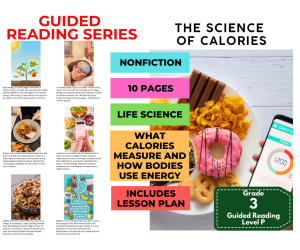
The Science of Calories: Guided Reading Level P with Lesson Plan
ELA, Resources for Teachers, Reading Comprehension, Reading, Science, Life Sciences, Health, P.E. & Health, Physics, Language Development, Grade 2, 3, 4, Worksheets & Printables, Worksheets, Teacher Tools, Centers, Activities, Literacy Readers, Quizzes, Quizzes and Tests, Assessments, Lesson Plans
This The Science of Calories (level p) guided reading book with lesson plan includes: Guided Reading Color Label (front cover x1) This is a quick way to match the book’s demands to what students can generally handle.. The overall goal is to use the level/color to pick books for several smaller groups. To qualify for a certain level, a student is expected to read a book from that level with about 90–94% accuracy. If a student is consistently accurate and understands, move up a level. If the student is struggling at that level, drop down and add more support. Each student will improve at completely different rates, but it is generally one of the best ways to check progress across the class. DOWNLOAD THE CATALOG TO VIEW ALL GUIDED READING BOOKS AVAILABLE (SORTED LEVELS A-Z) Pre-Reading Question (x1) Teacher asks the prompt aloud, can be while showing the cover or first page. Students share what they already know, or make educated guesses from the cover. Prompt them to use the target vocabulary. Write some of their responses on the board to look back at during the reading. Vocabulary Words (x5) Introduce the five words, best doing it one at a time. Start by saying it, while students repeat and then see if anyone knows what it means before reading further. Read through the meaning and try to briefly connect each word to a picture or gesture so it’s meaningful. Ask students to flip through the book pages and point to where they see each of the vocabulary words. While reading the book pause upon coming across one of the vocab words or read the sentence twice to make sure students understand the word has appeared. Optional: Ask students to raise hands whenever they see/hear one of the new words. Guided Reading Pages (x10) Check the book snapshot (below) for: primary topic - do you need to prep extra reading or intro materials on this? what is taught best - decide on 1-2 bullets to focus on, use the prompt or words provided here for best results. learning goals - what you are checking for students to be able to do after the session, elicit answers using prompts or words provided. key vocabulary (see section above). questions overview - so you know what is coming up and if you need to prep extra materials to assist understanding. Run the lesson You may have already looked at a few of the pages together, but you can show them some of the pictures again first to set meaning. Depending on how much time you have and how familiar your students are with guided reading class, you may want to read the book aloud first with the group first. Students whisper or partner read, while you listen in. If time, do it as a group, one student reading a page each. Use the guided page’s prompts to coach: “Check the picture / does it make sense?” “Point under the words / try the first sound” “Reread the sentence smoothly”. Try to focus more on one student per session (rotating every time), so you can work out if they are ready to move up or need to move down a level. Comprehension Questions (back cover x3) This is your way to check that students didn’t just say the words, but actually understood the text. First, let students answer by pointing to the page/picture and saying a short sentence. After any answer, follow with: “Show me where you found that in the text.” In bigger groups, have partners answer first (10–20 seconds), then call on 2–3 students to share. Differentiation tips: Emerging speakers/struggling readers: oral + pointing On-level: oral in a full sentence Higher: one written sentence or draw + label Book Snapshot Title: The Science of Calories Genre: Nonfiction (informational science text) Subject: Science (Nutrition/Human Body) Primary Topic: What calories measure and how bodies use energy Estimated Guided Reading Level (A–Z): P What This Book Teaches Best Defines energy as what living things need to survive and function, and connects energy to everyday examples like cars and lamps. Explains that a calorie measures energy in food (not weight or size) and describes it as a scientific unit of measurement. Shows how most energy starts with the sun , and how plants use photosynthesis to turn light into chemical energy stored in plant parts. Describes how the human body uses energy all the time (even during rest or sleep) to power the heart, lungs, and brain. Explains how food energy is released through digestion , how activity increases energy demand, and how extra calories may be stored as body fat. Learning Goals Explain what energy is and why living things need it. Describe what a calorie measures according to the text. Explain how plants get energy from the sun and where that energy is stored in a plant. Describe how digestion helps the body unlock energy from food. Describe how physical activity changes the body’s need for calories. Explain what happens when more calories are consumed than the body needs for daily activities. Key Vocabulary From the Text measurement — finding out how much of something there is. photosynthesis — plants use sunlight to make chemical energy. digestion — the process that unlocks energy in food. intestines — long tubes that help finish breaking down food. converted — changed from one form into another. Discussion Prompts Pre-reading question: What do you think calories tell us about the food we eat? Comprehension questions: What does the book say a calorie measures? Comprehension questions: How does the book explain that plants capture and store energy from the sun? Comprehension questions: What does the book say happens when a person consumes more calories than needed for daily activities? Printing Tips 1. Best Printing Method (Recommended) “Booklet” Printing (Best if Available) If your printer or PDF viewer supports Booklet Printing , use this. Settings to use: Print mode: Booklet Paper size: Letter or A4 (either works) Orientation: Landscape Print on both sides: Yes Flip on: Short edge Scaling: Fit to printable area Booklet subset: First test: Front sides only Then: Back sides only This will automatically: Pair pages correctly Put the cover on the outside Align everything for folding After printing, fold in half and staple along the spine . 2. If “Booklet” Printing Is NOT Available You can still print this correctly with manual duplex printing . Step-by-step: Open the PDF. Choose Print . Set: Orientation: Landscape Pages per sheet: 1 Print on both sides: Yes Flip on: Short edge Print all pages . Because each PDF page already contains two facing book pages, the result will still fold cleanly into a book. Thousands of Cored Education products are included with your TeachSimple membership. Download links and encyclopedia index available here.
Author Cored Education
Rating
Tags Reading Comprehension, Reading Passages, Reading, Guided Reading, Guided Reading Lesson Plan, Guided Reading Activity, Pre-reading, Science Lesson Plans, Life Science, Health

Daily Health & Hygiene Skills: Exercise and Fitness Gr. 6-12
P.E. & Health, Health, Grade 6, 7, 8, 9, 10, 11, 12, Teacher Tools, Lesson Plans
Daily Health & Hygiene Skills: Exercise and Fitness Gr. 6-12 Designed as a comprehensive teaching tool, this resource focuses on promoting a healthy lifestyle among students from grade 6 to grade 12. Nutrition Planning The resource provides strategies and insights into creating healthy nutrition plans, demonstrating the crucial role of balanced diets. This section is designed for interactive group discussions on meal planning and its impact. Exercise Routine Creation In addition to diet information, resources for effective fitness routine creation are incorporated - giving teachers ways to encourage and instill regular exercise habits in students. Whether utilized as classroom instruction or homework assignments, these sections empower students to plan their personal fitness routines. Other Health & Hygiene Topics Covered: Personal grooming: Useful tips coupled with activities increase awareness about maintaining personal hygiene standards. Dental care: Every detail within dental care maintenance has been addressed meticulously ensuring educators leave no stone unturned when it comes this relevant aspect of daily hygiene practices. Household maintenance:This often overlooked component is included due to its importance in general cleanliness and hygiene principles. Safety Lessons: Community safety:Educators can use this section as a guiding light for producing responsible global citizens who exercise caution while actively contributing towards community cleanliness. Traveling safety measures :This part alludes to the indispensable need of awareness around travelling precautions easing out any potential anxieties yet developing alertness amongst young learners. Misuse of Drugs—Prescription-based & Non-prescription Extra emphasis is placed on educating students about potential dangers regarding drug misuse, a concerning issue amongst today's adolescents. Supportive Learning Tools The resource includes reading passages, real-world activities , and cross-word puzzles for active engagement and fun learning. Please note: The entire resource adheres to Bloom's Taxonomy and aligns with your State Standards. This makes it a standardized but impactful tool of knowledgeable dissemination. In Summary The Daily Health & Hygiene Skills: Exercise and Fitness Gr. 6-12 provides comprehensive health-related educational material: from nutrition to fitness; personal grooming to household hygiene; safety measures around travel and the community, along with responsible handling of drugs in society - all aimed at raising aware global citizens ready for future challenges.
Author Classroom Complete Press
Tags PDF

Kindergarten Health: Prevention and Control of Disease - Coronavirus / Covid-19 Facts
P.E. & Health, Health, Physical Education, Special Resources, Life Skills, Social Emotional Learning (SEL), Kindergarten, Teacher Tools, Lesson Plans, Worksheets & Printables, Worksheets
This resource, Kindergarten Health: Prevention and Control of Disease - Coronavirus / Covid-19 Facts, is a great tool to teach about the epic coronavirus that plagued the world in 2020. This unit is suited for first graders in a simple, yet accurate manner to increase understanding of this disease on what is the disease, how it started, how it spread throughout the world, and how society responded to this disease in keeping people safe. There are colored pages and pages in black and white. There are also opportunities for children to read some of the words, learn new vocabulary words, trace sentences, and they will even draw their own "novel" virus. Furthermore, students will gain a better understanding of how they can protect themselves, their families, and friends from other diseases that may affect them in the future. Last, there is a mask that students can decorate to show off their creativity. Topics that are covered for students to complete include the following: *What is Covid-19? *How did Covid-19 start? *How does it spread? *What can you do to be safe? Answers are included on some worksheets and some activities are differentiated for all young learners. A total of 12 worksheets are included in this packet. There are seven units that cover all the health requirements for Kindergarten. Here are the links to other health units: Kindergarten Health: Unit 1 Personal Health Kindergarten Health: Unit 2 Growth and Development Kindergarten Health: Unit 3 Nutrition and Physical Activity Kindergarten Health: Unit 4 Substance Use and Abuse Kindergarten Health: Unit 5 Injury / Violence Prevention Control and Safety Kindergarten Health: Unit 6 Prevention / Control of Disease Kindergarten Health: Unit 7 Enviromental Consumer Health You can also teach your students about keeping yourself safe by studying about the Coronavirus, where and when it started and facts that plagued our world with this virus. Kindergarten Health: Covid 19 / Coronavirus Facts This unit meets Common Core Standards.
Author K-5 Treasures
Tags Coronavirus, Covid-19 Facts, Pandemic, Virus Spread, Kindergarten Health, Health Resources, Health Resources For Kindergarten, Kindergarten Worksheets, Health Worksheets

ADHD Planner for Adults & Students Book
Life Studies, Coaching, P.E. & Health, Health, Mental Health, Physical Education, Mindfulness, Psychology, Social Studies, Sociology, Homeschool Curriculum, Homeschool Templates, Grade 9, 10, 11, 12, Teacher Tools, Assessments, Lesson Plans, Outlines, Rubrics, Workbooks, Worksheets & Printables, Activities, Projects, Centers
Are you or your students having trouble focusing, overcoming chronic procrastination, or coping with too many things to do in a day? Traditional planners do not address issues associated with non-neurotypical brains and depend on willpower and strict timelines. This comprehensive 402 page guide is designed specifically for university (college) students and upper level academic learners ages 18-40, as well as early to mid-career professionals. The workbook provides a framework to serve as an external brain to help those with executive dysfunction bypass structural issues associated with ADHD in adulthood. The 90 chapters of this digital planner provide actionable items to create a bridge between psychological validation and implementation. The content goes beyond stereotypical childhood limitations associated with ADHD in order to show the complexities that adult ADHD presents in a fast paced world. THE CONTENTS OF THIS 402-PAGES INCLUDE: --> The How Your Brain Works: In-depth analysis of dopamine/norepinephrine pathways to help you understand why your concentration is affected; replaces the shameful feelings you might have been carrying with science-based self-compassion. --> Overcoming Time Blindness: Simple strategies to help you accomplish your tasks; including variations on the Pomodoro Technique, different tracking formats for estimating time, and methods to schedule time effectively. --> Advanced Academic Tools: New strategies to use when taking notes using the Cornell Method, as well as ways to improve your active textbook reading, to assist in breaking down long-term essays, and ways to perform well during exams. --> Achieving Professional Mastery: Methods for dealing with distractions at work, gaining control over the multitude of emails in your inbox, advocating for yourself if you are on the receiving end of workplace accommodation requests, and preparing for an annual work performance review. --> Regulating Your Emotions And Lifestyle: New ways to help cope if you experience rejection sensitive dysphoria (RSD), experience intense/quickly changing emotions, or if you cannot get enough sleep and/or do not have control over your finances. --> The Digital Work Space: An evaluation of digital task managers, tools that help limit distractions, mind map software, and ways to automate tasks. WHO CAN USE THIS TECHNOLOGY: Higher Education: It can be even helpful for students with their independent research as they pursue their undergraduate, graduate, and doctoral degrees. College Readiness: High school seniors will transition beautifully from a structured environment at home to being in a college setting. Career Starters: Neurodivergent adults will do well using this technology as they begin their careers. Coaches/Educators: This technology is a simple plug-and-play manual for academic special education departments at high schools and for resource centres at universities, as well as for executive ADHD coaching clients. DIGITAL DOWNLOAD CONSISTS OF: *) 1 High-Quality / Professionally Categorised PDF Book (402 Pages) *) Complete Table of Contents for easy access between sections *) Chapters that can be printed or chapters that can be displayed on Digital Format Develop Your Executive Functioning Skills so you can Create Your Own Predictable Success System. Keywords: ADHD Planner, Adult ADHD Worksheet, Executive Functioning Tools, College Student Organisation, ADHD Time Management, Stop Procrastinating, Neurodivergent Planner, PDF Digital Planner, TPT Digital Download. Why is This Program Loved by Schools/Parents: *) Bridges Autonomy Transition: Secondary schools and parents appreciate the program's direct support for students transitioning from a structured high school setting to a self-governed postsecondary setting, teaching students how to construct their own pathway. *) Evidence-Based / Science-Supported: The Manual does not provide a lot of general or "try your best" advice (versus cognitive-behaviorally-based principles, pre-frontal cortex functions, and structured note-taking frameworks such as the Cornell Method) and is therefore a trusted and credible resource by educational institutions. *) Removes Internalized Education Shame: Educators appreciate how the Manual shifts the conversation from labeling a less than stellar student "unmotivated" or "lazy" to understanding structural executive dysfunctions and promotes healthy self-compassion. *) More than just a Calendar / One Tool for Life Readiness: Schools and parents appreciate that it is more than just a calendar; The Manual addresses all of the holistic issues that impact us in our daily lives (financial management, workplace boundaries, annotating a text, sleep hygiene). Who Should Use This Book? The Target Audiences : Additional Considerations: Your Focus, Language Level, and Intent – Determine the Most Appropriate Audiences for Your Classes’ Students Your Comprehensive Reading of the Manuscript will provide a good understanding of the Architectural Focus (the Functional Purpose and Functionality of the Building) and Language Level (written communication used), in addition to the Objective of Each Chapter. *Your Primary Target Audience will be Students in University/College and Adult Learners: Both Undergraduate and Graduate Students will find most of the Information available in Chapters 1-7 (College Lectures, Academic Writing, Searching for Information (Research Rubrics), and Effective Communication in the Workplace) useful for students 18 years of age through 40 years of age. *Your Secondary Target Audience consists of High School (Grade 11 & 12). The Focus of this section should be primarily on “College Readiness” (support for students with special needs), “Transition Planning for Special Education,” and “Support for Executive Functioning” (tools that students can use after they graduate) as most high school teachers and counselors are looking to support students with special needs (neurodiversity) in their transition from high school to post-secondary education. Copyright and Terms of Use : Syed Hammad Rizvi's Copyrighted Book - Personal Usage Only - May Not be Modified, Distributed or Sold in Any Way by Anyone, Including You, Once You Have Downloaded It. Sharing this resource with Colleagues: Please Purchase Additional Licences Through Teachsimple! Thank You for Your Cooperation with These Terms of Use! Brought to You By Syed Hammad Rizvi
Author Creative Book Store
Rating
Tags ADHDPlanner, ADHDDigitalPlanner, AdultADHDWorkbook, ADHDPlannerPDF, NeurodivergentPlanner, ADHDJournal, DigitalPlannerPDF, PrintableADHDPlanner, NeurospicyPlanner, ADHDOrganization
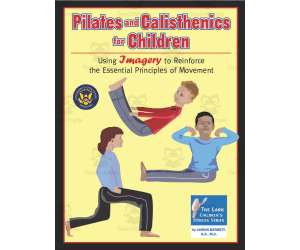
Pilates and Calisthenics for Children: Using Imagery to Reinforce the Essential Principles of Movement
P.E. & Health, Health, Preschool, Grade 1, 2, 3, 4, 5, Teacher Tools, Lesson Plans
Pilates and Calisthenics for Children: Using Imagery to Reinforce the Essential Principles of Movement is a resource tool catering to educators in health and physical education sphere. Primarily geared towards Kindergarten through Grade 5 students, it serves as an effective teaching guide. The key focus of this tool is the nurturing use of senses allowing children's imagination to flourish while grasping mind-body fundamentals. By integrating pilates with calisthenics, this unique blend offers techniques that facilitate a whole body workout. This contributes in enhancing strength, flexibility, endurance and coordination which establishes an early foundation on fitness principles for young learners. This comprehensive product is arranged into 96 easily understandable lesson plans readily available in PDF format. These lessons can be adapted within: Whole group classes Small groups Homeschooling individual assignments sessions They are versatile enough to adjust based on class size or individual student needs. An inherent objective with these lesson plans is equipping students with resourcefulness throughout their learning journey. The lessons encourage self-study progressively fostering lifelong learning habits rather than mere adoption of techniques. The primary engagement strategy employed involves using imagery exercises that supplement theoretical know-hows with fun practicals. This method not only aids better retention but also nurtures a growing interest towards P.E & Health topics among young learners.
Author Classroom Complete Press
Tags Breathing Exercises, Pilates, Calisthenics, Using Imagery, Movement

Daily Health & Hygiene Skills: Personal Hygiene, Grooming and Dental Care Gr. 6-12
P.E. & Health, Health, Grade 6, 7, 8, 9, 10, 11, 12, Teacher Tools, Lesson Plans
Daily Health & Hygiene Skills: Personal Hygiene, Grooming and Dental Care Gr. 6-12 is an engaging resource designed to instill healthful habits in students. This teaching tool aligns well with state standards and Bloom's Taxonomy. Key Focus Areas Nutrition: The guide starts with components of a balanced diet and practical implications of meal planning. Fitness: Students learn about exercise principles and ideal routines for their lifestyles. Hygiene:A comprehensive exploration into grooming practices and dental care, crucial elements in maintaining overall health. Cleanliness:The importance of keeping personal spaces clean is emphasized. Safety:Includes guidelines on personal safety, community engagement, travel safety concepts, as well as the dangers related to prescribed drugs and non-prescription drug use This dynamic resource includes reading passages that improve literacy skills while informational graphic organizers supplement comprehension strategies that can be used by teachers during instruction delivery in a whole class or small group setting across traditional schools or home-school settings. A Realistic Approach To Life Skills Education Packed with crosswords search games promoting fun learning simultaneously reinforcing understanding through traditional quizzes. The aim is empowering students by creating awareness about vital life skills necessary not only academics but also in real-life applicability throughout their lives ahead. Purchasing Information This material comes in single file PDF format making it a go-to guide for educators who wish to instill health consciousness among students ranging from grade 6th up to the 12th grade equipping them beyond academics towards holistic life-enhancing skills.
Author Classroom Complete Press
Tags PDF

Vegetables Reading Comprehension Passage - Cored Ed Encyclopedia
ELA, Language Development, Reading Comprehension, Reading, Pre-Reading, Science, Life Sciences, Health, P.E. & Health, Nature & Plants, Grade 2, 3, 4, 5, Worksheets & Printables, Worksheets, Teacher Tools, Centers, Activities, Writing Prompts, Assessments, Quizzes and Tests, Quizzes, Lesson Plans
This vegetables reading comprehension with lesson plan includes: Visualization (on the front cover) Start your lesson by taking a minute to think and share something about the topic. Read the script aloud (slowly), perhaps prepare some music or sound effects. Student close their eyes and let their imaginations wander. Students open their eyes, read the question aloud and give them a few minutes to complete. Ask a few students to share or keep answers until the end to compare with what they learn in the passage. Quick pause—thousands of Cored Education products are included with your TeachSimple membership. Download links and encyclopedia index available here. COMPANION VIDEO NOW AVAILABLE (EMBEDDED AFTER PREVIEW PICTURES IN PRODUCT DESCRIPTION) Pre-Reading Trivia Students will write down one thing they already know about the subject and then read five more facts and discuss. These facts are fun, and the students will enjoy learning about the subject before reading more. Give 1 minute for students to write what they already know (no pressure—best guess is fine). Read the five facts together. After each fact, do ask a student for their opinion, was it surprising? Set a purpose by asking students to highlight/underline one fact they want to learn more about during the reading. Reading Passage The text is a high-interest reading passage with set paragraphs, roughly three to four paragraphs long. It contains a variety of themes about the topic, anywhere from history to technology. The passage is between 250 and 350 words in length. First, ask students to look at the headings and see what they’ll learn about today. What do they know about the topic/heading? First read options: Teacher read-aloud (best for support). Partner reading (paragraph by paragraph). While reading, students underline important details, and vocabulary words they think may come up in the questions section. Mixed Questions The first question page contains four multiple-choice questions, each with a choice of four answers, and three written response questions that require a sentence or two from the student. Students complete the mcqs first independently, then review quickly as a class. For the 3 written responses, try to get students giving the answer with some form of evidence: “I think ___ because the text says ___.” If students get stuck, send them back to check the passage. Vocabulary Questions Practice seven key words from the text in this section across two activities. First section is scrambled words where students will unscramble three words given a clue for each. The second section is a word to meaning matching activity. Before starting, have some students read out words they underlined in the passage. Ask students to say the word and read aloud the sentence(s) around each word. Ask students to do scrambled words and the matching exercise in pairs then go through answers as a class. For the scrambled spelling task, get four pairs to come up to the board and write the words for extra practice with the other student reading out the clue. For the matching task, prompt students to give full sentences: “I matched ___ with ___ because ___.” Creative Writing In this question, the student will be required to write a five to eight sentence paragraph on a question related to the topic. Before starting, ask students write down 3 key ideas they are going to include in their piece. Ask students for ideas to share around the class to help those struggling. Pro writing expectations: 5–8 sentences At least 2 facts or details from the passage At least 2 vocabulary words from the previous page Students read their paragraphs while classmates listen for facts and vocabulary words. Extension Activities This page is optional for fast finishers or to take home. There are several activities, each one requiring a different skill. Do some, do none, do all, completely optional - but you will feel reassured knowing every possibility is planned for. Includes summary writting question. Answer Key There are answers for the multiple-choice questions, written response questions have sample answers, vocabulary answers and if there is a summary question then a sample summary will be provided as well. Lesson Plan Included Customized lesson plan for this lesson is included. Lesson Snapshot Title: Vegetables Genre: Nonfiction (Informational text) Subject: Science (Life Science: plants, nutrition) / Reading (informational text) Primary Topic: What vegetables are and why they matter Estimated Guided Reading Level (A–Z): N What This Lesson Teaches Best What counts as a vegetable (in this text): Defines vegetables as edible parts of plants people choose to eat, including roots (carrot), leaves (spinach), and flower buds (broccoli). Plant parts and categories: Explains that many vegetables come from soft-stemmed, herbaceous plants rather than woody trees, and that vegetables come in many shapes because plants have many useful parts. Early farming and seed-saving: Describes how people once gathered edible plants from the wild, then began planting and saving seeds (about 10,000–7,000 BC), keeping and sharing plants that tasted better or grew bigger. Science vs. everyday language (tomato debate): Contrasts the botanical definition of “fruit” (seed-bearing part formed from a flower’s ovary) with how “vegetable” often means a savory plant food served with meals, noting a U.S. court decision in 1893 calling tomatoes vegetables for a tax rule. Nutrition and food preservation: States vegetables are usually low in fat and calories, filling because they bring water and fiber, and may contain vitamins/minerals (examples include vitamin A and vitamin C); also notes chilling, freezing, or canning to keep vegetables longer. Learning Goals Students will define a vegetable using examples from the text (root, leaf, bud). Students will describe where many vegetables come from (soft-stemmed, herbaceous plants) and explain what that means. Students will explain how seed-saving helped wild plants become “garden favorites,” using details from the passage. Students will compare the botanical meaning of fruit with the cooking meaning of vegetable, using the tomato example. Students will identify two reasons vegetables can be filling and healthy (water, fiber, vitamins/minerals) based on the text. Key Vocabulary From the Text edible — safe and good to eat. herbaceous — soft-stemmed; not woody. botanists — scientists who study plants. ovary — flower part that can form fruit. fiber — nutrient that helps you feel full. FULL CATALOG OF DOWNLOAD LINKS AND ENCYCLOPEDIA INDEX HERE
Author Cored Education
Rating
Tags Vocabulary, Reading Comprehension, Reading Passages, Lesson Plans, Ela Lesson Plans, Reading Comprehension Lesson Plans, Pre-reading, Science Lesson Plans, Nature And Plants, Health

Mental Health Literacy: Brain Responses & Getting Help
P.E. & Health, Health, Grade 2, Teacher Tools, Lesson Plans
This PDF will demonstrate an understanding of how a person's body and brain respond to challenging or uncomfortable situations and what they feel. It also will explain how understanding and being able to name their feelings can help in knowing when they might need to get help.
Author Chuck's Cornucopia
Tags Mental Health, Brain, Body, Wellness, Health

Health 1st Grade Unit 2: Growth and Development
P.E. & Health, Health, Physical Education, Special Resources, Life Skills, Social Emotional Learning (SEL), Social Skills, Grade 1, Lesson Plans, Teacher Tools, Worksheets & Printables, Worksheets
For 1st Grade Health there are seven standards that need to be taught. Unit 1 Personal Health Unit 2 Growth and Development Unit 3 Nutrition and Physical Activity Unit 4 Substance Use and Abuse Unit 5 Injury/ Violence Prevention Control and Safety Unit 6 Prevention/Control of Disease Unit 7 Environmental Consumer Health These units can be taught out of order. They are only numbered for your convenience. At the end of each unit, there is an assessment to test students’ understanding. Through using this Health 1st Grade Unit 2: Growth and Development students will explore and learn to identify physical characteristics and emotional characteristics. Included in this Health 1st Grade Unit 2: Growth and Development: * Students match the physical characteristics and facial expressions with the correct emotion. * Students will draw an emotion based on a given event. * They will also work as a class as they identify all the different characteristics their peers have compared to themselves. At the end of the unit, there is an assessment to check for understanding. Included in this unit is an assessment with answer key. A total of 9 pages for Health 1st Grade Unit 2: Growth and Development. There are seven units that cover all the health requirements for first grade. Here are the links to other health units: Health 1st Grade Unit 1: Personal Health Health 1st Grade Unit 2: Growth and Development Health 1st Grade Unit 3: Nutrition and Physical Activity Health 1st Grade Unit 4: Substance Use and Abuse Health 1st Grade Unit 5: Injury / Violence Prevention and Safety Health 1st Grade Unit 6: Prevention / Control of Disease Health 1st Grade Unit 7: Environmental / Consumer Health You can also teach your students about keeping yourself safe by studying about the Coronavirus, where and when it started and facts that plagued our world with this virus. 1st grade Coronavirus / Covid-19 Facts by Teach Simple This unit meets Common Core Standards.
Author K-5 Treasures
Tags Health Unit , Growth And Development, Physical Differences, Emotional Differences, Self Development, 1st Grade Health, First Grade Health, Healthy Activities, Healthy Foods, 1st Grade Resources

2nd grade Coronavirus / Covid-19 Facts
P.E. & Health, Health, Grade 2, Teacher Tools, Lesson Plans, Worksheets & Printables, Worksheets
For 2nd Grade Health there are seven standards that need to be taught. Unit 1 Personal Health Unit 2 Growth and Development Unit 3 Nutrition and Physical Activity Unit 4 Substance Use and Abuse Unit 5 Injury/ Violence Prevention Control and Safety Unit 6 Prevention/Control of Disease Unit 7 Environmental Consumer Health 2nd Grade Coronavirus / COVID-19 Facts is an informative packet that teaches second grade students about the coronavirus pandemic in a child-friendly way. This 20-page resource begins by defining what COVID-19 is and explaining how it originated and spreads from person to person. It then outlines safety precautions students can take, like washing hands, covering coughs, and social distancing. With simplified content and vocabulary, this packet helps increase student understanding of COVID-19. It can be used by classroom teachers or homeschooling parents in various ways, like independent reading, whole class instruction, or a science or health lesson. The engaging material is followed by a 1-page answer key. There are seven units that cover all the health requirements for second grade. Here are the links to other health units: Health 2nd Grade Unit 1: Personal Health Health 2nd Grade Unit 2: Growth and Development Health 1st Grade Unit 3: Nutrition and Physical Activity Health 2nd Grade Unit 4: Substance Use and Abuse Health 2nd Grade Unit 5: Injury / Violence Prevention and Safety Health 2nd Grade Unit 6: Prevention / Control of Disease Health 2nd Grade Unit 7: Environmental / Consumer Health 2nd grade Coronavirus / Covid-19 Facts This unit meets Common Core Standards.
Author K-5 Treasures
Tags Coronavirus, Covid-19 Facts, Pandemic, Spread Of Virus, 2nd Grade Health, Second Grade Health, Health Resources, Health Resources For 2nd Grade

Health Education: Medicine
P.E. & Health, Health, Grade 2, Teacher Tools, Lesson Plans
This PDF describes the difference between prescription medicines and non-prescription, giving examples of each, and identifying rules for the proper use of all medicines. Methods of a healthier living style such as getting better sleep, a well-rounded diet, and more fresh air all contribute to a healthier life.
Author Chuck's Cornucopia
Tags Medicine, Wellness, Health, Doctor, Pharmacy
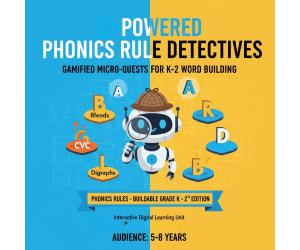
Powered Phonics Rule Detectives Gamified Micro-Quests for K-2
Reading, ELA, Literature, Children’s Literature, Mental Health, P.E. & Health, Mindfulness, Health, Research, STEM, Homeschool Curriculum, Grade 1, 2, 3, 4, 5, Activities, Games, Projects, Experiments, Assessments, Teacher Tools, Lesson Plans, Literacy Readers, Presentations, Rubrics
Unleash the Potential of Literacy with this Full, AI-Supported Phonics Learning Program for Grade K-2 Students! "AIPowered Phonics Rule Detectives: Gamified Micro-Quests for K-2 Word Building - Phonics Rules Buildable Grade K-2nd Edition" features 45 pages of interactive digital lesson material that can turn conventional phonics lesson delivery into an incredibly fun and fascinating detective hunt mystery series for kids. A full range of interactive elements, digital AI advisory tools for adaptive content delivery, worksheets for kids, teacher support material, images, and solution keys have been included in this resource tools package for teachers and home schooling parents for effective decoding, reading, and spelling skill development for kids in Grade K-2. Based on a strong systematic and explicit phonics and synthetic background, the "buildable" sequence in the curriculum includes the following skills for each grade level: Kindergarten—basic CVC words and letter sounds, Grade 1—digraphs, blends, CVCE (or "magic e"), and long vowels, Grade 2—vowel teams, r-controlled vowels, diphthongs, syllables, soft C/G, and silent letters. Use the power of Artificial Intelligence to generate unlimited differentiated scenarios, sentences, and activities for remediation, on-grade, or enrichment purposes, and add gamification components such as role-playing, stories, points, badges, and feedback. Why Parents/Schools Love It: Engage Gamification Increases Motivation: Converts phonics lessons into enjoyable 'detective missions' involving stories, badges, & micro-quests, keeping children eager & preventing burnout, underpinning theories such as Self-Determination Theory & Behaviorism. AI-Enabled Personalization: Saves Time “Teachers use prompt cards to create endless differentiated learning material instantly, serving all children, from struggling to advanced learners, without consuming teaching hours.” Established Effectiveness with Data-Driven Insights: Comes with personalized student data indicating an 60-85% proficiency rate for essential rules, as well as assessment and tracking for literacy gains. Complete Ready-to-Use Resources: The all-inclusive resources are available as a single PDF that includes theory lessons, activity sheets, and answer keys and ethics guidelines related to AI that are suitable according to literacy best practices. It Helps Develop Lifelong Reading Confidence: This scaffolding approach leads children to gain a strong conceptual foundation regarding phonics rules, which results in their fluent reading skills, ability to master spelling concepts, as well as developing their lifelong love Target Classes/Students : On the basis of a comprehensive analysis of the PDF document, which includes the flow of the document, developmental phases, categories of rules, worksheets, as well as examples, the following groups of students can be targeted by it: Kindergarten (Emergent Readers): Emphasis on basic components including letter/sound association, vowel concepts, CVC words, and initial/final sounds. This is to promote cognitive balance in the content. Grade 1: Focuses on mastery of CVC words, introduction to digraphs (sh, ch, th, wh), blends (bl, fr, st), CVCE, magic 'e', Long Vowel teams - ai, ee, oa. Grade 2 (Developing Readers) Focuses on complex long vowel combinations, complex pairs of vowels in a word or syllable (ou, oy, ie), r-controlled combinations of letters and vowels (ar, er, ir, or, ur), diphthongs, inflectional suffixes, syllables, and silent letters Its K-2 continuum is "buildable," in that the rules ramp up cumulatively, and it is therefore ideal for mixed-age, intervention, or enrichment settings in the early grades of schooling. Copyright/Terms of Use : «This Book was copyrighted by Syed Hammad Rizvi.» You cannot modify it or give it or any part of it away or resell it. That means you cannot put it on the Internet where it might be downloaded by anyone who wants it. However, if you need to share this resource with colleagues, just purchase more licenses from Teachsimple. Thanks for following the terms of use! This product has been very proudly presented to you by Syed Hammad Rizvi
Author Creative Book Store
Rating
Tags AIPoweredPhonics, PhonicsRuleDetectives, GamifiedMicroQuests, K2WordBuilding, PhonicsRulesK2, BuildablePhonicsCurriculum, KindergartenPhonics, Grade1Phonics, Grade2Phonics, EarlyLiteracyDevelopment