resources by type
resources by grade
resources by subject
other resources

2,757 products added recently

Life Skills Lesson Plans

Prepare your students for life beyond the classroom with lesson plans that cover essential life skills such as financial literacy, communication, and problem-solving. These activities provide practical knowledge and experiences. Use them to empower students with the tools they need for success.

Relevant
alt down
Any Time
alt down
filter by
alt down
All File Types
alt down
filter nav Show filters
Sort by: Relevant
CLEAR
resources by type
Activities
down arrow
Classroom Decor
down arrow
Teacher Tools
up arrow
Anchor Charts
Assessments
Charts
DBQ's
Diagrams
Graphic Organizers
Lesson Plans
Literacy Readers
Outlines
Presentations
Quizzes and Tests
down arrow
Rubrics
Templates
Worksheets & Printables
down arrow
resources by grade
Early Learning
down arrow
Pre-K
down arrow
Elementary
down arrow
Middle School
down arrow
High School
down arrow
Adult Education
Not Grade Specific
resources by subject
Creative Arts
down arrow
ELA
down arrow
Holiday & Seasonal
down arrow
Life Studies
down arrow
Math
down arrow
P.E. & Health
down arrow
Social Studies
down arrow
Special Resources
up arrow
Life Skills
Social Emotional Learning (SEL)
Social Skills
Special Education Needs (SEN)
Speech Therapy
Science
down arrow
Foreign Languages
down arrow
Resources for Teachers
down arrow
other resources
Common Core
Homeschool Resources
down arrow
Montessori
Research
STEM
Mind Games: How Illusions and Biases Shape Our Reality Reading Passage

Mind Games: How Illusions and Biases Shape Our Reality Reading Passage
ELA, Reading, Writing, Research, Resources for Teachers, Science, STEM, Life Skills, Special Resources, High School, Homeschool Resources, Teacher Tools, Assessments, Lesson Plans, Quizzes and Tests, Worksheets & Printables, Writing Prompts

As a homeschool mom who is passionate about bringing real science into our learning, I created this resource after watching my own kids become fascinated by optical illusions and questioning "how do we really know what we see?" This comprehensive package takes that natural curiosity and channels it into serious academic exploration of how our minds work. I have spent countless hours researching current neuroscience studies to ensure this material meets the rigor your advanced students deserve while remaining engaging and accessible. Whether you are preparing high schoolers/homeschoolers for college psychology courses or diving deep into critical thinking with curious learners, this resource delivers the kind of substantial content that sparks meaningful discussions around your kitchen table or classroom. INCLUDED IN THIS RESOURCE: Comprehensive reading passage that makes complex neuroscience understandable 20 carefully crafted questions that really make students think (not just recall facts) Complete answer key with detailed explanations Five note-taking sheets TOPICS COVERED: How optical illusions reveal the shortcuts our brains take every day Why we believe what we want to believe (confirmation bias explained) The sneaky ways first impressions influence all our decisions How growing up in different cultures literally changes what we see This resource bridges the gap between high school and college-level work beautifully. I designed it specifically for families and educators who want to offer their students/homeschoolers the kind of rigorous, research-based content they will encounter in university psychology and neuroscience courses. The depth and sophistication of the material challenges advanced learners while the clear organization and teaching supports make it manageable for dedicated students/homeschoolers. Whether you are homeschooling through high school or teaching AP-level courses, this resource provides the academic foundation and critical thinking development that sets students/homeschoolers up for success in higher education and beyond. If you and your students/homeschoolers enjoyed this resource, please leave a review. Thank you for your support! Tina - Big Easy Homeschooling Mom

Author Homeschool with Big Easy Homeschooling Mom

Rating

Tags How Optical Illusions Work Educational Resource, Cognitive Biases Lesson Plan High School, Cognitive Psychology, Neuroscience, Visual Perception, Psychology Curriculum, Homeschool Psychology Resources, Perception And Reality Educational Content, Psychology Reading Comprehension Activities, , Neuroscience Curriculum Homeschool

Health 1st Grade Unit 4:  Substance Use and Abuse

Health 1st Grade Unit 4: Substance Use and Abuse
P.E. & Health, Health, Physical Education, Special Resources, Life Skills, Social Emotional Learning (SEL), Social Skills, Grade 1, Lesson Plans, Teacher Tools, Worksheets & Printables, Worksheets

For 1st Grade Health there are seven standards that need to be taught. Unit 1 Personal Health Unit 2 Growth and Development Unit 3 Nutrition and Physical Activity Unit 4 Substance Use and Abuse Unit 5 Injury/ Violence Prevention Control and Safety Unit 6 Prevention/Control of Disease Unit 7 Environmental Consumer Health These units can be taught out of order. They are only numbered for your convenience. At the end of each unit, there is an assessment to test students’ understanding. Through using this Health 1st Grade Unit 4: Substance Use and Abuse students will explore and learn to identify safe and unsafe items in their house and who can give them medicine. Included in this unit: * Students will learn the difference between helpful and harmful substances. * Students will learn how to just say no to harmful substances and situations. * Students will learn that only responsible adults can give them medicine. At the end of the unit, there is an assessment to check for understanding. A total of 10 pages for Health 1st Grade Unit 4: Substance Use and Abuse. There are seven units that cover all the health requirements for first grade. Here are the links to other health units: Health 1st Grade Unit 1: Personal Health Health 1st Grade Unit 2: Growth and Development Health 1st Grade Unit 3: Nutrition and Physical Activity Health 1st Grade Unit 4: Substance Use and Abuse Health 1st Grade Unit 5: Injury / Violence Prevention and Safety Health 1st Grade Unit 6: Prevention / Control of Disease Health 1st Grade Unit 7: Environmental / Consumer Health You can also teach your students about keeping yourself safe by studying about the Coronavirus, where and when it started and facts that plagued our world with this virus. 1st grade Coronavirus / Covid-19 Facts by Teach Simple This unit meets Common Core Standards.

Author K-5 Treasures

Tags Health Unit, Substance Use, Substance Abuse, Safe Household Items, 1st Grade Health, First Grade Health, Healthy Habits, Health, 1st Grade Resources, First Grade Resources

Environmental Consumer Health: 4th and 5th Grade Unit 7

Environmental Consumer Health: 4th and 5th Grade Unit 7
P.E. & Health, Life Studies, Physical Education, Health, Life Skills, Special Resources, Social Emotional Learning (SEL), Social Skills, Grade 4, 5, Teacher Tools, Lesson Plans, Worksheets & Printables, Worksheets

Environmental Consumer Health: 4th and 5th Grade Unit 7 For 4th and 5th Grade Health, there are seven standards that students will practice and learn. Through using this Environmental Consumer Health: 4th and 5th Grade Health Unit 7 students will explore and learn to identify daily healthy habits. This Environmental Consumer Health Unit 7, is full of engaging worksheets to help students learn about their environment in an educational way as it pertains to their own health and the health of others. In this unit, students will be educated on the pollution that effects the land, water, and air in their neighborhood and community. They will also identify solutions to stop the pollution. Along with that, they will discover ways to help the environment by reducing, recycling, and reusing products. Advertisers use tricky ways to convince consumers that unhealthy food is beneficial to them. Kids will learn about these tricky strategies and the messages that advertisers use that convince the public to use these unhealthy products. In addition, students will have the opportunity to draw their own advertisement to help stop the spread of a disease outbreak in a community. Lastly, there is an assessment to check for understanding. This Environmental Consumer Health unit is the perfect way for teachers and parents to help their students understand the importance of health in a community and teaches students a way to develop healthy habits for life! Included in this Environmental Consumer Health: 4th and 5th Grade Unit 7 are the following: How the land, water, and air pollution affect persona health and our community health. A worksheet is provided on solutions to stop the pollution. Learn ways to help a community with reducing, recycling, and reusing products. Students will learn about tricky strategies advertisers use on consumers to coerce them to purchase unhealthy products and the messages these advertisers are sending to kids. Understand what environmental health messages mean to a community. Draw your own health advertisement to help stop a disease outbreak in a community. Lastly, there is an assessment to check for understanding. There is an answer key included. There are 16 pages included! This unit meets Common Core Standards. There are seven units that cover all the health requirements for 4th and 5th grade. Here are the links to other health units: Health | 4th and 5th Grade Unit 1: Personal Health Health | 4th and 5th Grade Unit 2: Growth and Development Health | 4th and 5th Grade Unit 3: Nutrition and Physical Activity Health | 4th and 5th Grade Unit 4: Substance Use and Abuse Health |4th and 5th Grade Unit 5: Injury and Violence Prevention Health | 4th and 5th Grade Unit 6: Prevention and Control of Disease Health |4th and 5th Grade Unit 7: Environmental Consumer Health

Author K-5 Treasures

Tags Health Unit, Personal Health, Healthy Goals, Health Activities, Physical Goals, Health Goals, Health And Wellness, 4th Grade Health, 5th Grade Heath, Heath Units

Health 1st Grade Unit 5: Injury / Violence Prevention and Safety

Health 1st Grade Unit 5: Injury / Violence Prevention and Safety
P.E. & Health, Special Resources, Health, Physical Education, Life Skills, Social Emotional Learning (SEL), Social Skills, Grade 1, Lesson Plans, Teacher Tools, Worksheets, Worksheets & Printables

For 1st Grade Health there are seven standards that need to be taught. Unit 1 Personal Health Unit 2 Growth and Development Unit 3 Nutrition and Physical Activity Unit 4 Substance Use and Abuse Unit 5 Injury/ Violence Prevention Control and Safety Unit 6 Prevention/Control of Disease Unit 7 Environmental Consumer Health These units can be taught out of order. They are only numbered for your convenience. At the end of each unit, there is an assessment to test students’ understanding. Through using this Health 1st Grade Unit 5: Injury / Violence Prevention and Safety students will learn to identify personal information, safety in their environment, trusted adults in their community, and bullying. Included in this unit: * Students will learn how to be safe in their community, household, and community. * Students will learn the importance of knowing their personal information. * Students will learn how to identify trusted adults in their community. * Students will learn when to call 911. * Students will learn about stranger danger. * Students will learn about bullying and who to talk to if this occurs. At the end of the unit, there is an assessment to check for understanding. A total of 14 pages for Health 1st Grade Unit 5: Injury / Violence Prevention and Safety. There are seven units that cover all the health requirements for first grade. Here are the links to other health units: Health 1st Grade Unit 1: Personal Health Health 1st Grade Unit 2: Growth and Development Health 1st Grade Unit 3: Nutrition and Physical Activity Health 1st Grade Unit 4: Substance Use and Abuse Health 1st Grade Unit 5: Injury / Violence Prevention and Safety Health 1st Grade Unit 6: Prevention / Control of Disease Health 1st Grade Unit 7: Environmental / Consumer Health You can also teach your students about keeping yourself safe by studying about the Coronavirus, where and when it started and facts that plagued our world with this virus. 1st grade Coronavirus / Covid-19 Facts by Teach Simple This unit meets Common Core Standards.

Author K-5 Treasures

Tags Health Unit, Injury Prevention, Violence Prevention, Safety, 1st Grade Health, First Grade Health, Healthy Habits, Health Resources, Health, First Grade Resources

Kindergarten Health: Unit 5

Kindergarten Health: Unit 5
P.E. & Health, Life Studies, Physical Education, Health, Special Resources, Life Skills, Social Emotional Learning (SEL), Social Skills, Kindergarten, Lesson Plans, Teacher Tools, Worksheets & Printables, Worksheets

For Kindergarten Health there are seven standards that need to be taught to achieve healthy habits! Unit 1 Personal Health Unit 2 Growth and Development Unit 3 Nutrition and Physical Activity Unit 4 Substance Use and Abuse Unit 5 Injury/ Violence Prevention Control and Safety Unit 6 Prevention/Control of Disease Unit 7 Environmental Consumer Health These units can be taught out of order. They are only numbered for your convenience. Through using this Kindergarten Health: Unit 5, students will explore and learn to identify daily healthy habits. Included in this unit : Students will learn what to do if they are lost by learning their phone numbers of a parent or guardian. Students will also learn their address and full name, and guardian's names if lost. Students will complete a cut and paste activity for when to call 911 and when not to call 911. Students will learn about bike safety and the signals used when riding a bike. Playground safety is also taught in this unit . Learning about stranger danger is outlined in this unit with a cut and paste activity . Lastly, students will learn about bullying and what it means to be bullied and what to do. This excellent product comprises 11 pages chock-full of useful resources aimed at fostering critical life skills for the well-being of young learners. Embrace Kindergarten Health: Unit 5 in your classroom today! There are seven units that cover all the health requirements for Kindergarten. Here are the links to other health units: Kindergarten Health: Unit 1 Personal Health Kindergarten Health: Unit 2 Growth and Development Kindergarten Health: Unit 3 Nutrition and Physical Activity Kindergarten Health: Unit 4 Substance Use and Abuse Kindergarten Health: Unit 5 Injury / Violence Prevention Control and Safety Kindergarten Health: Unit 6 Prevention / Control of Disease Kindergarten Health: Unit 7 Enviromental Consumer Health You can also teach your students about keeping yourself safe by studying about the Coronavirus, where and when it started and facts that plagued our world with this virus. Kindergarten Health: Covid 19 / Coronavirus Facts This unit meets Common Core Standards.

Author K-5 Treasures

Tags Health Worksheets, Health, Kindergarten Health, Personal Health, Kids Health, Worksheets On Health, Elementary Health, Healthy Foods, Healthy Habits, Health Units

Kindergarten Health: Unit 1

Kindergarten Health: Unit 1
P.E. & Health, Life Studies, Health, Physical Education, Special Resources, Life Skills, Social Emotional Learning (SEL), Social Skills, Kindergarten, Teacher Tools, Lesson Plans, Worksheets & Printables, Worksheets

For Kindergarten Health there are seven standards that need to be taught to achieve healthy habits! Unit 1 Personal Health Unit 2 Growth and Development Unit 3 Nutrition and Physical Activity Unit 4 Substance Use and Abuse Unit 5 Injury/ Violence Prevention Control and Safety Unit 6 Prevention/Control of Disease Unit 7 Environmental Consumer Health These units can be taught out of order. They are only numbered for your convenience. This is a great health unit to help your students achieve healthy habits! Through using this Kindergarten Health: Unit 1, students will explore and learn to identify daily healthy habits. Included in this unit : * Students will understand the order of brushing their teeth as a daily habit. * Students will understand the importance of going to bed on time is a healthy habit. * Identifying healthy eating habits. * Understand what it means to be physically active. * Students will write a goal to brush teeth daily. * Understand that being clean and washing hands is a part of being healthy. There is a total of 14 pages included in this Unit 1 for Kindergarten Health. There are seven units that cover all the health requirements for Kindergarten. Here are the links to other health units: Kindergarten Health: Unit 1 Personal Health Kindergarten Health: Unit 2 Growth and Development Kindergarten Health: Unit 3 Nutrition and Physical Activity Kindergarten Health: Unit 4 Substance Use and Abuse Kindergarten Health: Unit 5 Injury / Violence Prevention Control and Safety Kindergarten Health: Unit 6 Prevention / Control of Disease Kindergarten Health: Unit 7 Enviromental Consumer Health You can also teach your students about keeping yourself safe by studying about the Coronavirus, where and when it started and facts that plagued our world with this virus. Kindergarten Health: Covid 19 / Coronavirus Facts This unit meets Common Core Standards.

Author K-5 Treasures

Tags Health, Health Units, Personal Health, Kindergarten Health, Health For Kindergarten, Healthy Foods, Healthy Habits, Personal Development For Kids, Elementary Health

Readiness Life Skills - Managing Time Gr. 9-12+

Readiness Life Skills - Managing Time Gr. 9-12+
Life Studies, Special Resources, Life Skills, Grade 6, 7, 8, 9, 10, 11, 12, Teacher Tools, Lesson Plans

Become a master of time management. This resource promotes independence. Set up a plan at the start of your day. Make to do lists of things you want to get done. This resource provides tips and strategies to maximize your time. Learn how to prioritize your tasks for the day. Follow the provided five levels of priority to get started. Break up bigger jobs into smaller tasks. A four step process will help here. Explore the Eisenhower's urgent important matrix. Use this in a real-world experience. Finish your day by evaluating what you accomplished. Make a plan for the next day. Get to know how different tools can help with efficiency, from time trackers to productivity apps. This resource is made up of reading passages, real-world activities, graphic organizers, and extension activities, like a crossword, word search and comprehension quiz. Combining high interest concepts with low vocabulary to make sure all learners understand the necessary skills required in life. Aligned to your State Standards. Written to Bloom's Taxonomy. This content is reproducible.

Author Classroom Complete Press

Rating

Tags Life Skills, Comprehension, Graphic Organizers, Reading Passage, Readiness, Managing, Manage, Time, Management

Two Sides to Every Story: Ethics, Dilemmas and Points of View.  Discussion, Writing, Inprovisation

Two Sides to Every Story: Ethics, Dilemmas and Points of View. Discussion, Writing, Inprovisation
Special Resources, Life Skills, Grade 5, 6, 7, 8, 9, Teacher Tools, Lesson Plans

Two Sides to Every Story: Ethics, Dilemmas and Points of View A unique approach to teaching complex ethical concepts targeted at teachers and homeschoolers for grades 5 through 9. This resource boosts students' critical thinking skills widening their outlook on ethical matters. This product is filled with engaging short stories that include elements of mystery, danger, comedy and humor. Each story features a list of discussion points that incites students to critically assess the ethical dilemmas put forth. By engaging in group discussions about each tale's captivating conclusion; learners will sharpen crucial life skills like empathy-based decision-making. Includes improvisation activities and role-play exercises aiming to boost children's communication capabilities while discovering varying perspectives on ethics-related topics. Provides writing tasks encouraging in-depth exploration into these stories' contexts, offering students a chance to enhance their understanding via written expression. Bridging The Gap Between Complex Ethics And Real-Life Scenarios This one-of-a-kind teaching aid adopts real-life scenarios through gripping short stories thereby simplifying the daunting world of ethics for your learners. An easy-to-access Product File is also made available – specifically crafted for educators desiring to incorporate this comprehensive tool effortlessly into their lesson plans designed towards life skills education within special resources instruction. In summary,"Two Sides to Every Story: Ethics Dilemmas and Points Of View", can be used in diverse settings - from large classroom seminars or small teams workshops or even sent home as intriguing homework tasks! It provides a remarkably entertaining yet educative approach towards exploring different facets of ethics! Educators looking for an ingenious way of structuring captivating lessons around complex subjects such as ethics will undoubtedly appreciate using "Two Sides To Every Story" . Essentially, it cultivates empathy along with critical thinking among students – one riveting story at a time! Conveniently available in PDF format, this resource merges the world of literature and life skills delivering an immersive educational experience.

Author Classroom Complete Press

Tags PDF

Applying Life Skills - Your Personal Life Plan Gr. 6-12+

Applying Life Skills - Your Personal Life Plan Gr. 6-12+
Life Studies, Special Resources, Life Skills, Grade 6, 7, 8, 9, 10, 11, 12, Teacher Tools, Lesson Plans

Get control over your life with a plan. This resource provides the tools needed to make this happen. You will feel empowered and in control. Get rid of roadblocks so your can identify your current situation. Steps are provided to help with this. Create your own life vision that is comprised of balanced elements. Get a handle on your personal identity. What are your strengths? What are your weaknesses? How do they relate to how you see yourself? Judge the importance of personal values. A quiz is provided to help with this. Reset your goals if needed. Use the provided step by step process. It's important to know how to prioritize the elements of your life plan. Make your own action plan to help with this. This resource is made up of reading passages, real-world activities, graphic organizers, and extension activities, like a crossword, word search and comprehension quiz. Combining high interest concepts with low vocabulary to make sure all learners understand the necessary skills required in life. Aligned to your State Standards. Written to Bloom's Taxonomy. This content is reproducible.

Author Classroom Complete Press

Rating

Tags Life Skills, Comprehension, Graphic Organizers, Reading Passage, Personal, Life Plan

Daily Social & Workplace Skills: Making Appointments & Filling Out Forms Gr. 6-12

Daily Social & Workplace Skills: Making Appointments & Filling Out Forms Gr. 6-12
Special Resources, Life Skills, Common Core, Grade 6, 7, 8, 9, 10, 11, 12, Teacher Tools, Lesson Plans

Daily Social & Workplace Skills: Making Appointments & Filling Out Forms Gr. 6-12 A comprehensive teaching resource designed to engage students in acquiring practical skills required for day-to-day life and future workplaces. Time Management and Daily Planning: This section sets the groundwork by educating students on how to efficiently manage time, complete with valuable strategies for daily routine planning that can lead to increased organization and efficiency. Making Appointments: The next step provides lessons in how to schedule appointments, an equally crucial skill generally overseen in standard curricula but indispensable personally as well as in diverse workplaces. The journey from managing time to booking appointments is smooth, indicating real-life usage of these lessons. Filling out Forms: Third module includes comprehensive training about form-filling. Given forms pervade our lives—from job applications right through bank work—this knowledge is priceless irrespective of individual life paths post-schooling! 'Job Communication Lesson'-'A Dynamic Module'! This section offers valuable insights into a range of necessary communication tools including texting manners, email etiquette and telephoning habits—shaping up digital etiquette that weaves seamlessly into everyday personal or professional life! Hands-on activities make engaging learning- treasure hunts like crossword puzzles or word searches not only excite learners but also reinforce fundamental behavioural concepts without being overbearing! 'Posturing Best-at-Class Behaviour'- It's a perfect final module guiding about building top-notch deportment at the workplace! More relevant than ever to our future generation, regardless of their career choices! What adds more value is intervals of comprehension quizzes—allowing teachers to assess ongoing learner understanding and step-in if more assistance needed - no student left behind! Conforming to state standards with a user-friendly PDF format, this teaching resource complies with Bloom's Taxonomy. It caters primarily for Grades 6-12 but given its unique approach and profound inclusions, it could equally benefit a wider age range.

Author Classroom Complete Press

Tags PDF

Appreciating Differences

Appreciating Differences
Special Resources, Life Skills, Grade 3, 4, 5, 6, Teacher Tools, Lesson Plans

Appreciating Differences Appreciating Differences, a mindfully crafted teaching resource, is available as an easy-to-use PDF which features 146 print-ready pages. Typically suited for students from Grade 3 to Grade 6, it's ideal for educators wanting to cultivate empathy and inclusivity in the classroom. The resource offers a broad perspective on multicultural education, understanding that it goes beyond merely addressing ethnicity. "Appreciating Differences" helps students comprehend and respect various aspects of diversity they encounter in their everyday lives. This includes physical, social, and economic differences that are prevalent in today's fast-paced global society. Diverse Set of Activities Writing Exercises: These stimulate self-exploration and expression while developing essential language skills. Gaming Sessions: This element encourages essential critical thinking capacity while highlighting the importance of team effort and unity. Creative Arts:A platform granting children an opportunity express their views about diversity through art forms. Incorporation of Practical Applications The effectively designed "Appreciating Differences" , allows learners engage in hands-on learning experiences like surveying and graphing skills application. It transfers individuals beyond native English-speaking environments by introducing them to different languages strengthening their global perspective. Versatile Usage Scenario This diverse educational tool can be integrated into a wide range of learning scenarios such as group lessons promoting whole class discussions or small focus groups to facilitate role-play scenarios associated with diversity themes. Elements from the material can also be assigned as tasks for students at home enabling reinforcement concept incorporation learned during school hours. In Summary Appreciating Differences provides educators with a multi-faceted approach in teaching, going beyond standard lesson plans , it aids them to nurture sensitivity towards dissimilarities amongst young impressionable minds. With this resource will they gain an understanding of how individualities add vibrancy and harmony to our world. It thereby helps inspire students to acknowledge and appreciate the beauty of divergences within humanity, leaping towards the goal of making our world a friendlier place.

Author Classroom Complete Press

Tags Thematic Units, Immigration, Multicultural, Cultures, Melting Pot, Appreciating Differences

Daily Health & Hygiene Skills Gr. 6-12 - Canadian Content

Daily Health & Hygiene Skills Gr. 6-12 - Canadian Content
Special Resources, Life Skills, Grade 6, 7, 8, 9, 10, 11, 12, Teacher Tools, Lesson Plans

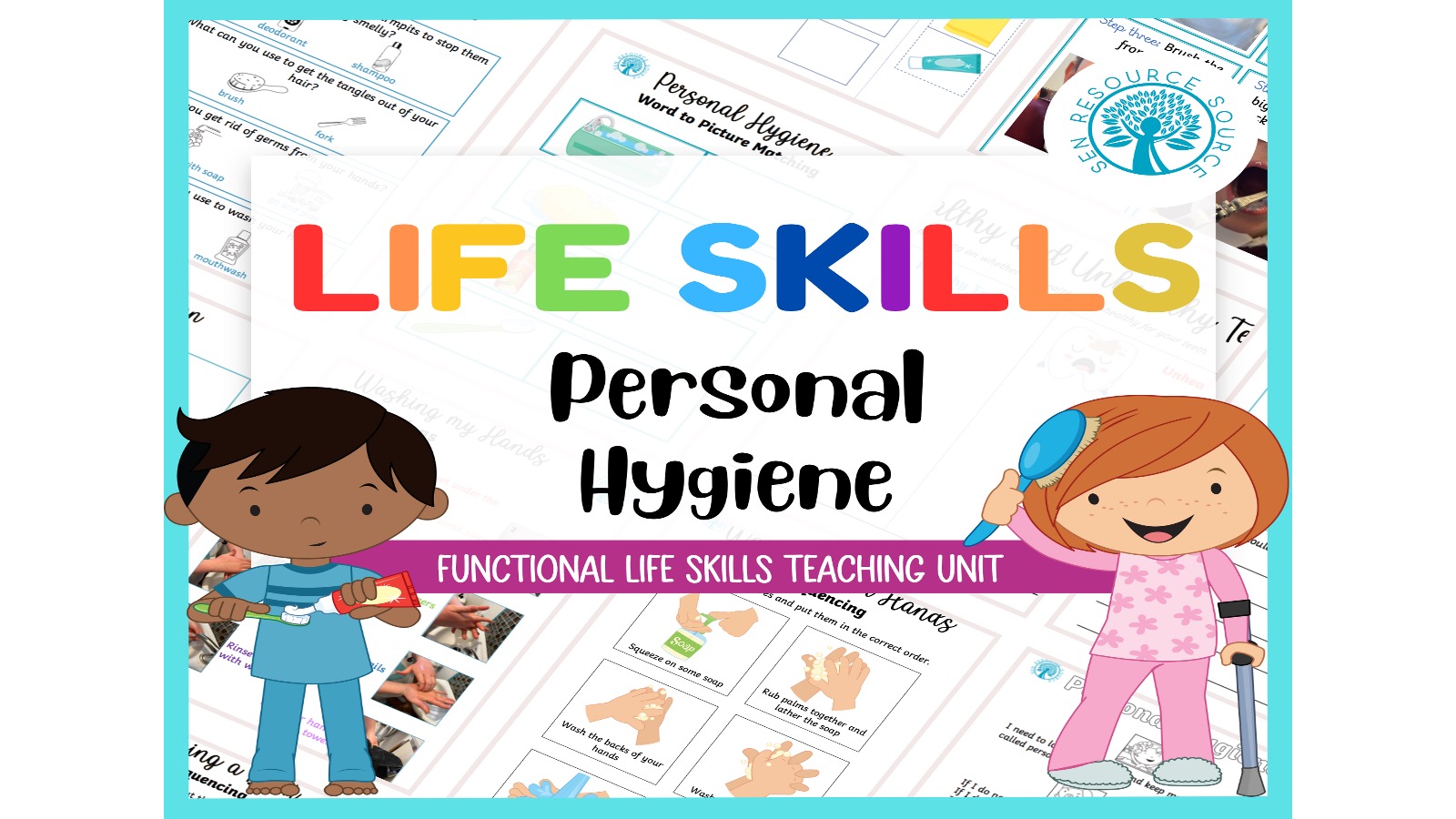
Daily Health & Hygiene Skills Gr. 6-12 - Canadian Content: An engaging and educative resource designed explicitly for students in Grades 6 through 12, focusing on necessary daily health and hygiene skills. Comprises a combination of reading passages, graphic organizers , real-world activities, puzzles, and quizzes. Designed with lower vocabulary levels for better comprehension. Main Educational Focus: Nutrition: Learning about healthy eating and meal planning. Understanding food groups' contribution to general health. Fitness: Importance of physical exercise along with diet for overall wellbeing. Encouraging students to plan personal fitness routines. Dental & Personal Care: Essential grooming practices including dental care are explained in an accessible manner. This also includes aspects like home maintenance skills fostering self-dependency among learners. Additional Features: Safety Measures:Educates about personal safety during commutation or travel and raises awareness about the dangers associated with prescription drug abuse. Social Engagement:Covers themes related to community engagement that aid interpersonal development while instilling a sense of social responsibility in learners. Based on Provincial Standards following Bloom's Taxonomy Approach: The resource is aligned according to different cognitive skills as identified by Bloom's approach making it suitable for usage across different circumstances – whether it is whole group instruction by educators or individualized assignments targeted at learners with specific needs; even homeschooled children can benefit from this resource. The resource is primarily categorized under Life Skills, making it a versatile pedagogic tool. It is available in easily downloadable PDF format ensuring high usability.

Author Classroom Complete Press

Tags PDF

Types of Investments: Personal Financial Literacy- GICs, Stocks, Etc.

Types of Investments: Personal Financial Literacy- GICs, Stocks, Etc.
Life Studies, Home Economics, Finance, Math, Special Resources, Life Skills, Percentages, Grade 9, 10, 11, 12, Worksheets & Printables, Worksheets, Lesson Plans, Teacher Tools

This 3-page lesson that includes student worksheets will help teach your high school students about all the different kinds of investments that they can purchase to grow their savings and net worth. Get teenagers interested in investing early to help improve their financial literacy! It’s an easy-to-use lesson for a finance, career and personal planning, family and consumer sciences, life skills, or applied math class. How to Use: 1. Students will learn the basic vocabulary (including rate of return and principal) and concepts (including risk versus reward and time horizon) surrounding investments. 2. Six different kinds of investments are introduced (savings accounts, GICs, stocks, bonds, mutual funds, and Exchange Traded Funds). 3. For each, students will determine the basic pros and cons and research to find one or more current interest rates and/or rates of return. They can use the information on the worksheets and complete more research online. 4. Finally, students are asked to decide how they would invest a $1 million inheritance into 3 different kinds of investments. They will choose how much to put into each investment, and they will explain why they made their picks (based on when they might need to use the money and what they want to use it for). What's Included: 5 Page PDF: Ready to Print and Use! - Teacher Instructions - 2-Page Student Worksheet: six types of investments and investment vocabulary - 1-Page Student Worksheet: How would you invest $1 million? - Sample Answer Key If you enjoy this product, check out other investment and financial literacy lessons in my store: Types of Investment Accounts in Canada: Teaches about the Registered Investment Accounts Available in Canada Types of Investment Accounts in the US: Teaches about the Registered Investment Accounts Available in the USA Net Worth: Assets - Liabilities = Equity: Teaches Students How to Build Their Net Worth

Author Grace Under Pressure

Tags Personal Financial Literacy, Financial Literacy, High School Financial Literacy, Investing, Investments, Stocks, Bonds, Gics, Family Consumer Sciences, Life Skills

Percent Word Problems: Tipping & Gratuities- Real World Math Worksheet

Percent Word Problems: Tipping & Gratuities- Real World Math Worksheet
Life Studies, Home Economics, Special Resources, Life Skills, Math, Multiplication, Multiplication and Division, Percentages, Money, Grade 6, 7, 8, 9, Worksheets & Printables, Word Problems, Teacher Tools, Lesson Plans

Tipping is becoming more and more common and the amount you are expected to tip is increasing too. Make sure your students understand what tipping is and how to calculate a tip- useful life skills! Here’s a ready-to-print real-life percent math lesson for middle school students (in grades 6-9) or special education or life skills classes in a high school setting. Teach your class all about tipping culture and tips in both Canada and the United States. Why do people tip or give certain people a gratuity? What places do we tip? What places do we not? Has tipping been increasing recently ("tip-flation")? Show students how the math skills and concepts that they have been learning in class (percentages, decimals, division, fractions) can be useful in their everyday lives! How to Use: 1. The first page is a handout that you complete with your students (with fill-in-the-blanks) to teach them the ins and outs of tipping: where and when you do it, etc. 2. The second page teaches students two simple methods of calculating tips (using well-known percentage benchmarks OR multiplying the price by a percentage written in decimal form). Encourage your students to determine a third method they could use. 3. After that, there are 7 practice word problems of realistic tipping situations that your students can complete. From tipping for a meal to paying at a salon, or even calculating tax AND tip together, your students will get a lot of real-life practice completing these problems in small groups or own their own. 4. To finish, you can have a class discussion about tipping in general and what your students think about our system. What's Included: 6 Page PDF - Teacher Instructions - Handout with Fill-in-the-Blanks about Tipping - 3-Page Worksheet and Written Reflection - COMPLETE ANSWER KEY INCLUDED If you want more practice working with tips try these two products: Fractions for Calculating Taxes, Tips and Sales Percents for Calculating Taxes, Tips, and Sales

Author Grace Under Pressure

Tags Percent Word Problems, Tip, Tipping, Gratuity, How To Tip, How To Calculate A Tip, Financial Literacy, Life Skills, Personal Finance, Word Problems

Independent Living: A Place to Live Gr. 9-12+

Independent Living: A Place to Live Gr. 9-12+
Special Resources, Life Skills, Grade 9, 10, 11, 12, Teacher Tools, Lesson Plans

The Independent Living: A Place to Live Gr. 9-12+ An invaluable teaching resource designed for both public school and homeschool environments that primarily focuses on equipping students with essential skills for independent living. Main themes: - Key Aspects of Independent Living: Includes understanding renting vs buying a home, awareness of living alone expenses, etc. - Resources: Features reading passages, graphic organizers, real-world activities, a crossword puzzle, word search exercises and comprehension quizzes. - Inclusivity: Combines high-interest concepts with low vocabulary ensuring accessibility for all learners. Educator Usage: Teachers can utilize this resource in various ways: Use during whole-class sessions as comprehensive instruction medium. Foster team-based learning through small groups. Assign as homework for additional practice opportunities. Note: Adherence to state standards and inclusion of Bloom's Taxonomy fosters the development of critical thinking skills amongst learners. This resource is primarily geared towards Grade 9-12+ students under the Special Resources category focusing on Life Skills but can be adapted across multiple grades due its flexible design principles. The product file is available in PDF format catering to digital access needs. In conclusion,The Independent Living: A Place To Live Gr. 9-12+, plays a crucial role in preparing students not just academically but also as well-rounded individuals poised for success beyond academia.

Author Classroom Complete Press

Tags PDF

Health | 3rd Grade Unit 2: Growth and Development

Health | 3rd Grade Unit 2: Growth and Development
P.E. & Health, Life Studies, Physical Education, Health, Special Resources, Life Skills, Social Emotional Learning (SEL), Social Skills, Grade 3, Teacher Tools, Lesson Plans, Worksheets & Printables, Worksheets

This 3rd Grade Health Unit focuses on Growth and Development and is essential to help students with their health and wellness. There are seven units in all taught in 3rd grade that focus on health. These units include: Unit 1 that focuses on Personal Health and Wellness Unit 2 that focuses on Growth and Development Unit 3 teaches students about Nutrition and Physical Activity and how to eat right and stay active Unit 4 that helps students with Substance Use and Abuse and how to avoid bad substances Unit 5 that will teach students about Injury/ Violence Prevention Control and Safety Unit 6 that covers what happened during Covid and how to protect themselves while learning about Prevention/Control of Disease Unit 7 discusses our environment and how to help save our planet with Environmental Consumer Health These units all about health can be taught out of order. They are only numbered for your convenience. At the end of each unit, there is an assessment to test students’ understanding. Through using this Health 3rd Grade Unit 2: Growth and Development, students will be able to study and learn about body organs, our body systems, and their emotional and physical features. Included in this 3rd Grade Health Unit are the following: In this unit, students will learn about several different organs in the body including: brain, lungs, heart, liver, kidneys, and the small and large intestines. They will find a worksheet with a blank body and label all these parts after reading about these vital organs. Students will also learn about the many different body systems we have which include: skeletal and nervous systems, circulatory system, digestive system, respiratory system, muscular system, and learn about our skin and hair. They will assemble in order how these systems look in a body as they compile a book. They will also label each system after looking a drawings. They will explore the emotional and physical features of people when they are sad, surprised, happy, etc. Lastly, they will compare their physical features to other classmates and come to understand how our genes are all different. This unit meets Common Core Standards. It is 13 pages of fun engaging activities! At the end of the unit, there is an assessment to check for understanding. There are seven units that cover all the health requirements for 3rd grade. Here are the links to other health units:

Author K-5 Treasures

Rating

Tags Health Unit, Personal Health, Healthy Goals, Unhealthy Choices, Health Activities, Physical Goals, Health Goals, Health And Wellness, 3rd Grade Health, Third Grade Health

Real World Life Skills - Financial Literacy Skills Gr. 6-12+ - Canadian Content

Real World Life Skills - Financial Literacy Skills Gr. 6-12+ - Canadian Content
Special Resources, Life Skills, Grade 6, 7, 8, 9, 10, 11, 12, Teacher Tools, Lesson Plans

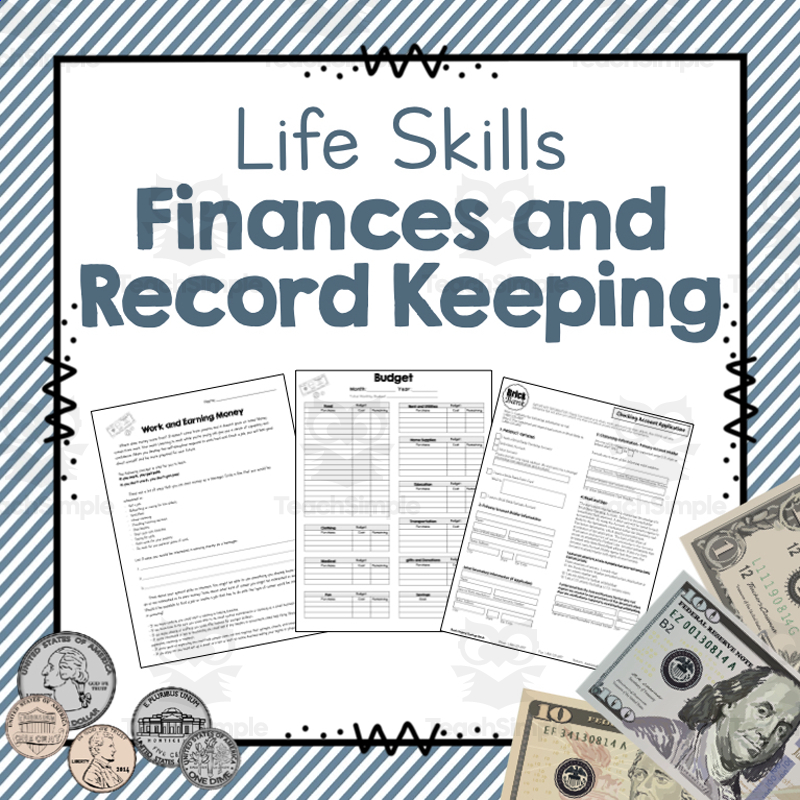
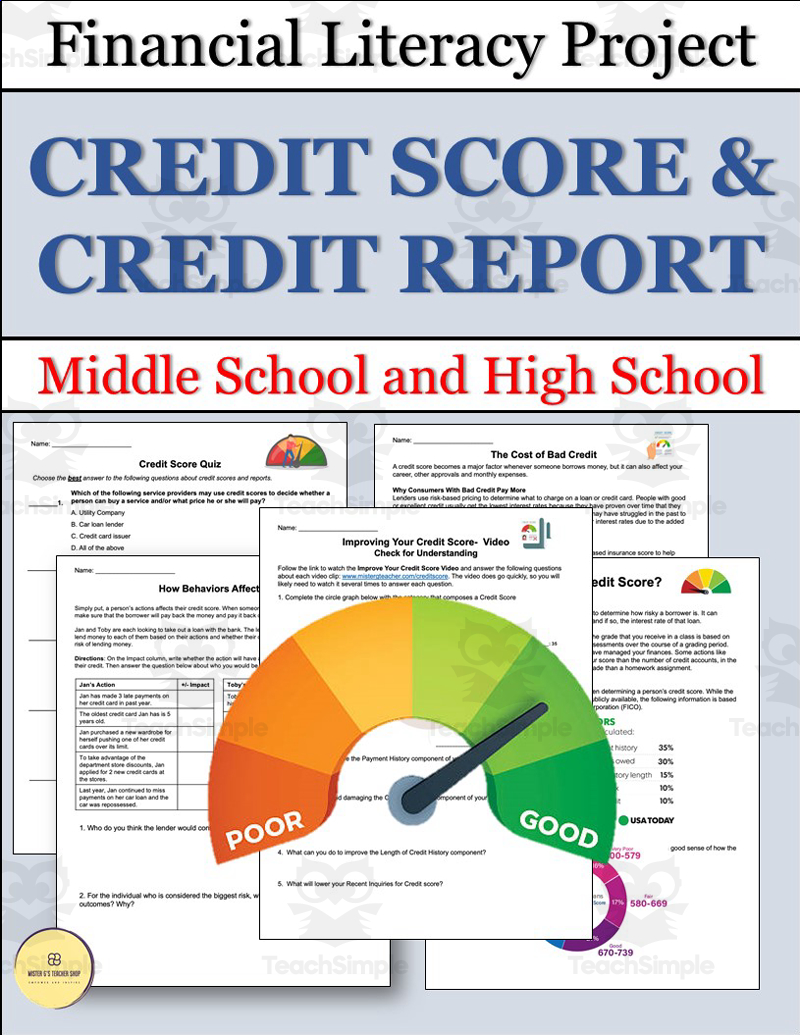
Real World Life Skills - Financial Literacy Skills Gr. 6-12+ - Canadian Content This exceptional resource is designed to support students from Grade 6 through Grade 12 in obtaining essential knowledge to confidently navigate the financial landscape. This consists of a collection of unique modules focusing on practicality and real-life situations. Significant Emphases: Deep understanding of bank loans and potential pitfalls associated with credit cards, crucial as students start their financial journeys. In-depth appreciation of income and expenditure for intelligent management of assets and debt. Negotiation skill enhancement by providing a detailed roadmap for effective purchasing practices, which helps students to attain value-for-money experiences in real-world scenarios. Additionally, an insightful analysis is provided comparing different credit scores alongside tips for improving personal credit ratings - an integral strategy for individual financial growth. Special Segments: A segment related to car ownership explaining key aspects like maintenance costs and depreciation values. A broader outlook on responsibilities associated with property ownership promoting fiscal responsibility amongst learners. Detailed information on taxation types catered toward assisting responsible paycheck management. Economics In The Fast-Paced World: Incorporating lessons relevant to Global Economics explores topics including cryptocurrency and currency conversions – offering learners' insights into emerging global economic trends. Versatile Settings And Formats: The versatility allows flexibility for educators; can be utilized in various settings such as whole group instructions, small group discussions or assigned individually as homework assignments. This downloadable PDF file includes enriched reading passages with graphic organizers; practical real-world activities are coupled with word searches & crossword puzzles contributing to an engaging yet fruitful learning experience. All content aligns precisely with Provincial Standards and strictly adheres to Blooms Taxonomy ensuring comprehensive understanding of these important financial skills. The interactive nature ensures teaching and learning financial literacy is effectively and enjoyable for everyone involved.

Author Classroom Complete Press

Tags PDF

I WONDER - What Is An Internet Troll | Animated Video Lesson

I WONDER - What Is An Internet Troll | Animated Video Lesson
Life Skills, Special Resources, Social Emotional Learning (SEL), Social Skills, Computer Science, Technology, Science, Grade 4, 5, 6, 7, 8, 9, 10, Lesson Plans, Teacher Tools

Video Introduction An amazing video designed for the students to learn more about social and soft skills in our daily life. I WONDER - What Is An Internet Troll | Animated Video Lesson Have you ever read about soft skills or social skills? If yes, can you tell us more about them? Body language is so important for us to learn about, as it teaches us how to deliver the correct message to the people we are talking to, and get the right message from the people who talk to us, by simply reading their body language. What do you know about etiquette? Do you know that every country has got its unique etiquette? What do you know about online etiquette? What is your strongest soft/social skill? Can you name other social or soft skills? Do you think we should be always nice to our friends and family? Do you think we should be kind with animals? Have you ever read about online etiquette? If yes, tell us more about it. What are the essential skills that we should have while dealing with people online? I WONDER - What Is An Internet Troll | Animated Video Lesson The video is perfect for encouraging the researching skills for the students, while learning more about these fantastic social and soft skills in our daily life. I WONDER - What Is An Internet Troll | Animated Video Lesson This friendly designed video is suitable for students at school, homeschooling, and as a group activity. Format Available in MP4 format.

Author Educational Voice

Rating

Tags What Is An Internet Troll, What Is An Internet Troll Video, Internet Troll, Internet Troll Facts, Internet Troll Video, Internet Troll Facts For Kids, Internet Troll Video For Kids, Troll, Trolls

Feelings: A Sad, Mad, Grumpy, Happy Good Time Gr. 1

Feelings: A Sad, Mad, Grumpy, Happy Good Time Gr. 1
Special Resources, Life Skills, Grade 1, Teacher Tools, Lesson Plans

Feelings: A Sad, Mad, Grumpy, Happy Good Time Gr. 1 Feelings: A Sad, Mad, Grumpy, Happy Good Time Gr. 1, is an excellent teaching resource for educators who wish to delve into the critical spectrum of human emotions their grade one students experience daily. This product blends fields typically kept separate - Social Studies, Health and Language Arts - thus making it easier for teachers to integrate lessons across subjects seamlessly. This unique resource shifts its focus each day onto a new emotion such as Happy, Sad, Mad, Scared and more. This approach not only helps learners recognize their feelings but also equips them with strategies to manage these emotions effectively. Engaging Activities Brainstorming activity : Kicks off the lesson by prompting students to share their ideas. New sight words: Introduced through study component which helps in broadening their vocabulary range. Literacy skills: A spelling activity aimed at strengthening literacy skills in aspiring readers and writers. The writing book and accompanying activity book activities :Aids reinforcement of learners' understandings about the emotion being treated on any particular day. Furthermore, In addition to boosting emotional intelligence and literacy skills among first graders these resources also feature games that make learning fun! The match game is particularly notable because it encourages useful cognitive associations between different concepts related to emotions way beyond rote memorization. Mental health discussions can be incorporated into grade one using this resource allowing for group or individualized work both in-class or assigned as homework. In conclusion, Understanding our emotions forms an essential part of growing up . Both homeschooling parents and public school teachers will appreciate having this invaluable tool from TeachSimple.com at their disposal as they journey through educating youngsters on things that matter most; understanding themselves better.

Author Classroom Complete Press

Tags PDF

I WONDER - Why It Is Important To Create Strong Passwords

I WONDER - Why It Is Important To Create Strong Passwords
Life Skills, Special Resources, Social Emotional Learning (SEL), Technology, Science, Computer Science, Grade 4, 5, 6, 7, 8, 9, 10, Lesson Plans, Teacher Tools

Video Introduction An amazing video designed for the students to learn more about social and soft skills in our daily life. I WONDER - Why It Is Important To Create Strong Passwords | Animated Video Lesson Have you ever read about soft skills or social skills? If yes, can you tell us more about them? Body language is so important for us to learn about, as it teaches us how to deliver the correct message to the people we are talking to, and get the right message from the people who talk to us, by simply reading their body language. What do you know about etiquette? Do you know that every country has got its unique etiquette? What do you know about online etiquette? What is your strongest soft/social skill? Can you name other social or soft skills? Do you think we should be always nice to our friends and family? Do you think we should be kind with animals? Have you ever read about online etiquette? If yes, tell us more about it. What are the essential skills that we should have while dealing with people online? I WONDER - Why It Is Important To Create Strong Passwords | Animated Video Lesson The video is perfect for encouraging the researching skills for the students, while learning more about these fantastic social and soft skills in our daily life. I WONDER - Why It Is Important To Create Strong Passwords | Animated Video Lesson This friendly designed video is suitable for students at school, homeschooling, and as a group activity. Format Available in MP4 format.

Author Educational Voice

Rating

Tags Why It Is Important To Create Strong Passwords, Why It Is Important To Create Strong Passwords Video, Create Strong Passwords, Create Strong Passwords Facts, Create Strong Passwords Video, Create Strong Passwords Video For Kids

Independent Living: Household Tasks Gr. 9-12+

Independent Living: Household Tasks Gr. 9-12+
Special Resources, Life Skills, Grade 9, 10, 11, 12, Teacher Tools, Lesson Plans

Independent Living: Household Tasks Gr. 9-12+ This teaching resource is designed to help equip students with essential practical life skills that one needs to live independently. The product targets students in grades 9 through 12, making it a versatile tool for educators teaching diverse age groups. Educational content The vital difference between renting and buying a home. Crucial financial management elements associated with independent living. Budgeting for everyday expenses becomes less daunting as students familiarize themselves with these concepts via engaging reading passages and real-world activities. Transportation planning basics—understanding bus routes and identifying optimum options amongst them. This teaching resource emphasizes preparing fire route plans and tips on who precisely to reach out during injuries—a practical safety measure ensuring personal safety while living alone. In addition to being great content for traditional classroom settings (either whole group or small group), its format also makes it suitable as an assignment that can just as easily be done at home—a perfect choice then both public school teachers and homeschoolers alike! About the Format: This PDF file chiefly comprises text passages which are high-interest yet low-vocabulary adhering strictly, thus satisfying Bloom’s Taxonomy principles besides aligning closely with your State Standards. Inclusive tools such as graphic organizers, crossword puzzles, word searches are utilized extensively throughout the lesson plan thereby ensuring wholesome comprehension regardless of learning style preference each student might have—all while keeping stamina engagement intact! To sum up: "Independent Living: Household Tasks Gr. 9-12+" is not just a dynamic resource that packs a punch in terms of its content but also robustly aids educators in fostering self-sufficient learners who are prepared to face life's challenges head-on. No doubt it is an indispensable asset for any teacher or educator seeking to adequately equip learners with fundamental practical skills requisite of independent living.

Author Classroom Complete Press

Tags PDF

Health 2nd Grade Unit 4:  Substance Use and Abuse

Health 2nd Grade Unit 4: Substance Use and Abuse
P.E. & Health, Health, Physical Education, Special Resources, Life Skills, Social Emotional Learning (SEL), Social Skills, Grade 2, Lesson Plans, Teacher Tools, Worksheets & Printables, Worksheets

For 2nd Grade Health there are seven standards that need to be taught. Unit 1 Personal Health Unit 2 Growth and Development Unit 3 Nutrition and Physical Activity Unit 4 Substance Use and Abuse Unit 5 Injury/ Violence Prevention Control and Safety Unit 6 Prevention/Control of Disease Unit 7 Environmental Consumer Health These units can be taught out of order. They are only numbered for your convenience. At the end of each unit, there is an assessment to test students’ understanding. Through using this Health 2nd Grade Unit 4: Substance Use and Abuse students will learn to identify how adults can help with unknown substances and understand what is a safe and what is not safe or otherwise what is known as an unsafe substance. Students will also learn the following concepts: * How adults help students to understand what is an unknown substance. * Students will learn to “Just say no” to many harmful substances that are not healthy and habit forming. * How families and peers help with harmful / helpful substances. At the end of the unit, there is an assessment to check for understanding. A total of 10 pages for this 2nd Grade Health Unit 4 on Substance Use and Abuse. There are seven units that cover all the health requirements for second grade. Here are the links to other health units: Health 2nd Grade Unit 1: Personal Health Health 2nd Grade Unit 2: Growth and Development Health 1st Grade Unit 3: Nutrition and Physical Activity Health 2nd Grade Unit 4: Substance Use and Abuse Health 2nd Grade Unit 5: Injury / Violence Prevention and Safety Health 2nd Grade Unit 6: Prevention / Control of Disease Health 2nd Grade Unit 7: Environmental / Consumer Health 2nd grade Coronavirus / Covid-19 Facts This unit meets Common Core Standards.

Author K-5 Treasures

Tags Health Unit, Substance Use, Substance Abuse, Safe And Unsafe Substances, 2nd Grade Health, Second Grade Health, Health, Elementary Health, Health Resources, Health For 2nd Grade

Growth and Development Health: 4th and 5th Grade Unit 2

Growth and Development Health: 4th and 5th Grade Unit 2
P.E. & Health, Life Studies, Physical Education, Health, Special Resources, Life Skills, Social Emotional Learning (SEL), Social Skills, Grade 4, 5, Teacher Tools, Lesson Plans, Worksheets & Printables, Worksheets

Growth and Development Health: 4th and 5th Grade Unit 2 For 4th and 5th Grade Health, there are seven standards that students will practice and learn. This unit is all about Growth and Development. Through using this Growth and Development Health: 4th and 5th Grade Unit 2 students will explore and learn to identify daily healthy habits. This unit is the perfect way to help 4th and 5th grade students learn and develop healthy habits. In this unit, students will understand and explain the six major body systems including the cardiovascular system, the digestive system, muscular system, the respiratory system, the nervous and skeletal systems, along and more. Also included in this unit, students will compare their emotional, physical, and academic differences with other classmates as they do activities with each other to build friendships and classroom unity with each other. Furthermore, students will have the opportunity to practice scenarios using different healthy methods. At the end of this unit, there is an assessment to check for understanding with answer keys included. This 24-page unit meets Common Core Standards and is filled with engaging activities that will help any student build a healthy foundation! Included in this 4th and 5th Grade Health Unit are the following: There are six major body systems that students will learn and be able to explain how they work and function together. The 6 major systems listed in this unit and include the following systems: Cardiovascular, Respiratory, Digestive, Skeletal, Nervous, and Muscular. Students will also compare their emotional, physical, and academic differences. There is an opportunity for students to healthy methods using different scenarios. Lastly, included there is an assessment to check for understanding with answers. There are 24 pages included! This 4th and 5th Grade Unit 2: Growth and Development meets the Common Core Standards. There are seven units that cover all the health requirements for 4th and 5th grade. Here are the links to other health units: Health | 4th and 5th Grade Unit 1: Personal Health Health | 4th and 5th Grade Unit 2: Growth and Development Health | 4th and 5th Grade Unit 3: Nutrition and Physical Activity Health | 4th and 5th Grade Unit 4: Substance Use and Abuse Health |4th and 5th Grade Unit 5: Injury and Violence Prevention Health | 4th and 5th Grade Unit 6: Prevention and Control of Disease Health |4th and 5th Grade Unit 7: Environmental Consumer Health

Author K-5 Treasures

Tags Health Unit, Personal Health, Healthy Goals, Health Activities, Physical Goals, Health Goals, Health And Wellness, 4th Grade Health, 5th Grade Heath, Heath Units

Coping Toolbox SEL Lesson and Activity

Coping Toolbox SEL Lesson and Activity
Special Resources, Life Skills, Social Emotional Learning (SEL), Special Education Needs (SEN), Preschool, Grade 1, 2, Teacher Tools, Lesson Plans, Activities, Crafts, Worksheets & Printables, Writing Prompts

In this social emotional (SEL) activity and SEL coloring pages, you will get a lesson plan on teaching students how to cope with change, strong feelings, and other challenges that come their way. This is such an important skill for students to learn so they can weather the ups and downs of childhood. They will create a paper toolbox, learn 4 different categories of coping, and write/draw with a prompt on a separate handout. The coping skills they will learn about are; slow breathing, say what you see, hear, and feel, think of something to look forward to, and do what you enjoy. This is most suitable for kindergarten, first, second and third grades. There is some reading required but teachers and parents can help the students understand what each skill is. There are visuals on the coping skill sheets as well. There is a page of directions and a link to a video on belly breathing. If you like this product and would like more social emotional learning resources, please visit my store at https://teachsimple.com/contributor/jennifer-moyer-taylor I am a full-time school counselor and create my own products for my students. I test each product on students when I go into the classes for classroom guidance lessons. If a resource does not resonate with the students, I change it to be more relevant and engaging. These are really kid tested, kid approved products! Teachers and school counselors can benefit from weaving in more social emotional learning lessons in the classroom-if students are not able to cope with a feeling, they have a very difficult time learning and paying attention. It is essential to teach these skills beginning at an early age and continue lessons that are developmentally appropriate as they grow up. You might enjoy some of my other coping skills activities and products here: https://teachsimple.com/product/race-to-match-the-coping-skill-an-sel-game-played-like-spot-it

Author Jennifer Moyer Taylor

Tags Coping Skills, Social-emotional Learning, School Counseling, Special Education, Coping Toolbox, Coping Skills Tool Box, SEL Activity, SEL Coloring Pages