2,876 products added recently
Kindergarten Centers
Enhance your kindergarten classroom with centers designed specifically for young learners. These resources offer hands-on activities in literacy, math, science, and social studies, promoting exploration and discovery. Incorporating centers helps foster independence, collaboration, and a love for learning in your students. Keep your kindergarteners curious and engaged with these dynamic learning stations.
Adding Multiples of Ten | Math Adding Multiples of 10
Math, Addition and Subtraction, Addition, Algebra, Calculus, Early Math, Counting, Numbers, Place Value, Basic Operations, Kindergarten, Preschool, Grade 1, Activities, Centers, Teacher Tools, Worksheets & Printables, Worksheets
This engaging math resource helps students develop a solid understanding of adding multiples of ten using visual block models. Designed to enhance place value skills, this worksheet makes learning addition fun and interactive! Teach students how to add multiples of ten efficiently. Reinforce number sense and place value understanding. Develop fluency in mental math strategies for addition. 1️⃣ Identify the multiples of ten in each problem. 2️⃣ Use blocks or base ten models to visualize the addition process. 3️⃣ Apply mental math strategies to find the sum. 🎓 Grades or Ages ✔️ Grade Level: 1st – 2nd Grade ✔️ Ages: 6 – 8 years 🖥️ Implementation Format Printable worksheet for classroom or home practice. Can be used as individual practice, small group work, or homework. 🔹 Use manipulatives like base ten blocks to reinforce concepts. 🔹 Pair students for a collaborative learning activity. 📄 PDF Format – Printable and digital-friendly! 📑 Number of Pages 📘 1 page (Page 61)
Author LAMO
Tags Addition , Additng Multiples Of 10, Math, Within 100, 1st Grade, Basic Operations, Place Value, Numbers, Mental Math
Action Verb Flashcards for Preschool, Kindergarten, Montessori & 1st
ELA, Language Development, Grammar, Vocabulary, Preschool, Kindergarten, Grade 1, Centers, Activities, Games, Worksheets & Printables, Flashcards
30+ Action Verb Flashcards for Preschool, Kindergarten, Montessori, and ESL/EFL Learners Get your little learners moving and learning with this bright and engaging set of Action Verb Flashcards ! These flashcards are perfect for preschool , kindergarten , and early language learners . These cards introduce common verbs like jump , run , eat , and walk through fun, hands-on activities . I designed these to help children connect words with movement while building listening and language skills . Whether you’re teaching in the classroom, during circle time, or at home, this resource makes learning action verbs exciting and interactive. What’s Included: 30+ Action Verb Flashcards (e.g., jump, run, eat, walk, and more) 3 Simple Activity Ideas for preschool and kindergarten Simon Says Game (with 14 printable game cards) Circle Time Game for active participation Sample Question and Answer Game to encourage speaking and listening Why Teachers Love It: Helps children recognize and use common action verbs Encourages movement-based learning and active play Builds vocabulary , listening , and speaking skills Easy to follow directions included Designed with a clean white background for easy printing Great for ESL, EFL, and ELL students - especially those developing speech in bilingual or multilingual environments How to Use: Start by showing the flashcards and modeling each action word. Encourage students to repeat and act out each verb. Then, use the Simon Says and Circle Time games to turn practice into play! These games help kids strengthen listening skills and comprehension while having fun. This resource works beautifully in preschool and kindergarten classrooms, speech therapy sessions , or at home for extra practice . Bring language learning to life with activities that make your students move, laugh, and learn all at once! Action Verbs Verb Flashcards Kindergarten Activities Preschool Learning ESL/EFL/ELL Movement-Based Learning Early Language Development Simon Says Game Listening Skills Classroom Games Speech Development Vocabulary Building Language Arts Teacher Resources
Author FlashKart
Rating
Tags Verbs, Grammar, Action Verbs, Simon Says Game, Kindergarten Fun, First Grade ELA, Language Arts, Vocabulary, Verb Games, Circle Time
Second Grade Reading Comprehension - Don't Let the Pigeon Stay up Late
ELA, Children’s Literature, Literature, Language Development, Reading Comprehension, Reading, Creative Writing, Writing, Community Building, Resources for Teachers, Kindergarten, Preschool, Grade 1, 2, Centers, Activities, Read Alouds, Lesson Plans, Teacher Tools, Writing Prompts, Worksheets & Printables, Novel Studies
Mo Willems is the author of the Pigeon book series. The books contain large amounts of vocabulary designed for k-2nd graders. However, the pictures are so simple and adorable, they can be enjoyed by people of all ages. I adore this series so much that i have collected all of them despite that my son is almost 20 years old. As a result, I created the first of what I hope to be a series of reading comprehension and guided reading activity packs to make learning more fun for early elementary students as well as special education students and those with special needs in the areas of speech and communication. The book, "Don't Let the Pigeon Stay up Late," is required reading in order for students to complete all of the activities. It is available for purchase at Amazon and at Mo Willems own website. You can also find it at your local library to check out. Students will practice reading and learn about grammar, spelling, and increase vocabulary. Activities include: Open-ended questions, writing prompts, based on the text in the book. Sight word recognition activities 32 Spelling Words 32 Vocabulary Words Alphabetization Fill-in-the-Blank Drawing And More Students will be given the opportunity to search for: 14 CVC words found in the book 14 nouns found in the book 18 sight words found in the book Great for: Reading Centers Literature Centers Guided Reading Read aloud activities Practicing Social and Emotional Skills Pigeon books are written so that the reader is directly being spoken to by the Pigeon. Such fun books! Answer key is included, pdf downloadable, printable file. 15 pages Table of contents is included. Links for further activities beyond this guided reading project are also included.
Author Homeschooling Dietitian Mom
Tags Guided Reading, Reading Comprehension, Early Reading, Second Grade Reading Comprehension, 2nd Grade Reading Comprehension, Reading Strategies
Our 5 Senses Lesson, Flashcards, & Conversation For Kindergarten & 1st
Language Development, ELA, Vocabulary, Montessori, Science, Life Sciences, Human Body, Kindergarten, Preschool, Grade 1, 2, Centers, Activities, Bulletin Boards, Classroom Decor, Posters, Anchor Charts, Teacher Tools, Worksheets & Printables, Flashcards, Worksheets
Exploring Our Five Senses Through Seasons Lesson Plans, Worksheets, Flashcards & Conversation Cards Kindergarten - Grade 2 Make learning about the five senses and the seasons fun, interactive, and meaningful with this complete early-years teaching resource. I designed it for kindergarten, 1st, and 2nd grade. This pack includes lesson plans, worksheets, flash cards, and conversation cards to support hands-on learning, discussion, and vocabulary development. I created it to help young learners explore how they experience the world through their senses while understanding the changes that happen throughout the seasons. It’s ideal for classroom use, homeschooling, and at-home reinforcement. What’s inside? Five Senses anchor charts Five Senses poem Five Senses lesson plan Related picture cards Seasons of the Year flash cards Seasons of the year lesson plan Conversation starter cards Conversation expanders Vocabulary revision and repetition activities Simon Says movement game Five Senses worksheets 2 simple at-home projects Resource features: Complete Coverage: This resource introduces all five senses and the four seasons in a clear yet age-appropriate way to young learners. Visual & Interactive: Anchor charts, flash cards, and images help make abstract ideas easy to understand. All these things make this resource engaging and interactive. Language-Rich Activities: Conversation cards and games encourage speaking, listening, and vocabulary growth. It is a good tool to support ESL/EFL/ELL students. Flexible Use: This resource is suitable for whole-group lessons, small groups, centers, homeschooling, and home practice. It is a versatile resource. How to use it? Introduce the Five Senses: Start with anchor charts and the poem, then follow the lesson plan and picture cards to explore each sense. Learn About the Seasons: Use the seasonal flash cards alongside the lesson plan to discuss weather, clothing, and changes in nature. Build Speaking Skills: Encourage students to share their experiences using the conversation starter cards, then deepen responses with conversation expanders. Get Moving: Reinforce sensory vocabulary with the Simon Says game. Hands-On Practice: Worksheets inside support learning and review. Moreover, at-home projects encourage real-world observation. This resource is perfect for Teachers: Easy to use lessons that support early science and language goals. All this makes this resource useful for teachers. For Homeschoolers it is a structured yet flexible way to teach senses and seasons at home. Parents: Fun and meaningful activities that support learning beyond the classroom will help parents a lot to engage with their kids in a game/activity format. This engaging resource introduces children to the five senses and the seasons through discussion, movement, visuals, and hands-on activities. It supports early language development and helps children build a strong foundation in understanding the natural world. Recommended for: Preschool, Montessori, Kindergarten, Grade 1, and Grade 2.
Author FlashKart
Rating
Tags Our 5 Senses, Sense Organs, Seasons, Fall, Winter, Summer, Spring, Rainy, Conversation Starters, Lesson Plan
Guided Reading Level H - The Story of the Wheel
ELA, Resources for Teachers, Reading Comprehension, Reading, Language Development, Vocabulary, Engineering, Technology, Science, Physics, Kindergarten, Grade 1, 2, Worksheets & Printables, Worksheets, Teacher Tools, Centers, Activities, Literacy Readers, Quizzes, Quizzes and Tests, Assessments
This Guided Reading Book - The Story of the Wheel (Level H) includes: Guided Reading Color Label (front cover x1) This is a quick way to match the book’s demands to what students can generally handle.. The overall goal is to use the level/color to pick books for several smaller groups. To qualify for a certain level, a student is expected to read a book from that level with about 90–94% accuracy. If a student is consistently accurate and understands, move up a level. If the student is struggling at that level, drop down and add more support. Each student will improve at completely different rates, but it is generally one of the best ways to check progress across the class. DOWNLOAD THE CATALOG TO VIEW ALL GUIDED READING BOOKS AVAILABLE (SORTED LEVELS A-Z) Pre-Reading Question (x1) Teacher asks the prompt aloud, can be while showing the cover or first page. Students share what they already know, or make educated guesses from the cover. Prompt them to use the target vocabulary. Write some of their responses on the board to look back at during the reading. Vocabulary Words (x5) Introduce the five words, best doing it one at a time. Start by saying it, while students repeat and then see if anyone knows what it means before reading further. Read through the meaning and try to briefly connect each word to a picture or gesture so it’s meaningful. Ask students to flip through the book pages and point to where they see each of the vocabulary words. While reading the book pause upon coming across one of the vocab words or read the sentence twice to make sure students understand the word has appeared. Optional: Ask students to raise hands whenever they see/hear one of the new words. Guided Reading Pages (x10) Check the book snapshot (below) for: primary topic - do you need to prep extra reading or intro materials on this? what is taught best - decide on 1-2 bullets to focus on, use the prompt or words provided here for best results. learning goals - what you are checking for students to be able to do after the session, elicit answers using prompts or words provided. key vocabulary (see section above). questions overview - so you know what is coming up and if you need to prep extra materials to assist understanding. Run the lesson You may have already looked at a few of the pages together, but you can show them some of the pictures again first to set meaning. Depending on how much time you have and how familiar your students are with guided reading class, you may want to read the book aloud first with the group first. Students whisper or partner read, while you listen in. If time, do it as a group, one student reading a page each. Use the guided page’s prompts to coach: “Check the picture / does it make sense?” “Point under the words / try the first sound” “Reread the sentence smoothly”. Try to focus more on one student per session (rotating every time), so you can work out if they are ready to move up or need to move down a level. Comprehension Questions (back cover x3) This is your way to check that students didn’t just say the words, but actually understood the text. First, let students answer by pointing to the page/picture and saying a short sentence. After any answer, follow with: “Show me where you found that in the text.” In bigger groups, have partners answer first (10–20 seconds), then call on 2–3 students to share. Differentiation tips: Emerging speakers/struggling readers: oral + pointing On-level: oral in a full sentence Higher: one written sentence or draw + label Book Snapshot Title: The Story of the Wheel Genre: Nonfiction (informational) Subject: Science (Engineering / Simple Machines) Primary Topic: How wheels changed over time and how they work Estimated Guided Reading Level (A–Z): H What This Book Teaches Best What wheels are and what they help people do: move heavy things with less effort. How wheels changed over time (from heavy stone/wood wheels to spoked wheels to modern rubber tires). Why different wheels are designed differently for different jobs (tractor treads for mud; thin bicycle wheels for speed; small wheels for gliding). That not all wheels are for travel—gears are wheels with teeth that help machines move. Learning Goals Students will explain what wheels are used for using a detail from the text. Students will describe how the first wheels were made long ago, according to the book. Students will explain why spoked wheels helped carts move faster using the book’s comparison. Students will describe how treads help tractor wheels move through thick, wet mud. Students will identify one way gears are different from travel wheels and tell what gears do in machines. Key Vocabulary From the Text spokes — thin parts connecting the center to the outside. oxen — strong animals that pull heavy loads. rubber — stretchy material used to make tires. treads — deep grooves that help a tire grip ground. gears — wheels with teeth that help machines move. Discussion Prompts Pre-reading question: How do you think wheels help people move things more easily? Comprehension questions: What does the book say wheels are used for? What were the very first wheels made from long ago? What are gears, and what do they help machines do? Printing Tips 1. Best Printing Method (Recommended) “Booklet” Printing (Best if Available) If your printer or PDF viewer supports Booklet Printing , use this. Settings to use: Print mode: Booklet Paper size: Letter or A4 (either works) Orientation: Landscape Print on both sides: Yes Flip on: Short edge Scaling: Fit to printable area Booklet subset: First test: Front sides only Then: Back sides only This will automatically: Pair pages correctly Put the cover on the outside Align everything for folding After printing, fold in half and staple along the spine . 2. If “Booklet” Printing Is NOT Available You can still print this correctly with manual duplex printing . Step-by-step: Open the PDF. Choose Print . Set: Orientation: Landscape Pages per sheet: 1 Print on both sides: Yes Flip on: Short edge Print all pages . Because each PDF page already contains two facing book pages, the result will still fold cleanly into a book. Thousands of Cored Education products are included with your TeachSimple membership. Download links and encyclopedia index available here.
Author Cored Education
Rating
Tags Vocabulary, Reading Comprehension, Reading Passages, Leveled Reading, Nonfiction, Reading, Guided Reading, Physics, Engineering, Technology
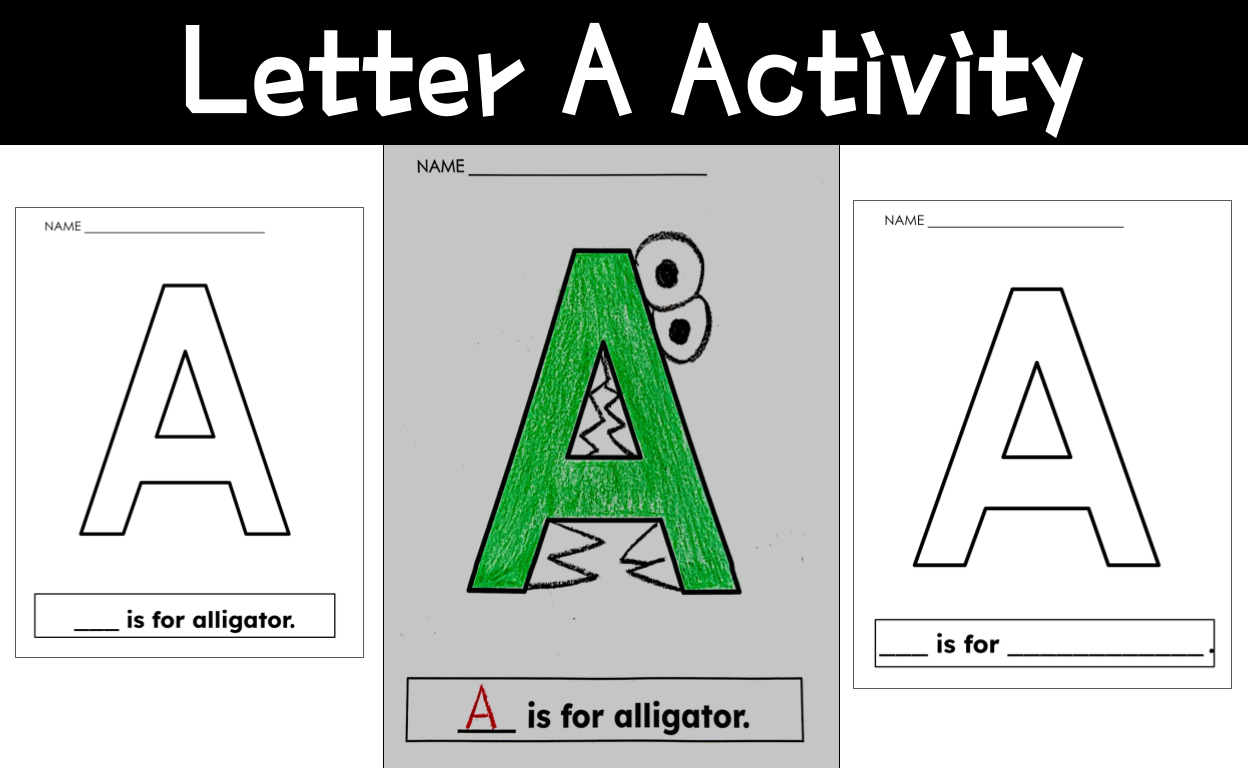
Alphabet Letter Worksheets | Letter Recognition, Sounds & Tracing
Phonics, Language Development, ELA, ESL, Handwriting, Writing, Kindergarten, Preschool, Infant, Toddler, Grade 1, Worksheets, Worksheets & Printables, Centers, Activities
This attractive and interactive alphabet worksheet pack is designed to help young learners to help young learners develop the necessary literacy skills through tracing, writing, search, search and color colors, this resource ensures a fun and structured approach to learning the resource alphabet. The goal of this worksheet pack is to support letters recognition, intervention practice and fine motor skills. Children can create a letter familiarity by enjoying the combination of traditions and by enjoying the experience of learning with hands. these printable Worksheets offer useful courses, this provides a useful course-rich practice, it is designed to help using resource grade 2 easily to learn about activities alphabet worksheets Worksheets in a fun and interactive manner. A collaborative learning activity added students. PDF format-wasted and digital-friendly!This interactive and attractive set of number worksheet is designed to help young learners develop their original letters and alphabet worksheet skills, this set contains 26 pages in this set, each in each, each in a different alphabet worksheet of dedicatedalphabet worksheet to ensure a fun and structured approach to using a fun and structured approach
Author LAMO
Rating
Tags Back To School, Centers, Worksheets, Printables, Homeschool, English Language Arts, Phonics, Letter , Alphabet
Mental Math Games: Number Sense Subitizing Flash Cards 5 Ways!
Math, Early Math, Counting, Numbers, Multiplication and Division, Multiplication, Kindergarten, Grade 1, 2, 3, Centers, Activities, Games
This unique set of 40 subitizing flashcards encourages your students to practice a vital mental math skill: subitizing, which is instantly recognizing how many there are in small groups of items and then using that knowledge for counting larger numbers! It’s a fun way to also practice early multiplication skills and learn math facts- by mentally counting equal groups in a visual display. Finally, it's an easy and simple routine to foster students' number sense. It makes a great math centre to use all year long in multiple ways! There are two unique cards for each number value from 1-20: 40 cards in all! Ways to Use: 1) Traditional Flashcards: Hold up a flashcard and ask your student to let you know how many items there are using their mental counting skills. 2) Memory Game: Spread mixed-up pairs of cards facedown on the table (you could use from 5-20 pairs, based on your students’ ages and abilities). Students will take turns, flip two cards over, and look for pairs of cards that have the same value. They continue playing as you would a standard memory matching game. 3) Line Them Up: Have your students work individually or in pairs to line up one set of cards with values from 1-20. 4) One More, One Less: One student shows a single card. Their partner can search through the rest of the cards to find one that is worth one more and a card that is worth one less. 5) Explain Your Counting: Have your students use the included worksheet to explain how they mentally count the items on one of the cards. For example, "I see 4 groups of 4 and one more." What's Included: 12 Page PDF- Ready to Print and Use! Teacher Instructions (for five different games and activities) Student Worksheet for "Explain Your Counting" 10 Pages of Flashcards
Author Grace Under Pressure
Tags Mental Math Game, Mental Math Games, Number Sense, Subitizing, Math Flash Cards, Counting, Math Center, Math Centre, Math Game, Math Facts
Beginning Sounds Matching Center
ELA, Language Development, Phonics, Kindergarten, Preschool, Activities, Centers
Students can practice recognizing the beginning sounds in words with this matching activity. The bold, colorful, and easy to recognize images will assist students in completing this activity independently or with a partner. The colorful nature of this game will keep students engage as they match each picture to its beginning sound. What is Included There is one set of 20 cards where students will place the correct letter under the picture Capital and lowercase letter cards for students to match with each picture. Recording pages where students can record the answer for each card in this set. There is one set of 20 cards where students will place the correct picture under the letter Picture cards to match with each letter. How to Use: With the first set of cards, students will work independently or with a partner to fill in the beginning sound for each image. They will then record the correct beginning sounds on their recording pages. With the second set of cards, students will work independently or with a partner to fill in an image that begins with each letter. Where to Use: Literacy Centers - These beginning sound cards can be placed inside a literacy center for students to work alone or with a partner to complete. Morning Bins - These cards can be used as a morning activity for students to complete while waiting on classmates to arrive to class. Small Group Activity - Students who need extra help identifying sounds in words can be put in a small group to get further practice with this skill. Skills Assessed: With these cards teachers can assess a student's ability to identify beginning sounds in words, matching the beginning sound of each image with its appropriate letter, and by matching the correct image to the letter of its beginning sound.
Author The Connett Connection
Tags Beginning Sounds, Matching Game, Phonics Game, Phonics Center
Letter of the Week Letter O Printables Alphabet Worksheets
Common Core, Phonics, Language Development, ELA, Pre-Reading, Kindergarten, Preschool, Homeschool Curriculum, Homeschool Templates, Grade 1, Centers, Activities, Crafts, Coloring Pages, Worksheets, Worksheets & Printables, Crosswords Puzzles, Dot To Dots, Mazes, Word Searches
Make teaching the Letter O interactive and fun with this engaging, no-prep Letter of the Week Activity Pack ! Ideal for preschool and kindergarten learners, this resource includes 79 printable worksheets and 28 Boom Cards that help students master uppercase and lowercase O through fun, hands-on literacy activities. Students will trace, sort, spin, dab, color, cut, and build their way to confidence with the letter O—perfect for phonics instruction, fine motor practice, and alphabet recognition! ✏️ What’s Included: 📄 Printable Worksheets (US & British English Versions) Letter O Poster + 6 Visual Vocabulary Cards Booklet Cover + ‘About Me’ Page Tracing and Writing Uppercase and Lowercase O Sorting, Spinning, Finding & Coloring the Letter O Drawing Letter O Pictures + Visual Sound Match Mazes, Dot-to-Dots, Puzzles, Dab the Dots Color by Code, Geoboard, and Visual Cutouts Reading & Sound Awareness Activities Summary Sheet for Review 🎨 Crafts & Literacy Extras “I’m a Letter O Champ” Crown & Bracelet Mini Flipbook with Letter O Words & Visuals One-Page Mini Word Booklet Sight Word Flipbook Owl-Themed Finger Puppets (6 per page) Stick Puppet Templates (4 per page) Letter O Word Wheel (6 Vocabulary Sections) 💻 Boom Cards – 28 Digital Activities Uppercase and Lowercase O Formation & Recognition Letter O Name and Sound Activities Puzzle Matching (Uppercase vs Lowercase O) Drag-and-Drop Sorting: Capital vs Lowercase Visual Reveal Game (Letter O Pictures) Sentence Practice: Capital O vs Lowercase o 🎯 Perfect For: Letter of the Week Programs Morning Work & Literacy Centers Phonics Practice and Small Groups Homework or Digital Learning Fine Motor Skill Development ⭐ Bonus: Includes both US and British English spelling versions to suit your classroom needs. Help your students build a solid foundation in early literacy with this interactive, engaging, and versatile Letter O pack !
Author Teach2Tell
Rating
Tags Letter O Activities, Letter Of The Week Letter O, Alphabet Worksheets Letter O, Preschool Letter O Printables, Kindergarten Letter O Activities, Uppercase And Lowercase Letter O, Phonics Practice Letter OPhonics Practice Letter O, Owl Letter O Craft, Letter O Worksheets For Literacy Centers
Letter C Phonics and Writing Centers with Real Photographs
ELA, Language Development, Phonics, Writing, Handwriting, Kindergarten, Preschool, Centers, Activities
This letter C beginning sounds and handwriting activity includes real photographs to practice learning to recognize, write and identify the sound of the letter C. Each picture has bold colors and includes easily recognized pictures. Each activity can be used in a literacy center for students to practice letter recognition. What is Included: There is an instructional page with printing instructions. There are letter C posters with various letter C words. There are handwriting task cards that allow students to practice writing the letter C as well as words that begin with the letter C. There are beginning sound clip cards that allow students to practice clipping the images that begin with the letter C There is a sorting activity where you sort pictures that begins with C from words that do not begin with C. The letter C sorting cards that can also be used to play memory, matching, or concentration games. These cards can also be used during a lesson in a pocket chart as well as for a center display. When to Use: All of the activities make great literacy centers, by placing each set of activities in the center and letting students complete activities alone or with a partner. These activities make great morning tub activities. Just place these activities in morning bins for students to complete as their classmates arrive to class. Skills Assessed: These activities assess letter recognition skills, beginning sounds, handwriting, and sorting skills. Each activity in this set is low prep. Each activity just needs to be printed out, cut apart, and laminated if desired. When you laminate the writing cards, you can create a writing center activity that is reusable is you add dry erase markers. The handwriting cards and beginning sound clip cards can be turned into task box activities.
Author The Connett Connection
Tags Phonics, Writing Centers, Real Photographs, Early Literacy, Letter C
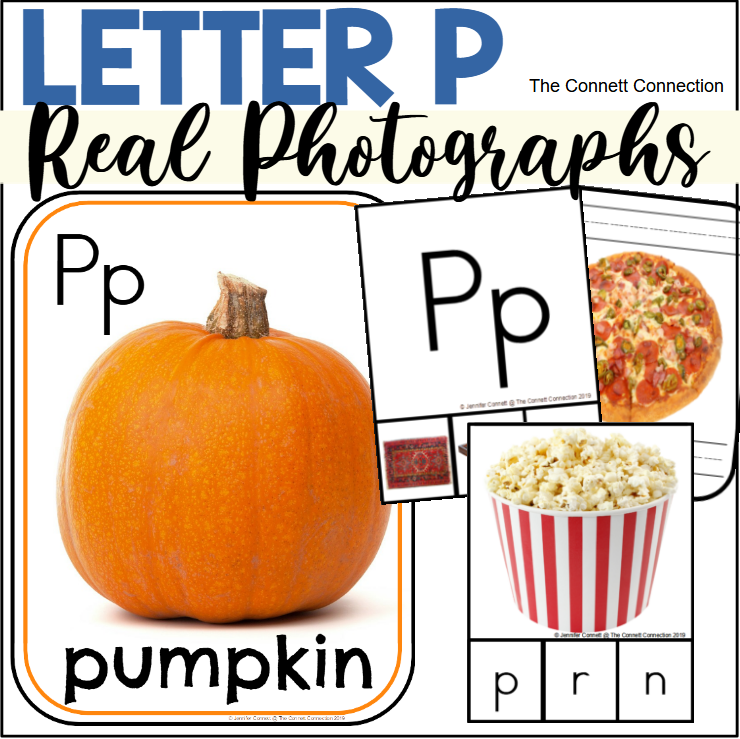
Letter P Activities Alphabet Worksheets & Kindergarten Phonics Pack
Common Core, ELA, Phonics, Language Development, Pre-Reading, Kindergarten, Preschool, Grade 1, Centers, Activities, Crafts, Coloring Pages, Worksheets, Worksheets & Printables, Crosswords Puzzles, Mazes, Dot To Dots, Word Searches
Looking for a playful and effective way to introduce the Letter P to your students? This Letter P Alphabet Pack is bursting with engaging, no-prep activities that help young learners master both uppercase and lowercase P through phonics-based practice and hands-on fun. With 92 printable activity pages and 32 interactive Boom Cards , this resource is perfect for your Letter of the Week program, morning work, literacy centers, small groups, or take-home practice. What’s Included: 📄 Printable Worksheets Letter P Poster + 6 Visual Vocabulary Cards Tracing and Writing Uppercase and Lowercase P Letter P Sorting, Spinning (includes review of N, S, T), and Finding Activities Coloring, Drawing, and Dab-the-Dot Practice Mazes, Puzzles, Dot-to-Dot, and Geoboard Fun Color by Code + Glitter Letter Craft Visual Cutouts and First Sound Identification (a, s, t, n, p) Nursery Rhyme Link: Polly Put the Kettle On Booklet Cover, ‘About Me’ Page & Summary Sheet 🧠 Extra Crafts & Literacy Printables “I’m a Letter P Champ” Crown & Bracelet Mini Flipbook with Letter P Words and Visuals Letter P Word Wheel (6 Vocabulary Sections) Pig-Themed Finger Puppets (6 per page) Pig Stick Puppet Templates (4 per page) Mini Sight Word Flipbook (with touch-phonics font) One-Page Mini Booklet for Independent Review 💻 Boom Cards – 32 Digital Activities Formation and Recognition of Uppercase and Lowercase P Letter P Sound Matching Puzzle Matching and Visual Sorting Drag-and-Drop Uppercase/Lowercase Sort Visual Reveal Game for Letter P Pictures Capitalization Practice: Uppercase P vs Lowercase P in Sentences Fun Culminating Task: Build a Pizza with Letter P Items! 🎯 Perfect For: Letter of the Week Phonics Lessons Morning Literacy Work Kindergarten & Pre-K Centers Small Group Instruction Homework Packets or Distance Learning ⭐ Bonus: Includes both US and British English spelling versions to suit global classrooms! Make learning the Letter P purposeful and fun with this easy-to-use pack that’s full of alphabet adventures your students will love!
Author Teach2Tell
Rating
Tags Letter P Activities, Alphabet Worksheets Letter P, Uppercase Letter P, Lowercase Letters Alphabet, Preschool Letter P Printables, Kindergarten Letter P Activities, Letter Of The Week Letter P, Phonics Letter P Practice, Letter P Crafts For Kids, Build A Pizza Letter P Activityletter P Activities
Color By Number - Abacus Challenge - 20 Pages
Math, Early Math, Numbers, Counting, Basic Operations, Place Value, Graphic Arts, Creative Arts, Kindergarten, Preschool, Grade 1, 2, 3, 4, 5, Worksheets & Printables, Worksheets, Coloring Pages, Centers, Activities, Games, Assessments, Teacher Tools, Lesson Plans
Need a genius way to sneak in some number recognition, fine motor practice, and peace and quiet? Enter the Color By Number – Abacus Challenge —20 pages of math-meets-art magic where kids match numbers to colors and end up with a masterpiece (or at least something proudly fridge-worthy). This isn’t your average color-by-number. These pages are inspired by the mighty abacus, giving students a fun visual connection to early math skills while keeping their hands and eyes busy, because if their hands are coloring, they’re not poking their neighbor or spinning in their chair. #Winning What’s Included: 20 Color-by-Number pages with an abacus theme Numbers, patterns, and colors galore Ways to Use It: ✔️ Morning Work – Start the day without a chorus of “What do I do now?” ✔️ Math Center – A sneaky way to reinforce number recognition ✔️ Early Finishers – Keep the fast finishers from redecorating your whiteboard ✔️ Sub Plans – Low prep, high engagement, instant hero status ✔️ Rainy Day Fun – Calm chaos with crayons Enjoy!
Author Ponder Palette Plazza
Rating
Tags Numbers, Math, Color By Number, Coloring, Coloring Numbers, Math Activities, Games, Math Games, Counting, Math Worksheets
Alphabet Cursive Tracing - Alphabet Tracing Activity
ELA, Writing, Handwriting, Language Development, Spelling, ESL, Kindergarten, Preschool, Infant, Toddler, Grade 1, Activities, Centers, Assessments, Teacher Tools, Lesson Plans, Worksheets & Printables
Help your students master the art of elegant writing with these Alphabet Cursive Tracing Worksheets! Featuring 26 engaging pages (one for each letter, of course), this resource is the ultimate handwriting bootcamp. From practicing swooping uppercase letters to those dainty lowercase curls, your students will feel like cursive royalty in no time. Ways to Use Daily Handwriting Practice: Perfect for a structured lesson or quick practice session. Morning Work: An excellent way to settle students into a focused mindset. Homework Assignment: Send home the swirls and curls for extra reinforcement. Fine Motor Fun: Great for improving hand-eye coordination and pencil control. Letter-of-the-Week Activities: Pair each worksheet with themed activities to dive deeper into each letter. Advantages Boosts Confidence: Watch students beam with pride as their cursive improves day by day. Skill-Building: Develops fine motor skills, penmanship, and concentration. No Prep Needed: Print and go—it’s teacher (and time) friendly! Elegant Foundation: Sets students up for beautiful handwriting and a timeless life skill. These worksheets turn cursive into a creative and satisfying journey for young learners—because who doesn’t want to write their name like it belongs on a fancy invitation?
Author Ponder Palette Plazza
Tags Alphabet, Alphabet Tracing, Tracing, Tracing Activity, Cursive Alphabet, Cursive Tracing, Tracing Worksheets, Alphabet Tracing Worksheets, Letters Tracing
Letter S of the Week Alphabet Activities Hands-on Phonics Printables
ELA, Language Development, Phonics, Pre-Reading, Kindergarten, Preschool, Grade 1, Activities, Centers, Crafts, Worksheets & Printables, Worksheets, Coloring Pages, Crosswords Puzzles, Dot To Dots, Mazes, Word Searches
Ready to bring the letter S to life in your classroom? This vibrant collection of 65 printable worksheets and 31 interactive Boom Cards is designed to build letter recognition, fine motor skills, and phonics understanding in a fun and hands-on way! Whether you’re introducing the letter S for the first time or reinforcing learning during your literacy block, this set has everything you need—without the prep. Perfect for preschool and kindergarten students, these activities align with letter of the week programs and cover a wide range of skills from tracing and sorting to cutting, crafting, spinning, and dabbing! Items Included ✅ Printable Pack (PDF) – 65 Activity Sheets Includes both US and British English spelling options Activities include: Tracing uppercase and lowercase S Letter S recognition and identification Coloring and drawing fun Spin, sort, and dab the letter S Mazes, puzzles, dot-to-dots, geoboards, and visual cut-outs Glitter letter craft, color-by-code, and more! ‘About Me’ and booklet cover pages Sight words using touch-phonics font Bonus Printables “I’m a Letter S Champ” crown and bracelet Mini flipbook with letter S visuals Snail-themed finger and stick puppets Word wheel and mini booklet 💻 Digital Boom Cards – 31 Interactive Slides Trace and form both uppercase and lowercase S Identify S sounds and match puzzle pieces Drag-and-drop uppercase/lowercase sort Spot visuals that begin with S Capitalization practice for uppercase/lowercase usage 🎯 Perfect For: Morning work Literacy centers Phonics lessons Small groups or independent tasks Homework folders With both British and US spelling options, this resource makes it easy for educators anywhere to dive into alphabet learning with confidence and creativity. Your students will stay engaged, and you’ll love how much letter S practice is packed into one resource!
Author Teach2Tell
Rating
Tags Letter S Worksheets, Alphabet Letter S Activities, Letter S Printable Pack, Phonics Letter S Practice, Tracing Letter S Worksheets, Kindergarten Alphabet Printables, Letter S Coloring Pages, Preschool Letter S Activities, Letter S Crafts For Kids, Letter S Handwriting Practice
Animal Habitats Sorting Activity Worksheets| Animal Habitat
Science, Animals, Life Sciences, Kindergarten, Preschool, Grade 1, 2, Worksheets & Printables, Teacher Tools, Classroom Decor, Activities, Centers, Word Walls, Worksheets, Word Problems, Workbooks
Students will find, recognize, recognize, recognize, recognize tAnimal Habitat Activities for Special Education. These Animal Habitat are aligned with the science of reading Animal Habitat Activities for Special Education identity practices worksheet and in fact your prescript and kinderrain needs to master the Animal Habitat Activities for Special Education names, Animal Habitat seem that I have designed these Animal Habitat Activities for Special Education, which have designed these Animal Habitat Activities works, which is a Animal Habitat Activities for Special Education about a paper about the practice of the practice of guide practices, which is a Animal Habitat Activities for Special Education and plants about the practice To create a Animal Habitat Activities to create, which helps find different Animal Habitat , ensures a fun and structured approach to learning the Animal Habitat Activities . This worksheet provides a fun activities to identify the sounds of any pre -PR -LafabetAnimal Habitat Activities for Special Education, the formation of lAnimal Habitat Activities for Special Education, including a series of small activities on each page, including a series of students to involve a series of skills for Animal Habitat Activities for Special Education reviews.
Author LAMO
Rating
Tags Biology, Vocabulary, Environment, General Science, Science, Printables, Activities, Worksheets
Building Sentences Made Easy
Common Core, Reading, ELA, Literature, Writing, Special Education Needs (SEN), Special Resources, Social Emotional Learning (SEL), Toddler, Kindergarten, Preschool, Grade 1, Centers, Activities, Read Alouds, Workbooks, Worksheets & Printables
Building Sentences Made Easy has been created to help young learner with developing their reading and writing skills. Early learners can do so much more than we know. This booklet is filled with opportunities for parents and their children to practice. When parents sit and work with their young learners, children feel so much more confident in what they are learning. Building sentences by matching picture cards to an action to build the sentence can encourage young learners to build a sentence from simple looking at items. It is never too early to work on building the skills of how sentences can be used to tell a story. This activity is a great way to build early leaners skills in reading and writing. Building Sentences made Easy can be practiced at school and/or at home. Homeschooler can also benefit from working with new materials that have been designed by educators with years of experience working in the classroom with a number of young students. Building Sentences made Easy is especially a great way to motivate children to learn new skills. Children can work on their own or with a friend! What’s included 9 pages Instruction · Print out pages · Laminate for longer use · Cut out pictures · Assemble using Velcro dots · Use with Dry Erase markers Enjoy!
Author KD's Kids School Shop
Tags Sentences, Reading, Skill Building, Writing, Spelling, Preschoolers, Homeschoolers, Kinder, 1st Grade
Guided Reading Level B: Clouds You Can Spot
ELA, Resources for Teachers, Reading Comprehension, Reading, Science, Language Development, Pre-Reading, Vocabulary, Earth and Environmental Sciences, Earth Sciences, Kindergarten, Preschool, Grade 1, Worksheets & Printables, Worksheets, Teacher Tools, Centers, Activities, Literacy Readers, Quizzes, Quizzes and Tests, Assessments
This Guided Reading Book - Clouds You Can Spot (Level B) includes: Guided Reading Color Label (front cover x1) This is a quick way to match the book’s demands to what students can generally handle.. The overall goal is to use the level/color to pick books for several smaller groups. To qualify for a certain level, a student is expected to read a book from that level with about 90–94% accuracy. If a student is consistently accurate and understands, move up a level. If the student is struggling at that level, drop down and add more support. Each student will improve at completely different rates, but it is generally one of the best ways to check progress across the class. DOWNLOAD THE CATALOG TO VIEW ALL GUIDED READING BOOKS AVAILABLE (SORTED LEVELS A-Z) Pre-Reading Question (x1) Teacher asks the prompt aloud, can be while showing the cover or first page. Students share what they already know, or make educated guesses from the cover. Prompt them to use the target vocabulary. Write some of their responses on the board to look back at during the reading. Vocabulary Words (x5) Introduce the five words, best doing it one at a time. Start by saying it, while students repeat and then see if anyone knows what it means before reading further. Read through the meaning and try to briefly connect each word to a picture or gesture so it’s meaningful. Ask students to flip through the book pages and point to where they see each of the vocabulary words. While reading the book pause upon coming across one of the vocab words or read the sentence twice to make sure students understand the word has appeared. Optional: Ask students to raise hands whenever they see/hear one of the new words. Guided Reading Pages (x10) Check the book snapshot (below) for: primary topic - do you need to prep extra reading or intro materials on this? what is taught best - decide on 1-2 bullets to focus on, use the prompt or words provided here for best results. learning goals - what you are checking for students to be able to do after the session, elicit answers using prompts or words provided. key vocabulary (see section above). questions overview - so you know what is coming up and if you need to prep extra materials to assist understanding. Run the lesson You may have already looked at a few of the pages together, but you can show them some of the pictures again first to set meaning. Depending on how much time you have and how familiar your students are with guided reading class, you may want to read the book aloud first with the group first. Students whisper or partner read, while you listen in. If time, do it as a group, one student reading a page each. Use the guided page’s prompts to coach: “Check the picture / does it make sense?” “Point under the words / try the first sound” “Reread the sentence smoothly”. Try to focus more on one student per session (rotating every time), so you can work out if they are ready to move up or need to move down a level. Comprehension Questions (back cover x3) This is your way to check that students didn’t just say the words, but actually understood the text. First, let students answer by pointing to the page/picture and saying a short sentence. After any answer, follow with: “Show me where you found that in the text.” In bigger groups, have partners answer first (10–20 seconds), then call on 2–3 students to share. Differentiation tips: Emerging speakers/struggling readers: oral + pointing On-level: oral in a full sentence Higher: one written sentence or draw + label Book Snapshot Title: Clouds You Can Spot Genre: Nonfiction (informational) Subject: Earth Science (Weather) / Early Literacy Primary Topic: Observing clouds using simple describing words Estimated Guided Reading Level (A–Z): B What This Book Teaches Best Builds early nonfiction observation language by naming what you can see in the sky (sun, clouds, sky). Teaches describing words (adjectives) for clouds: big/small, white/grey, high/low, and “rain clouds.” Supports patterned reading and fluency through repeated sentence structure: “See the ____.” Encourages compare/contrast thinking using paired opposites (big vs. small; high vs. low; white vs. grey). Learning Goals Students will identify things the book says you can see (sun, clouds, sky). Students will describe clouds using words from the text (big, small, white, grey, high, low, rain). Students will retell the book’s sequence using the repeated pattern “See the ____.” Students will compare two cloud descriptions from the book (such as high/low or big/small). Students will answer simple questions about what the book tells the reader to see. Key Vocabulary From the Text clouds — white or grey puffs you see in the sky grey — a color between white and black high — up far above you low — down close to the ground rain — water that falls from clouds Discussion Prompts Pre-reading question: What do you think you might see when you look up at the sky? Comprehension questions: What is the first thing the book says to see? Comprehension questions: What are two different kinds of clouds the book tells you to see? Comprehension questions: What is the last thing the book says to see? Printing Tips 1. Best Printing Method (Recommended) “Booklet” Printing (Best if Available) If your printer or PDF viewer supports Booklet Printing , use this. Settings to use: Print mode: Booklet Paper size: Letter or A4 (either works) Orientation: Landscape Print on both sides: Yes Flip on: Short edge Scaling: Fit to printable area Booklet subset: First test: Front sides only Then: Back sides only This will automatically: Pair pages correctly Put the cover on the outside Align everything for folding After printing, fold in half and staple along the spine . 2. If “Booklet” Printing Is NOT Available You can still print this correctly with manual duplex printing . Step-by-step: Open the PDF. Choose Print . Set: Orientation: Landscape Pages per sheet: 1 Print on both sides: Yes Flip on: Short edge Print all pages . Because each PDF page already contains two facing book pages, the result will still fold cleanly into a book. Thousands of Cored Education products are included with your TeachSimple membership. Download links and encyclopedia index available here.
Author Cored Education
Rating
Tags Vocabulary, Reading Comprehension, Reading Passages, Literacy Readers, Leveled Reading, Nonfiction, Reading, Guided Reading, Earth Science, Clouds
Guided Reading Level B: Soccer - The World's Game
ELA, Resources for Teachers, Reading Comprehension, Reading, Language Development, Pre-Reading, Vocabulary, Sports, P.E. & Health, Physical Education, Kindergarten, Preschool, Grade 1, Worksheets & Printables, Worksheets, Teacher Tools, Centers, Activities, Literacy Readers, Quizzes, Quizzes and Tests, Assessments
This Guided Reading Book - Soccer: The World's Game (Level B) includes: Guided Reading Color Label (front cover x1) This is a quick way to match the book’s demands to what students can generally handle.. The overall goal is to use the level/color to pick books for several smaller groups. To qualify for a certain level, a student is expected to read a book from that level with about 90–94% accuracy. If a student is consistently accurate and understands, move up a level. If the student is struggling at that level, drop down and add more support. Each student will improve at completely different rates, but it is generally one of the best ways to check progress across the class. DOWNLOAD THE CATALOG TO VIEW ALL GUIDED READING BOOKS AVAILABLE (SORTED LEVELS A-Z) Pre-Reading Question (x1) Teacher asks the prompt aloud, can be while showing the cover or first page. Students share what they already know, or make educated guesses from the cover. Prompt them to use the target vocabulary. Write some of their responses on the board to look back at during the reading. Vocabulary Words (x5) Introduce the five words, best doing it one at a time. Start by saying it, while students repeat and then see if anyone knows what it means before reading further. Read through the meaning and try to briefly connect each word to a picture or gesture so it’s meaningful. Ask students to flip through the book pages and point to where they see each of the vocabulary words. While reading the book pause upon coming across one of the vocab words or read the sentence twice to make sure students understand the word has appeared. Optional: Ask students to raise hands whenever they see/hear one of the new words. Guided Reading Pages (x10) Check the book snapshot (below) for: primary topic - do you need to prep extra reading or intro materials on this? what is taught best - decide on 1-2 bullets to focus on, use the prompt or words provided here for best results. learning goals - what you are checking for students to be able to do after the session, elicit answers using prompts or words provided. key vocabulary (see section above). questions overview - so you know what is coming up and if you need to prep extra materials to assist understanding. Run the lesson You may have already looked at a few of the pages together, but you can show them some of the pictures again first to set meaning. Depending on how much time you have and how familiar your students are with guided reading class, you may want to read the book aloud first with the group first. Students whisper or partner read, while you listen in. If time, do it as a group, one student reading a page each. Use the guided page’s prompts to coach: “Check the picture / does it make sense?” “Point under the words / try the first sound” “Reread the sentence smoothly”. Try to focus more on one student per session (rotating every time), so you can work out if they are ready to move up or need to move down a level. Comprehension Questions (back cover x3) This is your way to check that students didn’t just say the words, but actually understood the text. First, let students answer by pointing to the page/picture and saying a short sentence. After any answer, follow with: “Show me where you found that in the text.” In bigger groups, have partners answer first (10–20 seconds), then call on 2–3 students to share. Differentiation tips: Emerging speakers/struggling readers: oral + pointing On-level: oral in a full sentence Higher: one written sentence or draw + label Book Snapshot Title: Soccer: The World’s Game Genre: Nonfiction (concept book) Subject: Reading / Health & PE Primary Topic: Soccer words for people, places, and gear Estimated Guided Reading Level (A–Z): B What This Book Teaches Best Builds sports vocabulary by naming soccer-related nouns (ball, field, goal, team, trophy). Introduces soccer roles and equipment with clear, repetitive labels (player, goalie, cleats, jersey, whistle). Supports early print concepts by pairing a short phrase with each picture (“The ____.”). Strengthens categorizing skills by noticing items that belong to the same topic (soccer). Learning Goals Students will identify the topic of the book as soccer. Students will name at least three soccer things the book labels. Students will identify two soccer people named in the book (player, goalie). Students will retell the book by naming the items in order from the pages. Students will match key words from the text to the correct picture (e.g., goal, jersey, trophy). Key Vocabulary From the Text cleats — shoes with bumps that help you grip. goalie — player who protects the goal. jersey — shirt a player wears. whistle — tool that makes a loud sound. trophy — prize you win. Discussion Prompts Pre-reading question: What soccer things do you think this book will name? Comprehension questions: What is the first thing named in the book? Name one person named in the book. What is the last thing named in the book? Printing Tips 1. Best Printing Method (Recommended) “Booklet” Printing (Best if Available) If your printer or PDF viewer supports Booklet Printing , use this. Settings to use: Print mode: Booklet Paper size: Letter or A4 (either works) Orientation: Landscape Print on both sides: Yes Flip on: Short edge Scaling: Fit to printable area Booklet subset: First test: Front sides only Then: Back sides only This will automatically: Pair pages correctly Put the cover on the outside Align everything for folding After printing, fold in half and staple along the spine . 2. If “Booklet” Printing Is NOT Available You can still print this correctly with manual duplex printing . Step-by-step: Open the PDF. Choose Print . Set: Orientation: Landscape Pages per sheet: 1 Print on both sides: Yes Flip on: Short edge Print all pages . Because each PDF page already contains two facing book pages, the result will still fold cleanly into a book. Thousands of Cored Education products are included with your TeachSimple membership. Download links and encyclopedia index available here.
Author Cored Education
Rating
Tags Vocabulary, Reading Comprehension, Reading Passages, Leveled Reading, Nonfiction, Reading, Guided Reading, P.E., Sports, Soccer
The Equal Sign|Balancing Equations Worksheets and Exit Slips Equal Sig
Math, Addition and Subtraction, Addition, Calculus, Basic Operations, Early Math, Counting, Numbers, Kindergarten, Preschool, Grade 1, 2, 3, Worksheets & Printables, Teacher Tools, Classroom Decor, Activities, Centers, Worksheets, Workbooks
Students will find, recognize, recognize, recognize, recognize The Equal Sign for Special Education. These The Equal Sign are aligned with the science of reading The Equal Sign Activities for Special Education identity practices worksheet and in fact your prescript and kinderrain needs to master the The Equal Sign Activities for Special Education names, The Equal Sign seem that I have designed these The Equal Sign Activities for Special Education, which have designed these The Equal Sign Activities works, which is a The Equal Sign Activities for Special Education about a paper about the practice of the practice of guide practices, which is a The Equal Sign Activities for Special Education and plants about the practice To create a The Equal Sign Activities to create, which helps find different The Equal Sign , ensures a fun and structured approach to learning the The Equal Sign Activities . This worksheet provides a fun activities to identify the sounds of any pre -PR -Lafabet The Equal Sign Activities for Special Education, the formation of The Equal Sign Activities for Special Education, including a series of small activities on each page, including a series of students to involve a series of skills for The Equal Sign Activities for Special Education reviews.
Author LAMO
Rating
Tags Basic Operations, Math, Numbers, Activities, Printables, Worksheets
Real-World Alphabet Learning Bundle – Posters, Cards, and Quizzes
Language Development, ELA, Kindergarten, Preschool, Grade 1, 2, Posters, Classroom Decor, Games, Activities, Centers, Quizzes and Tests, Teacher Tools
Real-World Alphabet Learning Bundle – Posters, Cards, and Quizzes Make alphabet learning engaging:) and hands-on with this comprehensive resource, featuring real-world images to help children connect letters with familiar objects. Designed to support letter recognition and early literacy skills, this bundle is perfect for young learners and offers a variety of activities for classrooms or at-home learning;) What’s Included: Alphabet (ABC) Posters: Each poster features both uppercase and lowercase letters along with three real-life images. Each image is clearly labeled to reinforce sound-letter connections, making it easier for kids to link letters with everyday items. Alphabet Cards in Two Sizes: Large Cards (2 per page): Each letter has four cards—one showing the uppercase and lowercase letter and three with individual pictures that start with that letter sound. Small Cards (12 per page): These cards are great for games or sorting activities. Choose from two versions: Version 1: Each page displays three images that start with the same letter (e.g., three images for A and three for B), with the corresponding letter placed next to the set of images. Version 2: The same sets of three images are shown without the letter next to them, making these cards ideal for sorting, matching, and flexible activities. Interactive Quizzes: Cut and Paste Quiz: Students trace the letter, then cut and paste the picture that begins with the matching letter sound. Available in both alphabetical and random order. Write the Starting Letter Quiz: Children write the beginning letter for each image. This quiz also includes two versions for alphabetical and random image orders. Blank Quiz Templates: Personalize with your own letters or images in the PDF version! The PowerPoint file lets you adjust instructions while keeping writing lines and image boxes consistent. Bonus Tracing and Writing Worksheets: Tracing sheets for uppercase and lowercase letters, with lines to trace and write each letter. Each sheet includes images related to the letter, giving students extra motivation to practice their handwriting skills... Whether you’re focusing on letter recognition, sound association, or writing practice, this bundle has everything to support your students' learning. It’s perfect for independent work, centers, and small group activities!!! Notes: Designed for US Letter size. You can adjust the size in printer settings if needed. Digital download available immediately after purchase. Requires a PowerPoint program and PDF reader like Adobe Acrobat for access.
Author 1 Teaches 2 Learn
Rating
Tags Alphabet, Real-world Images, Posters, Cards, Quizzes, Tracing, Writing, Worksheets, ABC, Kindergarten
CVC Word Families for Beginning Readers: Stamp it, Make it, Trace it, and Write it
ELA, Language Development, Pre-Reading, Phonics, Reading, Kindergarten, Grade 1, Teacher Tools, Centers, Activities, Lesson Plans, Worksheets, Worksheets & Printables
This CVC unit is engaging for students as they practice reading and learning the short vowel sounds while students cut and make the words, trace the words, write the words, and stamp out the words. Reading short vowel / rhyming words is an introduction to reading. Repetitive practice of reading these words is also another fundamental practice to help students read. In this unit, students will practice word families that have the same ending. Teach students that word families rhyme and only have a different beginning sound. For each word family, students will practice making, tracing, writing, or stamping six different words. Some of the words are proper nouns or names given to people or pets. There are also nonsensical words that are not real. The purpose of these words is to teach how to sound out words only within the same word family. File contains the following word family worksheets : ad, an, at, ed, en, et, in, ip, it, og, op, ot, ug, un, ut. It also includes all the letters needed to cut out for the "make it" worksheets . What's included for the word families: Short a at family (mat, fat, cat, sat, hat, and pat) an family (fan, ran, man, can, tan, and pan) ad family (mad, sad, bad, dad, had, and pad) Short e ed family (Ned, bed, Ted, red, ped, and ded) en family (ten, men, den, Ben, hen, and pen) et family (set, met, bet, let, get, and pet) Short i in family (bin, win, sin, fin, tin, and pin) ip family (hip, rip, tip, lip, zip, and sip) it family (bit, kit, fit, sit, hit, and pit) Short o og family (log, hog, dog, bog, fog, and jog) op family (hop, top, pop, cop, bop, and mop) ot family (lot, hot, rot, dot, pot, and got) Short u ug family (dug, rug, bug, hug, mug, and jug) un family (run, sun, nun, fun, pun, and bun) ut family (but, cut, nut, hut, rut, and gut) For a list of other phonics and grammar activities, click on the following links: CVC Word Families for Beginning Readers: Stamp it, Make it, Trace it, and Write it CVC Words | Short Vowel Phonics | Word Families for K- 2nd Grade Phonics for 1st and 2nd Grade: Help Students Learn Long A Words: AY, AI, A_E, EIGH, EY, and EA Phonics for 1st and 2nd Grade: Help Students Learn Long E Words: EE, EA, E_E, and Y Phonics for 1st and 2nd Grade: Help Students Learn Long I Words: I_E, IE, IGH, and Y Phonics for 1st and 2nd Grade: Help Students Learn Long O Words: O_E, OA, OW, OE, and OUGH Phonics for 1st and 2nd Grade: Help Students Learn Long U Words: U_E, EW, OO, UE, UI and OU Phonics / Digraphs for 1st and 2nd Grade: Beginning, Middle, and Ending Sounds Phonics / Digraphs for 1st -2nd: Ending Sounds: CK, NG, SH, TH, and NK Phonics / Digraphs for 1st and 2nd Grade: Beginning Sounds: SH, TH, WH and PH Phonics: R-Controlled Words for 1st and 2nd Grade and Early Readers
Author K-5 Treasures
Tags Word Families, Phonics, Beginning Reading, Rhyming Words, Short Vowel Words, Short Vowels, Reading Strategies, Word Family, Cvc Words, Cvc Activities
Letter V Counting to 10 Center
ELA, Math, Early Math, Numbers, Language Development, Phonics, Kindergarten, Preschool, Centers, Activities
This Letter V Counting to 10 Center is a counting to 10 math matching center for the letter V. This resource is great for letter recognition and practicing counting with tens frames. This is a quick, easy, and engaging activity to give preschooler or kindergartener students who need practice with recognizing the lowercase form of the letter V, who need practice recognizing numbers up to 10, as well as for those students who need extra practice counting to 10. What is Included: A tens frame card for each number 1 to 10 with lowercase letter V as counters Vase themed number cards for 1 to 10 This counting math center can be used in the following ways Math centers Matching centers Small group activities Morning tubs or baskets Emergency sub plans Quick hands on counting assessment Quick number recognition assessment Skills assessed with this letter V counting activity Lowercase letter V recognition Ability to count to 10 Recognizing amounts when represented in a tens frame Ability to match numbers to the correct tens frame Fine Motor Skills This counting to 10 math center is low prep. All that is required is for the teacher to print it out, cut it out and laminate it if so desired. Once created, this counting center can be used over and over. The center provides a great way for students to practice counting to 10 and practicing letter recognition of lowercase letters at the same time. Students can work on this counting center independently, in pairs, or in small groups to complete. You can add manipulatives for students to cover each letter V as they count if they need a more hands on approach, or a more guided way to practice counting each letter V. For similar resources about the alphabet, visit my store!
Author The Connett Connection
Tags Counting To 10, Counting To Ten, Letter Recognition, Tens Frames, Counting With Tens Frames, Ladybug Counting, Preschool Math, Math Center, Letter V, Letter V Activities
Guided Reading Level D: Dens, Nests and Burrows
ELA, Resources for Teachers, Reading Comprehension, Reading, Language Development, Pre-Reading, Vocabulary, Animals, Life Sciences, Science, Kindergarten, Grade 1, 2, Worksheets & Printables, Worksheets, Teacher Tools, Centers, Activities, Literacy Readers, Quizzes, Quizzes and Tests, Assessments
This Guided Reading Book - Dens, Nests and Burrows (Level D) includes: Guided Reading Color Label (front cover x1) This is a quick way to match the book’s demands to what students can generally handle.. The overall goal is to use the level/color to pick books for several smaller groups. To qualify for a certain level, a student is expected to read a book from that level with about 90–94% accuracy. If a student is consistently accurate and understands, move up a level. If the student is struggling at that level, drop down and add more support. Each student will improve at completely different rates, but it is generally one of the best ways to check progress across the class. DOWNLOAD THE CATALOG TO VIEW ALL GUIDED READING BOOKS AVAILABLE (SORTED LEVELS A-Z) Pre-Reading Question (x1) Teacher asks the prompt aloud, can be while showing the cover or first page. Students share what they already know, or make educated guesses from the cover. Prompt them to use the target vocabulary. Write some of their responses on the board to look back at during the reading. Vocabulary Words (x5) Introduce the five words, best doing it one at a time. Start by saying it, while students repeat and then see if anyone knows what it means before reading further. Read through the meaning and try to briefly connect each word to a picture or gesture so it’s meaningful. Ask students to flip through the book pages and point to where they see each of the vocabulary words. While reading the book pause upon coming across one of the vocab words or read the sentence twice to make sure students understand the word has appeared. Optional: Ask students to raise hands whenever they see/hear one of the new words. Guided Reading Pages (x10) Check the book snapshot (below) for: primary topic - do you need to prep extra reading or intro materials on this? what is taught best - decide on 1-2 bullets to focus on, use the prompt or words provided here for best results. learning goals - what you are checking for students to be able to do after the session, elicit answers using prompts or words provided. key vocabulary (see section above). questions overview - so you know what is coming up and if you need to prep extra materials to assist understanding. Run the lesson You may have already looked at a few of the pages together, but you can show them some of the pictures again first to set meaning. Depending on how much time you have and how familiar your students are with guided reading class, you may want to read the book aloud first with the group first. Students whisper or partner read, while you listen in. If time, do it as a group, one student reading a page each. Use the guided page’s prompts to coach: “Check the picture / does it make sense?” “Point under the words / try the first sound” “Reread the sentence smoothly”. Try to focus more on one student per session (rotating every time), so you can work out if they are ready to move up or need to move down a level. Comprehension Questions (back cover x3) This is your way to check that students didn’t just say the words, but actually understood the text. First, let students answer by pointing to the page/picture and saying a short sentence. After any answer, follow with: “Show me where you found that in the text.” In bigger groups, have partners answer first (10–20 seconds), then call on 2–3 students to share. Differentiation tips: Emerging speakers/struggling readers: oral + pointing On-level: oral in a full sentence Higher: one written sentence or draw + label Book Snapshot Title: Dens, Nests and Burrows Genre: Nonfiction Subject: Science Primary Topic: Animal homes: nests, burrows, dens, lodges Estimated Guided Reading Level (A–Z): D What This Book Teaches Best Animals live in different kinds of homes to stay safe, rest, and stay hidden from weather or danger. Bird nests: what they’re made of and why many are built high in trees (to keep eggs safe from animals on the ground). Burrows and tunnels: animals dig in the ground for cool, dark places to sleep, and some burrows can be large with special rooms. Dens: a den is described as a hidden shelter, including where some animals find dens and why they use them. How animal homes can also be built in water (beaver lodges) and how an underwater entrance helps keep a family safe. Learning Goals Students will explain how an animal home helps an animal (safe from weather, resting, staying hidden) using details from the text. Students will identify and describe three kinds of animal homes named in the book (nests, burrows, dens, lodges). Students will describe why some nests are built high in trees based on the text. Students will describe what a burrow is and why animals dig burrows, using the book’s wording. Students will tell what a den is according to the book and give one place an animal might find a den. Students will describe one feature of a beaver lodge that helps keep the family safe. Key Vocabulary From the Text burrow — a hole or tunnel in the ground. tunnel — a long passage under something. den — a hidden shelter for an animal. lodges — homes beavers build from sticks and mud. dreys — squirrel nests made with leaves and twigs. Discussion Prompts Pre-reading question: Where do you think animals might live to stay safe and hidden? Comprehension questions: What does a home help an animal do? What is a burrow? Where is the entrance to a beaver lodge? Printing Tips 1. Best Printing Method (Recommended) “Booklet” Printing (Best if Available) If your printer or PDF viewer supports Booklet Printing , use this. Settings to use: Print mode: Booklet Paper size: Letter or A4 (either works) Orientation: Landscape Print on both sides: Yes Flip on: Short edge Scaling: Fit to printable area Booklet subset: First test: Front sides only Then: Back sides only This will automatically: Pair pages correctly Put the cover on the outside Align everything for folding After printing, fold in half and staple along the spine . 2. If “Booklet” Printing Is NOT Available You can still print this correctly with manual duplex printing . Step-by-step: Open the PDF. Choose Print . Set: Orientation: Landscape Pages per sheet: 1 Print on both sides: Yes Flip on: Short edge Print all pages . Because each PDF page already contains two facing book pages, the result will still fold cleanly into a book. Thousands of Cored Education products are included with your TeachSimple membership. Download links and encyclopedia index available here.
Author Cored Education
Rating
Tags Vocabulary, Reading Comprehension, Reading Passages, Leveled Reading, Nonfiction, Reading, Guided Reading, Life Science, Animals, Nests
Fill in the Blank Sight Word Stories Dolch Pre-Primer Words For KG & 1
ELA, Vocabulary, Language Development, Kindergarten, Grade 1, Centers, Activities, Worksheets, Worksheets & Printables
Fill in the Blank Sight Word Stories (Dolch Pre-Primer Words) For Kindergarten and 1st Grade These stories were created to give young readers a fun way to practice their first sight words. Each short story has a few missing words from the Dolch pre-primer list . Students look at the word bank, think about what makes sense, and fill in the blanks to complete the story. It’s an easy, no-prep activity that works great in literacy centers, for morning work, or as a take-home reading task . The stories are short, simple, and full of familiar vocabulary , so even hesitant readers can feel successful. Every page includes a word bank and an answer key for quick checking . Teachers and parents can use it to help children build confidence, improve reading fluency, and understand how words fit together in a sentence. It’s also a helpful tool for ESL students who are learning to recognize common English words in context. This set includes five stories that practice the Dolch pre-primer sight words in a meaningful, hands on way . Best for: Kindergarten, 1st Grade, and early ESL learners 📘 What’s Inside 5 fun and simple stories with missing sight words for students to fill in. Word banks for each story to support independent reading and boost confidence. Answer keys for quick and easy checking. No-prep format - just print and go! Each story features short, age-appropriate sentences and simple illustrations to keep kids motivated and focused. 👩🏫 Perfect For Classroom literacy centers and small group reading practice Morning work or quick review activities Homework or extra reading support at home Homeschool lessons and ESL/ELL classrooms These stories encourage children to think about which words make sense in a sentence, helping them read with understanding. 🌟 Skills Covered Sight word recognition (Dolch pre-primer list) Reading fluency through repetition and exposure Context clue and comprehension practice Writing and spelling reinforcement Independent reading confidence 🎯 Best For Kindergarten 1st Grade ESL/EFL beginners fill in the blanks sight words stories, Dolch pre-primer sight words, kindergarten reading practice, first grade literacy center, sight word fluency stories, ESL sight word worksheets, word bank reading passages, beginner reading, 1st grade resources, kindergarten resources, sight words resources, short stories
Author FlashKart
Rating
Tags Sight Words, DOLCH Words, Heart Words, High Frequency Words, Kindergarten, First Grade, Complete The Story, Fill In The Blanks, ELA, ESL/EFL