2,488 products added recently
Pre-K Lesson Plans
Lay a strong foundation for your Pre-K students with lesson plans designed to spark curiosity and development. These activities focus on play-based learning, promoting cognitive and social skills. Implement these resources to create a stimulating environment that fosters growth and a love for learning.
Animal Science Unit | All About Elephants | Learning about Animals
Science, Life Sciences, Animals, Kindergarten, Preschool, Grade 1, 2, Lesson Plans, Teacher Tools
Learn All About Elephants! This expansive teaching resource for educators helps students dive deep into the world of elephants. With over 60 pages of material, discover real photos, engaging nonfiction readings, arts, crafts , worksheets, and more to build an immersive animal science unit. Differentiate instruction with materials tailored for grade levels from pre-K to 2nd. Give students a memorable elephant experience with: teacher discussion guides, printable posters, vocabulary cards, animal adaptation activities, reading passages and comprehension questions, writing templates, paper crafts and puppets, guessing games, and more. Cover elephant diets, habitats, life cycles, anatomy, behaviors, and care. Featured bookmarks also allow for additional creativity and engagement. Use these thorough, high-interest resources to bring the magnificence of elephants alive for any classroom.
Author Simply Schoolgirl
Tags Zoology, African Animals, Savannah, Elephant Lesson Plans, Elephant Crafts, Elephant Art, Elephant Worksheets, Elephant Resources, Elephant Printables
All About Addition 6-10 | Animated Math Video Lesson
Math, Addition and Subtraction, Addition, Preschool, Grade 1, 2, Lesson Plans, Teacher Tools
All About Addition 6-10 | Animated Math Video Lesson Structured as an engaging and interactive teaching resource, All About Addition 6-10 | Animated Math Video Lesson is tailor-fit for students in Kindergarten, Grade 1 and Grade 2. A vibrant video lesson centered on the subject of math; specifically, it elucidates adding numbers from the range of 6 to 10. This valuable educational tool offers a comprehensive introduction for those just starting their journey into addition and serves as a solid review for students who have prior knowledge in this area. The core strength of this video lesson lies within its kinetic learning methodology. The integration of animations not only adds color to learning but deepens comprehension through auditory explanation. These coupled with visual signals inspire learners while they work on solving mathematical problems within a dynamic environment. Each session neatly fits into a span of precisely 15 minutes' This lesson plan's format gives flexibility across different settings whereby it can be utilized during whole group discussions where teachers closely supervise hands-on activities involving concepts illustrated in the video. Suitable also for smaller groups comprising five or fewer students who can work out problems collectively post visualization. A vital resource for homeschooling parents keen on introducing their children to early stage addition lessons at home or even making them accessible online serving dual needs out-of-school assignment or at-the-go learning experience. The charm lies in its ability to break down complex numeric ideas into easy steps using vivid animation which not only garners interest but most importantly brings back joy towards math lessons! As part of our resources, an MP4 file containing this insightful animation is available here: All About Addition 6-10 | Animated Math Video Lesson
Author Educational Voice
Tags Addition, Math Video, Animated Lesson, Numbers 6-10, Interactive
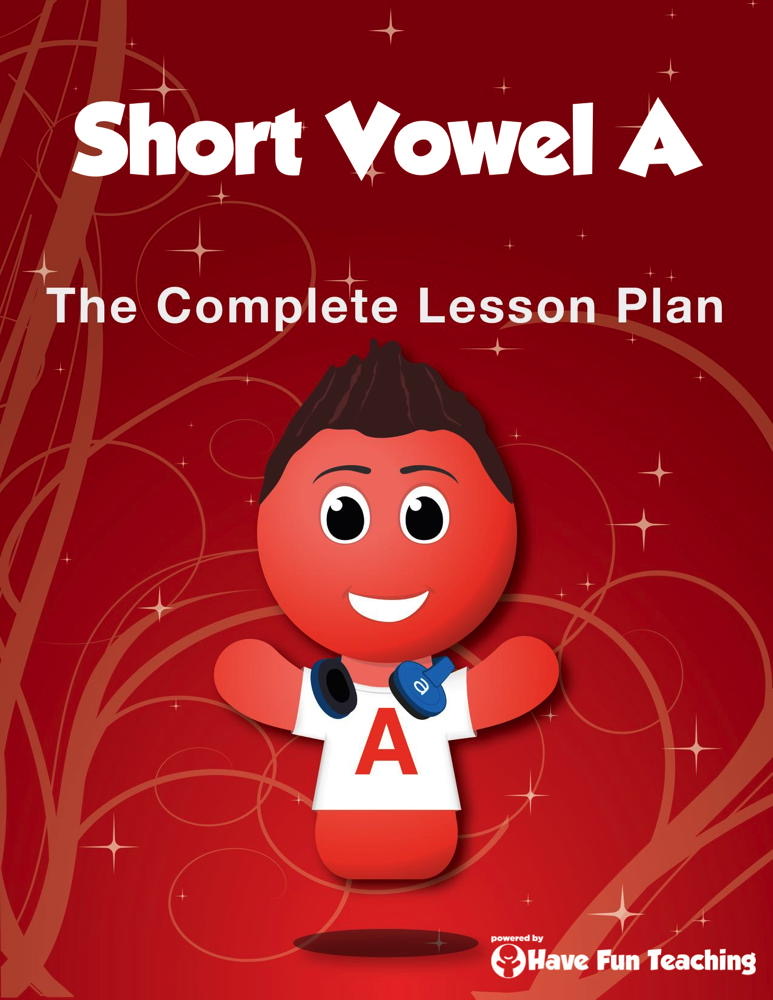
Short vowel 'a': Phonics Lessons for Struggling Readers + Books
ELA, Language Development, Pre-Reading, Phonics, Spelling, Kindergarten, Preschool, Grade 1, 2, Literacy Readers, Teacher Tools, Presentations, Lesson Plans
Short Vowel 'a' Reading Program for Struggling Readers This comprehensive phonics program focuses on the short vowel 'a' sound and is designed for struggling readers who need additional support in developing reading fluency. The package includes two decodable reading books, two matching PowerPoint presentations, four video lessons and over twenty supporting activities spread across two weeks of instruction. The program uses a systematic, incremental approach that teaches just 10 words from the same phonics family over two weeks. This focused method allows students to thoroughly master each word through repeated practice in reading and writing exercises. The multisensory activities address common challenges such as poor word recall, letter confusion, difficulty recognising previously decoded words, and text tracking problems. Order, Outline and Steps Each lesson strengthens phonemic awareness while gradually moving students from individual word recognition to sentence reading and longer paragraphs. Video lessons are simple with no distractions to prevent cognitive overload The worksheets are intentionally brief to prevent fatigue and maintain concentration in students with processing difficulties. The reading books exclusively use studied words along with carefully selected sight words, ensuring students encounter familiar vocabulary that builds confidence. Supporting activities include tracking exercises, phonemic awareness practice, rhyming activities, sentence building, and two educational games. Words learned in previous lessons carry over to subsequent books, helping students develop fluent reading skills. The program also introduces a wider vocabulary of decodable words at a controlled pace, allowing reading skills to progress while maintaining student success. Who is the Short Vowel 'a' Reading Program for Struggling Readers for? This resource is particularly beneficial for students with dyslexia, general learning difficulties, cerebral palsy, or other conditions affecting phonological processing and word recall. The structured, cumulative nature of the lessons reduces mental overload while building essential reading skills. With this programme, you can help a non-reader today! What is included: Full teaching instructions 4 teaching videos (2 per week) Flashcards 10 packs of activities and worksheets 10 reading books 10 games Full teaching instructions What next? This is a sample of the first five vowels lesson. The next four vowels should be studied before moving on to the 'Jack Stories', starting with CK.
Author Lilibette's Resources
Rating
Tags Learn To Read Programme, Fluency, Struggling Readers, Dyslexia, Special Needs, Poor Auditory Processing, Auditory Prcoessing, Phonics, Decodable Reading Books, Homeschool Curriculum
Ocean Animal Research Writing Project on WHALES for K-2nd Grade
Life Studies, ELA, Writing, Creative Writing, Reading, Science, Life Sciences, Animals, Research, Kindergarten, Grade 1, 2, Teacher Tools, Worksheets & Printables, Lesson Plans, Worksheets, Writing Prompts, Coloring Pages
Whales Animal Research Writing Project for K-2nd Grade. This 19-page informational writing unit on whales is perfect for kindergarten, 1st grade, and 2nd grade students. It includes differentiated reading passages, data collection organizers, and writing pages about whales so all students can successfully complete the project. Students will read illustrated information about whale appearances, habitats, eating habits, and more. Then they will organize the facts using color-coding and graphic organizers. Finally, students will draw, color, and write their own informative paragraphs about these amazing ocean mammals. The whale unit can be used for whole-class, small-group, or individual assignments. It promotes reading comprehension, creative writing, and drawing skills. Display the finished whale books in your classroom or compile them into a classroom book for all to view. For more animal research projects, see our units on dolphins, seals, sea turtles, and other ocean creatures. Visit my store: -K-5 Treasures to discover more engaging resources for K-2 students. Here are even more informational resources on report writing for OCEAN ANIMALS. Click on the links below: Animal Research Writing Project on WHALES for K-2nd Grade Animal Research Writing Project on the OCTOPUS for K-2nd Grade Animal Research Writing Project on SEA TURTLES for K-2nd Grade Animal Research Writing Project on ORCAS for K-2nd Grade Animal Research Writing Project on the SHELLFISH for K-2nd Grade Animal Research Writing Project on DOLPHINS for K-2nd Grade Animal Research Writing Project on SEALS for K-2nd Grade Want to teach your students all about Zoo Animals? Check out all these interesting facts about these favorite zoo animals. With the same great photos, facts, habitat drawings, and more. It is a great way to help students to get interested in writing. For Zoo Animal reports, click on the following links below: Animal Research Writing Project on TIGERS for K-2nd Grade Animal Research Writing Project on MONKEYS for K-2nd Grade Animal Research Writing Project on PANDAS for K-2nd Grade Animal Research Writing Project on HIPPOS for K-2nd Grade Animal Research Writing Project on ELEPHANTS for K-2nd Grade Animal Research Writing Project on GIRAFFES for K-2nd Grade
Author K-5 Treasures
Tags Informational Writing, Writing Report, 1st Grade Writing, 2nd Grade Writing, Ocean Animals, Ocean Animal Research, Whales, Report On Whales, Learn About Whales, Ocean Animal Report
The Pull of Gravity: Guided Reading Level F with Lesson Plan
ELA, Resources for Teachers, Reading Comprehension, Reading, Science, Language Development, Vocabulary, Physics, Earth and Environmental Sciences, Pre-Reading, Kindergarten, Grade 1, 2, Worksheets & Printables, Worksheets, Teacher Tools, Centers, Activities, Literacy Readers, Quizzes, Quizzes and Tests, Assessments, Lesson Plans
This The Pull of Gravity (level f) guided reading book with lesson plan includes: Guided Reading Color Label (front cover x1) This is a quick way to match the book’s demands to what students can generally handle.. The overall goal is to use the level/color to pick books for several smaller groups. To qualify for a certain level, a student is expected to read a book from that level with about 90–94% accuracy. If a student is consistently accurate and understands, move up a level. If the student is struggling at that level, drop down and add more support. Each student will improve at completely different rates, but it is generally one of the best ways to check progress across the class. DOWNLOAD THE CATALOG TO VIEW ALL GUIDED READING BOOKS AVAILABLE (SORTED LEVELS A-Z) Pre-Reading Question (x1) Teacher asks the prompt aloud, can be while showing the cover or first page. Students share what they already know, or make educated guesses from the cover. Prompt them to use the target vocabulary. Write some of their responses on the board to look back at during the reading. Vocabulary Words (x5) Introduce the five words, best doing it one at a time. Start by saying it, while students repeat and then see if anyone knows what it means before reading further. Read through the meaning and try to briefly connect each word to a picture or gesture so it’s meaningful. Ask students to flip through the book pages and point to where they see each of the vocabulary words. While reading the book pause upon coming across one of the vocab words or read the sentence twice to make sure students understand the word has appeared. Optional: Ask students to raise hands whenever they see/hear one of the new words. Guided Reading Pages (x10) Check the book snapshot (below) for: primary topic - do you need to prep extra reading or intro materials on this? what is taught best - decide on 1-2 bullets to focus on, use the prompt or words provided here for best results. learning goals - what you are checking for students to be able to do after the session, elicit answers using prompts or words provided. key vocabulary (see section above). questions overview - so you know what is coming up and if you need to prep extra materials to assist understanding. Run the lesson You may have already looked at a few of the pages together, but you can show them some of the pictures again first to set meaning. Depending on how much time you have and how familiar your students are with guided reading class, you may want to read the book aloud first with the group first. Students whisper or partner read, while you listen in. If time, do it as a group, one student reading a page each. Use the guided page’s prompts to coach: “Check the picture / does it make sense?” “Point under the words / try the first sound” “Reread the sentence smoothly”. Try to focus more on one student per session (rotating every time), so you can work out if they are ready to move up or need to move down a level. Comprehension Questions (back cover x3) This is your way to check that students didn’t just say the words, but actually understood the text. First, let students answer by pointing to the page/picture and saying a short sentence. After any answer, follow with: “Show me where you found that in the text.” In bigger groups, have partners answer first (10–20 seconds), then call on 2–3 students to share. Differentiation tips: Emerging speakers/struggling readers: oral + pointing On-level: oral in a full sentence Higher: one written sentence or draw + label Lesson Snapshot Title: The Pull of Gravity Genre: Nonfiction (informational) Subject: Science (Physical Science) Primary Topic: How gravity pulls and keeps things in place Estimated Guided Reading Level (A–Z): F What This Lesson Teaches Best Defines gravity as a force and explains it is everywhere . Shows that gravity pulls things down and toward the Earth . Uses everyday examples (ball, leaves, water, rocks, sand, air) to explain gravity’s effects. Connects gravity to size/strength by stating that big things have a strong pull (Earth). Extends the idea beyond Earth by stating gravity is in space and pulls the moon . Learning Goals Students will identify that gravity is a force that is everywhere. Students will describe how gravity pulls things down and toward the Earth. Students will give examples from the text of things gravity pulls or keeps in place. Students will explain what the text says about the Earth and “strong pull.” Students will answer questions about gravity using details from the book. Key Vocabulary From the Text gravity — a pull that makes things go down. force — a push or a pull. toward — moving closer to something. space — the place above Earth. mountain — a very high hill of land. Discussion Prompts Pre-reading question: What do you think makes things fall down to the ground? Comprehension questions: What does the book say gravity is? Comprehension questions: What does gravity pull things toward? Comprehension questions: Name one thing the book says gravity keeps in place. Printing Tips 1. Best Printing Method (Recommended) “Booklet” Printing (Best if Available) If your printer or PDF viewer supports Booklet Printing , use this. Settings to use: Print mode: Booklet Paper size: Letter or A4 (either works) Orientation: Landscape Print on both sides: Yes Flip on: Short edge Scaling: Fit to printable area Booklet subset: First test: Front sides only Then: Back sides only This will automatically: Pair pages correctly Put the cover on the outside Align everything for folding After printing, fold in half and staple along the spine . 2. If “Booklet” Printing Is NOT Available You can still print this correctly with manual duplex printing . Step-by-step: Open the PDF. Choose Print . Set: Orientation: Landscape Pages per sheet: 1 Print on both sides: Yes Flip on: Short edge Print all pages . Because each PDF page already contains two facing book pages, the result will still fold cleanly into a book. Thousands of Cored Education products are included with your TeachSimple membership. Download links and encyclopedia index available here.
Author Cored Education
Rating
Tags Reading Comprehension, Reading Passages, Reading, Guided Reading, Guided Reading Lesson Plan, Guided Reading Activity, Pre-reading, Science Lesson Plans, Earth Science, Physics
Ocean Animal Research Writing Project on SEA TURTLES for K-2nd Grade
Life Studies, ELA, Writing, Creative Writing, Reading, Science, Life Sciences, Animals, Research, Kindergarten, Grade 1, 2, Lesson Plans, Teacher Tools, Presentations, Worksheets & Printables, Worksheets, Writing Prompts
Sea Turtle Animal Research Writing Project for K-2. Engage your K-2 students in learning about sea turtles with this 19-page animal research writing project. Students will read age-appropriate information about sea turtles, examine real-life photos, color pictures, draw a sea turtle habitat, organize facts using writing organizers, and write an informational report on sea turtles. This unit is differentiated for various abilities and for ages K-2nd grade. This project promotes reading, creativity, and early research and writing skills. Use it for whole-class instruction, small groups, or individual assignments. With fun borders and opportunities for students to be creative while building knowledge, this packet offers multi-day engagement to learn about the amazing sea turtle! Here are even more informational resources on report writing for OCEAN ANIMALS. Click on the links below: Animal Research Writing Project on WHALES for K-2nd Grade Animal Research Writing Project on the OCTOPUS for K-2nd Grade Animal Research Writing Project on SEA TURTLES for K-2nd Grade Animal Research Writing Project on ORCAS for K-2nd Grade Animal Research Writing Project on the SHELLFISH for K-2nd Grade Animal Research Writing Project on DOLPHINS for K-2nd Grade Animal Research Writing Project on SEALS for K-2nd Grade Want to teach your students all about Zoo Animals? Check out all these interesting facts about these favorite zoo animals. With the same great photos, facts, habitat drawings, and more. It is a great way to help students to get interested in writing. For Zoo Animal reports, click on the following links below: Animal Research Writing Project on TIGERS for K-2nd Grade Animal Research Writing Project on MONKEYS for K-2nd Grade Animal Research Writing Project on PANDAS for K-2nd Grade Animal Research Writing Project on HIPPOS for K-2nd Grade Animal Research Writing Project on ELEPHANTS for K-2nd Grade Animal Research Writing Project on GIRAFFES for K-2nd Grade
Author K-5 Treasures
Tags Animal Research, Informational Writing, Writing Report, Report On Animals, 1st Grade Writing, 2nd Grade Writing, Ocean Animals, Sea Turtles, Report Of Sea Turtles, Ocean Animal Report
Zoo Animal Research Writing Project on ELEPHANTS for K-2nd Grade
Life Studies, ELA, Writing, Creative Writing, Reading, Science, Life Sciences, Animals, Research, Kindergarten, Grade 1, 2, Teacher Tools, Worksheets & Printables, Lesson Plans, Presentations, Worksheets, Coloring Pages, Writing Prompts
Animal Research Writing Project on Elephants for K-2. Engage young students in reading, writing, and science with this 19-page informational writing project on elephants. Students will read fascinating facts, examine real-life photos, color images, draw habitat scenes, organize information with writing organizers, and compose their own informative writing piece on elephants. Three differentiated writing levels are included to accommodate varying abilities. When completed, the project can be bound into a printed book for the classroom or home library. This elephant unit can be implemented in whole groups, small groups, or as an individual student project. Pair it with the 7 other available animal projects for a cross-curricular writing program. Suitable for kindergarten through 2nd grade. Teachers appreciate the ready-to-use animal units covering reading, note-taking, drafting, illustrating, and publishing. Engage your class in meaningful informational writing with this standards-based project on monkeys. Plus, there are many more zoo animals to research as well in my store: K-5 Treasures! For additional Zoo Animal reports, click on the following links below: Animal Research Writing Project on TIGERS for K-2nd Grade Animal Research Writing Project on MONKEYS for K-2nd Grade Animal Research Writing Project on PANDAS for K-2nd Grade Animal Research Writing Project on HIPPOS for K-2nd Grade Animal Research Writing Project on ELEPHANTS for K-2nd Grade Animal Research Writing Project on GIRAFFES for K-2nd Grade Here are even more informational resources on report writing for OCEAN ANIMALS. Click on the links below: Animal Research Writing Project on WHALES for K-2nd Grade Animal Research Writing Project on the OCTOPUS for K-2nd Grade Animal Research Writing Project on SEA TURTLES for K-2nd Grade Animal Research Writing Project on ORCAS for K-2nd Grade Animal Research Writing Project on the SHELLFISH for K-2nd Grade Animal Research Writing Project on DOLPHINS for K-2nd Grade Animal Research Writing Project on SEALS for K-2nd Grade
Author K-5 Treasures
Tags Animal Research, Informational Writing, Writing Report, Zoo Animals, Report On Animals, Report On Zoo Animals, 1st Grade Writing, 2nd Grade Writing, Elephants, Report On Elephants
All About Addition 0-20 | Animated Math Video Lesson
Math, Addition and Subtraction, Addition, Preschool, Grade 1, 2, Lesson Plans, Teacher Tools
This animated math video lesson is all about adding numbers 0-20. Students will love this engaging and interactive video that takes them step-by-step on how to add numbers and solve addition problems in a fun way. This video serves as a great introduction or review video for your learners. This is a 6-minute math video lesson.
Author Educational Voice
Tags Addition Problems, Adding Numbers, Math Activity, Math Videos, Video Lessons
Ocean Animal Research Writing Project on DOLPHINS for K-2nd Grade
Life Studies, ELA, Writing, Creative Writing, Reading, Science, Life Sciences, Animals, Research, Kindergarten, Grade 1, 2, Lesson Plans, Teacher Tools, Worksheets & Printables, Worksheets, Writing Prompts
Animal Research Writing Project on Dolphins for K-2nd Grade. Engage young learners in reading, writing, and science with this 19-page informational writing unit on dolphins. Students will read leveled texts and examine real life photos to learn facts about these playful marine mammals. Next, they will organize the information using color-coded graphic organizers. Finally, students will write their own informational report on dolphins using differentiated writing pages for K-2. Extension activities allow creativity through coloring, habitat illustration, and cover page design. Implementation ideas included for whole group, small group, centers, or individual work. Check out companion units on whales, seals, sea turtles, and more ocean animals from Teach Simple! Plus, even more units on zoo animals! Here are even more informational resources on report writing for OCEAN ANIMALS. Click on the links below: Animal Research Writing Project on WHALES for K-2nd Grade Animal Research Writing Project on the OCTOPUS for K-2nd Grade Animal Research Writing Project on SEA TURTLES for K-2nd Grade Animal Research Writing Project on ORCAS for K-2nd Grade Animal Research Writing Project on the SHELLFISH for K-2nd Grade Animal Research Writing Project on DOLPHINS for K-2nd Grade Animal Research Writing Project on SEALS for K-2nd Grade Want to teach your students all about Zoo Animals? Check out all these interesting facts about these favorite zoo animals. With the same great photos, facts, habitat drawings, and more. It is a great way to help students to get interested in writing. For Zoo Animal reports, click on the following links below: Animal Research Writing Project on TIGERS for K-2nd Grade Animal Research Writing Project on MONKEYS for K-2nd Grade Animal Research Writing Project on PANDAS for K-2nd Grade Animal Research Writing Project on HIPPOS for K-2nd Grade Animal Research Writing Project on ELEPHANTS for K-2nd Grade Animal Research Writing Project on GIRAFFES for K-2nd Grade
Author K-5 Treasures
Tags Animal Research, Informational Writing, Writing Report, Report On Animals, 1st Grade Writing, 2nd Grade Writing, Dolphins, Report On Dolphins, Ocean Animals, Sea Life
Zoo Animal Research Writing Project on MONKEYS for K-2nd Grade
Life Studies, ELA, Writing, Creative Writing, Reading, Science, Life Sciences, Animals, Research, Kindergarten, Grade 1, 2, Activities, Teacher Tools, Lesson Plans, Worksheets & Printables, Worksheets, Coloring Pages, Writing Prompts
Animal Research Writing Project on Monkeys for K-2nd Grade. Engage young learners in reading, writing, and science with this 19-page informational writing project on monkeys. Students will examine real-life photos, read age-appropriate facts, color images, draw habitat scenes, and organize information using writing organizers. Differentiated writing pages allow kids to write at their level. When finished, students and the entire classroom can bind everything together into a customized book. This monkey-themed unit promotes creativity, reading comprehension, and nonfiction writing skills. Implement as whole class, small group, centers, or individual work. Suitable for homeschools or grades Kindergarten, first grade classrooms., and for second graders. Click the links below to view similar units on other zoo animals and to do research on zoo animals. Teachers appreciate the ready-to-use animal units covering reading, note-taking, drafting, illustrating, and publishing. Engage your class in meaningful informational writing with this standards-based project on monkeys. Plus, there are many more zoo animals to research as well in my store: K-5 Treasures! For additional Zoo Animal reports, click on the following links below: Animal Research Writing Project on TIGERS for K-2nd Grade Animal Research Writing Project on MONKEYS for K-2nd Grade Animal Research Writing Project on PANDAS for K-2nd Grade Animal Research Writing Project on HIPPOS for K-2nd Grade Animal Research Writing Project on ELEPHANTS for K-2nd Grade Animal Research Writing Project on GIRAFFES for K-2nd Grade Here are even more informational resources on report writing for OCEAN ANIMALS. Click on the links below: Animal Research Writing Project on WHALES for K-2nd Grade Animal Research Writing Project on the OCTOPUS for K-2nd Grade Animal Research Writing Project on SEA TURTLES for K-2nd Grade Animal Research Writing Project on ORCAS for K-2nd Grade Animal Research Writing Project on the SHELLFISH for K-2nd Grade Animal Research Writing Project on DOLPHINS for K-2nd Grade Animal Research Writing Project on SEALS for K-2nd Grade
Author K-5 Treasures
Tags Animal Research, Informational Writing, Writing Report, Zoo Animals, Report On Animals, Report On Zoo Animals, 1st Grade Writing, 2nd Grade Writing, Monkeys, Report On Monkeys
Ocean Animal Research Writing Project on the SHELLFISH for K-2nd Grade
Life Studies, ELA, Writing, Creative Writing, Reading, Science, Life Sciences, Animals, Research, Preschool, Grade 1, 2, Lesson Plans, Teacher Tools, Coloring Pages, Worksheets, Worksheets & Printables, Writing Prompts
Animal Research Writing Project on Shellfish for K-2nd Grade. Students will learn about shellfish through reading, writing, coloring, and drawing activities in this 19-page packet. After examining photos of real shellfish, students will read factual information presented in a color-coded key for easy comprehension. Next, they will color their own shellfish drawings and create habitat scenes. Two differentiated writing organizers help students take notes and sort information. The writing portion includes leveled writing pages so students of all abilities can succeed composing paragraphs on shellfish. A self-checking writing page assists developing writers. This engaging project promotes creativity, reading, writing, and science skills. Use it for whole-group, small-group, independent, or homework assignments. Click the author links above for other animal research units spanning land and sea creatures. Here are even more informational resources on report writing for OCEAN ANIMALS. Click on the links below: Animal Research Writing Project on WHALES for K-2nd Grade Animal Research Writing Project on the OCTOPUS for K-2nd Grade Animal Research Writing Project on SEA TURTLES for K-2nd Grade Animal Research Writing Project on ORCAS for K-2nd Grade Animal Research Writing Project on the SHELLFISH for K-2nd Grade Animal Research Writing Project on DOLPHINS for K-2nd Grade Animal Research Writing Project on SEALS for K-2nd Grade Want to teach your students all about Zoo Animals? Check out all these interesting facts about these favorite zoo animals. With the same great photos, facts, habitat drawings, and more. It is a great way to help students to get interested in writing. For Zoo Animal reports, click on the following links below: Animal Research Writing Project on TIGERS for K-2nd Grade Animal Research Writing Project on MONKEYS for K-2nd Grade Animal Research Writing Project on PANDAS for K-2nd Grade Animal Research Writing Project on HIPPOS for K-2nd Grade Animal Research Writing Project on ELEPHANTS for K-2nd Grade Animal Research Writing Project on GIRAFFES for K-2nd Grade
Author K-5 Treasures
Tags Informational Writing, Writing Report, 1st Grade Writing, 2nd Grade Writing, Ocean Animals, Ocean Animal Research, Shellfish, Report On Shellfish, Report On Lobsters, Report On Crabs
Phonic Spelling Programme Level 1 Ages 7+
Special Resources, ELA, Special Education Needs (SEN), Language Development, Phonics, Reading, Spelling, Preschool, Grade 1, 2, 3, Lesson Plans, Teacher Tools, Outlines, Worksheets & Printables, Flashcards, Workbooks
This is a Phonic spelling programme. Not only will it teach a child to spell, but also to write. Just add a good handwriting programme. The spelling programme can be used with all ages from 5 to 99, however, if used with a young learner I strongly advise using the programme to teach both reading and spelling at the same time. See the website for more information and resources to teach young children. The spelling programme can be used: with children who have learnt to read, but need a spelling/writing programme with children who have tried another phonic programme and not made much progress with reading and/or spelling/writing with a special needs child who needs a very structured approach to learning by home educators by parents wishing to help their child at home About the programme The programme is very flexible and can be made to fit the child, rather than the child to fit the programme. Being highly structured, each new lesson builds on the one before, constantly revising the previously taught material The spelling programme will take 41 weeks to teach. One new sound is taught each week. What is included? The teacher's manual with full lesson plans and helpful teaching tips A list of the keywords for each lesson with the phonic sound highlighted - for practice and revision 39 spelling worksheets The Reading Made Simple Phonic flashcards The Odd Word flashcards About the worksheets The worksheets use time-honoured exercises to help pupils to become familiar with the new sound and revise previously taught ones. They include such exercises as tracking the new sound in words, proofreading as well as comprehension questions. Children generally find them fun because they are so easy due to the way learning is structured throughout the programme. More information If you would like more information about the spelling programme, then please visit the Reading Made Simple website. The same programme and set of worksheets can also be used to help an older child read, one who has some phonic knowledge but needs the gaps filled in a systematic manner.
Author Lilibette's Resources
Rating
Tags Phonics, Spelling, Phonic Intervention, Reading Made Simple, Reading, Special Needs, Worksheets, Learning To Spell, Learning To Write
OO: 2 Decodable Reading Books + 4 Video Lessons + 54 Worksheets SOR
Special Resources, ELA, Special Education Needs (SEN), Language Development, Pre-Reading, Phonics, Spelling, Kindergarten, Preschool, Homeschool Curriculum, Grade 1, 2, Literacy Readers, Teacher Tools, Lesson Plans, Presentations
2 OO Decodable Readers, 4 Video Lessons & 54 Worksheets: Farm Adventures Complete Teaching Pack | Part of Advanced Phonics Reading Programme Master OO (moon and look) with 2 decodable readers, 4 optional video lessons, and 54 differentiated practice worksheets! This extensive teaching pack features farm stories that children will love, along with targeted phonics activities that reinforce learning. These books presume that a child can already decode words with a CK ending. What's Included 2 systematic/levelled decodable readers focusing on OO 4 carefully taught optional video lessons - no distracting music - these are serious lessons and can be used by home educators and teachers alike - to give extra support to struggling readers Word lists for pre-reading practice at the beginning of each book Differentiated worksheets for phonics reinforcement: Word sorting activities Sound isolation exercises Reading comprehension exercises Sentence writing practice Phonics pattern recognition tasks 100% decodable text with carefully controlled vocabulary Science of reading-aligned instruction Beloved characters: Tom, Sam, Pam, Gran, and the farm animals Beautiful watercolour illustrations Print-and-go format for easy classroom use Why Teachers Love This Complete Pack Real stories PLUS targeted practice! These aren't just decodable readers—you get everything you need to teach OO systematically. The differentiated worksheets provide multiple opportunities for students to apply their learning, while the engaging farm stories provide ample practice of decoding, word recognition and reading comprehension. They help you to target a child's precise needs to ensure progress. The optional video lessons give even nervous parents the help they need to teach! Designed With Carefully Controlled vocabulary: The OO sound is introduced systematically across the stories, with CK words revisited throughout. Worksheets reinforce the same vocabulary, providing an opportunity for mastery. Perfect For Explicit phonics instruction following the science of reading principles All students who are ready to learn OO and have already learned CK Children who need a slower pace, or not Small group intervention or whole class instruction Literacy centres and independent practice Homework assignments that reinforce classroom learning Structured literacy programmes Ages 5-7 or Grade 1-2 Skills Addressed Decoding OO in isolation and context Reading fluency with controlled decodable text Phonics, pattern recognition and application Phonemic awareness through targeted activities Reading comprehension with engaging stories Writing practice using the taught phonics pattern Sight word introduction and practice How to Use This Complete Pack Introduce the sound OO comprehensively Use worksheets for guided practice and skill reinforcement Practice word lists before reading stories Have students read the decodable stories, pointing to each word Return to the worksheets for independent practice or assessment Reread the stories to build fluency This complete pack provides everything you need to teach OO effectively—no additional materials required!
Author Lilibette's Resources
Rating
Tags Learn To Read Programme, Fluency, Struggling Readers, Dyslexia, Special Needs, Phonics, Decodable Reading Books, Reading Fluency, Homeschool Curriculum, Oo
Grey Squirrels: Kindergarten Science Projects
Science, Life Sciences, Biology, Kindergarten, Preschool, Grade 1, Teacher Tools, Lesson Plans, Activities, Projects, Worksheets & Printables, Worksheets
Squirrels: Kindergarten Science Projects Although the photos are of grey squirrels, the lesson notes can equally apply to red squirrels. The Squirrels' Kindergarten Science project is ideal for a mini topic. Use our Lesson notes to help you plan lessons. I like to help teachers use creatures that are commonly seen by children to explore the natural world, which is the building block of science. By using creatures with which children are familiar, we can cover much of the science curriculum in a way that the children will remember. Science lessons can be transformed as both pupils and teachers become engaged in the project, asking questions to stimulate further enquiry. Lesson objectives: Help your pupils to learn about squirrels to describe squirrels, learn about their anatomy a Learn about the squirrel's habitat Learn about the squirrel's behaviour To encourage pupils to compare squirrels with other animals they may have seen or studied. Contents: This kindergarten Science project has 33 pages of resources. It includes: Squirrel's information notes for so that teachers have the answers to hand and can feel knowledgeable about their subject without taking precious time to research for the lesson Lesson notes and ideas to help you plan 18 Differentiated worksheets/activities which will provide you with ample for all abilities The worksheets cover Parts of a squirrel Labelling a squirrel (characteristics) Diet Habitat Writing paper for recording Comprehension sheets And more! The Squirrel worksheets can be used with: See our S quirrel PowerPoint which can be used to introduce your science project, or use it to conclude your mini-series of lessons. What is included? One 35 page PDF Lots of supporting materials to help you teach a great kindergarten science project More: A good display is vital to capture children's interest and make the classroom a vibrant learning environment. Our resources help you to make such a display: Squirrels Photo pack
Author Lilibette's Resources
Rating
Tags Squirrel Worksheets, Grey Squirrels, Squirrels, Animals, Habitats, Autumn, Squirrels Project, Squirrels Unit Study, Kindergarten Science Projects, Nature
Transportation: A Cross-Curricular Unit
, Preschool, Kindergarten, Teacher Tools, Lesson Plans
The Transportation: A Cross-Curricular Unit This is an expertly crafted teaching resource designed specifically for the active minds of kindergarten and preschool-age students. The unit offers a captivating way to introduce the concept of transportation, blending subjects such as science with hands-on learning activities. An Overview The core focus of this teaching resource is a deeply informative nonfiction article explaining various modes of transportation. Students are taken on an illustrative journey highlighting different ways humans travel - right from planes, trains to automobiles. A Closer Look at Included Worksheets A worksheet that enables kids to match differing vehicles with their appropriate habitats - assisting them in enhancing their spatial recognition abilities. Some worksheets are engineered towards discerning objects that utilize wheels - an innovative method aimed at honing children’s strong observational skills. Learning Modalities Encouraged Selective activities support both individualistic learning as well as promote healthy group interactions amongst students during classroom sessions - offering children the chance to build crucial social skills. In essence, This resource comes in a single PDF file which includes six print-ready pages. Teachers can therefore easily weave it into their existing curriculums sans additional preparation effort. Not just offering a fun means towards understanding differing ways humans travel, The Transportation: A Cross-Curricular Unit also serves as an all-round educational tool encouraging multiple skill-set development for young learners.
Author Classroom Complete Press
Tags Transportation, Science, Lesson Plan, Science Unit, Worksheets
Zoo Animal Research Writing Project on PANDAS for K-2nd Grade
Life Studies, ELA, Writing, Creative Writing, Reading, Science, Life Sciences, Animals, Research, Kindergarten, Grade 1, 2, Teacher Tools, Lesson Plans, Worksheets & Printables, Worksheets, Writing Prompts, Coloring Pages, Presentations
Animal Research Writing Project on Pandas for K-2nd Grade. Introduce young students to pandas through this engaging 19-page informational writing project. Students will read panda facts, examine real-life photos, color pictures, draw a panda habitat, organize information using a color-coding system, and write about what they learned using differentiated writing pages for various ability levels. This versatile resource can be used for whole group, small group, or individual work. Encourage creativity, reading, research, and writing skills with this panda-themed project. Extend the learning by creating a whole classbook with students' final writing and artwork compiled together. Compatible for kindergarten, 1st grade, or 2nd grade. Click the author link to see other animal-themed writing project units spanning topics like tigers, dolphins, whales and more. Teachers appreciate the ready-to-use animal units covering reading, note-taking, drafting, illustrating, and publishing. Engage your class in meaningful informational writing with this standards-based project on monkeys. Plus, there are many more zoo animals to research as well in my store: K-5 Treasures! For additional Zoo Animal reports, click on the following links below: Animal Research Writing Project on TIGERS for K-2nd Grade Animal Research Writing Project on MONKEYS for K-2nd Grade Animal Research Writing Project on PANDAS for K-2nd Grade Animal Research Writing Project on HIPPOS for K-2nd Grade Animal Research Writing Project on ELEPHANTS for K-2nd Grade Animal Research Writing Project on GIRAFFES for K-2nd Grade Here are even more informational resources on report writing for OCEAN ANIMALS. Click on the links below: Animal Research Writing Project on WHALES for K-2nd Grade Animal Research Writing Project on the OCTOPUS for K-2nd Grade Animal Research Writing Project on SEA TURTLES for K-2nd Grade Animal Research Writing Project on ORCAS for K-2nd Grade Animal Research Writing Project on the SHELLFISH for K-2nd Grade Animal Research Writing Project on DOLPHINS for K-2nd Grade Animal Research Writing Project on SEALS for K-2nd Grade
Author K-5 Treasures
Tags Animal Research, Informational Writing, Writing Report, Zoo Animals, Report On Animals, Report On Zoo Animals, 1st Grade Writing, 2nd Grade Writing, Pandas, Report On Pandas
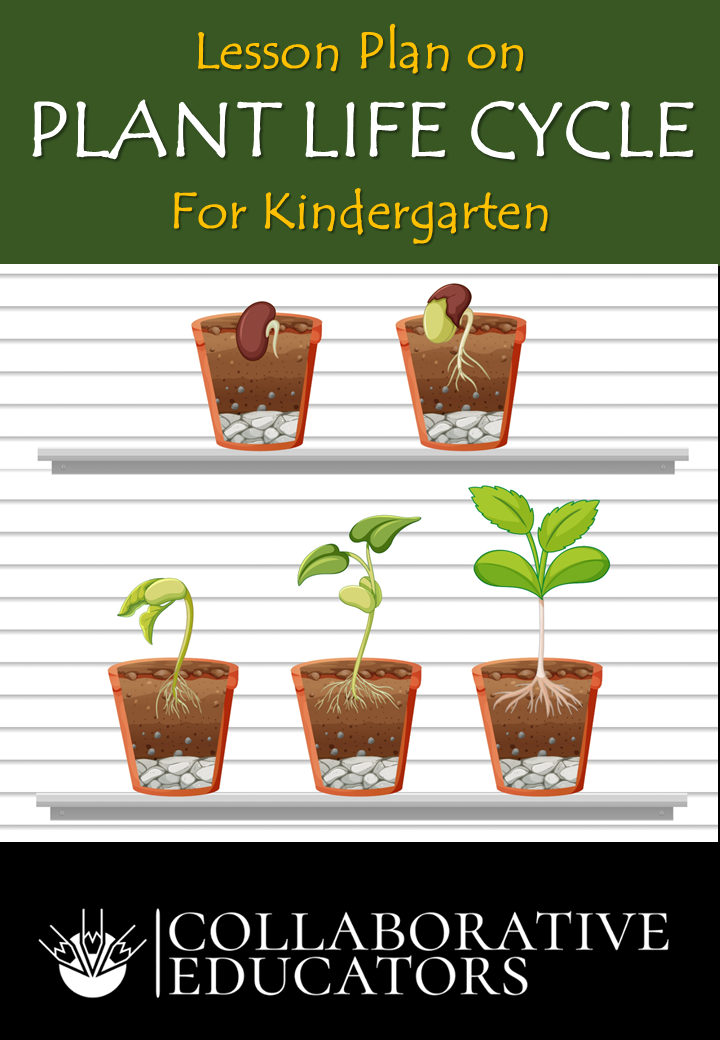
Lesson Plan on Plant Life Cycle for Kindergarten
Biology, Life Sciences, Science, Nature & Plants, Kindergarten, Grade 1, Lesson Plans, Teacher Tools, Worksheets & Printables, Activities
With a playful, participatory approach, this captivating Kindergarten lesson plan teaches young students about the plant life cycle. The 90-minute lesson, which is based around the instructive movie "Plant Life Cycle," walks students through the four main phases of plant growth: seed, sprout, seedling, and flower. Children will investigate how plants grow and what they require—sunlight, water, soil, and air—through a combination of pictures, storytelling, hands-on activities, and movement. A dynamic group conversation, a video watching with narrated explanations, and a straightforward tale reenactment to aid understanding are all included in the session. After that, students will finish a vibrant worksheet that includes matching, coloring, sequencing, and drawing exercises. The idea of development and renewal is reinforced through a unique craft project that uses paper plates to help kids picture the plant life cycle in a circular fashion. By the end of the lesson, children will be able to identify and describe each stage in the plant life cycle. The included worksheet and answer key support independent learning and review. This lesson promotes curiosity, fine motor skills, and a love of nature in young learners.
Author Bright Classroom Ideas Marketplace
Rating
Tags Plant, Life, Cycle, Biology, Earth, Nature, Kindergarten, Lesson, Plan
Algebra: Simple Patterns - PC Software
Math, Patterns, Kindergarten, Preschool, Grade 1, 2, Teacher Tools, Lesson Plans
Algebra: Simple Patterns - PC Software A robust teaching software designed to help educators in traditional classrooms and homeschool settings effectively instruct students on the basic concepts of algebra. The content is aligned with the curriculum and ideally suited for preschool, kindergarten, and early grade school level (grades 1-2). Features: Pre-assessment stage: Precisely gauge students' existing knowledge about algebraic patterns before starting a lesson. Detailed Lesson Plan: A comprehensive roadmap that guides teachers through their lessons in an organized manner and ensures key learning objectives are met. Real-world Word Problems: Present algebraic pattern concepts in relatable contexts for a practical understanding of the material. A timed drill activity : Test speed without sacrificing accuracy, ideal for both group lessons or individual study sessions. Additions: The software also includes math tools and printables making it easy to mix digital learning with hands-on activities. Additionally, to make learning more engaging there are multiple built-in games like memory match game, board game ,and spinner games available within the program. Bilingual Support: An added advantage is it's support Spanish voiceover & texts enabling bilingual instruction or assisting second language learners to easily make connections between verbal expressions in two languages. Note: This product is compatible with PCs only . In conclusion, combining all these features makes "Algebra: Simple Patterns - PC Software", an invaluable addition to any modern educational toolkit!
Author Classroom Complete Press
Tags Digital Math, Simple Patterns, Patterns Lesson, Algebra Worksheet, Math Lesson
All About Kangaroos: Guided Reading Level G with Lesson Plan
ELA, Resources for Teachers, Reading Comprehension, Reading, Science, Language Development, Vocabulary, Life Sciences, Geography, Social Studies, Kindergarten, Grade 1, 2, Worksheets & Printables, Worksheets, Teacher Tools, Centers, Activities, Literacy Readers, Quizzes, Quizzes and Tests, Assessments, Lesson Plans
This All About Kangaroos (level g) guided reading book with lesson plan includes: Guided Reading Color Label (front cover x1) This is a quick way to match the book’s demands to what students can generally handle.. The overall goal is to use the level/color to pick books for several smaller groups. To qualify for a certain level, a student is expected to read a book from that level with about 90–94% accuracy. If a student is consistently accurate and understands, move up a level. If the student is struggling at that level, drop down and add more support. Each student will improve at completely different rates, but it is generally one of the best ways to check progress across the class. DOWNLOAD THE CATALOG TO VIEW ALL GUIDED READING BOOKS AVAILABLE (SORTED LEVELS A-Z) Pre-Reading Question (x1) Teacher asks the prompt aloud, can be while showing the cover or first page. Students share what they already know, or make educated guesses from the cover. Prompt them to use the target vocabulary. Write some of their responses on the board to look back at during the reading. Vocabulary Words (x5) Introduce the five words, best doing it one at a time. Start by saying it, while students repeat and then see if anyone knows what it means before reading further. Read through the meaning and try to briefly connect each word to a picture or gesture so it’s meaningful. Ask students to flip through the book pages and point to where they see each of the vocabulary words. While reading the book pause upon coming across one of the vocab words or read the sentence twice to make sure students understand the word has appeared. Optional: Ask students to raise hands whenever they see/hear one of the new words. Guided Reading Pages (x10) Check the book snapshot (below) for: primary topic - do you need to prep extra reading or intro materials on this? what is taught best - decide on 1-2 bullets to focus on, use the prompt or words provided here for best results. learning goals - what you are checking for students to be able to do after the session, elicit answers using prompts or words provided. key vocabulary (see section above). questions overview - so you know what is coming up and if you need to prep extra materials to assist understanding. Run the lesson You may have already looked at a few of the pages together, but you can show them some of the pictures again first to set meaning. Depending on how much time you have and how familiar your students are with guided reading class, you may want to read the book aloud first with the group first. Students whisper or partner read, while you listen in. If time, do it as a group, one student reading a page each. Use the guided page’s prompts to coach: “Check the picture / does it make sense?” “Point under the words / try the first sound” “Reread the sentence smoothly”. Try to focus more on one student per session (rotating every time), so you can work out if they are ready to move up or need to move down a level. Comprehension Questions (back cover x3) This is your way to check that students didn’t just say the words, but actually understood the text. First, let students answer by pointing to the page/picture and saying a short sentence. After any answer, follow with: “Show me where you found that in the text.” In bigger groups, have partners answer first (10–20 seconds), then call on 2–3 students to share. Differentiation tips: Emerging speakers/struggling readers: oral + pointing On-level: oral in a full sentence Higher: one written sentence or draw + label Book Snapshot Title: All About Kangaroos Genre: Nonfiction (informational) Subject: Science (Life Science) Primary Topic: Kangaroo traits, movement, food, and babies Estimated Guided Reading Level (A–Z): G What This Book Teaches Best Identifies a kangaroo’s habitat by stating it lives in Australia . Describes how kangaroos move: they have two big back legs , and they hop very fast. Explains how a kangaroo’s tail helps it by keeping balance . Shares what kangaroos eat by stating they like green grass and find food on the ground. Teaches family/group terms: a baby is a joey that grows in the pouch , and a group is a mob . Learning Goals Students will identify where a kangaroo lives using details from the text. Students will describe how kangaroos move, using the book’s words and examples. Students will explain how a kangaroo’s tail helps it keep balance. Students will describe what kangaroos eat and where they find food. Students will name what a baby kangaroo is called and where it grows. Students will identify what a group of kangaroos is called. Key Vocabulary From the Text Australia — a country where kangaroos live. balance — staying steady and not falling over. pouch — a pocket where a mother carries her baby. joey — a baby kangaroo. mob — a group of kangaroos that live together. Discussion Prompts Pre-reading question: What do you already know about kangaroos? Comprehension questions: Where does the book say a kangaroo lives? Comprehension questions: How does a kangaroo move in this book? Comprehension questions: What is a group of kangaroos called? Printing Tips 1. Best Printing Method (Recommended) “Booklet” Printing (Best if Available) If your printer or PDF viewer supports Booklet Printing , use this. Settings to use: Print mode: Booklet Paper size: Letter or A4 (either works) Orientation: Landscape Print on both sides: Yes Flip on: Short edge Scaling: Fit to printable area Booklet subset: First test: Front sides only Then: Back sides only This will automatically: Pair pages correctly Put the cover on the outside Align everything for folding After printing, fold in half and staple along the spine . 2. If “Booklet” Printing Is NOT Available You can still print this correctly with manual duplex printing . Step-by-step: Open the PDF. Choose Print . Set: Orientation: Landscape Pages per sheet: 1 Print on both sides: Yes Flip on: Short edge Print all pages . Because each PDF page already contains two facing book pages, the result will still fold cleanly into a book. Thousands of Cored Education products are included with your TeachSimple membership. Download links and encyclopedia index available here.
Author Cored Education
Rating
Tags Reading Comprehension, Reading Passages, Reading, Guided Reading, Guided Reading Lesson Plan, Guided Reading Activity, Pre-reading, Science Lesson Plans, Life Science, Geography
Geometry: Decomposing Geometric Shapes - Practice the Skill 1 - PC Software
Math, Geometry, Kindergarten, Preschool, Grade 1, 2, Teacher Tools, Lesson Plans
Geometry: Decomposing Geometric Shapes - Practice the Skill 1 - PC Software As an educator, having efficient and effective resources is key to setting your students up for success along their learning journey. This teaching tool specifically targets understanding the decomposition of geometric shapes in math. About The Resource This resource combines practice drills and interactive tools into one comprehensive package designed for grades ranging from preschool up to grade 2 learners. Versatile enough whether you cater to young preschoolers or kindergarten and primary-grade students ready for more complex geometric exploration. Presents a unique layout that offers both English and Spanish voice-over options, coupled with text. The software comes conveniently packaged in a zip file making it easy-to-access yet compact enough without eating much virtual space on your desktop or laptop computer. NCTM principles—ensuring content relevancy directly enabling learners' mathematical growth: Given its digital nature, this tool does not limit itself to whole-class instruction only but also allows homely revision sessions or even small-group work during classroom center rotations—you decide where it suits best for reinforcement! In short, "Geometry: Decomposing Geometric Shapes - Practice the Skill 1 - PC Software", stands out as an all-rounded teaching companion dedicated not just towards honing mathematical acumen among budding scholars but also incubating resilience when encountering new topics such as geometry—one geometric shape at a time!
Author Classroom Complete Press
Tags Math Lesson Plan, Geometry Lesson Plan, Geometric, Shapes, Decomposing
Kindergarten Health: Unit 5
P.E. & Health, Life Studies, Physical Education, Health, Special Resources, Life Skills, Social Emotional Learning (SEL), Social Skills, Kindergarten, Lesson Plans, Teacher Tools, Worksheets & Printables, Worksheets
For Kindergarten Health there are seven standards that need to be taught to achieve healthy habits! Unit 1 Personal Health Unit 2 Growth and Development Unit 3 Nutrition and Physical Activity Unit 4 Substance Use and Abuse Unit 5 Injury/ Violence Prevention Control and Safety Unit 6 Prevention/Control of Disease Unit 7 Environmental Consumer Health These units can be taught out of order. They are only numbered for your convenience. Through using this Kindergarten Health: Unit 5, students will explore and learn to identify daily healthy habits. Included in this unit : Students will learn what to do if they are lost by learning their phone numbers of a parent or guardian. Students will also learn their address and full name, and guardian's names if lost. Students will complete a cut and paste activity for when to call 911 and when not to call 911. Students will learn about bike safety and the signals used when riding a bike. Playground safety is also taught in this unit . Learning about stranger danger is outlined in this unit with a cut and paste activity . Lastly, students will learn about bullying and what it means to be bullied and what to do. This excellent product comprises 11 pages chock-full of useful resources aimed at fostering critical life skills for the well-being of young learners. Embrace Kindergarten Health: Unit 5 in your classroom today! There are seven units that cover all the health requirements for Kindergarten. Here are the links to other health units: Kindergarten Health: Unit 1 Personal Health Kindergarten Health: Unit 2 Growth and Development Kindergarten Health: Unit 3 Nutrition and Physical Activity Kindergarten Health: Unit 4 Substance Use and Abuse Kindergarten Health: Unit 5 Injury / Violence Prevention Control and Safety Kindergarten Health: Unit 6 Prevention / Control of Disease Kindergarten Health: Unit 7 Enviromental Consumer Health You can also teach your students about keeping yourself safe by studying about the Coronavirus, where and when it started and facts that plagued our world with this virus. Kindergarten Health: Covid 19 / Coronavirus Facts This unit meets Common Core Standards.
Author K-5 Treasures
Tags Health Worksheets, Health, Kindergarten Health, Personal Health, Kids Health, Worksheets On Health, Elementary Health, Healthy Foods, Healthy Habits, Health Units
Algebra: Simple Patterns - Practice the Skill 1 - MAC Software
Math, Patterns, Kindergarten, Preschool, Grade 1, 2, Teacher Tools, Lesson Plans
Algebra: Simple Patterns - Practice the Skill 1 - MAC Software A resource that introduces simple algebra patterns to young learners. This teaching software is beneficial for preschool, kindergarten, grade 1, and grade 2 students who are looking to dive deep into math while learning basic algebraic concepts. This product puts major emphasis on pattern recognition which is predominant in complex algebra concepts. About the Software: A timed interactive activity encouraging students' mental stimulation by exploring different number patterns with increasing difficulty levels, An integrated visual toolset for explaining key aspects of lessons, Inclusive design featuring both English and Spanish languages (voice over/text). This software can be adapted based on the learning environment and requirements. It acts as a potent aid during whole group sessions or individual instruction periods where specific pupils can practice more to master rudimentary skills. Purchase & Use: The downloadable zip file is MAC compatible which is highly convenient without any hard copies or storage issues. Just download it straight onto your device and configure it within minutes before class begins. center ">center ">Aligns with CCSS & STEM initiatives This meticulously crafted tool strengthens its essence and provides educators with an impactful resource which integrates flawlessly with their lesson plans while fostering positive outcomes associated with math fluency among early elementary age groups. In conclusion,(Algebra: Simple Patterns - Practice the Skill 1), guides young pupils in mastering vital mathematical comprehension across multiple difficulty tiers, making it an indispensable component within any math educators' toolkit resources.(Available Now!)
Author Classroom Complete Press
Tags Simple Patterns, Patterns Activity, Math Practice, Math Skills, Algebra Worksheet
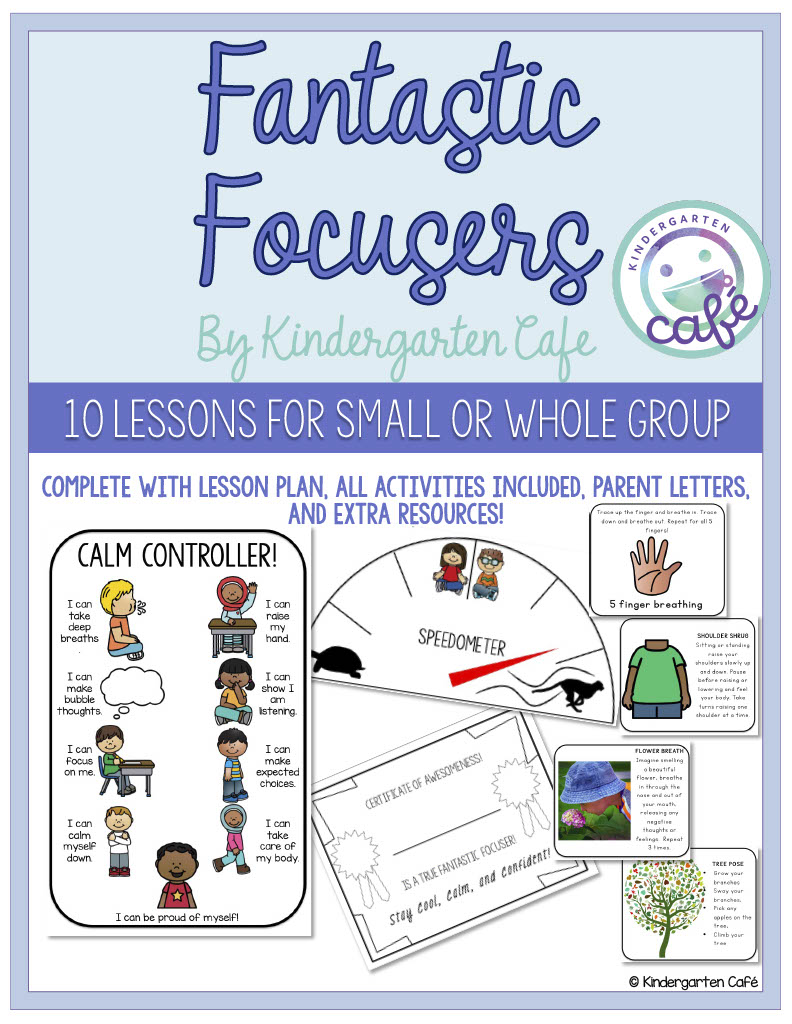
Neuro-Nudge Morning Micro-Quest System: Guided Personalized Challenges
Life Studies, Coaching, Montessori, Special Resources, Life Skills, Social Emotional Learning (SEL), Social Skills, Special Education Needs (SEN), Speech Therapy, STEM, Infant, Kindergarten, Preschool, Homeschool Curriculum, Homeschool Templates, Teacher Tools, Assessments, Graphic Organizers, Diagrams, Lesson Plans, Outlines, Presentations, Quizzes and Tests, Quizzes, Tests
Unleash the power of your special education classroom with the Neuro-Nudge Morning Micro-Quest System: Adapted Morning Work Binder for Special Needs Students (PreK-4th Grade Edition). This all-encompassing 39-page eBook is a paradigm-shifting tool for educators, parents, and homeschooling families wanting to provide research-supported, neuroscience-driven morning activities for various learning needs. Based on the principles of cognitive science, behavioral psychology, and Universal Design for Learning (UDL), this tool converts generic morning work activities into engaging, predictable “micro-quests” to facilitate independence, transition smoothness, and academic preparedness for children with Autism Spectrum Disorder (ASD), developmental disorders, intellectual disabilities, differences in sensory processing, and more. Key points include: Neuro-Nudge Framework: The use of subtle design principles such as attentional cues, chunking, and sensory integration, all of which are grounded in neuroscience principles. Guided Personalization: Templates for leading edge generative technologies such as Chat GPT, Google Bard, to help personalize content based upon IEP objectives, student information, and preferences so learning activities adapt based upon progress. Practical Implementation: How-to manual or guidelines for implementing effective binders, data-based adaptation techniques, and using AI responsibly. Student Workbook Section: Practice sheets for morning routines, feelings check-ins, awareness of weather, fine motor skill development, early literacy skills, numeracy skills This PDF is perfect for special education teachers, occupational therapists, or parents who have special needs children. It allows you to create interactive, error-free learning opportunities that foster self-efficacy and minimize resistant behavior. Download today and interact with laminable pages, which are ideal for special education classes or home schooling. Keywords: special needs adapted morning work binder, special needs morning routine activities PreK-4th, special education resources PreK-4th, special education tools, adapted Neuro-Nudge special education curriculum, special needs worksheets. Why Parents/Schools Love It: Encourages Independence and Predictability: The binder organization helps alleviate morning transition anxieties while encouraging self-efficacy skills through a series of manageable tasks that promote predictability and independence from adult assistance. Neuroscience-Based Engagement: The presence of “neuro-nudges” such as tactile, visual, and immediate reinforcements within the program ensures the students are encouraged and engaged, improving attention and sensory integration. AI-Driven Customization: Easy-to-carry-out AI tasks facilitate the creation of customized modifications tailored to the personal goals and performance data of each special education child, ensuring the relevancy of activities despite the saving of time. Proven Results with Real-World Examples: The use of case studies illustrates the positive outcomes that have been achieved, such as a decrease in instances of problem behavior, such as transitioning stress, of 65% and an increase in task accuracy. Comprehensive and Versatile Resources: Offers theory, worksheets, pictures, and implementation tutorials, ensuring that it is a one-stop solution for very busy teachers or parents who are looking for morning work that is distraction-free. Target Students/Classes : Based on the comprehensive analysis of the PDF document that includes its theoretical background, case studies, examples of micro-quests, AI personalization techniques, student workbook assignments, and teachers’ resources, the system is tailored for students from grades PreK to 4th in the special education class. It is geared towards children with varying learning differences, such as: Autistic Spectrum Disorder (ASD) Developmental delays: Global developmental delay Intellectual disabilities Learning disabilities Specific Learning Disabilities Communication Disorders (Expressive/Receptive Language Del Sensory processing differences: Over- or under-responsivity -Executive function tasks, such as task initiation, self-regulation, Motor skill variances (Fine/gross motor skill delays) The content is aligned with Pre-K to 4th grade curricula, programs outlined on IEP goals, and developmentally appropriate benchmarks. While it is designed for special education self-contained settings, general education settings, resource rooms, homeschooling programs, or therapy sessions, it caters to academic (reading, writing) skills and functional skills like self-help skills and personal routines. Copyright/Terms of Use : This Book is copyrighted by Syed Hammad Rizvi. This material is for individual, non-commercial class room use only. It is not legal for you to reproduce, distribute, or sell any portion of this material. In short, you may not place it on the Internet for anyone to download. If you are interested in sharing this resource with other educators, please purchase additional licenses on Teachsimple. I appreciate your respect for these conditions of use. This product is happily brought to you by Syed Hammad Rizvi
Author Creative Book Store
Rating
Tags AdaptedMorningWorkBinder, SpecialNeedsEducation, NeuroNudgeSystem, MorningMicroQuests, PreK4thGradeSpecialEd, AutismSpectrumDisorderResources, DevelopmentalDelaysActivities, SensoryProcessingDifferences, IEPGoalsAligned, AIGuidedPersonalization
Numbers Dot Marker Worksheets
Creative Arts, Graphic Arts, Math, Numbers, Early Math, Infant, Toddler, Kindergarten, Preschool, Grade 1, 2, 3, Activities, Centers, Teacher Tools, Lesson Plans, Worksheets & Printables, Worksheets, Coloring Pages, Dot To Dots
Let’s make number learning a delightful dot-filled adventure! These Numbers Dot Marker Worksheets for numbers 1 to 10 are perfect for turning math time into an engaging, colorful masterpiece. Your students will dot their way to numerical mastery, one cheerful splatter at a time. Ways to Use: Independent Practice: Give students a worksheet, a dot marker, and watch the magic happen. Small Groups: Let them work together to compare their dotted numbers and create a mini math gallery. Learning Centers: Set up a dot-station where students can rotate in and enjoy some hands-on number fun. Homework: A mess-free way to practice at home (parents will thank you). Advantages: Visual Learning: The vibrant dots make number recognition and counting stick like glue. Motor Skills: Perfect for those little hands to develop coordination. Stress-Free Prep: Just print and hand out, no cutting, laminating, or assembling required. Quiet Time: These worksheets are magical tools for classroom calmness. From number ninjas to dot detectives, all your students will love this colorful, interactive way to practice math. Who knew learning numbers could be so... dottedly delightful?
Author Ponder Palette Plazza
Tags Numbers, Coloring Numbers, Dot To Dot, Dot To Dots, Numbers Dot Marker, Numbers Dot Marker Worksheets, Numbers Coloring, Dot Marker