2,855 products added recently
Page 74 - Worksheets by Subject
Streamline your lesson planning with worksheets sorted by subject area. Whether you need resources for math, science, language arts, or more, these collections make it simple to find what you're looking for. Use them to provide focused practice and reinforce key concepts.
SUFFIXES | -ance/-ence -ity -logy & -tive | Digital + Printable Quiz
ELA, Language Development, ESL, Grammar, Vocabulary, Common Core, Grade 1, 2, 3, Worksheets, Worksheets & Printables
Suffixes Made FUN: Boost Your Word Power! This jam-packed resource pack is your secret weapon to conquering suffixes! It's perfect for everyone – beginners, adults, and ESL learners alike. No tech hassles here! Everything you need comes in easy-to-use PDFs. Master these 4 suffixes: -ance/-ence -ity -logy & -tive (Want more? Check out the full series for 20+ suffixes!) Across this entire series, the following suffixes are included: al, er, ing, ly, ful, ish, ist, ness, hood, less, ous, ward, able, ment, ship, tive, ance / ence, ity, logy, and tion. 4 Fun-tastic Activities: Interactive Quizzes: Test your suffix smarts with 2 exciting digital quizzes! Choose from filling the blanks or tackling a mixed bag of suffixes. Definition Detectives: Sharpen your skills by transforming definitions into suffix-powered words. You can easily flick through all the different definitions by using the arrow keys on your keyboard. Printable Powerhouse: Solidify your learning with awesome paper-based activities! Complete fill-in-the-blanks and more. Vocabulary Champs: Become a suffix superstar with vocabulary charts packed with words, meanings, and examples. Plus, a bonus list of 100 suffix-rich words to explore! Benefits for Everyone: Learn Your Way: Choose digital or printable activities to fit your style – perfect for online or classroom learning. Comprehensive Coverage: Tackle 20 of the most common suffixes! Independent Practice: Answer keys included for easy checking. Learn with a Smile: This resource makes learning suffixes fun and engaging. Get Started Today! This resource is all about empowering you to master suffixes in a fun and interactive way. While some activities may share a few sentences, the focus is on giving you a variety of ways to learn. This resource was created based on Common Core Standards (CCSS) The following standards are incorporated: L.1.4b, L.2.4b, L.3.4b, and L.3.4b Unsure about anything? Just shoot me an email at toms.talk.resources@gmail.com .
Author Tom's Talk
Tags Suffix, Suffixes, Grammar, PDF, Presentation, Digital, Worksheet, Fill-in-the-blanks, Fill In The Blanks, Handout
Reading Passage 37: Properties of Rocks and Minerals (Google Docs)
ELA, Reading, Reading Comprehension, Science, Earth and Environmental Sciences, Earth Sciences, Common Core, Grade 5, 6, 7, Centers, Activities, Worksheets, Worksheets & Printables, Teacher Tools
Free Reading Passage on Properties of Rocks and Minerals for Earth Science What's inside this free product? Science Reading Comprehension Passage: Properties of Rocks and Minerals Independent Google Docs Version: This is the independent Google Docs version containingone lesson. Product Info: 8 PAGES (US English with Answers) Google Docs Version Teaching Duration: 90 Minutes Science Reading Comprehension Outline: Introducing a comprehensive resource tailored for 5th and 6th graders, this product offers enriching reading passages supplemented with illustrative pictures and graphs to clarify key concepts. Aligned with the Common Core State Standards (CCSS), it offers a hassle-free approach to teaching, given that the bulk of the preparation is already done for you. The passages present a diverse set of questions – from multiple choice to data analysis and fill-in-the-blanks. This ensures a rich blend of high-interest content and fundamental curriculum-based science themes. With its versatility, you can seamlessly integrate these lessons into various classroom settings, whether it's whole class discussions, morning exercises, independent desk tasks, small group engagements, contingency plans for substitute teachers, regular homework assignments, or even themed activities for holidays. FULL CATALOG OF DOWNLOAD LINKS HERE Grade 5/6 Links: Physical Science Part 1 - Physical and Chemical Properties Google Docs/Slides/Forms PDF PPT Word Free Supplementary Pack Accompanying Videos Physical Science Part 2 - Motion and Energy Google Docs/Slides/Forms PDF PPT Word Free Supplementary Pack Accompanying Videos Physical Science Part 3 - Electricity and Magnets Google Docs/Slides/Forms PDF PPT Word Free Supplementary Pack Accompanying Videos Life Science Part 1 - Cells, Reproduction and Genetics Google Docs/Slides/Forms PDF PPT Word Free Supplementary Pack Accompanying Videos Life Science Part 2 - Human Body Systems Google Docs/Slides/Forms PDF PPT Word Free Supplementary Pack Accompanying Videos Life Science Part 3 - Plant Parts and Ecosystems Google Docs/Slides/Forms PDF PPT Word Free Supplementary Pack Accompanying Videos Earth Science Part 1 - Plate Tectonics and Rock Cycle Google Docs/Slides/Forms PDF PPT Word Free Supplementary Pack Accompanying Videos Earth Science Part 2 - Ocean Exploration and Natural Resources Google Docs/Slides/Forms PDF PPT Word Free Supplementary Pack Accompanying Videos Earth Science Part 3 - Weather and Solar System Google Docs/Slides/Forms PDF PPT Word Free Supplementary Pack Accompanying Videos For similar products and other frees, do check out Cored Group on TeachSimple .
Author Cored Education
Tags Science, Elementary, Reading, Comprehension, Vocabulary, Answers, Physics, Physical Science, Ccss, Common Core
Synonyms Practice Questions - Vocabulary Grade 3-4 (Presentable PDF)
ELA, Language Development, ESL, Common Core, Resources for Teachers, Vocabulary, Grade 3, 4, Worksheets & Printables, Worksheets, Quizzes and Tests, Teacher Tools, Tests, Assessments
Synonyms Vocabulary Practice Multiple Choice Questions - 28 Pages Fillable PDF Version Synonyms Vocabulary Snapshot Title: Vocabulary: Synonyms Practice Worksheets Genre: Nonfiction / Practice workbook Subject: Reading Primary Topic: Finding words with similar meanings This Grade 3–4 workbook includes an examples sheet, four worksheets, and answers, and the examples sheet defines synonyms as words that have the same or nearly the same meanings. What This Teaches Best It teaches students to identify words with the same or nearly the same meanings. It expands vocabulary by connecting familiar words to stronger or more precise alternatives. It helps students notice nuance when multiple words are related but not identical. It supports reading comprehension by giving students more than one way to understand key words. Learning Goals for this pack Students will identify synonyms for common and academic vocabulary words. Students will match a word to another word with a similar meaning. Students will explain how synonyms can help them understand unfamiliar vocabulary. Students will distinguish between correct synonyms and unrelated distractors. Students will use synonyms to build more flexible word knowledge while reading. Key Vocabulary (Teach Before Starting) synonyms — words with similar meanings inspect — look over carefully aristocratic — noble or high-class immense — very large captivating — very interesting or charming Common Core Alignment CCSS.ELA-LITERACY.L.3.5 CCSS.ELA-LITERACY.L.4.5.C CCSS.ELA-LITERACY.L.5.5.C These standards fit because the workbook asks students to use word relationships and synonyms to better understand vocabulary. Synonyms Overview: Nouns Synonyms Verbs Synonyms Adjectives Synonyms Synonyms in a Sentence PRESENTABLE PDF VERSION Run it like a slide show straight from a PDF, with no PowerPoint or extra software needed, just open, project, and teach. Other versions are available in the links list below or in the full catalog. FULL CATALOG OF DOWNLOAD LINKS HERE For similar downloads and other frees, do check out Cored Group on TeachSimple.
Author Cored Education
Rating
Tags Elementary, Answers, Ccss, Common Core, Tests, Test Prep, Assessment, Grade 3, Grade 4, Vocabulary
6th Grade Math Spiral Review Escape Room Week 1 Day 4
Math, Grade 5, 6, 7, Worksheets, Worksheets & Printables, Teacher Tools, Activities, Escape Room
This mini escape room is a digital, self-checking activity that is designed to insert easily into your daily 6th grade math spiral review routine or warm-up. Mission 4 is designed to take about 10 minutes - perfect for the beginning of class, review block, or end of the day when time is short but review is important! Students answer 5 math problems on one page; all problems are focused on critical 6th grade math skills that require continual review. Students use the first digit of each correct answer to create a 5-digit code to complete the mission. If the code is not correct, nothing will unlock and students are prompted to keep working! This allows students to self-check and revise their work without needing immediate teacher feedback. The format is the same as the other missions in this series; once students understand how to complete one mission, they will be able to complete future missions in the same way without much additional direction, making Mission 4 perfect for establishing a daily routine. It is completely no prep; you don't need to make any teacher accounts, create any locks, or prepare anything extra - simply assign to your students and let them work! The activity is completely self-checking. For added flexibility, a printable worksheet version is included. This allows the same problems to be used in classrooms with limited technology, for homework, or as part of an emergency substitute plan. An answer key and the final code are also provided, making it easy to check work or review answers quickly. What’s Included One mini math escape room (Mission 4) Five math problems on a single interactive page Printable worksheet version Answer key and final code Skills Covered Ratios Unit rates Fraction simplification Decimal comparison Order of operations Suggested Uses Daily math warm-ups or bell ringers End-of-day review Early finisher activities Emergency substitute plans Mission 4 is a simple, low-pressure way to keep key math skills fresh while adding structure and consistency to your daily 6th grade math routine.
Author Matemaths
Rating
Tags Matemaths, Guided Notes, Worksheet, Word Problems, Adding And Subtracting Decimals, Decimals
Sight Word Fluency Packet - were
ELA, Reading, Preschool, Grade 1, Worksheets & Printables, Worksheets
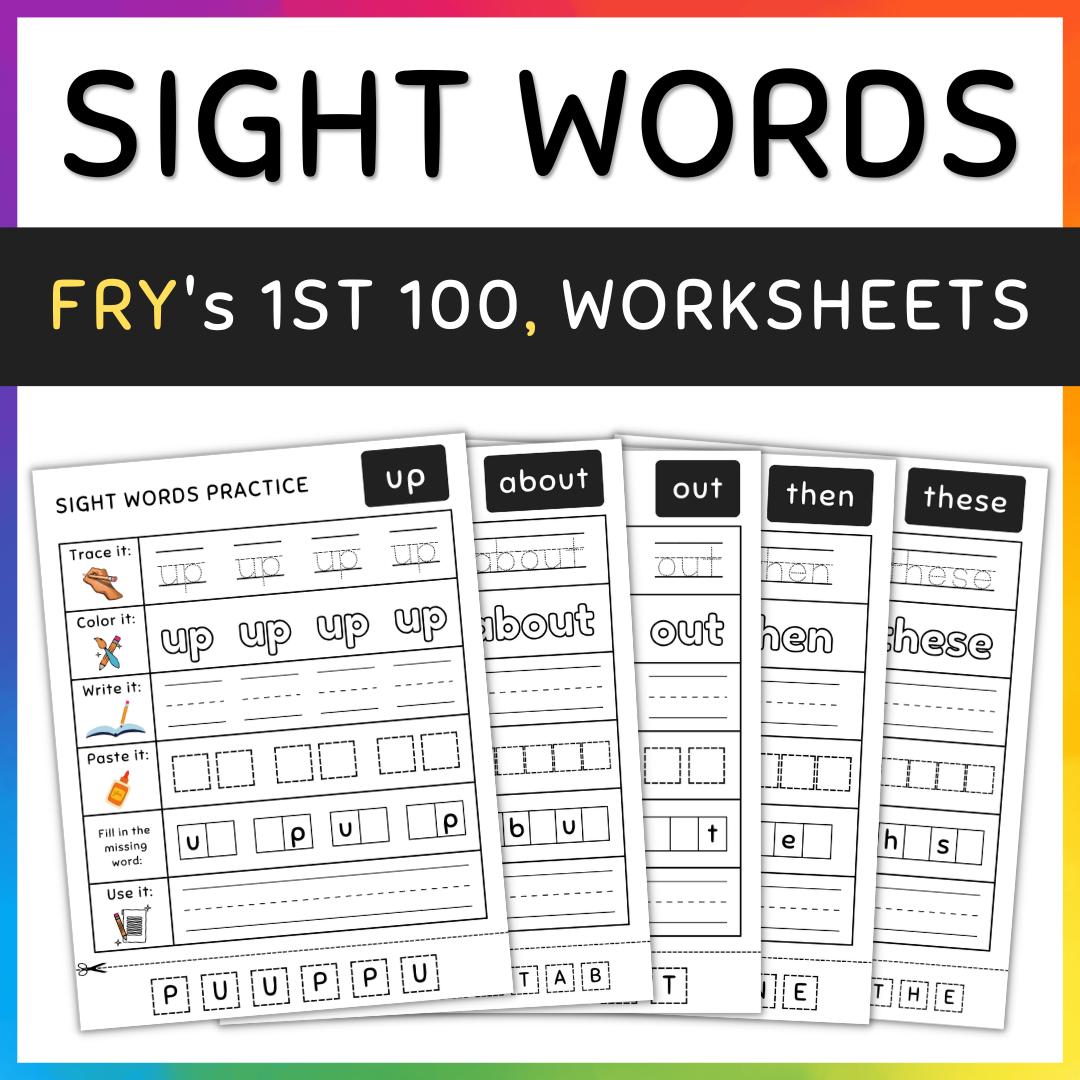
These sight word worksheets encourage all students to practice sight word reading fluency for the target sight word. There are three different fluency practice pages that all focus on learning to spell and read the target sight word in context. Allowing students to practice the sight word in context allows students to connect the words meaning and grammatical usage to help gain a greater understanding of the target word. Each passage repeats the target word multiple times for repeated practice with the word. Students will practice reading, writing, reading comprehension, and spelling high frequency words with these fluency pages. Included in this sight word fluency packet: * One reading fluency page that contains a single passage for students to read and find the sight word. * One write and read fluency page where students will write the target sight word and then read the passage. * One read, write, and draw fluency page where students will read a sentence, copy the sentence then draw a picture to illustrate the sentence. When can these be used? * Literacy activities * Independent Reading Practice * Small group activities * Shared or Partner reading activities * Homework * Morning Work * Emergency sub plans * Extra reading practice The reading fluency page and the write and read page include the same passage and is the perfect way to differentiate between students who need to focus on just recognizing the word while reading and those who need more practice with writing and spelling the sight word. This sight word packet focuses on the sight word: were.
Author The Connett Connection
Tags Sight Words, Sight Word Were, Sight Word Reading Passages, Sight Word Worksheets, Sight Word Practice, Sight Word Activities, High Frequency Words, Fry Sight Words, Sight Word Stories
ACK Word Family Fun Worksheets
ELA, Language Development, Phonics, Preschool, Grade 1, Worksheets & Printables, Worksheets
Do you want your kindergarten and first grade students to have fun while learning ACK words? Then check out these fun ending digraph worksheets to practice to practice words with the CK digraph. Students will have fun and stay engaged with each of these worksheets as they learn about these ACK words. What is Included * Word Search Worksheet - Find 6 ACK words hidden in the wordsearch * Picture Maze Worksheet - Follow the ACK word pictures to complete the maze * Seek and Find Worksheet - Find all 6 ACK word pictures inside the box Each worksheet features bold and easy to recognize pictures so students can be successful in learning or review the ACK words in this resource. An answer key for each worksheet is also available within this download. Students will love learning in a more unique way with worksheets that allow them to do more than rote memorization. When to Use * Early Finishers * Digraph Word Work Center * Literacy Center * Independent Work Packet * Homework * Sub Plans * Small Group Activities Teachers will love the versatile nature of these worksheets. They can be used in a variety of locations in the classroom, including for independent practice, small group times and as homework. Subs will love these sheets because they are easy to motivate students to complete work that is fun and engaging. Skills Assessed: * Reading ACK Words * Identifying ACK words These worksheets are no prep. They just need to be printed out and handed to students to complete. The teacher may want to add dot markers to the picture maze for a more hands on way to complete this page. Students can use markers, crayons, colored pencils, or any other type of writing utensil to complete each page to make them more engaging and fun for students to complete.
Author The Connett Connection
Tags Phonics Worksheets, Literacy, Phonics Word Search, Kindergarten Literacy, ACK Words, Ending Digraphs, Digraphs, CK Digraph, Digraph Worksheets
Candy Reading Comprehension 1 Lesson Sample Fillable PDF
ELA, Language Development, Resources for Teachers, Vocabulary, Spelling, Reading Comprehension, Reading, Early Math, Math, Common Core, Grade 2, 3, 4, 5, Worksheets & Printables, Worksheets, Teacher Tools, Centers, Activities, Assessments, Tests, Quizzes and Tests, Word Problems, Writing Prompts
THIS IS A ONE LESSON FREE SAMPLE OF THE FOLLOWING PRODUCT: Themed Reading Comprehension Passages Series - Candy This reading comprehension series is built for grades 2 to 5 and keeps things simple, clear, and easy to use. Every title follows a fun, kid-friendly theme and comes with two passage levels, one written for grades 2 to 3 and a more challenging version for grades 4 to 5. Students then work through a mix of follow-up pages that check understanding in different ways: multiple-choice questions, short written responses, scrambled words, a quick summary, and a theme-based word problem. Answer keys are included, so prep stays minimal. Each resource also comes in nine classroom-friendly formats, so you can choose what fits your setup: print or digital, editable or ready to go, and even self-grading options. Because the layout stays consistent, it is easy to plug into whole-class lessons, small groups, literacy centers, morning work, fast finisher tubs, sub plans, or home learning. It is a straightforward way to build comprehension, practice reading skills in context, and strengthen written responses without adding extra steps for you. Candy Lesson List Note: This product has titles different to those in the rest of the themed series. 1. Candy Types 2. Candy Flavors 3. Candy Shapes and Colors 4. Candy Ingredients 5. Candy Fun Facts FILLABLE PDF VERSION Worksheet-style pages, but with type-in answer boxes so students can complete and save their work digitally. Other versions are available in the links list below or in the full catalog. How to Use These Lessons Perfect for: Morning work or early-finisher bins Guided reading blocks or comprehension warmups Literacy centers or small-group rotations Holiday/seasonal review lessons Independent stations, sub plans, or take-home enrichment More Candy Themed Products CROSSWORDS WORDSEARCHES MAZES FULL CATALOG OF DOWNLOAD LINKS HERE Themed Reading Links Addition Animals Around the Home Birthday FORMATS: -FORMAL ASSESSMENT VERSION -PRESENTABLE PDF -PPT -SLIDES - PDF -FILLABLE PDF -WORD -FORMS -DOCS SUPPLEMENTARY MATERIALS (COMING SOON): -VISUAL READING PASSAGE VIDEO -GUIDED LEARNING VIDEO -LESSON PLANS Candy FORMATS: -FORMAL ASSESSMENT VERSION -PRESENTABLE PDF -PPT -SLIDES -PDF -FILLABLE PDF -WORD -FORMS -DOCS SUPPLEMENTARY MATERIALS (COMING SOON): -VISUAL READING PASSAGE VIDEO -GUIDED LEARNING VIDEO -LESSON PLANS Christmas Cinco de Mayo Clothes Colors Days and Months Division Earth Day Easter Easy Mazes Fall Father's Day Food Geography (Set 1) Geography (Set 2) Geography (Set 3) Graduation Health History (Set 1) History (Set 2) History (Set 3) Human Body Kindness Life Skills Mother's Day Multiplication Science (Set 1) Science (Set 2) Science (Set 3) Shapes Social Skills Spring Sports St. Patrick's Day Subtraction Summer Thanksgiving Transport Valentine's Day Winter Free One Lesson Themes Chinese New Year Lunar New Year Halloween Pink Shirt Day Independence Day Juneteenth President's Day Groundhog Day Readings in Depth Structure Each resource is built around a focused sub-theme within the broader topic. Students read two leveled passages (Grades 2–3 and Grades 4–5), then move through a short, consistent sequence of activities that checks understanding and keeps momentum: multiple-choice, brief written responses, a scrambled-words review, a compact summary task, and a light theme-linked word problem. The flow is predictable for students, but varied enough to feel fresh across topics. Each completed resource includes: Two differentiated reading passages (lower and upper level) A multiple-choice comprehension page Short written-response questions A scrambled-words or quick vocabulary check A brief summary activity A simple, theme-connected word problem Answer keys for fast marking and easy self-checking Nine classroom-friendly formats, including print, editable, digital, and self-grading options Themes Included These readings span a wide range of age-appropriate, high-interest topics, such as: Seasons and celebrations Real-world science and nature Community, character, and life skills Everyday high-frequency themes students already enjoy Each title connects to familiar experiences while strengthening comprehension, vocabulary in context, and clear written expression. Easy extensions (optional): Read twice: first for gist, second to highlight key details Write two “right there” questions and swap with a partner Create a 3-bullet fact list or mini mind map Turn the summary into a 3-sentence retell using sequence words Add one extra math question connected to the topic Compare the two levels: what details appear in both? Differentiation tips: Pre-teach 2–3 key words with quick examples Offer sentence starters for written responses Use partner reading: one reads aloud, one tracks evidence Allow highlighting or underlining before answering questions Provide a shorter chunking option for students who need breaks Encourage confident readers to justify answers with a quoted detail For similar downloads and other frees, do check out Cored Group on TeachSimple.
Author Cored Education
Rating
Tags Vocabulary, Spelling, Candy, Candy Activities, Writing Prompts, Word Problems, Reading Comprehension, Candy Reading, Candy Passages, Reading Passages
Guided Reading Level L - Solids, Liquids, and Gases
ELA, Resources for Teachers, Reading Comprehension, Reading, Science, Pre-Reading, Language Development, Physics, Grade 1, 2, 3, Worksheets & Printables, Worksheets, Teacher Tools, Centers, Activities, Literacy Readers, Quizzes, Quizzes and Tests, Assessments
This Guided Reading Book - Solids, Liquids, and Gases (Level L) includes: Guided Reading Color Label (front cover x1) This is a quick way to match the book’s demands to what students can generally handle.. The overall goal is to use the level/color to pick books for several smaller groups. To qualify for a certain level, a student is expected to read a book from that level with about 90–94% accuracy. If a student is consistently accurate and understands, move up a level. If the student is struggling at that level, drop down and add more support. Each student will improve at completely different rates, but it is generally one of the best ways to check progress across the class. DOWNLOAD THE CATALOG TO VIEW ALL GUIDED READING BOOKS AVAILABLE (SORTED LEVELS A-Z) Pre-Reading Question (x1) Teacher asks the prompt aloud, can be while showing the cover or first page. Students share what they already know, or make educated guesses from the cover. Prompt them to use the target vocabulary. Write some of their responses on the board to look back at during the reading. Vocabulary Words (x5) Introduce the five words, best doing it one at a time. Start by saying it, while students repeat and then see if anyone knows what it means before reading further. Read through the meaning and try to briefly connect each word to a picture or gesture so it’s meaningful. Ask students to flip through the book pages and point to where they see each of the vocabulary words. While reading the book pause upon coming across one of the vocab words or read the sentence twice to make sure students understand the word has appeared. Optional: Ask students to raise hands whenever they see/hear one of the new words. Guided Reading Pages (x10) Check the book snapshot (below) for: primary topic - do you need to prep extra reading or intro materials on this? what is taught best - decide on 1-2 bullets to focus on, use the prompt or words provided here for best results. learning goals - what you are checking for students to be able to do after the session, elicit answers using prompts or words provided. key vocabulary (see section above). questions overview - so you know what is coming up and if you need to prep extra materials to assist understanding. Run the lesson You may have already looked at a few of the pages together, but you can show them some of the pictures again first to set meaning. Depending on how much time you have and how familiar your students are with guided reading class, you may want to read the book aloud first with the group first. Students whisper or partner read, while you listen in. If time, do it as a group, one student reading a page each. Use the guided page’s prompts to coach: “Check the picture / does it make sense?” “Point under the words / try the first sound” “Reread the sentence smoothly”. Try to focus more on one student per session (rotating every time), so you can work out if they are ready to move up or need to move down a level. Comprehension Questions (back cover x3) This is your way to check that students didn’t just say the words, but actually understood the text. First, let students answer by pointing to the page/picture and saying a short sentence. After any answer, follow with: “Show me where you found that in the text.” In bigger groups, have partners answer first (10–20 seconds), then call on 2–3 students to share. Differentiation tips: Emerging speakers/struggling readers: oral + pointing On-level: oral in a full sentence Higher: one written sentence or draw + label Book Snapshot Title: Solids, Liquids, and Gases Genre: Nonfiction (informational) Subject: Science (Physical Science) Primary Topic: States of matter and how they change Estimated Guided Reading Level (A–Z): L What This Book Teaches Best Defines matter as anything that takes up space and has mass, made of tiny particles including atoms and molecules. Explains the three primary states of matter— solid, liquid, gas —and links each state to how closely particles are packed and how much energy they have. Describes key properties of each state (solids have definite shape/volume; liquids have definite volume but no fixed shape; gases have neither and expand to fill containers). Shows how heat/energy changes states (melting, freezing, evaporation at boiling point, and condensation into droplets). Connects science ideas to observable examples (liquids flow downward, gases can be compressed with pressure, dew as an example of condensation). Learning Goals Define matter using the book’s description (takes up space and has mass). Describe how particle spacing and energy relate to whether matter is a solid, liquid, or gas. Compare solids, liquids, and gases by shape and volume using details from the text. Explain what happens to particles when a solid is heated enough to melt into a liquid. Explain evaporation as described in the book when a liquid reaches its boiling point. Explain condensation as described in the book when a gas cools into droplets of liquid. Key Vocabulary From the Text matter — anything that takes up space and has mass. particles — tiny pieces everything is made of. molecules — very tiny groups of atoms that make up matter. evaporation — when a liquid changes into a gas. condensation — when a gas cools and turns into tiny drops of liquid. Discussion Prompts Pre-reading question: What are some things you think could be solids, liquids, or gases? Comprehension questions: What does the book say matter is? Comprehension questions: How does the book describe the particles inside a solid? Comprehension questions: According to the book, what is condensation? Printing Tips 1. Best Printing Method (Recommended) “Booklet” Printing (Best if Available) If your printer or PDF viewer supports Booklet Printing , use this. Settings to use: Print mode: Booklet Paper size: Letter or A4 (either works) Orientation: Landscape Print on both sides: Yes Flip on: Short edge Scaling: Fit to printable area Booklet subset: First test: Front sides only Then: Back sides only This will automatically: Pair pages correctly Put the cover on the outside Align everything for folding After printing, fold in half and staple along the spine . 2. If “Booklet” Printing Is NOT Available You can still print this correctly with manual duplex printing . Step-by-step: Open the PDF. Choose Print . Set: Orientation: Landscape Pages per sheet: 1 Print on both sides: Yes Flip on: Short edge Print all pages . Because each PDF page already contains two facing book pages, the result will still fold cleanly into a book. Thousands of Cored Education products are included with your TeachSimple membership. Download links and encyclopedia index available here.
Author Cored Education
Rating
Tags Vocabulary, Reading Comprehension, Reading Passages, Leveled Reading, Nonfiction, Reading, Guided Reading, Physics, States Of Matter, Water
Capitalization and Punctuation Sample - Grades 1-2 Grammar (Word)
ELA, Language Development, ESL, Grammar, Common Core, Resources for Teachers, Grade 1, 2, Worksheets & Printables, Worksheets, Assessments, Teacher Tools, Tests, Quizzes and Tests, Activities
Capitalization and Punctuation - 1 Lesson Sample ELA MCQS Overview: In this series of lessons, students will embark on an engaging exploration of the grammar skills that bring our language to life. These lessons are designed to help students identify, understand, and effectively use language arts skills in their writing and speech. Used with the free supplementary materials available for all topics, each lesson builds on the last, offering a mix of direct instruction, interactive group activities, and independent practice. Through fun and creative tasks, students will learn how to recognize grammar in sentences, understand their role in sentences and use them to enhance their own writing and speech. Capitalization and Punctuation Overview: Includes: Proper Nouns Opening/Closing Letters Uppercase/Lowercase Dates Punctuation Practice Word Version This is the Word editable and version. This download is available in GOOGLE Docs, GOOGLE Forms, GOOGLE Slides. PDF, PPT, WORD, check the links below for more details. FULL CATALOG OF DOWNLOAD LINKS HERE Grade 1/2 Links: Capitalization and Punctuation Google Docs Google Forms Google Slides PDF PPT Word Free Supplementary Materials Pack Adjectives Google Docs Google Forms Google Slides PDF PPT Word Free Supplementary Materials Pack Nouns Google Docs Google Forms Google Slides PDF PPT Word Free Supplementary Materials Pack Pronouns Google Docs Google Forms Google Slides PDF PPT Word Free Supplementary Materials Pack Verbs Google Docs Google Forms Google Slides PDF PPT Word Free Supplementary Materials Pack Prefixes & Suffixes Google Docs Google Forms Google Slides PDF PPT Word Free Supplementary Materials Pack Sentence Structure Google Docs Google Forms Google Slides PDF PPT Word Free Supplementary Materials Pack Subject-Verb Agreement Google Docs Google Forms Google Slides PDF PPT Word Free Supplementary Materials Pack ELA Review Questions Overview Questions have three answer choices. There are a handful of pictures on each test for aesthetic purposes, as well as a review sheet covering most of the topics covered in the product. Introduction or Example Sheet Each topic will include an introduction or example sheet to go through first with your students. Full Answer Keys Full answer keys and sample responses are provided so no matter how busy you are, you know you're covered! In the Supplementary Pack Interactive Ice Breakers: Fun, hands-on activities that get students thinking about adjectives right from the start. Guided Practice: Teacher-led exercises that reinforce the day’s lesson, ensuring students can confidently identify and use adjectives. Group and Partner Tasks: Collaborative activities that allow students to work together to solve problems, categorize adjectives, and create descriptive sentences. Independent Worksheets: Structured worksheets that provide individual practice and help solidify understanding of key concepts. Exit Tasks: Quick, reflective activities at the end of each lesson that assess understanding and encourage students to apply what they’ve learned. For similar downloads and other frees, do check out Cored Group on TeachSimple.
Author Cored Education
Tags Elementary, Answers, Ccss, Common Core, Test, Mcq, Test Prep, Language Arts, Ela, Grammar
Write A Persuasive Holiday Brochure (7-11 years)
ELA, Writing, Grade 3, 4, 5, Worksheets & Printables, Worksheets
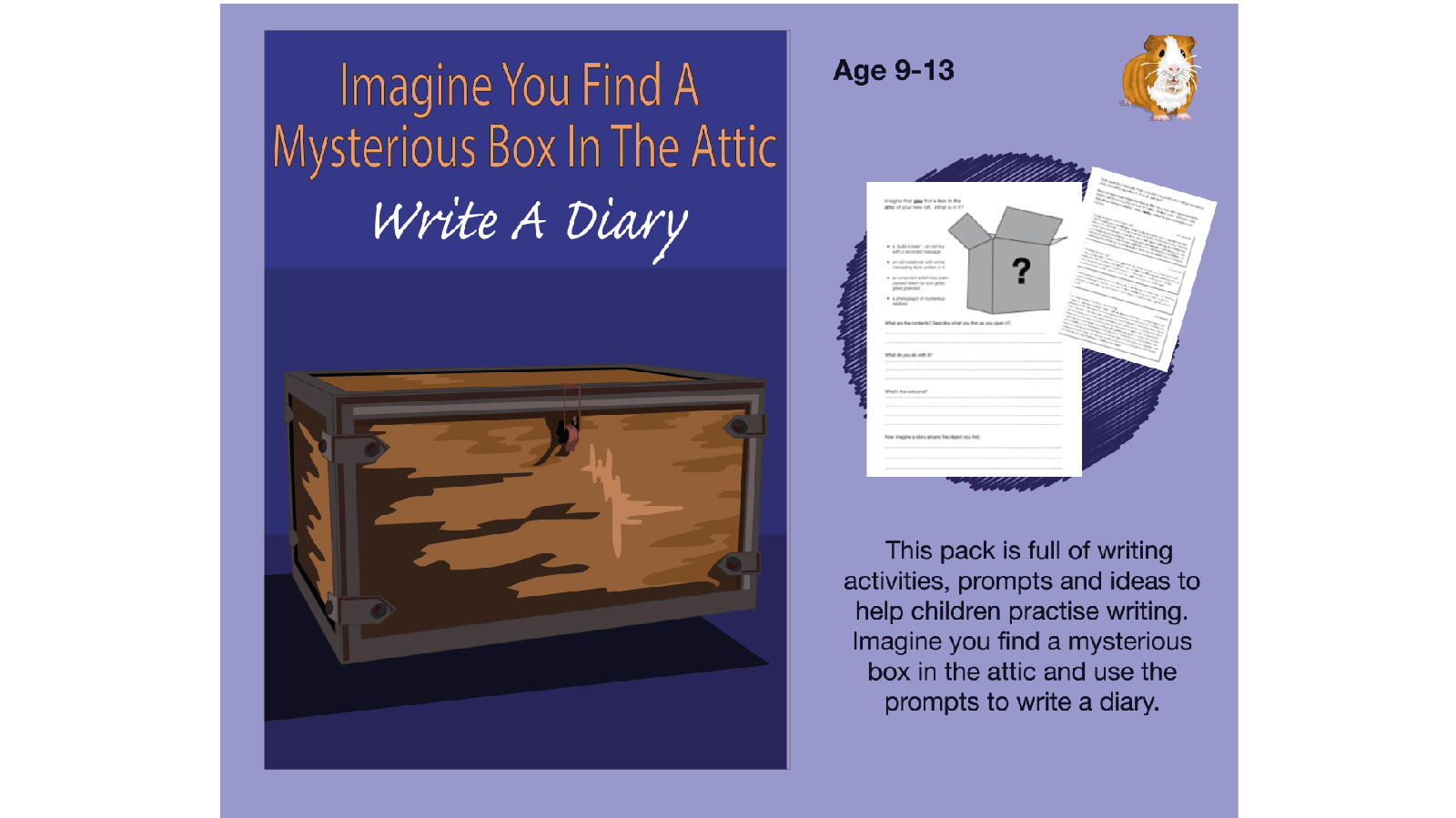
Write A Persuasive Holiday Brochure Ask the child to read the travel information from The Rushford Gazette's special holiday feature. They will learn about using good adjectives, verbs, adverbs and rhetorical and other persuasive devices. The child is then asked to write their own travel information on the Norfolk Broads. After this, they are asked to make a holiday brochure for a holiday in Europe. Lots of prompts are given to choose from, as well as lists of suitable words and phrases to use. Write About Your Dream Holiday Destination George and Christabelle of Guinea Pig Radio ask their listeners what they would do if they could take off and go anywhere in the world. In this pack, the child is asked to write about their dream holiday destination. Then, they are asked to read the listeners texts and emails and to imagine these dreams came true and to write the listeners stories. Lastly, the child is asked to use the question prompts to write about a holiday that they have enjoyed. This series provides prompts to encourage children, of 7-11 years, to write. It provides starting points, to encourage even the most reluctant writers. In fact, the writer regularly dips into these packs for her own tutorial classes. With their lively 'magazine style' format, they are an ideal study aid to consolidate work on planning and writing stories and non fiction articles, expanding vocabulary and include many examples of children's work. As well as this, the packs contain some very useful tips on writing techniques (as in writing simple, compound and complex sentences). The work in these packs will inspire children, who are practicing for exams, to write, and provide starting points for even the most reluctant writer, including those children with special educational needs and where English is a second language. The work packs are ideal for home study and will reinforce the work done in school. They may be purchased in any order. There are a number of titles to choose from. By working through the packs, the student will grow in confidence and will learn to enjoy writing. The packs are also a useful resource for teachers and save hours of time when preparing lessons or homework tasks.
Author Guinea Pig Education
Tags Persuasive Writing, English Writing , Brochure, Speech, Persuasive Techniques, Persuasive Brochure Examples
Gliders Reading Comprehension Passage - Cored Ed Encyclopedia
ELA, Reading Comprehension, Reading, Science, Technology, Pre-Reading, Language Development, Physics, History, Social Studies, Grade 2, 3, 4, 5, Worksheets & Printables, Worksheets, Teacher Tools, Centers, Activities, Writing Prompts, Assessments, Quizzes and Tests, Quizzes, Lesson Plans
This gliders reading comprehension with lesson plan includes: Visualization (on the front cover) Start your lesson by taking a minute to think and share something about the topic. Read the script aloud (slowly), perhaps prepare some music or sound effects. Student close their eyes and let their imaginations wander. Students open their eyes, read the question aloud and give them a few minutes to complete. Ask a few students to share or keep answers until the end to compare with what they learn in the passage. Quick pause—thousands of Cored Education products are included with your TeachSimple membership. Download links and encyclopedia index available here. Pre-Reading Trivia Students will write down one thing they already know about the subject and then read five more facts and discuss. These facts are fun, and the students will enjoy learning about the subject before reading more. Give 1 minute for students to write what they already know (no pressure—best guess is fine). Read the five facts together. After each fact, do ask a student for their opinion, was it surprising? Set a purpose by asking students to highlight/underline one fact they want to learn more about during the reading. Reading Passage The text is a high-interest reading passage with set paragraphs, roughly three to four paragraphs long. It contains a variety of themes about the topic, anywhere from history to technology. The passage is between 250 and 350 words in length. First, ask students to look at the headings and see what they’ll learn about today. What do they know about the topic/heading? First read options: Teacher read-aloud (best for support). Partner reading (paragraph by paragraph). While reading, students underline important details, and vocabulary words they think may come up in the questions section. Mixed Questions The first question page contains four multiple-choice questions, each with a choice of four answers, and three written response questions that require a sentence or two from the student. Students complete the mcqs first independently, then review quickly as a class. For the 3 written responses, try to get students giving the answer with some form of evidence: “I think ___ because the text says ___.” If students get stuck, send them back to check the passage. Vocabulary Questions Practice seven key words from the text in this section across two activities. First section is scrambled words where students will unscramble three words given a clue for each. The second section is a word to meaning matching activity. Before starting, have some students read out words they underlined in the passage. Ask students to say the word and read aloud the sentence(s) around each word. Ask students to do scrambled words and the matching exercise in pairs then go through answers as a class. For the scrambled spelling task, get four pairs to come up to the board and write the words for extra practice with the other student reading out the clue. For the matching task, prompt students to give full sentences: “I matched ___ with ___ because ___.” Creative Writing In this question, the student will be required to write a five to eight sentence paragraph on a question related to the topic. Before starting, ask students write down 3 key ideas they are going to include in their piece. Ask students for ideas to share around the class to help those struggling. Pro writing expectations: 5–8 sentences At least 2 facts or details from the passage At least 2 vocabulary words from the previous page Students read their paragraphs while classmates listen for facts and vocabulary words. Extension Activities This page is optional for fast finishers or to take home. There are several activities, each one requiring a different skill. Do some, do none, do all, completely optional - but you will feel reassured knowing every possibility is planned for. Includes summary writting question and additional facts. Answer Key There are answers for the multiple-choice questions, written response questions have sample answers, vocabulary answers and if there is a summary question then a sample summary will be provided as well. Lesson Plan Included Customized lesson plan for this lesson is included. Lesson Snapshot Title: Gliders Genre: Nonfiction (informational text) Subject: Science (flight/engineering) Primary Topic: How gliders fly using lift and launch methods Estimated Guided Reading Level (A–Z): Q What This Lesson Teaches Best Explains what makes a glider different from a small airplane (no motor; quiet flight; “trade height for distance”). Describes how gliders get into the sky (help at the start, including being towed; later mentions aerotows and winches). Teaches how moving air helps a glider climb—especially rising warm air (“thermals”) and wind pushed upward at a ridge or hill. Shows how design features support gliding (long, narrow wings; smooth body; low drag to lose little energy). Connects gliders to early flight experiments through Otto Lilienthal’s repeated testing and “fly hill.” Learning Goals Students will describe how a glider is similar to and different from a small airplane. Students will explain how a glider usually starts flying using details from the text. Students will identify two kinds of lift described in the passage and tell how each helps a glider climb. Students will explain why long, narrow wings and low drag help a glider glide efficiently. Students will describe how gliders and launch methods changed over time, using examples from the text. Students will explain how spoilers or airbrakes help with landing safely. Key Vocabulary From the Text cockpit — where the pilot sits and reads instruments. thermals — rising columns of warm air. drag — air resistance that slows motion. aerotows — launches where an airplane tows the glider. spoilers — panels that help a glider slow down and descend. FULL CATALOG OF DOWNLOAD LINKS AND ENCYCLOPEDIA INDEX HERE
Author Cored Education
Rating
Tags Vocabulary, Reading Comprehension, Reading Passages, Lesson Plans, Ela Lesson Plans, Reading Comprehension Lesson Plans, Pre-reading, Science Lesson Plans, Physics, History
Canada Day or 4th of July Math Word Problems: Budget, Rate, Factors
Life Studies, Home Economics, Math, Money, Multiplication and Division, Division, Decimals, Grade 4, 5, 6, 7, Worksheets & Printables, Word Problems, Worksheets
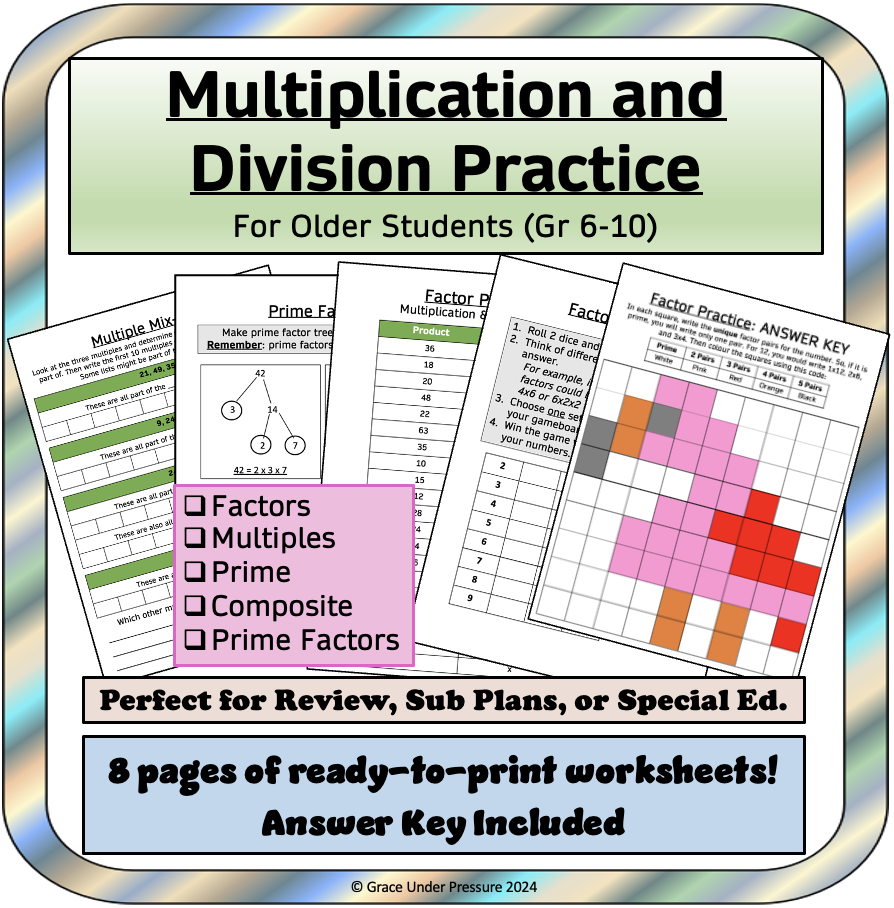
Canada Day or 4th of July Math Word Problems: Budget, Rate, Factors, Multiples, Financial Literacy, Decimal Operations Here are three challenging, multi-step word problems for your middle school or intermediate students in grades 4-7. Each problem requires students to use their knowledge of factors and multiples, unit prices, and decimal operations. This is a great way to incorporate some simple financial literacy and budgeting into your math program. Two versions are provided: 4th of July and Canada Day: each version has a ready-to-print 3 page worksheet! Questions Included: Students need to figure out how to buy ingredients for 80 hamburgers at the best price. They will need to determine ways to make 80 using packs of 8, 12, 20, and 25. They will need to calculate the better unit prices. They think of ways a teacher could spend $20 to get some treats for her class with 24 students. There are inexpensive items like lollypops and pricier options like pop-its. Students should choose two different combinations of items. Finally, they determine how much a town would need to spend on fireworks and flags for their celebration. COMPLETE ANSWER KEY INCLUDED Grades to Use With: These activities could be used in grades 4-7 or in high school special education classrooms. In grades 4 and 5, you might do one problem together as a class, and then allow students to work in small groups to solve the other two. In grade 6 and 7, students should be able to complete these in a more independent way. If you enjoy this seasonal math activity , check out others in my store: Grocery Game: Winter Holidays Grocery Game: Spring Edition Halloween Budget Back To School Budget Christmas or Winter Holidays Budget Gingerbread Math: Fractions, Decimals, Percent Valentine's Day Shopping Lucky Leprechauns Multiplication Math Game
Author Grace Under Pressure
Tags 4th Of July, July 4th, Canada Day, Problem Solving, Word Problems, Financial Literacy, Budget, Decimals, Factors, Multiples
Dolphin Day Out: Write An Information Leaflet (9-13 years)
ELA, Writing, Grade 4, 5, 6, Worksheets & Printables, Worksheets
Dolphin Day Out: Write An Information Leaflet (9-13 years) This teaching resource is designed to foster creative writing skills in children aged 9 to 13. It focuses on the Language Arts discipline and hones narrative and persuasive abilities, cultivating deeply engaging works. Purpose & Functionality The primary function of this material is an exercise in persuasion. Students are tasked with composing an information leaflet for "Dolphin Day Out". This practice helps them adopt persuasive language and techniques, thereby honing their practical literary manipulation skills. This makes it ideal for individual or group assignments/projects. Note About Preparatory Sheet Included in this downloadable PDF is a preparative sheet for drafting ideas before creating the final leaflets. This planning sheet guides students in organizing thoughts methodically while balancing informative and enticing narratives. Advanced Vocabulary: The tool also encourages more advanced vocabulary use, providing opportunities for capable pupils keen on flexing their academic prowess even further. Differentiating Instructions: Allows flexibility when differentiating instruction according to each student’s unique capabilities. About the Material Length This six-page long resource consists of carefully crafted worksheets that are thought-provoking, engaging yet not overwhelming - fit perfectly into any curriculum directed at improving writing skills while nurturing creativity among middle-grade students with real-life subject matters like dolphins interacting with adventurous narratives. In Short, "Dolphin Day Out: Write An Information Leaflet (9-13 year-olds)" aims at cultivating self-reliant writers comfortably navigating between factual realms and imaginative scenarios — setting a solid foundation for robust writing journeys complementing their language arts education.
Author Guinea Pig Education
Tags Persuasive Writing, Information Leaflet, Creative Writing, Vocabulary Use, Dolphins
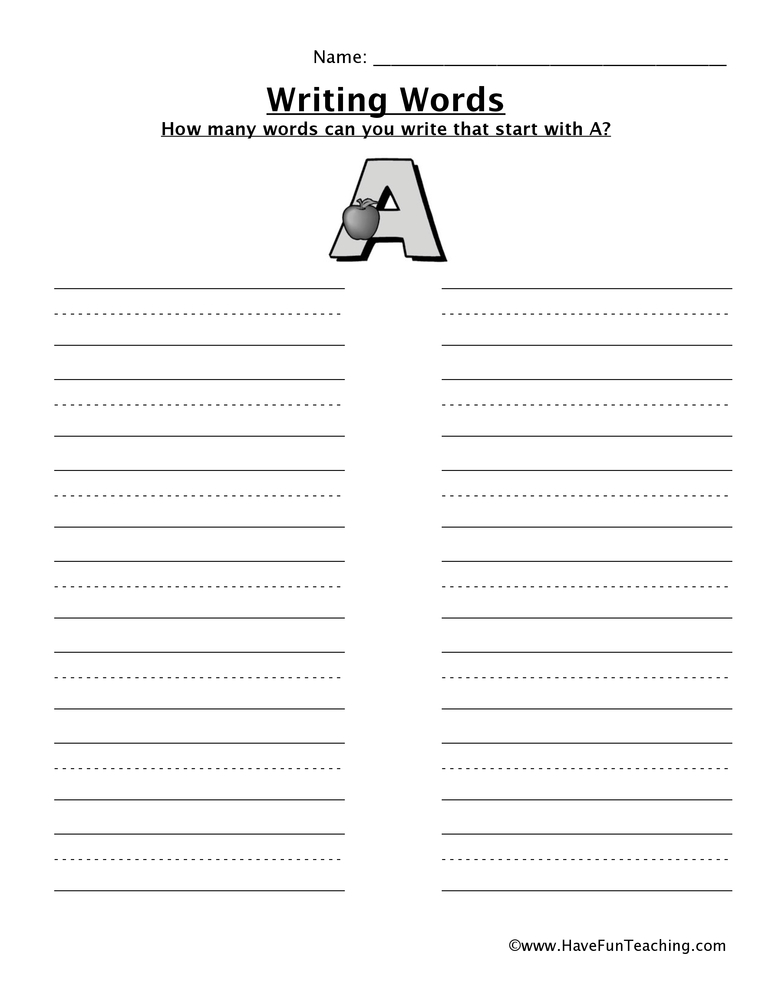
Writing Initial Sounds in Words
ELA, Language Development, Phonics, Preschool, Grade 1, 2, Worksheets & Printables, Worksheets
Understanding Beginning Sounds in Language Arts Instruction 'Writing Initial Sounds in Words' is an exceptional resource for educators aiming to enrich language learning experiences. This teaching resource focuses on enhancing student proficiency in identifying and writing initial word sounds. What it Offers The material contains four neatly crafted PDF worksheets, beneficial to kindergarteners, first graders, and second graders. The activity entails observing a representative image of a word, figuring out its beginning sound, and then writing it down. This process deepens their knowledge of word construction and relationships between letters and sounds. The sheets can flexibly serve as instructional guides during group sessions or as independent work or homework tasks. Note: When used beyond the school premises they encourage children to apply their learnings effectively! Presentation Quality The clarity infused into each worksheet enhaces courtesy towards Kari Bolt Children's Illustrator who has beautifully used her illustrated cliparts on each page— making them appeal even more so to reluctant learners! Closing Thoughts These worksheets are downloadable with convinces that comes with printing them at your own convenience. Perfect as stand-alone activities or complementary material within your existing language arts curriculum. In conclusion: 'Writing Initial Sounds in Words' presents an effective blend of established educational methods with visually engaging elements - a perfect fit for early literacy learning among young minds across different learning environments like public schools or homeschooling setups.
Author SEN Resource Source
Tags Initial Sounds, Phonics, Beginning Sounds, Language Arts, Worksheets
Initial Sounds & Three Letter Words: Zoggy Learns The Alphabet
ELA, Language Development, Phonics, Preschool, Kindergarten, Grade 1, Worksheets & Printables, Worksheets
Initial Sounds & Three Letter Words: Zoggy Learns The Alphabet This indispensable teaching resource comes as a lively series of seven books collectively referred to as "Mission Spelling Zero". It is specifically designed to shepherd kindergarten, preschool, and grade 1 learners towards mastering early reading and spelling skills. Zoggy – Learning’s Digital Friend Through amusing tales told by Zoggy - a delightful character shaped like an intelligent alien with extraordinary computer capacities - children are acquainted with initial sounds and three-letter words. For better learning outcomes, the product incorporates double consonant blends and vowel digraphs within storylines. An Engaging Teaching Resource The 35-page material is very useful for teaching entire classes or facilitating small group tasks intended at establishing rudimentary language arts proficiency. It also doubles up as extra homework content that allows students independent study time to strengthen their in-school accomplishments. The topics covered under “Mission Spelling Zero” are handy for sparking students' interest in phonics while giving them foundational knowledge they can actively apply going forward. It includes additional writing booklets that offer young scholars chances to sharpen handwriting skills while offering fun games tailored towards learning reinforcement. Versatile Teaching Methods This PDF product allows for various teaching techniques - digital instruction via screen projection or printouts for hands-on exercises. Initial Sounds & Three Letter Words: Zoggy Learns The Alphabet is not just valuable but key in achieving literacy foundational goals seamlessly yet effectively.
Author Guinea Pig Education
Tags Phonics, Early Reading, Spelling Skills, Initial Sounds, Three-letter Words
CBT Worksheets for Kids – Therapy Bundle
Special Resources, Life Skills, Not Grade Specific, Worksheets & Printables, Worksheets
The Cognitive Behavioral Therapy Worksheet Bundle provides practical tools based on CBT principles to help children identify and adjust negative thought patterns. CBT focuses on the link between thoughts, emotions, and behaviors. These worksheets use kid-friendly exercises to explore how thoughts influence feelings and actions. Children will learn to evaluate their thinking and make positive changes. The bundle includes 59 pages of activities like identifying physical reactions to emotions, challenging automatic negative thoughts, reshaping thinking traps, and practicing positive self-talk. With guided prompting and age-appropriate examples, students gain awareness of unhealthy thought cycles. The interactive pages promote emotional regulation and coping strategies. Teachers, counselors, and caregivers can use the engaging activities one-on-one or in small groups. The worksheets are versatile for use in classrooms, therapy offices, and at home. The Cognitive Behavioral Therapy Worksheet Bundle equips children with tangible skills to counter anxiety, anger, and depressive thoughts. By focusing on the thought-feeling-action connection, these CBT tools nurture mental health and mindful self-correction. Children discover how adjusting their perspective can improve their outlook. This pack contains 24 worksheets/sets of worksheets and 3 support posters : Anxiety Bingo The Weeks Peaks and Troughs Anxiety Responses Things I Can't Control Anxiety Thermometer Things That Make Me Feel Best Case Scenario Weekly Emotions Tracker Calming with 5 Senses What Do You Think happened? Changing My Thoughts When Things Go Wrong Cognitive Triangle Worry Jar Describing Emotions Feelings Thermometer Happiness Under Your Nose My Bucket of Worries My Emotions This Week My Happy Place My biggest Worry Positive and Negative Thinking Positive Self-Talk Positive Thinking Reasons I am Special Social Anxiety Clipart images courtesy of Kari Bolt Clipart
Author SEN Resource Source
Rating
Tags CBT, Cognitive Behavioral Therapy, Anxiety, SEN, Mental Health, Emotional Regulation, Self-Reflection, Coping Skills, Mindfulness Exercises, Anxiety Reduction, Cognitive Behavioral Therapy Worksheet, All About Me Therapy Worksheet, Cognitive Triangle Worksheet, Cognitive Behavioural Therapy Worksheets
Letter B: PowerPoint and Worksheets: Lesson 2
Special Resources, ELA, Special Education Needs (SEN), Language Development, Phonics, Kindergarten, Preschool, Worksheets, Worksheets & Printables
Learn Initial Sounds B: Lesson 2 teaches the first letter Bb, and its related phonic sound through a PowerPoint lesson and 5 follow-up activity worksheets. All you need to teach the phonic letter B! Whether in school or at home, this series of phonic presentations can help you teach initial/beginning sounds effectively to all pupils, including those with special needs/dyslexia. This lesson is part of a synthetic, systematic phonics programme for all abilities including those suspected of being dyslexic. This lesson is in the first stage of the Reading Made Simple programme where we teach the initial, or beginning, sounds. The ability to hear the initial/beginning sound is stressed throughout, while we learn to associate each letter with its sound. Each lesson can stand alone but the activities will presume knowledge of the previous letters in the alphabet as Reading Made Simple teaches the initial sounds in alphabetical order. Special features of the Learn Initial Sounds B: Lesson 2 The PowerPoint is silent so that you can interact with your child in the best way for them: full instructions are provided at the bottom of each slide - be sure to show 'Notes'. Science of Reading Aligned Truly phonetic; no 'i' for 'ice-cream'. We focus heavily on phonemic awareness which is so necessary for a head start in phonics The child is given plenty of opportunities to learn the necessary skills - perfection is not expected in lesson 1 but the teacher will be looking for the development of the necessary skills as the child works through the alphabet. What is included in the 'Learn Initial Sounds B: Lesson 2 pack? A 23-slide PowerPoint which teaches phonemic awareness, letter/sound correspondence and letter formation along with practice games 5 follow-up worksheets How can the Learn Initial Sounds B: Lesson 2 be used? It can be used in multiple ways: As the child learns each sound, you can use the PowerPoint lesson to reinforce your own lesson It can be sent home for a child to watch with his/her parents after being taught the letter Bb in class - this will then act as revision as well as training the parent as to what is necessary to help the child. Use in class Use at home by parents or for home education Suggested Method: Introduce each letter in turn to your pupil. Have a flashcard of the letter ready. Say the sound each letter represents to the child and ask him/her to repeat it three times. Explain that some words begin with this sound. Give an example. Either use the lesson as teacher training for yourself to see how to teach your child, or use it with the child. Choose suitable activities (matching the ability of your child) from the pak of worksheets. Notes are suggestions only - use language appropriate to your pupil and be sure to interact naturally. However, do make sure that you focus on the hearing of the sounds at the beginning of words as this is much overlooked in the quest to help children learn the initial sounds as quickly as possible. Technical help: Use the PowerPoint in normal mode so that you can see the notes and use the 'Draw' tool when prompted. Some slides are interactive. More: Find matching Initial Sounds Worksheets here: https://teachsimple.com/product/beginning-sounds-phonics-worksheets Find revision/practice initial sounds slides here: https://teachsimple.com/product/learn-initial-sounds-powerpoint What is included? One PowerPoint with 23 slides 5 Worksheets
Author Lilibette's Resources
Tags Phonics, Learn To Read, Initial Sounds, Beginning Sounds, Alphabet, Parents, Home Education, Home School, Special Needs, The Letter B
Crash Course Psychology Worksheet | 23 - Controversy of Intelligence
Social Studies, History, Psychology, Grade 10, 11, 12, Worksheets & Printables, Worksheets
Understanding Psychology Crash Course Worksheet for High School Help high school students better grasp psychology concepts with this 2-page Controversy of Intelligence worksheet based on Crash Course Psychology's video. With 15 comprehension questions tied directly to the engaging 12-minute video, this printable handout challenges learners to think critically about intelligence testing controversies. An answer key allows students to self-check their work. Use this resource for whole-class discussion, small group review, or independent learning. Pair it with other psychology worksheets like Family and Marriage or Moral Philosophy's Trolley Problem to build students' interest and understanding. Created by an experienced teacher, this straightforward worksheet simplifies complex topics for grades 10-12. Find more social studies resources at Active Social Studies.
Author Ed Dynamic
Tags Crash Course Video, Crash Course Psychology, Intelligence, Intelligence Theories, Psychology Video, Psychology Worksheet, Multiple Intelligences
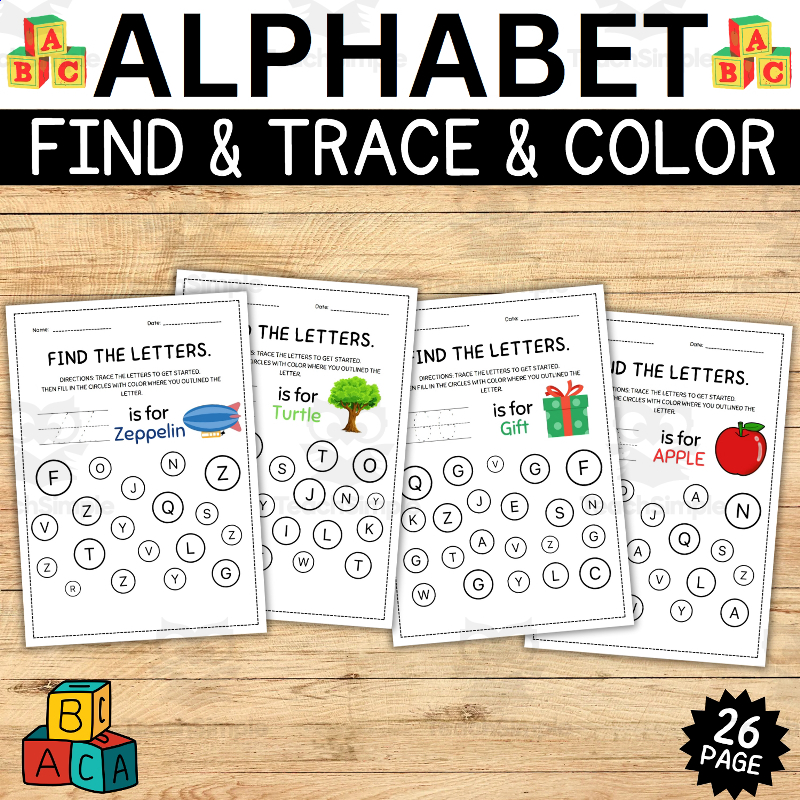
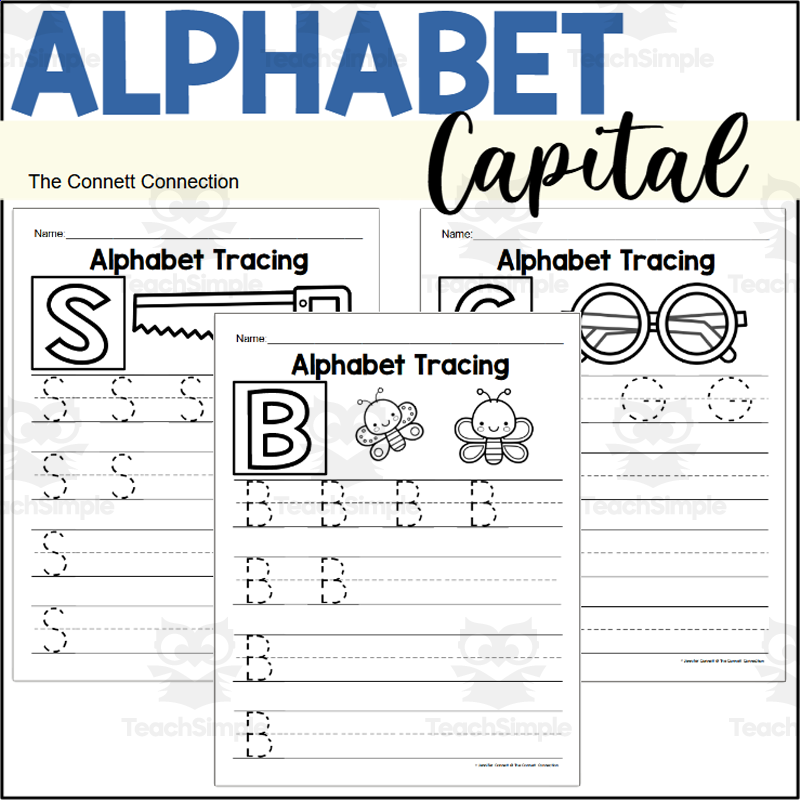
TRACING ALPHABET | 26 FREE PAGES FOR TRACING
Handwriting, Writing, ELA, Vocabulary, Language Development, Early Learning, Elementary, Homeschool Resources, Not Grade Specific, Pre-K, Worksheets, Worksheets & Printables, Coloring Pages
TRACING ALPHABET | 26 FREE PAGES FOR TRACING SUMMARY OF THIS PRODUCT: Name of this resource: TRACING ALPHABET | 26 FREE PAGES FOR TRACING Number of Pages: 26 Format (PDF, Word, PPT): PDF Color or Black & White: BLACK AND WHITE ABOUT THE AUTHOR: We are EDITORIAL LAURA EDUCA, a publishing house passionate about creating educational materials designed for children. Our goal is to make learning a fun and meaningful experience. I invite you to visit my educational store, where you will find a wide variety of resources ready for you. MAIN INFORMATION OF THIS RESOURCE: What is the name of your product and what makes it special? This beautiful product is called “TRACING ALPHABET | 26 FREE PAGES FOR TRACING", and it is very special because it was carefully designed or compiled. With this educational resource, we want students to learn with enthusiasm and fun, because we believe learning is fun. How many pages are included in this resource? This fabulous document contains the following number of pages: 26 What size is it designed in (A4, letter, etc.)? This resource is designed in A4 format and compiled as a PDF. This makes downloading and printing simple and convenient, and PDFs are also easy to store and carry anywhere. PDF A4 Is the material in color or black and white? This pedagogical document comes in both black and white and color. This makes it more attractive for your learning sessions, but you have the freedom to choose how to print it. BLACK AND WHITE SECONDARY AND COMPLEMENTARY INFORMATION: What subject, skill, or topic does it cover? This resource is designed to cover essential learning areas for children, generally literacy and math. What learning objectives does it achieve? This document fulfills a playful objective—it’s meant to be attractive and engaging for children. At the same time, it ensures that students learn or reinforce their knowledge. Who can use it best (teachers, parents, students, therapists, homeschoolers)? We are all part of education. Whether you are a teacher, parent, student, or therapist, this document can adapt perfectly to your learning goals, depending on your creativity. What additional materials are recommended (printer, scissors, markers, etc.)? The more immersed students are in learning, the greater their results. That’s why it’s ideal to complement this resource with pencils, crayons, markers, and even other art tools.
Author EDITORIAL LAURA EDUCA
Rating
Tags FREE, FREE RESOURCES, TRACING, TRACING LETTERS, ALPHABET, TRACING RESOURCES
Context Clues Sample Lesson - Vocabulary Grade 5-6 (Docs)
ELA, Language Development, ESL, Common Core, Resources for Teachers, Vocabulary, Grade 5, 6, 7, Worksheets & Printables, Worksheets, Quizzes and Tests, Teacher Tools, Tests, Assessments, Centers, Activities
Context Clues Sample Lesson ELA MCQS Overview: In this series, students will master the language arts skills that make communication effective and expressive. These lessons are designed to help students recognize, understand, and apply key grammar, vocabulary, and writing conventions in both their writing and speech. Each lesson builds upon the previous one, providing a structured blend of direct instruction, interactive group activities, and independent practice. With engaging tasks and thought-provoking questions, students will explore sentence structure, word choice, punctuation, and grammar rules to strengthen their understanding of English language conventions. Accompanied by free supplementary materials covering all topics, this series ensures a well-rounded and enjoyable learning experience. Through practice and exploration, students will develop the skills needed to analyze language, construct clear sentences, and express themselves with confidence. Context Clues Overview: Definitions/Restatements Synonyms Antonyms Examples/Explanations Docs Version This is the Docs editable and fillable version. This download is available in GOOGLE Docs, GOOGLE Forms, GOOGLE Slides. PDF, PPT, WORD, check the links below for more details. FULL CATALOG OF DOWNLOAD LINKS HERE Grade 5/6 Links: Capitalization & Punctuation Google Docs Google Forms Google Slides PDF PPT Word Free Supplementary Materials Pack Adjectives Google Docs Google Forms Google Slides PDF PPT Word Free Supplementary Materials Pack Nouns Google Docs Google Forms Google Slides PDF PPT Word Free Supplementary Materials Pack Pronouns Google Docs Google Forms Google Slides PDF PPT Word Free Supplementary Materials Pack Verbs Google Docs Google Forms Google Slides PDF PPT Word Free Supplementary Materials Pack Prefixes & Suffixes Google Docs Google Forms Google Slides PDF PPT Word Free Supplementary Materials Pack Sentence Structure Google Docs Google Forms Google Slides PDF PPT Word Free Supplementary Materials Pack Subject Verb Agreement Google Docs Google Forms Google Slides PDF PPT Word Free Supplementary Materials Pack Tenses Google Docs Google Forms Google Slides PDF PPT Word Free Supplementary Materials Pack Context Clues Google Docs Google Forms Google Slides PDF PPT Word Free Supplementary Materials Pack Defining Words Google Docs Google Forms Google Slides PDF PPT Word Free Supplementary Materials Pack Fill in the Blanks Google Docs Google Forms Google Slides PDF PPT Word Free Supplementary Materials Pack Homophones Google Docs Google Forms Google Slides PDF PPT Word Free Supplementary Materials Pack Synonyms Google Docs Google Forms Google Slides PDF PPT Word Free Supplementary Materials Pack ELA Review Questions Overview Questions have three answer choices. There are a handful of pictures on each test for aesthetic purposes, as well as a review sheet covering most of the topics covered in the product. Introduction or Example Sheet Each topic will include an introduction or example sheet to go through first with your students. Full Answer Keys Full answer keys and sample responses are provided so no matter how busy you are, you know you're covered! In the Supplementary Pack Interactive Ice Breakers: Engaging warm-up activities that introduce students to key ELA concepts, such as quick capitalization corrections and punctuation challenges. Guided Practice: Structured teacher-led exercises that reinforce grammar and punctuation rules, helping students identify and apply them correctly in sentences. Group and Partner Tasks: Collaborative activities where students work together to edit sentences, correct capitalization, and improve punctuation through peer discussion and teamwork. Independent Worksheets: Carefully designed worksheets that provide focused practice, allowing students to apply learned concepts and refine their skills independently. Exit Tasks: Quick assessments at the end of each lesson, prompting students to reflect on what they’ve learned and apply their knowledge in writing and editing tasks. For More Like This For similar downloads and other frees, do check out Cored Group on TeachSimple.
Author Cored Education
Tags Elementary, Answers, Ccss, Common Core, Tests, Test Prep, Grade 5, Grade 6, Vocabulary, Digital Centers
Rectangle Tracing & Coloring Worksheets for Pre-K, Montessori, and KG
Montessori, Math, Shapes, Early Math, Kindergarten, Preschool, Toddler, Centers, Activities, Crafts, Worksheets, Worksheets & Printables
Rectangle Tracing & Coloring Worksheets For Preschool, Kindergarten & Montessori Help young learners explore the rectangle shape with this fun and hands-on worksheet pack. I have designed it for toddlers, preschoolers, and kindergarten students. This resource focuses on shape recognition, fine motor development, and early language skills through simple yet engaging activities that children enjoy. It is perfect for classrooms, homeschooling, Montessori settings, and ESL/EFL classrooms. These worksheets will make learning about rectangles both meaningful and playful. What’s inside? A simple and fun rectangle rhyme featuring a rectangle named “Joy” to introduce shape vocabulary Rectangle tracing worksheets to build hand-eye coordination and pre-writing skills Rectangle coloring pages to support creativity and reinforce shape recognition Easy question prompts on each worksheet to encourage discussion and language development (ESL/EFL friendly) A crown-cutting activity that helps children practice scissor skills in a fun hands-on way Skills covered: Fine motor skills: Tracing and cutting activities will help kids strengthen small hand muscles Shape recognition: This resource will help children identify rectangles and spot them in everyday objects Language development: Simple questions and discussion prompts will help kids build vocabulary and confidence Creativity & focus: Coloring and craft activities support calm and focused learning Ways to use this resource: Read the rectangle rhyme together and talk about rectangles found in the classroom or at home Use the tracing and coloring pages during centers, morning work, or quiet time Turn the crown-cutting page into a fun craft activity Encourage children to draw or talk about rectangle-shaped objects they see around them This resource is perfect for: Teachers: As it is a great tool for shape lessons, math centers, and fine motor practice Homeschoolers will find this resource easy to use at their own pace. Clear and simple activities will help them a lot. Parents will find this resource ideal for at-home learning and screen-free practice that is fun It is best for: Toddlers & preschoolers Kindergarten students ESL / EFL learners Montessori classrooms Early childhood Homeschoolers Rectangle worksheets, shape recognition, fine motor skills, tracing worksheets, coloring pages, scissor skills, early learning, ESL, EFL, Montessori, preschool activities, kindergarten worksheets, mini rectangle booklet
Author FlashKart
Rating
Tags Shape Tracing, Rectangle Coloring Booklet, Math Shapes, Shapes, Worksheets, Math Centers, All About Rectangles, Tracing, Scissor Skills, Fine Motor Skills
Crash Course Sociology Episode Worksheet | 38 - Stages of Family Life
Social Studies, History, Sociology, Grade 10, 11, 12, Worksheets & Printables, Worksheets
Stages of Family Life Crash Course Sociology Worksheet This 2-page printable worksheet accompanies the insightful Stages of Family Life video from Crash Course Sociology. With 15 thought-provoking questions, it checks comprehension and inspires discussion about the diverse forms families take. Educators can implement it in various ways: assign prior to video viewing to set purpose, use during to focus attention on key concepts like kinship ties and divorce rates, or after for reflection and review. An answer key allows students to self-check their work. This supplemental resource from Active Social Studies helps high schoolers recognize themselves and their peers within broader social patterns. Combine it with other sociology materials for a dynamic unit on social institutions.
Author Ed Dynamic
Tags Stages Of Family Life, Crash Course Sociology, Sociology Video, Sociology Worksheet, Family Lifecycle, Social Class, Marriage, Vocabulary
Aesop's Fables "The Fox and the Grapes"
ELA, Reading, Grade 1, 2, 3, Worksheets & Printables, Worksheets
Bring Aesop's classic fable "The Fox and the Grapes" to life with this adaptable teaching resource. The expansive kit features the tale told through multiple versions. Extend comprehension via sequencing strips, characterization charts and passage-based questions. Then reimagine plot points by writing a personalized fox adventure or an alternate ending. Budding dramatists will love the scripted readers theater incorporating highlighted narration and role play. Craft vivid character puppets to animate as the scene unfolds. Compare the core morals of this fable to other tales in the Aesopic canon through a wise introductory article. Visual learners will appreciate the vibrant coloring sheet spotlighting the fox mid-jump for the grapes. Assess retention via vocabulary boosting worksheets that sneak in valuable word analysis practice. This versatile package includes teacher notes with differentiation strategies plus connections to ELA curriculum standards. Easily implement as a stand-alone multi-day fable investigation or drop modules into existing folk tale units and reading interventions for small groups. With abundant activities spanning lexical, comprehension and performance skills, this fox toolkit strengthens literary analysis from all angles! What You Get: Introductions to Aesop and Fables Coloring Page depicting "The Fox and The Grapes" Color Illustration of "The Fox and The Grapes" Modern-Day Version of the story "The Fox and The Grapes" Original Story of "The Fox and The Grapes" by Aesop "The Fox and The Grapes" Comprehension Questions "The Fox and The Grapes" Readers Theater of the Fable (2 scripts, one for the fox and narrator with highlighted lines) Cut out characters and set for creating puppets for the characters in "The Fox and The Grapes" "The Fox and The Grapes" Sequencing Story Strips (with and without sequential titles) Worksheet with character traits and vocabulary words from "The Fox and The Grapes" Writing template for crafting your own version of "The Fox and The Grapes" Writing template with the question "How Would You Get The Grapes?" Writing template with a character topper for summarizing or responding to "The Fox and The Grapes" Here are links to similar resources in my store: - Beauty and the Beast Differentiated Early Readers - Earth's Layers and Spheres | Earth Science Unit - Letter Handwriting Practice Pages Check out other resources from my store: Simply Schoolgirl! I can be contacted for questions and concerns at simplyschoolgirl1@gmail.com
Author Simply Schoolgirl
Tags Vocabulary Words, Coloring Pages, Folk Tale, Aesop, Sequencing, Drama, Readers Theatre, Moral, Aesop Fable Fox And Grapes, Fables For 3rd Grade
Add and Subtract in Swahili – Cultural Math Pack
Math, Addition and Subtraction, Addition, Grade 1, 2, 3, Worksheets & Printables, Worksheets
Add and Subtract in Swahili Add and Subtract in Swahili is an innovative resource that bridges the gap between cultures, languages, and basic math skills. This product is aimed at first to third graders learning about continents, cultures or fundamental mathematics knowledge. Introduction to Language and Culture In exploring this resource, students are initially introduced to the basics of the Swahili language through: Two comprehensive learning guides providing crucial background information on Swahili. A map highlighting countries where this language is spoken. Merge of Language Learning with Mathematics: To enhance language acquisition alongside teaching mathematics: An well-structured math chart depicts digits from 0-10 both in English as well as their corresponding number words written in Swahili. An educational YouTube link for auditory familiarization with number pronunciations in Swahili is provided for student's convenience. Orienting Around Application-Based Learning: The second half engages students indirectly into equations—utterly expressed via elegant word form enacted entirely using Swahili digits from 0-10 , not only bestowing them a hands-on understanding involving addition and subtraction but also formidably enhancing their fledgling foreign linguistic skills. Possible Instructional Uses: This resource can be displayed via projectors during class time facilitating whole group instruction. Apart from a classroom setup—it could also be assigned as homework promoting individual self-study sessions. Included Parts: A teacher's guide about the basics of the Swahili language. Illustrations indicating digit representations from 0-10. Carefully curated worksheets. An enclosed answer key helps professionals navigate teaching instructions effortlessly while providing readily available solutions. This ensures uninterrupted ,smooth classes by keeping instructors clear of uncharted grounds. Curriculum Alignment: The product perfectly aligns with Grade 1 to Grade 3 curriculums by offering an innovative way to teach addition and subtraction infused with a cultural and linguistic component.
Author Quail Trail Products
Rating
Tags Swahili Language, Mathematics, Cultural Integration, Addition And Subtraction, Language Acquisition, Swahili Numbers 1-10