



3,953 products added recently
Page 52 - 2nd Grade Lesson Plans
Enhance your second-grade classroom with lesson plans that build on foundational skills and introduce new concepts. These activities promote critical thinking and creativity across subjects. Implement these plans to keep your students motivated and progressing confidently.

 Show filters


Data Analysis & Probability: Circle Graphs - Learn the Skill - FLASH-MAC
Math, Statistics, Common Core, Grade 1, 2, Teacher Tools, Lesson Plans
Data Analysis & Probability: Circle Graphs - Learn the Skill This product is an instrumental teaching resource that is designed for Grade 1 and Grade 2 educators. It aids in improving students' understanding of Circle Graphs, a significant part of Data Analysis and Probability. Key Features: An interactive learning experience that includes real-world word problems to help apply abstract mathematical concepts. Built-in math tools for additional support and solidifying concept comprehension. Dual language functionality with both English voice over, accompanying text, and a Spanish version for increased accessibility. Alignment with Common Core State Standards and STEM education initiatives. The content also meets National Council of Teachers Mathematics (NCTM) standards to ensure quality education. Versatility: The software format allows this resource to be adaptable across different classroom settings. Whether it's whole-group interactive sessions or small-group collaborative problem solving, it fits right in! Furthermore, it also serves as an effective self-study tool outside the classroom confines engaging students to learn at their own pace. Welcome this Valuable Educational Resource! In summary, Data Analysis & Probability: Circle Graphs - Learn the Skill provides educators with a seamless strategy that integrates theoretical mathematics instruction into practical real-world problem-solving contexts. Start using this educational software today for fostering critical analytical skills essential in interpreting data using circle graphs from early educational stages!
Author Classroom Complete Press
Tags Software (Mac)

Animal Science Unit | All About Crabs | Learning about Animals
Science, Life Sciences, Animals, Kindergarten, Preschool, Grade 1, 2, Lesson Plans, Teacher Tools
This huge collection of animal resources has been designed to help you create an amazing curriculum to learn about CRABS. You'll find real photos, non-fiction articles and other reading material, arts and crafts, worksheets, and writing activities to help you create an animal science unit. A variety of differentiated materials is provided so these resources can work with students pre-K through 2nd grade. You'll be stunned with the amazing resources in this unit study! Great care has been taken while creating these unit to provide high-quality and thorough information, photos, and activities. I am currently updating all these animal units to make them even more amazing so please check back soon! How to Use This: Carefully study all the provided resources, then print the parts you like the most! Print enough worksheets and activities for each student. Then jump right in and have a great time! What You Get: Teacher Resources: Discussion questions, project and activity ideas, book list, links to related videos...... Printables: Animal classification poster, type of eater poster, life cycle poster, animal species poster, collectible animal cards, vocabulary strips with definitions, map showing where the animal is native, and 12 high-quality photographs of animal habitats, behaviors, and physical characteristics. Worksheets: A ton of adorable and helpful worksheets to learn about animal adaptations, habitats, life cycles, vocabulary words, eating habits, and animal anatomy. Reading Material: Lots of reading resources including nonfiction article about this animal provided in two differentiated reading levels with comprehension questions. Also included is a fictional story about a child naturalist studying this animal provided in two reading levels. Several cute bookmarks featuring this animal. Writing Opportunities: You'll be blown away by the number of writing templates and options provided here including a full page blank booklet for young students, a half-page booklet with photos to add, nature journal covers, animal report planners provided in two levels, a few other writing prompts. You'll find something for every level of writing ability and skill. Crafts: Cute animal photo cut-outs, animal art outlines to support in depth art projects, jointed (articulated) paper craft, paper bag puppet, animal mask, animal footprint cut-outs, and coloring pages. Games: A macro-photo guessing game and a cute memory game to review this animal's behaviors, physical characteristics, and habitat.
Author Simply Schoolgirl
Tags Zoology, Crustaceans, Crustacean, Ocean Animals, Marine Animals, Tide Pools, Crab Lesson Plans, Crab Crafts, Crab Printables, Crab Worksheets

I WONDER - Why Do We Need To Eat Fruit And Vegetables | Animated Video
Human Body, Life Sciences, Science, Biology, STEM, Grade 1, 2, 3, 4, 5, 6, 7, 8, Lesson Plans, Teacher Tools
Video Overview The human body is full of fascinating wonders to learn. This video is created to help the students recognize the anatomy and the job of the human body. I WONDER - Why Do We Need To Eat Fruit And Vegetables | Animated Video Lesson Every part and organ in our human body is vital so let's see how important they are. Have you ever imagined how we look like if we didn't have a skeleton? Did you know that because we have our amazing muscles we can stand! Do you know how many teeth do we have? Have you ever wondered about the food journey inside our body? Can you name all the glands in our body? Why do we have skin? Our nervous system is really good at sending signals. Can you tell us more about it? Are you really good at Mathematics, painting, or any other thing? You should really thank your brain about it! The famous five senses are really doing a great work? Can you explain how every sense works? I WONDER - Why Do We Need To Eat Fruit And Vegetables | Animated Video Lesson The video is perfect for encouraging the researching skills for the students, while learning more about our fantastic human body. I WONDER - Why Do We Need To Eat Fruit And Vegetables | Animated Video Lesson This friendly designed video is suitable for students at school, homeschooling, and as a group activity. Format Available in MP4 format.
Author Educational Voice
Tags Why Do We Need To Eat Fruit And Vegetables, Why Do We Need To Eat Fruit And Vegetables Video, Fruit And Vegetables, Fruit And Vegetables Facts, Fruit And Vegetables Facts For Kids, Fruit And Vegetables Video

"Flat Stanley: The Great Egyptian Grave Robbery" Book Unit
ELA, Literature, Grade 2, 3, 4, Lesson Plans, Teacher Tools
This is a novel study unit for Flat Stanley’s Worldwide Adventures. It is for Book #2: The Great Egyptian Grave Robbery. This Book Unit Includes: 9 Chapters: 1-15 Comprehension and Vocabulary Items Work Sheets! 9 Spelling Pattern Word Activity Pages! 9 Mystery Match Context Clues Vocabulary Practice Cards Activities! 9 Context Clues Fill-In-The Blank Vocabulary Tests! 9 Drawing/Coloring Theme Poster Pages! 7 Five Point Multiple Choice CCSS Exit Quizzes (1 for each chapter except chapters 2 & 7)! A Final 20 Multiple Choice Test! Answer Keys to ALL Assessments! 1 Engaging Writing Prompt to End Unit! A Student Reading Reference Page! A Fun 10-Point Egyptologist Historical Scavenger Hunt! The key standards that are covered include: Central Message or Theme; Engaged Discussions; Main or Central Idea; Meanings of Unknown Words Using Context Clues; Figurative Language using similar words; Finding Evidence; comprehension; using illustrations for context; Spelling; Compound Words; Homophones; Infer; And More! There is a comprehensive set of teacher instructions that will serve as a great guide to you. The teacher instructions will tell you more about the “Souvenir Walking Tour.” It is an engaged activity that works well in my teaching to get them up and moving and motivated to begin the lesson or anytime during the lesson or day. Once the kids have answered any of the discussion questions, one or the whole worksheet, you will announce “Souvenir Walking Tour.” It will also provide you with different ways to utilize my assessment unit and a breakdown of the chapter quizzes. There will also be a reading reference page just for students!
Author TrilogyTeacher
Tags Book Companion, Flat Stanley, Compound Words, Reading Comprehension, Chapter Quiz, Main Idea, Vocabulary, Literary Devices, Spelling Patterns

Learn to Read and Spell Sight Words | Lesson 8 | Micro-Learning Deck
ELA, Language Development, Spelling, Preschool, Grade 1, 2, Teacher Tools, Lesson Plans
This download is Lesson 8 for Learn to Read and Spell Sight Words. This is a digital lesson with 30 slides to help teach sight words! The sight words for this lesson are: -get -go -had -has -have There are 6 different activities to teach the sight words for this lesson. Activities: -Write words -Letter tiles -Type words -Match the words -Close reading -Sentences
Author Teach Me This
Tags Learn To Read, Learn To Spell, Sight Words, Spelling Lesson, Letter Tiles

Baseball Reading Comprehension Passage - Cored Ed Encyclopedia
ELA, Language Development, Reading Comprehension, Reading, Social Studies, Writing, Vocabulary, History, Geography, Pre-Reading, Grade 2, 3, 4, 5, Worksheets & Printables, Worksheets, Teacher Tools, Centers, Activities, Writing Prompts, Assessments, Quizzes and Tests, Quizzes, Lesson Plans
This baseball reading comprehension with lesson plan includes: Visualization (on the front cover) Start your lesson by taking a minute to think and share something about the topic. Read the script aloud (slowly), perhaps prepare some music or sound effects. Student close their eyes and let their imaginations wander. Students open their eyes, read the question aloud and give them a few minutes to complete. Ask a few students to share or keep answers until the end to compare with what they learn in the passage. COMPANION VIDEO NOW AVAILABLE (EMBEDDED AFTER PREVIEW PICTURES IN PRODUCT DESCRIPTION) Quick pause—thousands of Cored Education products are included with your TeachSimple membership. Download links and encyclopedia index available here. Pre-Reading Trivia Students will write down one thing they already know about the subject and then read five more facts and discuss. These facts are fun, and the students will enjoy learning about the subject before reading more. Give 1 minute for students to write what they already know (no pressure—best guess is fine). Read the five facts together. After each fact, do ask a student for their opinion, was it surprising? Set a purpose by asking students to highlight/underline one fact they want to learn more about during the reading. Reading Passage The text is a high-interest reading passage with set paragraphs, roughly three to four paragraphs long. It contains a variety of themes about the topic, anywhere from history to technology. The passage is between 250 and 350 words in length. First, ask students to look at the headings and see what they’ll learn about today. What do they know about the topic/heading? First read options: Teacher read-aloud (best for support). Partner reading (paragraph by paragraph). While reading, students underline important details, and vocabulary words they think may come up in the questions section. Mixed Questions The first question page contains four multiple-choice questions, each with a choice of four answers, and three written response questions that require a sentence or two from the student. Students complete the mcqs first independently, then review quickly as a class. For the 3 written responses, try to get students giving the answer with some form of evidence: “I think ___ because the text says ___.” If students get stuck, send them back to check the passage. Vocabulary Questions Practice seven key words from the text in this section across two activities. First section is scrambled words where students will unscramble three words given a clue for each. The second section is a word to meaning matching activity. Before starting, have some students read out words they underlined in the passage. Ask students to say the word and read aloud the sentence(s) around each word. Ask students to do scrambled words and the matching exercise in pairs then go through answers as a class. For the scrambled spelling task, get four pairs to come up to the board and write the words for extra practice with the other student reading out the clue. For the matching task, prompt students to give full sentences: “I matched ___ with ___ because ___.” Creative Writing In this question, the student will be required to write a five to eight sentence paragraph on a question related to the topic. Before starting, ask students write down 3 key ideas they are going to include in their piece. Ask students for ideas to share around the class to help those struggling. Pro writing expectations: 5–8 sentences At least 2 facts or details from the passage At least 2 vocabulary words from the previous page Students read their paragraphs while classmates listen for facts and vocabulary words. Extension Activities This page is optional for fast finishers or to take home. There are several activities, each one requiring a different skill. Do some, do none, do all, completely optional - but you will feel reassured knowing every possibility is planned for. Includes summary writting question and additional facts. Answer Key There are answers for the multiple-choice questions, written response questions have sample answers, vocabulary answers and if there is a summary question then a sample summary will be provided as well. Lesson Plan Included Customized lesson plan for this lesson is included. Lesson Snapshot Title: Baseball Genre: Nonfiction (informational passage) Subject: Physical Education / Social Studies (Sports history) / Reading (Informational Text) Primary Topic: How baseball works and how it spread Estimated Guided Reading Level (A–Z): S What This Lesson Teaches Best Clear explanation of how a baseball game works (bases in a diamond, two teams, innings, outs, extra innings). How shared written rules helped organize the modern game (clubs writing rules; later standards like nine innings and a 90-foot base path). A brief timeline of key turning points using dates and evidence (1845 rules, 1869 first all-professional team, 1903 World Series, 1872 introduction in Japan). How baseball changed as it grew (teams traveling, paid players, big leagues forming, some leagues using timing rules). How baseball spread beyond its early American home (popularity across parts of the Americas and East Asia). Learning Goals Identify key parts of a baseball game described in the passage (bases, teams, innings, outs, extra innings). Explain how keeping shared rules helped baseball become more organized. Describe the “safer idea” included in the 1845 rules. Describe what it meant for baseball to turn “professional,” using details from the text. Retell the passage’s key dates in order and explain what happened at each date. Describe how the passage shows baseball spreading to new places and continuing to change. Key Vocabulary From the Text inning — part of the game when teams take turns playing. outs — times when a player is put out. standards — agreed-upon rules that many people follow. professional — paid to play as a job. leagues — organized groups of teams that play each other. FULL CATALOG OF DOWNLOAD LINKS AND ENCYCLOPEDIA INDEX HERE
Author Cored Education
Rating
Tags Vocabulary, Reading Comprehension, Reading Passages, Lesson Plans, Ela Lesson Plans, Reading Comprehension Lesson Plans, Pre-reading, History, History Lesson Plans, Social Studies Lesson Plans
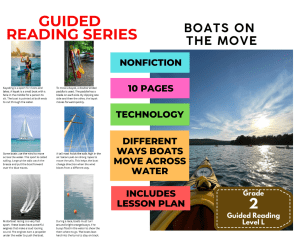
Guided Reading Level L - Boats on the Move (with Lesson Plan)
ELA, Resources for Teachers, Reading Comprehension, Reading, Science, Engineering, Technology, Physics, Sports, P.E. & Health, Grade 2, 3, 4, Worksheets & Printables, Worksheets, Teacher Tools, Centers, Activities, Literacy Readers, Quizzes, Quizzes and Tests, Assessments, Lesson Plans
This Guided Reading Book - Boats on the Move (Level L) with lesson plan includes: Guided Reading Color Label (front cover x1) This is a quick way to match the book’s demands to what students can generally handle.. The overall goal is to use the level/color to pick books for several smaller groups. To qualify for a certain level, a student is expected to read a book from that level with about 90–94% accuracy. If a student is consistently accurate and understands, move up a level. If the student is struggling at that level, drop down and add more support. Each student will improve at completely different rates, but it is generally one of the best ways to check progress across the class. DOWNLOAD THE CATALOG TO VIEW ALL GUIDED READING BOOKS AVAILABLE (SORTED LEVELS A-Z) Pre-Reading Question (x1) Teacher asks the prompt aloud, can be while showing the cover or first page. Students share what they already know, or make educated guesses from the cover. Prompt them to use the target vocabulary. Write some of their responses on the board to look back at during the reading. Vocabulary Words (x5) Introduce the five words, best doing it one at a time. Start by saying it, while students repeat and then see if anyone knows what it means before reading further. Read through the meaning and try to briefly connect each word to a picture or gesture so it’s meaningful. Ask students to flip through the book pages and point to where they see each of the vocabulary words. While reading the book pause upon coming across one of the vocab words or read the sentence twice to make sure students understand the word has appeared. Optional: Ask students to raise hands whenever they see/hear one of the new words. Guided Reading Pages (x10) Check the book snapshot (below) for: primary topic - do you need to prep extra reading or intro materials on this? what is taught best - decide on 1-2 bullets to focus on, use the prompt or words provided here for best results. learning goals - what you are checking for students to be able to do after the session, elicit answers using prompts or words provided. key vocabulary (see section above). questions overview - so you know what is coming up and if you need to prep extra materials to assist understanding. Run the lesson You may have already looked at a few of the pages together, but you can show them some of the pictures again first to set meaning. Depending on how much time you have and how familiar your students are with guided reading class, you may want to read the book aloud first with the group first. Students whisper or partner read, while you listen in. If time, do it as a group, one student reading a page each. Use the guided page’s prompts to coach: “Check the picture / does it make sense?” “Point under the words / try the first sound” “Reread the sentence smoothly”. Try to focus more on one student per session (rotating every time), so you can work out if they are ready to move up or need to move down a level. Comprehension Questions (back cover x3) This is your way to check that students didn’t just say the words, but actually understood the text. First, let students answer by pointing to the page/picture and saying a short sentence. After any answer, follow with: “Show me where you found that in the text.” In bigger groups, have partners answer first (10–20 seconds), then call on 2–3 students to share. Differentiation tips: Emerging speakers/struggling readers: oral + pointing On-level: oral in a full sentence Higher: one written sentence or draw + label Book Snapshot Title: Boats on the Move Genre: Nonfiction (informational) Subject: Science (Forces & Motion) / Reading (Informational Text) Primary Topic: Different ways boats move across water Estimated Guided Reading Level (A–Z): L What This Book Teaches Best Different ways boats move on water (wind, oars, paddles, engines). How specific boat parts help movement (sails, mast, ropes, propeller). How coordinated actions affect motion (oars dipping “at the same time” to go straight). How markers guide movement during a race (boats turn around bright orange buoys to stay on track). Comparing speed and movement styles (quiet glide vs fast roar; forward motion by alternating paddle sides). Learning Goals Students will identify several ways boats move across the water using details from the text. Students will explain how sails and wind help pull a boat forward. Students will describe how rowers use oars together to move a boat straight ahead. Students will describe how a double-ended paddle helps a kayak move forward quickly. Students will explain how an engine and propeller help push a motorboat through the water. Students will describe why boats turn around buoys during a race, based on the text. Key Vocabulary From the Text mast — a tall pole that holds sails up. rhythm — a steady pattern of movement. double-ended — having an end on both sides. propeller — a spinning part that helps push a boat. buoys — floating markers that show where to go. Discussion Prompts Pre-reading question: What are some different ways a boat could move across the water? Comprehension questions: How do large white sails help a boat move forward? What do rowers do “at the same time,” and what does that help the boat do? Why must boats turn around bright orange buoys during a race? Printing Tips 1. Best Printing Method (Recommended) “Booklet” Printing (Best if Available) If your printer or PDF viewer supports Booklet Printing , use this. Settings to use: Print mode: Booklet Paper size: Letter or A4 (either works) Orientation: Landscape Print on both sides: Yes Flip on: Short edge Scaling: Fit to printable area Booklet subset: First test: Front sides only Then: Back sides only This will automatically: Pair pages correctly Put the cover on the outside Align everything for folding After printing, fold in half and staple along the spine . 2. If “Booklet” Printing Is NOT Available You can still print this correctly with manual duplex printing . Step-by-step: Open the PDF. Choose Print . Set: Orientation: Landscape Pages per sheet: 1 Print on both sides: Yes Flip on: Short edge Print all pages . Because each PDF page already contains two facing book pages, the result will still fold cleanly into a book. Thousands of Cored Education products are included with your TeachSimple membership. Download links and encyclopedia index available here.
Author Cored Education
Rating
Tags Reading Comprehension, Reading Passages, Reading, Guided Reading, Guided Reading Lesson Plan, Guided Reading Activity, Pre-reading, Science Lesson Plans, Physics, Technology

Number & Operations: Counting & Ordering Objects - Practice the Skill 1 - PC Software
Math, Numbers, Common Core, Kindergarten, Preschool, Grade 1, 2, Teacher Tools, Lesson Plans
Description: Step into the world of numbers and operations with Number & Operations: Counting & Ordering Objects - Practice the Skill 1 - PC Software. This resourceful teaching tool, primarily aimed at educators including public school teachers and homeschoolers, ensures a comprehensive grasp on counting and ordering objects as part of number and operations. Fostering Real-Life Application: With an emphasis on real-life application, this software uses lively images to demonstrate counting scenarios. Such relatable methods potentially lead to faster understanding as students connect mathematical concepts with everyday experiences. Bilingual Instruction: The availability of instruction in both English and Spanish extends accessibility across diverse classrooms or home learning setups. The concurrent text boosts reading abilities while strengthening mathematical proficiency. Interactive Engagement: The axiom tools contained within the software add interactivity for children in preschool through Grade 2, enhancing their ability to solve numerical issues more vividly. Closely adheres to Common Core State Standards plus STEM initiatives. Fully aligned to NCTM guidelines. This rich product comes package-delivered as a zip file containing PC compatible software ready for classroom teaching or home-based learning assignments. Sections from this resources can also be assigned for homework encouraging practice beyond school time frames. Note: This multi-grade tool offers great flexibility; suitable not just for lesson planning but also for interactive class activities.
Author Classroom Complete Press
Tags Numbers, Operations, Counting, Ordering Objects, Digital Math
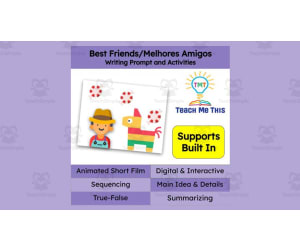
Best Friends Animated Writing Activity | Short Film
ELA, Writing, Grade 1, 2, 3, 4, Teacher Tools, Lesson Plans
This resource allows students to explore writing in a fun way. They will engage with an animated short film about best friends. Included: -Short animated story -Sequencing -True False -Main Idea & Details -Summarizing
Author Teach Me This
Tags Writing Prompts, Writing Activity, Animated Film, Short Film, Creative Writing
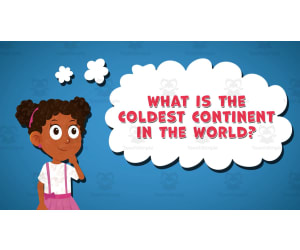
I WONDER - What Is The Coldest Continent In The World | Animated Video
Geography, Social Studies, Grade 1, 2, 3, 4, 5, 6, 7, 8, Lesson Plans, Teacher Tools
Video Introduction An amazing video designed for the students to learn more about famous places in different countries. I WONDER - What Is The Coldest Continent In The World | Animated Video Lesson What do you know about this place? Do you know in which part of the world it is? Have you ever visited this place? If yes, can you tell us more about your adventure, and what do you like the most about this place? Do you like reading about Geography? What is your favorite country in the whole world? If you are going on a trip where it will be? Which country? What you are going to see there? Does this country has a famous place to visit? I WONDER - What Is The Coldest Continent In The World | Animated Video Lesson The activity is perfect for encouraging the researching skills for the students, while learning more about this fantastic place. I WONDER - What Is The Coldest Continent In The World | Animated Video Lesson This friendly designed video is suitable for students at school, homeschooling, and as a group activity. Format Available in MP4 format.
Author Educational Voice
Tags What Is The Coldest Continent In The World, What Is The Coldest Continent In The World Video, Coldest Continent In The World, Coldest Continent In The World Facts, Coldest Continent In The World Video, Coldest Continent In The World Video For Kids
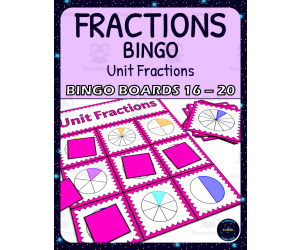
Unit Fractions Activity - Bingo Game - Fraction Circles - Boards 16-20
Math, Fractions, Grade 2, 3, 4, Lesson Plans, Teacher Tools
Unit Fractions Bingo Engage students in learning unit fractions with this fun and versatile bingo game. The set includes 4 types of calling cards - with fraction circles, squares, strips, and symbols - allowing teachers to tailor the game to their students' level. To prepare, print and optionally laminate bingo boards, playing squares, and calling cards. Lamination enables repeated use for years. Alternatively, students can mark boards with dry erase markers and erase between rounds. Gameplay is simple. Students cover squares on boards matching the called fraction. The first to cover 3 squares in a row wins. Shuffle calling cards when needed and continue playing. This resource features 5 colorful bingo boards. Additional boards are available to accommodate any class size. Pair with other fraction games to give students diverse practice identifying, comparing, and working with unit fractions. This engaging bingo game is an excellent addition to any upper elementary math curriculum.
Author Colleen's Cosmic Collection
Tags Fractions, Unit Fractions, Fraction Game, Math Games, Fraction Activities, Math Activities, Maths Games, Unit Fraction Activites, Common Fractions, Cccfbuc
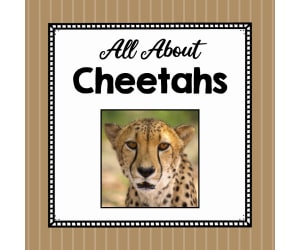
Animal Science Unit: Learning All About a Cheetah
Science, Life Sciences, Animals, Kindergarten, Preschool, Grade 1, 2, Lesson Plans, Teacher Tools
Animal Science Unit: Learning All About a Cheetah Dive deep into the world of cheetahs with this expansive collection of reading, activities, crafts and more designed to create an engaging animal science unit for PreK-2nd grade. Discover real photos, differentiated nonfiction reading, worksheets, posters and writing projects to match all levels. Gather round for rich discussions sparked by teacher resources like videos and guiding questions. Then bring concepts to life by creating articulated paper cheetahs, playing habitat games, acting out the life cycle and going on a photo scavenger hunt. This thoughtfully-designed unit aims to foster a meaningful understanding of cheetahs through immersive, multisensory learning. Students will walk away with in-depth knowledge of adaptations, habitats, anatomy, behaviors and more thanks to the comprehensive, high-quality materials provided.
Author Simply Schoolgirl
Tags Zooogy, Predators, Big Cats, Predator, Africa, African Animals, Asia, Asian Animals, Cheetah Crafts, Cheetah Printables
U-Boats Reading Comprehension Passage - Cored Ed Encyclopedia
ELA, Language Development, Reading Comprehension, Reading, Science, Technology, Engineering, History, Social Studies, Physics, Grade 2, 3, 4, 5, Worksheets & Printables, Worksheets, Teacher Tools, Centers, Activities, Writing Prompts, Assessments, Quizzes and Tests, Quizzes, Lesson Plans
This U-boats reading comprehension with lesson plan includes: Visualization (on the front cover) Start your lesson by taking a minute to think and share something about the topic. Read the script aloud (slowly), perhaps prepare some music or sound effects. Student close their eyes and let their imaginations wander. Students open their eyes, read the question aloud and give them a few minutes to complete. Ask a few students to share or keep answers until the end to compare with what they learn in the passage. Quick pause—thousands of Cored Education products are included with your TeachSimple membership. Download links and encyclopedia index available here. Pre-Reading Trivia Students will write down one thing they already know about the subject and then read five more facts and discuss. These facts are fun, and the students will enjoy learning about the subject before reading more. Give 1 minute for students to write what they already know (no pressure—best guess is fine). Read the five facts together. After each fact, do ask a student for their opinion, was it surprising? Set a purpose by asking students to highlight/underline one fact they want to learn more about during the reading. Reading Passage The text is a high-interest reading passage with set paragraphs, roughly three to four paragraphs long. It contains a variety of themes about the topic, anywhere from history to technology. The passage is between 250 and 350 words in length. First, ask students to look at the headings and see what they’ll learn about today. What do they know about the topic/heading? First read options: Teacher read-aloud (best for support). Partner reading (paragraph by paragraph). While reading, students underline important details, and vocabulary words they think may come up in the questions section. Mixed Questions The first question page contains four multiple-choice questions, each with a choice of four answers, and three written response questions that require a sentence or two from the student. Students complete the mcqs first independently, then review quickly as a class. For the 3 written responses, try to get students giving the answer with some form of evidence: “I think ___ because the text says ___.” If students get stuck, send them back to check the passage. Vocabulary Questions Practice seven key words from the text in this section across two activities. First section is scrambled words where students will unscramble three words given a clue for each. The second section is a word to meaning matching activity. Before starting, have some students read out words they underlined in the passage. Ask students to say the word and read aloud the sentence(s) around each word. Ask students to do scrambled words and the matching exercise in pairs then go through answers as a class. For the scrambled spelling task, get four pairs to come up to the board and write the words for extra practice with the other student reading out the clue. For the matching task, prompt students to give full sentences: “I matched ___ with ___ because ___.” Creative Writing In this question, the student will be required to write a five to eight sentence paragraph on a question related to the topic. Before starting, ask students write down 3 key ideas they are going to include in their piece. Ask students for ideas to share around the class to help those struggling. Pro writing expectations: 5–8 sentences At least 2 facts or details from the passage At least 2 vocabulary words from the previous page Students read their paragraphs while classmates listen for facts and vocabulary words. Extension Activities This page is optional for fast finishers or to take home. There are several activities, each one requiring a different skill. Do some, do none, do all, completely optional - but you will feel reassured knowing every possibility is planned for. Includes summary writting question. Answer Key There are answers for the multiple-choice questions, written response questions have sample answers, vocabulary answers and if there is a summary question then a sample summary will be provided as well. Lesson Plan Included Customized lesson plan for this lesson is included. Lesson Snapshot Title: U-Boats Genre: Nonfiction (informational text) Subject: Social Studies (World History) Primary Topic: U-boats, convoys, and the Battle of the Atlantic Estimated Guided Reading Level (A–Z): R What This Lesson Teaches Best Explains what “U-boat” means and where the name comes from (German U-Boot , short for Unterseeboot , meaning “undersea boat”). Shows how underwater attacks shifted World War I fighting toward supply ships , and why food and materials crossing the Atlantic mattered. Teaches how convoys (merchant ships traveling together under protection) helped weaken the U-boat threat. Highlights how defenders used tools like sonar and radar to listen and search better during the Battle of the Atlantic, and how the balance began to swing by 1943. Describes the snorkel as a solution for getting air to submarine engines while staying mostly submerged, including testing in 1943 and wider use in 1944. Learning Goals Students will explain what the term “U-boat” means and where the name comes from using details from the text. Students will describe why supply ships crossing the Atlantic became so important in both World War I and World War II. Students will identify how convoys worked and explain how they helped weaken the U-boat threat. Students will explain how sonar and radar helped defenders find and track U-boats better. Students will describe what problem the snorkel solved for submarines and how it worked. Key Vocabulary From the Text convoys — groups of ships traveling together with protection. unrestricted — not limited by rules or limits. sonar — a tool that uses sound to find underwater objects. radar — a tool that helps detect objects by radio waves. snorkel — a tube that brings air while mostly underwater. FULL CATALOG OF DOWNLOAD LINKS AND ENCYCLOPEDIA INDEX HERE
Author Cored Education
Rating
Tags Vocabulary, Reading Comprehension, Reading Passages, Lesson Plans, Ela Lesson Plans, Reading Comprehension Lesson Plans, Pre-reading, History, History Lesson Plans, Physics
Geometry: Decomposing Geometric Shapes - Practice the Skill 2 - PC Software
Math, Geometry, Common Core, Kindergarten, Preschool, Grade 1, 2, Teacher Tools, Lesson Plans
Geometry: Decomposing Geometric Shapes - Practice the Skill 2 - PC Software Enrich your curriculum with this thrilling hands-on educational tool. Introducing Geometry: Decomposing Geometric Shapes - Practice the Skill 2 – PC Software, engineered specifically for guiding teachers in delivering superb instruction on decomposing geometric shapes. This powerful learning resource is ideal for preschoolers, kindergarteners, and learners in grades 1 and 2. The software encompasses a plethora of curriculum -based content which aligns comprehensively with Common Core State Standards and NCTM-written practices. Crafted ingeniously to function as a math lesson plan focused on geometry, it offers unrivaled assistance adaptable across various classroom environments. Featuring practice skill timed drill activities involving identifying sides and corners of different shapes to spark engaging learning experiences. Incorporates mathematical tools into its functionality enhancing student-centered learning sessions. Catering to dual language learners with Spanish voice over and text options paired fitly with English settings; adapting perfectly within multilingual classrooms. Your path towards teaching mastery in geometry is made considerably smoother through our Geometry: Decomposing Geometric Shapes - Practice the Skill 2 – PC Software housed within a singular zip file designed for your convenience. Not only can it assist instructors during individual study periods or small study group collaborations but its effectiveness shines when assigned as homework increasing exposure time required by certain topics. This dynamic resource helps you shape complex geometrical concepts simply, effortlessly infusing palpable energy into your classes as everyone progresses together. "Outstanding teachers are simply those who have outstanding resources." Equip your toolbox with this interactive gem today!
Author Classroom Complete Press
Tags Math Lesson Plans, Decomposing, Geometric, Shapes, Math Skill

California State Unit Study (Capital, Bird, Flower, Flag, Animal)
ELA, Social Studies, Reading, Reading Comprehension, Grammar, Language Development, Spelling, Writing, History, History: USA, Geography, Research, Grade 2, 3, 4, Lesson Plans, Teacher Tools
California State Unit Study (Capital, Bird, Flower, Flag, Animal) This is a 5-day unit study and research project designed to introduce students to the unique symbols of California. This low-prep resource is an optimal choice for both elementary teachers and homeschoolers. These major Californian staples: its capital, bird, flower, flag and animal are covered. Diverse learning tools Videos for visual and auditory learners Engaging reading passages Interactive notebooks with enjoyable activities for kinesthetic learners' cognition Structured research report pages to improve writing skills. Versatility in Implementation & Subjects Coverage This tool can be used as part of a broader California or Western region lesson plan or simply to add flair to your social studies or history class. It is impressively adaptable - can be applied in whole group sessions small group interactions even one-on-one teaching setups. Subjects range from art science grammar geography history reading spelling among others enabling truly holistic exposure for young minds. Suitability & Compatibility with Spiral Teaching Strategies This product targets Grade 2 through Grade 4 making it ideal also for spiral teaching strategies touching upon language arts comprehension USA history geography amongst other sub-subjects relating Social Studies effectively promoting layered learning concepts. In Addition… Beyond just the Golden State you may consider using similar study units available on each American state from Alabama all through Wyoming. Each pack offers coverage on important symbols curated videos interactive assignments specially crafted keeping in mind various learning styles. "Merge creativity with concrete learning by engrossing your students in the beautiful representation of the California State Unit Study" What does the downloadable PDF-pack include? A clear set of teacher instructions Detailed guidebooks Easy-reference cards Primed discussion points Color-coded explore-n-learn kits Student-friendly review sheets and many more handy resources. In this resource, students get to explore fun yet meaningful activities while acing written tasks.
Author Heather Huhman
Tags California, State Symbols, Interactive Learning, Cross-curricular Activities, Research Project

I WONDER - What Is The Biggest Animal In The World | Animated Video
STEM, Animals, Life Sciences, Science, Biology, Grade 1, 2, 3, 4, 5, 6, 7, 8, Lesson Plans, Teacher Tools
Video Introduction Animal kingdoms are full of fascinating wonders to learn. This video is designed for the students to learn more about animals in different countries. I WONDER - What Is The Biggest Animal In The World | Animated Video Lesson Do you like animals? what is your favorite one? Do you own a pet? If yes, tell us more about it, like what its name? And what do you like most about it? What are the animal kingdoms? Can you write down the characteristics of each animal class like mammals, birds, reptiles, amphibian, fish and mollusks. Do you know that some animals can sing, can you name any of them? What is the largest and the smallest mammal in the world? What is the largest and the smallest bird in the world? What is the largest and the smallest fish in the world? I WONDER - What Is The Biggest Animal In The World | Animated Video Lesson The video is perfect for encouraging the researching skills for the students, while learning more about these fantastic animals. I WONDER - What Is The Biggest Animal In The World | Animated Video Lesson This friendly designed video is suitable for students at school, homeschooling, and as a group activity. Format Available in MP4 format.
Author Educational Voice
Tags What Is The Biggest Animal In The World, What Is The Biggest Animal In The World Video, The Biggest Animal In The World, The Biggest Animal In The World Facts, The Biggest Animal In The World Video, The Biggest Animal In The World Video For Kids
I WONDER - Can A Jellyfish Glow | Animated Video Lesson
STEM, Animals, Life Sciences, Science, Biology, Grade 1, 2, 3, 4, 5, 6, 7, 8, Lesson Plans, Teacher Tools
Video Introduction Animal kingdoms are full of fascinating wonders to learn. This video is designed for the students to learn more about animals in different countries. I WONDER - Can A Jellyfish Glow | Animated Video Lesson Do you like animals? what is your favorite one? Do you own a pet? If yes, tell us more about it, like what its name? And what do you like most about it? What are the animal kingdoms? Can you write down the characteristics of each animal class like mammals, birds, reptiles, amphibian, fish and mollusks. Do you know that some animals can sing, can you name any of them? What is the largest and the smallest mammal in the world? What is the largest and the smallest bird in the world? What is the largest and the smallest fish in the world? I WONDER - Can A Jellyfish Glow | Animated Video Lesson The video is perfect for encouraging the researching skills for the students, while learning more about these fantastic animals. I WONDER - Can A Jellyfish Glow | Animated Video Lesson This friendly designed video is suitable for students at school, homeschooling, and as a group activity. Format Available in MP4 format.
Author Educational Voice
Tags Can A Jellyfish Glow, Can A Jellyfish Glow Video, Jellyfish, Jellyfish Video, Jellyfish Facts, Jellyfish Facts For Kids, Jellyfish Video For Kids, Fishh, Glowing Jellyfish, Glowing Jellyfish Facts

Measurement: Measuring Time - Learn the Skill - FLASH-MAC
Math, Measurements, Common Core, Grade 1, 2, Teacher Tools, Lesson Plans
Measurement: Measuring Time - Learn the Skill - FLASH-MAC An enriching educational experience tailored for first and second grade educators. With a special focus on understanding the concept of measuring time, this resource presents curriculum-based content that integrates real-world 'learning the skill' problems effectively. The Highlights Ability to clearly illustrate measuring time problems beneficial in stimulating practical comprehension. Breaks down complex concepts into understandable components through interactive means thus enhancing learning and retention. Catering to Diverse Learners Offers both English and Spanish voice over as well as text options accessible at one's convenience, increasing inclusivity. This enables students to grasp concepts in a language they are most comfortable with. Included Learning Aids This includes essential math tools which serve as learning aids facilitating seamless interaction with content for comprehensive understanding. These can be used by facilitators either in whole group settings or within small instructional groups depending on desired outcomes. Alignments: Designed according to Common Core State Standards (CCSS) and STEM initiatives while also fitting perfectly within guidelines set forth by The National Council of Teachers of Mathematics (NCTM). Ensures adherence to qualified academic standards providing teachers confidence regarding curricular relevance when implementing it into their lesson plans . Digital Access Easily accessible software designed specifically for Mac system platforms takes all the hassle away from digital access requirements. Whether planning an engaging classroom lesson or assigning homework tasks, this digital feature makes teaching more flexible across diverse educational settings including public schools and home schooling alike. In Conclusion... . Measurement: Measuring Time – Learn the Skill – FLASH-MAC is an effective comprehensive tool. It offers perfect balance of simplicity and rigor that is beneficial to both learners and educators in mastery of measurement skills while delivering quality mathematics education.
Author Classroom Complete Press
Tags Software (Mac)

Just A Dream | Literacy Unit
ELA, Reading, Grade 1, 2, 3, 4, Lesson Plans, Teacher Tools
Just A Dream | Literacy Unit The 'Just A Dream | Literacy Unit' is an invaluable teaching resource crafted for educators to aid in the learning process of students from first to fourth grades. This PDF file type resource is loaded with 10 ready-to-print pages of engaging activities focused on enhancing literacy skills. Suitability and Use This unit perfectly complements the beloved book Just A Dream and can be seamlessly incorporated into public school settings or homeschool environments. It serves as an interactive read-aloud tool that fosters participation during class hours, or it can facilitate small group discussions for focused learning. In addition to its application within classrooms, these worksheets also serve as take-home assignments promoting continuous learning beyond school hours—a perfect way for students to strengthen their language arts skills at their own convenience and pace. A Comprehensive Learning Approach Pre-reading, ongoing, and post-reading tasks: These ensure that students remain involved throughout their reading journey increasing their understanding of the text. Paired writing activities: These coupled with reading sessions bolster not just reading abilities but also empower them with essential writing proficiency. Vocabulary Enrichment Opportunities The 'Just A Dream | Literacy Unit' includes vocabulary enrichment activities—perfect resources inviting young learners towards expanding their word power— laying foundations for enhanced expressive capacities. The print-and-go feature makes it convenient reducing significant preparation time while achieving great educational outcomes. Get your learners onboard this fascinating literary journey with our unit. The user-friendly format paired with rich content offerings makes this offering simple yet effective in boosting literacy levels fast crafting brighter readers—and eventually more thoughtful individuals—in no time.
Author Literacy Life
Tags Literacy, Reading, Comprehension, Vocabulary, Writing

I WONDER - Where Is Lake Victoria | Animated Video Lesson
Geography, Social Studies, Grade 1, 2, 3, 4, 5, 6, 7, 8, Lesson Plans, Teacher Tools
Video Introduction An amazing video designed for the students to learn more about famous places in different countries. I WONDER - Where Is Lake Victoria | Animated Video Lesson What do you know about this place? Do you know in which part of the world it is? Have you ever visited this place? If yes, can you tell us more about your adventure, and what do you like the most about this place? Do you like reading about Geography? What is your favorite country in the whole world? If you are going on a trip where it will be? Which country? What you are going to see there? Does this country has a famous place to visit? I WONDER - Where Is Lake Victoria | Animated Video Lesson The activity is perfect for encouraging the researching skills for the students, while learning more about this fantastic place. I WONDER - Where Is Lake Victoria | Animated Video Lesson This friendly designed video is suitable for students at school, homeschooling, and as a group activity. Format Available in MP4 format.
Author Educational Voice
Tags Where Is Lake Victoria, Where Is Lake Victoria Video, Lake Victoria, Lake Victoria Facts, Lake Victoria Facts For Kids, Lake Victoria Video, Lake Victoria Video For Kids, Lake, Lakes, Lakes Facts

Animal Science Unit | All About Dolphins | Learning about Animals
Science, Life Sciences, Animals, Kindergarten, Preschool, Grade 1, 2, Lesson Plans, Teacher Tools
Animal Science Unit | All About Dolphins Dive into learning all about dolphins with this engaging animal science unit! Educators will discover a treasure trove of dolphin-themed activities, including real photos, nonfiction reading passages, arts and crafts , worksheets, and writing projects for customizing lessons. Differentiation ensures relevance for students preK-2nd grade. Highlights include dolphin life cycle and habitat posters, fact cards, vocabulary words, a map showing native areas, comprehension questions, and memory games reviewing physical traits and behaviors. Young marine biologists will be fascinated investigating these intelligent and playful mammals. Implementation ideas for whole group, small group, or independent work provide flexibility. Engage students' natural curiosity about the animal world with this thorough and thoughtfully-designed dolphin unit.
Author Simply Schoolgirl
Tags Zoology, Marine Mammal, Marine Mammals, Ocean Animals, Dolphin Crafts, Dolphin Lesson Plans, Dolphin Worksheets, Dolphin Book, Dolphin Printables

I WONDER - What Is A Quadrilateral | Animated Video Lesson
STEM, Geometry, Math, Grade 2, 3, 4, 5, 6, 7, 8, Lesson Plans, Teacher Tools
Video Introduction An amazing video designed for the students to learn more about STEM. I WONDER - What Is A Quadrilateral | Animated Video Lesson Do you like STEM subjects? what is your favorite one? Have you ever tried to plant a seed? If yes, tell us more about it. Or have you ever tried to invent something? If yes, tell us more about it. And how do you think it will help us? Have you ever seen a microorganism under a microscope? What was it? And how it looked like? Mathematics is a marvelous subject. Let' sharpen our brains and solve some equations. Do you like timetable tricks? What is your favorite one? Do you know how to code? Have you ever created an app or a game before? If yes, how was it like? I WONDER - What Is A Quadrilateral | Animated Video Lesson The video is perfect for encouraging the researching skills for the students, while learning more about this fantastic topic. I WONDER - What Is A Quadrilateral | Animated Video Lesson This friendly designed video is suitable for students at school, homeschooling, and as a group activity. Format Available in MP4 format.
Author Educational Voice
Tags What Is A Quadrilateral, What Is A Quadrilateral Video, Quadrilateral, Quadrilateral Facts, Quadrilateral Facts For Kids, Quadrilateral Video, Quadrilateral Video For Kids, Quadrilateral Shape, Shapes Video For Kids

Algebra: Simple Patterns - Practice the Skill 2 - MAC Software
Math, Patterns, Common Core, Kindergarten, Preschool, Grade 1, 2, Teacher Tools, Lesson Plans
Algebra: Simple Patterns - Practice the Skill 2 - MAC Software This innovative educational resource is designed to enhance pupils' comprehension of basic algebraic sequences. Developed with an interactive approach, our software serves as a mini chapter providing curriculum-focused learning. Key Features: Interactive teaching on distinguishing and presenting diverse patterns using both alphabets and realistic imagery. Inclusion of mathematical tools that promote hands-on learning scenarios. We acknowledge learners from different cultural backgrounds with various language needs. Hence, Practice the Skill 2 provides both English and Spanish voiceovers accompanied by text options. Suitability and Standards: Catering to preschoolers up to second graders, adhering to academic standards set by the Common Core State Standards All content is in line with STEM initiatives guidelines prescribed by National Council of Teachers Mathematics (NCTM). The application of this flexible teaching resource are plentiful — ranging from involved exercises during whole classroom engagement or small group undertakings or allocating as practice homework promoting self-learning post-school hours. A Convenient Tool for Educators: The Algebra: Simple Patterns - Practice the Skill 2 - MAC Software comes compact in a zip file format, offering teachers an effortless way to integrate digital teaching methodologies into their existing curriculums thereby enhancing primary algebraic concepts right from early years onwards. Succinctly speaking, it's an effective tool sure to strengthen young minds foundational mathematics skills while keeping them engaged throughout their instructional journey.
Author Classroom Complete Press
Tags Math Lesson Plan, Algebra Lesson, Simple Patterns, Patterns Worksheet, Digital Math
Data Analysis & Probability: Pictographs - Practice the Skill 3 - MAC Software
Math, Graphing, Common Core, Kindergarten, Preschool, Grade 1, 2, Teacher Tools, Lesson Plans
Data Analysis & Probability: Pictographs - Practice the Skill 3 - MAC Software The chapter mini titled "Data Analysis & Probability: Pictographs - Practice the Skill 3" is a specialized educational resource designed to enhance students’ understanding of pictographs under the subject of Data Analysis and Probability. Program Details: Targeted for preschool, kindergarten, grade 1 or grade 2 students. A downloadable zip file which comprises MAC-compatible software. Presents timed drill activities aiding in critical thinking skill development. Usage: The versatile nature of this tool allows educators a variety of usage options such as: Incorporating it into whole group instruction. Implementing as small group activity focused on problem solving. Assigning it as individual homework for self-study. Multilingual Accessibility: This software has prioritized accessibility by offering multilingual options with a default English voice-over and text features; additionally, also accommodating Spanish-speaking learners aiming towards bilingual proficiency. Educational Norms Compatibility: This program aligns with educational standards such as Common Core State Standards and resonates with STEM initiatives—it also recognizes mathematical diversity by being formatted according to National Council of Teachers Mathematics standards thus ensuring its adherence to diverse unique needs that may arise in education. In summary,"Data Analysis & Probability: Pictographs- Practice The Skill 3 -MAC Software", serves not only as an effective tool for grasping data analysis concepts but also kindles an interest in Math—thereby nurturing love for lifelong learning amongst students!
Author Classroom Complete Press
Tags Digital Math, Digital Graphs, Math Lesson, Pictographs, Math Skills