resources by type
resources by grade
resources by subject
other resources

2,825 products added recently

Science Lesson Plans

Bring science to life with lesson plans that cover biology, chemistry, physics, and more. These resources offer experiments and interactive lessons to stimulate curiosity. Implement them to foster a deep understanding of scientific principles and a passion for discovery.

Relevant
alt down
Any Time
alt down
filter by
alt down
All File Types
alt down
filter nav Show filters
Sort by: Relevant
CLEAR
resources by type
Activities
down arrow
Classroom Decor
down arrow
Teacher Tools
up arrow
Anchor Charts
Assessments
Charts
DBQ's
Diagrams
Graphic Organizers
Lesson Plans
Literacy Readers
Outlines
Presentations
Quizzes and Tests
down arrow
Rubrics
Templates
Worksheets & Printables
down arrow
resources by grade
Early Learning
down arrow
Pre-K
down arrow
Elementary
down arrow
Middle School
down arrow
High School
down arrow
Adult Education
Not Grade Specific
resources by subject
Creative Arts
down arrow
ELA
down arrow
Holiday & Seasonal
down arrow
Life Studies
down arrow
Math
down arrow
P.E. & Health
down arrow
Social Studies
down arrow
Special Resources
down arrow
Science
up arrow
Basic Science
down arrow
Chemistry
Earth and Environmental Sciences
down arrow
Life Sciences
down arrow
Physics
Technology
down arrow
Foreign Languages
down arrow
Resources for Teachers
down arrow
other resources
Common Core
Homeschool Resources
down arrow
Montessori
Research
STEM
Zoo Animal Research Writing Project on HIPPOS for K-2nd Grade

Zoo Animal Research Writing Project on HIPPOS for K-2nd Grade
Life Studies, ELA, Writing, Creative Writing, Reading, Science, Life Sciences, Animals, Research, Kindergarten, Grade 1, 2, Teacher Tools, Lesson Plans, Presentations, Worksheets & Printables, Worksheets, Coloring Pages, Writing Prompts

Animal Research Writing Project on Hippos for K-2. The Animal Research Writing Project on Hippos provides differentiated materials to guide K-2 students through reading informational text, collecting data, and writing about hippos. Students begin by examining real-life photos of hippos to color and give a creative title for the cover page of their report. They read age-appropriate information about habitat, diet, appearance, behavior, and other hippo facts. A color-coded key helps young learners organize the information into categories. After reading, students draw and color the hippo habitat based on what they learned. Two options for graphic organizers allow them to sort facts before writing. Differentiated writing pages scaffold the writing process for emerging writers. A self-checking writing page helps beginning writers reflect on their work. When complete, the project can be compiled into an engaging book that displays student creativity. It promotes reading comprehension, information sorting, and writing skills in an interactive way. The 19-page unit also encourage drawing, coloring, and imagination inspired by the unique traits of hippos. Teachers can implement this versatile resource whole-group, small-group, or as an independent writing activity. It bundles an entire animal research writing unit into one differentiated package. Teachers appreciate the ready-to-use animal units covering reading, note-taking, drafting, illustrating, and publishing. Engage your class in meaningful informational writing with this standards-based project on monkeys. Plus, there are many more zoo animals to research as well in my store: K-5 Treasures! For additional Zoo Animal reports, click on the following links below: Animal Research Writing Project on TIGERS for K-2nd Grade Animal Research Writing Project on MONKEYS for K-2nd Grade Animal Research Writing Project on PANDAS for K-2nd Grade Animal Research Writing Project on HIPPOS for K-2nd Grade Animal Research Writing Project on ELEPHANTS for K-2nd Grade Animal Research Writing Project on GIRAFFES for K-2nd Grade Here are even more informational resources on report writing for OCEAN ANIMALS. Click on the links below: Animal Research Writing Project on WHALES for K-2nd Grade Animal Research Writing Project on the OCTOPUS for K-2nd Grade Animal Research Writing Project on SEA TURTLES for K-2nd Grade Animal Research Writing Project on ORCAS for K-2nd Grade Animal Research Writing Project on the SHELLFISH for K-2nd Grade Animal Research Writing Project on DOLPHINS for K-2nd Grade Animal Research Writing Project on SEALS for K-2nd Grade

Author K-5 Treasures

Tags Animal Research, Informational Writing, Writing Report, Zoo Animals, Report On Animals, Report On Zoo Animals, 1st Grade Writing, 2nd Grade Writing, Hippos, Report On Hippos

All About Weathering and Erosion | Earth Science Unit

All About Weathering and Erosion | Earth Science Unit
Science, Earth and Environmental Sciences, Earth Sciences, Grade 1, 2, 3, 4, Lesson Plans, Teacher Tools

Let's explore Weathering & Erosion! Learn about how rocks break down, how the land changes, and how things like wind and water can shape our surroundings. We'll also discover different ways erosion happens and how plants can stop it. Plus, we'll see how people can affect erosion and how erosion can impact us. It's a fascinating journey into understanding how nature and people work together to shape the world around us! How To Use This: Take a moment to explore this resource and choose the parts that work best for you and your students. I intentionally included various options, giving you the flexibility to customize your unit plan. By the way, those posters aren't just for decorating your classroom—they can also be fantastic slides in Google Classroom! So, go ahead, delve into what this unit provides, and let's craft a science experience that's uniquely tailored to your teaching style and your students' needs! What You Get: Suggested Lesson Plan Schedule Curated projects, activities, and video links with convenient QR codes and URL addresses Comprehensive List of Weathering & Erosion vocabulary and spelling words 6 Vocabulary word strips: Covering key terms like Weathering, Erosion, Deposition, Soil, Sediment, and Particles 7 Fold and stand-up labels designed for various sizes of sediment Informative Posters: "What's the Difference Between Weathering and Erosion?" W. E. D. Acronym Explanation (weathering, erosion, and deposition processes) Mechanical Weathering Poster (Weathering Process) Chemical Weathering Poster (Weathering Process) Organic Weathering Poster (Weathering Process) Sediment Sizes and Types Poster Erosion by Water Poster (Erosion Process) Erosion by Wind Poster (Erosion Process) Erosion by Ice Poster (Erosion Process) Deposition of Sediment Poster How Erosion Affects People Poster How People Affect Erosion Poster Informative Articles: "How Much Time Does Erosion Take?" (provided in two reading levels) "Plants Can Prevent Erosion" (provided in two reading levels) Engaging Worksheets and Activities: Erosion Word Search 4 "Erosion in Action" Worksheets (observe pictures and describe the processes) "Did People or Nature Cause This?" Worksheet (analyze situations and determine the cause) "How Do Plants Prevent Erosion?" Worksheet (answer questions and label a diagram) "What is Weathering, Erosion, and Deposition?" Spinning Wheel Craft Weathering, Erosion, and Deposition Flip Book (with labeled and unlabeled options) Writing Templates: 6 templates exploring this science topic in different writing genres 3 early writing templates 3 beginning writing templates Review Game Materials: Rules, setup instructions, and printable questions for an engaging and educational review game.

Author Simply Schoolgirl

Tags Weathering, Erosion, Earth Sciences, Science Unit, Writing Templates, Nonfiction Articles, Erosion Crafts, Erosion Worksheets, Erosion Lessons, Erosion Slides, Erosion In Earth Science

Bird Migration | Animated Birds Video Lesson

Bird Migration | Animated Birds Video Lesson
Science, Life Sciences, Animals, Not Grade Specific, Lesson Plans, Teacher Tools

Title: Bird Migration | Animated Birds Video Lesson This educational resource, named Bird Migration | Animated Birds Video Lesson, is a tool for all educators in public and home-schooling settings. It provides an engaging way to learn about bird science. Main Specifications A 12-minute video lesson which uses animation to explain advanced concepts. The video is not grade-specific and can be integrated across various curriculum levels. The resource exists in MP4 format, making learning more efficient without unnecessary clutter or hard-to-follow instructions. Categorization & Applications Bird Migration | Animated Birds Video Lesson falls under the broader subject of Science with Zoology being its specific field of study. Though primarily meant for classrooms, it's as effective when used for small group sessions or individual tasks at home. This makes it a versatile addition to any educator's teaching toolkit. Suited Learning Styles & Investment Worthiness This animated bird migration video lesson caters mainly to visual learners who find picture-based learning more beneficial than the traditional methods that rely solely on text-based information. However, auditory learners are also catered to via helpful voiceovers that come with each animation. In short, this pedagogic strategy brings strong conceptual clarity along with interactivity, thus proving worth every penny invested in this innovative solution.

Author Educational Voice

Tags Bird Migration, Animated Birds, Video Lesson, Science, Zoology, Birds Animated

Insect Ecology | Animated Insect Video Lesson

Insect Ecology | Animated Insect Video Lesson
Science, Life Sciences, Insects, Grade 3, 4, 5, 6, Lesson Plans, Teacher Tools

Introducing: Animated Insect Video Lesson for Grades 3 to 6 Take your students on a fascinating journey through the world of Insect Ecology with our innovative resource. This animated video lesson is specifically designed to not only capture your students' attention but also broaden their learning experience as they explore science curriculum focusing on insects. A Highly Interactive and Engaging Resource This compelling 10-minute animated video lesson promises maximum engagement, capturing even short attention spans. The interactive nature of this unique tool amplifies student involvement, transforming it into an effective and enjoyable learning experience. Simplified Learning: Unraveling Complex Concepts in Fun Ways! Insect ecology can be a challenging topic. However, our resource simplifies this intricately woven subject effortlessly! With our creative approach, young learners are bound to find joy in understanding important scientific concepts about insects and their ecosystems. Versatile Usage: It's perfect for both whole group instruction and small study groups. You could even use it as an exciting homework assignment! User-friendly Format: Comes packaged as one easy-to-download MP4 file that fits well with many tech applications in classrooms or remote learning setups. Riveting Animations:The high-quality animation ensures clear visuals paired with valuable information, hence making the viewing experience both satisfying and beneficial. . Making Biology Interesting Yet Simple! The Animated Insect Video Lesson is an amalgamation of interesting graphics complemented by concrete knowledge about insect ecology. Teaching complicated biological concepts was perhaps never this convenient or effective before! .

Author Educational Voice

Tags Insect Ecology, Animated Video, Science Curriculum, Interactive Learning, Ecosystem, Insect Video For First Grade, Insect Video For Preschoolers

Characteristics of Plants | Animated Plants Video Lesson

Characteristics of Plants | Animated Plants Video Lesson
Science, Life Sciences, Nature & Plants, Not Grade Specific, Lesson Plans, Teacher Tools

Characteristics of Plants Animated Video Lesson engages students while teaching the basics of botany. This 10-minute video serves as an introduction or review of plant characteristics, exploring topics like photosynthesis, pollination, and plant reproduction. Teachers can utilize the video in several ways - playing it for the whole class to introduce a new unit on plants, assigning it to small groups for a flipped lesson, or having students watch it individually as homework to reinforce previous botany lessons. The animated format appeals to visual learners and keeps students interested as they learn important science concepts. Presented at a middle school level, this versatile video lesson on the characteristics of plants works well for 6th, 7th, and 8th grade life science classes or biology units on botany and plants.

Author Educational Voice

Tags Plants, Characteristics , Botany, Science Video, Plants Lesson

All About The Eye | Human Body Video Lesson

All About The Eye | Human Body Video Lesson
Science, Life Sciences, Human Body, Not Grade Specific, Lesson Plans, Teacher Tools

Product Description: The 'All About The Eye | Human Body Video Lesson' is a comprehensive educational resource that simplifies the complexities of the human eye for learners across grade levels. Key Features Made for all grades - Falling within human biology, this versatile aid can be effectively used by educators across grade levels due to its nongrade specific format. Optimal Duration - In just 10 minutes, it succinctly covers pertinent details about the eye's structure and function. Educational Format - This lesson is presented in an engaging video (MP4 format), stimulating visual learning and ensuring better comprehension among different types of learners. Its versatility allows integration with varied teaching strategies – facilitating small group discussions or even as additional reference for homework assignments. Suitability for Different Teaching Modes Homeschooling educators can seamlessly incorporate this multimedia presentation into their course routine. They enjoy flexibility while planning a customized syllabus, while effortlessly maintaining learner engagement. In traditional classroom settings, teachers might use this tutorial as a supportive supplement alongside textbooks during regular lectures. The practical benefits offered by it make this product stand out as genuinely teacher-friendly tool which simplifies complex concepts. To Conclude: 'All About The Eye | Human Body Video Lesson' serves as an indispensable tool packed with captivating facts about the human eye within just 10 minutes! Regardless of whether you are teaching beginners experimenting with biology basics or older students revising crucial concepts – here’s an invaluable addition to your educational toolkit!

Author Educational Voice

Tags Eye Structure, Eye Function, Visual Learning, Biology Education, Multimedia Resource

Cosmic Quest A Middle Schooler's Journey into Space Exploration, Alien

Cosmic Quest A Middle Schooler's Journey into Space Exploration, Alien
Life Skills, Special Resources, Social Emotional Learning (SEL), Science, Research, Space, Earth and Environmental Sciences, Environmental Science, Earth Sciences, Geology, Grade 6, 7, 8, 9, 10, 11, 12, Lesson Plans, Teacher Tools, Assessments, Experiments, Activities, Labs

Embark on an extraordinary travel through the cosmos with `` Cosmic Quest, '' the ultimate middle school guide to space geographic expedition, alien living search, and the universe 's deepest mysteries. Written specifically for class 6-9 ( ages 11-15 ), this thorough 338-page resource transforms composite astronomical concepts into engaging, accessible knowledge. Usually, from our solar system 's fiery planets to distant galaxies, from the Big Bang to the hunting for extraterrestrial life, `` Cosmic Quest '' covers everything a Young space enthusiast needs to know. Frankly, with 90 meticulously organized chapters, students will explore planetary science, astrobiology, NASA 's Artemis program, Mars rover discoveries, exoplanet research, and future space technologies. Perfect for classroom use, homeschool curricula, or independent study, this volume aligns with Next Generation skill Standards ( NGSS ) while sparking genuine curiosity about STEM fields. Now, here's where it gets good: each chapter includes clear explanations, stunning cosmic phenomena, and real-world connections to current infinite mission happening right now. Whether your student dreams of becoming an astronaut, astronomer, or simply gazes at the stars with wonder, `` Cosmic Quest '' provides the foundational noesis and inspiration for their scientific journey. The volume also includes essential career guidance for space-related professions, making it both educational and aspirational. Why Parents/Schools Love It: • detailed & Curriculum-Aligned: Covers 90 essential infinite science topics matching center schoolhouse standards, saving teachers planning time while ensuring complete coverage • Future-Focused & stream: Includes NASA missions ( Artemis, Mars exploration ), James Webb Telescope discoveries, and private space industry developments • Career-Inspiring: Dedicated chapters on space careers ( astronauts, engineers, scientists ) connect learning to real-world opportunities • Accessible Yet Rigorous: Makes complex concepts like dark matter, exoplanet detection, and exobiology understandable without `` dumbing down '' the science • Multi-Platform Ready: Perfect for classroom instruction, independent assess, homeschool curricula, and science fair project brainchild mark Audience Analysis: Primary Target: Grades 6-9 ( Ages 11-15 ) centre school science classrooms Homeschool students Gifted and talented programs for grades 5-7 Science club resources Library collections for young adults Secondary Target: Advanced elementary students ( grades 4-5 ) with strong reading skills High schoolhouse student ( grades 9-10 ) postulate foundational astronomy review Parents seeking educational enrichment materials instructor needing supplemental infinite skill resource Copyright/Terms of Use: This Book was copyrighted by Syed Hammad Rizvi. Often, this resource is for personal and single classroom use only. You may not alter, redistribute, or sell any part of this resource. In other words, you may not put it on, kind of, the Internet where it could be publicly found and downloaded. Also, if you want to share this resource with colleagues, please purchase additional licenses from Teachsimple. Thank you for respecting these terms of use. This product is happily brought to you by Syed Hammad Rizvi

Author Creative Book Store

Rating

Tags CosmicQuest, SpaceScienceBook, MiddleSchoolSTEM, AstronomyForKids, ScienceEducation, HomeschoolResources, NGSS, SpaceExploration, AlienLifeSearch, STEMBooks

Kindergarten Full Curriculum PowerPoint Bundle | 36 Weeks of Editable

Kindergarten Full Curriculum PowerPoint Bundle | 36 Weeks of Editable
ELA, Math, Science, Social Studies, Special Resources, P.E. & Health, Kindergarten, Lesson Plans, Teacher Tools, Graphic Organizers, Literacy Readers

Make your planning easy with this complete Kindergarten Curriculum PowerPoint Bundle. This bundle gives you 36 weeks of ready-to-use lessons for the full school year. It includes 1,202 editable slides across four PowerPoint files. You can open the files, teach the lessons, and adjust anything to fit your class. It saves time and supports consistent, engaging instruction. Language and literacy, math, science, social studies, arts, physical education, and social and emotional development are all covered each week. Lessons help young students develop strong early skills and adhere to specific learning objectives. A presentation guide, a diploma for students, and an end-of-year capstone project with straightforward instructions are all included in the bundle. Use these slides for digital instruction, centers, morning meetings, small groups, and whole-class instruction. Pages for practical exercises can also be printed. Both homeschooling and classroom settings benefit greatly from this resource. Teachers adore this curriculum's comprehensiveness, adaptability, and structure. This full-year customizable bundle will give your kindergarten curriculum structure and originality. Get it and begin instructing right now.

Author Bright Classroom Ideas Marketplace

Rating

Tags Kindergarten, Curriculum, Lesson, Plan, Math, Ela, Science, Social, Project, Worksheet

High School Science Weather and the Seasons Reading Passage

High School Science Weather and the Seasons Reading Passage
ELA, Reading, Writing, Research, Resources for Teachers, Science, Earth and Environmental Sciences, High School, Homeschool Resources, Teacher Tools, Worksheets & Printables, Writing Prompts, Assessments, Lesson Plans, Quizzes and Tests

As a homeschool mom with a 9th grader, I completely get it. Because of my daughter's frustrations with science curriculum that was not rigorous enough, I poured my experience into creating this complete High School Science Weather and the Seasons Reading Passage, Q & A, and Note-Taking Sheets unit. We move way past simple definitions here; your homeschooler will explore the intricate systems that truly govern our planet's climate, from the subtle astronomical forces like Earth’s tilt to the complex impacts of modern human activity. When creating this unit, my goal is simple: to build real critical thinking and analytical muscles, ensuring your student/homeschooler is not just memorizing facts, but truly mastering the dynamic science behind our world. INCLUDED IN THIS RESOURCE: Comprehensive reading passage 20 analytical, question prompts. Full answer key with detailed model responses for all questions. Ten (10) note-taking templates for active learning. TOPICS COVERED: The astronomical foundation (Axial Tilt and Orbit). Distinguishing weather vs. climate. Seasonal weather patterns and atmospheric circulation. Ecosystem reesponses and human adaptation to seasonal change. Beyond just ticking off a high school science credit, my deepest goal with this unit is to equip our kids with the critical scientific literacy they absolutely need for whatever the future holds. When your student/homeschooler digs into the fundamental connections between astronomical physics, atmospheric dynamics, and how our ecosystems respond, they will no't just be learning facts—they will genuinely see the profound, often delicate, interconnectedness of all Earth's systems. As a fellow homeschool mom and resource creator, I truly believe this material provides a strong foundation not just in essential Earth science, but in essential, informed global citizenship. If you and your students/homeschoolers enjoyed this resource, please leave a review. Thank you for your support! Tina - Big Easy Homeschooling Mom

Author Homeschool with Big Easy Homeschooling Mom

Rating

Tags Climate Change Adaptation, Ecosystem Stability, High School Earth Science, Difference Between Weather And Climate, Homeschool Earth Science, Homeschool Science Curriculum, High School Meteorology, Extreme Weather Events Analysis, Seasonal Ecosystem Adaptation, Axial Tilt

Evolution of Birds | Animated Birds Video Lesson

Evolution of Birds | Animated Birds Video Lesson
Science, Life Sciences, Animals, Not Grade Specific, Lesson Plans, Teacher Tools

The Evolution of Birds | Animated Birds Video Lesson The Evolution of Birds | Animated Birds Video Lesson fuses visual graphics and auditory cues, providing a multifaceted learning experience for various students. The lesson, steeped in science, appeals to young explorers and includes narrative elements illustrating bird-related tales. This resource piques interest in zoology, either as an introduction or as a recap of previously learned topics. Its 13-minute timing gives teachers ample leeway to incorporate it into their syllabus — from whole group teaching to complementing small group discussions. Built on Constructivist Principles Framed around constructivist principles, this animated MP4 file movie presents intricate scientific concepts such as evolution and bird behaviour through lively illustrative components and clear voice-overs - effortlessly digestible for all school levels. This medium efficiently connects different scientific areas encouraging pupils to genuinely engage with the content rather than just note-taking. Tailored for lessons' intro or differentiated homework particularly beneficial for auditory/visual learners who might find text-heavy resources challenging. All-inclusive educational material enriches routine lectures supporting proficient comprehension across diverse learning proficiencies. Promotes inclusive pedagogy ensuring no student is left behind. A Unique Tool For Learning In summary, The Evolution of Birds | Animated Birds Video Lesson stimulates curiosity among pupils while meeting explicit educational standards laid down by the curriculum - promoting profound exploration into bird evolution – reflecting their significance across various global cultures.

Author Educational Voice

Tags Evolution, Birds, Video Lesson

All About Climate and Weather | Earth Science Unit

All About Climate and Weather | Earth Science Unit
Science, Earth and Environmental Sciences, Earth Sciences, Grade 1, 2, 3, 4, Lesson Plans, Teacher Tools

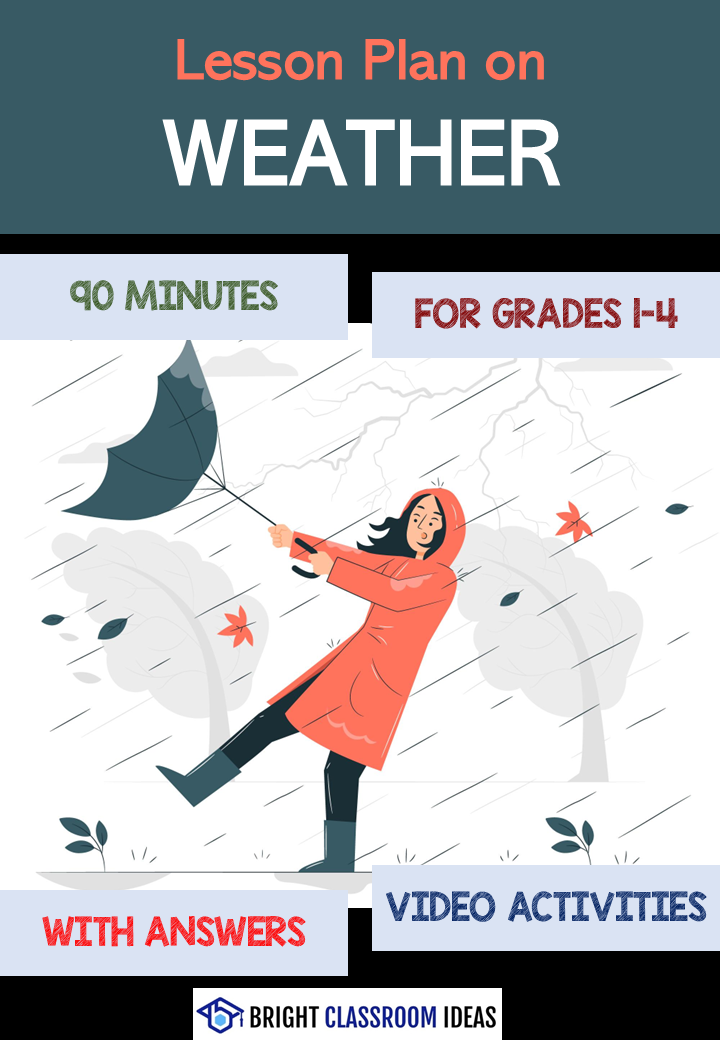
Immerse your students in the world of science using these comprehensive climate and weather resources. This unit thoroughly explores the distinctions between climate and weather, covering topics such as wind, precipitation, clouds, lightning, weather fronts, forecasting, meteorology tools, and extreme weather events. How To Use This: Choose the components of this curriculum that suit the needs and interests of your students. Print, prepare, and teach! What You Get: Overview of Earth Science Lesson Plan Schedule Recommended Engaging Projects and Activities Suggested Video Links (Including QR Codes and URL Addresses) List of Thematic Vocabulary and Spelling Words 25 Vocabulary Word Strips: (Weather, Climate, Wind, Precipitation, Clouds, Fog, Weather Front, Meteorology, Warm Front, Cold Front, Stationary Front, Occluded Front, Coriolis Effect, Humidity, Isobar, Jet Stream, Anemometer, Barometer, Rain Gauge, Weather Vane, Hygrometer, Thermometer, Wind Sock, Arid, Atmosphere) Posters: "Climate Versus Weather," "Why Climate Is Important," "5 Main Categories of Climate," "Understanding Wind," "Deciphering Precipitation," "Exploring Clouds," "Identifying Types of Clouds," "Understanding Lightning and Thunder," "Weather Fronts Unveiled," "Insight into Meteorology and Weather Forecasting," "Tools Employed in Studying Weather," "Navigating Dangerous Weather" "What is a Weather Forecast?" 2-Page Article (Provided in Two Reading Levels) "How Weather Affects Us" Article (Provided in Two Reading Levels) Climate or Weather? Worksheet Types of Climate Worksheet Track the Weather Chart Meteorology Instruments Worksheet Identifying Fronts Worksheet Climate and Weather Word Search Weather Dot-to-Dot Weather Vane Craft Template (Requires a paper plate, paper cup, straw, and pin) Cloud Viewer Craft Weather Mobile Craft Template Weather Bear and Clothes Paper Doll (In B&W and color, ideal for preschool or early elementary discussions on dressing for different weather situations) Six Writing Templates Encompassing Various Genres on this Science Topic Three Early Writing Templates Three Beginning Writing Templates Review Game Rules, Setup, and Printable Questions

Author Simply Schoolgirl

Tags Weather, Earth Sciences, Science Crafts, Precipitation, Climate Unit, Learning About Weather, Weather Lessons, Weather Worksheets, Teaching Weather, Climates, Climate Vs Weather Anchor Chart

The Universe Reading Comprehension Passage - Cored Ed Encyclopedia
Free Download

The Universe Reading Comprehension Passage - Cored Ed Encyclopedia
ELA, Language Development, Reading Comprehension, Reading, Science, Earth and Environmental Sciences, Space, Pre-Reading, Vocabulary, Physics, Grade 2, 3, 4, 5, Worksheets & Printables, Worksheets, Teacher Tools, Centers, Activities, Writing Prompts, Assessments, Quizzes and Tests, Quizzes, Lesson Plans

This universe reading comprehension with lesson plan includes: Visualization (on the front cover) Start your lesson by taking a minute to think and share something about the topic. Read the script aloud (slowly), perhaps prepare some music or sound effects. Student close their eyes and let their imaginations wander. Students open their eyes, read the question aloud and give them a few minutes to complete. Ask a few students to share or keep answers until the end to compare with what they learn in the passage. Quick pause—thousands of Cored Education products are included with your TeachSimple membership. Download links and encyclopedia index available here. Pre-Reading Trivia Students will write down one thing they already know about the subject and then read five more facts and discuss. These facts are fun, and the students will enjoy learning about the subject before reading more. Give 1 minute for students to write what they already know (no pressure—best guess is fine). Read the five facts together. After each fact, do ask a student for their opinion, was it surprising? Set a purpose by asking students to highlight/underline one fact they want to learn more about during the reading. Reading Passage The text is a high-interest reading passage with set paragraphs, roughly three to four paragraphs long. It contains a variety of themes about the topic, anywhere from history to technology. The passage is between 250 and 350 words in length. First, ask students to look at the headings and see what they’ll learn about today. What do they know about the topic/heading? First read options: Teacher read-aloud (best for support). Partner reading (paragraph by paragraph). While reading, students underline important details, and vocabulary words they think may come up in the questions section. Mixed Questions The first question page contains four multiple-choice questions, each with a choice of four answers, and three written response questions that require a sentence or two from the student. Students complete the mcqs first independently, then review quickly as a class. For the 3 written responses, try to get students giving the answer with some form of evidence: “I think ___ because the text says ___.” If students get stuck, send them back to check the passage. Vocabulary Questions Practice seven key words from the text in this section across two activities. First section is scrambled words where students will unscramble three words given a clue for each. The second section is a word to meaning matching activity. Before starting, have some students read out words they underlined in the passage. Ask students to say the word and read aloud the sentence(s) around each word. Ask students to do scrambled words and the matching exercise in pairs then go through answers as a class. For the scrambled spelling task, get four pairs to come up to the board and write the words for extra practice with the other student reading out the clue. For the matching task, prompt students to give full sentences: “I matched ___ with ___ because ___.” Creative Writing In this question, the student will be required to write a five to eight sentence paragraph on a question related to the topic. Before starting, ask students write down 3 key ideas they are going to include in their piece. Ask students for ideas to share around the class to help those struggling. Pro writing expectations: 5–8 sentences At least 2 facts or details from the passage At least 2 vocabulary words from the previous page Students read their paragraphs while classmates listen for facts and vocabulary words. Extension Activities This page is optional for fast finishers or to take home. There are several activities, each one requiring a different skill. Do some, do none, do all, completely optional - but you will feel reassured knowing every possibility is planned for. Includes summary writting question. Answer Key There are answers for the multiple-choice questions, written response questions have sample answers, vocabulary answers and if there is a summary question then a sample summary will be provided as well. Lesson Plan Included Customized lesson plan for this lesson is included. Lesson Snapshot Title: The Universe Genre: Nonfiction (informational text) Subject: Science (Earth & Space Science) Primary Topic: Evidence the universe is expanding over time Estimated Guided Reading Level (A–Z): S What This Lesson Teaches Best Defines universe as “all of space and time and everything inside them,” expanding beyond the idea of stars as a “roof” above Earth. Explains how improved telescopes helped people realize some “cloudy” spots were actually faraway galaxies beyond the Milky Way. Uses the idea of galaxy light “shifted toward red” to show galaxies moving away and that space itself is stretching. Introduces the Big Bang as an explanation for expansion from a hotter, denser beginning, including the estimated age of the universe (about 13.8 billion years). Builds scientific curiosity by highlighting unanswered questions about “dark” ingredients that can’t be seen directly but affect the universe through gravity and expansion. Learning Goals Students will explain what the word universe means using details from the passage. Students will describe how better telescopes changed what people understood about “cloudy” spots in the sky. Students will explain what “shifted toward red” light suggests about galaxies and space stretching. Students will summarize the Big Bang idea as the universe expanding from a hotter, denser state. Students will describe why looking deep into space can also mean looking back in time. Students will identify one mystery scientists still study about the universe mentioned in the text. Key Vocabulary From the Text universe — all space, time, and everything inside them. galaxies — huge groups of stars far beyond the Milky Way. stretching — space expanding so distances grow larger. expanding — growing bigger as space spreads out. gravity — a force that affects everything by pulling. FULL CATALOG OF DOWNLOAD LINKS AND ENCYCLOPEDIA INDEX HERE

Author Cored Education

Rating

Tags Vocabulary, Reading Comprehension, Reading Passages, Lesson Plans, Ela Lesson Plans, Reading Comprehension Lesson Plans, Pre-reading, Science Lesson Plans, Earth Science, Space

What is an Insect? | Animated Insect Video Lesson

What is an Insect? | Animated Insect Video Lesson
Science, Life Sciences, Insects, Grade 3, 4, 5, 6, Lesson Plans, Teacher Tools

Teaching Resource: What is an Insect? | Animated Insect Video Lesson Description: An animated video lesson that provides comprehensive information on insects. Ideal for 3rd to 6th graders studying Science, especially the sub-topic of insects. Format: Single MP4 file Detailed Information This 11-minute science video lesson takes a simple yet educational approach to teaching students about different types of insects, their characteristics, and their roles in the ecosystem. The use of easy language and engaging visuals makes this resource extremely accessible to early adolescent learners. Purpose & Use Educational Tool: This video can be used as an introduction or review aid during whole-group instruction in any learning environment. It fits seamlessly into both public school settings and individual homeschooled curriculums where a focus on Science concepts is essential. Homeschooling Aid: Teachers have found success assigning this resource as homework reinforcement, lending students the opportunity to learn at their own pace from home. Catalyst for Group Discussions: Its versatility shines during small group discussions where each student can discuss what they learned from the video - promoting peer interactions and enhancing overall comprehension. In conclusion, "What is an Insect? | Animated Inject Video Lesson" greatly enriches a teacher's resources by combining simplicity with depth. The utilization of visual learning strategies through animation not only keeps it interesting but also ensures effectual understanding among students regardless of their academic level. This resource effortlessly manages to make learning both fun and informative!

Author Educational Voice

Tags Insect Characteristics, Ecosystem Roles, Science Curriculum, Animated Video Lesson, Interactive Learning

All About Reptiles | Animated Animals Video Lesson

All About Reptiles | Animated Animals Video Lesson
Science, Life Sciences, Animals, Grade 3, 4, 5, 6, 7, Lesson Plans, Teacher Tools

All About Reptiles | Animated Animals Video Lesson This 6-minute animated science video engages students while teaching them about the animal group - reptiles. Through vivid images and clear narration, learners explore what defines a reptile and examine their unique traits like scales, cold blood, and laying eggs. Educators can utilize this lively footage to introduce the reptile classification in a memorable way or review key characteristics. Whether presented to an entire class or smaller groups, the focused content suits various learning styles. Assign as prep work before a herpetology unit or reptile craft. Let the vivid scenes spark discussion about local species or have students journal interesting facts afterward. This lively resource suits grades 3-7.

Author Educational Voice

Tags Reptiles, Science Lesson, Science Video, Reptiles Activity, Frogs

Guided Reading Level M - The Sport of Fencing (with Lesson Plan)
Free Download

Guided Reading Level M - The Sport of Fencing (with Lesson Plan)
ELA, Resources for Teachers, Reading Comprehension, Reading, Science, Engineering, Technology, Sports, P.E. & Health, Physical Education, Grade 2, 3, 4, Worksheets & Printables, Worksheets, Teacher Tools, Centers, Activities, Literacy Readers, Quizzes, Quizzes and Tests, Assessments, Lesson Plans

This Guided Reading Book - The Sport of Fencing (Level M) with lesson plan includes: Guided Reading Color Label (front cover x1) This is a quick way to match the book’s demands to what students can generally handle.. The overall goal is to use the level/color to pick books for several smaller groups. To qualify for a certain level, a student is expected to read a book from that level with about 90–94% accuracy. If a student is consistently accurate and understands, move up a level. If the student is struggling at that level, drop down and add more support. Each student will improve at completely different rates, but it is generally one of the best ways to check progress across the class. DOWNLOAD THE CATALOG TO VIEW ALL GUIDED READING BOOKS AVAILABLE (SORTED LEVELS A-Z) Pre-Reading Question (x1) Teacher asks the prompt aloud, can be while showing the cover or first page. Students share what they already know, or make educated guesses from the cover. Prompt them to use the target vocabulary. Write some of their responses on the board to look back at during the reading. Vocabulary Words (x5) Introduce the five words, best doing it one at a time. Start by saying it, while students repeat and then see if anyone knows what it means before reading further. Read through the meaning and try to briefly connect each word to a picture or gesture so it’s meaningful. Ask students to flip through the book pages and point to where they see each of the vocabulary words. While reading the book pause upon coming across one of the vocab words or read the sentence twice to make sure students understand the word has appeared. Optional: Ask students to raise hands whenever they see/hear one of the new words. Guided Reading Pages (x10) Check the book snapshot (below) for: primary topic - do you need to prep extra reading or intro materials on this? what is taught best - decide on 1-2 bullets to focus on, use the prompt or words provided here for best results. learning goals - what you are checking for students to be able to do after the session, elicit answers using prompts or words provided. key vocabulary (see section above). questions overview - so you know what is coming up and if you need to prep extra materials to assist understanding. Run the lesson You may have already looked at a few of the pages together, but you can show them some of the pictures again first to set meaning. Depending on how much time you have and how familiar your students are with guided reading class, you may want to read the book aloud first with the group first. Students whisper or partner read, while you listen in. If time, do it as a group, one student reading a page each. Use the guided page’s prompts to coach: “Check the picture / does it make sense?” “Point under the words / try the first sound” “Reread the sentence smoothly”. Try to focus more on one student per session (rotating every time), so you can work out if they are ready to move up or need to move down a level. Comprehension Questions (back cover x3) This is your way to check that students didn’t just say the words, but actually understood the text. First, let students answer by pointing to the page/picture and saying a short sentence. After any answer, follow with: “Show me where you found that in the text.” In bigger groups, have partners answer first (10–20 seconds), then call on 2–3 students to share. Differentiation tips: Emerging speakers/struggling readers: oral + pointing On-level: oral in a full sentence Higher: one written sentence or draw + label Book Snapshot Title: The Sport of Fencing Genre: Nonfiction (informational) Subject: Physical Education / Reading (Informational Text) Primary Topic: Fencing gear, swords, and how matches work Estimated Guided Reading Level (A–Z): M What This Book Teaches Best Basic overview of fencing as a sport, including where it takes place (a long, narrow mat called a “strip”). Safety equipment and how it protects fencers (mask, jacket, glove, cuff). Differences among the three fencing swords and how points are scored with each (foil, épée, sabre). Key fencing moves and positions used in a match (“En Garde” stance, lunge). How modern fencing tracks points and how respect is shown before and after matches. Learning Goals Students will describe what fencing looks like and where it takes place using details from the text. Students will explain how fencing safety gear protects a fencer during a match. Students will compare foil, épée, and sabre by describing how targets and scoring work. Students will identify and describe the “En Garde” stance and why it helps movement. Students will explain how a lunge helps a fencer reach an opponent to score a point. Students will describe how fencing shows respect before and after a match. Key Vocabulary From the Text strip — the long, narrow mat where fencers move. foil — a light, flexible sword used in fencing. épée — the heaviest fencing sword with the whole body as target. sabre — a fast sword that can score with tip or edge. lunge — a move stepping forward to reach an opponent. Discussion Prompts Pre-reading question: What safety gear do you think someone would need to fence safely? Comprehension questions: Why do fencers wear a fencing mask? In a foil match, what part of the opponent is the target for scoring points? What do fencers do before and after a match to show respect? Printing Tips 1. Best Printing Method (Recommended) “Booklet” Printing (Best if Available) If your printer or PDF viewer supports Booklet Printing , use this. Settings to use: Print mode: Booklet Paper size: Letter or A4 (either works) Orientation: Landscape Print on both sides: Yes Flip on: Short edge Scaling: Fit to printable area Booklet subset: First test: Front sides only Then: Back sides only This will automatically: Pair pages correctly Put the cover on the outside Align everything for folding After printing, fold in half and staple along the spine . 2. If “Booklet” Printing Is NOT Available You can still print this correctly with manual duplex printing . Step-by-step: Open the PDF. Choose Print . Set: Orientation: Landscape Pages per sheet: 1 Print on both sides: Yes Flip on: Short edge Print all pages . Because each PDF page already contains two facing book pages, the result will still fold cleanly into a book. Thousands of Cored Education products are included with your TeachSimple membership. Download links and encyclopedia index available here.

Author Cored Education

Rating

Tags Reading Comprehension, Reading Passages, Reading, Guided Reading, Guided Reading Lesson Plan, Guided Reading Activity, Pre-reading, Health Lesson Plans, P.e., Sports

How do Birds Eat? | Animated Birds Video Lesson

How do Birds Eat? | Animated Birds Video Lesson
Science, Life Sciences, Animals, Not Grade Specific, Lesson Plans, Teacher Tools

How do Birds Eat? | Animated Birds Video Lesson The How do Birds Eat? | Animated Birds Video Lesson is a 16-minute animated educational resource designed to captivate learners' interest while disseminating essential scientific knowledge. This teaching aid unravels the complex mystery of avian eating habits and offers intriguing stories about various bird species, thereby enriching students' understanding of the natural world. A Must-Have Teaching Resource for Diverse Grades Tailored for students across various grades, this resource makes an excellent addition to any scientific lesson plan in public schools or homeschools. Its engaging and interactive nature helps break down complex zoological concepts for easy understanding by learners of varying ages and skill levels. Incorporate Ornithology into Your Lessons: With its inclusion in your teaching toolbox, you'll have an engaging way to tackle the subject of zoology, particularly ornithology—the study of birds. Rivet Your Class Conversations: Imagine this video as a starting point for your whole class discussion on bird behaviors or even as an exciting digital trip into the world of birds during small group classes. An Easy-to-Use Digital Resource This teaching aid is delivered as a straightforward MP4 file type video—no need for additional software or technical know-how required. The video format makes it versatile enough that it could be assigned as out-of-class exploration or used within in-class discussions. Nurturing Young Scientists Through Accessible Science Learning The How do Bird's Eat? | Animated Birds Video Lesson offers a fantastic segue into comprehensive science learning with its focus on bridging entertainment with education—a blend that could motivate curiosity and spur engagement among budding scientists.

Author Educational Voice

Tags Birds, Eating Habits, Zoology, Ornithology, Animated Video

All About Insects: Guided Reading Level G with Lesson Plan

All About Insects: Guided Reading Level G with Lesson Plan
ELA, Resources for Teachers, Reading Comprehension, Reading, Science, Language Development, Vocabulary, Pre-Reading, Insects, Life Sciences, Kindergarten, Grade 1, 2, Worksheets & Printables, Worksheets, Teacher Tools, Centers, Activities, Literacy Readers, Quizzes, Quizzes and Tests, Assessments, Lesson Plans

This All About Insects (level g) guided reading book with lesson plan includes: Guided Reading Color Label (front cover x1) This is a quick way to match the book’s demands to what students can generally handle.. The overall goal is to use the level/color to pick books for several smaller groups. To qualify for a certain level, a student is expected to read a book from that level with about 90–94% accuracy. If a student is consistently accurate and understands, move up a level. If the student is struggling at that level, drop down and add more support. Each student will improve at completely different rates, but it is generally one of the best ways to check progress across the class. DOWNLOAD THE CATALOG TO VIEW ALL GUIDED READING BOOKS AVAILABLE (SORTED LEVELS A-Z) Pre-Reading Question (x1) Teacher asks the prompt aloud, can be while showing the cover or first page. Students share what they already know, or make educated guesses from the cover. Prompt them to use the target vocabulary. Write some of their responses on the board to look back at during the reading. Vocabulary Words (x5) Introduce the five words, best doing it one at a time. Start by saying it, while students repeat and then see if anyone knows what it means before reading further. Read through the meaning and try to briefly connect each word to a picture or gesture so it’s meaningful. Ask students to flip through the book pages and point to where they see each of the vocabulary words. While reading the book pause upon coming across one of the vocab words or read the sentence twice to make sure students understand the word has appeared. Optional: Ask students to raise hands whenever they see/hear one of the new words. Guided Reading Pages (x10) Check the book snapshot (below) for: primary topic - do you need to prep extra reading or intro materials on this? what is taught best - decide on 1-2 bullets to focus on, use the prompt or words provided here for best results. learning goals - what you are checking for students to be able to do after the session, elicit answers using prompts or words provided. key vocabulary (see section above). questions overview - so you know what is coming up and if you need to prep extra materials to assist understanding. Run the lesson You may have already looked at a few of the pages together, but you can show them some of the pictures again first to set meaning. Depending on how much time you have and how familiar your students are with guided reading class, you may want to read the book aloud first with the group first. Students whisper or partner read, while you listen in. If time, do it as a group, one student reading a page each. Use the guided page’s prompts to coach: “Check the picture / does it make sense?” “Point under the words / try the first sound” “Reread the sentence smoothly”. Try to focus more on one student per session (rotating every time), so you can work out if they are ready to move up or need to move down a level. Comprehension Questions (back cover x3) This is your way to check that students didn’t just say the words, but actually understood the text. First, let students answer by pointing to the page/picture and saying a short sentence. After any answer, follow with: “Show me where you found that in the text.” In bigger groups, have partners answer first (10–20 seconds), then call on 2–3 students to share. Differentiation tips: Emerging speakers/struggling readers: oral + pointing On-level: oral in a full sentence Higher: one written sentence or draw + label Book Snapshot Title: All About Insects Genre: Nonfiction (informational) Subject: Science (Life Science) Primary Topic: Insect body parts, features, and where they live Estimated Guided Reading Level (A–Z): G What This Book Teaches Best Explains what insects are by stating they are tiny animals that live in many places . Teaches basic insect anatomy: insects have six legs and three body parts (head, thorax, abdomen). Connects structures to functions: legs help the insect move and antennae are used to smell things . Describes common insect features: some have a hard shell that protects the body , and some have wings (dragonflies can fly fast ). Introduces early life stages: many insects come from eggs , and a larva hatches from an egg. Learning Goals Students will describe insects as tiny animals that live in many places. Students will identify that an insect has six legs that help it move. Students will name the three body parts of an insect: head, thorax, and abdomen. Students will explain that most insects have two antennae used to smell things. Students will describe details from the text about insect features (shells, wings) and how insects begin life (eggs, larva). Key Vocabulary From the Text thorax — the middle part of an insect’s body. abdomen — the back part of an insect’s body. antennae — body parts insects use to smell things. larva — a young insect that hatches from an egg. dragonflies — insects that can fly fast. Discussion Prompts Pre-reading question: Where have you seen insects living before? Comprehension questions: What does the book say insects are? Comprehension questions: How many legs does an insect have? Comprehension questions: Where does the book tell you to look to find an insect? Printing Tips 1. Best Printing Method (Recommended) “Booklet” Printing (Best if Available) If your printer or PDF viewer supports Booklet Printing , use this. Settings to use: Print mode: Booklet Paper size: Letter or A4 (either works) Orientation: Landscape Print on both sides: Yes Flip on: Short edge Scaling: Fit to printable area Booklet subset: First test: Front sides only Then: Back sides only This will automatically: Pair pages correctly Put the cover on the outside Align everything for folding After printing, fold in half and staple along the spine . 2. If “Booklet” Printing Is NOT Available You can still print this correctly with manual duplex printing . Step-by-step: Open the PDF. Choose Print . Set: Orientation: Landscape Pages per sheet: 1 Print on both sides: Yes Flip on: Short edge Print all pages . Because each PDF page already contains two facing book pages, the result will still fold cleanly into a book. Thousands of Cored Education products are included with your TeachSimple membership. Download links and encyclopedia index available here.

Author Cored Education

Rating

Tags Reading Comprehension, Reading Passages, Reading, Guided Reading, Guided Reading Lesson Plan, Guided Reading Activity, Pre-reading, Science Lesson Plans, Life Science, Insects

All About The Brain | Human Body Video Lesson

All About The Brain | Human Body Video Lesson
Science, Life Sciences, Human Body, Not Grade Specific, Lesson Plans, Teacher Tools

Discover the "All About The Brain" Human Body Video Lesson - an engaging and insightful educational tool specially designed for teachers seeking to deepen their students' knowledge of the most intricate organ in the human body, the brain. This 10-minute video lesson comes in a high-quality MP4 format, ensuring seamless integration into any modern classroom environment. Expertly developed with captivating visuals, easy-to-understand explanations, and interactive components, this video lesson is perfect for laying the foundations or reinforcing key concepts related to brain structure and functionality. Students will be immersed in learning as they explore this amazing organ from various angles. Ideal for use across different grade levels and subject areas such as science, biology or psychology where lessons on human anatomy or neuroscience are part of your curriculum. This flexible digital educational resource can be effortlessly adapted into your current lesson plans or used independently as a valuable supplementary tool to encourage further understanding. Elevate your students' comprehension of the human brain by incorporating TeachSimple.com's "All AboutThe Brain" Human Body Video Lesson into your repertoire of outstanding instructional materials!

Author Educational Voice

Tags The Brain, Human Body, Video, Science Lesson, Interactive

Vehicles Reading Comprehension Passage - Cored Ed Encyclopedia

Vehicles Reading Comprehension Passage - Cored Ed Encyclopedia
ELA, Language Development, Reading Comprehension, Reading, Pre-Reading, Science, Technology, Engineering, History, Social Studies, Grade 2, 3, 4, 5, Worksheets & Printables, Worksheets, Teacher Tools, Centers, Activities, Writing Prompts, Assessments, Quizzes and Tests, Quizzes, Lesson Plans

This vehicles reading comprehension with lesson plan includes: Visualization (on the front cover) Start your lesson by taking a minute to think and share something about the topic. Read the script aloud (slowly), perhaps prepare some music or sound effects. Student close their eyes and let their imaginations wander. Students open their eyes, read the question aloud and give them a few minutes to complete. Ask a few students to share or keep answers until the end to compare with what they learn in the passage. Quick pause—thousands of Cored Education products are included with your TeachSimple membership. Download links and encyclopedia index available here. Pre-Reading Trivia Students will write down one thing they already know about the subject and then read five more facts and discuss. These facts are fun, and the students will enjoy learning about the subject before reading more. Give 1 minute for students to write what they already know (no pressure—best guess is fine). Read the five facts together. After each fact, do ask a student for their opinion, was it surprising? Set a purpose by asking students to highlight/underline one fact they want to learn more about during the reading. Reading Passage The text is a high-interest reading passage with set paragraphs, roughly three to four paragraphs long. It contains a variety of themes about the topic, anywhere from history to technology. The passage is between 250 and 350 words in length. First, ask students to look at the headings and see what they’ll learn about today. What do they know about the topic/heading? First read options: Teacher read-aloud (best for support). Partner reading (paragraph by paragraph). While reading, students underline important details, and vocabulary words they think may come up in the questions section. Mixed Questions The first question page contains four multiple-choice questions, each with a choice of four answers, and three written response questions that require a sentence or two from the student. Students complete the mcqs first independently, then review quickly as a class. For the 3 written responses, try to get students giving the answer with some form of evidence: “I think ___ because the text says ___.” If students get stuck, send them back to check the passage. Vocabulary Questions Practice seven key words from the text in this section across two activities. First section is scrambled words where students will unscramble three words given a clue for each. The second section is a word to meaning matching activity. Before starting, have some students read out words they underlined in the passage. Ask students to say the word and read aloud the sentence(s) around each word. Ask students to do scrambled words and the matching exercise in pairs then go through answers as a class. For the scrambled spelling task, get four pairs to come up to the board and write the words for extra practice with the other student reading out the clue. For the matching task, prompt students to give full sentences: “I matched ___ with ___ because ___.” Creative Writing In this question, the student will be required to write a five to eight sentence paragraph on a question related to the topic. Before starting, ask students write down 3 key ideas they are going to include in their piece. Ask students for ideas to share around the class to help those struggling. Pro writing expectations: 5–8 sentences At least 2 facts or details from the passage At least 2 vocabulary words from the previous page Students read their paragraphs while classmates listen for facts and vocabulary words. Extension Activities This page is optional for fast finishers or to take home. There are several activities, each one requiring a different skill. Do some, do none, do all, completely optional - but you will feel reassured knowing every possibility is planned for. Includes summary writting question. Answer Key There are answers for the multiple-choice questions, written response questions have sample answers, vocabulary answers and if there is a summary question then a sample summary will be provided as well. Lesson Plan Included Customized lesson plan for this lesson is included. Lesson Snapshot Title: Vehicles Genre: Nonfiction (Informational text) Subject: Social Studies / Science & Technology Primary Topic: How transportation changed from wheels to flight Estimated Guided Reading Level (A–Z): P Support pages: Pre-reading trivia, mixed questions, vocabulary practice, creative writing, extension activities, and an answer key. Support-page QA check: Some vocab items don’t match the exact word forms in the passage (e.g., chariot vs chariots , battery vs batteries , submarine vs submarines , locomotive vs locomotives ). What This Lesson Teaches Best Sequence of transportation changes over time: Moves from walking/animals, to logs/sledges, to wooden wheels and wagons, to roads and coaches, to steam locomotives, motor vehicles, and airplanes. How inventions improved travel and hauling: Explains how wheels, roads, tracks/railroads, and engines made travel smoother, faster, and able to carry heavier loads. Using headings to organize information: Section headings (“Roads…,” “When Steam…,” “A Lift Into the Air”) help readers track time periods and big shifts. Key historical details in an informational text: Includes dates and examples such as Uruk clay tablets (3700–3500 BCE) and the Wright Flyer flight (December 17, 1903). Modern tech and environmental impact: Notes electric motors, rechargeable batteries, and “no tailpipe exhaust,” ending with a question about helping the planet. Learning Goals Students will describe how people traveled and carried loads before wheels, using details from the passage. Students will identify how wheels changed what vehicles could do (hauling goods and moving more easily). Students will explain how roads and railroads affected travel and connected places, based on the text. Students will summarize the “biggest leap” in travel described in the passage and name the example given. Students will use headings and key details to retell the passage’s main changes in transportation in order. Key Vocabulary From the Text sledge — a sled that helps heavy things slide. Mesopotamia — an ancient region where Uruk was located. spoked — having thin supports connecting wheel center to rim. locomotives — train engines that pull cars on tracks. rechargeable — can be filled with power again. FULL CATALOG OF DOWNLOAD LINKS AND ENCYCLOPEDIA INDEX HERE

Author Cored Education

Rating

Tags Vocabulary, Reading Comprehension, Reading Passages, Lesson Plans, Ela Lesson Plans, Reading Comprehension Lesson Plans, Pre-reading, Science Lesson Plans, Technology, History Lesson Plans

Bees Reading Comprehension Passage - Cored Ed Encyclopedia
Free Download

Bees Reading Comprehension Passage - Cored Ed Encyclopedia
ELA, Language Development, Reading Comprehension, Reading, Writing, Pre-Reading, Science, Insects, Life Sciences, Vocabulary, Grade 2, 3, 4, 5, Worksheets & Printables, Worksheets, Teacher Tools, Centers, Activities, Writing Prompts, Assessments, Quizzes and Tests, Quizzes, Lesson Plans

This bees reading comprehension with lesson plan includes: Visualization (on the front cover) Start your lesson by taking a minute to think and share something about the topic. Read the script aloud (slowly), perhaps prepare some music or sound effects. Student close their eyes and let their imaginations wander. Students open their eyes, read the question aloud and give them a few minutes to complete. Ask a few students to share or keep answers until the end to compare with what they learn in the passage. Quick pause—thousands of Cored Education products are included with your TeachSimple membership. Download links and encyclopedia index available here. Pre-Reading Trivia Students will write down one thing they already know about the subject and then read five more facts and discuss. These facts are fun, and the students will enjoy learning about the subject before reading more. Give 1 minute for students to write what they already know (no pressure—best guess is fine). Read the five facts together. After each fact, do ask a student for their opinion, was it surprising? Set a purpose by asking students to highlight/underline one fact they want to learn more about during the reading. Reading Passage The text is a high-interest reading passage with set paragraphs, roughly three to four paragraphs long. It contains a variety of themes about the topic, anywhere from history to technology. The passage is between 250 and 350 words in length. First, ask students to look at the headings and see what they’ll learn about today. What do they know about the topic/heading? First read options: Teacher read-aloud (best for support). Partner reading (paragraph by paragraph). While reading, students underline important details, and vocabulary words they think may come up in the questions section. Mixed Questions The first question page contains four multiple-choice questions, each with a choice of four answers, and three written response questions that require a sentence or two from the student. Students complete the mcqs first independently, then review quickly as a class. For the 3 written responses, try to get students giving the answer with some form of evidence: “I think ___ because the text says ___.” If students get stuck, send them back to check the passage. Vocabulary Questions Practice seven key words from the text in this section across two activities. First section is scrambled words where students will unscramble three words given a clue for each. The second section is a word to meaning matching activity. Before starting, have some students read out words they underlined in the passage. Ask students to say the word and read aloud the sentence(s) around each word. Ask students to do scrambled words and the matching exercise in pairs then go through answers as a class. For the scrambled spelling task, get four pairs to come up to the board and write the words for extra practice with the other student reading out the clue. For the matching task, prompt students to give full sentences: “I matched ___ with ___ because ___.” Creative Writing In this question, the student will be required to write a five to eight sentence paragraph on a question related to the topic. Before starting, ask students write down 3 key ideas they are going to include in their piece. Ask students for ideas to share around the class to help those struggling. Pro writing expectations: 5–8 sentences At least 2 facts or details from the passage At least 2 vocabulary words from the previous page Students read their paragraphs while classmates listen for facts and vocabulary words. Extension Activities This page is optional for fast finishers or to take home. There are several activities, each one requiring a different skill. Do some, do none, do all, completely optional - but you will feel reassured knowing every possibility is planned for. Includes summary writting question and additional facts. Answer Key There are answers for the multiple-choice questions, written response questions have sample answers, vocabulary answers and if there is a summary question then a sample summary will be provided as well. Lesson Plan Included Customized lesson plan for this lesson is included. Lesson Snapshot Title: Bees Genre: Nonfiction (informational passage) Subject: Life Science Primary Topic: Pollination, hive roles, and waggle-dance communication Estimated Guided Reading Level (A–Z): S What This Lesson Teaches Best Bees as insects with many kinds (more than 20,000) living almost everywhere on Earth except **Antarctica. How bees help plants make seeds by moving pollen from flower to flower while gathering nectar and pollen for baby bees. How honey bees live in organized hives with shared jobs (queen, drones, and worker bees doing specific tasks). How honey bees turn nectar into honey and store it for later as extra food. How the waggle dance can share direction and distance to food, supported by the work of Karl von Frisch. Learning Goals Describe where bees live and how many kinds the passage says there are. Explain how pollen gets from one flower to another in the passage. Identify what pollen and nectar do for growing baby bees. Describe how jobs are shared in a honey bee hive, including the queen, drones, and workers. Explain what the waggle dance communicates and how other bees follow it in a dim hive. Describe how honey is made and stored, using details from the passage. Key Vocabulary From the Text pollen — yellow dust that helps plants make seeds. nectar — sweet liquid inside blossoms. colony — a group of bees living together. larvae — baby insects before they become adults. vibration — shaking that can be felt as movement. FULL CATALOG OF DOWNLOAD LINKS AND ENCYCLOPEDIA INDEX HERE

Author Cored Education

Rating

Tags Vocabulary, Reading Comprehension, Reading Passages, Lesson Plans, Ela Lesson Plans, Reading Comprehension Lesson Plans, Pre-reading, Science Lesson Plans, Life Science, Insects

Volcanoes Reading Comprehension Passage - Cored Ed Encyclopedia
Free Download

Volcanoes Reading Comprehension Passage - Cored Ed Encyclopedia
ELA, Language Development, Reading Comprehension, Reading, Pre-Reading, Earth Sciences, Earth and Environmental Sciences, Science, Geography, Social Studies, Grade 2, 3, 4, 5, Worksheets & Printables, Worksheets, Teacher Tools, Centers, Activities, Writing Prompts, Assessments, Quizzes and Tests, Quizzes, Lesson Plans

This volcanoes reading comprehension with lesson plan includes: Visualization (on the front cover) Start your lesson by taking a minute to think and share something about the topic. Read the script aloud (slowly), perhaps prepare some music or sound effects. Student close their eyes and let their imaginations wander. Students open their eyes, read the question aloud and give them a few minutes to complete. Ask a few students to share or keep answers until the end to compare with what they learn in the passage. Quick pause—thousands of Cored Education products are included with your TeachSimple membership. Download links and encyclopedia index available here. Pre-Reading Trivia Students will write down one thing they already know about the subject and then read five more facts and discuss. These facts are fun, and the students will enjoy learning about the subject before reading more. Give 1 minute for students to write what they already know (no pressure—best guess is fine). Read the five facts together. After each fact, do ask a student for their opinion, was it surprising? Set a purpose by asking students to highlight/underline one fact they want to learn more about during the reading. Reading Passage The text is a high-interest reading passage with set paragraphs, roughly three to four paragraphs long. It contains a variety of themes about the topic, anywhere from history to technology. The passage is between 250 and 350 words in length. First, ask students to look at the headings and see what they’ll learn about today. What do they know about the topic/heading? First read options: Teacher read-aloud (best for support). Partner reading (paragraph by paragraph). While reading, students underline important details, and vocabulary words they think may come up in the questions section. Mixed Questions The first question page contains four multiple-choice questions, each with a choice of four answers, and three written response questions that require a sentence or two from the student. Students complete the mcqs first independently, then review quickly as a class. For the 3 written responses, try to get students giving the answer with some form of evidence: “I think ___ because the text says ___.” If students get stuck, send them back to check the passage. Vocabulary Questions Practice seven key words from the text in this section across two activities. First section is scrambled words where students will unscramble three words given a clue for each. The second section is a word to meaning matching activity. Before starting, have some students read out words they underlined in the passage. Ask students to say the word and read aloud the sentence(s) around each word. Ask students to do scrambled words and the matching exercise in pairs then go through answers as a class. For the scrambled spelling task, get four pairs to come up to the board and write the words for extra practice with the other student reading out the clue. For the matching task, prompt students to give full sentences: “I matched ___ with ___ because ___.” Creative Writing In this question, the student will be required to write a five to eight sentence paragraph on a question related to the topic. Before starting, ask students write down 3 key ideas they are going to include in their piece. Ask students for ideas to share around the class to help those struggling. Pro writing expectations: 5–8 sentences At least 2 facts or details from the passage At least 2 vocabulary words from the previous page Students read their paragraphs while classmates listen for facts and vocabulary words. Extension Activities This page is optional for fast finishers or to take home. There are several activities, each one requiring a different skill. Do some, do none, do all, completely optional - but you will feel reassured knowing every possibility is planned for. Includes summary writting question. Answer Key There are answers for the multiple-choice questions, written response questions have sample answers, vocabulary answers and if there is a summary question then a sample summary will be provided as well. Lesson Plan Included Customized lesson plan for this lesson is included. Lesson Snapshot Title: Volcanoes Genre: Nonfiction (Informational text) Subject: Science (Earth Science) Primary Topic: What volcanoes are, how they form, and safety clues Estimated Guided Reading Level (A–Z): P What This Lesson Teaches Best What a volcano is (more than a “mountain”): Explains a volcano as an opening/vent or crack in Earth’s crust where hot melted rock, ash, and gases escape from an underground storage place called a magma chamber. Magma vs. lava: Defines melted rock as magma underground and lava once it reaches open air. How volcanic ash forms and spreads: Describes eruptions that toss bits of magma into the sky, cooling into tiny sharp pieces called volcanic ash that can fall like gritty snow and cover wide areas. Why volcanoes form where they do: Connects volcano locations to Earth’s outer layer being broken into huge moving plates (pulling apart or sliding under another), and also to “hot spots” that can form island chains such as Hawaii. Warning signs and community safety: Notes that rising magma can cause small earthquakes, ground swelling, or changes in gases and heat, and that these clues help communities decide when to close roads or move to safer places. Learning Goals Students will explain what the text says a volcano is and where the material comes from. Students will describe the difference between magma and lava using the passage’s definitions. Students will identify one way volcanic ash forms and describe what it is like when it falls. Students will describe how moving plates and hot spots help explain where volcanoes form. Students will list warning signs in the passage that may happen as magma rises. Students will explain how scientists’ observations can help communities stay safer. Key Vocabulary From the Text crust — Earth’s hard outer layer. magma — melted rock below Earth’s surface. lava — melted rock after it reaches open air. eruptions — times when a volcano sends material out. plates — huge moving pieces of Earth’s outer layer. FULL CATALOG OF DOWNLOAD LINKS AND ENCYCLOPEDIA INDEX HERE

Author Cored Education

Rating

Tags Vocabulary, Reading Comprehension, Reading Passages, Lesson Plans, Ela Lesson Plans, Reading Comprehension Lesson Plans, Pre-reading, Science Lesson Plans, Earth Science, Social Studies Lesson Plans

Crime and Innovation Forensics, Cold Cases, and Cyber Frontier Bundle

Crime and Innovation Forensics, Cold Cases, and Cyber Frontier Bundle
ELA, Reading, Writing, Life Studies, Research, Resources for Teachers, Science, STEM, Social Studies, High School, Homeschool Resources, Middle School, Teacher Tools, Assessments, Lesson Plans, Quizzes and Tests, Worksheets & Printables, Writing Prompts

As a homeschool mom, I know how challenging it can be to find engaging materials that capture your teen's attention while building critical thinking skills. The Intersection of Crime and Innovation Forensics, Cold Cases, and the Cyber Frontier Bundle combines three carefully crafted resources that dive into the captivating world where science meets justice. Your high school or college-age students/homeschoolers will explore how forensic science has transformed criminal investigations—from the early days of fingerprinting to today's high-tech cybercrime units and the DNA breakthroughs that solve decades-old cold cases. Each resource includes detailed reading passages that tell real stories, plus thoughtful questions designed to help your students/homeschoolers think deeply about the complex challenges facing our justice system today. INCLUDED IN THIS RESOURCE: 3 comprehensive reading passages covering forensic science evolution, cybercrime investigations, and cold case breakthroughs 60 analytical questions (20 per resource) designed to develop critical thinking and analytical skills 3 detailed answer key guides providing evaluation criteria and discussion points for educators 75 note-taking sheets (25 per resource) to support active reading and information organization TOPICS COVERED: Historical development of forensic science techniques and their impact on criminal investigations Modern cybercrime challenges including hacking, ransomware, digital espionage, and online fraud Revolutionary cold case investigations using DNA analysis, genetic genealogy, and digital forensics International cooperation in criminal justice and jurisdictional challenges in modern crime What I love most about this bundle is how it gives your students/homeschoolers a solid foundation in understanding how science, technology, and justice work together in real criminal investigations. These three resources complement each other beautifully, showing the incredible journey of forensic science from its humble beginnings to today's amazing cybercrime units and cold case breakthroughs. If you are working with high schoolers or homeschoolers, this bundle opens their eyes to exciting career possibilities while sharpening those critical thinking skills they will need for college and beyond. For your college-age students, the analytical depth will challenge them and prepare them well for advanced studies in criminology or forensic science. I have designed these materials to give students/homeschoolers both the big picture and the detailed knowledge they need to truly understand this fascinating field—perfect for any student/homeschooler who's ever been curious about how science solves crimes. If you and your students/homeschoolers enjoyed this bundle, please leave a review. Thank you for your support! Tina - Big Easy Homeschooling Mom Please subscribe: www.tidewindacademyhomeschool.com

Author Homeschool with Big Easy Homeschooling Mom

Rating

Tags Forensic Science Curriculum, Forensic Technology, Criminal Justice Education, Cybercrime Investigation Resources For Students, Cybercrime, Cold Cases, STEM Education, Investigative Techniques, Genetic Genealogy, Criminology

Sailing Reading Comprehension Passage - Cored Ed Encyclopedia

Sailing Reading Comprehension Passage - Cored Ed Encyclopedia
ELA, Language Development, Reading Comprehension, Reading, Pre-Reading, Science, Writing, Engineering, Technology, Physics, Grade 2, 3, 4, 5, Worksheets & Printables, Worksheets, Teacher Tools, Centers, Activities, Writing Prompts, Assessments, Quizzes and Tests, Quizzes, Lesson Plans

This sailing reading comprehension includes: Visualization (on the front cover) Start your lesson by taking a minute to think and share something about the topic. Read the script aloud (slowly), perhaps prepare some music or sound effects. Student close their eyes and let their imaginations wander. Students open their eyes, read the question aloud and give them a few minutes to complete. Ask a few students to share or keep answers until the end to compare with what they learn in the passage. Quick pause—thousands of Cored Education products are included with your TeachSimple membership. Download links and encyclopedia index available here. Pre-Reading Trivia Students will write down one thing they already know about the subject and then read five more facts and discuss. These facts are fun, and the students will enjoy learning about the subject before reading more. Give 1 minute for students to write what they already know (no pressure—best guess is fine). Read the five facts together. After each fact, do ask a student for their opinion, was it surprising? Set a purpose by asking students to highlight/underline one fact they want to learn more about during the reading. Reading Passage The text is a high-interest reading passage with set paragraphs, roughly three to four paragraphs long. It contains a variety of themes about the topic, anywhere from history to technology. The passage is between 250 and 350 words in length. First, ask students to look at the headings and see what they’ll learn about today. What do they know about the topic/heading? First read options: Teacher read-aloud (best for support). Partner reading (paragraph by paragraph). While reading, students underline important details, and vocabulary words they think may come up in the questions section. Mixed Questions The first question page contains four multiple-choice questions, each with a choice of four answers, and three written response questions that require a sentence or two from the student. Students complete the mcqs first independently, then review quickly as a class. For the 3 written responses, try to get students giving the answer with some form of evidence: “I think ___ because the text says ___.” If students get stuck, send them back to check the passage. Vocabulary Questions Practice seven key words from the text in this section across two activities. First section is scrambled words where students will unscramble three words given a clue for each. The second section is a word to meaning matching activity. Before starting, have some students read out words they underlined in the passage. Ask students to say the word and read aloud the sentence(s) around each word. Ask students to do scrambled words and the matching exercise in pairs then go through answers as a class. For the scrambled spelling task, get four pairs to come up to the board and write the words for extra practice with the other student reading out the clue. For the matching task, prompt students to give full sentences: “I matched ___ with ___ because ___.” Creative Writing In this question, the student will be required to write a five to eight sentence paragraph on a question related to the topic. Before starting, ask students write down 3 key ideas they are going to include in their piece. Ask students for ideas to share around the class to help those struggling. Pro writing expectations: 5–8 sentences At least 2 facts or details from the passage At least 2 vocabulary words from the previous page Students read their paragraphs while classmates listen for facts and vocabulary words. Extension Activities This page is optional for fast finishers or to take home. There are several activities, each one requiring a different skill. Do some, do none, do all, completely optional - but you will feel reassured knowing every possibility is planned for. Includes summary writting question. Answer Key There are answers for the multiple-choice questions, written response questions have sample answers, vocabulary answers and if there is a summary question then a sample summary will be provided as well. Lesson Plan Included Customized lesson plan for this lesson is included. Lesson Snapshot Title: Sailing Genre: Nonfiction (informational passage) Subject: Science (Forces & motion) / Social Studies (history of travel) Primary Topic: How wind powers boats and changed travel Estimated Guided Reading Level (A–Z): R What This Lesson Teaches Best How wind pushing on a sail can move a boat without rowing (sail as a “wind catcher” and cloth billowing). How sailing helped people travel farther and move supplies, from early boats to tall ships, including examples from Egypt, the Roman world, and Austronesian sailors. Key sailing concepts that affect movement and direction, including “points of sail,” the “no-go zone,” and zigzagging turns called tacks. How boat parts help sailing work: the sail pulling forward and the keel and rudder helping resist sliding sideways. How technology changed sailing’s role (steam engines replacing sails for many working ships) and how wind is being used again on some cargo ships to save fuel. Learning Goals Explain how wind pressing on a sail can move a boat forward. Describe how sailing grew from river boats to ships that carried people, tools, and food across seas. Identify why sailors use tacks and what the “no-go zone” means in the passage. Describe how the keel and rudder help a sailboat resist sliding sideways. Explain how sailing changed in the late 1800s and how wind is being used again today. Key Vocabulary From the Text hull — the main body of a boat. keel — a strong part that helps stop sliding sideways. rudder — a part that helps steer the boat. tacks — zigzag turns used to move into wind. cargo — goods carried on a ship. FULL CATALOG OF DOWNLOAD LINKS AND ENCYCLOPEDIA INDEX HERE

Author Cored Education

Rating

Tags Vocabulary, Reading Comprehension, Reading Passages, Reading, Creative Writing, Reading Strategies, Writing Prompts, Lesson Plans, Sailing, Engineering

Breeding and Development | Animated Birds Video Lesson

Breeding and Development | Animated Birds Video Lesson
Science, Life Sciences, Animals, Not Grade Specific, Lesson Plans, Teacher Tools

Breeding and Development | Animated Birds Video Lesson: A Teaching Resource The Breeding and Development | Animated Birds Video Lesson is a valuable teaching resource designed to broaden students' understanding of nature - focusing specifically on bird breeding and development. This resourceful 14-minute MP4 video captures the interest of learners across various age groups, emphasizing its versatility. Integrating Dynamic Learning Tools into Curriculum: Pulling this animated science video lesson into your curriculum can supplement traditional classroom sessions, fostering a more dynamic learning environment. The visual medium used in this video facilitates better comprehension among students. Tuning Science Education with Animation: The lessons are centered around Zoology, combining vital information with animation to create an 'edutaining' experience for the students. Teachers can utilise this tool in different ways including whole-group studies, small-group discussions, or even homework assignments betokening an innovative approach to home-study practices. Fostering Interests via Multimedia Learning: The combined appeal of extensive utility and appealing animation makes for a comprehensive learning environment. Vibrant visuals are cleverly interspersed with nuggets about avian cultures which foster comprehensive learning experiences above textbook confines. Reinventing Conventional Teaching Methods: This tool provides educators not just an opportunity to clarify complex biological processes but also boost student interest in biology-related academics. With accurately researched facts presented alongside eye-catching animations, it makes the perfect fit for different types of learners across varying age/grade-levels. Elevate Your Teaching Techniques Today! Revolutionize your teaching techniques with this engaging animated video lesson covering every aspect related to bird breeding and development - a surefire way of instilling not just knowledge but also enthusiasm in young, curious minds ready to navigate the expansive world of Science.

Author Educational Voice

Tags Bird Breeding, Development, Animated Video, Zoology, Science