Science Reading Comprehension Passage 25: Nervous System PDF


- Grades
- Grades 4–6
- Pages
- 8
- File type
- Answer key
- Included


- Subject
- ELA, Science, Reading Comprehension
- Topic
- Nervous system, Science passage
- Resource types
- Worksheets
- Answer key
- Included
- Standards
- RI.5.1
Product description
From the author
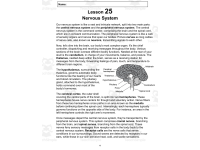
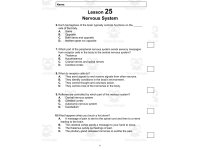
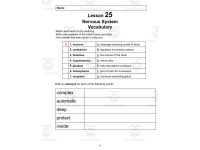
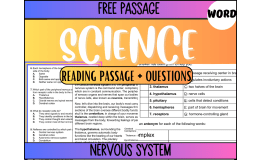
Read a two-page passage about the nervous system, then answer ten multiple-choice comprehension questions, match brain functions and system classifications, and complete seven vocabulary matches and five antonyms.
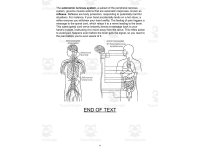
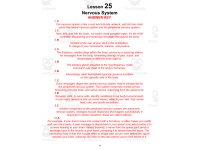
The eight-page PDF includes two answer pages with passage excerpts and solutions. Use the passage and questions for a reading lesson; the download does not contain an editable PowerPoint.
Related resources
More resources teachers may find useful
24 related resources were found using this product's title, contributor, categories and tags.

In the classroom
Teaching tips & learning objectives

Learning objectives
Students identify the functions of specific brain regions: cerebellum, thalamus, hypothalamus, pituitary gland, and cerebral cortex.
Students distinguish the central, peripheral, and autonomic nervous systems by function.
Students explain the reflex-response process using the passage's hot-stove example.

Teaching tips
Preview the seven vocabulary terms (neurons, cerebellum, thalamus, hypothalamus, pituitary, hemispheres, receptors) before reading, since question 11 and the vocabulary match both depend on them.
Use the answer key's passage excerpts to show students exactly where each multiple-choice answer comes from, modeling how to cite textual evidence.
Assign the antonym exercise (complex, automatic, deep, protect, inside) as a quick vocabulary extension once the comprehension questions are checked.

Skills covered
Informational text comprehension — students answer ten multiple-choice and two matching-style questions using details from a nervous-system passage.
Domain-specific vocabulary — students match seven anatomy terms (neurons, cerebellum, thalamus, etc.) to their definitions.
Antonym identification — students produce an antonym for each of five passage words.
Good to know
Questions teachers ask about this resource
How does the passage explain why a reflex happens so quickly?
It uses the example of touching a hot stove: a reflex withdraws the hand immediately, acting before the brain has even registered the pain, illustrating how the nervous system can act faster than conscious thought.

No reviews yet
Downloaded this resource? Tell other teachers how it went.
Curriculum
Standards, concepts & topics
Standards
 Standards
- RI.5.1
Core concepts
 Core concepts
Nervous system structure
Brain region functions
Reflex response
Domain-specific vocabulary
 Topics
Explore more
Categories this resource belongs to
Explore related searches
More to explore
You may also like