Sight Word Emergent Reader: Spring Printable Booklet | "see" sight word
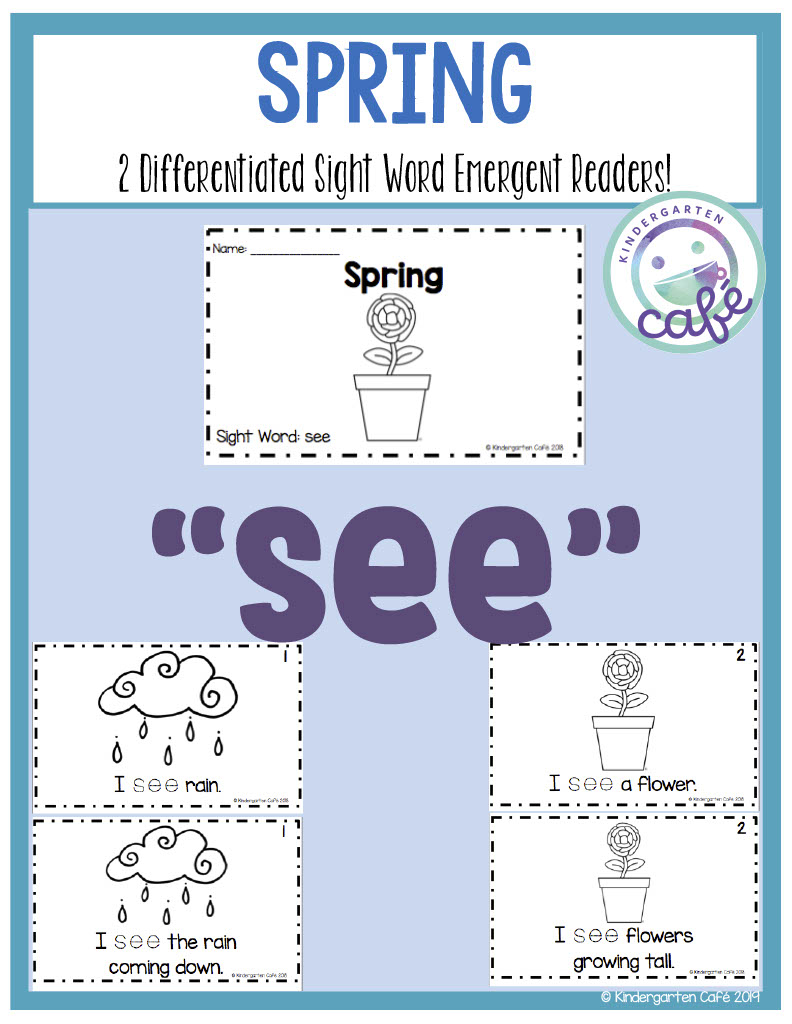
Read a short repeated-sentence pattern ("I see [a spring item].") on each page, tracing/identifying the sight word "see", and write their name on a cover page.
Classroom resources
Browse by lesson focus
Choose the topic or kind of practice you need.
Read a short repeated-sentence pattern ("I see [a spring item].") on each page, tracing/identifying the sight word "see", and write their name on a cover page.
Provide a week's worth of spring-themed daily writing prompts ('bell ringers') for classroom warm-up writing practice, delivered as a prompt slideshow paired with a printable writing journal.
Writing practice across opinion, narrative, and informative/explanatory genres using fall/back-to-school prompts for 3rd-5th grade, organized by month.
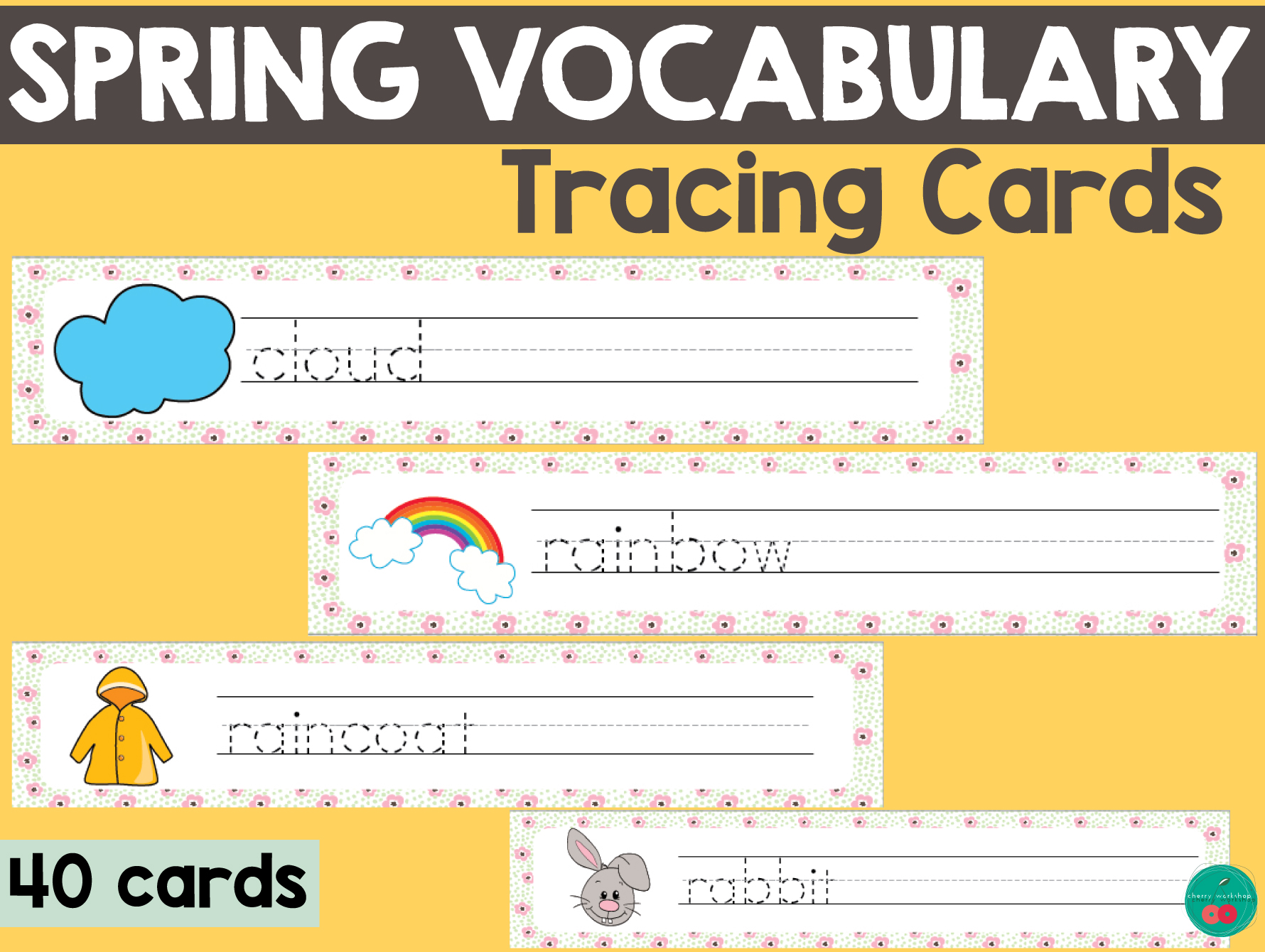
Trace each spring vocabulary word (shown with dashed/dotted line guides) on the cards, including matching March/April/May month name cards.
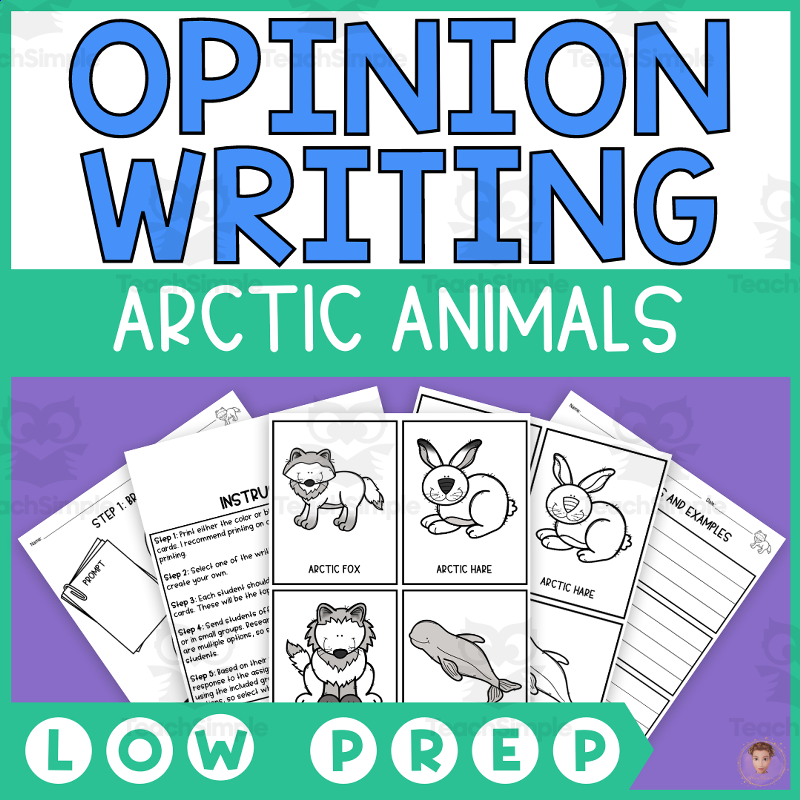
Select or be assigned two Arctic animal topic cards, research them using provided graphic organizers (KWL, interesting facts, can/have/are, is/has/needs, animal comparison, historical timeline, animal investigation, animal traits), then write or orally present a response to a 'would you rather' opinion prompt.
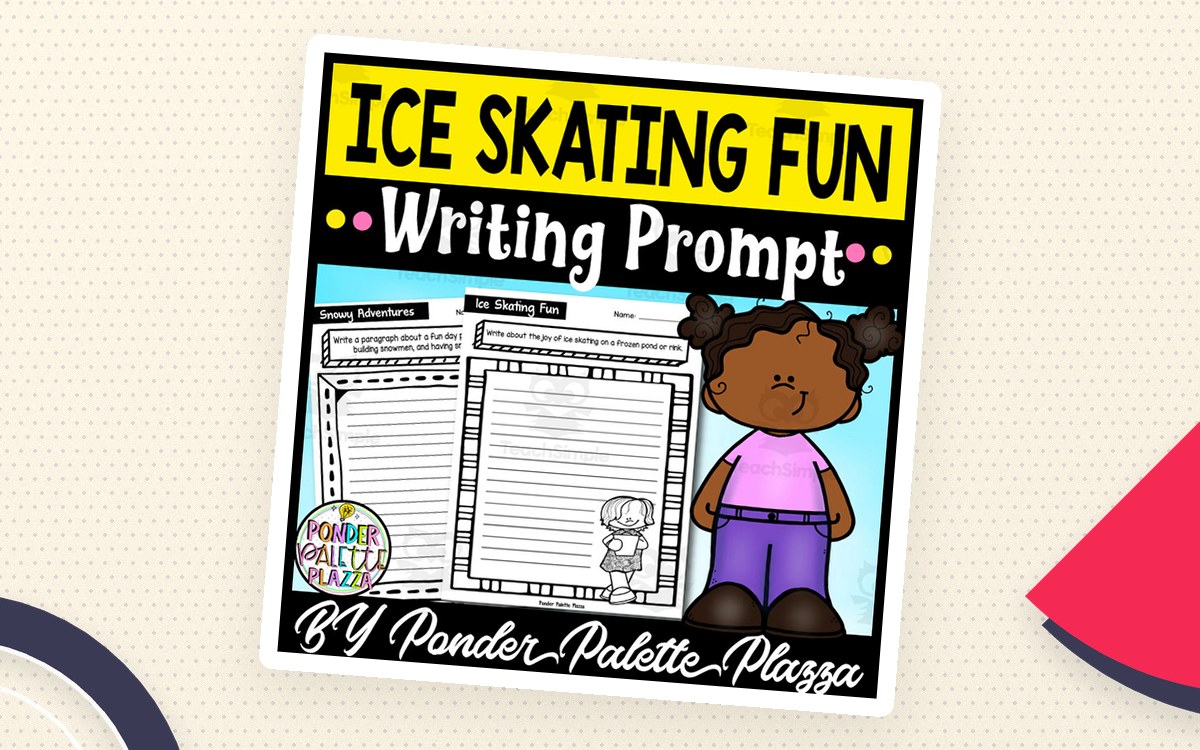
The two pages invite students to describe and illustrate an ice-skating scene. Brainstorm movement, sounds, and feelings before writing, then let the drawing add details that complement the response. A real experience or an imagined visit to a rink can supply the ideas.
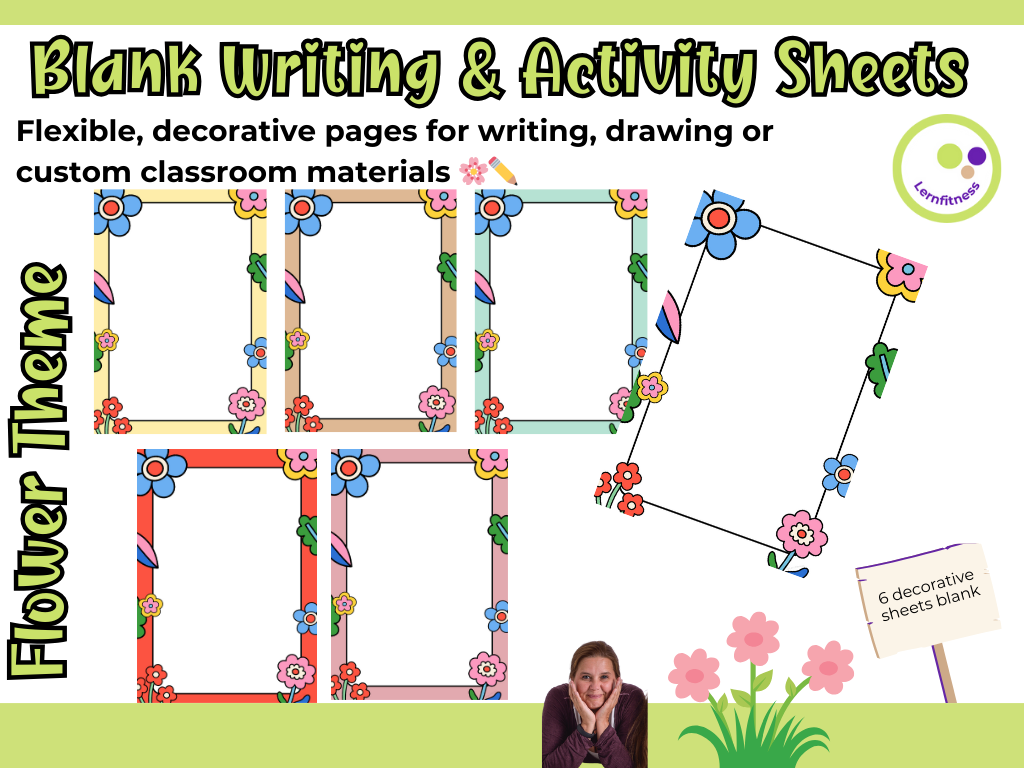
Provide blank, spring-themed decorative pages (with or without rulings) that teachers can repurpose for writing, drawing, math, or music activities.
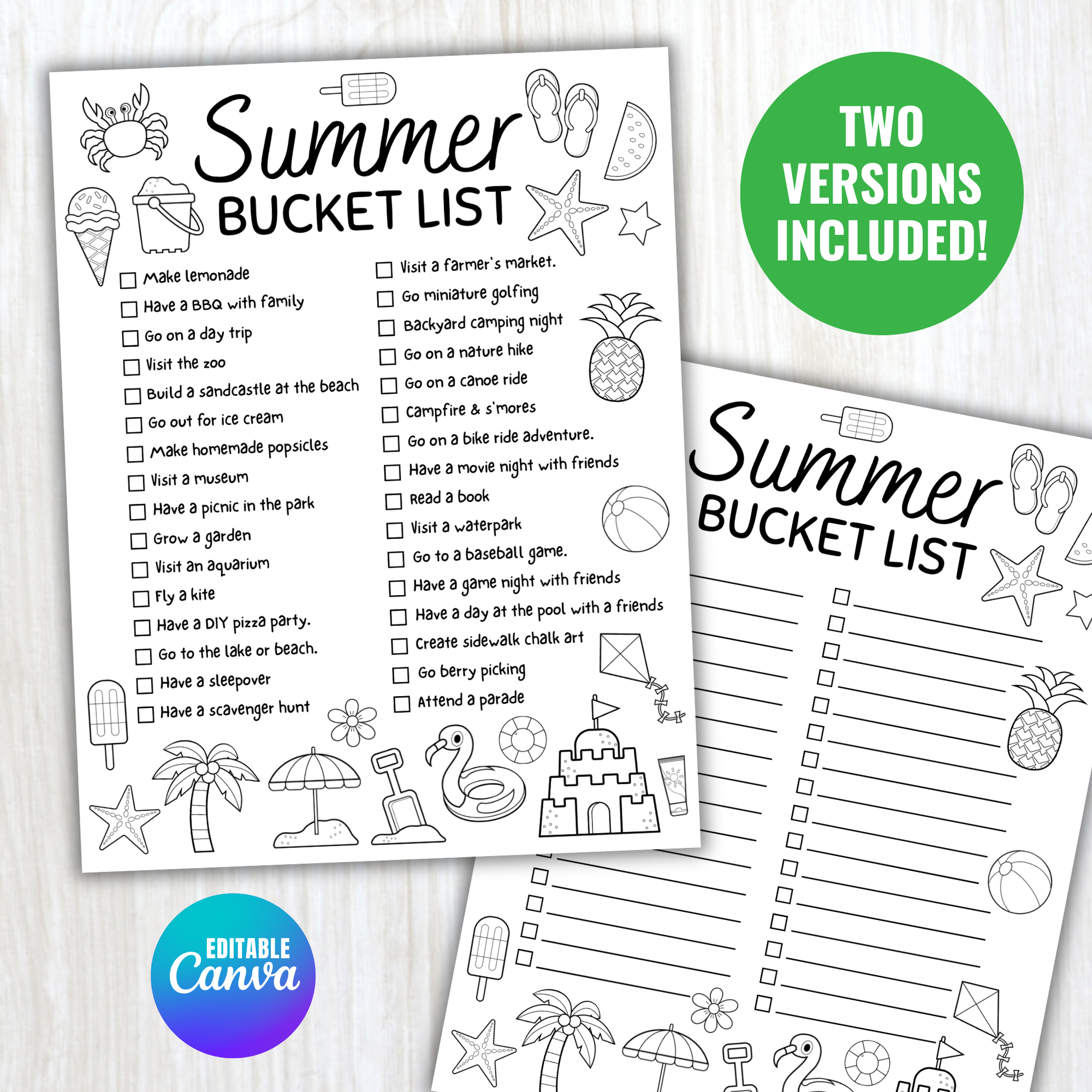
Printable/editable 'Summer Bucket List' checklist activity for students to plan and reflect on summer break activities, intended as an end-of-year send-off.
Practice reading and recognizing common sight words through a spin/roll-and-color format.
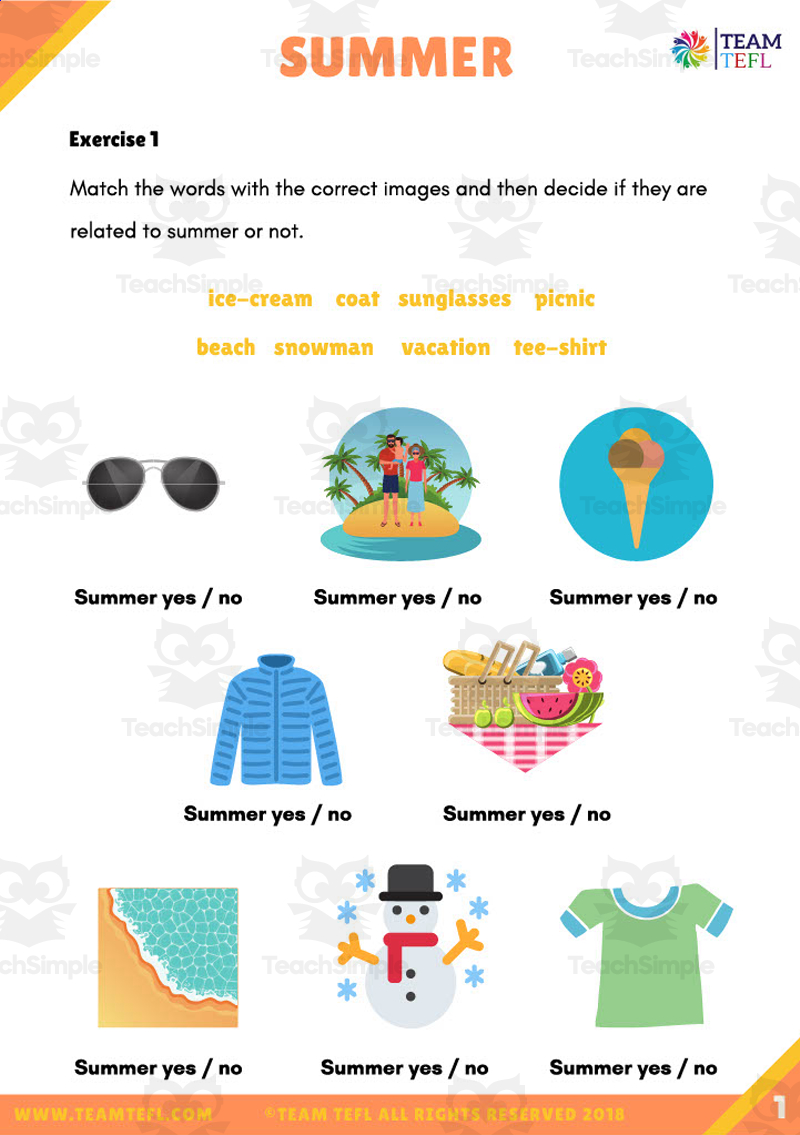
Beginner-level ESL/EFL reading comprehension activity set on the topic of summer.
End-of-year reflective writing prompts structured as a countdown (10 down to 1) for the last days of school before summer break.
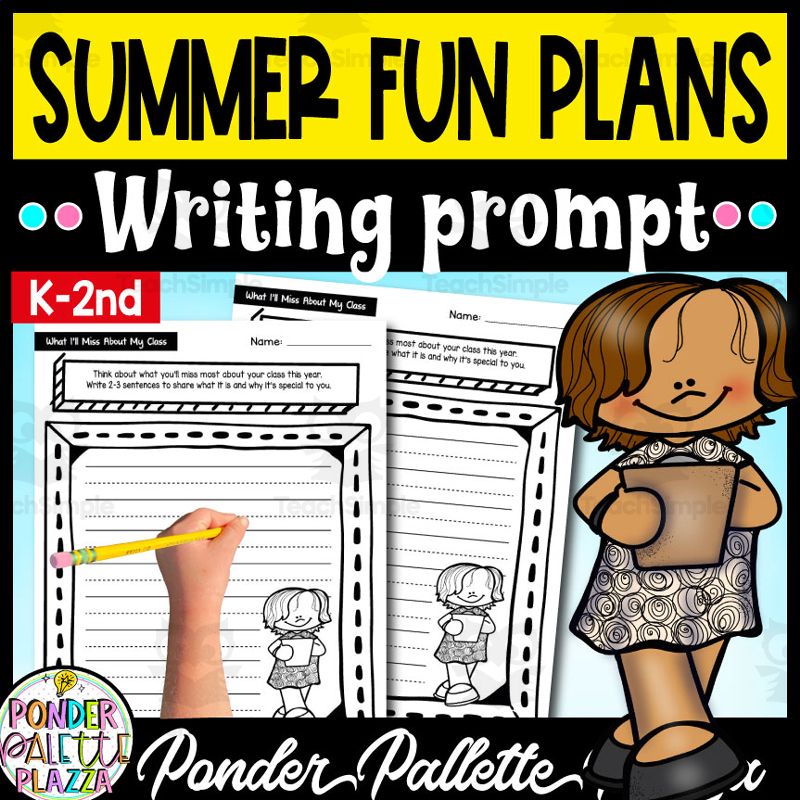
Write 2-3 sentences describing a fun activity or place they plan to visit this summer, and draw a picture showing where they'll be and who they'll be with.
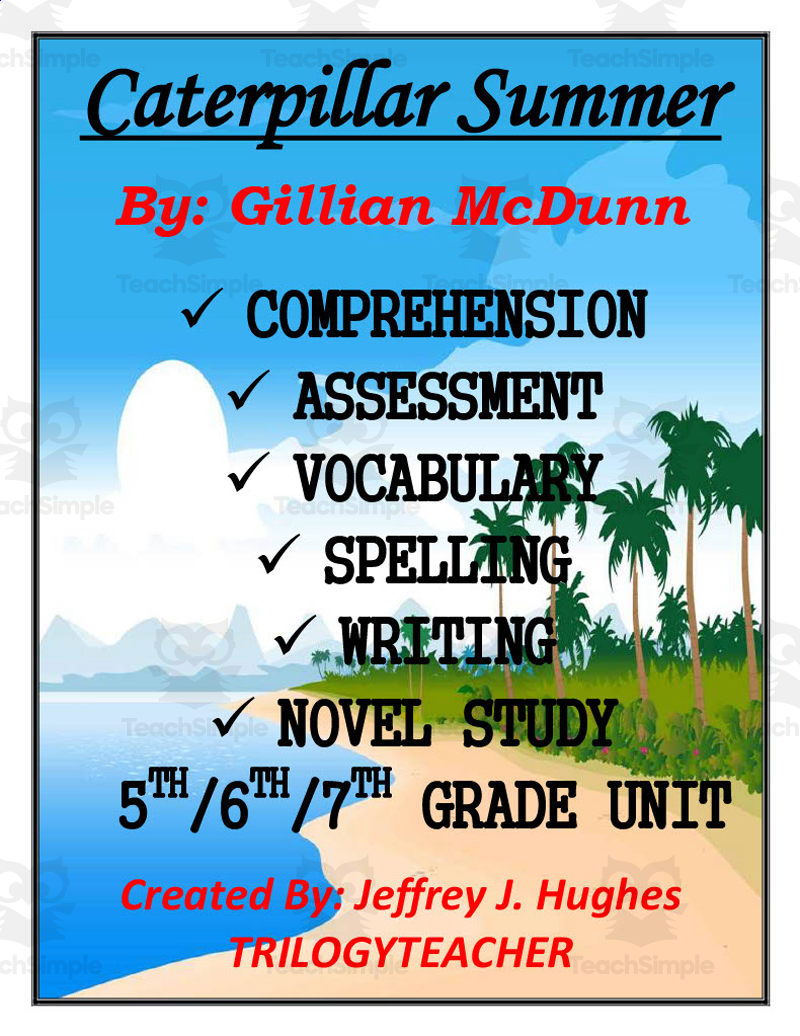
Students complete, per chapter group (Ch 1-2, 3-4, 5-7, 8-10, 11-13, 14-15, 16-Epilogue): vocabulary work, comprehension questions answered in complete sentences, and varied activities including a writing activity, a cloze exercise, a word search, and an 'investigate' research task; pre-reading activities have…
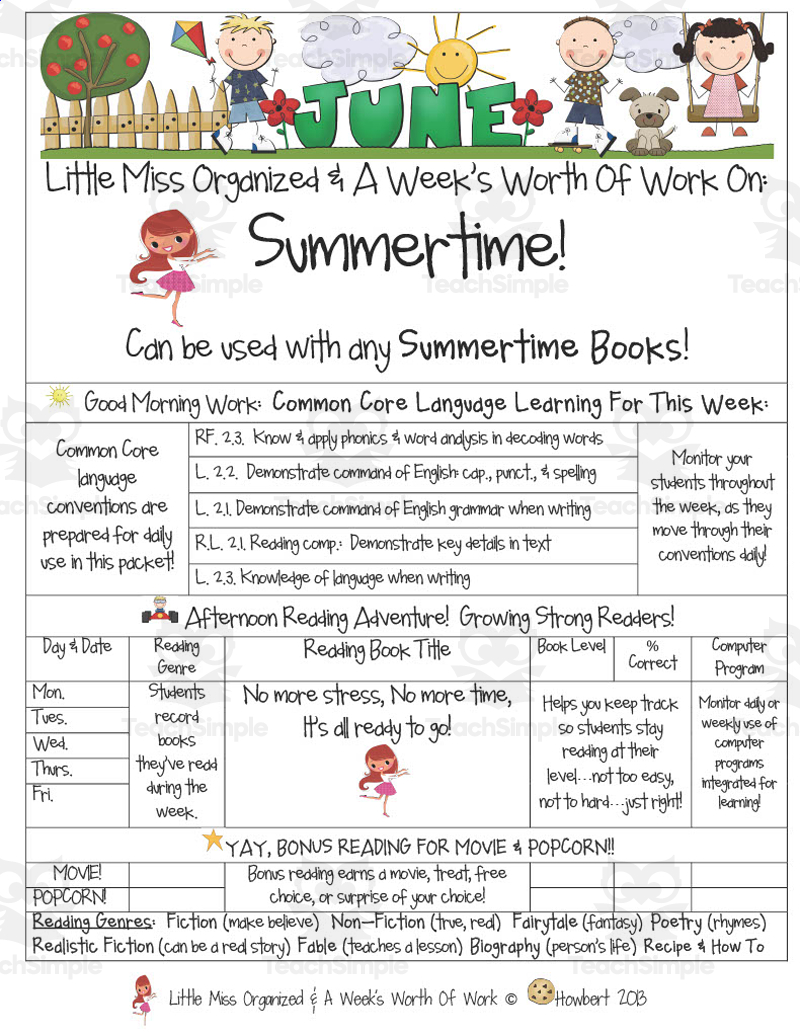
Complete a different daily grammar/conventions task each day (Monday-Friday), track independent reading of a self-selected summer book with title/level/percent-correct, and complete a capitalization sorting/writing activity about places visited in summer.
Practice spring literacy skills with word tracing, sound and spelling sorts, syllable activities, sight-word games and writing prompts.
Complete capital and lowercase alphabet mazes (A-Z), trace uppercase and lowercase letters, fill in missing letters, match lowercase to capital letters, sort capital and lowercase letters, and complete tracing-practice pages.
Read short nonfiction passages ('The Summer Season'), narratives ('Emma at the Beach'), and poems ('Summer on the Pond', 'What is Summer?') and answer reading-response questions (circle/underline/box/short answer); draw and label items related to a topic (pond, beach); complete open-ended beach/summer writing prompts; trace and practice…
Students complete phonics drills (vowel teams, bossy r, diphthongs, soft c/g, prefixes/suffixes, syllables/compound words), sight-word activities and a word search, read short comprehension passages and a poem and answer questions, complete main idea/details, story map, compare/contrast, fact/opinion, and cause/effect activities, do…
Read chapters, complete pre-chapter vocabulary and historical reference readings, answer 20-item comprehension/discussion worksheets per lesson including 4 mystery-vocabulary context-clue items and a homophone item, take five-question CCSS-aligned exit quizzes and track scores on a bar graph, complete reflection writing prompts, do…
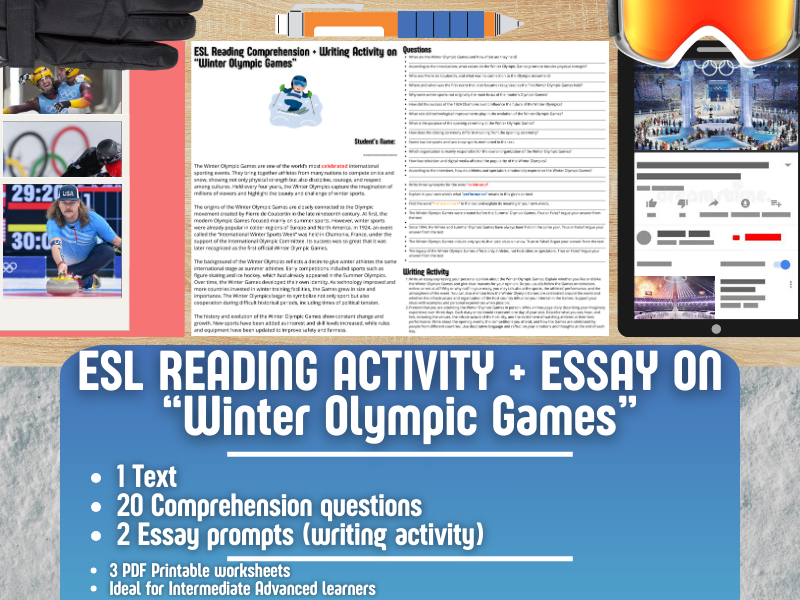
Read a short informational article, answer written comprehension questions (including one true/false question that requires arguing the answer from the text), complete a short synonym-writing vocabulary exercise, then write a full essay responding to one of two or three provided writing prompts.
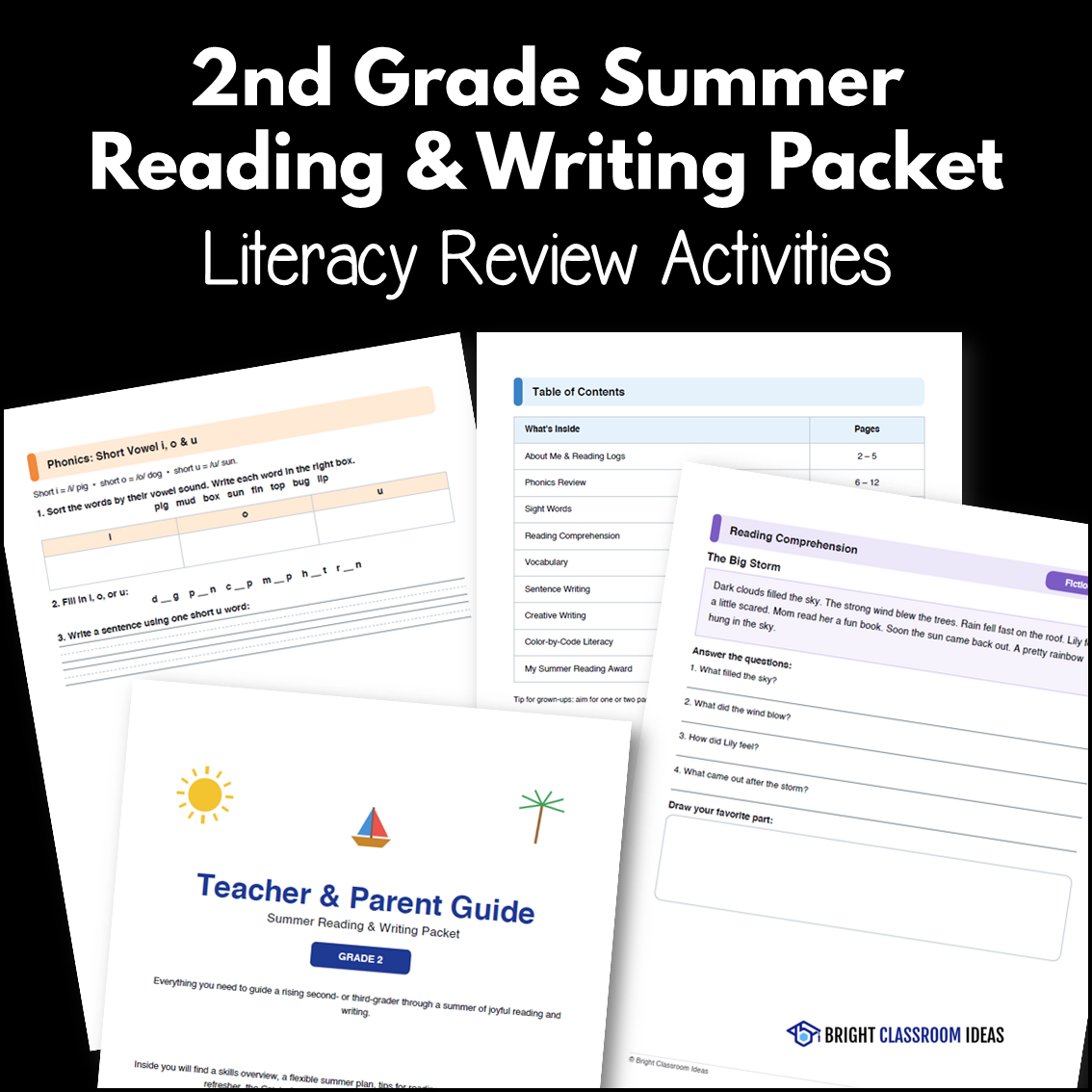
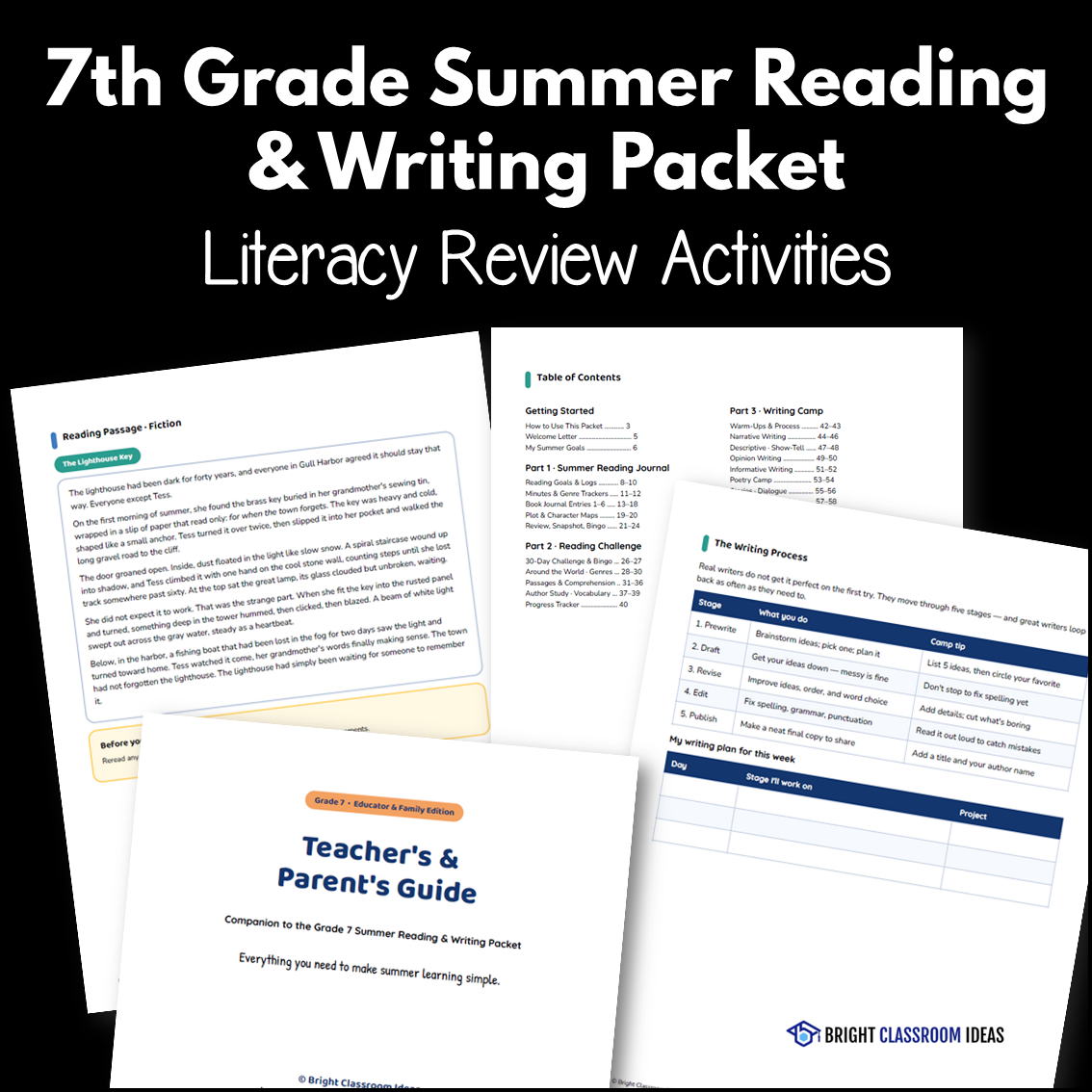
Keep a reading journal/tracker and complete reading challenges (30-day challenge, bingo, quests, author study); read passages (a short story, an informational text, a poem) and answer analysis questions on character, inference, theme, and craft/figurative language; complete Writing Camp pieces (narrative, argumentative with…
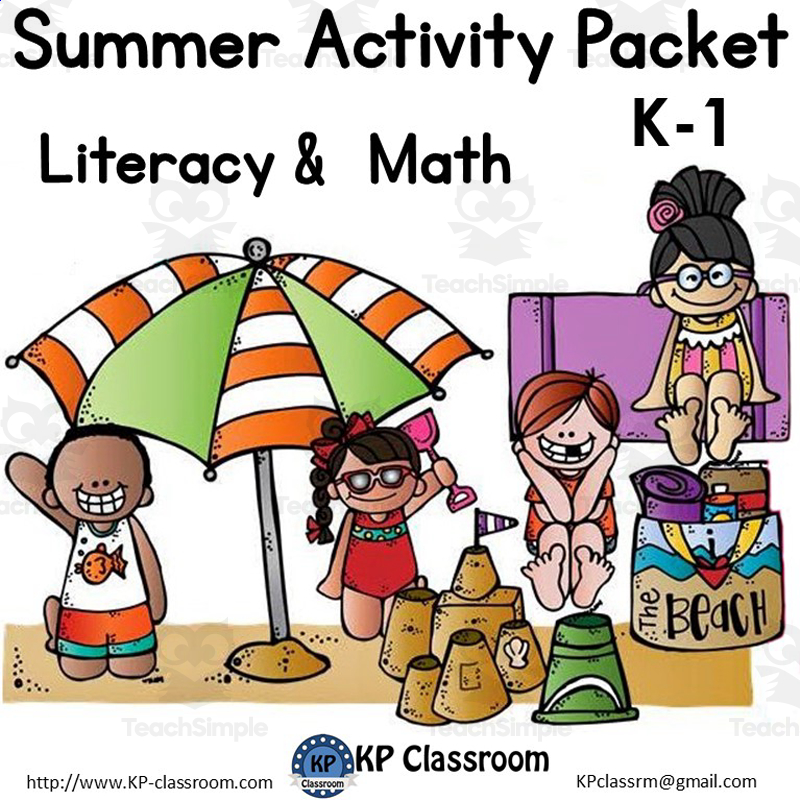
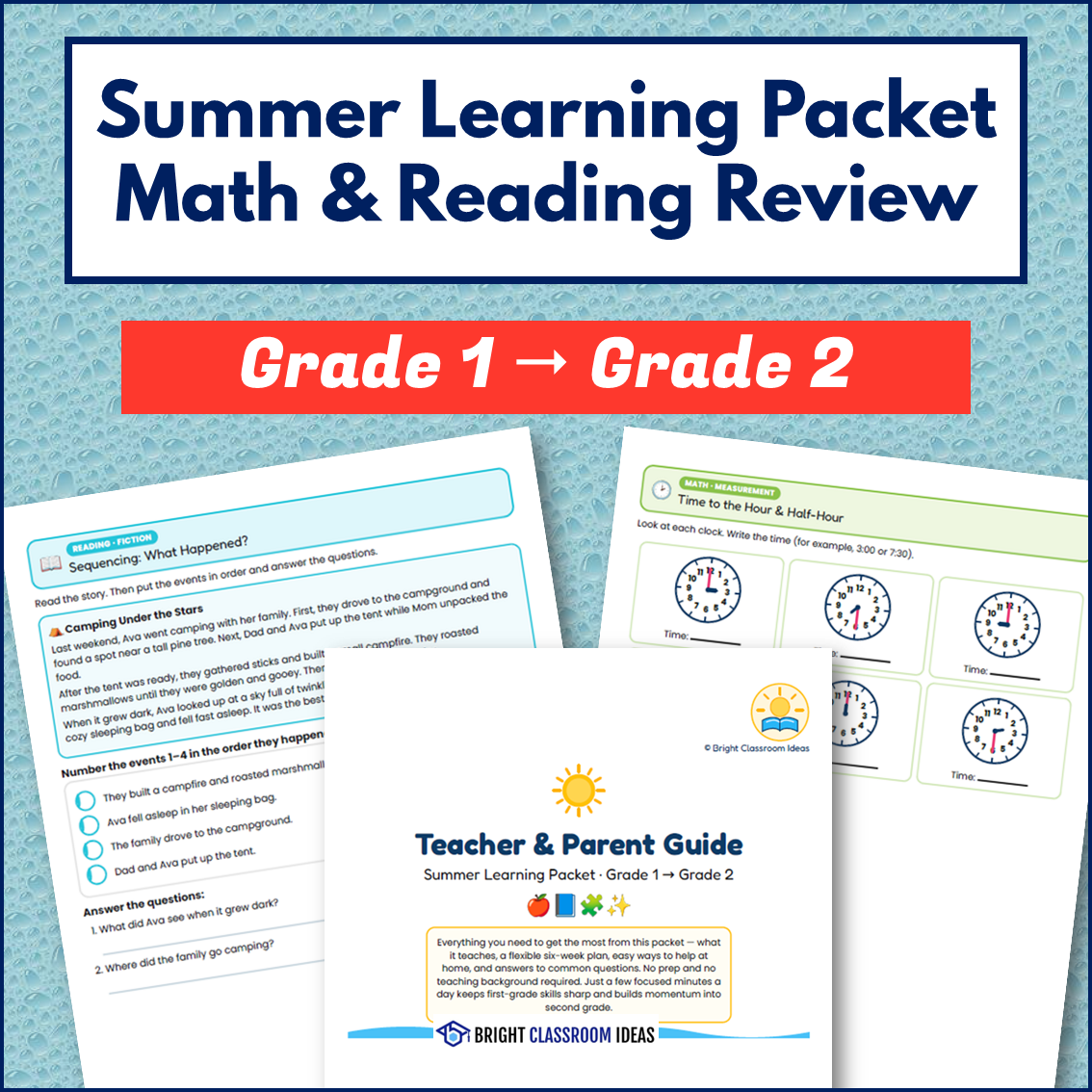
Complete one focused reading/language-arts or math task per page: answer reading comprehension questions, practice phonics and word study, fill in sight words/vocabulary, apply grammar rules, solve addition/subtraction/place-value/measurement/money/geometry/graphing/word-problem tasks, and finish summer bonus puzzles.
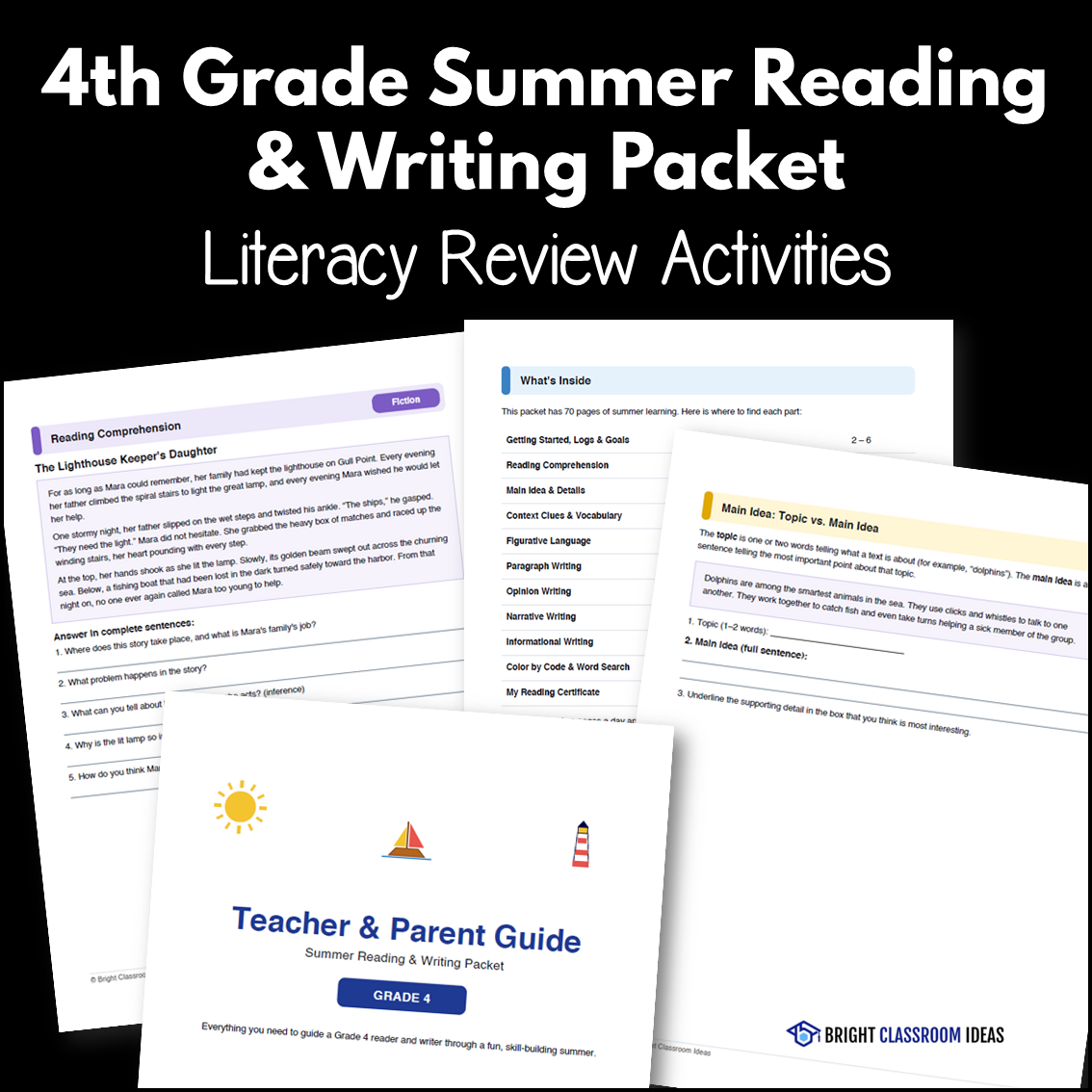
Read passages and answer comprehension questions, identify and produce examples of figurative language (simile, metaphor, personification, hyperbole, onomatopoeia, idiom), complete a word search and color-by-code activity, and write paragraphs, opinion essays, narrative stories, and informational pieces using scaffolded organizers.
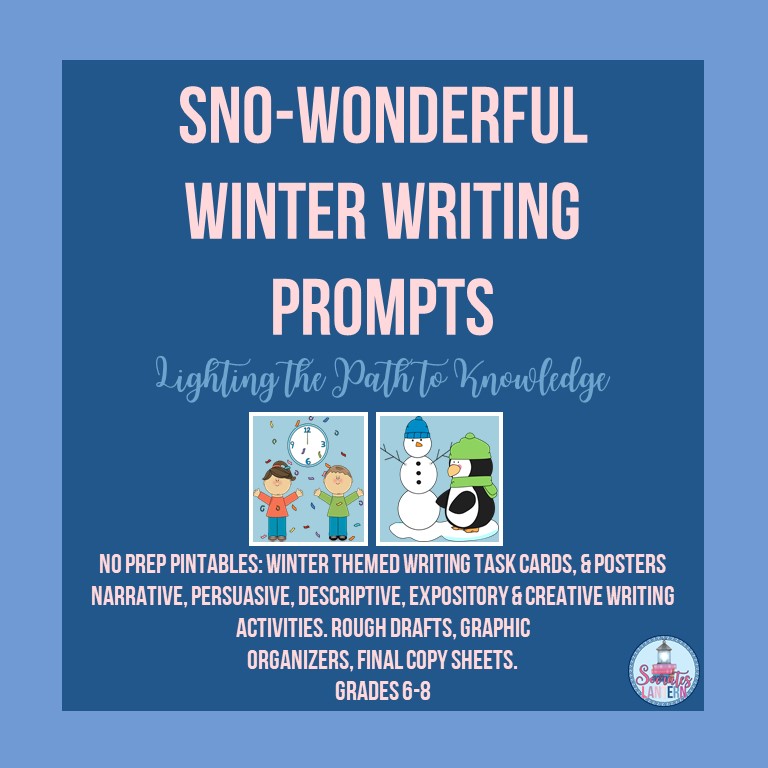
Learn the definitions of Narrative, Descriptive, Expository, and Persuasive writing; complete genre-specific winter-themed writing task cards; use graphic organizers and pre-writing worksheets; proofread and revise a draft following provided proofreading steps; and produce a final copy on provided lined pages, referencing a grading…