Three Poems Activity + Assessment Unit
A poetry reading unit teaching theme, main idea, and point of view through three original poems, using group 'detective' style analysis activities, vocabulary cards, and multiple-choice exit assessments.
Classroom resources
Browse by lesson focus
Choose the topic or kind of practice you need.
A poetry reading unit teaching theme, main idea, and point of view through three original poems, using group 'detective' style analysis activities, vocabulary cards, and multiple-choice exit assessments.
Students read short nonfiction passages on Earth science topics, answer multiple-choice comprehension questions, complete graphic organizers/flowcharts, do a read-aloud fluency timing exercise, write a summary in their own words, and complete a vocabulary spelling activity.
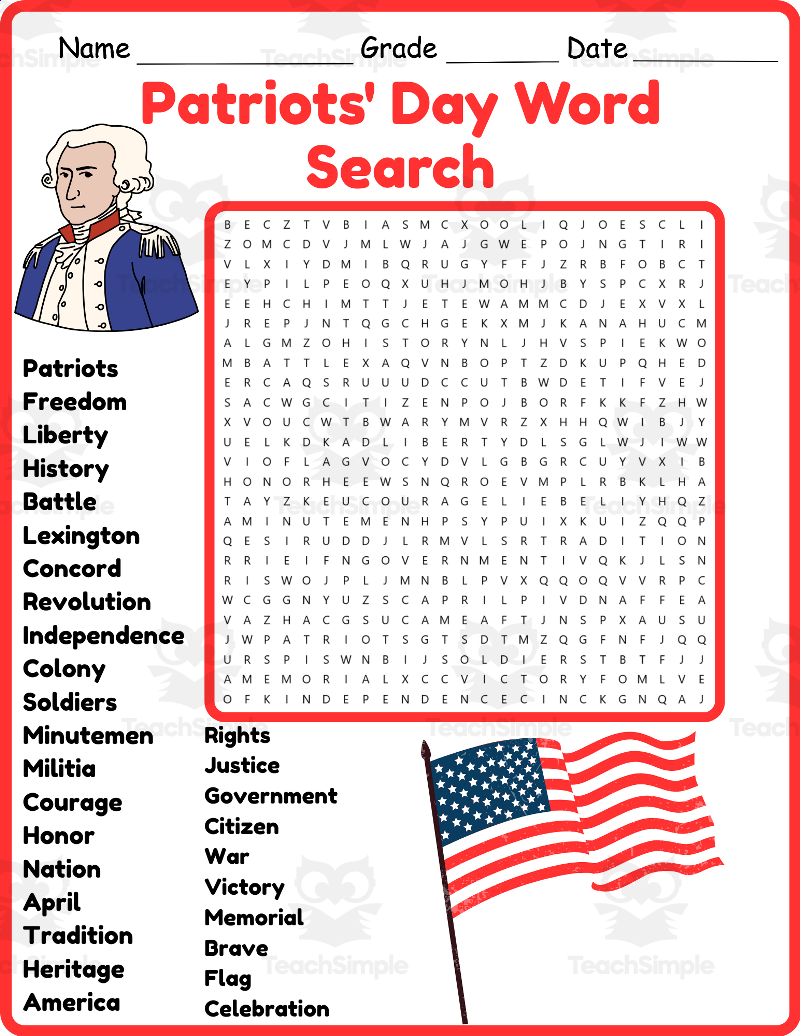
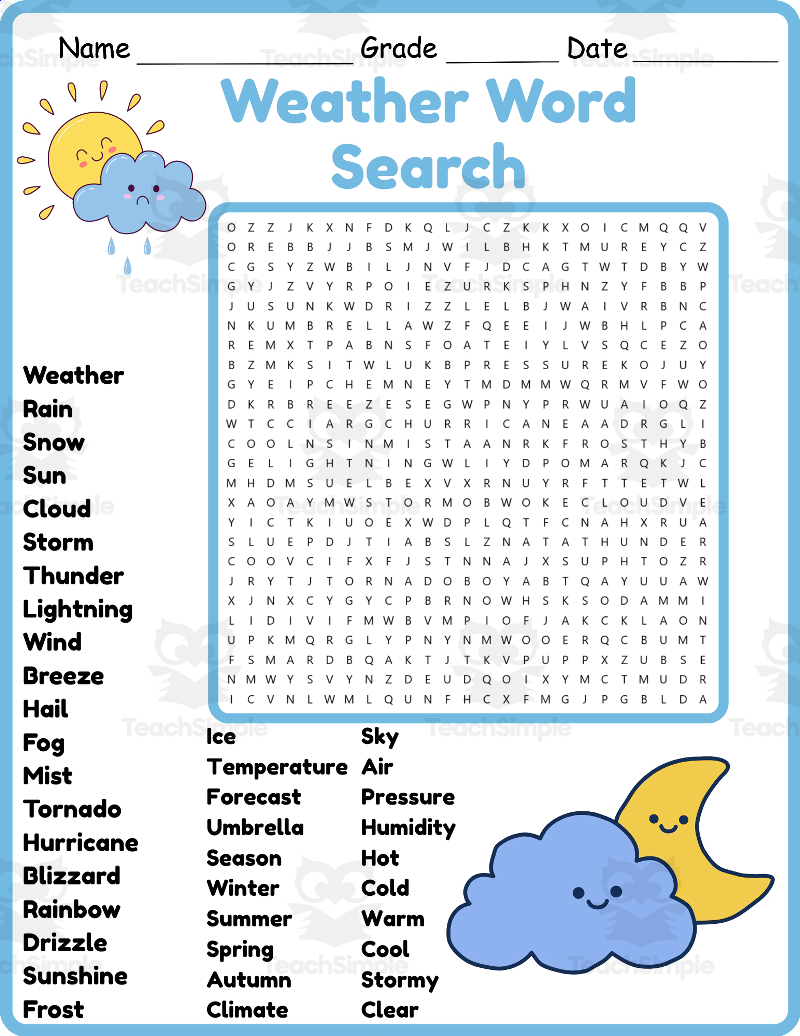
Find weather vocabulary words hidden in a word-search puzzle; fill in name, grade, and date.
A single-lesson nonfiction reading-comprehension slide deck (PowerPoint) about elephant seals, offered as a free sample of a larger 'Nonfiction Set 1' series, with mixed comprehension questions, a vocabulary matching exercise, a writing prompt, and an answer key.
Read a nonfiction science passage about electricity/magnetism, answer multiple-choice and short-answer comprehension questions (including diagram-labeling and yes/no reasoning items), and study a spelling word list drawn from the passage's key vocabulary; a detailed answer key with explanations is provided.
For each lesson, read the passage(s), then answer numbered test-style questions (multiple-choice with single-oval selection, short-written response, and vocabulary fill-ins) worth points each.
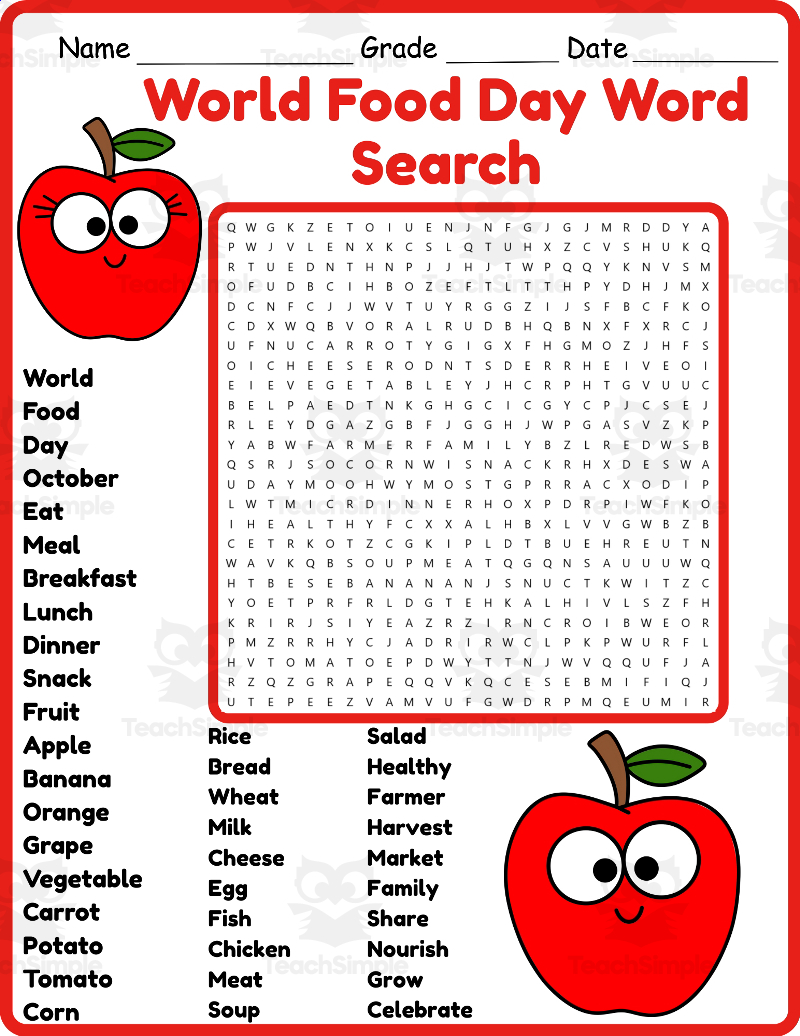
Find and identify a list of food/farming/World Food Day vocabulary words hidden in a word search grid; fill in name, grade, and date.
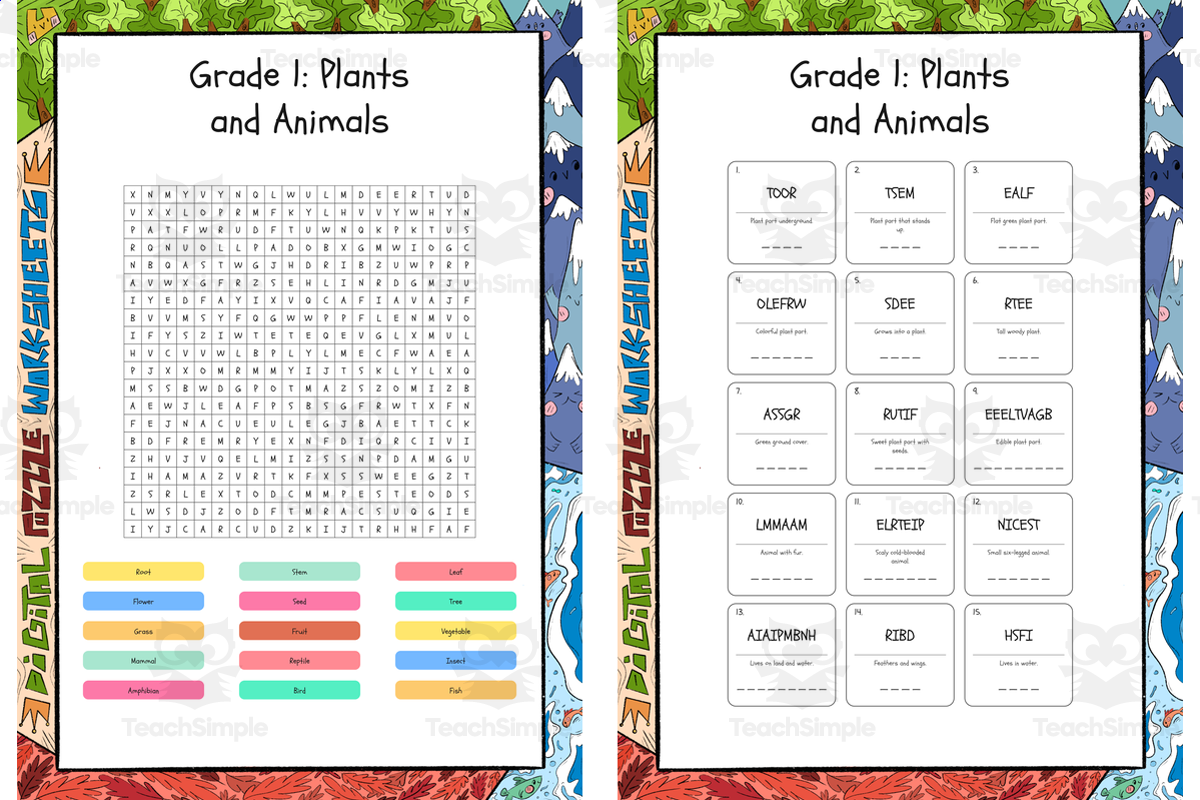
Give Grade 1 students practice identifying and spelling basic plant and animal vocabulary through puzzle-based review.
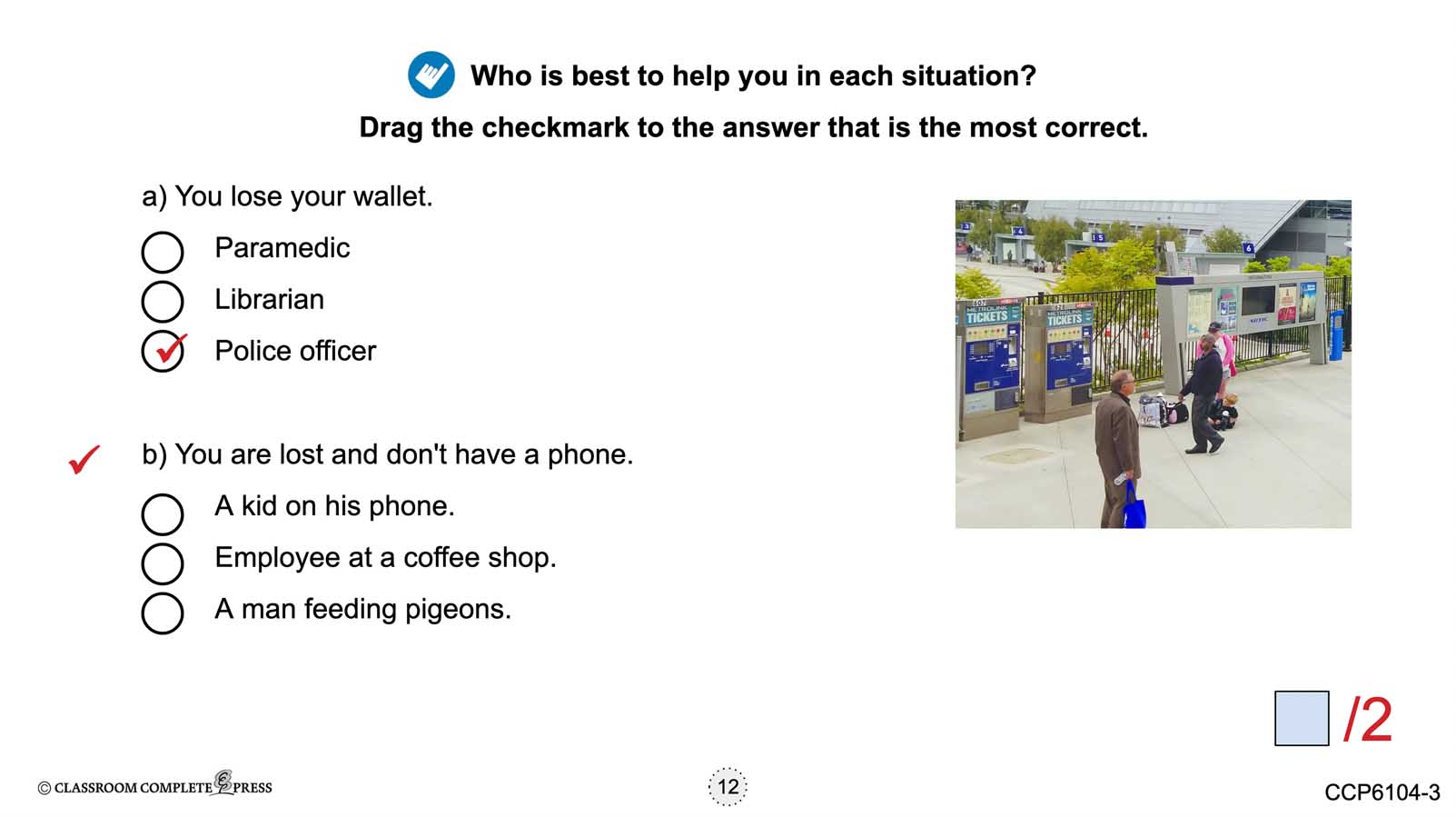
Students open a linked Google Slides deck (not contained in this PDF) and read, type, and drag answers into interactive slides covering thriving on the job scenarios and vocabulary; teachers mark responses using the answer key and rubric in this PDF.
A short fiction reading-comprehension lesson built around the passage "Graduation": students read the story then complete post-reading activities to check understanding and build vocabulary/writing skills.
For each lesson, read a grade-appropriate passage, answer multiple-choice and short-written-response questions, unscramble vocabulary words, complete a creative writing prompt, solve a word problem, and summarize the passage.
Read/view the slides, then answer 9 multiple-choice comprehension questions, complete a vocabulary-matching exercise (7 terms to definitions), and write original sentences using 3 given words (diagram, different, direction).
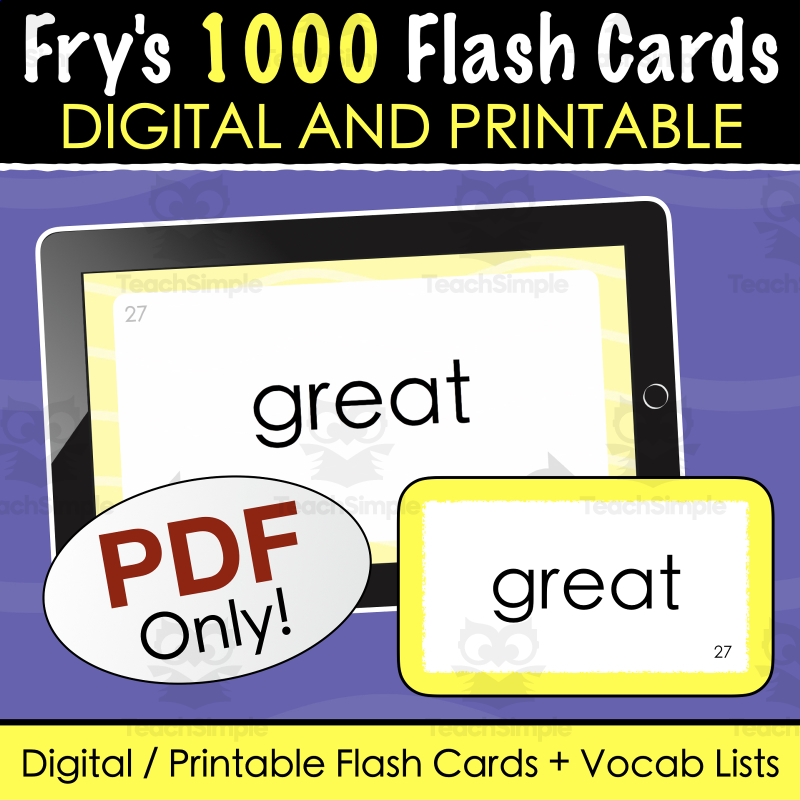
Read each sight word aloud from a digital slideshow (one word per slide, navigated with arrow keys) or a printable card, practicing correct pronunciation one word at a time.
Students open a linked Google Slides deck (not contained in this PDF) and read, type, and drag answers into interactive slides covering personal safety scenarios and vocabulary; teachers mark responses using the answer key and rubric in this PDF.
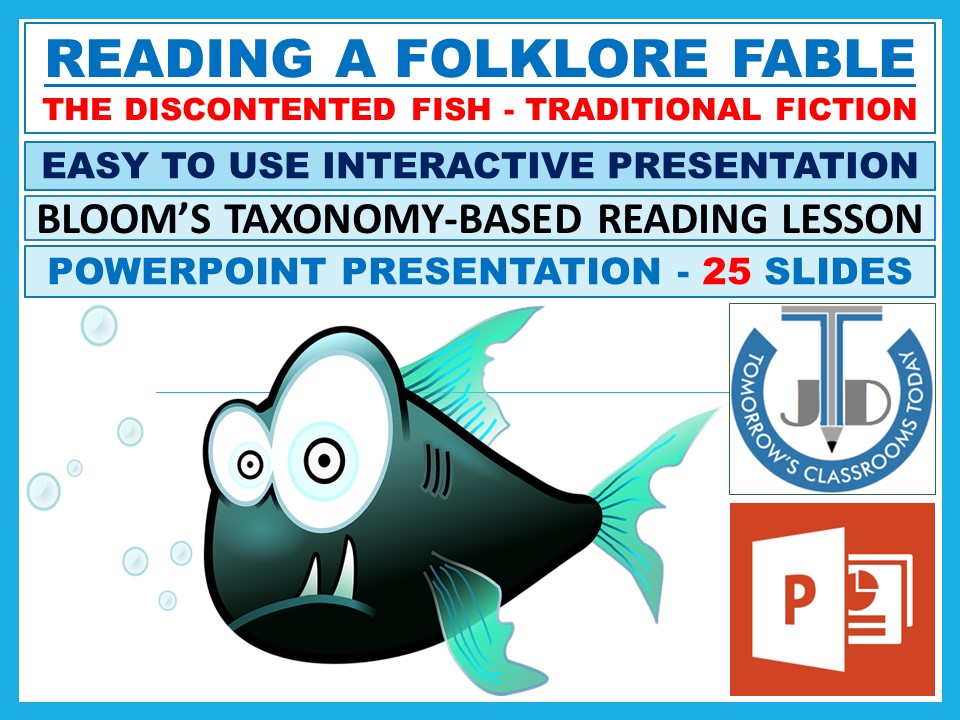
A no-prep PowerPoint reading comprehension lesson built around the Senegalese folk story 'The Discontented Fish,' structured using New Bloom's Taxonomy levels and aligned to Common Core RL.6-8 standards.
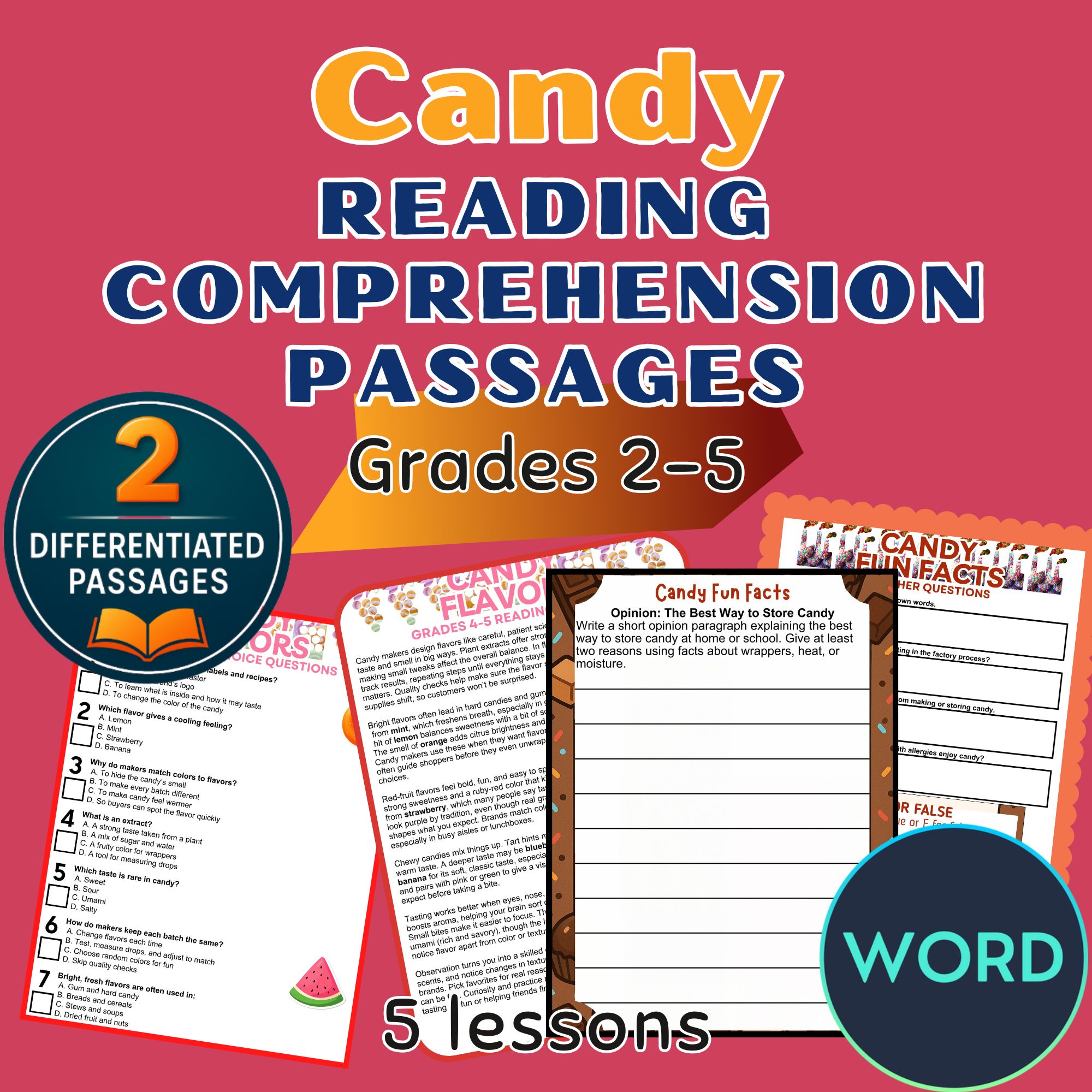
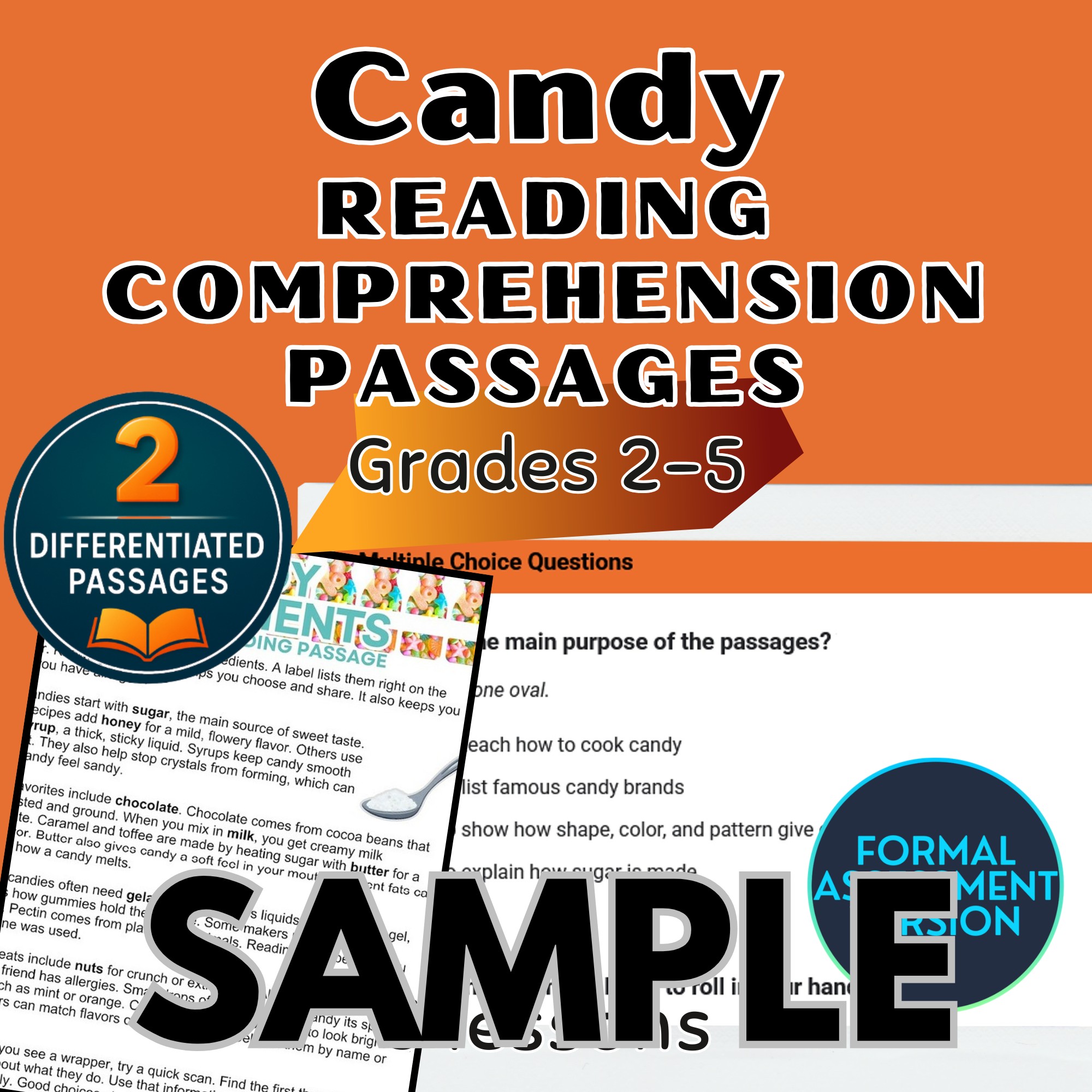
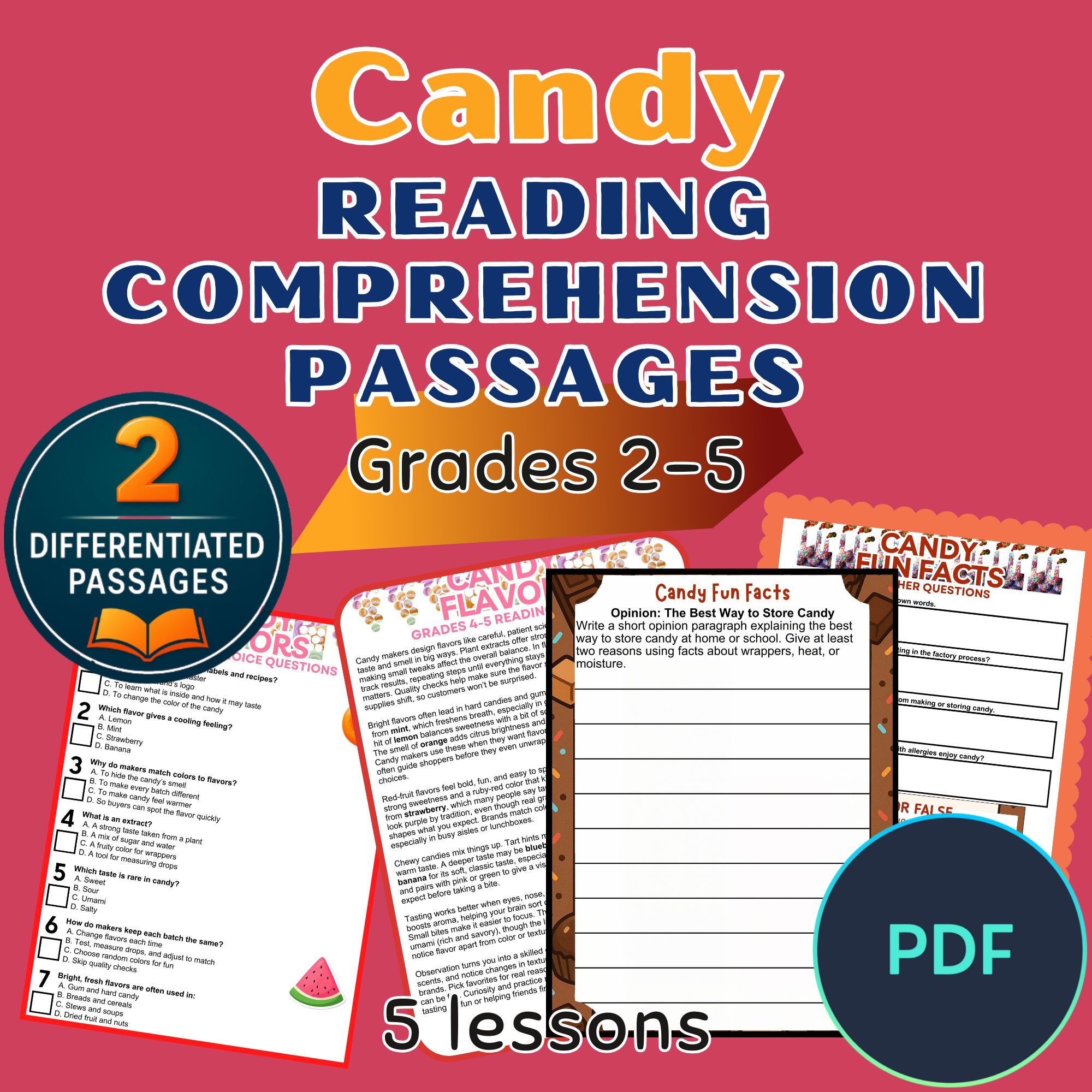
One-lesson free sample of a themed reading comprehension passage series (Candy), in a formal-assessment format testing comprehension of the 'Candy Types' passage.
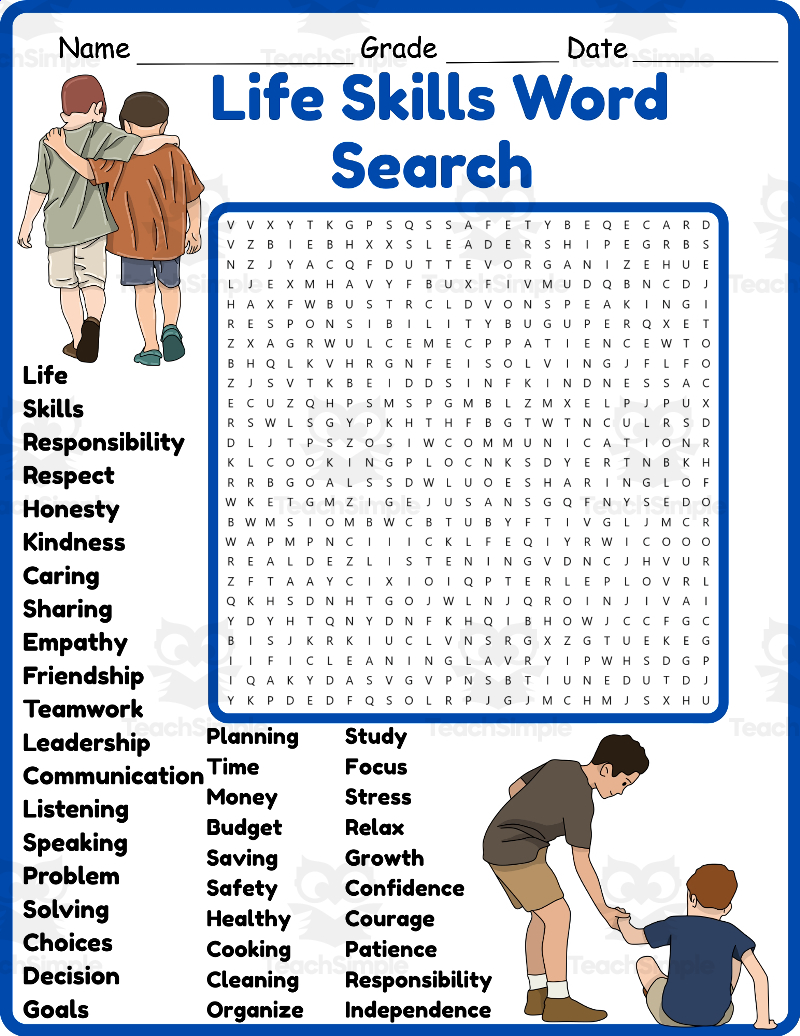
A word search worksheet that reinforces life-skills vocabulary (e.g. responsibility, respect, honesty, teamwork, budgeting, safety) through word-recognition and spelling practice.
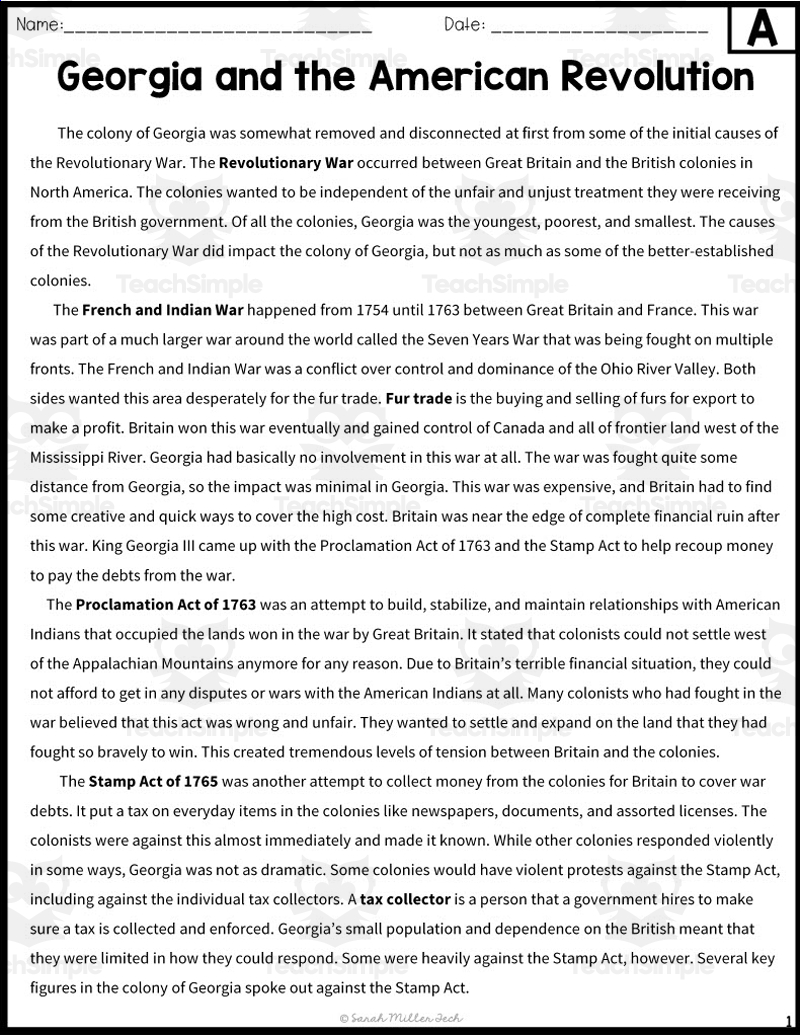
Read one of two leveled passages (marked "A" and "B" in the file) about Georgia and the American Revolution, then complete multiple-choice comprehension questions, a vocabulary-matching activity, "ticket out the door" exit-slip questions, a main-idea graphic organizer (three ways Georgia recovered financially after the war), and a…
Students open a linked Google Slides deck (not contained in this PDF) and read, type, and drag answers into interactive slides covering living on a budget scenarios and vocabulary; teachers mark responses using the answer key and rubric in this PDF.
Find and circle vocabulary words hidden in a word search grid; a solution grid is included
For each lesson, read a grade-appropriate passage, answer multiple-choice questions, answer short-written-response questions, unscramble vocabulary words, complete a creative writing prompt, solve a themed word problem, and write a passage summary.
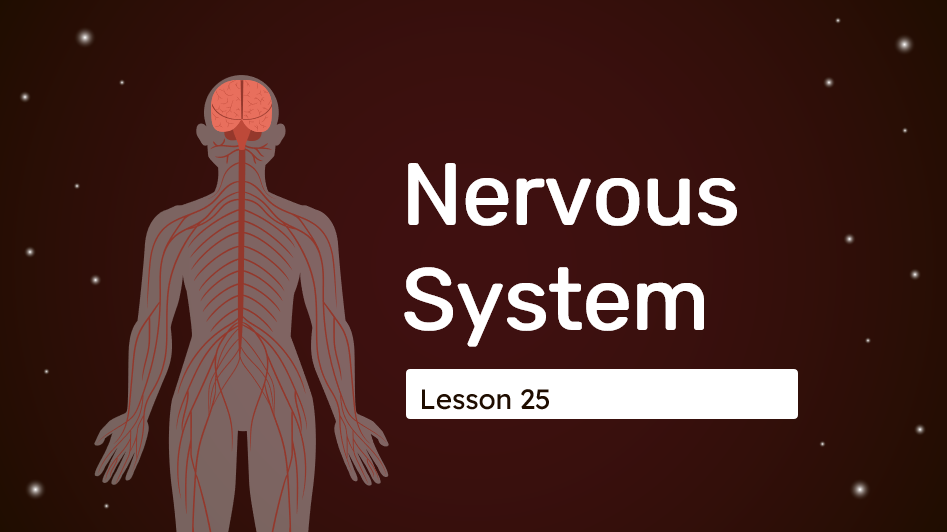
Read an informational passage on the nervous system, answer 10 multiple-choice comprehension questions, match brain parts/nervous-system divisions to their functions, complete a vocabulary matching exercise, write antonyms for given words, and check answers against a provided answer key with textual justification.
A grade 3 grammar workbook (OnBoard Academics) covering four topics: adverbs, conjunctions, using 'I' and 'me' correctly, and suffixes, each with vocabulary, practice activities, and a quiz.
Context Clues Grammar Practice MCQS ELA MCQS Overview: In this series of lessons, students will embark on an engaging journey to master the language arts skills that make communication effective and expressive. These lessons are designed to help students recognize, understand, and apply key grammar, vocabulary, and writing…