Phonics & word study
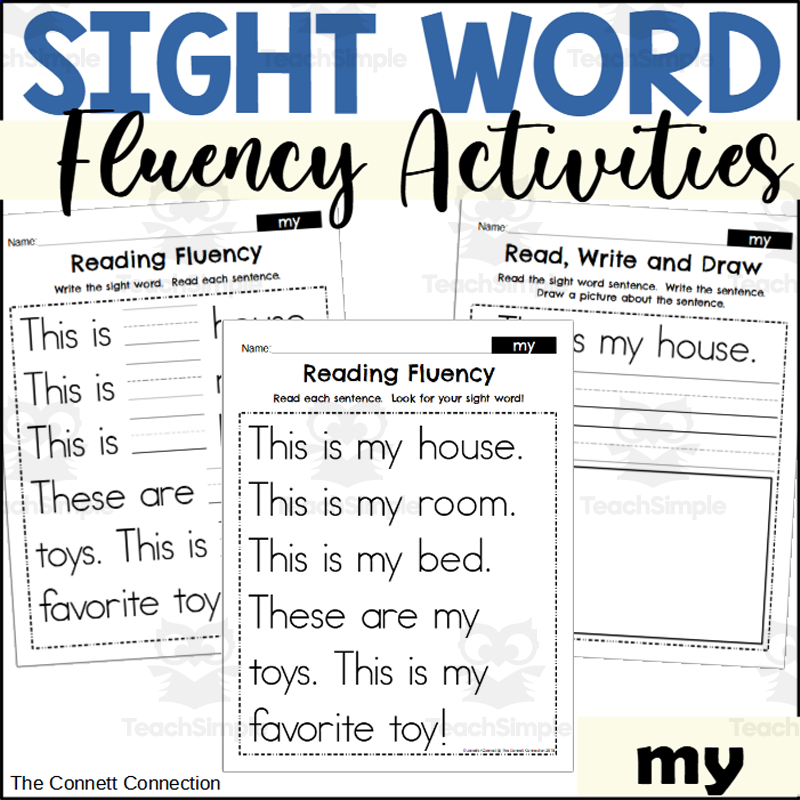
Sight Words Fluency Packet - my
Read sentences containing 'my', write the missing word 'my' into blanked sentences, and copy/draw a picture for one sentence.




Classroom resources
Browse by lesson focus
Choose the topic or kind of practice you need.
Showing 961–984 of 3076 resources

 Show filters
 Read sentences containing 'my', write the missing word 'my' into blanked sentences, and copy/draw a picture for one sentence.

Lesson 11 of a Tempest unit: a guided essay-writing/revision lesson exploring the theme of power across the play, scene by scene, to prepare students for an analytical essay.
Answer 80 multiple-choice civics questions (4 answer choices, A-D) covering all six FCLE strands, using an answer sheet or teacher-provided space.
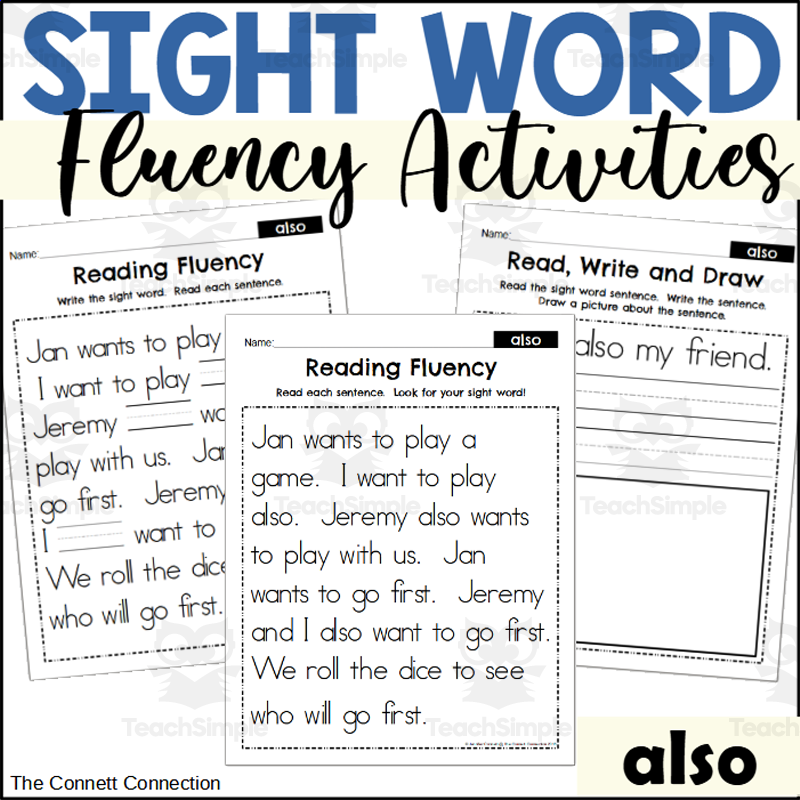
Read a short passage where "also" appears multiple times; on a second page, write "also" into blanks in the same passage and read it aloud; on a third page, read a sentence with "also", copy/write the sentence, and draw a picture illustrating it.
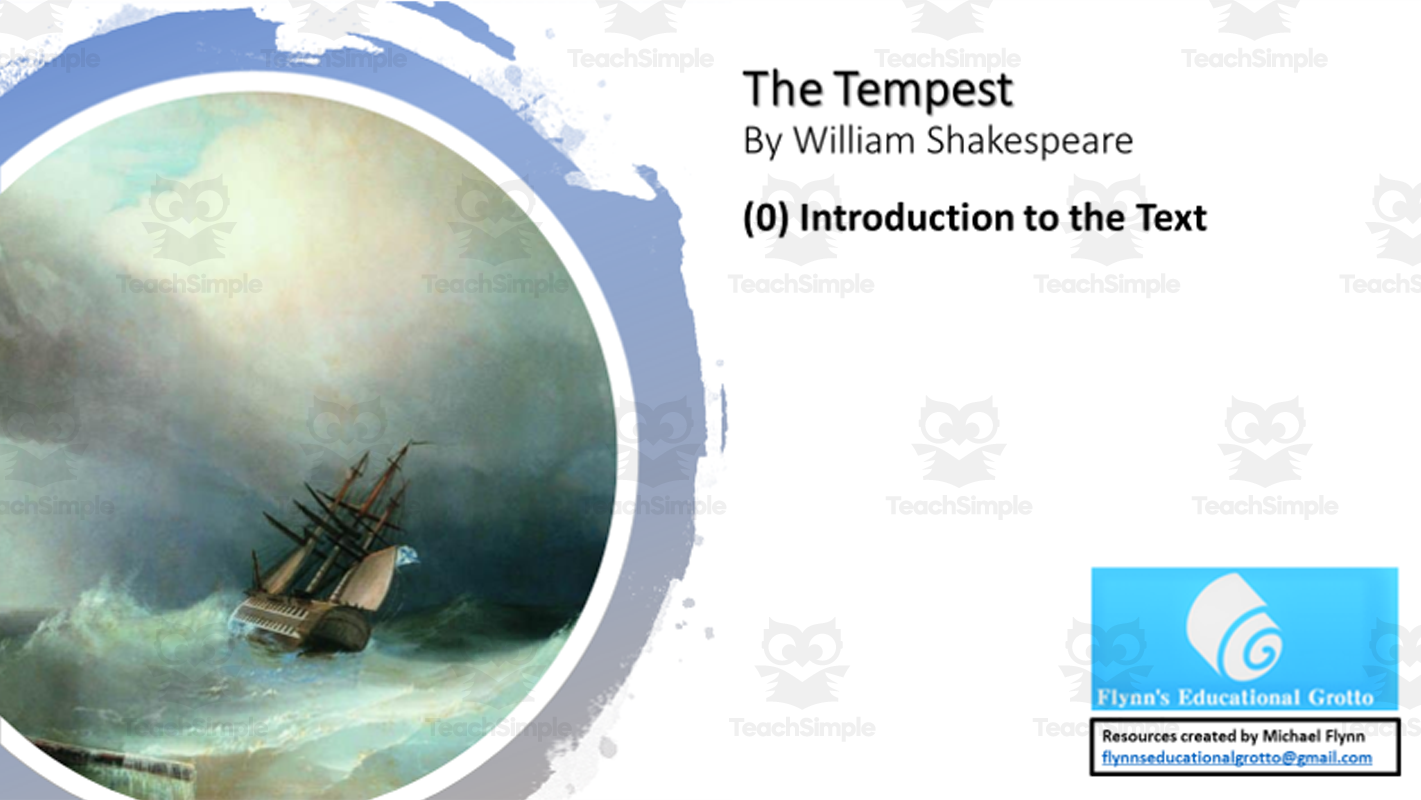
An introductory lesson to Shakespeare's play 'The Tempest', covering the author's biography, historical context (the Elizabethan/Jacobean era), key literary terms (aside, soliloquy), and Shakespeare's typical four-part plot structure.
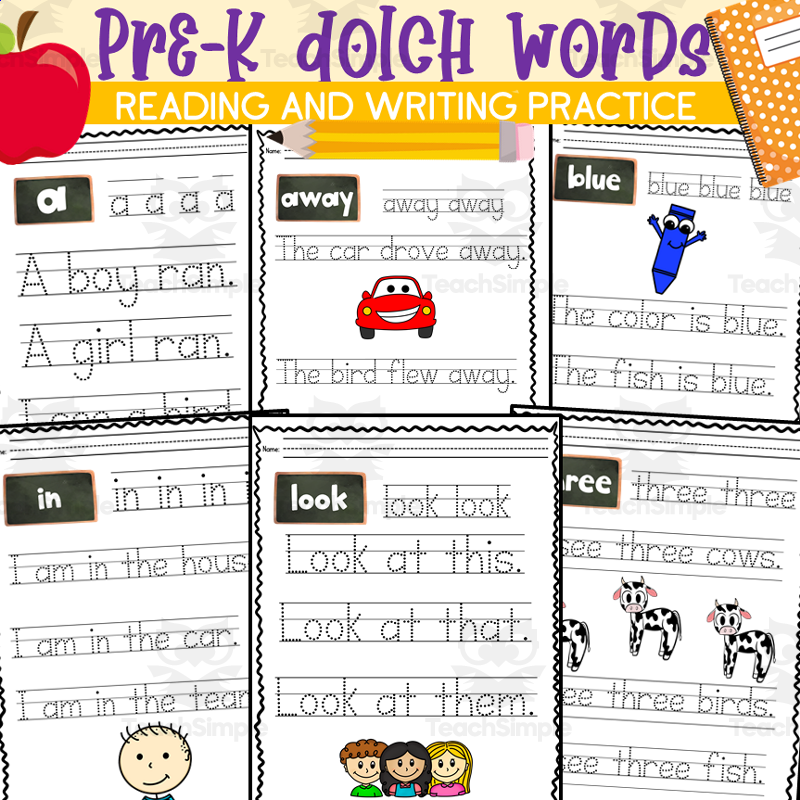
Sight-word reading and writing practice booklet pairing each of the 40 Pre-K Dolch sight words with three short model sentences to build word recognition in context.
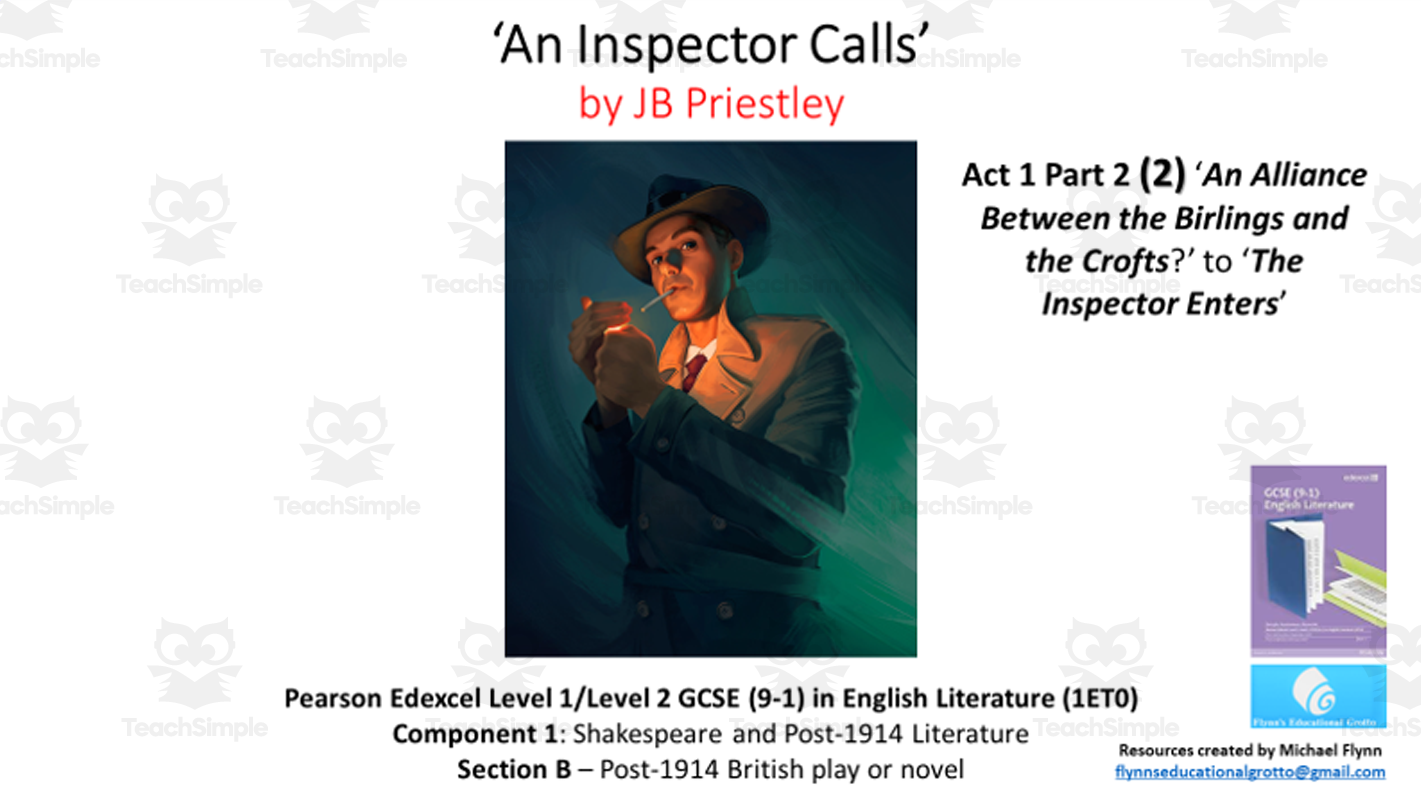
A GCSE English Literature PowerPoint lesson analytically reading 'An Inspector Calls' Act 1 Part 2, from 'An Alliance Between the Birlings and the Crofts?' to 'The Inspector Enters' (the engagement toast, Mr Birling's dramatic-irony-laden speeches, and the Inspector's arrival with news of Eva Smith's suicide), framed around…
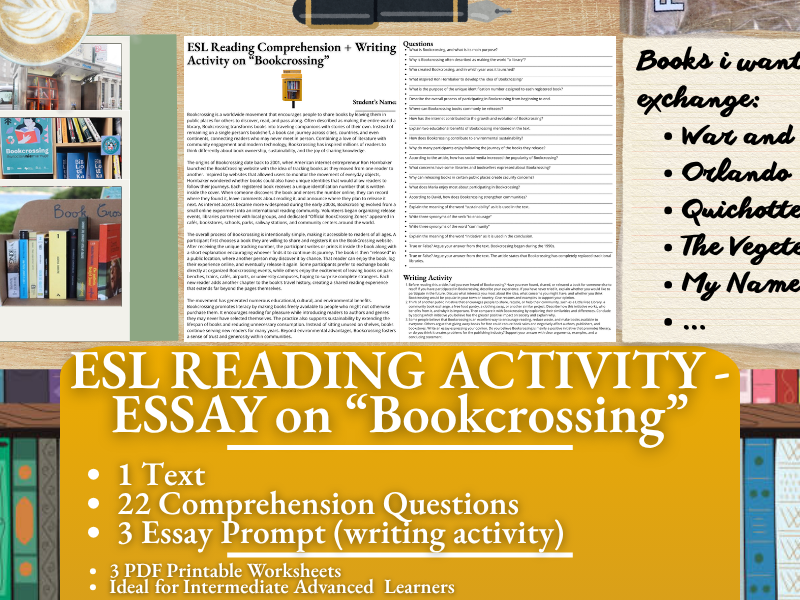
Students read a multi-paragraph nonfiction-style passage, answer short-answer and true/false comprehension questions that require justifying the answer from the text, complete word-meaning or synonym tasks, and write one to three personal-opinion or comparison essays responding to prompts about the topic.
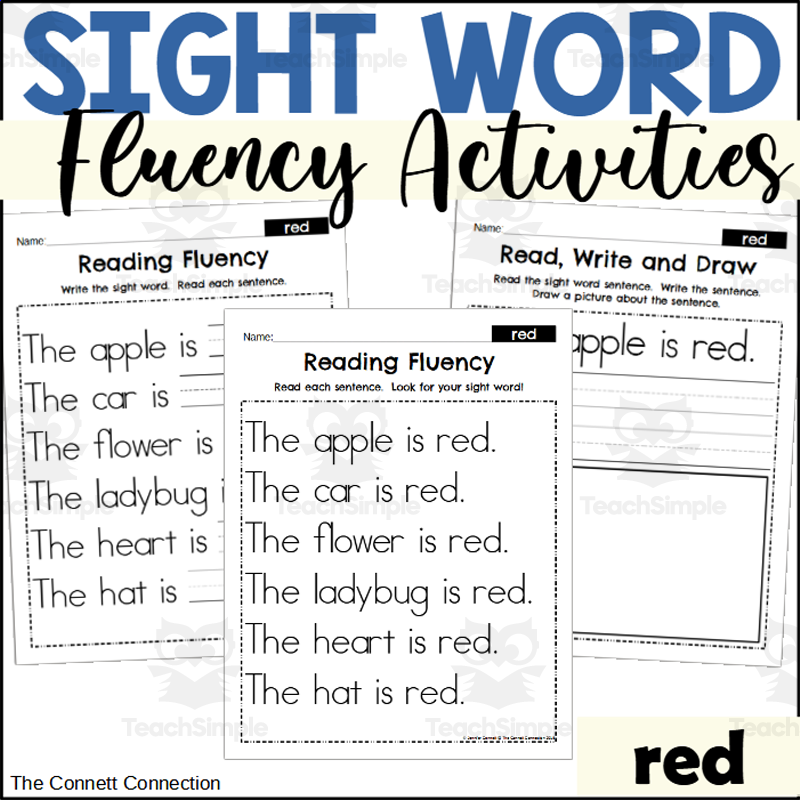
Read sentences containing the target sight word, then fill in the missing word in the same sentences from memory/recognition, and copy plus illustrate one target-word sentence.
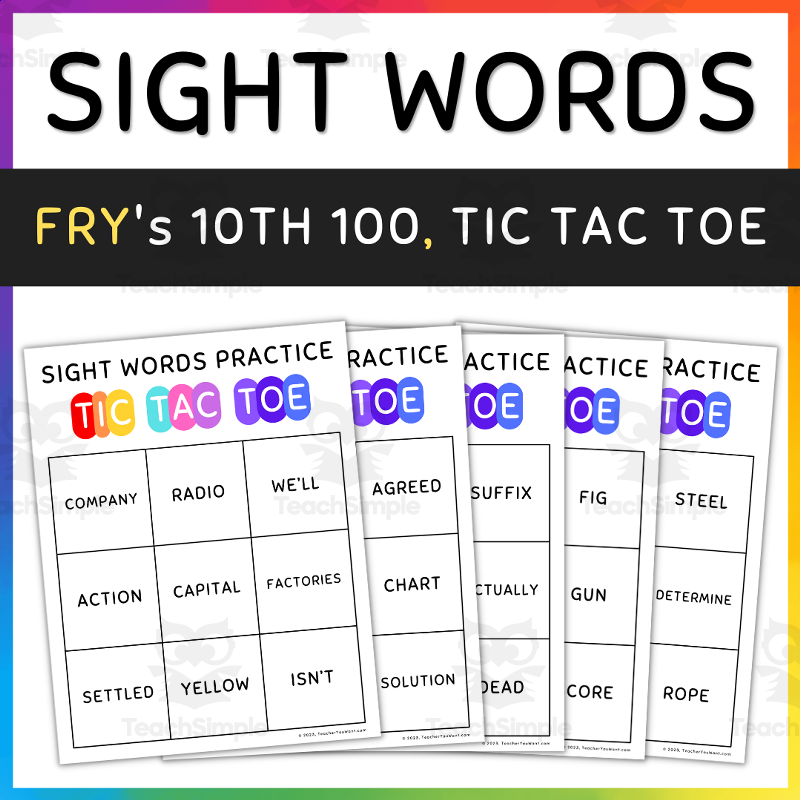
Two players take turns choosing a sight word on a 3x3 grid, reading it aloud correctly, and marking it with an X or O, trying to get three in a row.
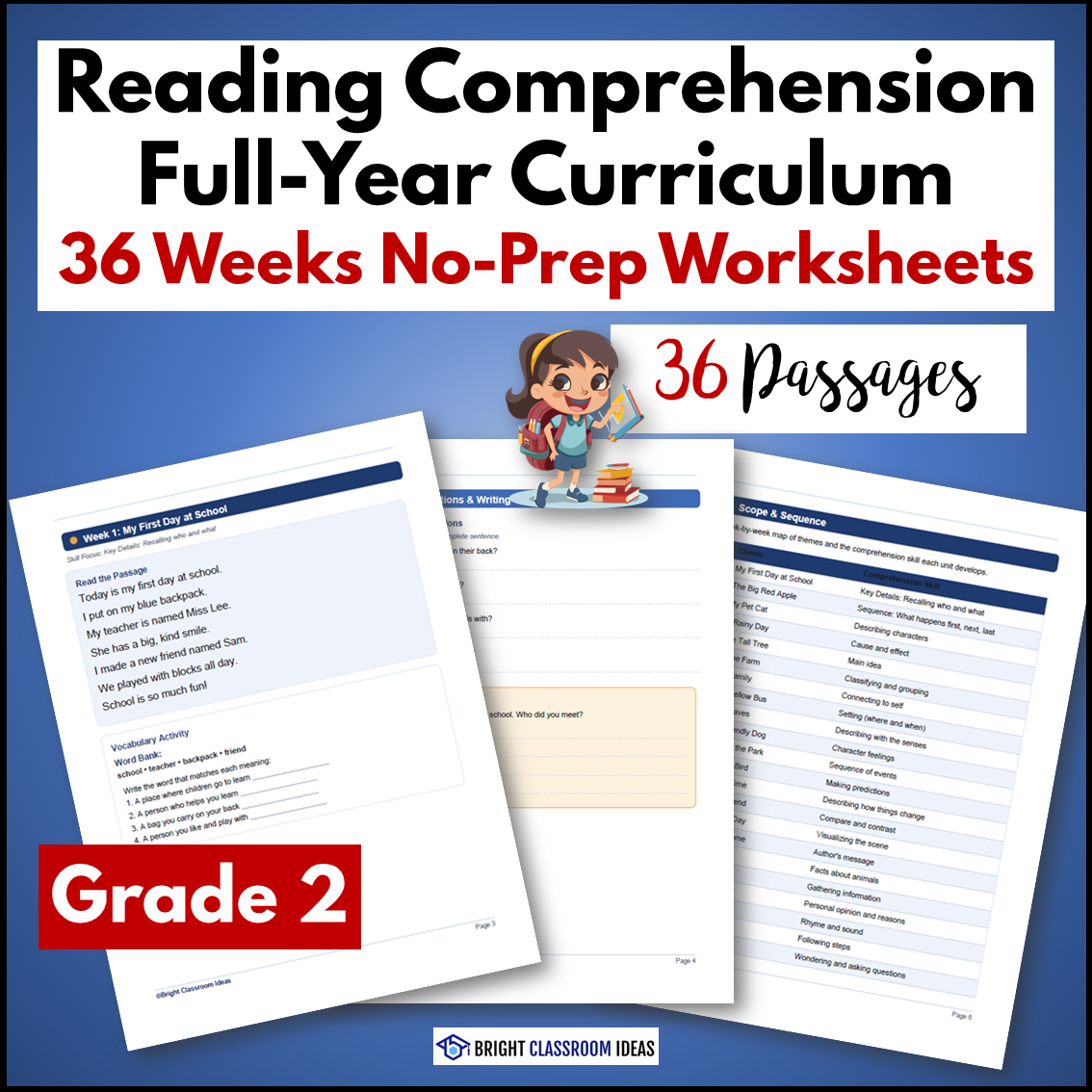
Each week students read a short passage, match five vocabulary words to their definitions from a word bank, answer five short comprehension questions (recall, inference, and main-idea) in complete sentences, and respond to an open-ended writing prompt.
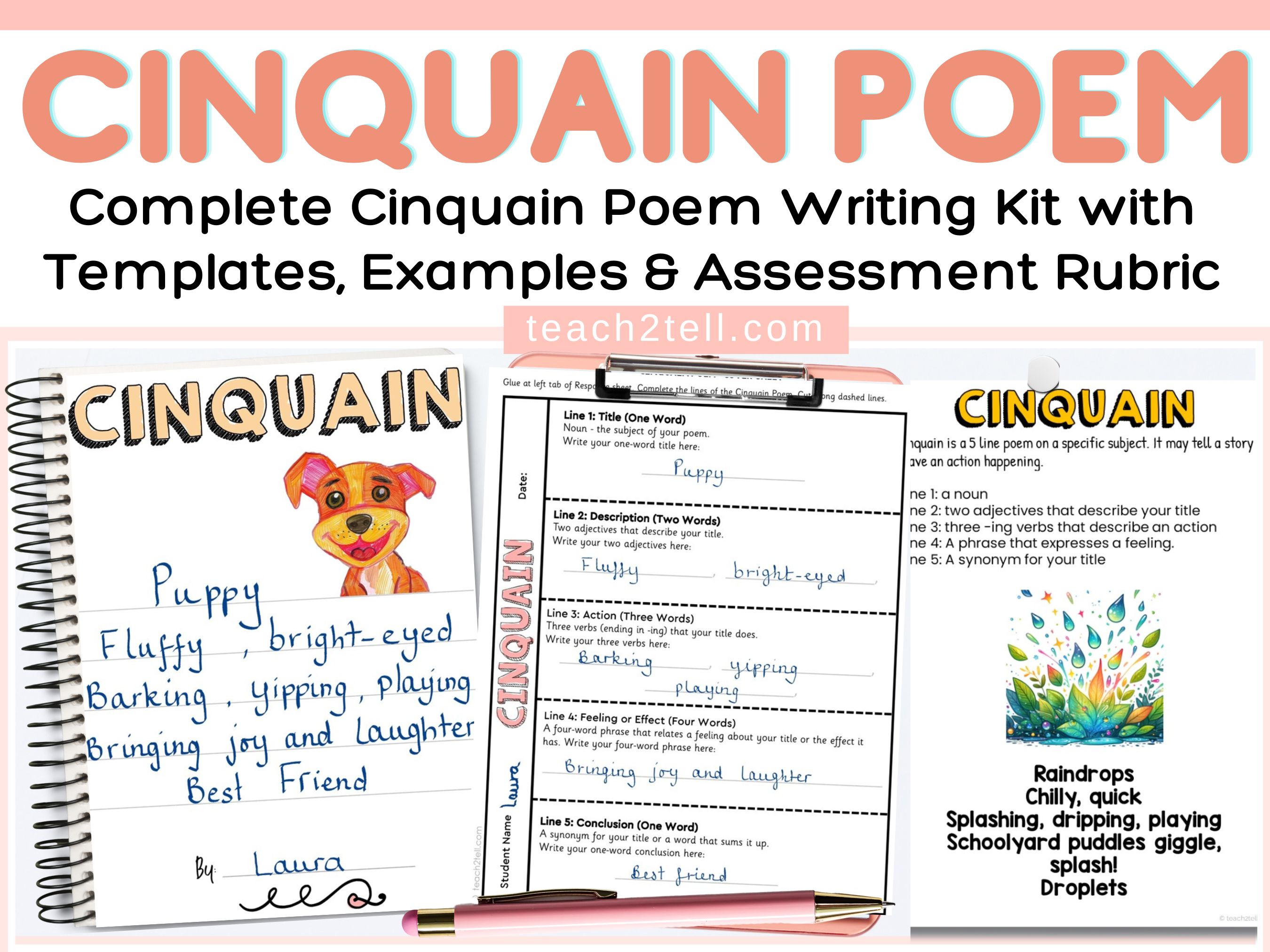
Study a sample cinquain's structure; brainstorm descriptive words about a chosen subject; draft a cinquain following the 5-line pattern (noun; two adjectives; three -ing verbs; a feeling phrase; a synonym); share with a partner/group for feedback; revise; assemble a cut-and-glue interactive notebook flap booklet (cover sheet over…
 Free download
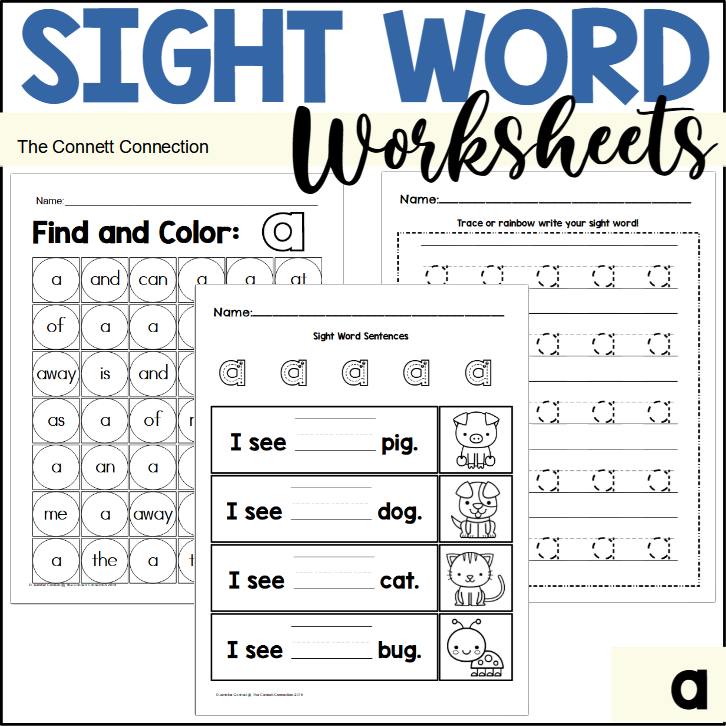
 A dedicated practice packet for the single sight word 'a', covering recognition, spelling, sentence-building, and reading.
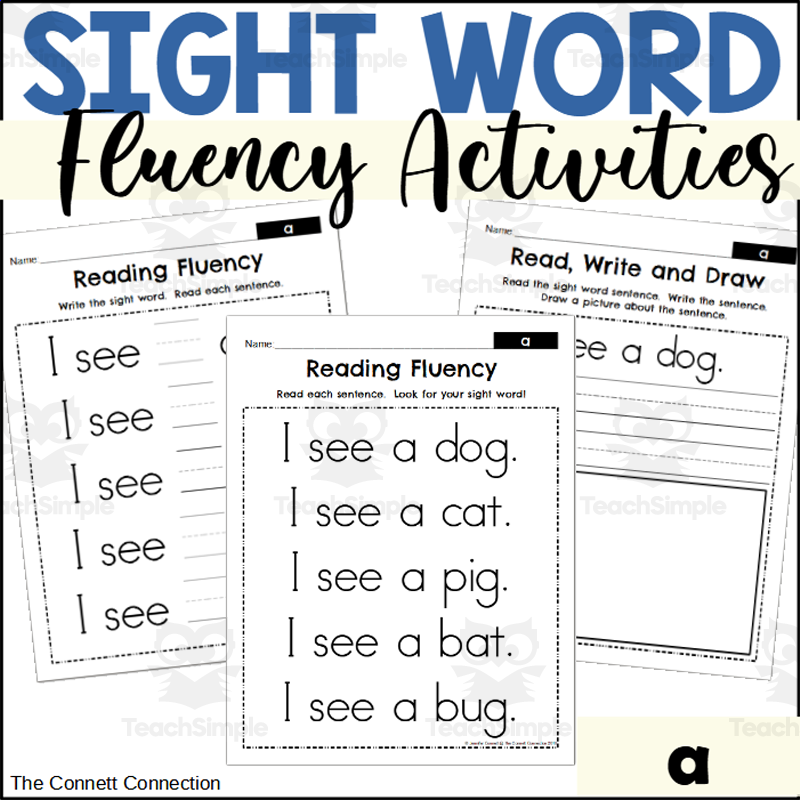
Read a short passage where "a" appears multiple times; on a second page, write "a" into blanks in the same passage and read it aloud; on a third page, read a sentence with "a", copy/write the sentence, and draw a picture illustrating it.

Two players take turns choosing a sight word on a 3x3 grid, reading it aloud correctly, and marking it with an X or O, trying to get three in a row.
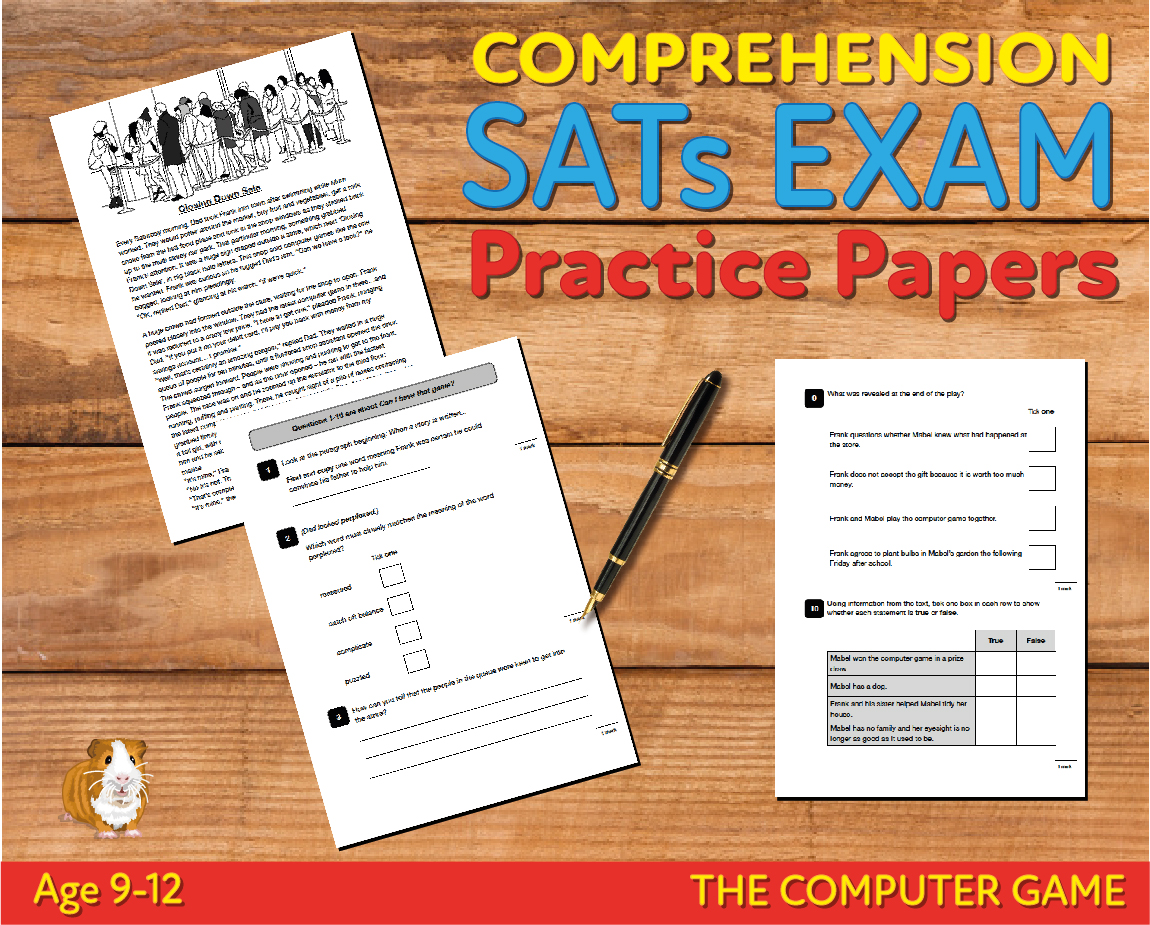
Read each of three texts in turn (Scene 1: a play script 'Can I have that game?' about a boy and his father at a video-game store closing-down sale; a subsequent prose narrative about a lady named Mabel giving Frank a computer game and a separate story involving a head teacher, Mr Watson, investigating a bag thrown into a neighbour's…
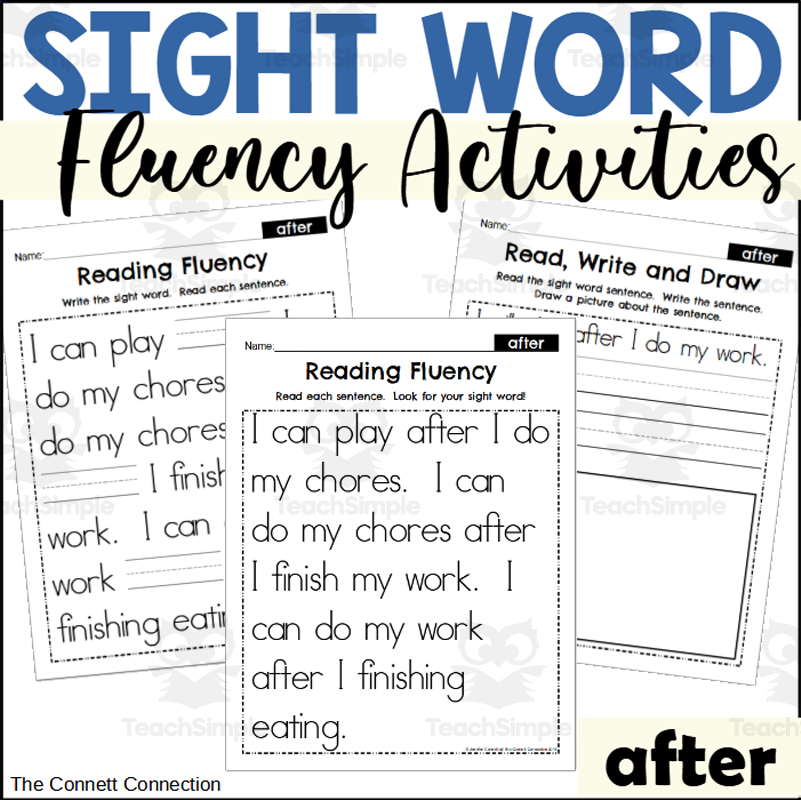
Read a short passage where "after" appears multiple times; on a second page, write "after" into blanks in the same passage and read it aloud; on a third page, read a sentence with "after", copy/write the sentence, and draw a picture illustrating it.
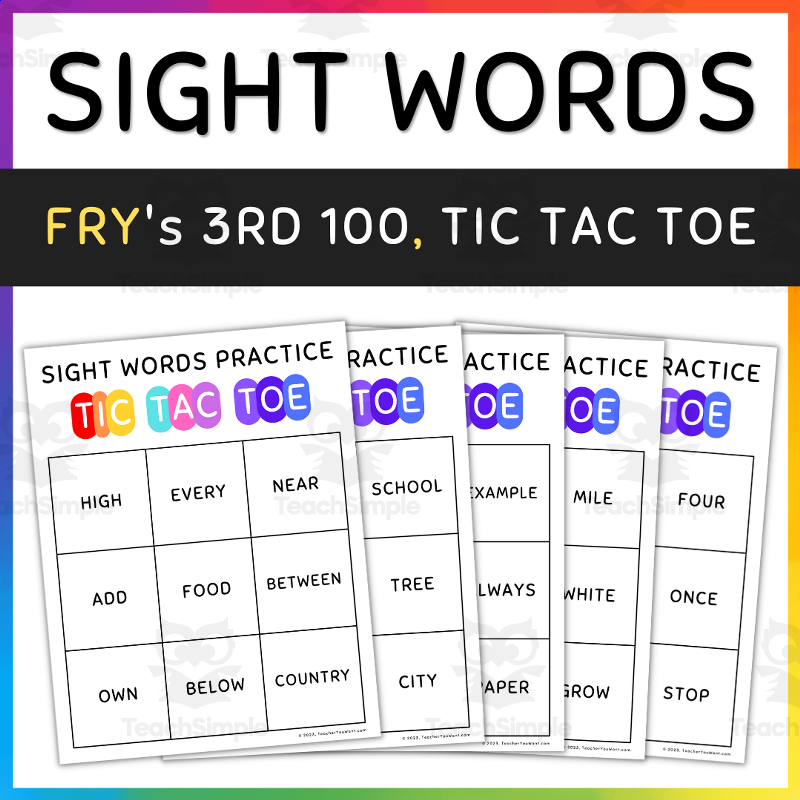
Two students take turns; before placing an X or O on a 3x3 grid square, the player must correctly read the sight word printed in that square aloud, across 11 different game boards covering the word list.
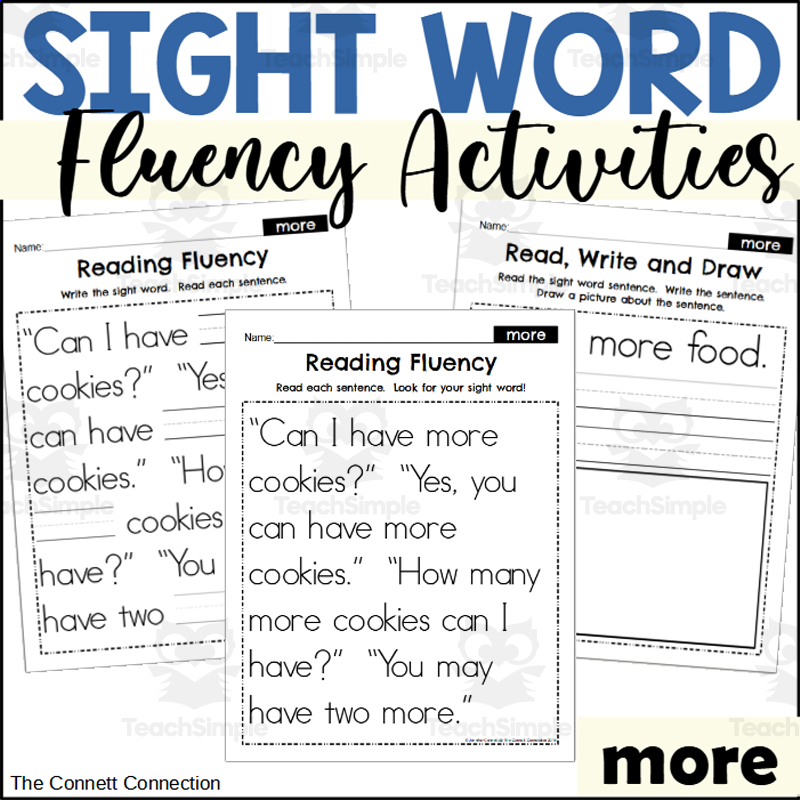
Read a short passage that uses the word "more" several times, fill in the missing word from memory in a cloze version of the same passage, then read a sentence containing "more", copy/write the sentence, and draw a picture illustrating it.
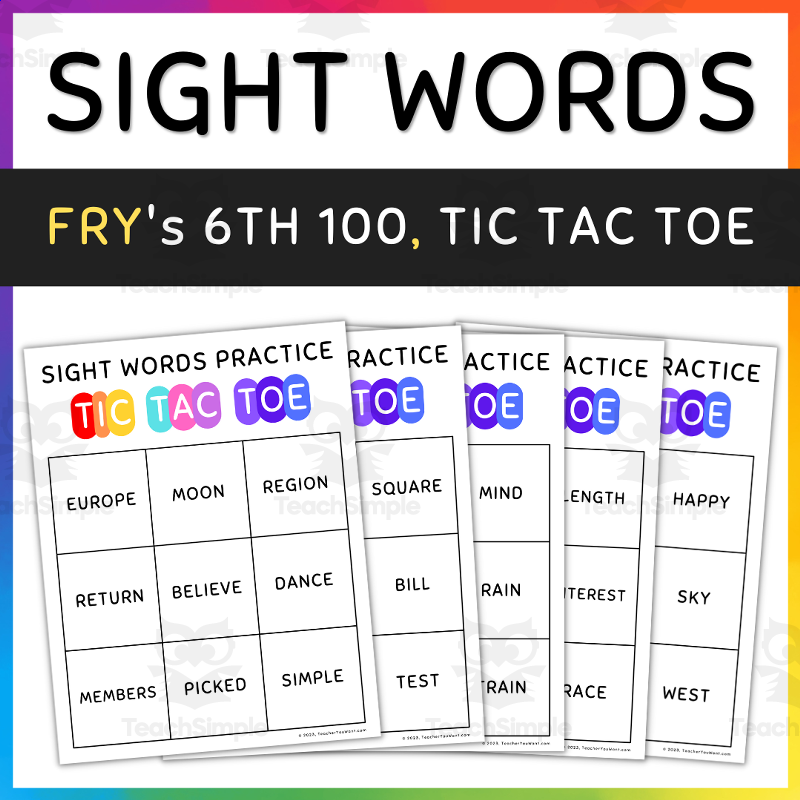
Two students take turns; before placing an X or O on a 3x3 grid square, the player must correctly read aloud and spell the sight word printed in that square, across 11 different game boards covering the word list.

A 3-worksheet packet (from the same 'Language of Educational Art' publisher as the Literary Terms Lesson series) teaching students to manipulate three specific literary devices — Details, Diction, and Tone — to control the mood/meaning of creative writing, before students draft original work.
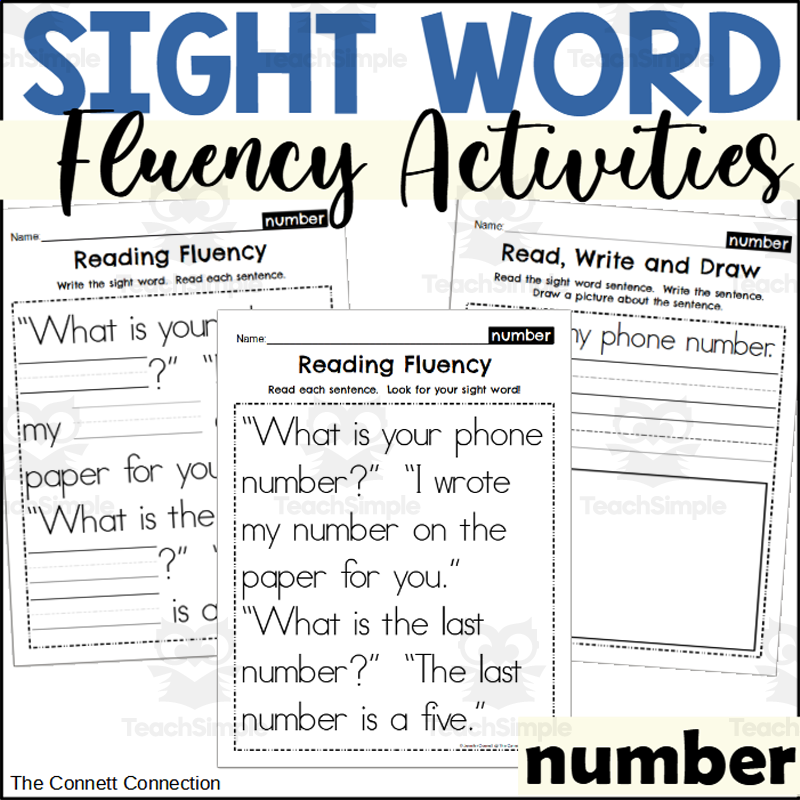
Read a short passage that uses the word "number" several times, fill in the missing word from memory in a cloze version of the same passage, then read a sentence containing "number", copy/write the sentence, and draw a picture illustrating it.
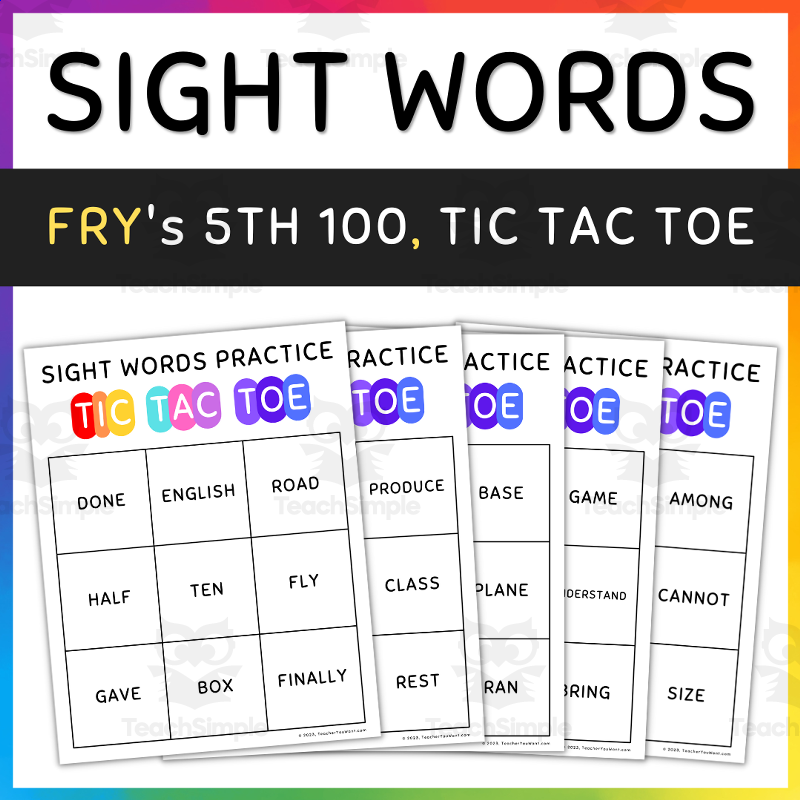
Two students take turns; before placing an X or O on a 3x3 grid square, the player must correctly read the sight word printed in that square aloud, across 11 different game boards covering the word list.
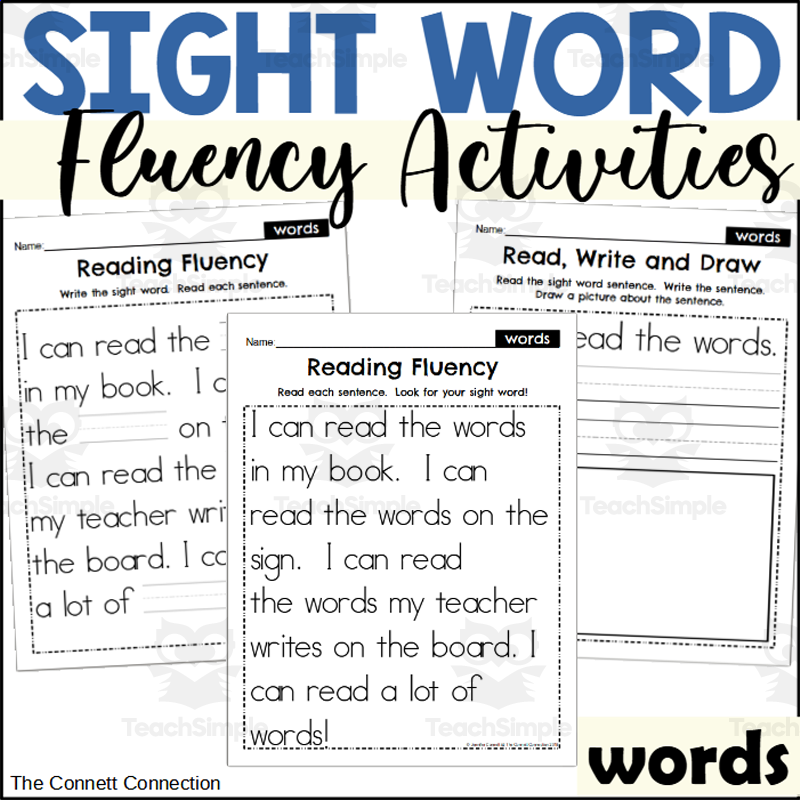
Read short sentences containing the sight word "words"; write the sight word into blanks in the same sentences from memory; then read one sentence with the word, copy/write it, and draw a picture illustrating it.