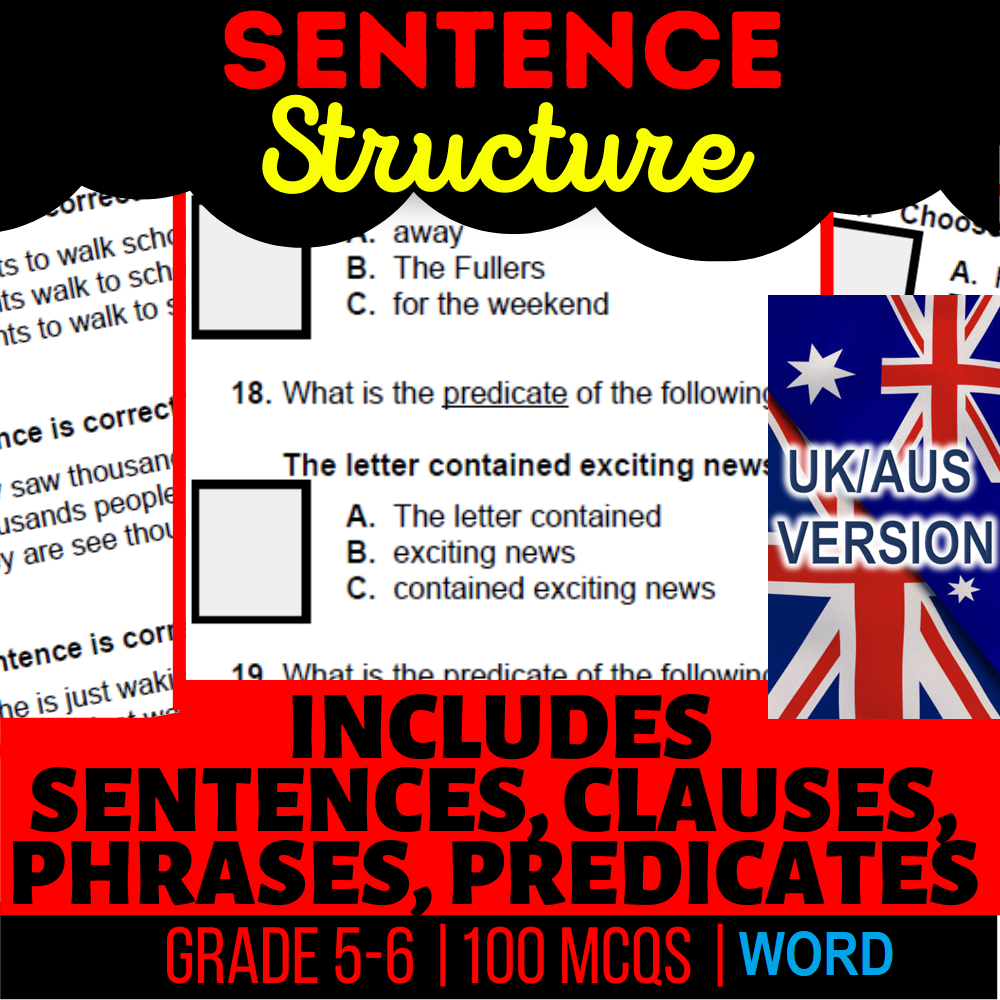
UK/Aus English Sentence Structure Practice Questions - Year 4-5 (Word)
Practice sentence structure with worksheets using UK/Australian English conventions. Check the sample to match its terminology and spelling to your class.
Classroom resources
Browse by lesson focus
Choose the topic or kind of practice you need.
Practice sentence structure with worksheets using UK/Australian English conventions. Check the sample to match its terminology and spelling to your class.
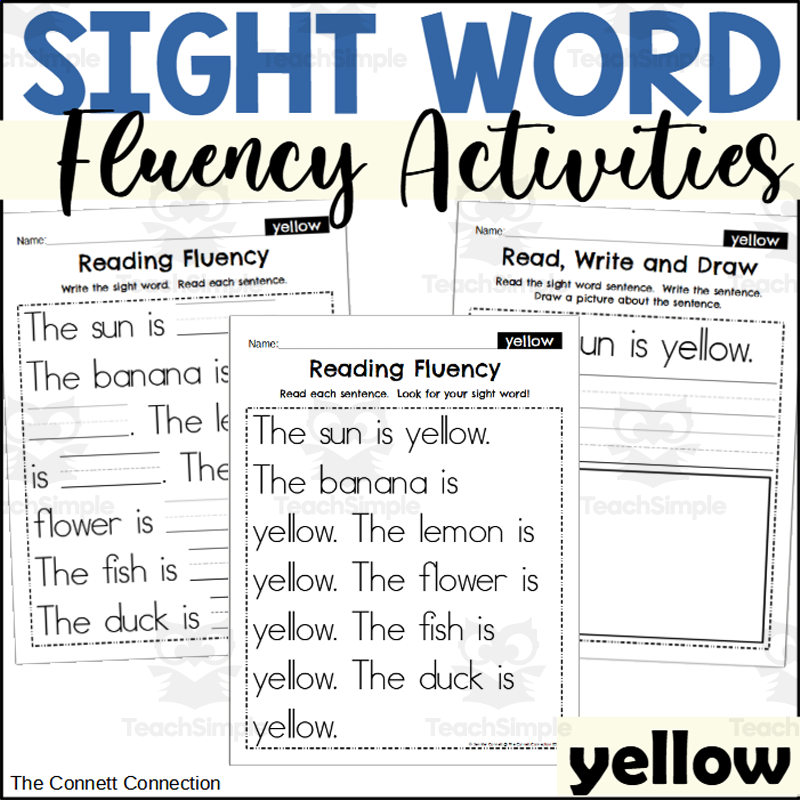
Read short sentences containing the sight word "yellow"; write the sight word into blanks in the same sentences from memory; then read one sentence with the word, copy/write it, and draw a picture illustrating it.
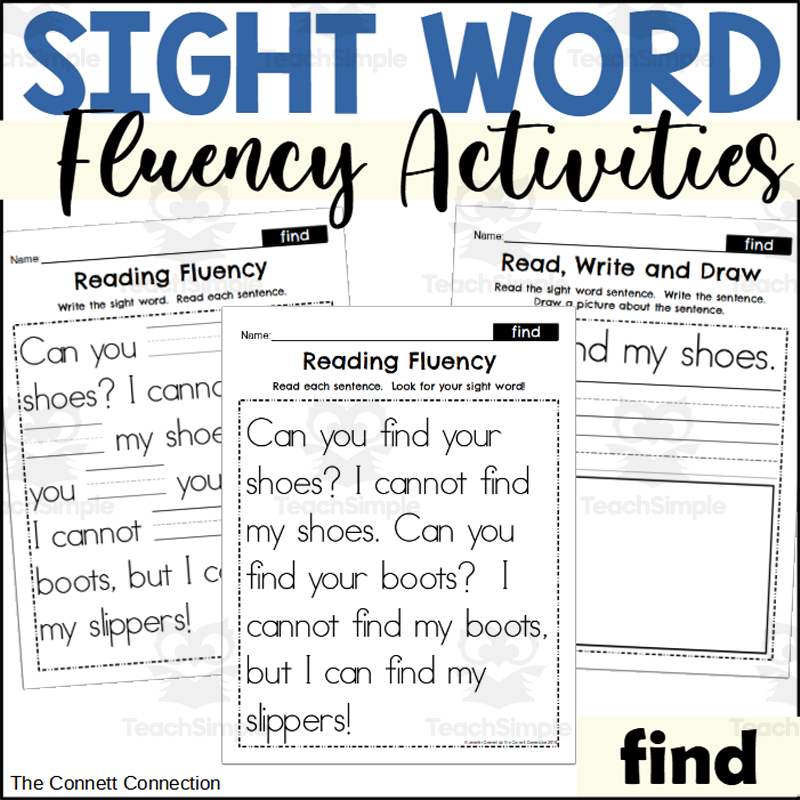
Read sentences containing the sight word; read the same sentences with the word blanked out and write the missing word; then copy one model sentence using the word and draw a picture illustrating it.
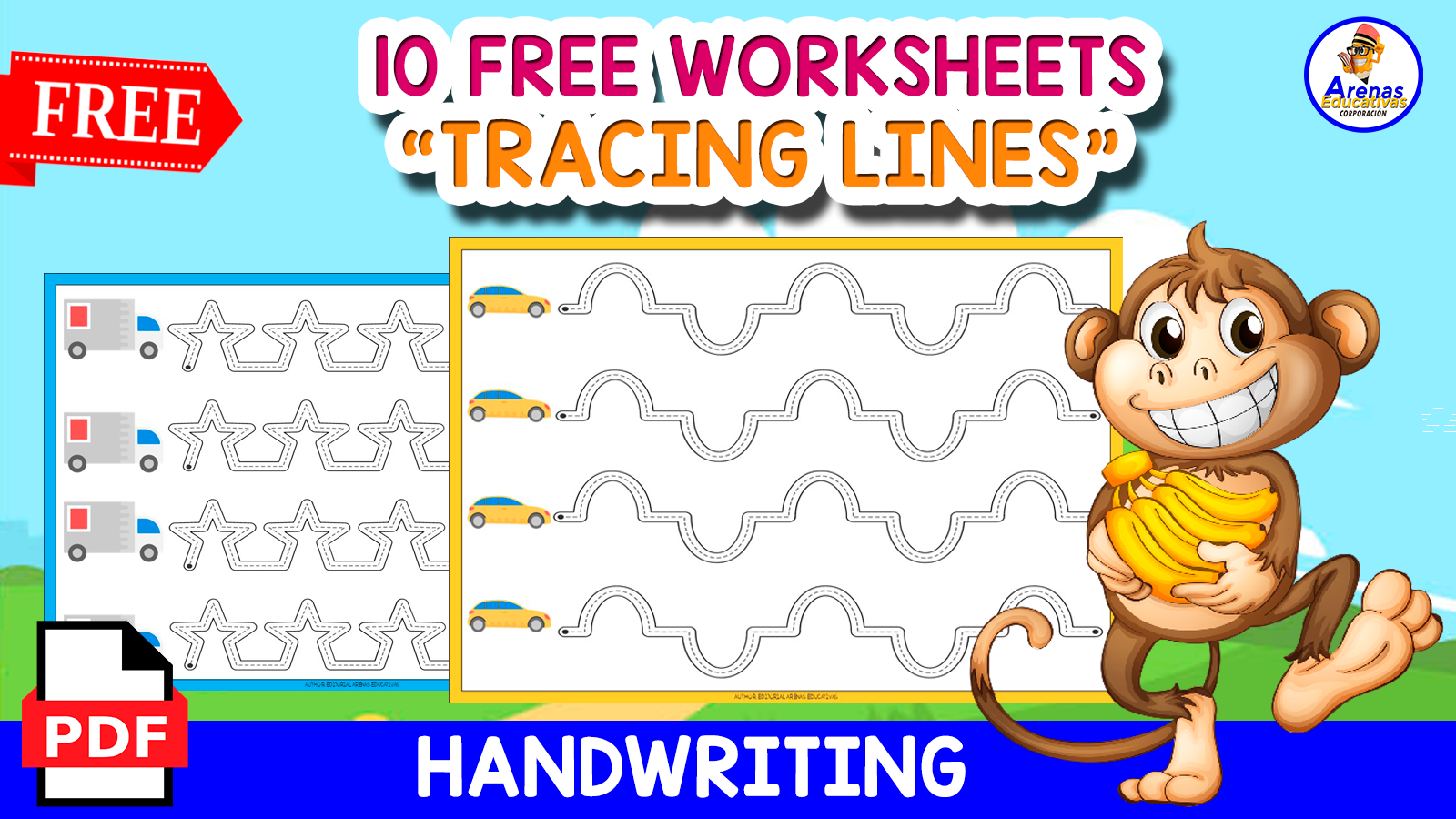
Trace the printed lines on each worksheet page with a pencil or crayon.
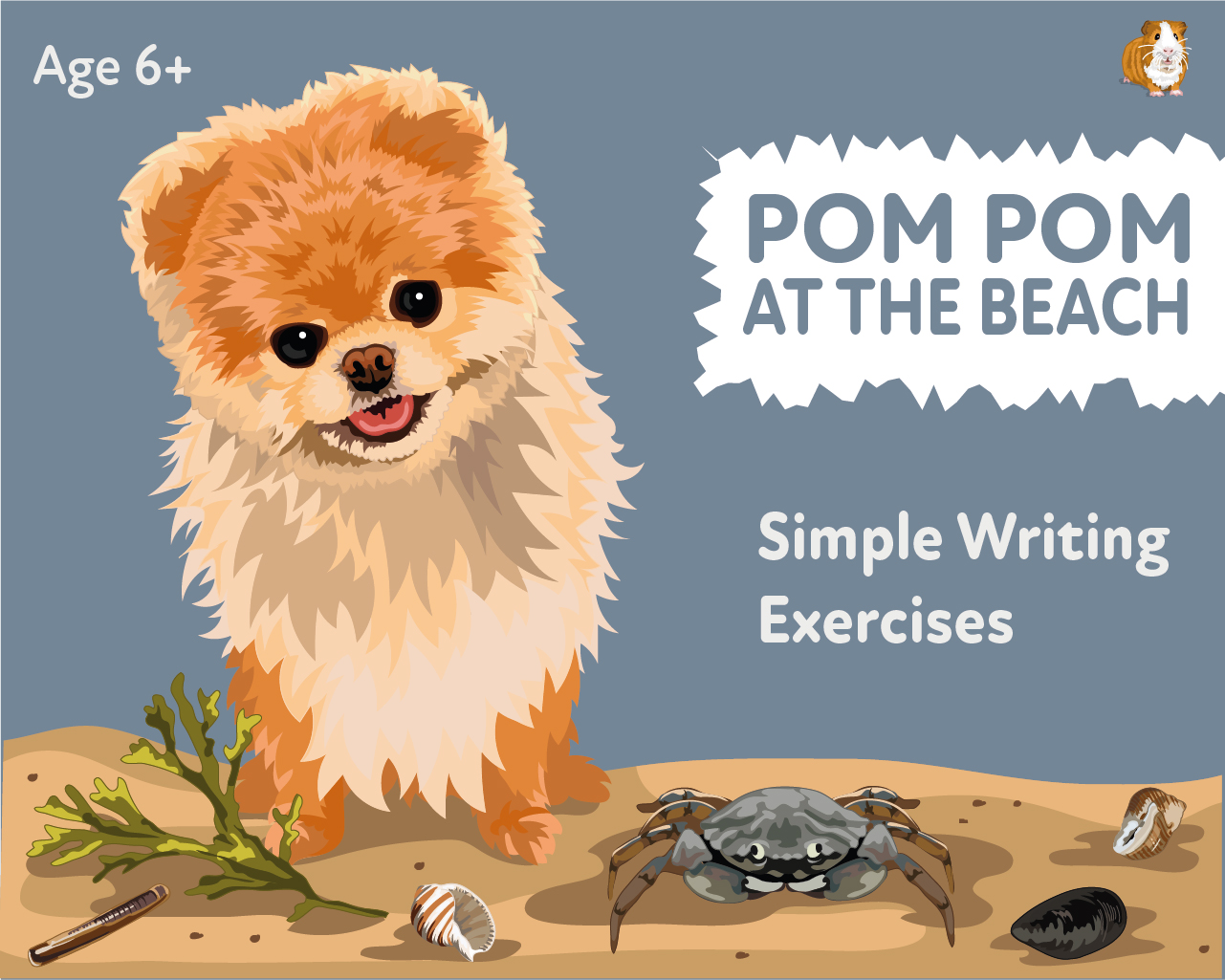
A vocabulary and creative-writing activity set at the beach, including an environmental-awareness segment on the danger of ocean plastic pollution to wildlife, and a sequenced narrative-writing exercise about a beach day.
Practice sentence structure with worksheets using UK/Australian English conventions. Check the sample to match its terminology and spelling to your class.
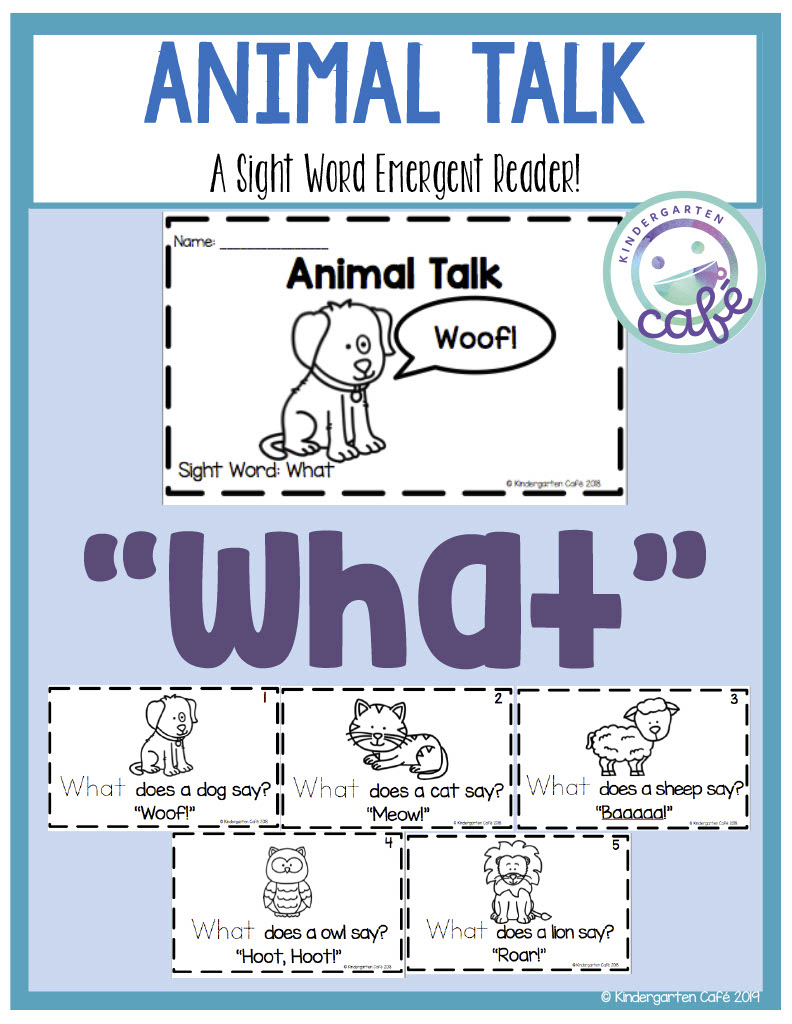
Give emergent readers repeated-pattern practice reading the sight word 'what' through a short animal-sounds themed booklet.
Read short sentences containing the sight word "who"; write the sight word into blanks in the same sentences from memory; then read one sentence with the word, copy/write it, and draw a picture illustrating it.
Each student reads the word on the 'I Have' side of their card aloud, then listens for the matching word named under 'Who Has?' on another card, and the group passes the loop around reading cards in sequence until it returns to the start.
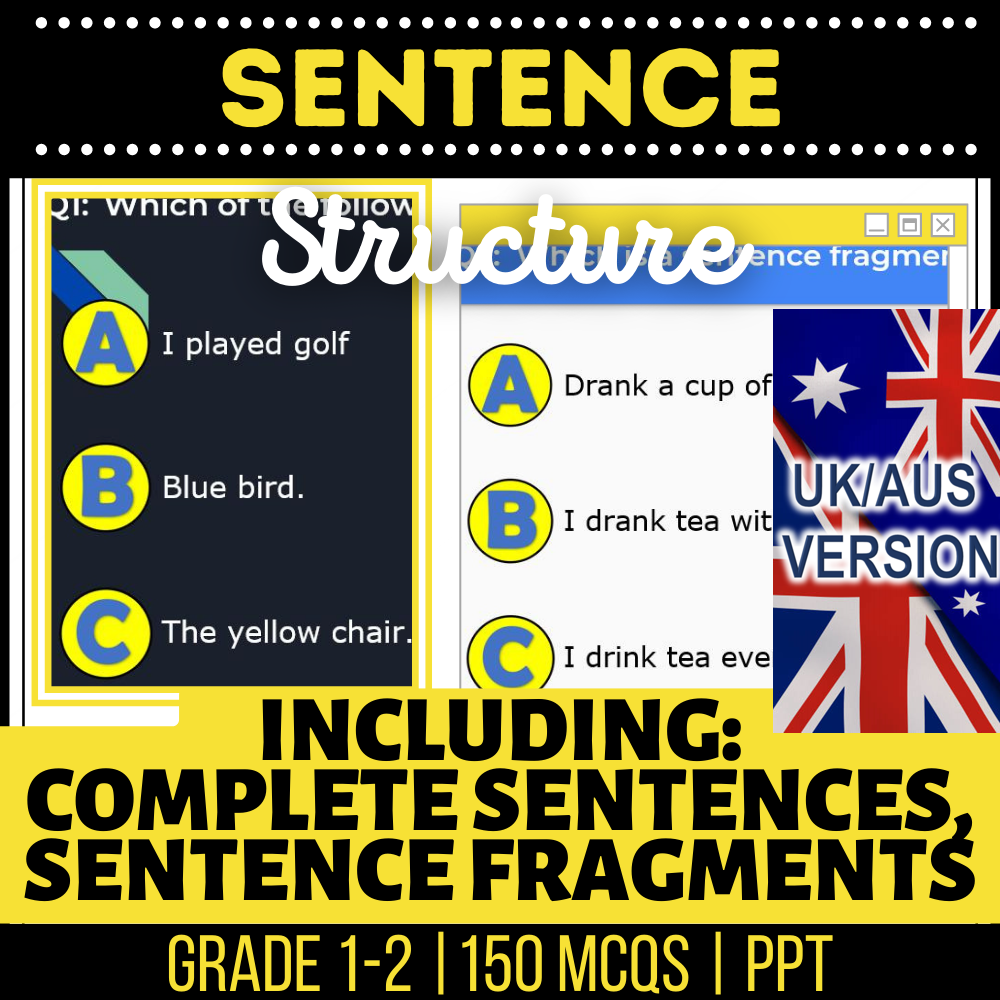
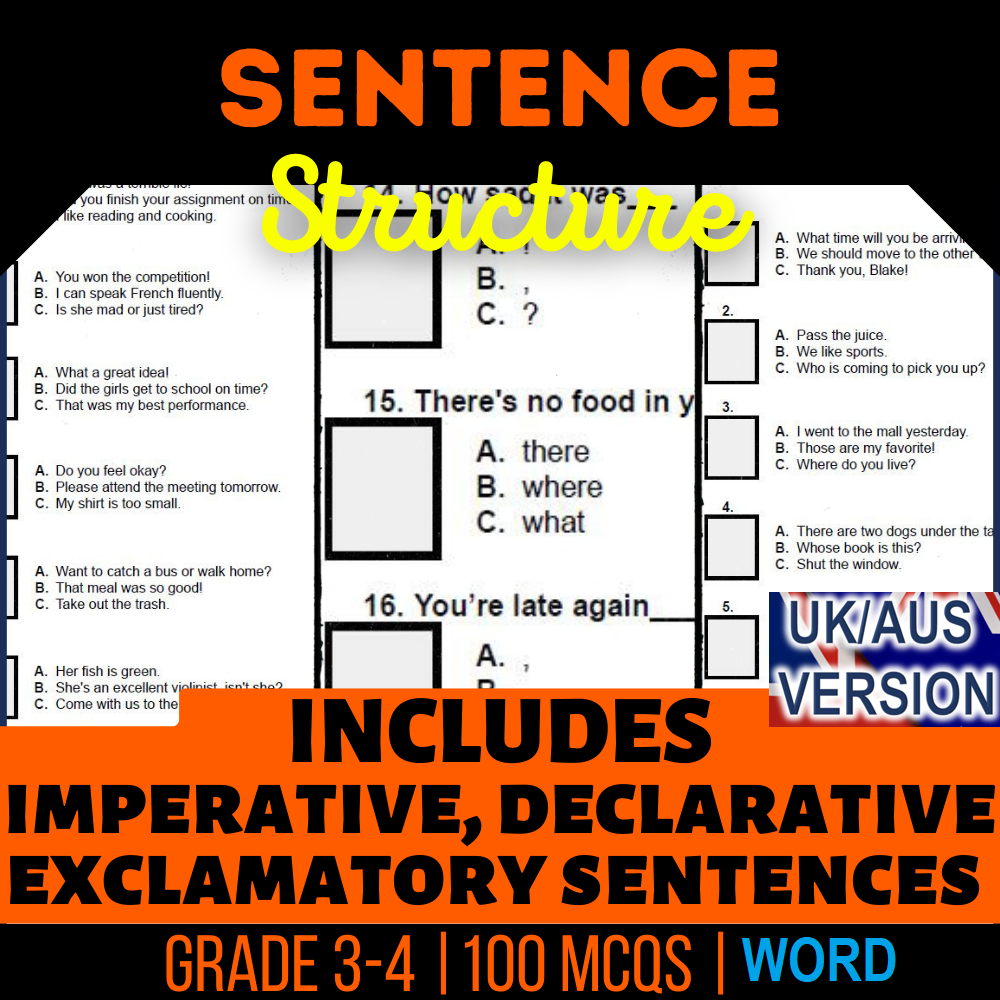
Read each sentence and select the letter (A/B/C) that identifies the sentence type, the complete sentence, or the naming/action part. Answered by clicking/viewing one question per slide rather than writing on paper.
Read passages about Ruby Bridges, answer comprehension questions, list facts about her, circle multiple-choice answers, and complete fact-based graphic organizers.
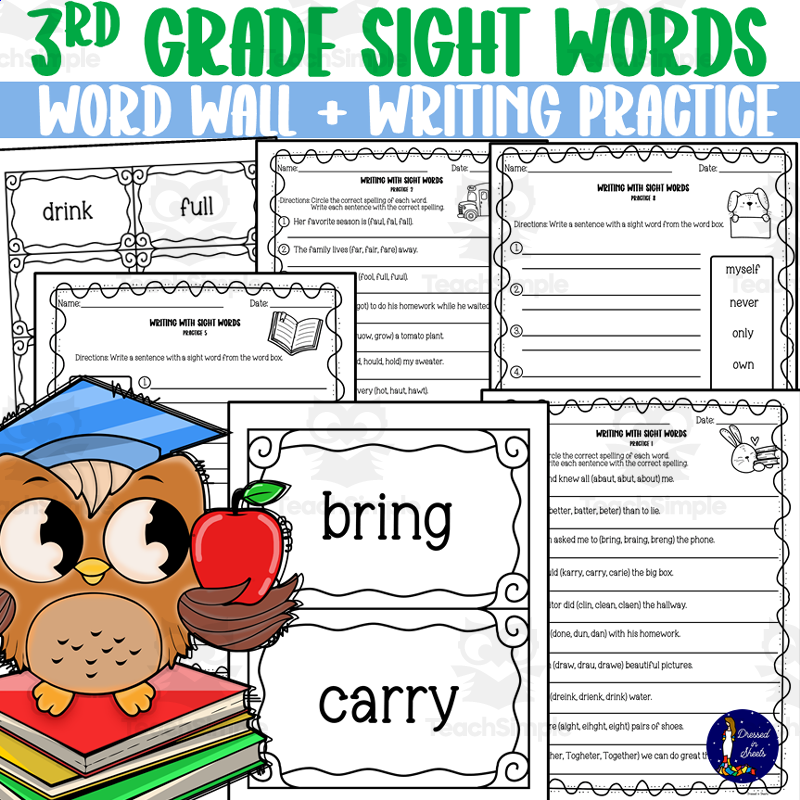
Students use printable word wall cards (two words per card, arranged in two layout styles) to display and reference sight words, and complete a spelling worksheet where they circle the correctly spelled version of each sight word among 2-3 misspelled distractors, then write the full sentence using the correct spelling.
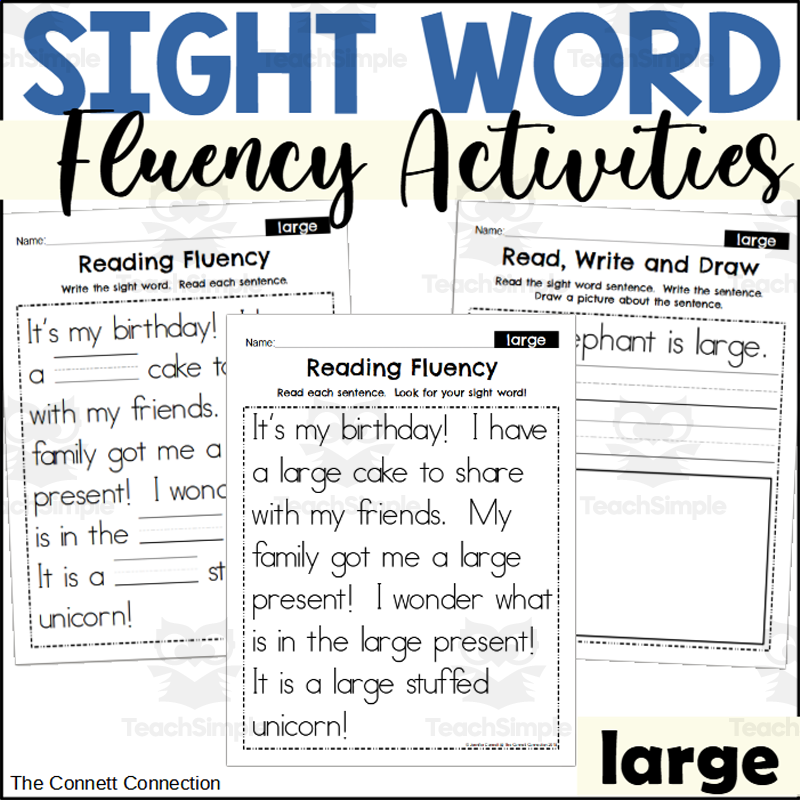
Read a short passage that repeats the sight word "large" several times; fill in blanks with the word "large" in a second version of the same passage; then read a sentence containing "large", copy/write the sentence, and draw a picture about it.
Students race to identify and 'swat'/cover the sight word the teacher calls out among a spread of printed Fry 2nd 100 word cards; teachers may also fill in blank editable cards with additional words.
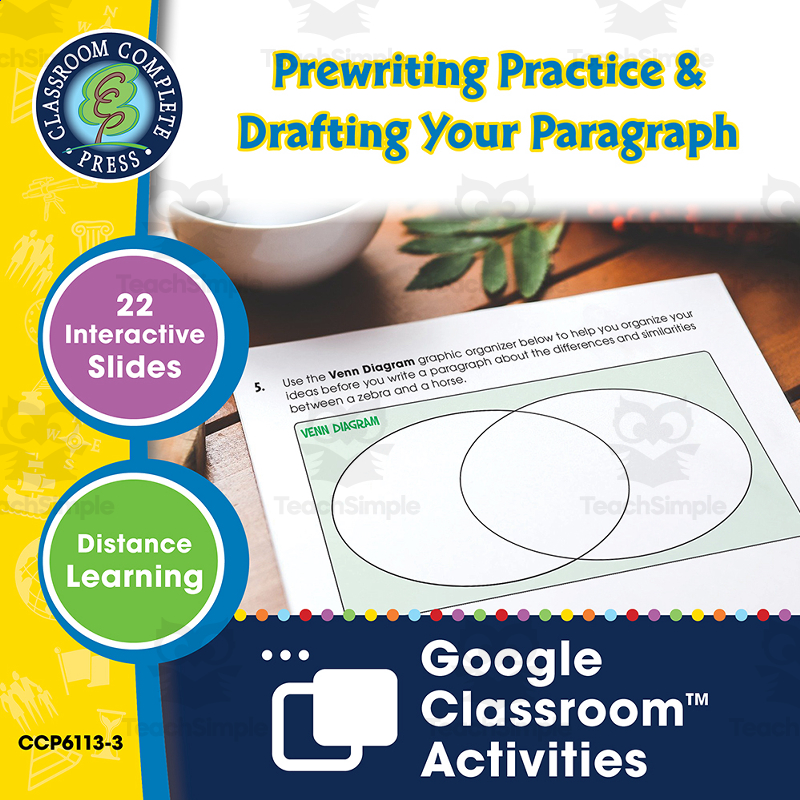
An interactive Google Slides resource that gives students prewriting practice and guides them through drafting a paragraph.
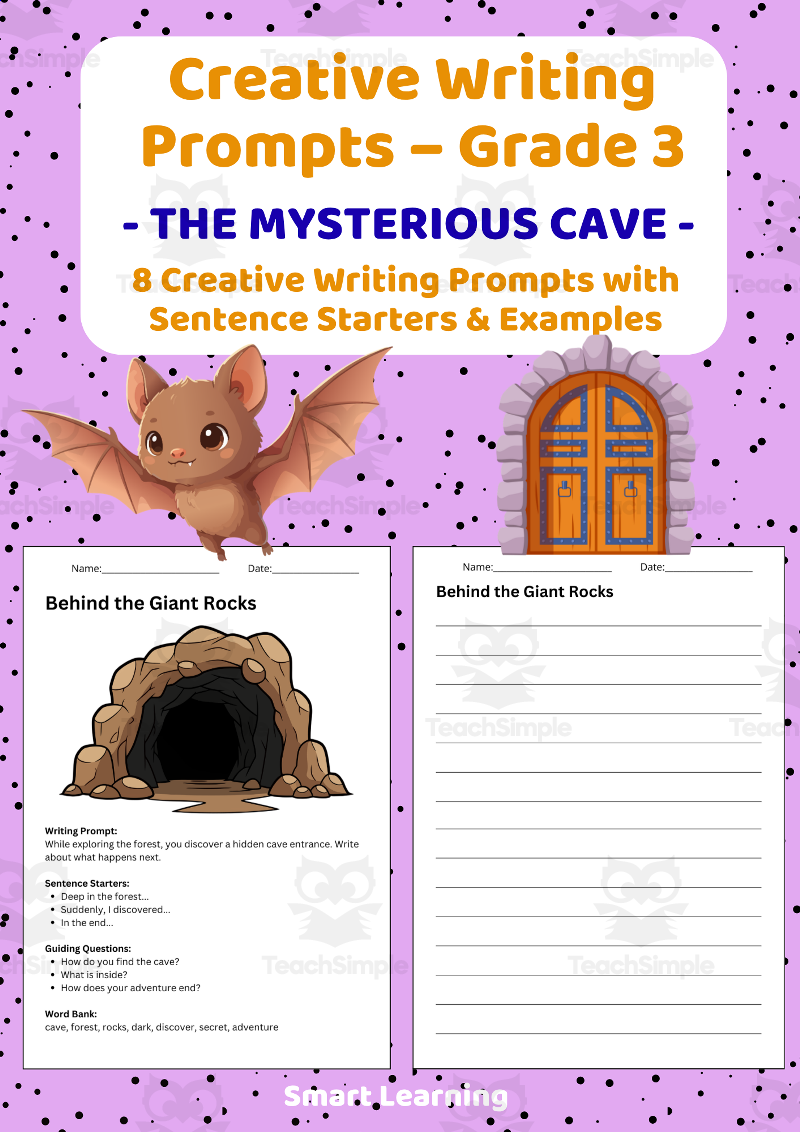
Gives grade 3 students 8 themed creative-writing prompts on a mysterious cave, each with sentence starters, guiding questions, and a word bank, to practice organizing a narrative with a clear beginning, middle, and end.
A short creative-writing activity in which students arrange food items into a picture and then write a description or short story about it.
Read sentences containing the target sight word, then fill in the missing word in the same sentences from memory/recognition, and copy plus illustrate one target-word sentence.
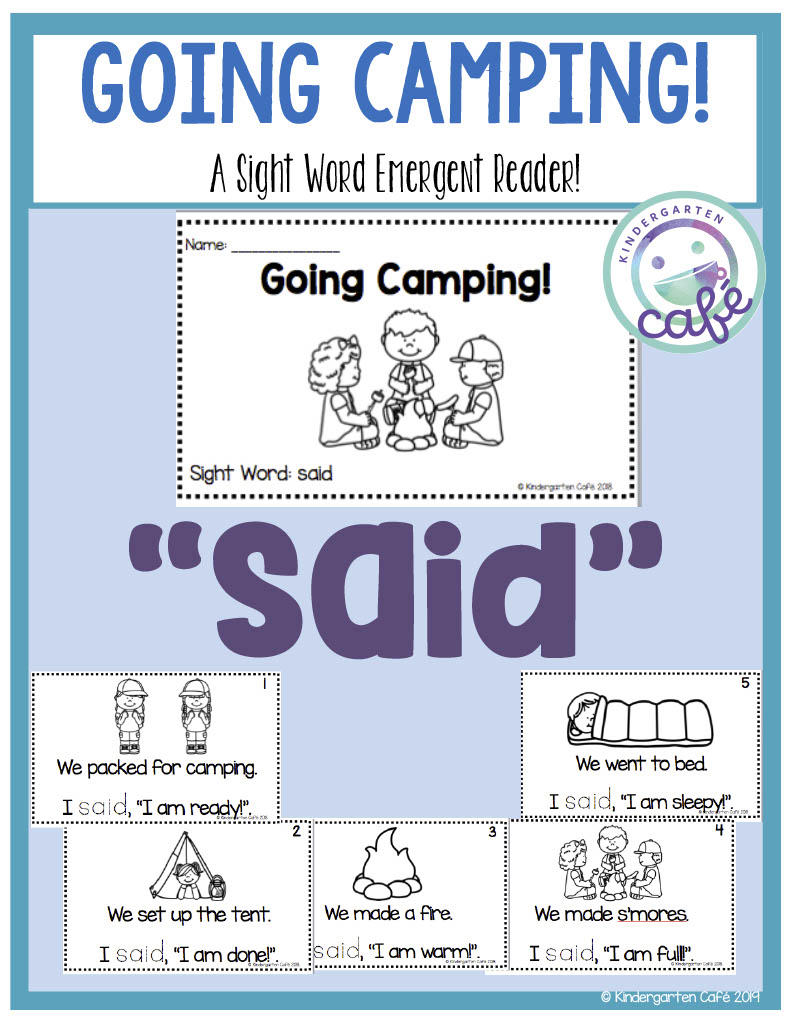
An emergent reader booklet giving beginning readers repeated practice recognizing and reading the sight word "said" in context, told as a short camping-trip narrative.
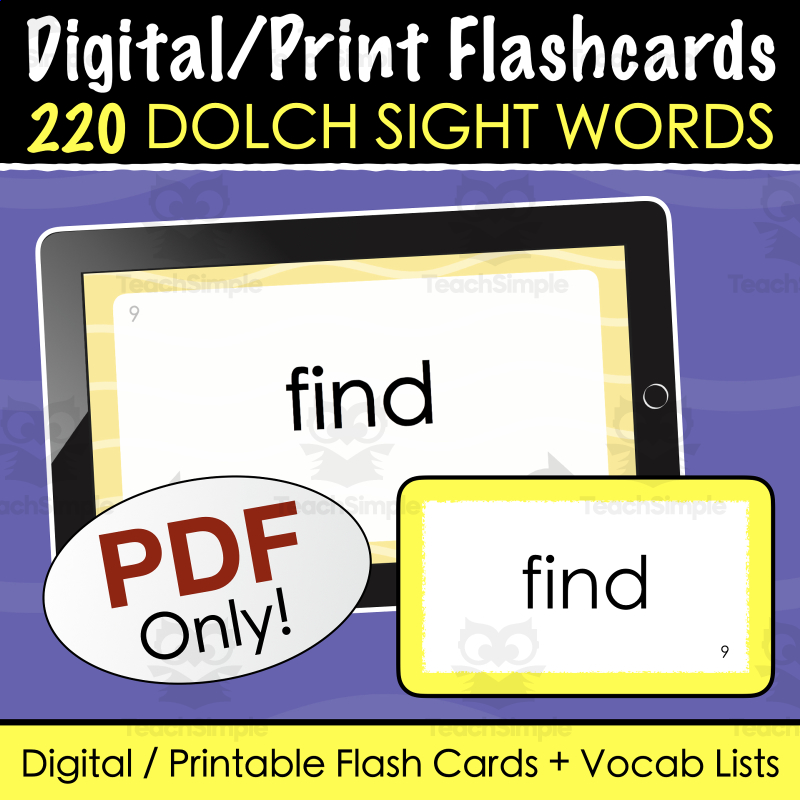
Read each sight word aloud from a digital slideshow (one word per slide, navigated with arrow keys) or a printable card, working through the set for their reading level.
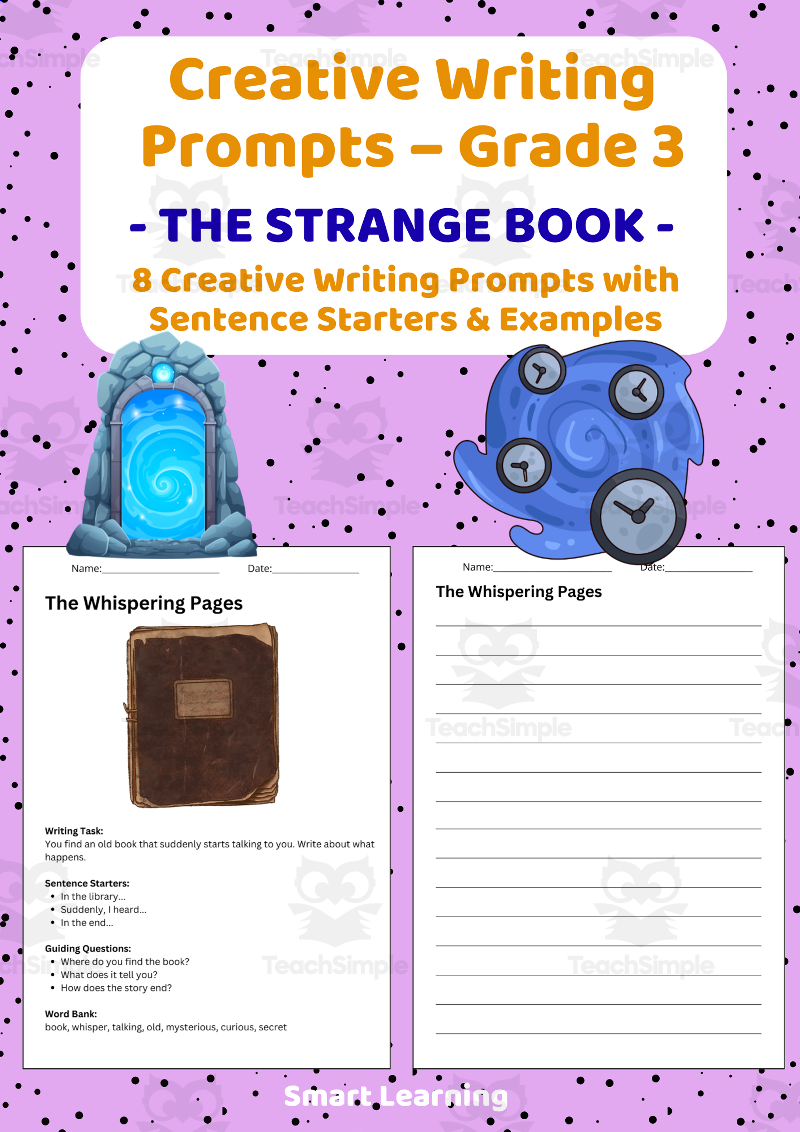
Gives grade 3 students 8 themed creative-writing prompts on a strange, magical book, each with sentence starters, guiding questions, and a word bank, to practice organizing a narrative with a clear beginning, middle, and end.
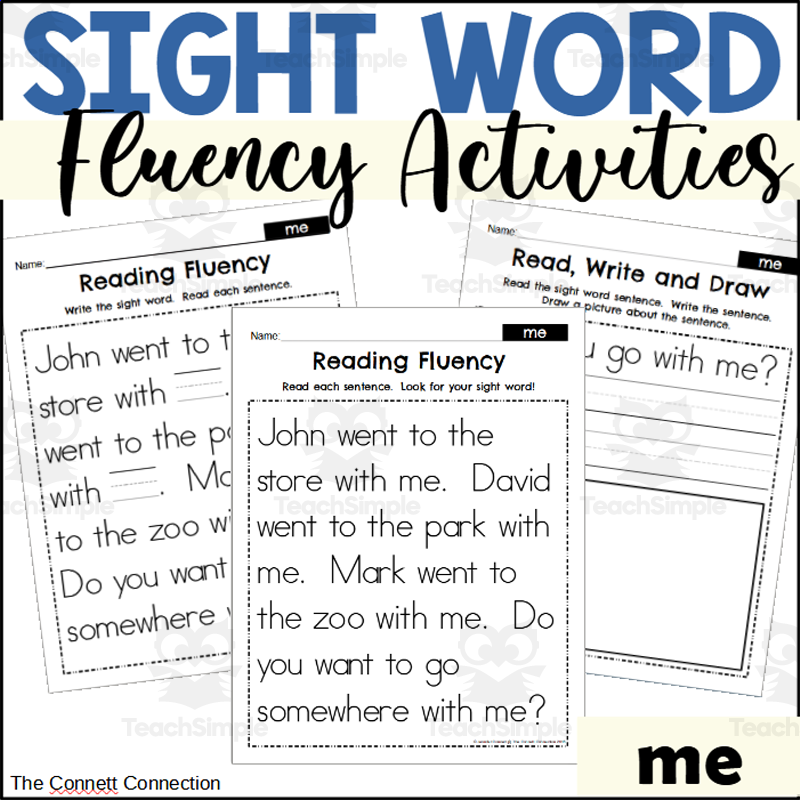
Read a short passage that repeats the sight word "me" several times; fill in blanks with the word "me" in a second version of the same passage; then read a sentence containing "me", copy/write the sentence, and draw a picture about it.
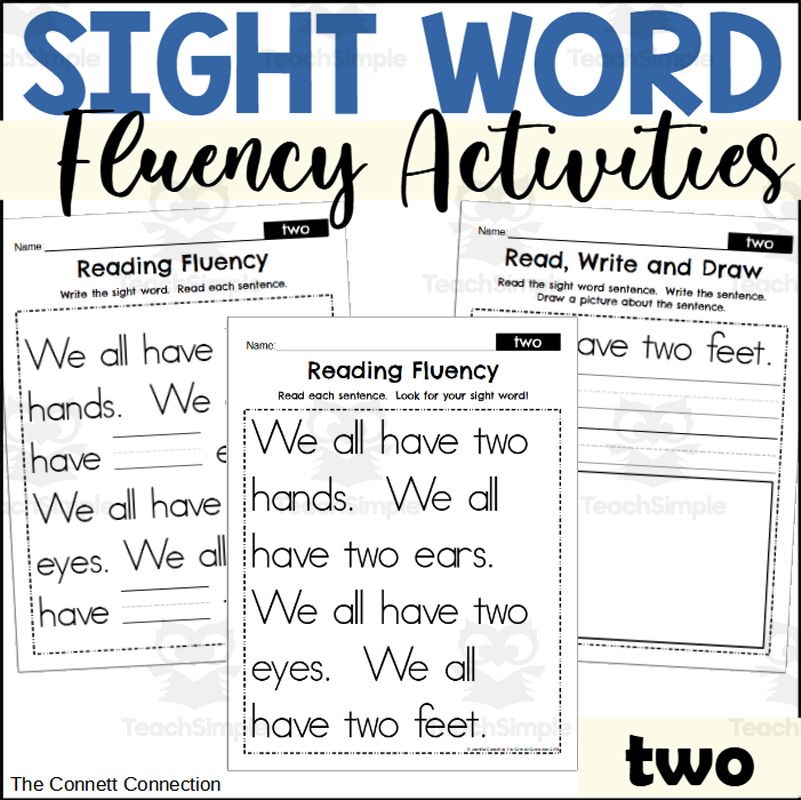
Read sentences containing "two"; write the missing sight word "two" into blanked-out sentences from the same passage; copy one sentence containing "two" and draw a picture about it.
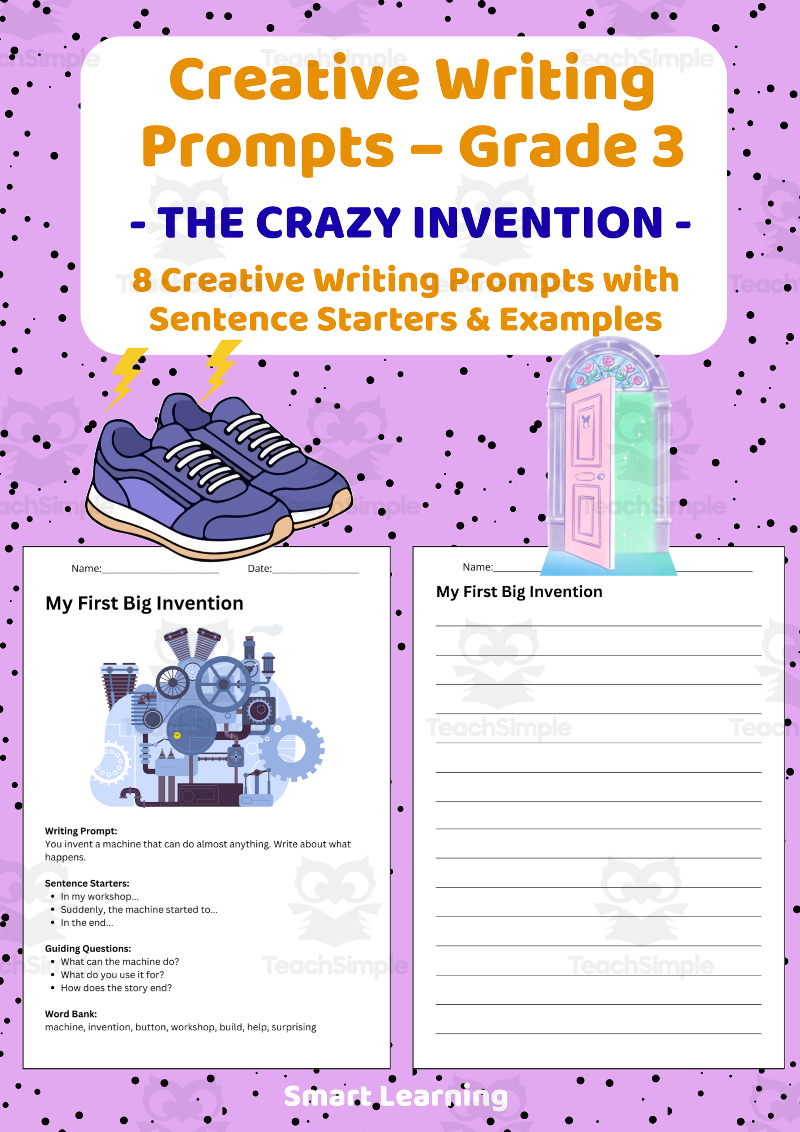
Gives grade 3 students 8 themed creative-writing prompts on inventions / robots, each with sentence starters, guiding questions, and a word bank, to practice organizing a narrative with a clear beginning, middle, and end.