Reading comprehension
ESL Lesson Plan on the Importance of Reading Books + Favorite Books
ESL lesson using the topic of reading and favourite books to build reading/listening/writing skills.
Answers included




Classroom resources
Browse by lesson focus
Choose the topic or kind of practice you need.
Showing 1297–1320 of 3076 resources

 Show filters
 ESL lesson using the topic of reading and favourite books to build reading/listening/writing skills.
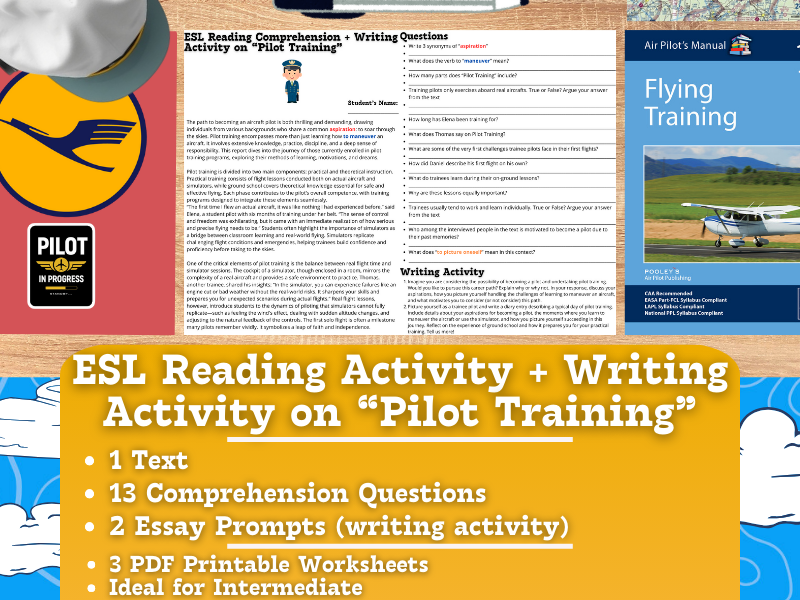
ESL reading-comprehension and writing practice built around an informational passage about the process of training to become an aircraft pilot.
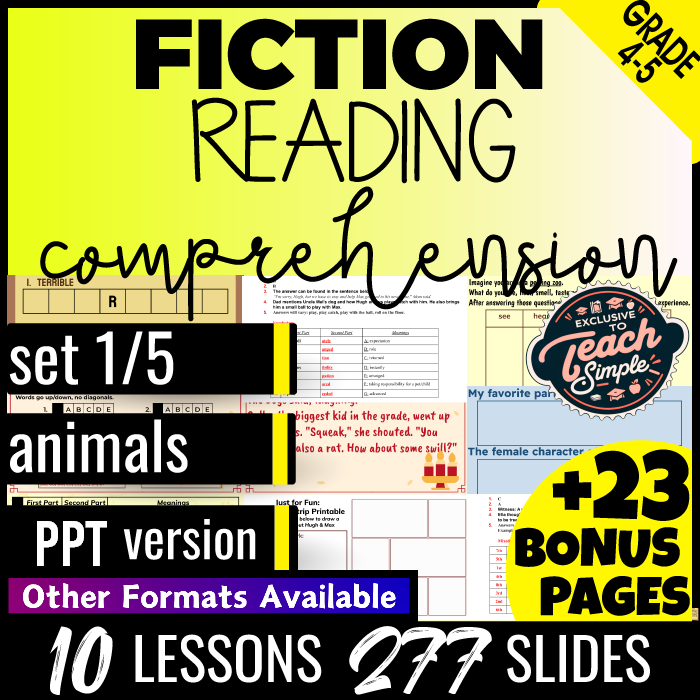
Present the same set of short fiction reading passages as slide decks, with follow-up comprehension questions and an answer key, for grade 4-5 reading practice.

A digital micro-learning reading comprehension lesson built around the original story 'Stick's Masterpiece,' teaching vocabulary, close reading, and summarizing.
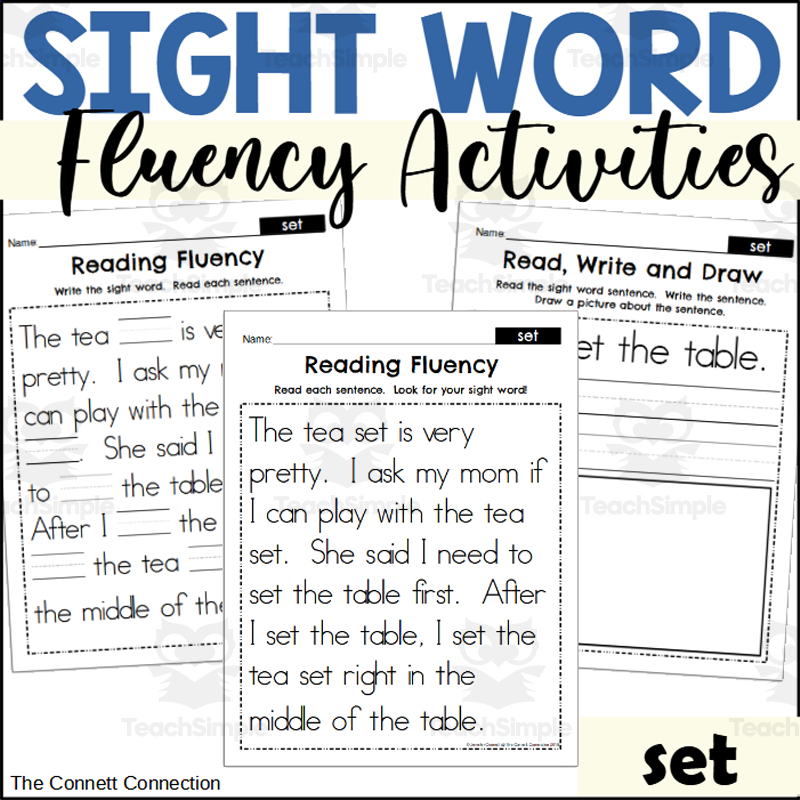
Read sentences containing the sight word "set"; fill in the blanked-out word while reading a repeated passage; copy a model sentence containing the word onto blank lines; draw a picture illustrating the sentence.
ESL lesson using the topic of social media (benefits and risks, e.g. cyberbullying, addiction) to build reading/listening/writing skills.
Three PowerPoint reading-passage lessons teaching life-science concepts: food chains/webs, how organisms change environments, and how people change environments.
Roll a die and write the given sight word repeatedly in the color corresponding to the number rolled, one word per page, repeated across 6 weeks of words.
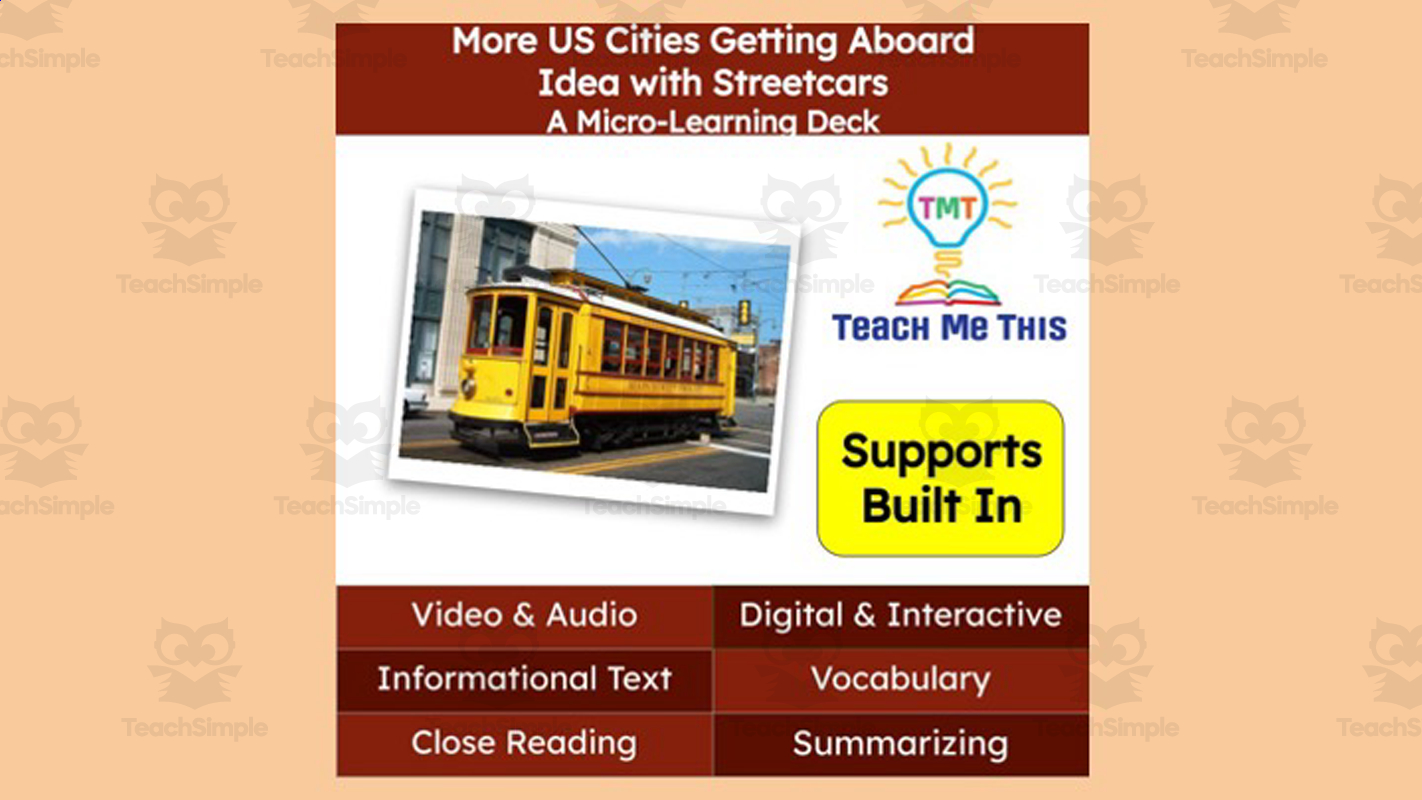
A micro-learning slide deck teaching the history of American streetcars (their rise, decline, and modern revival, using New Orleans as an example) through a video-lesson slot, an informational reading passage with an embedded interview quote, and comprehension activities.
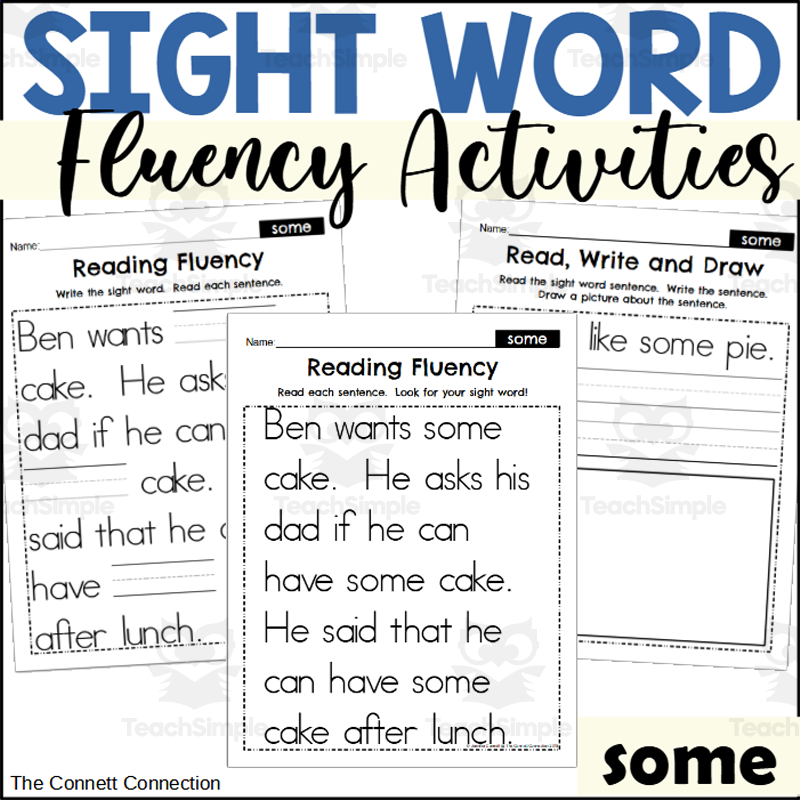
Read sentences containing the sight word "some"; fill in the blanked-out word while reading a repeated passage; copy a model sentence containing the word onto blank lines; draw a picture illustrating the sentence.
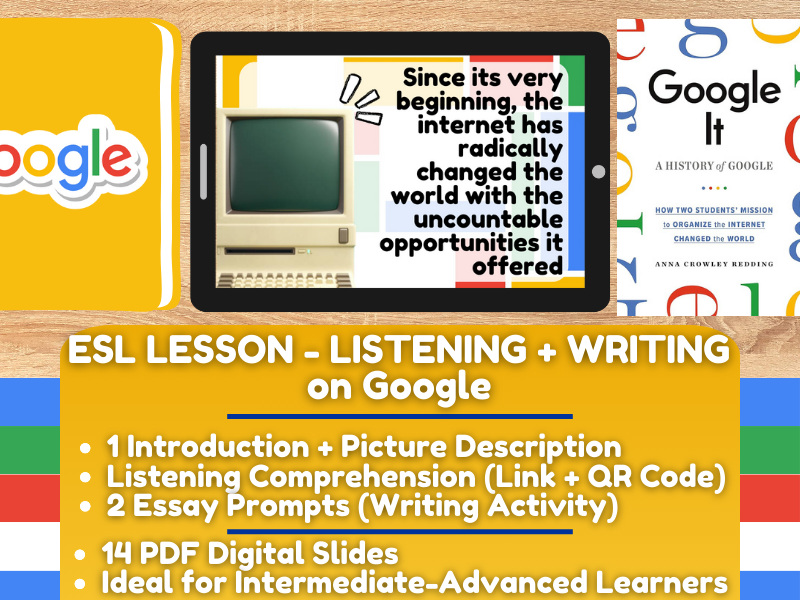
ESL lesson using the topic of Google and search engines to build reading/listening/writing skills.
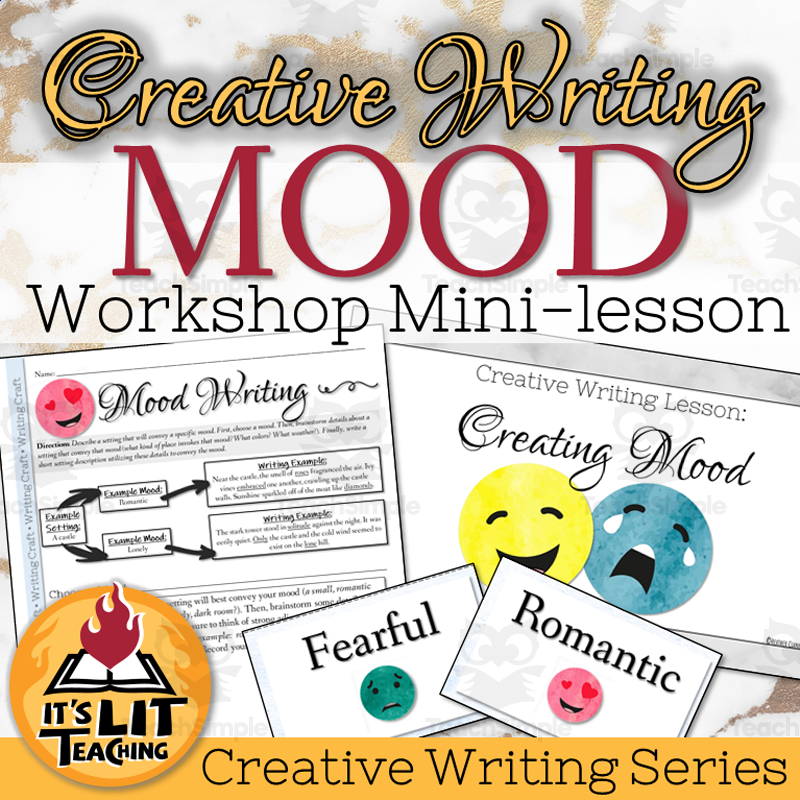
A mini-lesson/workshop teaching secondary students to identify and create mood in writing, using famous paintings as mood-analysis examples (as a whole-class lesson or gallery walk) and a setting-description writing activity.
A set of print-and-pass poetry writing lessons designed to be run by a substitute teacher, each giving students a concept definition, drafting time, a peer-review step, and a rubric-scored final poem.
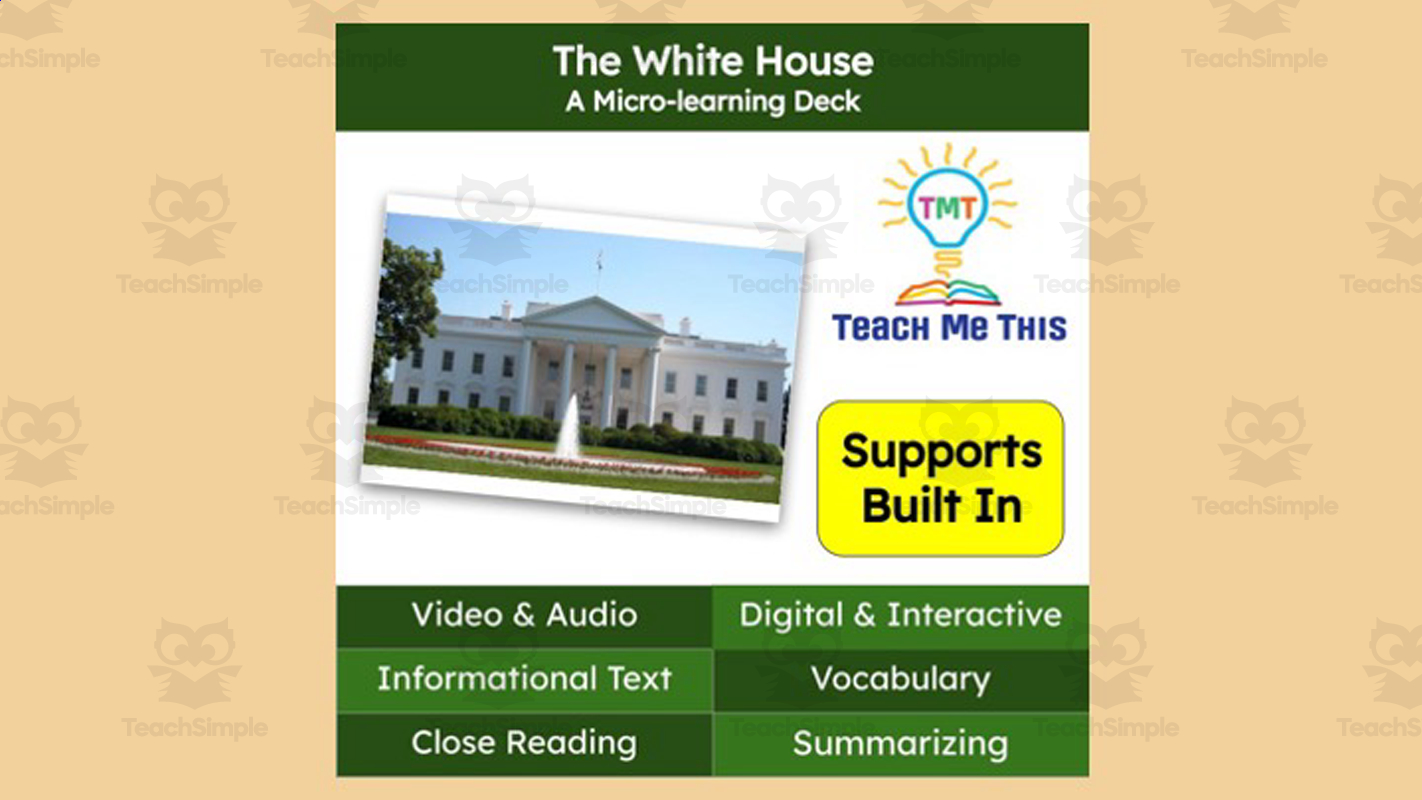
Deliver a micro-learning interactive lesson teaching the history and key rooms/facts of the White House through a reading passage, vocabulary, and comprehension activities.
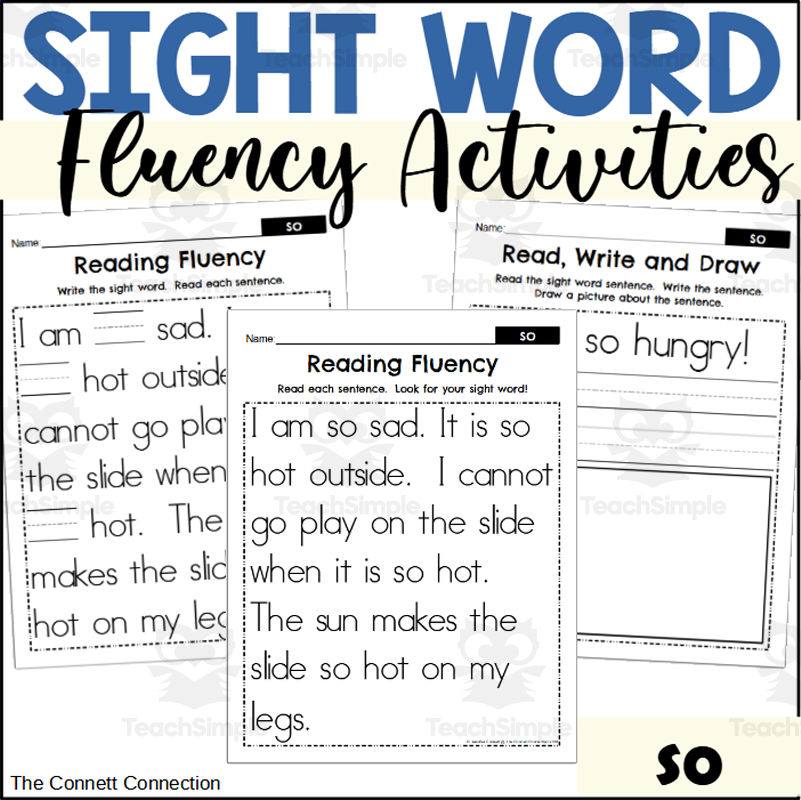
Read sentences containing the sight word "so"; fill in the blanked-out word while reading a repeated passage; copy a model sentence containing the word onto blank lines; draw a picture illustrating the sentence.
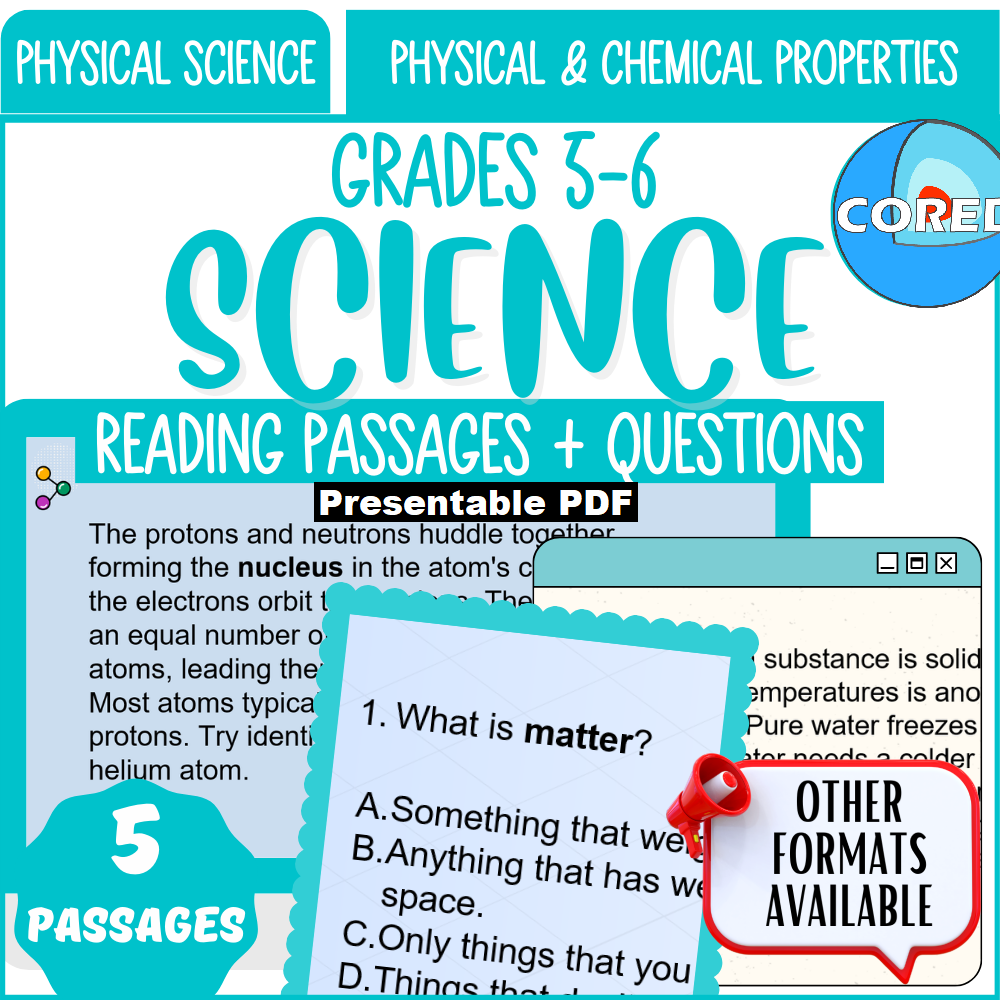
Follow along with the displayed slides/passage text, then answer multiple-choice comprehension questions.
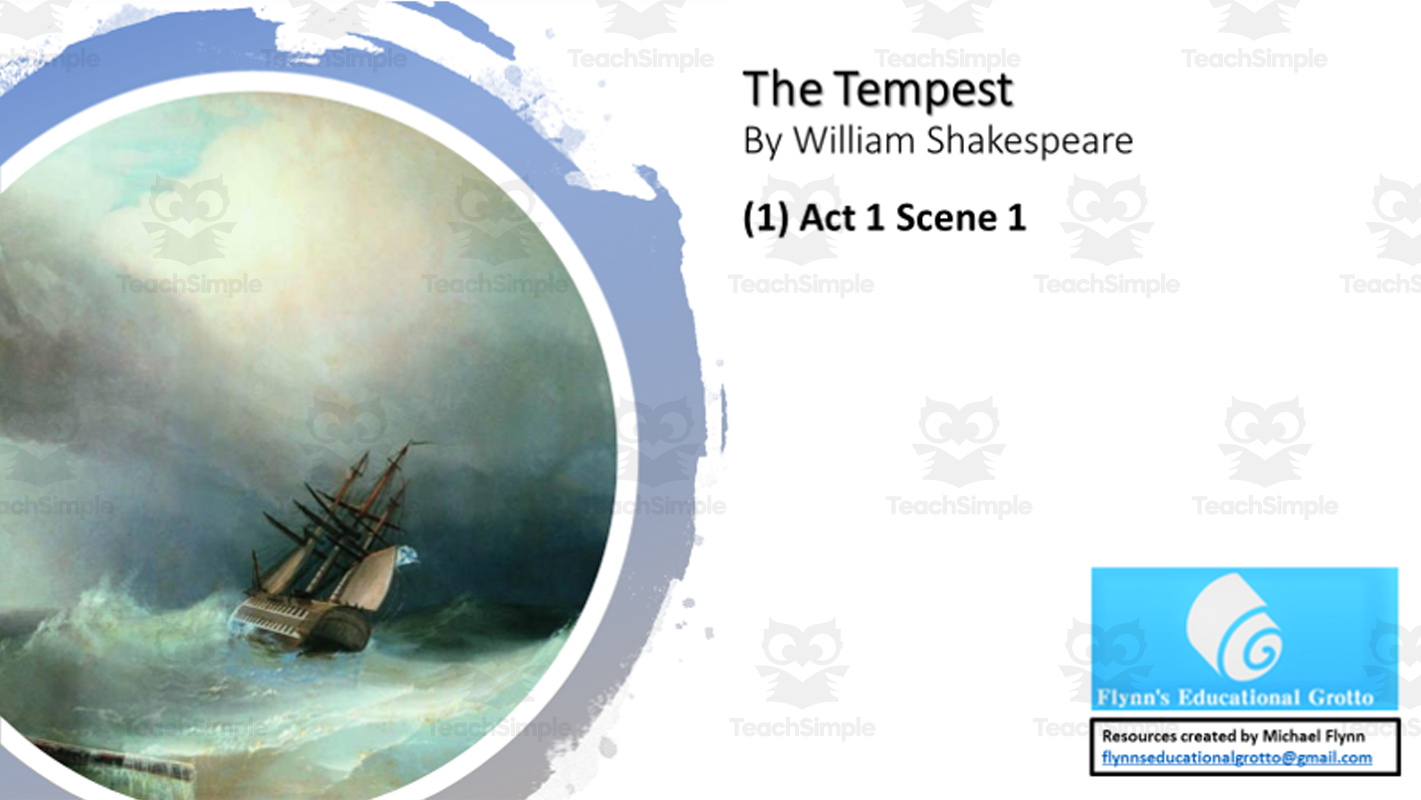
Lesson 1 of a Tempest unit: an analytical close-reading of Act 1 Scene 1 (the opening shipwreck scene), building summary/analysis skills and introducing academic essay-writing technique.

A mini-lesson/workshop teaching secondary students to identify and create literary 'voice' (diction, syntax, tone) through a poem-reconstruction group activity and an original-writing exercise.
A micro-learning slide deck (interactive lesson) teaching the history of the American flag and etiquette for its care and display, built around a reading passage with vocabulary and comprehension activities.
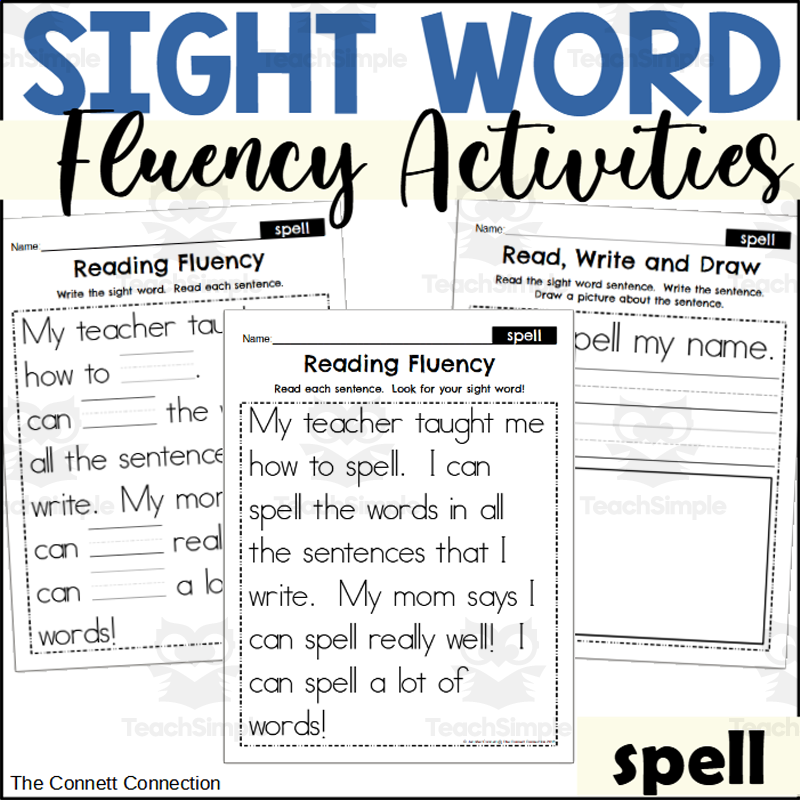
Read a short passage that repeats the sight word 'spell'; read a matching cloze version of the passage and write the missing word 'spell' in each blank; then read one sentence containing 'spell', copy/write it on provided lines, and draw a picture about it. The read-and-cloze pair of pages is repeated a second time using the 'mum' UK…
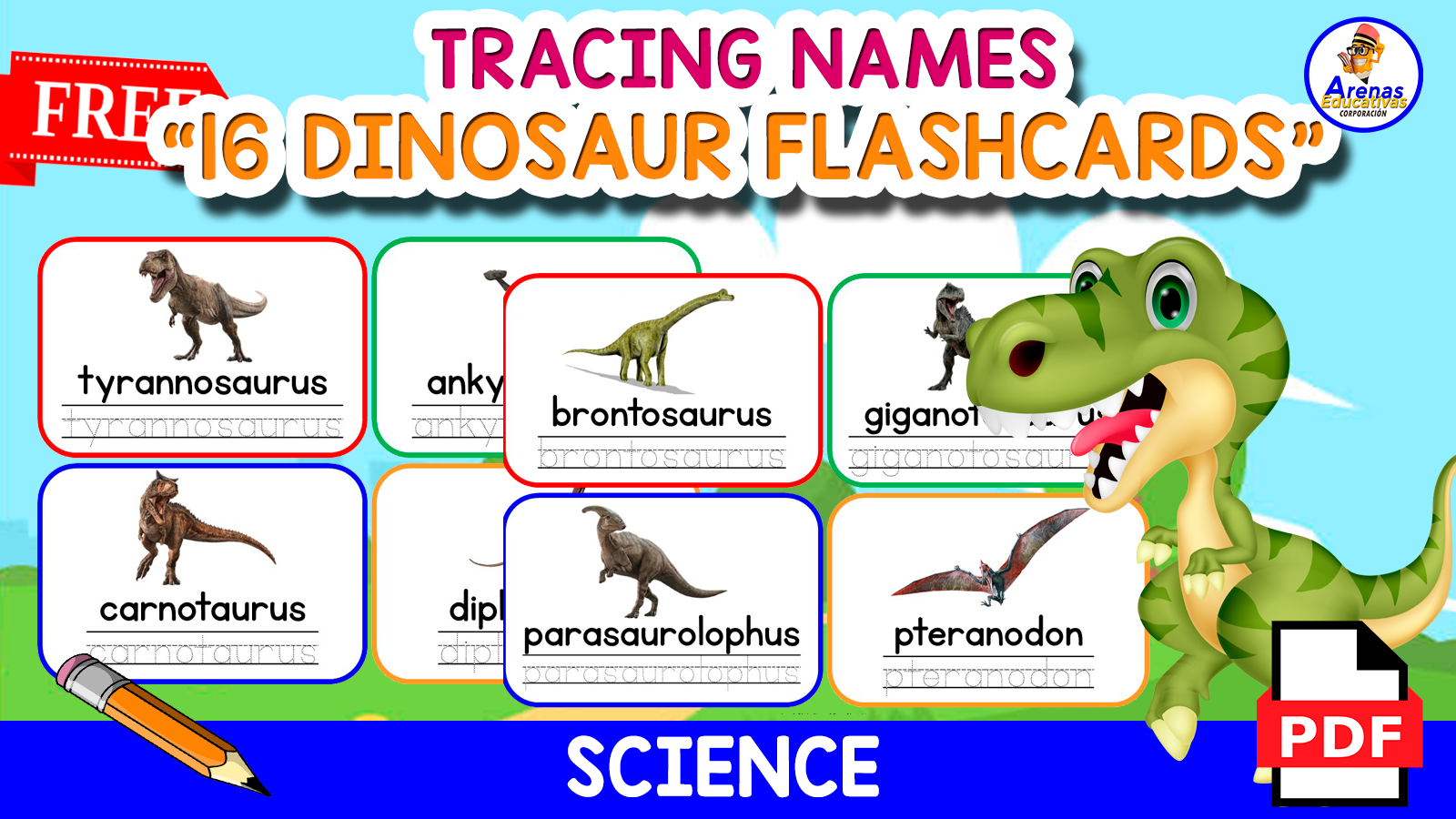 Free download
 Name-tracing flashcards/worksheets to help students learn and practice writing the names of 16 dinosaurs.

Introduce ESL/EFL students to William Shakespeare's biography and famous works through a slide-based lesson with warm-up picture description, biographical reading, and a listening comprehension activity.
Lesson slideshow teaching techniques for creating suspense in narrative writing (foreshadowing, vivid setting, imagery, pacing) for middle/high school creative writing.

A lesson using passages from Jerry Spinelli's novel 'Loser' and Jamaica Kincaid's short story 'Girl' as mentor texts to teach students how to write in second-person point of view