ESL Reading + Writing Activity Worksheet - Artificial Intelligence
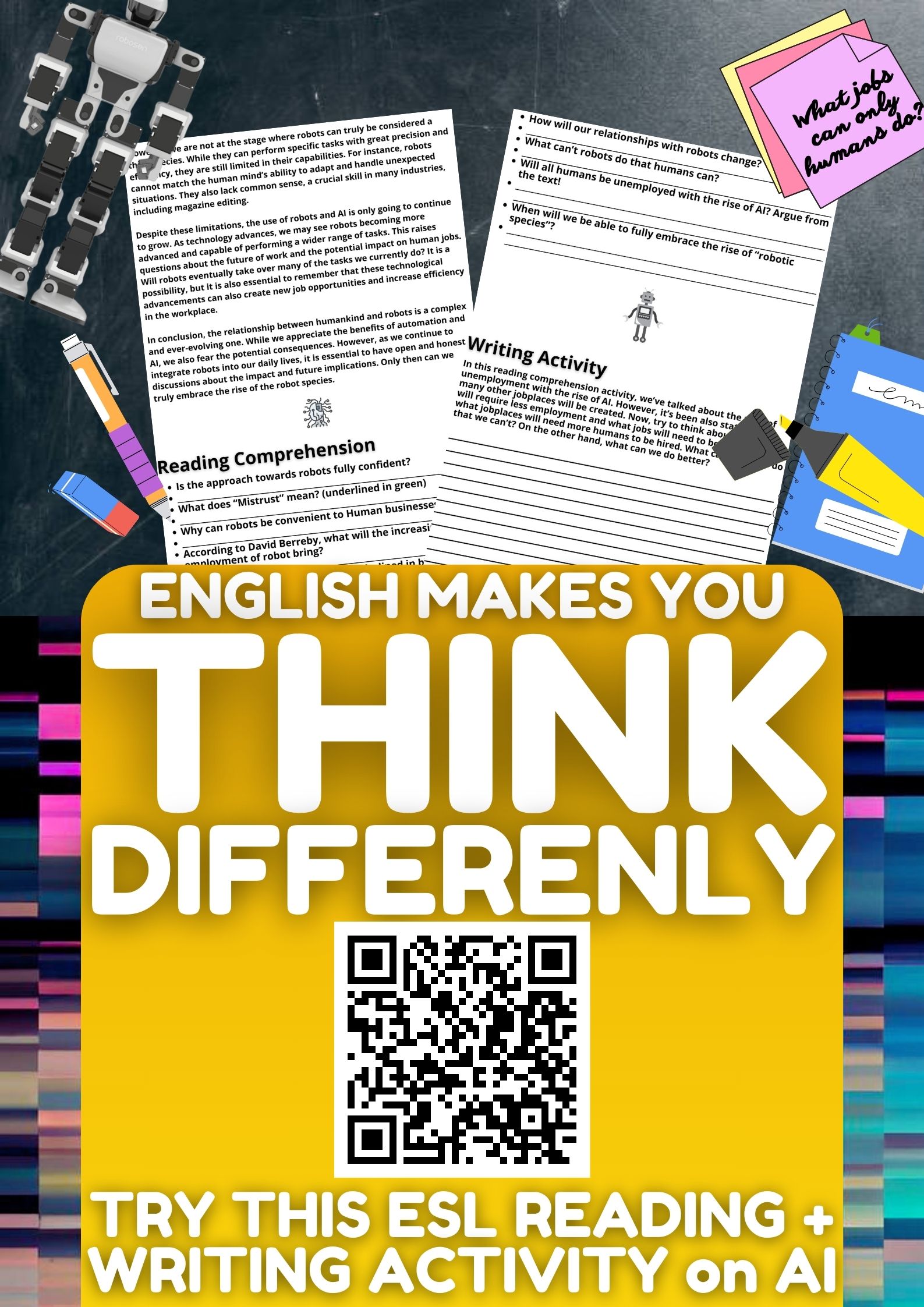
Give secondary-level ESL/EFL students reading-comprehension and writing practice using a short nonfiction passage about artificial intelligence and automation in daily life.
Classroom resources
Browse by lesson focus
Choose the topic or kind of practice you need.
Give secondary-level ESL/EFL students reading-comprehension and writing practice using a short nonfiction passage about artificial intelligence and automation in daily life.
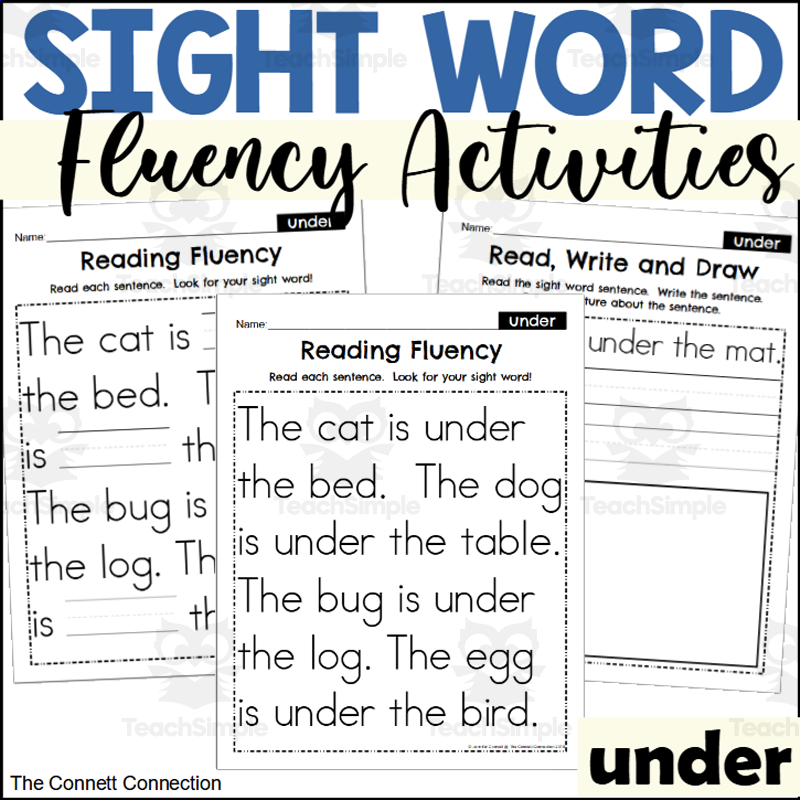
A one-word sight-word reading fluency practice packet for the target word "under", giving students repeated exposure to the word in context through reading, writing, and a short response activity.
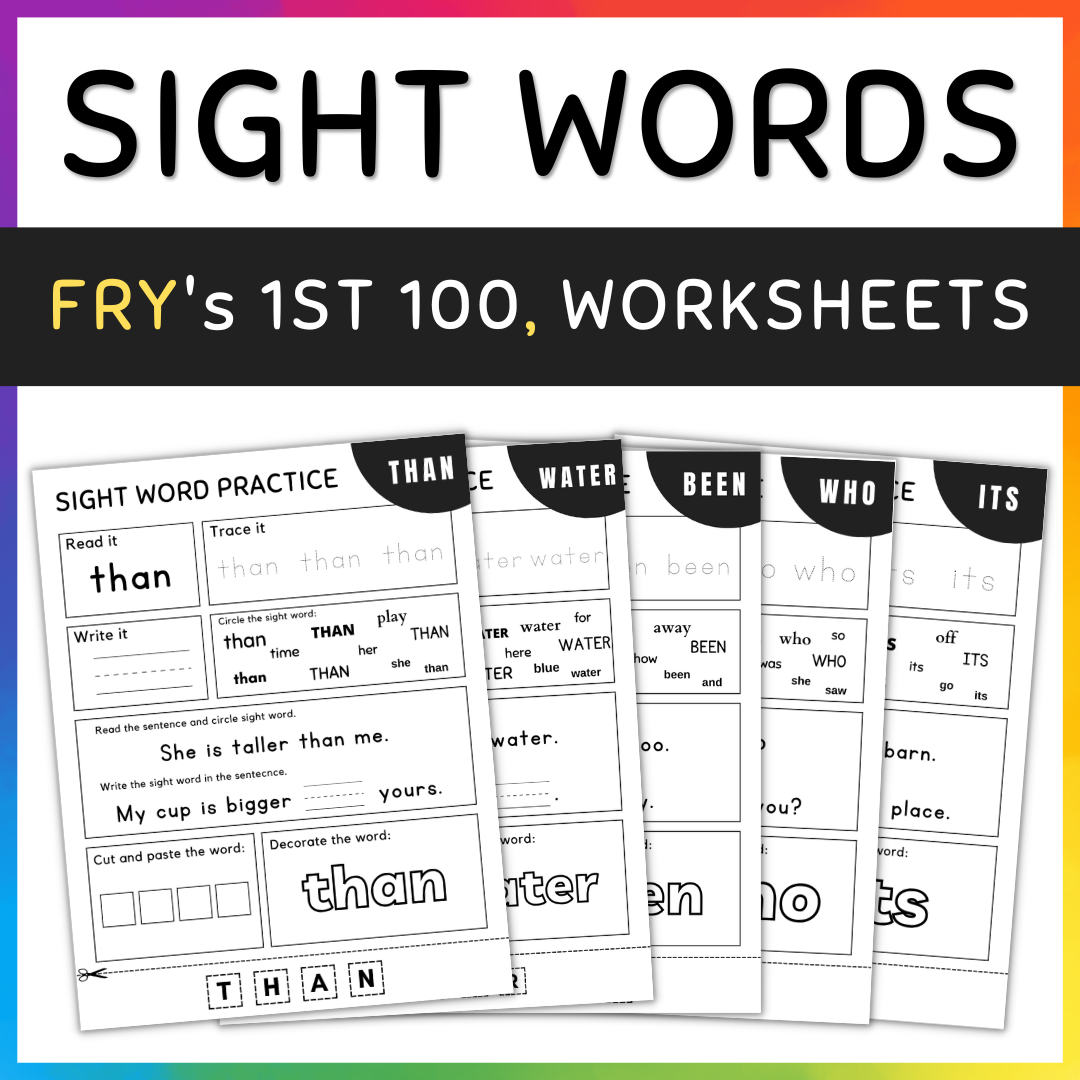
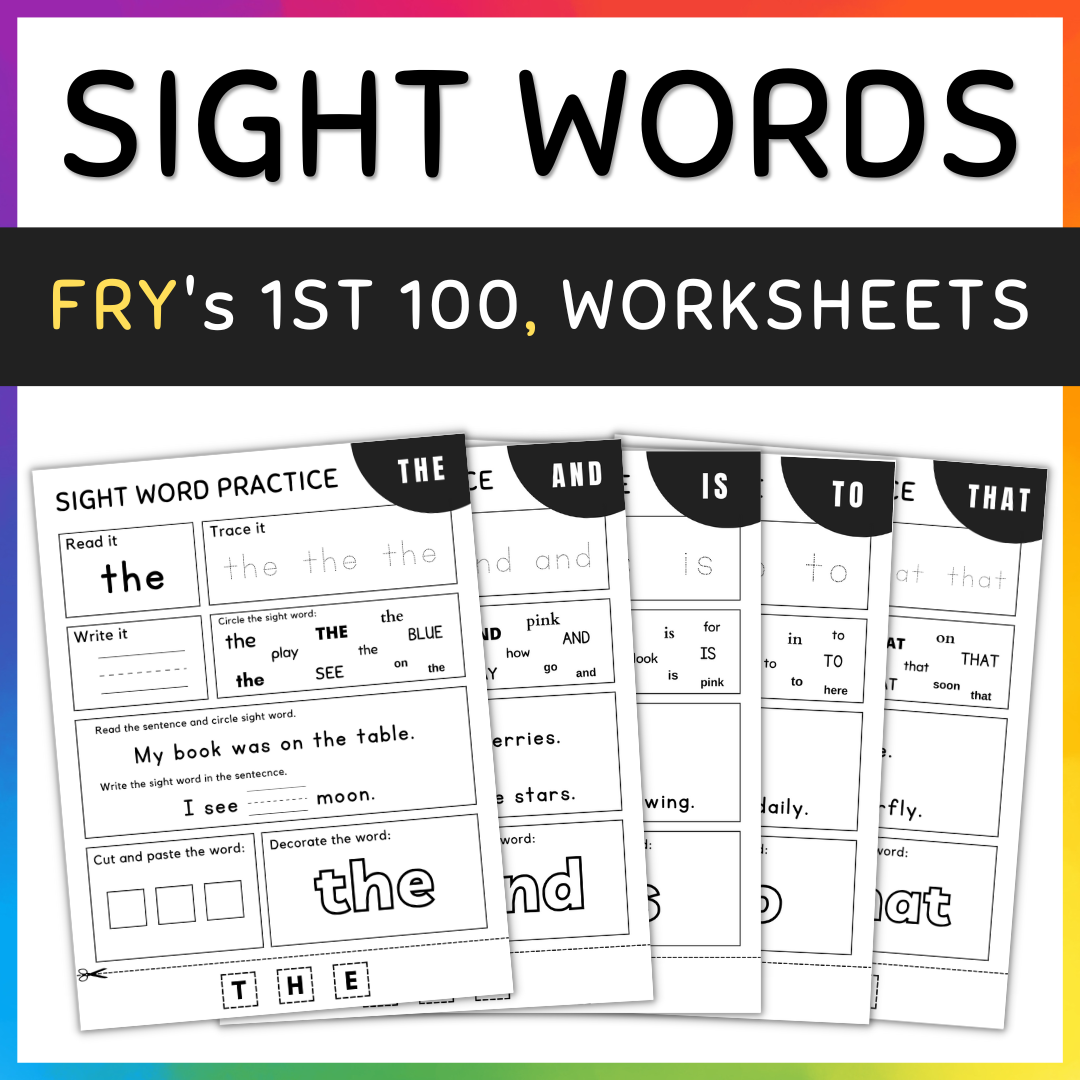
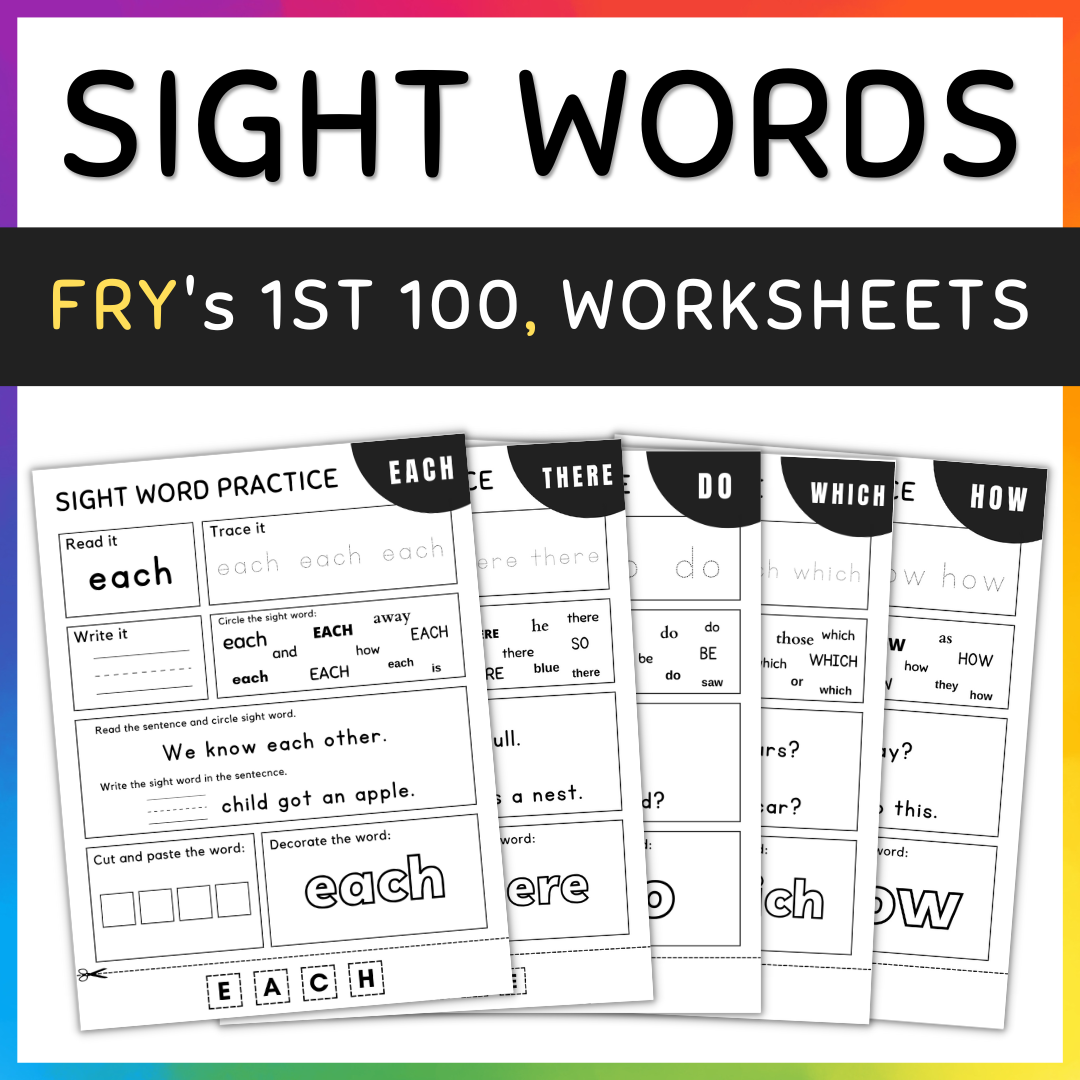
Build recognition, reading, and writing fluency for individual Fry's 1st 100 high-frequency (sight) words through repeated read/trace/write/circle/sentence practice, one word per page.
Provide a picture-supported graphic organizer to help students, including those needing extra visual support, practice the mechanics of writing a basic paragraph.
Give secondary-level ESL/EFL students reading-comprehension and writing practice using a short nonfiction passage about favorite/least-favorite school subjects.
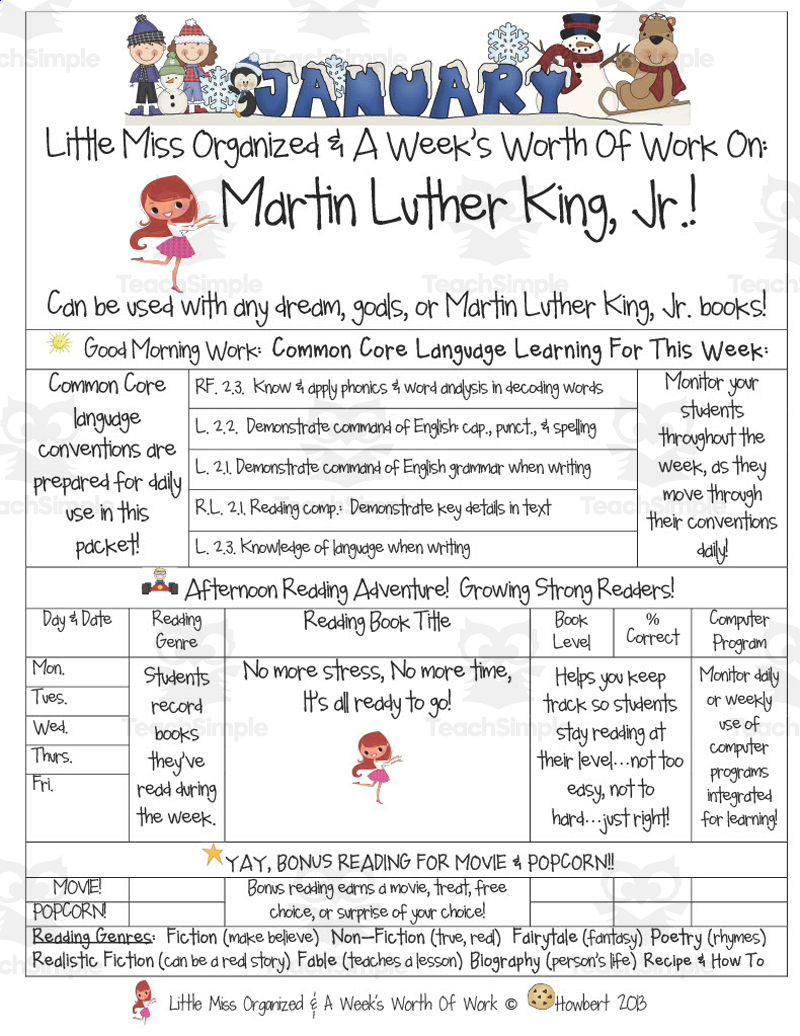
A week's worth of daily reading/grammar practice built around Martin Luther King Jr. themed reading, usable alongside any MLK book.
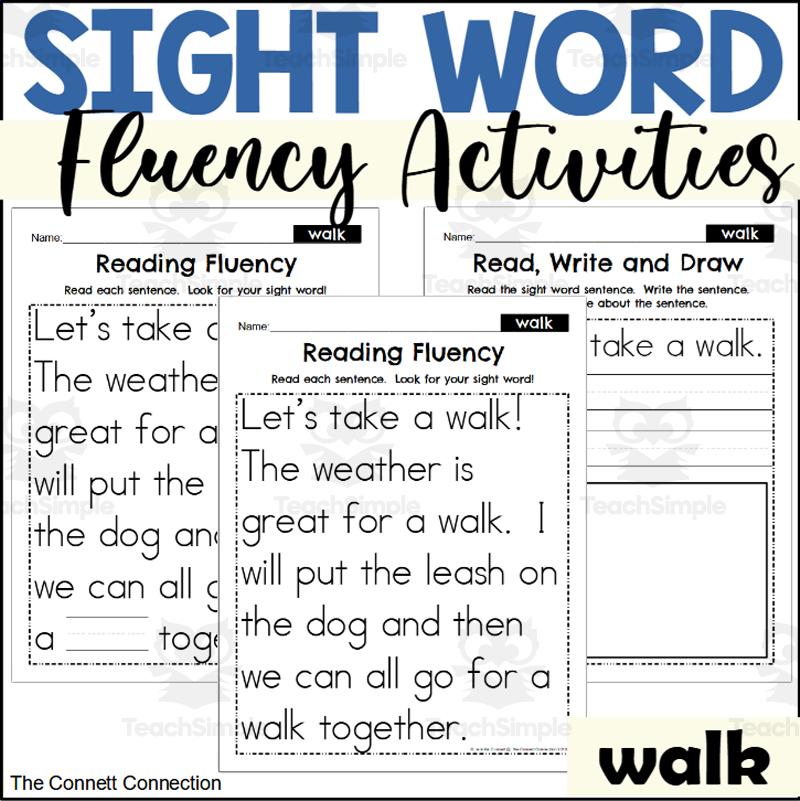
A one-word sight-word reading fluency practice packet for the target word "walk", giving students repeated exposure to the word in context through reading, writing, and a short response activity.
Build recognition, reading, and writing fluency for individual Fry's 1st 100 high-frequency (sight) words through repeated read/trace/write/circle/sentence practice, one word per page.
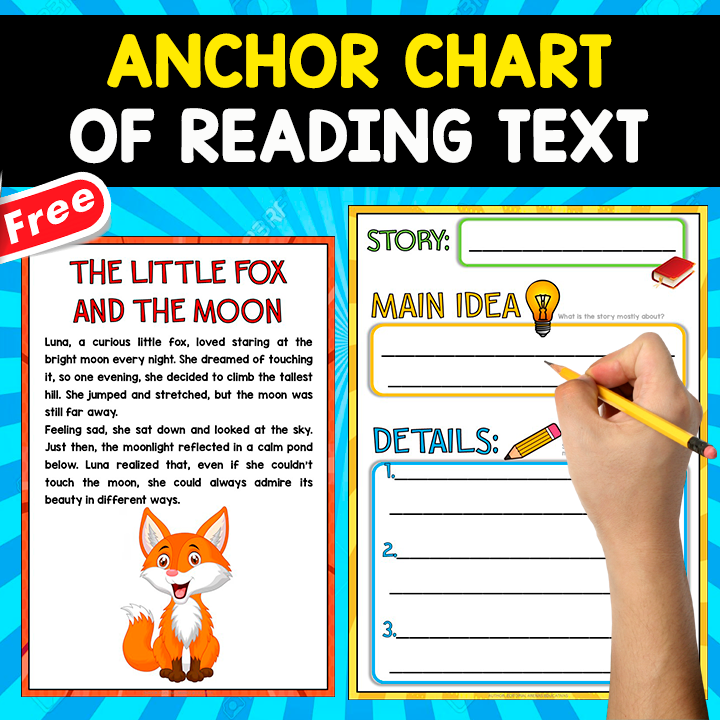
A short early-reading passage paired with a main-idea-and-details graphic organizer, used to practice identifying the main idea and supporting details of a story.
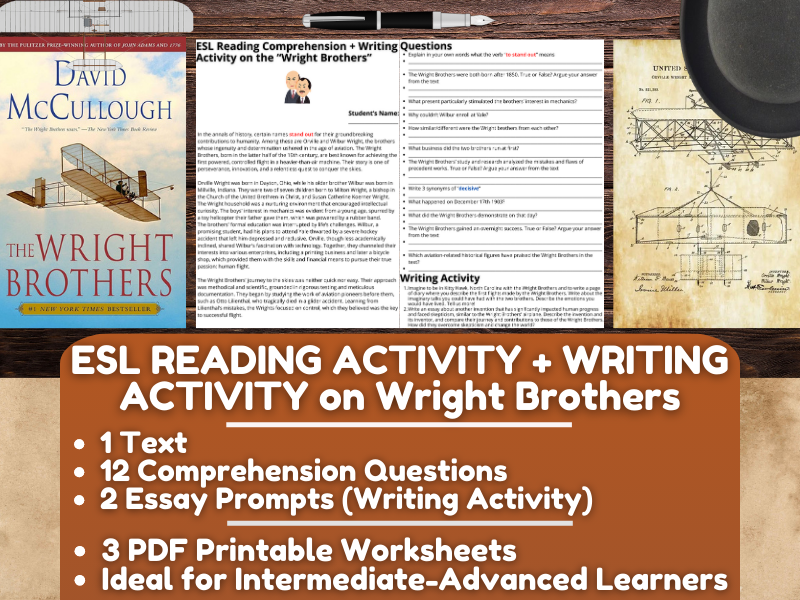
Give secondary-level ESL/EFL students reading-comprehension and writing practice using a short nonfiction passage about the Wright Brothers and the invention of powered flight.
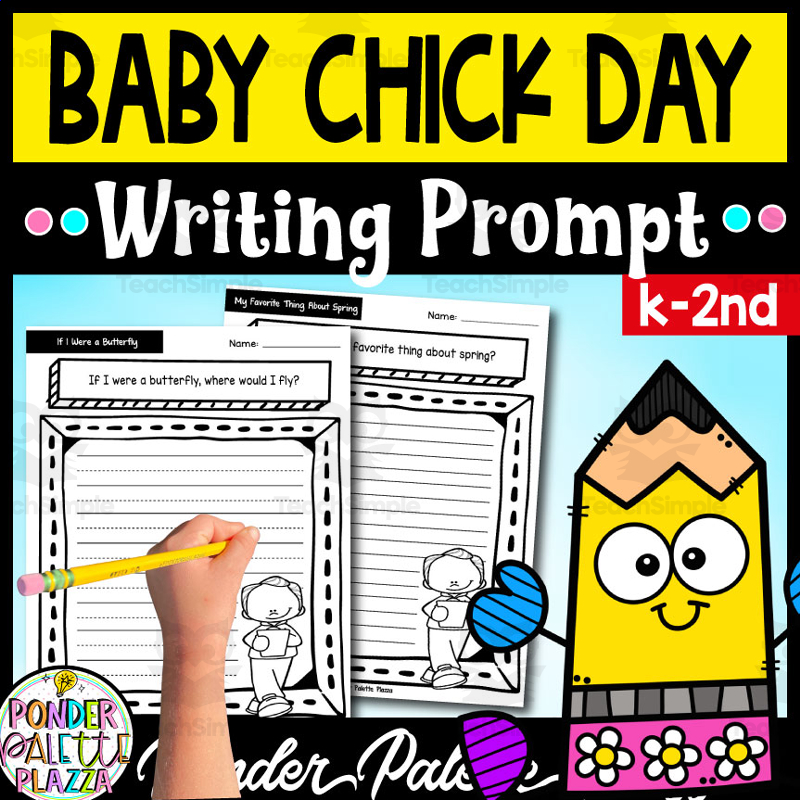
A spring-themed, no-prep creative writing prompt asking students to imagine meeting a baby chick, paired with a companion drawing activity.
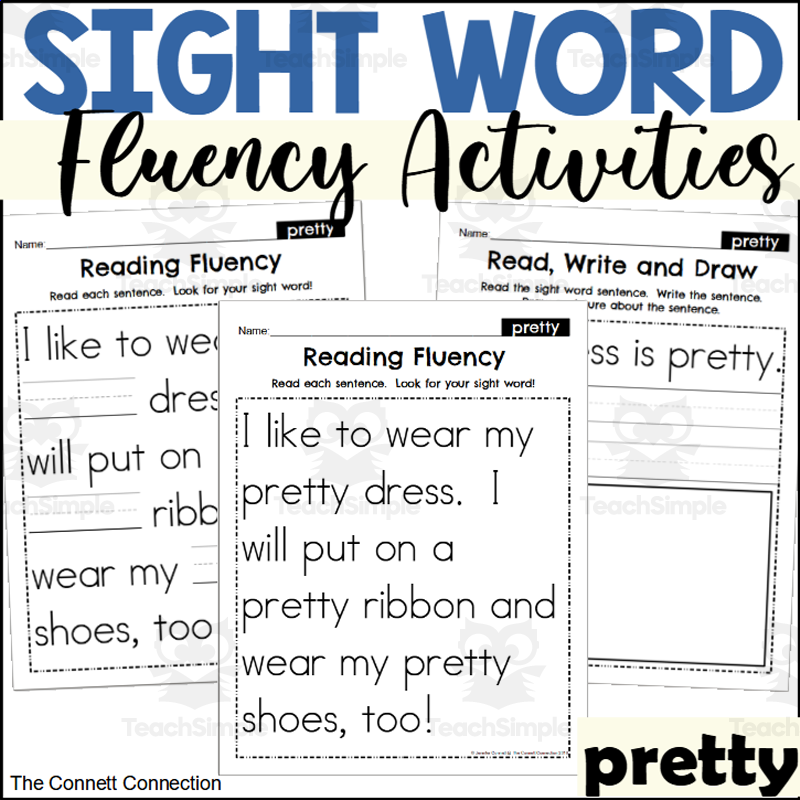
Give students repeated, low-prep practice reading, recognizing, and spelling the single target sight word "pretty" in context.
Build recognition, reading, and writing fluency for individual Fry's 1st 100 high-frequency (sight) words through repeated read/trace/write/circle/sentence practice, one word per page.
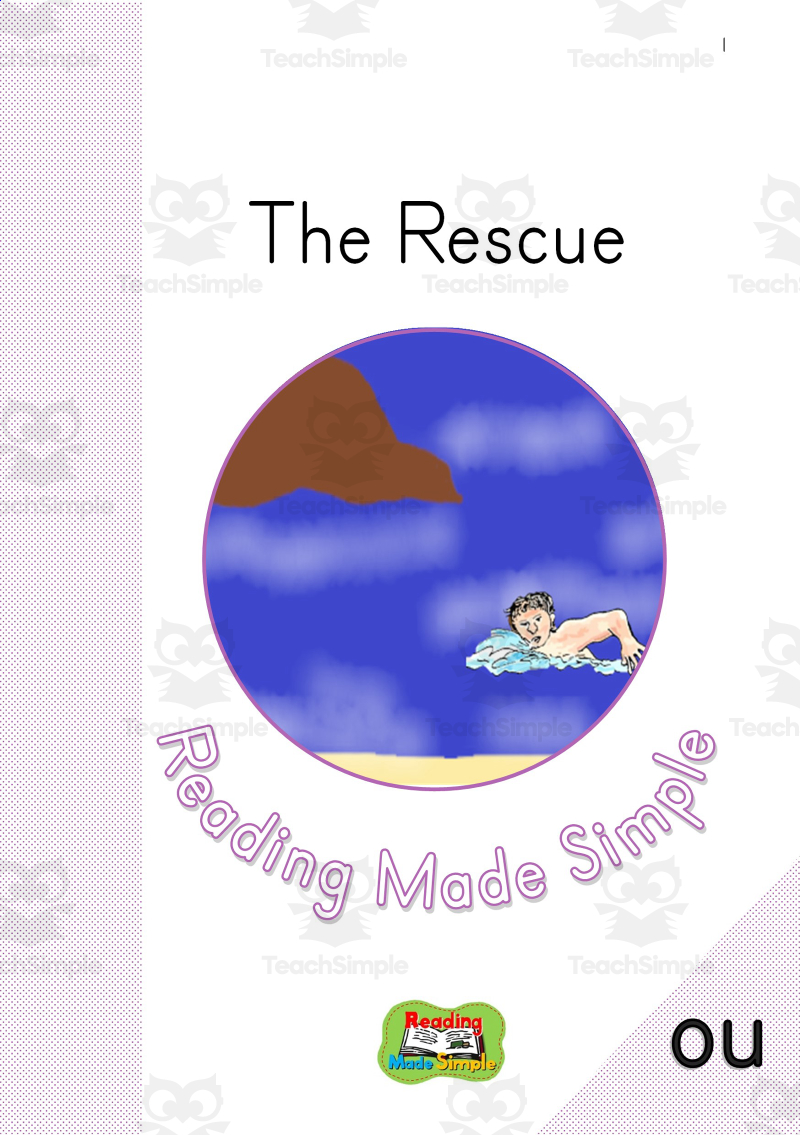
A decodable early-reading storybook ('The Rescue') built around words containing the 'ou' sound plus a set of silent-e words, intended to build reading fluency using controlled, phonically decodable vocabulary.
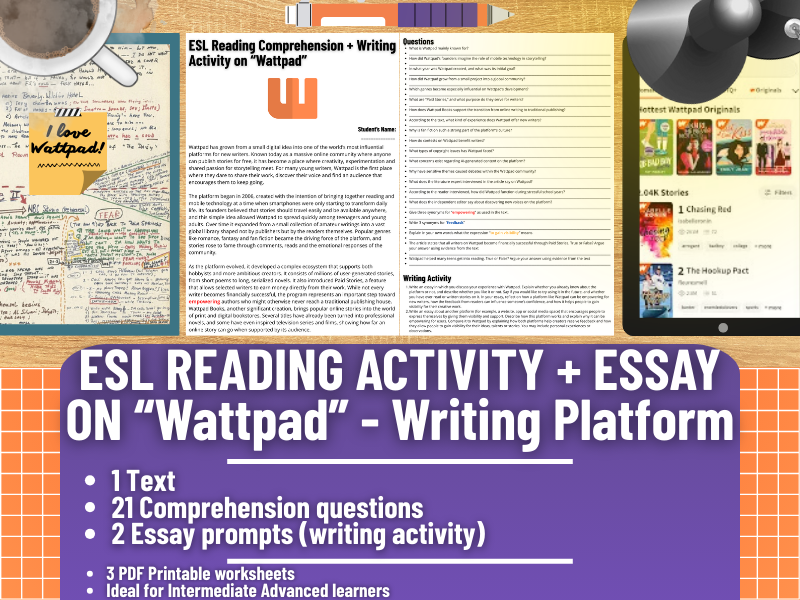
Give secondary-level ESL/EFL students reading-comprehension and writing practice using a short nonfiction passage about the Wattpad online writing/story platform.
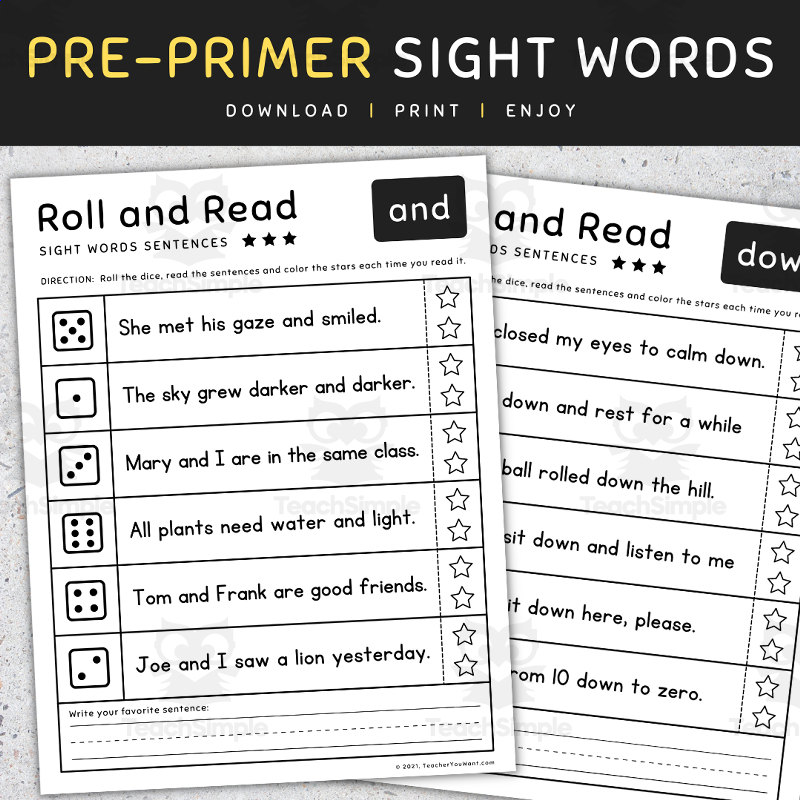
Fluency practice reading sentences containing pre-primer (Fry/Dolch) sight words.
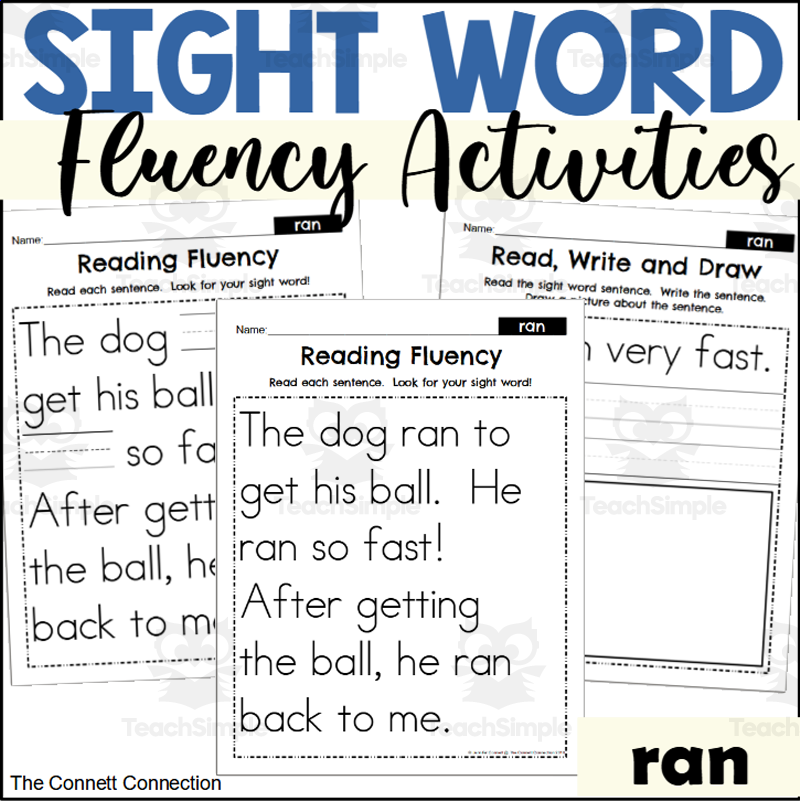
Give students repeated, low-prep practice reading, recognizing, and spelling the single target sight word "ran" in context.
Reinforce recognition and handwriting of individual Fry's 1st 100 high-frequency (sight) words through tracing, writing, and a word-discrimination coloring activity, one word per page.
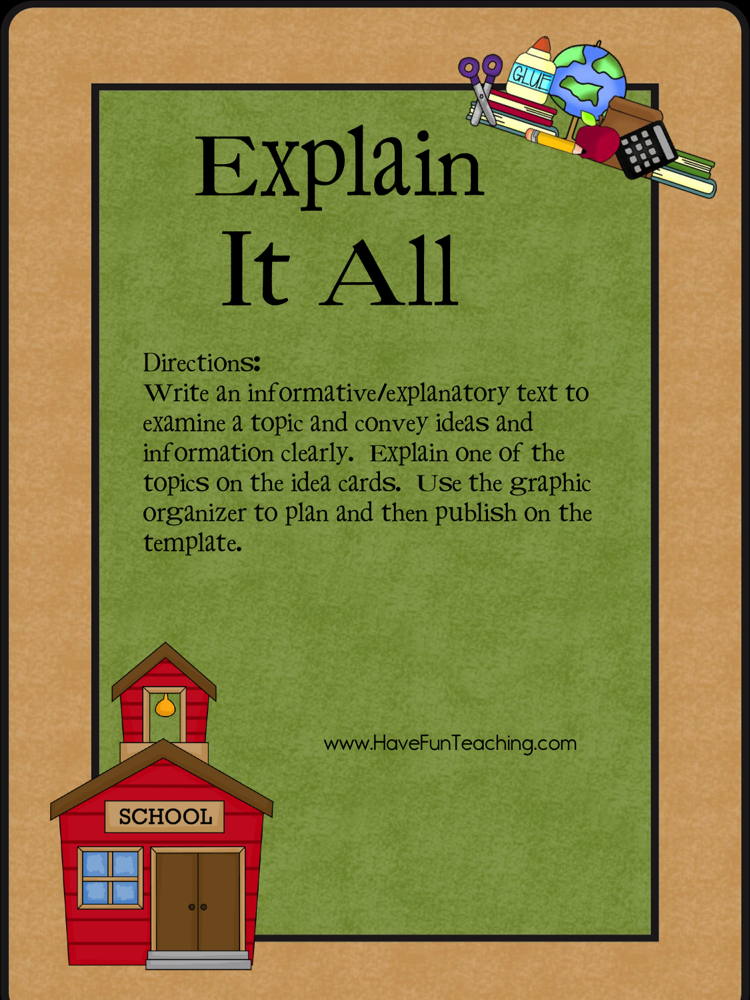
Give students practice writing an informative/explanatory text on a chosen everyday topic, using idea cards, a graphic organizer, and a final draft template.
Give secondary-level ESL/EFL students reading-comprehension and writing practice using a short nonfiction passage about extended reality (VR/AR/MR) technology.
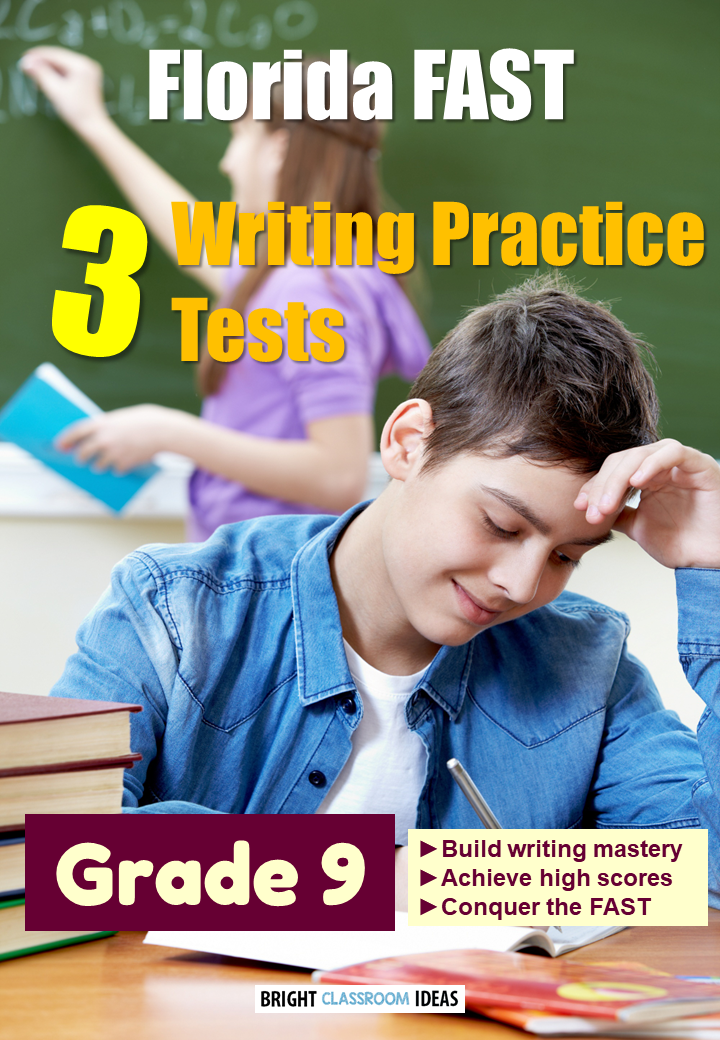
Give Grade 9 students realistic practice with the Florida B.E.S.T. Writing Assessment (text-based expository and argumentative prompts) before test day.
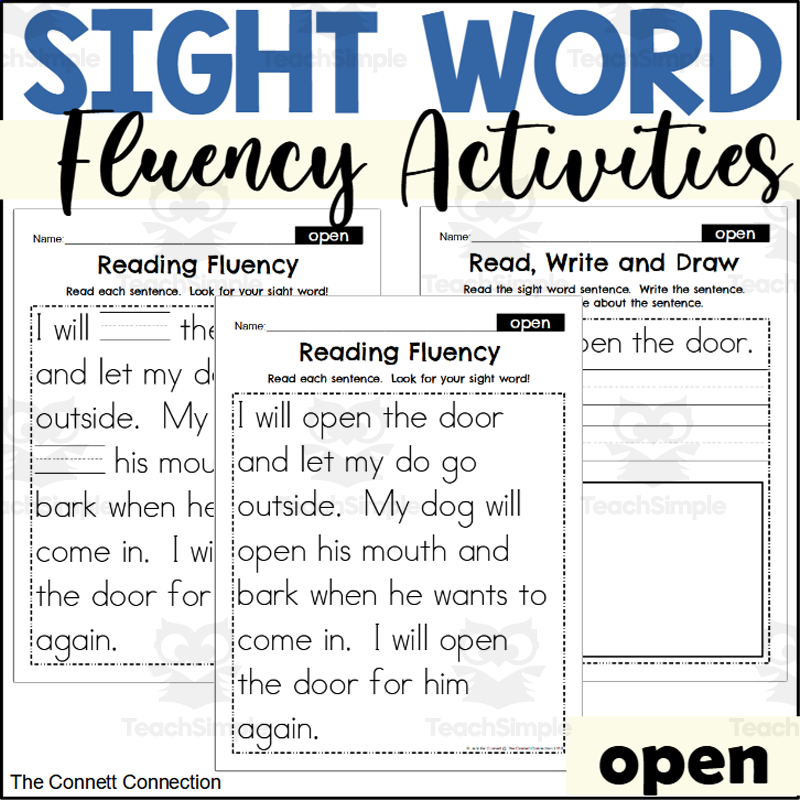
Give students repeated, low-prep practice reading, recognizing, and spelling the single target sight word "open" in context.
Build recognition, reading, and writing fluency for individual Fry's 1st 100 high-frequency (sight) words through repeated read/trace/write/circle/sentence practice, one word per page.
Teach the five phases of informative/expository writing (research and brainstorming, main ideas and support, introduction and conclusion, draft/edit/revise, final draft) using a Back-to-School-themed set of activities.