![Sight Words Flashcards: 3rd Grade, [SET 1] teaching resource preview](https://teachsimplecom.s3.us-east-2.amazonaws.com/images/sight-words-flashcards-3rd-grade-set-1/image-1673360042675-1.jpg)
Phonics & word study
Sight Words Flashcards: 3rd Grade, [SET 1]
Sight word flash cards for 3rd Grade (Set 1), for word recognition, reading, and spelling practice.




Classroom resources
Browse by lesson focus
Choose the topic or kind of practice you need.
Showing 2065–2088 of 3076 resources

 Show filters
 Sight word flash cards for 3rd Grade (Set 1), for word recognition, reading, and spelling practice.

Read an informational passage about Alexander Graham Bell, underline the main idea of each paragraph, answer key-detail questions (who/what/where/when/why), and complete additional worksheets (multiple-choice, graphic organizers, fact cards) per the catalog description.
Read (or listen to as a read-aloud) each short story/informational passage; encounter bolded vocabulary words used in context.
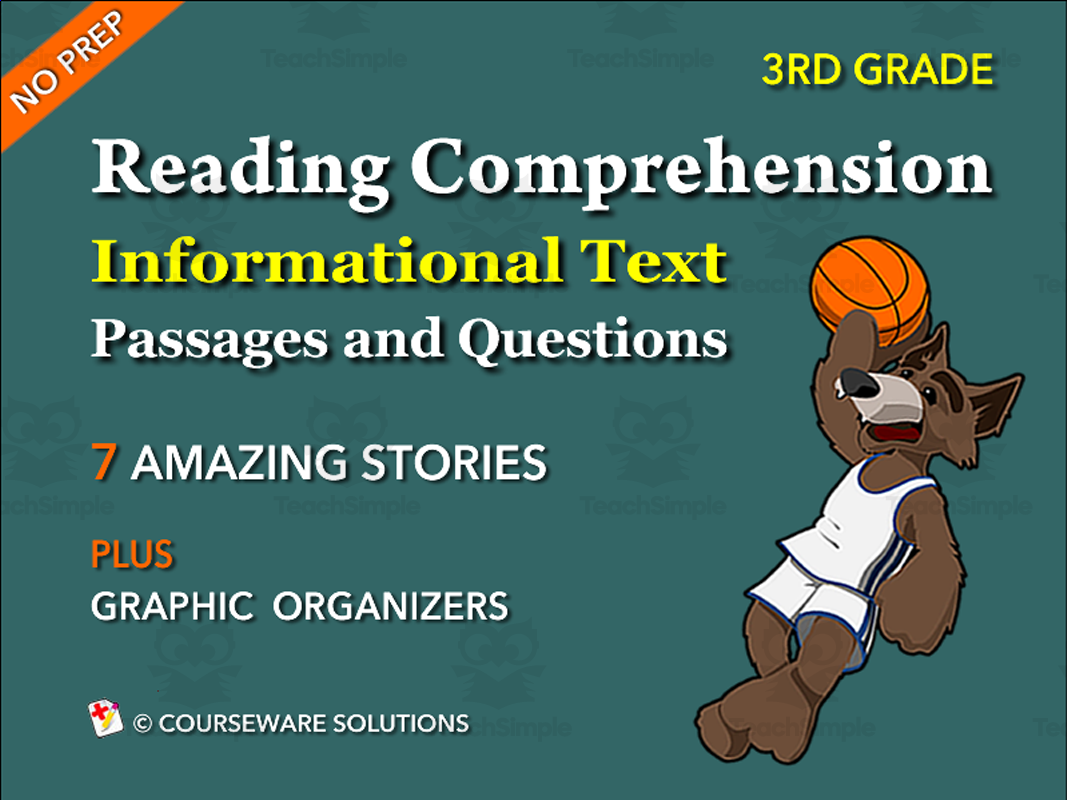
Read each short informational passage (e.g. aye-ayes, training a dog to play basketball, ancient Olympics, alligators vs crocodiles, space dogs, penguin wetsuit, spotted zebra), then answer multiple-choice comprehension questions; some passages pair with a graphic organizer (notes, timeline/sequence, comparison chart, main idea).
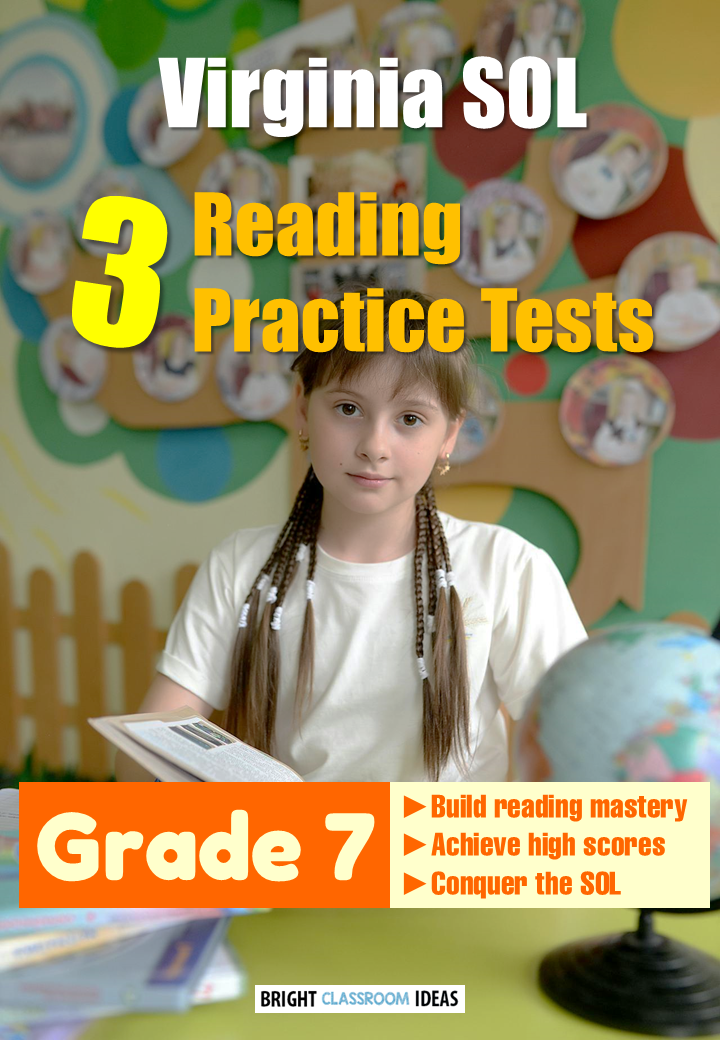
Students read fiction, nonfiction, and poetry/drama passages across 3 separate 40-question tests and answer multiple-choice comprehension/vocabulary questions for each test.
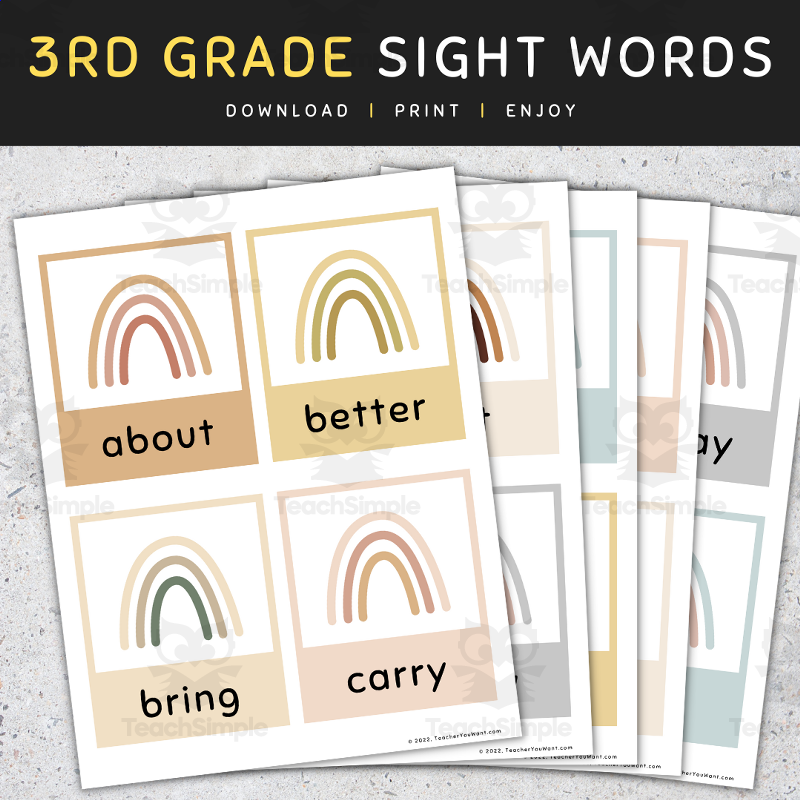
Sight word flash cards for 3rd Grade (Boho Rainbow Set 3), for word recognition, reading, and spelling practice.

Complete individual numbered creative-writing activities (e.g. 'Absolutely NOT!', 'Acrostic Personalities', 'Backronyms', 'Bad Habits') that involve producing original written work such as sentences, poems, lists, and short pieces per activity instructions.
Students read one or more of the five assigned novels (individually, in small groups, whole class, or as a listening test) and complete multiple-choice comprehension questions for each title, then check answers against the answer key.
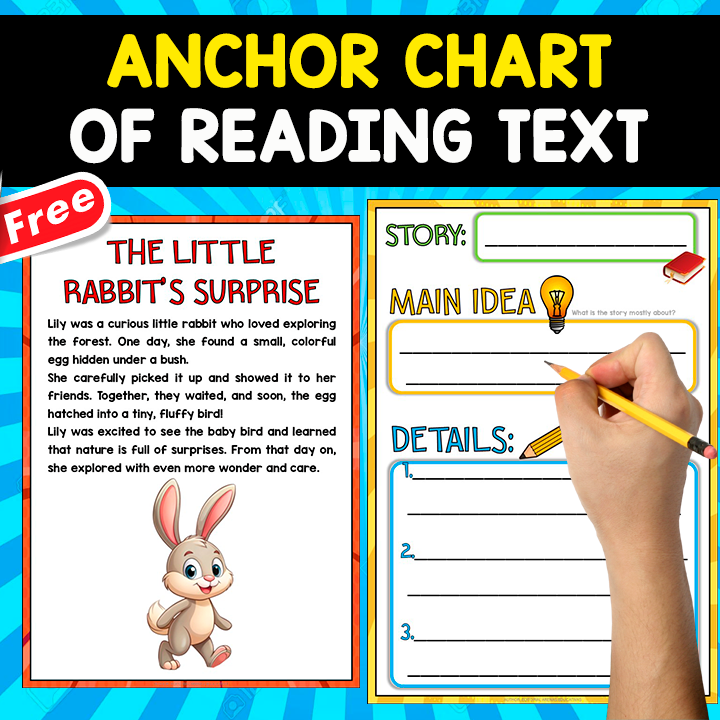 Free download
 Read a short original story, then fill in a blank graphic organizer identifying the story title, the main idea, and three supporting details; a second, already-completed example organizer using the fable 'The Lion and the Mouse' models how to do this.
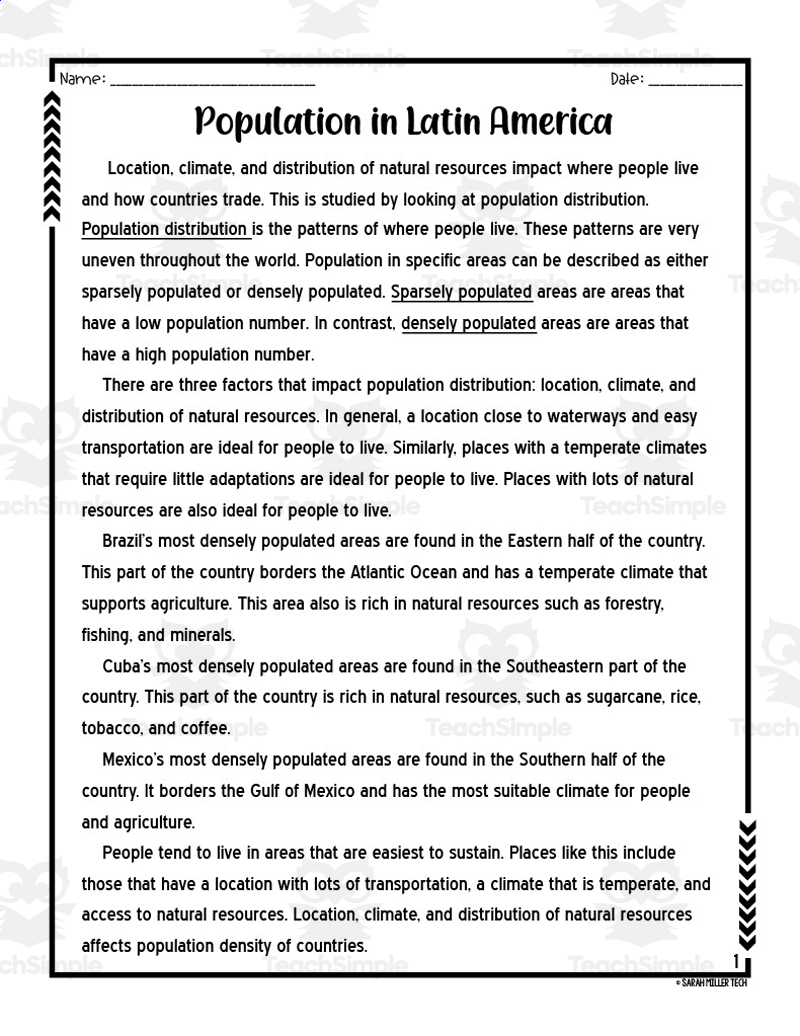
Read an informational passage about population distribution in Latin America, then answer questions and complete graphic organizers using key vocabulary and concepts from the passage.
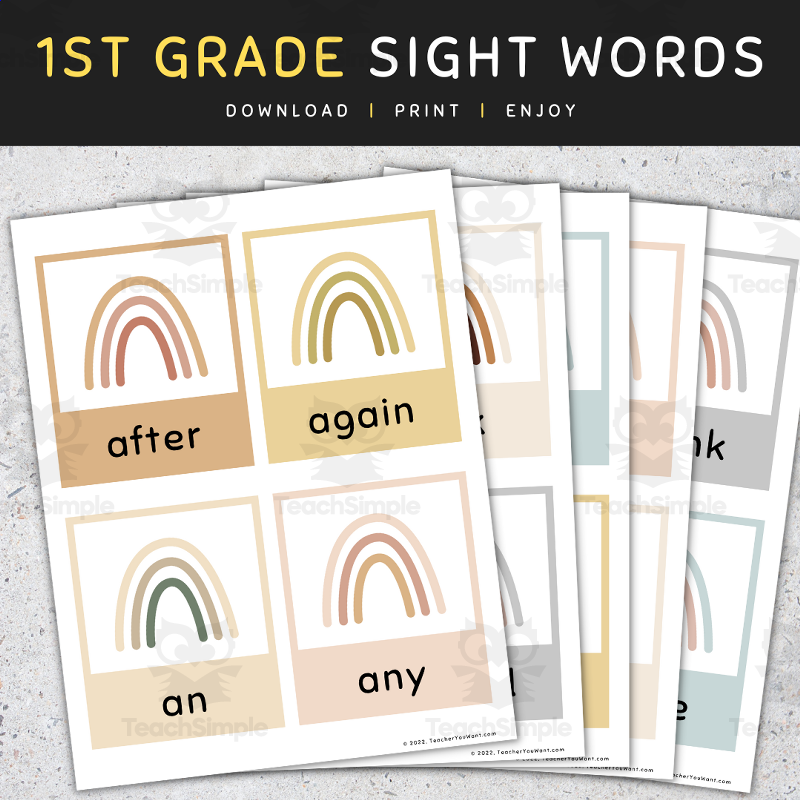
Sight word flash cards for 1st Grade (Boho Rainbow Set 3), for word recognition, reading, and spelling practice.
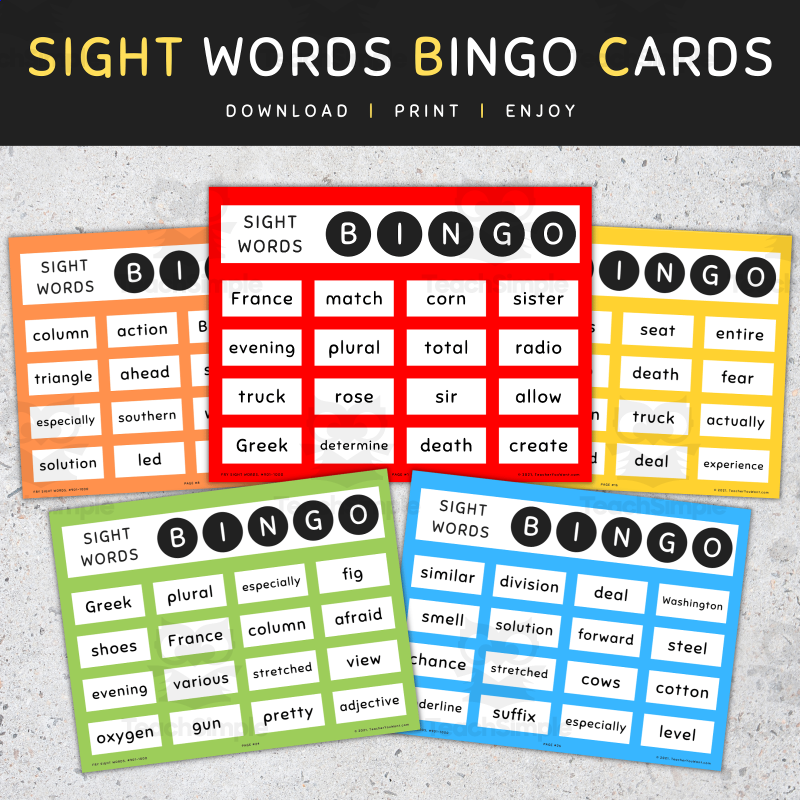
Play bingo using cards populated with Fry sight words #901-1000, marking/covering words as called to practice word recognition.

Read a 6th-grade-level informational passage comparing literacy rates and standard of living in Brazil, Cuba, and Mexico; label a bar chart of each country's literacy rate; complete a 4-fact graphic organizer; complete a vocabulary matching exercise (literacy, literacy rate, standard of living, impoverished); do an…
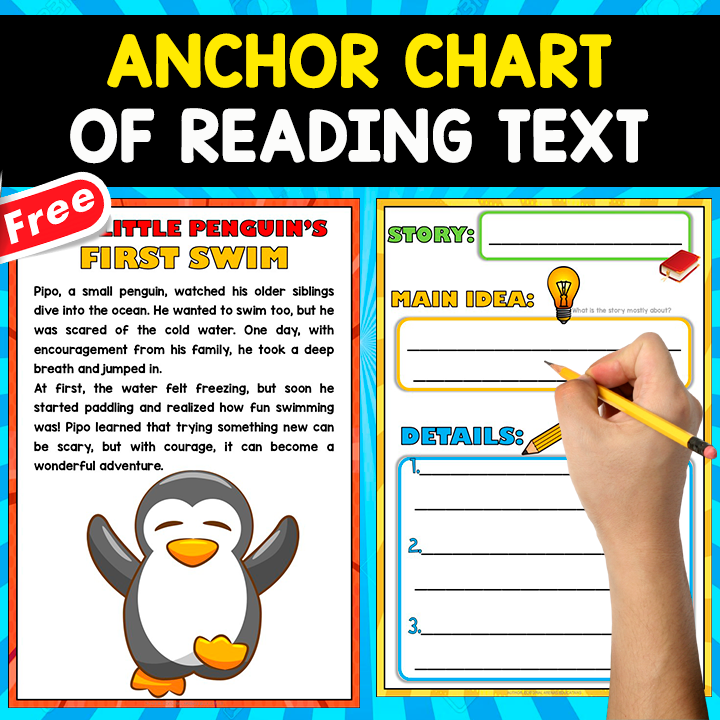 Free download
 Read a short original story, then fill in a blank graphic organizer identifying the story title, the main idea, and three supporting details; a second, already-completed example organizer using the fable 'The Lion and the Mouse' models how to do this.
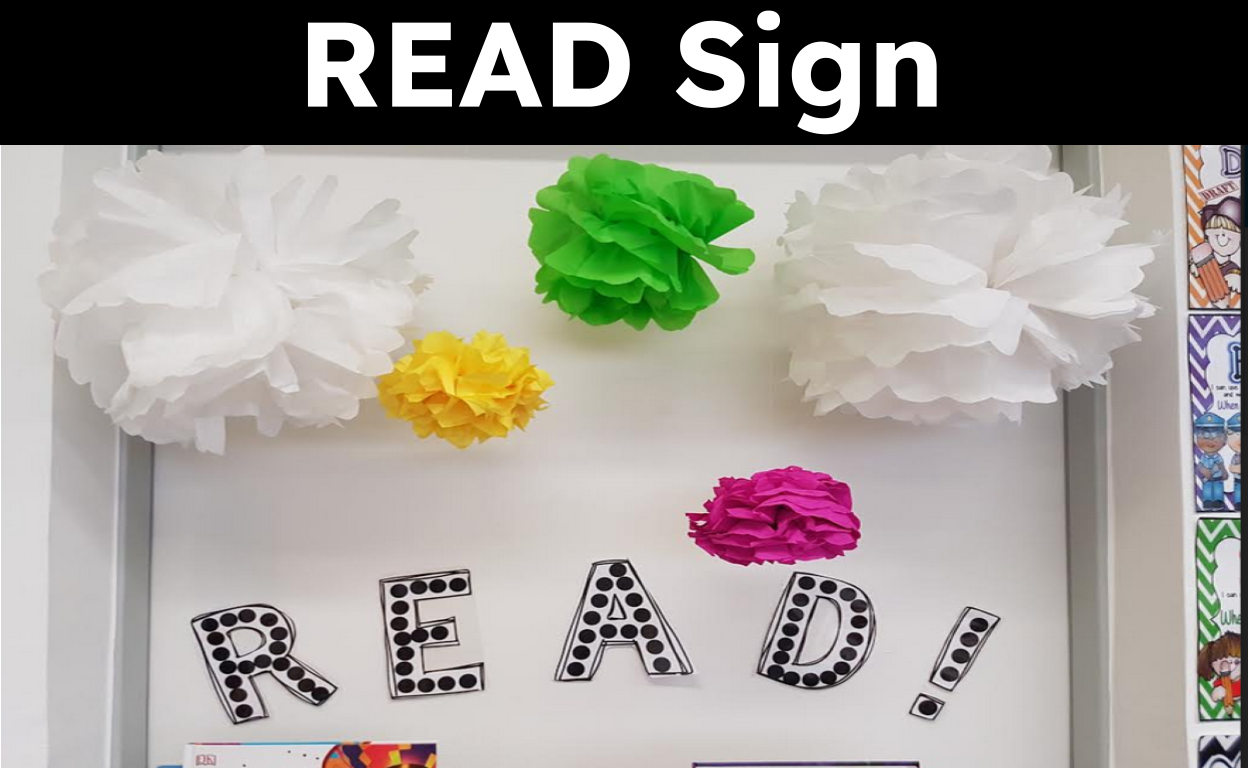
None (decor item, not a student activity); teacher prints, cuts, and assembles/displays the letters.
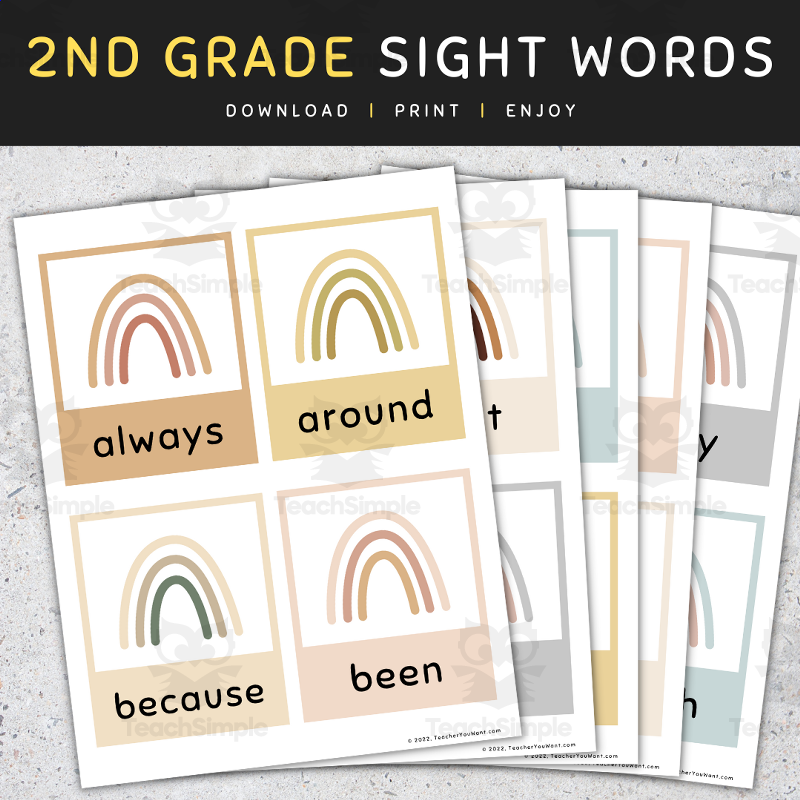
Sight word flash cards for 2nd Grade (Boho Rainbow Set 3), for word recognition, reading, and spelling practice.
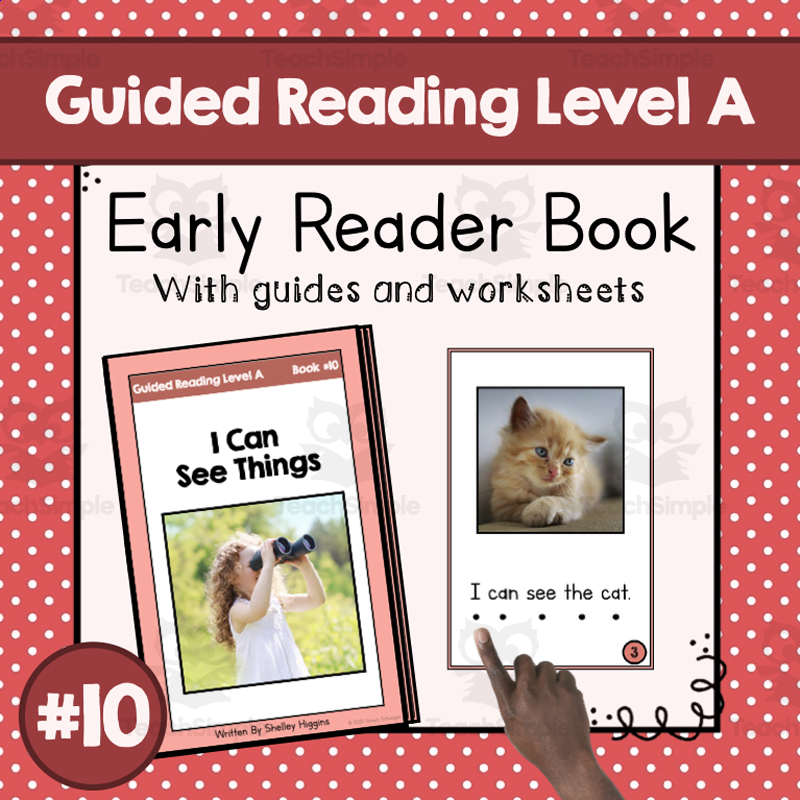
Read a leveled booklet with one line of text per page (using nouns and picture clues), use finger-tracking dots to point to each word, find more nouns around the classroom, and practice checking/writing target sight words.
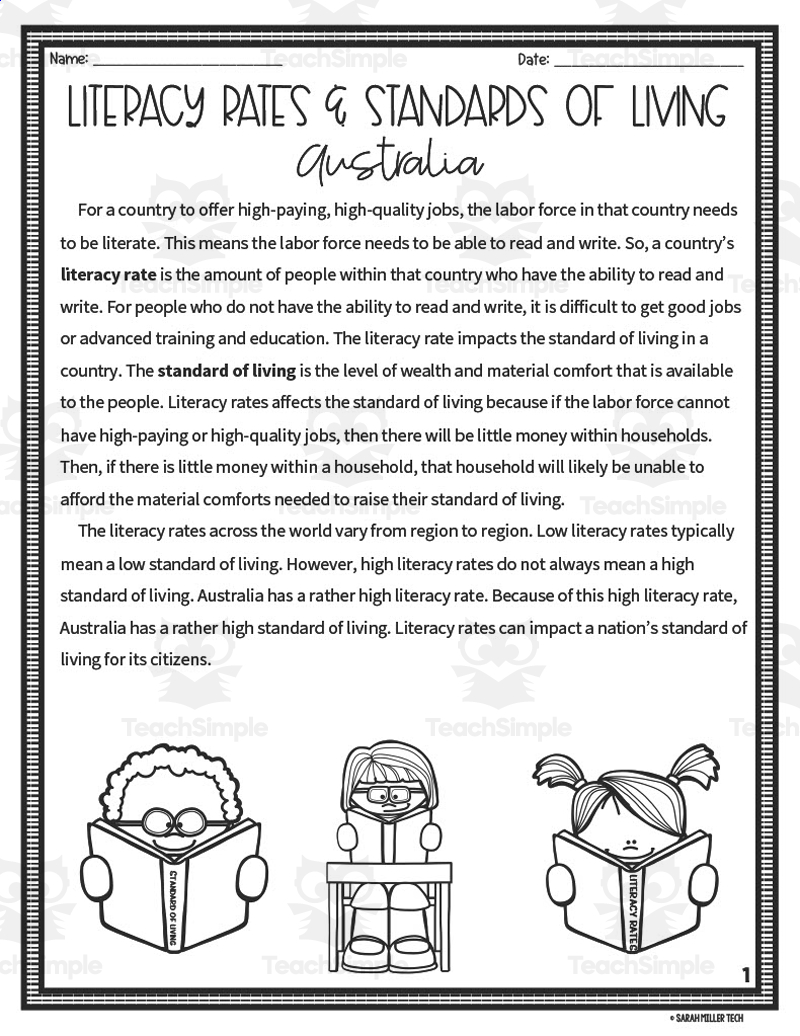
Read a short informational passage about literacy rates and standard of living in Australia; label a bar chart comparing literacy rates of Australia, New Zealand, and Indonesia; complete a 4-fact graphic organizer; complete a vocabulary matching exercise (literacy, literacy rate, standard of living, impoverished); do an…
 Free download
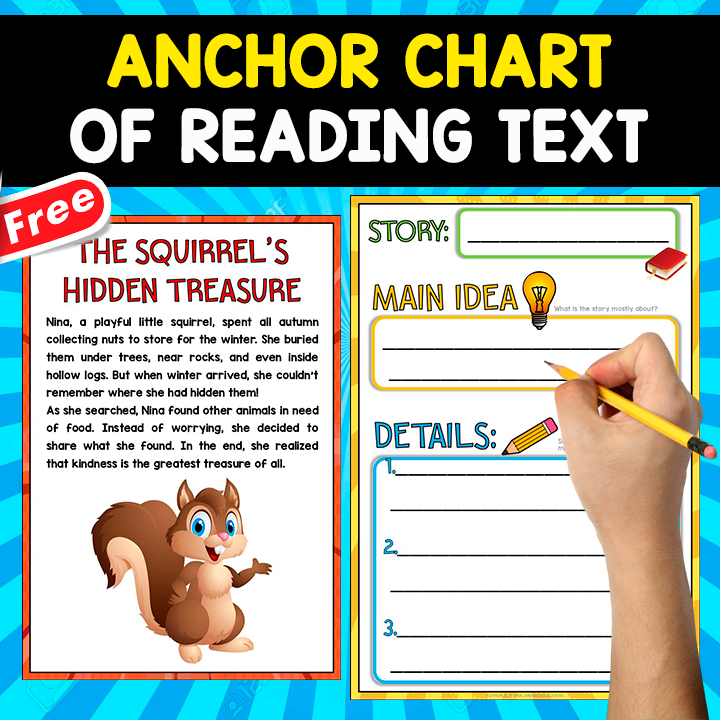
 Read a short original story, then fill in a blank graphic organizer identifying the story title, the main idea, and three supporting details; a second, already-completed example organizer using the fable 'The Lion and the Mouse' models how to do this.

Read a writing prompt and accompanying nonfiction texts, fill in Pixanotes guided notes (at varying levels of scaffolding, from fully pre-printed to fill-in-the-blank), play a related game, and draft an informative essay.
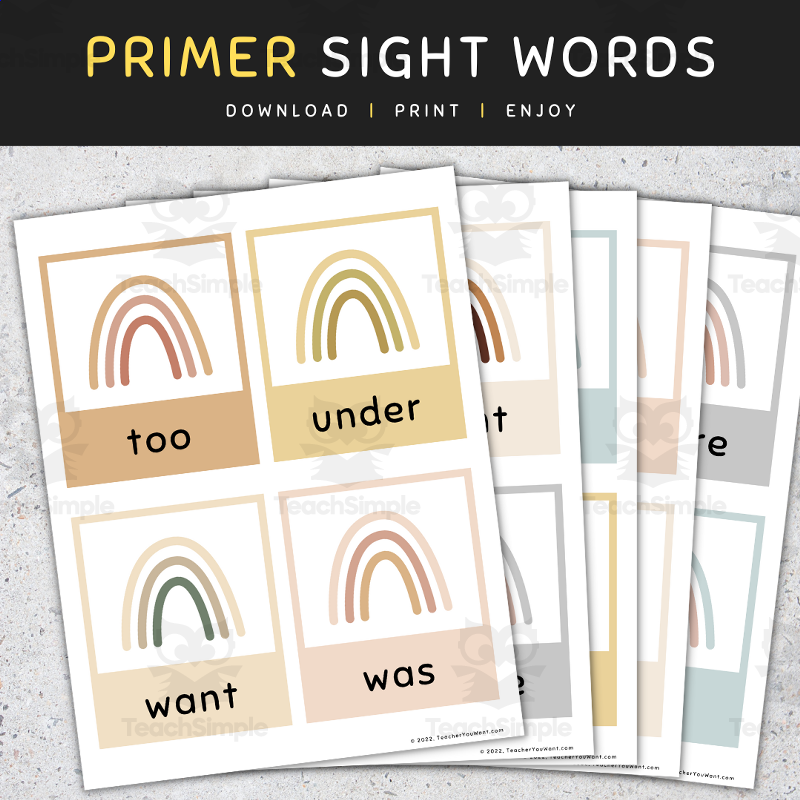
Look at and read aloud each printed primer sight word (e.g. all, am, are, at, ate, be, black, brown, but, came, did, do, eat, four, get, good, have, he, into, like, must, new, no, now, on, our, out, please, pretty, ran, ride, saw, say, she, so, soon, that, there, they, this, too, under, want, was, well, went, what, white, who, will,…
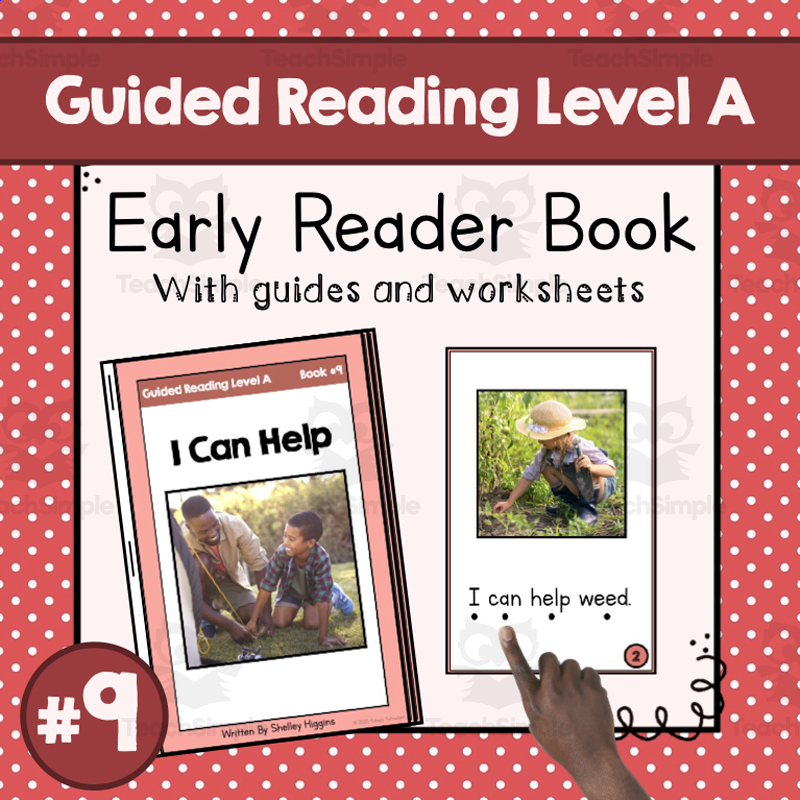
An early reader booklet (#9 in a Guided Reading Level A series) that teaches emergent readers to recognize sight words and read simple repetitive sentence patterns.
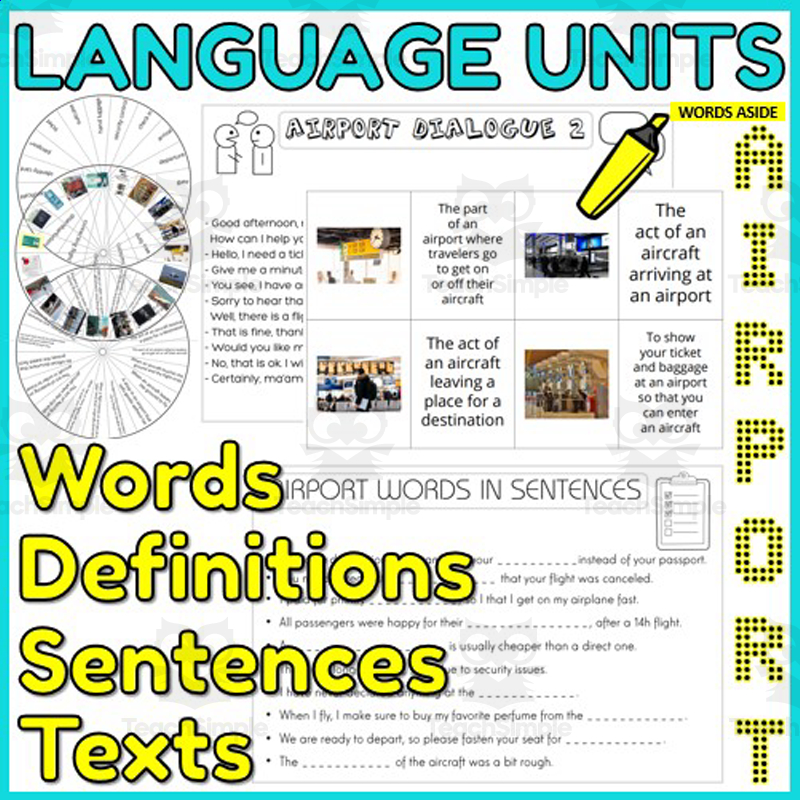
Read/practice scripted airport dialogues (check-in, ticket purchase, pre-flight conversation) and PA announcements; learn and use airport-related vocabulary (gate, arrival, departure, check-in, security control, suitcase, etc.).
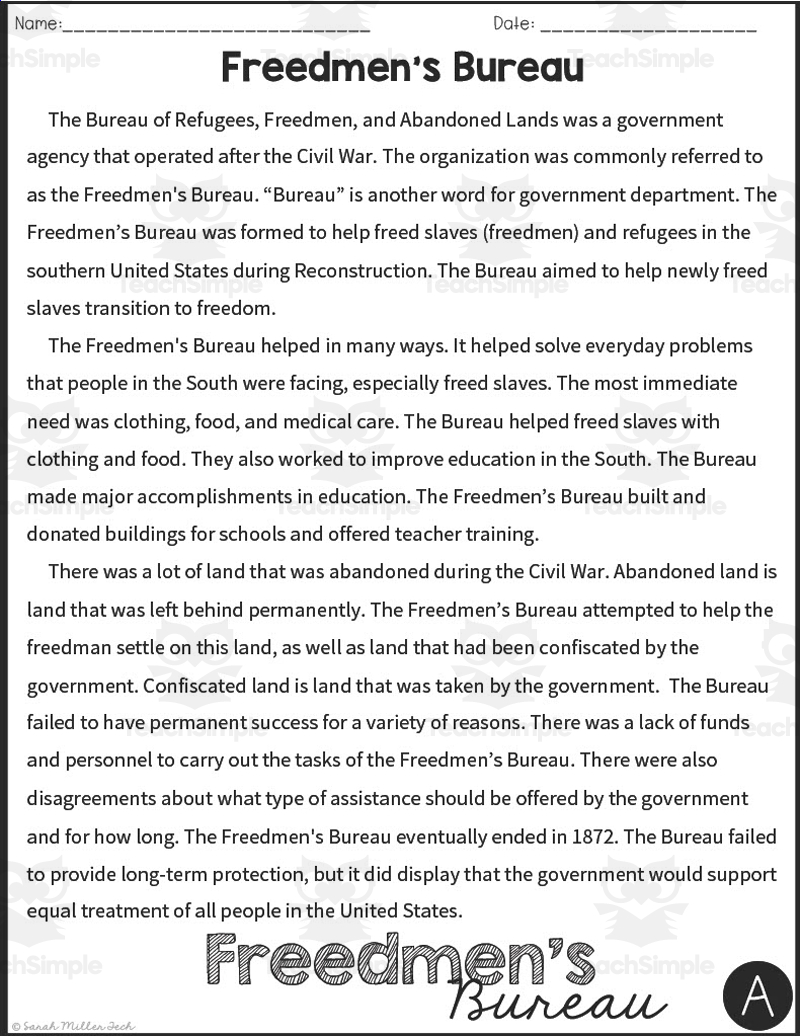
Read one of two leveled versions (A = higher reading level, B = lower) of the passage, then complete a graphic organizer, multiple-choice comprehension questions, and short-answer/vocabulary items about the passage.